

Promotional umbrellas
- Price, low to high
- Price, high to low
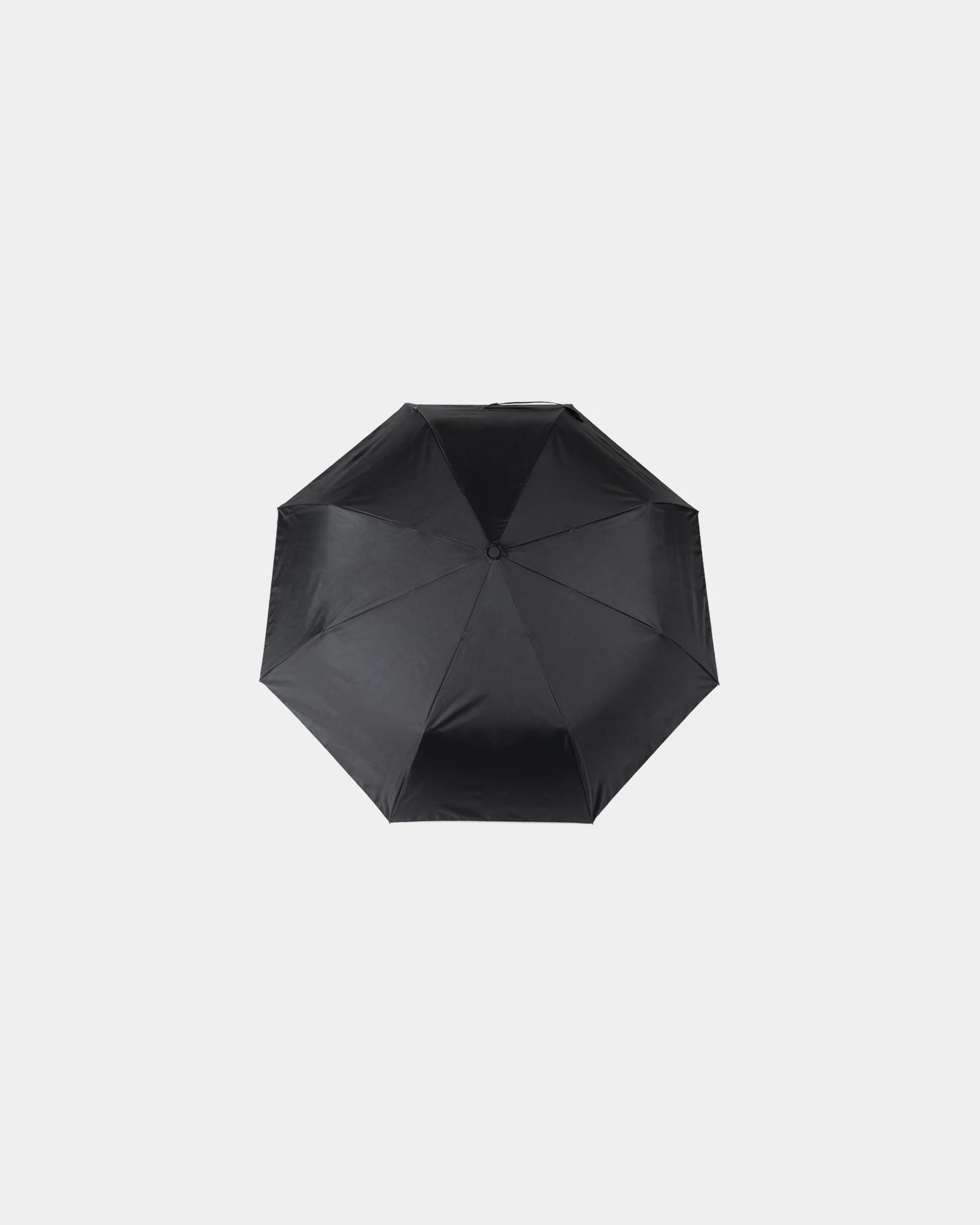


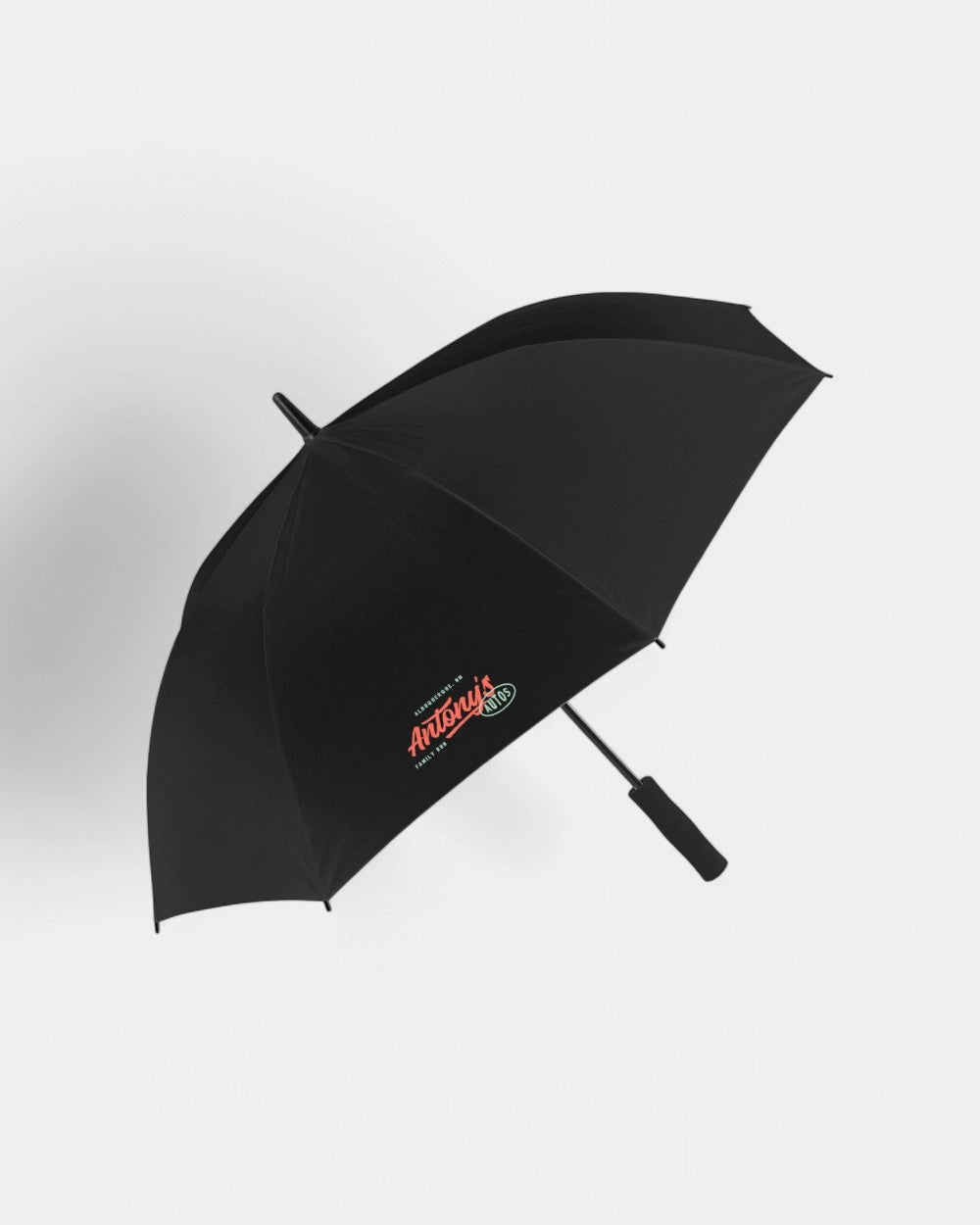


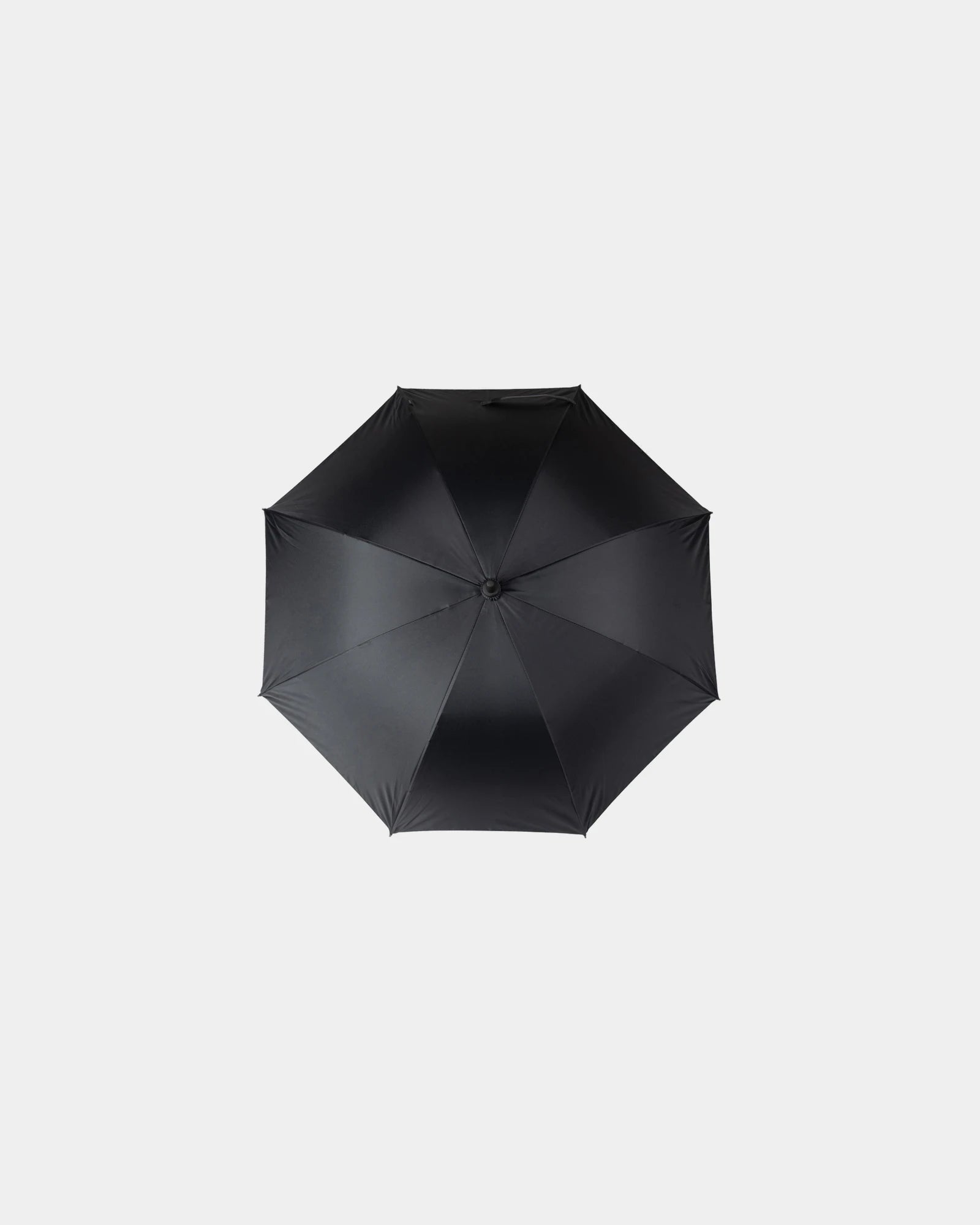


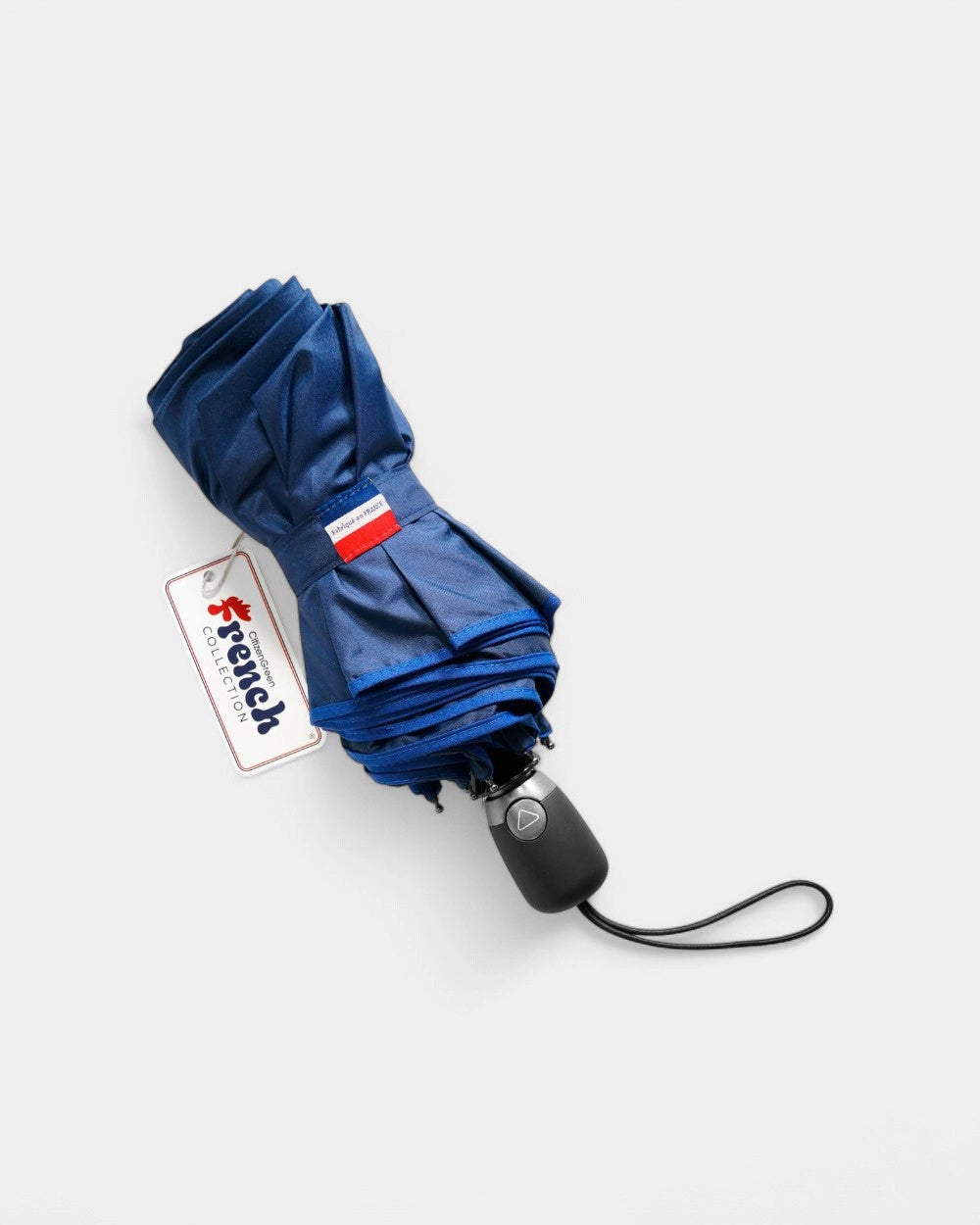


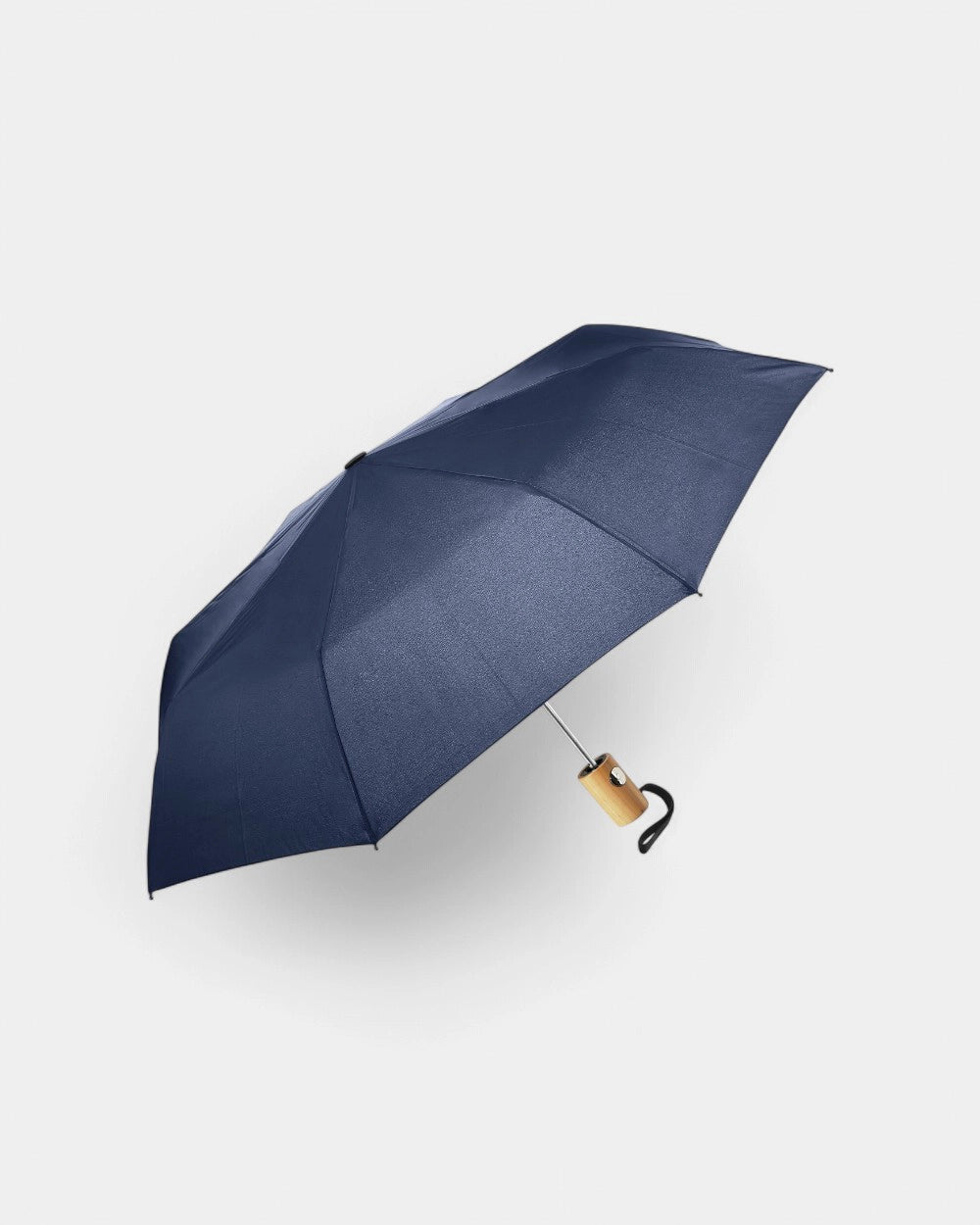


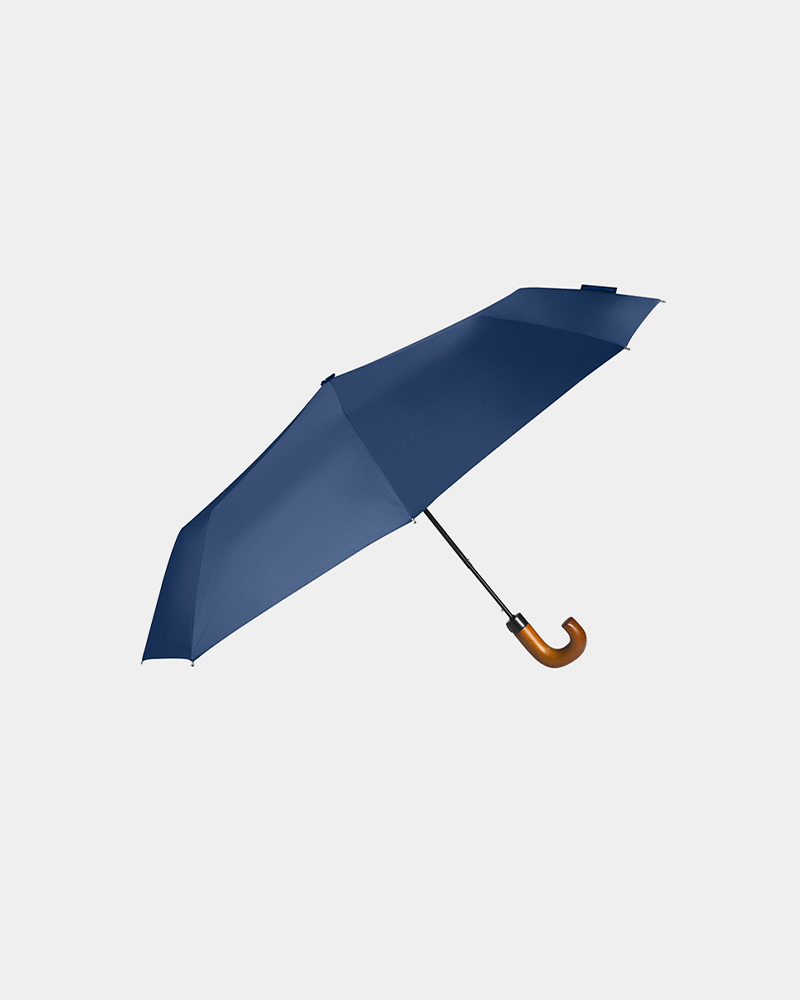






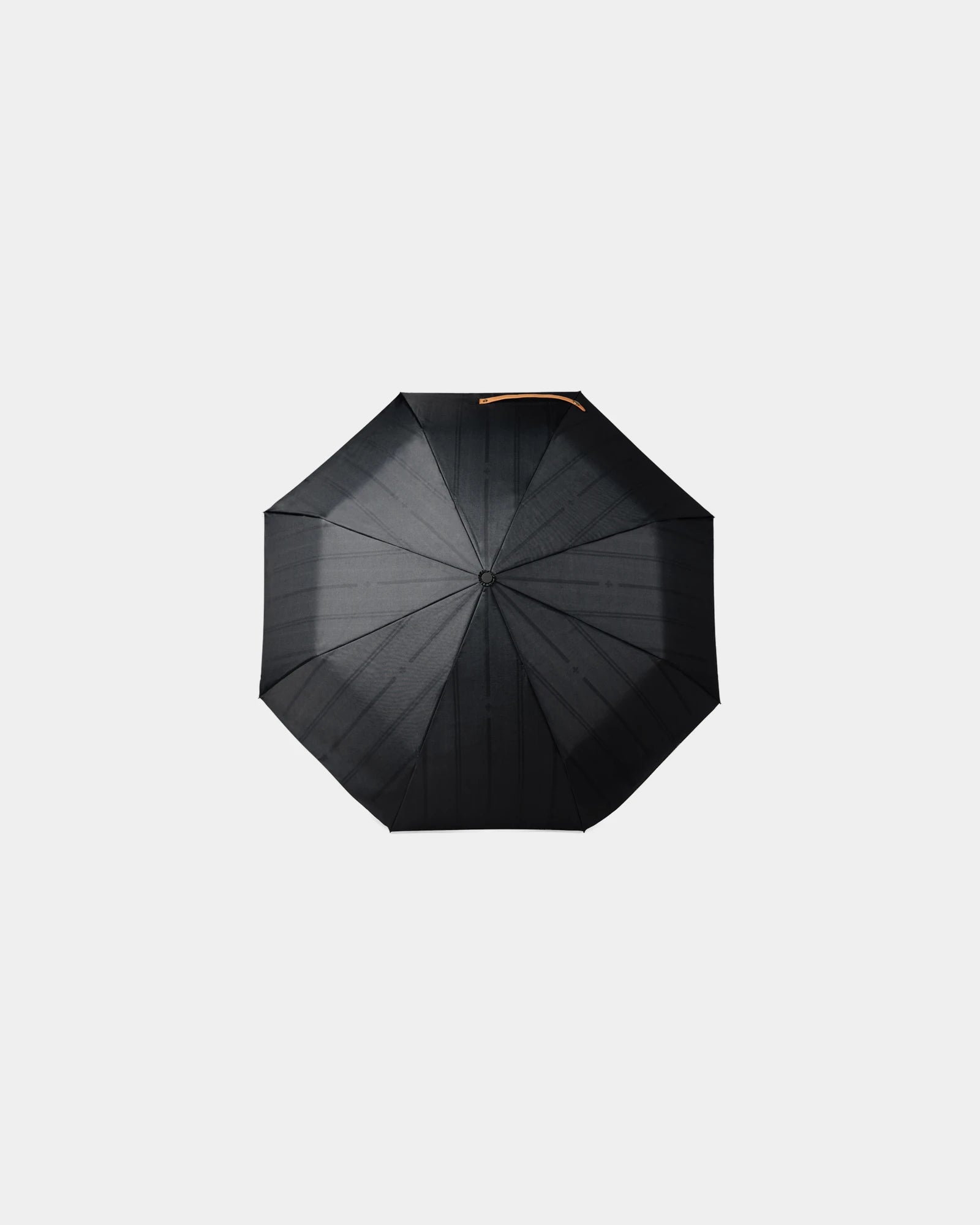


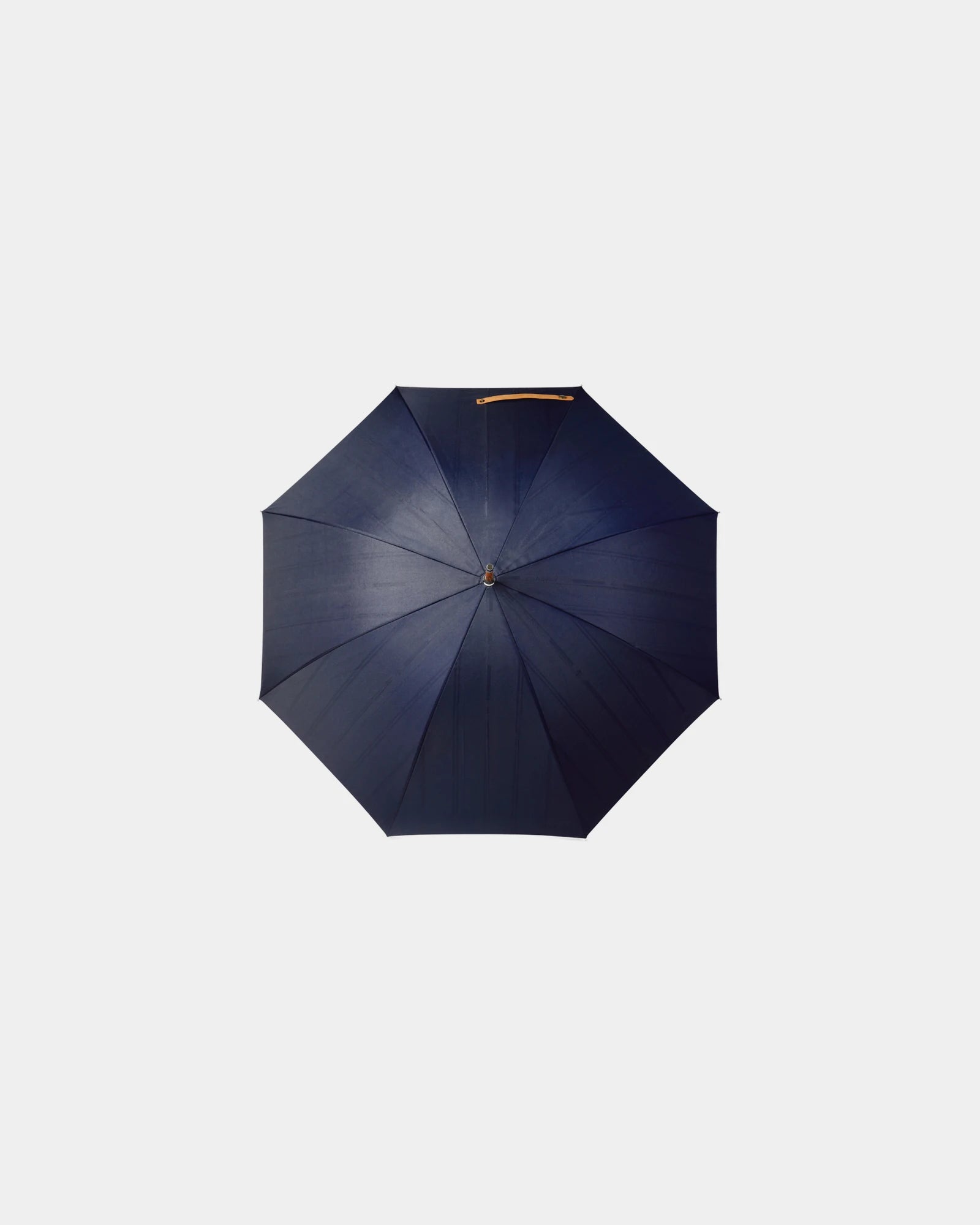


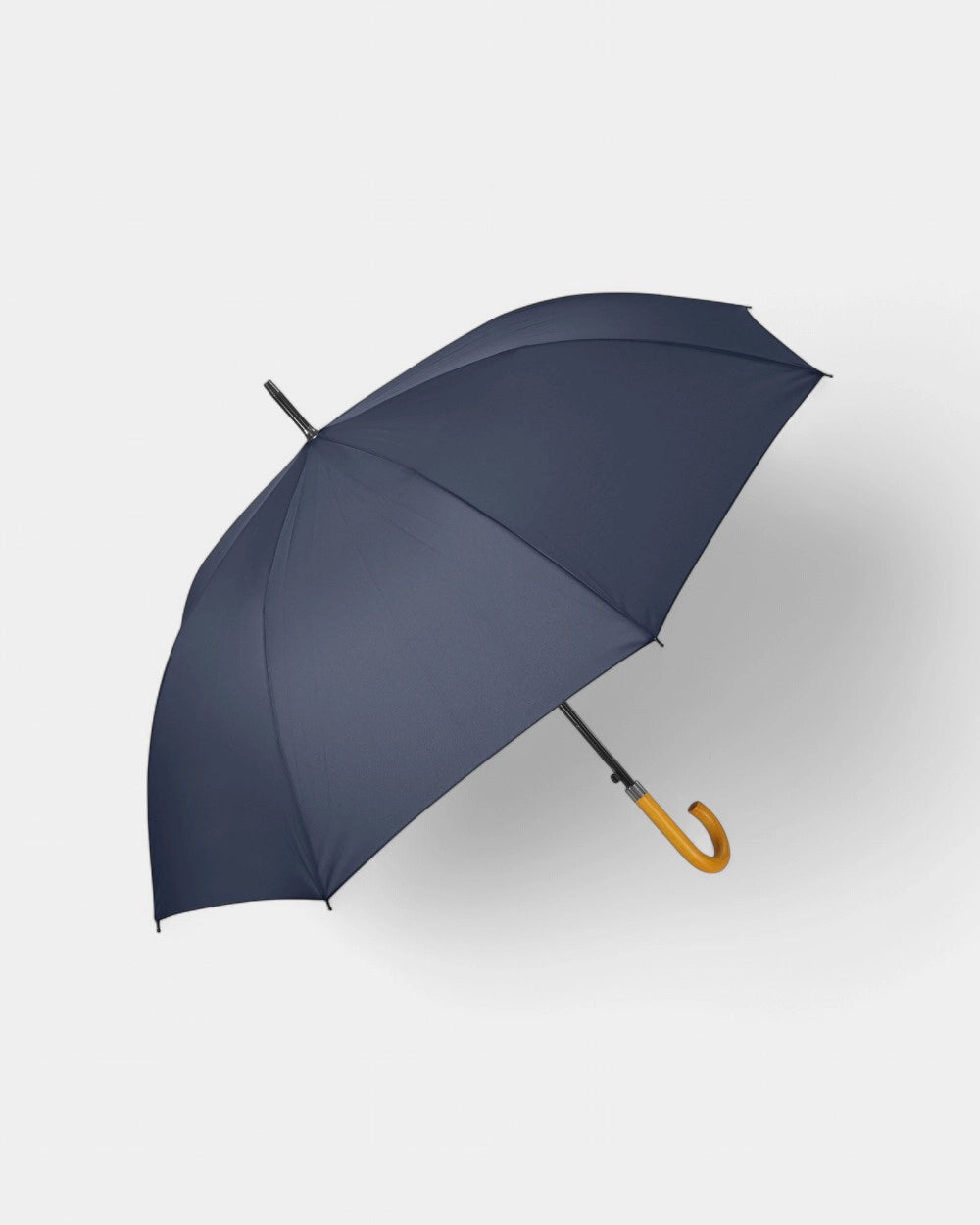


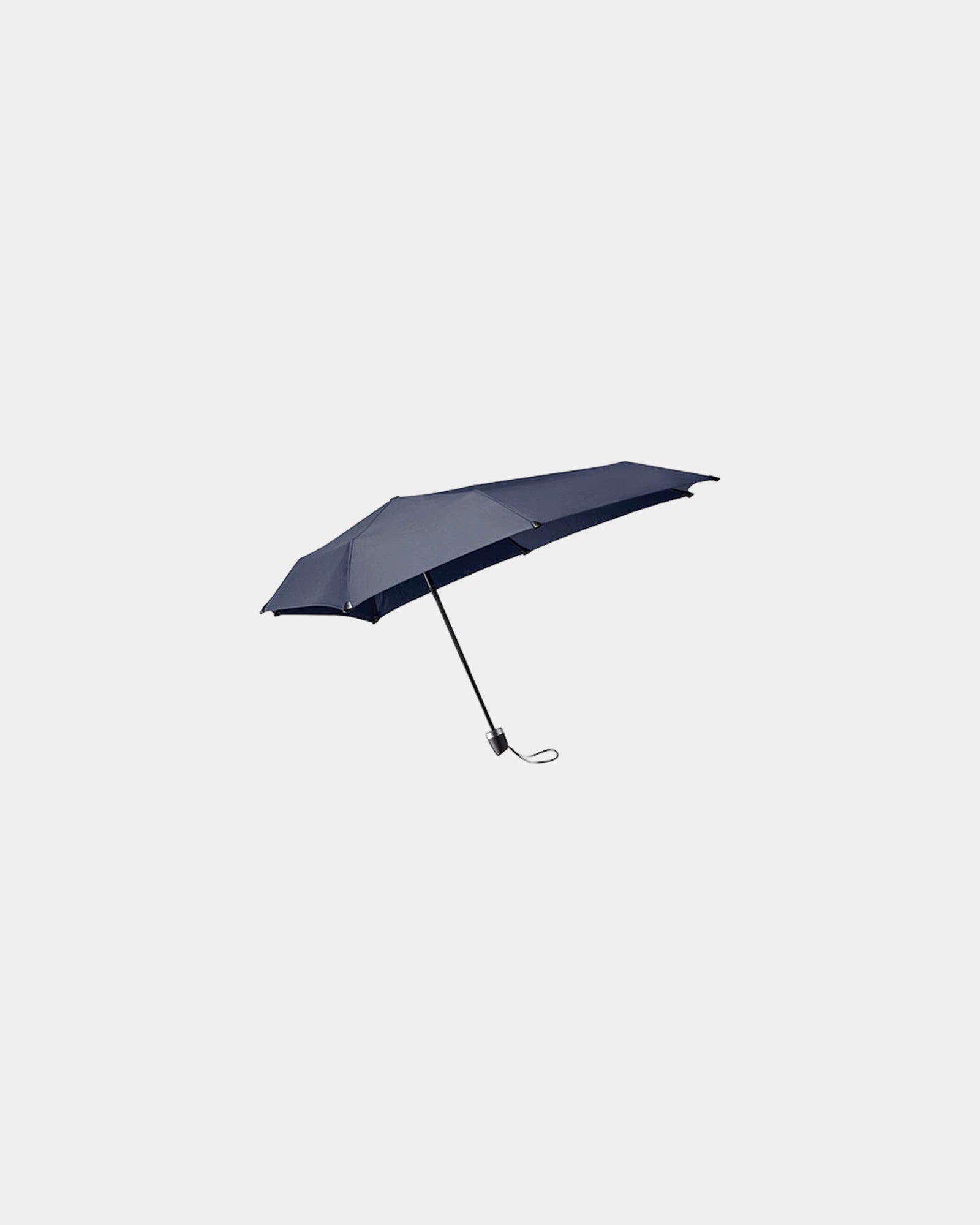


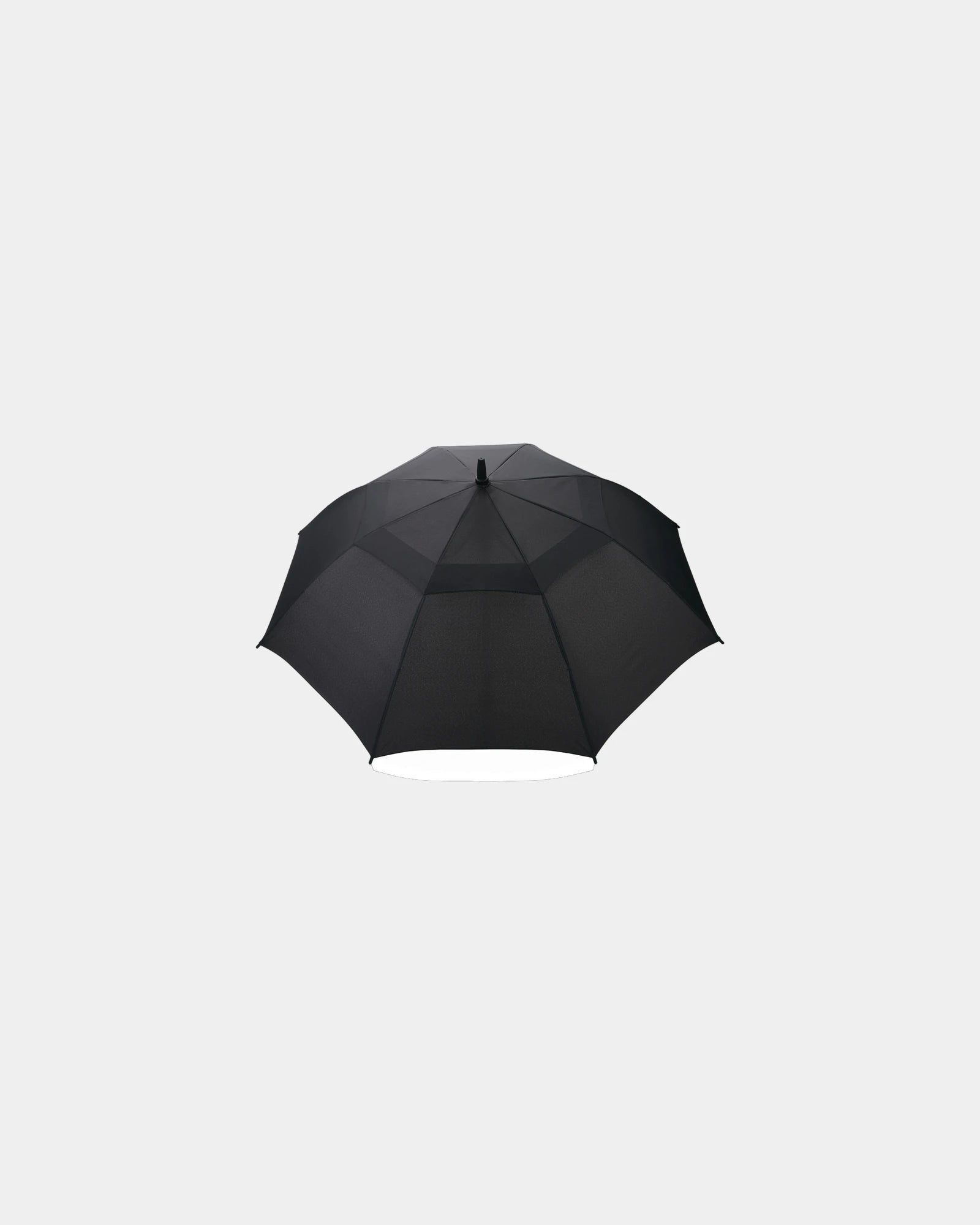


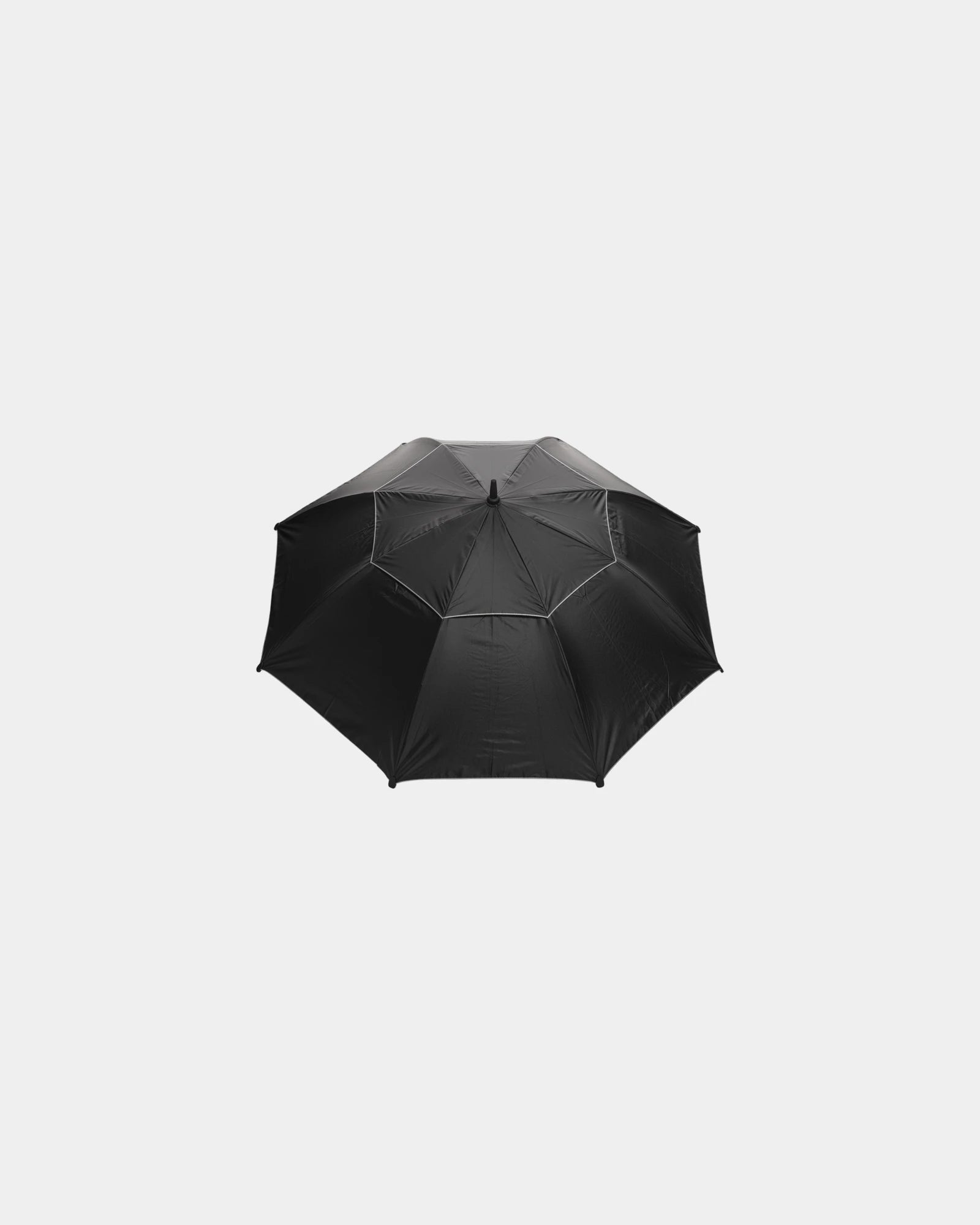


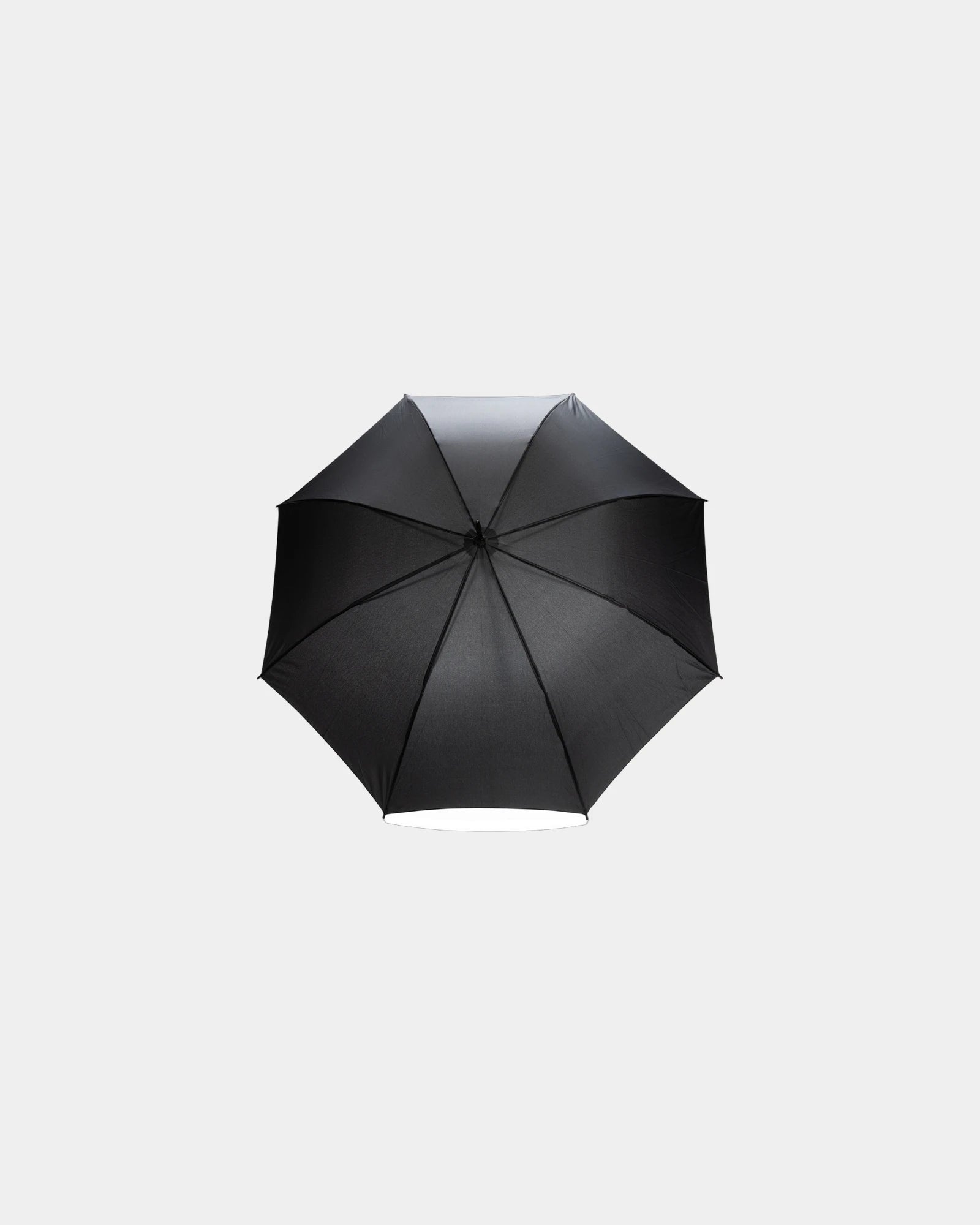


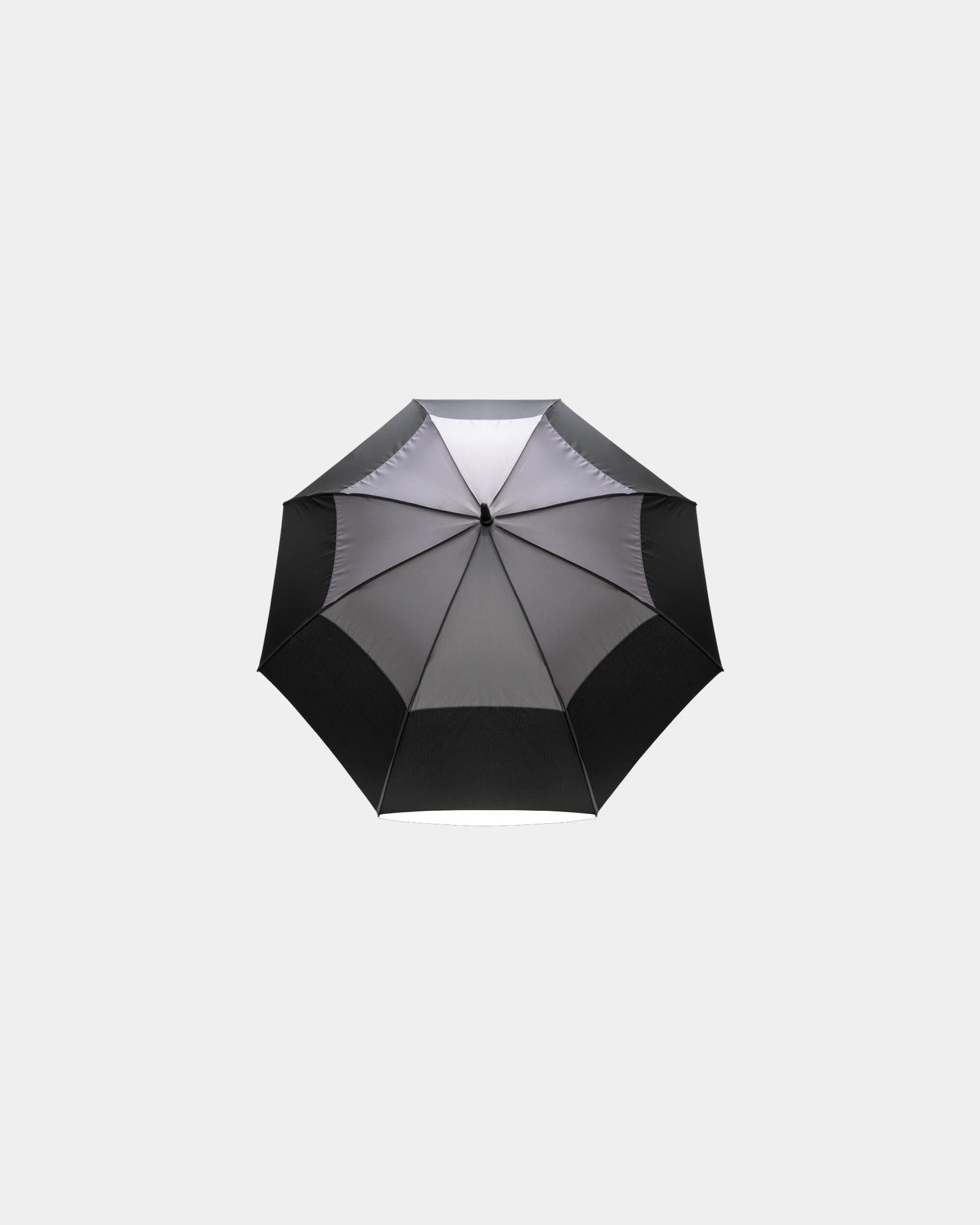










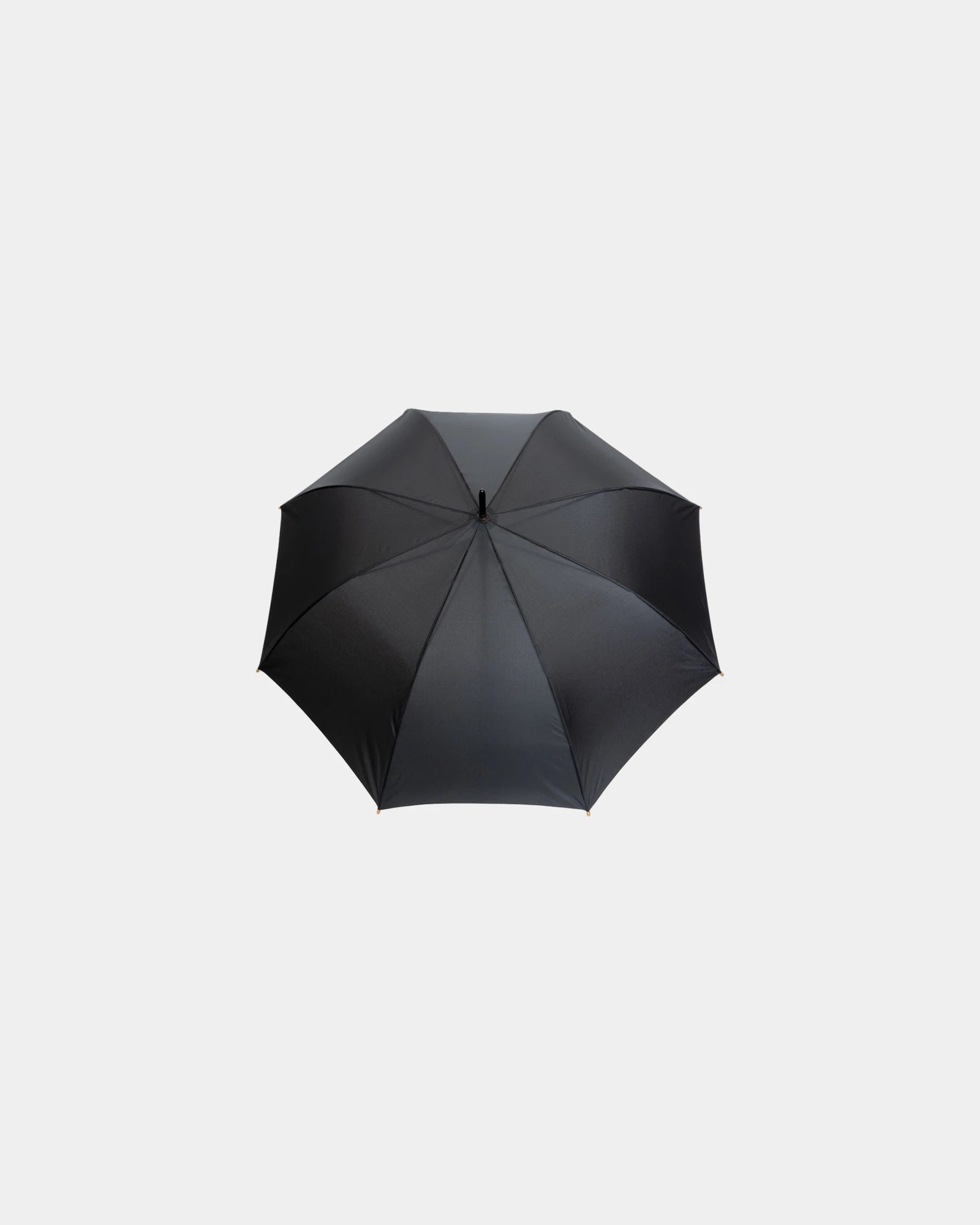


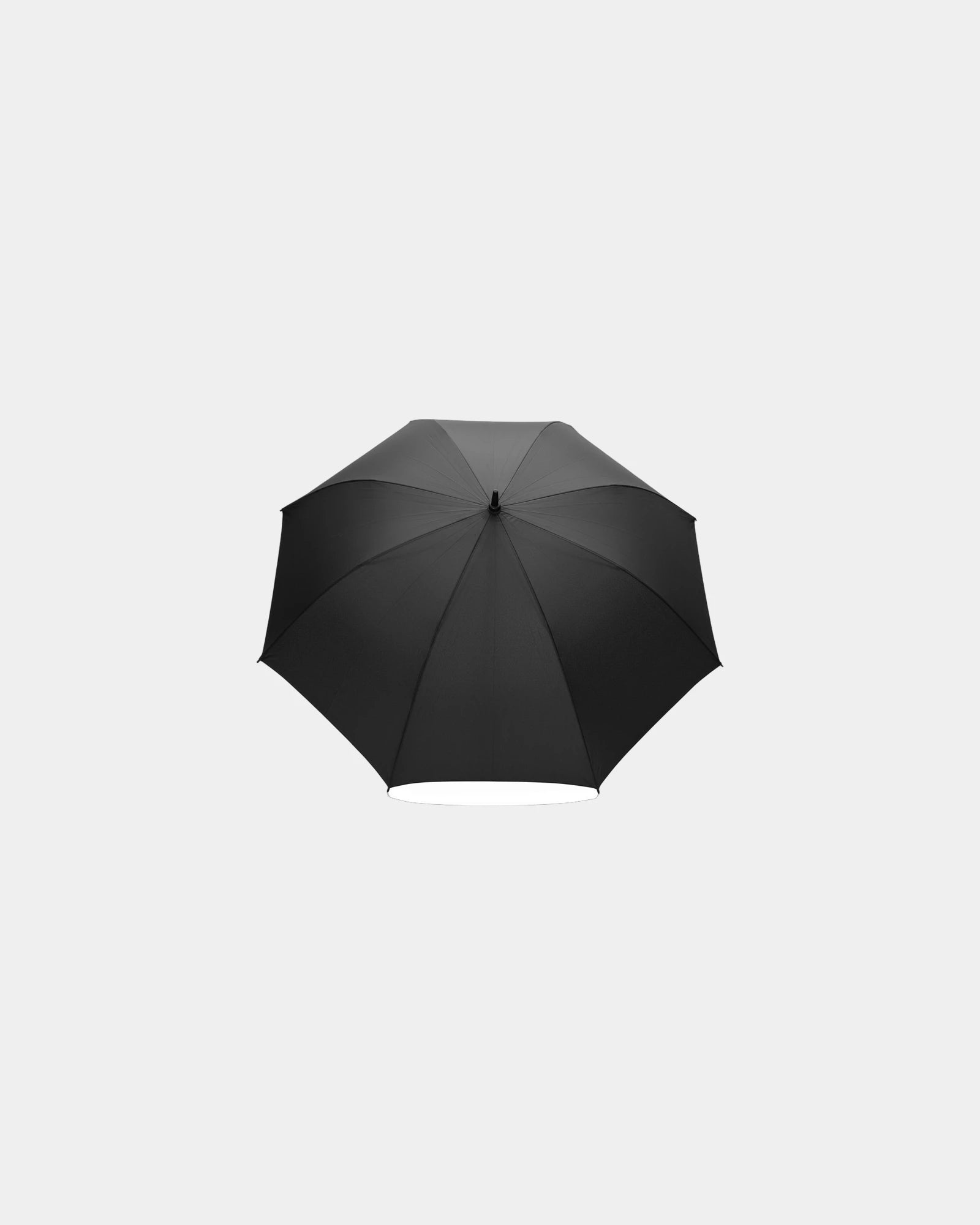






















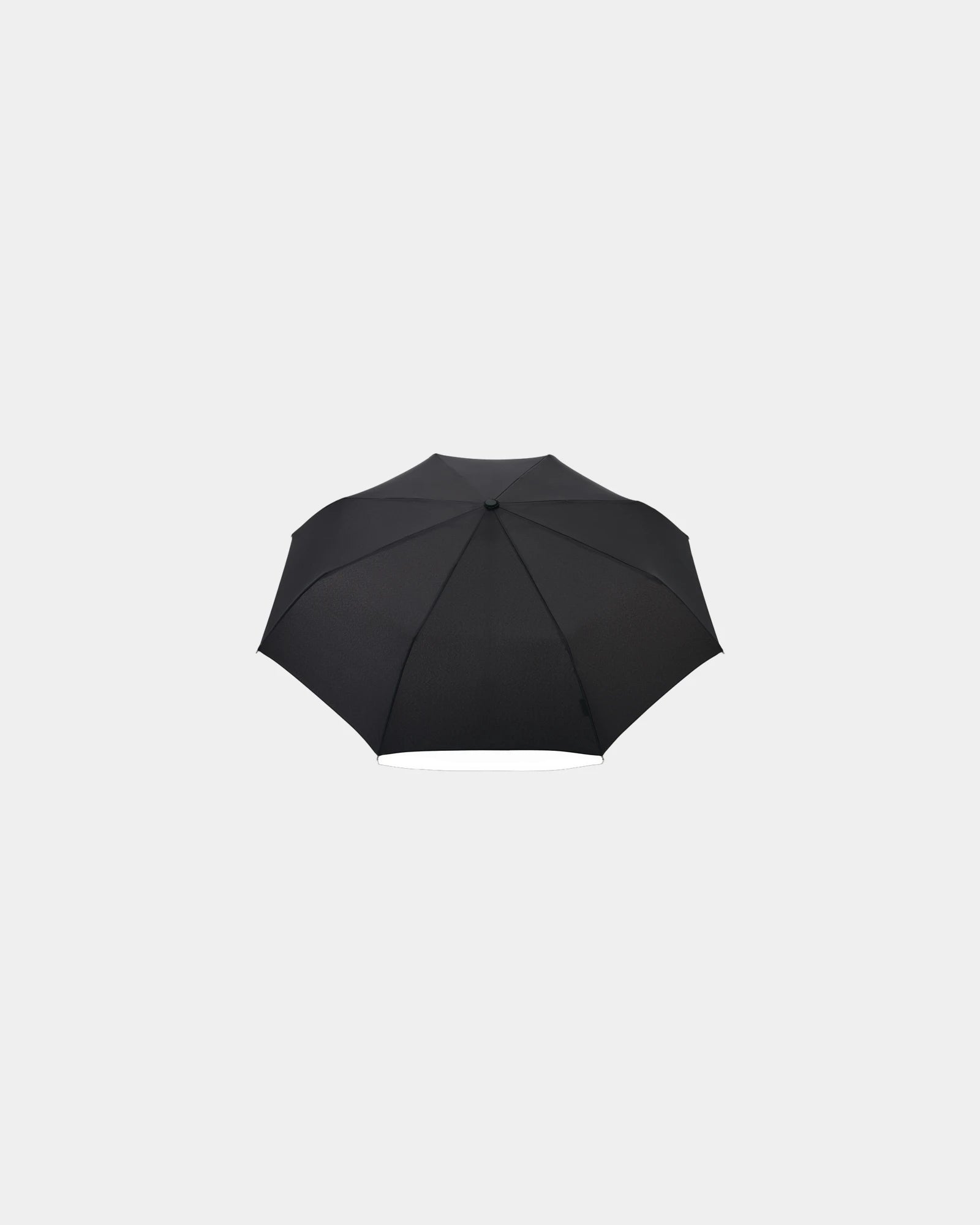


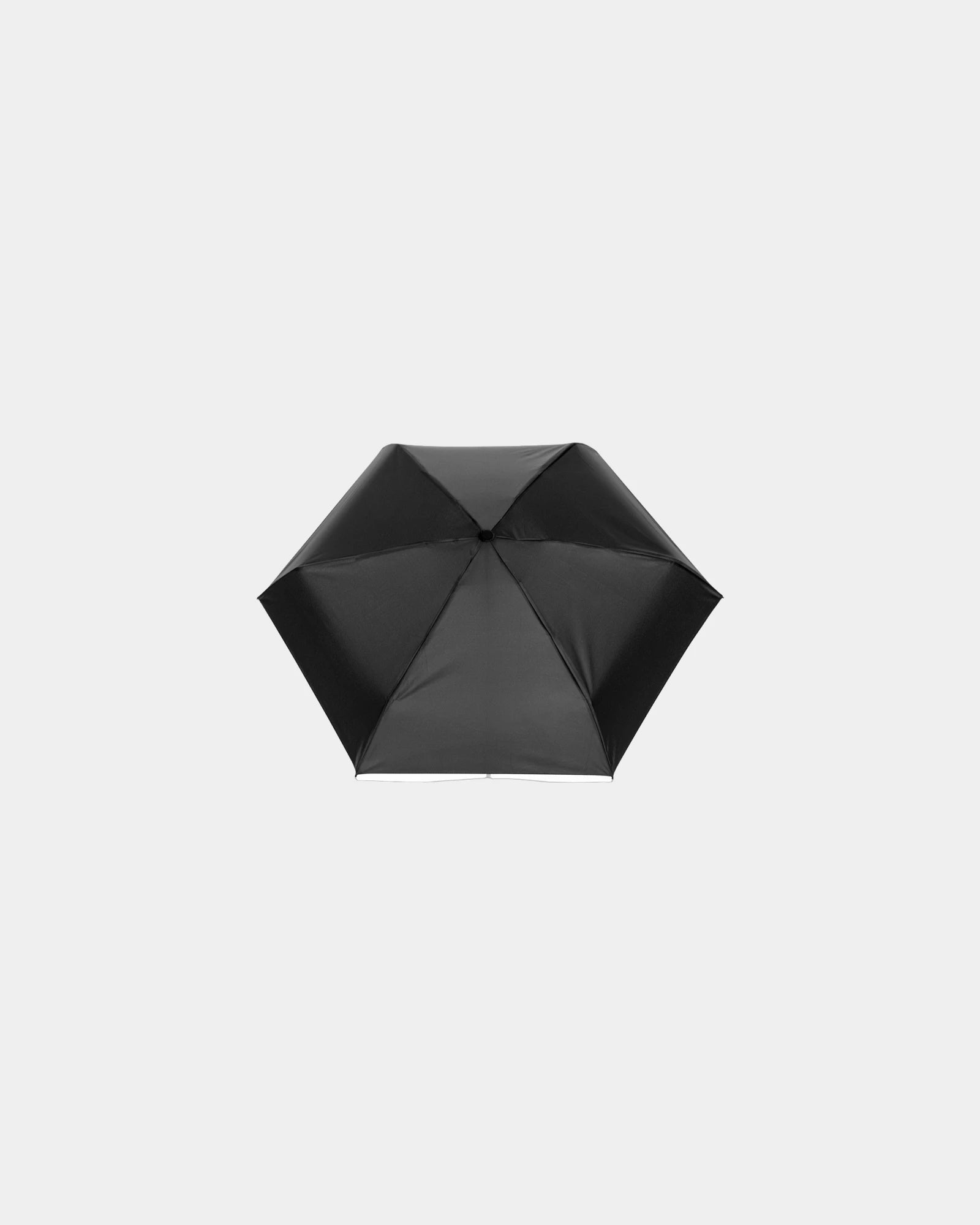


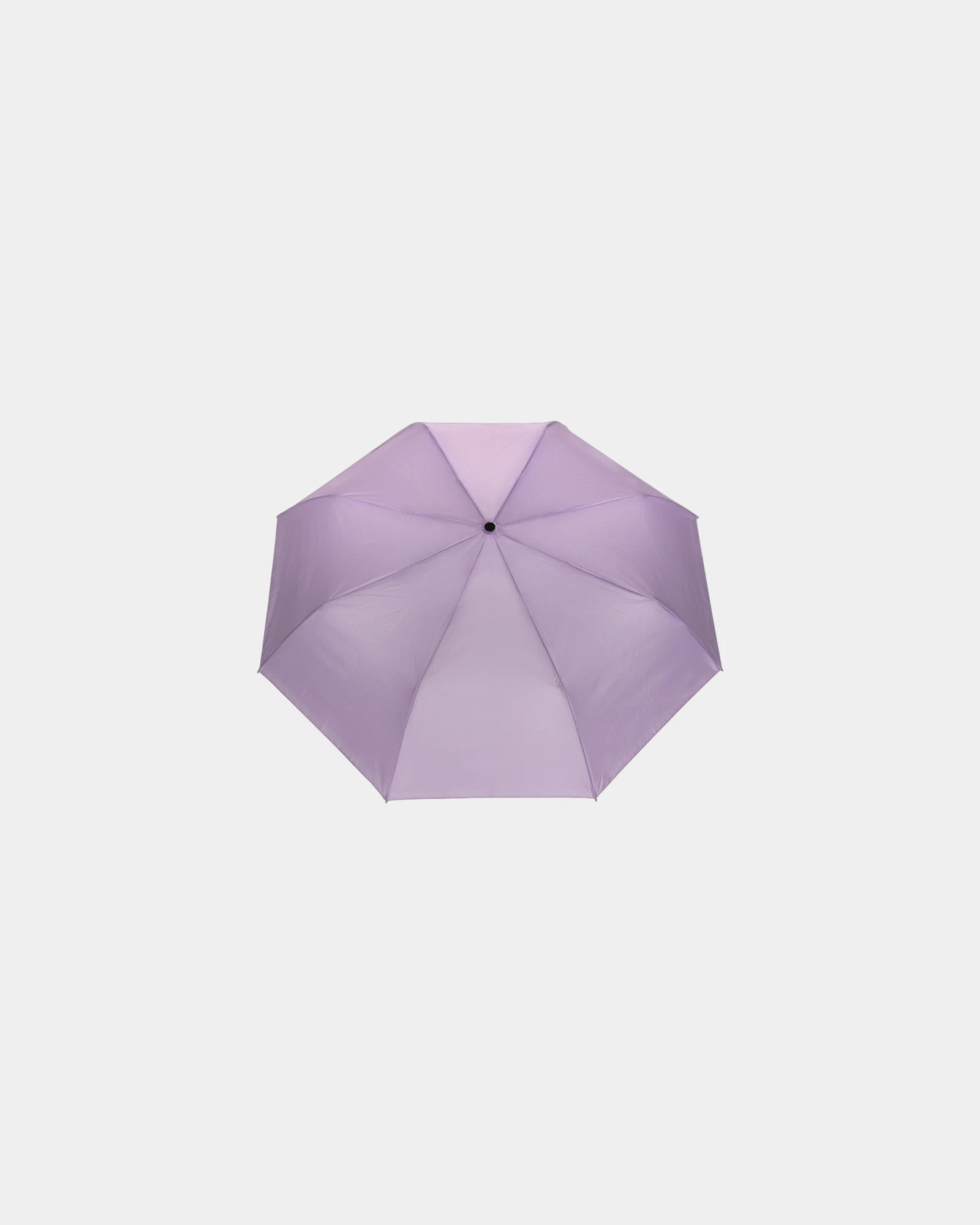


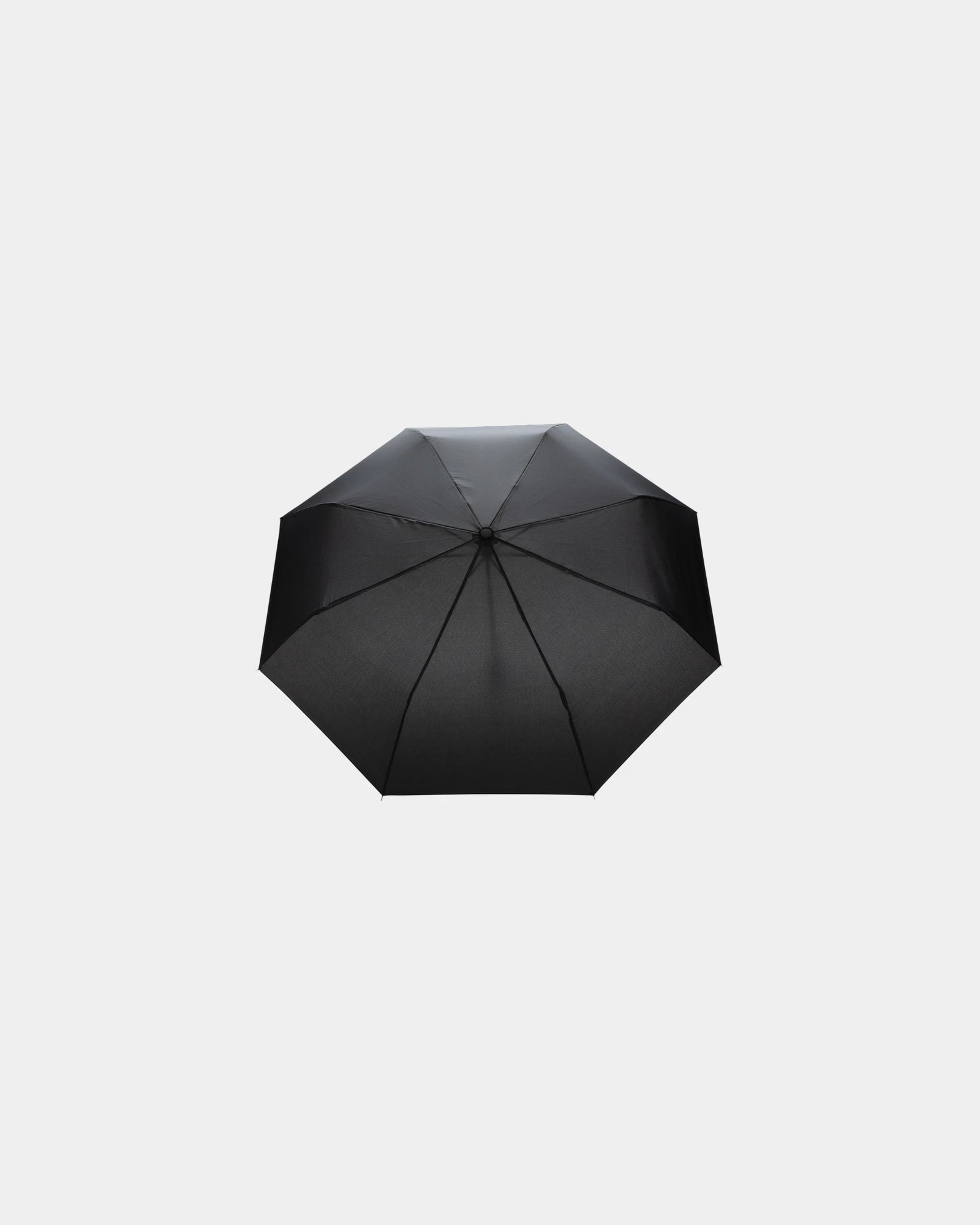










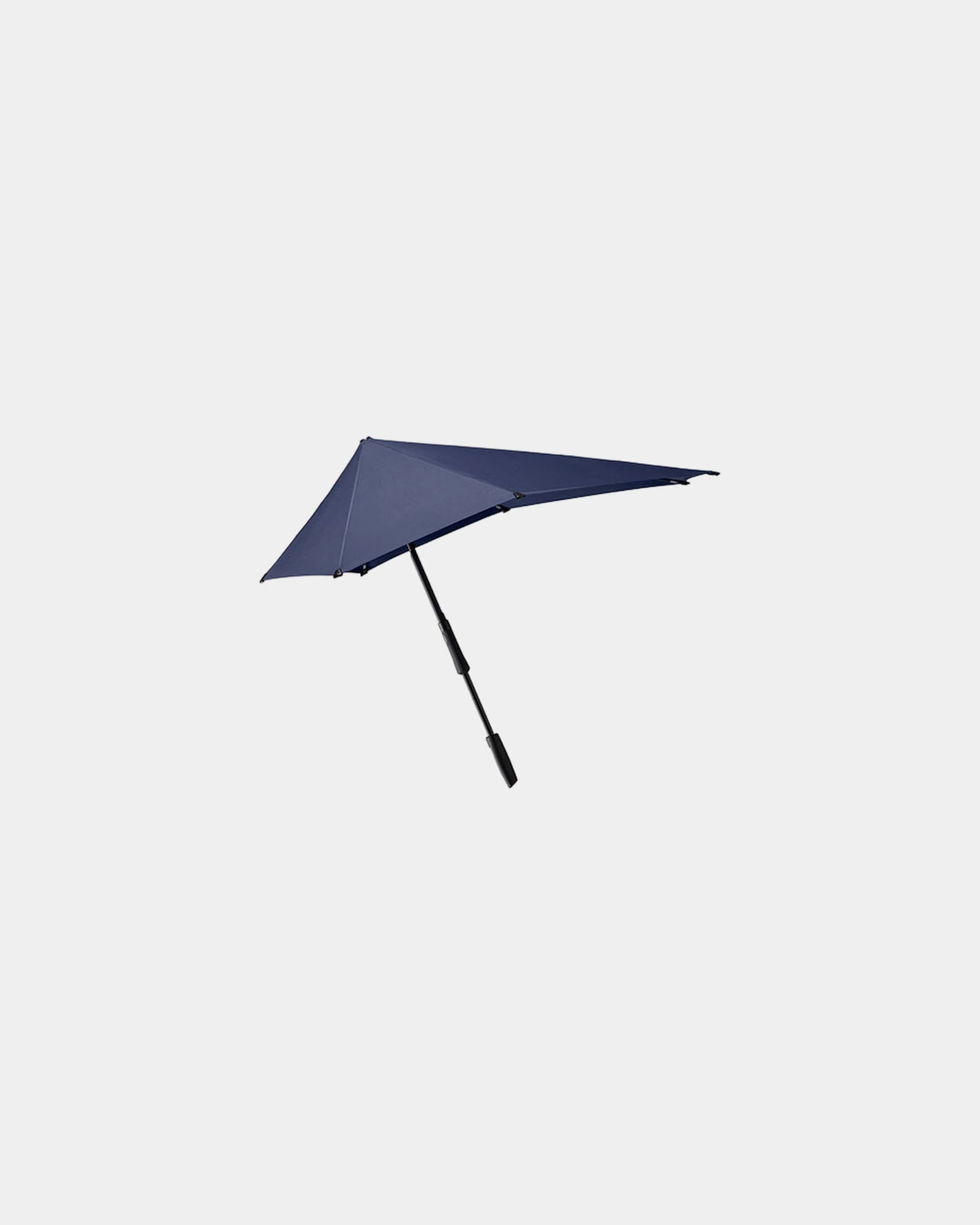


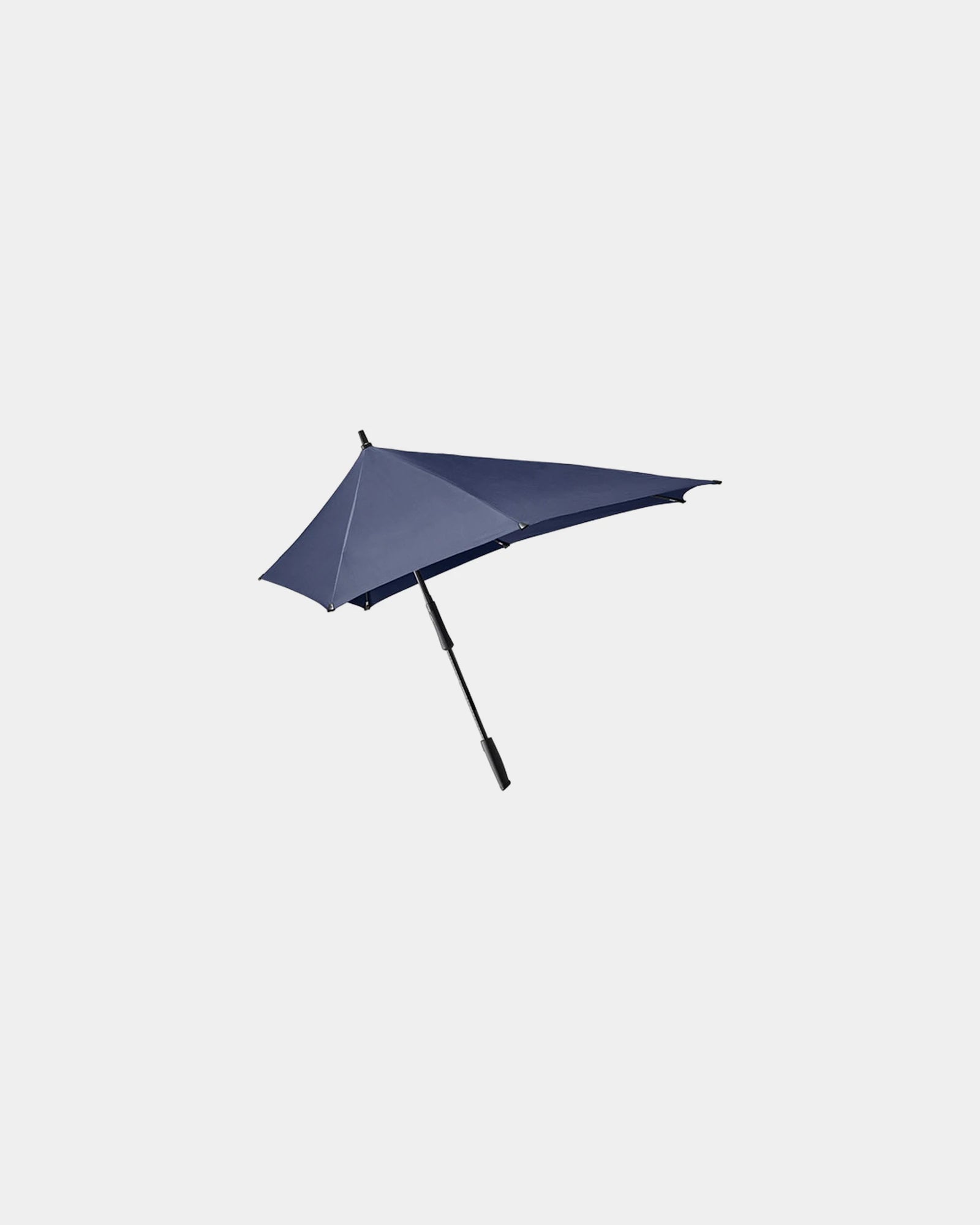


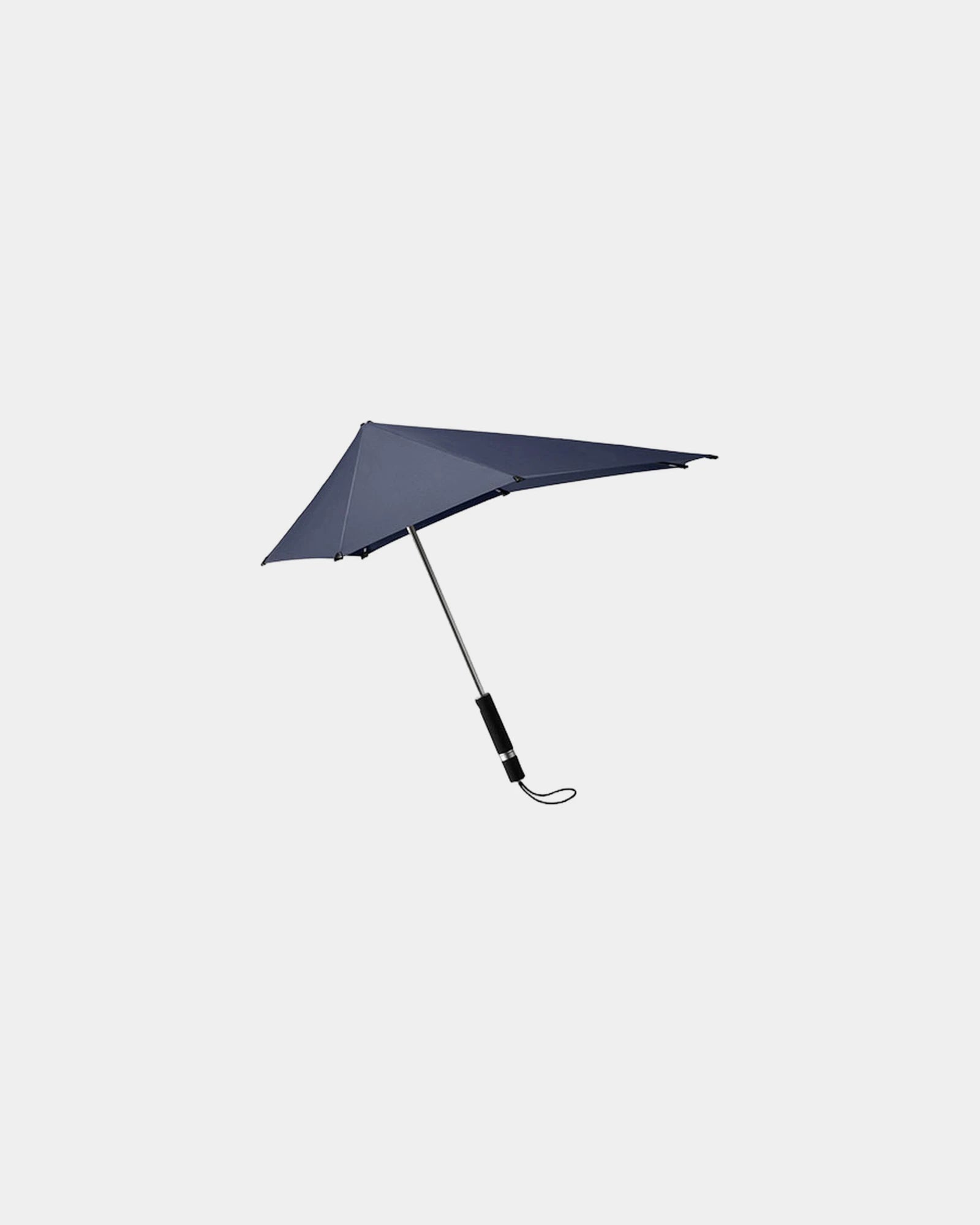


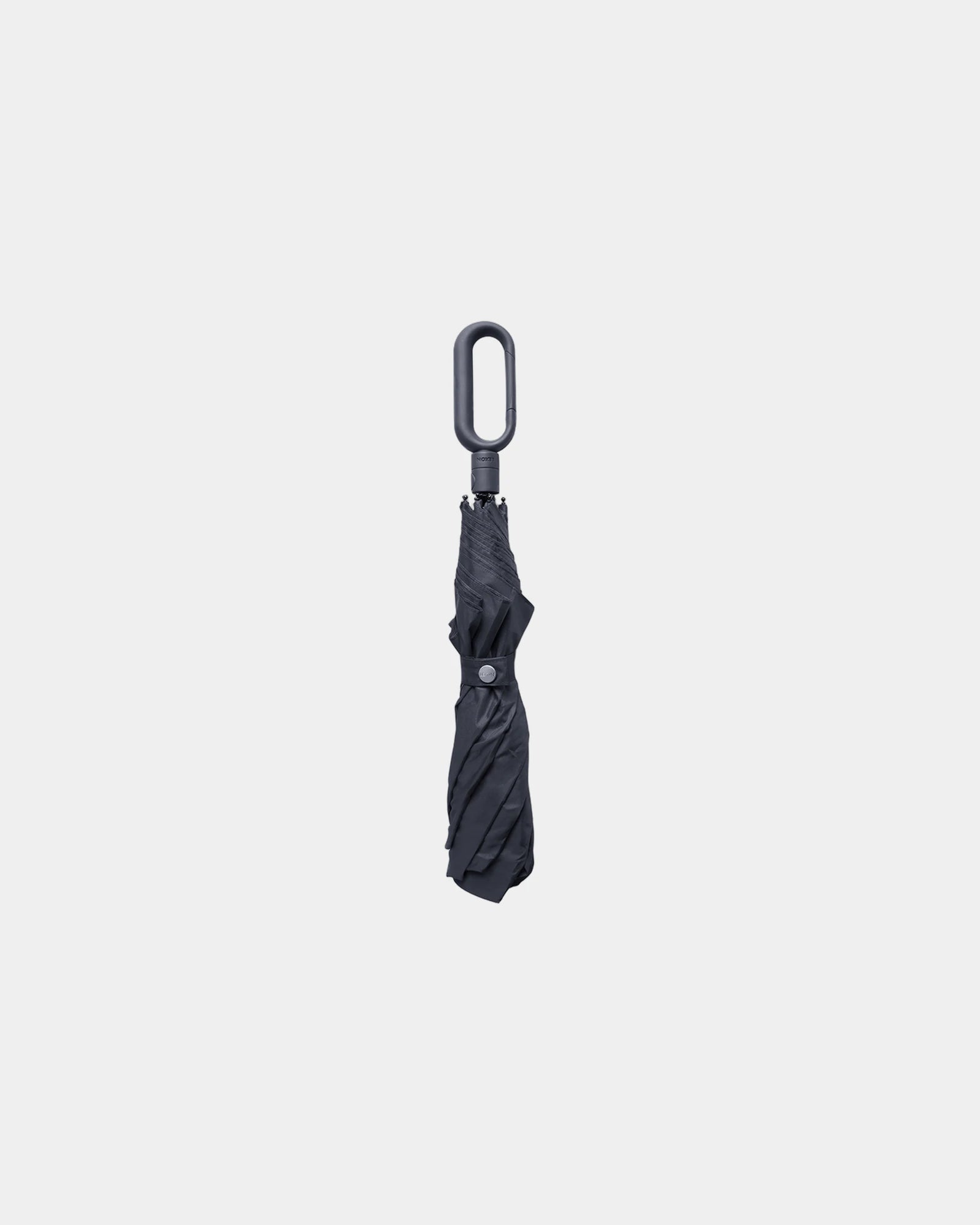


Treat your clients and employees!

FAQ - Branded umbrellas
Trusted by 1,000+ companies
How personalised umbrellas behave in wind, and why it decides everything
Picture a stand on a windy seafront promenade, gusts running off the water at forty miles an hour. A cheap branded umbrella inverts on the first hard squall, and your logo spends the afternoon turned inside out. Wind behaviour, not print, is the first spec that decides whether the day works.
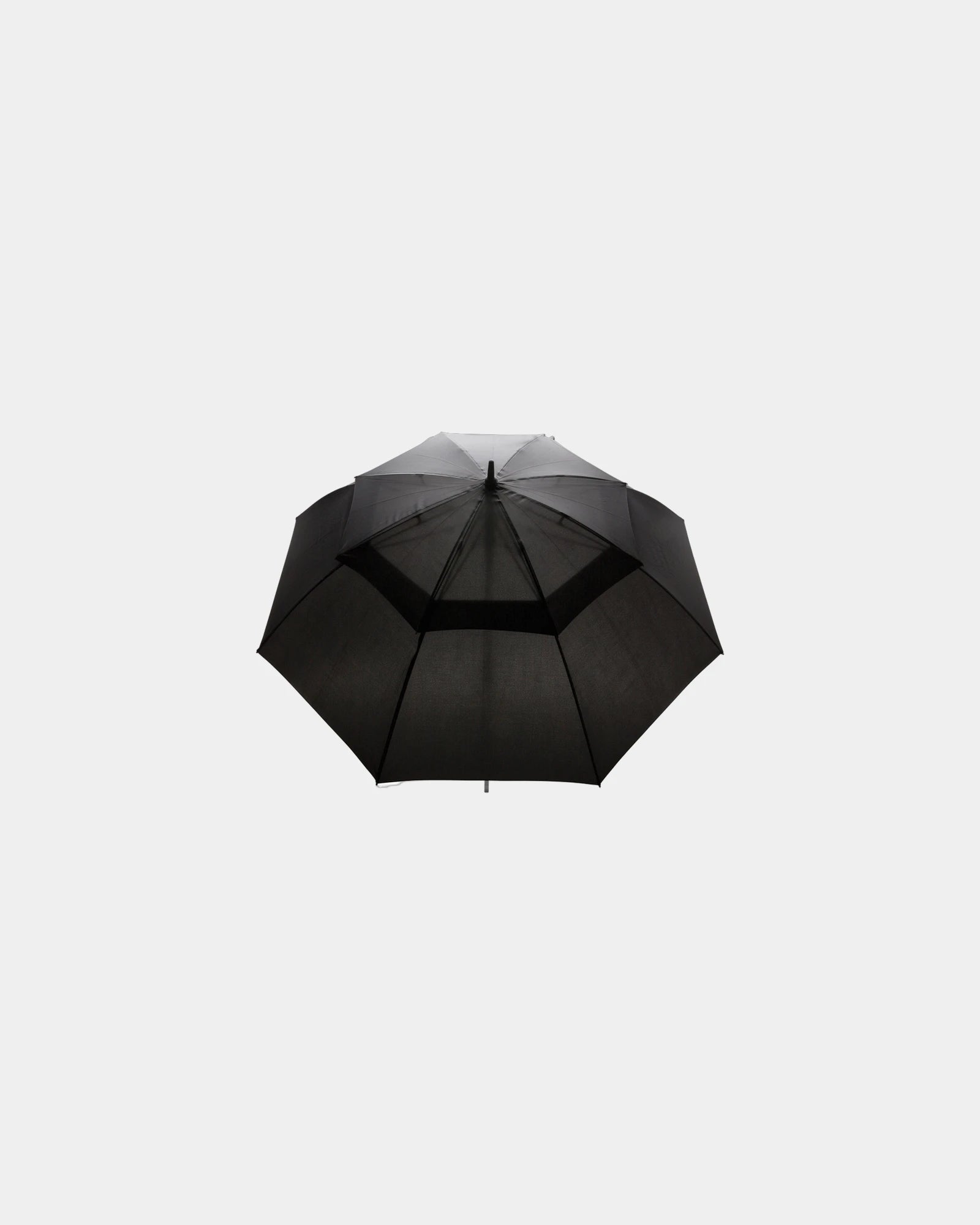
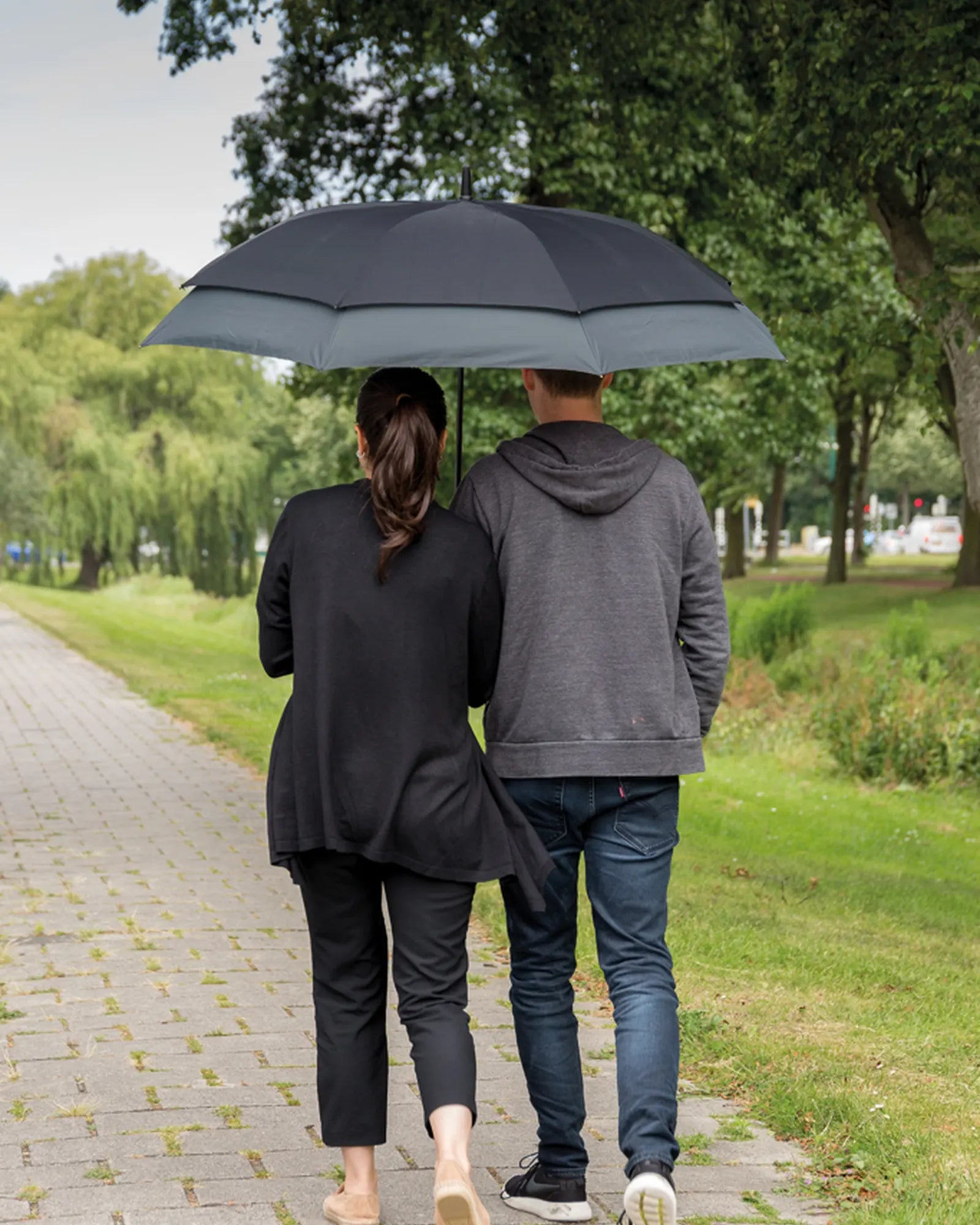
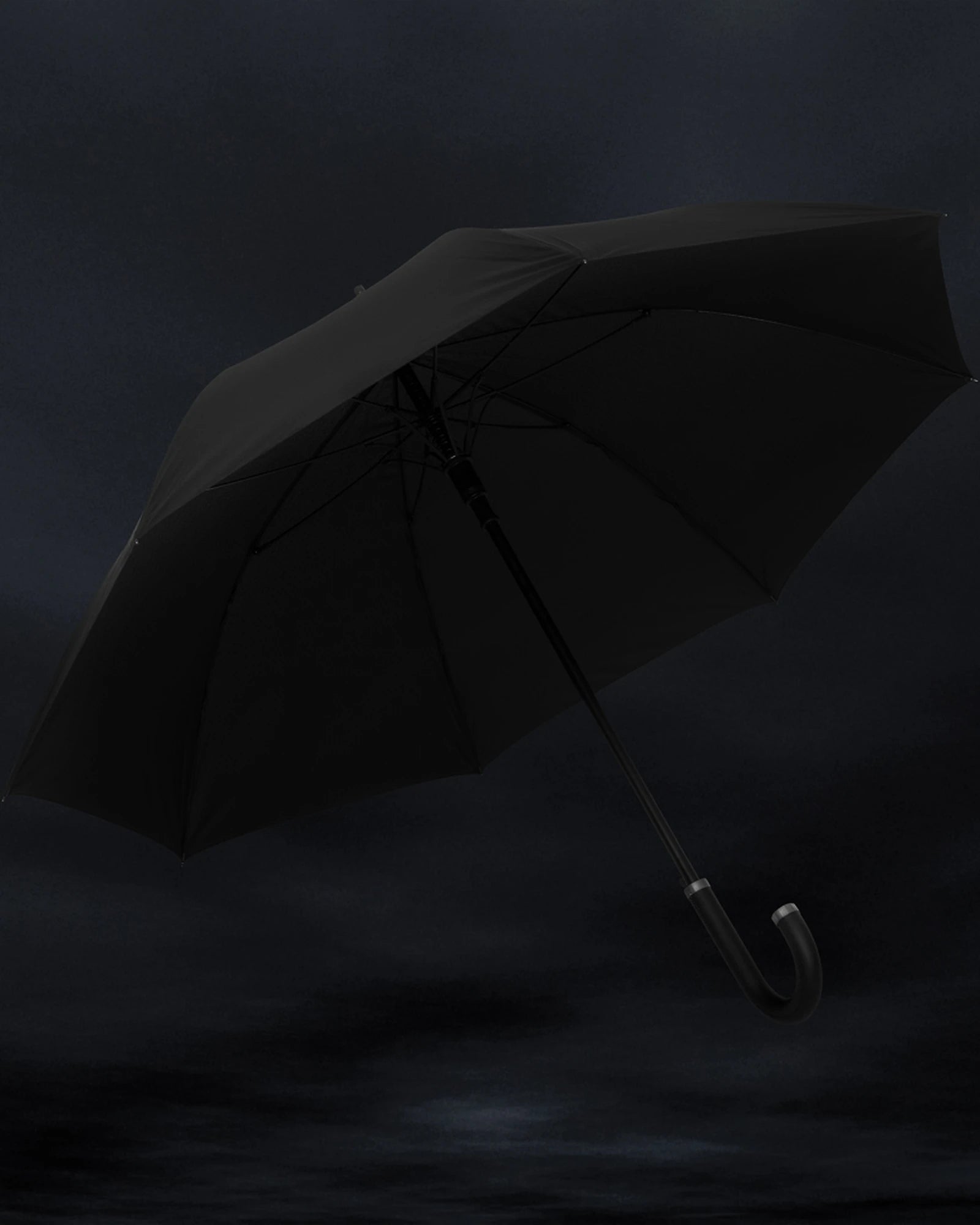
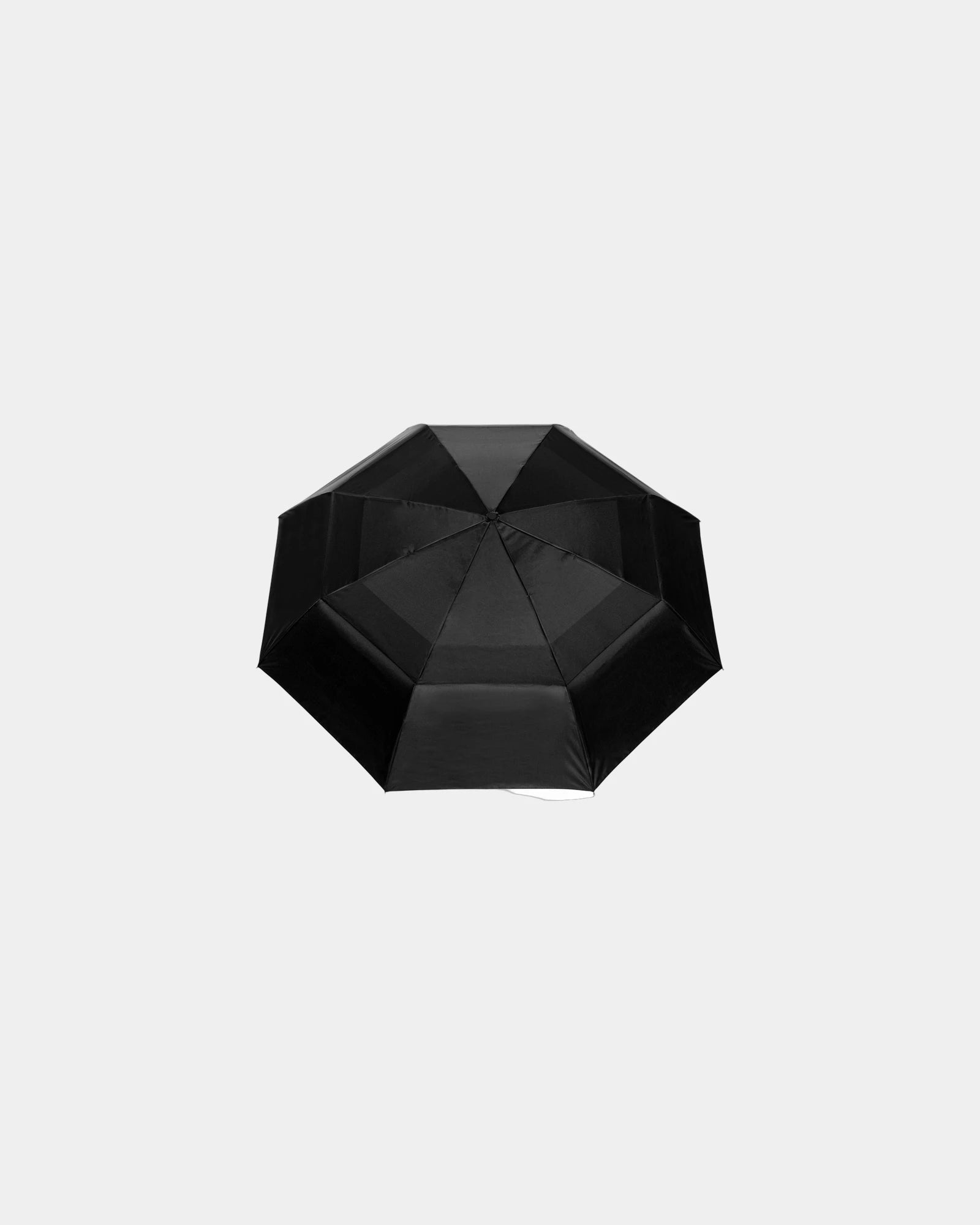
Inversion happens when air loads the canopy faster than it can escape. A single-layer dome traps that pressure until the ribs fold backward. Vented branded umbrellas cut a second skin of fabric over a gap, so a gust bleeds through instead of lifting the whole canopy off its frame.
Why vented custom umbrellas survive a gust
Rib material governs recovery after a gust on personalised umbrellas. Fibreglass ribs flex through a wide arc and spring back to true, where cheap steel takes a set and stays bent. We specify fibreglass for any exposed site, because a permanently kinked rib reads as a broken umbrella long before the canopy wears out.
Frame geometry matters as much as material. A double-canopy storm build pairs vents with a deeper dome, lowering the surface the wind can grab. The result holds in conditions that flatten a flat-topped folding canopy, which is why coastal and course buyers pay the weight penalty.
None of this shows on a screen proof, so it gets skipped in cheap briefs. Specifying wind behaviour first, then fitting the print to a frame that survives, is the order that separates a season-long asset from a one-event write-off.
Canopy, vent and frame: reading a printed umbrellas spec sheet
A branded umbrellas spec sheet describes three systems that fail independently: the canopy fabric, the venting, and the frame underneath. Buyers fixate on the printed canopy and ignore the two parts that decide whether it survives a winter of use. Reading all three is what stops a handsome proof becoming a returns pile.
Canopy fabric is quoted in GSM, and the band tracks the build for a reason. Folding canopies run 170 to 190 GSM to stay light in a bag. Walking models sit at 190 to 210, and golf canopies reach 210 to 240 for rigidity. Forcing a heavy fabric onto a folding frame fights the format.
Pongee polyester is the standard canopy, valued for a smooth print face and fast drying. Recycled R-PET pongee is available where a stated eco credential matters, though it takes dye a shade less evenly. We pass any eco claim through exactly as the maker confirms it, adding nothing the supplier has not stated.
Venting is a yes-or-no line that buyers skim past. A vented double-layer canopy survives gusts a single-layer dome cannot, so for any outdoor stand it is the spec that earns its keep. Read it as a survival feature, not a cosmetic one.
The frame line hides the failure modes. Steel shafts hold rigid under a large golf canopy but corrode at the seaside; fibreglass ribs flex and recover but cost more. Matching shaft and rib material to the site is the judgement the spec sheet exists to support.
Fibreglass versus steel: choosing custom umbrellas frames for the job
A hotel concierge needs a stand of fifty custom umbrellas that survive guests slamming them shut, day after day, for two seasons. That brief is won or lost on frame material long before anyone discusses the lobby's logo placement. Fibreglass versus steel is the decision under it.
Steel earns its place on rigidity. A two-section steel golf shaft barely flexes under a wide canopy, so the dome stays taut and the print stays flat. The cost is corrosion near salt air and a rib that stays bent once a gust overloads it past its limit.
Fibreglass trades some stiffness for resilience. The ribs bow through a gust and return to true, and the material shrugs off the damp that pits steel. For a windy or coastal site, that recovery is worth more than the marginal rigidity a steel rib offers on a calm day.
Joint count is the quiet durability lever on any frame. A two-section golf shaft has fewer joints to loosen than a three-section telescopic, so it survives more open-close cycles. Every collapse joint a body adds is another point that eventually develops play and rattle.
We confirm the frame against intended use before a run is committed. A door-kept gift umbrella and a daily commuter handout want opposite builds, and the frame, not the canopy, is where that difference is decided. Brief us on the use and we spec the shaft to match.
Staging personalised umbrellas at outdoor events and on sponsored fixtures
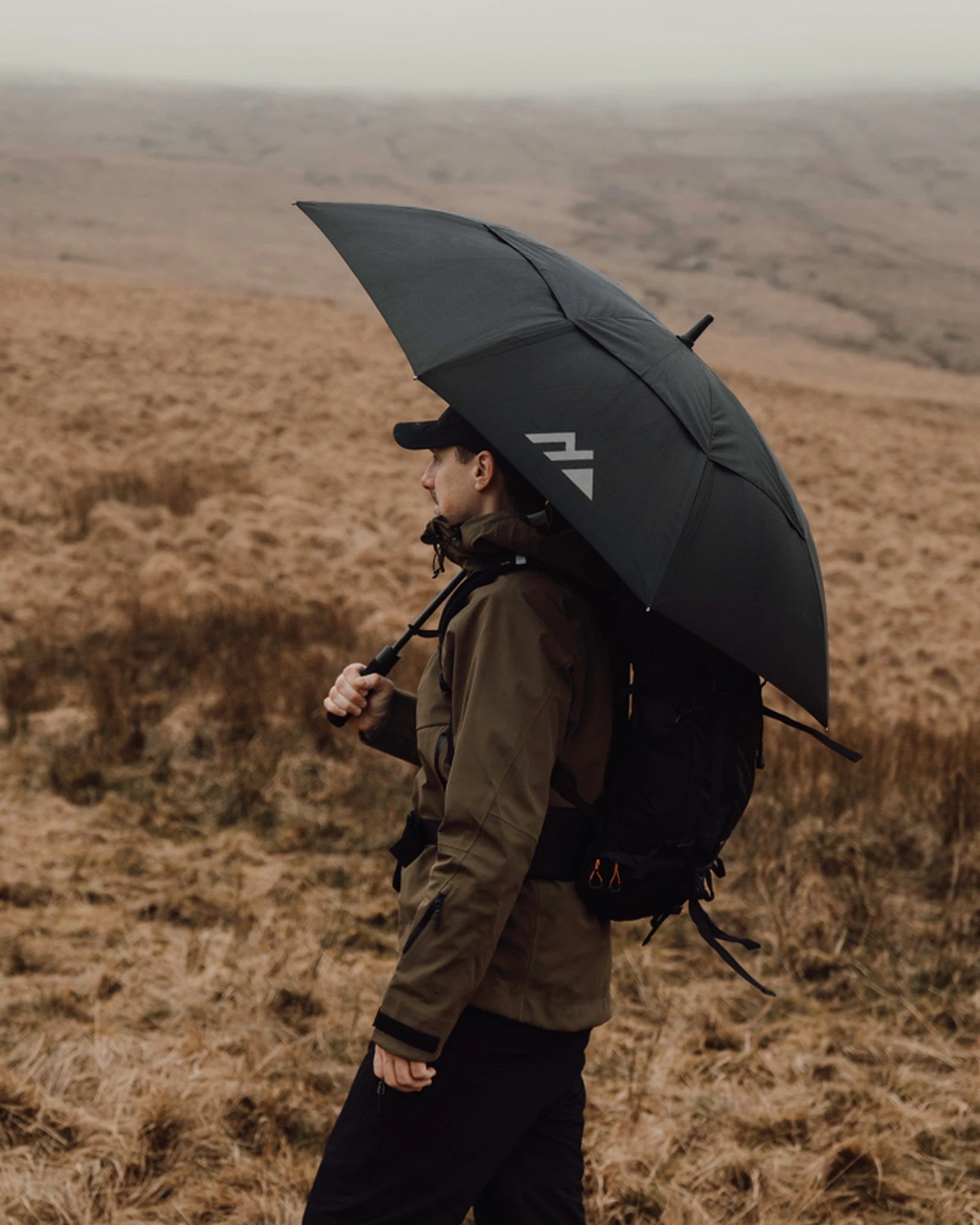
A row of matching personalised umbrellas over a sponsored fixture reads as organised presence from the far side of a car park. At an event the canopy doubles as semi-fixed signage, so the legibility distance is the thing you are actually buying. The personalised umbrellas become the signage as much as the shelter.
A logo that must resolve at thirty metres needs both a large canopy and a high-contrast print. A tonal mark on a dark fabric vanishes across that distance, so contrast deserves as much brief attention as size. Storm-proof vented golf builds give both the span and the survivability a fixture demands.
Outdoor festivals often kit guests for sudden downpours, and Printed Rain Jackets pack down beside a personalised umbrella in the arrival bag. The canopy covers the walk in from the car park while the packable jacket covers a roaming crowd once the stand is left behind.
Treat event canopies as reusable assets, not single-fixture spend. They pack into long sleeves that stack in a stand store, and a colour-matched set reappears at the next fixture without a reprint. Storing and redeploying a set spreads its cost across a whole season of dates.
Build the run around the fixture date, never the order date. Brief us with the firm deadline first; we work backwards and tell you which builds and finishes still land in time, with the slower colour-matched bodies flagged early.
Inside the canopy: panels, seams and how printed umbrellas print
Branded umbrellas print onto a curved, segmented surface, so the canopy geometry shapes the artwork before a method is even chosen. Panel count, seam position and rib span all bend a logo in ways a flat mock-up hides. Understanding the surface first stops a clean proof skewing once the personalised umbrella opens.
Panel count decides how a wraparound behaves. An eight-panel canopy gives a smoother curved image than a six-panel one, because narrower segments bend the artwork less per panel. For a continuous design across the dome, the higher panel count is usually the better base to start from.
A circular mark can skew where it crosses a seam, so we position and scale artwork to stay legible with the personalised umbrella open. Canopy fabric takes print, never stitch, because a needle would pierce the waterproof membrane and let water through. The substrate dictates the decoration, not the other way round.
Choosing a print method for printed umbrellas
Print method follows the artwork, not preference. Screen printing suits solid one to four-colour marks and holds colour through heavy exposure. Dye sublimation bonds ink into the fabric for full-colour, edge-to-edge designs that resist fading, feeling part of the canopy rather than sitting on top of it.
Coverage is a separate lever from method and often the bigger cost driver. A one or two-panel print reads as tasteful corporate branding, while a full eight-panel wrap turns the whole canopy into the message. Vector files at the brief stage keep either choice sharp across a wide golf panel.
Hidden surfaces and component branding on custom umbrellas
Personalised umbrellas reach the parts most buyers forget: the shaft, ribs, handle, tie-wrap and sleeve can each be colour-matched or branded. Pulling those components into your palette is what makes a personalised umbrella look commissioned rather than pulled off a shelf. The canopy is only the surface people expect.
Pantone matching is the backbone of a true custom build. We match canopy fabric and trim to a stated reference within the tolerance the dye process allows. Where an exact match is not achievable on a given material, we flag the nearest option before production. No surprise on delivery.
Inner-canopy branding on custom umbrellas
Inner-canopy printing is the detail that surprises people most. A logo or pattern on the underside stays invisible until the personalised umbrella opens, then fills the holder's whole field of view. For a photographed fixture or a memorable client gift, that hidden surface earns its place in the spec.
A custom umbrella shields the head; Custom caps cover it once the rain eases. A colour-matched canopy and a matched cap answer both conditions without feeling like two unrelated buys. Small printed parts carry the theme: a tie-wrap shows the logo every time the personalised umbrella is clipped shut.
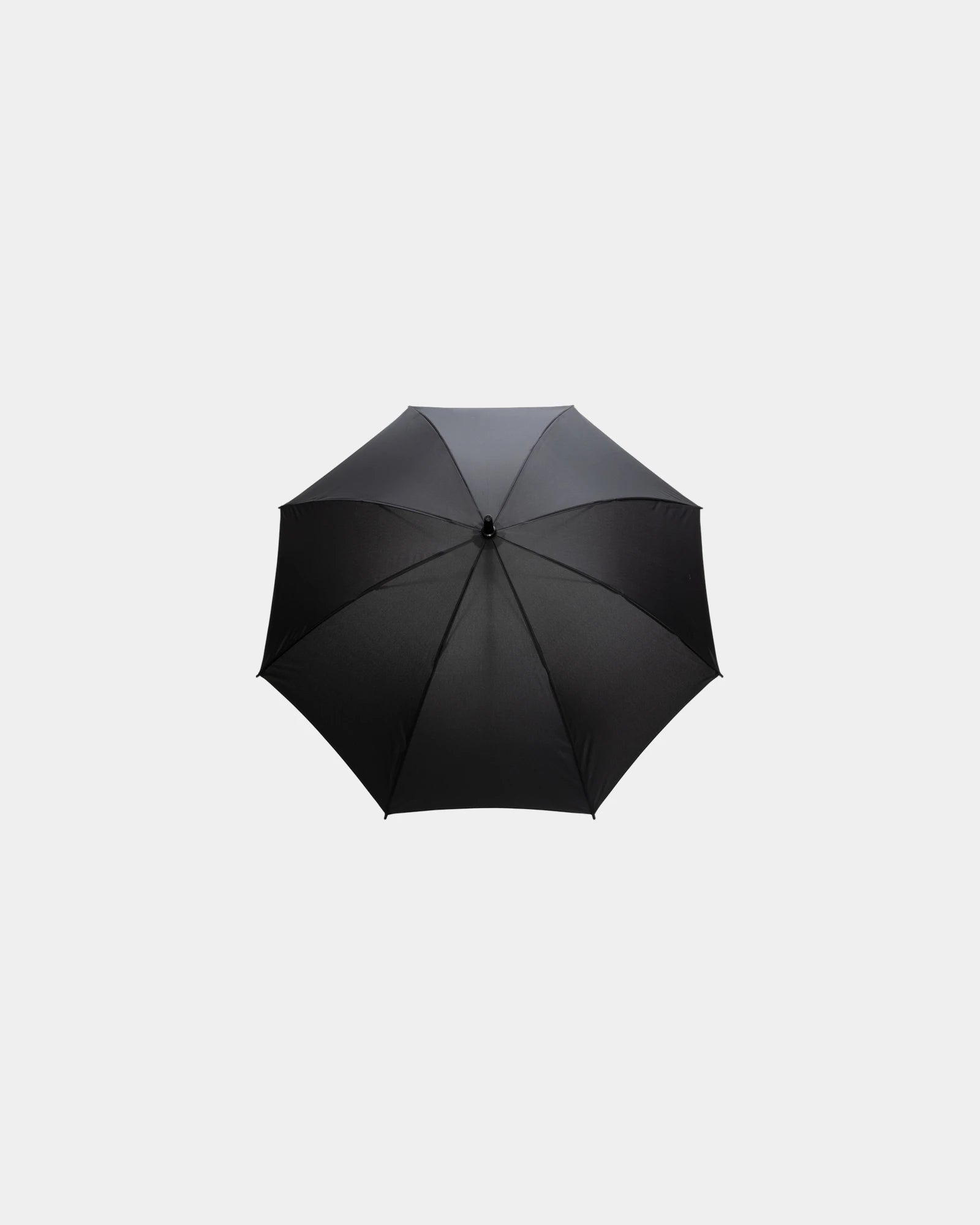
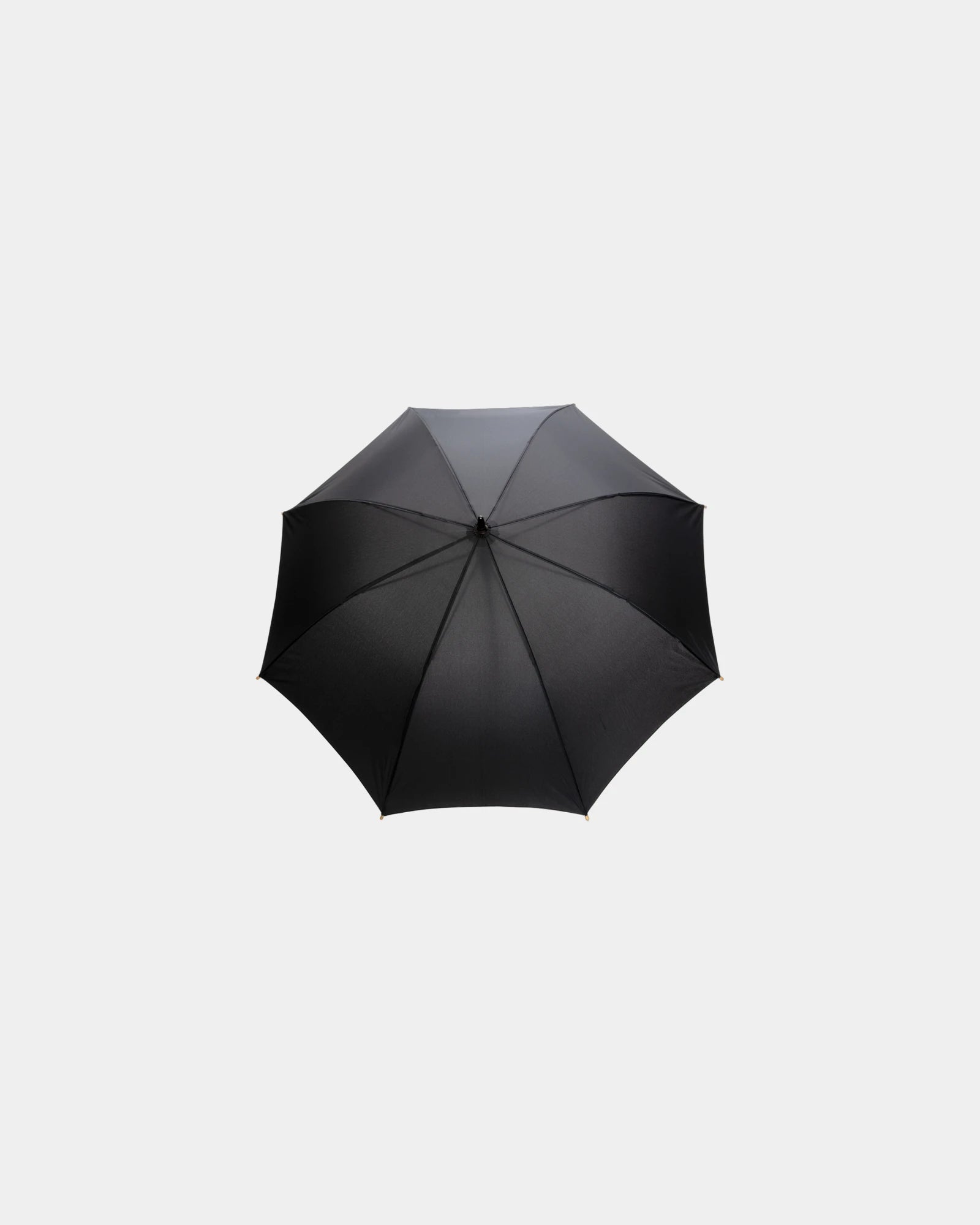
Handle material sets the perceived tier before anyone reads the canopy. Moulded plastic, soft-touch rubber, foam grip and real wood each shift the register. A wooden crook handle signals a premium gift, while a moulded grip keeps a high-volume event handout affordable without looking cheap in the hand.
Personalised umbrellas as client gifts that get used, not shelved
Personalised umbrellas work as a client gift because they are genuinely used, not merely received. A quality walking umbrella with a discreet logo signals that the relationship warrants something durable. The recipient reaches for it on exactly the days they would otherwise resent the weather.
Restraint suits the gifting register precisely. For a top client, a single-colour logo on one panel of a quality canopy reads as confidence, where a full wrap can feel like advertising. Match the loudness of the branding to the seniority of the person receiving it, not to your own logo guidelines.
A gift umbrella forgives a list you cannot fully profile. Unlike apparel there is no size to get wrong and no taste to second-guess, so one spec suits every recipient. That makes it a low-risk choice for a mixed group you do not know in detail, where garments would be a gamble.
Seasons shift what the gift should be. An umbrella suits the wet, milder weeks; a hard cold snap wants more cover, so pair a winter send with Branded Padded Jackets for the same client. The programme then tracks the calendar rather than repeating one item out of context.
Presentation lifts a gift umbrella further. A branded sleeve or printed carry case turns the handover into something considered, which matters when the umbrella marks a renewal or a milestone rather than a routine mass send. The finish is what the recipient registers first.
Matching printed umbrellas builds to how they will be carried
Custom umbrellas span a clear hierarchy from pocket folding models up to oversized golf canopies, and the right build follows how it travels, not its price. A daily commuter who bag-carries an umbrella wants a different frame from a recipient who stores one by the front door. Carriage decides the build.
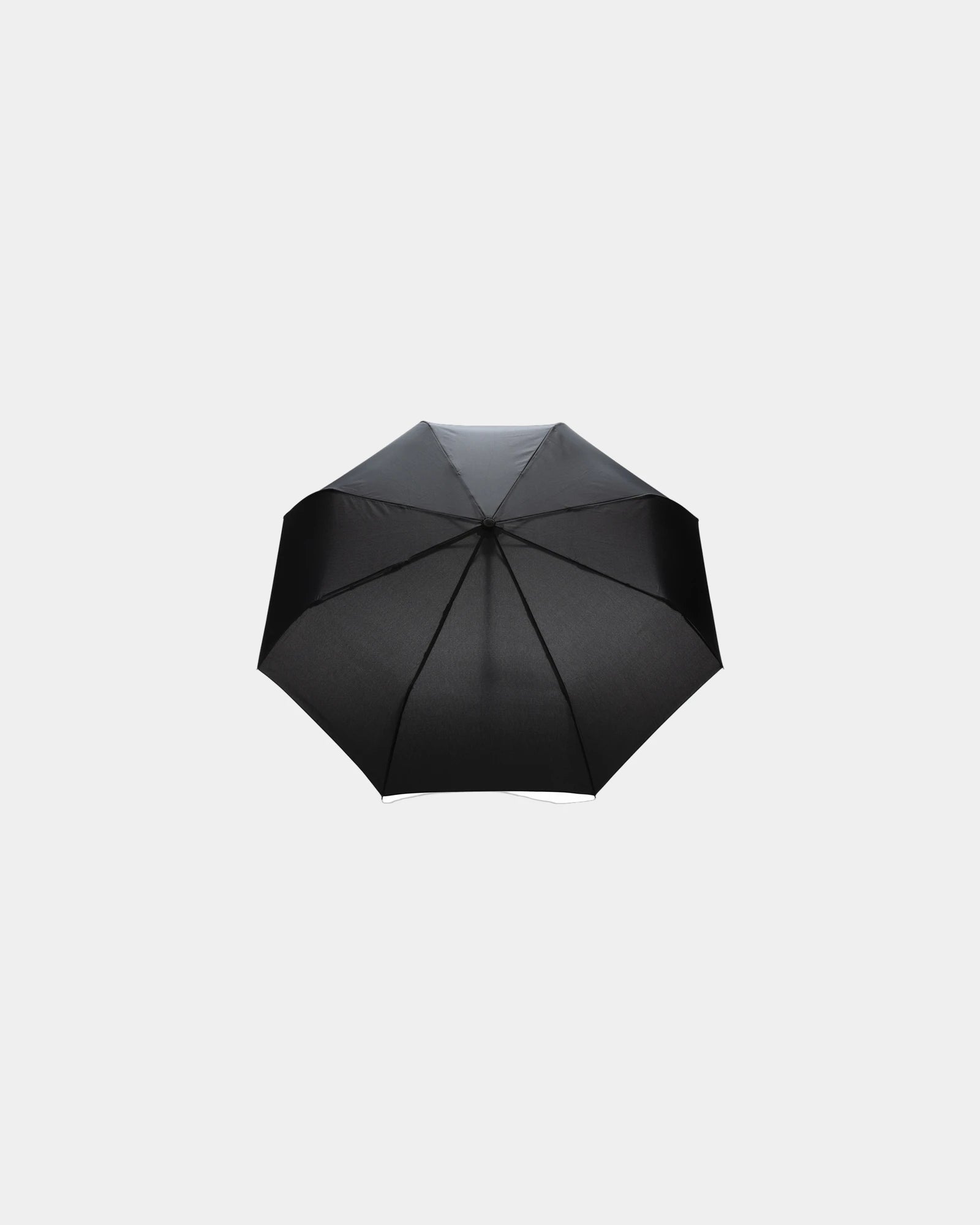
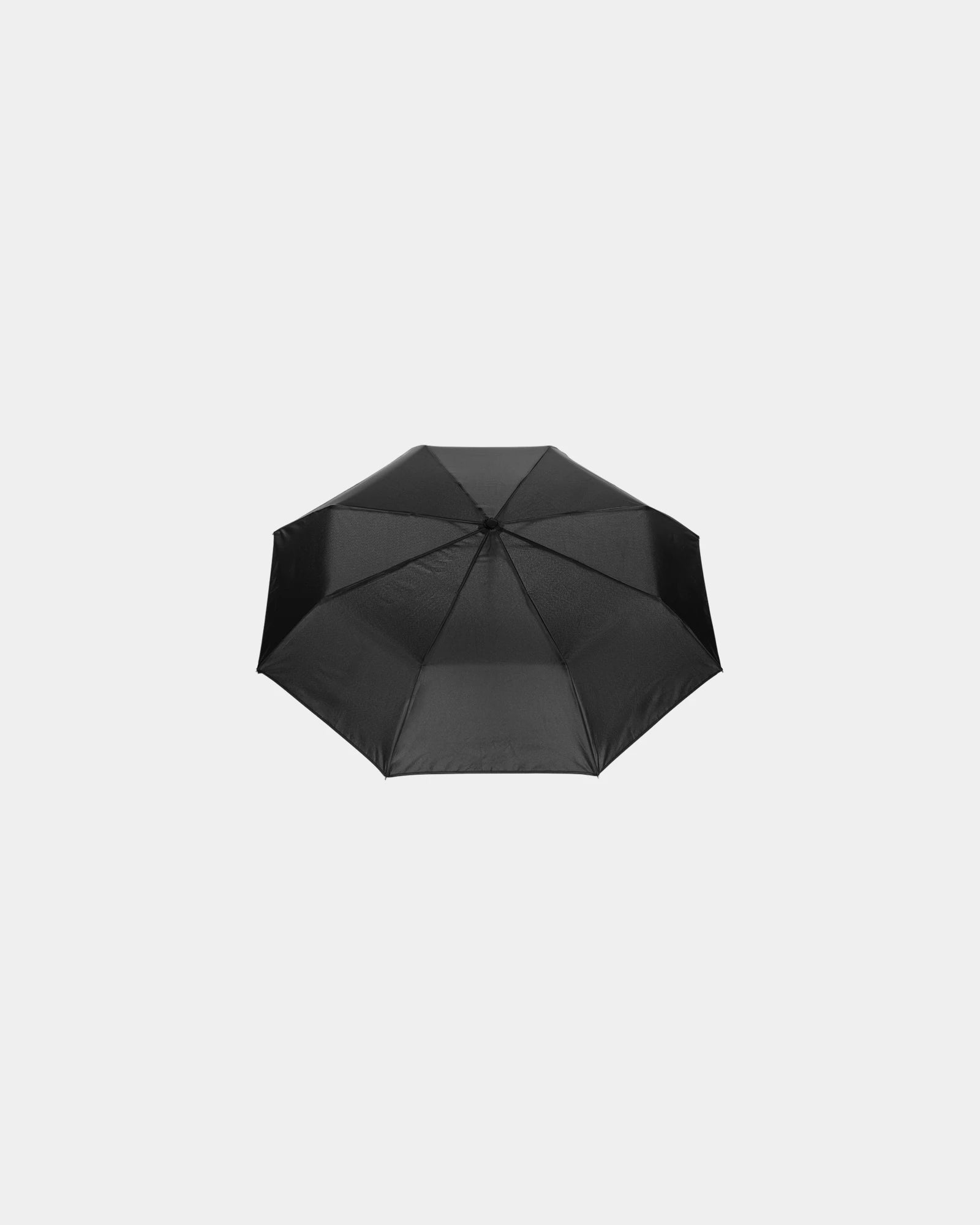
Telescopic count separates the folding sub-types. A two-fold model stays sturdier and opens to a larger arc. A three-fold collapses shorter for a handbag but flexes more in wind, while a five-fold ultra-compact prioritises pocket size over span. Each fold trades arc for portability.
Durability tracks inversely to that portability. The lighter the body, the more collapse joints it carries, and each joint eventually develops play. A two-section golf shaft outlasts a three-section telescopic on open-close cycles, so match the joint count to the abuse the umbrella will actually take in the field.
Price moves with build, print method, component branding and volume, and it bands by tier rather than by a single number. A single-panel screen print on a stock folding canopy sits at the affordable end; a Pantone-matched golf umbrella with branded ribs, handle and sleeve sits at the premium end. Volume breaks reward consolidating a staff and client run into one batch.
For a broader programme an outdoor kit rarely stops at umbrellas. Team building gifts covers the giveaways shipping beside the canopies at a seminar, so one supplier holds the whole weatherproof kit on a single artwork file and lead time.
- Golf or double-canopy: events, sponsorship and shared stand shelter
- Telescopic folding: bulk handouts that drop into a tote
- Auto-open single-action: executive desk and client gifts
- Vented fibreglass ribs: coastal, course and exposed wind sites
- Higher GSM canopy: heavy exposure and season-long outdoor use
- More panels (eight): larger continuous print and wraparound area
- Wood-handle walking frame: premium gifts kept by the door
Mechanisms and failure modes across custom umbrellas builds
The opening mechanism on personalised umbrellas shapes reliability far more than convenience, because it adds the moving parts that wear first. A manual umbrella has the fewest, so it has the least to fail across years of use. Each step up in automation buys ease at the cost of a part that eventually gives out.
An automatic one-button frame adds a spring catch that can wear with repeated load. For a gift-grade auto we spec a reinforced runner to offset that, so the mechanism lasts as long as the canopy. The convenience is worth keeping when the umbrella will be opened daily by one owner.
Auto-open-auto-close mechanisms are the most failure-prone of the three. The closing spring takes repeated load and is the part most likely to give first. For a mass handout where longevity is secondary the trade is fine; for a flagship gift, a manual or single-action auto outlasts it comfortably.
Failure rarely starts at the canopy. It starts at a worn runner, a loosened joint or a tired spring, which is why the mechanism deserves a line in the brief beside the print. Specifying the simplest mechanism the use allows is the cheapest reliability you can buy.
Canopy fabric takes print, never stitch, but a stand team still needs warmth under the dome. Embroidered fleeces take a stitched logo and keep people warm on a cold, damp fixture, matching each decoration method to the substrate that actually holds it.
Lead times and proofing for personalised umbrellas against a fixed date
Branded umbrellas carry a minimum order because each run is set up for your artwork and colours, and the lead-time gap between stock and bespoke is wide. A printed stock canopy moves in around three weeks, while a fully colour-matched body with dyed fabric and custom components can need six to eight. Knowing which clock you are on changes when the brief must land.
Folding models start at a lower minimum than fully custom Pantone-matched golf canopies, where dye and tooling set-up need volume to be viable. We give a firm date once the spec and artwork are locked. Working backwards from your event, we flag the slower bespoke route while there is still time to switch.
Artwork approval lands within 24 hours of your brief, so you see a digital proof of the printed umbrella before anything goes to production. A free sample is also available before larger runs, letting you check canopy quality, print position and colour in your hand rather than only on screen.
Reorders run faster than a first order. Once artwork, colours and build are signed off and on file, a repeat run skips the proofing and set-up stage entirely. For a recurring programme that means a tighter turnaround on the second and subsequent batches than on the first.
Where a travel programme is in play, a folding canopy needs a home in the bag. Branded travel bags give a packable umbrella a side pocket for a guaranteed-wet destination, so the kit ships as one consistent set rather than a handful of separate buys.
Carrying, dwell time and the cost case for printed umbrellas
A branded umbrella does its advertising on the worst days, when people are out in the rain looking for shelter, and the canopy sits at eye level for everyone nearby. That public dwell time is what separates an umbrella from a desk giveaway that lives in a drawer. One unit reaches far more viewers than a pen ever will.
Cost per impression is where the maths favours an umbrella. A leaflet is seen once and binned, but a canopy opened twenty times a season across several years drives the effective cost of each viewing toward pennies. Few promotional items spread their unit price across that many separate moments of exposure.
At a busy outdoor event attendees need something to carry the folding umbrella and the rest of the handout. Personalised Tote Bags hold the packable canopy at the bottom and earn a second walk-home impression once the rain stops and the umbrella is stowed.
The same logo flexes perceived value through the build alone. It reads as a thoughtful gesture on a wood-handle walking frame and as bulk merchandise on a pocket folder, with no change to the artwork. You dial the message up or down through the spec sheet rather than through the print.
A matched wet-weather kit reads as deliberate rather than improvised. Dress your stand team in Custom parka and the canopies overhead echo the same head-to-toe rain defence. The whole presence then reads as one decision rather than several unrelated ones.
| Build | Canopy guide | Branding estate | Best for |
|---|---|---|---|
| Folding telescopic | Compact, 6-8 panels | Small to medium print | Mass handouts, packable gifts |
| Walking | Mid-size, crook handle | One to several panels | Client gifts, executive use |
| Golf | 60-68 inch, 8 panels | Largest print area | Events, sponsorship, hospitality |
| Storm-proof vented | Mid to large, double layer | Panel print, full wrap | Coastal, course, exposed stands |
| Method | Artwork suited | Colour capability | Cost guide |
|---|---|---|---|
| Screen print | Solid logos, simple marks | 1-4 colours | Low |
| Digital transfer | Detailed multi-colour | Full colour | Medium |
| Dye sublimation | Photographic, edge to edge | Full colour, fade-resistant | Medium to high |
| Spot panel print | Single-panel logo | Method-dependent | Low |
| Component | Method | Colour capability | Min order guide |
|---|---|---|---|
| Canopy panels | Print or sublimation | Full or spot colour | Low to medium |
| Shaft and ribs | Colour match | Pantone-matched | Medium |
| Handle and end cap | Print or moulded | 1-2 colours | Medium |
| Tie-wrap and sleeve | Full colour | Low |
| Use case | Recommended build | Print coverage | Frame priority |
|---|---|---|---|
| Exhibition handout | Folding telescopic | 1-2 panels | Light, packable |
| Top-client gift | Walking, wood handle | Single discreet panel | Refined finish |
| Outdoor event branding | Golf | Full or alternate panels | Large canopy |
| Seaside or course use | Storm-proof vented | Panel print | Wind resistance |

