

Printed long sleeve shirts
- Price, low to high
- Price, high to low
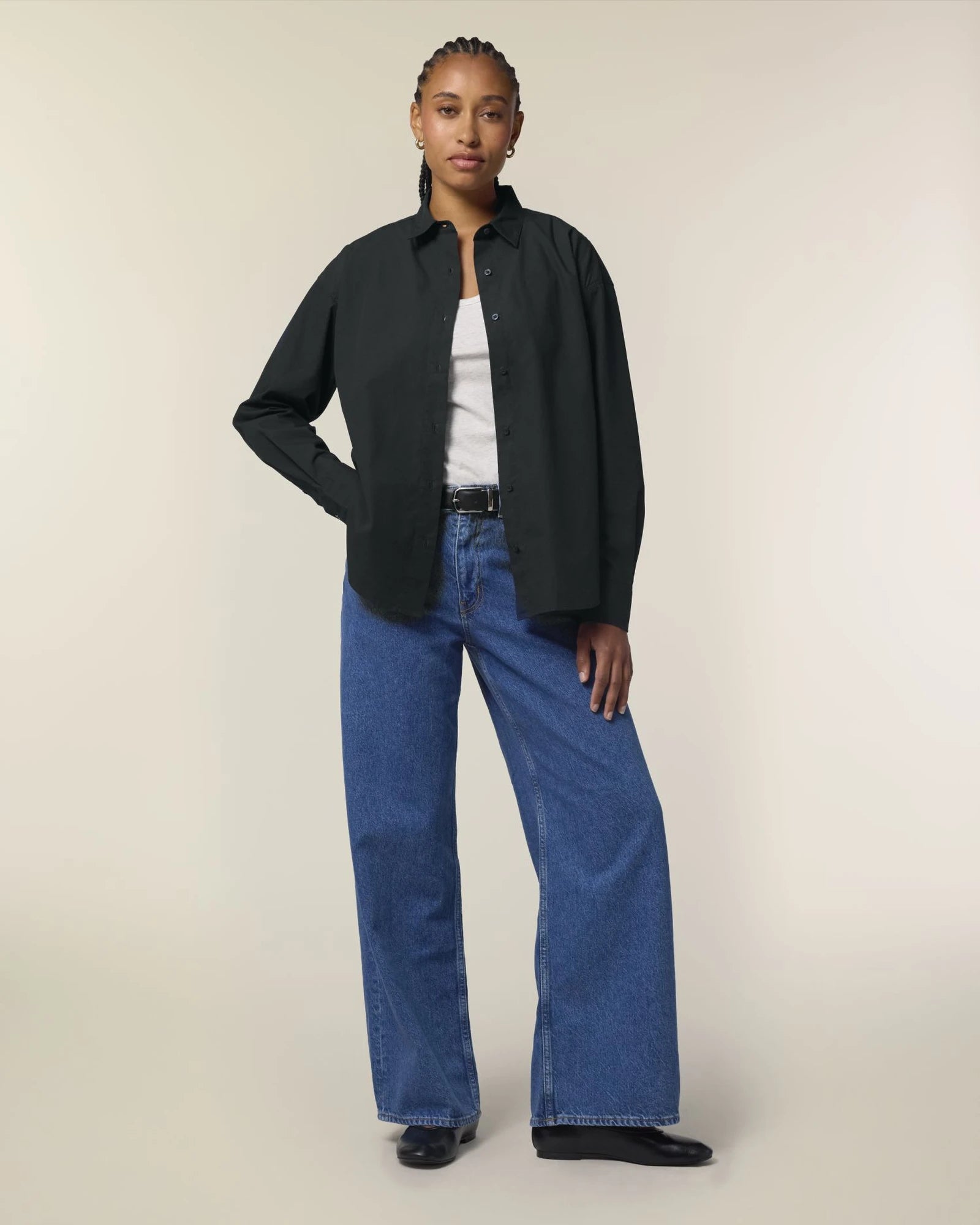


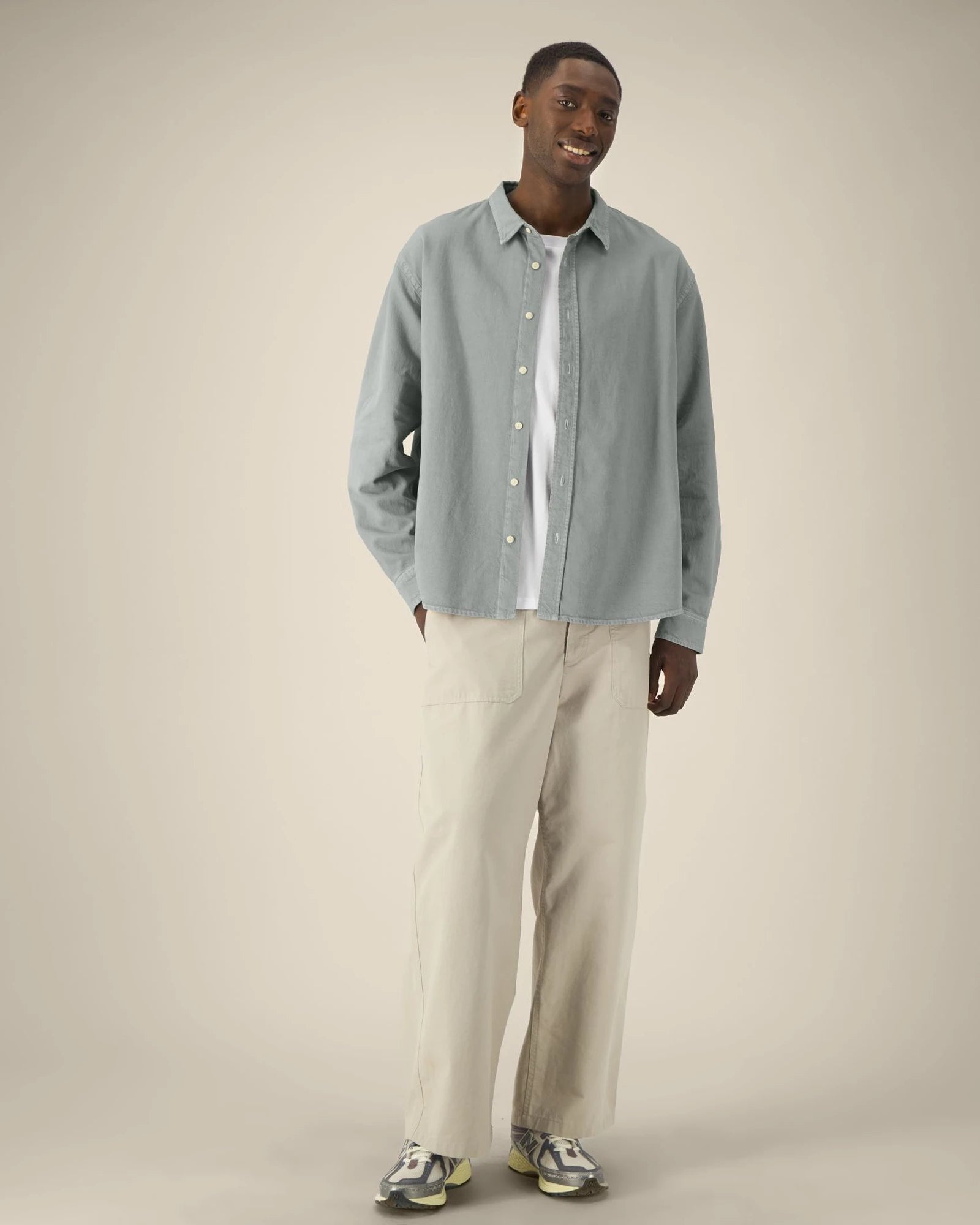


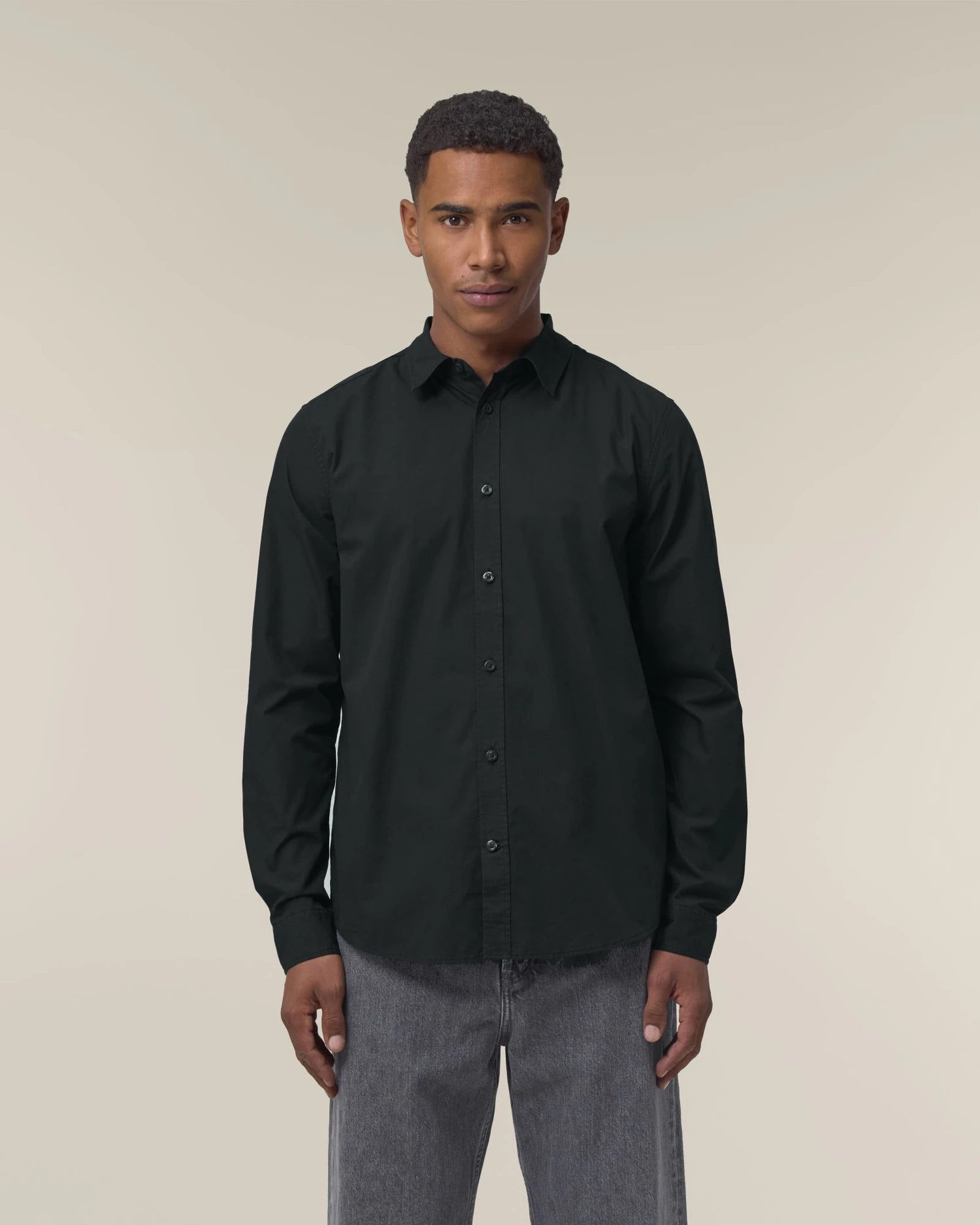


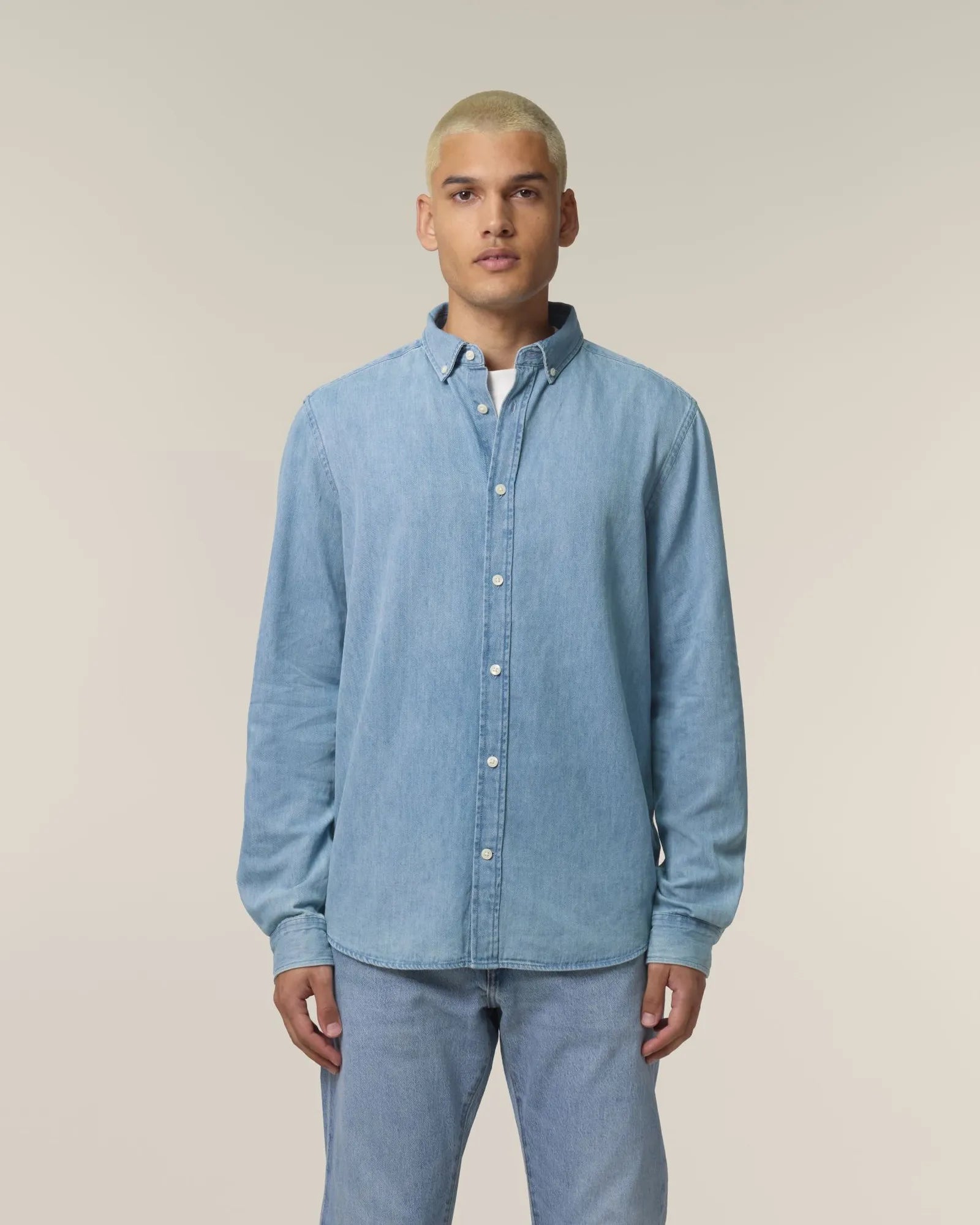


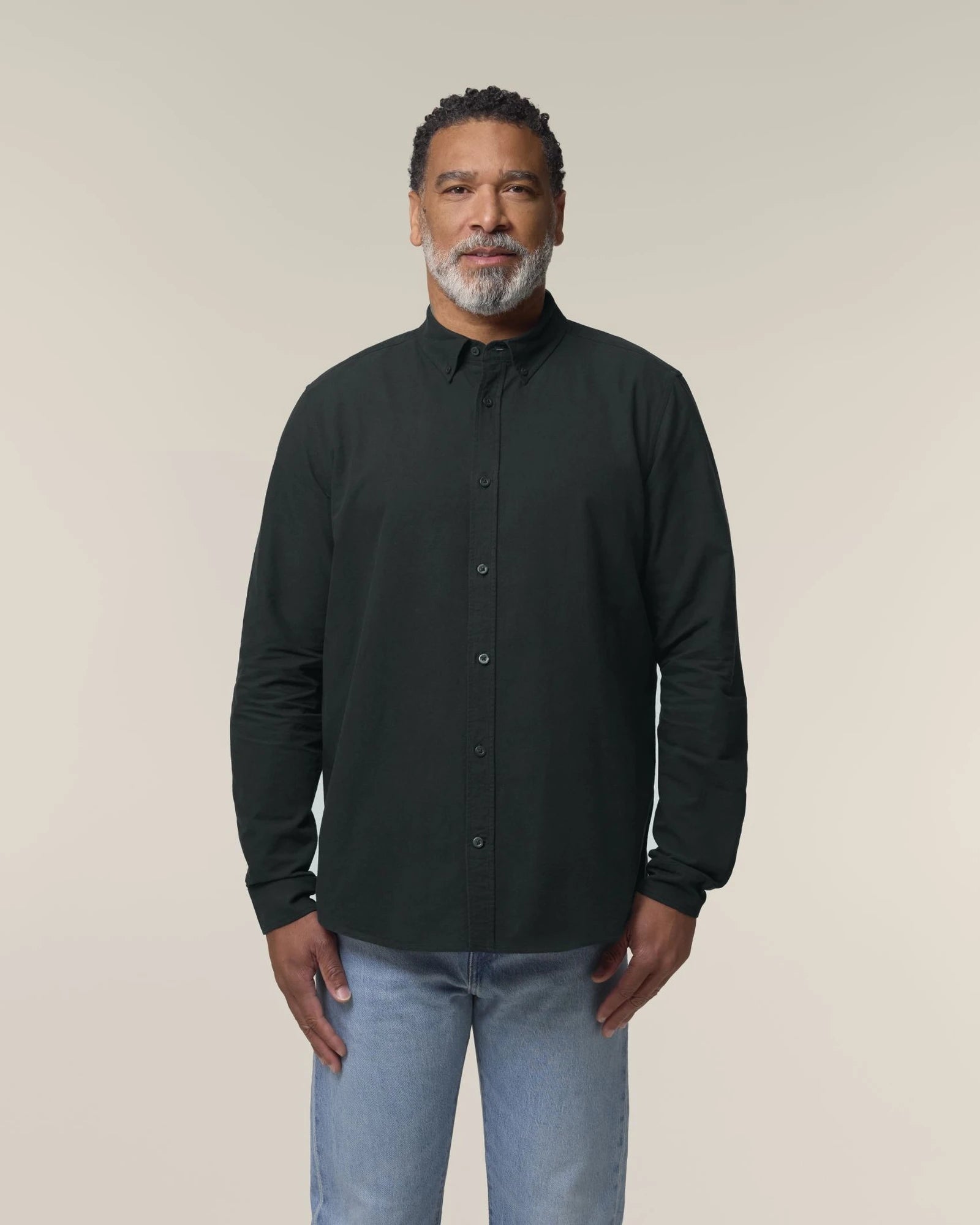


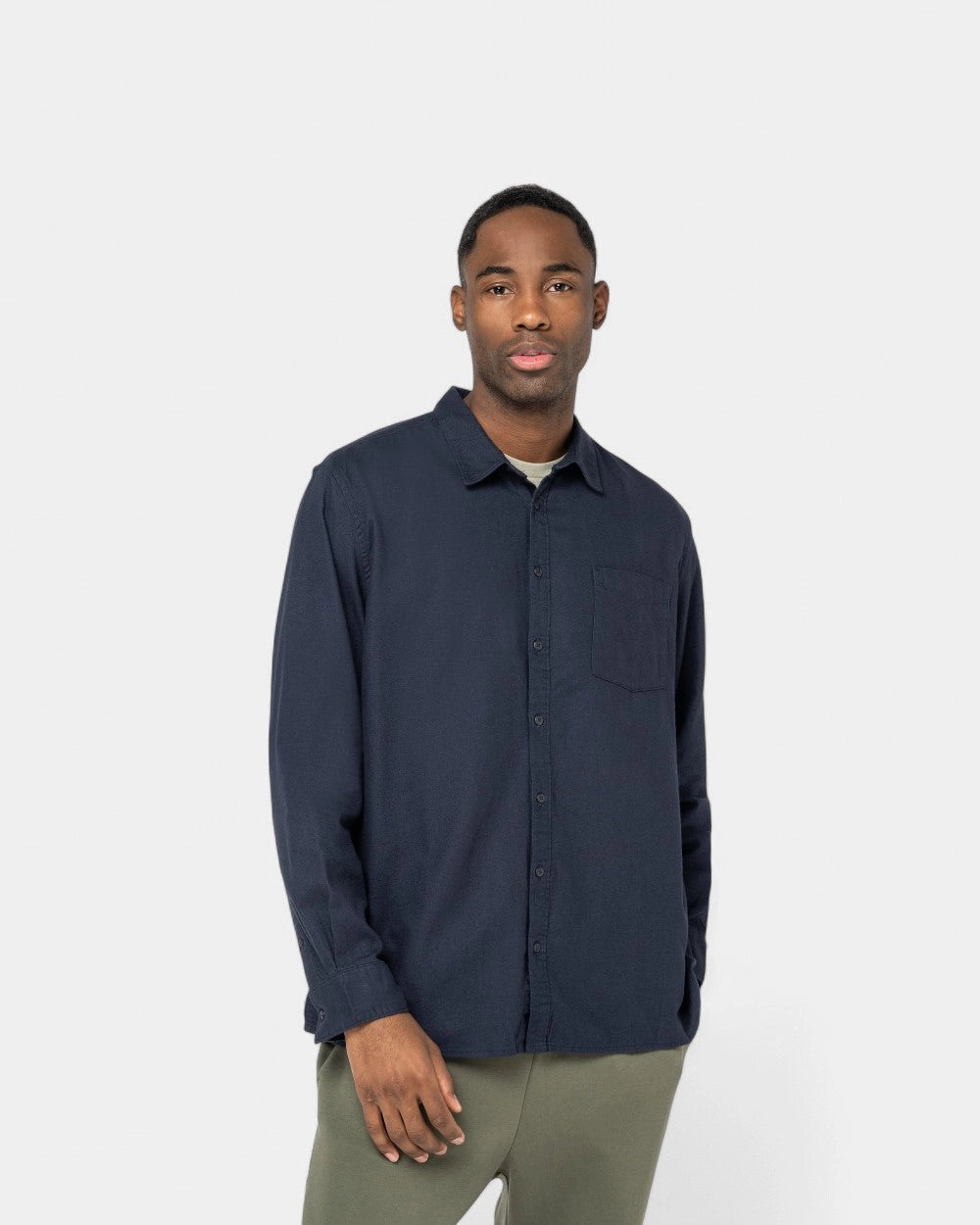


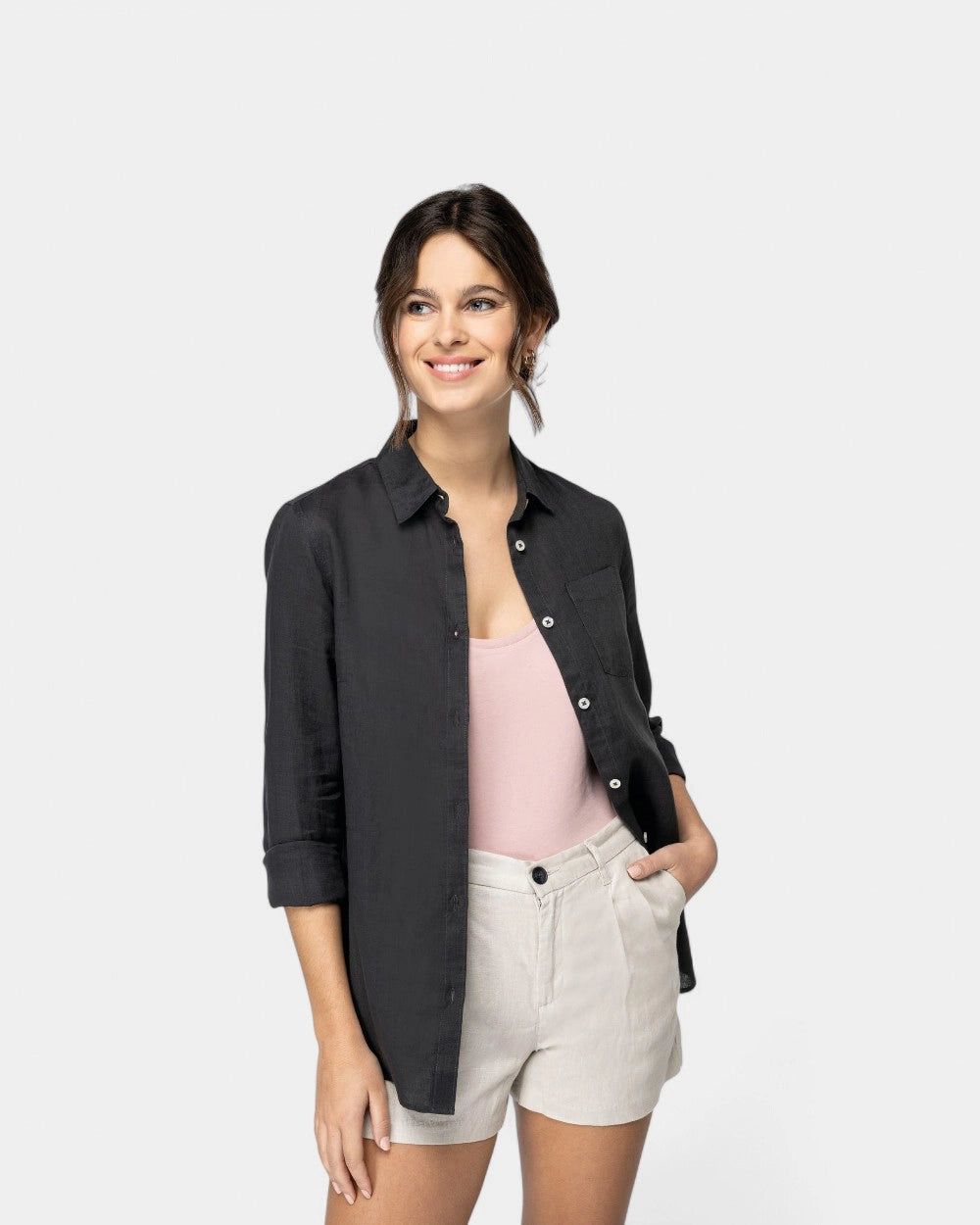


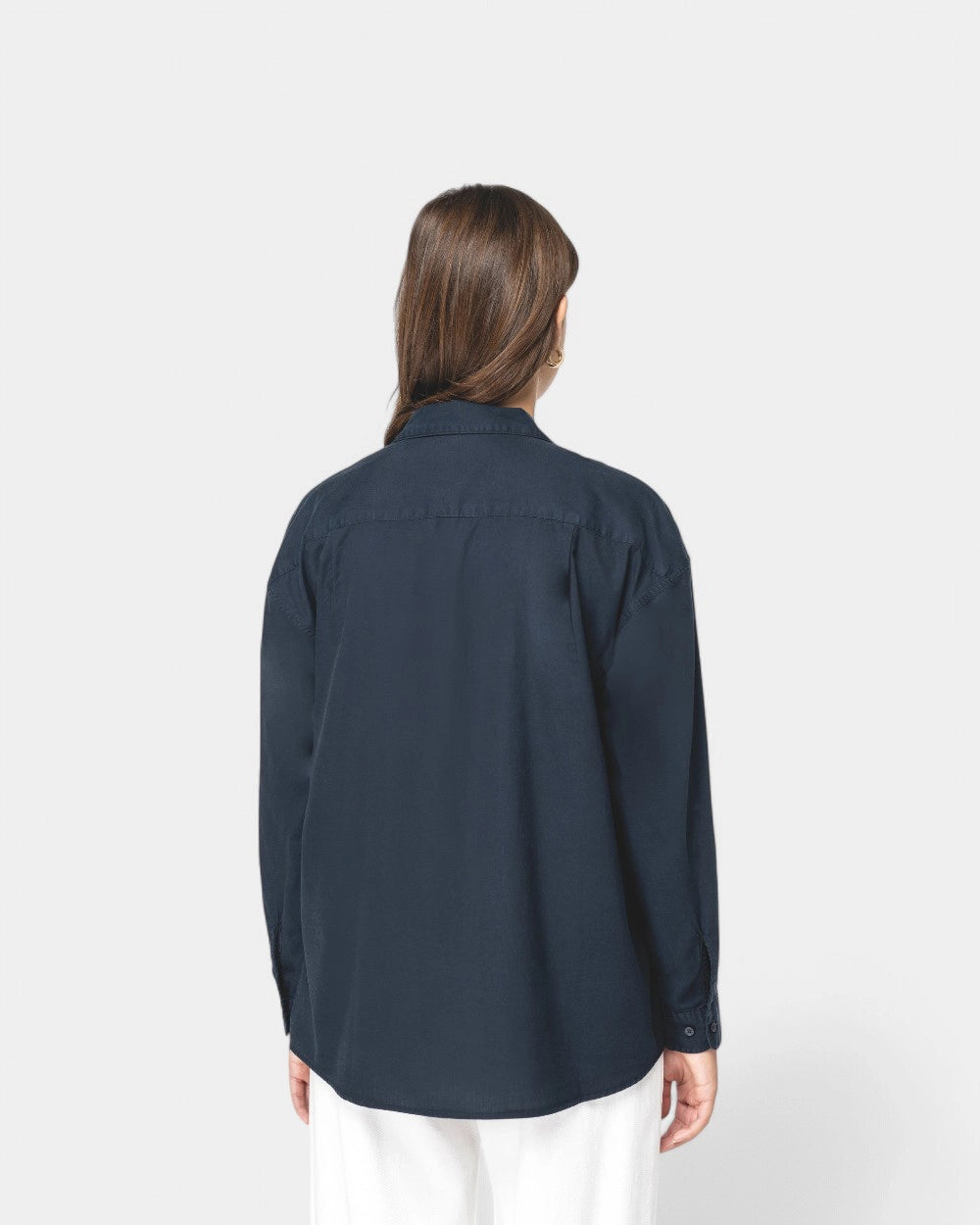






 Made in Portugal
- Eco-friendly





Treat your clients and employees!

FAQ - Custom long sleeve shirts
Trusted by 1,000+ companies
The Cuff Decides The Branded Long Sleeve Shirts You Order
The cuff is the one feature a short sleeve cannot offer, and on branded long sleeve shirts it carries most of the formality. A single barrel cuff fastens with one or two buttons and suits daily counter and reception wear, where sleeves get rolled and pushed up. An adjustable barrel adds a second button so a wide or slim wrist both sit clean.
Double cuffs on formal custom long sleeve shirts
A double cuff folds back on itself and fastens with a link, which is the dressiest finish a business shirt offers. It reads as formal for a partner meeting a client, an awards evening or a senior reception role. The fold needs a stiffer interlining so it holds square rather than collapsing once the link goes through.
A French cuff is the same folded construction under a more traditional name, and the two terms describe one garment. We confirm which cuff a base supports before a run, since not every easy-care body is offered in a link cuff. Where a programme mixes ranks, junior staff take a barrel and seniors a double, off one digitised crest.
| Cuff | Fastening | Formality | Best for |
|---|---|---|---|
| Single barrel | One button | Smart business | Daily counter and reception wear |
| Adjustable barrel | Two-position button | Smart business | Mixed wrist sizes on a team |
| Mitred barrel | Angled corner, one button | Sharper business | Client-facing advisers |
| Double / French | Folded, cufflink | Most formal | Partners, awards, senior desks |
Why Custom Long Sleeve Shirts Read Smarter Through The Cooler Months
The full sleeve is a seasonal signal as much as a warmth one. From autumn a branded long sleeve shirt looks finished where a bare forearm looks out of place, so a year-round uniform shifts to it once the building cools. The sleeve covers to the wrist bone and breaks cleanly at the cuff, which is the line a tailored look depends on.
Worn alone, a long sleeve business shirt holds a pressed collar and a buttoned cuff through a full day at a desk. Worn with a tie, the collar carries the knot and the cuff finishes the wrist below a jacket sleeve. The shirt has to sit flat under both, so we steer cooler-season orders toward a cloth that presses sharp and resists a mid-afternoon wilt.
A long sleeve also gives staff a layer to manage their own comfort. Rolled to the elbow on a warm morning, fastened and cuffed for a client at noon, the same shirt covers a swing in temperature a fixed short sleeve cannot. That flexibility is why winter-weighted programmes default to the long shirt and issue short sleeve only for peak summer.
Layering Branded Long Sleeve Shirts Under A Suit, Knit Or Jacket
Branded long sleeve shirts are built to be worn under something for much of the cooler year, and that changes where the logo sits. Under a suit jacket or a crew-neck knit, a left-chest crest disappears behind the lapel or the knit's neckline. We lift the mark slightly or move it where the jacket leaves it visible, so the brand still reads when the shirt is covered.
The collar does the visible work once a layer goes on. A cutaway or spread collar fills the gap of an open jacket and frames a tie knot, while a button-down collar stays put under a knit without a tie. We match the collar to whether the shirt is worn open, with a tie, or under a round-neck jumper across the team.
The cuff is the second thing that shows below a layer. A barrel cuff peeks a clean half-inch past a jacket sleeve, and a double cuff shows a link for a senior look. A cold reception or a warehouse office often needs a warm top over the shirt. Embroidered Sweatshirts take the same crest at a matched height, so a covered-up colleague still reads as uniform.
Collar Structure And Placket Detail On Custom Long Sleeve Shirts
The collar carries a tie on branded long sleeve shirts, so its build matters more than on an open-neck summer top. A fused collar keeps a firm, square shape that frames a knot and lies flat beneath a jacket, where an unfused soft collar feels relaxed on an open-neck adviser. A cutaway spread takes a wider tie knot, a point collar a narrower one.
The placket runs the button line down the front, and it sets how formal the shirt looks done up. A visible stitched placket reads classic and tidy under a tie. A concealed one tucks the buttons away for a cleaner dress-shirt front worn at formal evenings. We hold the embroidered chest mark off the placket seam so it lies flat against a jacket.
A removable collar stiffener keeps the points square on a non-fused base, pulled out before a wash so they do not warp. Most uniform bases instead use fused interlining that needs no inserts. We flag which a given body offers, since a buyer who rarely presses leans toward the firmer fused collar that holds its shape on its own.
Fitted Versus Classic Cut In Your Branded Long Sleeve Shirts
The cut decides how a branded long sleeve shirt sits under a jacket and how it moves at the desk. A slim cut narrows through the body and the sleeve for a tailored line that suits a younger brand or a client-facing role. A classic cut runs roomier through the chest and back, which a warehouse-office or a layering-heavy winter role needs for reaching with a knit on top.
Sleeve length is the part a long shirt adds that a short sleeve never raises. The cuff has to reach the wrist bone with the arm bent, so we size the sleeve to body length as well as collar, not collar alone. A sleeve cut short rides up under a jacket and exposes the wrist, which looks worse than a slightly long sleeve that the cuff holds in place.
A women's shirt or blouse runs on its own pattern, shaped at bust and waist by darts that hold a clean line under a buttoned cuff. The buttons fasten right-over-left, the front placket runs narrower, and the crest sits a fraction higher to suit the contoured shape. A mixed team needs both blocks cut properly, never a men's body simply graded down.
| Fit | Cut | Sizing | Note |
|---|---|---|---|
| Men's classic | Roomier, fuller sleeve | 14.5-18.5 collar | Room to layer a knit on top |
| Men's slim | Tapered body and sleeve | 14.5-17.5 collar | Tailored line under a suit |
| Women's fitted | Shaped at bust and waist | Dress size 8-22 | Darted, clean cuffed line |
| Women's blouse | Relaxed draped block | Dress size 8-22 | Higher crest for the contoured cut |
Embroidery On Branded Long Sleeve Shirts: Chest, Cuff And Collar
A branded long sleeve shirt offers three spots to carry a mark, where a short sleeve offers one. The chest crest rides above the breast pocket, roughly 7 to 9 cm across, scaled to look tailored not promotional. Stitched thread keeps its colour and edge through repeated hot washes, where a heat-applied mark on poplin can dull or crack sooner.
Cuff monograms on personalised business shirts
The buttoned cuff is the detail a long sleeve owns, and it takes a quiet second mark. One initial or a compact monogram set near the cuff edge gives a personalised, finished touch to a senior shirt. Stitching onto a folded double cuff calls for a tighter satin border than the open chest, because the cuff's fold and stiff interlining can drag a loose outline out of true.
The collar can hold a tonal under-stand or a stitched flash for a hospitality brand chasing a near-invisible signature. We turn your logo into a single stitch file, then sew out a test piece for sign-off ahead of the run, so the chest, cuff and collar marks all draw from that one file. With free artwork approval within 24h, you approve the real sewn mark, never a screen render.
Cloth And Weave For Cooler-Season Custom Long Sleeve Shirts
Cloth choice on branded long sleeve shirts leans heavier than a summer top, because the sleeve covers more skin and the season is colder. A poplin around 120 to 140 g/m² presses to a smooth, dressy face for a boardroom or banking desk. A twill at 140 to 160 g/m² drapes softer, hides creases through travel, and holds warmth on a cold floor.
Brushed cotton for cold-floor personalised business shirts
Brushed cotton and a heavier oxford suit the coldest interiors a uniform faces. A brushed cotton around 140 to 170 g/m² has a soft, warmer hand a reception team welcomes in midwinter. A textured oxford takes daily contact at a busy counter without showing wear. We check the weight band against how cold your floor runs, since a sleeve too light in January loses staff goodwill.
Easy-care is as important on a long shirt as a short one, because nobody presses a rail of cuffed shirts before a shift. A poly-cotton blend, often near 65% polyester to 35% cotton, resists creasing along the full sleeve and dries fast. Non-iron cotton releases creases on the hanger while reading as genuine cotton. Any organic-cotton option is stated on that line's own tech pack, not as a blanket label.
| Cloth | Typical weight | Hand | Best for |
|---|---|---|---|
| Poplin | 120-140 g/m² | Smooth, dressy | Banking and boardroom desks |
| Pinpoint oxford | 130-150 g/m² | Fine texture | Advisers and offices |
| Twill | 140-160 g/m² | Soft drape, crease-resistant | Travel and long winter shifts |
| Brushed cotton | 140-170 g/m² | Warm, soft | Cold reception floors |
Colour, Contrast And Brand Consistency On Branded Long Sleeve Shirts
Colour is where a winter long sleeve either sits with your brand or jars against it. A pale-blue poplin under a navy thread crest reads sharp once a jacket goes over it, while a white body stays the most formal, neutral ground for any logo. We choose a thread that carries your brand colour against the cloth, because stitch works from a fixed shade card rather than free Pantone mixing.
Contrast detailing lifts a plain winter shirt without shouting on a formal floor. A tonal inner collar stand, a coloured cuff buttonhole thread or a contrast under-placket gives a designed touch a client half-clocks. We hold these understated on a corporate shirt, because a winter uniform trades on consistency, not a flourish that fights the crest.
Holding the brand steady across a programme is the real prize on a recurring winter uniform. The crest is digitised the once, the thread shades are nailed down, and each reorder draws on that same file, so a shirt bought next winter sits beside this season's batch. Come summer the team moves to Printed Short Sleeve Shirts wearing that same crest, so the look carries across both sleeve lengths.
Where Personalised Business Shirts Earn Their Run
A professional-services firm refreshing its front desk for autumn is the clearest case for a long sleeve business shirt. Advisers and reception meet clients across a desk, so a pressed poplin with a discreet stitched crest signals a credible firm at first sight. The buttoned cuff then finishes the look when a hand is offered. The same shirt photographs cleanly for staff profiles online.
A hotel or restaurant winter uniform runs a different brief. Front-of-house staff hold a pressed collar across a long evening service and a nightly wash, often in a deeper tone that hides daily marks. For that floor we choose a non-iron poly-cotton, the property crest stitched low-key and a barrel cuff that takes constant rolling and washing. Embroidered Polo Shirts take the same crest for the casual shifts on the same rota.
A corporate event team in cooler months leans on a long sleeve for a smarter stand look than a summer polo gives. A branded colour with a larger embroidered crest helps a stand crew register across a hall under marquee lighting, with the full sleeve reading sharper for an evening reception. The same brief scales onto headwear for an outdoor pitch.
Print Versus Stitch On Custom Long Sleeve Shirts
Print holds a narrow but real place on a branded long sleeve shirt, even though stitch leads on the chest and cuff. A transfer or screen mark fits a big back graphic on an event shirt, or a soft gradient badge that thread cannot render cleanly. On a smooth poplin a delicate print can lie flatter than raised stitching, an effect some hospitality brands chase for a tonal mark.
What you trade with print is staying power through a winter of warm washes. Thread outlasts nearly any print on a garment laundered daily. That is why we push the chest and cuff toward stitch, reserving print for a reverse graphic or a one-off event batch. The order volume tips the split, with a small desk run cleanest as straight stitch and a few hundred event shirts swinging toward a printed reverse.
A long sleeve shirt also pairs with tougher layers for the staff who work outside the office. A stitched chest crest can match a printed back line for a stand crew, priced as one job. A build or logistics crew on the same winter operation needs a sturdier outer layer. Embroidered workwear takes the identical crest, so one brand runs across the whole job.
| Placement | Best method | Why |
|---|---|---|
| Left-chest crest | Embroidery | Sharp and durable through daily winter washes |
| Cuff monogram | Fine embroidery | Holds a small initial on the folded edge |
| Back event graphic | Screen or transfer print | Large area and gradients thread cannot render |
| Tonal hospitality mark | Fine print on poplin | Lies flatter than raised stitch for a subtle look |
Specifying A Branded Long Sleeve Shirts Order Across A Team
Getting a long sleeve shirt to fit is fussier than a tee, because both a gaping collar and a short sleeve show on a customer-facing role. We build the size curve from a head-by-head count and a real collar and sleeve figure for each person. Half an inch of neck or a short cuff changes how sharp the shirt reads. Skewing the buy to the genuine sizes on the rota, with spares at each end, stops a heap of leftover mediums.
- Take a neck and sleeve measurement, not a collar guess
- Pick a barrel cuff for daily wear, a double for senior staff
- Spec a fused collar for tie-wearing teams
- Choose twill or brushed cotton for cold reception floors
- Keep the chest crest clear of the placket and a jacket lapel
- Hold a small spare reserve for new winter starters
One quirk worth flagging on a long shirt is how the cuff ages on a non-iron cloth. The crease-release cure loosens over a run of hot washes, so an older cuff presses a touch softer than a fresh one and a folded double cuff betrays it first. Ordering a few spares at the launch keeps a team looking uniform as the cloth ages. Where a recruit gets a welcome pack on day one, Corporate Gift Boxes can echo the same crest over everything they are handed.
Wash, Care And The Working Life Of Custom Long Sleeve Shirts
Branded long sleeve shirts are laundered more often than almost any uniform piece, because a cuff and a collar pick up wear at the points that show. How the cloth handles that cycle decides how long a team looks sharp. A non-iron poly-cotton releases creases on the hanger and survives a nightly wash, while a pure cotton poplin presses crisper but asks for more upkeep between shifts.
The cuff is the first part to age, so spec it with the wash in mind. A barrel cuff rolled and pushed up daily softens at the fold over a season, where a fused double cuff holds square longer because the interlining resists collapse. Where staff wear a tie, a firmer fused collar keeps its points through repeated hot washes that would warp a soft, unfused one.
Plan a small spare reserve at launch so the team stays uniform as the cloth ages. A shirt bought in year two presses a touch softer than a new one, and a folded cuff shows it first, so a few held-back shirts keep a desk matched. The table below pairs a common cloth with its wash routine and the working life it tends to give.
| Cloth | Wash routine | Crease behaviour | Working life |
|---|---|---|---|
| Non-iron poly-cotton | Warm machine, hang dry | Releases on the hanger | Long, low upkeep |
| Pure cotton poplin | Warm wash, press damp | Needs ironing | Sharp but higher upkeep |
| Twill | Warm machine wash | Hides creases in the weave | Long, travel-friendly |
| Brushed cotton | Cool to warm wash | Relaxed, soft hand | Long on a cold floor |
Get the cloth and the cuff right against the wash the role demands and the shirt holds its line for years. A uniform that presses easily stays on the rota. One that wears tired by spring undoes the smart look the programme paid for, so the wash routine belongs in the brief from the start.
Briefing Artwork And Lead Time For Branded Long Sleeve Shirts
A clean brief turns a long sleeve order into a sample on your desk quickly. Give us the role, the rough headcount, the cuff and collar you have in mind, the seasonal cloth weight and your brand colours. That settles a spec without a dozen emails back and forth. Flagging your in-hand date lets us reserve your chosen cloth rather than falling back on stock.
Supply your logo as vector art so a crest or a serif cuff initial stays crisp at small stitch sizes. If all you have is a raster, we say up front whether it will digitise cleanly at chest and cuff scale before you commit. We then reuse that one approved file across each marked position, so the badge looks the same on the chest, the cuff or the collar.
From there the route is short: a digitised logo, a sewn test piece for sign-off, then production, shirts arriving in roughly three weeks. A new joiner's opening shirt can be cut and stitched before the main run, in hand for a start date ahead of the full programme. For the days a team dresses down, Custom caps carry the very same crest, so the brand holds across the dress codes.

