

Branded wine bottles
- Price, low to high
- Price, high to low
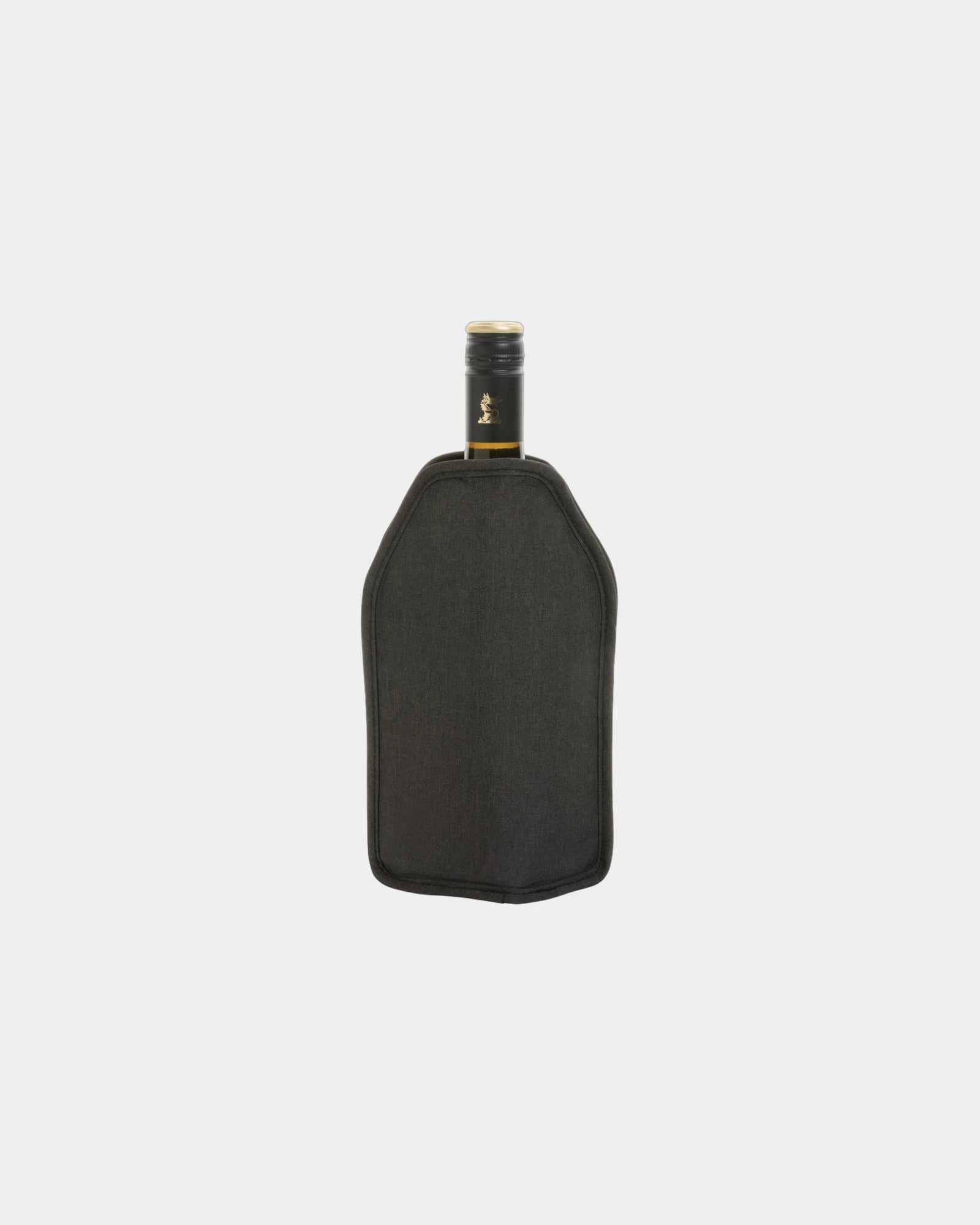


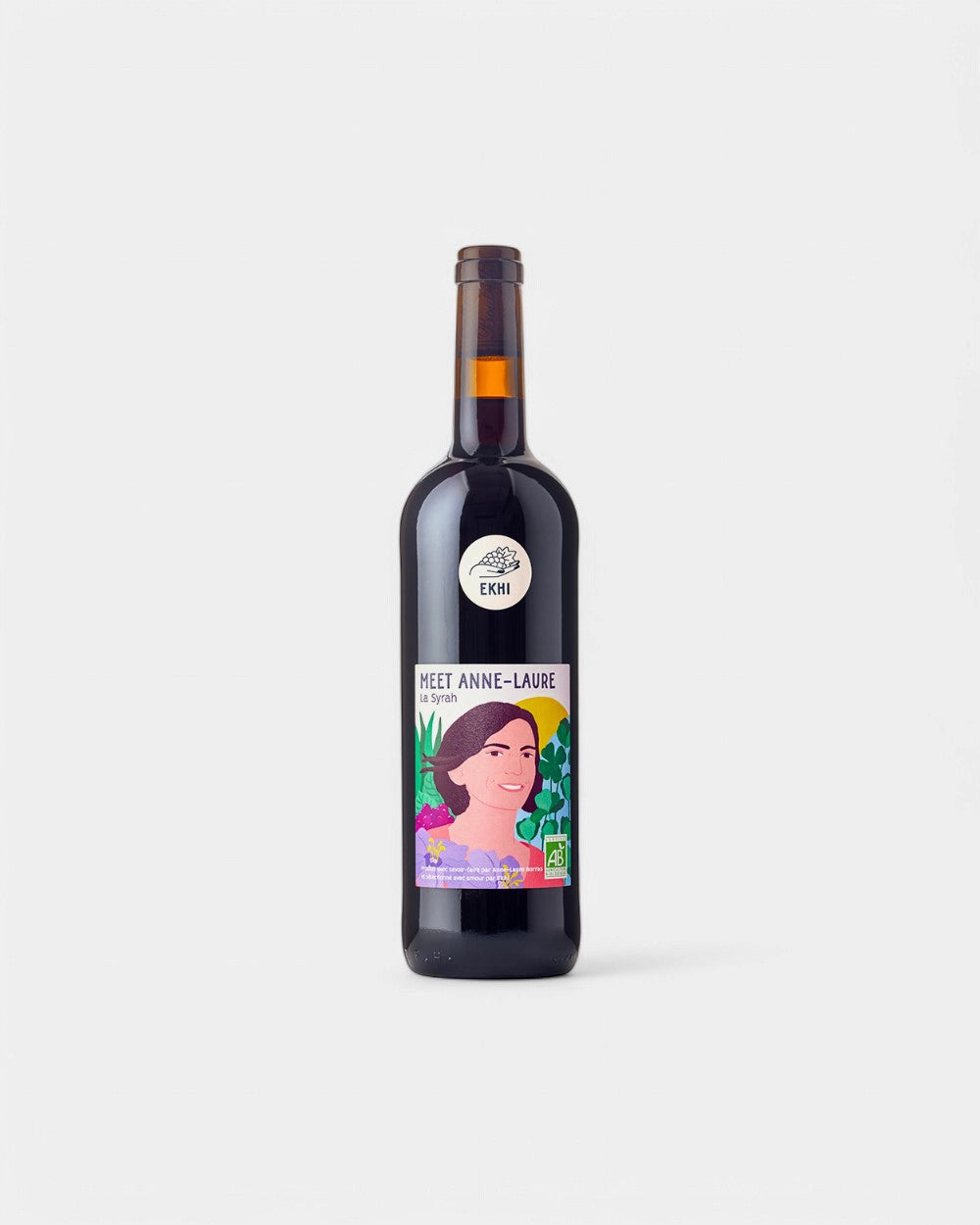


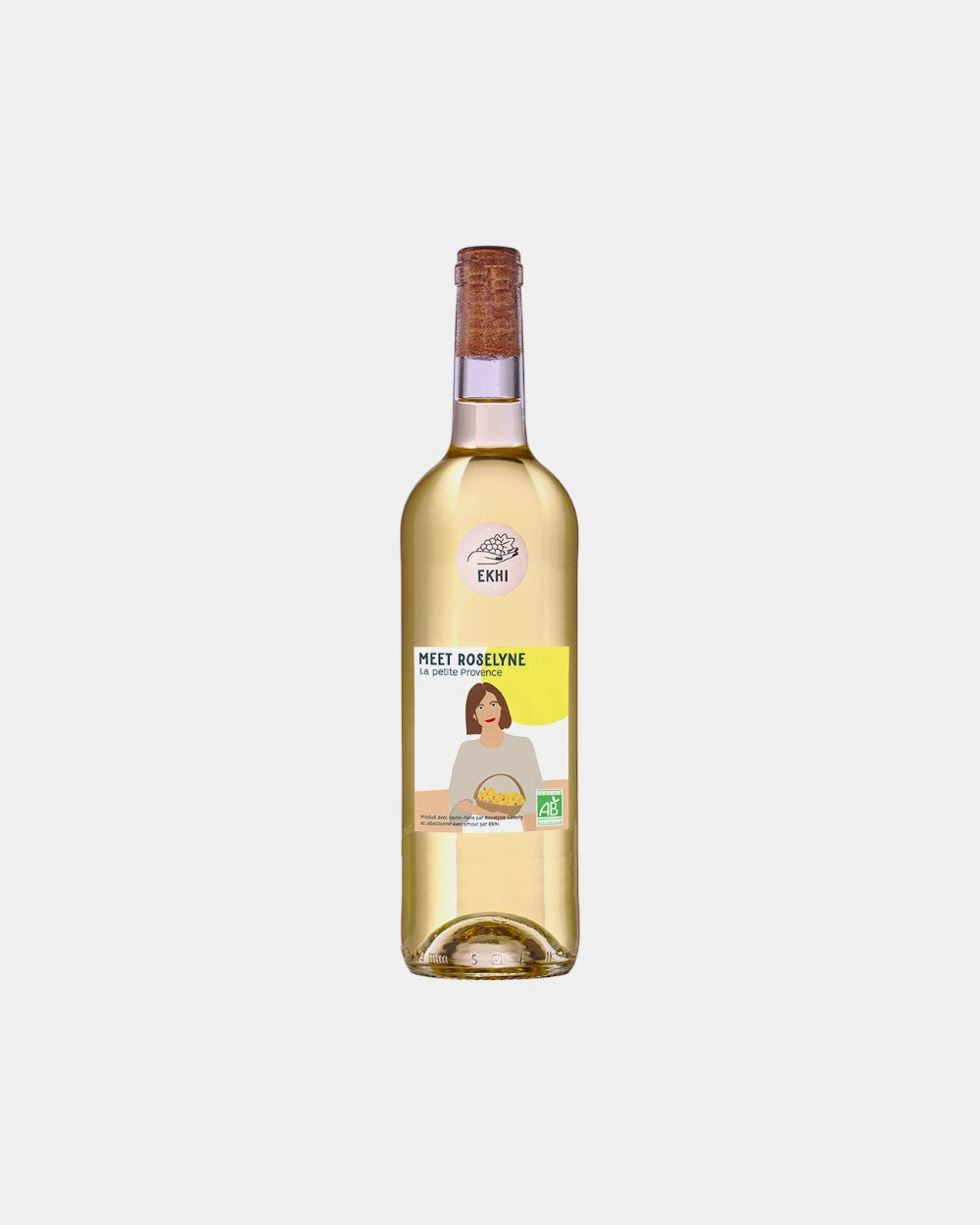


 Made in Switzerland



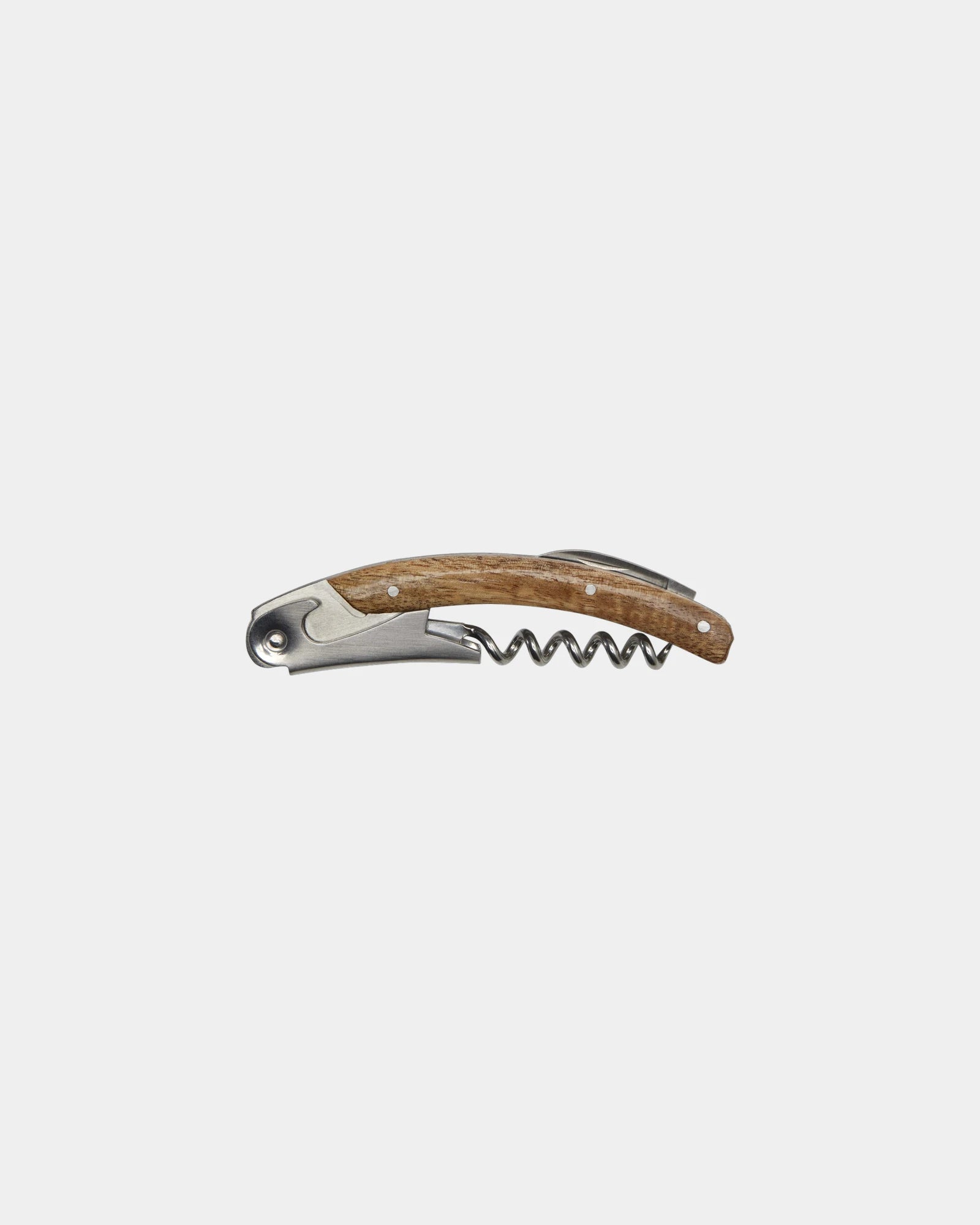


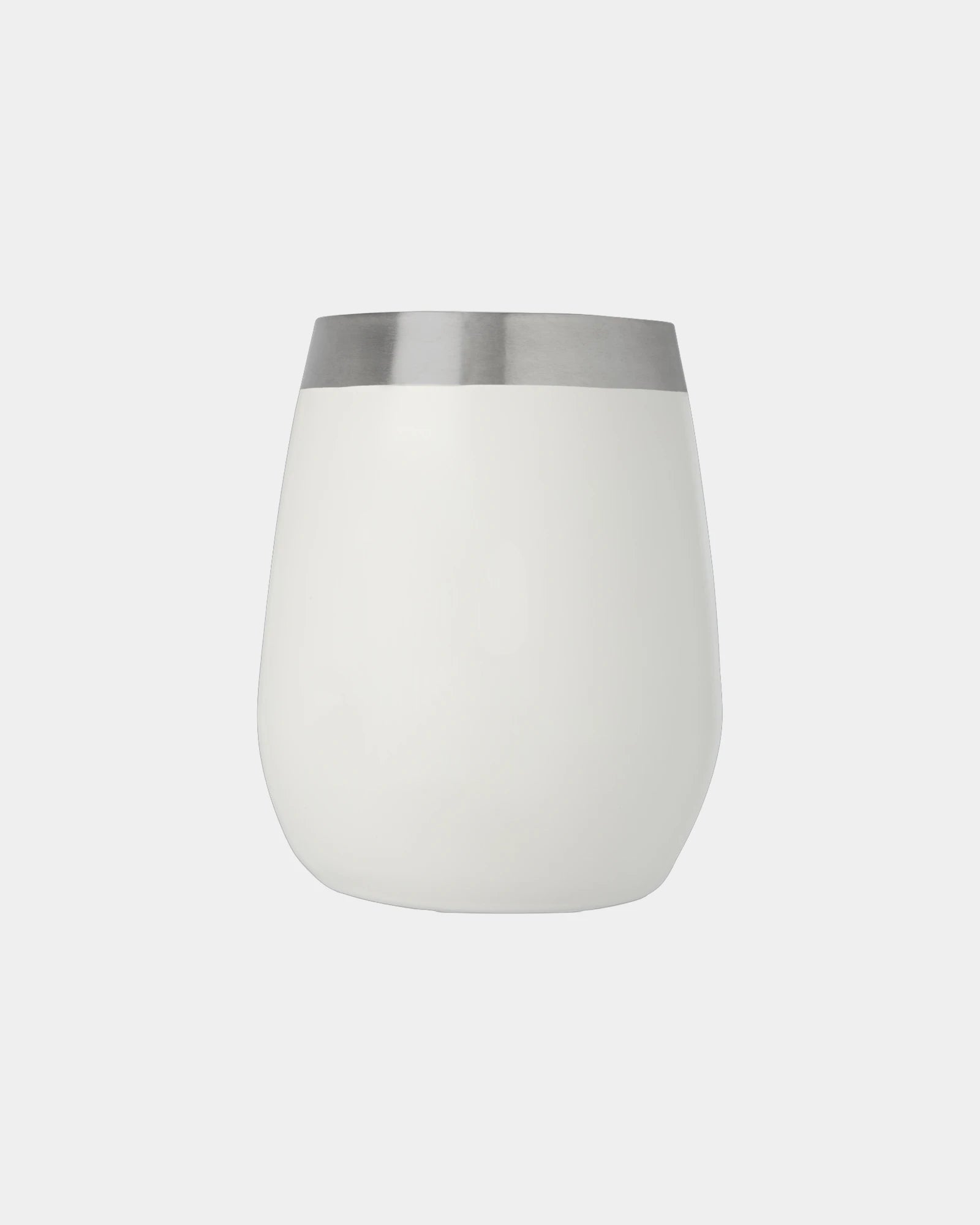






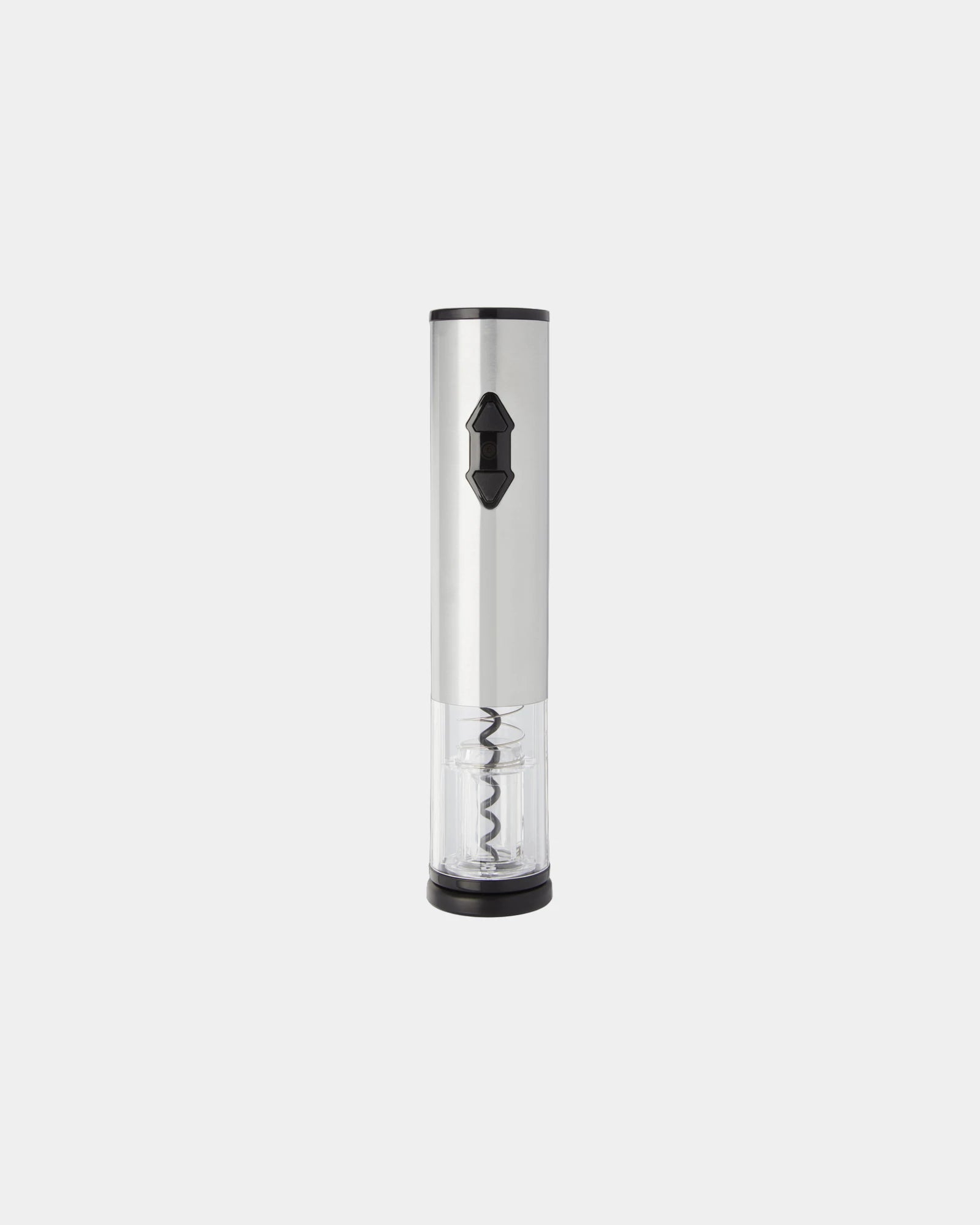


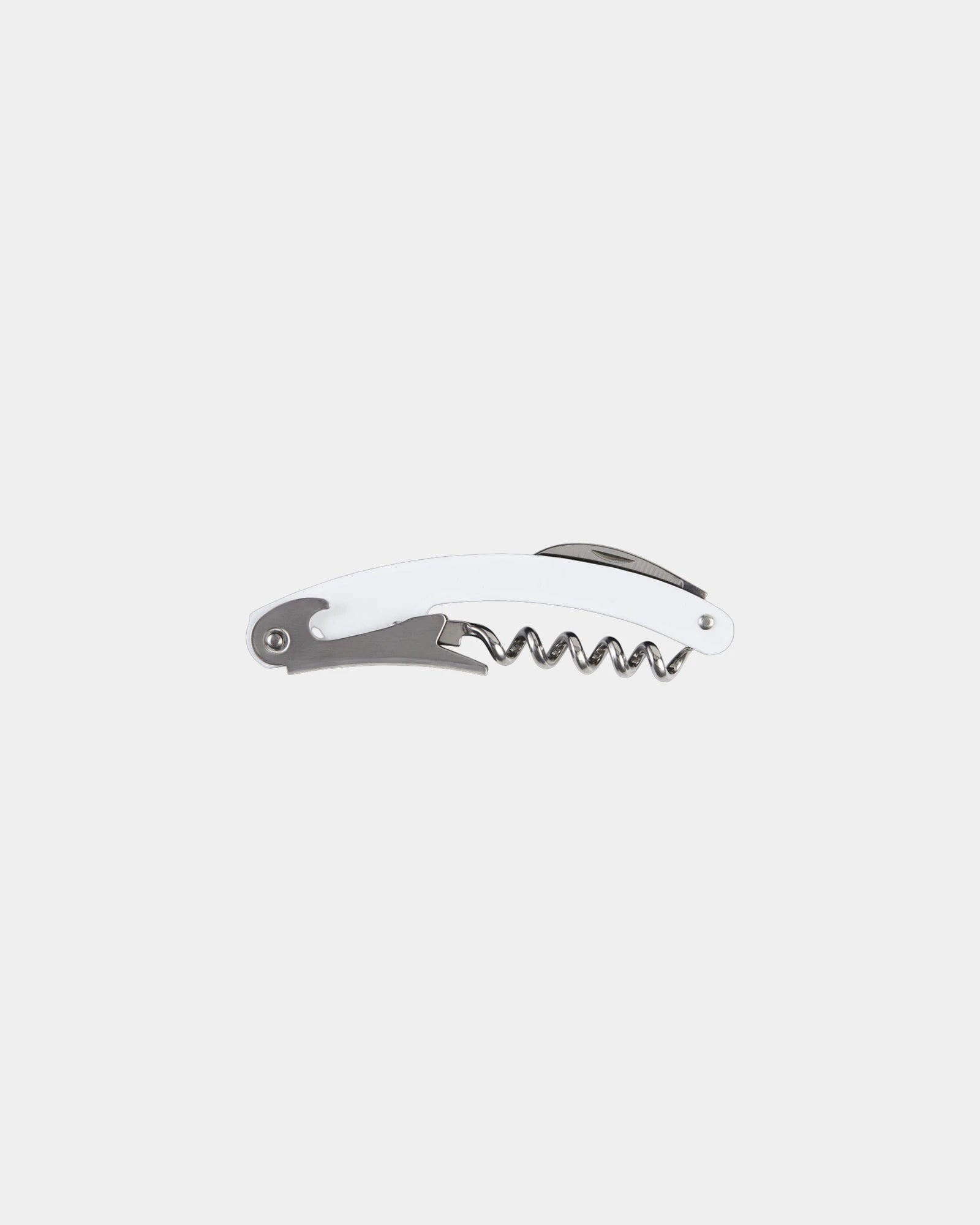
















Treat your clients and employees!

FAQ - Personalised wine bottles
Trusted by 1,000+ companies
Red, white or rosé: choosing branded wine bottles before the branding
A retirement gift for a long-serving manager and a summer-launch handout want different branded wine bottles in the hand. Reach for red wine bottles when the gift wants weight and a keepsake feel; reach for a chilled rosé when the occasion is light and seasonal.
Colour shapes how the gift reads before a word of artwork is added. A red suits autumn-to-winter gifting, board-level thank-yous and anything meant to be cellared for a while. A crisp white suits daytime events and summer client rounds.
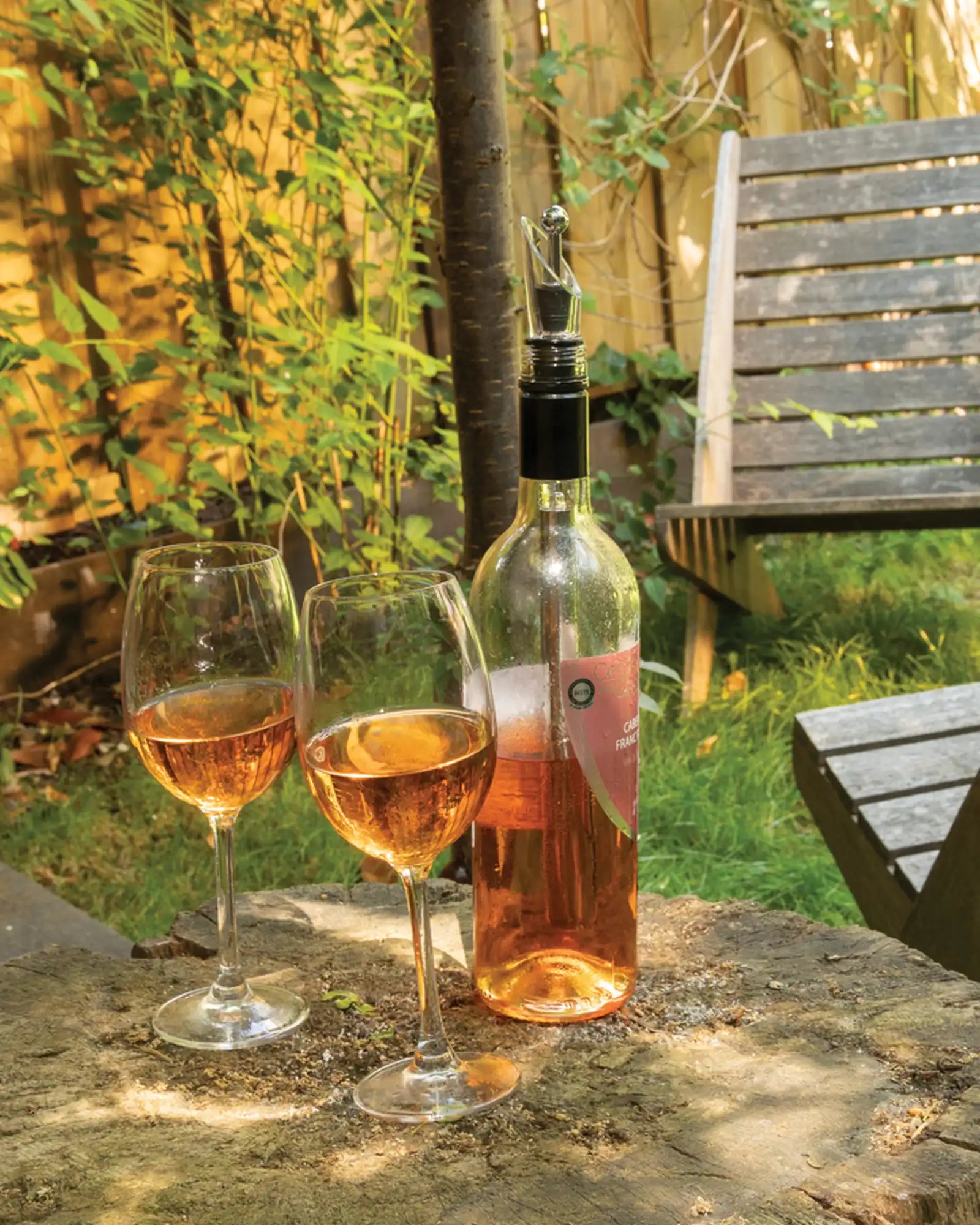
Rosé sits between the two and photographs well, which matters when a recipient shares the gift online. It reads as a warmer, more personal gesture than a serious red, so it fits team celebrations and softer thank-you moments.
| Colour | Season it fits | Reads as | Suits which gift |
|---|---|---|---|
| Red | Autumn to winter | Weighty, keepsake | Board thank-yous, retirement, signings |
| White | Spring to summer | Crisp, daytime | Summer client rounds, launches |
| Rosé | Summer, year-round | Warm, personal | Team celebrations, softer thank-yous |
Decide the colour against the recipient and the season first, then layer the personalisation on top. The marking method works the same across all three, so the colour choice never restricts how your logo is applied to the wine bottles.
Custom printed labels: the flexible route for branded wine bottles
Picture 200 bottles going to a trade-show list, each wrapped in the same full-colour label in your exact brand green. A custom printed label is what makes that run consistent, and it carries detail that cut glass cannot.
What printed wine bottles carry that etching cannot
A printed label on wine bottles reproduces photographs, gradients, a vineyard illustration and long copy cleanly. It replaces or oversleeves the house label, and it spreads its setup cost across a run, so it is the economical choice once you pass a few dozen units.
Supply vector files plus a Pantone breakdown, and a proof lands in your inbox ahead of any print run. How much copy fits depends on the format you pick: the body label takes the lead design, a shoulder or neck wrap adds a second mark, and the reverse label holds room for a tasting note, the occasion's date or a scannable code.
Personalised glasses match a printed label run when the gift includes stemware, so a branded bottle and two etched wine glasses share one co-ordinated design across the parcel.
Deep-etched and colour-infilled branded wine bottles for hero gifts
A bottle handed to a key client at a contract signing wants gravity a sticker cannot give. Deep-etched wine bottles, with the logo carved into the glass roughly 1.5mm deep and infilled in gold or your brand colour, deliver that weight in the hand.
Deep-etched branded wine bottles for named hero gifts
A UK workshop finishes each etch by hand, which is why named recipients and short quantities fit it better than a run into the thousands. A standard engraving scores a single clean line; the deep-etch bites further into the 75cl glass and accepts a colour infill, lifting the wordmark so it reads from the other side of a room.
What you give up is fine detail. Carved glass holds a monogram, a wordmark or one short line of lettering, never a photograph or a gradient. Delicate serif lettering has to be pared back so the cut keeps crisp edges on the bottle, and the infill shade is locked in against each order rather than defaulting to a house colour.
For a recipient who warrants lasting permanence as well as photographic richness, a printed label wrapped onto a deep-etched bottle delivers both at once. The carved logo holds the front of the glass while the full-colour story runs across the reverse.
Marking methods compared across promotional wine bottles
The choice between a sticker run and carved glass turns on whether the bottle gets opened that night or kept on a shelf. A volume handout wants print; a single retirement or signing gift wants etching the recipient keeps long after the wine is gone.
| Method | Artwork carried | Best quantity | Finish on the bottle |
|---|---|---|---|
| Printed full-wrap label | Photos, gradients, full colour | 24 to 500+ | Replaces or oversleeves house label |
| Engraving (line) | Logo or single line | 1 to 60 | Clean cut into the glass |
| Deep-etch plus colour | Logo, monogram, short text | 1 to 80 | Carved and infilled, tactile |
| Neck or back label | Small mark, note, QR | Any | Adds to the existing bottle |
Mixing methods within one order is common. A campaign might send printed-label whites to a wide team and a handful of deep-etched reds to the senior names, all carrying the same logo treatment in different materials.
Single bottle, duo or full case: formats for promotional wine bottles
A make-or-break client gift and a 12-strong sales-team incentive call for different formats of branded wine bottles. A single named bottle reads as a personal marker; a duo of a red and a white reads as a considered pair; a six-bottle case reads as a serious thank-you.
The duo is the workhorse of corporate wine gifting. Pairing a red with a white covers a recipient's taste either way, and it fills a twin presentation box neatly. A mixed case lets you add a rosé so one gift suits a household rather than one palate.
Format also drives the per-unit economics. A single bottle keeps cost tight for a wide list; a case lifts the spend per recipient sharply and suits a short list of flagship accounts. Match the format to how many names sit on the list, not the budget alone.
Personalised food hampers let a bottle or a duo sit among branded food. So a red anchors a wider spread of treats rather than travelling on its own to a top client.
Wooden gift cases and presentation for printed wine bottles
One identical 75cl can read as an off-the-shelf purchase or as something assembled with care, and the casing tips the balance. Slide that wine into a wooden wine case with your logo laser-cut across the lid, and printed wine bottles start to look like a present shaped around the person opening it.
Presentation tiers for promotional wine bottles
Presentation for a wine gift runs in clear tiers. A printed outer carton holds the unit cost down when a full case ships to one depot. A rigid magnetic-close box gives a client thank-you its moment of reveal. A sliding-lid wooden case, branded on the lid, sits at the top for board-level and flagship accounts.
Corporate Gift Boxes let you build the outer presentation around the bottle. So the case, the insert and any extras are specified together rather than sourced from three suppliers at three finishes.
| Tier | Packaging | Reads as | Typical use |
|---|---|---|---|
| Entry | Printed gift carton | Neat, cheerful | Volume staff and event gifting |
| Mid | Rigid magnetic-close box | Considered | Client thank-yous, onboarding |
| Premium | Single wooden case | Gift-grade | Senior and key-account gifts |
| Duo or case | Twin or six-bottle wooden case | Flagship | Board gifts, top-tier wins |
Finishing details lift perceived value cheaply: a hand-tied ribbon, tissue, a printed tasting card and a co-ordinated label turn a bottle into a complete unboxing. Pitch the tier against who is receiving it instead of casing every bottle to one fixed spec.
Branded wine bottles through the gifting calendar
Branded wine bottles earn their keep when they arrive on the right date. A deal close, a long-service award, a summer client round and a year-end gift each call for a different colour, format and message on the label.
When a deal lands or a contract is signed, a single named red on quick dispatch does the job, with the recipient's name and the signing date set across the front label. That bit of branding lifts an ordinary bottle into a record of one particular win, something an off-the-peg hamper can never pull off.
The year-end push is where volume spikes, so a key-account round gets its artwork through cleanest if you brief it across September rather than leaving it to December. Long-service awards play to the deep-etch instead, the year cut into the 75cl glass standing as the keepsake that ends up displayed on a shelf for good.
Summer events and launches favour a chilled white or rosé in lighter presentation. A daytime conference rarely wants a heavy cased red, so match the wine and the box to the temperature of the occasion as much as its importance.
- Deal close: single named red, fast dispatch
- Long-service award: deep-etched year on the glass
- Year-end: branded duo round, book by autumn
- Summer launch: chilled white or rosé, light box
- Client thank-you: printed label with a tasting card
- Board gift: six-bottle wooden case, mixed colours
House and region names as a market reference on printed wine bottles
Gift lists often call for a familiar style, and putting a name to a region makes that brief easier to write. Grape, region and producer names appear on wine bottles purely to point at a recognisable style and price band; they are not a promise that any one estate or vintage sits in the bottle.
That distinction matters in your gift messaging. A label can describe a wine as a Bordeaux-style red or a Provence-style rosé to set expectations. The card should not promise an exact château or year beyond what each product spec confirms.
We state what the spec supports and stop there. Where a recipient cares about provenance, we point you to the line whose spec carries that detail. That beats overstating it on a label that travels to a client who knows their wine.
Personalised champagne covers the sparkling side of the same gifting brief. A celebration that wants fizz rather than a still red then has a matched route with the same personalisation methods.
Artwork, proofing and brand colour on promotional wine bottles
A label that prints a shade off-brand undoes the gift. Getting the artwork right on wine bottles starts with vector files and a Pantone reference, so the green on the bottle matches the green in your brand book.
A no-charge label proof reaches you inside a day, giving you the chance to approve the wrap before a single bottle runs through the press. That proof maps how a full-bleed design follows the curve of the glass, where the reverse label folds round and whether the type stays readable once it sits at the bottle's true size.
Deep-etch needs different artwork from print. The carved version wants clean line art and a single infill colour, so a photographic crest that works on a label has to be simplified for glass. We flag what survives the method before the run starts.
Custom drinkware and lunchware reuses the same approved logo files, so a bottle gift and a run of branded tumblers for the same campaign carry one consistent mark without re-proofing from scratch.
Ordering and lead time for branded wine bottles by quantity
Costing and scheduling a 24-bottle thank-you round looks nothing like costing a 250-strong conference run. What you pay for branded wine bottles rests on three things: how many you order, the format you settle on, and whether the mark goes down as a printed label or a deep-etch.
A custom printed label is the workhorse for volume. Once the artwork is set, a few hundred bottles label quickly and the origination cost thins out across the run. Deep-etching the glass is slower, because each bottle is masked and finished by hand. An etched order of the same size carries a longer lead time and suits smaller, higher-value gift lists.
Standard delivery runs to three weeks after artwork sign-off. Wooden cases and large mixed-format orders add finishing time, and year-end orders want the autumn booking flagged earlier, since demand and courier capacity both tighten through the season.
Personalised mugs follow the same quantity logic when a desk gift joins the wine, so the bottle count gets weighed against the rest of the parcel before any lead time is confirmed.
Shipping promotional wine bottles to one site or many addresses
The destination matters as much as the wine inside, since it reshapes the whole logistics brief. Dropping one pallet at a single reception is a world away from routing 120 separate bottles out to remote staff at home and a client list spread across the country.
A single bulk consignment works for an awards evening or for restocking a boardroom rack. Scatter the list, though, and every bottle travels inside a moulded-pulp cradle built to bring a 75cl of glass intact through the couriers. Each of those mailers gains weight and cost from the cradle, parcel by parcel.
Because the bottle is both heavy and breakable, the packing spec and your in-hand date get pinned down ahead of any dispatch. Pair two bottles or send a full case and you need a partitioned outer, and that goes into the per-parcel sum up front rather than surfacing once the labels have already run.
Because wine is an age-restricted product, every individual parcel requires an adult signature at the door. Send mailers to addresses where someone can sign, since a failed delivery on glass risks both breakage and a return.
Responsible gifting and over-18 rules on printed wine bottles
A personalised wine bottle is an alcoholic gift, so it follows different rules from a branded mug. Each bottle goes to adults only, needs an over-18 signature when it lands, and we hold any consignment where an age check cannot be completed at the door.
We attach no health or wellbeing message to the wine itself and keep every gift framed around moderate, responsible drinking. Adding a label or an etch changes your branding only; the alcohol strength and the duty owed on the bottle stay exactly as the vineyard set them.
Across a mixed staff list, anyone who does not drink can be sent an alcohol-free option in place of the wine. Tell us how many at the point of ordering, so the batch is built with the correct mix from the outset instead of treating wine as the right fit for every name.
Building a wider gift around branded wine bottles
A single bottle is a complete gift, but some briefs want it to anchor more. A branded wine bottle can sit as the centrepiece of a larger parcel. It then reads as the considered heart of a spread rather than travelling alone to a top account.
The pairing only works when both pieces carry the same logo treatment. A bottle beside a marked food item or two etched glasses reads as one deliberate set, where two unrelated buys read as a basket assembled at the last minute. We hold the approved logo files so every piece in the parcel shares one mark without re-proofing.
The wider the parcel, the more the per-recipient spend climbs, so the multi-piece build is reserved for a short list of flagship accounts. A volume thank-you round stays leaner, with one labelled bottle in a tidy carton doing the work across hundreds of names. Match the build to the relationship, not a flat figure per head.

