

Branded Slippers
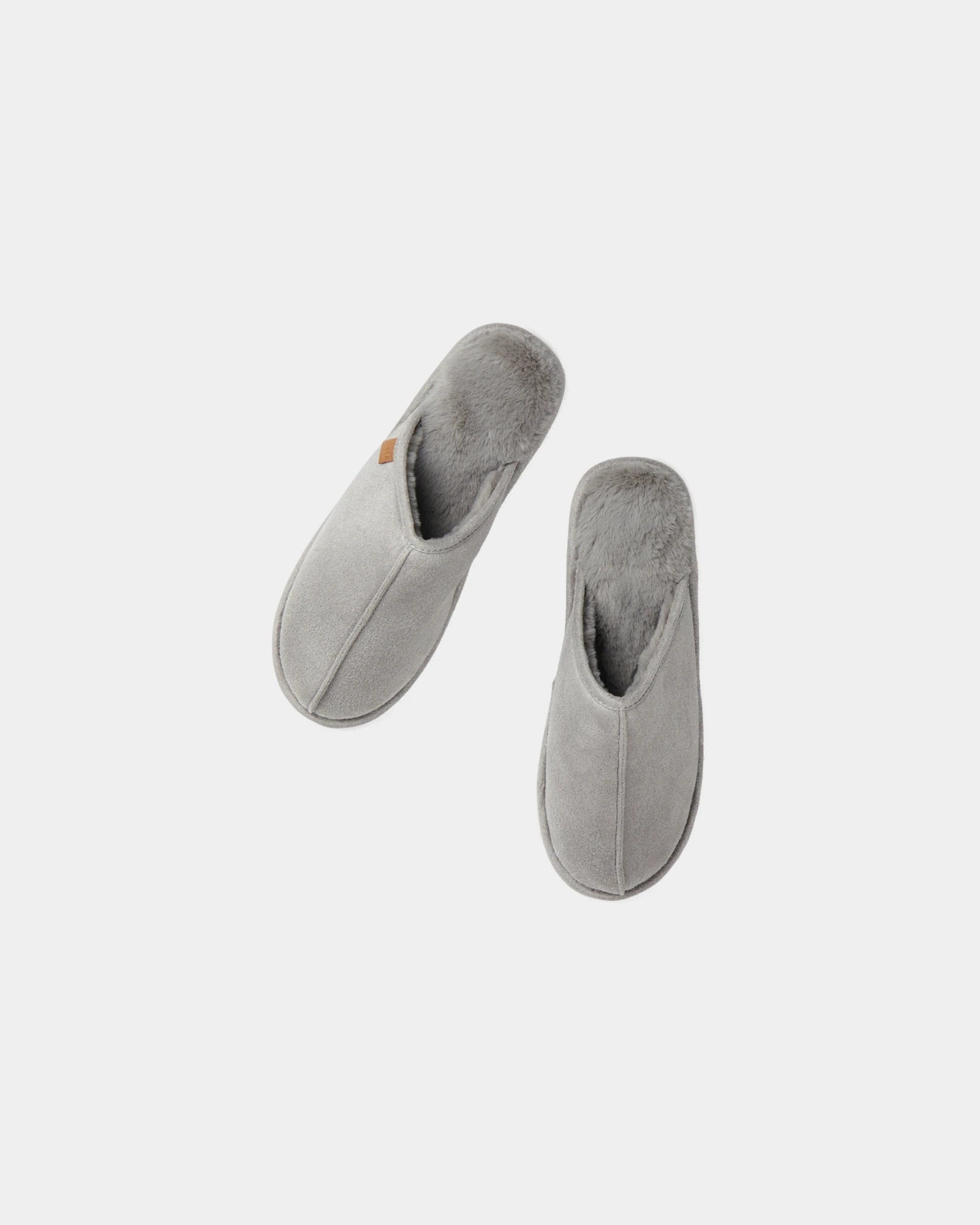


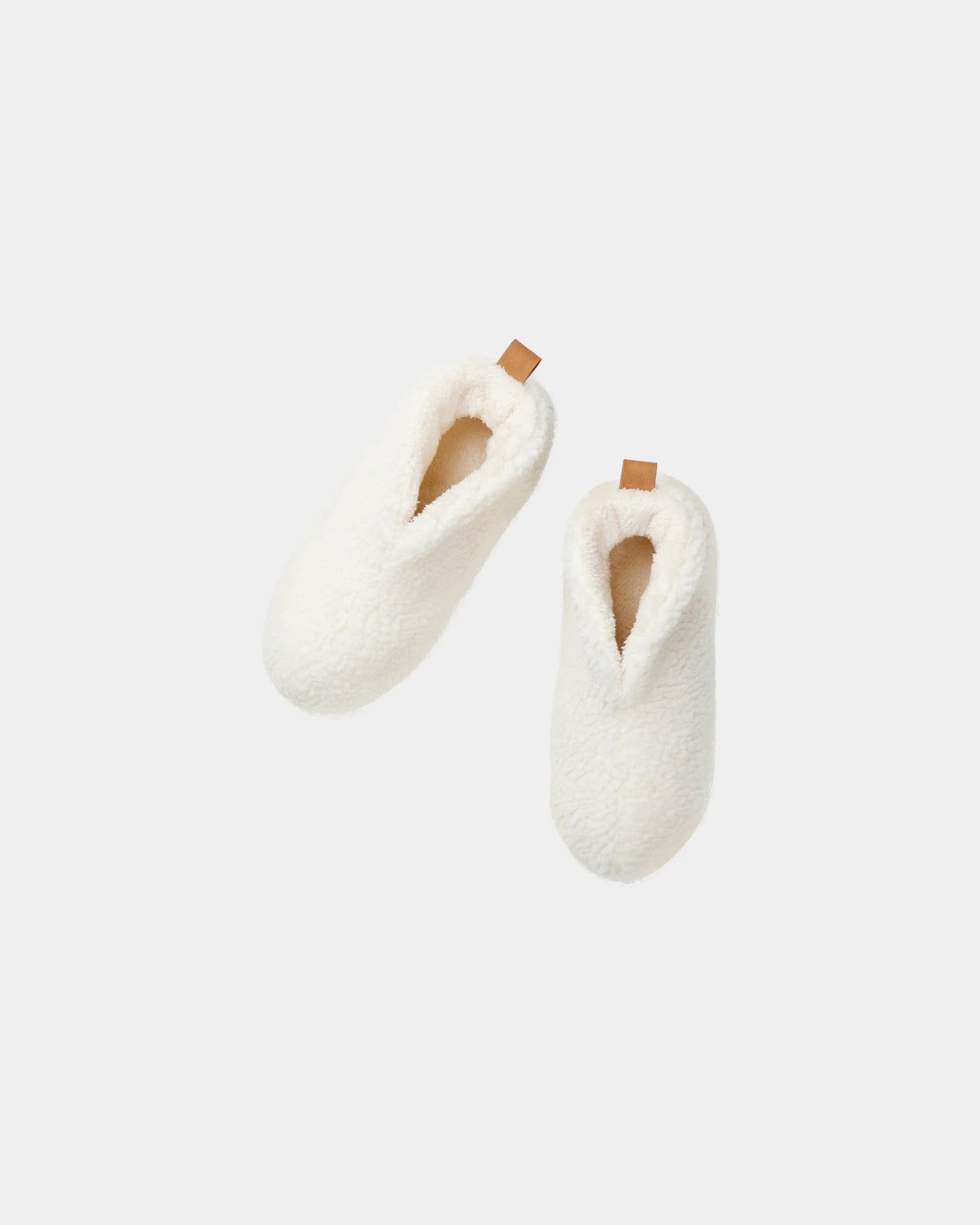


Treat your clients and employees!

FAQ - Personalised Slippers
Trusted by 1,000+ companies
Closed-toe, open slide or bootie: matching the branded slippers to the moment
Walk into a five-star room and the branded slipper on the bath mat is almost always a closed-toe terry mule. It covers the whole foot and reads as the more considerate amenity. That single style choice signals whether a guest feels looked after or merely supplied.
Open slides do the opposite job. A spa hands out a backless towelling slide so a guest steps in and out at the pedicure station without bending. A poolside resort wants the same quick on-off by wet feet. The exposed toe also makes one moulded size stretch across a wider range of feet.
Bootie slippers wrap the ankle and suit colder briefs, where a wellness retreat or a winter gift wants warmth over quick removal. Each shape answers a different scene, so the first decision on any run of personalised slippers is the silhouette, not the logo.
There is also the disposable-versus-reusable split that cuts across every shape. A single-stay paper-soled pair is laundered once or binned, while a coral-fleece reusable pair survives dozens of washes and goes home with the guest. The table below sets the four working styles against the scene each one fits.
| Style | Best scene | Sole | Typical reuse |
|---|---|---|---|
| Closed-toe terry mule | Hotel room amenity | EVA or non-slip dot | Single-stay or reusable |
| Open backless slide | Spa, pool, pedicure | Thin EVA | Single-stay |
| Ankle bootie | Wellness retreat, winter gift | Padded EVA | Reusable |
| Waffle or velour mule | Boutique gift, retail | Memory-foam | Reusable |
Terry, coral fleece, waffle or memory-foam: the fabric of your branded slippers
Matching the fabric of branded slippers to the setting
Fabric is the comfort decision on a pair of branded slippers, ahead of the logo. A quick-drying terry suits a wet spa floor, where a plush coral fleece answers a festive gift, so the setting points to the cloth before the mark goes on.
A spa welcome pair and a Christmas comfort gift pull the fabric brief in opposite directions. The spa wants terry towelling, because looped cotton dries fast against a wet foot and laundries at high temperature without matting. The gift wants coral fleece, which feels plush in the hand the moment it leaves the box.
Waffle-weave sits between the two. Its textured grid looks smarter than flat towelling, which is why boutique hotels reach for it when the branded slipper has to match a robe and a slate amenity tray. It still launders well, so it serves a reusable in-room programme rather than a single stay.
Underfoot is where comfort is won or lost. A thin foam insole suits a disposable pair, while a memory-foam footbed of roughly 5 to 10 mm turns a reusable slipper into something a guest keeps. Recycled velour and rPET terry answer CSR briefs, with any organic or recycled content confirmed on request or as stated in the product spec.
Fabric weight also steers the feel. Terry around 280 to 350 GSM gives a substantial hotel pair, while a lighter loop keeps a giveaway slimmer and cheaper to post. The same logic that governs Custom Clothing weight applies here, so we sample two or three fabrics against your brief before you commit the run.
| Fabric | Handle | Launders at | Best brief |
|---|---|---|---|
| Terry towelling | Absorbent, quick-drying | Approx. 60 degrees | Spa, reusable hotel |
| Coral fleece | Plush, warm | Approx. 40 degrees | Festive and comfort gift |
| Waffle weave | Textured, smart | Approx. 40-60 degrees | Boutique hotel, retail |
| Velour | Soft, sheen finish | Approx. 30-40 degrees | Premium gift box |
| Recycled rPET terry | Towelling feel | Approx. 40 degrees | CSR-led giveaway |
Embroidered vamp, woven label or printed strap: branding your printed slippers
Where the logo sits cleanest on printed slippers
Placement decides how a pair of branded slippers reads. An embroidered vamp signals a premium amenity, where a printed strap keeps a high-volume giveaway cheap, so the finish follows the budget and the setting.
The vamp, that strip across the top of the foot, is the prime real estate. An embroidered logo on the vamp of a closed-toe mule reads as the premium finish, because the stitching sits proud of the towelling and never washes out. A boutique hotel almost always specifies embroidery here.
Printed slippers take the budget-friendly route. A logo screen-printed or heat-transferred onto the strap of an open slide carries crisp colour at a low unit cost. That is why a festival or an event giveaway leans on print. A printed strap also handles a multi-colour mark that embroidery would struggle to render.
A woven satin label stitched into the vamp or the heel suits brands that want a discreet, retail-grade finish rather than a bold logo. Sole printing adds a final touch, putting a message or a website under the foot that shows as the guest steps out of the pair.
Branding the box matters as much as branding the branded slipper. A printed sleeve or a tissue wrap carries the logo before the guest even sees the pair, so the identity lands at the moment of unboxing. We map every mark at proof stage so nothing distorts across a curved vamp or a stretched strap.
Branded slippers as a boutique-hotel room amenity
Picture a 40-room boutique hotel turning over its in-room amenity. The slipper has to survive an industrial laundry at 60 degrees, sit flat in a limited wardrobe space and still feel generous when the guest unwraps it. That points to a reusable closed-toe terry mule with an embroidered vamp and a non-slip sole.
Reorder predictability is the quiet advantage here. Hotels replenish on a steady cycle, so we hold your embroidery spec and fabric on file for fast repeats at a fixed size split. If you also dress the room with Personalised Accessories, one consistent identity can run from the slipper to the robe tie and the laundry bag.
The amenity choice signals the property's tier. A flimsy paper slipper undercuts a luxury room rate, while a substantial embroidered pair justifies it. For a property weighing the upgrade, we will send a free sample of the proposed pair so the housekeeping team can wash-test it before any volume is committed.
Sole construction and anti-slip safety on printed slippers
A wet spa floor is a slip claim waiting to happen, so the sole on branded slippers is not a detail to leave to chance. An EVA sole moulded with a textured tread grips a tiled wet room far better than a flat foam base. A closed-toe pair for a pool area should always specify that tread.
Disposable in-room slippers use a thinner non-slip dot pattern printed onto the underside, which adds grip on a bathroom floor without the cost of a moulded sole. The dot layout matters: a sparse pattern slides, while a dense grid holds underfoot across a damp surface.
Sole thickness trades grip against pack size. A 3 to 5 mm EVA sole keeps a slipper light and flat for posting. An 8 to 12 mm moulded sole gives a reusable pair real cushioning and a longer life. Airlines and hotels weighing storage against comfort usually settle the run on this single dimension.
One-size or graded sizing for promotional slippers
A conference giveaway handed to a crowd you have never measured leans on one-size open slides. Stretch towelling and an exposed toe cover a UK 5 to 11 range on a single mould. That keeps the order simple and the inventory to one line.
A hotel that wants a proper fit grades the run instead. A typical in-room split runs small, medium and large across roughly UK 3 to 6, 6 to 9 and 9 to 12. That way a guest is not swimming in or splitting out of the pair. We confirm the band ratio against the property's guest profile before production.
Closed-toe styles need graded sizing more than open slides, because a covered toe has no give. Forcing one closed mule to fit every foot leaves tall guests cramped, so a two or three band split usually satisfies a mixed adult audience without complicating the order.
- One-size open slide covers UK 5-11 on a single mould
- Three-band hotel split for a proper closed-toe fit
- Children's bands for family resorts and pools
- Wider EE fitting on request for comfort briefs
- Stretch towelling forgives half a size either way
- Size printed on the sole for fast housekeeping sorting
| Approach | Range covered | Best for | Stock lines |
|---|---|---|---|
| One-size open slide | Approx. UK 5-11 | Events, spa, giveaways | 1 |
| Two-band split | Small and large | Compact hotel amenity | 2 |
| Three-band graded | UK 3-6, 6-9, 9-12 | Full hotel programme | 3 |
| Children's added band | Approx. UK 10-2 | Family resorts, pools | 4 |
Disposable or reusable: the lifecycle of your branded slippers
A first-class airline kit and a five-star turndown service make opposite lifecycle calls. The airline wants a single-use pair the passenger pockets or discards after one flight. A light terry slipper with a thin non-slip sole and a printed strap hits the cost and weight target.
A reusable in-room pair plays a longer game. Laundered between stays, a coral-fleece or waffle mule earns its higher unit cost across dozens of washes, and many guests take it home, carrying the logo well beyond the property. The choice hinges on whether the pair is consumable or an asset.
Hygiene rules disposables in some settings outright. A medical clinic, a sauna circuit or a high-turnover gym often cannot launder between users, so an individually bagged single-use slipper is the only compliant option. We bag and seal each pair where the brief demands a sterile presentation.
The lifecycle call also drives the fabric and the sole, not just the logo. A disposable brief takes thin terry and a printed dot sole; a reusable brief takes heavier fleece and a moulded EVA base. Match those to the number of wears, and the slipper suits the job rather than fighting it.
Branded packaging and presentation for printed slippers
A festive comfort gift lives or dies on the unboxing, so the packaging on branded slippers does as much work as the pair inside. Among Corporate Gift Ideas, a printed two-piece box lifts a milestone gift, while a branded belly band turns a loose pair into something giftable at a fraction of the cost.
Spa and hotel programmes favour a flat printed sleeve or a tissue wrap, because it stores compactly in housekeeping and tears open cleanly at turndown. A drawstring bag, by contrast, invites the guest to keep the slipper for travel, which extends the brand's reach past the stay.
Sustainable packaging answers CSR briefs without much added cost, using recycled card and paper bands in place of plastic film. Recycled or FSC content is confirmed on request or as stated in the product spec, never claimed loosely. A short insert card on the fabric or wash care gives the recipient a reason to keep the pair.
For posted gifts, a letterbox-friendly mailer saves on delivery and missed-card hassle. A flat-folded slide in a slim recycled sleeve drops through a standard letterbox. A direct-to-recipient run then avoids the depot queue that should have been a pleasant surprise instead.
Promotional slippers for airline kits and travel amenities
An airline business-class amenity kit is a tight brief: every gram and millimetre counts. A flat-folded open slide in light terry packs into a wash bag beside the eye mask and socks. It adds almost nothing to the kit weight, yet carries a printed logo the passenger sees at 38,000 feet.
Travel slippers reach an audience apparel cannot. A passenger who slips them on for a long-haul flight associates the comfort directly with the carrier. The pair often travels home in hand luggage, extending the impression past landing. That retention is the real argument for slippers over a disposable trinket.
Train operators, ferries and sleeper services run the same logic on a smaller scale. Where a kit also includes Personalised keyrings, a matching slipper completes the amenity without inflating the weight or the unit cost the procurement team has to defend.
Compact packing is non-negotiable in this sector. We vacuum-fold or flat-fold the pair so it sits flush in a slim kit. We then proof the fold against the bag dimensions before the run. A slipper that bulges the pouch fails the brief however good the print is.
Printed slippers for retail gifts and event giveaways
A 2,000-pair festival drop only works if the unit cost stays low and the slipper still looks intentional. Set against heavier Branded events merchandise, a printed open slide in two colourways packs flat into giveaway bags and ships at a fraction of the weight.
Retail gifting raises the bar on finish. A boxed waffle mule with an embroidered vamp sells alongside a robe as a Christmas comfort set, so the slipper has to look like a product, not a freebie. We match the box stock and the ribbon to the retail range it will sit beside.
Promotional slippers retain better than disposable swag. A pen is lost in a week and a tote lives in a cupboard. A comfortable pair gets pulled from the drawer cold evening after cold evening, each wear another quiet impression. A wellness brand sampling subscribers wins on exactly that repeat exposure.
For an exhibition stand, a bold printed pair pulls eyes from the aisle and gives visitors something to walk away wearing. Where the stand also hands out Custom stickers, the slipper anchors the heavier, more memorable half of the giveaway.
Sustainable and recycled promotional slippers on request
A B-Corp client briefing a hotel amenity will often lead with the pair's footprint, not the logo. Recycled velour, rPET terry and natural rubber soles answer that. Any such credential is confirmed on request or as stated in the product spec, rather than assumed on the page.
Disposability is the harder conversation for sustainability. A single-use slipper is convenient but wasteful, so where the setting allows we steer a client toward a launderable reusable pair, which spreads its impact across dozens of wears. Where hygiene forbids reuse, a paper-soled, plastic-free disposable is the honest compromise.
Packaging closes the loop. Pairing a recycled-fabric slipper with a recycled paper sleeve and a plastic-free mailer gives a giveaway a coherent sustainability story. A property that also orders Branded office supplies in recycled stock can run one consistent eco narrative across its whole guest-facing range.
A buyer's shortlist for branded slippers
Hotels, spas, airlines and retail gifting each pull a slipper toward a different style, fabric and finish. The grid below sets a common brief against the build that tends to suit it, so a buyer can shortlist before reading a single product page.
| Brief | Style and fabric | Finish |
|---|---|---|
| Boutique hotel amenity | Closed-toe terry mule | Embroidered vamp, non-slip sole |
| Spa and pool | Open terry slide | Printed strap, EVA tread |
| Airline amenity kit | Light terry slide | Printed strap, flat-fold |
| Festive retail gift | Waffle or velour mule | Embroidered vamp, boxed |
| Clinic or gym | Single-use slide | Printed strap, sealed bag |
Read the grid as a starting point, not a ruling. A property often runs two builds at once. A reusable embroidered mule dresses the room, and a sealed single-use slide serves the pool. One supplier then covers both ends of the brief.
Minimums, lead times and ordering your branded slippers
A hotel relaunch needed for a season opening runs on a different clock than a slow-build retail reorder, so lead time tracks both quantity and branding method. Printed runs move fastest because the blanks are pre-made, while embroidered pairs add a few days for the stitch set-up.
Minimums flex by method and style. Printed open slides can start near 50 pairs, embroidered closed-toe mules around 100, and a fully boxed gift set sits higher where the packaging set-up favours volume. We approve usable artwork within 24 hours so the production clock starts as early as possible.
Larger volumes lower the unit cost and unlock finer embroidery and extra print colours, because the set-up spreads across more pairs. A property consolidating a wider guest-facing brief that also runs Custom Trainers keeps lead times and artwork approvals aligned across every item.
The method, the style and the packaging together set the timeline, so we quote them as one. The table below pairs each branding route with its realistic minimum and lead time, so you can match the brief to the calendar before you commit.
| Branding method | Typical minimum | Colour flexibility | Indicative lead time |
|---|---|---|---|
| Printed strap or sole | From approx. 50 pairs | Multi-colour | Approx. 2-3 weeks |
| Embroidered vamp | From approx. 100 pairs | Thread-dependent | Approx. 3 weeks |
| Woven satin label | From approx. 100 pairs | 1 to 3 colours | Approx. 3 weeks |
| Boxed gift set | From approx. 100 pairs | Method-dependent | Add approx. 3-5 days |

