

Printed pouches
- Price, low to high
- Price, high to low


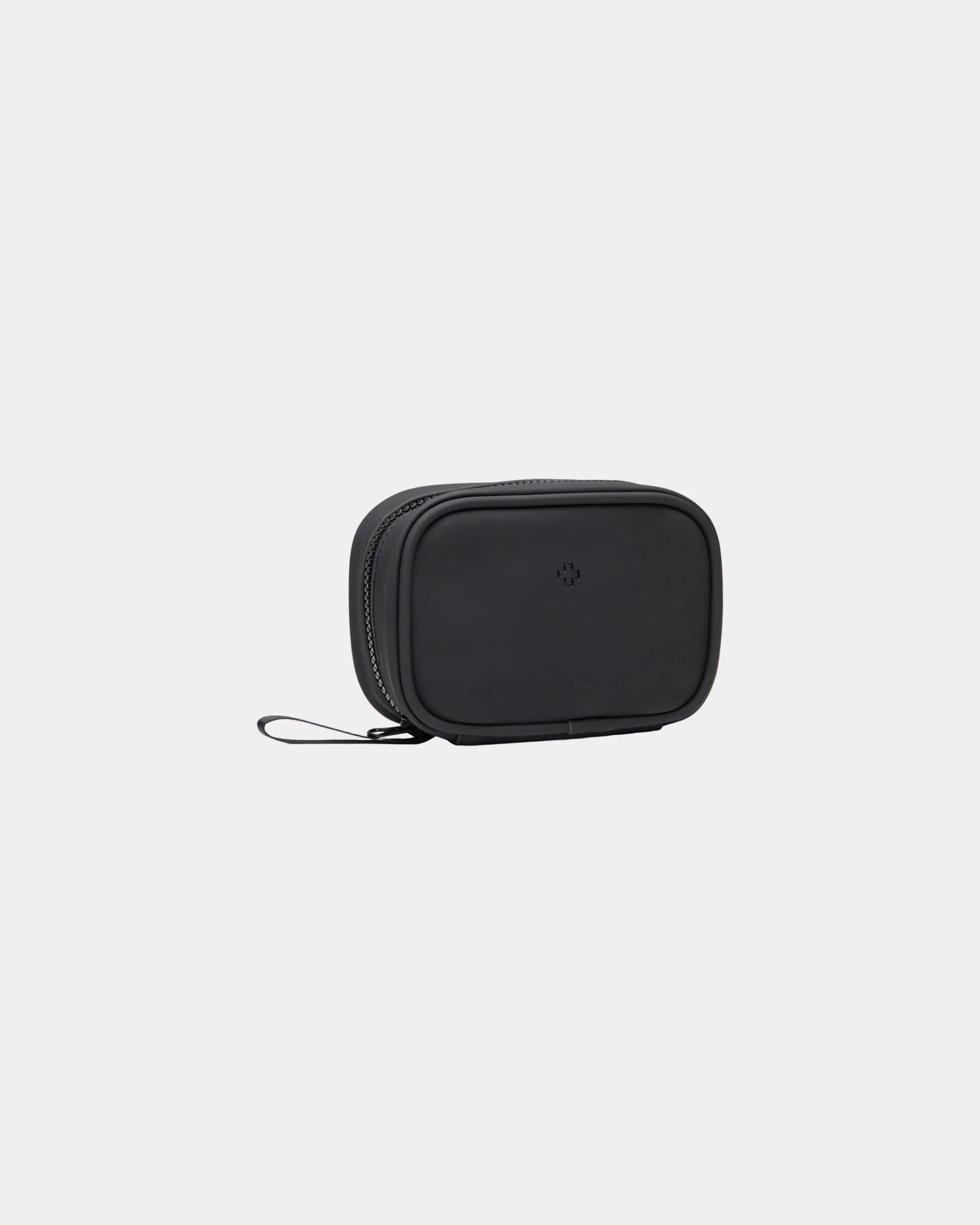


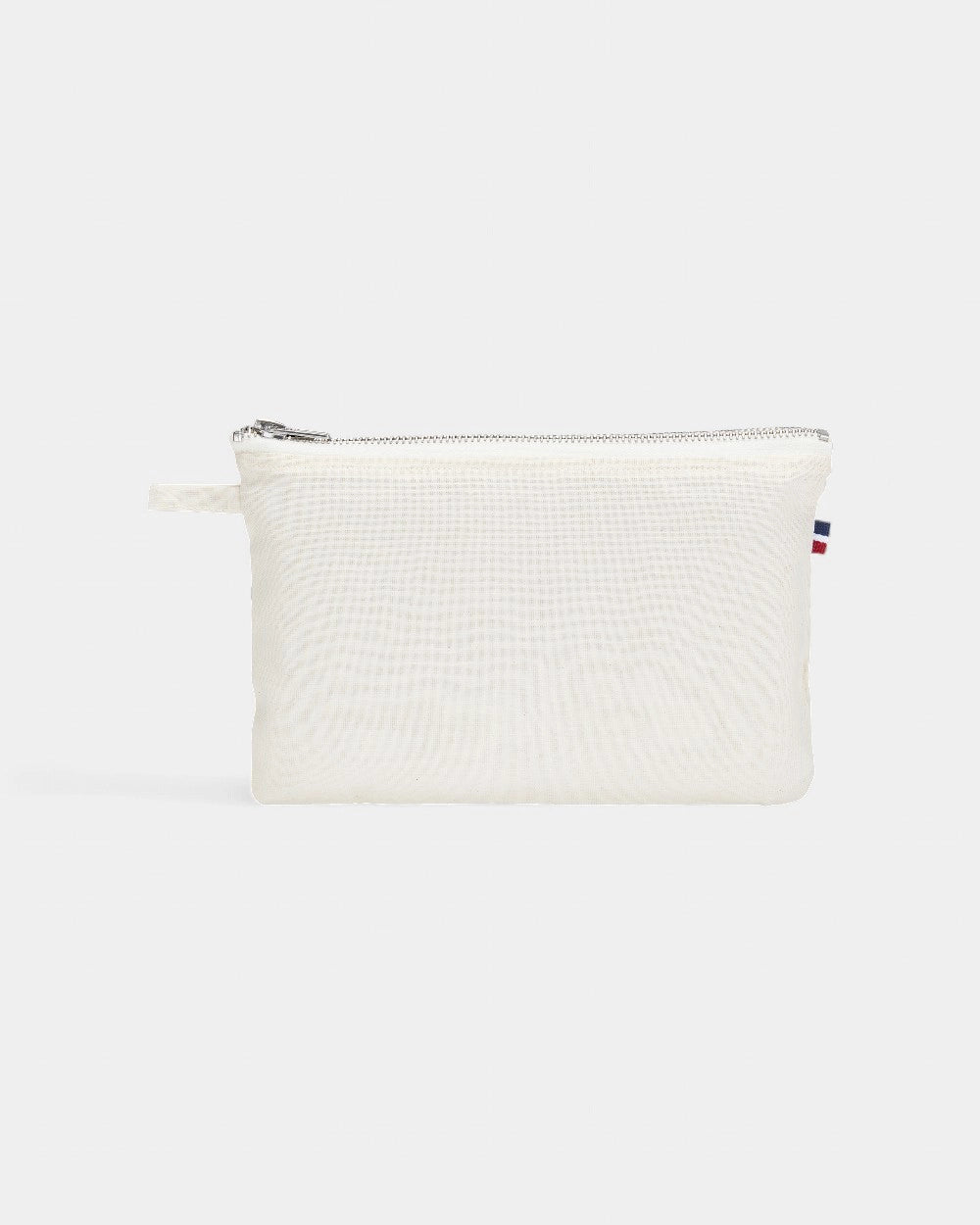


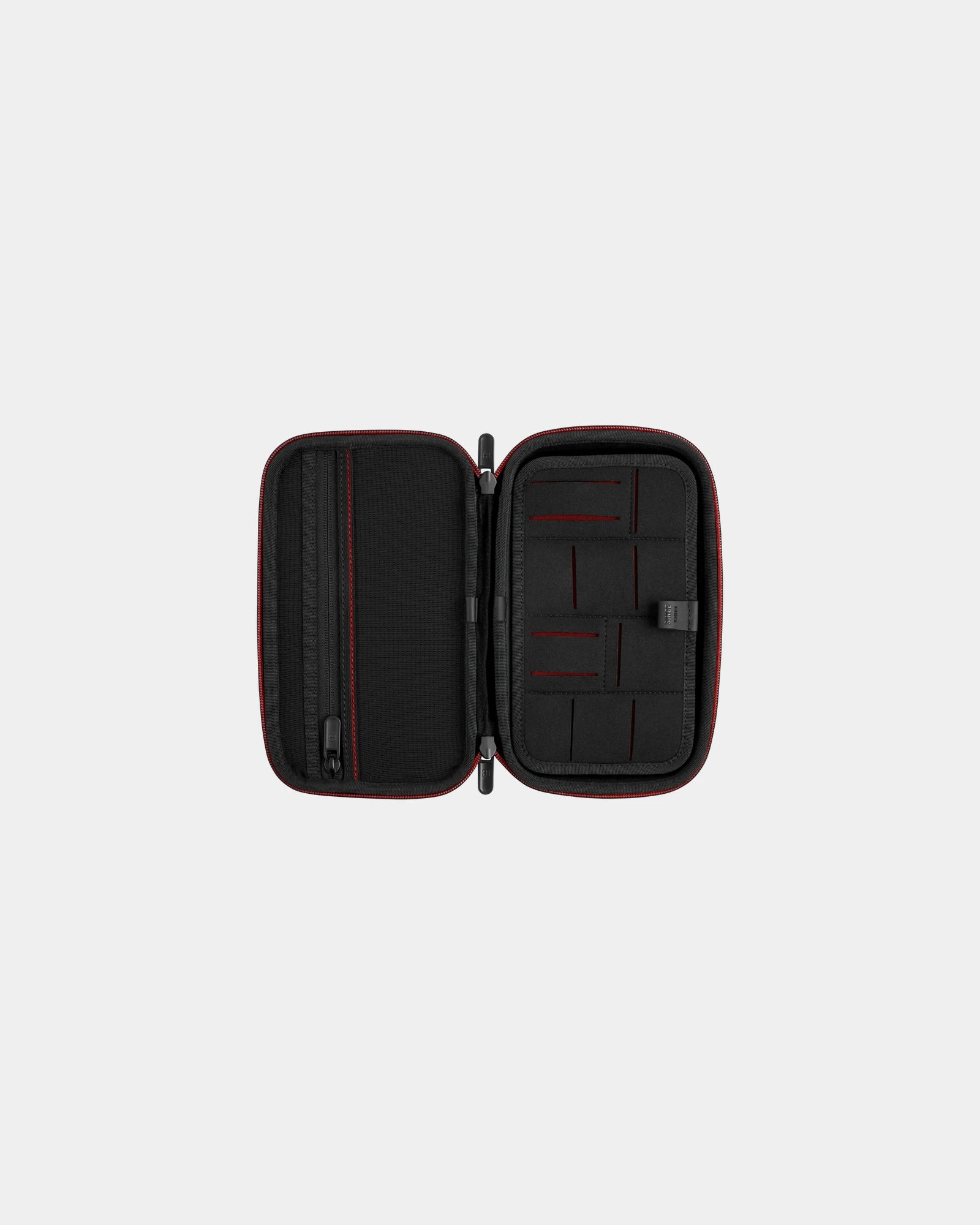




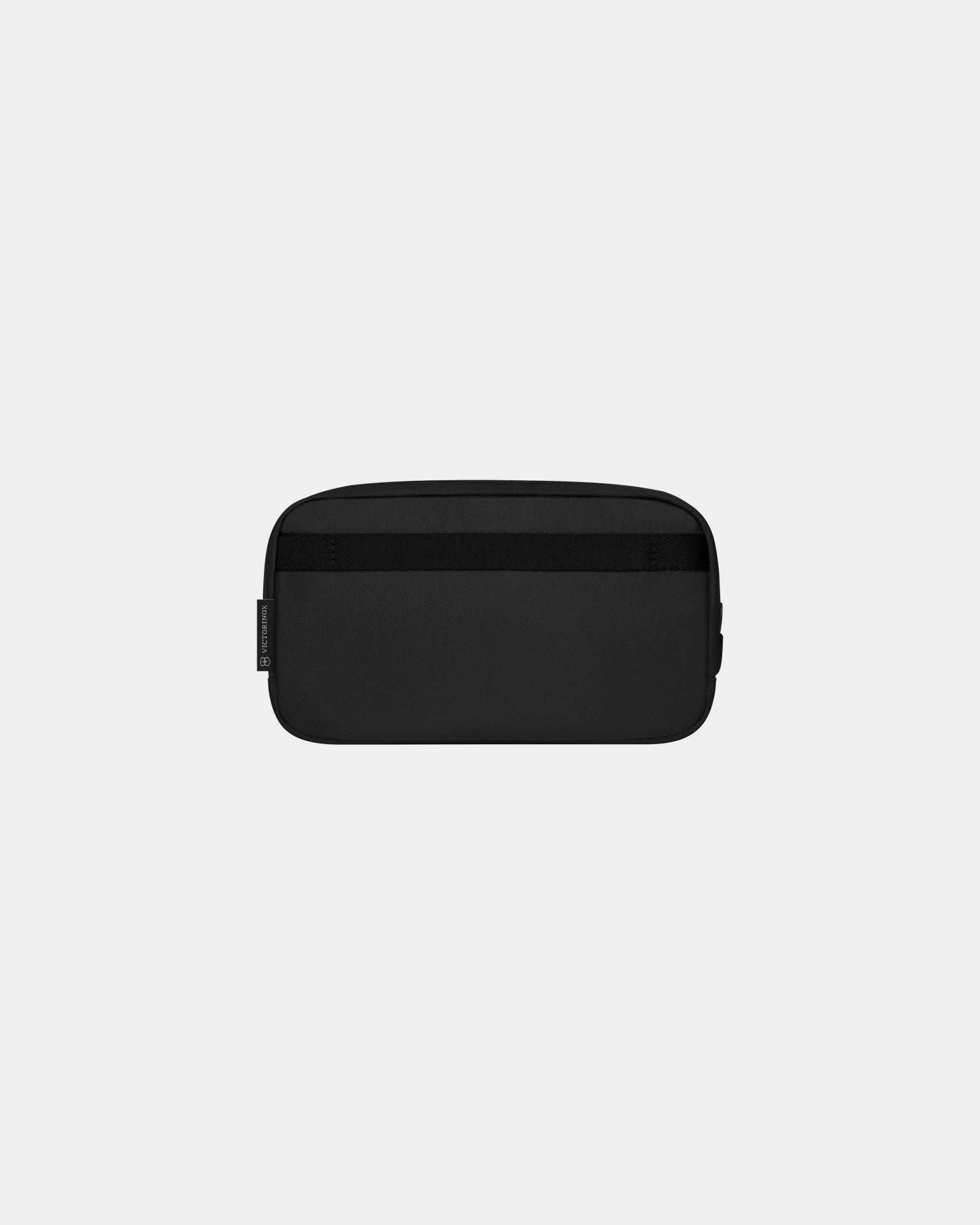


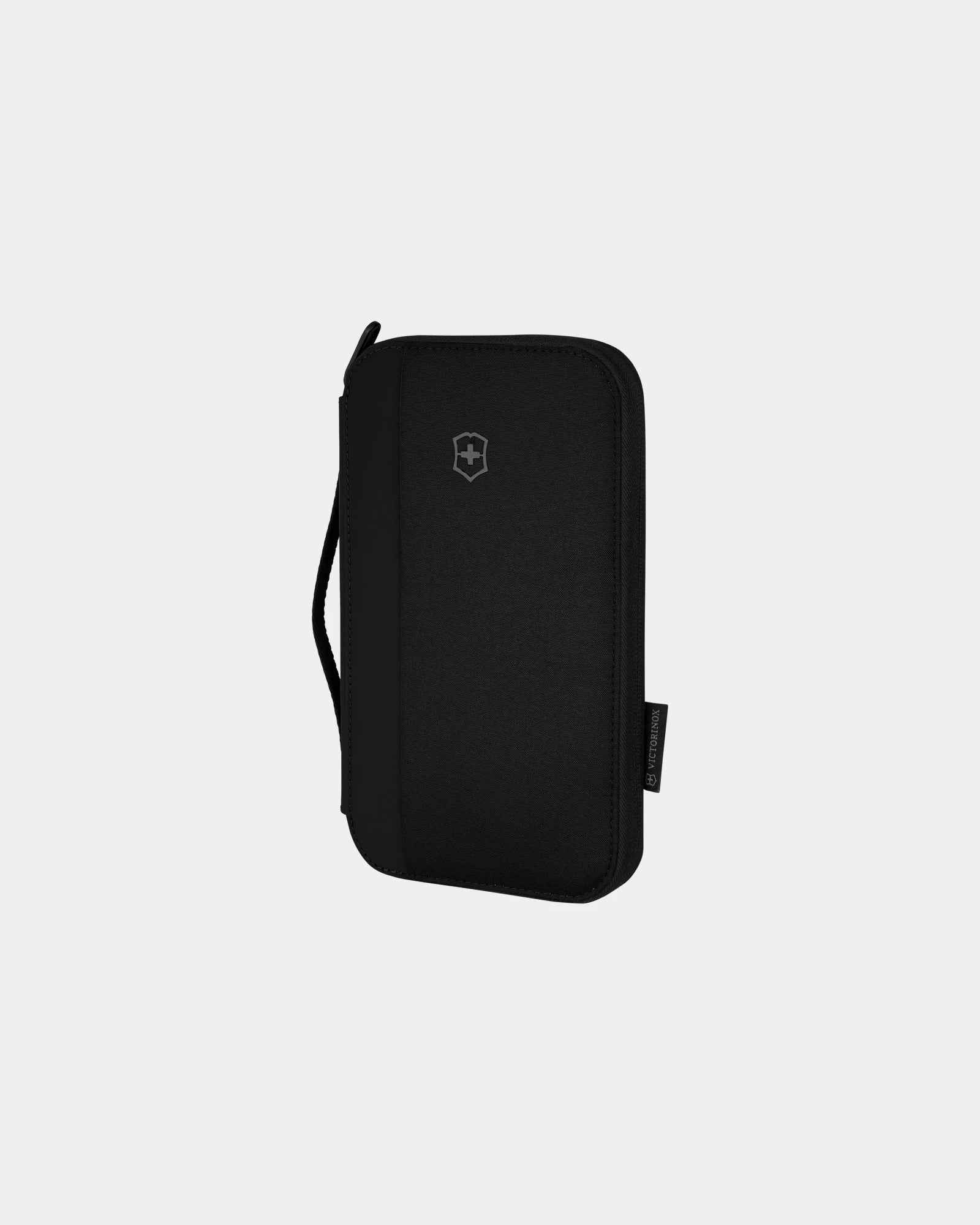


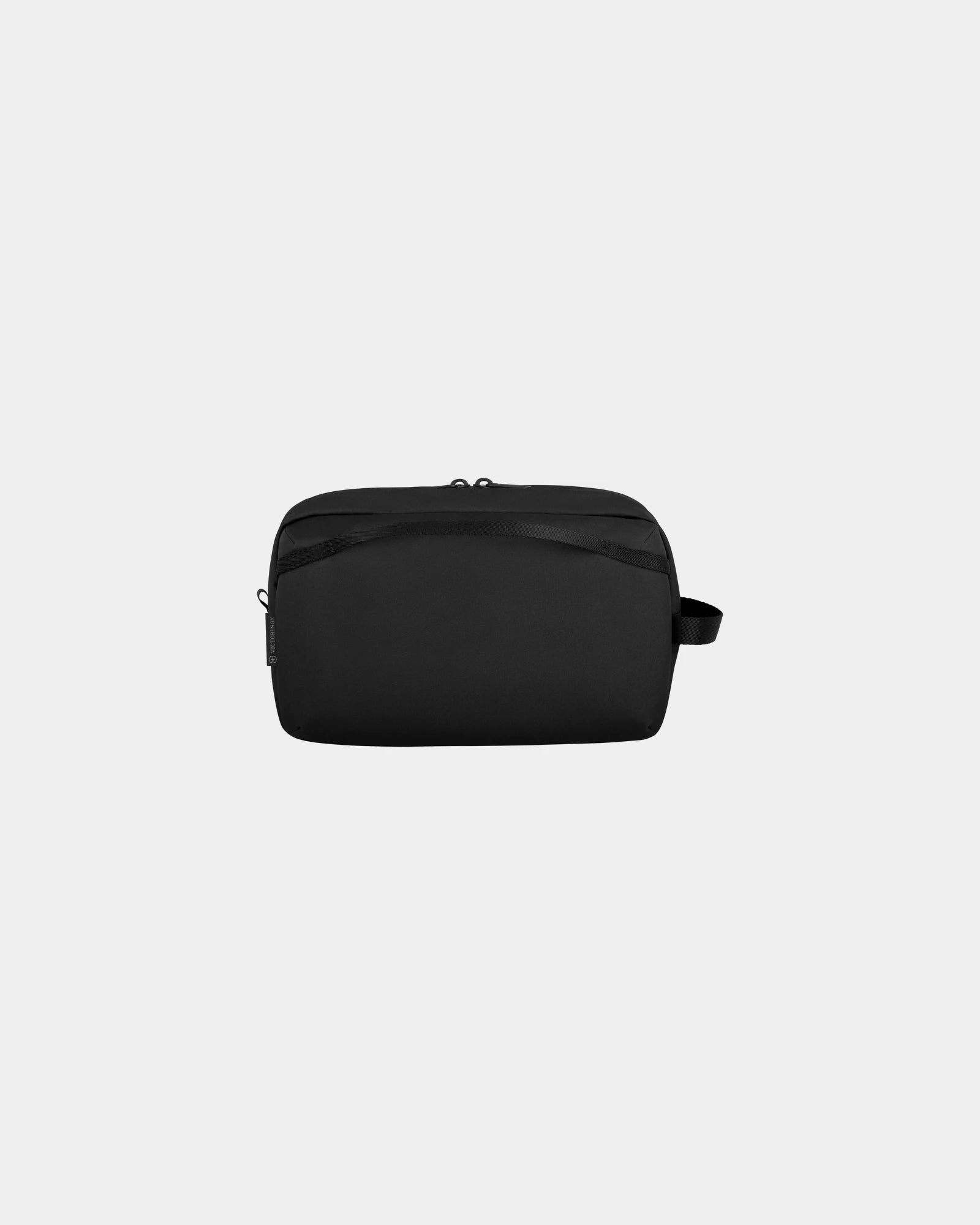


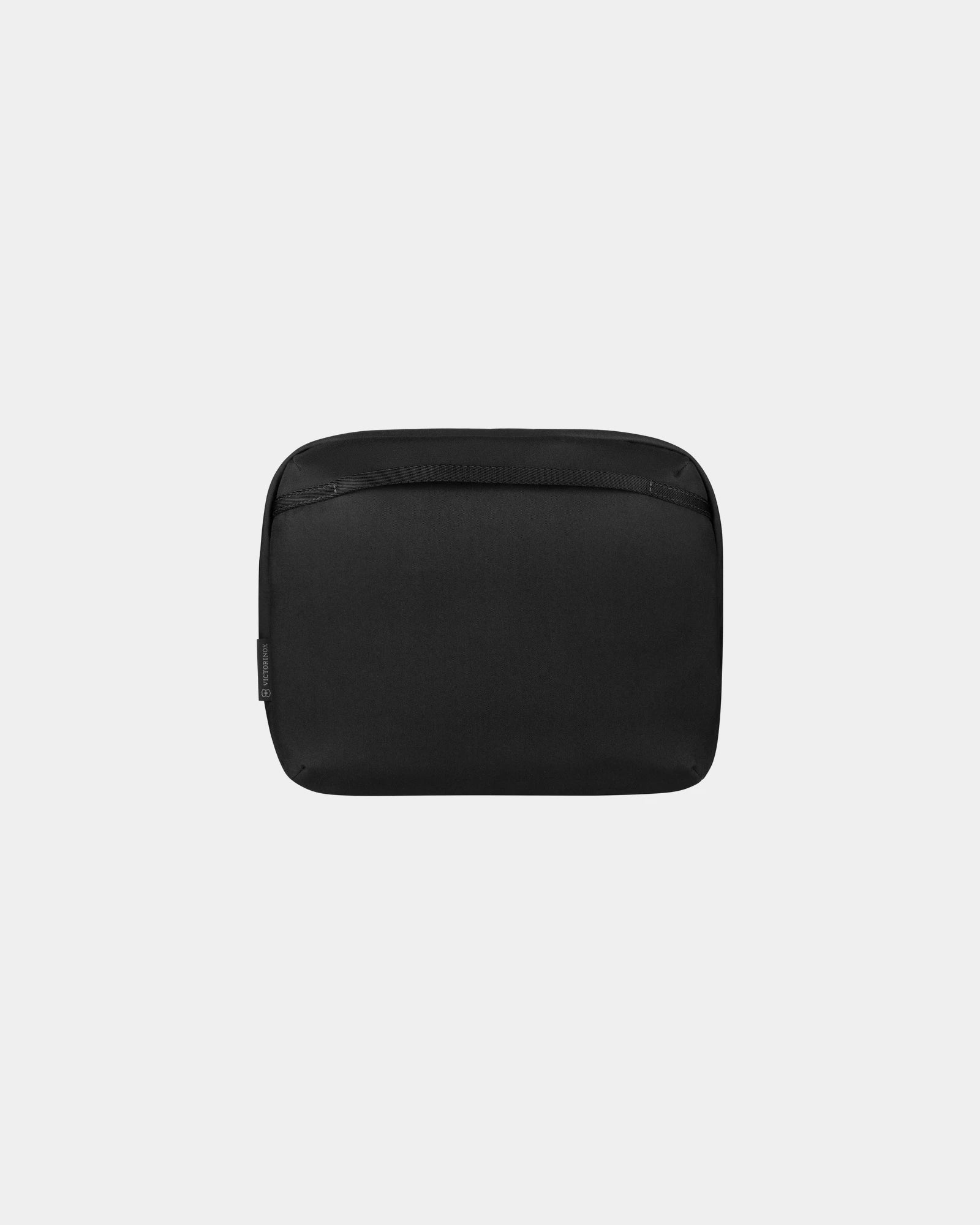














 Made in Portugal
- Eco-friendly





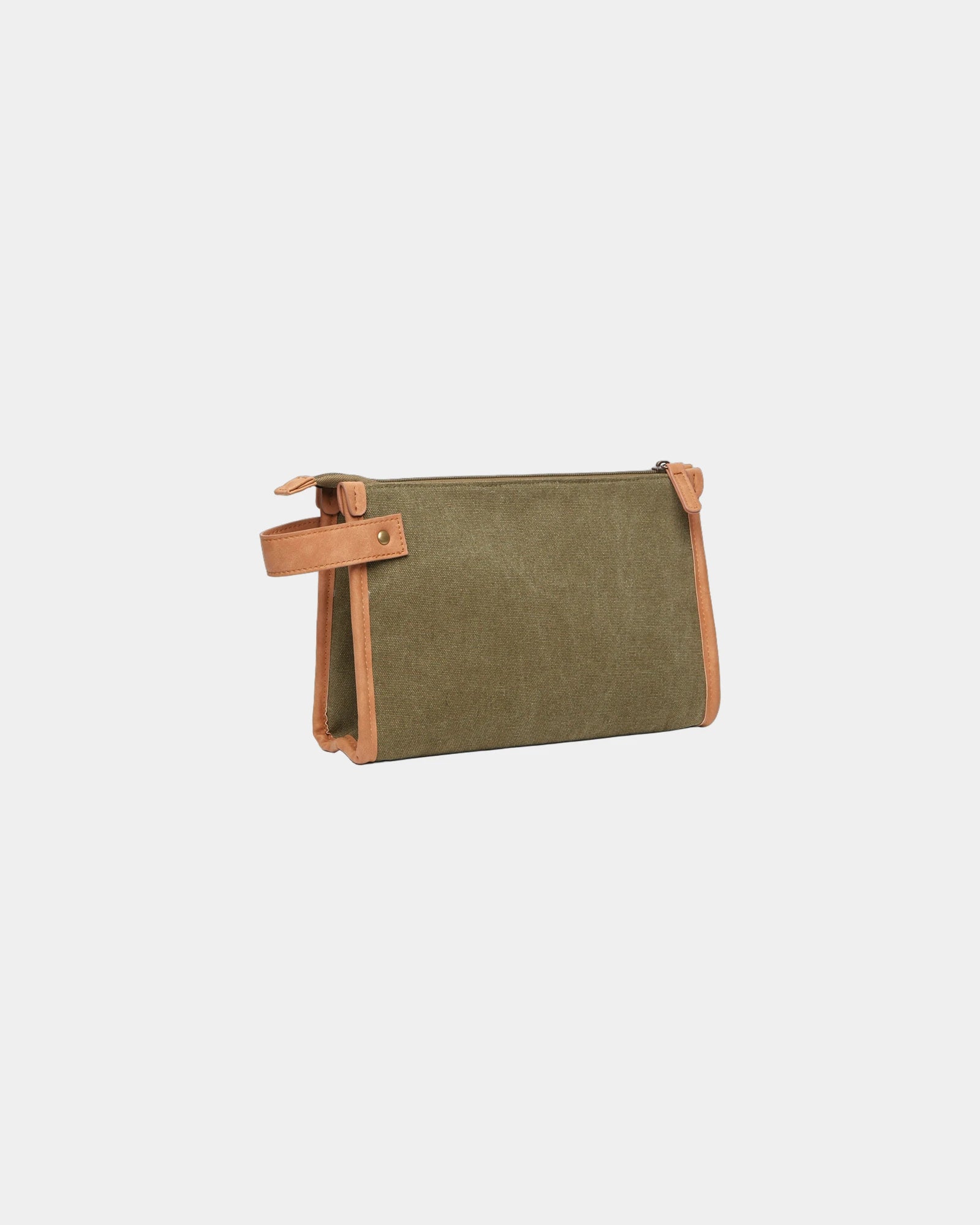


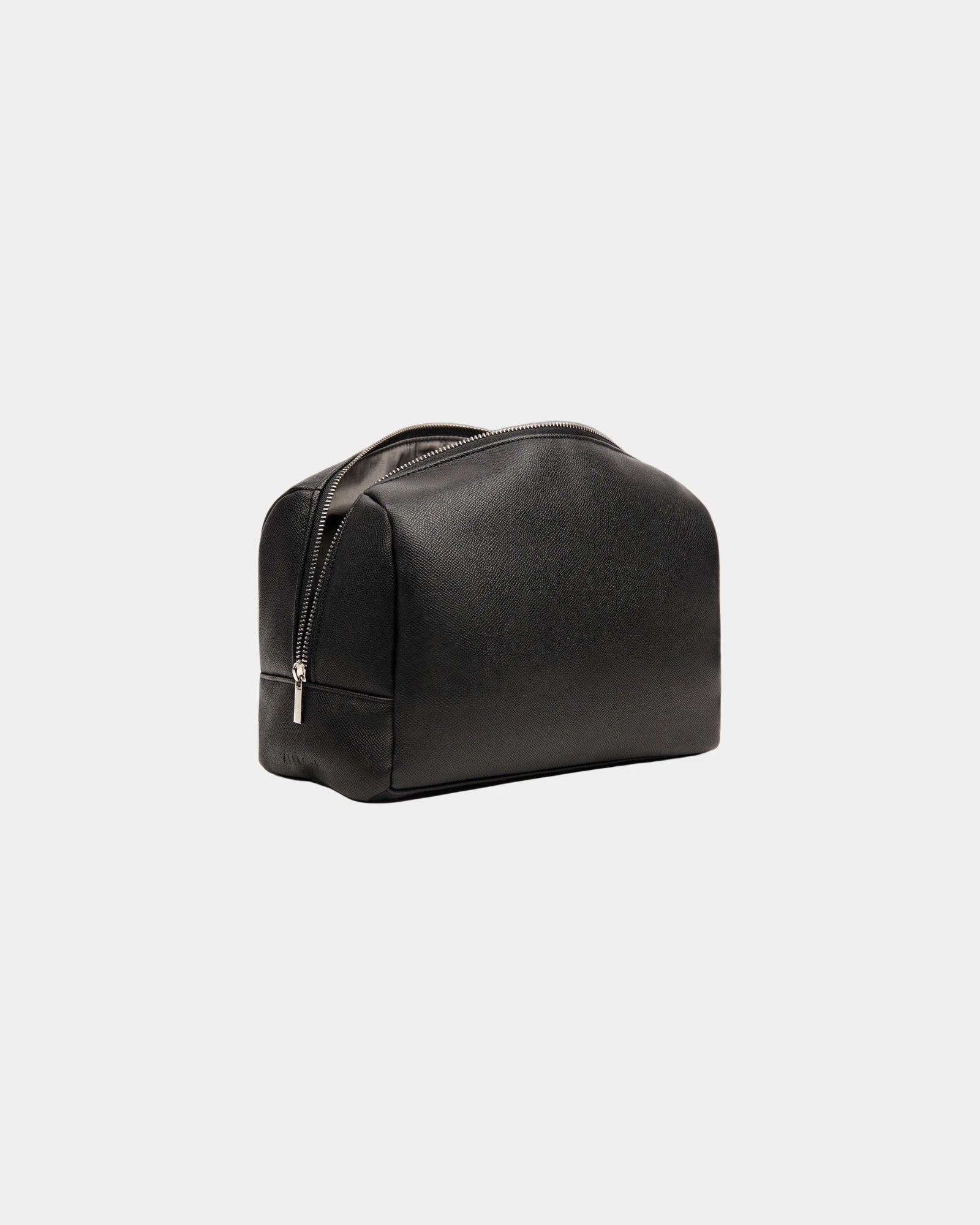


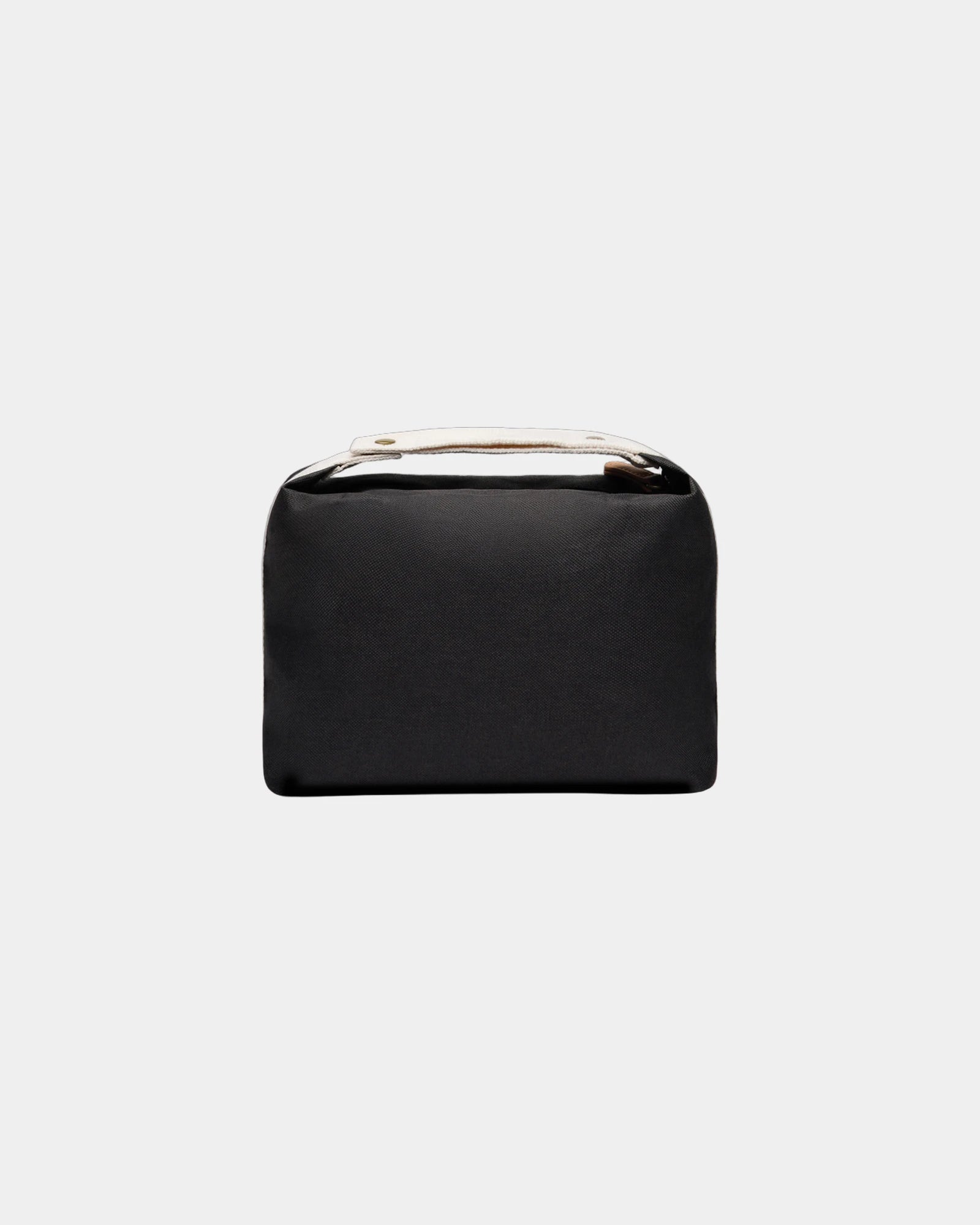


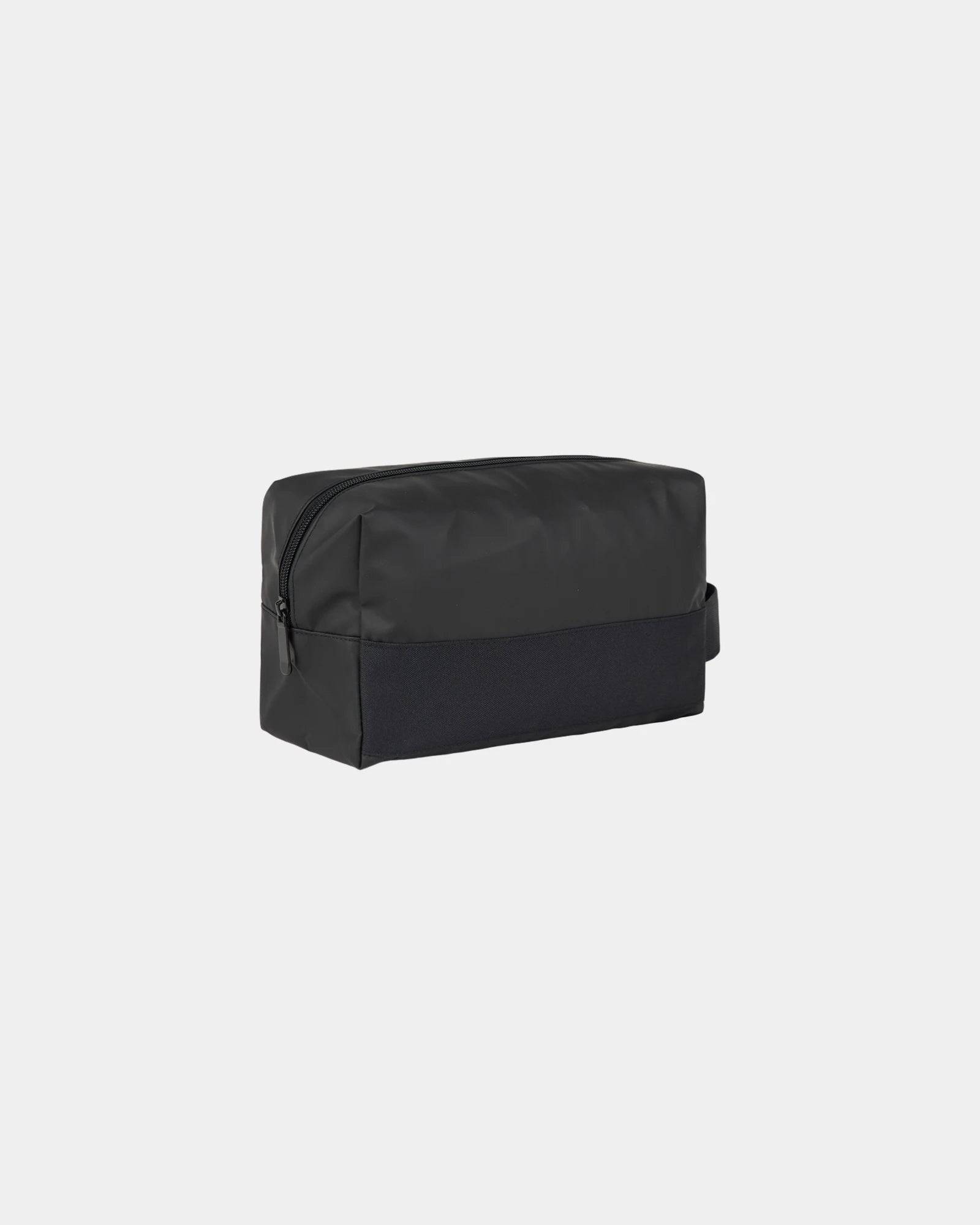


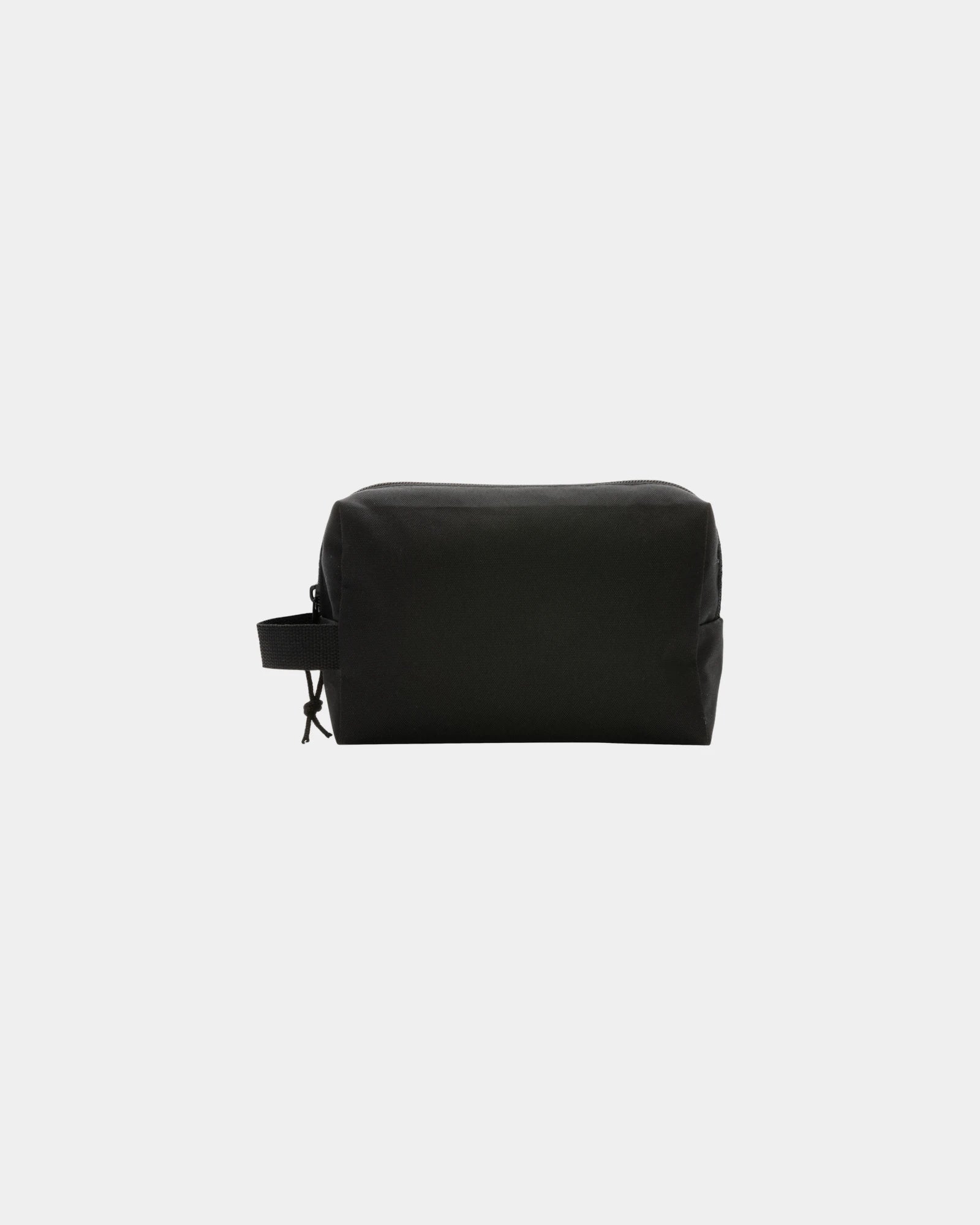


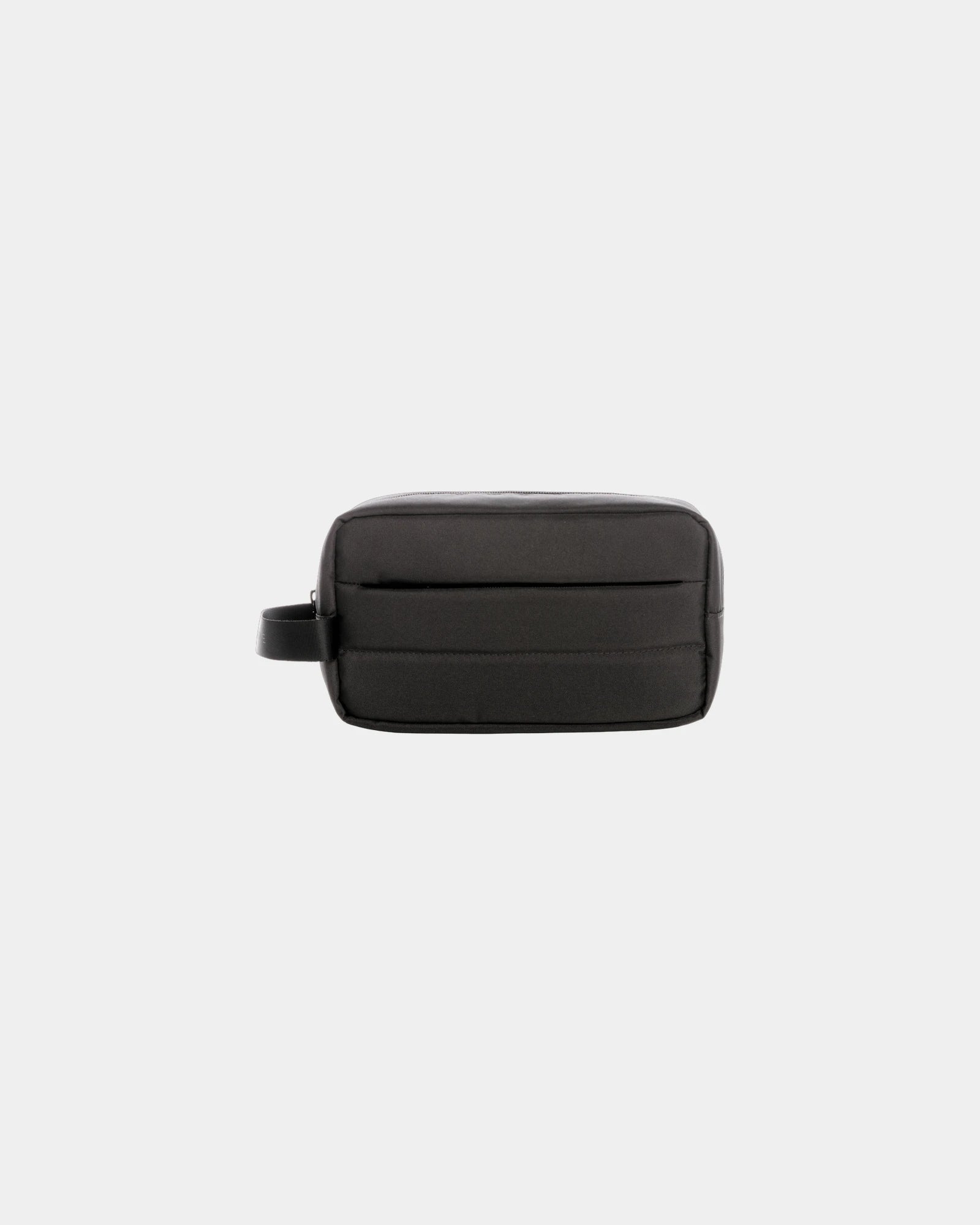


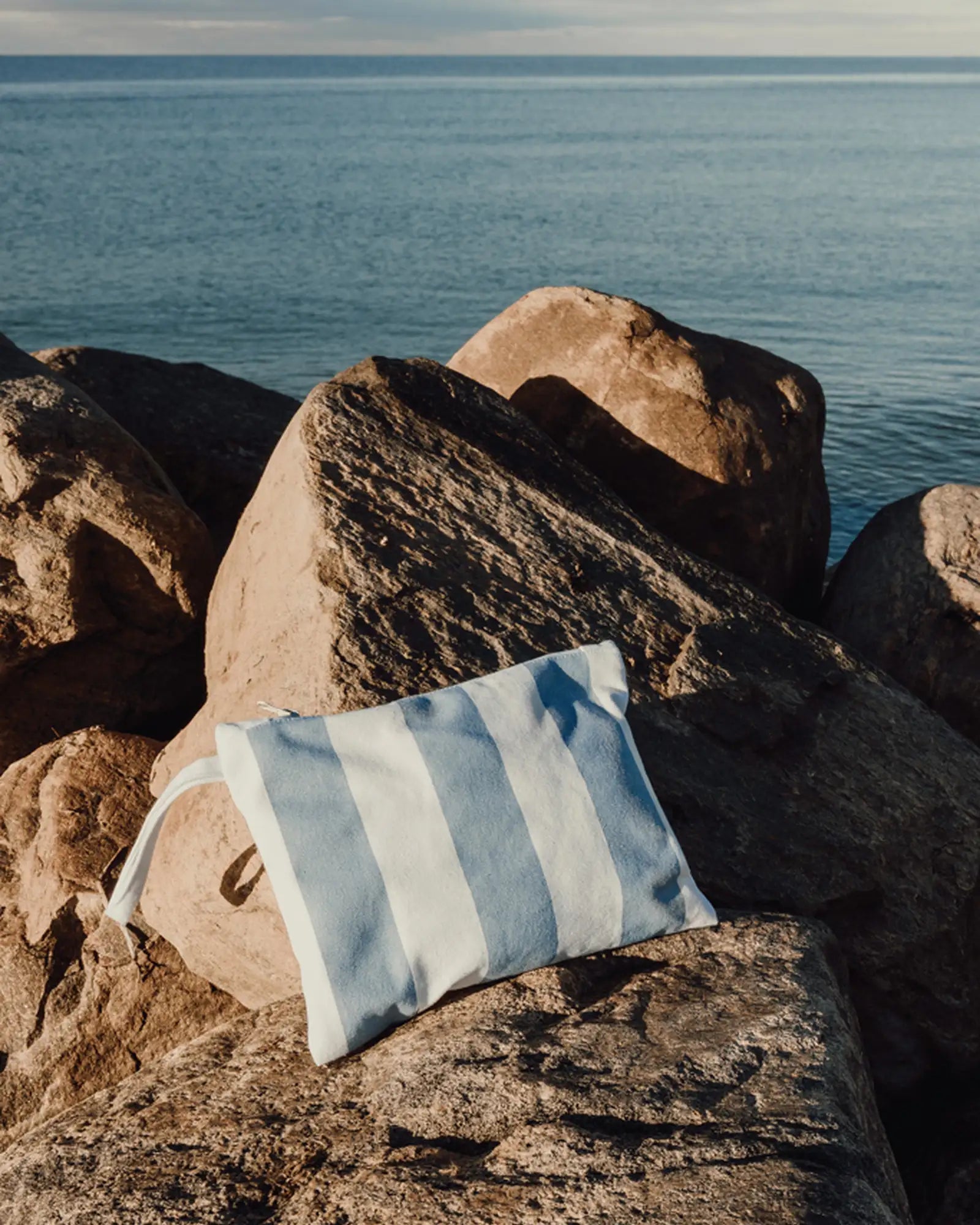


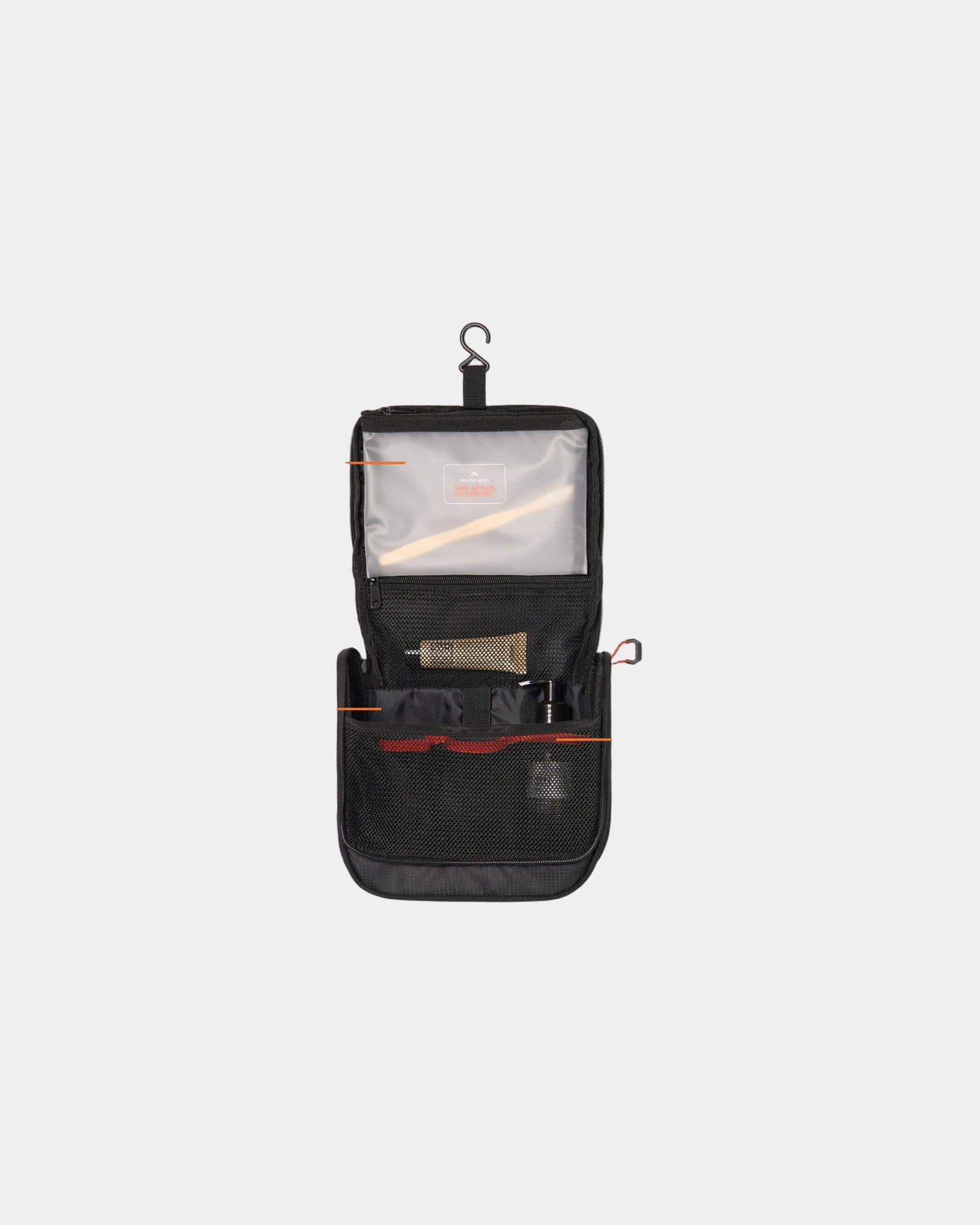


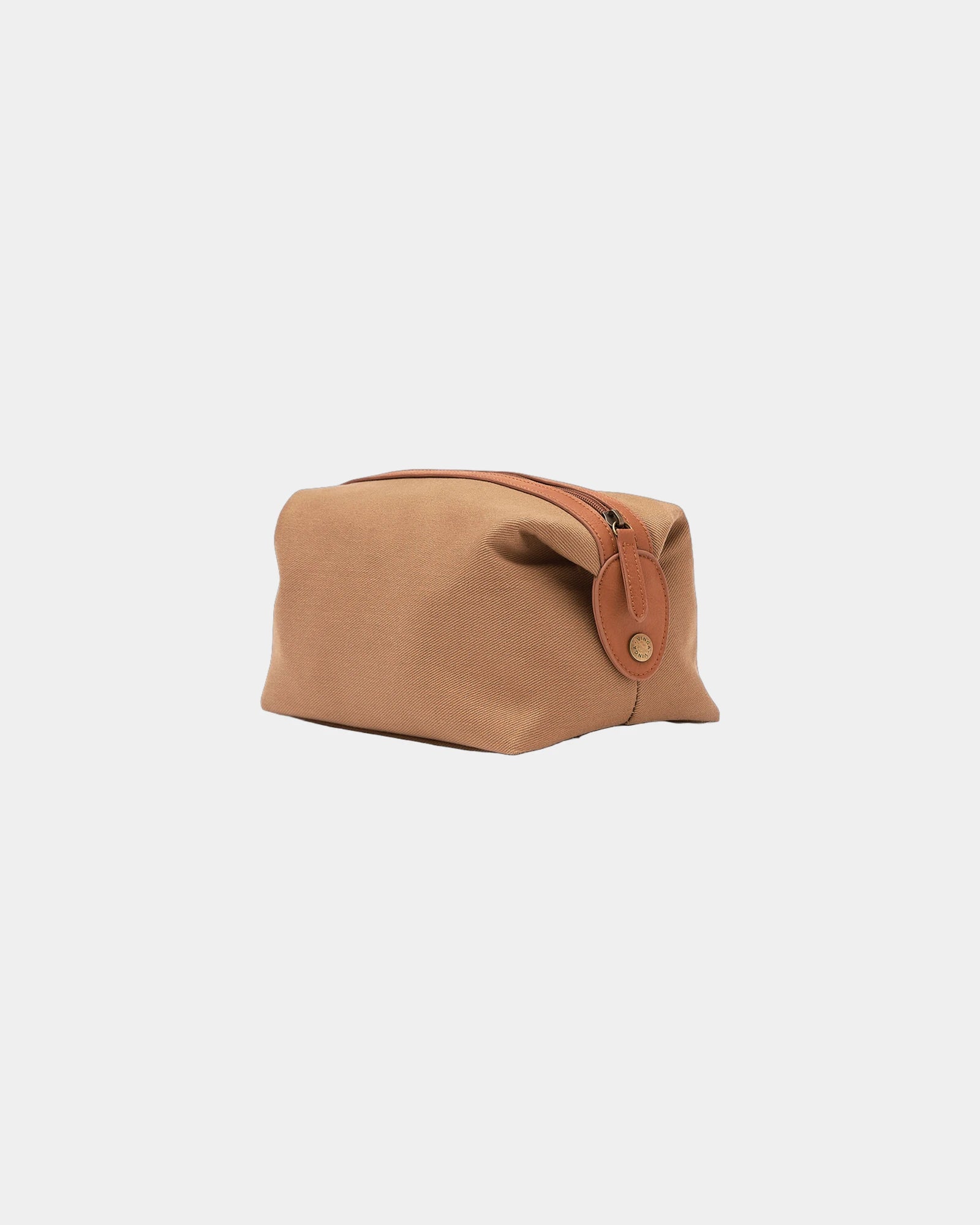


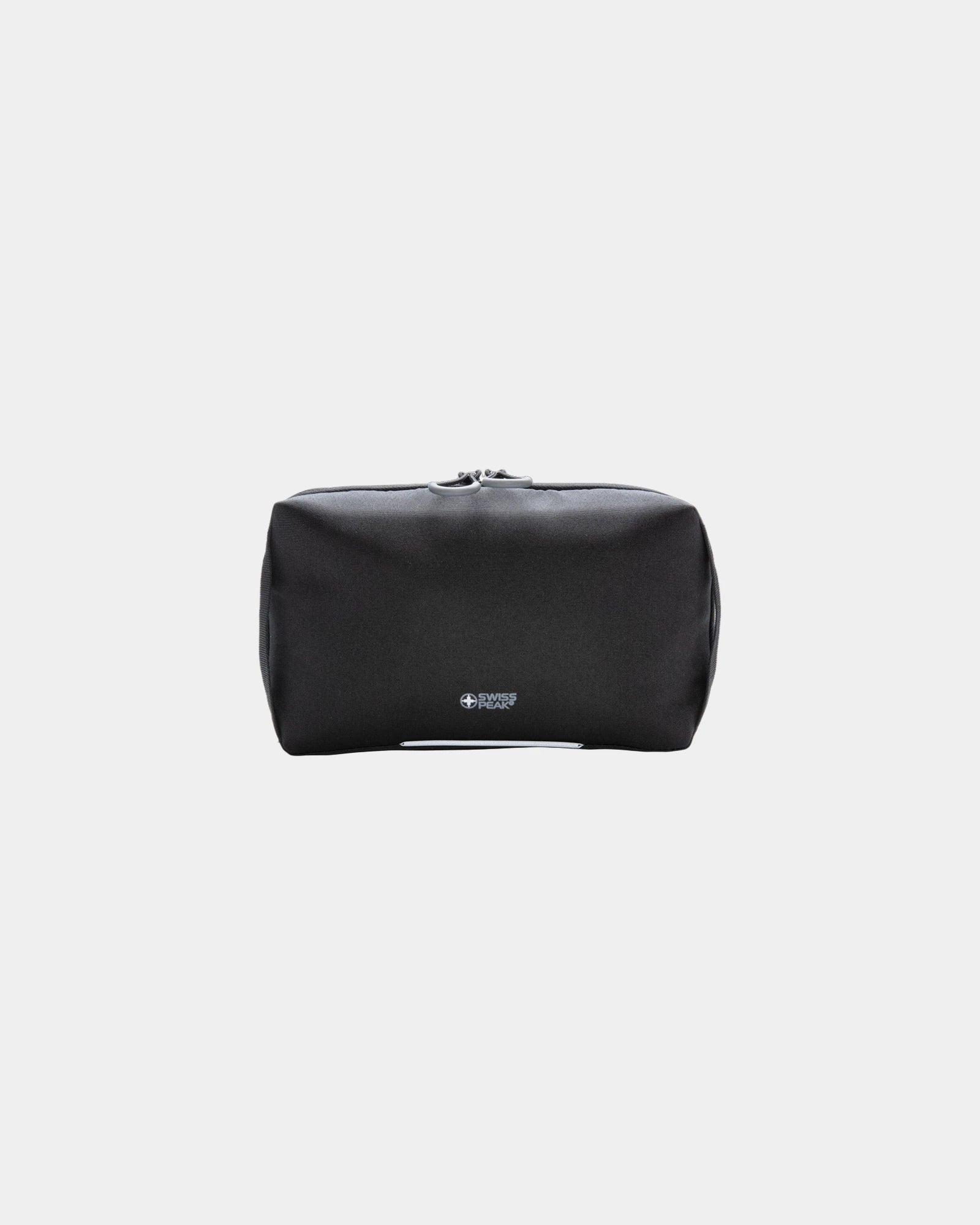


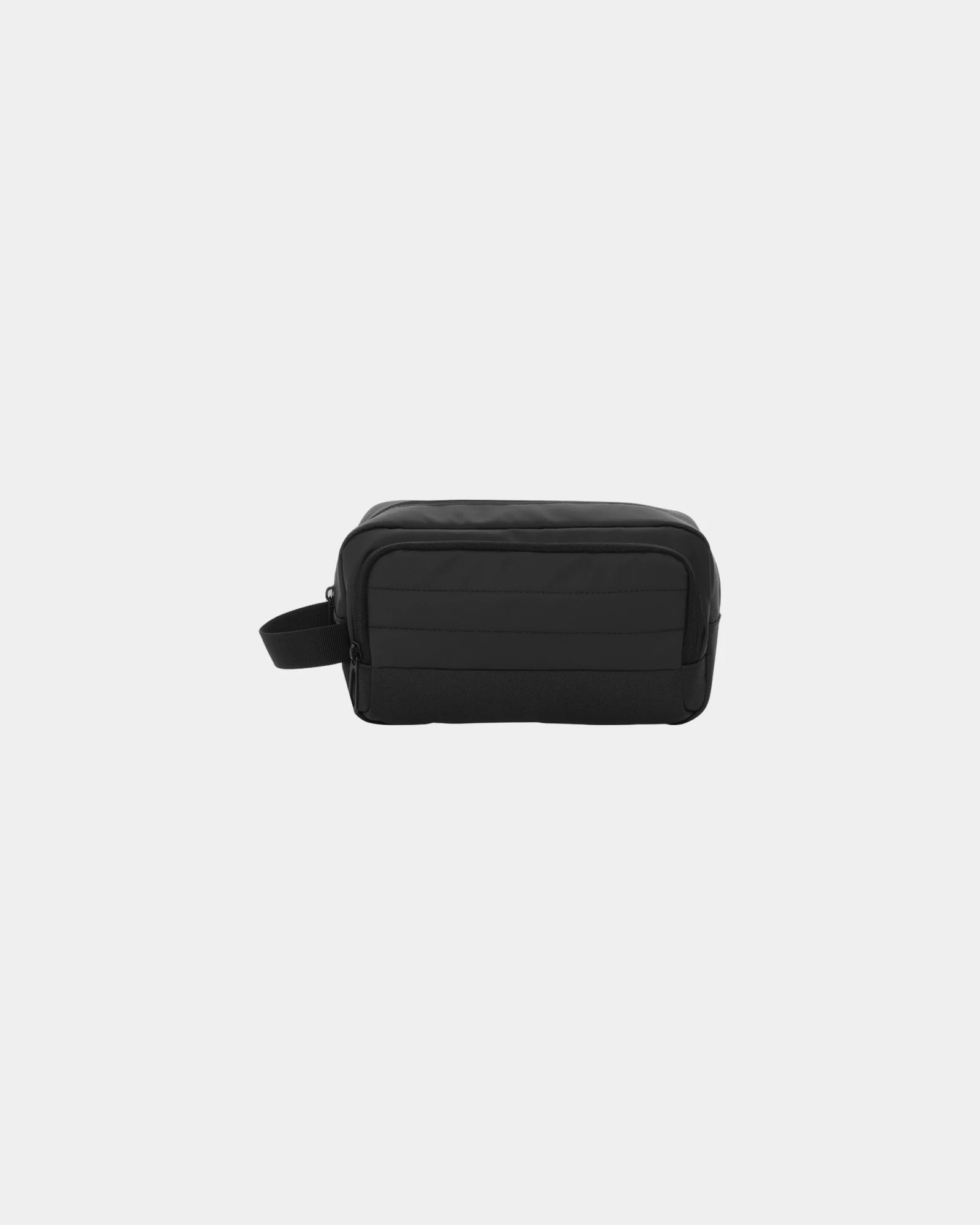


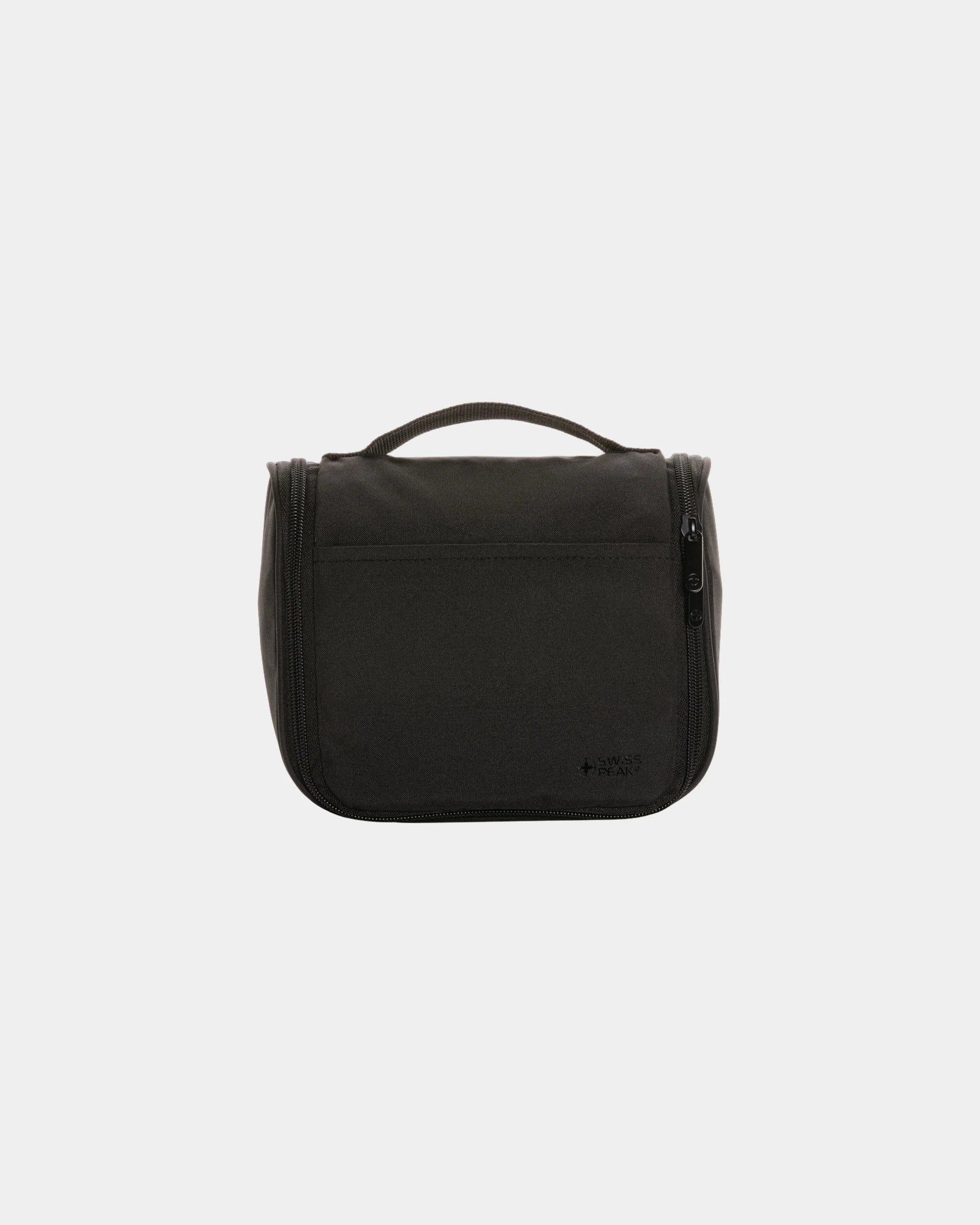








Treat your clients and employees!

FAQ - Printed pouches
Trusted by 1,000+ companies
Where branded pouches earn their place
A 600-unit run for a conference giveaway behaves nothing like a 50-unit run of leather rolls for a board offsite. The first wants a low unit cost, a bold single-colour print and a shape that survives a rucksack. The second wants stitching, a felt lining and a name embossed on the flap. Naming the audience first decides every spec that follows.
Printed pouches are the volume driver, led by corporate welcome kits. A branded pouch slipped beside a notebook and a lanyard turns an onboarding pack into something kept long after the first week. Personalised notebooks sit naturally in the same kit, which is why HR and marketing buyers tend to brief both together.
Corporate buyers reach for pouches as the tidy core of a kit rather than a standalone handout. A zip pouch holding a branded pen and a cable tie reads as a considered welcome gift, not landfill. It also travels flat in a mailer, which keeps postage on a 500-unit send predictable. Trade-show teams use the same pouch as a giveaway with a leaflet tucked inside, so the stand has something to hand over that survives the journey home.
Materials that change how custom pouches print and wear
Canvas and cotton take a screen print cleanly and sit substantial in the hand, which suits premium retail and gift ranges. Recycled rPET, spun from used drinks bottles, prints to much the same face. Ask us for the recycled-content figure on a given base before the eco claim goes into a brief. Polyester is the workhorse here: light, wipeable and the keenest way to a four-figure event giveaway.
Tin pouches are the structured option. They protect contents, stack on a shelf and carry a wrap print or a debossed lid, but they add weight and cost per unit. Transparent PVC is the travel specialist. See-through walls let airport security check liquids at a glance, which is why travel and wellness buyers ask for it by name for wash-bag and toiletry runs.
| Base | Best decoration | Capacity and freight | Typical use |
|---|---|---|---|
| Cotton / canvas zip | Screen print, embroidery | Holds a kit, moderate freight | Premium retail and gift ranges |
| Recycled rPET pouch | Full-colour wrap | Slim contents, ships flat | Eco-led campaigns and CSR kits |
| Polyester zip | Screen print, transfer | Holds depth, moderate freight | High-volume giveaways |
| Polyester flat pouch | Screen print, transfer | A few items, lowest freight | Large event mailers |
| Tin | Wrap print, deboss | Rigid, heaviest to post | Desk kits and gift sets |
| Canvas / felt roll-up | Embroidery, screen print | Slotted, bulkier to ship | Small premium and gift runs |
| Transparent PVC | Single-colour print | Fixed volume, light | Travel-friendly wash bags |
Zip, flat pouch or roll: choosing the format for custom pouches
Zip-style custom pouches are the default for a reason. They close fully, hold depth for chargers or a cosmetic set, and give two printable faces. Most corporate and gift briefs land here without much debate.
A flat slip pouch trades capacity for cost and packing efficiency. With no gusset it ships almost like a sheet, so a 2,000-unit mailer for an event drive moves at the lowest possible freight. It suits a cable and a card rather than a full kit.
The roll-up wrap is the showpiece. Canvas or felt rolls open to reveal slots, tie shut with a cord and photograph well for a retail or gift range. Expect a higher unit cost and a longer make, so it fits smaller, higher-value runs.
- Zip pouch: full closure, holds depth, two print faces
- Flat pouch: lowest freight, slim contents only
- Roll-up: slotted, premium feel, smaller runs
- Tin: rigid protection, shelf-stackable
- PVC: transparent, travel-compliant
- rPET: recycled face, full-colour ready
Decoration methods for printed pouches
Most custom pouches are screen printed, the volume standard on fabric. It lays a crisp, opaque single or two-colour logo at a low unit cost and stands up to a suitcase or a gym bag for a year. Spot colours are mixed to the brand reference you give us, not promised against a printed swatch, so send artwork early.
Full-colour wraps on branded pouches
A full-colour wrap suits photographic artwork, gradients and edge-to-edge patterns across rPET, polyester or tin. It is the route for a crest, a sponsor lock-up or a busy illustrated design that a screen cannot reach. Setup is dye-sublimation on synthetics, so cotton wraps print differently and should be proofed.
Embroidery is the premium signal on canvas and felt. A stitched mark reads as quality on a retail cosmetic pouch or an executive travel case, though lettering under a few millimetres tends to close up. Reserve it for a clean logo, not a paragraph of small type. A transfer print sits between the two, carrying fine detail on fabrics a screen struggles with, at a unit cost below embroidery.
| Method | Best on | Strength | Watch-out |
|---|---|---|---|
| Screen print | Cotton, polyester | Low cost at volume | One or two spot colours only |
| Full-colour wrap | rPET, tin | Photographic artwork | Proof cotton separately |
| Embroidery | Canvas, felt | Premium feel | Fine text can blur |
| Transfer | Mixed fabrics | Fine detail, mid cost | Less abrasion-proof than screen |
Sizing your custom pouches to their contents
Standard zip-style custom pouches run roughly 20 to 22 cm long, room for a charger, a make-up set or a small toiletry kit. Drop to a 17 to 18 cm pouch for a slim accessory handout, or step past 23 cm for a wash bag holding full-size bottles. Confirm the exact figure on the chosen model, since each base differs by a centimetre or two.
Matching the depth of branded pouches to the kit
Depth counts as much as length. A flat pouch holds three or four items; a gusseted zip pouch swallows a tangle of cables and a plug. Tell us what the pouch has to carry and we size it to that load, instead of guessing a dimension and over-ordering. Personalised pens and a notebook are the usual items to size a welcome-kit pouch around, since a full-length barrel fixes the minimum pouch length before anything else goes in.
The print area scales with the pouch. A 20 cm zip face hands you a generous panel for a logo and a strapline, where a slim pouch may take only a compact mark. Settle the artwork and the pouch length together so the design is not squeezed onto a base picked on price alone.
What you can print on airport-legal clear travel pouches
A clear pouch is a print surface with a job to protect. The whole wall has to stay see-through so airport security reads the liquids through it, which rules out the solid full-wrap that suits a tin or a polyester pouch. Ink that blocks the view defeats the reason the pouch is allowed through the scanner at all. So the design works inside a window, not across the face.
In practice that means a single-colour mark in one corner or along a slim border, sized so the bulk of the panel stays empty. A brand logo or a name line of roughly 60 by 25 mm prints cleanly on a flat PVC face without crowding the clear area. Two colours are possible, though each adds a setup and a registration risk on a flexible wall, so a one-colour logo is the safer call for a travel-kit batch.
Some constraints are physical, not regulatory. A welded PVC seam will not hold print over the join, so artwork stays back from the edges and the zip tape. A frosted or tinted panel reads as less transparent to a security check, so a print is laid on a clear panel and a frosted finish reserved for a non-travel range. Brief the contents too, since personalised pencils and a matching pouch are often specified together for a stationery gift set.
The table below sets out what a transparent pouch will and will not carry. Brief the artwork once against the clear-pouch constraint, so it clears proofing rather than coming back for a rework.
| Element | On a clear pouch | Why |
|---|---|---|
| Single-colour logo | Yes, in a corner or border | Keeps the wall see-through |
| Two-colour mark | Possible, costs a setup | Registration risk on a flexible wall |
| Full edge-to-edge wrap | No | Blocks the security view |
| Print over a welded seam | No | Ink will not hold on the join |
| Frosted or tinted face | Avoid for travel use | Reads as less transparent at security |
Lead times and ordering your custom pouches
A standard printed run of custom pouches is ready in roughly three weeks from artwork sign-off, the proof itself coming back inside 24 hours of your files arriving. A full-colour wrap or an embroidered roll needs a few extra days for setup, so flag a hard launch or event date at the briefing stage.
Volume pulls the timeline both ways. A 2,000-unit screen print on stock pouches moves fast; a small embroidered canvas run can take longer per unit because the stitching is slower. Order against your launch week or trade-show date with that buffer built in.
Kitting adds a step worth flagging early. A pouch packed with pens, a notebook and a cable tidy as a finished welcome set takes assembly time on top of the print. The brief should name the contents up front. We price the kitting on its own, and a flat pouch holds the filled set slim enough to post in a standard mailer rather than a bulky box.
Printed pouches for corporate onboarding and travel giveaways
Launch weeks and event seasons are the pressure points. A branded pouch in a welcome pack is the single item a new starter keeps on a desk or in a bag all year. That is why HR teams brief these ahead of an intake, and events teams ahead of a conference. The print should carry the department or team mark, not just the corporate logo.
Retail gift ranges and amenity kits use the same logic at different volumes. A flat pouch in a hotel or wellness amenity set costs little and outlasts the leaflet beside it, while pouches also suit student and stationery kits. Custom stickers let recipients personalise the pouch themselves, which keeps it in use and on show.
Custom pouches as a wash bag, cable pouch and cosmetic bag
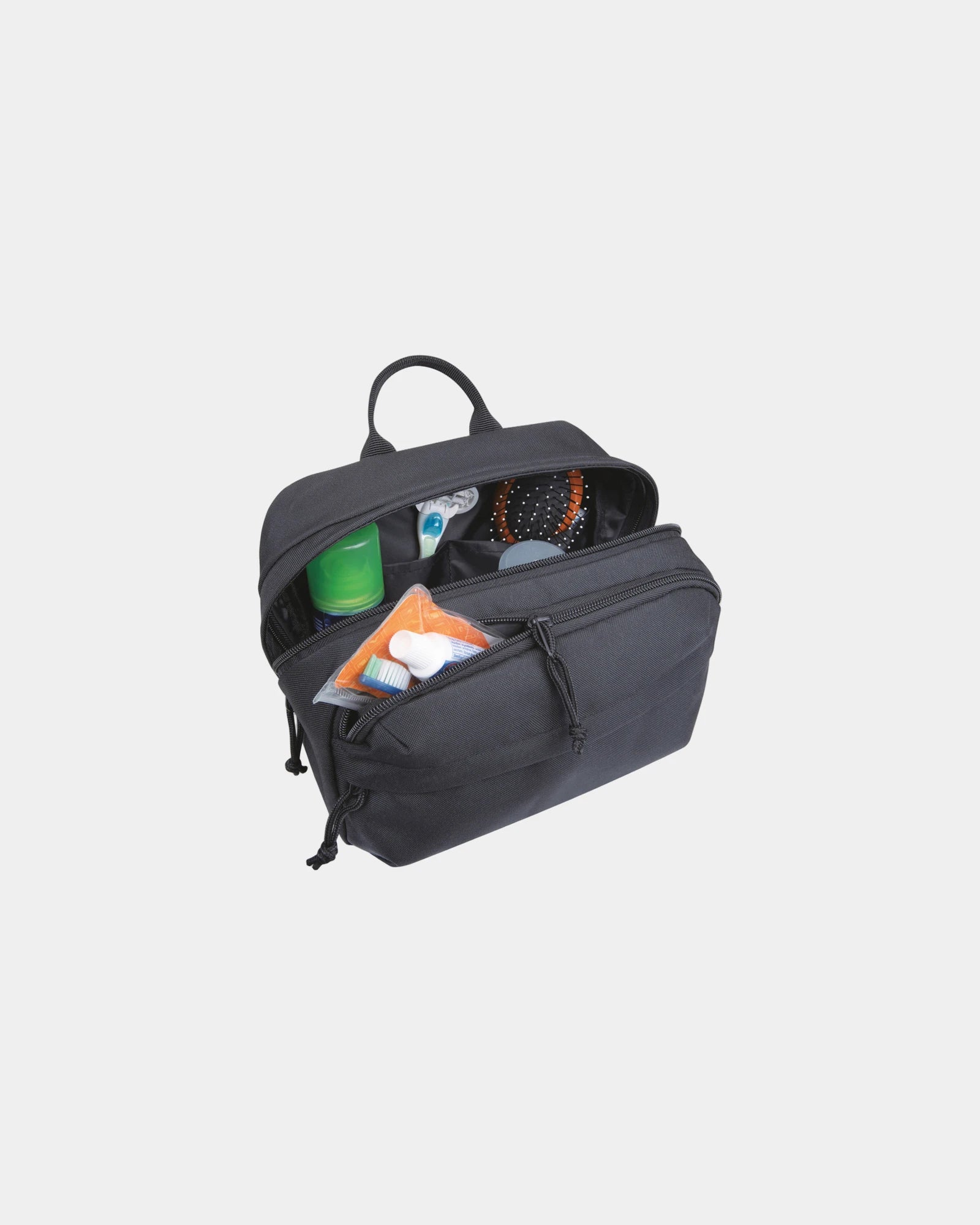
This is where a branded pouch earns its keep. A single zip pouch works as a wash bag, a cable and tech organiser, a make-up bag or a first-aid holder, so the same handout serves several jobs at once. A wipeable polyester or PVC pouch shrugs off a spilt lip balm or a leaked bottle where canvas would stain, so material choice follows the second life you expect.
This matters for travel and event merchandise. A branded pouch handed out at a conference quietly becomes the bag someone keeps chargers, cosmetics or toiletries in, which puts the logo back in a suitcase long after the event. Set the print on the wide front so it stays in view whatever the pouch winds up holding. A wipeable base earns this second life, because a cable pouch or wash bag meets spills a stiff case never would.
Recycled and eco options for custom pouches
Recycled rPET is the headline eco material, spun from used plastic bottles into a printable cloth that looks and marks up close to virgin polyester. Recycled cotton and undyed canvas give the natural-fibre route for buyers chasing a fabric story. Each weave drinks ink a shade differently, so a recycled base is proofed ahead of a large run, matching the on-screen colour to the pouch in hand.
Eco choices pair well with the rest of a sustainable kit. An rPET pouch alongside Personalised backpacks from a recycled range gives a coherent giveaway for a CSR campaign or a green-credentials launch. One material narrative then runs through the set.
Print artwork and proofing for custom pouches
Send vector artwork where possible. A logo as an EPS, PDF or AI file holds a clean edge at any size, where a low-resolution image breaks up on a screen print. Spot colours are matched to your supplied reference, so name the exact brand colour rather than leaving it to a default.
A free sample of the chosen blank goes out before you commit a large run. You then judge the print face, the zip pull and the pouch depth in the hand. We keep the approved proof on file for repeat orders, so a second-run reprint matches the first without re-setting the artwork.
Audiences that order branded pouches in volume
The buyer behind a pouch order shapes the spec more than the fabric does. A corporate HR team brief a welcome-kit pouch by the thousand and lead on a clean brand mark. A retail buyer orders a run of cosmetic pouches for a gift range. An events buyer adds a travel pouch to a conference giveaway and cares most that it travels flat in a mailer.
Each audience pulls a different base, decoration and run size. The brief below maps the common ordering groups to a sensible starting spec, so a buyer can lift a baseline rather than build one from a blank page.
| Audience | Base and decoration | Run size |
|---|---|---|
| Corporate onboarding team | Polyester zip, screen print | 500 to 5,000 |
| Retail gift range | Cotton pouch, embroidery | 100 to 500 |
| Events and travel buyer | rPET flat pouch, wrap | 100 to 1,000 |
| Hotel and wellness amenity | Transparent PVC, single colour | 200 to 2,000 |
Caring for printed pouches over their life
Custom pouches live in a bag or a suitcase and take daily wear, so the care they need follows the fabric. A wipeable polyester or PVC pouch sheds a leaked bottle with a damp cloth, where a cotton or canvas body absorbs the stain and keeps it. Brief the material against the mess the pouch will meet, not just the look on the shelf.
The print outlasts the fabric in most cases. A screen print on polyester holds its edge through a year in a rucksack, while a transfer can scuff sooner at a folded corner. For a pouch meant to travel for years, a wipe-clean base and a screen-printed mark are the durable pairing. A held proof then lets a reorder match the first batch.

