

Branded shopping bags
- Price, low to high
- Price, high to low








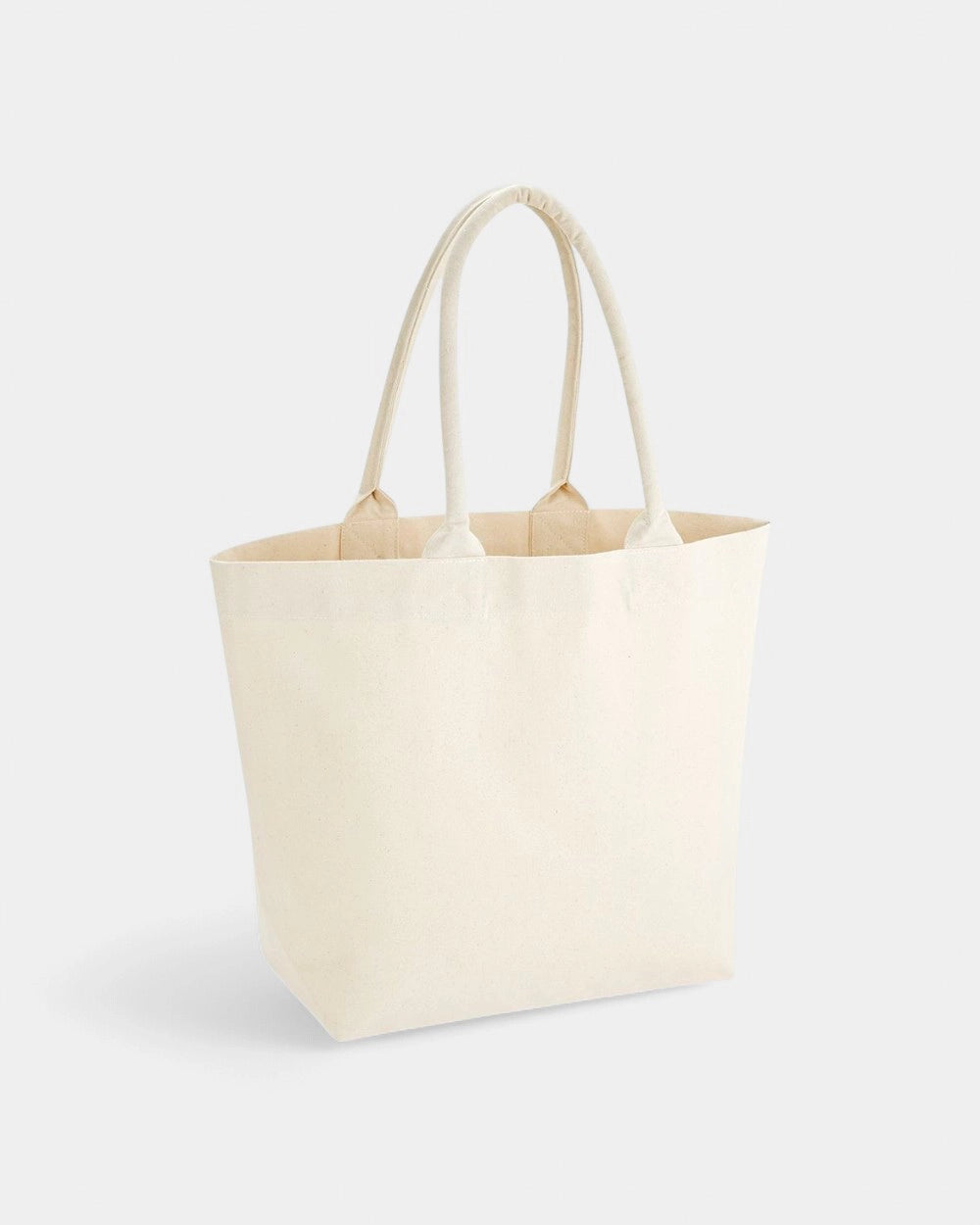


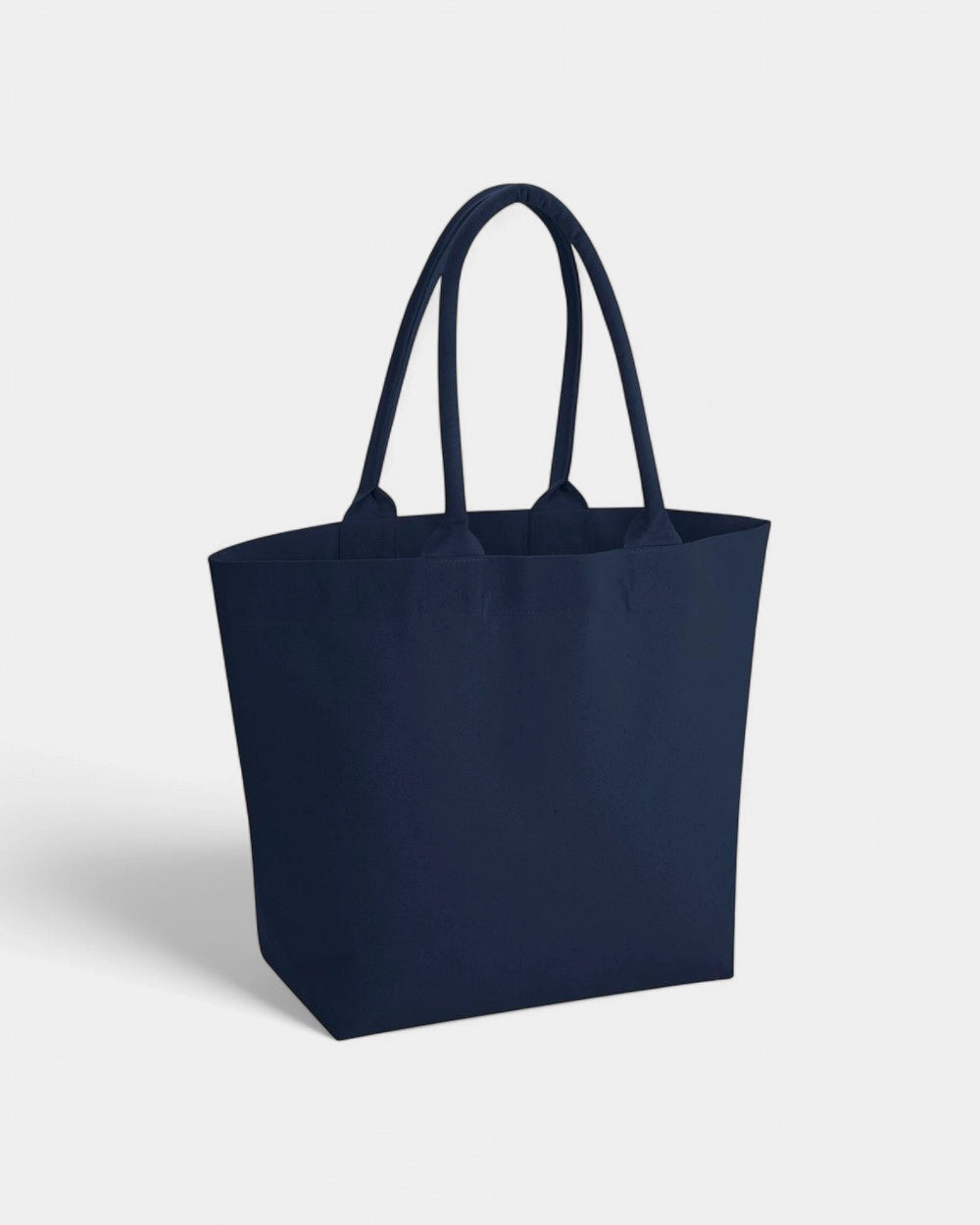


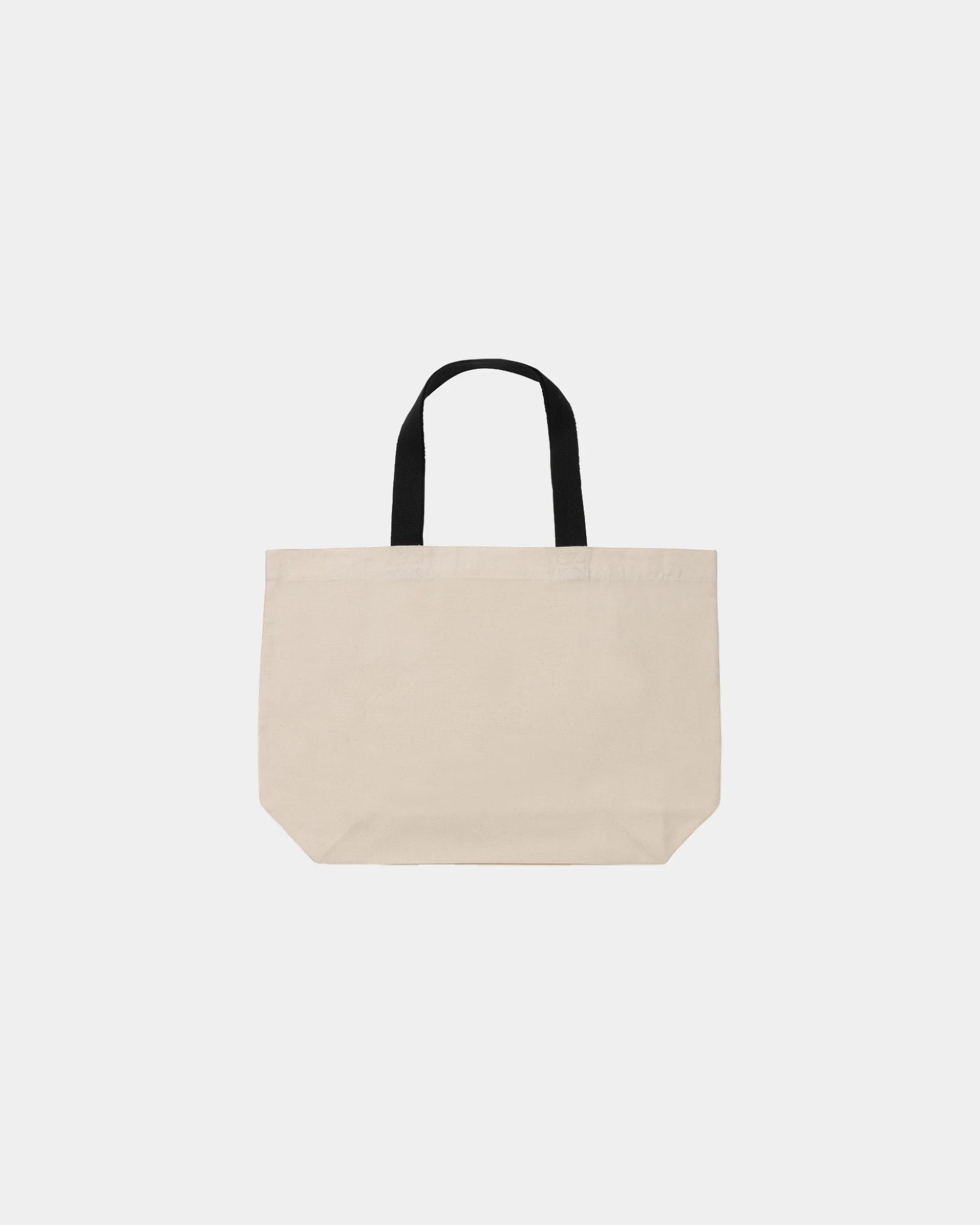


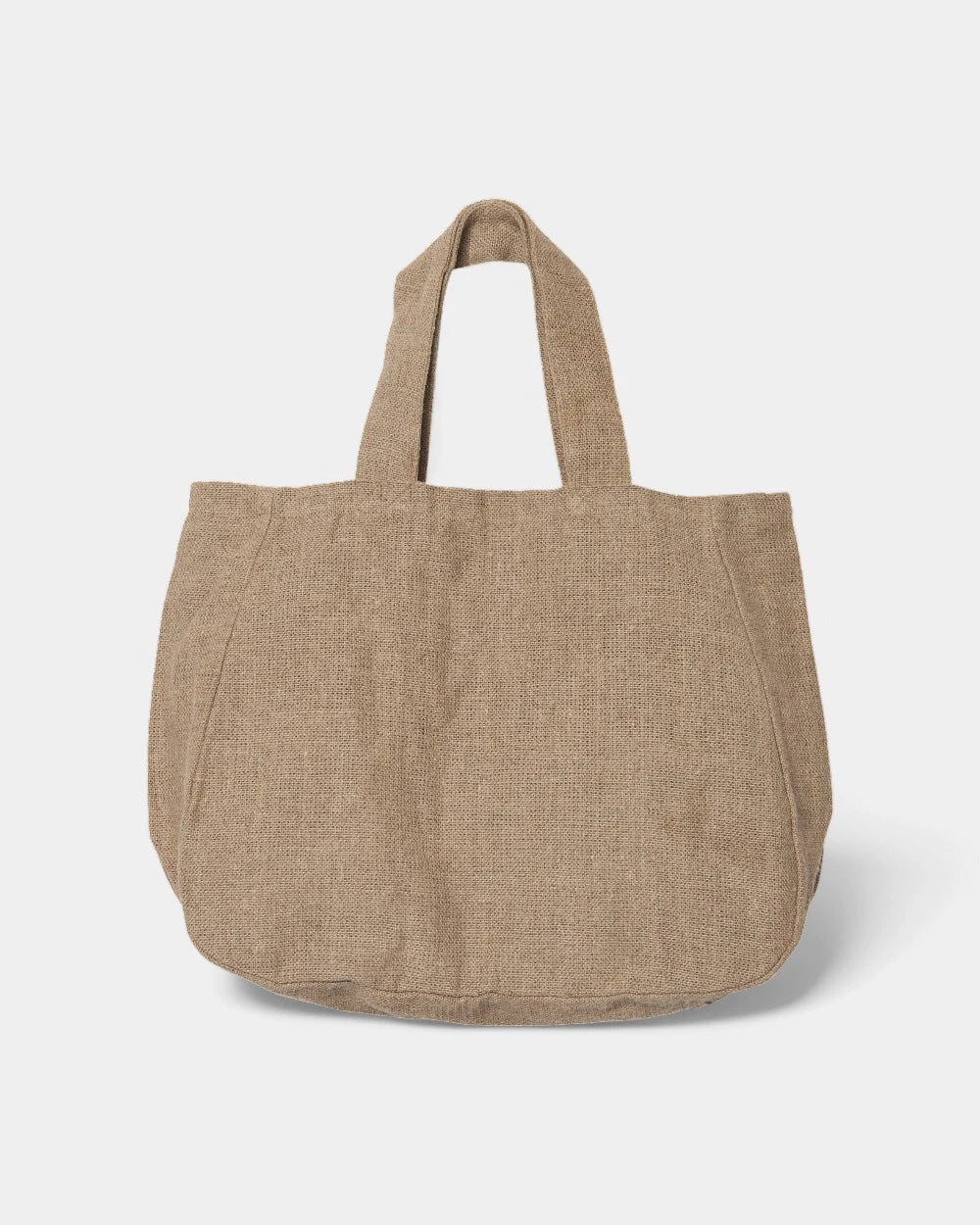


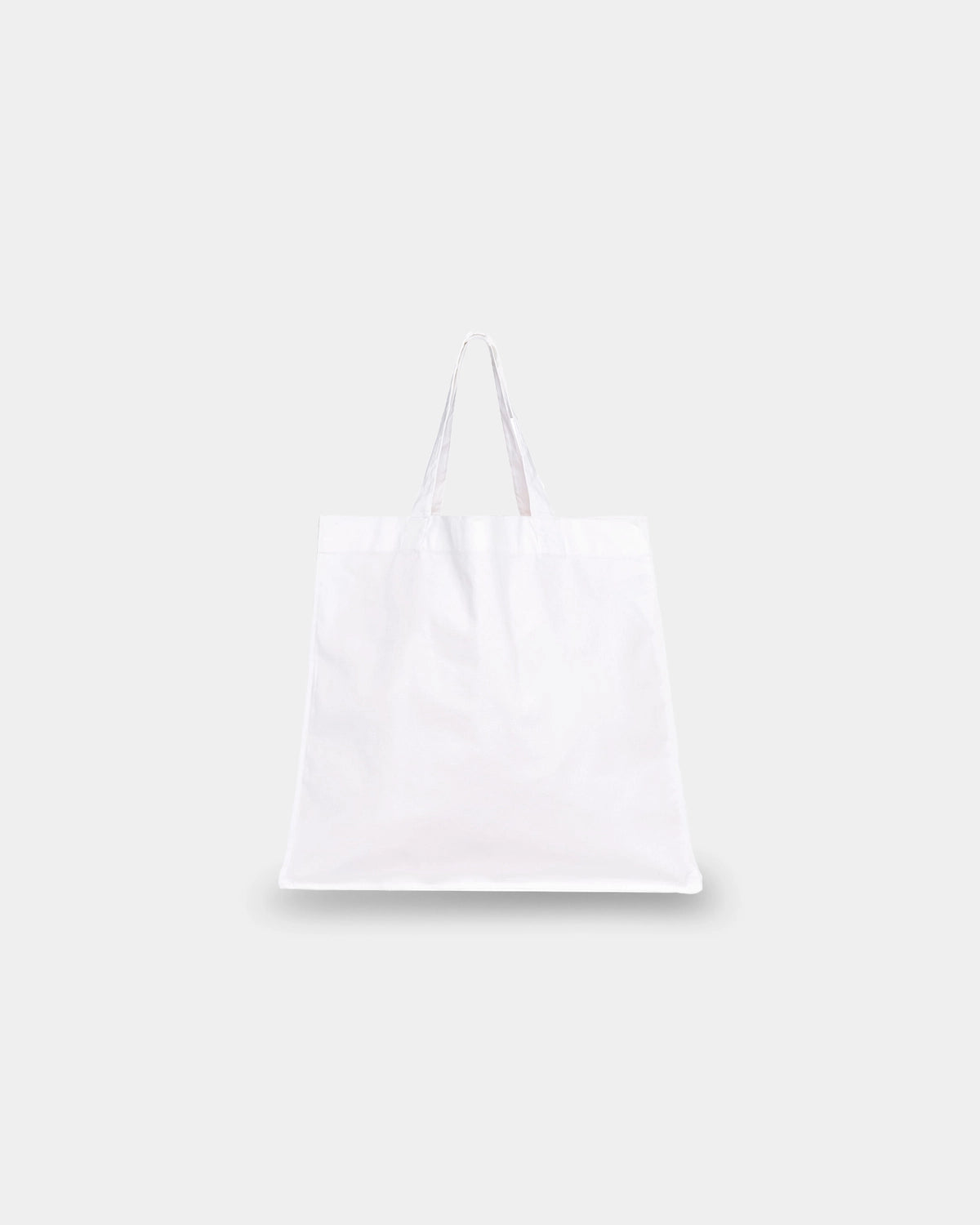


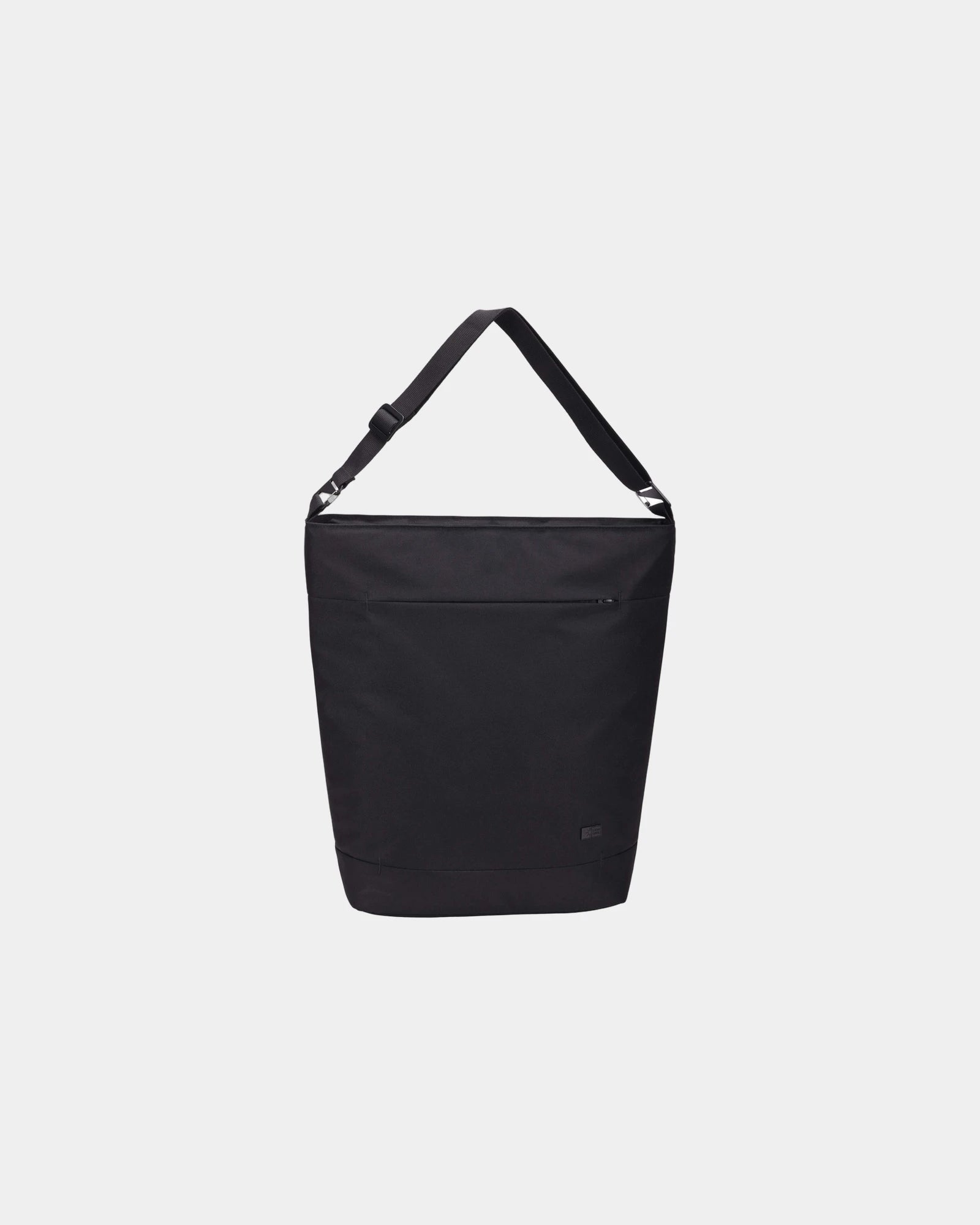


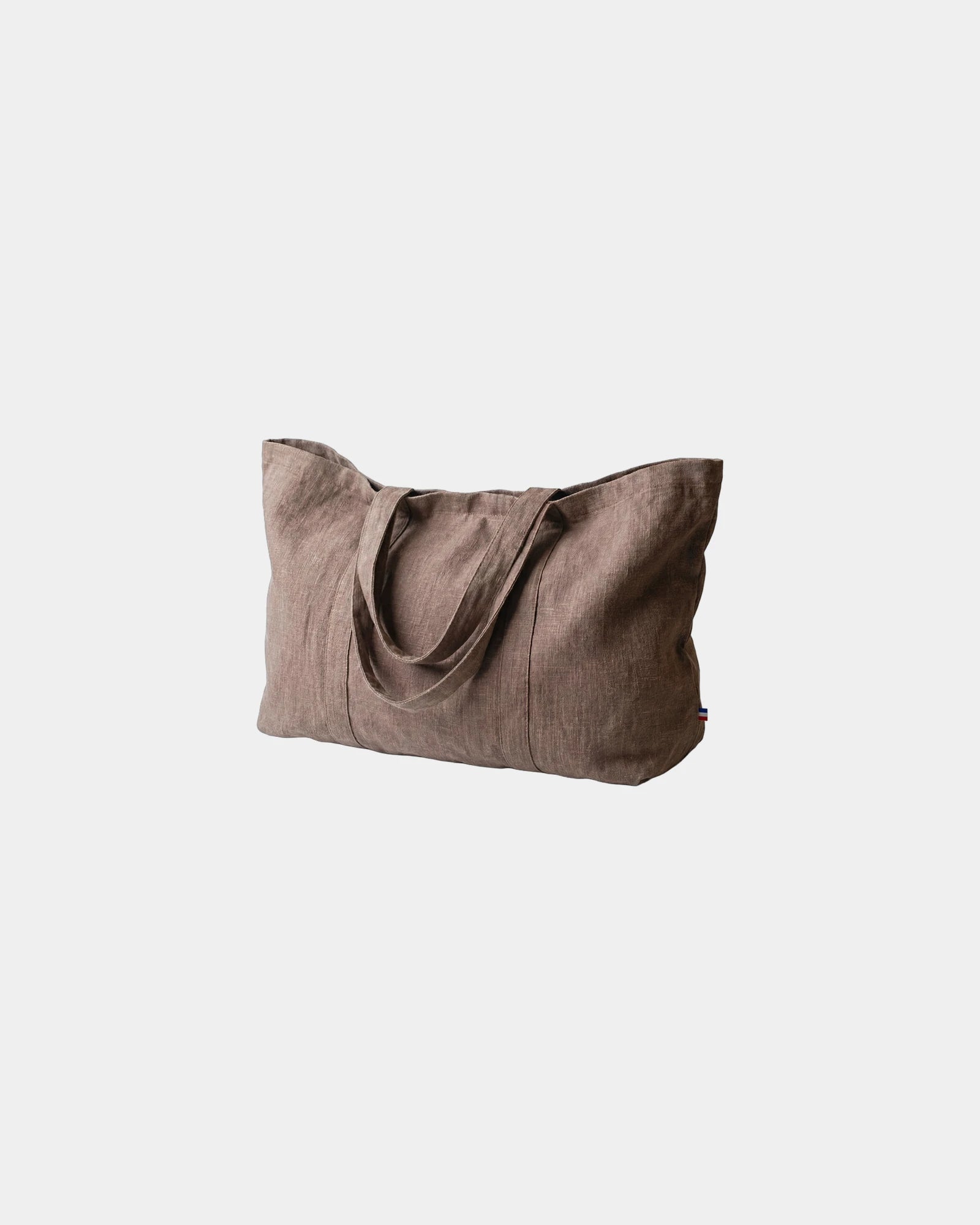


Treat your clients and employees!

FAQ - Personalised shopping bags
Trusted by 1,000+ companies
The fabric decides what your printed shopping bags can carry
Woven, bonded or recycled branded shoppers: the base call
The base cloth sets what a reusable shopping bag can carry before any logo lands. A woven polypropylene build takes a full weekly shop, where a bonded non-woven sheet answers a lighter handout, so the load you need points to the fabric first.
Reusable shopping bags split into a few working fabrics, and each one carries a different load at a different price. Laminated woven PP is the heavy-duty bag-for-life you see stacked at supermarket tills, rated for a full shop. Non-woven PP is the lighter, lower-cost everyday shopper. Recycled rPET, woven from drinks bottles, gives the eco story; cotton and canvas sit at the fashion end.
Woven PP is a true woven polypropylene cloth, laminated with a printable film, so it holds its shape loaded and shrugs off a dropped tin. Non-woven PP is a bonded fibre felt, usually 80-100gsm, lighter and cheaper but with a lower weight rating. The gap between the two is the difference between a 15kg jumbo and a 5kg handout.
Cotton and canvas read softer and more premium but cost more and weigh more per litre carried, which is why supermarkets default to PP for the actual shop. We quote the fabrics side by side against your real load and budget rather than steering every brief to one cloth.
| Fabric | Typical weight | Load rating | Best for |
|---|---|---|---|
| Laminated woven PP | Stiff, structured | Up to 10-15kg | Bag-for-life, weekly shop |
| Non-woven PP | 80-100gsm felt | Approx. 5-8kg | Everyday shopper, handouts |
| Recycled rPET | Woven, smooth | Approx. 8-10kg | Eco loyalty shopper |
| Cotton / canvas | 5-12oz cloth | Model-dependent | Fashion, boutique retail |
Why a reinforced base separates real branded bags for life from totes
Fill a printed shopping bag with tins, a 2-litre bottle and a glass jar and the weak point is always the bottom seam. A proper shopping bag answers that with a base board. This stiff insert sits in the bottom panel, spreads the load and stops the bag pyramiding into a sagging point under heavy shopping.
A bottom gusset of roughly 15-20cm gives the printed shopping bag depth so it stands open at the checkout while you pack. Side gussets widen it further for boxes and multipacks. A flat tote with no gusset prints beautifully and holds documents, but it collapses under a weekly grocery load, which is the line that separates a shopper from a giveaway.
Personalised Tote Bags cover the lighter, flatter cotton end of this range. There the job is a slim fashion carrier or a conference handout, not a base-board bag-for-life rated for tins.
Handle construction is the other failure point. Long PP webbing handles near 60-70cm clear a coat and a shoulder for a loaded carry. Bar-tack stitching, where the strap is sewn down in a reinforced box, keeps the handle from tearing the seam on the tenth heavy shop.
Litre capacity and weight rating for your promotional shopping bags
Buyers brief a shopping bag in litres and kilos, not vague sizes, because the printed shopping bag has to swallow a known shop. A standard supermarket shopper runs around 20-25 litres and a 5-8kg rating. A jumbo bag-for-life climbs to 30-40 litres and a 10-15kg rating for a full trolley unload into one carry.
The rating matters more than the footprint. Two bags the same width hold very different shops once one gains a 20cm base and a heavier woven cloth. We size to the loaded contents. Tell us the heaviest realistic shop, from a meal-deal lunch run to a fortnight's groceries, and we spec the litres, the gusset and the handle to suit.
Trolley bags are a format worth naming. A set that clips across the top of a supermarket trolley, sized to drop straight into the bagging area, turns the unload into one pass. They suit a loyalty giveaway aimed at the weekly big shop rather than a top-up basket.
| Format | Approx. capacity | Weight rating | Typical use |
|---|---|---|---|
| Foldable pocket shopper | 10-15 litres | Approx. 5kg | Top-up shop, daily carry |
| Standard shopper | 20-25 litres | 5-8kg | Weekly groceries |
| Jumbo bag-for-life | 30-40 litres | 10-15kg | Full trolley, bulk shop |
| Trolley bag set | Per-bag, clip-top | Model-dependent | Big-shop unload |
Foldable and pocket-size branded shoppers people actually keep
The shopper that lives in a coat pocket or a glovebox is the one that comes back to the till week after week. Foldable shopping bags pack down into a built-in pouch or a press-stud fold, roughly the size of a phone, so the customer carries the brand without thinking about it.
Foldables are usually a lightweight ripstop polyester or a thin non-woven PP, which keeps them feather-light and low cost at volume. The trade-off is a lower weight rating than a structured woven bag, so they suit a top-up shop and a daily carry rather than a fortnight of tins.
Branded drawstring bags take a different carry entirely. They cinch shut over the shoulder for kit and gym shoes, where a shopper's open mouth and long handles would be the wrong tool.
This format is also the strongest argument for the printed shopping bag as merchandise rather than packaging. A folded shopper handed to a member, a delegate or a customer rides in a pocket for months. It reappears at a different checkout each time, putting the logo in front of a fresh queue.
Handle styles change how the printed shopping bags carry and read
Two woven bags with the same litre count carry very differently once the handle changes. Long PP webbing handles near 60-70cm clear a coat for a shoulder carry of a heavy shop. Short die-cut handles, punched straight through the laminated panel, sit flat and tidy on a lighter non-woven shopper.
Soft-loop handles, where a rounded tab is welded to the printed shopping bag, spread the load across the palm and read more premium on a boutique carrier. The handle choice also sets the maximum comfortable load, since a die-cut hole bites the hand sooner than a webbing strap under a full bag of tins.
We match the handle to the load and the till it serves, not a house default. A 15kg jumbo earns stitched webbing and a bar-tacked join; a 5kg foldable suits a self-fabric or die-cut handle that keeps the pack-down small and the cost low.
| Handle | Look | Comfortable load | Best for |
|---|---|---|---|
| PP webbing, long | Sturdy, slung | Heavy, shoulder carry | Jumbo bag-for-life |
| Die-cut panel | Flat, integrated | Light baskets | Non-woven handouts |
| Soft-loop welded | Rounded, premium | Medium, hand-carry | Boutique loyalty shopper |
| Self-fabric | Matches the body | Light loads | Foldable pocket shoppers |
Printed shopping bags: screen print on woven PP explained
Choosing the print route for printed shopping bags by colour count
The decoration route on printed shopping bags follows the artwork as much as the run size. A bold one or two-colour logo screen-prints cheaply, where a photographic crest calls for litho lamination, so the colour count points to the method first.
Screen printing is the workhorse for Printed shopping bags on woven and non-woven PP. It lays opaque ink straight onto the laminated face. The plate cost spreads thin above a few hundred units, so the price per bag drops fast on a real run of 500 or 1,000. A bold one or two-colour logo lands clean and bright.
Where printed shopping bags carry photographic colour or fine gradients, litho lamination is the alternative on woven PP. The design prints onto the film first, then the film is bonded to the printed shopping bag, which gives a full-colour, magazine-quality face at a higher set-up cost and a higher minimum. We match the method to your colour count and quantity, not a default.
Colour count is the hidden cost driver in screen work, since each spot colour needs its own screen, pass and registration. A two-colour mark often carries a brand as well as a busy four-colour crest, at half the screen cost. We will say so on the proof rather than upselling passes.
Personalised jute bags are the base to reach for when the look wanted is a coarse, rustic hessian weave for a deli or farm shop. Jute prints bold blocks but cannot resolve the crisp edges PP lamination holds.
| Method | Colour range | Best quantity | Strength |
|---|---|---|---|
| Screen print, woven PP | Spot, 1-4 colours | 250-2,000+ | Opaque, cheap at volume |
| Litho lamination | Full-colour photographic | 1,000+ | Magazine-quality face |
| Screen print, non-woven | Spot, 1-4 colours | 100-2,000+ | Lowest cost per bag |
| Heat transfer | Full-colour | 100-500 | Fine detail, short runs |
Branded Bags for life as a retail and loyalty product
Put a Branded Bag for life on the checkout impulse rack and the levy does the selling: a shopper caught without a bag pays for one and keeps it. The few pence of margin is the smaller prize. The real return is a customer who now reuses your logo on every return trip because they bought into it.
The 10p single-use carrier levy across England reshaped this market by making the reusable bag the default at every checkout. A heavy-duty woven PP bag-for-life sits at the till as the paid alternative, which is why retailers brand it. Every shop then turns the customer into a billboard on the high street and the bus home.
Loyalty schemes lean on the bag too. A bag handed free above a spend threshold, or redeemed against points, ties the brand to a reward rather than a charge. We can run a scheme logo and a retailer logo on opposite panels so a sponsor and a store share one carrier.
Where the laminated woven face is dyed, the brand colour can run right through the cloth, so a logo reads on a coloured ground rather than a printed patch. A black woven bag with a reversed-out white mark holds up across a packed supermarket car park. A pale ground keeps a deli shopper softer and more boutique.
Branded Shoppers and the eco claims you can stand behind
Recycled rPET shoppers, woven from post-consumer drinks bottles, give Branded Shoppers a genuine recycled story, and they take vivid screen and transfer work much like a smooth woven cloth. Recycled non-woven PP and organic-cotton variants sit alongside them for brands building a sustainability range rather than a single line.
The recycled percentage varies by the mill and the mould, so it is printed on each shopper's own spec sheet rather than claimed across the range. We send that document for the exact base you choose, and any certification appears only where the supplier evidences it on that specific bag.
Branded food hampers pair a branded shopper with a food gift when a brand wants the carrier and the contents to arrive under one identity. The bag is then kept and reused long after the hamper is unpacked.
Each eco route behaves a little differently under the screen, and we flag that up front so the artwork suits the cloth. rPET takes bold transfer and screen cleanly; recycled non-woven prints like its virgin cousin; organic cotton runs softer and suits a fashion shopper more than a base-board bag-for-life.
- Laminated woven PP carries a full weekly shop, up to 10-15kg
- Non-woven PP keeps the unit cost lowest for high-volume handouts
- Base board and 15-20cm gusset let the bag stand open at the till
- Foldable shoppers pack to phone size and ride in a pocket
- rPET shoppers are woven from post-consumer drinks bottles
- Trolley bags clip across the top for a one-pass unload
Matching promotional shopping bags to supermarket, market or event use
The same reusable idea serves three different briefs, and naming the brief first stops the classic mismatch. A supermarket wants a structured 20-litre woven bag-for-life with a base board. A market stall wants a deep jumbo workhorse rated for a heavy haul. An event wants a flat, light, foldable carrier in bulk.
A promotional handout and a sellable loyalty shopper are the same product at opposite ends of build quality. The handout rewards low cost and flat packing; the loyalty bag rewards the woven cloth, the base board and the stitch quality a customer expects from something they paid for.
Personalised backpacks take over when the carry needs both hands free and a padded, structured body for tech on a commute. An open-mouth shopper built for groceries is not designed to offer that.
A useful test is to count the trips the bag will make. A freshers'-fair giveaway might see two or three outings before it is lost. A loyalty bag-for-life makes fifty-odd weekly shops a year. Cost-per-impression flips the maths: the dearer woven bag is cheaper per viewing once the trips stack up.
Promotional shopping bags at event and giveaway volume
A 2,000-bag run of non-woven PP shoppers ships flat or folded in slim cartons, so the pallet count stays low and a venue stores the stock in a cupboard. Light freight and easy on-site handling are why Promotional shopping bags fill trade-show and freshers'-week giveaways.
At this scale, lightweight 80gsm non-woven PP holds the unit price down. It still carries a delegate's brochures, a water bottle and a sample through a long day on the floor. The bag then leaves with the delegate and turns up at a supermarket queue weeks later, still wearing the logo.
Personalised bum bags suit the same event kit when the brief is a worn-on-the-body carry for essentials. A shopping bag handles the bulk, while the bum bag keeps phone and keys to hand.
Ask for a free sample and you can load the actual bag with a couple of tins to feel the base board flex before signing off thousands. The weight rating on a spec sheet means little until a real shopper sits in your hand half-full. That single check settles most large promotional orders.
A buyer's shortlist for branded shoppers
Supermarkets, market stalls and event teams each pull a shopping bag toward a different fabric, capacity and print route. The grid below maps a common brief to the build that tends to suit it, so a buyer can shortlist before reading a single product page.
| Brief | Recommended build | Print route |
|---|---|---|
| Supermarket bag-for-life | Laminated woven PP, base board | Screen or litho |
| Market stall | Jumbo woven, 15kg rating | Bold spot-colour screen |
| Eco loyalty line | Recycled rPET woven | Screen or transfer |
| Event giveaway | Non-woven 80gsm PP | Single-colour screen |
| Daily top-up carry | Foldable pocket shopper | Self-fabric, light print |
Read the grid as a starting point, not a ruling. A retailer often runs two builds at once. A woven bag-for-life sits on sale at the till, and a folded carrier goes out with a loyalty reward. One supplier then covers both ends of the campaign.
Artwork, proofing and lead time on printed shopping bags
For printed shopping bags, send vector artwork as an AI, EPS or high-res PDF and we return a digital proof showing colour, size and placement on the chosen bag. Nothing goes to screen or lamination until you have signed that proof off, since a misplaced logo on 2,000 woven bags is an expensive correction.
Lead time moves with the fabric and the quantity, not just the headcount. A 250-unit non-woven screen job clears faster than a 2,000-unit litho-laminated woven run, where the film is printed and bonded before the bag is even made. Most orders reach you in about three weeks, with dyed or laminated builds sitting at the longer end.
Placement is worth a deliberate choice on a bag that bulges when full. A logo set high on the panel stays visible above a packed load; one set low disappears into the gusset folds. We lift and size the mark for a carrier meant to be read across a busy car park, not centred by default.
Care, durability and the working life of promotional shopping bags
A bag-for-life that splits on its third heavy shop fails the one promise it makes, so the build matters more than the catalogue photo. A bar-tacked handle joined into a base-board bottom takes a loaded weekly shop for years; a lightly stitched handout is built for a few gentle outings.
Cleaning depends on the fabric. Laminated woven PP and non-woven PP wipe down with a damp cloth after a leaking carton, which is the practical answer for a bag that carries raw meat and produce. Cotton and rPET tolerate a cool wash, but the lamination on a woven bag should not go through a machine.
On a retail line the real risk is batch two not matching batch one, since the weight rating drifts more than the colour does between mills. We file an approved shopper from the first run and check the reorder's cloth, gusset depth and handle stitching against it. A physical reference catches the drift a screen proof cannot.

