

Printed Windbreakers
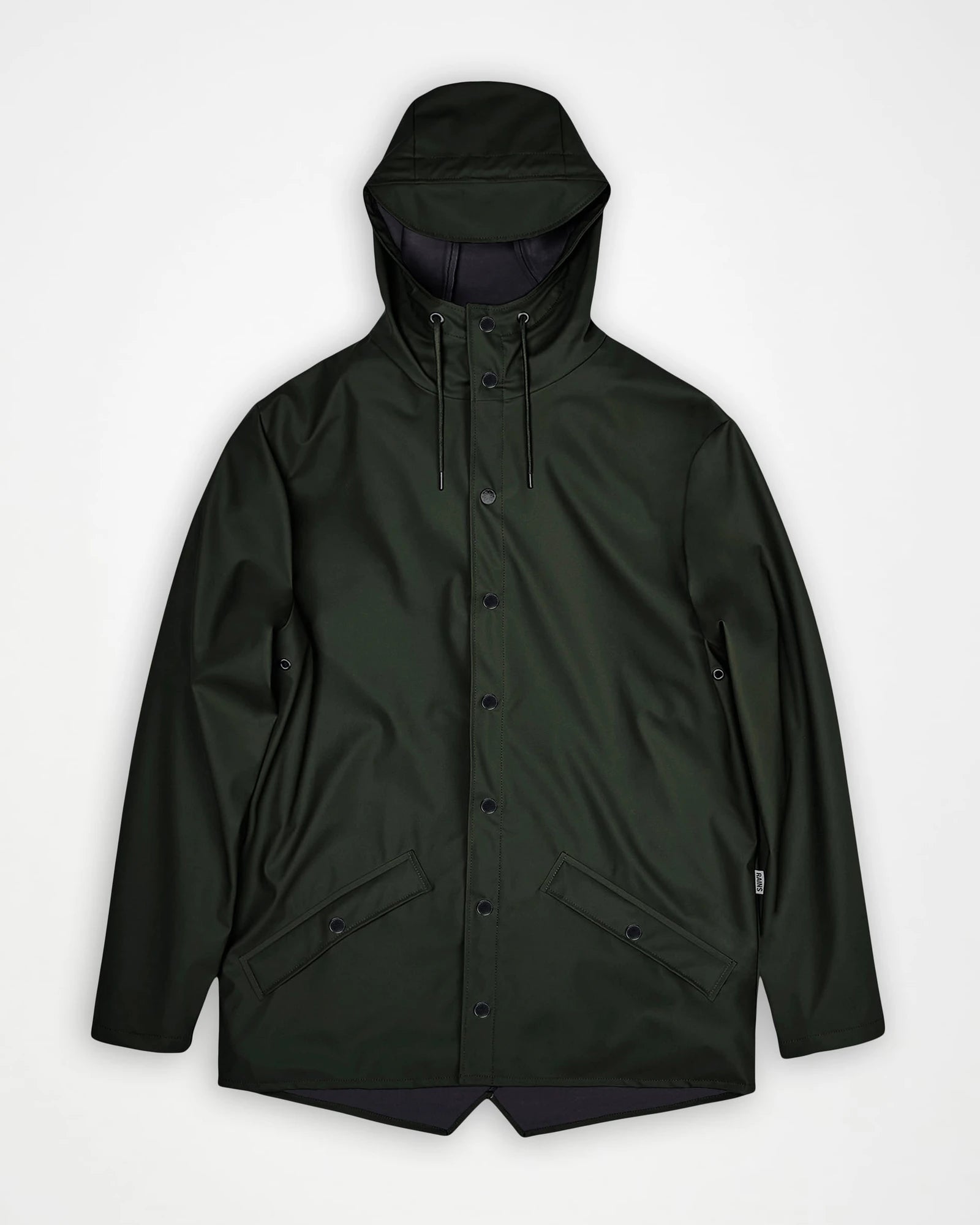


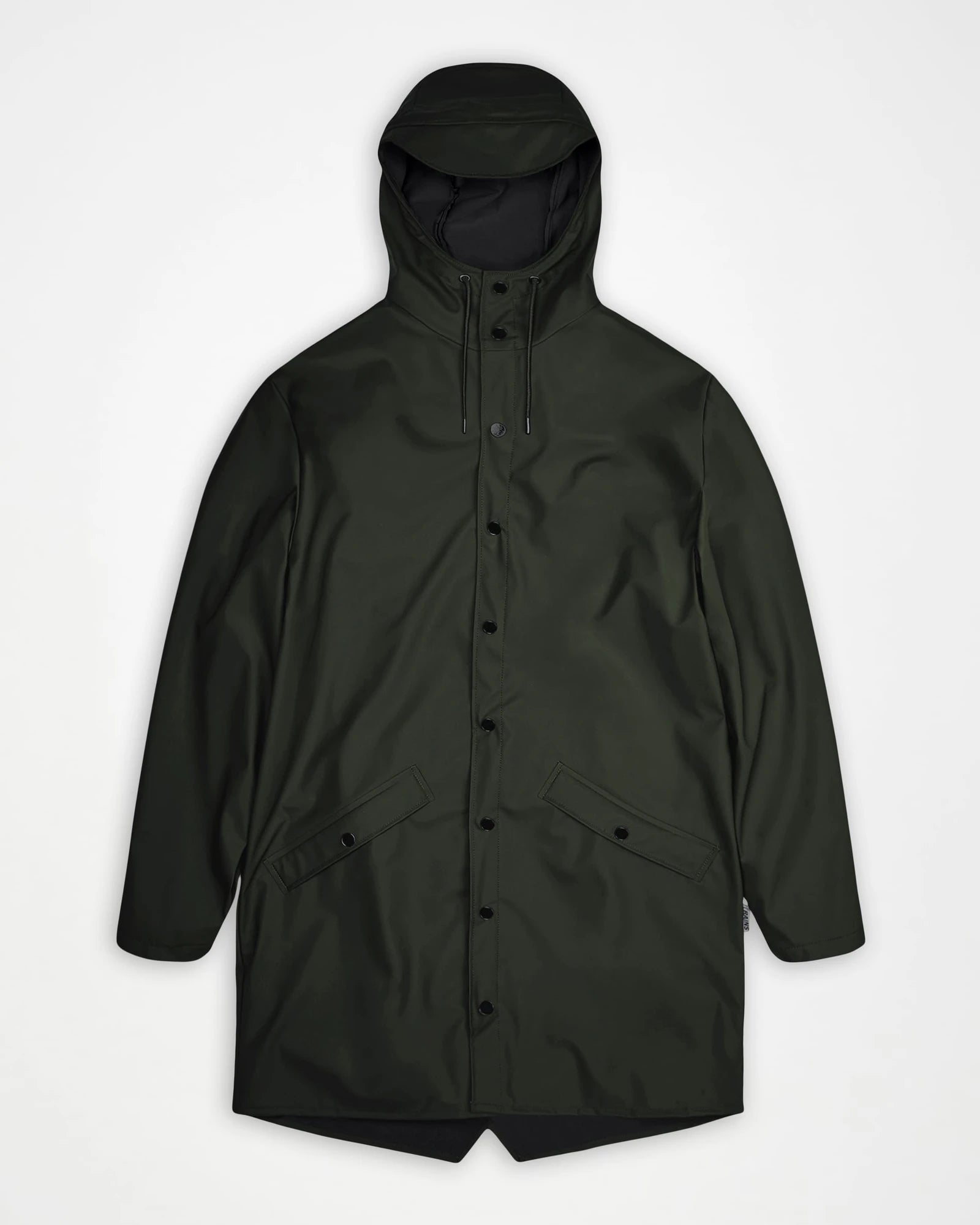


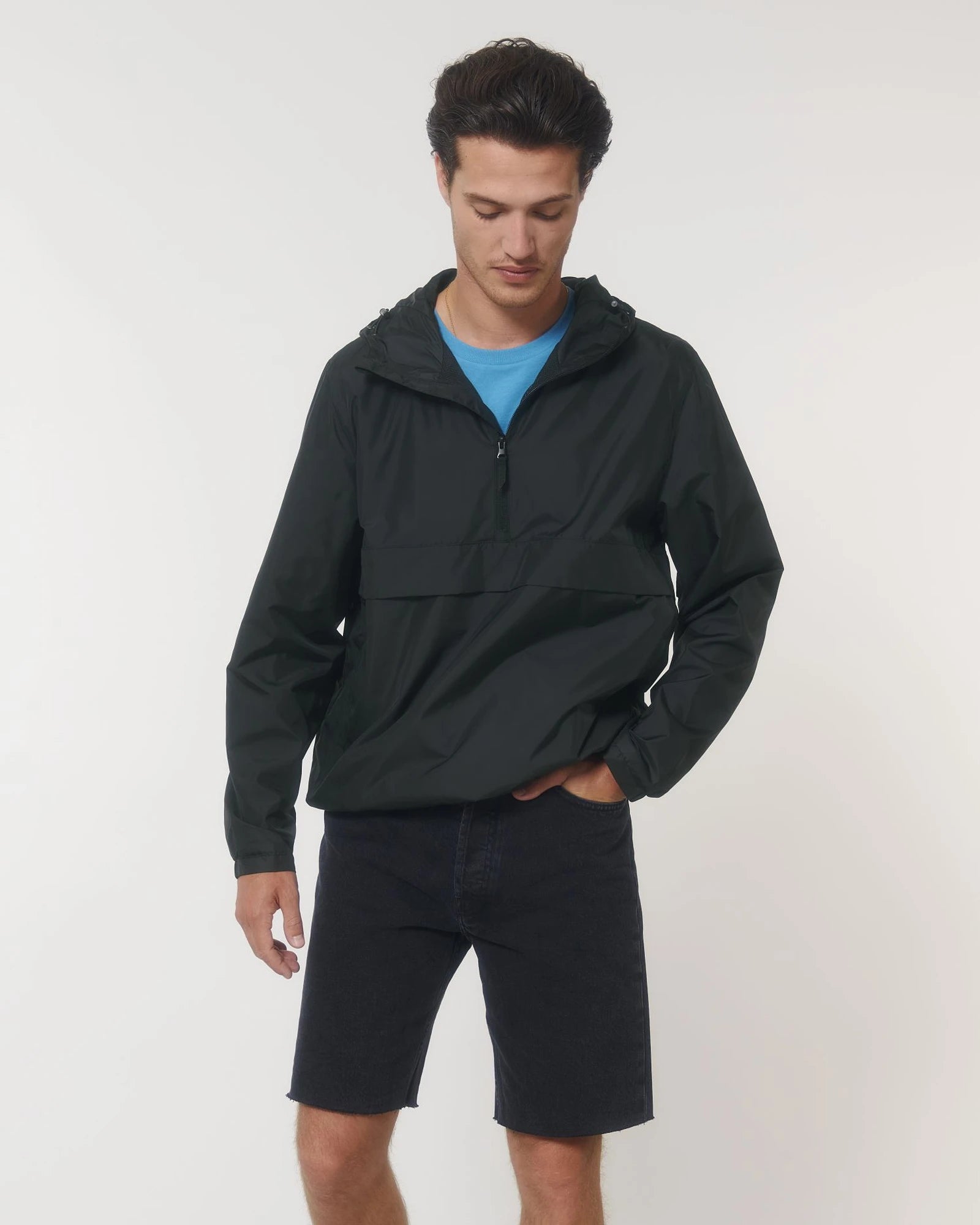


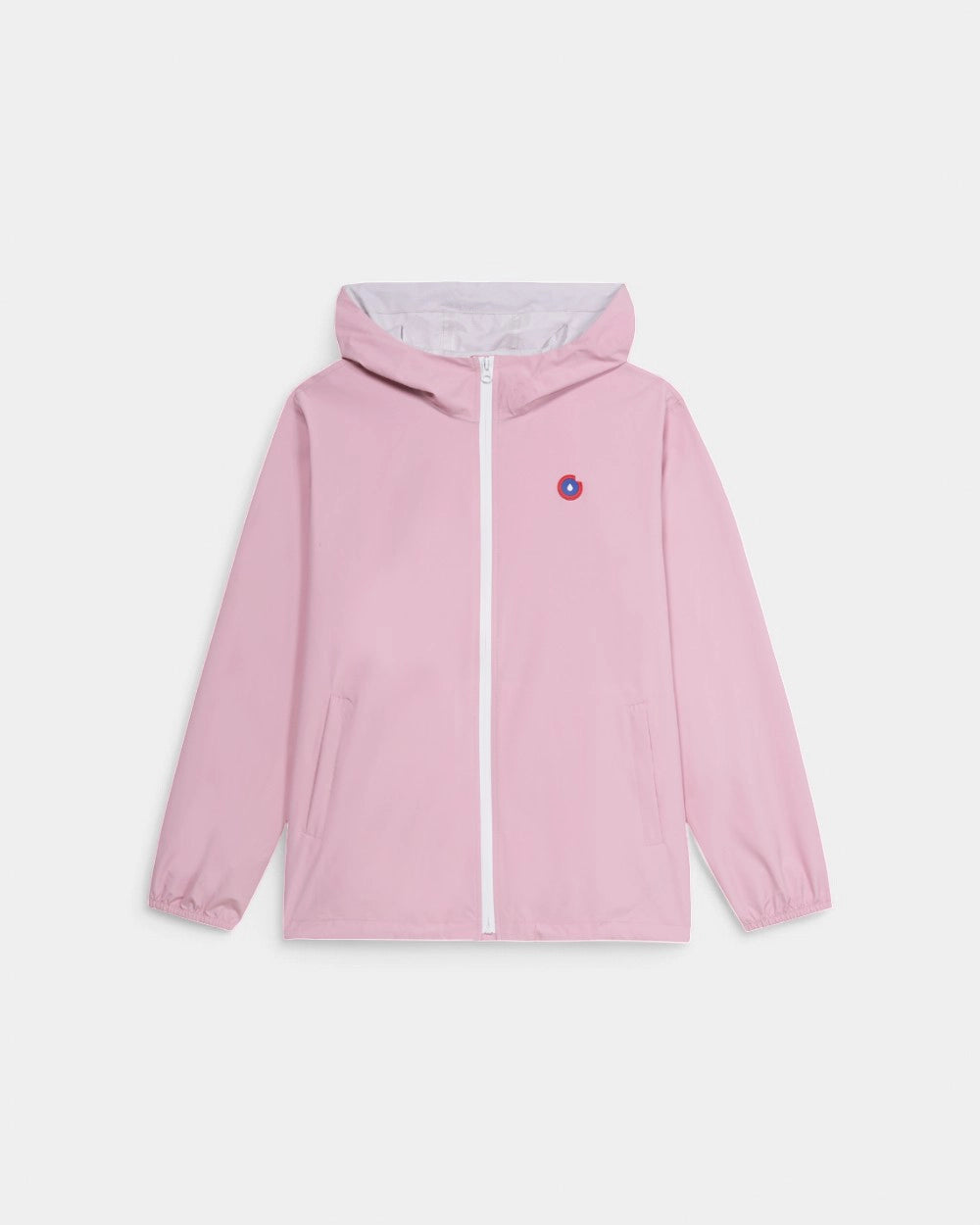


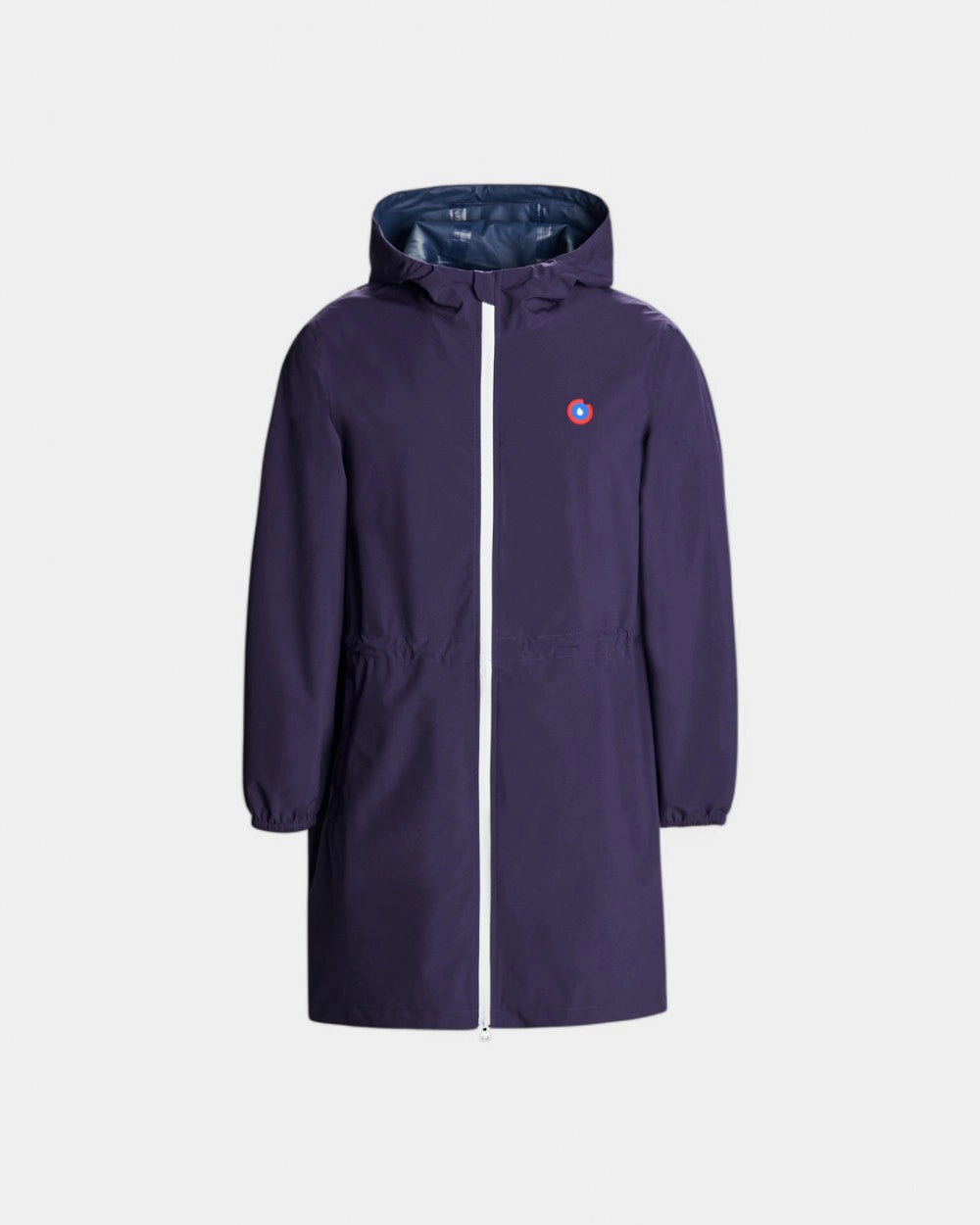


Treat your clients and employees!

FAQ - Custom Windbreakers
Trusted by 1,000+ companies
What branded windbreakers are, and what they are not
A windbreaker is a thin, tightly woven shell built to block moving air. The face is a fine nylon or polyester, often a ripstop weave, packed densely enough that a breeze cannot pass straight through the cloth. There is no padding, no bonded membrane and no fleece back, which is what keeps the garment under 300 grams on most bases.
Two real limits come with that lightness, and it is worth being straight about them. A windbreaker is water-repellent, not waterproof, so a durable water-repellent finish makes drizzle bead and roll off but a sustained downpour will eventually wet the face out. It is also a single woven layer, so it cuts wind and adds a few degrees of warmth without being a winter coat in its own right.
This is where the wind shell sits apart from its heavier cousins. A taped Custom Parka seals every seam for an all-day soaking; a packable Rain Jacket holds a water column for a real shower. The windbreaker trades that sealed waterproofing for the lightest, most breathable build a moving body can wear, which is a different brief entirely.
Woven nylon and ripstop: the branded windbreakers fabric explained
The fabric is the whole story on branded windbreakers, because there is nothing else to them. A plain woven nylon taffeta gives a smooth, quiet face that prints crisply and packs down small. A ripstop nylon threads a stronger fibre through the weave on a grid. A snag on a railing or a course marker then stops at one square rather than tearing across the panel.
Weight is read in grams per square metre, and the band is far lighter than any softshell. A summer event shell sits around 40 to 60 gsm and feels almost weightless. An everyday corporate windbreaker runs nearer 70 to 90 gsm for more durability and body. Where a brief leans eco, a recycled nylon base can be specified, and the exact recycled percentage rides on that garment's tech pack rather than a tidy headline figure.
| Fabric | Typical weight | Character | Suits |
|---|---|---|---|
| Nylon taffeta | approx. 50-70 gsm | Smooth, quiet, packable | Events, giveaways, running |
| Ripstop nylon | approx. 60-90 gsm | Tear-resistant grid | Outdoor crews, cycling, marshals |
| Polyester micro | approx. 70-90 gsm | Matte, soft hand | Corporate, golf, club kit |
| Recycled nylon | approx. 50-80 gsm | Lighter footprint base | Eco-led brand briefs |
Half-zip pullover or full-zip: choosing the personalised windbreakers cut
Cut splits an order of branded windbreakers before any colour or logo is chosen. A half-zip pullover pulls over the head with a short chest zip, which leaves a clean, unbroken front panel that is a gift for a large printed logo. It is the classic running and golf wind shirt, fast to throw on at the start line and with nothing to flap loose at speed.
Full-zip personalised windbreakers for event and steward crews
A full-zip windbreaker opens all the way down, so it is easier to put on over a number bib or a shirt. It is also quicker to vent or shed when a marshal warms up between tasks. It splits the front panel with a zip line, which a designer works around by sitting the logo on the left chest or across the back. Most event and steward briefs land on the full-zip for that ease of layering.
A hooded windbreaker adds a packable or roll-away hood for an exposed touchline or a coastal course, while a collared, hoodless cut reads neater under a lanyard. State whether the wearer pulls the shell on over kit or wears it open, and the cut follows from there rather than from the catalogue photo.
Where personalised windbreakers earn a place across active teams
Run a parkrun field of 300 finishers on a gusty April Saturday. The marshals in bright pullover wind shells read from across the course and stay warm standing still, then pack the shell away once the sun lifts. That mix of high-visibility colour, wind protection and pack-down is the exact case a windbreaker answers and a heavy jacket does not.
The use cases share a thread of movement and weight. Running clubs and race-day crews want the lightest possible wind layer. Golf societies want a quiet shell that does not rustle through a backswing. Cycling and track teams want a packable layer for the warm-up and the descent. Event, festival and steward teams want a bright, identifiable shell that folds into a kit bag between shifts.
Custom Sportswear sits underneath the wind shell for these same clubs. So a club tee, a base layer and the windbreaker can carry one consistent crest from warm-up through to the finish.
Breathability: why custom wind jackets keep moving when a coat does not
Breathability is the reason a runner keeps a wind shell zipped instead of tying it round the waist after a mile. A working body pushes out heat and vapour, and a thin woven windbreaker lets enough of that escape that the wearer does not cook inside it. A sealed waterproof traps that heat; the windbreaker's open weave is what makes it the active-wear choice.
Makers add real ventilation on top of the weave. Mesh-lined back yokes, underarm eyelets and a vented back panel let hot air dump while the front still blocks the wind. A perforated or laser-cut vent does the same on a running-specific shell. These details matter far more on a windbreaker than on any other jacket, because the wearer is almost always in motion.
The trade is plain: more venting means a little less wind protection at that panel, so a race shell vents hard while a touchline marshal's shell stays more closed. We match the venting to the typical effort level rather than fitting one spec to every role.
Lined, unlined and mesh-lined branded windbreakers
The lining decision changes how branded windbreakers feel and how warm they run. An unlined shell is the lightest and most packable, with the bare woven face against the wearer; it suits warm-weather events and a layer worn over a tee. The face can feel slightly clammy against bare arms, which is the cost of that minimum weight.
A mesh-lined windbreaker adds a thin net layer through the body and sleeves, which lifts the face off the skin so air moves and sweat does not cling. It is the most comfortable build for active wear and still packs small. A jersey or taffeta full lining pushes a touch warmer for cooler standing roles, at a small cost in pack-down and weight.
| Lining | Warmth | Pack-down | Best for |
|---|---|---|---|
| Unlined | Lightest, wind only | Smallest | Summer events, over a tee |
| Mesh-lined | Light, airy | Small | Running, cycling, active crews |
| Full taffeta lining | Slightly warmer | Medium | Golf, cooler standing roles |
None of these turns the shell into a coat. For a genuinely cold morning, the move is to layer the windbreaker over a brushed mid-layer rather than buy a heavier lining. Embroidered softshell jackets cover the brief where a team needs that bonded, warmer, more weatherproof layer instead of a packable wind shell.
How water-repellent personalised windbreakers actually are
The water defence on branded windbreakers comes from a durable water-repellent finish on the face, not from a membrane or taped seams. That coating makes light rain bead into droplets that roll off the tightly woven nylon, so a wearer stays dry through a passing shower or a wind-driven mist. It buys minutes of dry, not hours.
Be clear with the wearer about where that ends. The seams are stitched, not taped, so water tracks through the needle holes once the face wets out, and a long, steady rain will soak through. A windbreaker is a shower-and-wind layer for an active hour, not the jacket for a wet all-day shift on an exposed site.
The repellency is renewable, which keeps a club's shells working for years. Once droplets stop forming and rain starts to soak in, a wash-in reproofer or a gentle tumble on low heat brings the bead back. Lost repellency is a fading coating, not a dead garment, and the print and the nylon carry on well past it.
Elastic cuffs, hems and the custom wind jackets detailing that traps the warmth
The cuffs and hem are where a windbreaker keeps the heat it earns. Elasticated cuffs seal the sleeve at the wrist so a headwind cannot funnel up the arm and hollow out the warmth. They stay put on a runner without a fiddly tab. A bound elastic hem, or a drawcord at the waist, stops the shell ballooning on a gusty touchline.
Small features carry the active brief. A short stand collar protects the neck without a hood flapping; a half-elasticated or shock-cord hem lets a cyclist cinch the back down on a descent. A zipped chest or hand pocket secures a key or a gel on the move. A reflective trim or piping lifts an early or late-finish marshal out of the gloom.
Custom caps finish this active kit from the head. A club running a bright windbreaker can carry the same crest onto a breathable cap for the days too warm even for a shell.
Printing and embroidery on a lightweight branded windbreakers face
On a thin woven face, the decoration calculus changes against a heavy softshell. A heat-applied transfer or screen print is the usual route on a windbreaker. It lays flat on the smooth nylon, carries full colour and a photographic crest, and adds no weight or stiffness to a garment bought for its lightness. The unbroken front of a pullover takes a large chest print beautifully.
When embroidery suits lightweight branded windbreakers
Embroidery is still on the table, but with a caveat the fabric demands. A dense stitch can pucker a featherweight nylon, and the needle holes can wick water through a face built to shed it. So embroidery is kept to a small left-chest badge with a backing, not a large back design. For a hi-vis or technical print, a reflective or breathable transfer beats thread on this cloth.
Placement follows the cut. A full-width back print near A4 size turns a marshal crew into moving signage; a palm-sized crest on the left breast reads right on a golf or corporate shell. We share the artwork proof for sign-off inside 24 hours, mocked up on the exact base and colour, before any windbreaker is run.
| Decoration | Suits | Why | Caveat |
|---|---|---|---|
| Heat transfer | Multi-colour and photographic | Vivid, flat, weightless | Wash at low heat |
| Screen print | Large solid logos, runs | Cost-effective at volume | 1-3 colours best |
| Small embroidery | Left-chest badge | Textured, durable | Keep dense stitch off face |
| Reflective transfer | Hi-vis, night marshals | Visibility, breathable | Larger marks only |
Personalised windbreakers for named clubs and squads
Personalised windbreakers go past a shared crest by adding an individual name, number or role to each shell. On a wind layer this works best as a printed name, which sits flat and light where dense embroidery would weigh on the thin face. Captains, marshal leads and squad numbers all read cleanly this way across a club run.
Fix the name and number roster before anything goes to print. Each shell is set individually, so a late spelling fix means a fresh garment, not a quick on-screen tweak. The order floor sits low enough that a single new squad of eight runs as cleanly as a club of eighty, which helps a team that adds members mid-season.
Position carries the same logic as the crest. A name above the right chest balances a left-chest club badge, while a squad number sits well at the upper back under a larger club name. Personalised Golf Gifts pair the named wind shell with a wider society kit when a golf day wants more than the shell alone.
Colour, contrast and high-visibility on a personalised windbreakers run
A windbreaker carries colour at full panel size, and on an active shell the colour is half the point. A bright, saturated nylon makes a marshal or a club runner findable across a course or a road. A black, navy or bottle-green shell reads tidy for a corporate or golf brief. A hi-vis windbreaker certified to the applicable EN class is the call for any role on or near traffic.
High-contrast print for high-visibility personalised windbreakers
Print contrast decides whether a logo still reads from forty paces. A matched, tonal mark looks discreet up close but dissolves across a field. So an event and marshal shell wants a high-contrast print against the body colour, while a corporate shell can run quieter. A two-tone shell, with a contrast yoke or sleeve, opens a second placement that avoids any printed seam.
Any stated fabric, recycled content or hi-vis rating is verified against each base's own spec sheet before we put a figure on your quote, never taken on trust. For a hi-vis windbreaker, the EN standard it certifies to is printed on that base's data sheet, which travels with the proof.
- Pick ripstop where the shell meets railings, hedges or course markers
- Choose the half-zip pullover for the cleanest large front print
- Specify mesh lining for genuinely active running and cycling crews
- Add reflective trim for any early or late-finish marshal role
- Keep dense embroidery to a small chest badge on the thin face
- Reproof the face when drizzle stops beading to renew the repellency
Packability, weight and storing a branded windbreakers run
Pack-down is a headline spec on branded windbreakers in a way it never is on a coat. Many shells stuff into their own chest pocket or a small pouch, balling down to about apple size. A runner then clips it to a belt and a marshal drops it in a kit bag between shifts. The lighter and the more unlined the base, the smaller it packs.
That packability shapes how a club stores and issues a run. A box of fifty packed wind shells takes a fraction of the shelf a padded order needs, which matters for a society or a school running kit from a cupboard. Store them loosely folded rather than crushed long-term, so the elastic cuffs and hem keep their stretch across seasons.
The same trait makes the windbreaker a strong giveaway. Corporate Gift Boxes present a folded branded shell neatly for a sponsor mailing or a race-pack handout, where the pack-down lets a useful jacket ship flat in a small box.
Fit, run size and turnaround when you order branded windbreakers
A windbreaker is usually worn over a base layer or a tee rather than a fleece, so it sizes closer to true than a bulky jacket. A touch of room still helps a runner move. Where the base carries a shaped women's pattern as well as the standard unisex grading, offer both. Settle whether the club wants a trim race fit or a relaxed event fit before the size split is locked.
Quantity moves the cost more than the cut does, because a print or screen carries one fixed setup charge no matter how many shells follow it. Twelve golf shells and three hundred event windbreakers take the very same artwork. Yet that charge split twelve ways bites far harder than split three hundred ways, so the per-shell figure drops as numbers climb. Budget around three weeks from the moment your proof is signed off, and that proof reaches you within a day.
For a spring or summer event season, settle artwork and the size split early. The boldest shades and the upper sizes hold stock depth only until peak demand clears them. One planned run from a single dye lot keeps a marshal team in one true colour, where a later top-up can land a shade off against the first batch. Embroidered Jackets cover the heavier outerwear when the same club later needs a warmer winter layer beyond the wind shell.

