

Branded shoppers bags
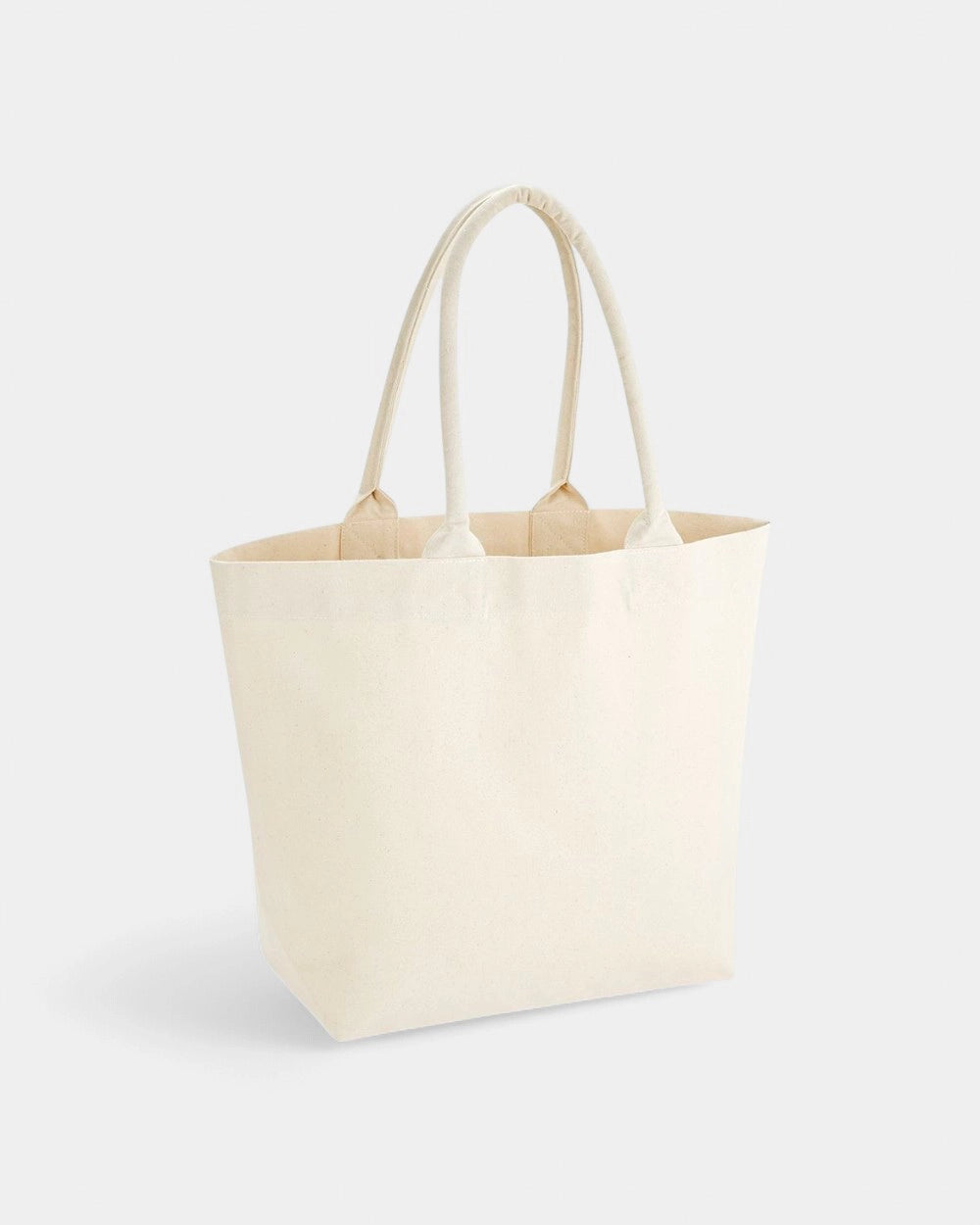


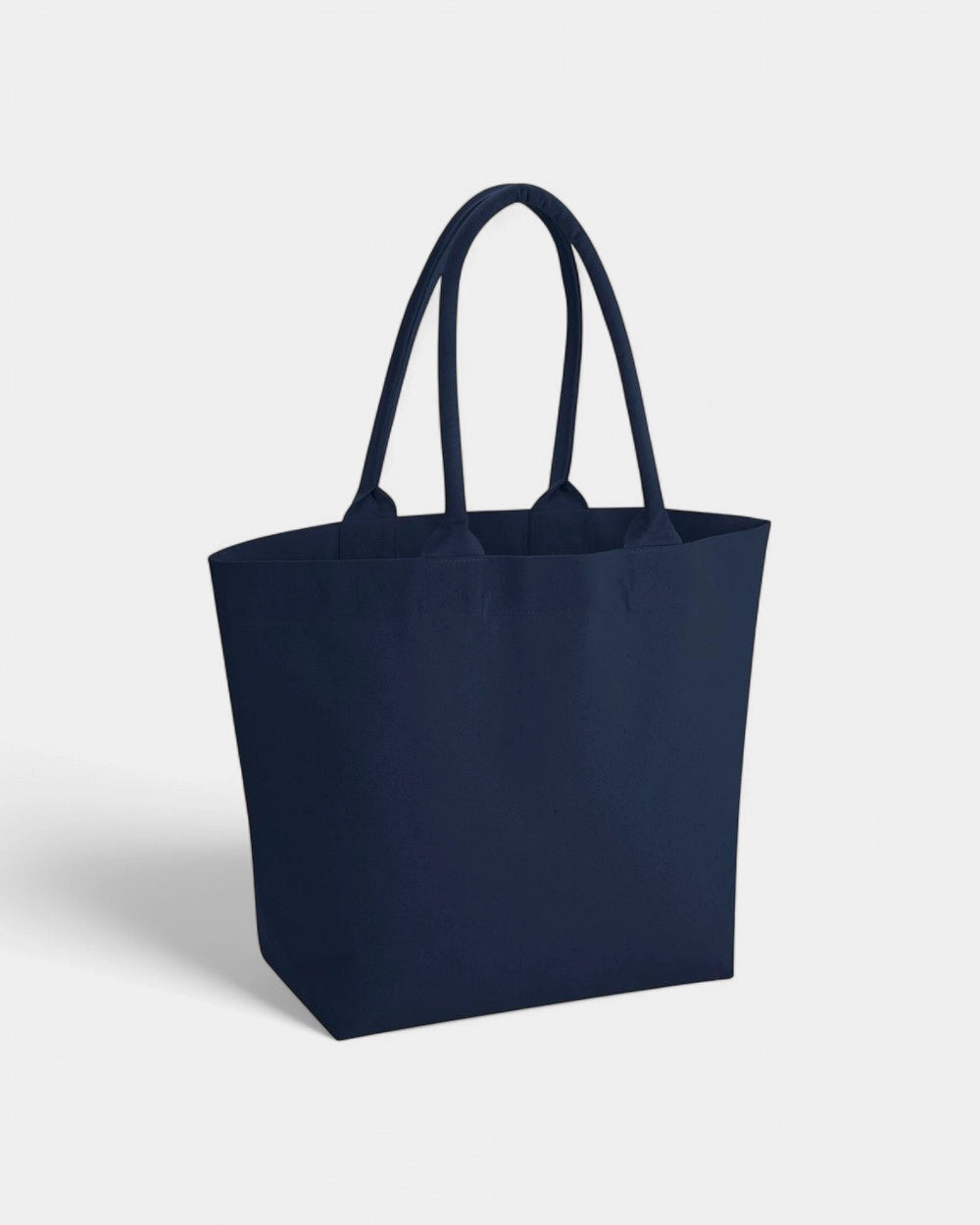


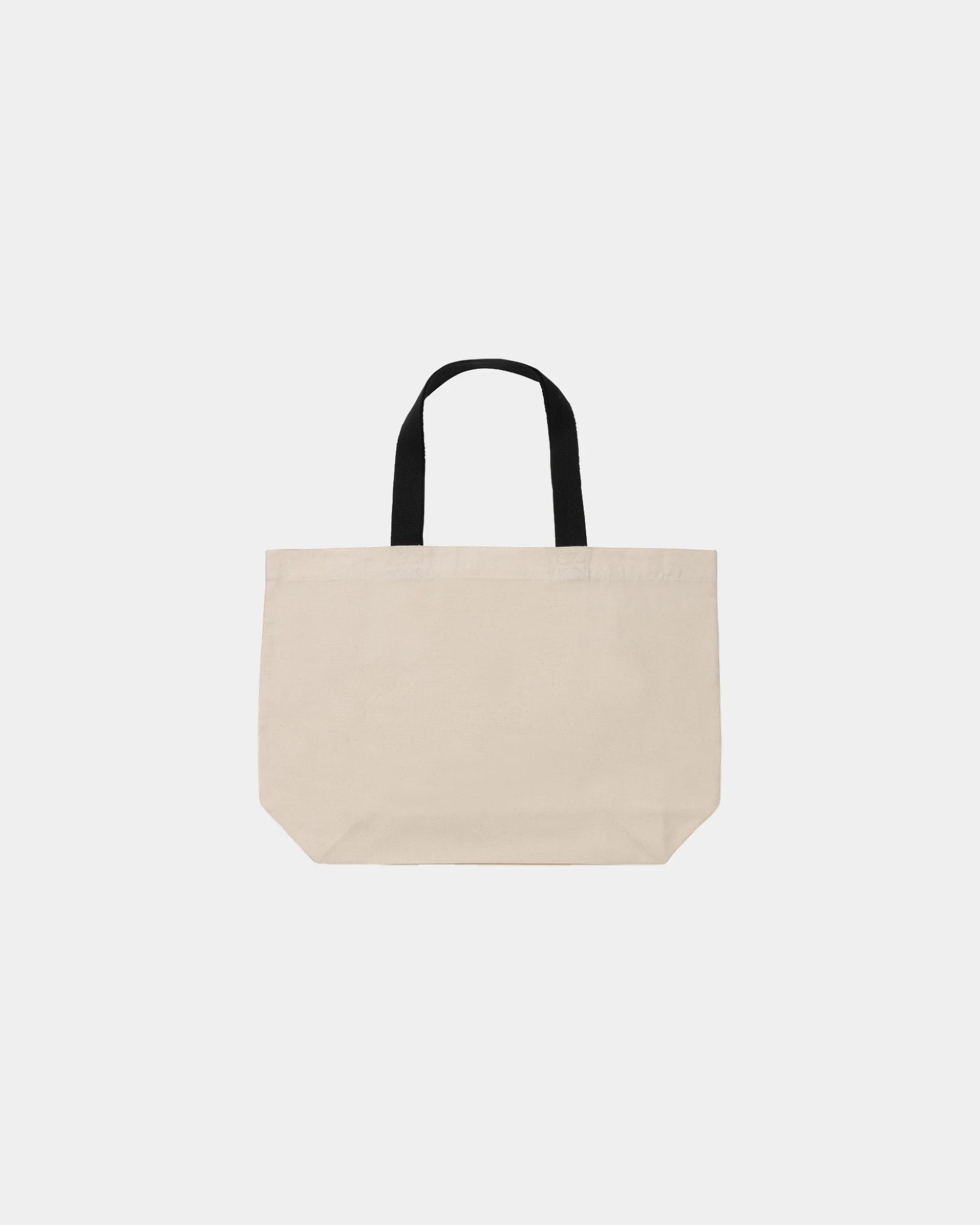


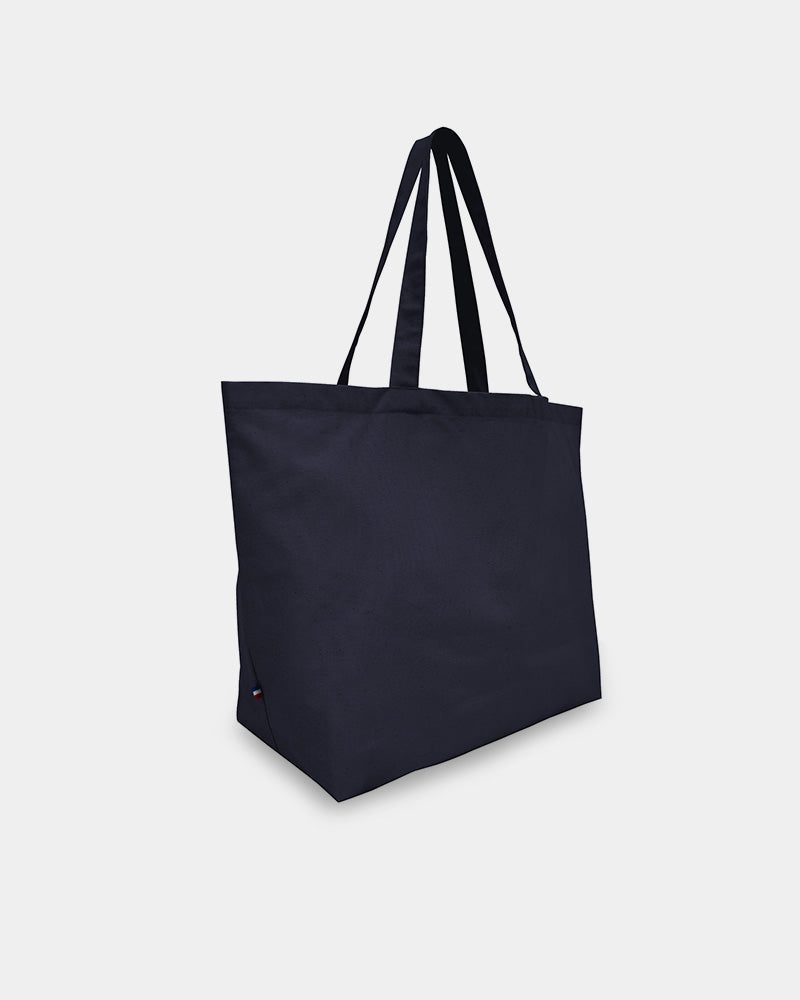


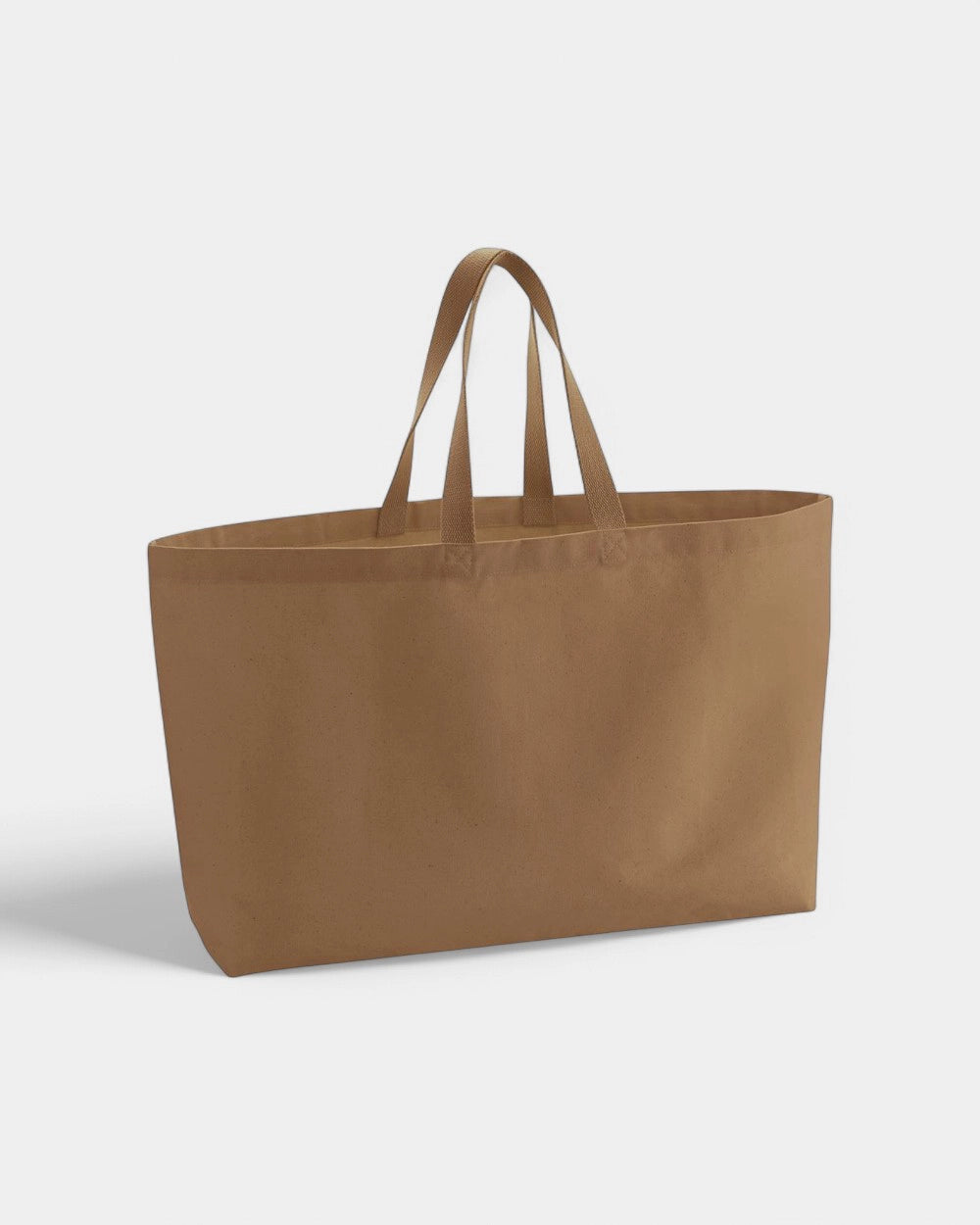


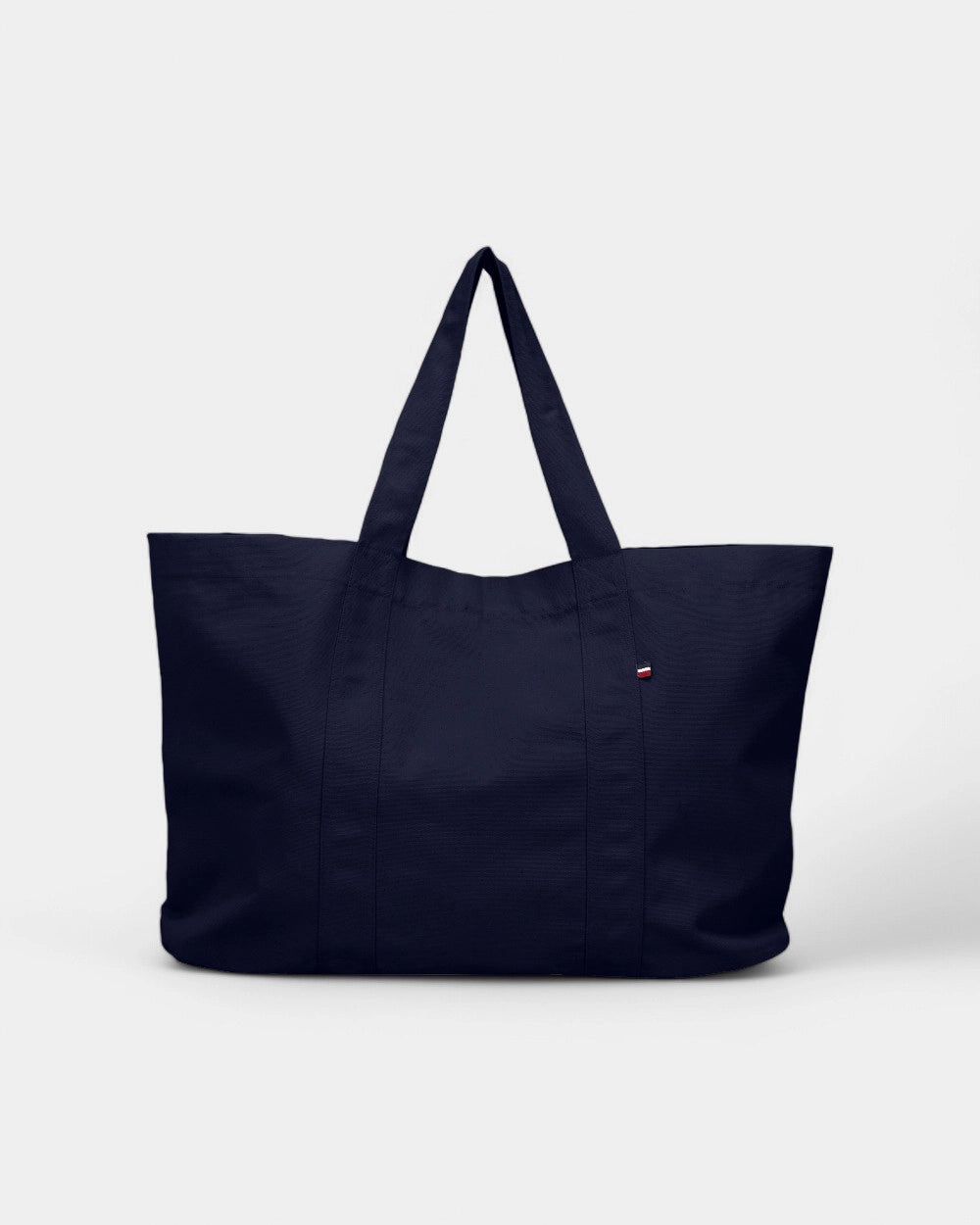


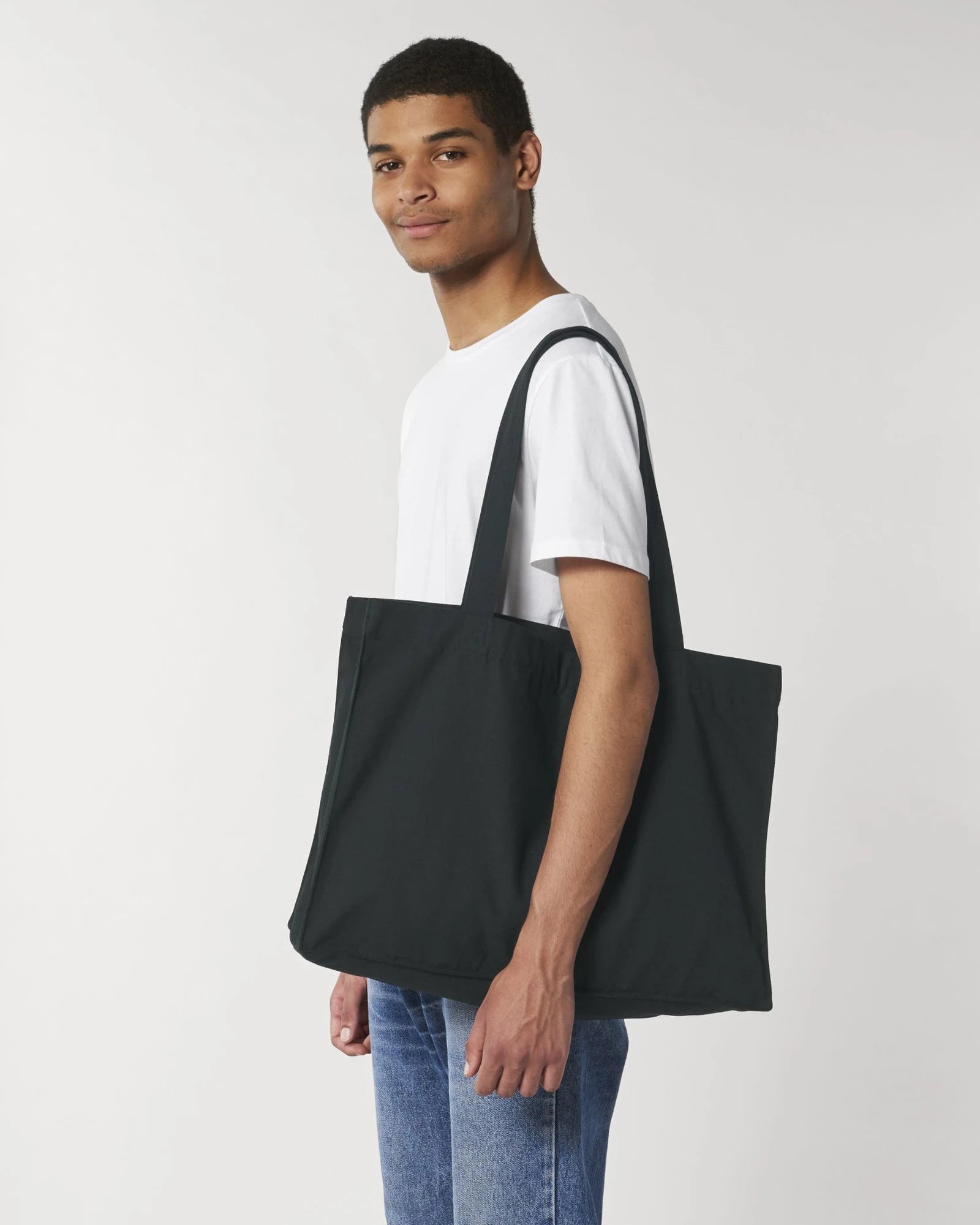


Treat your clients and employees!

FAQ - Branded shoppers
Trusted by 1,000+ companies
Why a woven PP base defines these branded shoppers
Woven against bonded on branded shoppers: the core decision
The base fabric sets the whole brief on a branded shopper before any logo lands. A laminated woven build survives a year of weekly shops, where a bonded non-woven carrier answers a one-season giveaway, so the lifespan you need steers the material first.
The fabric is what separates a bag-for-life from a giveaway carrier. Woven polypropylene is cut from interlaced plastic tape and then usually laminated. The finished shopper wipes clean, shrugs off rain and holds a full grocery load without stretching at the seam. A non-woven PP bag, by contrast, is a bonded fleece that costs less and weighs less but tears sooner under a sharp tin or a glass bottle.
That woven-versus-bonded choice sets the whole spec for these branded shoppers. Laminated woven PP suits a supermarket till where the bag is sold and reused for a year or more. Non-woven PP suits a high-volume sampling drop or an event handout where unit cost rules and the bag has one or two jobs to do.
Lamination also decides the print. A gloss laminate gives a bright, photographic surface that holds full-colour artwork; a matte laminate reads softer and more premium for a deli or a farm shop. Both are wipe-clean, so a spilled carton does not stain the brand mark. The finish also changes how the bag photographs for a website listing. A gloss panel pops a vivid logo, while a matte panel flatters a muted, heritage palette. We match the laminate to the brand tone, not just the durability spec.
Bag-for-life branded shoppers and the 45-reuse rule
The bag-for-life claim is not marketing froth; it has a measured threshold behind it. A Danish environment-ministry study found a woven PP reusable bag must be carried roughly 45 times to undercut the lifetime impact of a single-use plastic carrier. Build the branded shopper to survive those 45 trips and the green story holds; build it flimsy and it does not.
That durability target is why these shoppers bags are stitched, gusseted and laminated rather than simply printed. A reinforced base, a wide bottom gusset and a bar-tacked handle are the parts that get a woven PP bag past its fortieth food shop still intact.
Printed Cotton Bags sit at the opposite, lightweight end of this brief. A 4-5oz calico handout is meant to be given away freely, not sold at a till and reused for a year.
Recycled content is part of the modern bag-for-life pitch. Many woven PP shoppers can be specified with a recycled-PP share, and on larger runs that proportion often rises. We print the recycled percentage on the model's own data sheet for the exact bag you choose, rather than badging the whole range.
Gusset depth and capacity on branded shoppers
A market trader loading 8kg of vegetables and a customer carrying two wine bottles need the same thing. Both want a deep, square base that lets the bag stand open and swallow a real load. Capacity on a branded shopper comes from the gusset far more than the face width. A 200mm bottom gusset turns a flat panel into a box that holds the weekly shop upright.
Gusset bands on these branded shoppers run from roughly 150mm on a medium supermarket bag to 254mm and beyond on a jumbo boodle shopper. A stiff base insert, slotted into the bottom, keeps the floor flat so tins do not roll and the bag does not slump at the till.
Match two bags at the same height and the one with the deeper base swallows far more before it bulges. So we spec capacity by the heaviest realistic shop, not by the printed dimensions. Tell us whether the bag carries a couple of ready meals or a full trolley and we set the gusset to match.
| Format | Approx. size (WxHxD) | Gusset | Typical load |
|---|---|---|---|
| Medium bag-for-life | 320 x 380 x 150mm | Standard base | A few meals, daily top-up |
| Large supermarket | 360 x 400 x 200mm | Wide base | Full weekly shop |
| Jumbo boodle shopper | 450 x 380 x 280mm | Extra-deep base | Trolley load, bulk goods |
| Square IKEA-style | 400 x 450 x 250mm | Box base + insert | Heavy, awkward items |
Handle type and load rating for these shoppers bags
The handle is the first thing to fail on cheap branded shoppers, and a torn strap ends the bag-for-life promise on its third trip. Short, hand-carry loop handles around 30-40cm suit a medium till bag lifted off a counter. Long handles near 60cm clear a coat and a shoulder for a heavier walk home.
Webbing handles stitched into the side seam carry more than die-cut handle holes punched straight through the panel. On a jumbo boodle shopper meant for a trolley load, a broad webbing strap bar-tacked at the join is the right build. That join is what gives the bag years of service rather than a single heavy lift.
Personalised jute bags offer a natural-fibre alternative for a farm shop or an artisan grocer. They keep a similar gusseted, stand-up shape but trade the laminated plastic finish for a rustic, hard-wearing weave.
Load rating is worth stating on the brief. A medium woven PP bag comfortably takes 8-10kg; a reinforced jumbo with a base insert handles considerably more. We confirm the rating against the handle and base construction, not the headline material alone. The weak point is almost always the handle join rather than the panel. A bar-tacked webbing strap stitched into the side seam spreads that strain into the body of the bag. That is the detail that carries a branded shopper past its fortieth heavy trip without pulling free.
Print methods for branded shoppers on laminated PP
Reading the print route off the volume on shoppers bags
The decoration route on a branded shopper follows the run size as much as the artwork. A high-volume flexo print earns its plate cost across thousands of bags. A screen print suits a few hundred. So the quantity points to the method before the colours do.
The laminate surface changes how these shoppers bags are decorated. Flexographic and gravure printing run directly into the lamination film at high volume, which is how supermarket bags carry full-bleed, edge-to-edge artwork across the whole panel. This route rewards large quantities, where the plate or cylinder cost spreads thin.
Screen printing suits lower volumes and bold spot-colour logos applied to the woven surface. It lays opaque ink that sits crisp on a matte laminate, and the screen cost spreads sensibly above a few hundred bags. For a one or two-colour brand mark, it is usually the value route.
On spot work, the number of ink colours sets the price. A solid single-colour mark prints from one screen; a four-tone crest multiplies the set-ups, the passes and the alignment work. Where a logo is fussy, we will usually propose paring it back to two clean colours so the woven weave holds it sharp and the bill stays sensible.
| Print route | Colours handled | Volume sweet spot | What it gives on woven PP |
|---|---|---|---|
| Flexo/gravure | Full-colour, full-bleed | 5,000+ | Edge-to-edge supermarket print |
| Screen print | 1-4 spot colours | 500-5,000 | Opaque, bold logos, lower runs |
| Digital transfer | Photographic | 250-1,000 | Fine detail, gradients, short runs |
| Heat transfer | Full-colour | 100-500 | Small detail on samples and pilots |
Branded shoppers at the retail till and loyalty point
At a supermarket checkout, branded shoppers are a product the shop sells, not packaging it gives away. The customer pays for the first bag and brings it back to dodge the carrier charge. The logo then travels through the car park and the high street on every return trip. The bag earns the shop a few pence of margin and a moving advert in the same transaction.
That loyalty loop is why a retailer specs durability over the lowest unit price. A bag that survives a year of weekly shops keeps the brand in a customer's kitchen and boot, where a torn bag is binned and forgotten. The reuse is the marketing, so the construction is the budget priority. Each return trip is a fresh impression of the logo at no extra cost to the shop. A bag that lasts a year delivers dozens of those impressions, which a single-use carrier never can. That is the quiet return on a slightly higher build cost.
Personalised Tote Bags hold the fashion-canvas end of the range, where the bag is a sellable cotton accessory rather than a wipe-clean grocery workhorse for the weekly food run.
Many shops also offer a free-replacement bag-for-life scheme, swapping a worn bag for a fresh one. That promise only pays off on a well-made woven PP base, since a flimsy bag triggers replacements faster than it earns loyalty.
Replacing single-use carriers with reusable branded shoppers
Since the carrier-bag charge, reusable branded shoppers have become the default way a UK retailer moves goods out of the door. A laminated woven PP bag-for-life replaces a box of single-use plastic the shop would otherwise buy and discard week after week. One durable SKU at the till takes over from a constant carrier-bag spend.
For a market trader or a delivery round, the swap is plainer still. A stack of jumbo boodle shoppers carries far more per trip than thin carriers and survives the rain on an outdoor stall. The trader's logo rides home with every customer instead of landing in a bin by the car.
Personalised drawstring bags suit a lighter, over-the-shoulder closing carrier in the same campaign, where a customer wants a packable bag for kit rather than a heavy-duty grocery shopper.
We offer a free sample of the woven PP base before the run is committed. A buyer can press the laminate, tug the handle and judge the print on an actual shopper, ahead of the four-figure quantity this product typically needs. That physical check matters more here than on a low-cost handout. A four-figure run is a real commitment, so the sample stage is where a buyer confirms the bag feels worth selling at the till. A laminate that scuffs or a handle that flexes shows up in the hand long before it shows in a spec sheet.
Non-woven PP shoppers for high-volume branded shoppers
Where the brief is reach over reuse, a non-woven PP shopper changes the maths. At roughly 80gsm of bonded polypropylene, it is water-resistant, recyclable and very low cost in bulk. That makes it the workhorse of high-volume branded shoppers for sampling, exhibitions and charity drives.
The trade-off is plain: a non-woven bag carries a respectable load for a season but does not match a laminated woven base over a year of weekly shops. So we steer the choice by lifespan. A one-summer festival giveaway suits non-woven; a sold-at-the-till bag-for-life suits laminated woven PP. The unit price gap is wide enough to matter at volume. A charity drive handing out thousands of bags lives on the non-woven figure, where every penny per bag multiplies across the run. A retailer selling a bag at the till can absorb the woven cost, since the customer covers it and reuses the bag for a year.
| Material | Lifespan | Finish | Pick it when |
|---|---|---|---|
| Laminated woven PP | A year-plus of weekly use | Wipe-clean, full-bleed print | A till bag-for-life that is sold and reused |
| Non-woven PP (80gsm) | A season or two | Water-resistant, matte | High-volume sampling at the lowest cost |
| Recycled-PP woven | A year-plus, green claim | Wipe-clean, slightly softer print | A sustainability story on the line you pick |
| Jute | Years, rustic look | Coarse, bold logos only | A natural-fibre deli or farm-shop shopper |
Personalised beach bags cover the summer and seaside angle, where a roomy woven carrier leans decorative and holiday-led rather than serving a wipe-clean grocery run.
- Laminated woven PP wipes clean and shrugs off rain
- Bottom gusset 150-280mm sets the real carrying capacity
- Base insert keeps tins flat and the bag standing
- Bar-tacked webbing handles take an 8-10kg load
- Recycled-PP share confirmed per model on its data sheet
- Non-woven 80gsm is the low-cost high-volume route
Buyer briefs matched to the right branded shoppers
Supermarkets, market traders and sampling teams each pull a branded shopper toward a different base, gusset and print route. The grid below sets a common brief against the build that tends to suit it, so a buyer can shortlist before reading a single product page.
| Brief | Recommended build | Print route |
|---|---|---|
| Supermarket bag-for-life | Laminated woven PP, 200mm gusset | Full-bleed flexo |
| Deli or farm shop | Matte woven PP or jute | Two-colour screen |
| Market trader | Jumbo boodle, 280mm base insert | Bold spot-colour screen |
| Festival sampling | Non-woven 80gsm PP | Single-colour screen |
| Loyalty replacement scheme | Reinforced woven PP | Full-bleed flexo |
Read the grid as a starting point, not a ruling. A retailer running a loyalty scheme often holds two SKUs at once. A premium full-bleed bag goes on sale at the till, and a lighter non-woven carrier handles sampling drops. One supplier then covers both ends of the campaign.
The brief also decides where the budget sits. A sold-at-the-till bag puts the spend into construction, since the reuse is the marketing and a torn handle ends it early. A one-off handout puts the spend into reach, where the lowest unit cost across thousands of bags matters more than a year of service.
Sizes and ordering volume for branded shoppers
These bags reward volume more sharply than a cotton handout. Laminated woven PP commonly starts around a 1,000-unit minimum, where the lamination and print set-up make sense. The unit price then falls steeply as the run climbs toward 5,000 and beyond. Non-woven and screen-printed options open the door to smaller pilot batches.
Lead time tracks the print route and the construction. A screen-printed non-woven run clears faster than a full-bleed flexo-laminated jumbo shopper with a base insert and recycled content. We deliver inside roughly three weeks on a standard order, with the window widening as lamination, custom sizing and large volumes are layered on.
Corporate Gift Boxes present a folded branded shopper as the carrier within an onboarding pack. The flat bag becomes part of a considered client or new-hire gift rather than a loose handout.
Reorder consistency is the quiet frustration retailers raise on a repeat line. We retain a signed-off shopper from batch one, so the next run is matched for laminate shade, print placement and handle position against a physical sample rather than a memory.

