

Branded chopping boards
- Price, low to high
- Price, high to low








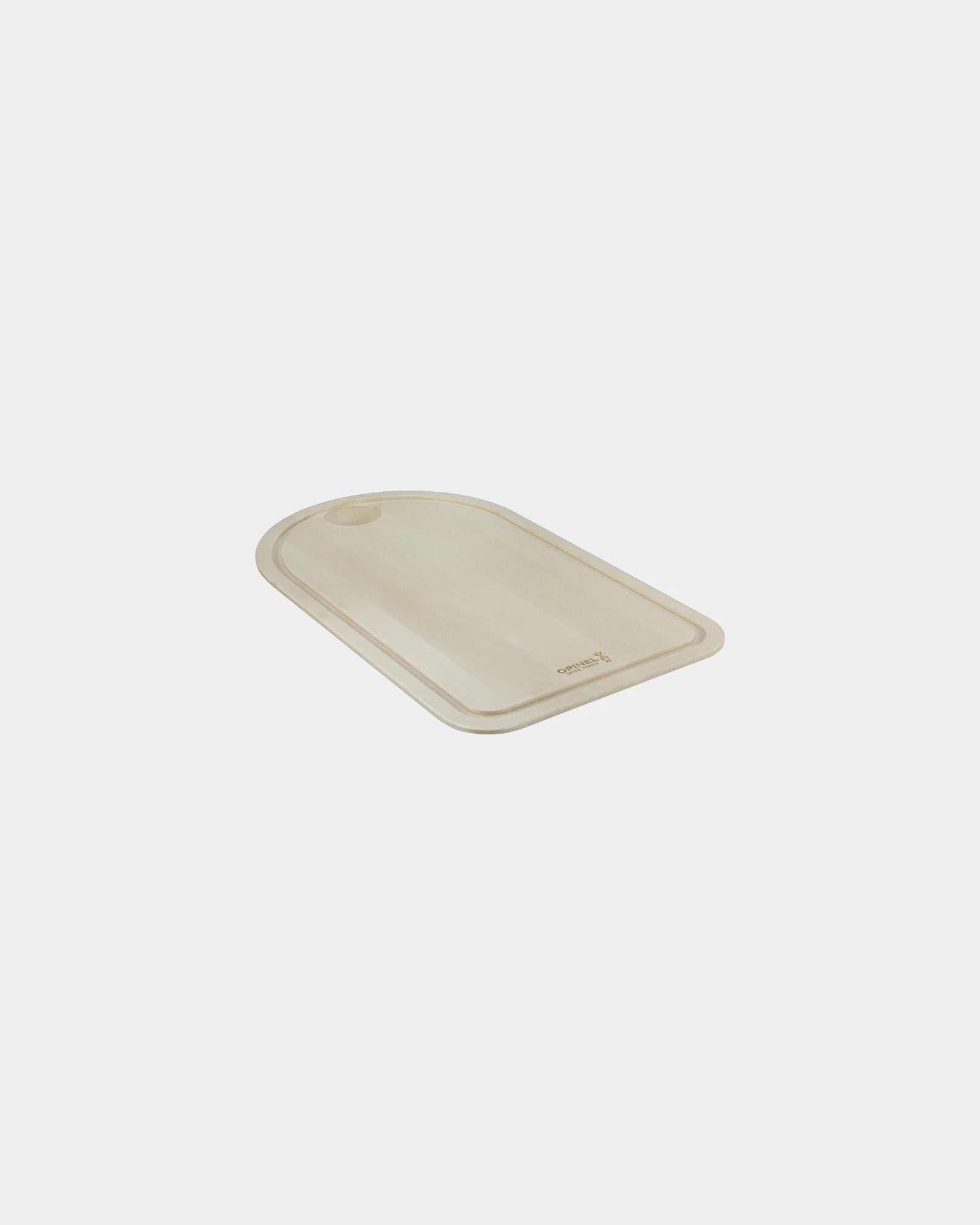


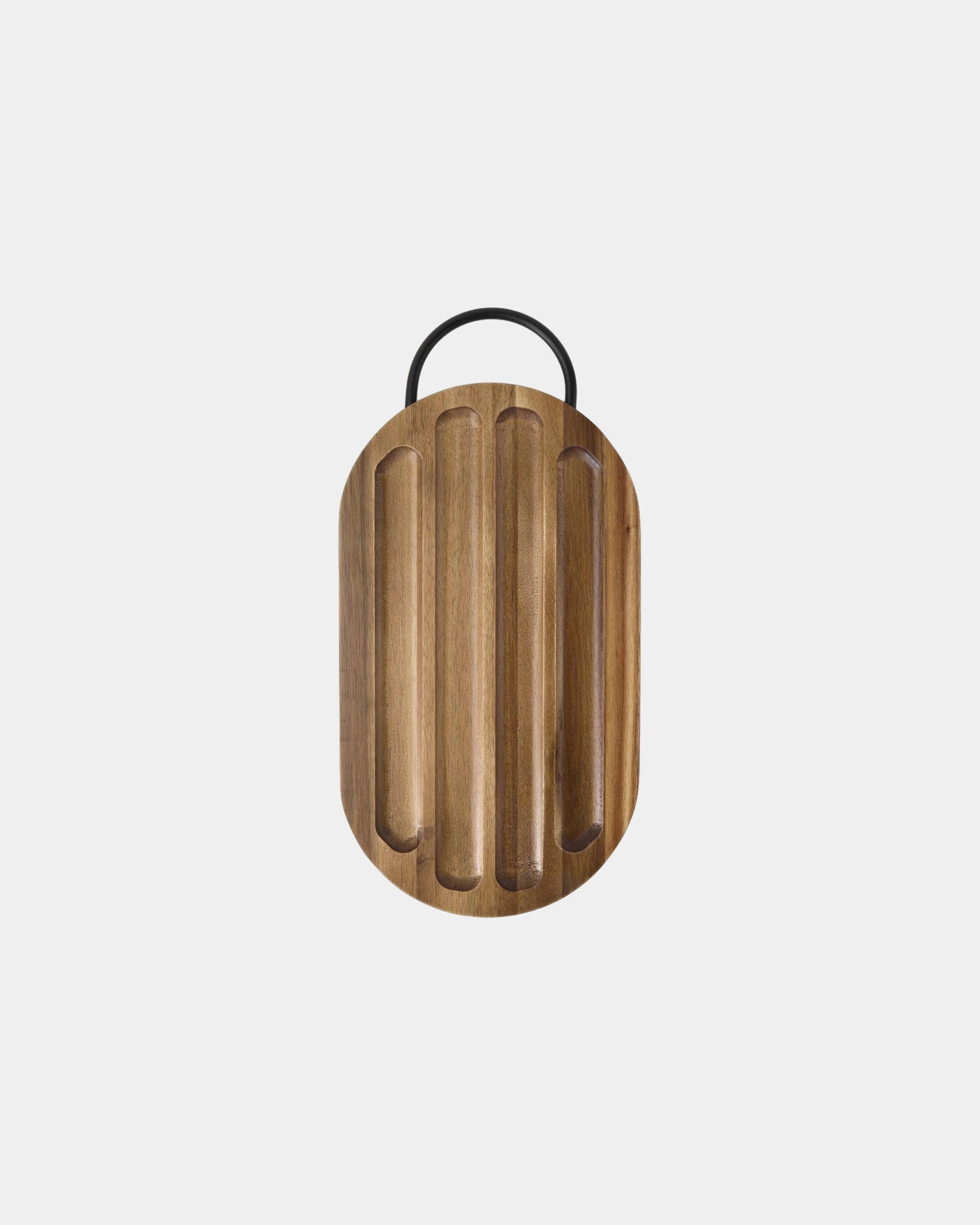


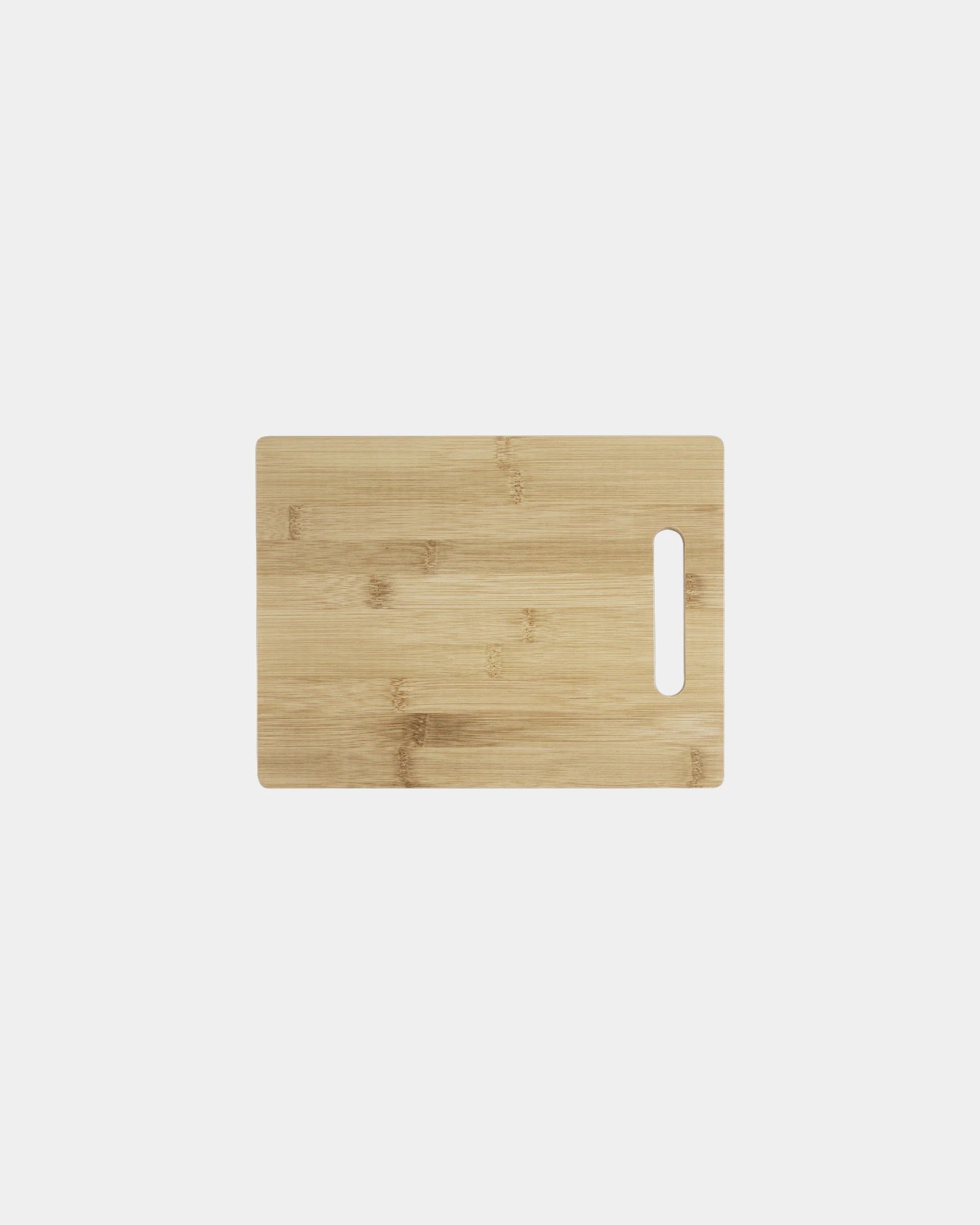


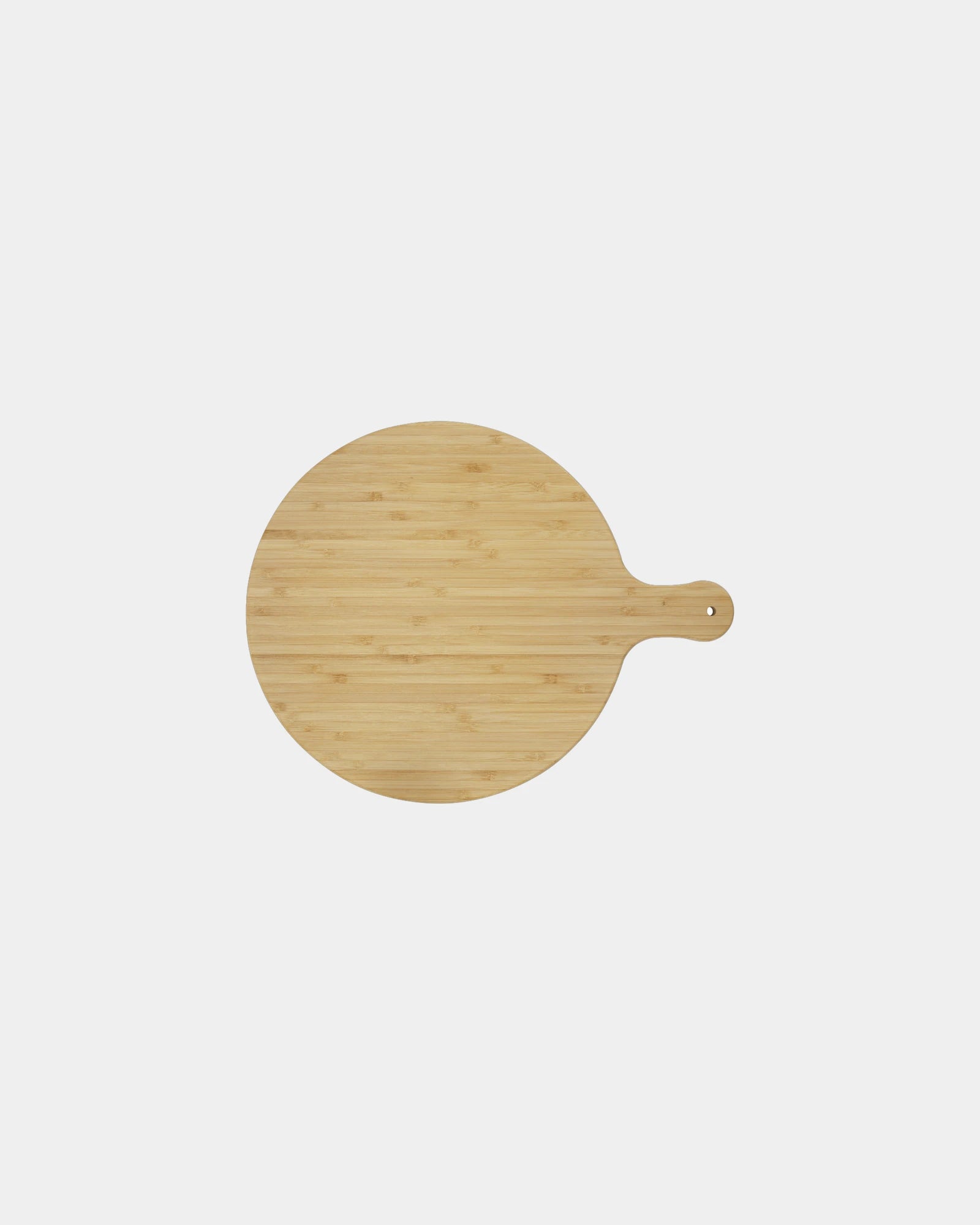


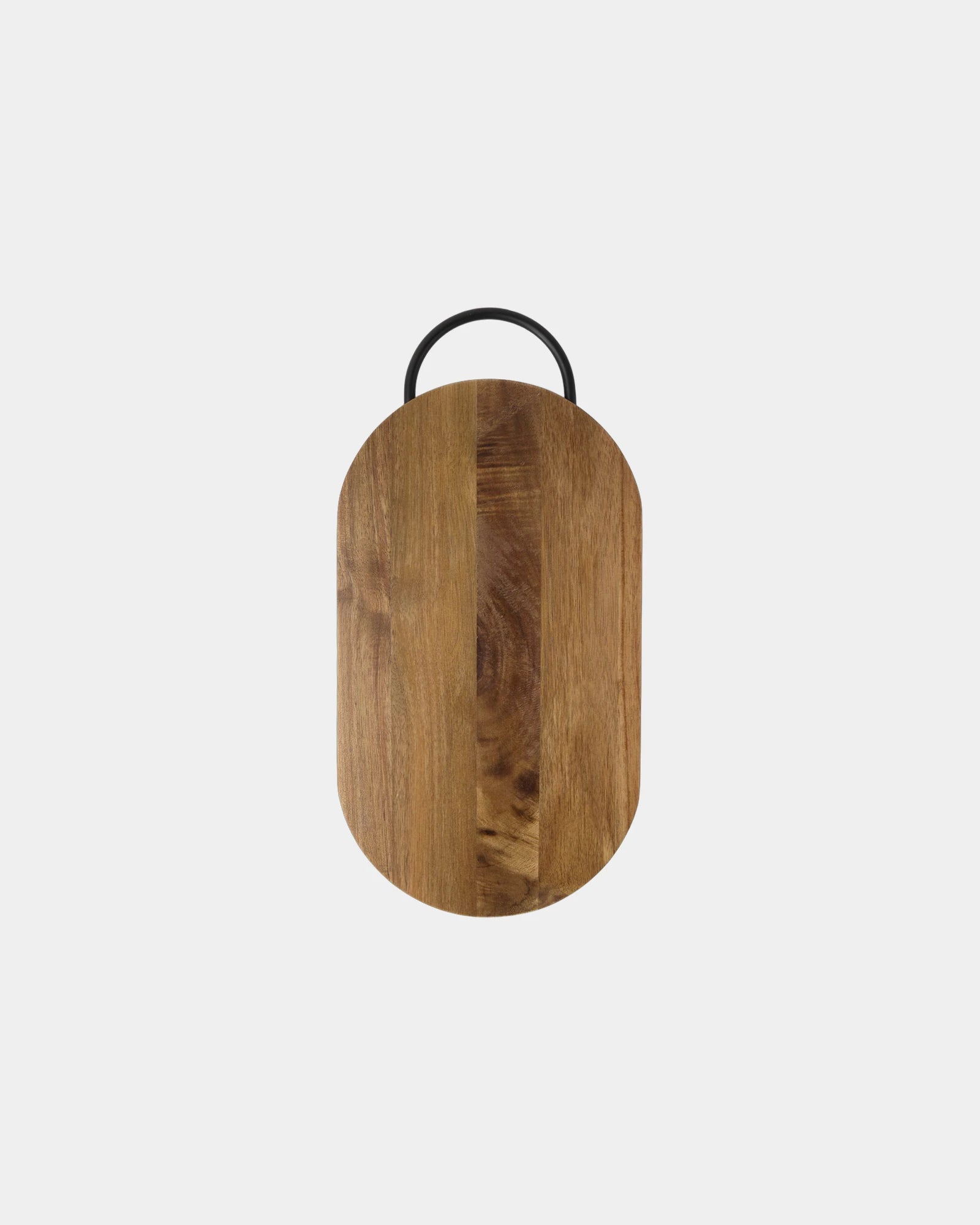


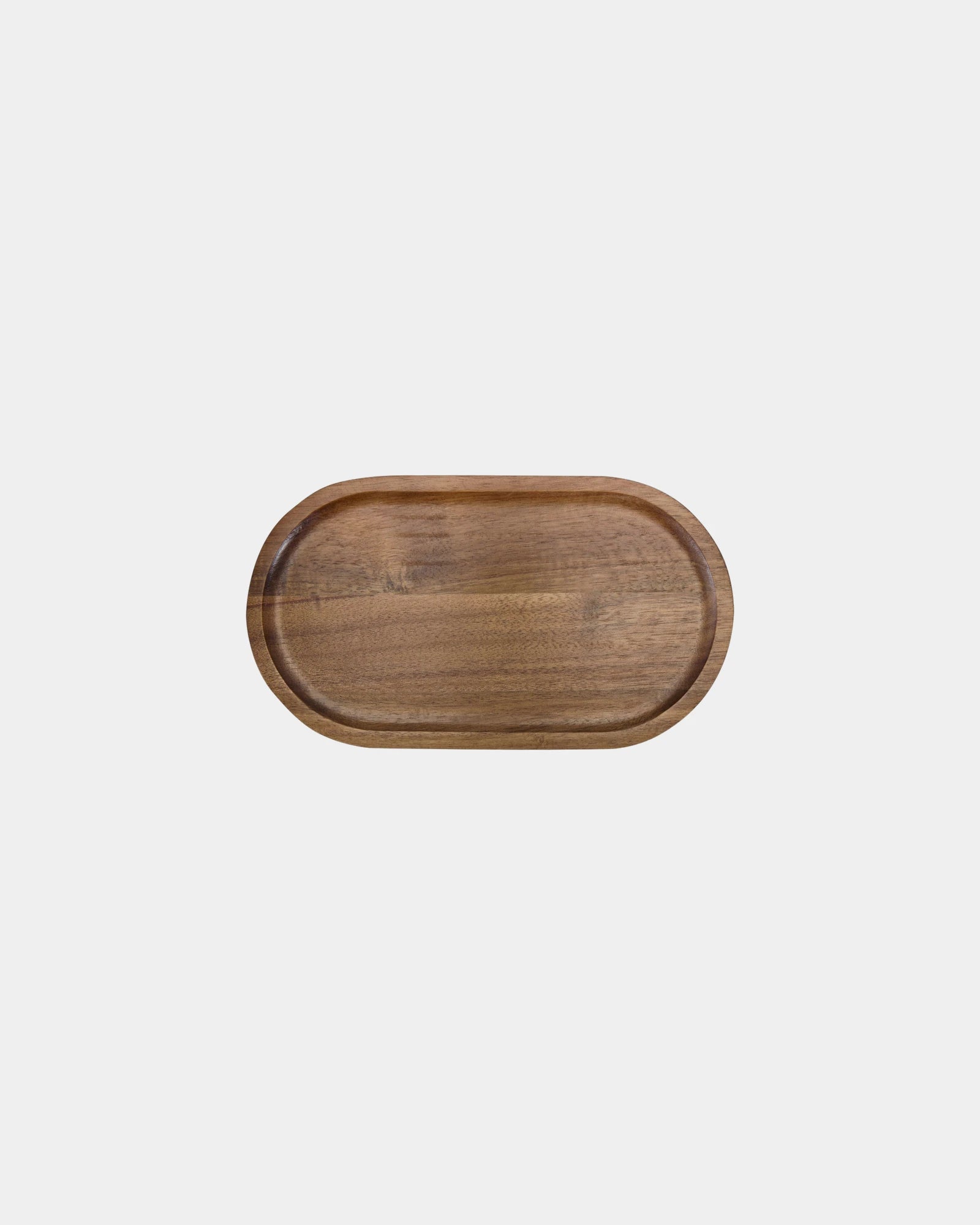


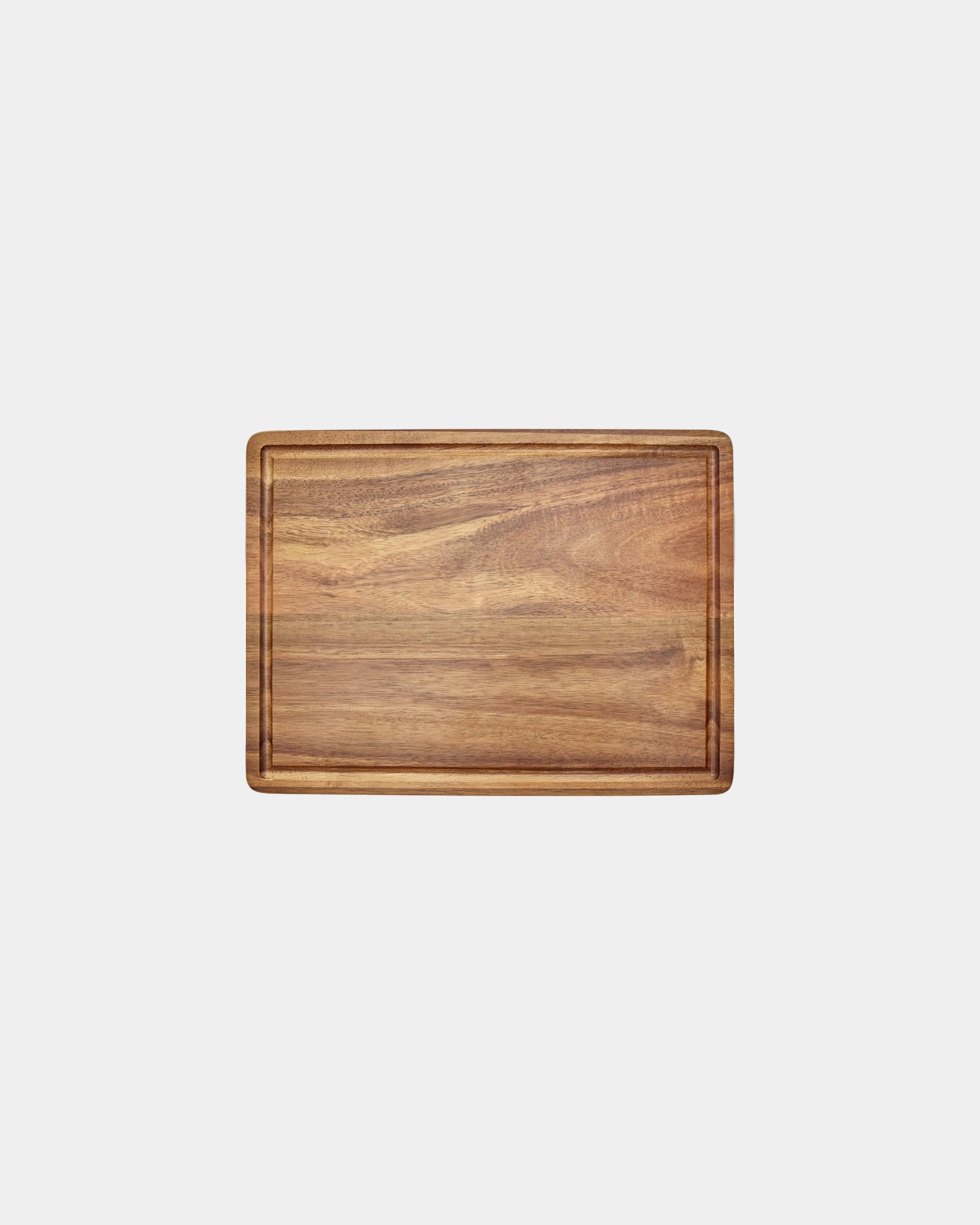


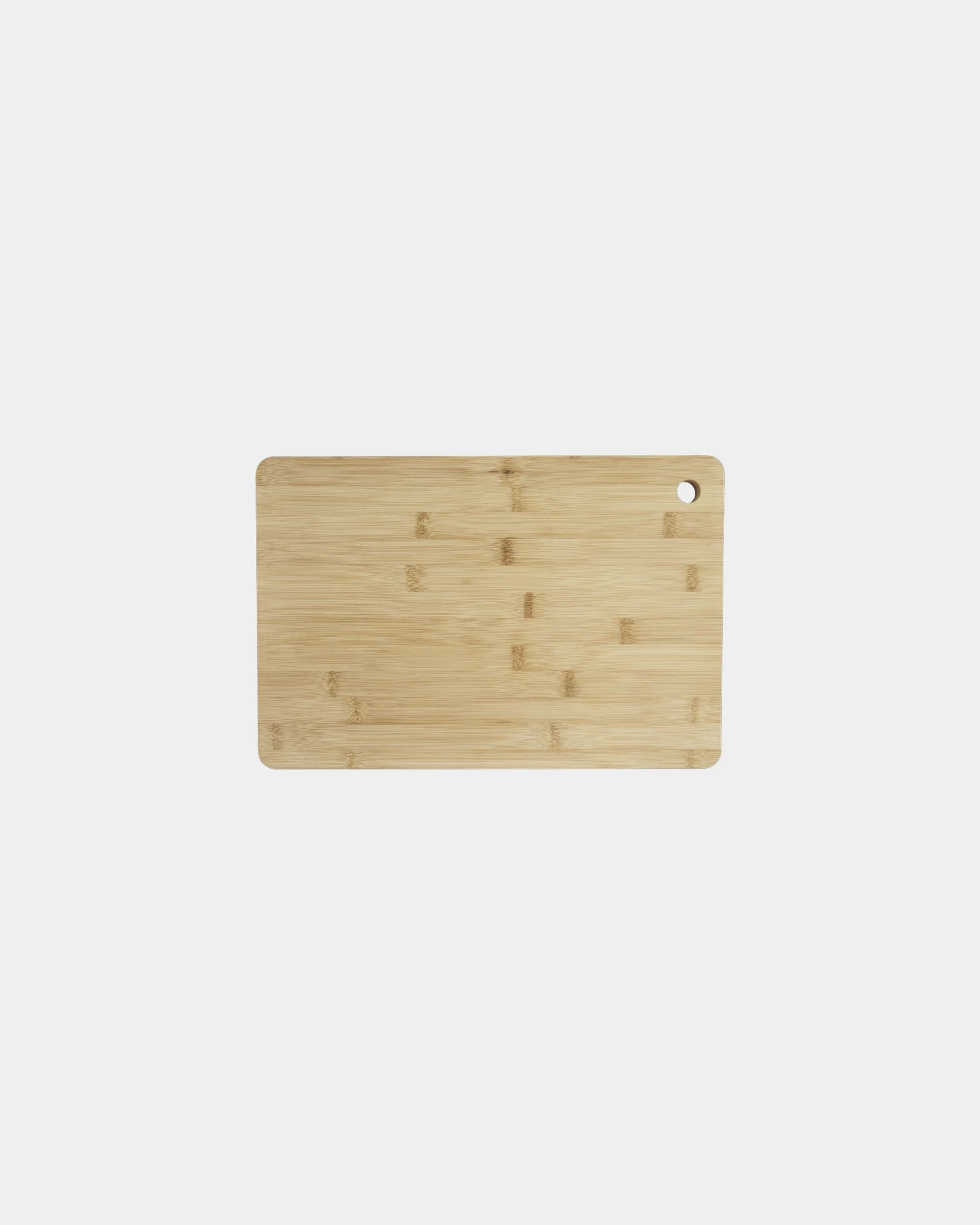


















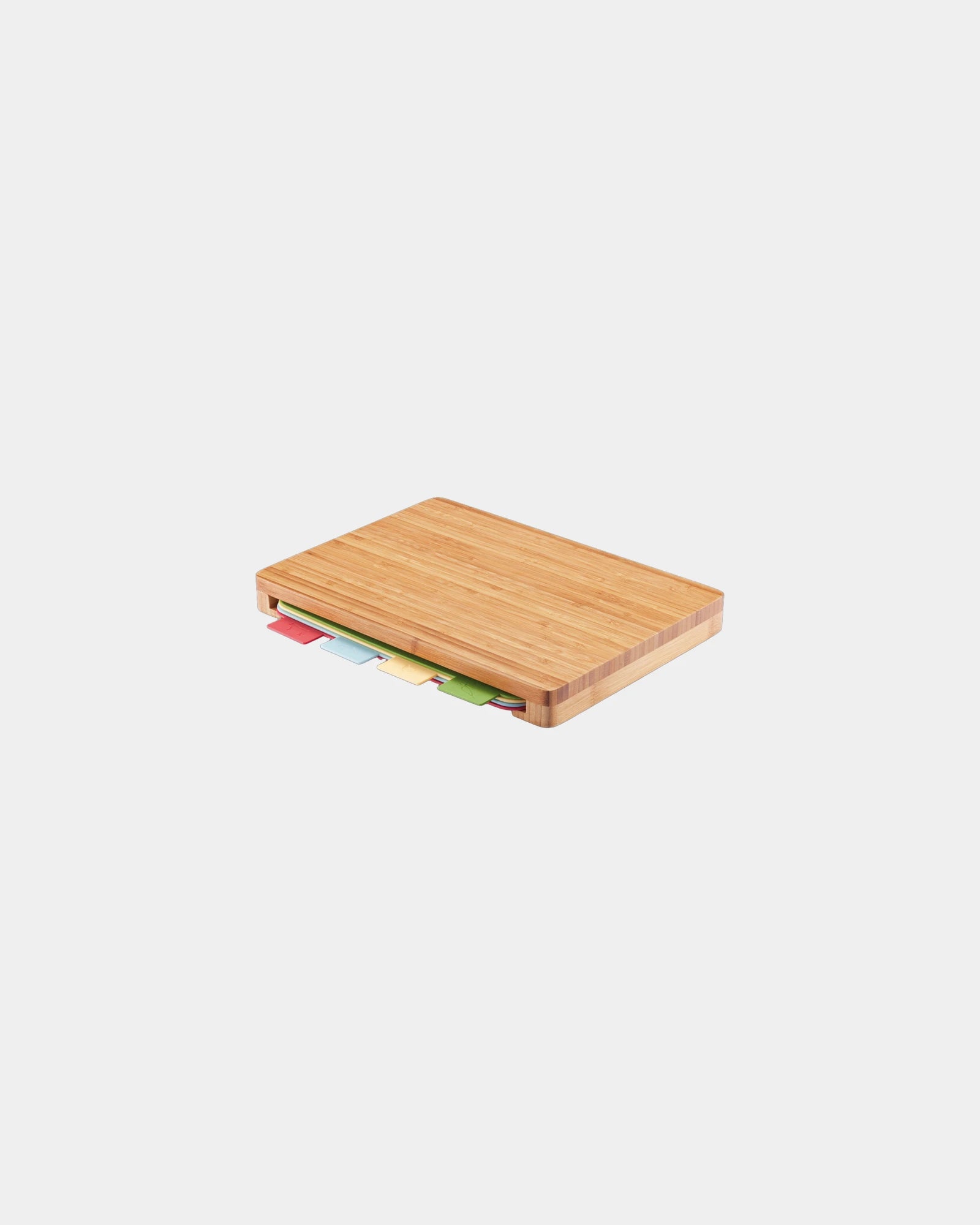


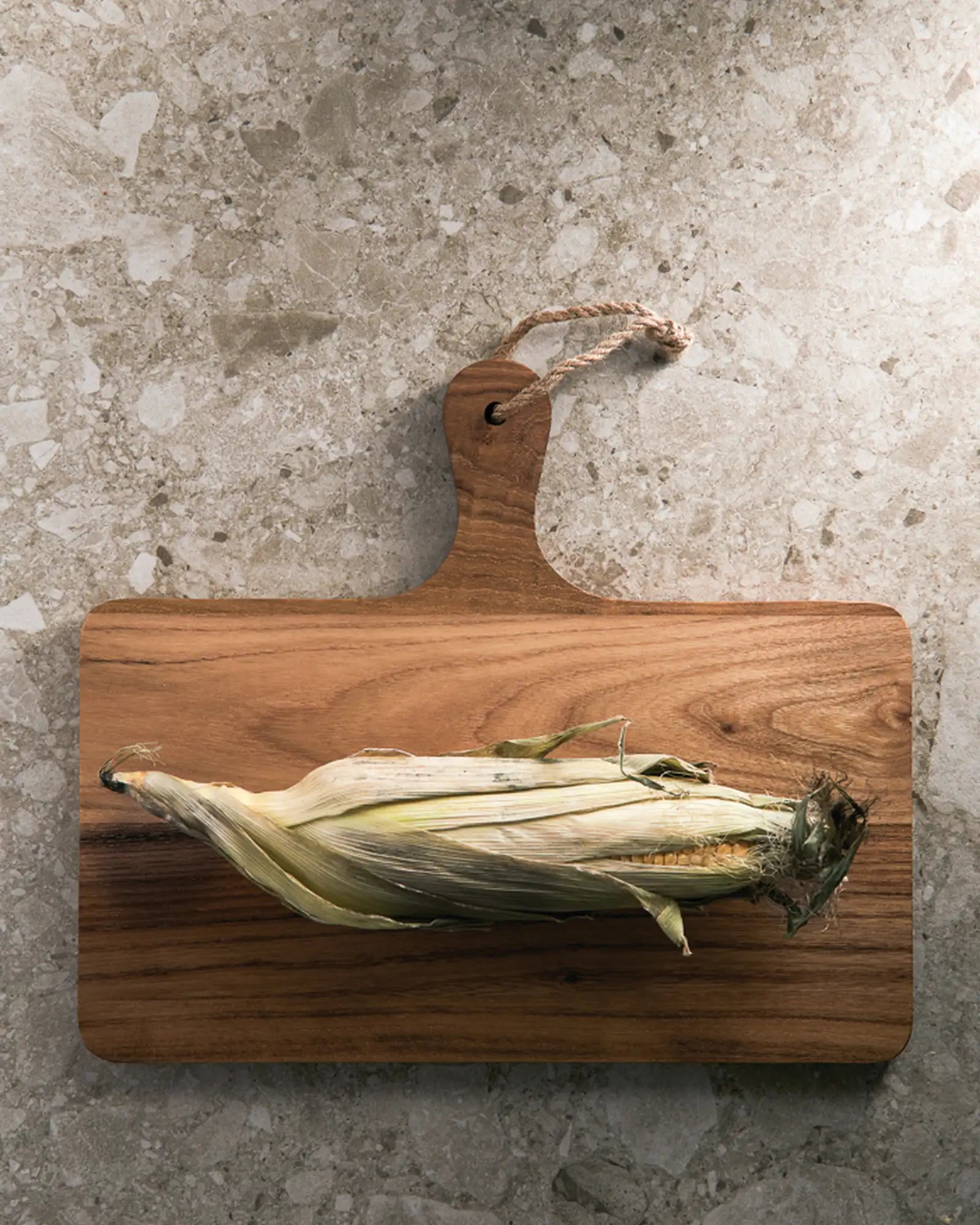


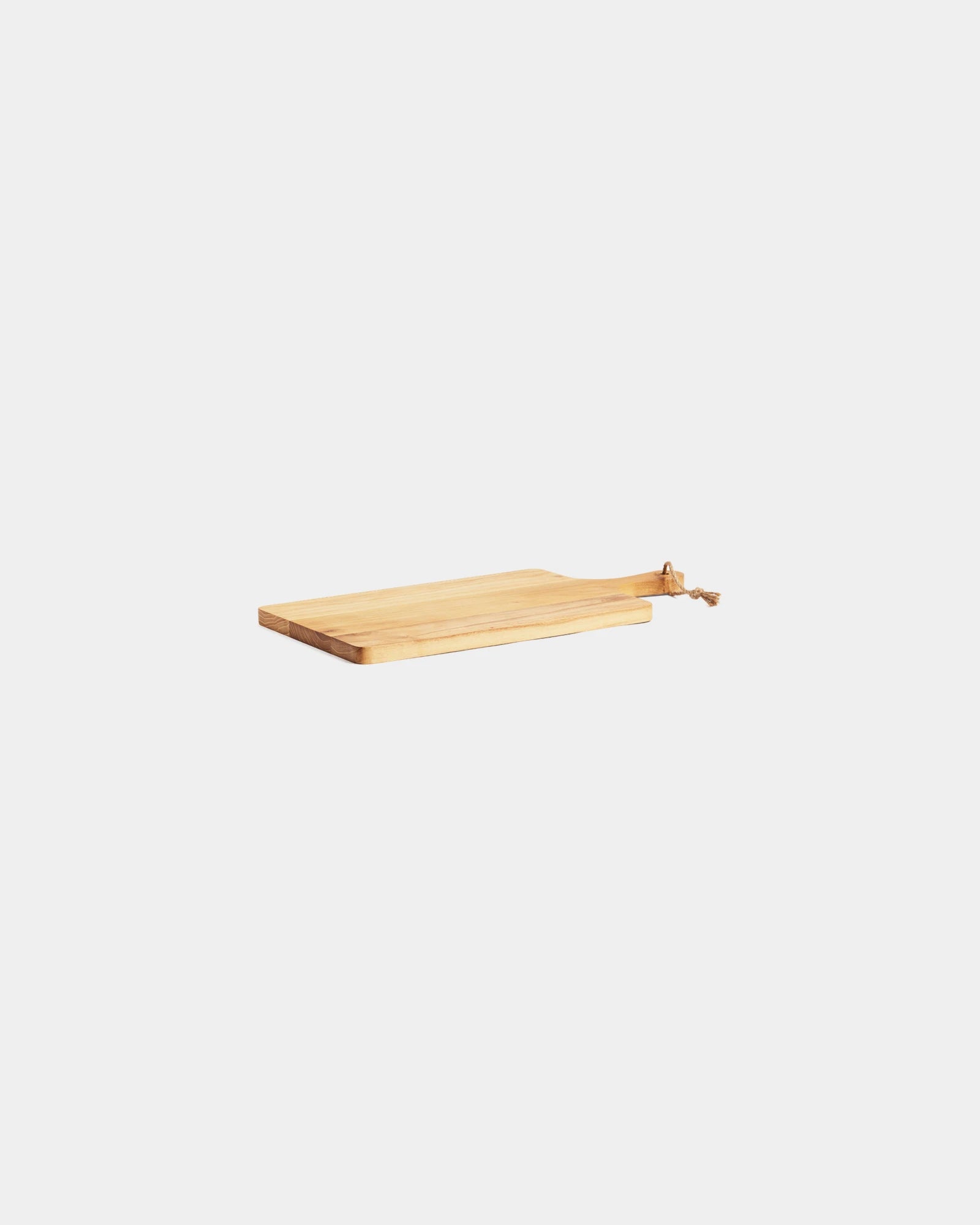


Treat your clients and employees!

FAQ - Personalised chopping boards
Trusted by 1,000+ companies
Choosing the material for your Custom chopping boards
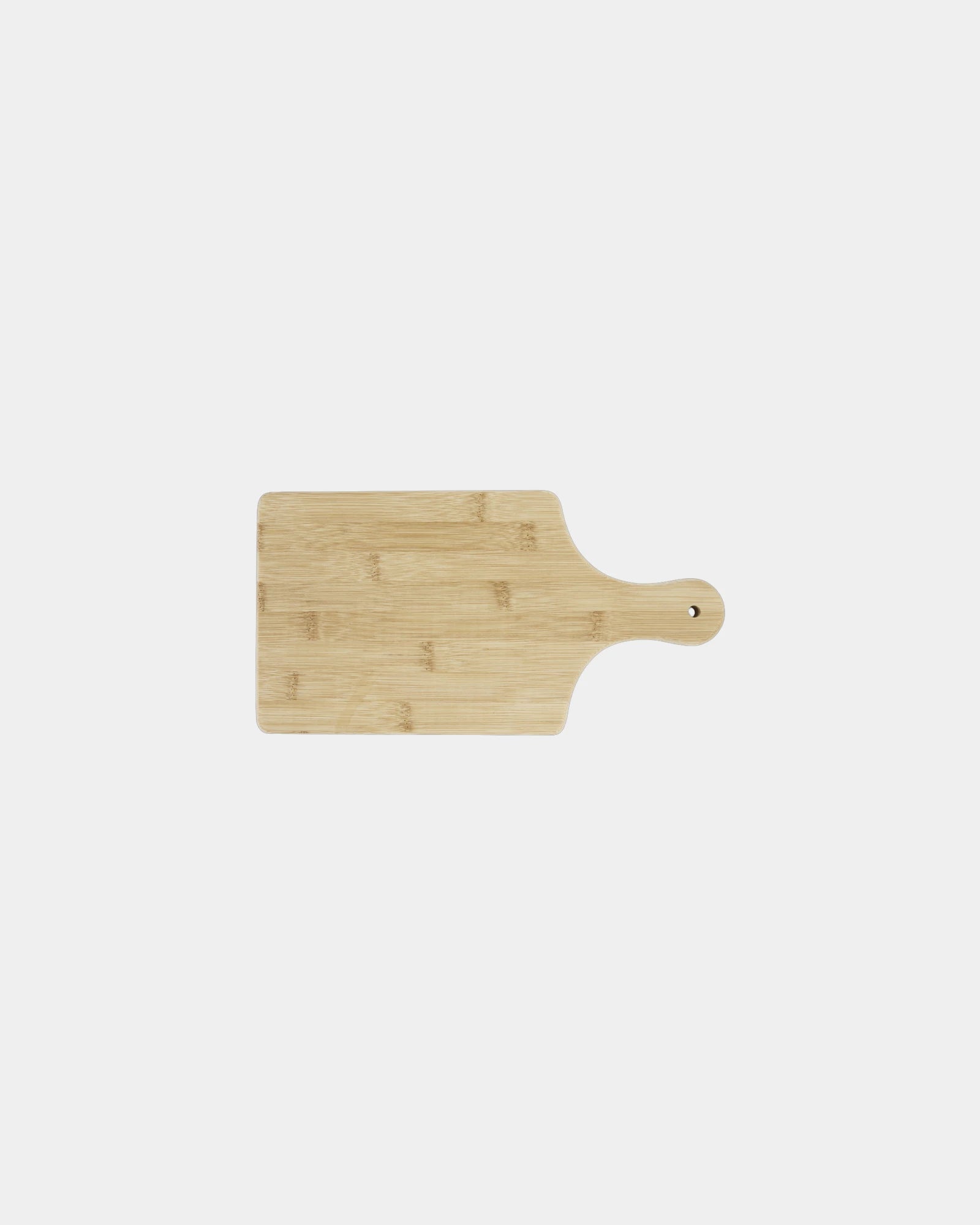
A bamboo board around 30 by 20 cm is the most ordered line in the range, and it shows how much the material decides before anything else on Custom chopping boards. Bamboo is light, fast-growing and low-cost at volume, which makes it the default for high-quantity giveaways and recipe-card style prints. Weight on the worktop, knife feel, oiling needs and unit price all follow the material first. Promotional chopping boards are settled on the timber before anything else, since the material decides the feel, the marking and the cost.
Hardwood Promotional chopping boards
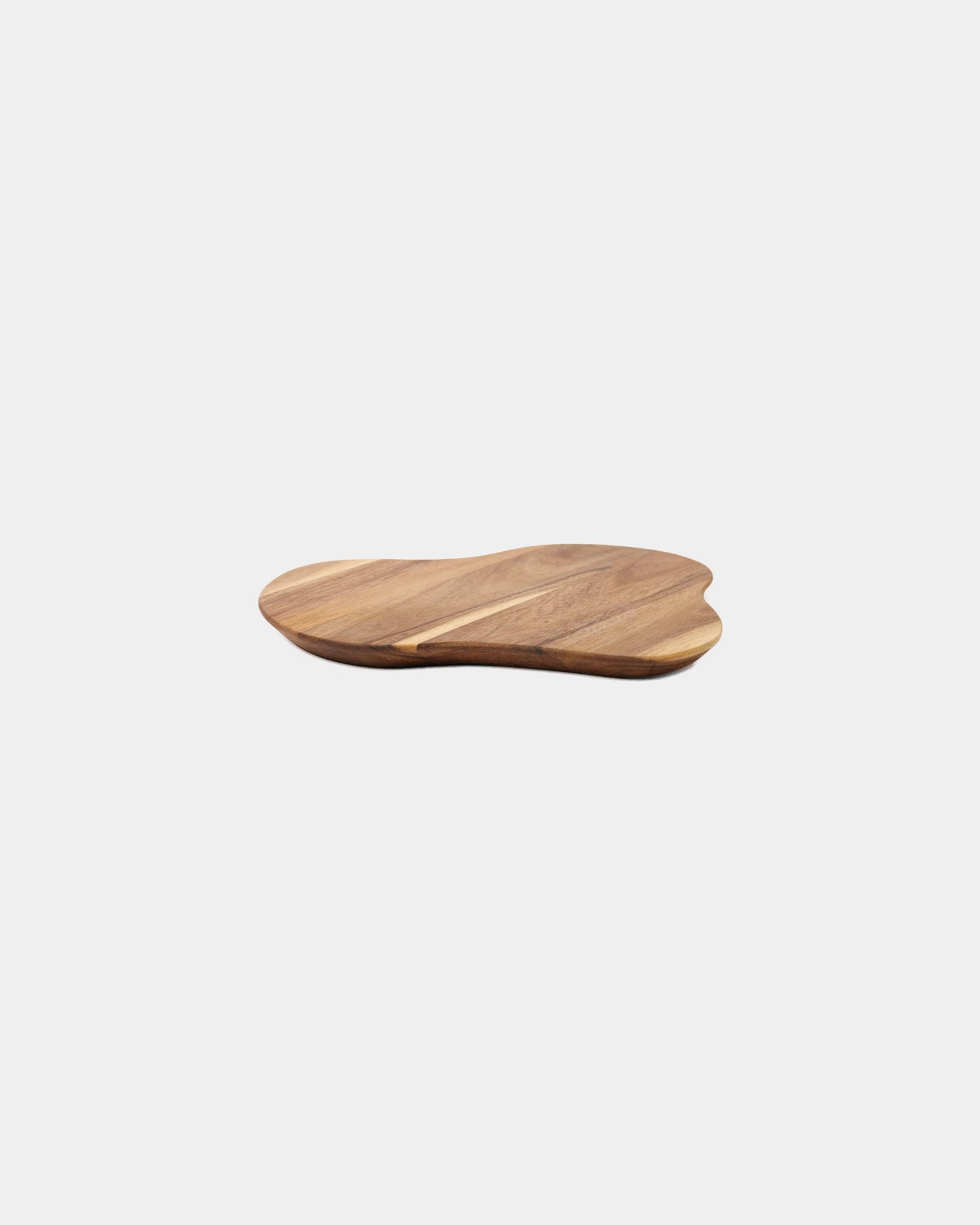
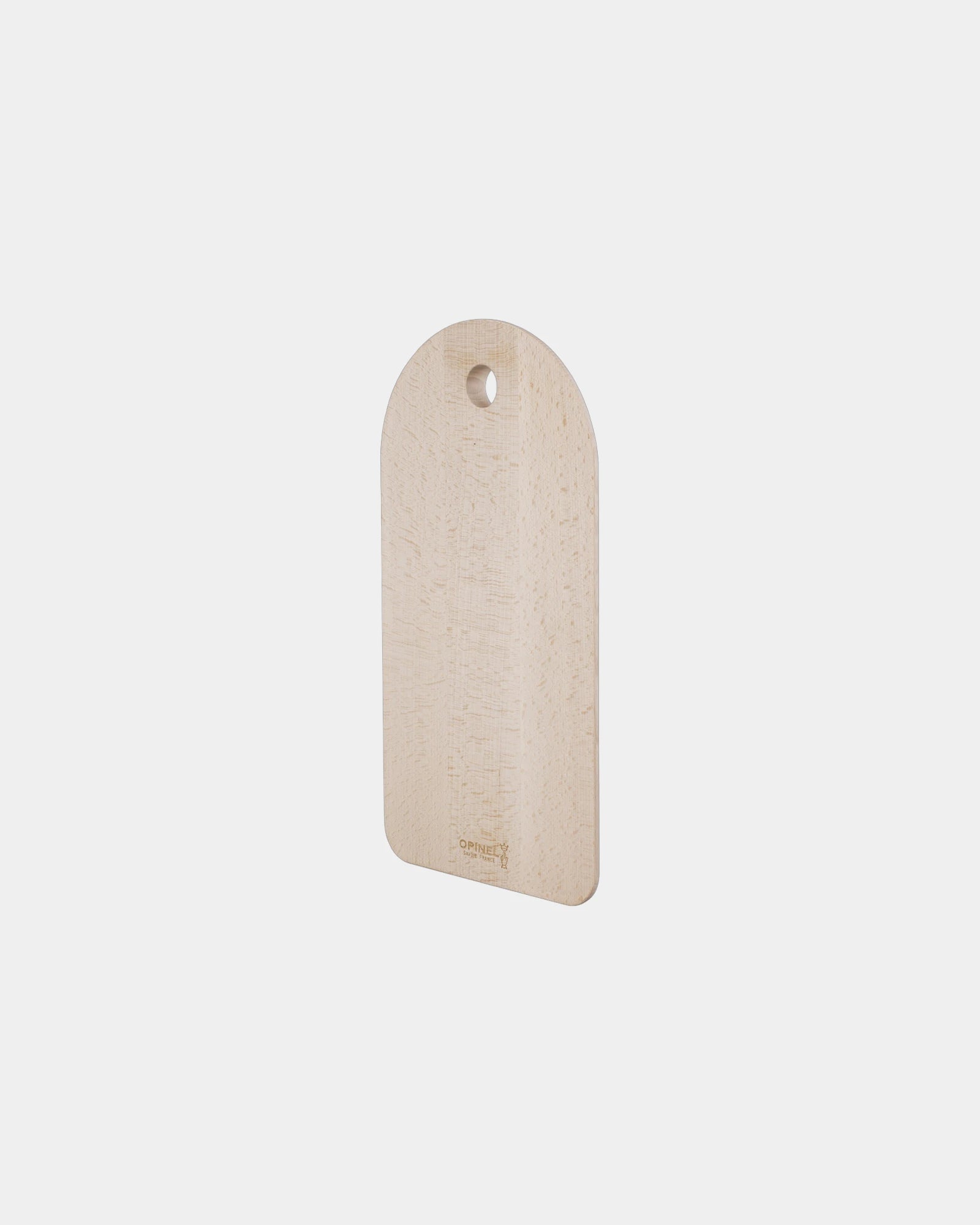
Hardwoods sit a tier up. European beech is pale, close-grained and gentle on knife edges, while oak brings a darker figure and the heft people read as a considered gift. Acacia is the hardest of the common woods, around 1,750 on the Janka scale against beech near 1,450. It shrugs off deep scratches and water far better, lasting five to ten years of use. Promotional chopping boards in hardwood read as the gift-grade tier, where bamboo holds the high-volume end.
Non-wood Custom chopping boards
Non-wood options exist for specific briefs. Slate suits a cheese or charcuterie serving board where no knife work happens, glass wipes clean for a hygiene-led setting, and food-grade HDPE plastic goes through a commercial dishwasher. Each trades the warmth of timber for a different practical strength.
| Material | Knife feel | Marking method | Best for |
|---|---|---|---|
| Bamboo | Firm, slightly hard | Laser or print | High-volume giveaways |
| Beech | Gentle on edges | Laser engraving | Everyday prep gifts |
| Oak | Solid, knife-friendly | Laser engraving | Premium hospitality gifts |
| Acacia | Hard, durable | Laser engraving | Long-life client gifts |
| Slate / glass | Dulls knives | Print or sandblast | Serving, no cutting |
| HDPE plastic | Firm, replaceable | Pad print | Commercial kitchens |
Laser engraving versus printing on Custom chopping boards
On Custom chopping boards a laser burns your logo a fraction of a millimetre into the grain, so the mark cannot wash off or scratch away after months of use and oiling. That permanence is why engraving is the default on any board that meets a knife or a dishcloth daily. On bamboo and pale beech the burn reads as a clean tonal contrast without any added pigment.
Printing earns its place where colour matters. A pad or UV print holds a full-colour logo, a recipe layout or a brand illustration that a single-tone engraving cannot carry. Print belongs on serving and display boards and on the reverse of a prep board, away from the cutting face where a blade would score it. Personalised aprons take the same logo in embroidery or print for a matched kitchen-staff gift.
Send artwork as a vector file and you receive a digital proof within 24 hours, so placement and scale are signed off before any board is marked. That step matters most on a small handle or a narrow edge, where a few millimetres of drift would push the logo off-centre.
End-grain and edge-grain Custom chopping boards explained
Stand the wood fibres upright like a brush and you have an end-grain board, one of the premium Custom chopping boards in the range, the butcher-block style where the knife parts the fibres and they close again behind it. That self-healing action keeps a knife edge sharper, by a commonly cited 20 to 30 percent, and hides cut marks the way a flat board cannot. End-grain boards are thicker, heavier and cost more, so they suit a premium chef or head-of-kitchen gift.
Edge-grain runs the fibres lengthways across the face, the construction of most everyday boards in the range. The blade crosses the grain rather than entering it, which marks the surface a little sooner but gives a lighter, lower-cost board that most home kitchens prefer to live with. For a high-volume staff giveaway, edge-grain bamboo or beech is the sensible pick.
Match the construction to the recipient, not to a spec sheet. A 2 cm edge-grain bamboo board is right for a 500-unit event drop. A 4 cm end-grain oak block is the gift for a named chef or a restaurant opening. Custom chopping boards in end-grain hold a knife edge sharper and hide cut marks, which is why they head the premium tier.
Sizes, handles and juice grooves on your Promotional chopping boards
A 30 by 20 cm board is the practical middle ground, large enough for real prep yet light enough to post economically in volume. Size is the spec recipients judge first, so fixing that band settles most of the format decision before the timber is even chosen. Smaller paddle boards around 25 cm suit cheese and bread; larger 40 cm boards carve a roast.
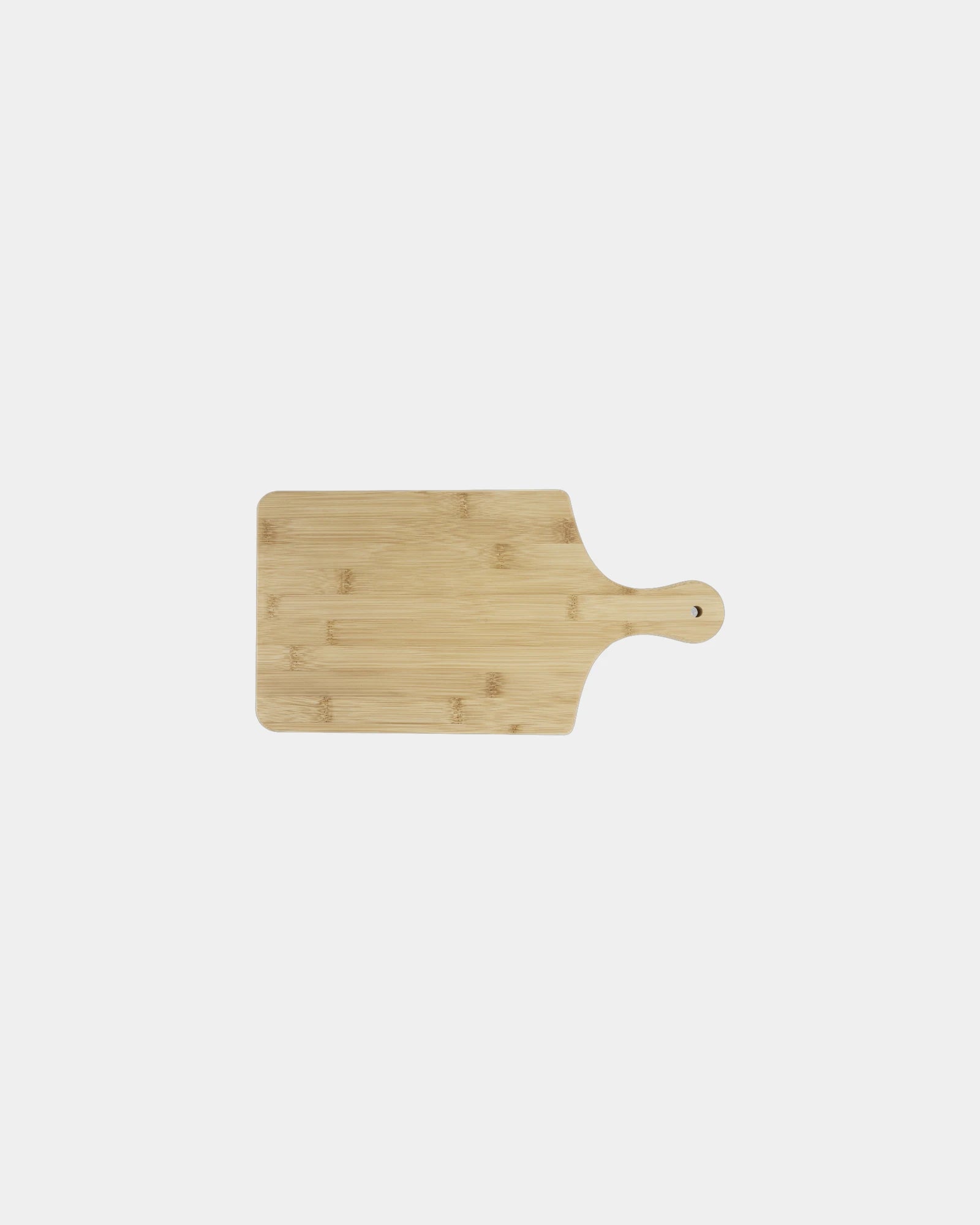
A carved handle or a hanging hole turns a prep board into a serving board that travels from kitchen to table. It also gives a print or engraving a natural focal point. A juice groove channels the liquid from a carved joint or a sliced tomato away from the worktop. That is why it features on carving and serving lines rather than on a flat dicing board.
Decide the format against the use. A flat board with no groove maximises the cutting area. A grooved board protects the worktop during carving. A handled paddle reads as a gift object the moment it leaves the box.
| Format | Typical size | Key feature | Best use |
|---|---|---|---|
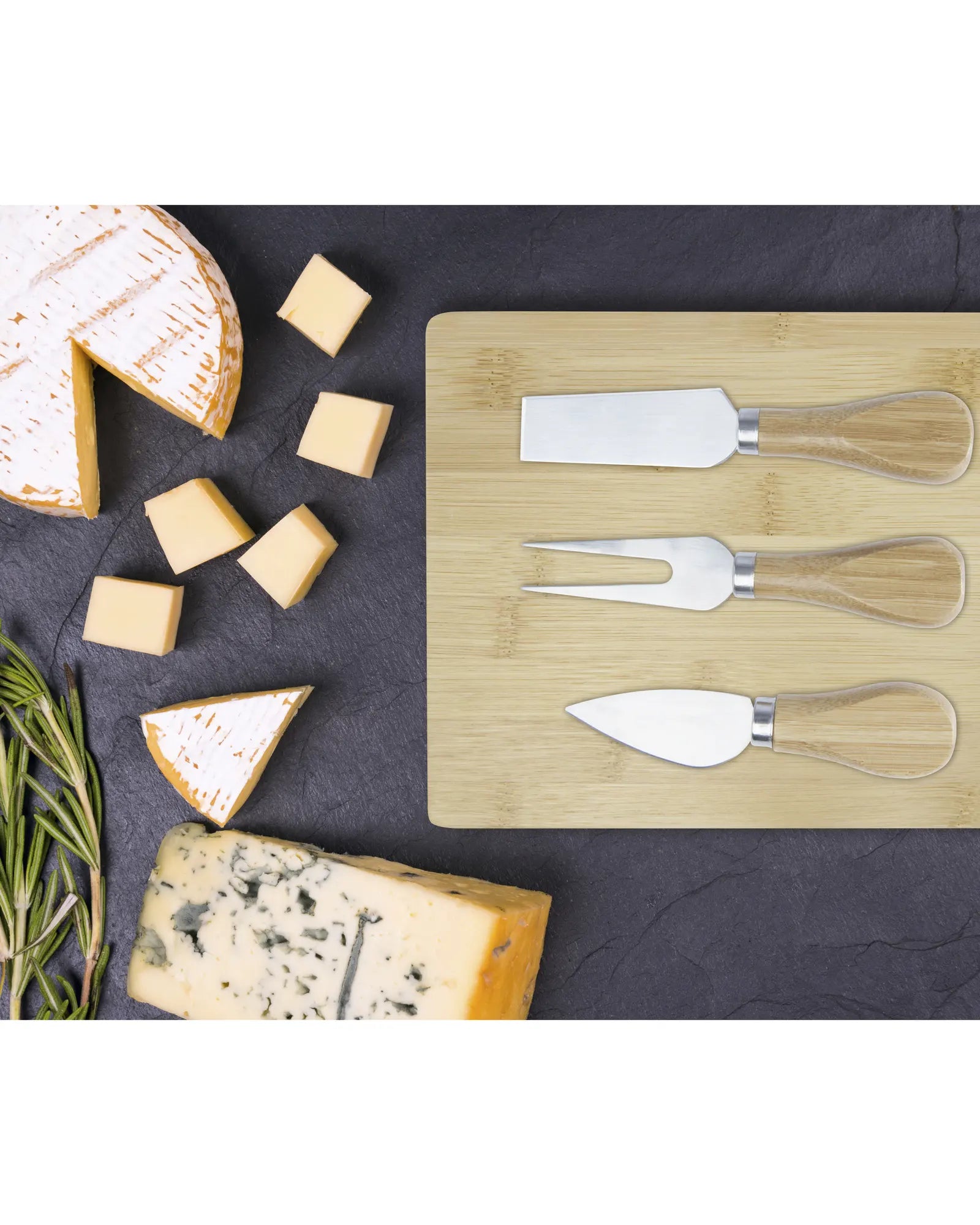
| Paddle / cheese board | Around 25 cm | Carved handle | Serving, gifting |
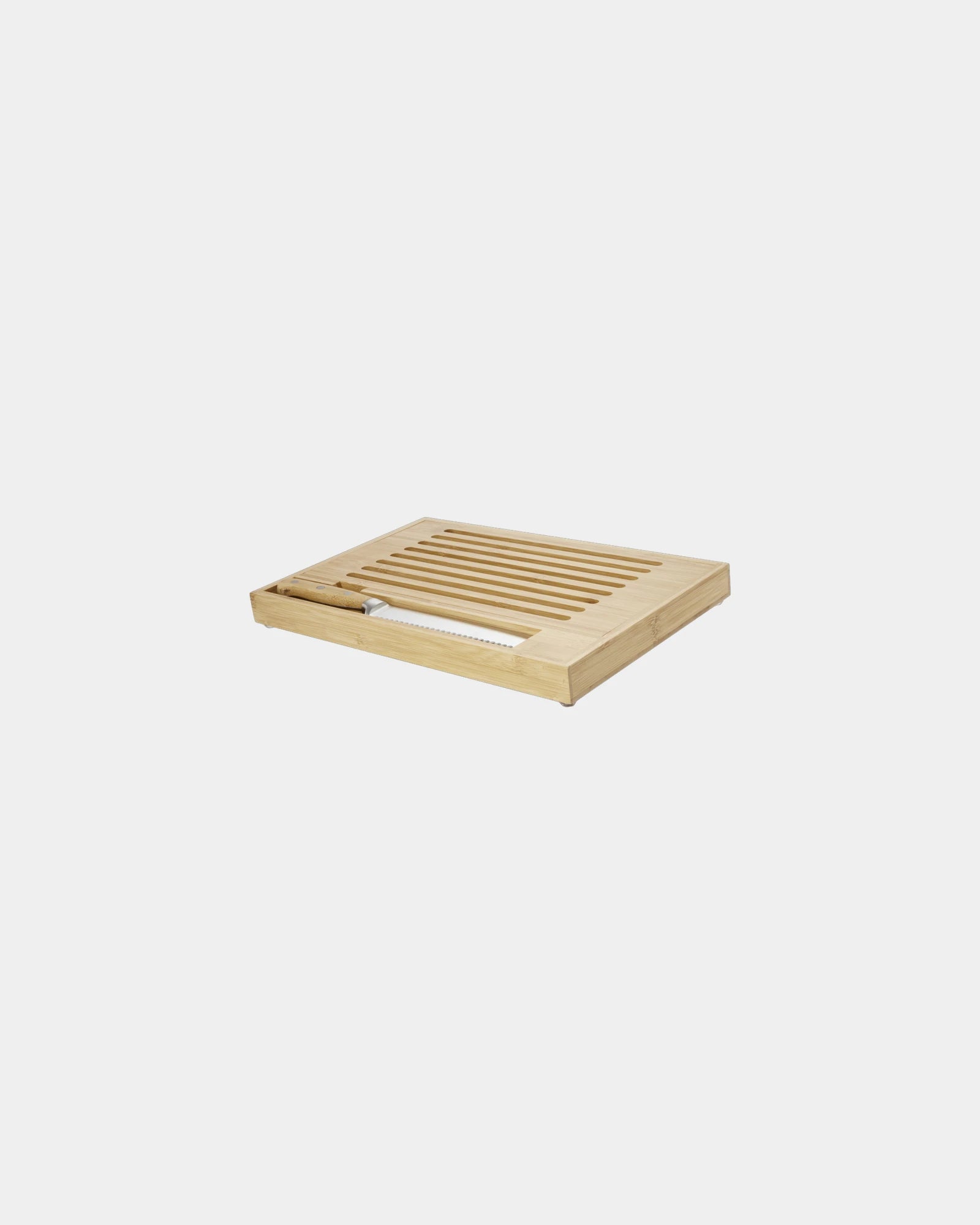
| Standard prep board | 30 by 20 cm | Flat face | Everyday cutting |
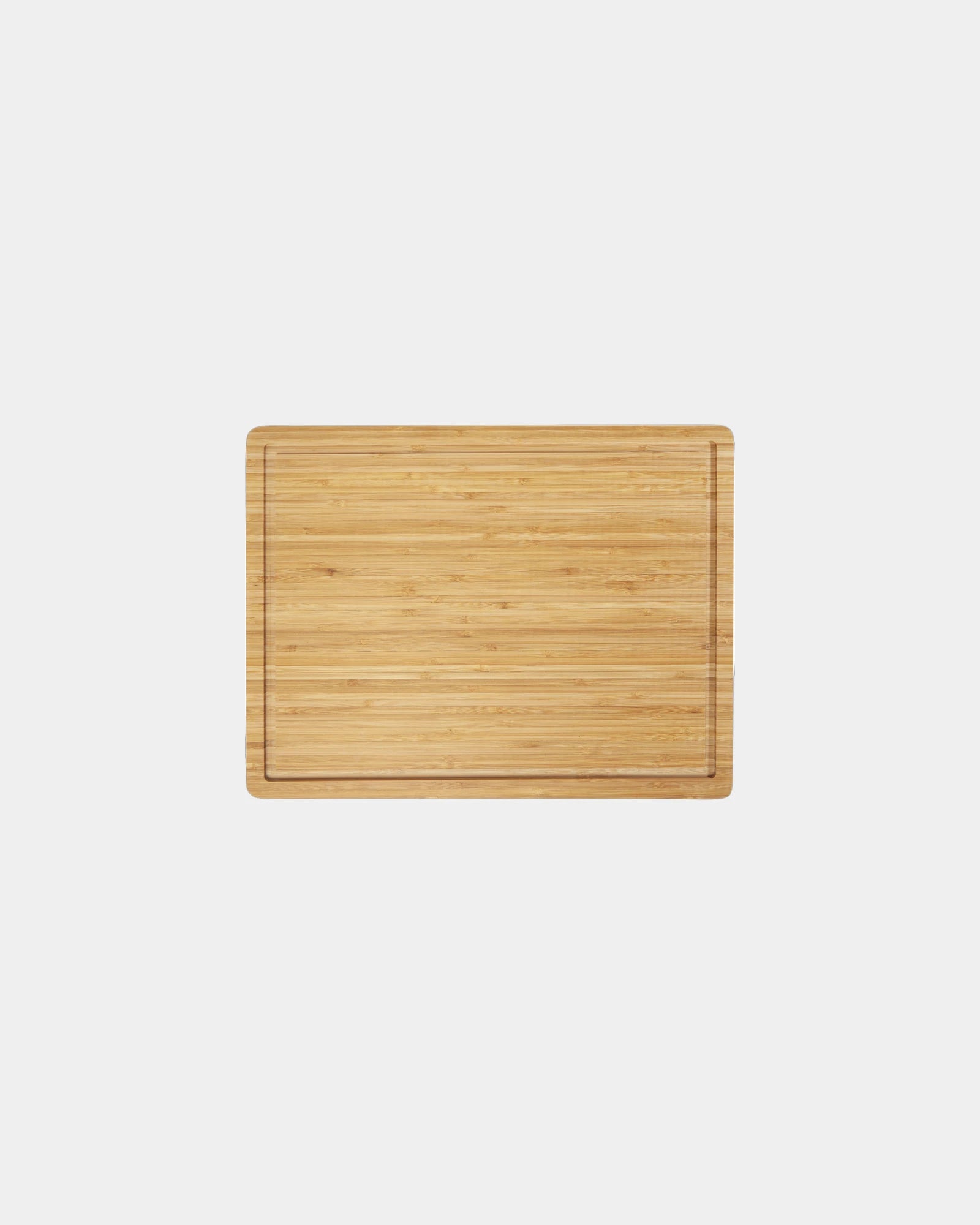
| Carving board | 38 to 45 cm | Juice groove | Roasts, joints |
| End-grain block | Square, 4 cm thick | Self-healing face | Chef gifts |
Food-safe oiling and care for Printed chopping boards
A wooden board drinks in food-safe mineral oil, which fills the grain so moisture, juices and bacteria cannot settle. That single habit decides how long the board lasts. A light coat every four to six weeks keeps an edge-grain board sound; a daily-use end-grain board prefers oiling every three to four weeks. Apply a thin layer both sides, leave it at least six hours, then wipe off the excess.
Washing follows the material. Wood and bamboo are hand-wash only in warm soapy water, dried upright so they do not warp, never left to soak or put through a dishwasher. Glass and HDPE plastic take a dishwasher cycle, which is exactly why a commercial kitchen reaches for them. Personalised tea towels dry the board between tasks and carry the same logo into the same drawer.
A care card printed with the oiling schedule can ship inside the gift box, so the recipient treats the board correctly from day one. The brand then stays on a board that survives years rather than months. Custom chopping boards in wood reward a simple oiling habit, which is the single thing that decides how long the board lasts.
- Oil wooden boards every four to six weeks
- Hand-wash wood and bamboo, never the dishwasher
- Dry upright to stop warping and splitting
- Use separate boards for raw meat and veg
- Reserve slate and glass for serving, not cutting
| Material | Oiling | Washing | Lifespan with care |
|---|---|---|---|
| Bamboo | Light oil monthly | Hand-wash only | Several years |
| Beech / oak | Every 4 to 6 weeks | Hand-wash only | Many years |
| Acacia | Every 4 to 6 weeks | Hand-wash only | 5 to 10 years |
| End-grain block | Every 3 to 4 weeks | Hand-wash only | A decade-plus |
| HDPE plastic | None needed | Dishwasher-safe | Replace when scored |
Promotional chopping boards as a housewarming and estate-agent gift
Picture a buyer collecting their keys and finding an oak board engraved with the new address waiting on the worktop. An estate agent or developer ordering 200 boards with the property's street name turns a routine completion into a moment the client photographs. The board stays out on display, so the agency's name reads every time the kitchen is used.
Housewarming and new-home campaigns are where engraving a name, a date or a set of coordinates pays off. The personal mark is the reason the board is kept on show rather than cupboard-stored. A handled serving board suits this brief better than a plain prep board, since it doubles as a table piece for the first dinner in the new home.
For a fuller welcome gift the board anchors a small hamper. Custom food hampers build the board into a curated new-home box of edible and homeware items, where the board is the keepsake that outlasts everything else inside.
Custom chopping boards for hospitality and chef gifts
A restaurant opening or a cookery-school graduation calls for different Custom chopping boards entirely: a thick end-grain oak or acacia block engraved with the chef's name or the venue's logo. This is the gift a professional keeps on the pass, where its weight and the self-healing face matter as much as the mark. A premium board signals respect for the craft in a way a printed mug does not.
Hospitality groups also order serving boards by the dozen for front-of-house. An engraved acacia paddle carries charcuterie, cheese or a sharing board to the table while showing the venue's name to every guest. The board works as tableware and as a brand surface at once, which a back-of-house prep board cannot.
Match the timber to the role. Oak and acacia carry the heft and the figure a chef gift wants. A lighter beech or bamboo board suits a cookery class taking the board home for everyday use.
| Audience | Suggested board | Material | Marking |
|---|---|---|---|
| Estate agent / new home | Handled serving board | Oak | Laser-engraved address |
| High-volume event | Standard prep board | Bamboo | Engraved or printed |
| Chef / restaurant gift | End-grain block | Acacia or oak | Engraved name |
| Front-of-house service | Carving paddle | Acacia | Engraved venue logo |
| Commercial kitchen set | Colour-coded board | HDPE plastic | Pad-printed logo |
Promotional chopping boards in a corporate food-and-drink hamper
A 150-strong client thank-you might pair an engraved acacia serving board with a bottle and a few deli items, logo-matched and landing before the festive rush. The board is the one piece that survives the season, which is why it anchors the hamper rather than padding it. A serving board reads as a kitchen keepsake long after the consumables are gone.
A board sized as a cheese or charcuterie paddle is the natural centre of a food gift, since it is the surface the rest of the hamper is served on. Personalised glasses complete the table setting, turning a single board into a host's serving kit without overlapping the board's own job.
A low minimum order means a pilot hamper for one client tier is viable before you commit to a full year of corporate gifting. You can test the board and the print in a real recipient's kitchen first.
Hygiene and colour-coding: HDPE Custom chopping boards for commercial kitchens
A commercial kitchen separates raw meat, fish, vegetables and cooked food across colour-coded boards, and food-grade HDPE plastic is the material the system is built on. Plastic is non-porous, takes a hot dishwasher cycle and is replaced cheaply once the cutting face scores, which wood cannot match in a high-throughput setting. A pad-printed logo on the handle survives the wash.
Wood holds a different hygiene case. A well-oiled hardwood surface draws moisture away from the face and is naturally less hospitable to bacteria than a deeply scored plastic board. That is why a home or front-of-house setting often prefers it. The honest split is plastic for the prep line, wood for service and gifting.
For a catering or canteen brand, the boards sit beside the meal kit. Branded lunch boxes extend the same food-service cue from the kitchen worktop to the staff lunch run.
Branding the right surface on Printed chopping boards
On Custom chopping boards a flat board face gives a generous rectangular window, while a carved handle offers only a band of roughly 40 to 60 mm to work with. That gap is why the surface, not the logo, sets the placement. We steer the mark to your artwork rather than forcing one position across every format in the range.
Engrave the handle or a corner on a board meant for cutting, so the blade never crosses the mark and the logo stays crisp for years. On a serving or display board the whole face is fair game, which is where a full recipe layout, a coat of arms or a colour print belongs. Personalised mugs carry the same artwork onto a daily-use drinkware piece for a matched kitchen set.
A two-position brief, an engraved logo on the face and a small web address on the reverse, is straightforward on a wooden board. It is signed off in the same 24-hour proof so nothing is marked twice over.
The sustainability angle on bamboo and FSC Promotional chopping boards
Run the case honestly and a reusable board is a low-waste object by nature: it replaces nothing disposable, lasts years and is a renewable material at the end of life. Bamboo is the clearest eco story in the range, a fast-growing grass that regrows in a few years rather than the decades a hardwood needs. That regeneration speed is the substance of its sustainability claim.
Where a timber is responsibly sourced or certified, we pass that detail through exactly as the product spec states it, never assumed across the whole range. A board sized and finished to last a decade earns its low-waste credentials through longevity as much as through material origin. The longer it stays in use, the more it justifies the wood that made it.
Any certification or recycled-content claim is confirmed on request and shown in the product spec. A bamboo or responsibly-sourced board works hardest in a sustainability-themed gift, where the renewable material reinforces the values the campaign is meant to signal.
Presentation and gift boxing for Custom chopping boards
A wooden board is heavier and more fragile at the edges than most promotional gifts, so its presentation does real work as well as signalling care. A solid oak or end-grain block lands better in a rigid box with a fitted insert that holds it square and stops the corners knocking in transit. The box carries the brand on the lid, so the gift reads as considered before the board is even lifted out.
The boxing also tiers cleanly to the recipient. A high-volume bamboo giveaway ships in a printed kraft sleeve at a few pence. A named chef gift or an estate-agent housewarming board earns a lined presentation box and a printed care card inside. That care card lists the oiling schedule and keeps the recipient treating the board right from day one. The engraved brand then stays on a board that lasts years rather than months. Promotional chopping boards tier their boxing to the recipient, from a printed kraft sleeve at volume to a lined presentation box for a named gift.
Lead times and ordering your Promotional chopping boards
A standard branded chopping board order runs to delivery in around three weeks from artwork approval, with the engraving or print stage the main variable. A single-position laser engraving on a stocked bamboo board clears faster than a deep end-grain oak block cut and oiled to order. Custom chopping boards run a low enough minimum for a pilot tier, with bamboo volume lowering the unit cost as the count climbs.
Quantity steers the economics directly. A large bamboo run rewards volume with a lower unit cost, while engraved hardwood holds a steadier per-unit rate that suits smaller premium batches of oak or acacia. A short pilot run is feasible before a full campaign commits, which lets you check the timber, the weight and the engraving depth in the hand first.
Confirm the oiling and wash care for the chosen material against how the recipient will use the board before you sign off the proof. Matching the timber to a gift, a service role or a prep line settles the brief before a single board is cut.

