

Branded Sportswear
- Price, low to high
- Price, high to low


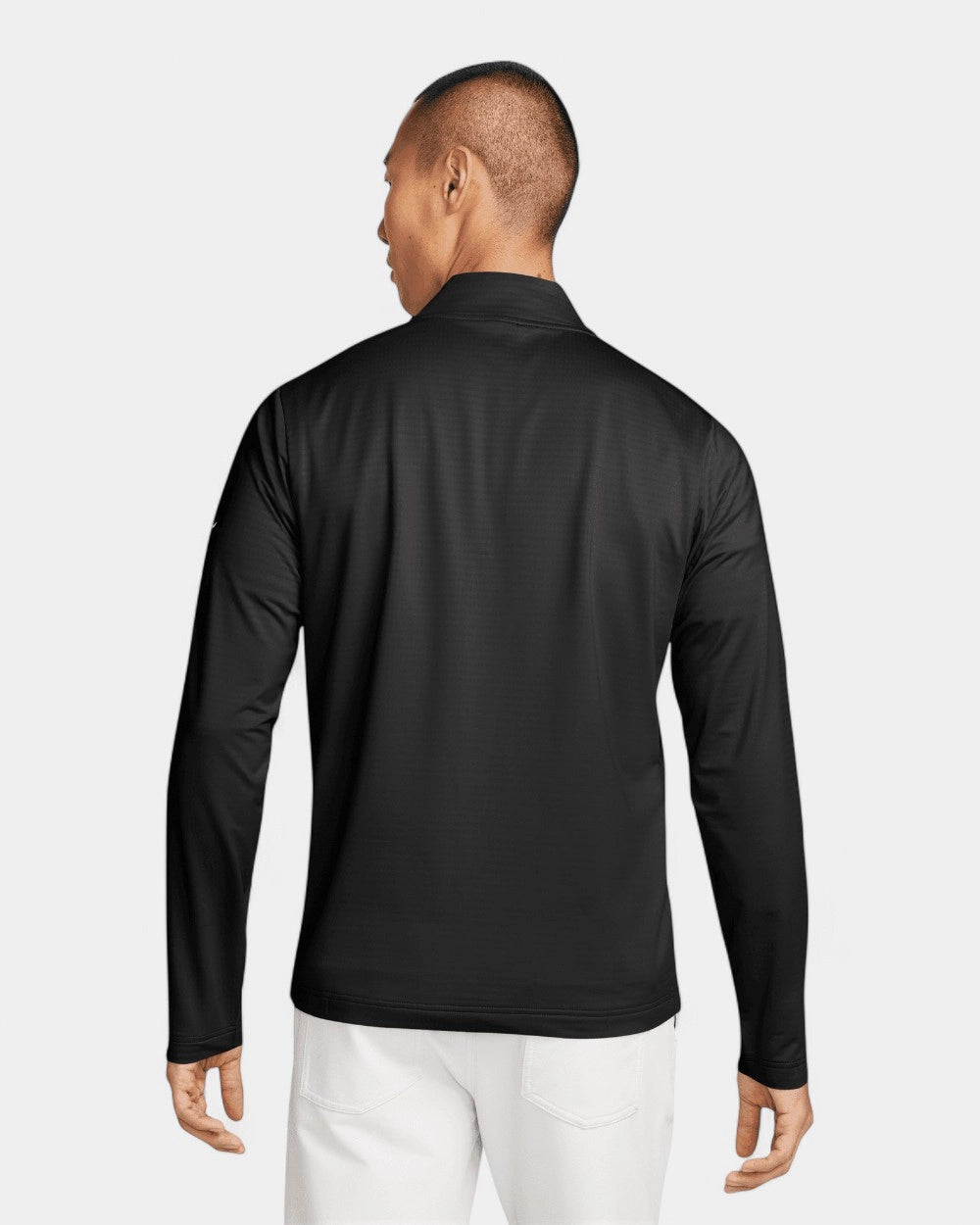


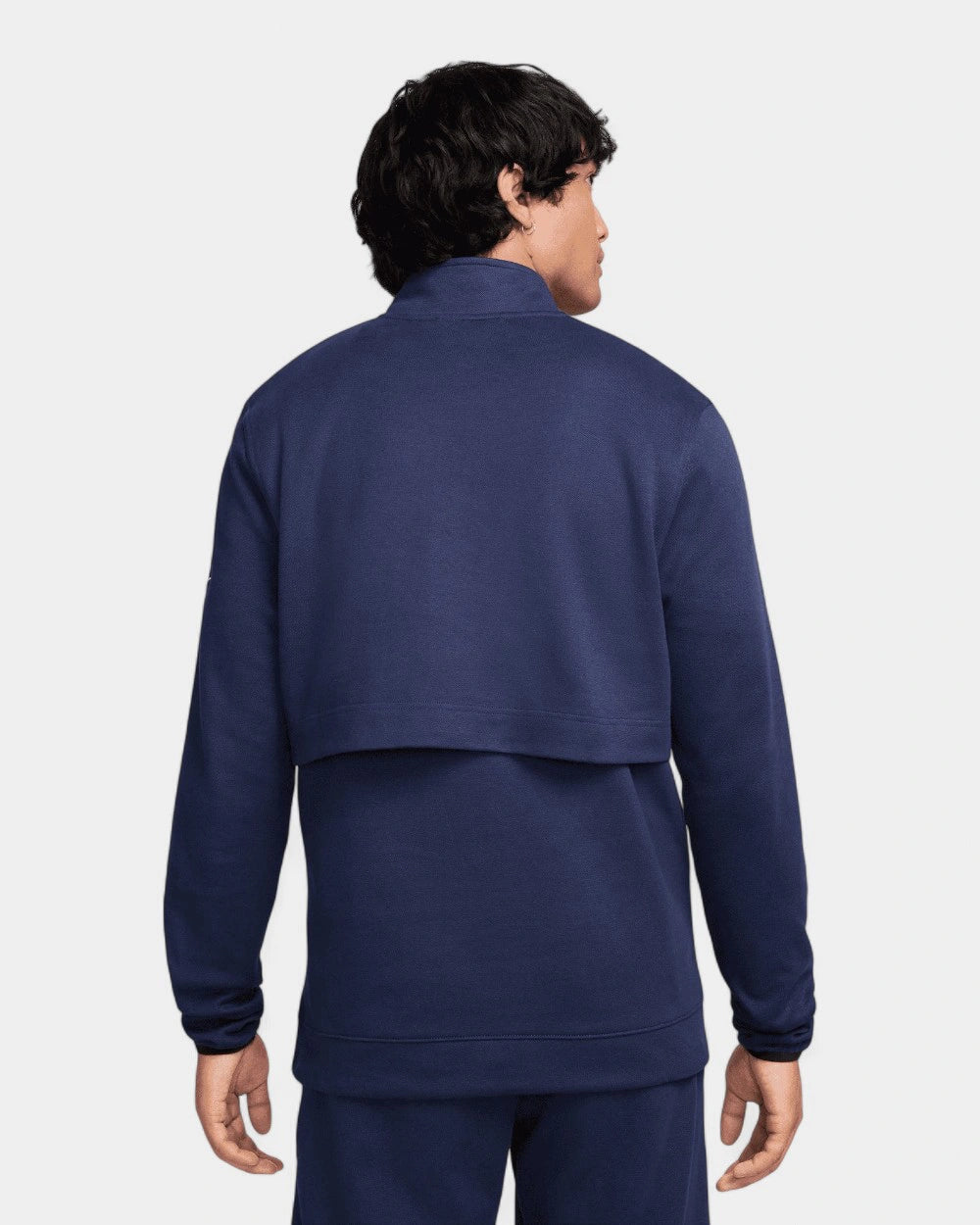


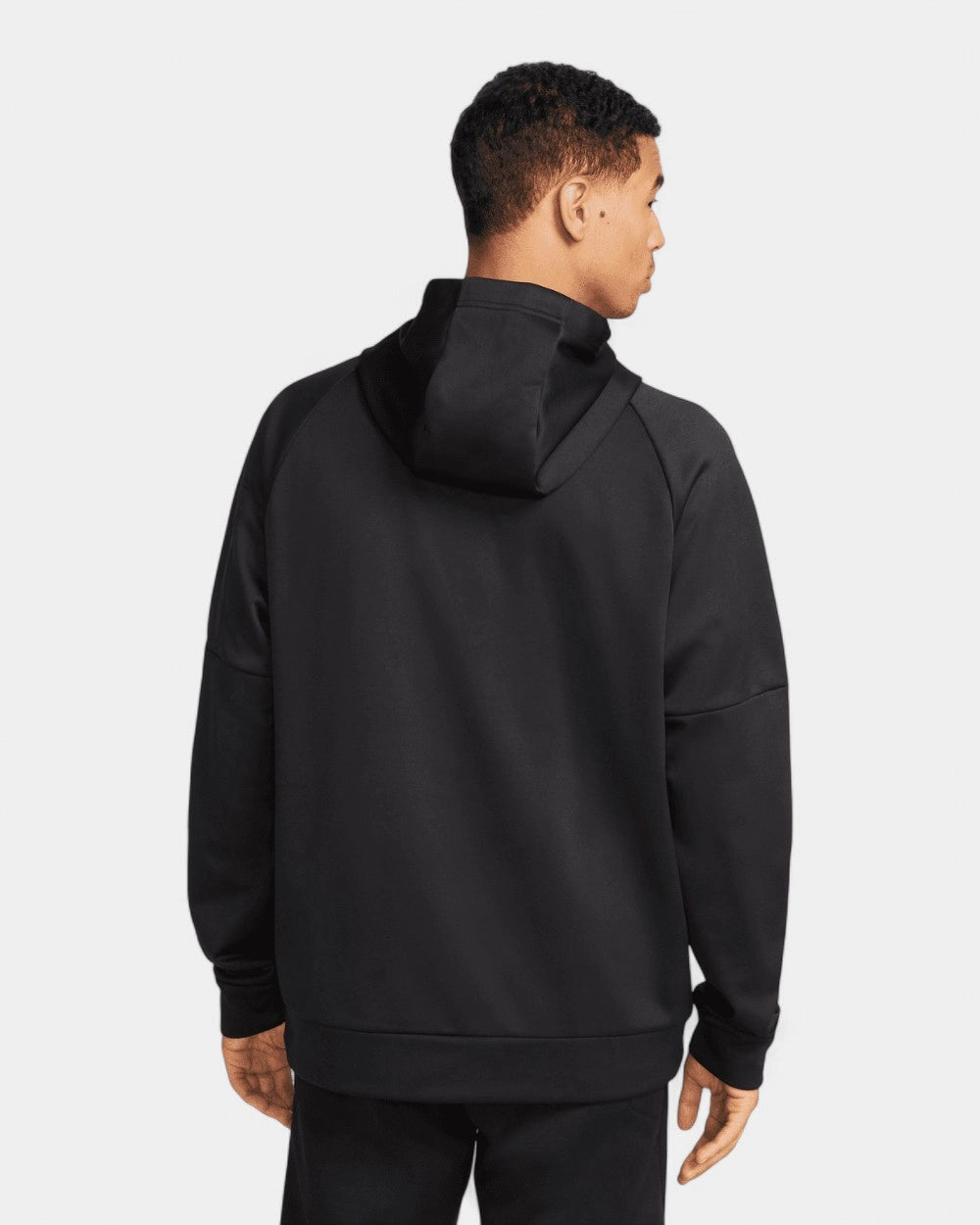


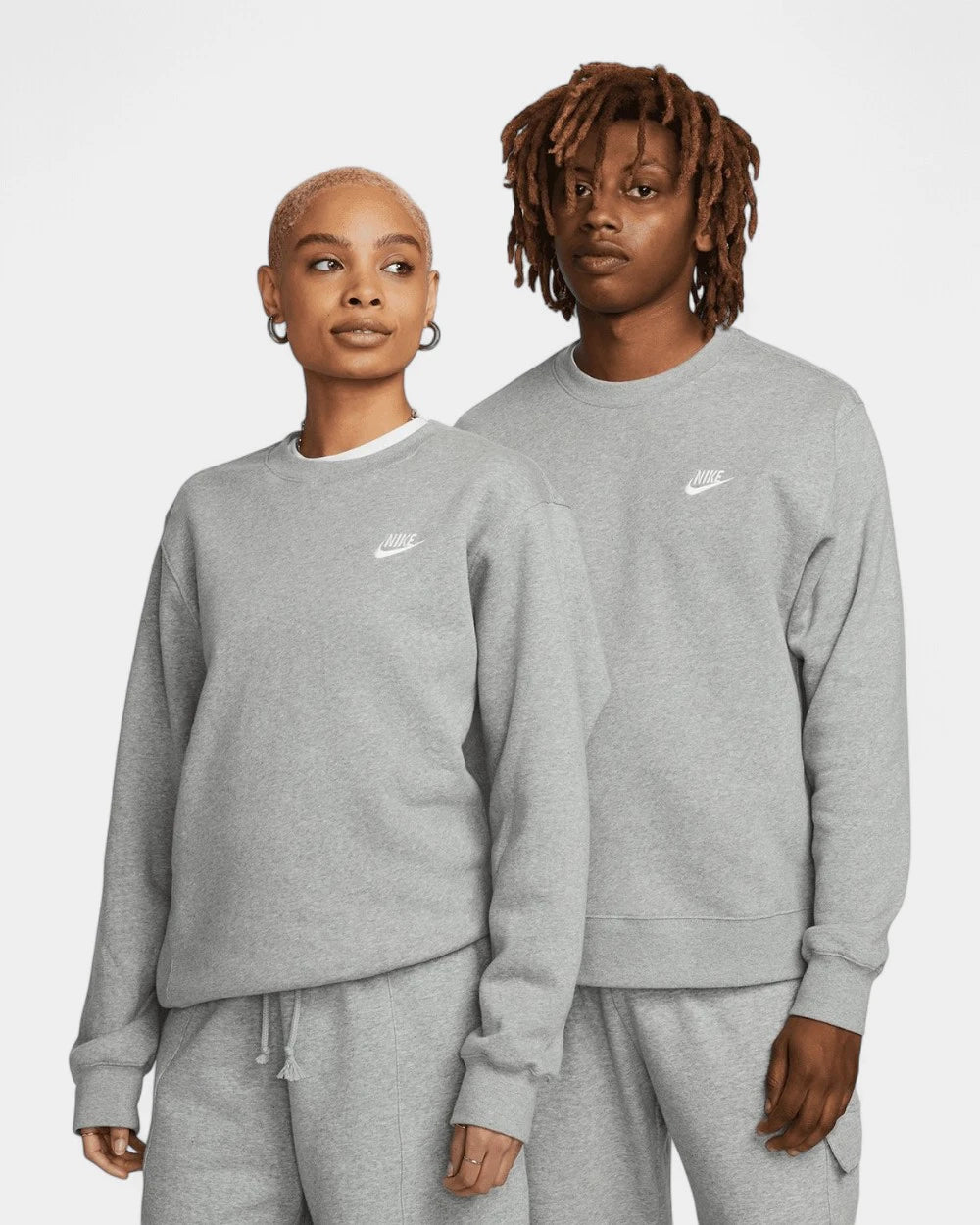










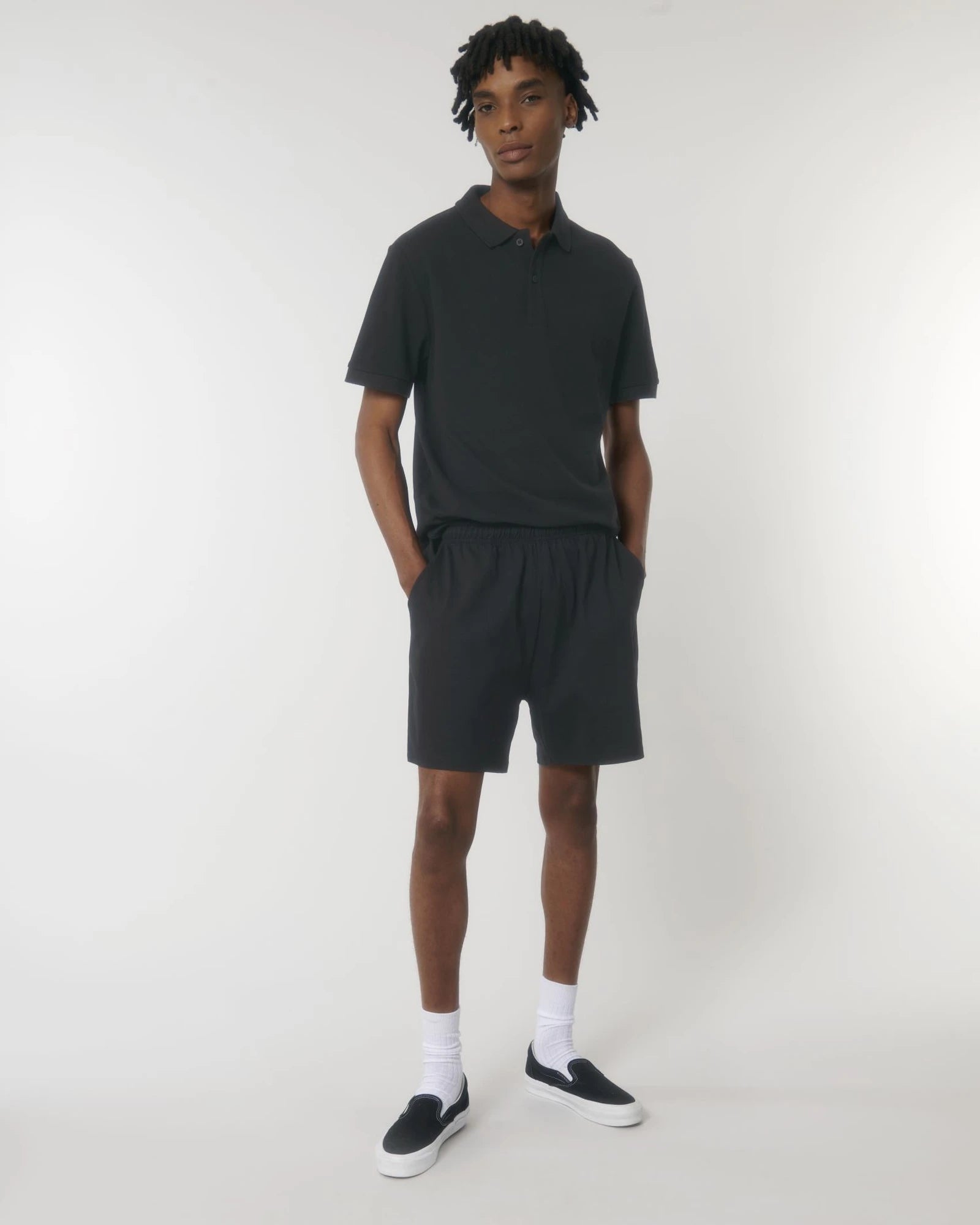


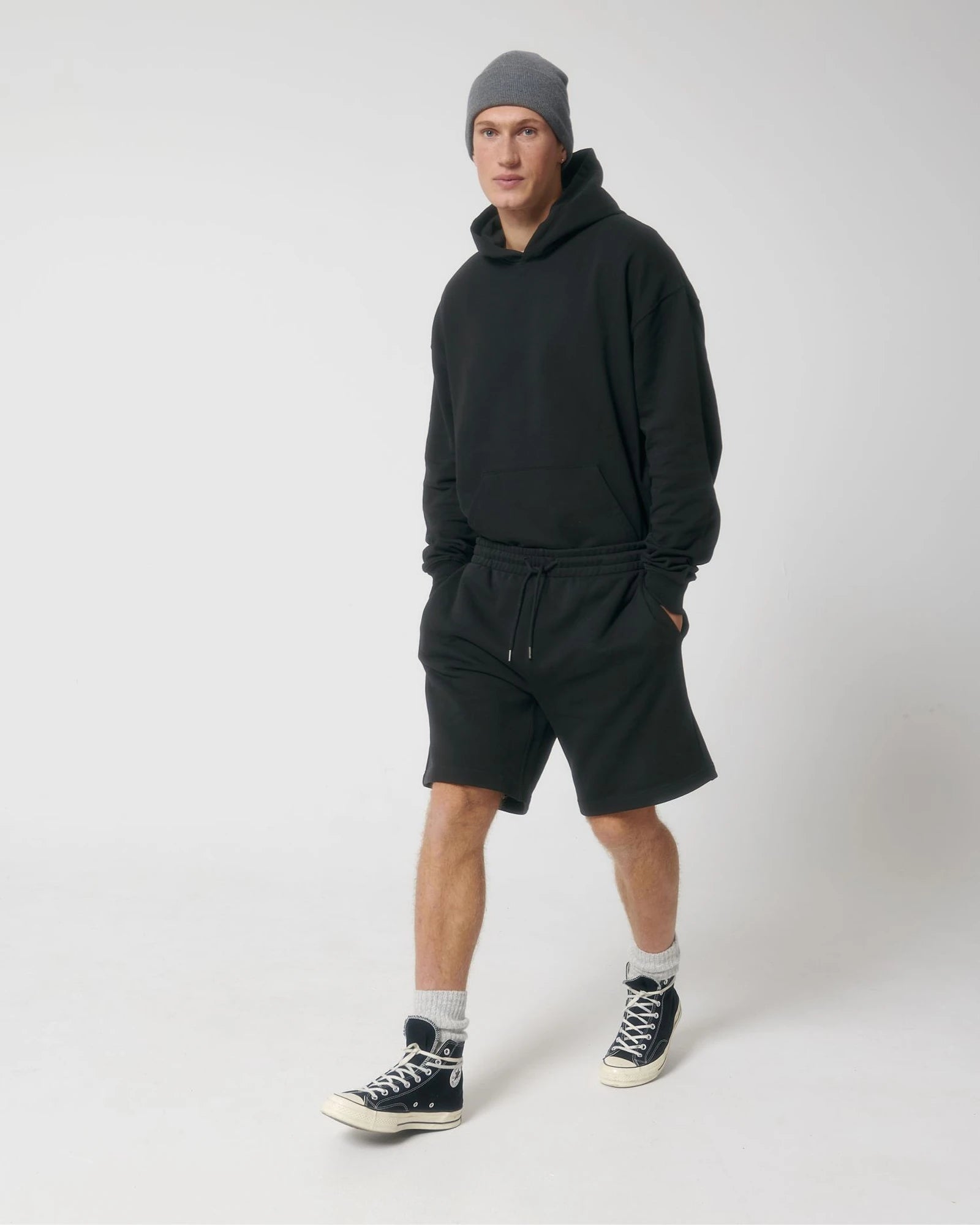


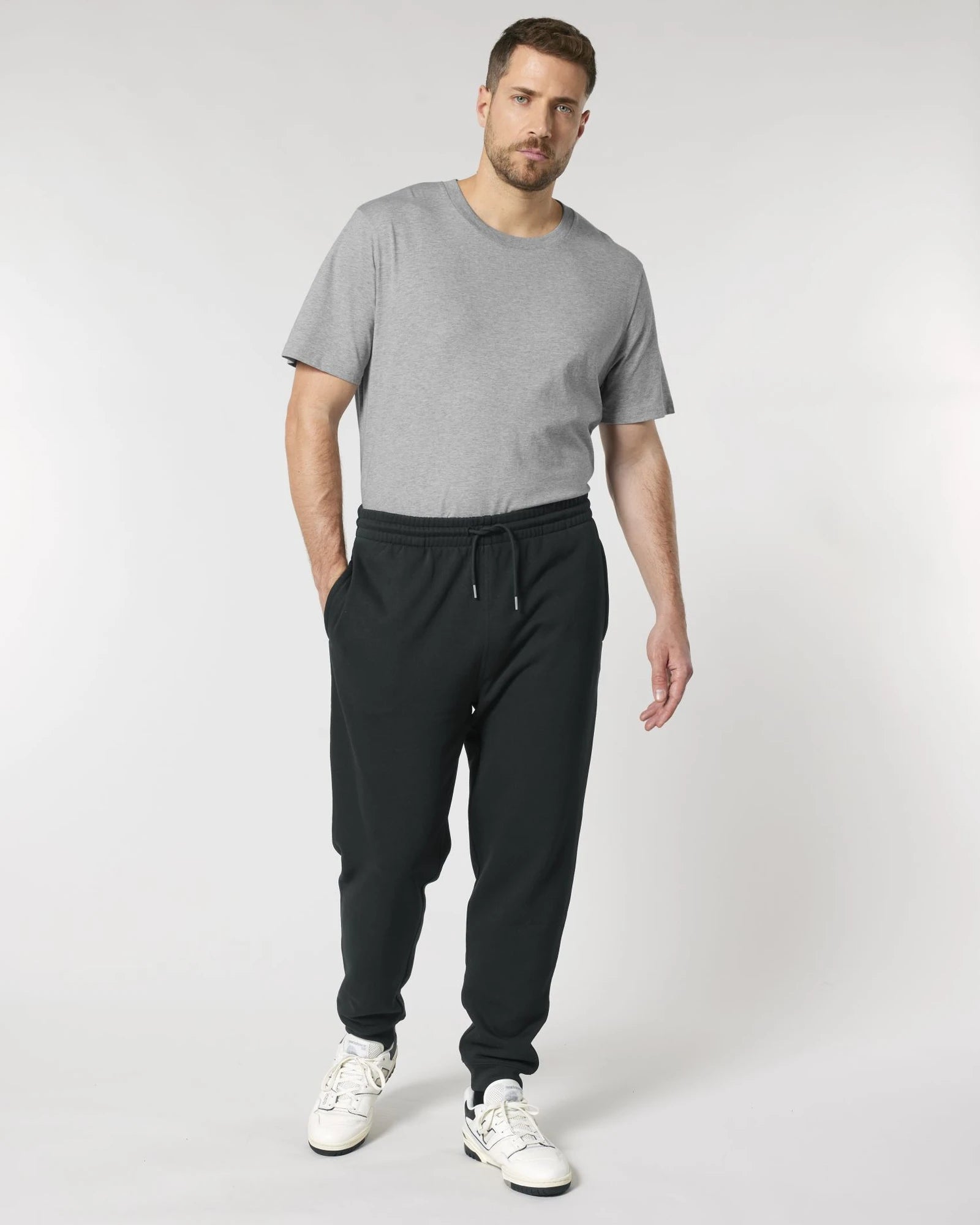


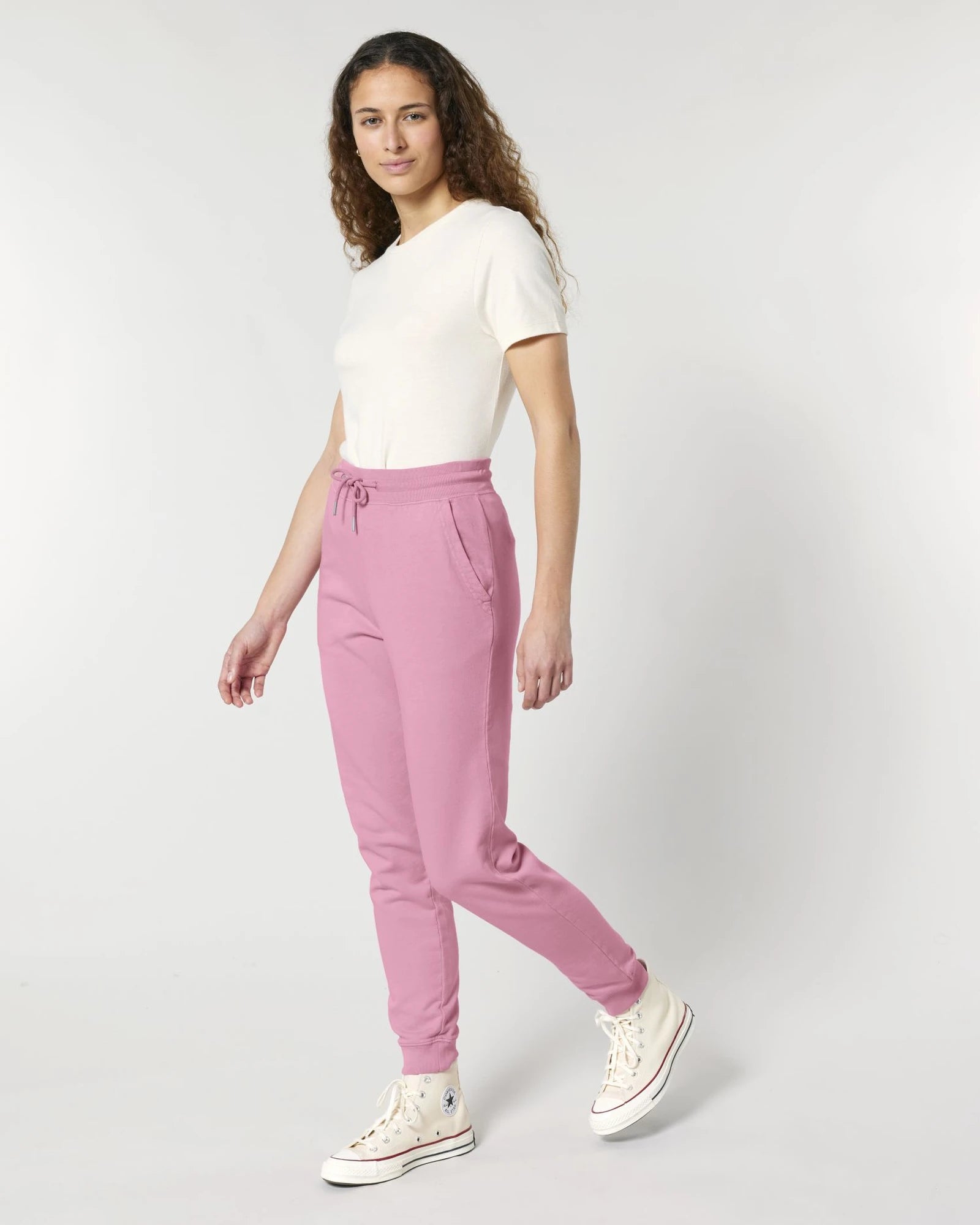


























Treat your clients and employees!

FAQ - Custom Sportswear
Trusted by 1,000+ companies
How fabric behaviour shapes your personalised sportswear brief
Watch a runner finish intervals in a cotton tee and the problem is obvious. The fabric holds water, doubles in weight and cools the body too fast at rest. Personalised sportswear inverts that. Polyester and poly-elastane move sweat off the skin to the outer face, where it spreads and evaporates, so the garment stays light through the session.
The brief therefore starts with the sport, not the logo. A high-output kit for circuit training or running wants a lighter, faster-wicking face fabric. A rugby or contact-training top wants a denser, more abrasion-resistant weave that survives the floor. Pin that decision first, because it governs fabric, fit and decoration method together.
Fit is part of fabric behaviour, not a separate choice. A close base layer relies on elastane to hold compression; a relaxed training top relies on a looser knit to vent. Confirm whether your team wears the kit slim or loose before you size a run, since the same chest measurement reads very differently across the two.
Wicking, GSM and breathability in personalised sportswear
Two numbers carry most of the technical weight in sportswear: the GSM and the knit structure. GSM (grams per square metre) sets the weight class. Lightweight running and summer training tops sit roughly 120 to 150 GSM. All-round club training kit lands around 140 to 180 GSM. Cooler-weather or contact gear runs heavier, often 180 to 220 GSM and up.
Wicking is a finish and a structure working together. A textured or micro-mesh knit increases surface area so moisture spreads and dries faster, while a permanent moisture-management finish pulls sweat through rather than letting it pool. State whether the personalised sportswear is for hard cardio or low-output corporate sessions, because over-speccing a heavy top for a yoga class makes the wearer overheat.
| Use case | Typical GSM | Fabric behaviour | Garment type |
|---|---|---|---|
| Running, summer cardio | ~120-150 | Fast wick, very light | Singlets, race tees |
| All-round club training | ~140-180 | Balanced wick and cover | Training tops, polos |
| Contact and cooler weather | ~180-220 | Denser, abrasion-resistant | Rugby tops, mid layers |
| Compression base layer | ~180-220 stretch | High elastane, second skin | Base tops, leggings |
Mesh venting in promotional sportswear
Breathability often comes from where the fabric is not. Mesh panels set under the arms, down the flanks or across the upper back vent the hottest zones without thinning the whole garment. A training top with strategic mesh keeps structure where the print sits and airflow where the wearer sweats most. A cotton-rich casual layer for the clubhouse follows the opposite logic, which is why off-duty kit belongs on our Custom T-Shirts rather than this technical range.
Four-way stretch and fit across your printed sportswear range
Elastane content is what lets a garment track the body through a lunge, a sprint start or an overhead reach. A poly-elastane blend, typically around 85 to 92 per cent polyester with the balance elastane, gives four-way stretch that returns to shape rather than bagging at the knee or elbow.
Cut and seam choices across performance wear
Cut matters as much as content. Raglan sleeves free the shoulder for throwing and racket sports, set-in sleeves suit a cleaner corporate-fitness look, and flatlock seams lie flat to stop chafing on long sessions. Branded sportswear that fits a mixed squad needs a size grid that spans junior to adult and a generous range of women's cuts, not a unisex block stretched both ways.
Tight kit lives close to the wearer for months and stays in regular wash, so colourfastness and seam strength decide whether it still looks like team kit by mid-season. That is also why the decoration method has to suit a stretch fabric, a point the next sections turn on.
Sublimation for full-colour printed sportswear and team kit
Sublimation is the headline decoration for personalised sportswear because it dyes the fibre instead of sitting on top of it. Heat turns solid ink to gas, which bonds into white or light polyester and becomes part of the cloth. There is nothing to crack, peel or stiffen, so a sublimated training top stretches and breathes exactly as the blank does.
This is what makes full-colour team kit viable. You can run all-over graphics, gradients, sponsor blocks, panel colour changes and photographic crests across the whole garment with no extra cost per colour. A 16-player squad can carry edge-to-edge club colours that a printed transfer could never wrap around a curved, stretching panel.
| Method | Best fabric | Colour handling | Hand feel on stretch |
|---|---|---|---|
| Dye-sublimation | White/light polyester | Unlimited, all-over | None, dyes the fibre |
| Heat-transfer vinyl | Most synthetics | Solid spot colours | Slight film, names and numbers |
| Embroidery | Denser knits, polos | Threads, crests | Raised stitch, no stretch in area |
| Screen print | Flat woven areas | Spot inks, bold | Sits on surface, limited stretch |
Sublimation does have a rule worth stating early: it needs a white or pale polyester base, because the process adds colour and cannot print white or lighten a dark cloth. A navy training top therefore takes vinyl or embroidery, not sublimation. For cotton-rich casual layers worn off the pitch, the logic shifts toward print and flock, as on our Custom Hoodies range built for warmth rather than wicking.
Names, numbers and squad personalisation on printed sportswear
Printed sportswear earns its place when every garment in a run differs. A squad of 20 needs 20 numbers, 20 surnames and often mixed sizes, all under one club identity. Heat-transfer vinyl handles individual names and numbers cleanly, cut and pressed per shirt, and survives repeated washing when applied to the right synthetic face.
Plan the numbering scheme before artwork, not after. Decide front-and-back numbers, name height, squad-number font and whether a sponsor block sits above or below the crest. A consistent layout across the personalised sportswear run is what makes a kit read as a team rather than a box of singles, and it keeps the per-shirt press time predictable.
Reorders are where personalisation discipline pays off. A mid-season signing or a replacement for a damaged shirt should match the original exactly. Keeping the colour references, font and layout on file means a single late addition slots into the squad rather than standing out. That is the detail a club captain notices first.
Embroidered sportswear for polos, jackets and corporate teams
Embroidered sportswear suits the garments worn around the activity rather than during the hardest output. A coach's polo, a club zip jacket, a corporate-fitness quarter-zip or a gilet carries an embroidered crest with a weight and permanence that print cannot match. The stitch catches the light and signals a considered, durable identity.
Embroidery has physical limits on technical cloth worth respecting. It does not stretch with the fabric, so it belongs on stable areas: a left chest, a sleeve or a collar. It should never cross a high-stretch panel that needs to move. Fine text below roughly 4 to 5 millimetres also fills in, so a detailed crest may need simplifying for thread.
For the structured, collared layer many corporate teams default to, the same embroidery logic carries straight across to our Embroidered Polo Shirts, where a denser pique holds a crest cleanly. On a performance base layer, by contrast, embroidery would pucker the stretch, so the method follows the garment.
Building a full personalised sportswear kit, layer by layer
Most teams do not order one garment; they order a system. A training squad might want a wicking tee, a long-sleeve base layer, shorts, a quarter-zip mid layer and a rain jacket, all sharing one identity. Specifying the layers together keeps colour matching tight and cuts the artwork sign-offs to a single round.
- Wicking training tee or singlet for high-output sessions
- Long-sleeve base layer for cold mornings and compression
- Breathable mesh-panel shorts with a brief liner option
- Quarter-zip mid layer for warm-ups and the bench
- Lightweight shower jacket for touchline and travel
- Matching socks and accessories for a finished squad look
Layering also spreads the decoration logic sensibly. Sublimate the high-visibility outer pieces for full colour, vinyl the names and numbers, and embroider the off-pitch polo or jacket. The personalised sportswear reads as one identity while each garment uses the method that suits its fabric and its job.
Footwork and the smaller items round out a squad order without inflating it. Club colours carry naturally onto Personalised Socks knitted in the team palette, which finish the on-pitch look and wash alongside the rest of the kit at the same cadence.
Colour matching and artwork for promotional sportswear
Colour consistency is harder on sportswear than on a flat printed item, because the same ink reads differently on a textured wicking knit than on a smooth cotton tee. State your Pantone references at briefing so the club red on a sublimated shirt matches the red on the jacket crest and the socks. That holds colour across three fabrics and two decoration methods.
Artwork format decides the ceiling on quality. Supply vector files with outlined fonts, not a low-resolution logo pulled from a website, or a crest blurs once it is scaled across a full sublimated front. Sublimation in particular rewards clean vector art because it reproduces gradients and fine edges that other methods would lose.
We return an artwork proof within 24 hours of receiving usable files, so you see the layout, colours and numbering scheme before anything is pressed or sublimated. A signed proof is what locks the colour references for every reorder that follows, which keeps a squad consistent across seasons.
Care and durability of technical performance wear
Personalised sportswear fails in the wash more often than on the pitch. High-temperature washing and tumble drying are what degrade synthetics, lift transfers and dull sublimated colour over time. A care brief printed on the order, advising a cool wash inside out and no fabric softener, protects both the fabric finish and the decoration.
Why softener ruins printed sportswear and wicking knits
Fabric softener is the quiet killer of wicking performance. It coats the fibres and clogs the very channels that move sweat, so a training top gradually stops wicking. Brief the squad to skip it, and the moisture management lasts as long as the seams do.
| Action | Why it matters | Effect if ignored |
|---|---|---|
| Cool wash, inside out | Protects print and fibre | Faded transfers, dull colour |
| No fabric softener | Keeps wicking channels open | Garment stops moving sweat |
| No tumble dry | Prevents shrink and seam stress | Distorted fit, lifted vinyl |
| Avoid ironing decoration | Heat lifts vinyl and crests | Cracked names and numbers |
Sublimated colour is the most durable of the lot precisely because it is dyed in, so it survives washing that would fade a surface print. Vinyl names and numbers are the part to watch, since heat and aggressive drying lift their edges first.
Shorts, leggings and lower-body printed sportswear
A full kit of personalised sportswear rarely stops at the top, so the lower-body garments carry the same fabric logic. Match shorts pair a light wicking face with a brief liner or a mesh inner for support. Training shorts run a touch longer with a zip pocket for a key or a phone. Both sublimate to the club palette so the kit reads as one set on the pitch.
Compression leggings and base-layer tights move the spec toward elastane. A high-stretch poly-elastane holds the muscle support a sprinter or a rugby player wants, while the flatlock seams stop chafe over a long session. These take vinyl or sublimation rather than embroidery, since a stitched crest would pucker the stretch panel.
Specifying the lower body alongside the top keeps colour matching tight across the order. The same Pantone red on a sublimated shirt should carry to the shorts and the socks. That avoids a mismatched batch where the top and the shorts come off two separate dye runs.
Sport and use-case mapping for personalised sportswear
Match the spec to the activity rather than ordering a generic top. Football and rugby want sublimated full-colour shirts with squad numbers, and running clubs want the lightest wicking singlets. A corporate-fitness scheme wants a clean, slightly relaxed training tee that doubles as casual leisurewear in the team palette.
The crossover cases are where briefs go wrong. A company five-a-side side that also wants the kit worn to the office gym needs a less aggressive, more leisure-friendly cut than a competitive squad. Naming the real use-case stops you over-speccing a contact-grade top for light circuit training.
| Use case | Lead garment | Fabric band | Decoration |
|---|---|---|---|
| Match-day football/rugby | Full-colour shirt | ~150-180 GSM | Sublimation plus numbers |
| Running club | Lightweight singlet | ~120-150 GSM | Sublimation or vinyl |
| Corporate fitness scheme | Relaxed training tee | ~140-170 GSM | Embroidery or vinyl |
| Gym and circuit training | Mesh-panel tee, base layer | ~140-180 GSM | Vinyl logo, small crest |
| Coaching and touchline | Quarter-zip, jacket | Denser knit | Embroidered crest |
Lead times, minimums and supply for promotional sportswear
Sublimated and cut-and-sew sportswear is made to order, so the clock starts at artwork sign-off rather than at order placement. A standard squad run typically completes within about three weeks once the proof is approved, with the proof itself returned within 24 hours of usable artwork. Order against a fixture or event date with that window plus a buffer for sizing samples.
Volume reshapes both method and price on a personalised sportswear order. A small club run from a low minimum, sometimes around 10 to 15 garments, keeps a five-a-side side or a corporate team in reach. Sublimation setup does make very small runs cost more each. Larger orders bring the per-shirt cost down and justify full cut-and-sew construction over decorated blanks.
Sizing is the supply risk specific to kit. A pre-production size set, ordered before the full run, lets players try the cut and stops a 20-shirt reorder of the wrong fit. Building that step into the timeline costs a few days and saves a far longer remake.
A wider corporate activation around a sports day or fun-run sometimes pairs the kit with branded footwear. Club colours carry onto Custom Trainers for a head-to-toe look on a launch or sponsor event.
Compliance, fabric content and eco claims on promotional sportswear
Every fabric and finish claim on this performance wear collection is stated against the product specification, not asserted in the abstract. Where a garment is described as recycled polyester, organic-content or carrying a given moisture-management treatment, that detail is confirmed on the specific item before you order rather than promised generically.
Recycled-content sportswear is increasingly asked for in corporate tenders, and availability varies by garment and colour. We give the actual content and any certification for the line you choose on request, so a procurement team can document the claim properly.
Brand and fabric-technology names appear only as a market reference point, never as a guarantee attached to your order. A grassroots club hosting a launch day can also extend the activation with Personalised footballs printed in the same colours, so the kit and the kit-out share one identity.

