

Personalised gym bag
- Price, low to high
- Price, high to low
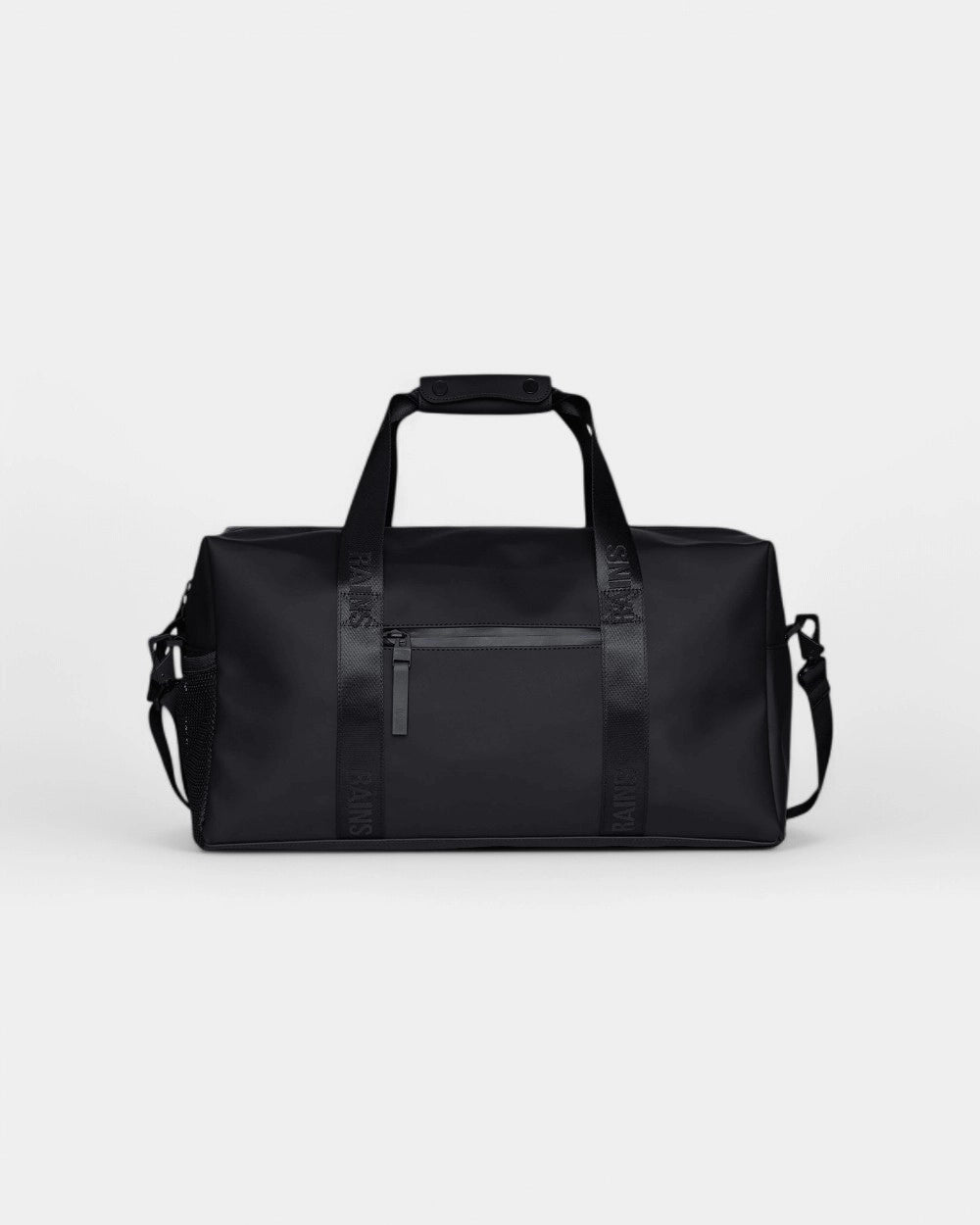


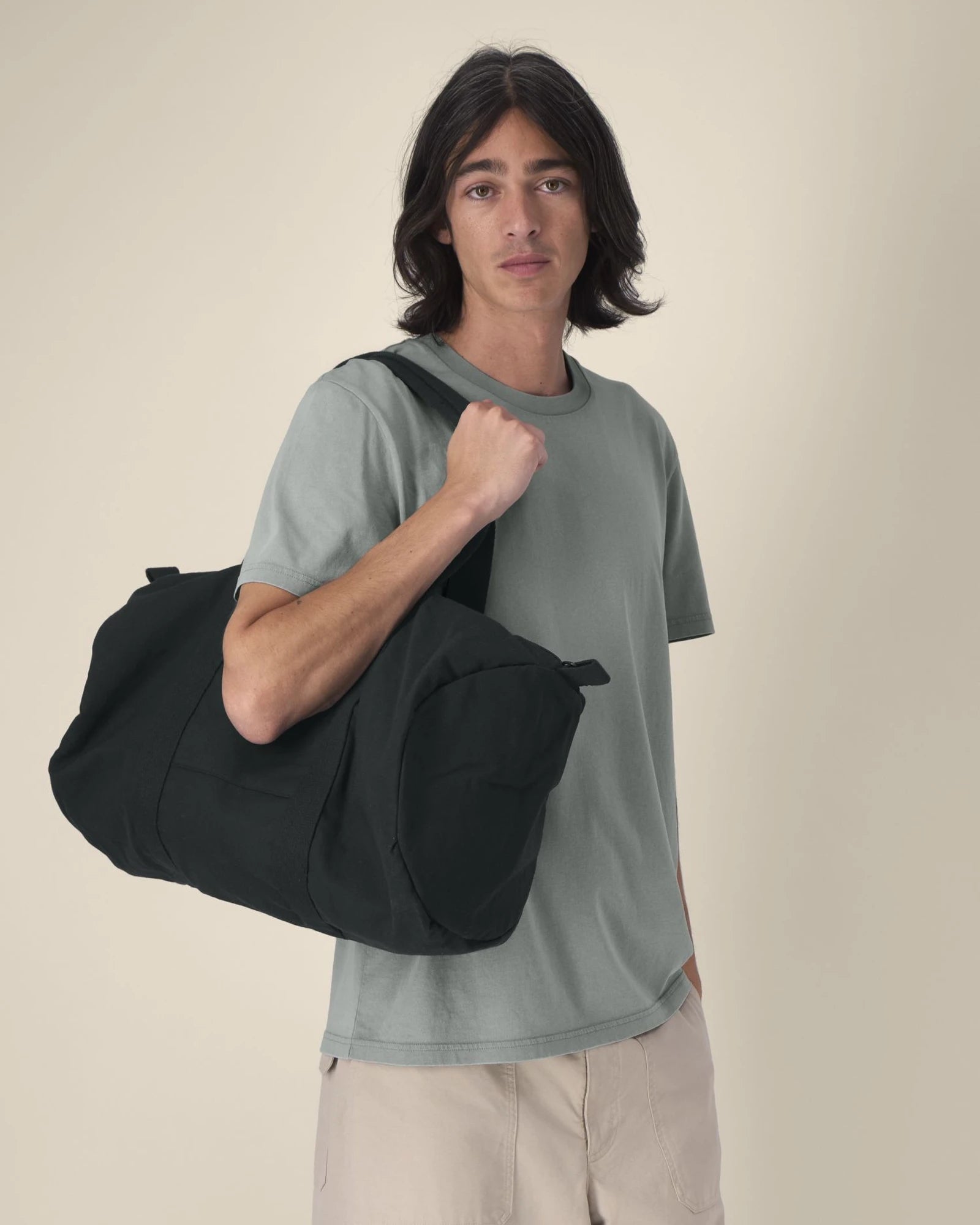


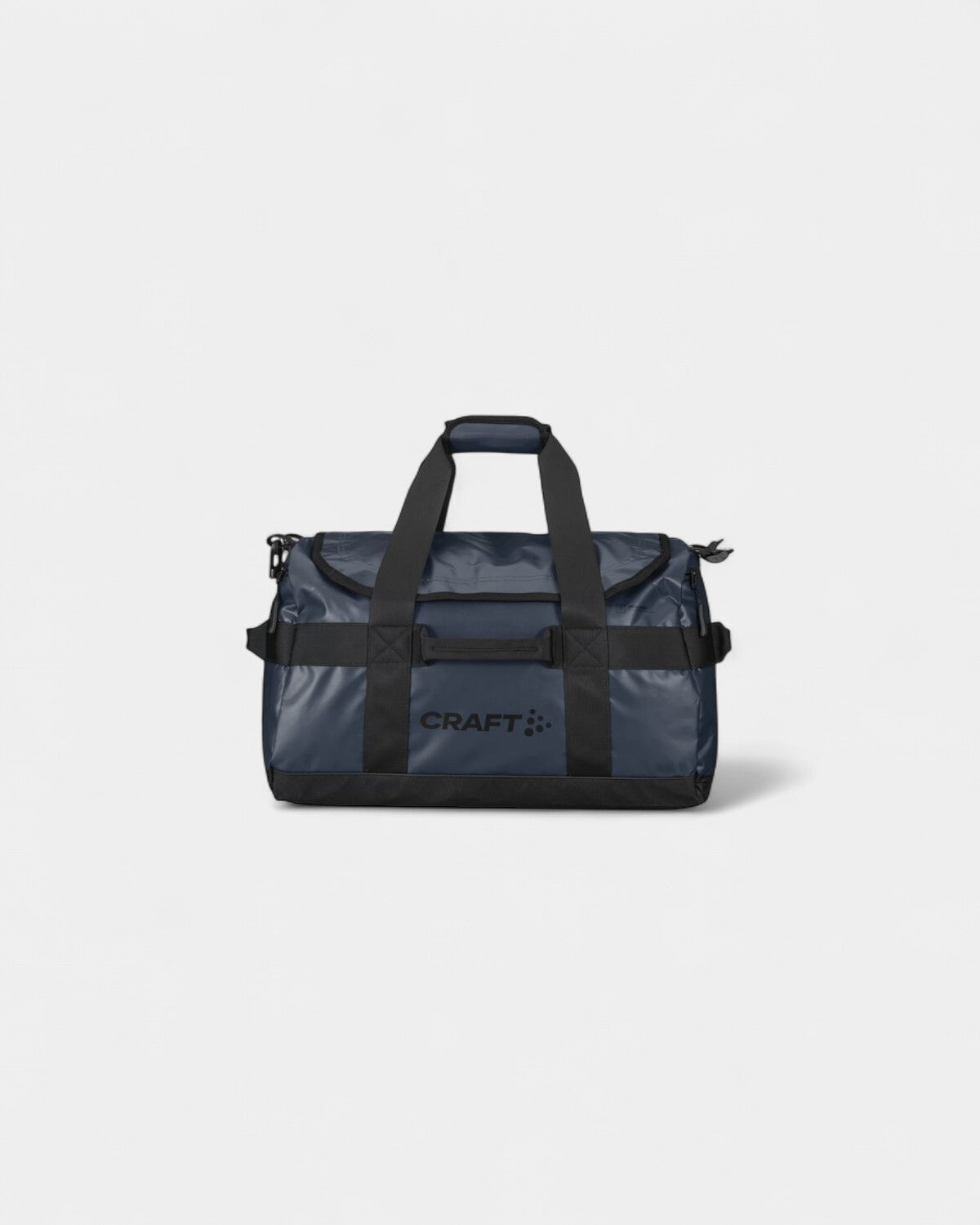


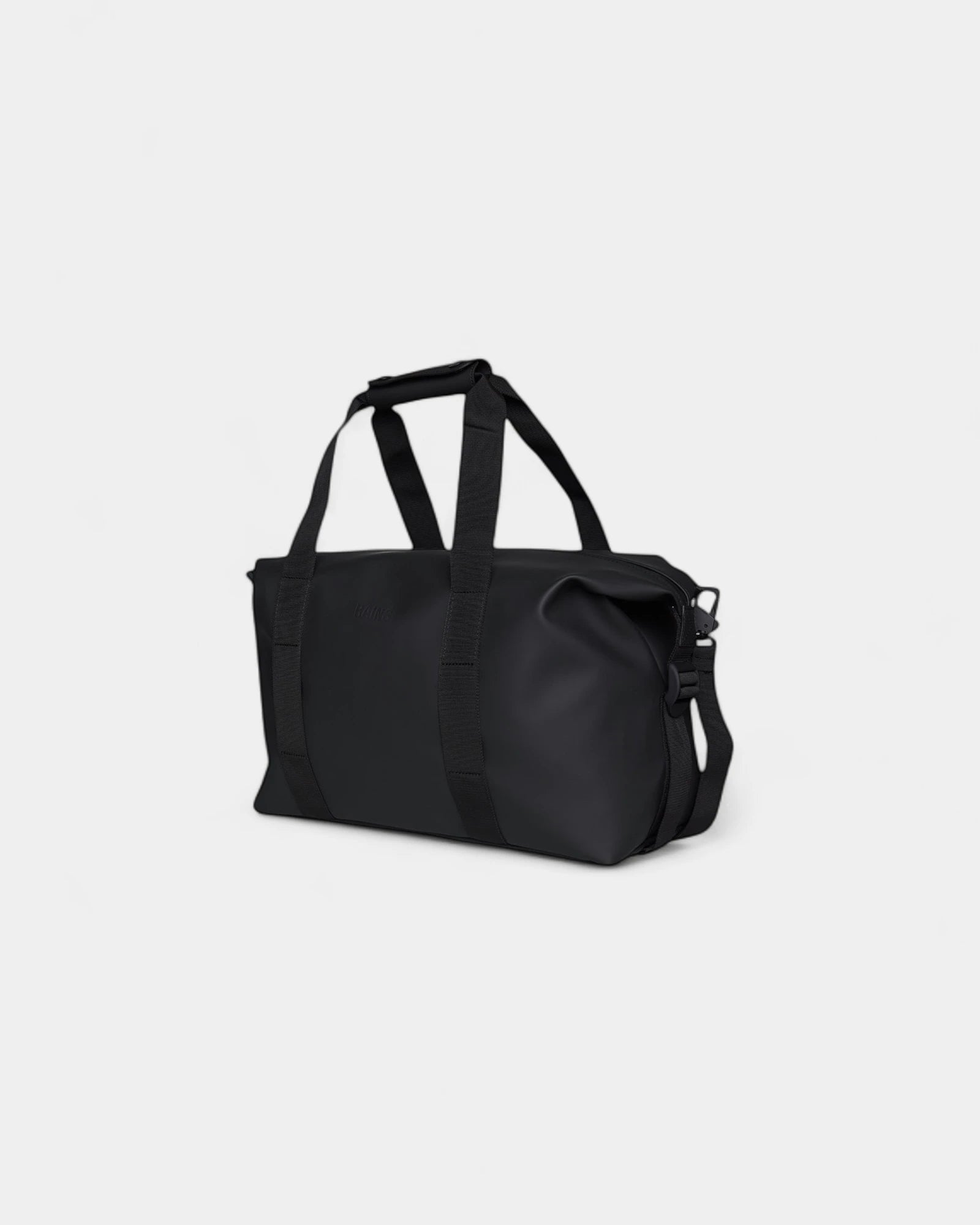










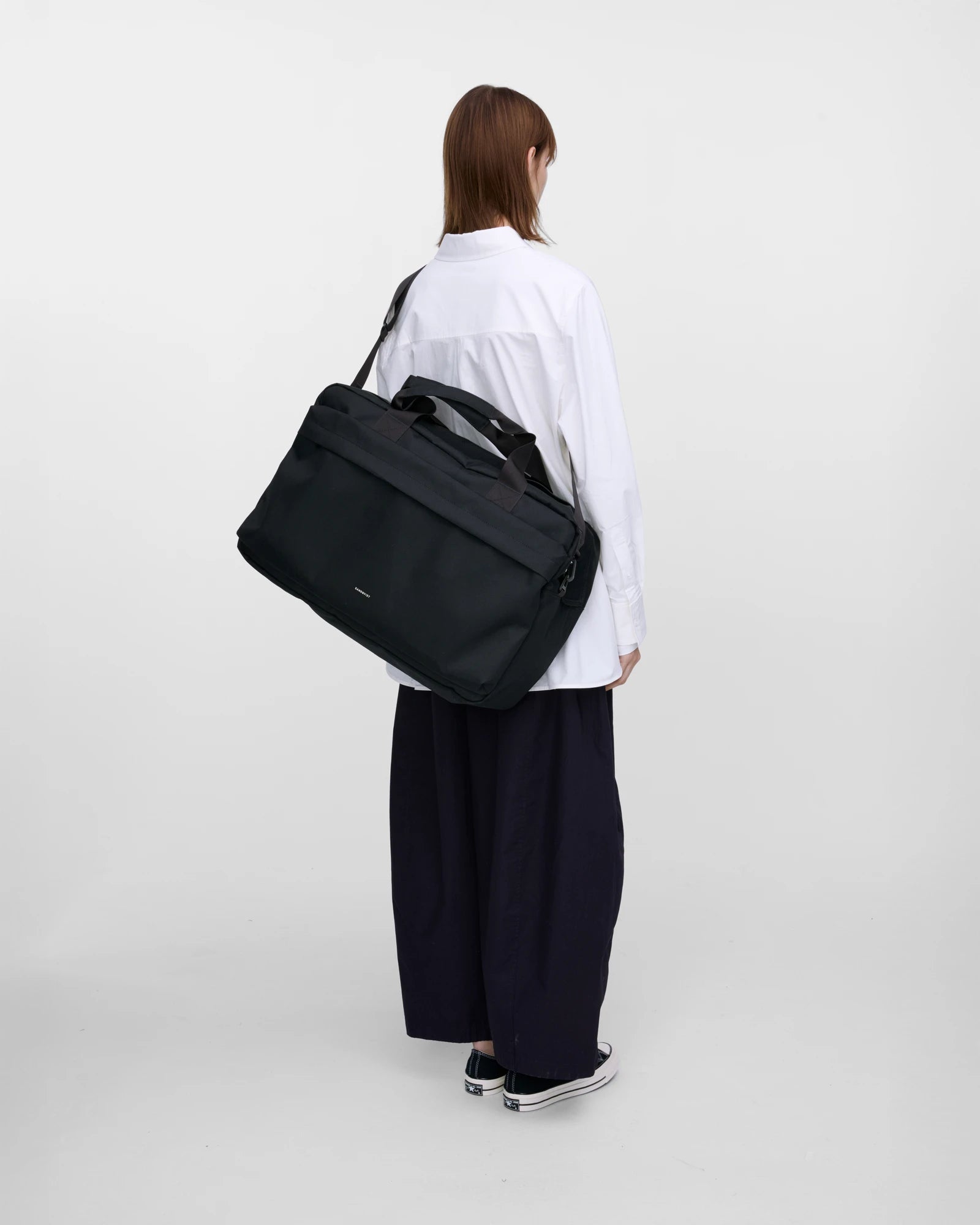


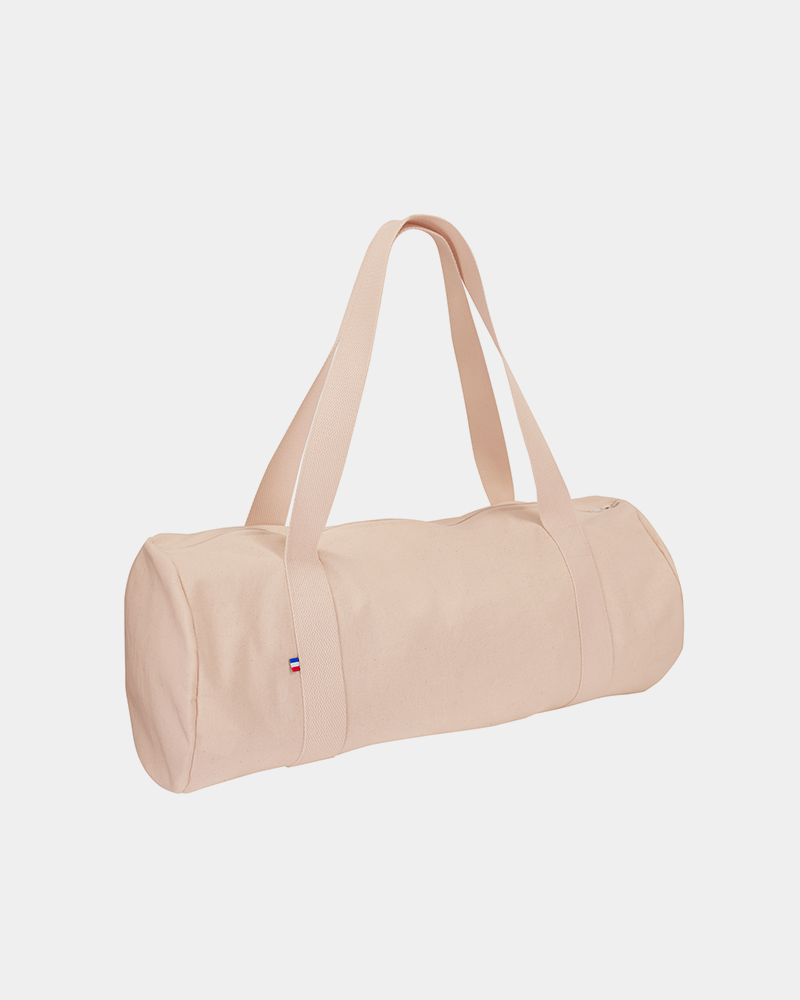


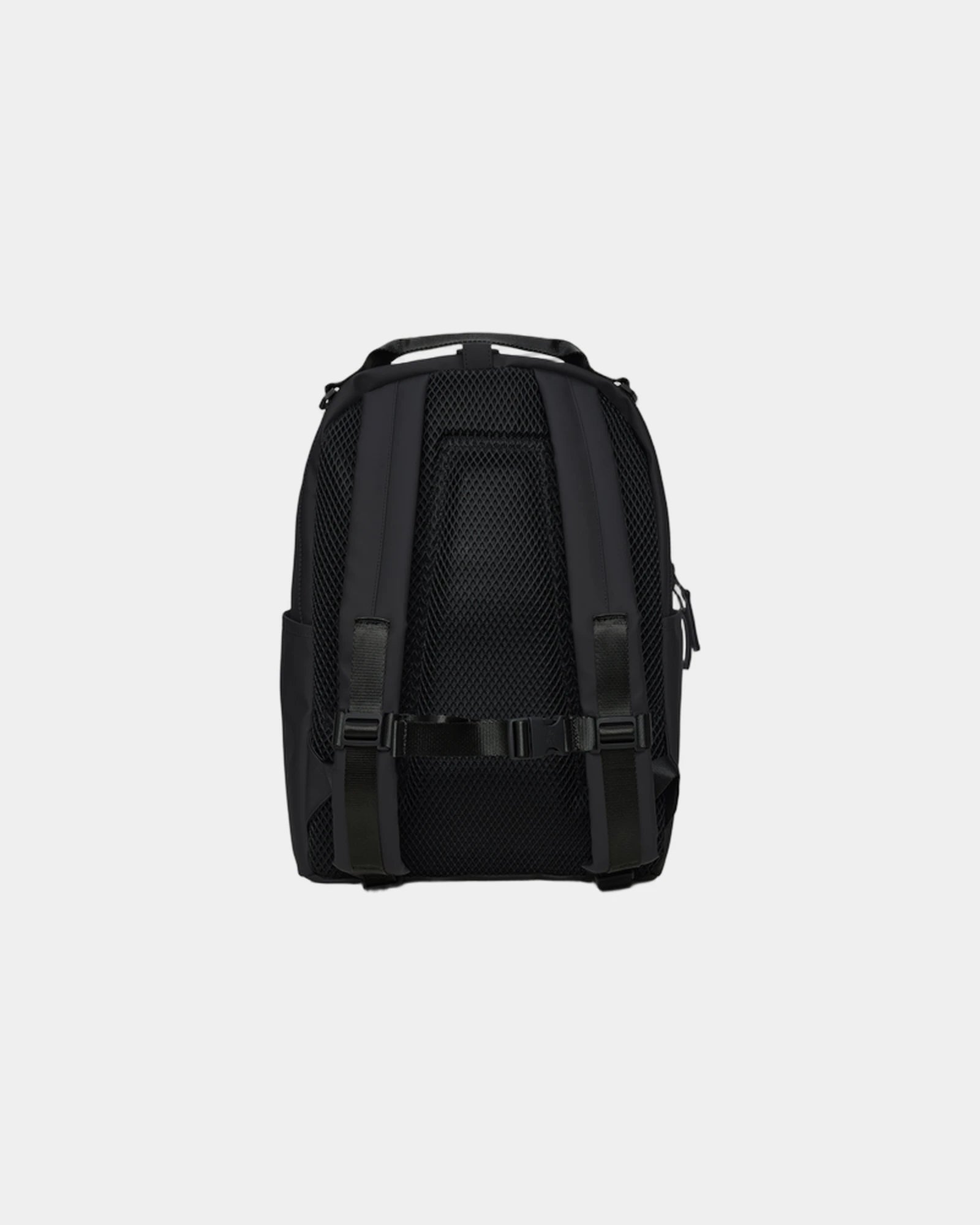


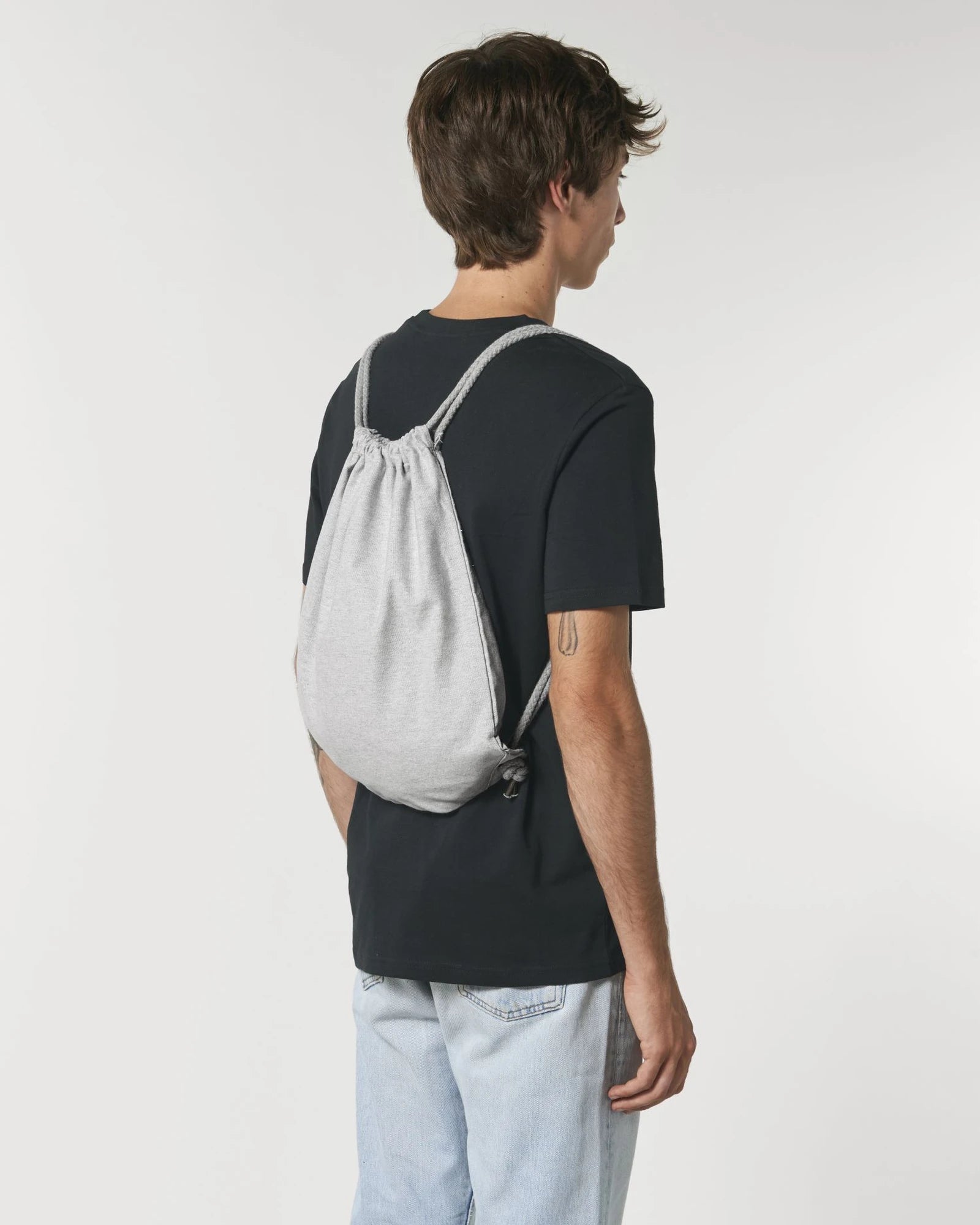


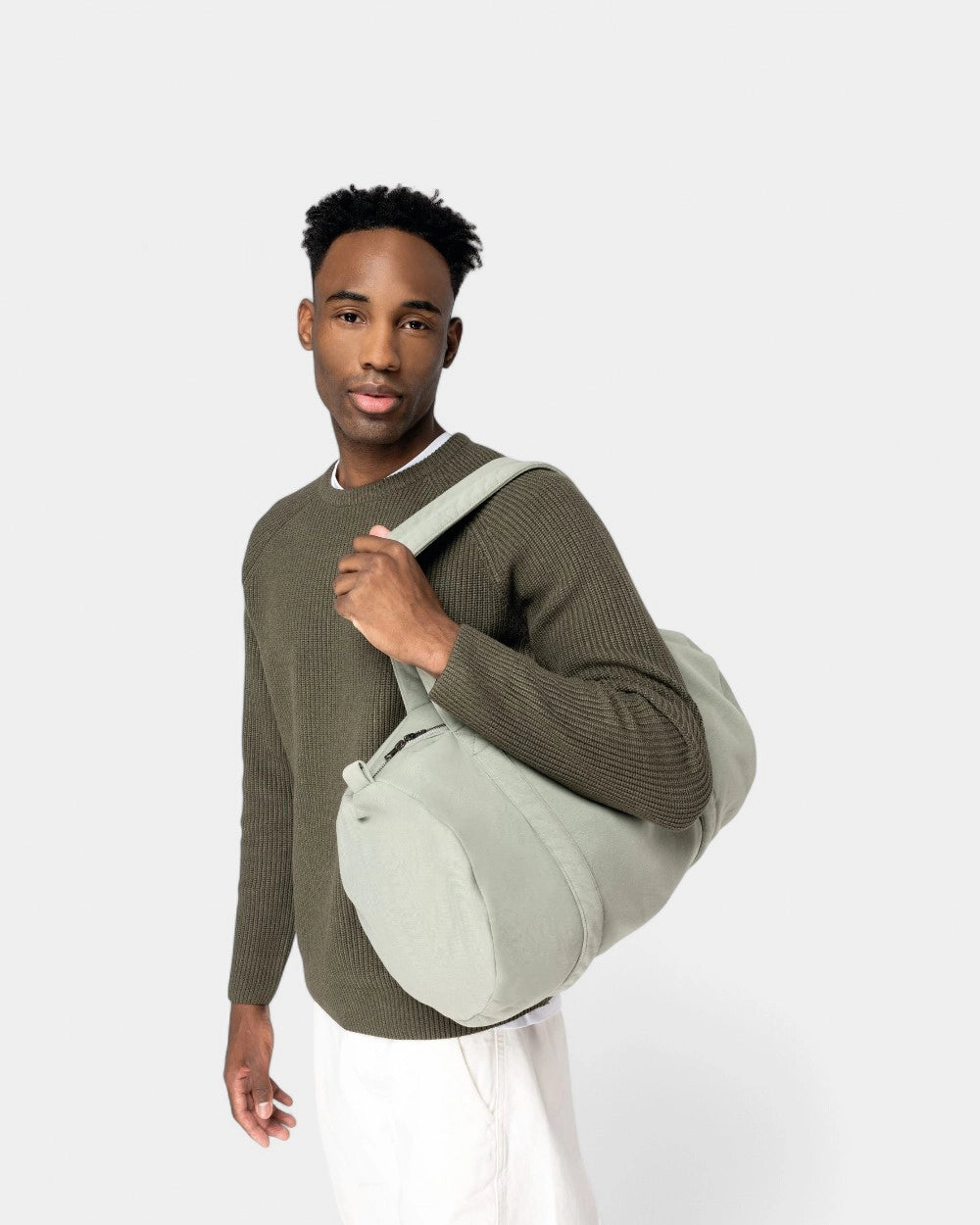


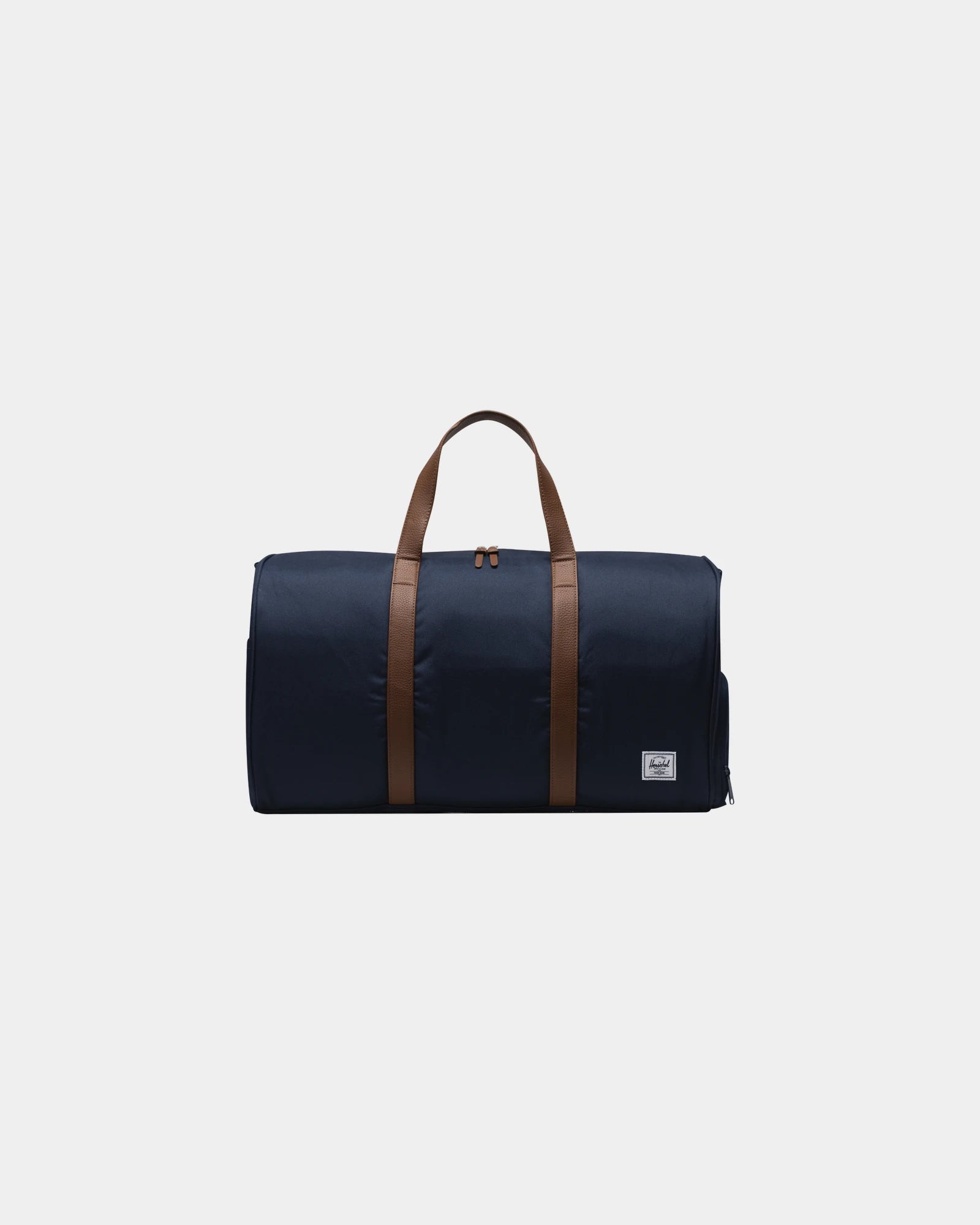


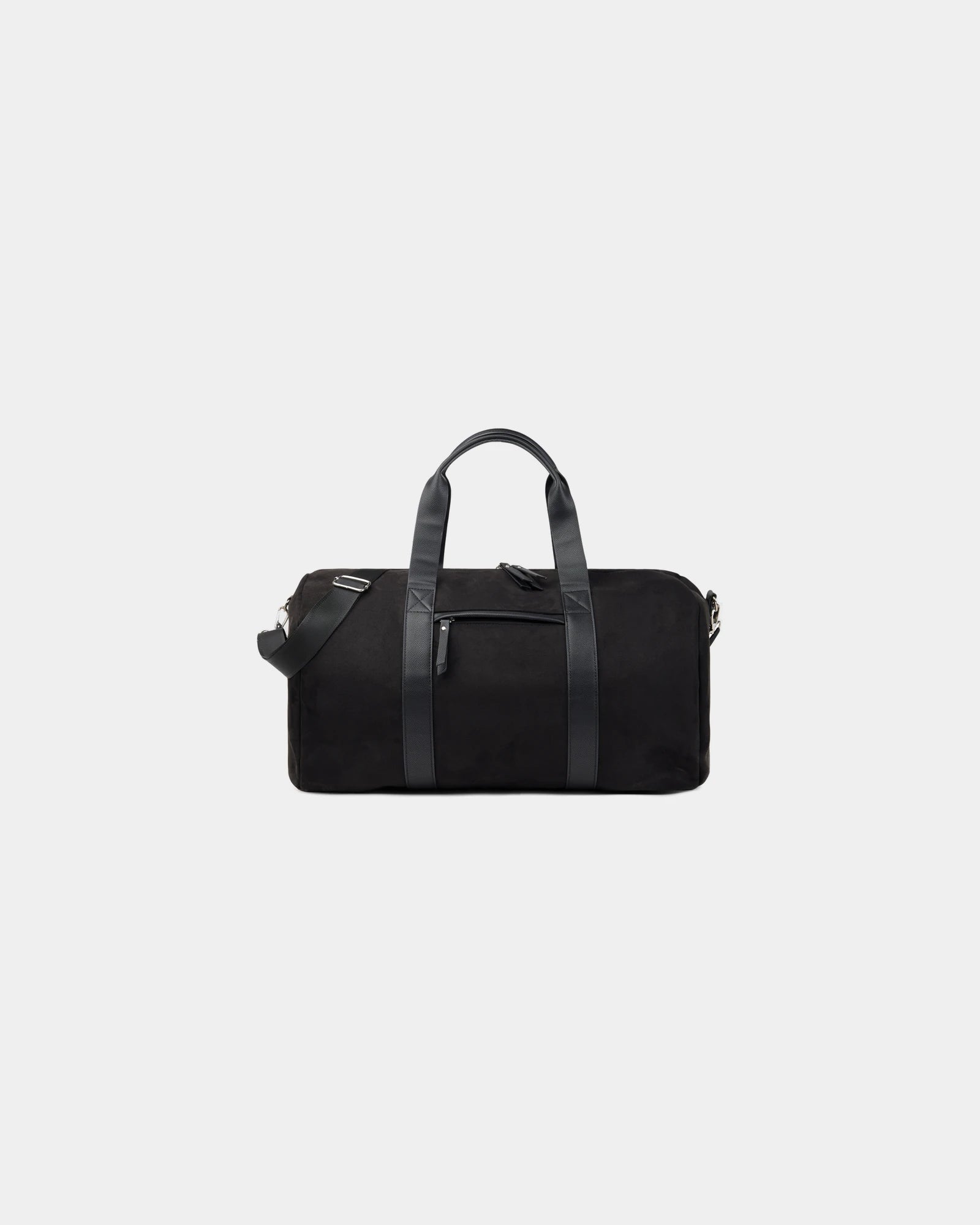


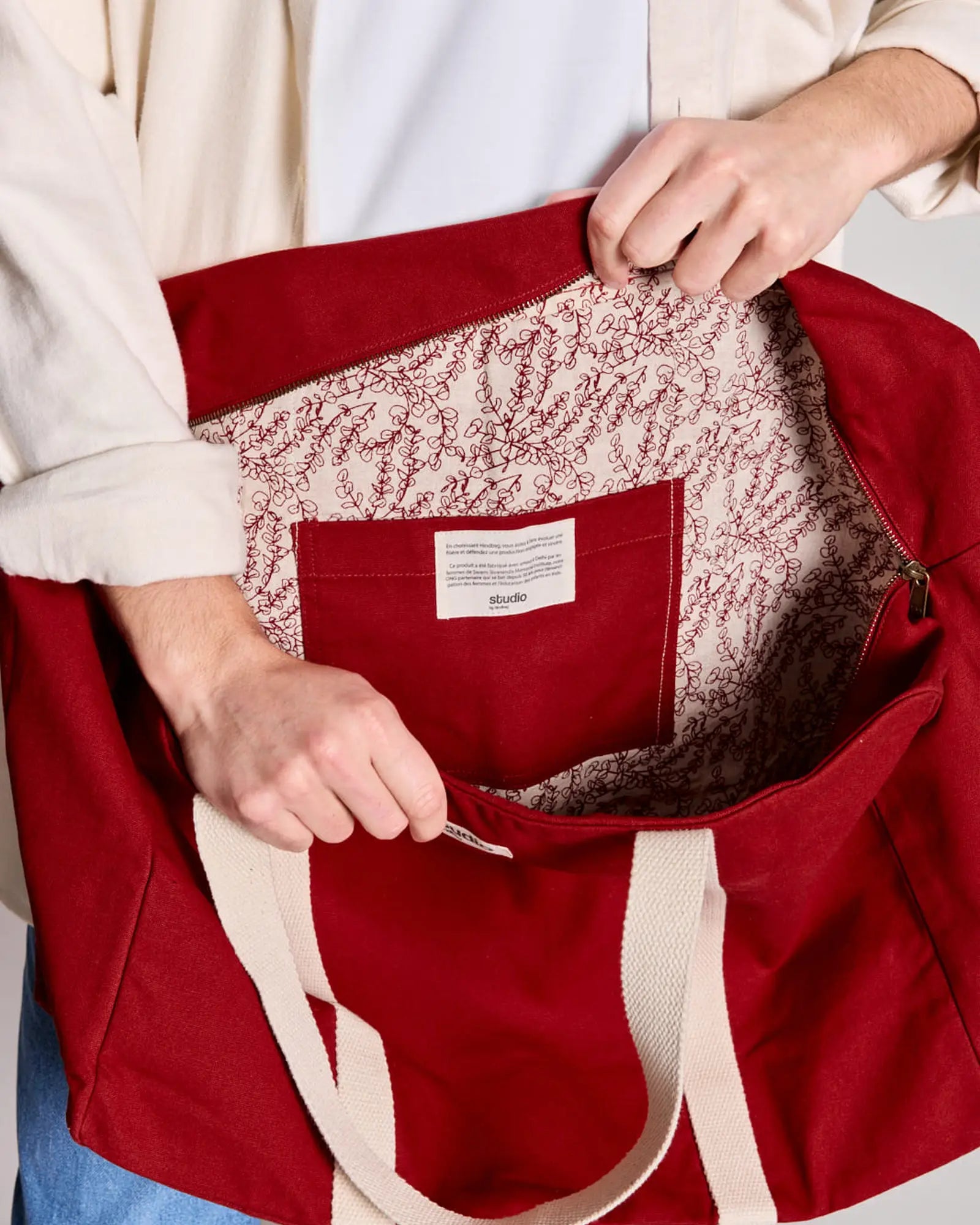


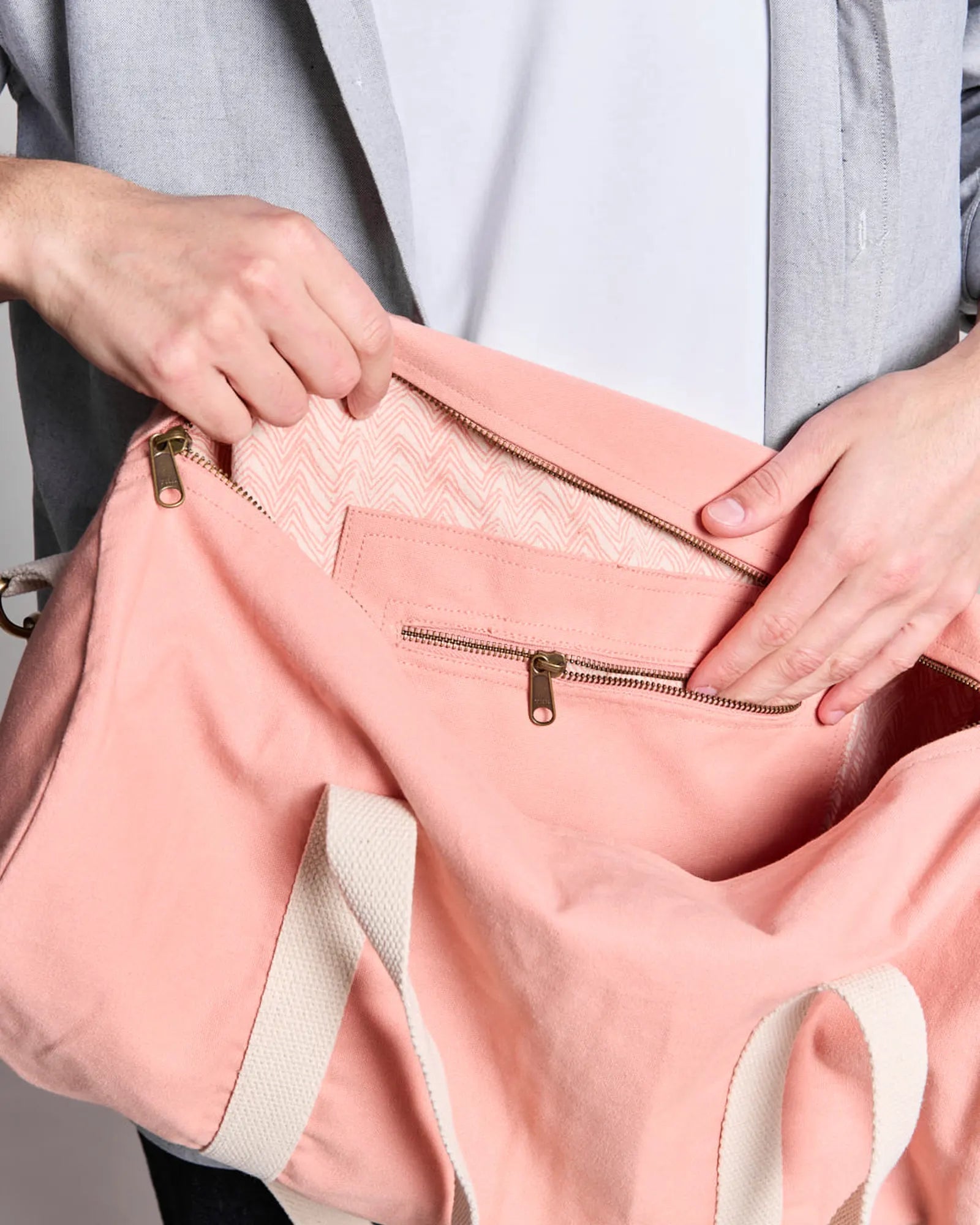


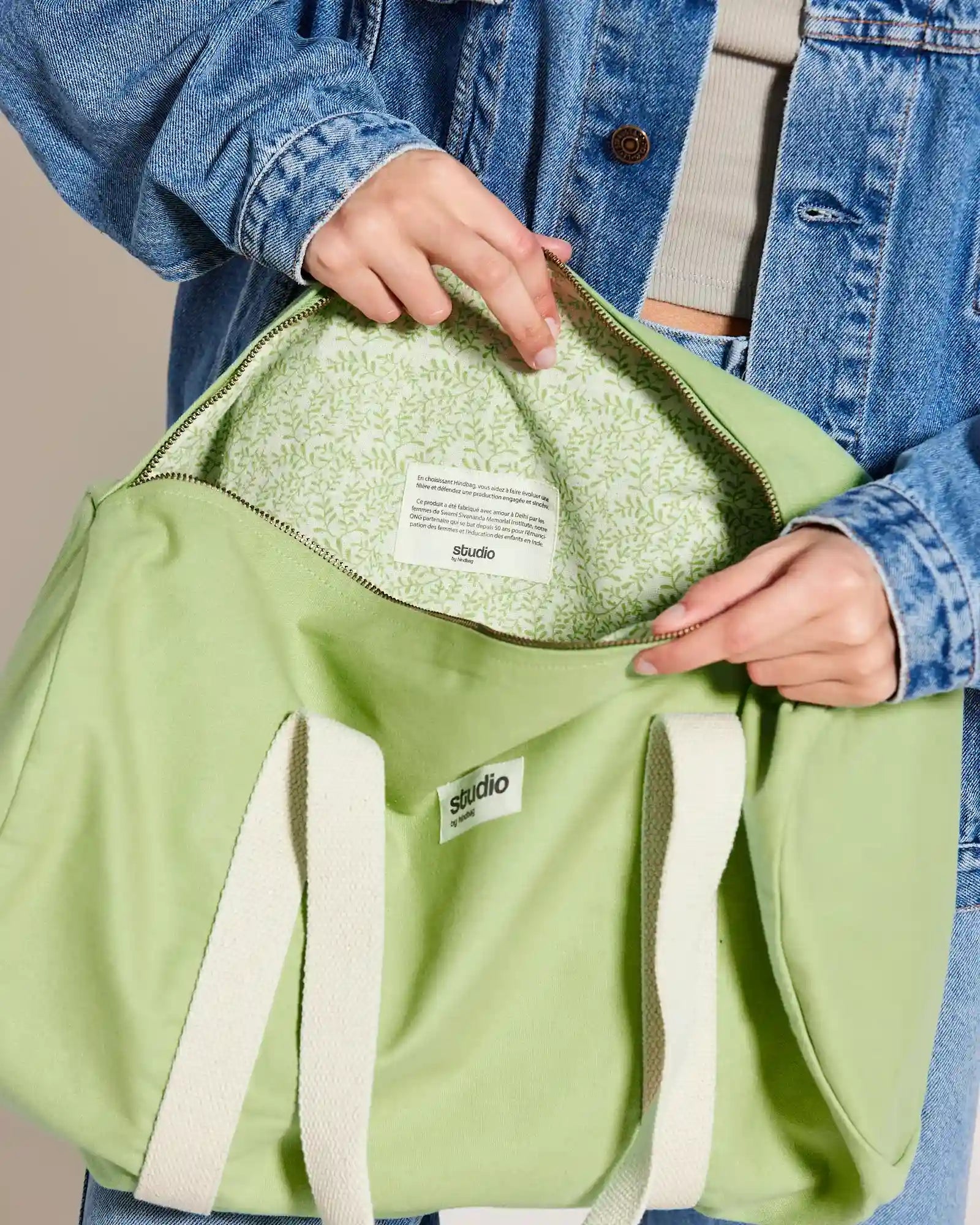


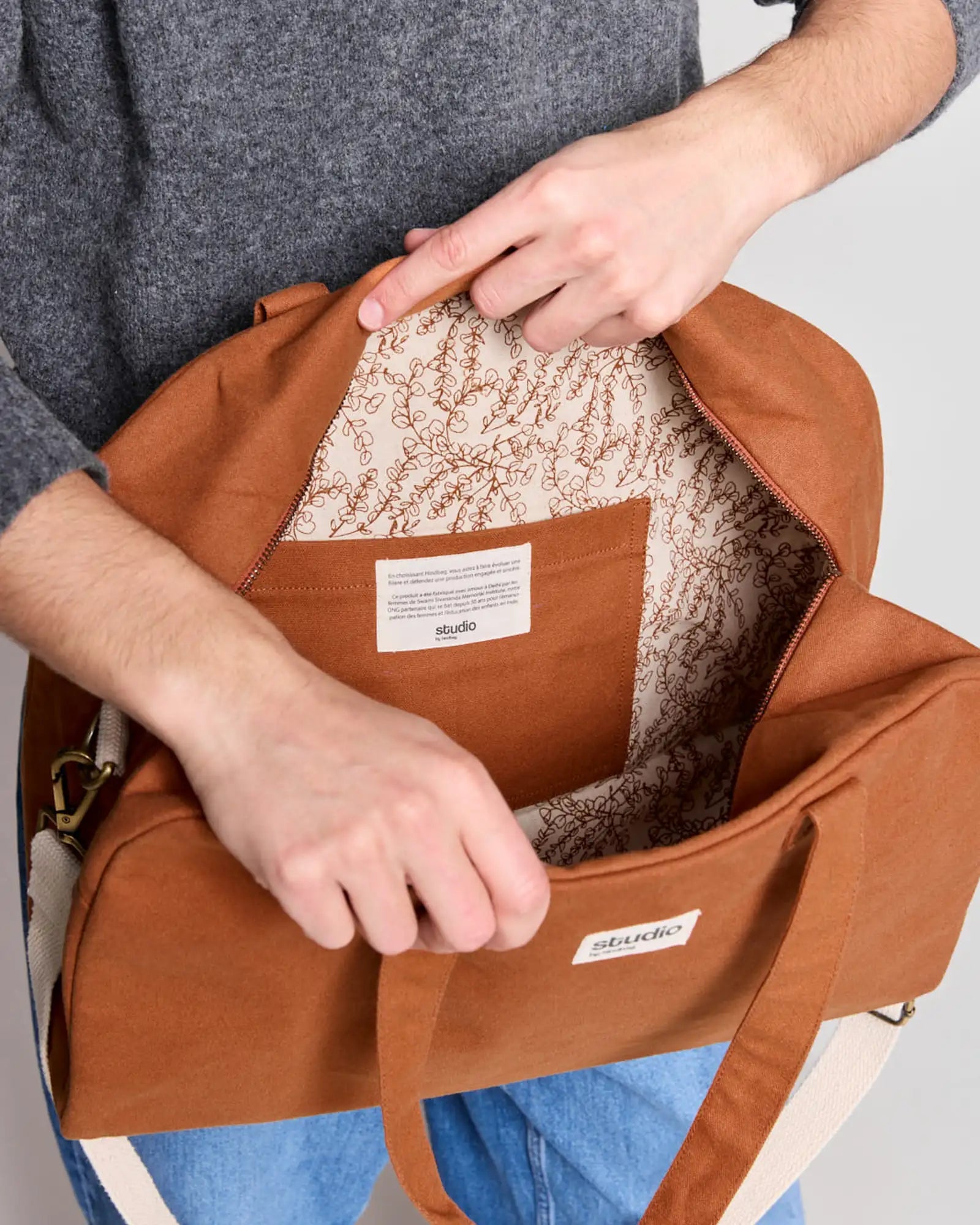


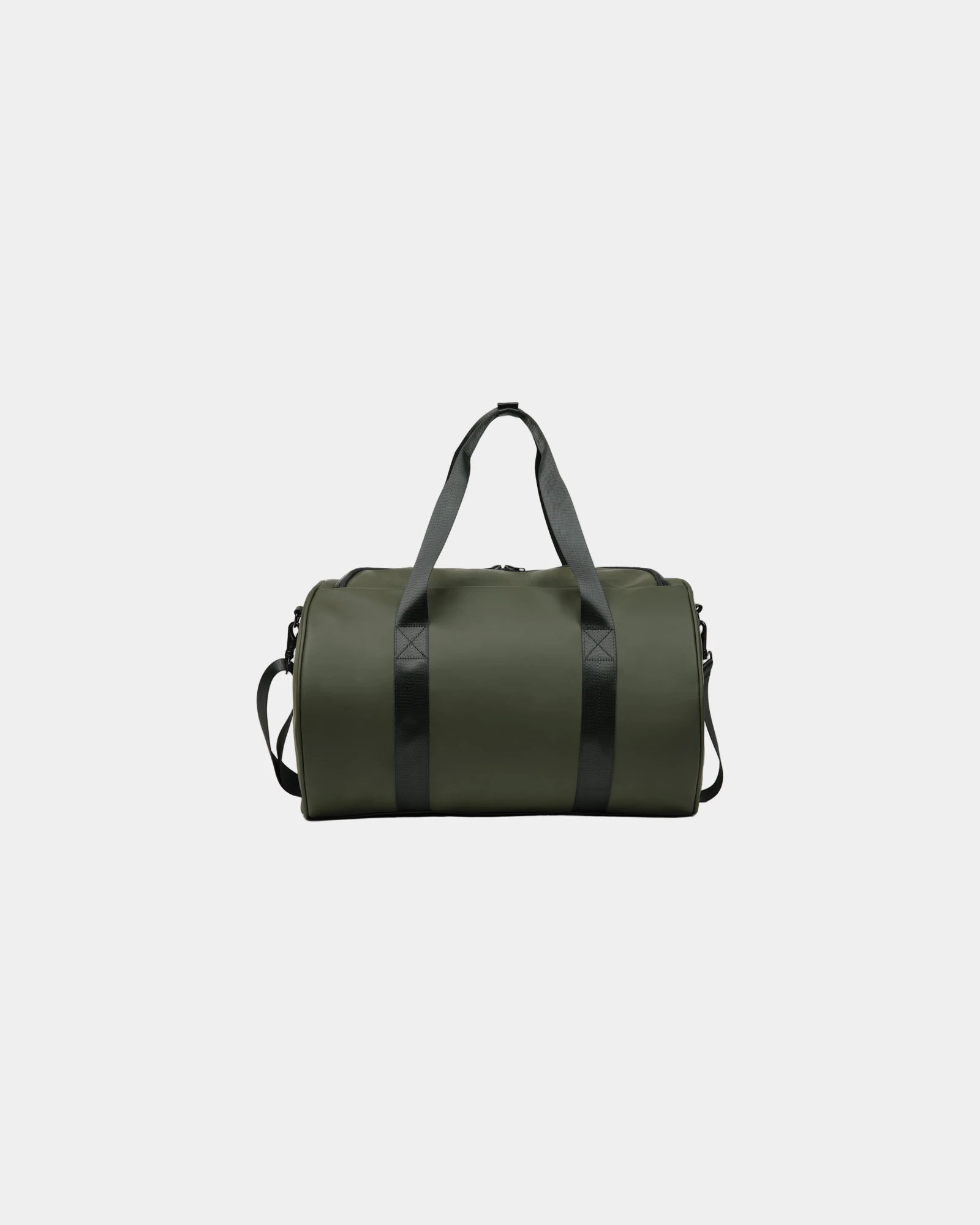


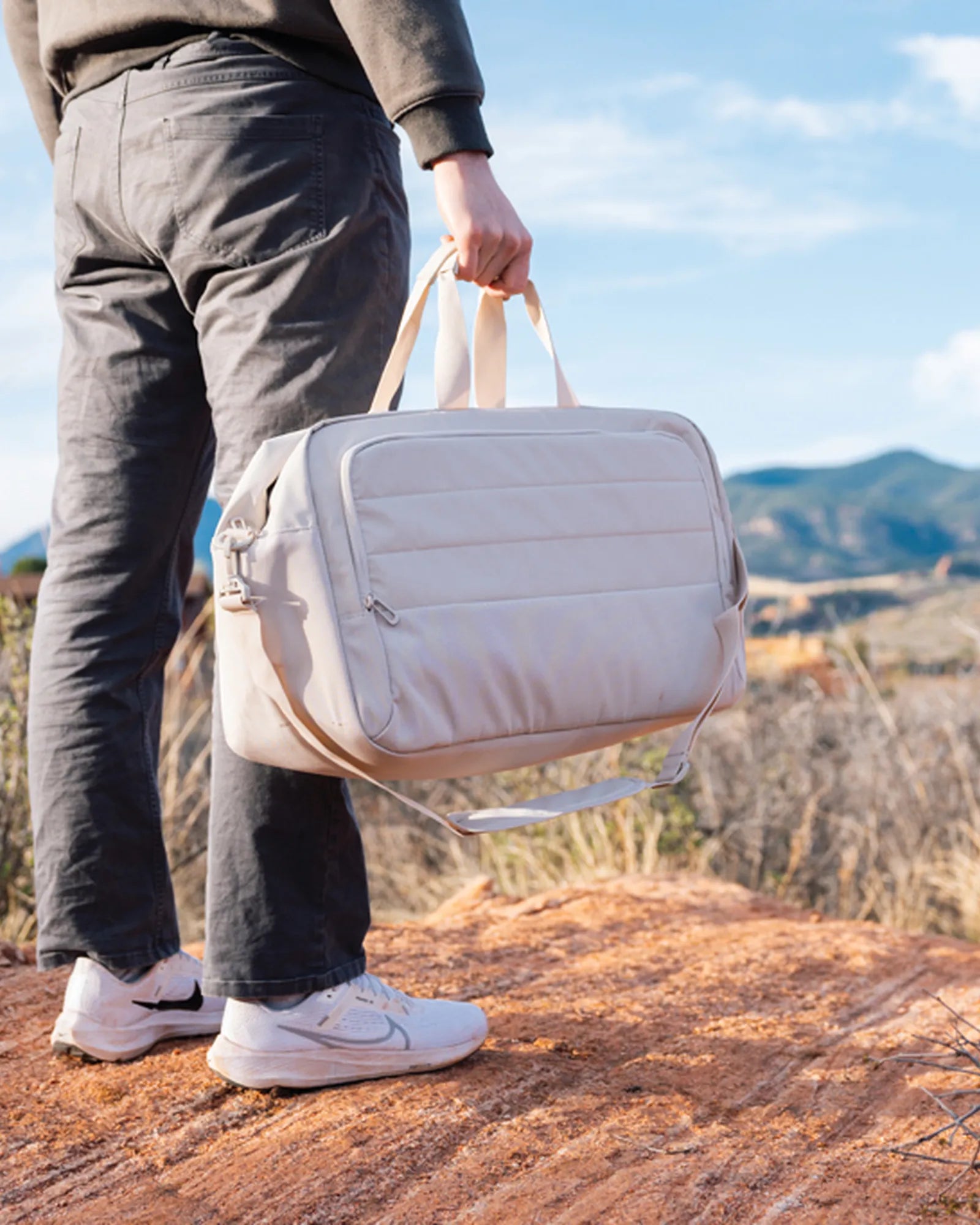


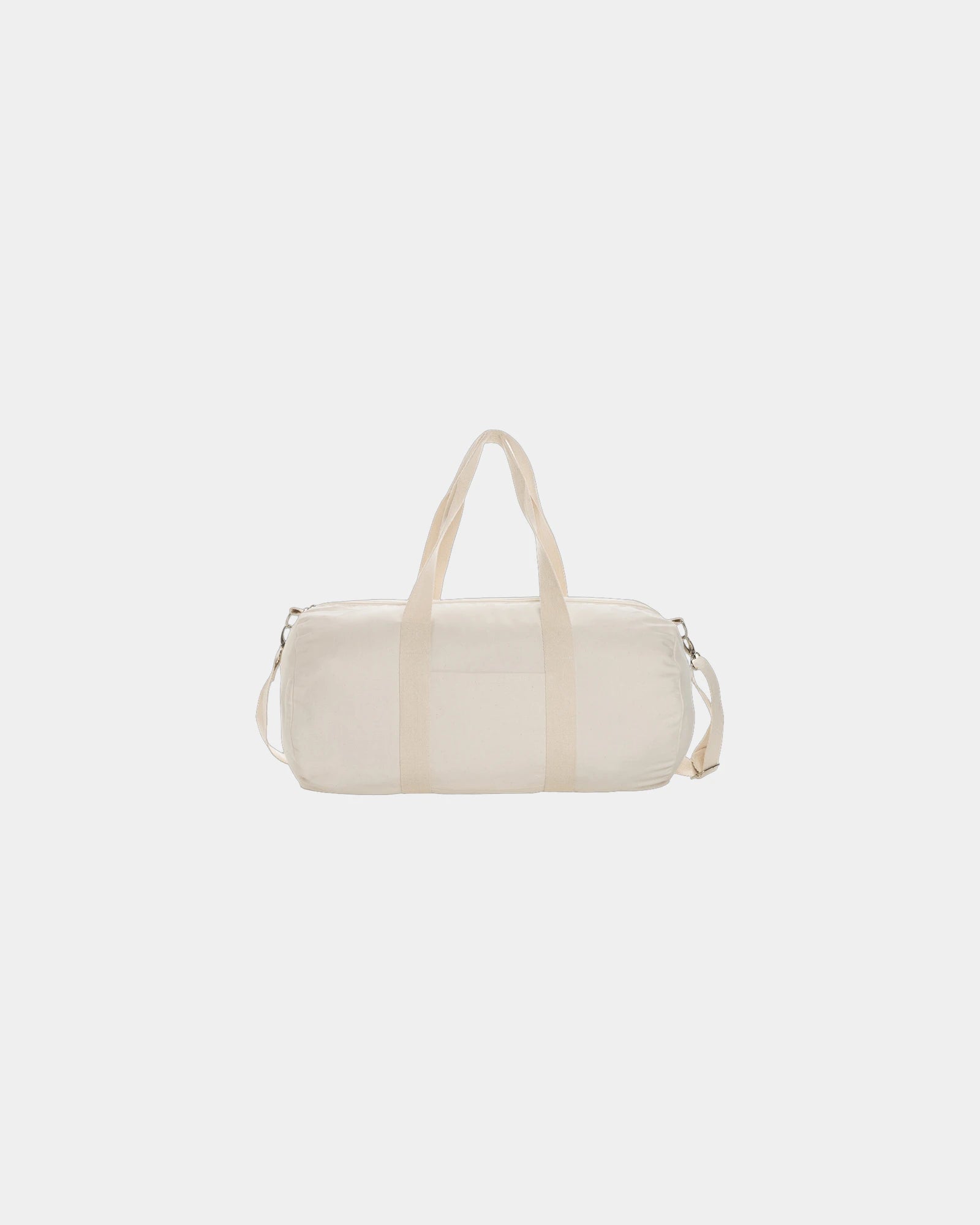


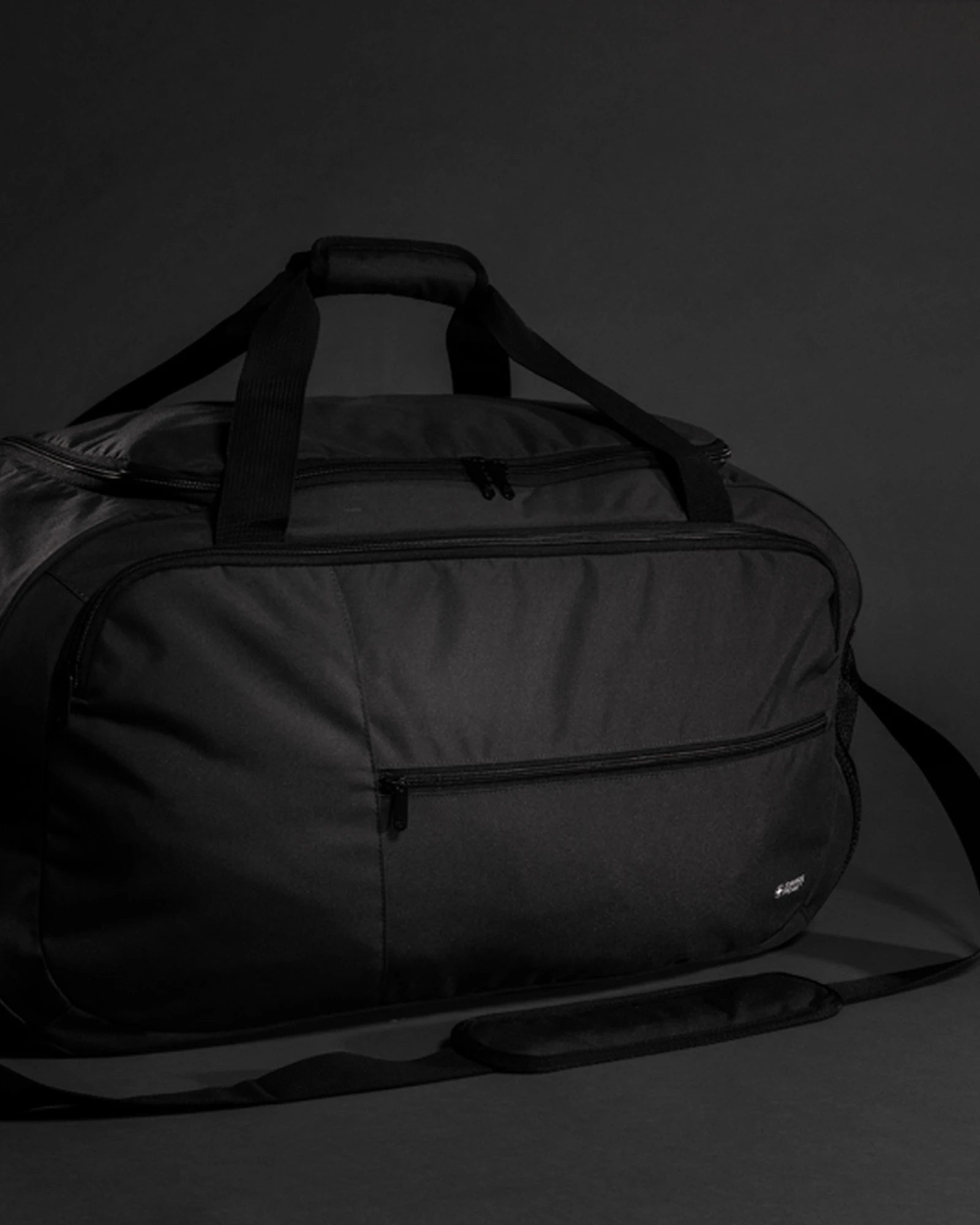


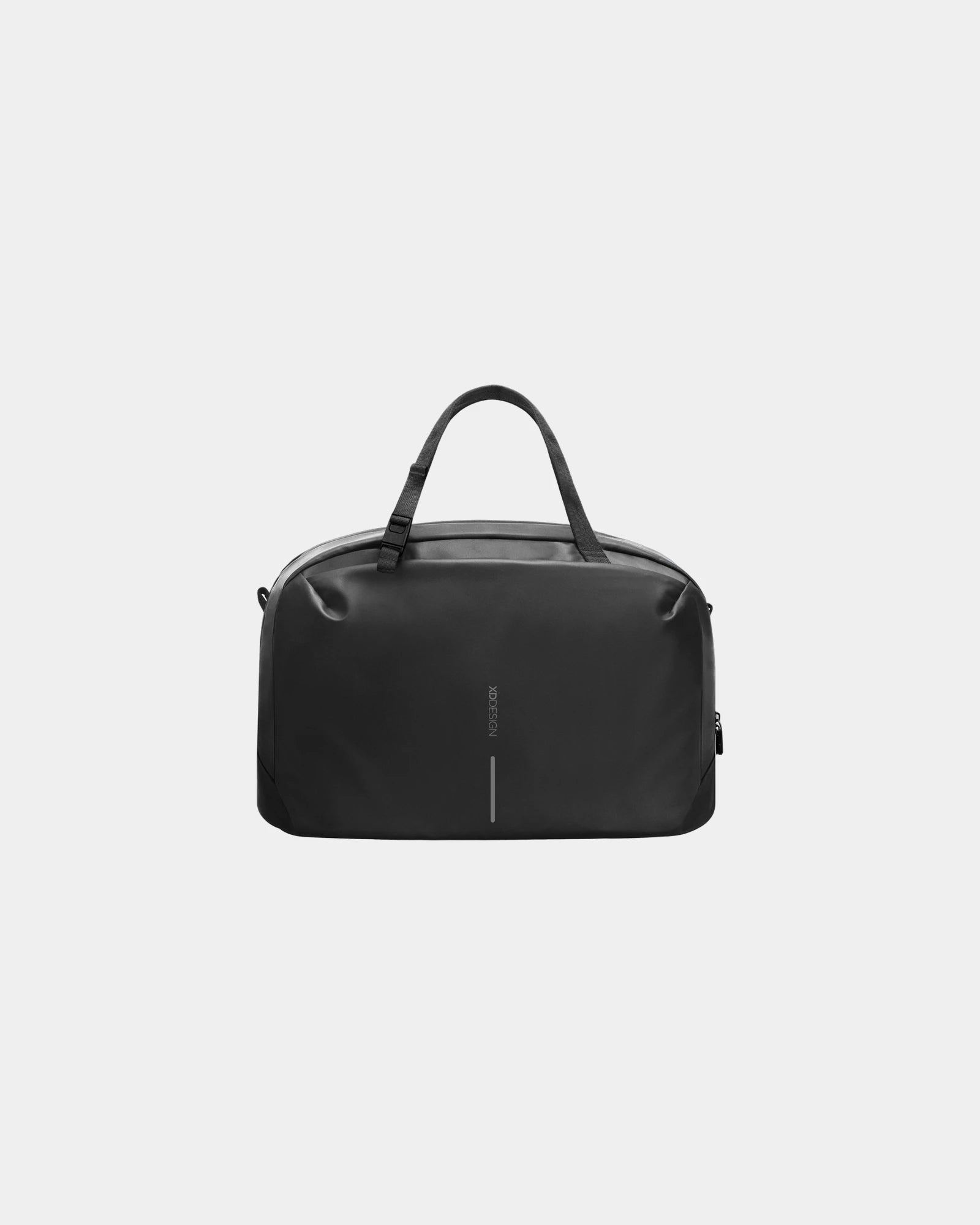


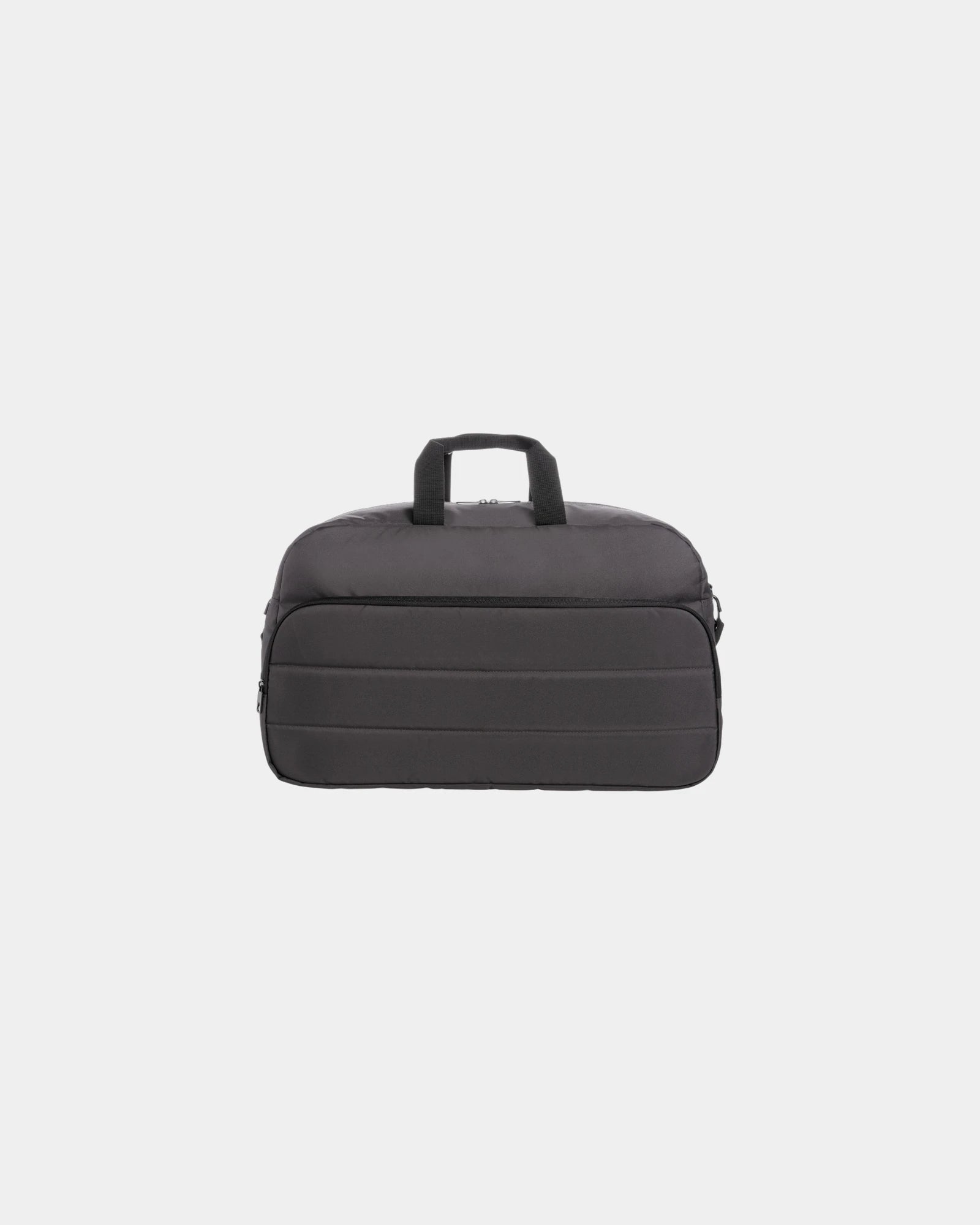


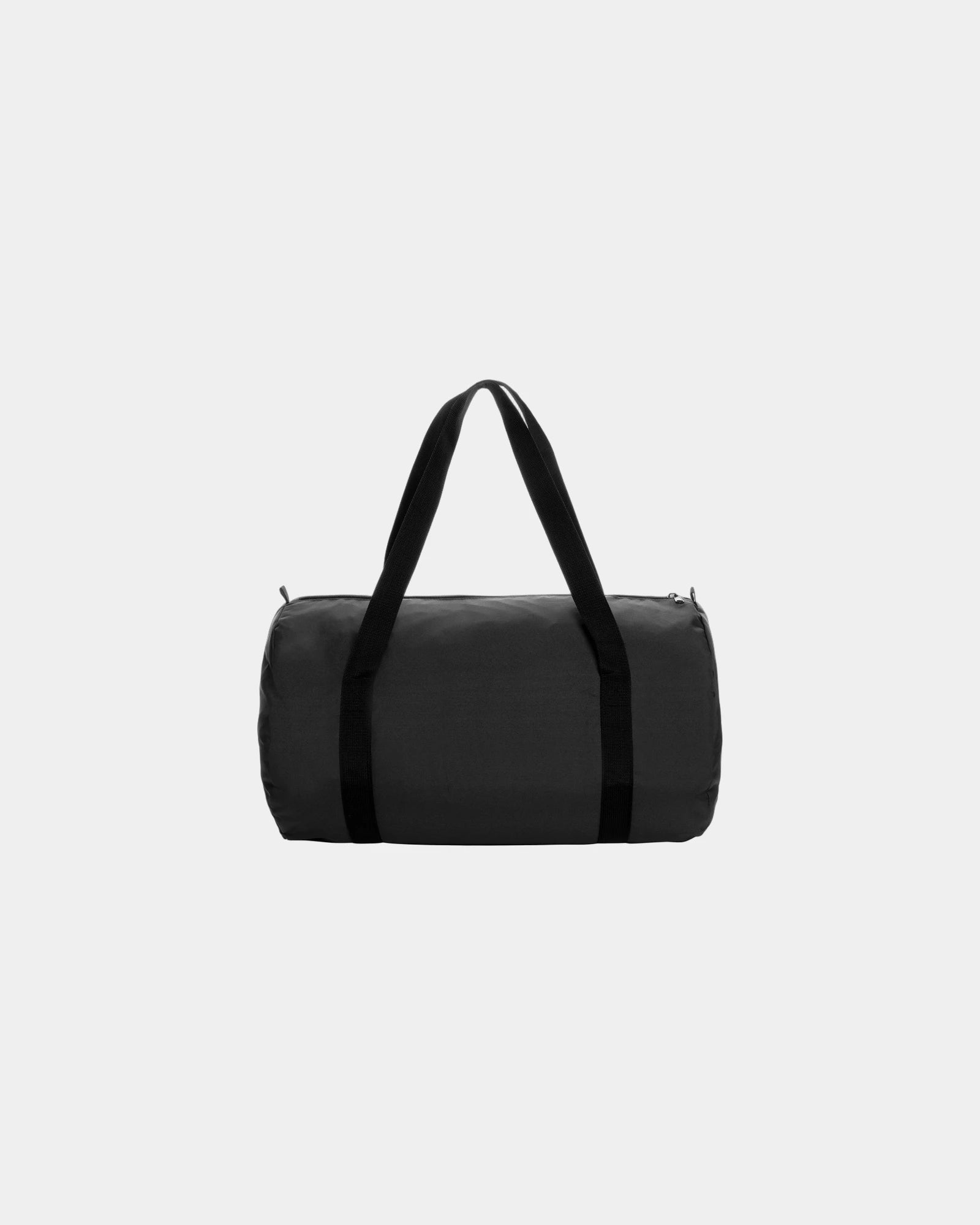


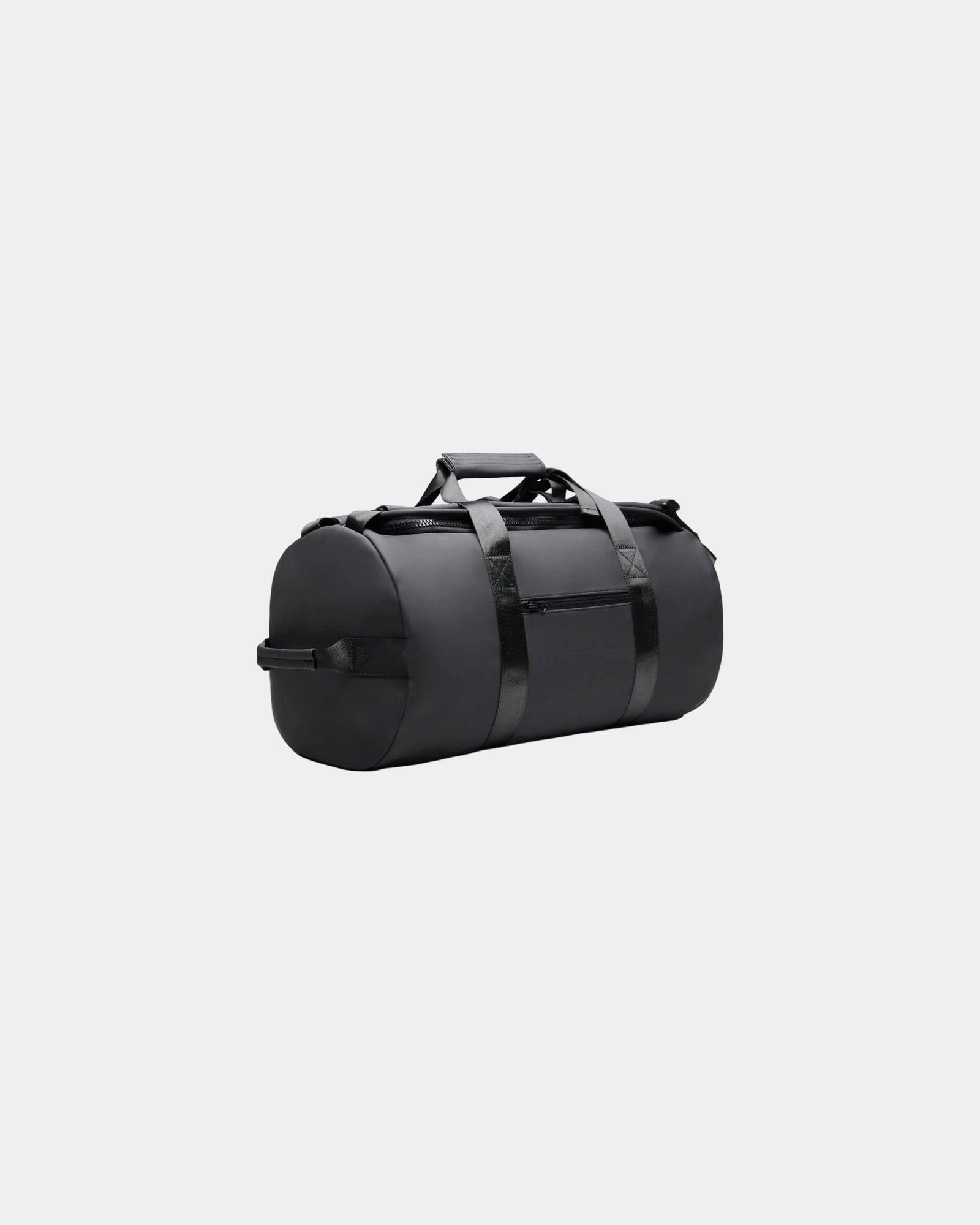


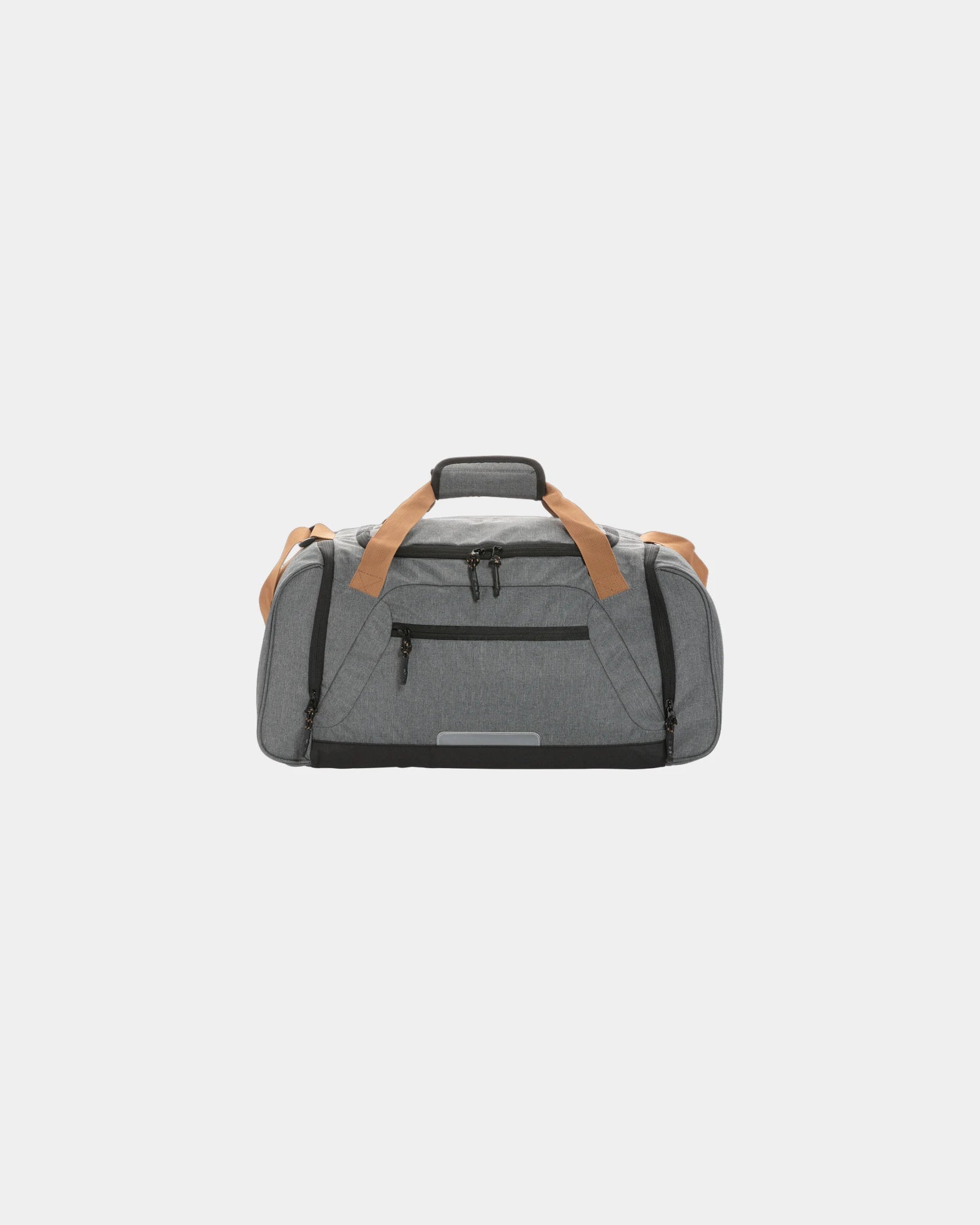


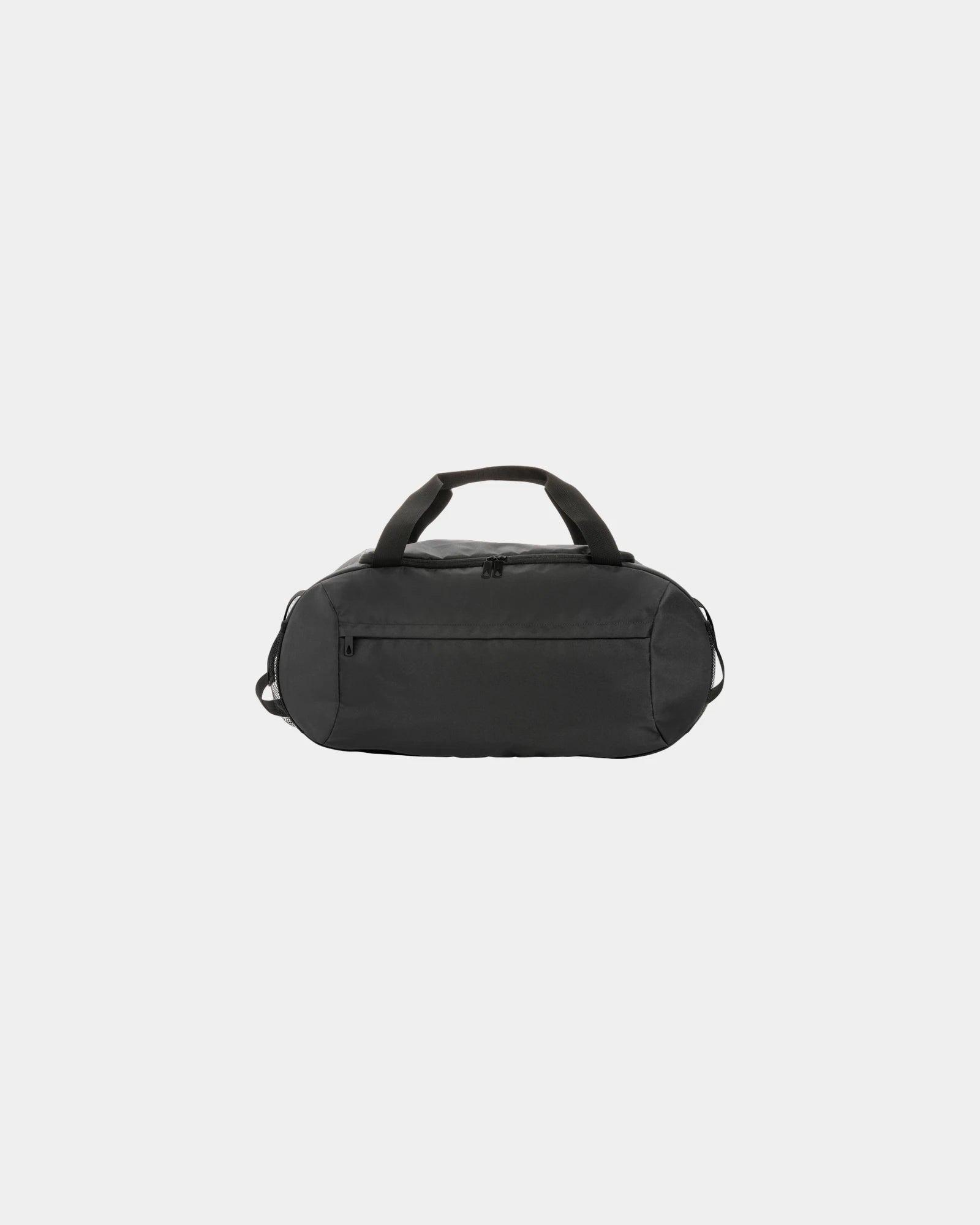


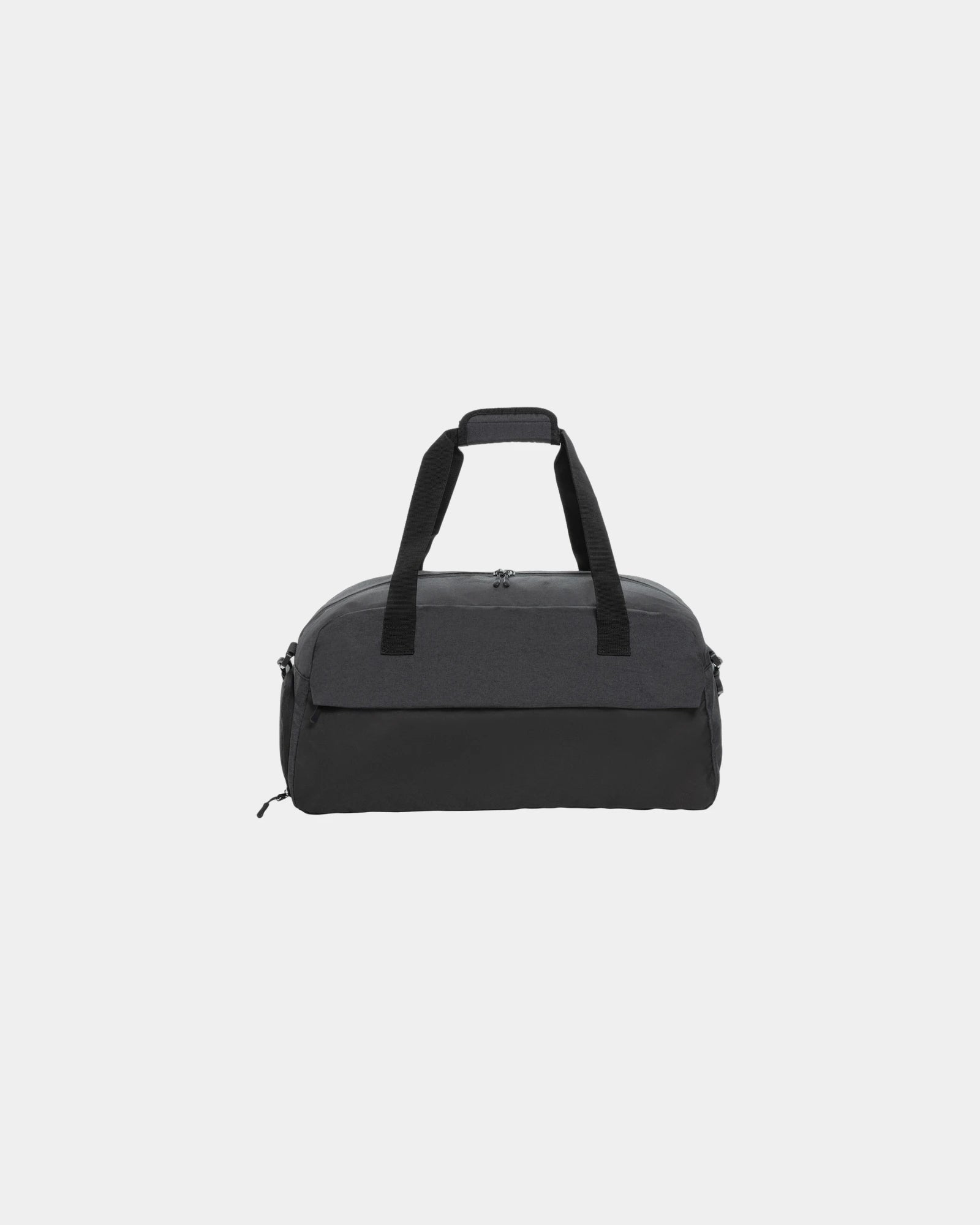


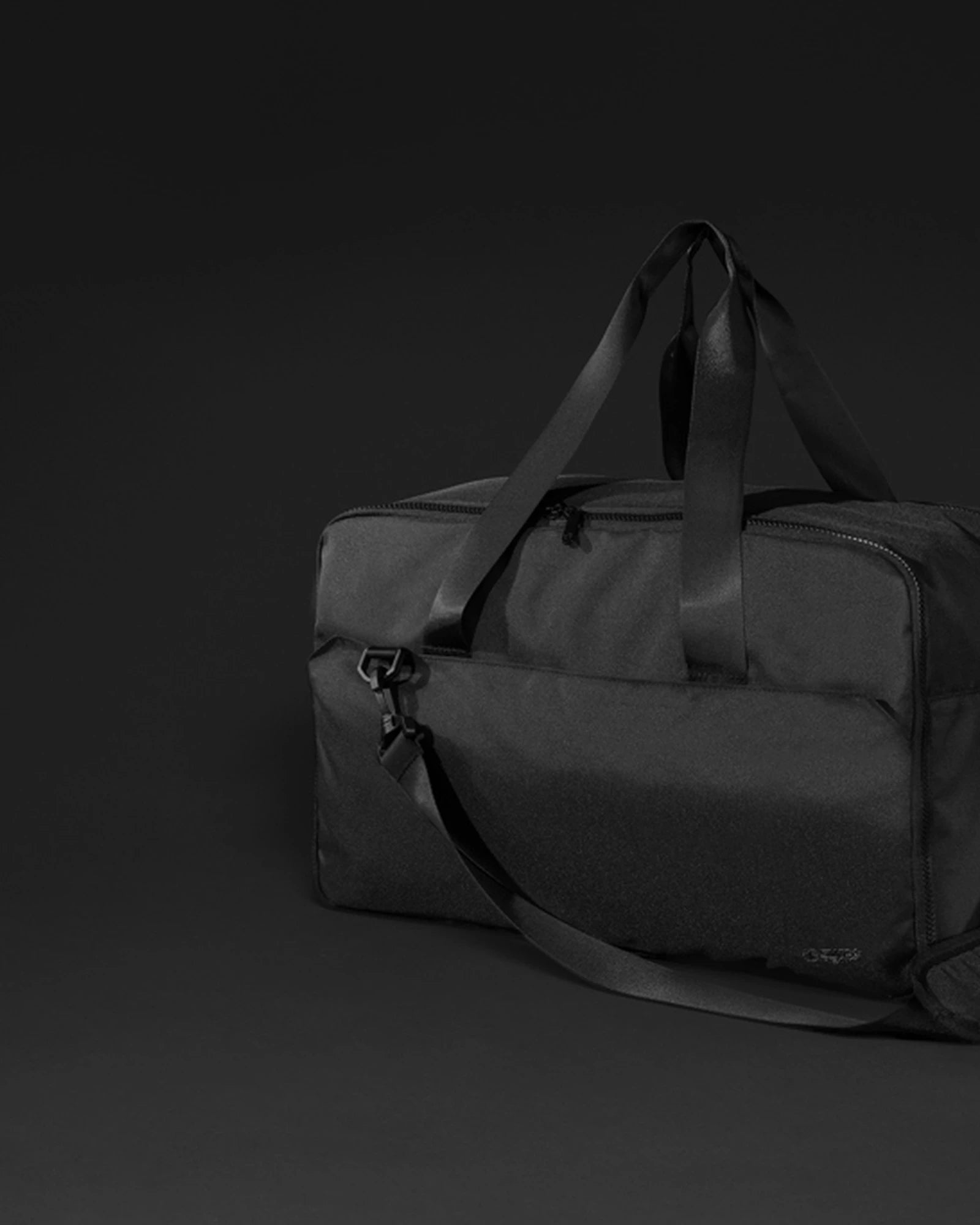


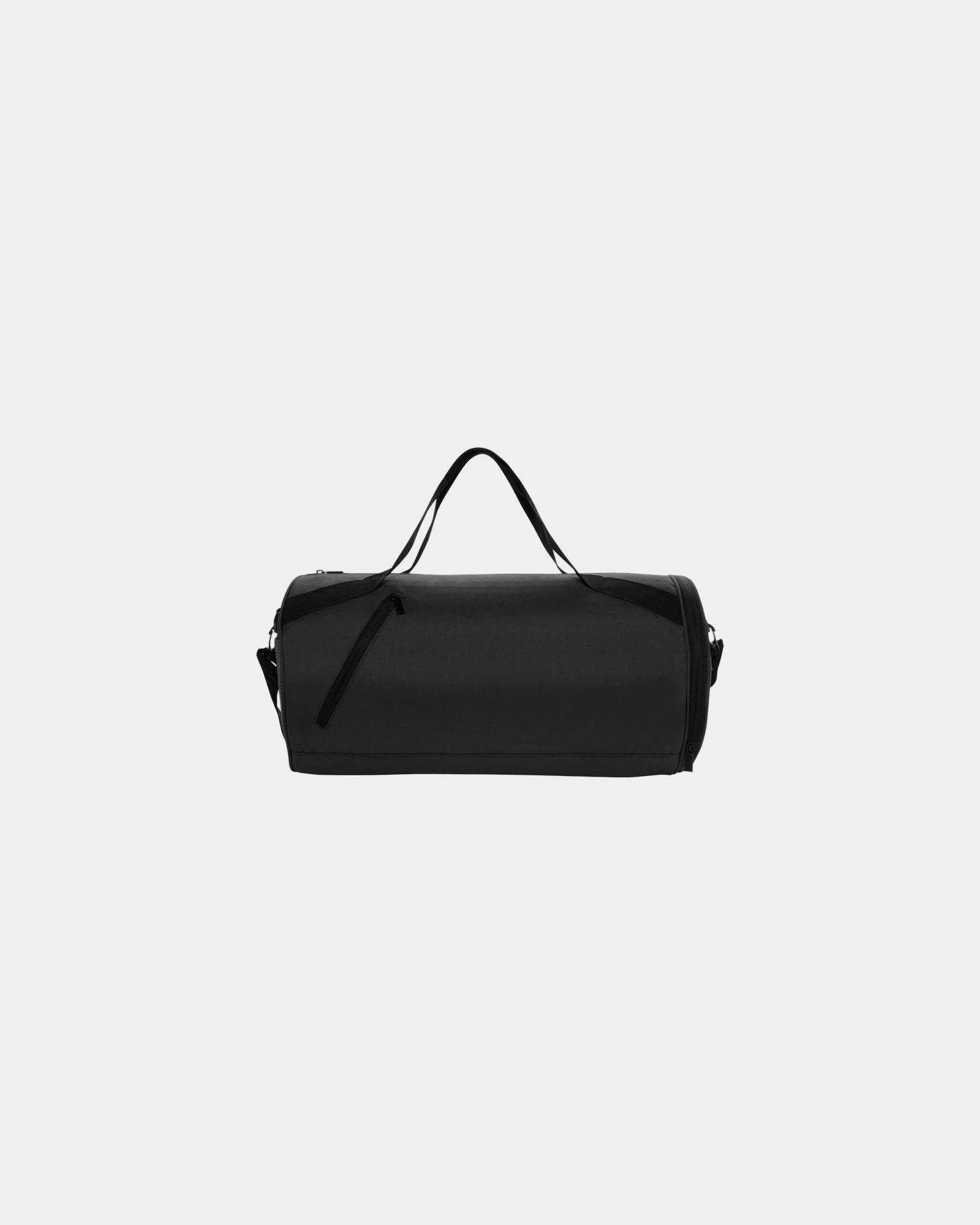


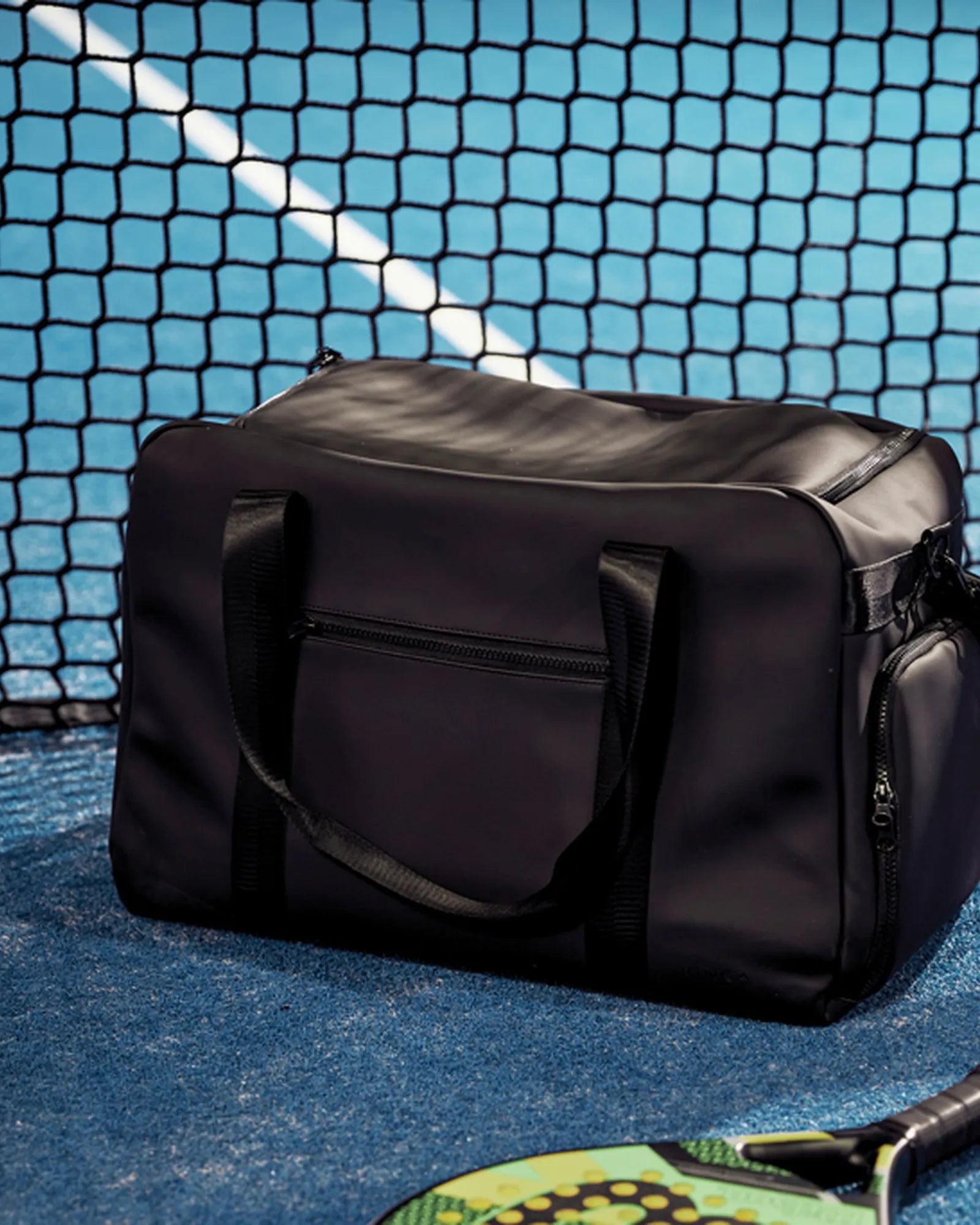


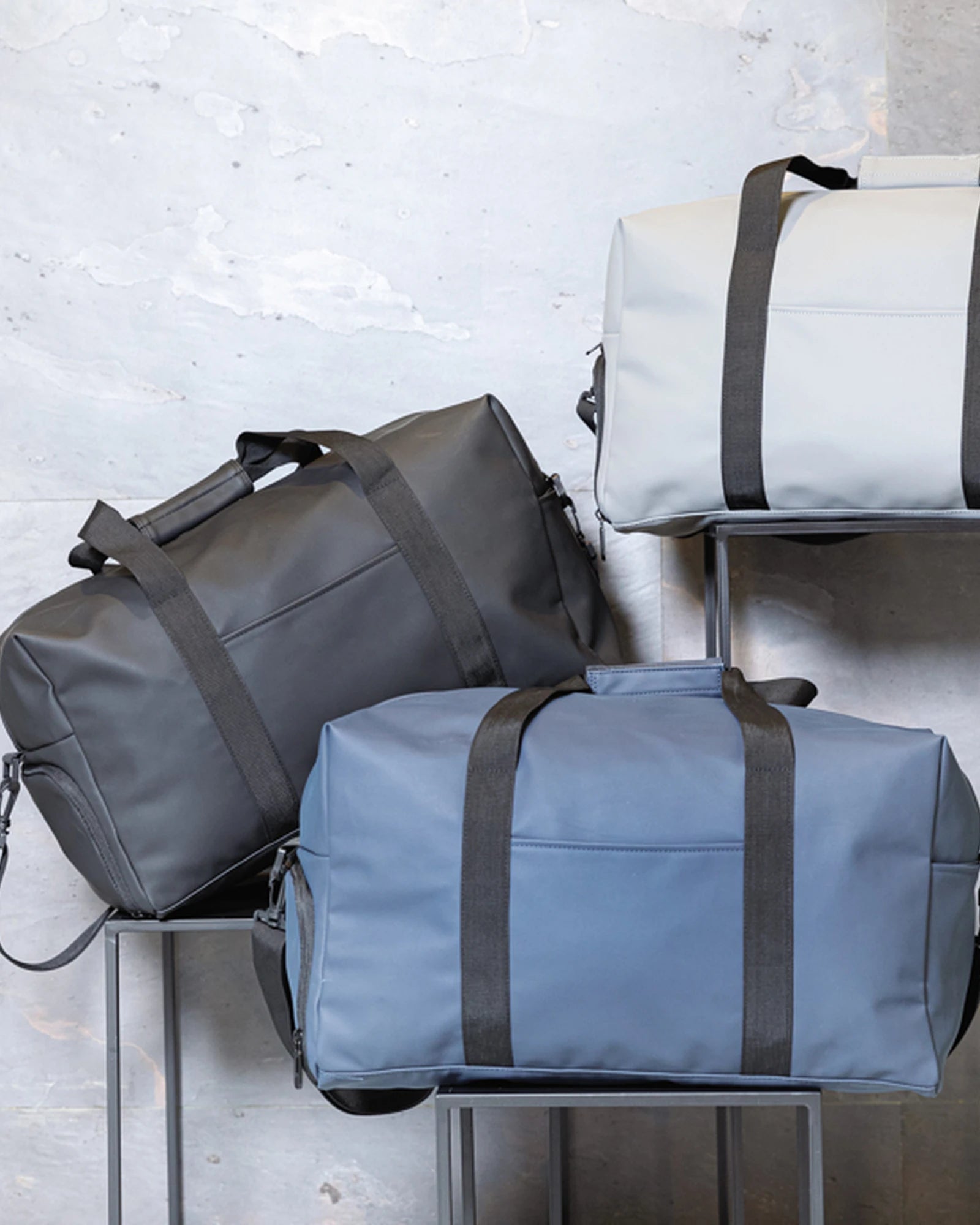


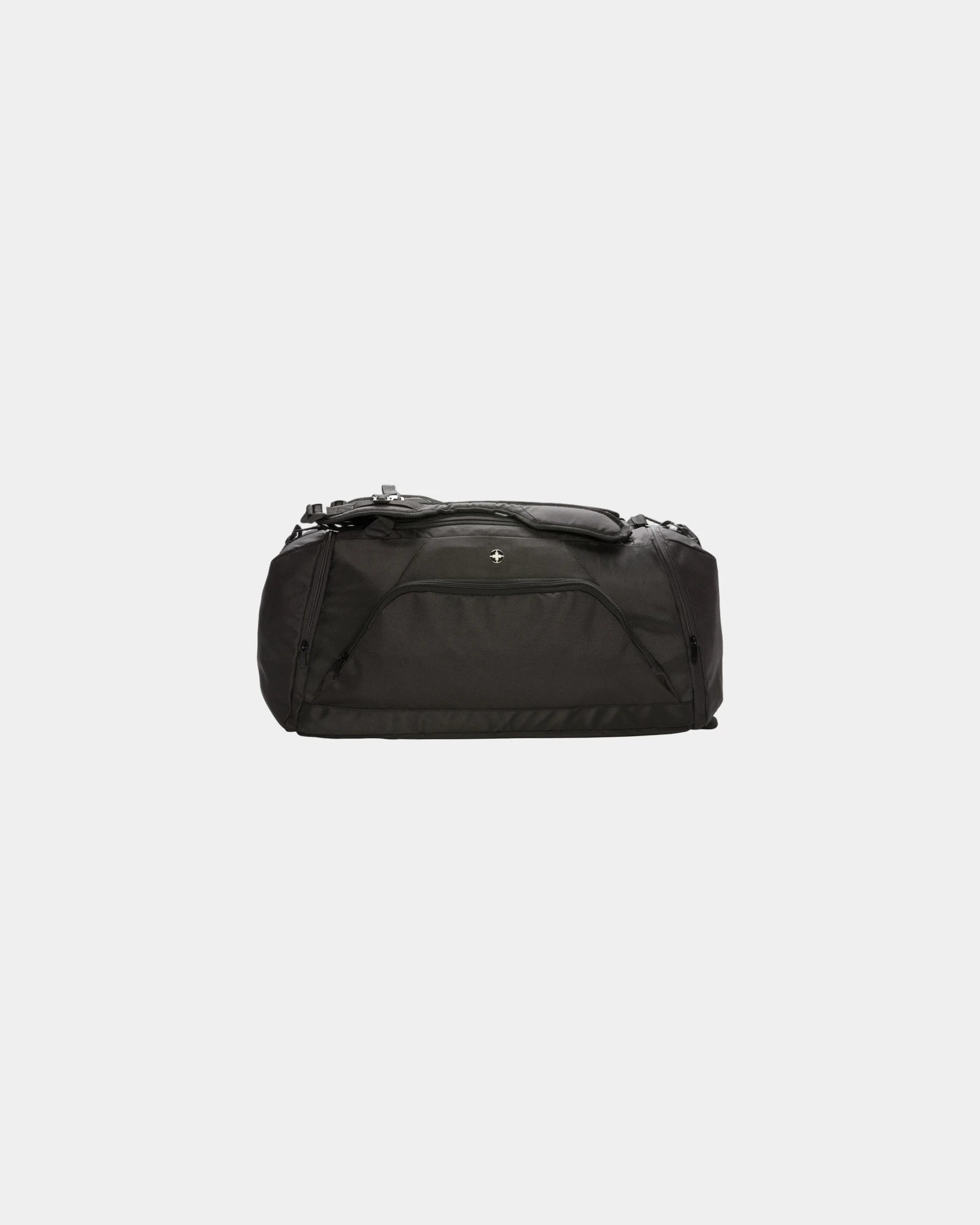


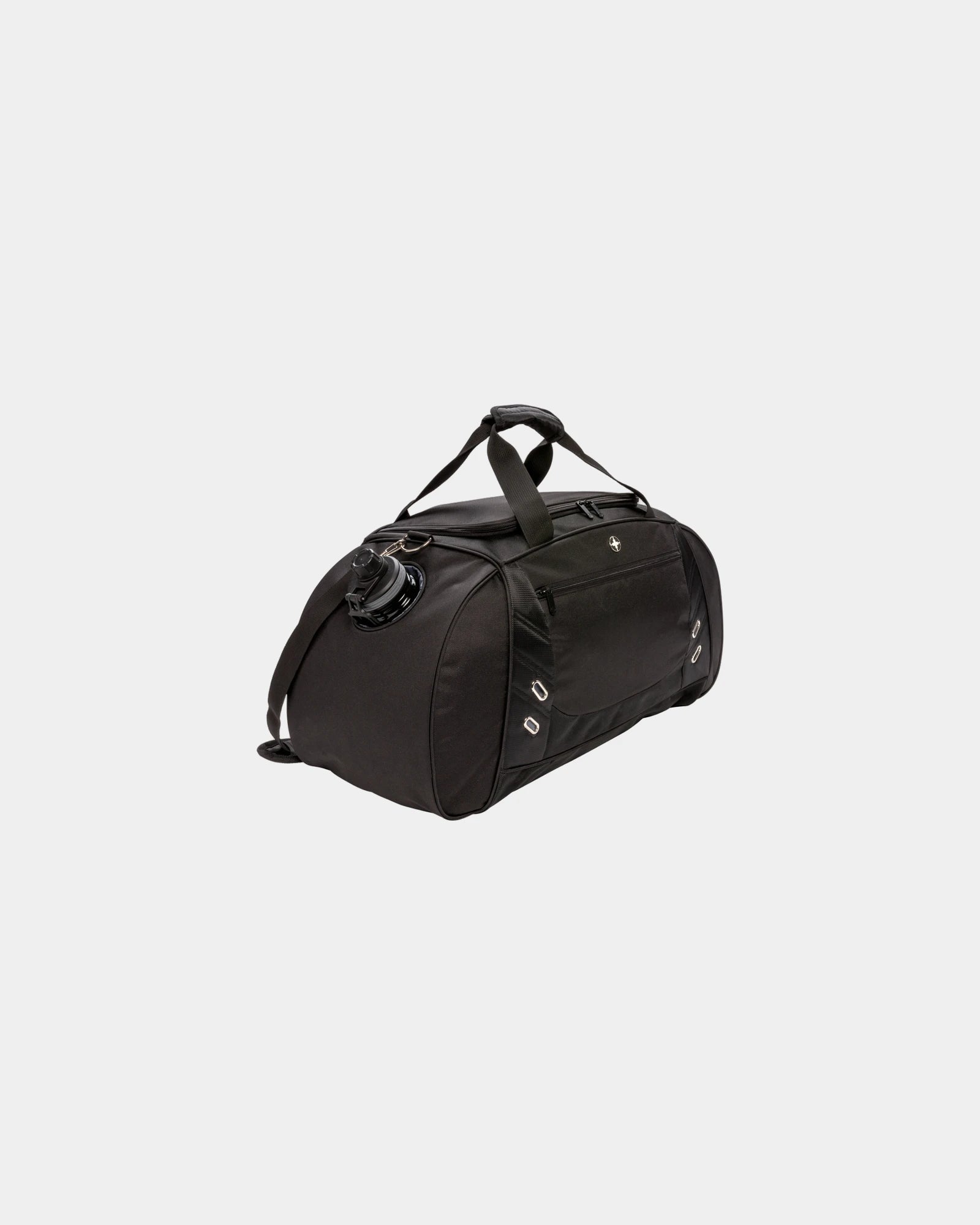


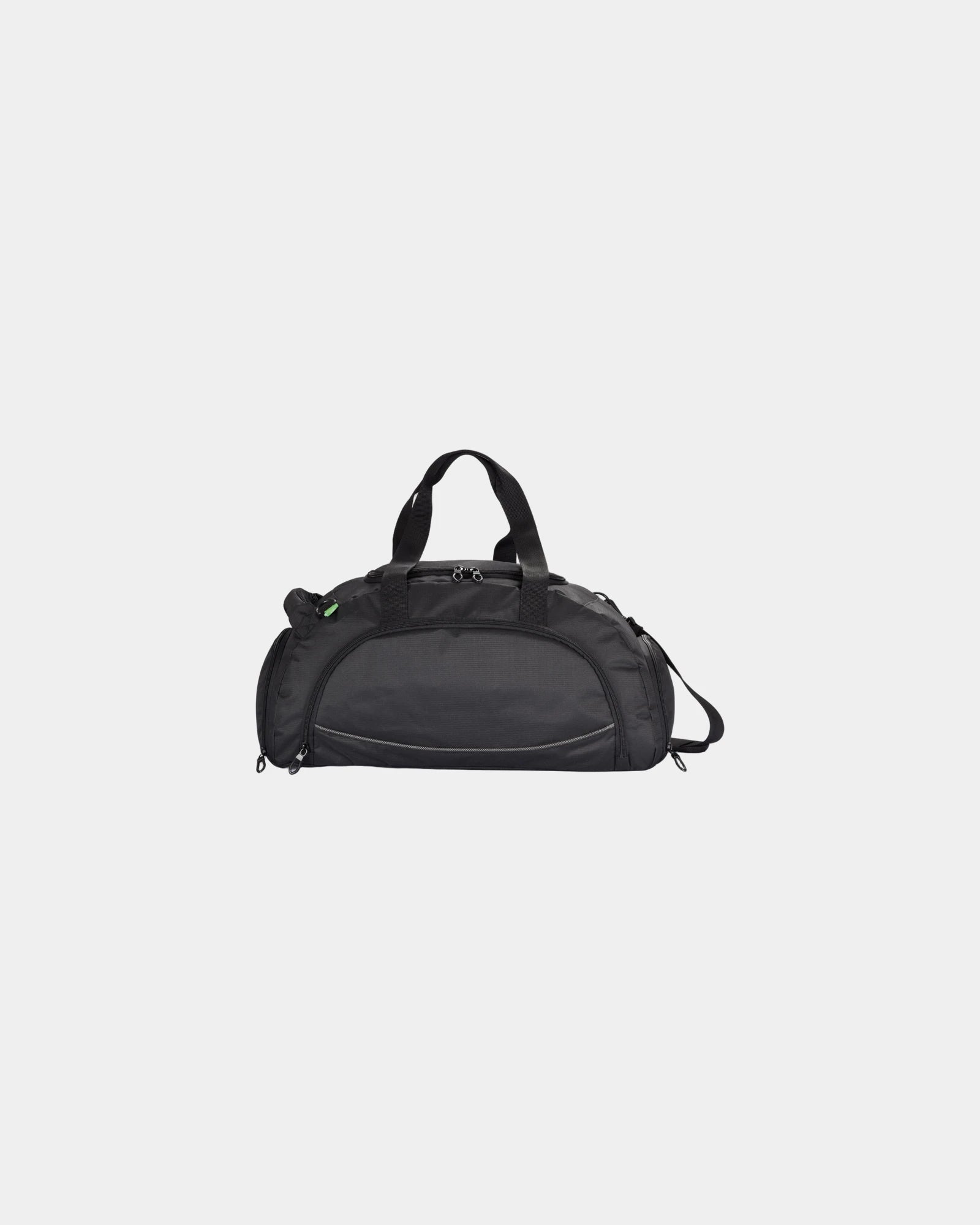


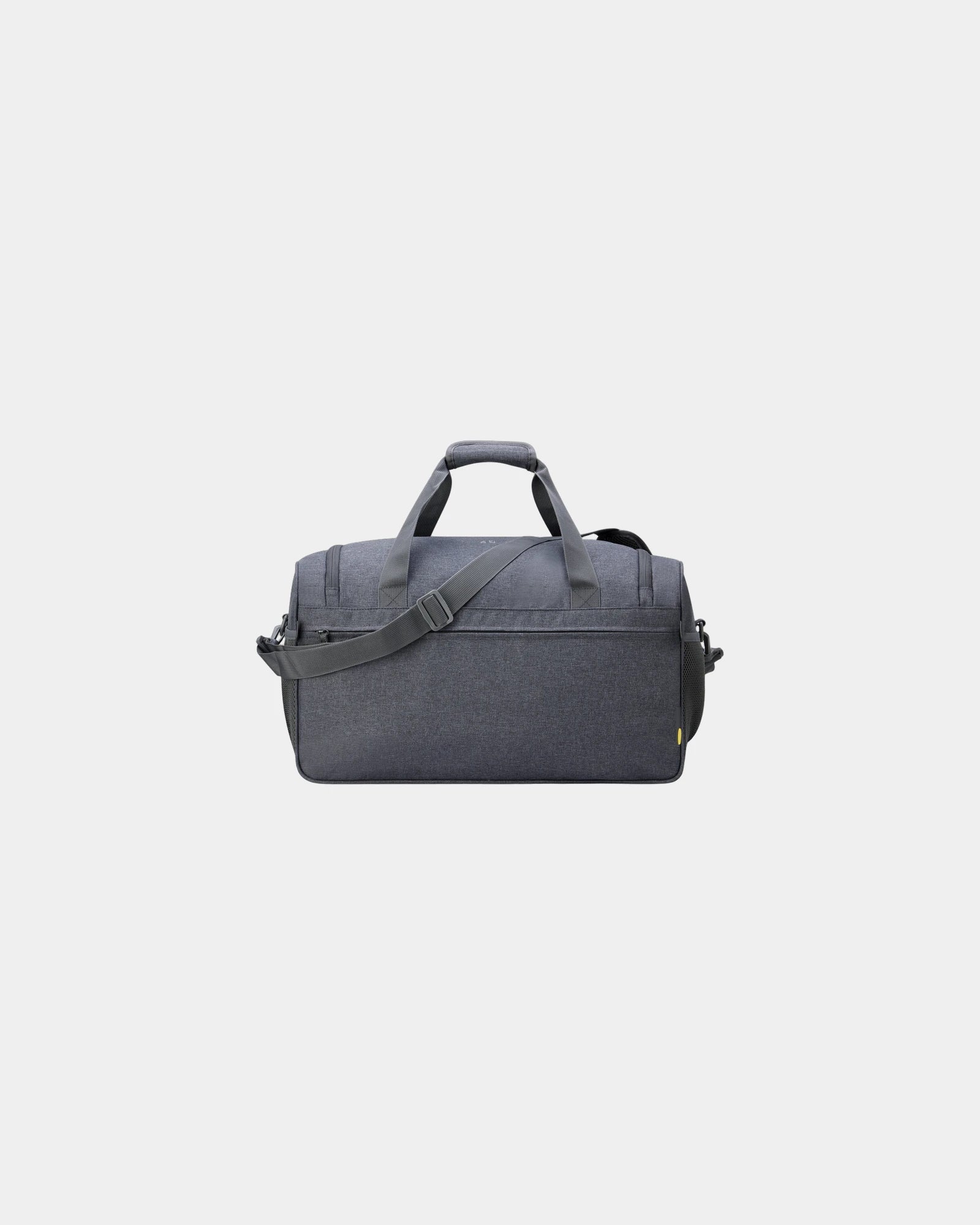


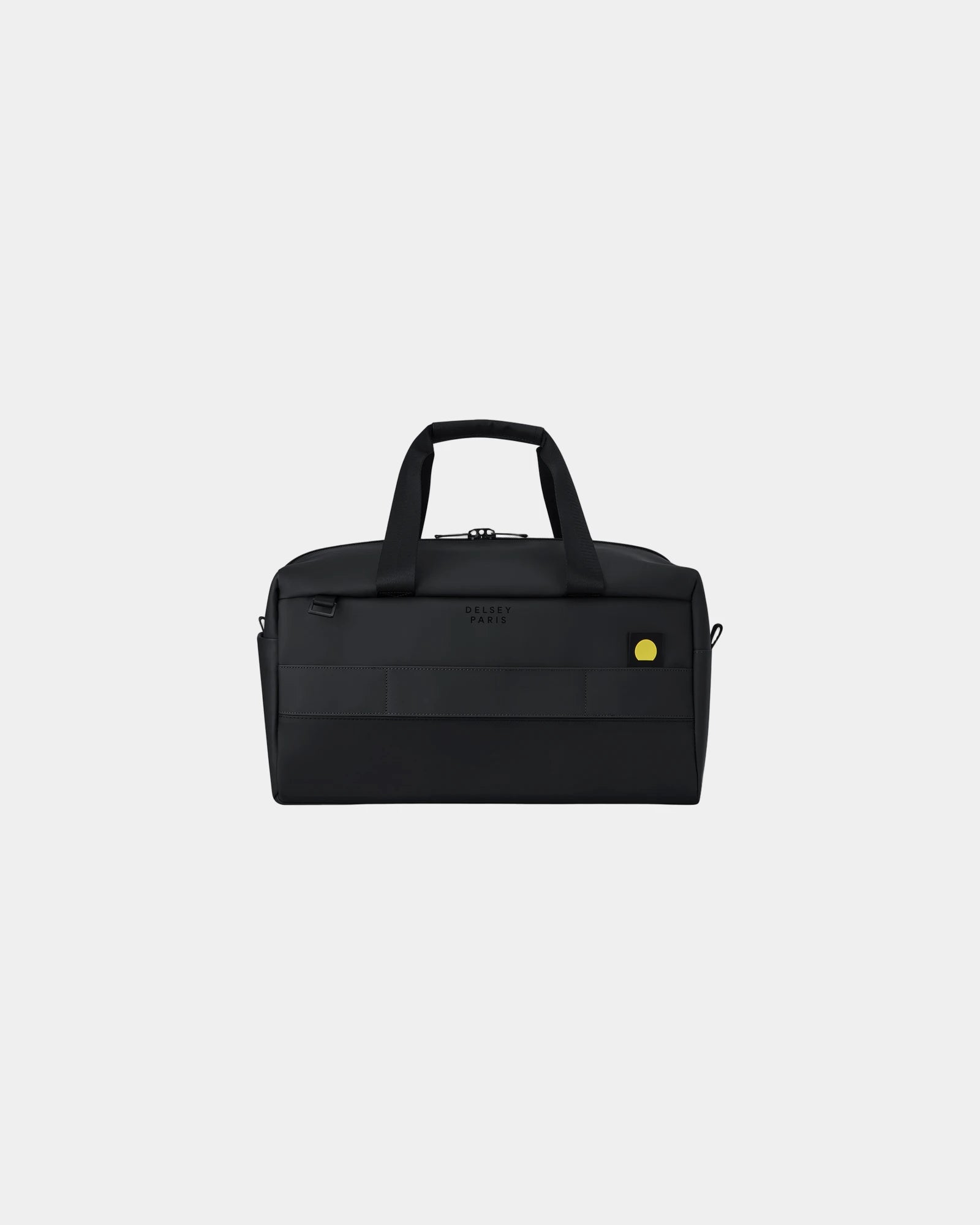


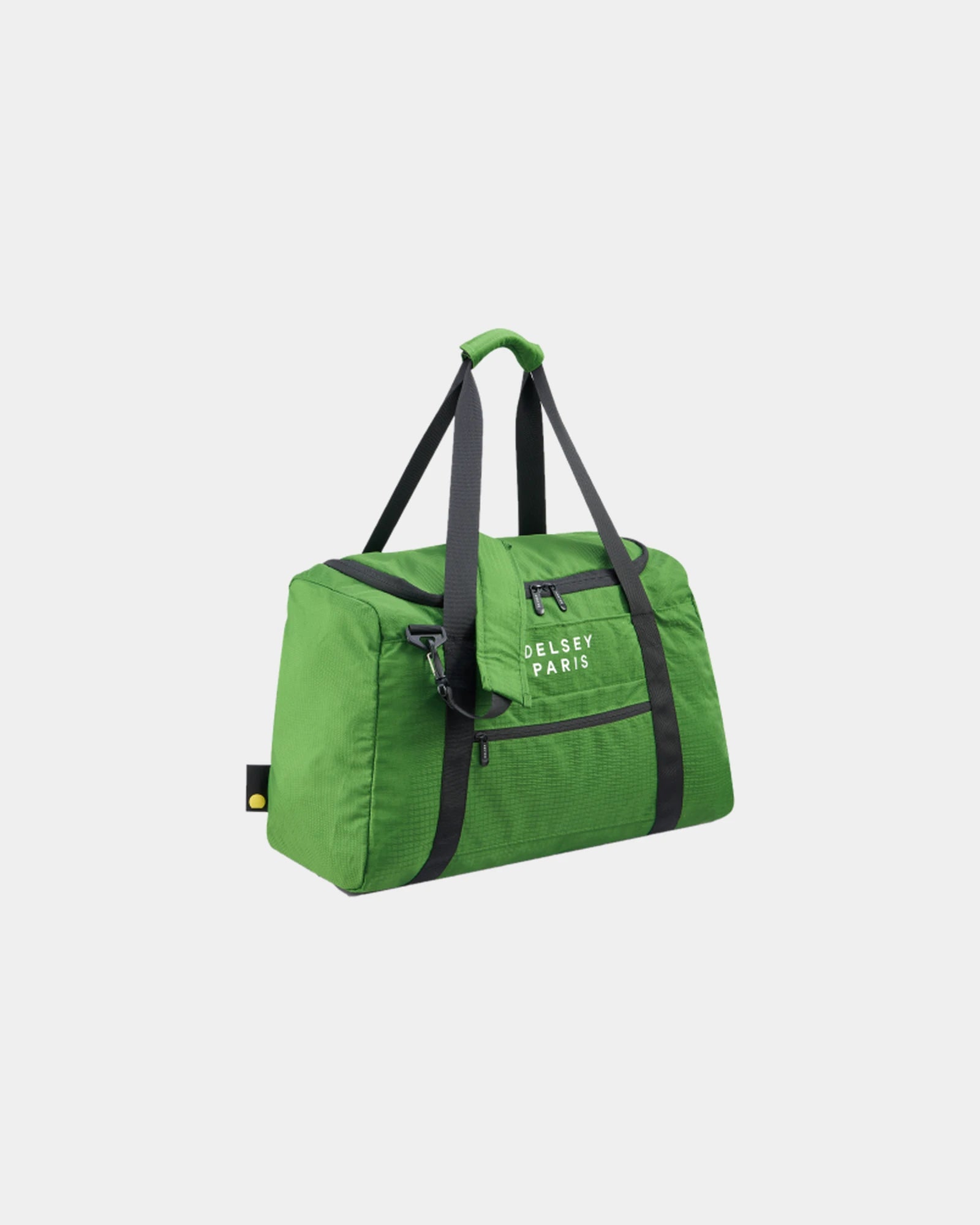














Treat your clients and employees!

FAQ - Personalised gym bag
Trusted by 1,000+ companies
What separates real personalised gym bags from a drawstring handout
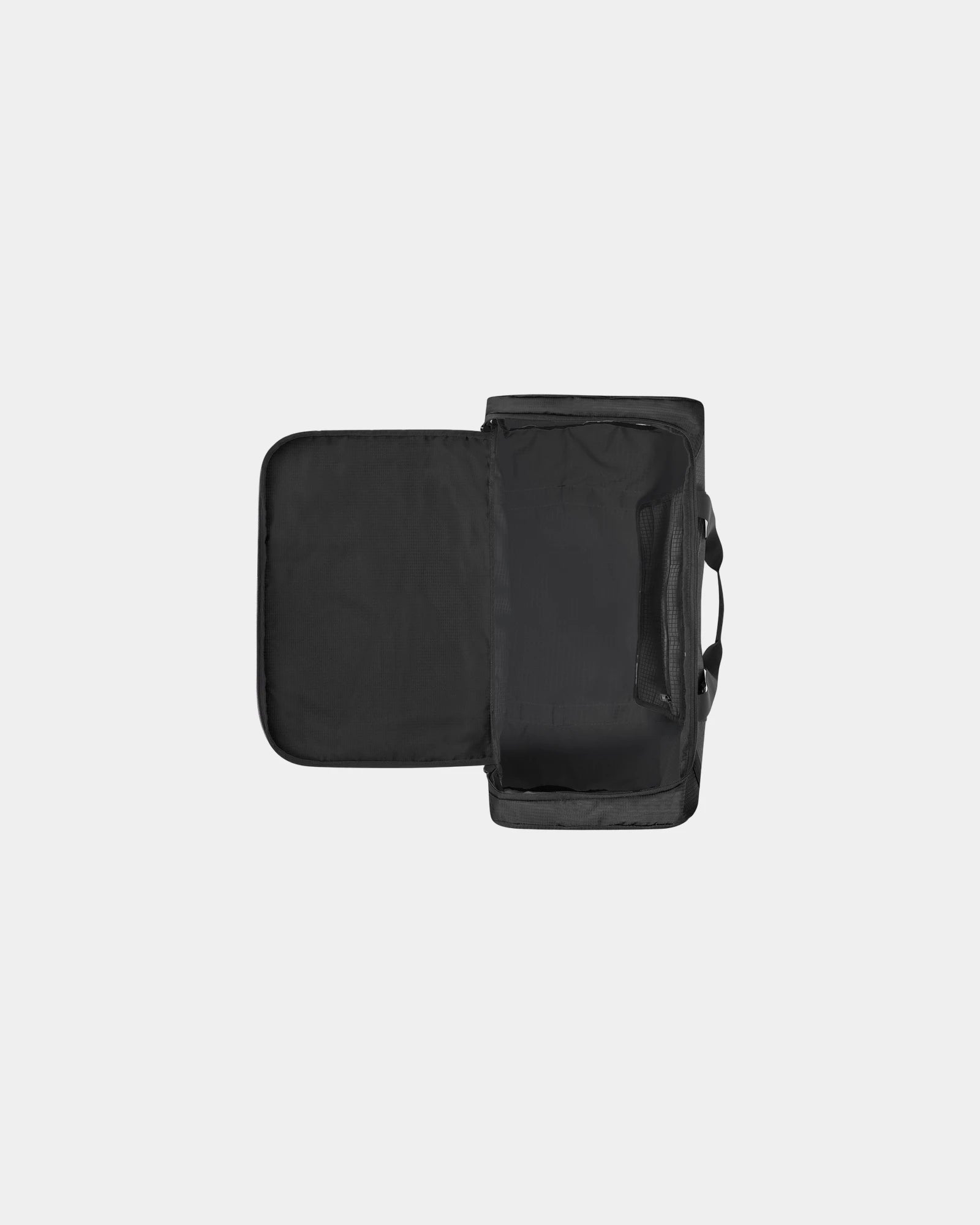
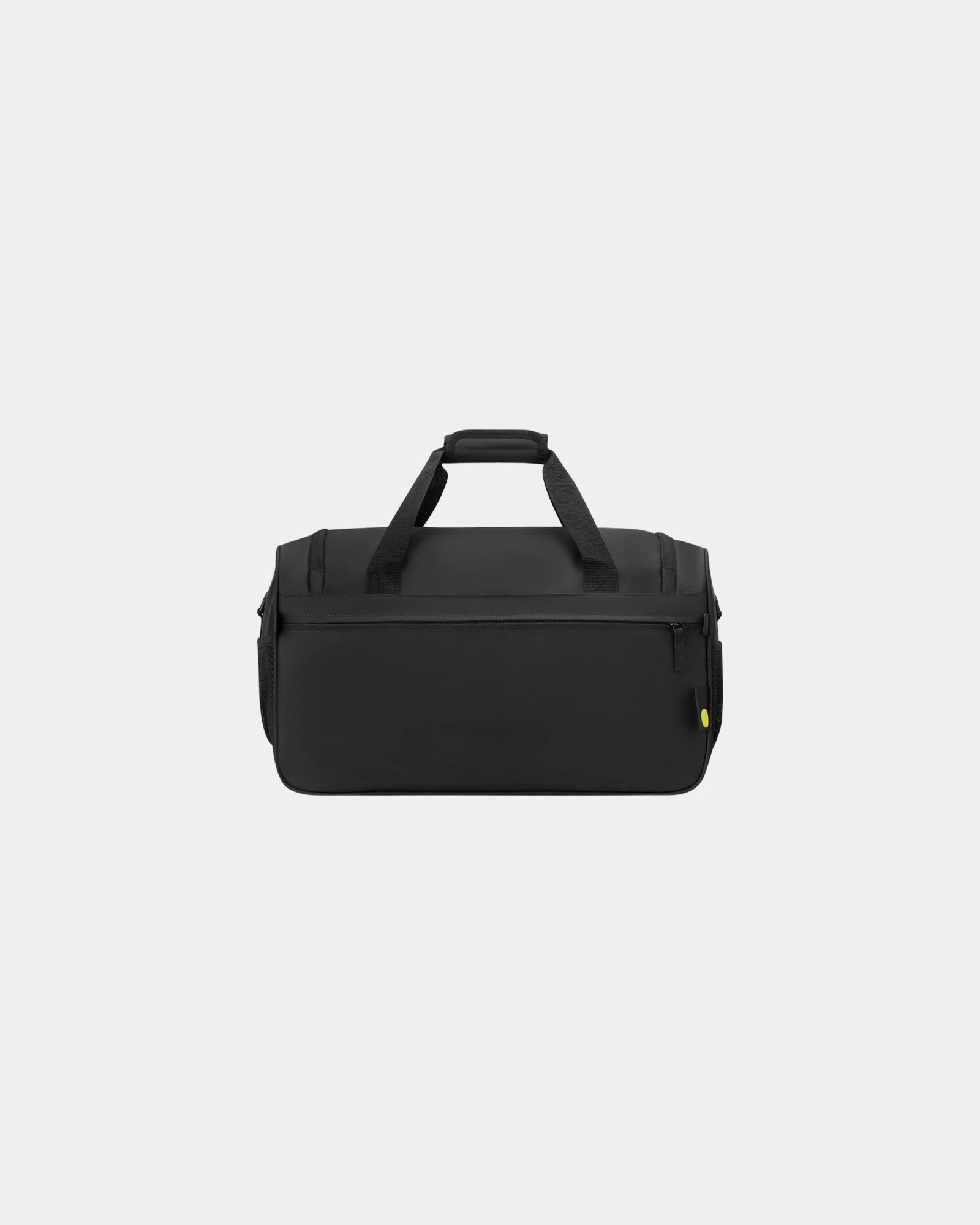
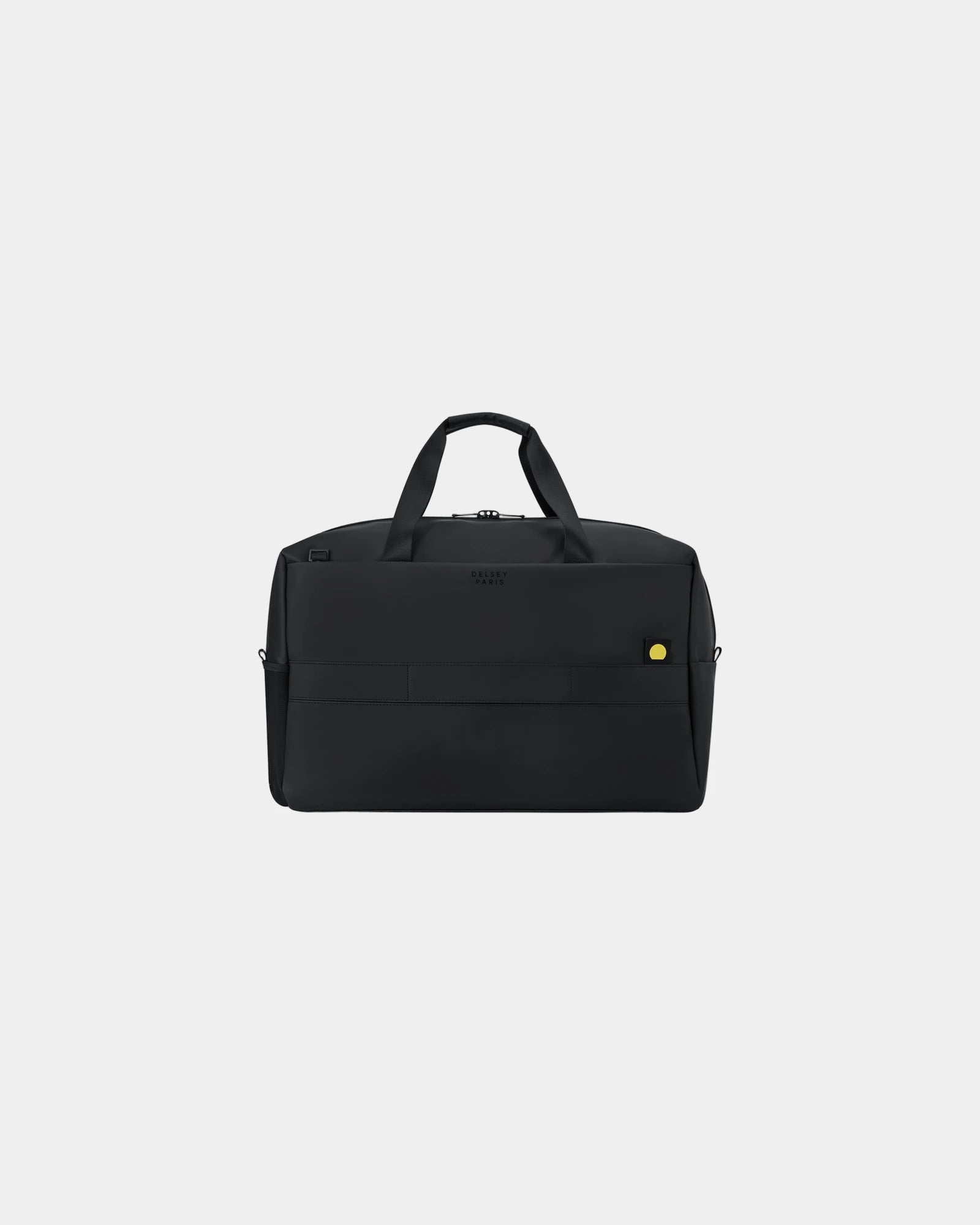
A drawstring sack folds a single top and cinches shut. Personalised gym bags do a different job: a rigid barrel or gym holdall that swallows a full session kit, with a zipped main mouth, grab handles and a removable shoulder strap. The build is structured, not a flat pouch, so it stands up half-packed in a locker-room corner.
That structure is why a gym or studio buys a holdall over a sack. Trainers, a towel, a change of clothes and a bottle all ride in one body, sorted into compartments rather than jumbled. For the lighter cinch option a member might add alongside, Custom drawstring bags cover the throwaway kit end while the holdall handles the real load.
The separate ventilated shoe compartment most branded gym bags are bought for
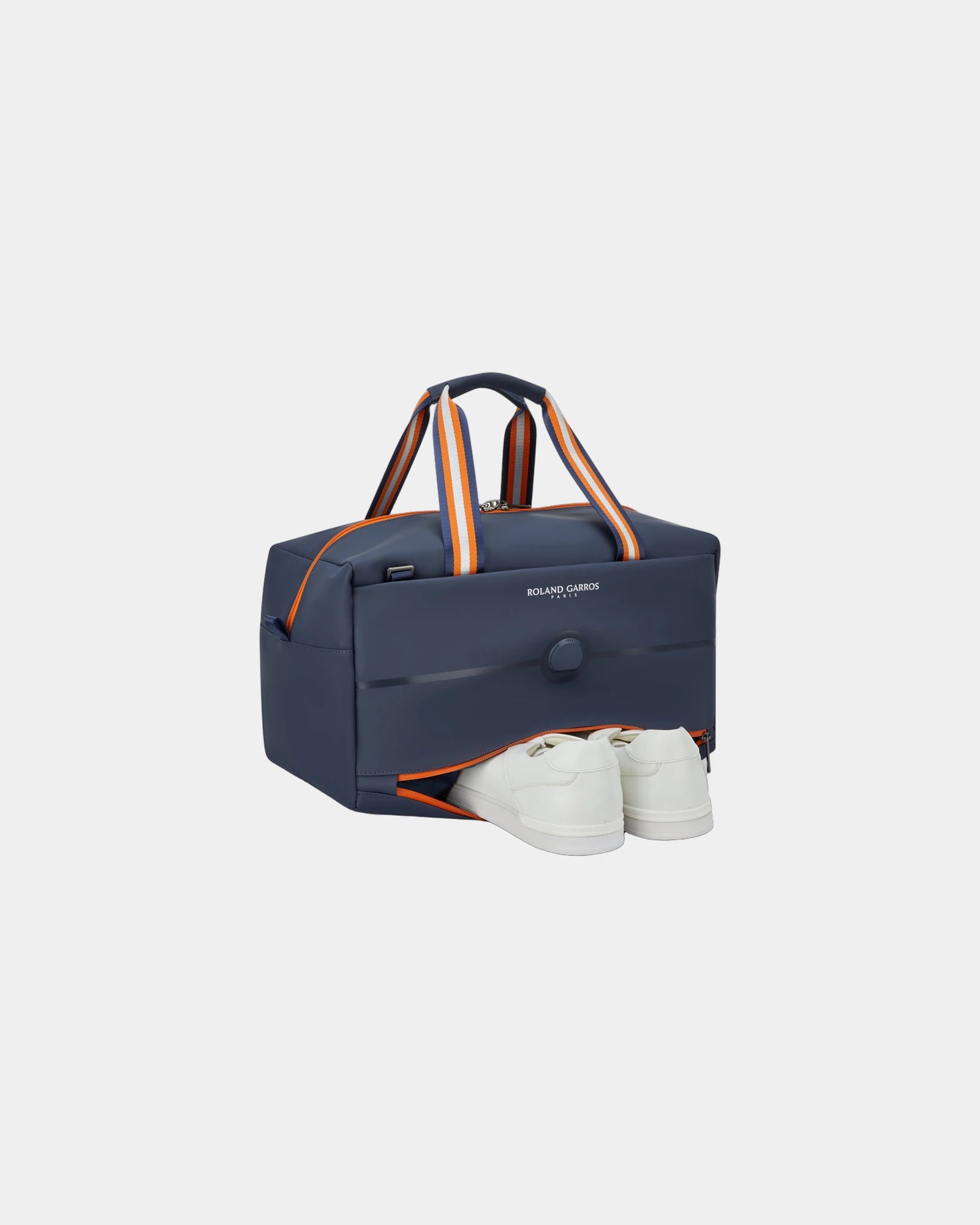
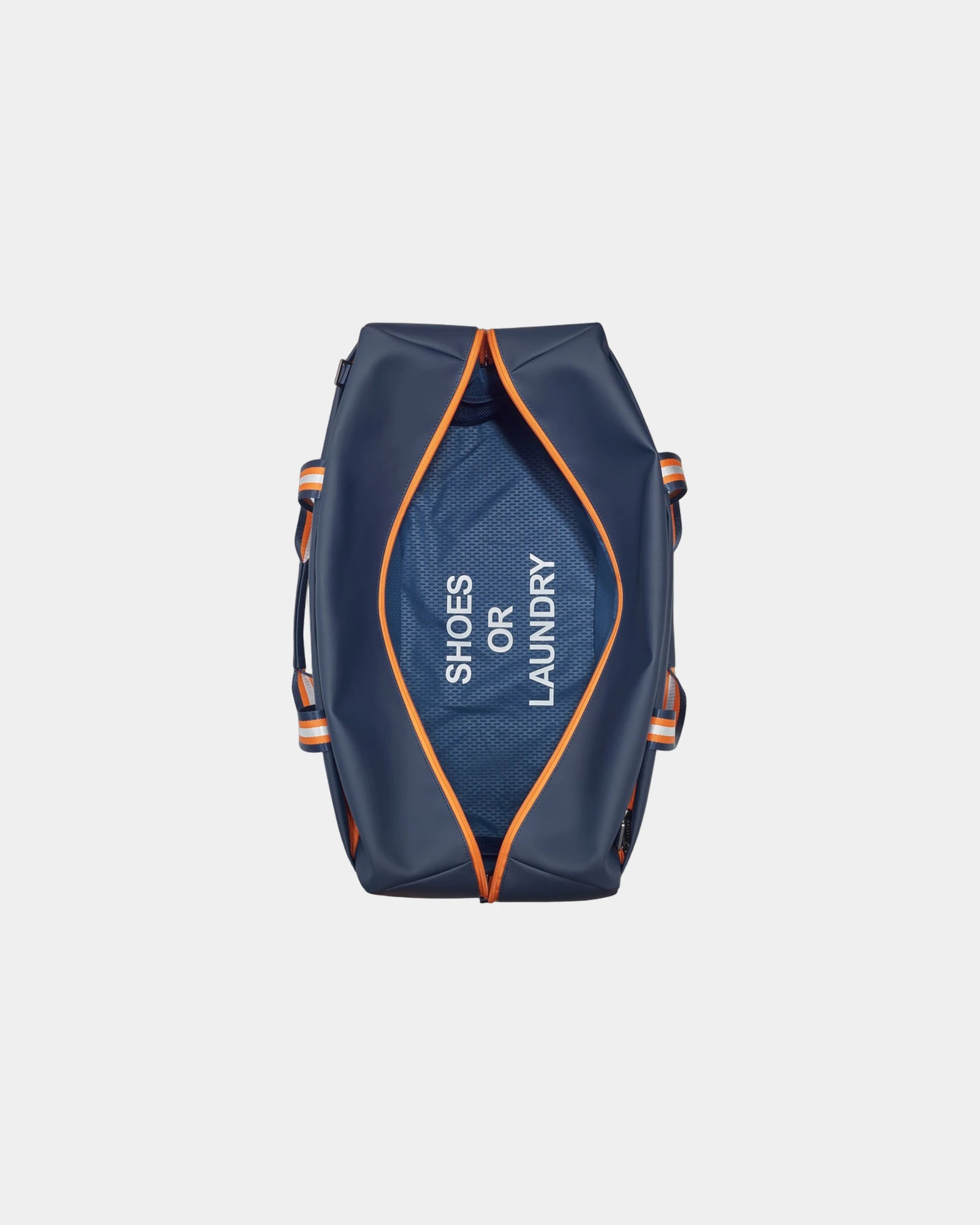
The feature buyers brief first on studio and wellness personalised gym bags is the shoe tunnel. It is a zipped end pocket or a vented base section that isolates gritty trainers from clean kit. Mesh panels or punched eyelets let the shoe section breathe, so damp gym shoes are not sealed against a dry top for the whole journey home.
On a gym holdall this section is moulded into the base; on a barrel it sits as a zipped end cap. Either way it is the dividing line between a gym holdall and a plain duffle. A 40-litre bag with a dedicated shoe tunnel keeps grit, sweat and damp out of the main barrel entirely.
| Compartment | What it carries | Lining |
|---|---|---|
| Main barrel | Kit, change of clothes, towel | Unlined 600D polyester |
| Shoe tunnel | Trainers, gym shoes | Ventilated mesh end |
| Wet/dry pocket | Damp base layer, swimwear | PEVA or coated lining |
| End cap pocket | Straps, bottle, gloves | Mesh or zip mesh |
| Internal valuables zip | Keys, phone, wallet | Soft jersey |
How the wet/dry pocket on custom gym bags keeps a damp top apart
A workout ends with a soaked base layer, and that top has to travel beside dry clothes. Better gym bags answer this with a lined wet/dry pocket. It is a coated or PEVA-backed compartment that holds a wet kit, a used towel or a swimming costume without soaking the rest of the load. Swimmers and studio members lean on this pocket as hard as class-goers lean on the shoe tunnel.
The detail to confirm is whether the pocket is truly sealed or merely a mesh divider that lets damp wick through. A welded PEVA pouch with a waterproof zip keeps a dripping costume off a clean change; an open mesh sleeve only sorts, it does not contain. For a swim or wellness order this single spec changes which bag is fit for purpose.
Litres, not vague sizes: matching personalised gym bags to the load
Capacity is the spec that decides whether the bag actually does the job. A 20-litre holdall suits a quick class or a lunch-hour session. 30 to 40 litres covers a full gym kit with trainers and a change of clothes, and 50 litres and up takes a swim kit, spare shoes or shared studio equipment. Quote the litre band against the use, because an undersized bag is the most common return on member orders.
Length matters as much as volume. A barrel holdall that clears 55cm takes a folded tracksuit flat, while a stubby 40cm bag forces it to scrunch. Custom Sportswear is what most members are packing into these bags, so size the holdall around the kit you are also branding.
The reinforced base that decides how long personalised gym bags last
A gym bag spends its life dumped on wet tiles, locker-room floors and studio matting. The base is where cheap gym bags fail first, abrading through and splitting at the seam. A reinforced base in tarpaulin or 1680D panel, with welded or double-stitched corners, is what carries a bag from one year into a third.
Moulded feet and stiffened boards on branded gym bags
Some holdalls add moulded feet or a stiffened board so the loaded bag does not sag onto its print. For a studio ordering once and using the bags for years, the base panel is worth more scrutiny than the colour. We can send a free sample of the base fabric so a buyer can feel the difference before committing the order.
There is a cost trade-off here worth stating plainly. A 1680D ballistic base adds a few pounds per bag over plain 600D, but a split base in year two means re-ordering the whole batch. For a member training four times a week on hard floors, the heavier base is the cheaper decision across three years.
Grab handles, shoulder strap and how custom gym bags get carried
A loaded holdall is carried three ways: twin grab handles for a short walk, a padded shoulder strap for the commute, and sometimes a backpack harness for cycling members. Twin handles need a wrap-over tab or a popper so they close into one grip rather than flapping. The strap clip should be a metal trigger hook, not a plastic snap that fatigues under a full bag.
| Style | Carry | Best for |
|---|---|---|
| Barrel holdall | Twin handles plus strap | General gym kit |
| Gym duffel | Twin handles, side strap | Studio and class members |
| Backpack holdall | Harness plus handles | Cycling, commuting members |
| Wheeled kit bag | Tow handle plus wheels | Coaches, shared equipment |
Zips, sliders and the hardware that makes branded gym bags survive
The main-mouth zip is the part a loaded gym bag stresses hardest, opened and yanked shut with a full barrel behind it. A chunky moulded or metal-tooth zip with twin sliders outlasts a fine coil that splits at the corner of the mouth. Twin sliders also let a member reach either end of a packed barrel without unzipping the whole bag.
Load-bearing seams on personalised gym bags
Beyond the zip, the load-bearing seams matter: bar-tacked handle roots and a riveted strap anchor take the weight a single row of stitching will not. On a coach or PT bag that rides 25 kilograms of shared equipment, that hardware decides everything. It is the difference between a bag that lasts a year and one that tears at the handle in a fortnight.
| Part | Cheap version | Spec to ask for |
|---|---|---|
| Main zip | Fine coil, one slider | Moulded tooth, twin sliders |
| Handle root | Single-row stitch | Bar-tacked or riveted |
| Strap clip | Plastic snap | Metal trigger hook |
| Base corners | Folded seam | Welded or double-stitched |
Gym duffels built specifically for the studio and the commute
The gym duffel is its own format, shaped long and low. A pair of trainers sits flat in the vented base while the kit, towel and change of clothes stack above. Studios and corporate wellness schemes buy these by the batch because every member carries the same mark into the same building. The shape is unmistakable on a rack and reads as a proper brand, not a loose collection of holdalls.
These bags pair naturally with the rest of an active order. A studio that also runs social sport often briefs Personalised footballs in the same enquiry, since the bag and the ball both carry the logo into every session.
Fabric weights and finishes you can spec on branded gym bags
Gym bags live or die on the denier of their main body. 300D and 600D polyester cover most gym and studio bags at a sensible cost; 900D and 1680D ballistic move up to heavy-duty kit and coach bags. A water-repellent coating or a PU backing keeps a drizzle off the contents, though no zip is fully sealed without a storm flap.
Recycled rPET is woven from post-consumer bottles and prints identically to virgin polyester. The exact recycled percentage differs between bodies, so we quote the figure for the specific holdall you pick from its product spec, not as a round-number claim. That ties the recycled content to the precise body in your order.
Printed gym bags: methods that suit a coated panel
A coated polyester barrel takes ink differently from a flat tote. Screen print lays a bold, flat brand mark on the side panel at volume and holds up to repeated kit washes when it is plastisol-cured. Transfer and DTF handle a multi-colour badge or a photographic sponsor logo on a smaller print window. The curved barrel limits print height, so the artwork is sized to the flattest panel.
Vinyl numbering and names suit member-specific bags, applied to the end cap where a barrel is flattest. Whatever the method, the print sits clear of the shoe-tunnel zip and the strap fittings, which box in the usable area. A secondary logo can run smaller on the opposite panel, so a brand mark and a backer sit on one bag without crowding either mark.
Embroidered custom gym bags for a brand mark that lasts
Embroidery gives a logo the raised, durable finish that survives years of gym use and machine washing better than any print. On personalised gym bags it runs best on the front pocket or the flatter end panel, where the hoop can sit flat without fighting the barrel curve. A stitched badge reads as the premium option for a boutique studio or a corporate gym.
Thread count and badge size set the cost, and a dense logo needs a stabiliser behind a soft pocket to stop puckering. For members building a full branded look, embroidered bags sit alongside Personalised Socks carrying the same stitched mark down to the kit detail.
Personalised gym bags for gyms, leisure centres and corporate wellness
Beyond the studio floor, gyms and corporate wellness schemes order personalised gym bags as a membership perk or an onboarding gift. A 30-litre holdall with a shoe pocket and a wet pocket suits a class-based gym, where a member carries trainers, a towel and a water bottle. The branded bag then walks into every commute and every other gym, carrying the logo well past the joining offer.
Branded gym bags for swim and wellness programmes
For a leisure-centre swim programme the wet/dry pocket does the heavy lifting, isolating a wet costume from a dry change. A modest run lets a single PT studio brand a small batch without a chain-sized commitment. Corporate wellness buyers tend to favour a neutral body in the company colour, so the bag reads as a benefit rather than a billboard at the gym.
| Buyer | Format | Capacity | Lead spec |
|---|---|---|---|
| Class-based gym | Compact holdall | 25-30L | Shoe pocket, strap |
| Swim or triathlon programme | Barrel with wet pocket | 30-40L | PEVA wet/dry lining |
| Boutique studio | Gym duffel | 30-40L | Vented shoe tunnel |
| PT or coach kit | Wheeled kit bag | 50L plus | 1680D base, twin zip |
| Corporate wellness gift | Branded barrel | 30L | Embroidered logo |
Colourways and brand consistency across a custom gym bags order
For a studio order, matching the brand colour is what counts, so the holdall range needs the core scheme colours plus black as a neutral base. Most stock gym bags run black, navy, red and royal with a contrast trim, and a dyed-to-match body is possible on larger bespoke runs. Ordering one colour across the whole batch is what makes a rack of gym bags read as a single brand rather than a jumble.
Smaller giveaway runs can mix a brand colour with the shoe tunnel in black to hide the scuffs. Studios building a wider active range often add Personalised football gifts in the matching colour so the bag anchors a fuller branded set.
One practical note on consistency: stock colours stay available for re-orders, while a dyed-to-match body is a one-off batch dyed for your run. If a studio expects to top up bags for new members each season, a strong stock colour is safer than a bespoke dye that may not repeat later.
- Quote the litre band, not just small/medium/large
- Confirm shoe tunnel is vented, not just a plain pocket
- Check the base denier for a multi-season order
- Match the body colour to the brand scheme across the batch
- Specify metal strap hardware over plastic clips
- Size artwork to the flattest barrel panel
- Ask which models the data sheet lists rPET content for
Travel and event uses for branded gym bags
A gym bag earns its keep most on the road, where a member travels to a race, a retreat or a corporate away-day. The holdall has to swallow a full kit, sit in a car boot or coach hold without splitting, and read as one brand when a group lines up at a venue. That is a different test from a daily studio carry.
Event travel rewards the structured formats. A wheeled kit bag suits a coach hauling shared equipment across a multi-station site. A barrel holdall with a clear name panel lets each member grab the right bag from a pile fast. The embroidered logo holds up through a season of being thrown into car boots and dragged across car parks.
Capacity planning shifts for an overnight stay. A member needs room for a spare kit, a wash bag and a change of clothes on top of the training gear. That points to a 50 to 60-litre body, where a 40-litre bag would burst. Brief the trip length, not just the activity, when you size a touring order.
| Trip type | Format | Capacity | Lead spec |
|---|---|---|---|
| Single class or session | Compact holdall | 25-30L | Vented shoe tunnel |
| Weekend retreat | Barrel holdall | 50-60L | Name panel, wet pocket |
| Coach equipment haul | Wheeled kit bag | 60L plus | 1680D base, twin zip |
| Away-day with overnight | Large holdall | 60L plus | Reinforced base, strap |
A touring group also values quick identification at a busy venue. A contrast strap colour or an embroidered name above the logo lets a member spot their own bag in a heap. A rack of identical black holdalls never allows that.
Quantities, lead times and proofing for your custom gym bags
A studio runs 16 to 30 bags; a chain or corporate multi-site order runs into the hundreds, which lowers the unit cost and widens the decoration choice. Below roughly 25 units a print stays the most economical route, while larger runs make embroidery and dyed-to-match bodies viable. Lead time tracks the run: a stock-bag print clears faster than a bulk embroidered or bespoke-colour batch.
Every order is proofed before production, so a buyer signs off the logo position on the barrel before any bag is decorated. We confirm shoe-tunnel placement and strap colour at the same stage, because a studio orders these bags once and lives with them for several seasons.

