

Branded European Made T-Shirts
- Price, low to high
- Price, high to low
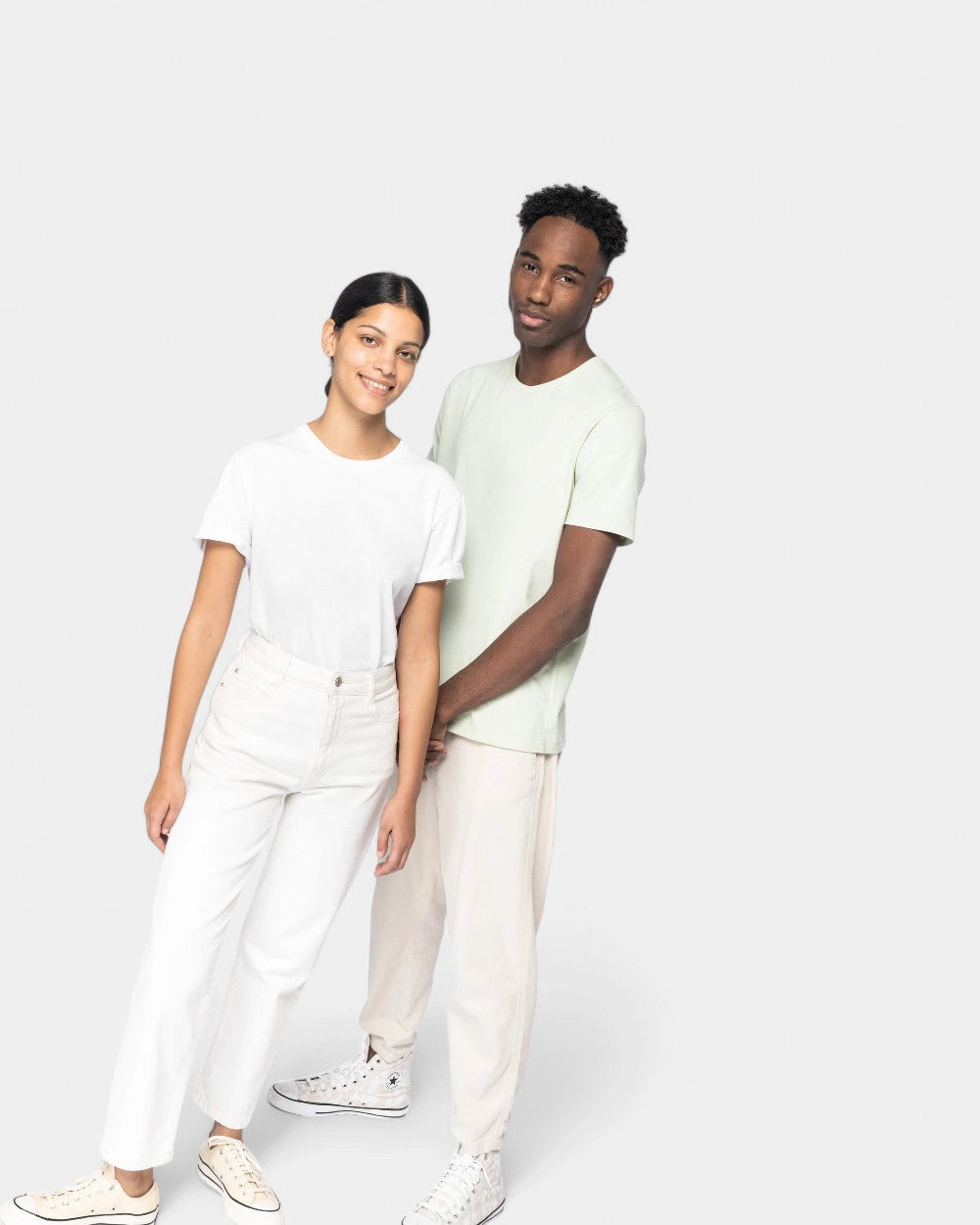


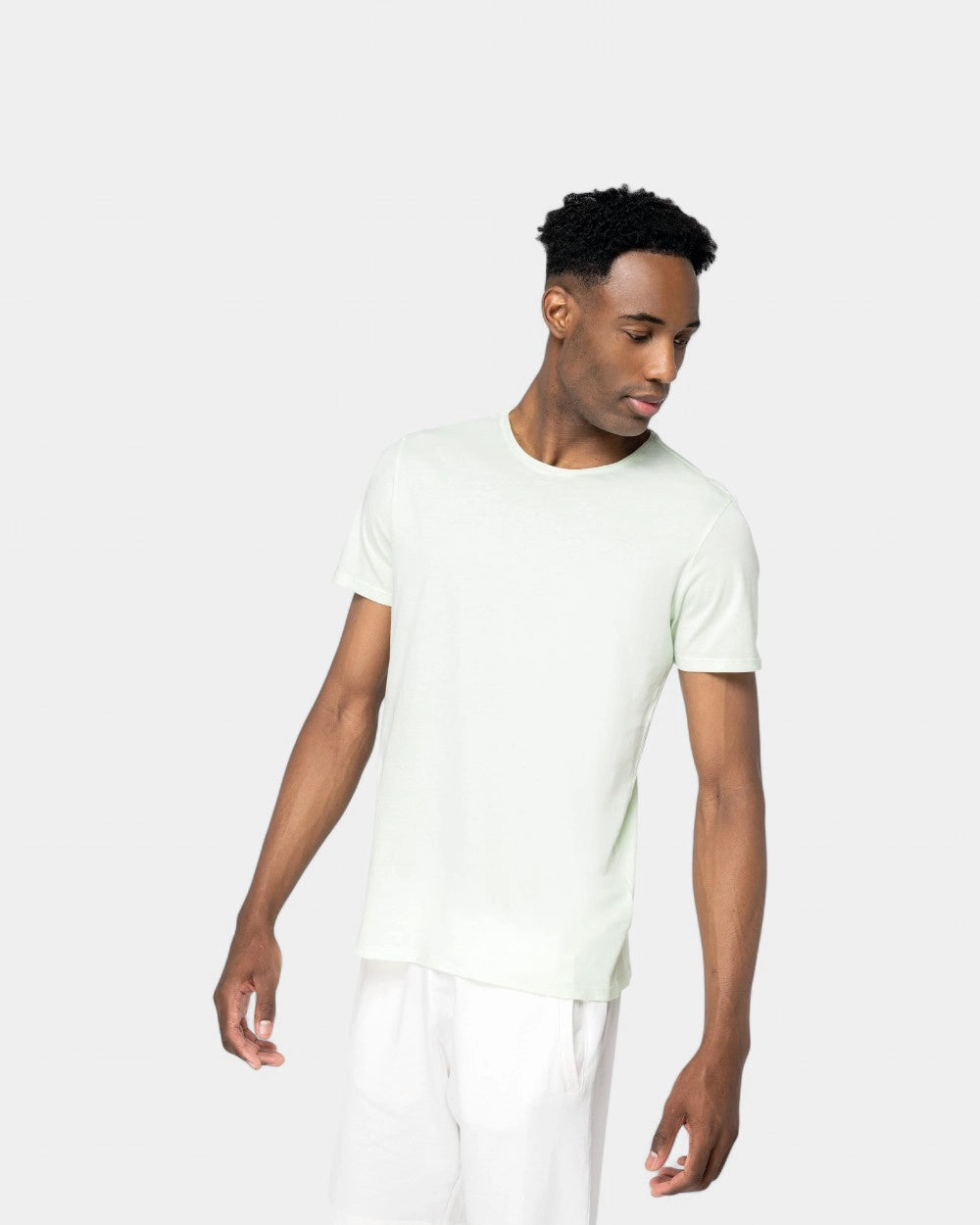


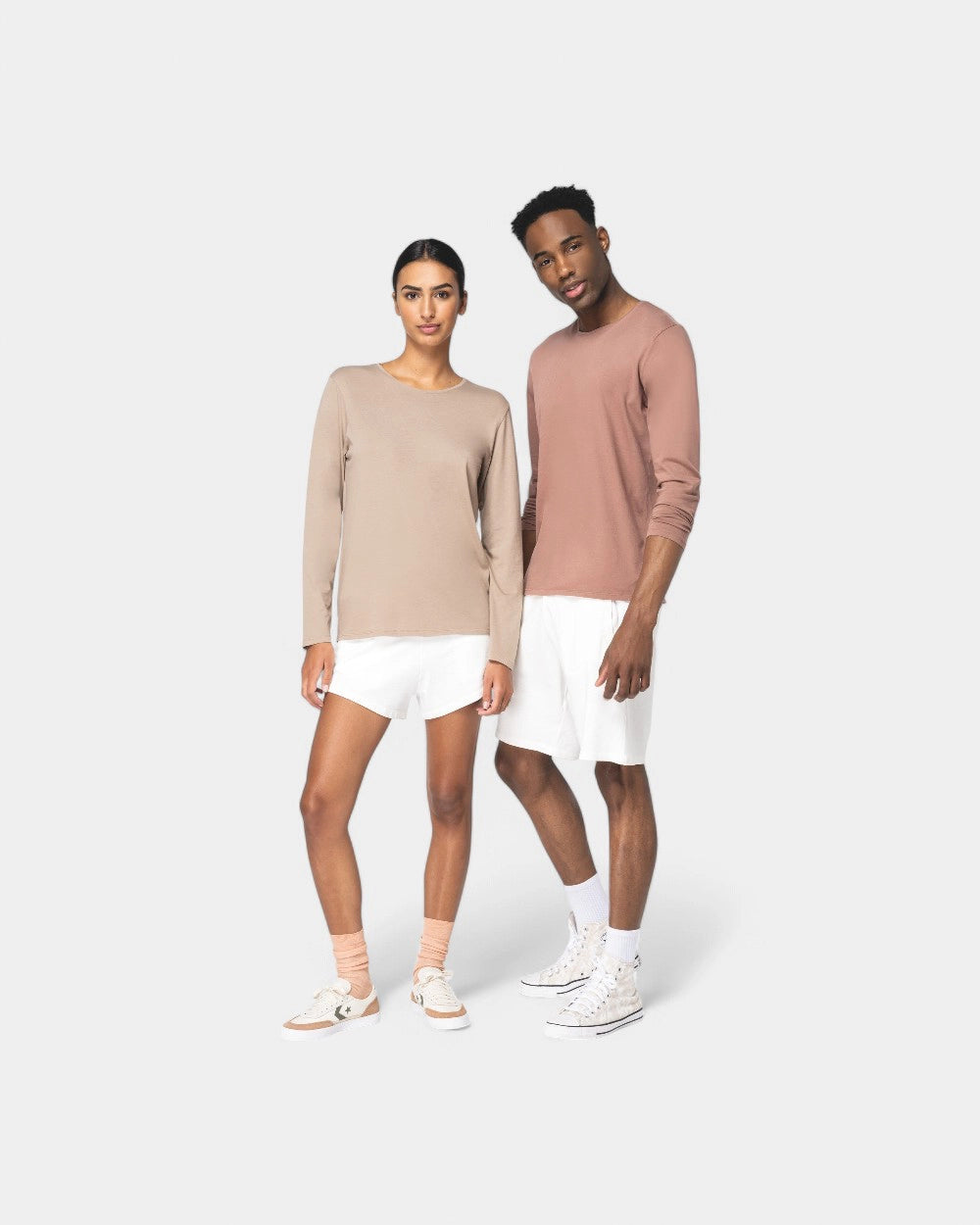


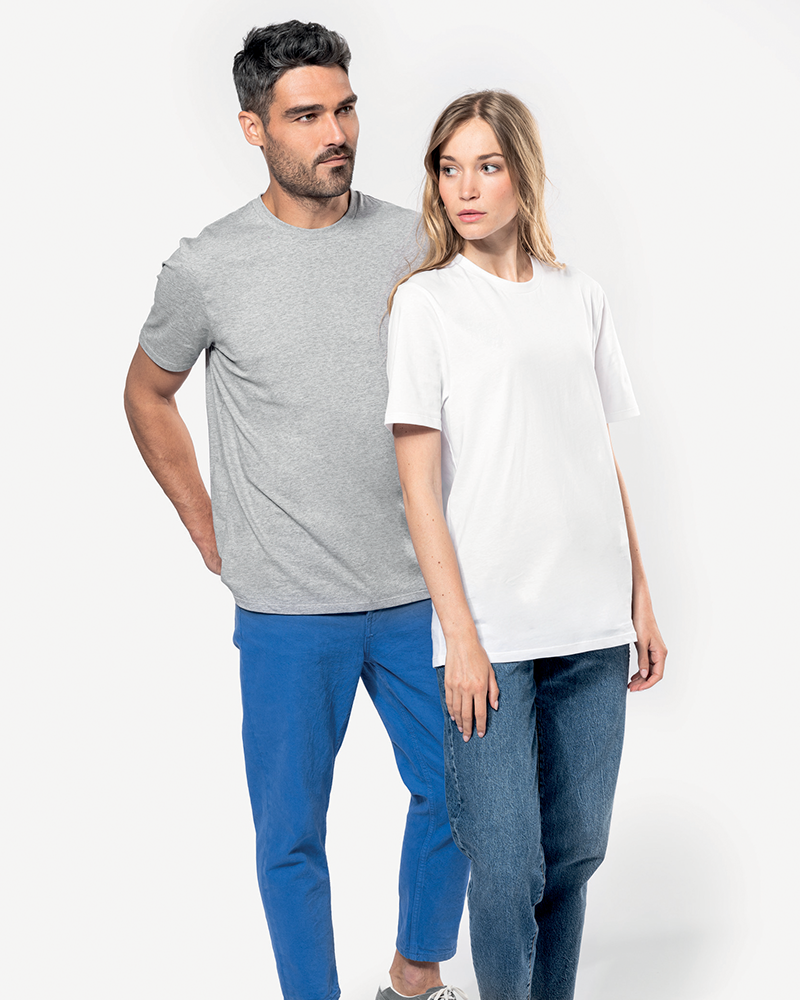


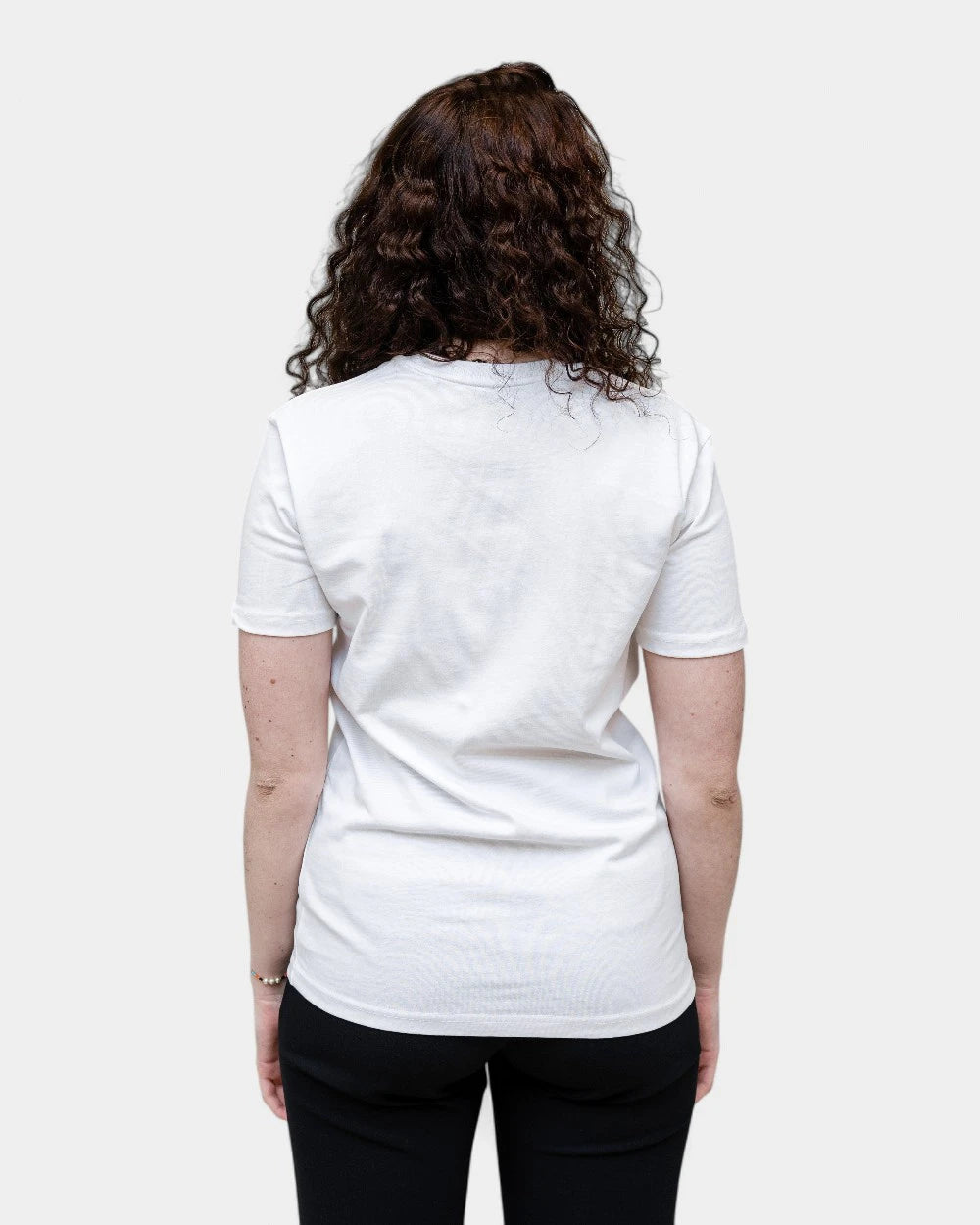


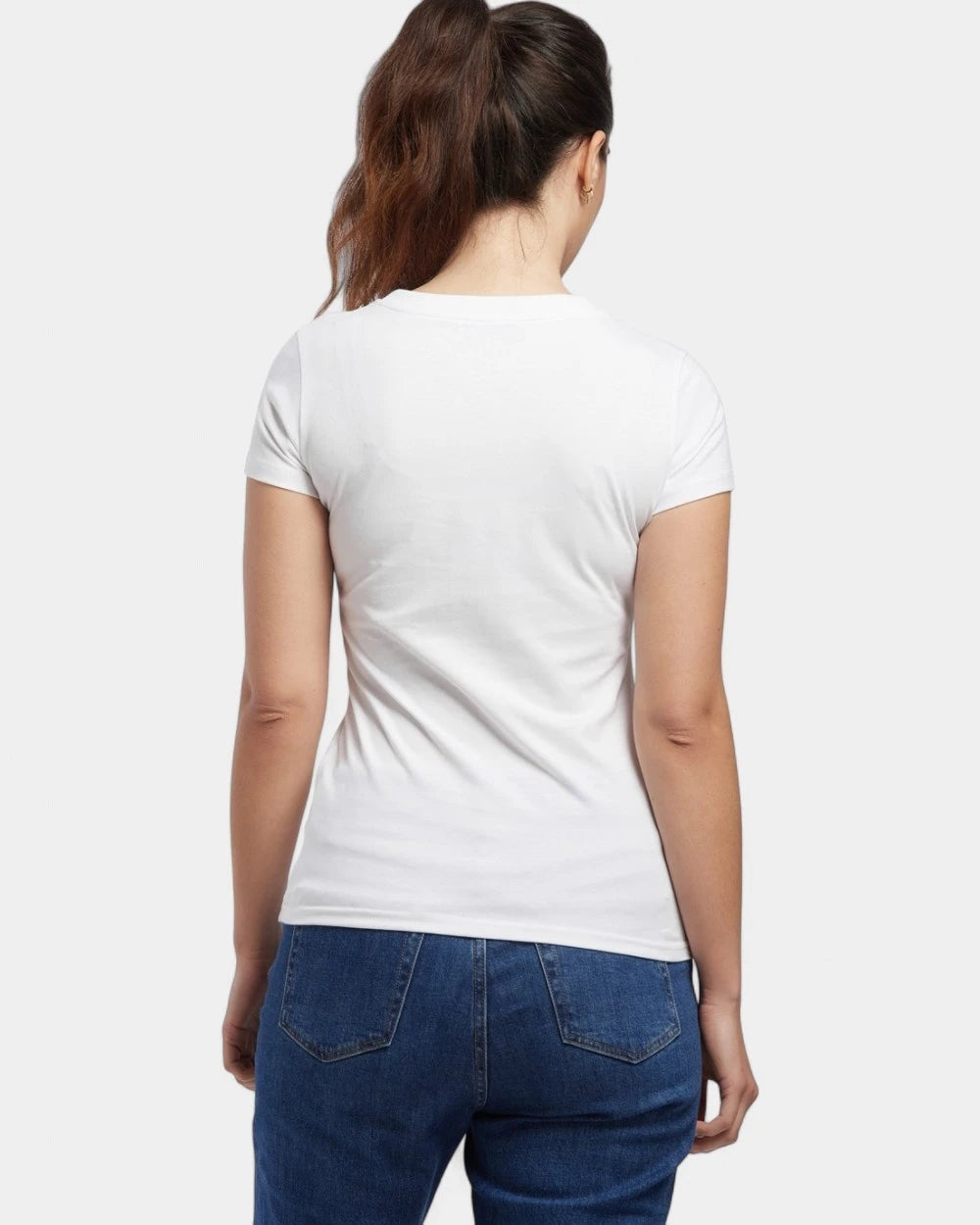


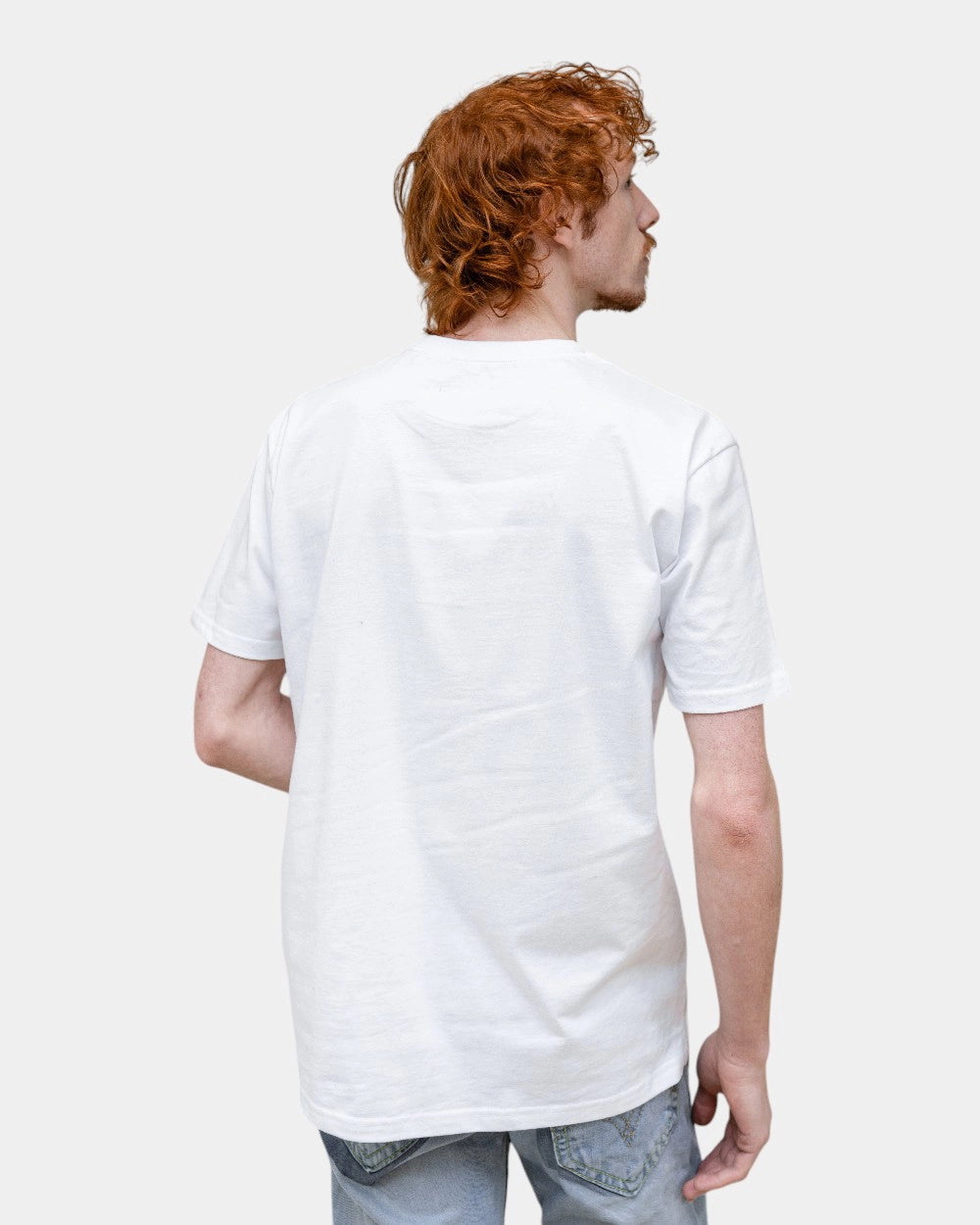


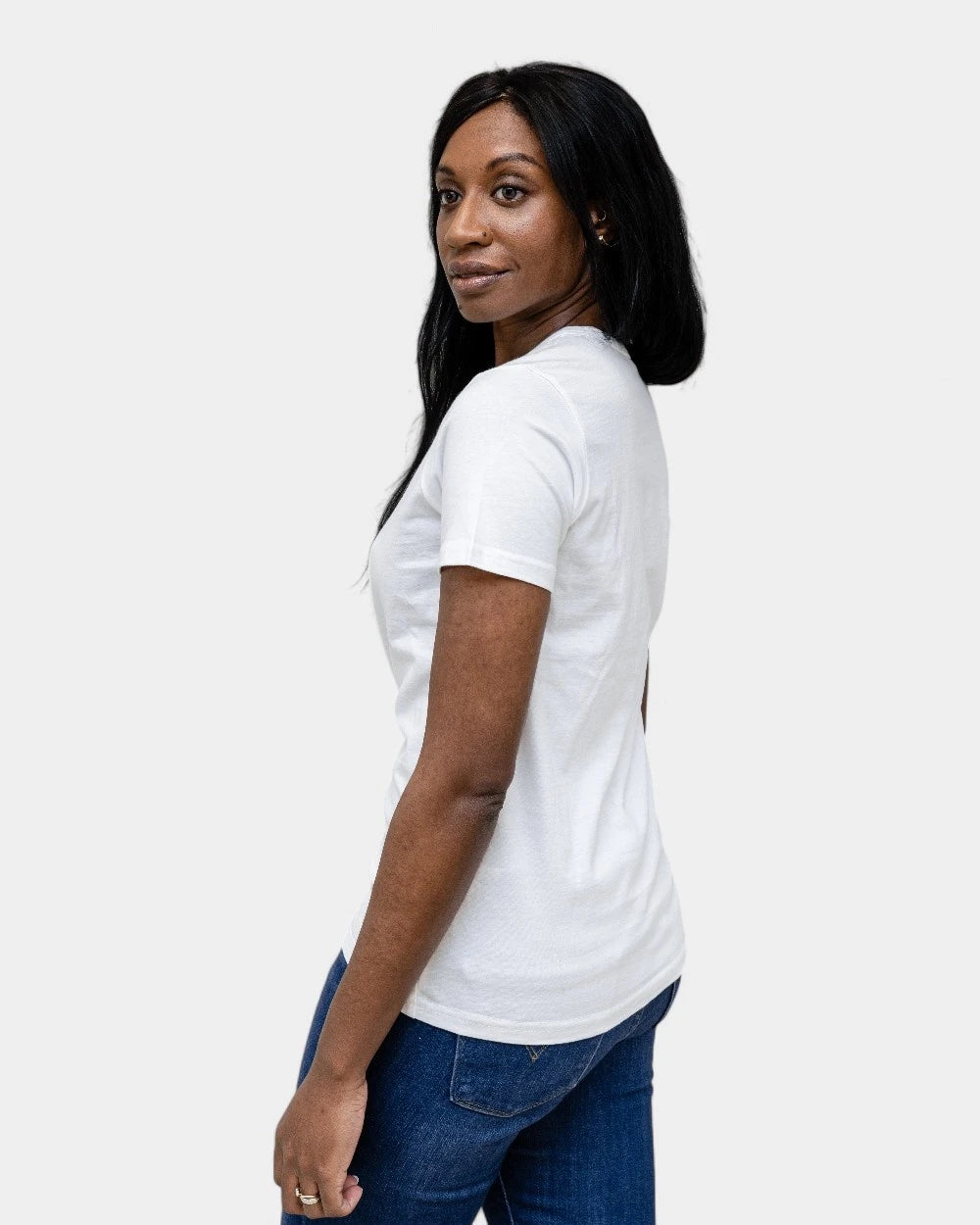


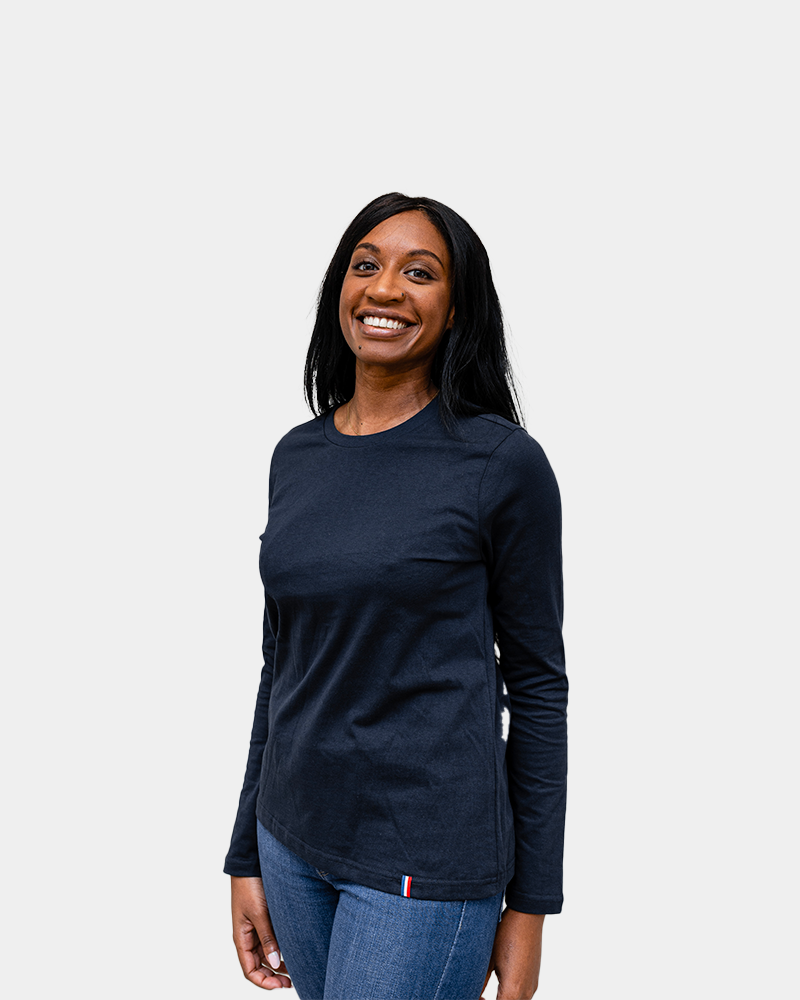


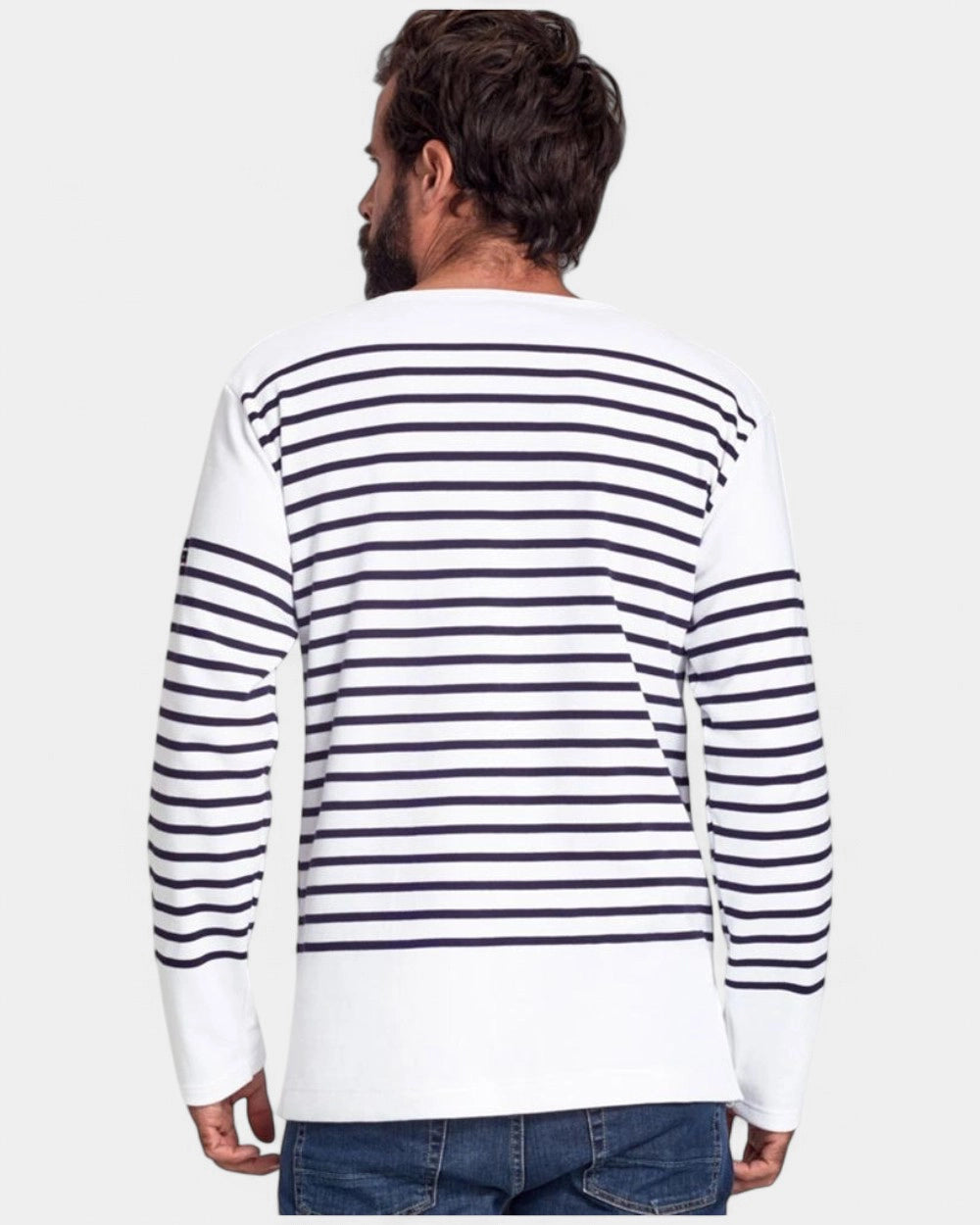


Treat your clients and employees!

FAQ - Branded Organic European T-Shirts
Trusted by 1,000+ companies
What Certified Organic Cotton Actually Buys You In Organic Cotton T-Shirts
Organic cotton farming bans synthetic pesticide and fertiliser, and the standard fixes that rule out in the field rather than at the mill. For a buyer, organic cotton t-shirts mean a fibre with a documented growing method behind it. That is what turns a vague eco line into a claim a procurement team will sign off.
The fibre itself also wears differently. Organic cotton is usually combed and longer-staple, so the face sits smoother under the fingertips and takes a fine print more cleanly than a coarse carded yarn. That softer hand is why these branded European made t-shirts read as a premium giveaway rather than a throwaway, even before a logo goes on.
The status is held per garment, not across a whole catalogue. Each base we print carries its own certification on the maker's tech pack, so we name the standard for the exact style you choose rather than painting the range green. That single document is what keeps your own marketing accurate when a customer asks what organic means here.
Why European Manufacture Shortens The Story Behind Branded European Made T-Shirts
Cotton spun, knitted and stitched inside Europe travels a shorter route to your loading bay than apparel shipped from South or East Asia. For branded European made t-shirts that near-shore supply chain matters in two ways. It cuts the transport miles on the footprint, and it keeps a maker close enough to answer a question about a specific batch.
It also tightens lead times when a run repeats. A continental mill on a known reorder can hold the spec and turn a same-artwork top-up faster than a long-haul container schedule allows. Where a campaign runs in waves across a season, that proximity is the difference between planning around a ship date and planning around a print queue.
Provenance here is factual, not decorative. We state plainly where a base is made and what its organic standard is, and we do not invent a named mill or a certificate number to dress it up. The European origin is the angle precisely because it is documented, which is the only kind of origin claim worth putting in front of a buyer.
| Grade | Typical GSM | Hand and print face | Best for |
|---|---|---|---|
| Organic combed ring-spun | 150-185 g/m² | Smooth, premium, fine-print ready | Retail-style branded merch |
| Organic mid-weight jersey | 160-185 g/m² | Balanced opacity and comfort | Staff and event kit |
| Organic heavyweight | 190-220 g/m² | Dense, structured, anchors detail | Statement and premium gifts |
| Organic-recycled blend | 150-180 g/m² | Slightly textured, lower footprint | High-volume sustainable runs |
Lower-Impact Dye And Finishing On Organic European T-Shirts
Reading the dye standard on organic European t-shirts
The cotton is only half the environmental story; the dye house is the other half. Many continental organic bases are coloured with reduced-water or low-impact dye processes. They are also tested against a human-ecological standard, so the finished garment is checked for harmful residues as well as grown without pesticide.
This matters most on coloured blanks. A deep navy or a strong heather carries far more dye load than a natural undyed tee. So the dye standard is where a coloured organic t-shirt earns or loses its credential. Where a brief wants a bold corporate shade, we name the colours that hold the tested finish rather than assuming every shade qualifies.
An undyed or ecru base is the lowest-impact option of all, since it skips the dye stage entirely and reads as plainly natural. Custom T-Shirts cover the full fabric and colour spread when a brief needs choices beyond the organic line. For a campaign built around a natural palette, ecru and stone bases often photograph better than bright white.
Matching Brand Colours On Organic European T-Shirts
Brand-colour matching is tighter on an organic line than buyers expect, because the dye standard limits which shades a base can hold while keeping its credential. Most organic ranges run a core of naturals, greys, navy and a few strong colours rather than the full Pantone book. So an exact corporate match is checked against the available palette early.
Where a brand colour falls outside the stocked shades, the print carries the brand colour instead of the cloth. A natural or heather base with a precisely matched ink often reads more on-brand than a near-miss dyed body. We confirm at proofing whether your colour lands on the garment, the print or both, so the outcome is a deliberate choice and never an invoice shock.
Heather and marl bases blend a little undyed fibre into the yarn, which lowers the dye load and gives a softer, less corporate look that photographs well at events. A flat white or a deep navy reads sharper for formal staff kit. The base colour is part of the eco maths, not just the aesthetic.
Print And Embroidery Methods That Keep Organic European T-Shirts Defensibly Organic
Water-based ink on organic cotton t-shirts
A certified organic blank can be undone at the print stage if the ink is an afterthought, so method choice is part of the eco brief. Water-based and discharge inks soak into the fibre rather than sitting on top. They give a soft hand that suits these branded european made t-shirts and avoid a heavy plastic layer over an organic face.
Screen printing with water-based ink is the workhorse for volume, holding colour through repeated laundering while keeping the print breathable. For photographic or many-colour artwork on shorter runs, direct-to-garment lays detail straight onto the cotton with no per-colour setup. Embroidery suits a left-chest mark where a stitched logo reads as the most hard-wearing, premium finish.
Thread and ink credentials are documented the same way the cotton is. Where a fully certified chain matters to your own reporting, we confirm which ink system the chosen base takes and supply its spec, so the organic claim survives the decoration. Embroidered Polo Shirts follow the same stitch logic when a collared garment suits the role better than a tee.
| Method | How it sits on organic cotton | Strength | Works from |
|---|---|---|---|
| Water-based screen | Soaks into the fibre, soft hand | Durable, breathable at volume | Approx. 50 units |
| DTG (digital) | Inkjet onto the cotton face | Photographic, many colours | Approx. 10 units |
| Embroidery | Stitched into the cloth | Most hard-wearing, premium | Approx. 10 units |
| Heat-applied film | Pressed onto the surface | Crisp names and numbers | Approx. 1 unit |
GSM And Drape Choices Across Your Organic Cotton T-Shirts
On branded European made t-shirts grams per square metre sets the trade-off between drape and substance, and on an organic line it also nudges the price, since more cotton per garment means more certified fibre. A light 140 to 150 g/m² organic tee drapes softly for warm-weather events, though it can turn faintly translucent beneath strong marquee lighting.
A mid-weight organic base near 160 to 185 g/m² is the dependable all-rounder for uniform and merchandise, holding comfort, opacity and durability together. Heavier organic cotton in the 190-to-220 g/m² band delivers a dense, premium feel the instant a recipient lifts it. That heft also pins fine detail so a print shifts less in the laundry.
Weigh the gsm against the knit type, never in isolation. A close single-knit jersey at 180 grams hands heavier than an open one at the same figure, because more loops per centimetre tighten the cloth. Custom Hoodies carry that weight reasoning further when a kit needs an organic layer over the tee.
Print Positions That Make Your Organic European T-Shirts Read
On branded European made t-shirts placement decides how far a mark carries and what role the tee plays. A left-chest logo around 8 to 10 cm wide reads as understated and professional, which suits staff and gifting. A large centre-chest or full-back design pushes the read across a hall and suits an event crowd.
On an organic base the position also interacts with the dye. A pale print on a deep-dyed tee needs a denser ink lay or an underbase, which adds a pass. So a logo sized and placed for a light base often prints cleaner and cheaper. We map your artwork to each method's maximum area at proofing so nothing is cropped.
A neck print at the inside back can stand in for the sewn-in label, carrying your brand neatly beneath a collar and skipping a relabelling step. Sleeve marks add a quiet secondary line, often a handle or a campaign tag, without crowding the front of the tee.
| Position | Typical size | Reads as | Best use |
|---|---|---|---|
| Left chest | Approx. 8-10 cm | Understated, professional | Staff and gifting |
| Centre chest | Up to approx. 30 cm | Bold, event-facing | Crowd and festival kit |
| Full back | Up to garment width | Message or sponsor space | Slogans, cause names |
| Nape / sleeve | Small, discreet | Secondary brand line | Relabelling, handles |
Fits And Sizes For Branded European Made T-Shirts
Fit governs how branded European made t-shirts sit on a body, so it weighs as heavily as the fabric choice. Continental organic ranges generally pair a shaped retail cut with a straighter unisex body. Most styles run from XS to roughly 3XL or 4XL by base, and we confirm that ladder before any quantity is locked.
A retail-fit organic tee flatters customer-facing and premium gifting roles, where a trimmer line signals care. A unisex body fixes a single specification for a varied team and keeps a big order tidy. For a layer that coordinates, Embroidered Sweatshirts follow a comparable sizing grid that pairs neatly with a matching tee.
Pre-shrinking also governs whether a logo stays put after the first hot wash, because untreated cotton can pull in. On request we supply the flat dimensions, garment by garment, so you fit a chart to your own people instead of estimating. Buying a genuine range of sizes stops the familiar pile-up of unworn mediums.
| Fit | Cut | Typical sizes | Best for |
|---|---|---|---|
| Retail organic | Shaped, tailored line | XS-3XL | Customer-facing and gifting |
| Unisex organic | Straight, roomier body | XS-4XL | One-spec group orders |
| Women's organic | Shaped through the waist | XS-2XL | Tailored hospitality roles |
| Crew neck | Classic round neckline | XS-4XL | Versatile for any logo placement |
How These Branded European Made T-Shirts Hold Up Across A Wash Cycle
A garment kept in regular use carries the lowest footprint, so durability and sustainability are the same argument here. Launder at 30 degrees, reverse the tee before it goes in, and air-dry rather than tumble. Done this way, a water-based screen or DTG print on organic cotton routinely survives well past fifty cycles without the colour lifting.
Organic combed cotton also pills less than a coarse carded yarn, because the combing removes the short fibres that work loose and bobble. That cleaner face is part of why branded European made t-shirts read as premium months into a staff rollout, not just on the day it is handed over. A garment that still looks sharp is one nobody replaces early.
Every order leaves with care guidance, and a cooler wash trims energy use across a sizeable rollout while it guards the print. Specifying a documented organic base and decorating it to last are two ways a brand shows its values carry through to the kit it hands out.
Reading The Organic Credential Before You Buy The Organic Cotton T-Shirts
Verifying the credential per base on organic European t-shirts
The reliable way to verify an organic claim is to read the standard named on the chosen base's own tech pack, style by style. A range-wide eco banner is not the same proof. We send that documentation for the exact garment you pick. So the certification you repeat to your audience is the one printed on the line, not an assumption about the catalogue.
This is what protects a brand from greenwashing scrutiny. Stating which specific styles carry the named organic and dye standards, and which do not, keeps a marketing claim defensible if a customer or a procurement officer asks for proof. We would rather name the boundary than imply a blanket credential the whole range cannot support.
For a fuller sustainability brief, sports and active lines follow the same per-garment documentation. Custom Sportswear carry their own fabric and certification specs, named base by base, so a mixed kit stays consistent on its claims across garments.
- Check the named organic standard on the chosen base's tech pack
- Match weight to the season: 140-150 summer, 160-185 all-year, 190-220 premium
- Specify water-based ink so the print stays soft and breathable
- Choose an undyed ecru body to drop the dye load to nil
- Pair a retail cut with gifting, a unisex body with group orders
- Buy across the whole size ladder, not a heap of mediums
- Schedule reorders early to bank the near-shore lead-time gain
Who Specifies Organic European T-Shirts And When
Sustainability-led organisations reach for these branded european made t-shirts when a generic blank would undercut their own messaging. A B-Corp running a conference, a charity that audits its chain, or a university department with an environmental policy all need merchandise whose origin they can stand behind. A documented European organic base is exactly that.
Premium gifting is the other natural home. Where a tee goes into a welcome pack or a milestone gift rather than a crowd giveaway, the softer organic hand and the credible provenance lift the whole package. Corporate Gift Boxes present a folded organic tee as a considered gift rather than a flat freebie in the bottom of a bag.
Retail and lifestyle brands use these branded European made t-shirts for stock they sell on, where the organic story is part of the product, not just the values. In each case the brief is the same: a garment soft enough to keep, with a credential clean enough to print on the swing tag.
How We Decorate Your Organic European T-Shirts Without Undoing The Credential
A certified body is only as defensible as the ink that lands on it. The decoration is part of the eco spec, not a step bolted on at the end. Water-based and discharge inks soak into the organic face and keep it soft and breathable. A heavy plastic layer over a certified cloth is the thing we steer a brief away from. Where a fully documented chain matters to your reporting, we confirm the ink system the chosen base takes and supply its spec.
Placement is matched to the base so the print reads without a wasted pass. A pale mark on a deep-dyed tee wants a denser ink lay or an underbase, so a logo sized for a light body often prints cleaner and cheaper. Every position is proofed on the actual organic blank before the run, and we name the method per garment at quote. That keeps the organic claim intact from the cotton through to the finished mark.
Briefing And Lead Times For Your Organic European T-Shirts
A tight brief on branded European made t-shirts puts a worked-up sample in front of you quickly. Give us the quantity, the date, the brand colours and whether the print must certify alongside the cotton. From those we settle a base, a dye finish and a method without a back-and-forth thread. Ask for a free swatch of the chosen organic body before any full run is placed.
Supply vector artwork where you hold it, because sharp outlines screen and stitch more reliably than a logo grabbed off a web page at low resolution. If all you have is a raster file, we say plainly whether it stands up at print scale beforehand. Near-shore supply also lets an identical repeat reuse part of the original setup.
The route from there is brief: a free digital proof inside 24h, your approval, then a production window of roughly three weeks to delivery. The sharper the brief, the nearer that proof sits to the finished organic tee in your head, and the fewer rounds a seasonal run takes to settle.

