

Branded Trainers
- Price, low to high
- Price, high to low
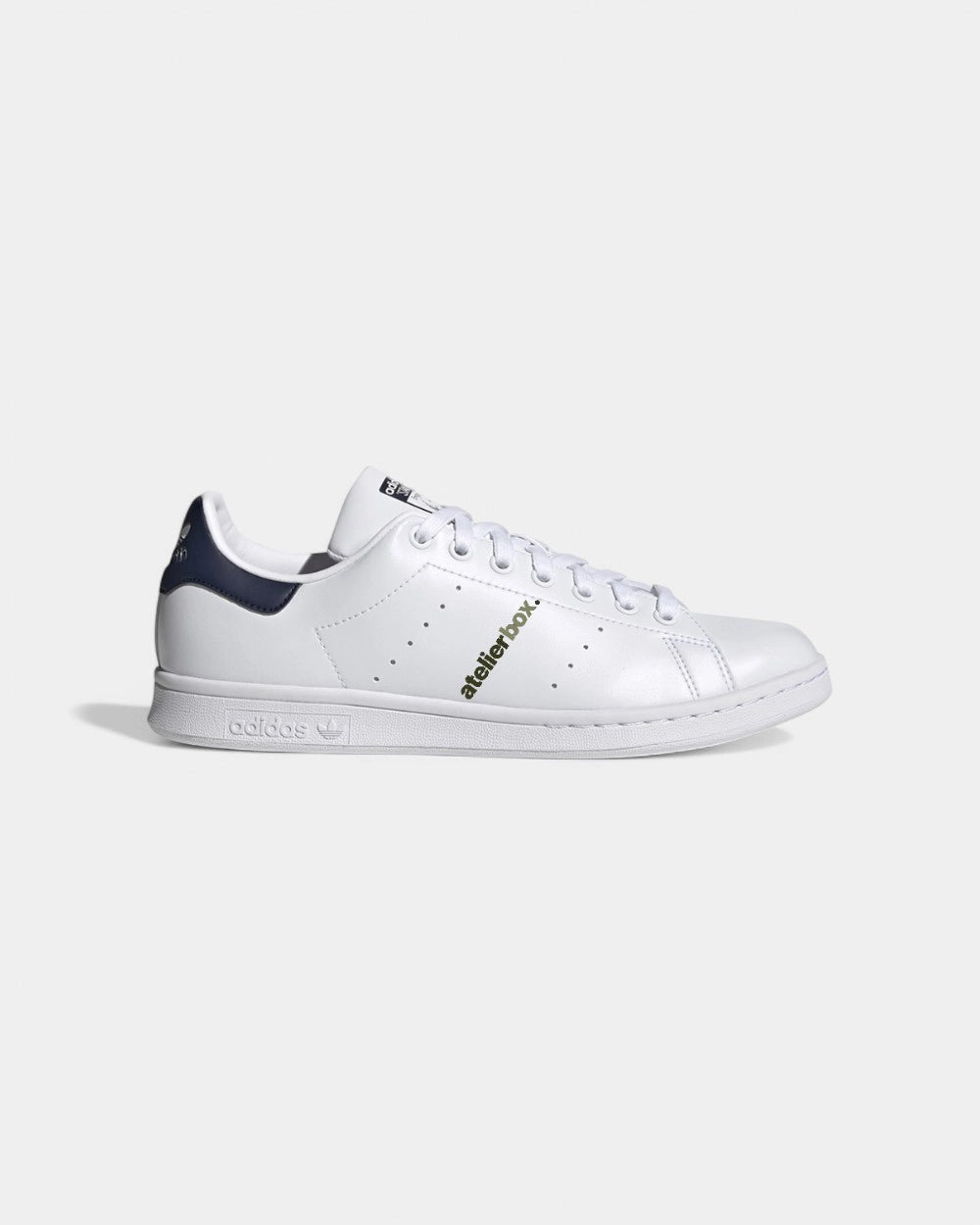


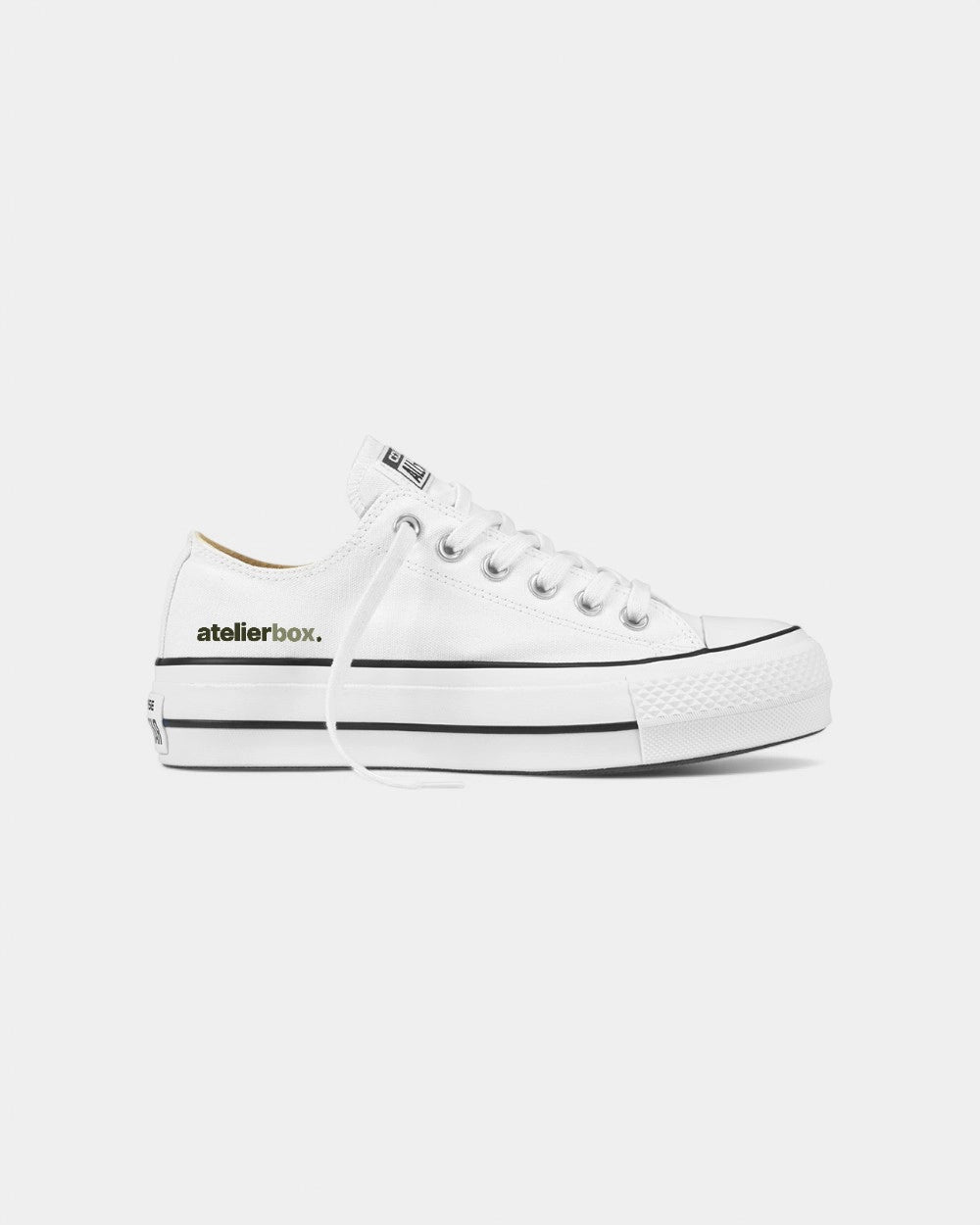


Treat your clients and employees!

FAQ - Custom Trainers
Trusted by 1,000+ companies
Two build routes for your personalised trainers
Every personalised trainers brief lands on one of two routes, and the price gap between them is wide. Route one takes a stock trainer and adds your mark: an embroidered tongue, a printed side panel, a woven heel tab. Route two prints the entire upper from your artwork before the shoe is assembled, so a pattern, photo or all-over graphic runs edge to edge.
Add-logo work suits brand merch and staff kit, where the silhouette is recognisable and the logo does the talking. Full-custom suits a streetwear drop or an esports capsule, where the shoe itself is the product. Knowing which route you are on tells you the realistic minimum, the lead time and the cost per pair before any artwork is drawn.
Upper materials that shape your branded trainers
The upper decides which marking methods are open to you, so pick it before the decoration. Canvas takes screen print and dye-sublimation cleanly and is the cheapest full-custom base. Engineered knit flexes with the foot and suits subtle woven branding, though large solid prints can distort as the knit stretches.
A leather-look synthetic gives a premium, wipeable finish that embroidery and debossing sit well on, useful for hospitality or showroom staff. Recycled options exist too: uppers spun from recycled PET, and rubber outsoles with reclaimed content. These are available on request, as stated in the product spec rather than assumed across the range.
| Material | Best marking | Typical use | Notes |
|---|---|---|---|
| Cotton/poly canvas | All-over dye-sub, screen print | Full-custom drops, events | Cheapest full-custom base |
| Engineered knit | Woven logo, small print | Performance-led, athleisure | Large prints can distort |
| Leather-look synthetic | Embroidery, deboss, print | Hospitality, premium gift | Wipeable, holds shape |
| Recycled PET upper | Dye-sub, woven | Sustainability-led brands | On request, spec-dependent |
Where branding lands on personalised trainers
A trainer offers more named branding zones than most products, and each behaves differently. The tongue is the classic embroidery spot: a flat panel that holds a stitched logo of roughly 40-50mm wide without puckering. The side panel and quarter take print best, giving you the largest single canvas on the shoe for a wordmark or icon.
Smaller touches lift a plain build without raising the minimum much. A woven heel tab, a printed insole that shows when the shoe is off, custom-colour laces and a branded aglet all read as considered detail. The insole print is the one buyers forget, yet it is the surface a recipient sees every time they slip the shoe on.
Embroidered trainers versus printed trainers
Embroidered trainers carry a logo in stitched thread, which gives depth, a premium hand-feel and durability that survives heavy wear and washing. Stitch suits a tongue or heel and handles small to medium marks; very fine text or a photographic gradient is beyond what thread can resolve.
Printed trainers cover the rest. Screen print lays solid spot colour onto canvas at lower unit cost for larger runs. Dye-sublimation bonds full-colour artwork into the fibre for an all-over finish with no edge you can feel. Choose stitch for tactile prestige on a logo, and print for colour, scale or photographic detail.
| Method | Colour range | Best for | Watch-out |
|---|---|---|---|
| Embroidery | Thread palette | Logos on tongue/heel | No fine text or gradients |
| Screen print | Spot colours | Side-panel wordmarks, volume | Limited colour count |
| Dye-sublimation | Full photographic | All-over uppers | Light bases only |
| Woven label | Limited weave | Subtle premium detail | Small area only |
UK sizing and unisex runs for branded trainers
Footwear fails on fit more than on finish, so the size curve is the part to get right. Our personalised trainers run UK sizes, typically a UK 3 to UK 12 span, with half sizes model-dependent. For mixed teams, order against a collected size list rather than guessing a bell curve; footwear returns for fit are far costlier than a re-print.
Most silhouettes are cut as unisex, sized on the men's scale, so women size down by roughly 1.5 UK sizes from their usual women's number. A pre-order size survey removes the guesswork. Personalised Socks pair naturally into the same kit drop and let you cover the gap while a made-to-order footwear run is in production.
Outsole and construction choices for personalised trainers
The sole rarely makes the brief, yet it sets the weight, grip and how the trainer wears on the foot. A vulcanised rubber outsole gives the flat, flexible feel of a classic court shoe and suits casual brand merch. A cup-sole or EVA midsole adds height, cushioning and a chunkier modern profile for a streetwear-led drop.
Outsole colour is itself a branding lever: a contrast sole in a brand colour reads from across a room. Construction also drives lead time, since a moulded cup-sole build takes longer to tool than a stitched vulcanised one. Confirm the sole early, because changing it late resets the production clock.
Minimum orders and lead time for branded trainers
Footwear minimums sit higher than flat textiles, and it pays to hear that plainly. Add-logo work on stock trainers can start around 25-50 pairs. Full-custom uppers, which need a print-and-assemble run per size, more realistically begin at 100-200 pairs, and unusual sole tooling pushes that higher again.
Lead time tracks the build. Add-logo decoration on held stock can ship in around three weeks; a full-custom made-to-order run is commonly six to ten weeks, longer over peak seasons. Artwork approval within 24 hours keeps the clock from slipping before production even starts. Plan an event drop backwards from the wear date, not forwards from the order date.
| Route | Typical minimum | Lead time | Cost driver |
|---|---|---|---|
| Embroidered logo, stock | 25-50 pairs | ~3 weeks | Stitch count |
| Printed panel, stock | 25-50 pairs | ~3 weeks | Print colours |
| Full-custom upper | 100-200 pairs | 6-10 weeks | Per-size print run |
| Custom sole tooling | 200+ pairs | 8-12 weeks | Mould tooling |
Brand merch and retail drops in personalised trainers
Picture a streetwear label releasing a 300-pair capsule for a seasonal drop. Dye-sublimated uppers carry the artwork edge to edge, a contrast sole signs it, and a printed insole rewards the buyer who looks inside. The shoe is the product, so the full-custom route earns its longer lead time and higher minimum here.
An esports team selling a limited run to fans works the same way on a smaller scale. Trainers usually anchor a wider merch line, so Custom Hoodies in the same colourway let a fan buy the whole look. The list below sets out where personalised trainers tend to land once the build route is settled.
- Streetwear and fashion capsule drops sold to the public
- Esports and creator merch for fan stores
- Event and festival staff uniforms
- Corporate gifting for milestones and VIPs
- Hospitality and retail floor teams
- Sports clubs and academy kit
Event uniforms and team kit in branded trainers
A festival kitting out 80 stewards needs trainers that read as uniform from a distance and survive a muddy weekend. A printed side-panel logo on a hard-wearing canvas base, ordered against a real size list, does that job without the cost of a full-custom run. The branding stays visible, the minimum is sensible, and the three-week window fits an event calendar.
Custom T-Shirts complete the same crew look from the waist up, so a steward team reads as one brand from head to foot. Footwear is the piece that finishes that uniform, because it is the item every other supplier tends to forget on a crew kitting list.
For colder shifts the same logo carries onto a matching outer layer, which keeps a night-shift steward on brand once the temperature drops. Run the trainers and the outerwear off one artwork file so the marks line up exactly across the kit, then size the footwear first since it leads the production clock.
Premium gifting with personalised trainers
A pair of personalised trainers carries more weight as a milestone gift than another desk object, because it is worn out in the world. For a work-anniversary or a VIP thank-you, a leather-look upper with a discreetly embroidered tongue and a presentation box reads as considered rather than mass-produced. Personalised Slippers extend the same idea into a softer at-home gift.
Gifting runs are usually small, which favours the add-logo route over full-custom on cost and lead time alike. A free sample pair before you commit the full order removes the risk on fit and finish, which matters more here than on a flat item the recipient never wears.
Sizing is the trap on a one-off gift, since you rarely know the recipient's exact size and a wrong guess undoes the gesture. A gift card for the size, or a discreet ask through a colleague, beats estimating. Corporate Gift Ideas set the trainer against the rest of a premium range for buyers planning a wider gifting programme.
Artwork and colour matching for printed trainers
Supply vector artwork wherever possible, since a logo scaled across a side panel or wrapped over a toe box needs clean edges at size. Photographic and gradient work must come in at high resolution for dye-sublimation, because the print bonds whatever you send, flaws included.
Brand colours match closely on canvas and synthetic uppers. Dye-sublimation reads truest on light or white bases, while deep colours on a dark upper need an under-base and shift the look. Custom stickers are a low-cost way to proof a colourway before committing to a footwear minimum, then lock the artwork and size list together for one approval pass.
Care and longevity of personalised trainers
Decoration outlives the shoe only if the build matches the wear. Embroidered logos take the most abuse and survive repeated machine washing on a cool cycle, which is why stitch suits daily-wear staff kit. Screen and dye-sublimated prints hold well but prefer spot-cleaning and air-drying over a hot wash.
A canvas full-custom upper is a fashion item, not a work boot, so it wears as one. For floor teams on their feet all day, a synthetic or leather-look upper with a cushioned midsole lasts longer than canvas. Match the material to the hours the trainer will actually be worn, and the branding lasts as long as the shoe.
Coordinating personalised trainers across a wider kit
Trainers rarely ship alone, and the smartest briefs treat them as the anchor of a head-to-toe look. Custom Clothing lets you carry one colourway and one logo treatment across outerwear, tops and footwear, so the trainer is not the odd item out. The aim is a kit that reads as deliberately designed rather than assembled from separate suppliers.
That said, footwear leads the lead time, so order the trainers first and let the faster textile lines fall in behind. A made-to-order trainer run will always be the long pole; building the schedule around it stops the rest of the kit waiting on the shoes.

