

Branded European Made T-Shirts
The chest panel of a French made t-shirt is a brand surface your stakeholders now read alongside the inside label. The cotton is knitted into jersey, then cut, sewn and decorated inside France and the EU, in carded, ringspun, combed organic, recycled-blend and heavyweight bodies from 140 to 220 g/m². We screen print, digital print, heat-press or embroider your logo, so French made t-shirts give a tender a provenance line you can defend.
- Price, low to high
- Price, high to low


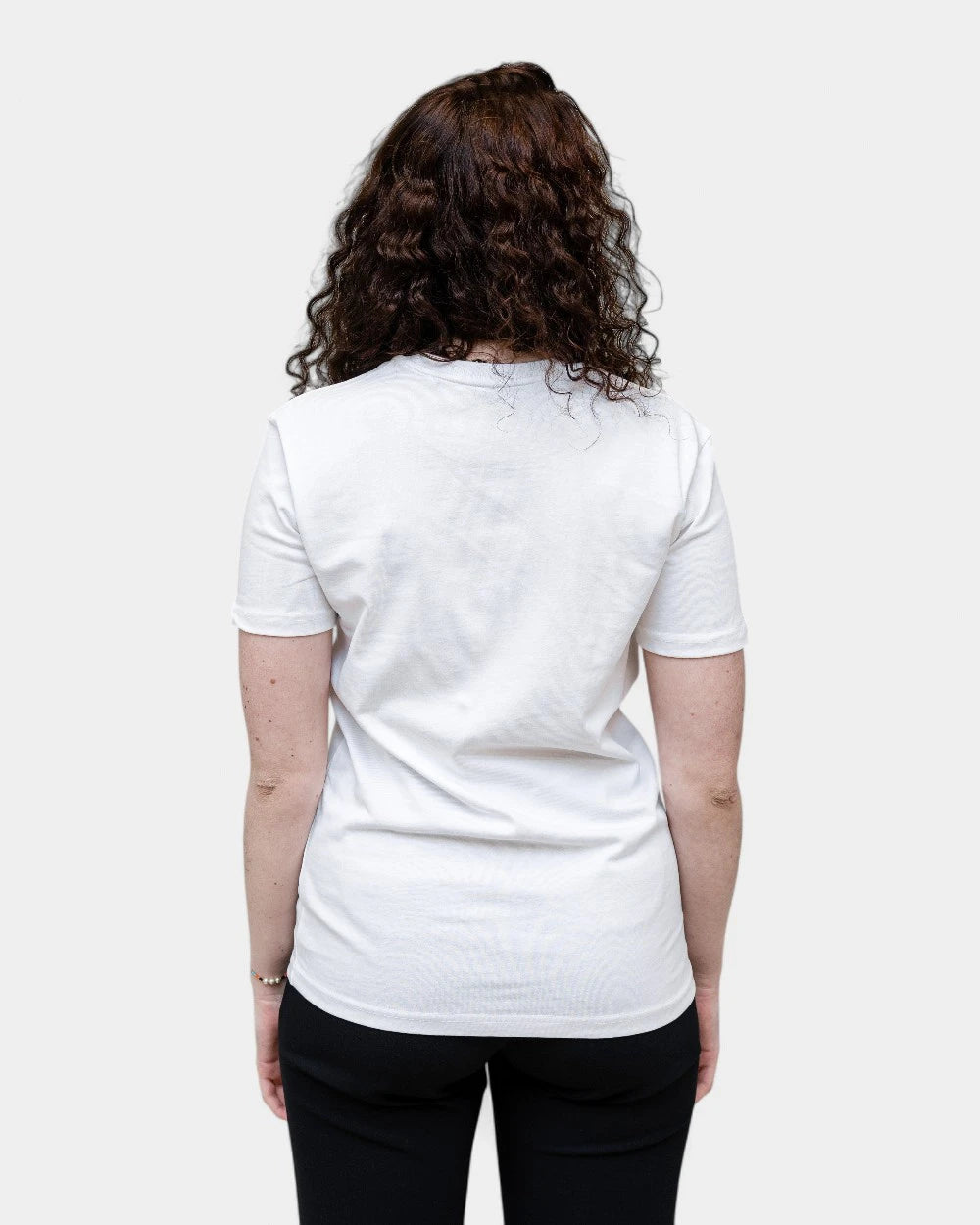


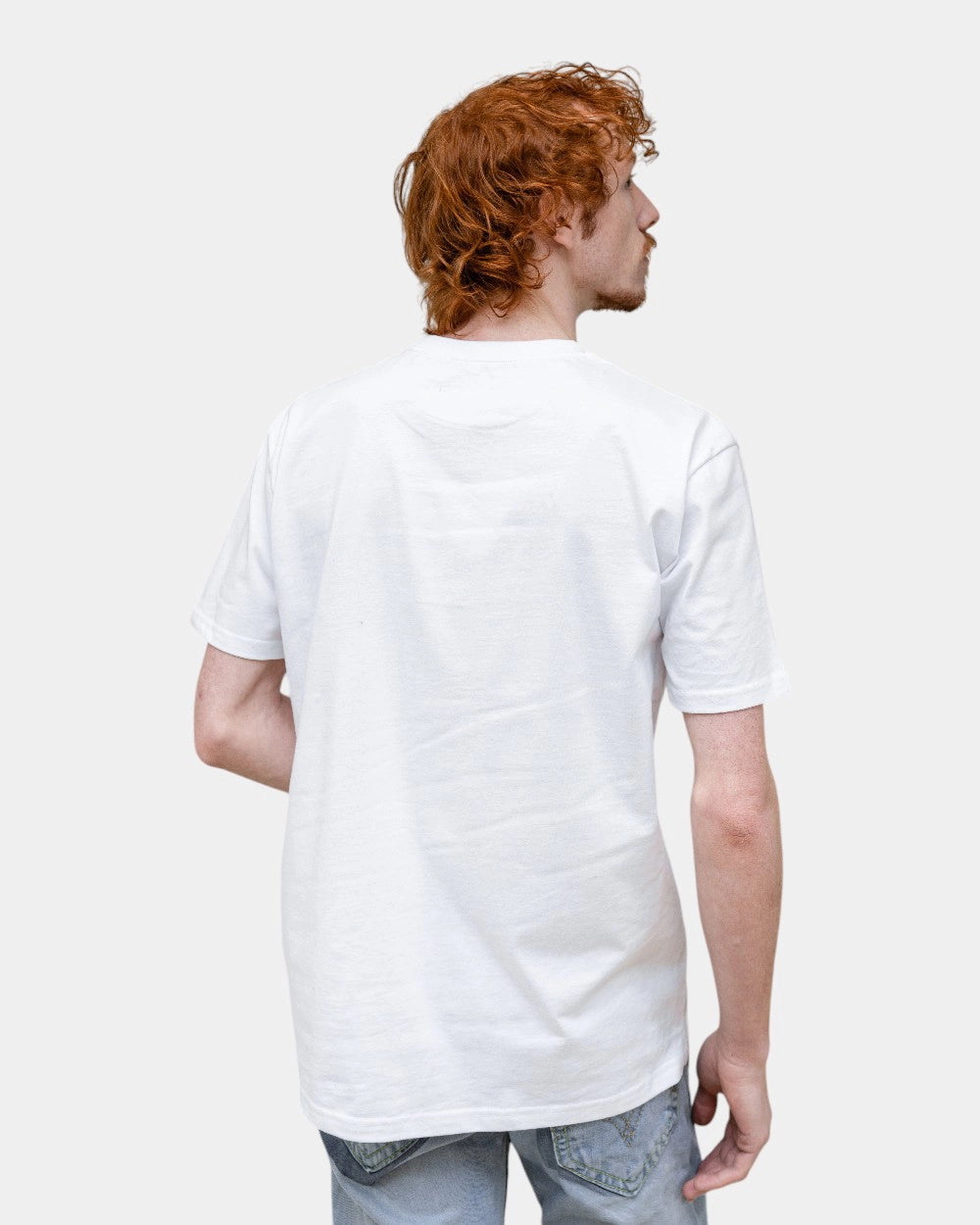


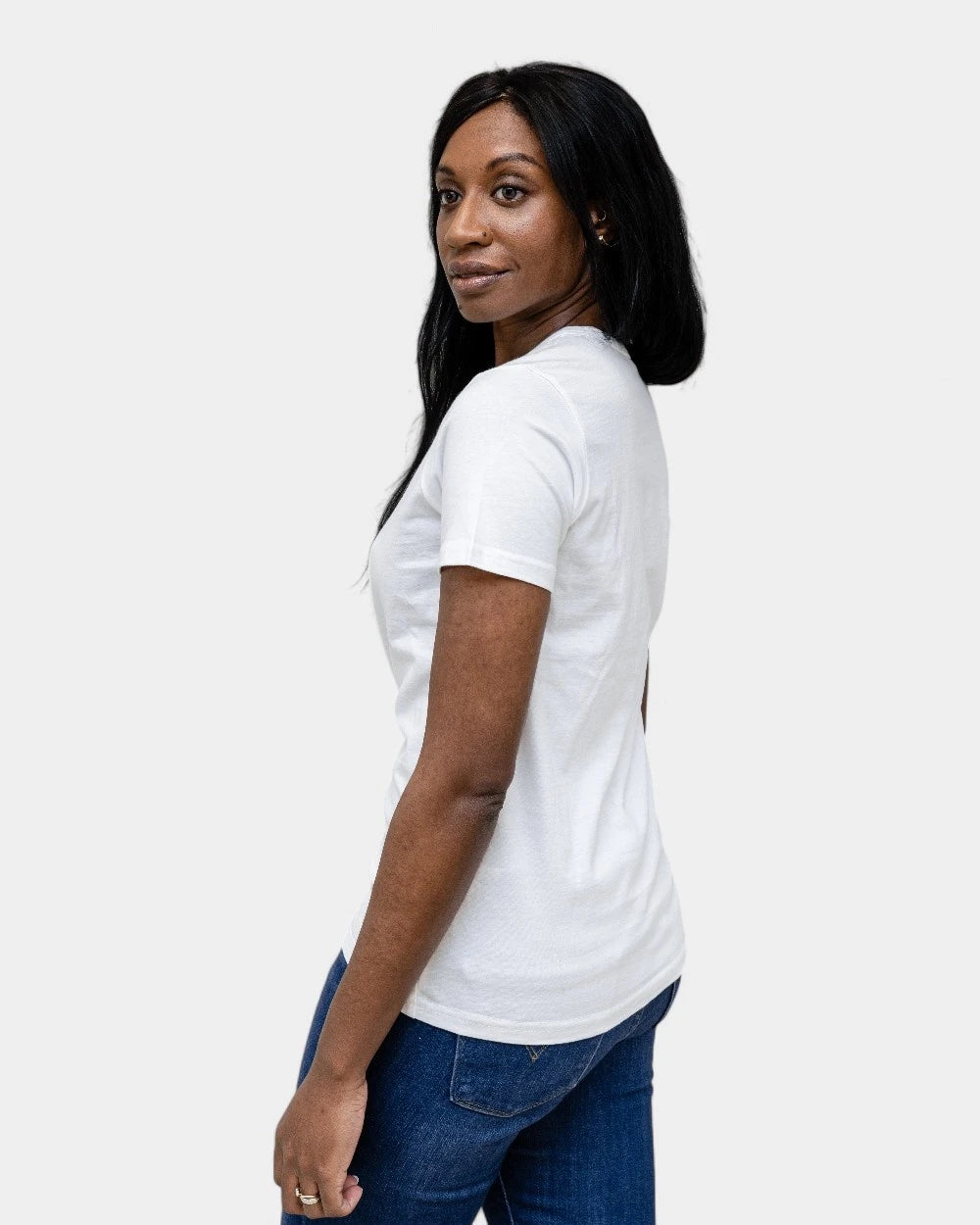


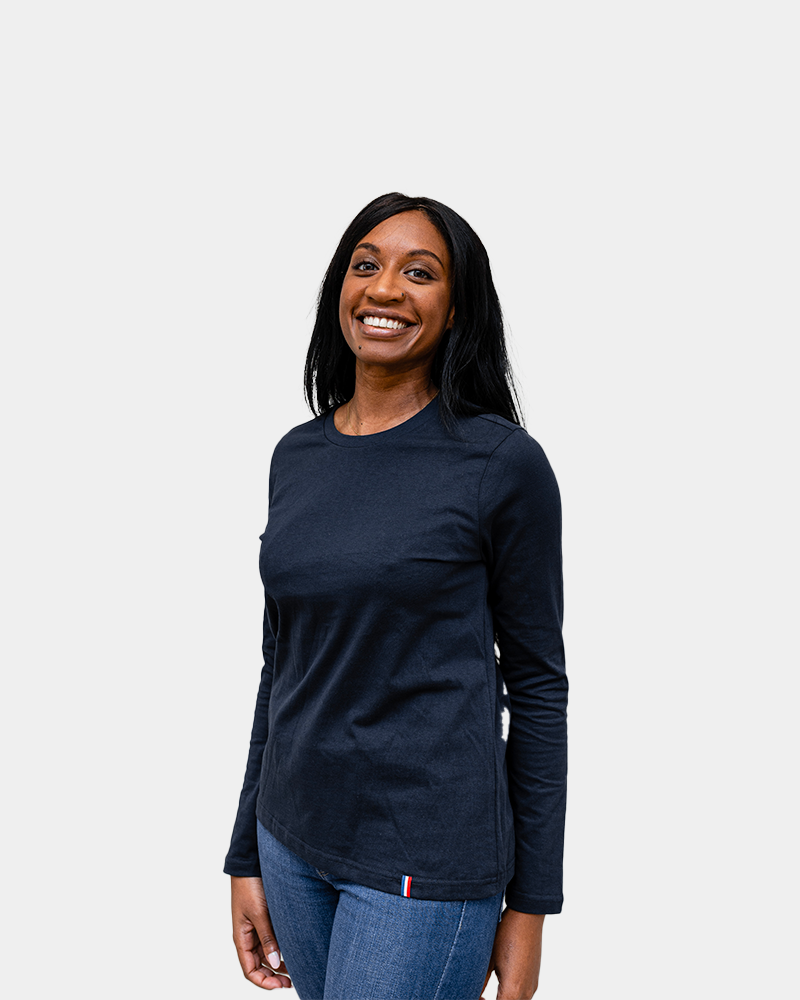


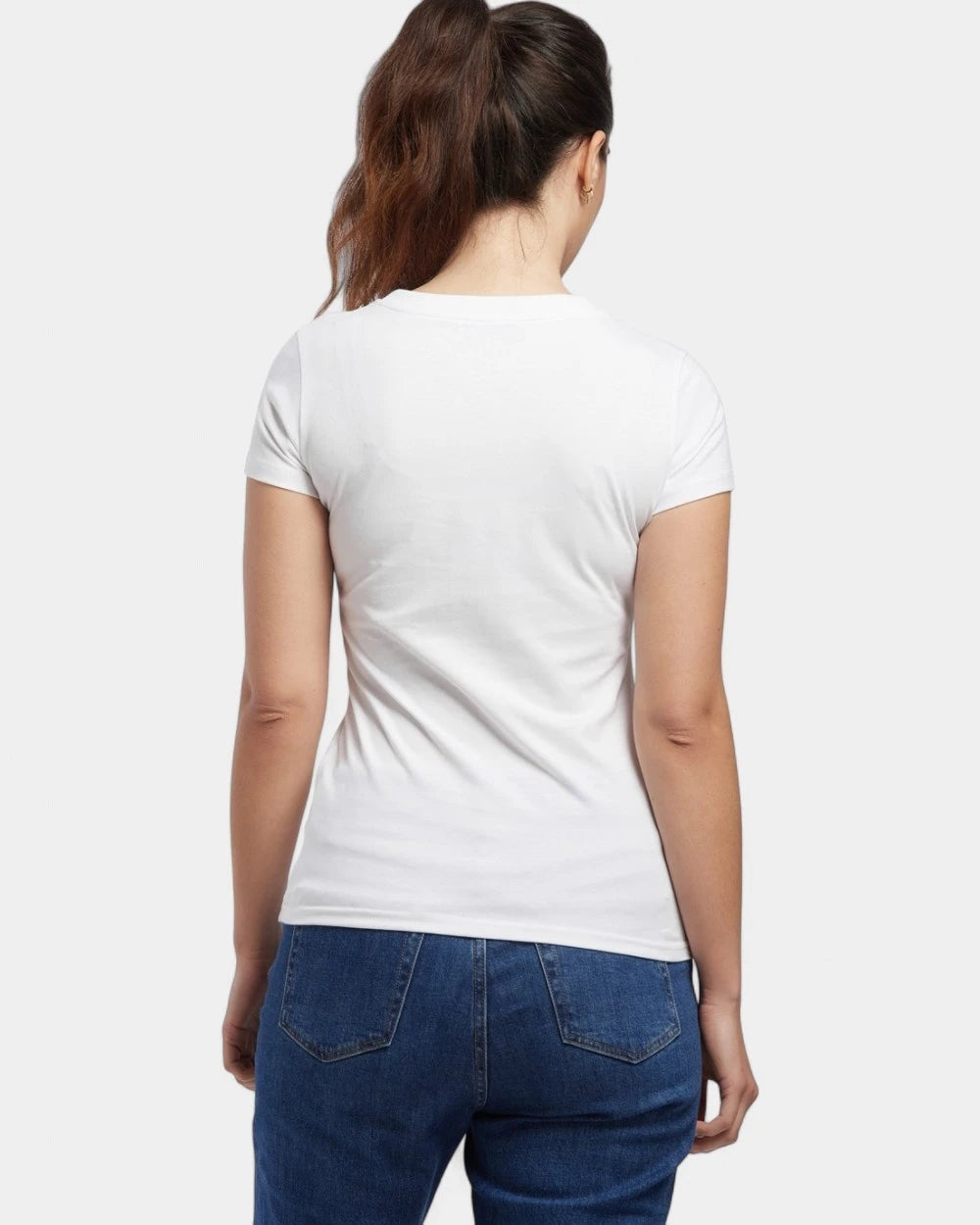


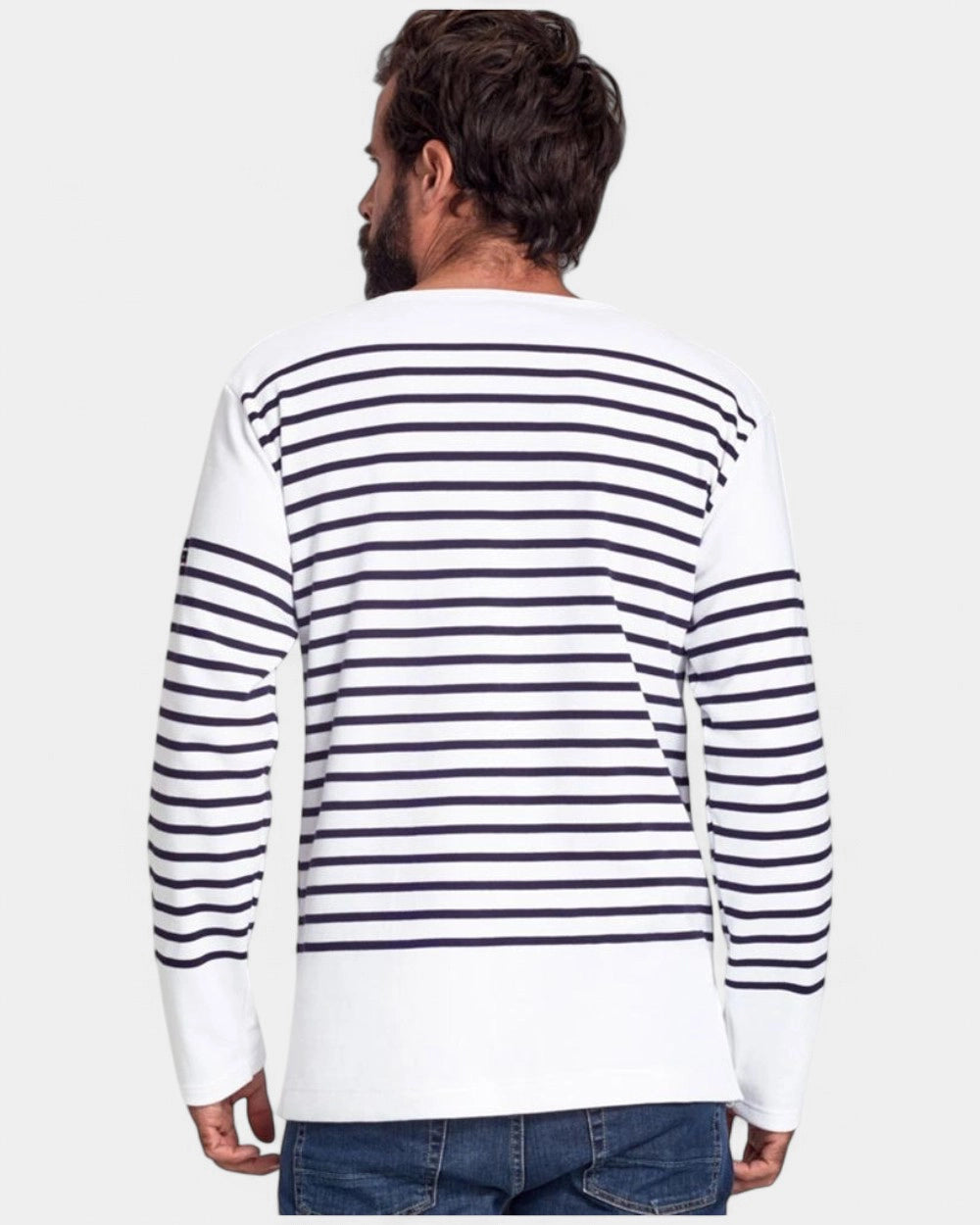


Treat your clients and employees!

FAQ - Branded French Made T-Shirts
Trusted by 1,000+ companies
Why Provenance Leads The Brief On French Made T-Shirts
A procurement team signing off a 600-unit staff rollout now files one answer beside the invoice: which country knitted and stitched the garment. French Made T-Shirts let you write that line without hedging. The yarn becomes cloth, the cloth becomes a body, and the print or stitch goes down inside France and the wider Union.
That single fact reshapes the whole conversation with a UK buyer. You are no longer holding a blank whose origin you cannot name. You are holding a garment whose making happened under a known legal regime, where pay, hours and chemical use answer to enforceable rules. The defensibility of the order is built into where it was produced, not bolted on later as a claim.
Most rival blanks decorate in Europe but say nothing about where the body itself was knitted and sewn. That gap is exactly what a sharp auditor probes. Here the answer to every stage is the same continent, so the story does not collapse the moment somebody asks a second question about the earlier steps of production.
The Knit Stage That Anchors Your Made In France T-Shirts
Provenance lives or dies at the knit stage, the step nearly every catalogue skips over. Before a tee can be cut, raw cotton yarn is run through a knitting machine that loops it into jersey, the stretchy cloth a t-shirt is built from. On these Made In France T-Shirts that knitting happens inside France and neighbouring EU mills, not on another continent.
That matters because a garment finished in Europe can still have been knitted half a world away, with the cotton stage left invisible. A printed-in-Europe label tells a buyer nothing about the loom. By owning the knit step we can name the country where the cloth itself was formed, which is the earliest point most supply stories quietly go dark.
The knit type is a spec in its own right, not just an origin marker. A dense single jersey near 180 g/m² feels firmer than a slack knit of the same weight, because the loops packed into each centimetre change the handle. A tubular body with no side seam suits wrap-around prints, while a side-seamed body holds a sharper, more fitted silhouette.
How A Single-Country Chain Documents Your Branded French Made T-Shirts
A charity ordering 300 volunteer tees cannot risk a headline about the conditions behind them. Branded French Made T-Shirts close that exposure, because knit, cut-and-sew and finishing all sit under European employment rules an inspectorate can actually enforce. One legal floor covers the whole making, rather than a distant audit nobody on your side has read.
There is a reporting dividend too. A UK organisation publishing a modern-slavery statement has to speak to the labour behind its supply chain. A tee whose every stage happened in the EU gives that statement firmer footing than one stitched by an unnamed subcontractor abroad. The shorter the chain, the fewer the gaps a stakeholder can prise open.
Custom T-Shirts sit beside this range for the brief where unit price leads and origin is not the deciding factor. The choice between the two is genuinely about your purpose. A values-led rollout that must evidence its chain leans European-made, while a no-questions-asked volume giveaway can run on the standard range.
Chain Of Custody From Knit To Dispatch On Made In France T-Shirts
Traceability means every step of the garment carries a known address, and for these tees that chain holds inside Europe end to end. The cotton is knitted into jersey, the jersey is cut and sewn into a body, and the finished blank is decorated. No stage is farmed out to a distant workshop you would struggle to put a name or a country to.
That single-country record is what an auditor actually wants to see. Where a buyer must document the route from fibre to finished tee, we set out which stage took place where, so the answer is one continent rather than a shrug. Organic fibre is the natural partner to this, and it is the lead spec on our Branded Organic European T-Shirts for a brief built around certified cotton.
The made-in claim is factual, not decorative. We put in writing where a base is knitted, sewn and printed, and we will not dress that up with a fictional town, plant or paperwork number. Origin leads this page for one reason only: it is documented at every step, which is the test any claim has to pass before a careful buyer trusts it.
| Stage | Where it happens | What it gives the buyer |
|---|---|---|
| Knitting | France / EU mills | Named cotton-to-cloth origin |
| Cut and sew | France / EU workshops | Body made under EU employment rules |
| Decoration | France / EU print rooms | Print and stitch applied in Europe |
| Dispatch | Near-shore route to the UK | Shorter haul, tighter reorder window |
The Cloth And Weight Of Your European Made T-Shirts
Fabric weight, quoted in grams per square metre, decides how a European-made tee handles and how a logo rides through laundering. A summer giveaway at 140 to 150 g/m² hangs loose and costs least, though such thin jersey can let a spotlight read through. The 160 to 185 g/m² band is the dependable middle ground for everyday staff wear.
Step up to roughly 190 to 220 g/m² and the tee gains a weighty, structured feel that signals quality at first touch. The yarn spin counts too: a ringspun thread twists the fibres tightly for a slick face that takes fine detail, and combing strips out the short fibres that bobble. We tune the choice to the job, soft for retail and rugged for outdoor crews.
Pre-shrinking belongs in the weight conversation, since cotton pulls in after a hot wash. A pre-shrunk body keeps its stated dimensions and stops a print drifting off position over the first few cycles. On request we pass over the laid-flat figures, chest width and body length included, letting you fit a sizing chart against the actual roster instead of estimating.
| Cotton | Weight band | What it gives | Suited to |
|---|---|---|---|
| Carded | 140 to 160 | Budget face, even marking | Bulk event tees |
| Ringspun | 150 to 185 | Smooth handle, fine detail | Retail-grade merch |
| Combed organic | 150 to 185 | Soft feel, named per style | Pledge-led rollouts |
| Recycled blend | 150 to 180 | Stretchy, crease-resistant | Sport and event wear |
| Heavyweight | 190 to 220 | Substantial, structured body | Flagship uniform tees |
Decoration Methods Printed In Europe On Your French Made T-Shirts
Almost every European-made tee leaves our workshops by one of four finishing routes, each carried out on the Continent rather than shipped out for marking. Spot-colour screen work suits big runs of two or three colours, forcing ink through one stencil per shade. A properly cured deposit then shrugs off dozens of wash cycles without fading.
For richly coloured or photographic art, a digital garment printer lays the image straight onto the fibre with no plate to cut, and a run of twenty stays affordable. A pressed film handles individual names and squad numbers within one batch, while needle-and-thread stitching delivers the toughest, most upmarket chest badge of the four routes.
Because the marking happens on the same continent as the knitting and sewing, your stated country of origin never fractures across a border mid-process. Your artwork is signed off on a free digital mock-up, returned for approval within 24h, before any ink lands. Custom Hoodies draw on the very same European line when a kit wants a heavier layer.
- Knit stage in Europe is the provenance fact rivals skip
- Weight to season: summer 140-150, year-round 160-185, statement 190-220
- Twist matters: ringspun for detail, carded yarn to trim spend
- Marking to artwork: screen, digital, pressed film or stitch
- Build the size split off the real roster, not guesswork
- A signed-off design is held on record for a clean repeat
- Lock the deadline early so the near-shore turnaround holds
Logo Placement Across Your European Made T-Shirts
Where a logo lands is a question of sightlines, and a European-made tee offers every position a quality body allows. A discreet left-breast badge reads as workwear for offices and corporate days. It usually drops about 18 to 22 cm below the shoulder line and is resized so it looks even from XS up to 4XL. A centre-chest graphic, by contrast, pulls the eye at busy events.
Behind the wearer, the full back gives room for a strapline or sponsor roll that onlookers catch as a team moves off. Down the arm, a slim sleeve hit slips in a quiet extra such as a handle or web address. At the back collar, a neck print swaps the maker's label for your own brand, underlining the crafted-in-Europe theme out of sight.
Every spot has a ceiling on print size, fixed by both the chosen method and the body itself. We fit your artwork inside those bounds at the mock-up stage so nothing gets clipped. Custom caps tend to ride along on the same event order, with a chest badge and an embroidered peak echoing each other across a busy floor.
Fits And Sizes Across Your Branded French Made T-Shirts
How a tee sits on real people weighs as heavily as where it was knitted. A men's block hangs squarer and looser, while a women's block is nipped at the midriff for a neater line. A unisex block splits the difference for groups you cannot pre-measure. Ranges typically reach from XS to 4XL, though the precise rungs differ from one style to the next.
The collar is the next call. A round crew neck is the easy all-rounder that carries a logo anywhere, whereas a V-neck looks a touch smarter for hospitality or shop-floor roles. We pin down the exact sizes a given European-made style offers before you place a single unit, since the rungs can move as the fabric weight changes between bodies.
Spreading an order across the ladder also heads off the usual glut of mediums and the shortfall at the ends. A spread built from your actual headcount means fewer people left without a tee that fits, and fewer awkward top-ups later. We will work the likely size split out with you from the headcount before any quantity is locked.
| Block | Shape | Size run | Pick when |
|---|---|---|---|
| Men's | Squarer, looser block | S-4XL | Go-to for mixed male groups |
| Women's | Nipped at the midriff | XS-3XL | Neater, contoured line |
| Unisex | Splits the two blocks | XS-4XL | Easiest single-spec order |
| Crew neck | Round-collar default | XS-4XL | Carries a logo anywhere |
| V-neck | Open V collar | XS-3XL | Smarter shop-floor and hospitality look |
Lead Times And Near-Shore Dispatch For Made In France T-Shirts
This is the one place the geography pays off directly. A run knitted, sewn and printed on the Continent lands at a UK depot without the weeks of ocean freight a Far East shipment carries. A debut order, mock-up and finishing included, usually arrives inside about three weeks, and that near-shore route also trims the haulage slice of the garment's footprint.
Provenance de-risks the reorder as much as the lead time. The making sits inside a settled European chain rather than a distant subcontractor you cannot reach when a spec query lands. So a second wave for a later cohort can match the first batch closely on cloth and colour, because the same mills and workshops are still in the loop.
We hold the agreed spec on record, so a straight repeat of a signed-off design turns round quicker than the first order. Custom Sportswear runs on the same European footing when a club extends a tee order into match kit, letting one provenance story stretch across a whole seasonal range.
Wash Survival And Longevity Of European Made T-Shirts
The kindest tee on any footprint is the one nobody throws out, so how long it lasts belongs inside the provenance argument rather than apart from it. A soundly knitted Continental body keeps its shape, and a logo set onto it endures laundering when the wearer is reasonably gentle. The crafted-in-Europe pledge then holds well beyond the first spin.
Looking after it is straightforward, and worth a line on your rollout memo. A cool 30-degree cycle, the shirt flipped inside out and kept off the dryer, spares both fibre and mark. Treated so, a cured screen or digital print comfortably clears dozens of cycles, while stitched thread runs for years because it cannot flake off the way a tired film does.
Cooler cycles also pare back the electricity a sizeable order draws across its working life. A shirt that lasts two years rather than half of one moves a footprint figure further than any single fibre swap. Wear life and a documented origin pull in the same direction, so we pick weight and method for endurance, not just for the day of the unveiling.
Which UK Buyers Choose European Made T-Shirts
The buyer who reaches for this range is rarely chasing the lowest unit price. A B-Corp brand, a university with a sustainability pledge, a charity guarding its reputation, a procurement-bound public body: each needs a garment whose origin it can name. European Made T-Shirts hand that buyer a supply story that holds up inside a tender document.
Values-led retail and members' bodies use the same logic for merchandise their customers will scrutinise. A shopper who reads the inside label expects it to match the brand's stated ethics, and a European-made tee keeps the label and the marketing aligned. The provenance becomes part of the product rather than a fact you would rather not be asked about.
Site-heavy and event-led organisations still benefit, since a traceable garment carries the brand into places a banner never reaches while standing up to an audit. Corporate Gift Boxes pair a European-made tee with other branded items when a welcome pack needs a coherent, defensible origin across every component inside.
Briefing A Run Of French Made T-Shirts
A tidy brief is what gets a finished example into your hands quickly. Tell us the purpose, an approximate count, the date it is needed, your house colours, and whether a named origin or certificate is non-negotiable. With that in front of us, we settle on a European-made style, a weight and a marking route without a long email chain.
Where you hold a vector file, send it: sharp outlines reproduce on screen and needle far better than a logo lifted off a web page. If you only have a flat image, we give you a candid read on whether it stands up at full print scale before any money is spent. Should the supply chain need documenting, say so early so we point you at the certified styles.
From there the run is short: a mock-up back to you within 24h, your approval, then production landing in roughly three weeks. The tighter the brief, the closer that first mock-up sits to the European-made tee you pictured, and the firmer the ground under the origin claim you will later make.
| Marking route | Method | Best at | Sensible from |
|---|---|---|---|
| Screen | One stencil per shade | Bold colour at volume | Around 50 pieces up |
| Digital print | Image jetted onto cotton | Photo-grade, full palette | Around 10 pieces up |
| Pressed film | Cut film heat-bonded | Individual names, numbers | A single piece up |
| Stitch | Thread worked into cloth | Toughest, upmarket badge | Around 10 pieces up |

