

Printed tea towels
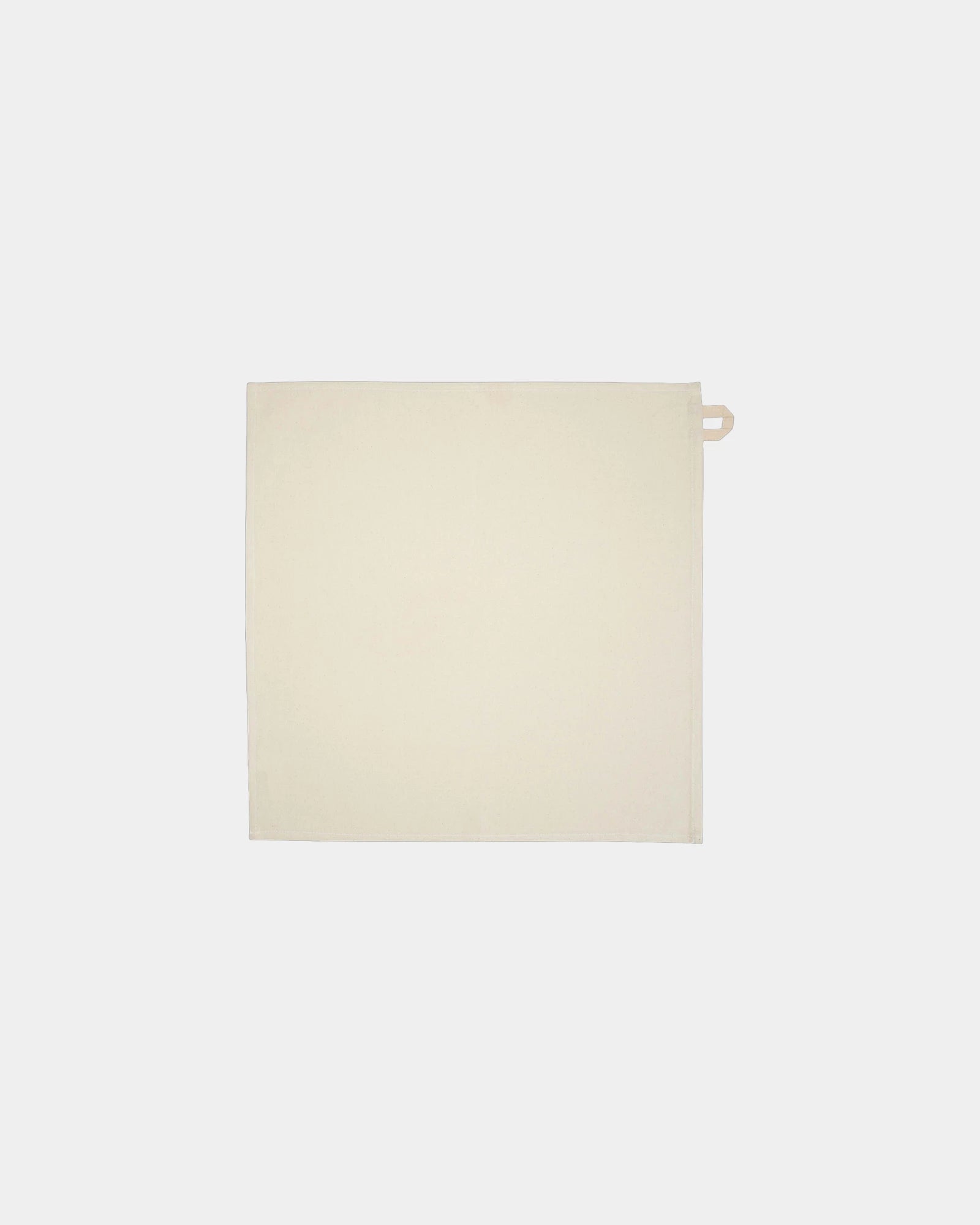


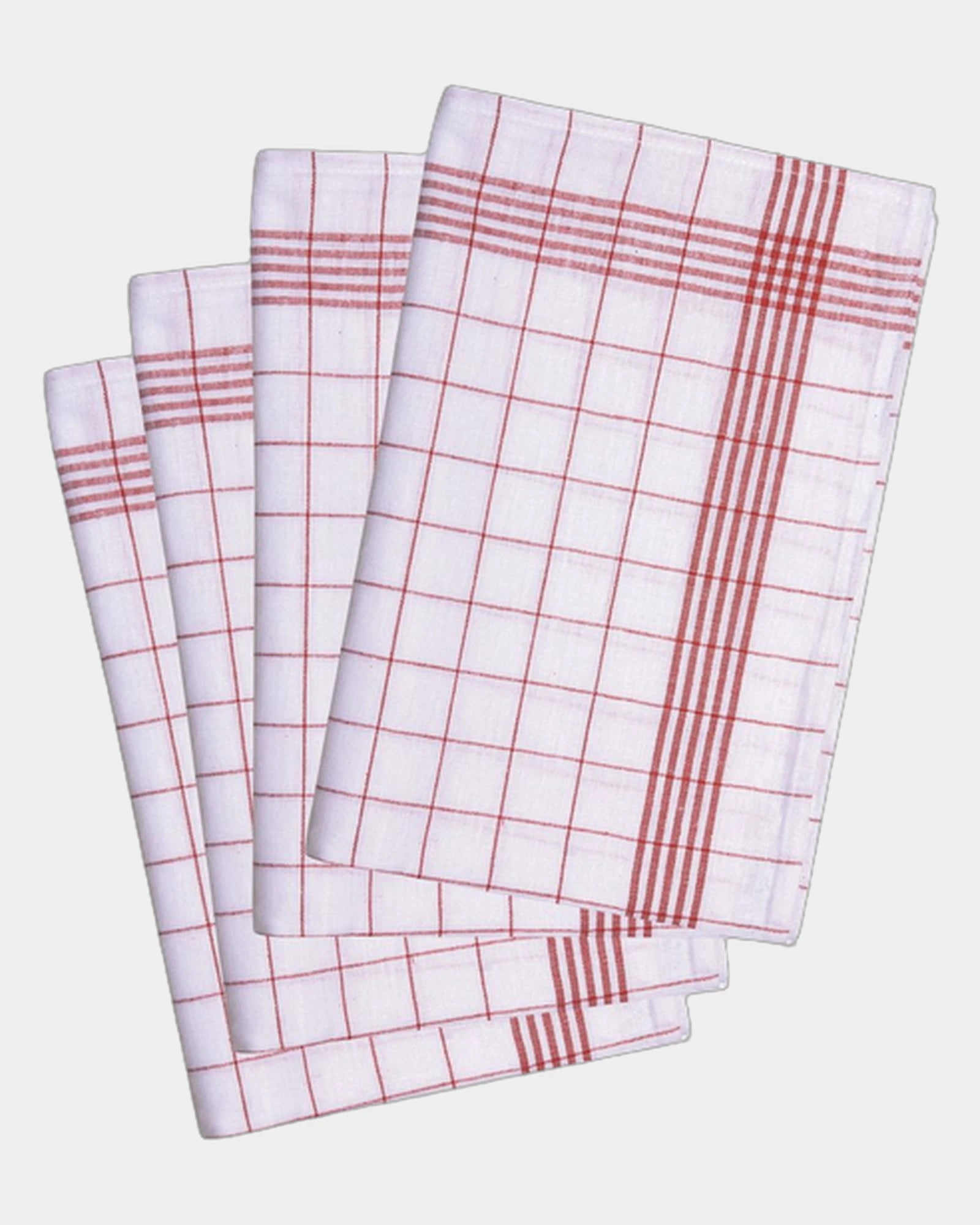


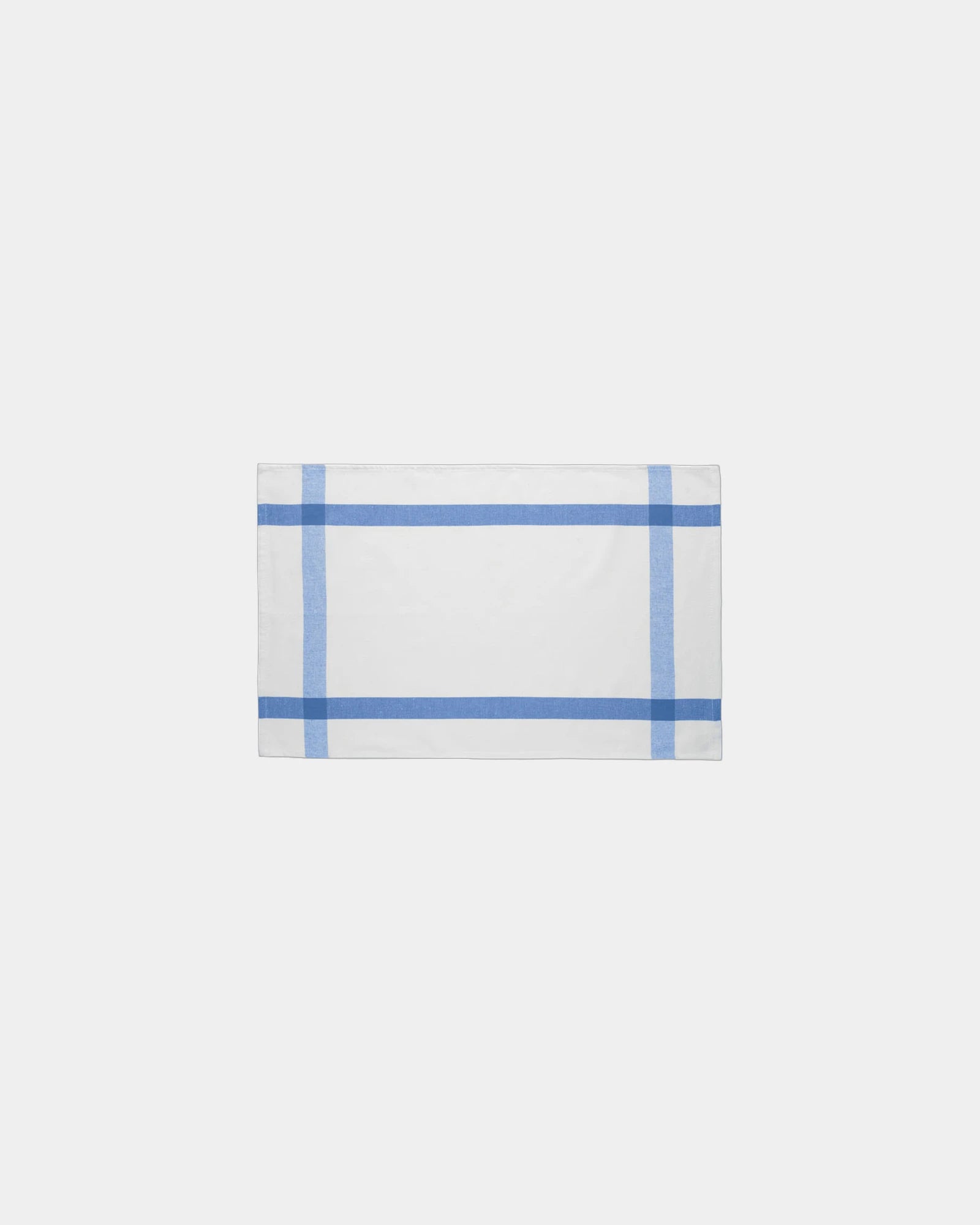


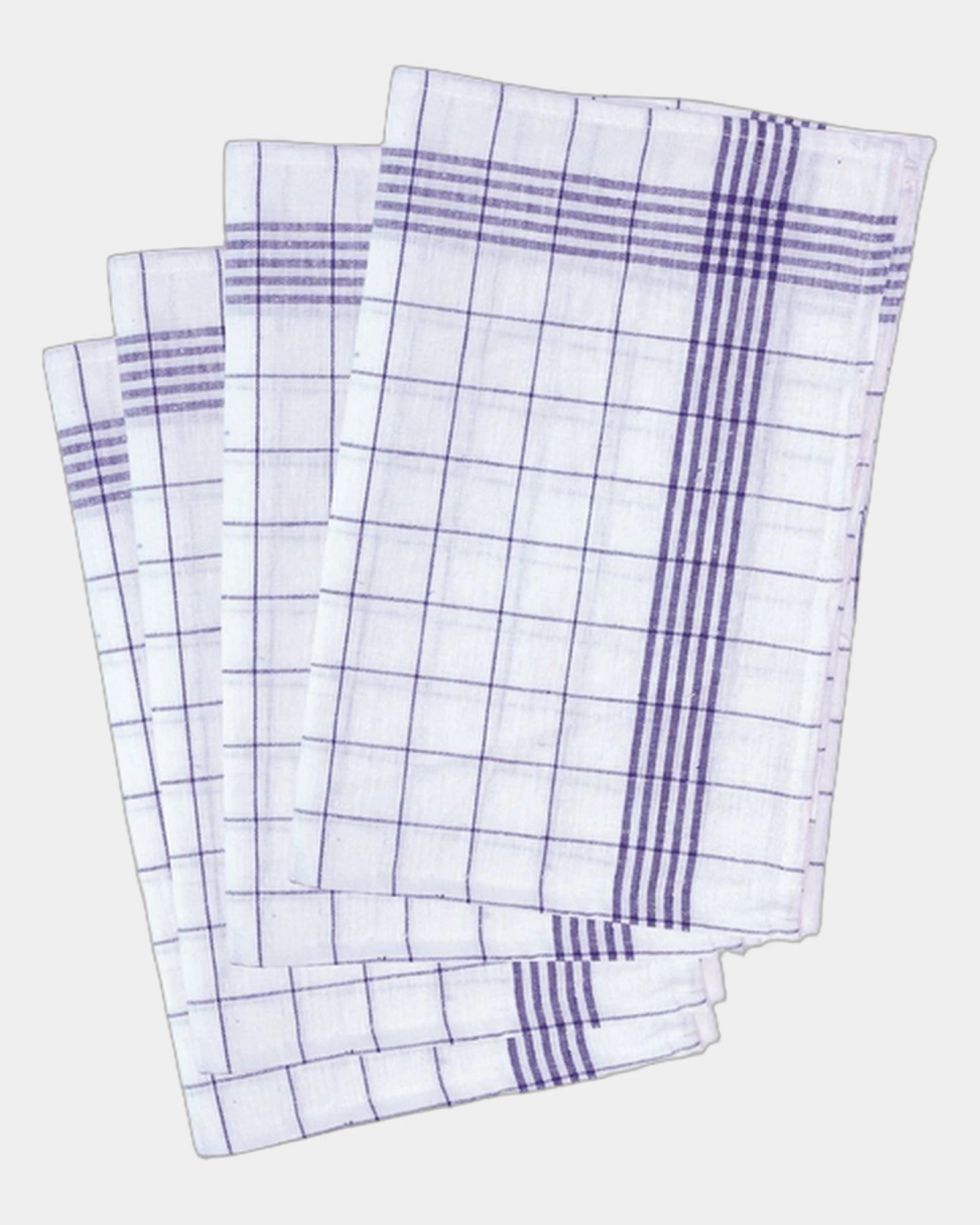








Treat your clients and employees!

FAQ - Personalised tea towels
Trusted by 1,000+ companies
A pub-kitchen pass: where embroidered tea towels earn their keep
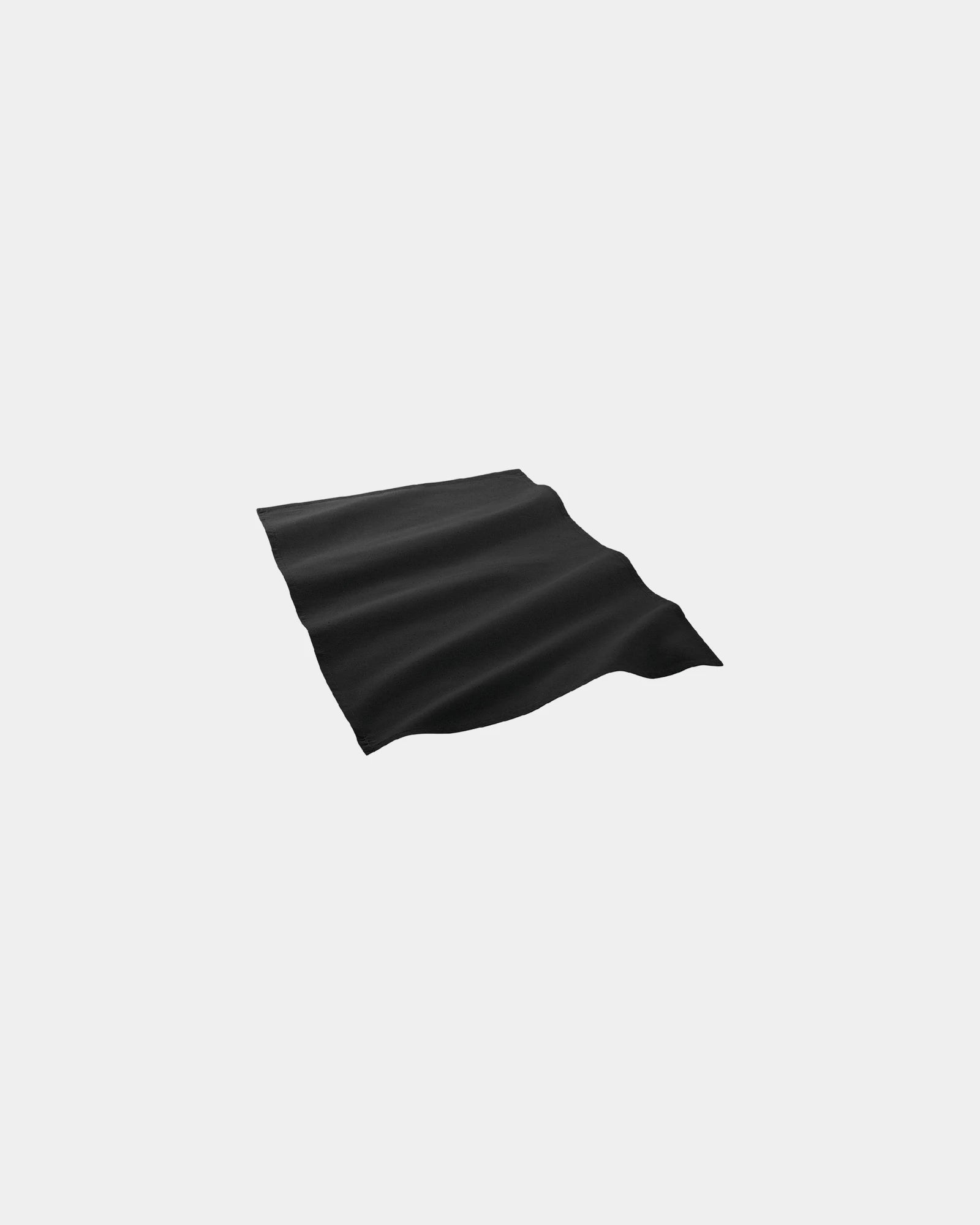
Picture a gastropub plating forty covers on a Friday. The pass needs cloths that dry a hot plate without shedding fibre onto the food, soak a spill off stainless steel and survive a nightly boil wash. A flat-woven 100% cotton tea towel in a dark check hides stains between washes, and a sewn-in hanging loop keeps it on the rail rather than the floor.
That brief treats personalised tea towels as kitchen kit, not a giveaway. The chef wants low lint near plated food, fast absorbency on the wash-up and a logo that reads when the cloth hangs on the rail. We set the cloth weight to the work and place the print clear of the most-handled corner, so the mark outlasts the daily abrasion of a service.
Cotton, linen-union, cotton-linen and organic promotional tea towels
Cotton bases for everyday branded tea towels
Fabric is chosen for the job the cloth meets, then for the mark it carries. A 100% cotton tea towel is the everyday workhorse: soft, very absorbent and happy on a hot wash, ideal for drying hands, wiping surfaces and general kitchen duty. It takes a screen or digital print cleanly and laundering only softens it further over a season.
Linen-union and organic options for promotional tea towels
Linen-union changes the character entirely. A blend of roughly half linen and half cotton dries fast and leaves almost no lint. It polishes glass and cutlery to a streak-free shine, which is why a bar or a fine-dining pass reaches for it. The flax fibre gives a crisp, textured hand that reads as a quality retail cloth on a shop shelf.
Cotton-linen and organic options answer specific briefs. A cotton-linen mix splits the difference, balancing the absorbency of cotton against the lint-free polish of linen. Organic cotton is available where a brief calls for it, with the fibre content and any certification stated in the product spec on request rather than claimed in this copy. The colour palette stays close across all four cloths.
Lint on a clean glass is the one complaint a kitchen makes about a cheap tea towel, so it is worth settling here once. A loose, fluffy cotton sheds fibre, drying hands well but smearing a wine glass, while linen and linen-union shed almost nothing. A new cotton cloth also lints most on its first few washes, before the surface fibres settle. Washing a glass cloth two or three times before it touches good glassware heads off the first-week grumble. That is why a bar keeps a dedicated linen glass cloth apart from the cotton hand towel by the sink, and why we spec the fibre to the primary task.
| Fabric | Absorbency | Lint | Best job |
|---|---|---|---|
| 100% cotton | Very high | Some | Hands, surfaces, general kitchen |
| Linen-union | Moderate | Almost none | Glass and cutlery polishing |
| Cotton-linen | High | Low | All-round bar and kitchen |
| Organic cotton | Very high | Some | Eco-led retail and gift lines |
Flat-woven versus waffle: the weave behind your branded tea towels
The weave decides how an embroidered tea towel behaves before fabric weight even enters the question. A flat plain weave is the classic kitchen cloth, a smooth even surface that dries glass without snagging. It presses flat for a crisp print and folds neatly into a retail sleeve. It is the default for a glass cloth and for any towel that needs a clean panel for artwork.
Waffle weave works differently. The honeycomb structure raises a textured surface that suits a tonal woven motif or corner embroidery better than fine print detail, where the flat cloth holds a sharp multi-colour logo. A café reaching for a textured, casual tea towel favours the waffle; a bar that wants a crisp printed panel favours the flat linen-union.
Some kitchens carry both weaves at once. A flat cloth handles the glassware and the artwork while a waffle towel lives by the sink. Running the two in matching house colours, marked the same way, keeps a coordinated look without forcing one weave to do a job it is poor at.
Screen, digital, woven and embroidered: marking your branded tea towels
Personalised tea towels meet a boil wash most weeks, so the mark is built for laundry, not display. Screen print pushes pigment into the cotton for a bold, hard-wearing logo, and a single screen drives the unit cost right down across a large one or two-colour run. It is the standard for a charity or festival batch where one strong colour covers the cloth.
Digital and dye-sublimation printing earn their place on detail and colour. Digital reproduces a photographic graphic or a fine multi-colour illustration on cotton edge to edge, while sublimation locks vivid all-over artwork into a polyester or poly-cotton waffle cloth permanently. Reach for these where a heritage scene, a map or a full-bleed pattern carries the design rather than a single logo.
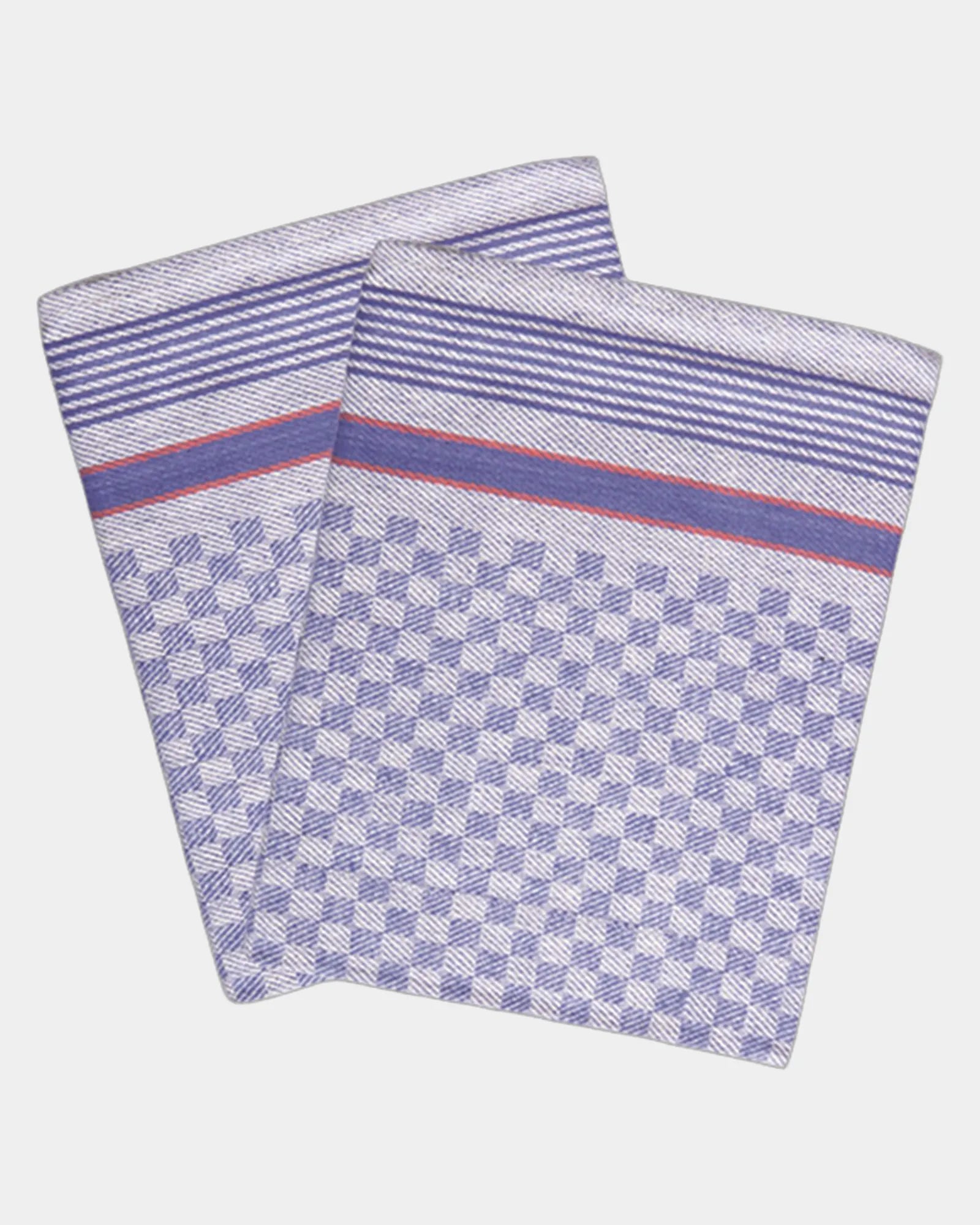
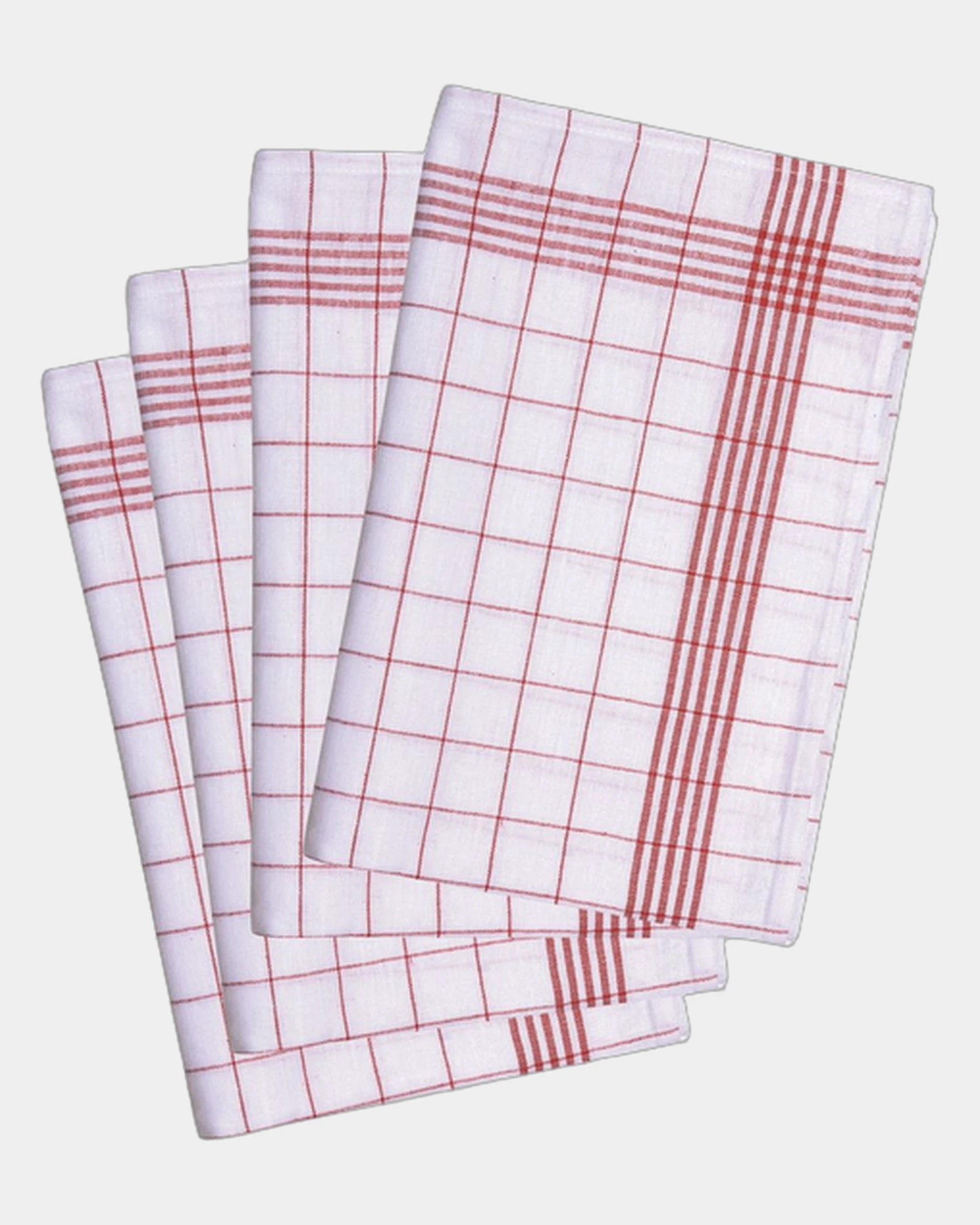
A printed border keeps the classic kitchen-cloth look while still carrying your name. A stripe or check woven or printed along the hem frames a central crest, the format most retail and souvenir tea towels use. For the longest life of all, a woven-in design builds the artwork into the cloth on the loom, so it can never wash off because it is structure, not surface.
Embroidered tea towels suit a corner monogram, a small crest or a named gift. Thread stitched into a flat-woven or waffle corner holds colour through repeated hot washing and reads as a considered, premium finish. We keep stitching to a corner panel rather than the drying field, so the embroidery never scratches a glass it is meant to polish.
A digital print of a brand on plain cotton makes the natural corporate-gift cloth, dropped into a wider homeware kit for a client or a new starter. Pairing the embroidered tea towel with Personalized candles turns a single cloth into a considered hamper a buyer keeps on display rather than a giveaway that vanishes by Monday.
| Method | Best for | Wash life | Practical minimum |
|---|---|---|---|
| Screen print | Bold 1-2 colour logos | High when cured | From approx. 50 |
| Digital / sublimation | Photo and full-bleed art | High | From approx. 25 |
| Woven-in design | Permanent borders, motifs | Highest, never fades | From approx. 250 |
| Embroidery | Corner monogram, gifts | Very high | From 1 |
A museum shop and a heritage line: promotional tea towels that sell
Picture a National Trust property whose shop needs an embroidered tea towel a visitor takes home for under a tenner. The brief is a printed illustration of the house, a dated border and a hanging loop, on a linen-union cloth that feels like a keepsake rather than a freebie. This is retail stock, not a giveaway, so it carries a sewn-in care and brand label.
A heritage or tourism line lives or dies on the artwork and the cloth quality. A printed border around a central scene is the recognised souvenir format, and a woven-in design lifts a premium range that can hold a higher shelf price. We can sew a branded woven label into the hem so the cloth reads as your own retail product on the rack, beside the rest of the shop's range.
If the same shop also sells home and bathroom gifts, an embroidered tea towel pairs naturally on the shelf with Custom bath towels lines for the year-round trade. The kitchen cloth carries the inland and heritage scenes; the bath towel covers the home and spa buyer, both under one house style.
A school fair and a charity batch: fundraiser embroidered tea towels
A primary school PTA runs the classic fundraiser: every child draws a self-portrait, the drawings tile into one panel, and 200 printed tea towels sell at the summer fair. The economics need a low unit cost, so this is a screen or digital job on 100% cotton, with a single print run and a quick turnaround before term ends.
A charity or club batch works the same way at a different scale. A bold one-colour logo screen-printed on a plain cotton cloth keeps the per-unit price low enough to sell at a profit on a stall or in a raffle. We can send a free sample before a fundraiser commits, so the committee checks the cloth and the print in hand before ordering the full run.
For a sustainability-led campaign, an organic cotton cloth shifts the message toward the durable, reusable angle. An embroidered tea towel that lasts years sits comfortably alongside other Sustainable promotional products, replacing single-use kitchen roll in the buyer's home long after the event.
Sizes, formats and roller towels in the branded tea towels range
A standard tea towel runs around 50 by 70cm, the size that drapes over a rail and dries a dinner plate in a couple of folds. That format covers most kitchen, bar and gift briefs, and it gives the largest clean panel for a printed scene or a central logo.
Specialist formats answer specialist jobs. A larger glass cloth at roughly 50 by 80cm gives a bar more reach to polish a wine glass without touching the bowl. A continuous roller towel suits a washroom or a commercial kitchen on a dispenser, and a folding bread or picnic cloth travels well in a lunch kit. Where a workplace runs a wellbeing or onboarding pack, a printed cotton cloth slips in beside Branded lunch boxes and rounds out a hamper.
Weights, hems and the hanging loop on your branded tea towels
Cloth weight on personalised tea towels sits in a tighter band than a bath towel, but it still steers feel and life. A lightweight cotton around 130 to 150gsm dries fast and prints crisply, suiting a souvenir or fundraiser cloth. A heavier 200gsm-plus cotton or linen-union feels substantial in the hand and survives a commercial laundry, which is what a hospitality buyer wants on the rail.
The hem and loop are the details a kitchen actually judges. A double-folded, stitched hem on all four sides stops the cloth fraying after a season of hot washes, where a raw or single-fold edge unravels fast. A sewn-in hanging loop in a corner keeps the towel on the rail and off the floor, and we can colour-match it to the border or the brand.
- Double-stitched four-side hem resists fraying on hot washes
- Corner hanging loop keeps the cloth off the floor
- Low-lint linen-union polishes glass streak-free
- Waffle pockets soak a spill in fewer passes
- Woven-in border can never wash off the cloth
- Sewn-in woven label turns a towel into retail stock
- Dark check or stripe hides stains between washes
Wash life and care for your embroidered tea towels
The wash cycle decides how long an embroidered tea towel lasts and how long the mark survives it. Embroidered tea towels in particular hold their colour through repeated hot washing, where a surface print can dull over a season. A 100% cotton cloth takes a hot 60-degree or even a 90-degree boil wash, the temperature a hygiene-conscious kitchen relies on. A cured screen print or woven-in design rides that out. Linen-union prefers a 40 to 60-degree wash to keep its crisp hand and limit shrinkage.
The decoration method changes the care note. Embroidery shrugs off a hot wash but dislikes fabric softener, which coats and stiffens the thread over time. A digital or sublimated graphic stays brightest washed inside out at 40 degrees. The one habit that extends every cloth is skipping the softener, since a splash of white vinegar in the rinse keeps cotton thirsty and colours bright with no residue. We send a short care note with larger runs and can sew a care label into a retail cloth, so each piece reaches its full working life.
| Cloth and mark | Wash temp | Tumble dry | Note |
|---|---|---|---|
| Screen-printed cotton | Up to 90C | Low | Skip fabric softener |
| Linen-union, woven design | 40-60C | Low | Slight shrink first wash |
| Digital / sublimated | 40C inside out | Low | Keeps colour brightest |
| Embroidered corner | Up to 60C | Low | No softener on the thread |
Sector fit: where promotional tea towels earn their place
The right cloth follows the room it works in, so it helps to map the sector before the weave. A deli or farm shop wants a printed retail cloth a customer buys at the till. A hospitality kitchen wants a hard-wearing glass cloth on the rail. A school or charity wants the cheapest cloth that still prints a child's artwork cleanly. Each of these custom kitchen cloths reads as a different product to the buyer.
That sector lens settles the fibre, the weave and the mark in one pass. A museum shop reaches for linen-union with a woven border, while a festival stall reaches for a one-colour screen print on light cotton. Name the buyer and the rest of this branded kitchen-towel spec narrows to a couple of clear options.
| Sector | Cloth and weave | Mark | Typical run |
|---|---|---|---|
| Deli / farm shop | Linen-union, flat | Printed border, woven label | 100-500 |
| Hospitality kitchen | Heavy cotton, flat | Corner embroidery | 40-150 |
| School / charity | Light cotton, flat | Screen or digital print | 150-300 |
| Museum / heritage | Linen-union, flat | Woven-in design | 1,000-5,000 |
Quantity, runs and lead time for your branded tea towels
The order size for personalised tea towels steers both the decoration method and the per-cloth cost. A 30-piece deli or gift batch runs cleanly on digital print or corner embroidery, where the setup spreads across the small run. Embroidered tea towels work from a single piece, since the digitising is a one-off rather than a per-cloth cost. A 200-unit fundraiser tips toward screen print, and a 5,000-cloth museum-shop line can justify a woven-in border that prints the cost down at scale and never washes off.
A hospitality reorder sits in the middle. Fifty linen-union glass cloths a quarter want a consistent corner mark and a held artwork file so each delivery matches the last. Embroidered tea towels suit this repeat brief, since the stitched corner reads the same on every batch. We log the cloth, the weight and the placement so a repeat order arrives identical to the first.
Lead time follows the weave and the marking method more than the count. A digitally printed cotton batch turns fastest, and a screen-printed fundraiser waits on screens and a colour match. A woven-in border is slowest, since the artwork is threaded on the loom before a single cloth comes off it. We confirm a window against the live quantity, with our standard route landing finished tea towels inside three weeks. For a custom utensil gift set, a cloth pairs with Personalised cutlery under one delivery.
| Order shape | Typical quantity | Decoration | Indicative window |
|---|---|---|---|
| Deli / gift batch | 30-100 | Digital or embroidery | Approx. 2-3 weeks |
| School / charity fundraiser | 150-300 | Screen print | Approx. 3 weeks |
| Hospitality reorder | 40-80 | Corner embroidery | Approx. 2 weeks |
| Museum-shop / heritage line | 1,000-5,000 | Woven-in design | Approx. 3-4 weeks |

