

Promotional Coats


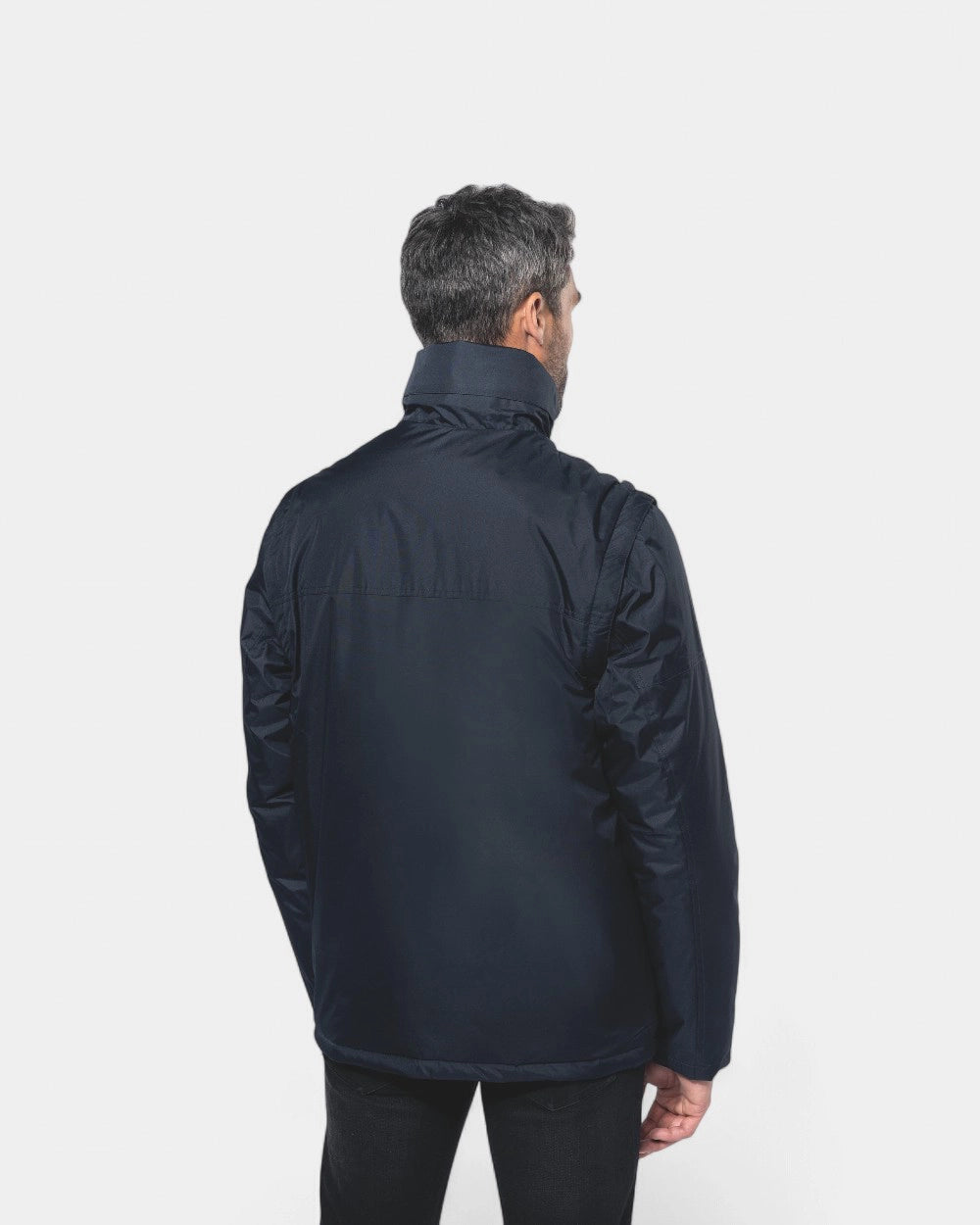


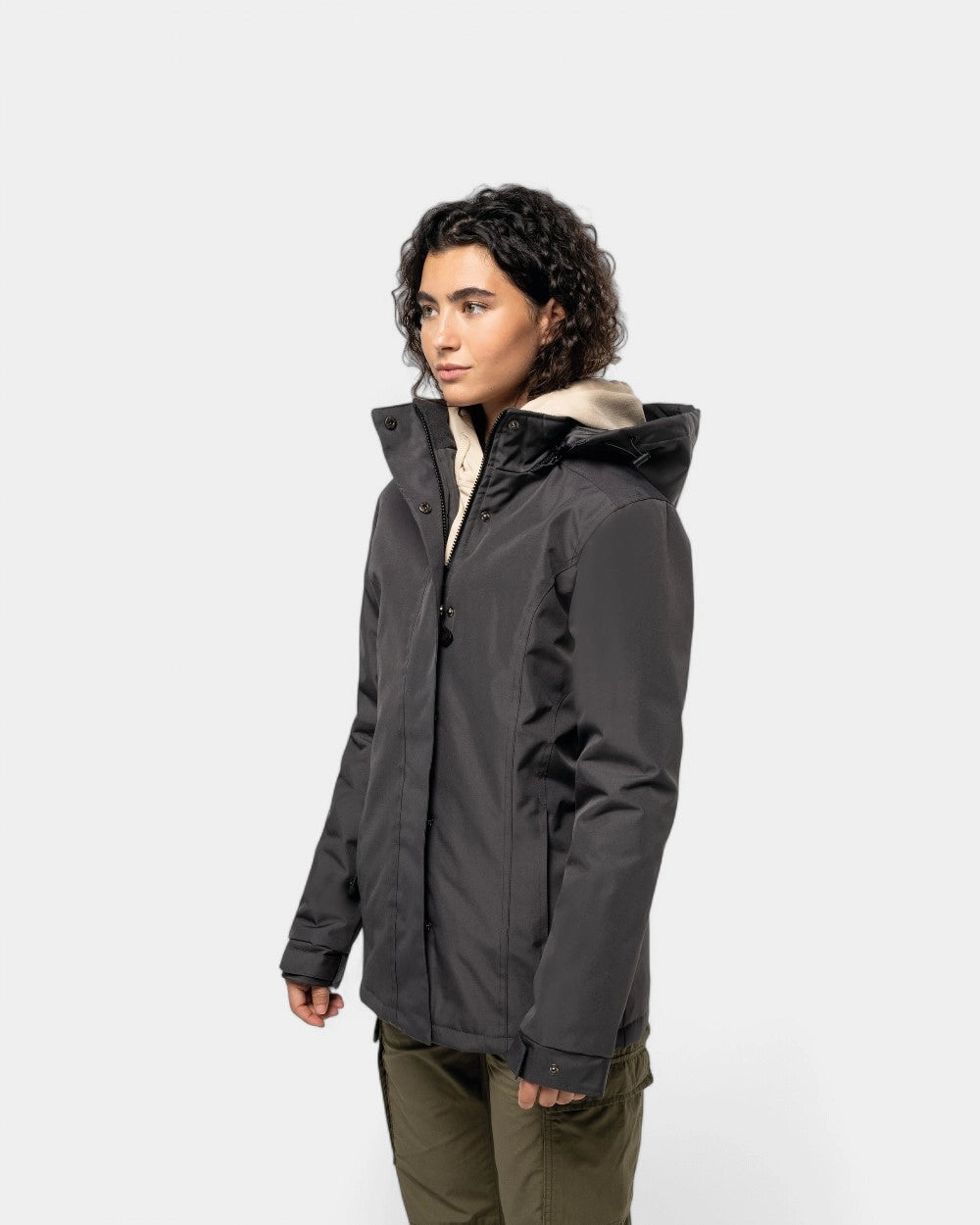


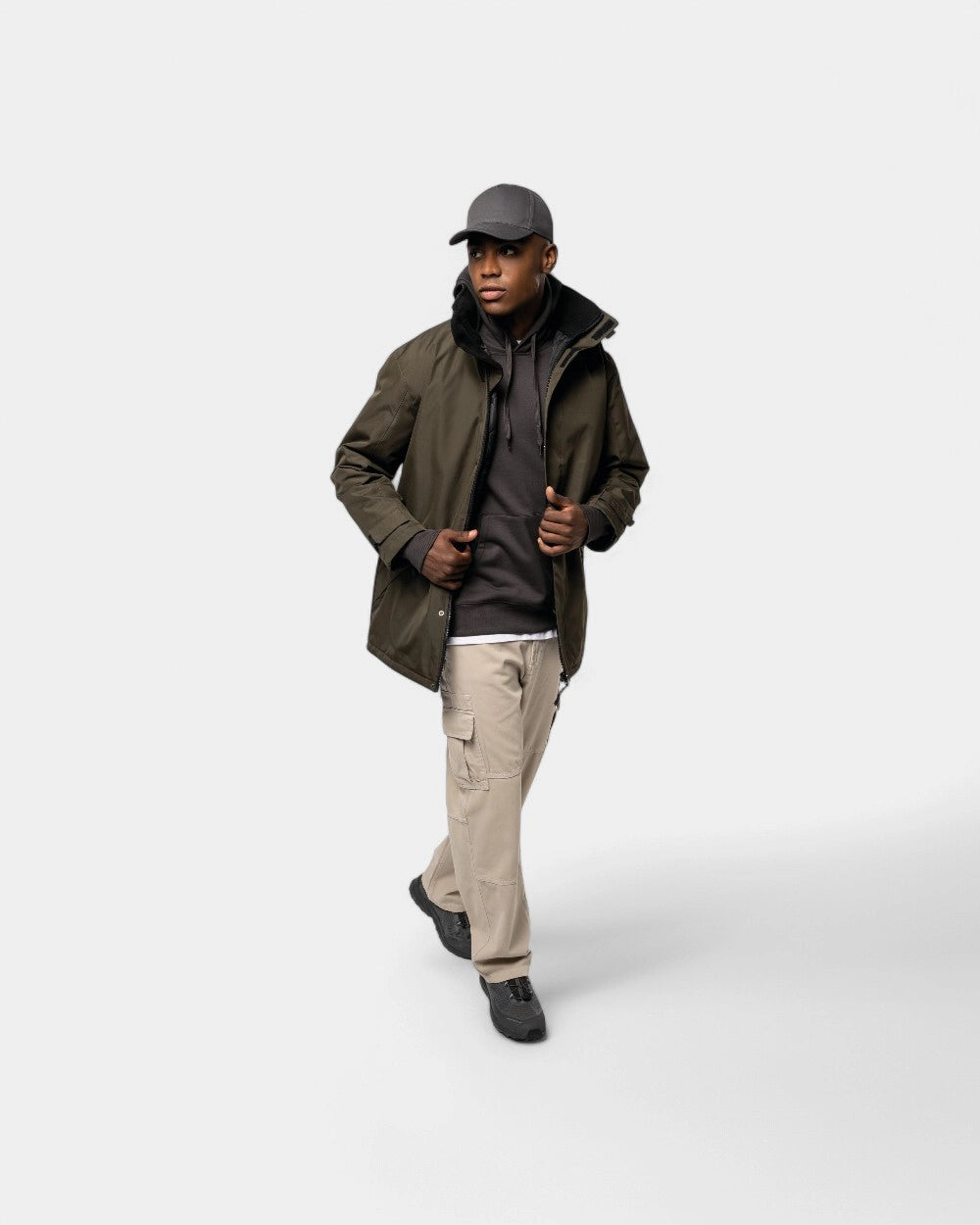


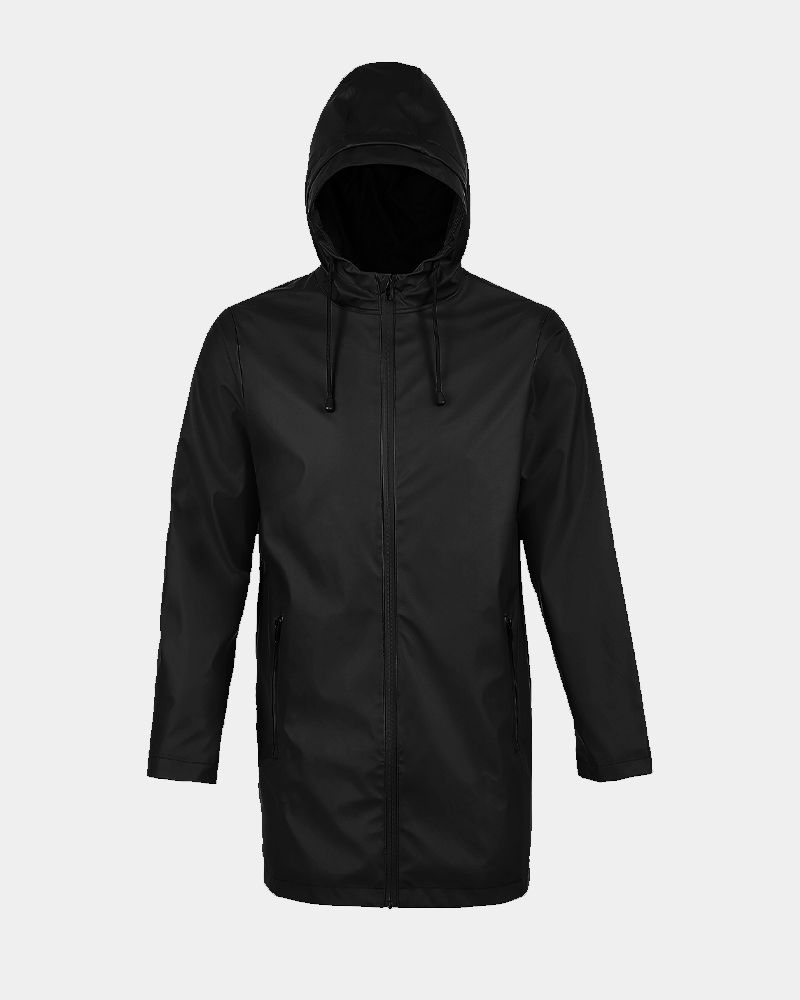


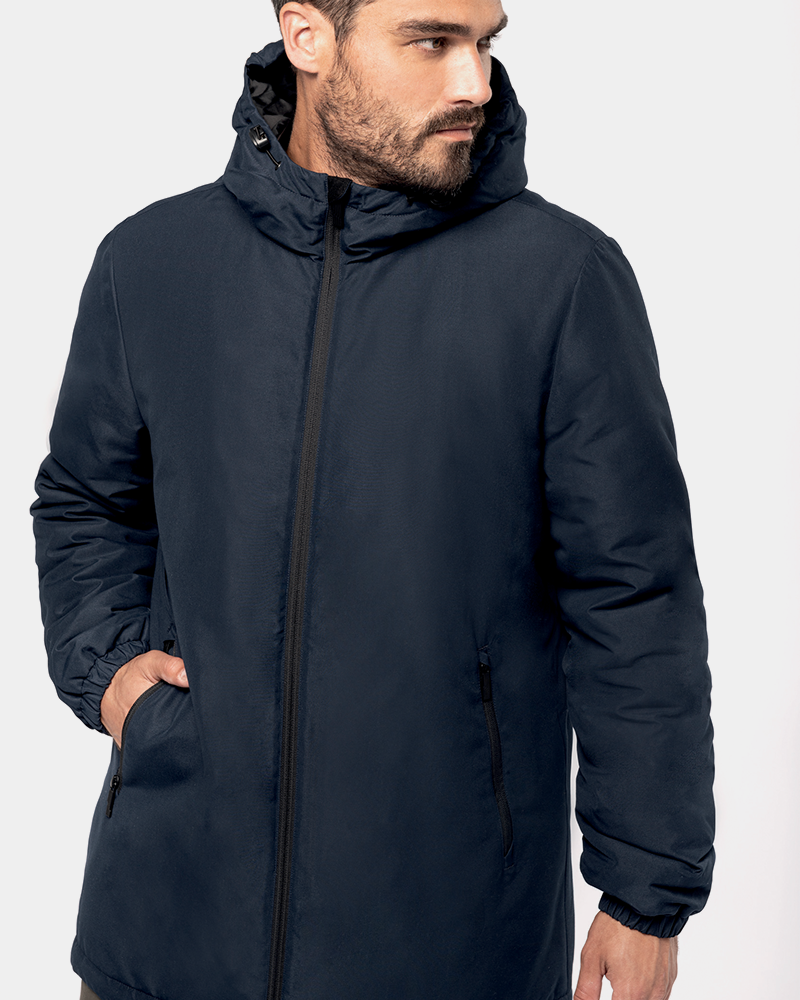


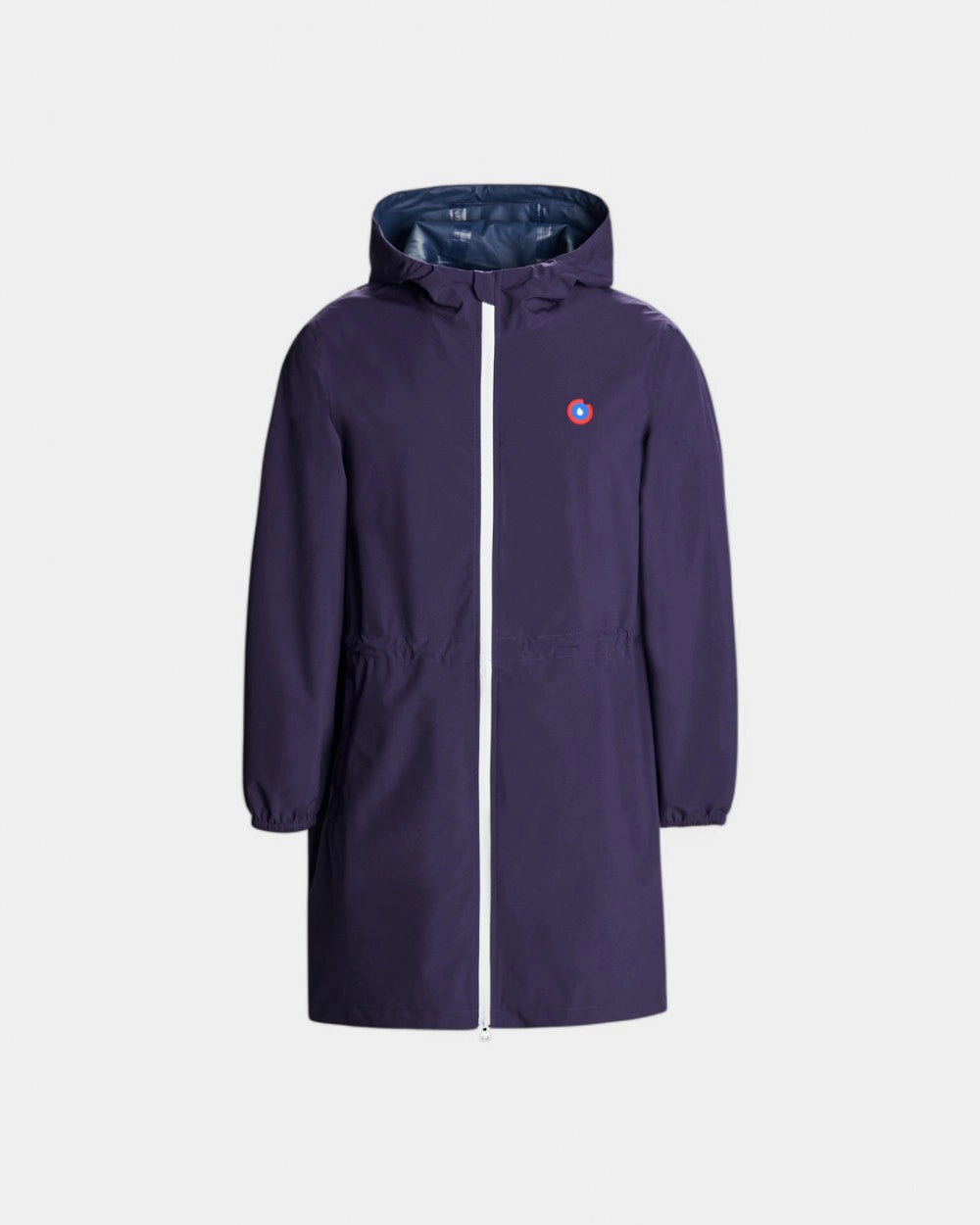




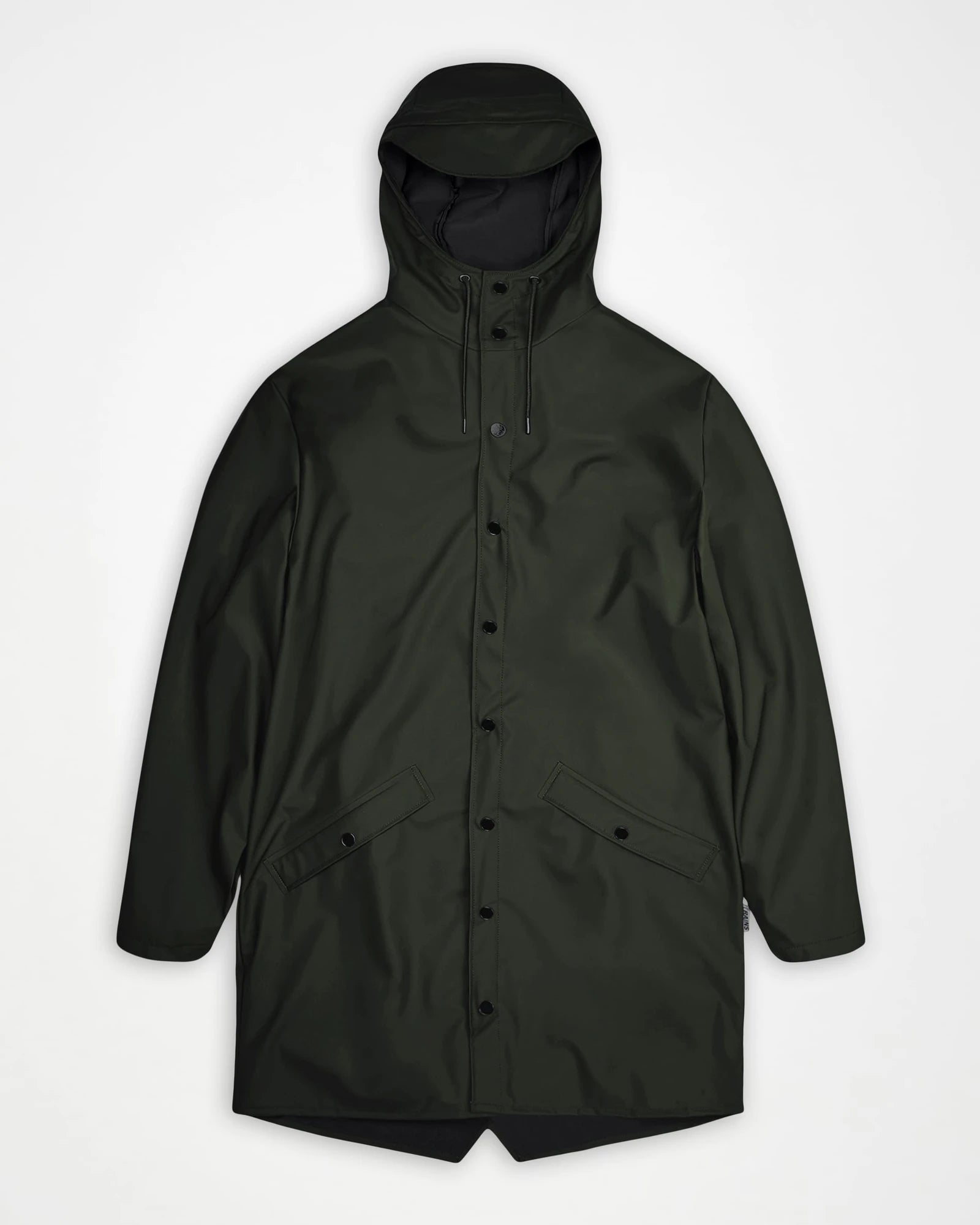


Treat your clients and employees!

FAQ - Branded Coats
Trusted by 1,000+ companies
Where Embroidered Coats do more than a jacket
The defining feature of a coat is hem length. A jacket stops at the waist; a coat drops to mid-hip, the thigh or below, sealing out wind and rain across a larger part of the body. For groundstaff on a winter morning or a marshal stood still for three hours, that extra coverage is the difference between a comfortable shift and a cold one.
Length also changes how the garment reads. A full-length or three-quarter coat looks deliberate and senior, which is why estate managers, concierge teams and front-of-house security wear them rather than a padded jacket on a public-facing shift. The longer panel also gives embroidery room to sit cleanly without crossing a zip or a seam.
Embroidered Jackets suit milder shoulder seasons and active roles, but once the brief is genuine winter cold or all-day exposure, the heavier coat is the right call. The two are companions in a uniform programme rather than substitutes.
Insulated Branded Winter Coats built for genuine cold
Choosing fill weight on Branded Winter Coats
Winter workwear coats carry padded or quilted insulation rated for sustained low temperatures, not a token lining. Fill weights are quoted by the maker in grams per square metre. They run from roughly 120 gsm for active outdoor work up to 300 gsm and beyond, for static exposed roles such as gatehouse security or car-park stewarding.
Most models pair that fill with a windproof, water-repellent outer face and a high, protective storm collar. Look for taped or storm-flap zips, an internal draught skirt and ribbed inner cuffs, since these are the details that stop heat escaping rather than the headline fill figure alone.
The trade-off is weight and bulk. A 300 gsm coat is warm but heavy to wear while moving, so match the fill to how static the wearer is. We can advise the right band once you describe the shifts your team works. A walking patrol overheats in a gatehouse-grade fill within an hour. A steward stood at a turnstile in a lighter coat is cold by mid-shift. The same number suits neither when the role is misread.
| Coat type | Indicative fill | Best for |
|---|---|---|
| Active outdoor coat | 120-160 gsm | Groundstaff, delivery, moving roles |
| All-day exposure coat | 180-220 gsm | Site supervisors, event crew |
| Static cold coat | 250-300+ gsm | Gatehouse, stewarding, car parks |
| Wool overcoat | Lined, non-padded | Concierge, reception, senior front-of-house |
Parka Embroidered Coats with fur-trim hoods
The parka is the longline coat most people picture for deep winter: a thigh-length quilted body, a roomy fit that layers over a fleece, and a generous hood. Many models add a detachable faux-fur trim around the hood, which both shelters the face from wind and gives the coat a recognisable, weatherproof silhouette.
Parkas favour storm protection over a tailored look. Expect a two-way front zip behind a poppered storm flap, large bellows pockets for gloves and a radio, and a drawcord hem to seal the bottom. The detachable hood and trim let one coat work from a mild damp day to a hard frost.
For outdoor-event staff, security and estate teams, the parka is usually the workhorse of the range. Embroidered workwear programmes often pair a parka for winter with a lighter mid-layer underneath for the rest of the year.
Longline and three-quarter Promotional Coats for wet weather
Where the main challenge is rain rather than cold, a waterproof rain coat comes into its own. Three-quarter and longline shells use a coated or membrane outer with taped seams. They keep the wearer dry from the collar to the knee, while a short jacket leaves the legs exposed.
Waterproofing is quoted as a hydrostatic head in millimetres: roughly 2,000 mm handles light showers, while 5,000 mm and above copes with prolonged, driven rain. Breathability matters too, since a sealed coat with no vapour escape leaves the wearer damp from the inside on an active shift.
A good rain coat balances the two with pit zips or a mesh lining. These longline shells layer over an insulated mid-layer in winter and stand alone in a wet spring, which makes them one of the more flexible coats in a uniform store.
| Hydrostatic head | Protection level | Typical use |
|---|---|---|
| 2,000 mm | Light showers | Brief outdoor exposure |
| 5,000 mm | Steady rain | Half-day outdoor shifts |
| 10,000 mm | Driven rain | Full-day exposed roles |
| 15,000+ mm | Storm conditions | Coastal, upland, all-weather crews |
Wool overcoats among our Embroidered Coats for a smart uniform
Not every winter coat is a technical shell. A structured wool or wool-blend overcoat suits concierge, hotel reception, chauffeurs and senior front-of-house, where the coat is part of a smart uniform rather than weather kit. It is lined, tailored through the body and worn over a suit or a shirt.
Wool overcoats carry branding differently. On Embroidered Coats at this tier, a discreet crest on the chest or a monogram at the cuff reads as quality, where a large print would cheapen the garment. The heavier woven panel takes fine, dense stitching well, so small lettering stays crisp even at a modest size. Restraint is the whole point on this tier, since an oversized logo undoes the tailored look the wool was chosen for.
These coats trade outright waterproofing for appearance, so they belong in covered or semi-sheltered roles. Pair them with a technical coat for the staff who actually stand out in the weather. A doorman moving between a lobby and a covered entrance is the classic fit. The wool reads as part of the welcome, while the genuinely exposed crew nearby wears the waterproof shell instead.
Embroidered Coats: stitching on a heavy panel
Placement for Embroidered Coats
Embroidered Coats give decoration more to work with than almost any other garment. The chest, the back yoke and the upper sleeve are all broad, flat and stable, so embroidery sits without puckering. We back the stitch area with a firm stabiliser suited to the coat's weight, which keeps letters and crests sharp on quilted and woven faces alike.
Embroidered Coats are the default across the range because the stitch survives years of wet, cold and washing without fading, and it carries the weight a winter garment deserves. A left-chest logo is the classic placement; a larger back-yoke name panel works for security and event roles that need to be read at distance.
On a waterproof shell, dense back embroidery can interrupt the seam taping, so on those coats we often advise a heat-applied transfer or a printed badge instead. Each coat's recommended method is set by its fabric, and we confirm it against the exact model you choose before any artwork is approved.
| Coat fabric | Recommended method | Why |
|---|---|---|
| Quilted parka body | Embroidery | Stable padded panel takes dense stitch |
| Wool overcoat | Fine embroidery | Woven face holds small crisp lettering |
| Taped waterproof shell | Heat transfer or badge | Avoids piercing seam taping |
| Softshell outer | Embroidery or transfer | Depends on backing and logo size |
Matching Branded Winter Coats to the role across your team
A coat programme rarely uses one style. A typical winter rollout puts parkas on the outdoor crew, waterproof shells on the mobile staff, and wool overcoats on reception, all carrying the same embroidered identity. Sizing Embroidered Coats also means leaving room for the layers worn beneath them.
Because a coat is worn over a fleece or a hoodie, order it a size more generous than a base layer. Embroidered fleeces make the natural mid-layer under a winter coat, and a roomy coat cut lets the two work as a system rather than fighting for space.
Mapping coat type to role before you order avoids the common mistake of buying one coat for everyone and leaving half the team over- or under-dressed for their actual shift. A short audit of who stands still, who moves and who works indoors usually splits a workforce into three coat tiers. That split costs no more than a single style, once the same embroidered mark runs across all three.
Storm-proof Promotional Coats and the shell details that matter
The outer face is what meets the weather, and the construction details decide how a coat performs. A storm-proof shell combines a windproof outer, sealed or taped seams, a covered chin guard and an adjustable, often roll-away hood. These features matter more than the headline fabric name.
Cuff and hem sealing is where many coats quietly fail. Velcro tab cuffs, an internal storm cuff and a drawcord hem keep wind from tracking up the sleeve or under the body. On a longline coat these seals cover a bigger area, so they matter more than on a short jacket.
Reflective piping or hi-vis panels can be added where coats are worn near traffic or on site at night. We can flag which models in the range already meet the relevant visibility standard for your setting. Building the visibility into the coat from the start beats adding a separate vest over the top. One garment then carries both the warmth and the safety mark, with no tabard to fish out of a pocket.
Pocket layout and practical features on Embroidered Coats
Pockets define how usable a coat is on shift. A winter coat should carry insulated hand-warmer pockets, a secure zipped internal pocket for a phone, and bellows pockets large enough for gloves or a radio. The longer body of a coat gives room for lower cargo pockets a jacket cannot fit.
Other coat-specific features worth specifying include a two-way front zip for sitting in a vehicle and a detachable hood for storage. A drop tail at the back adds extra seat coverage. These small choices change daily comfort more than the brand on the label.
- Two-way front zip for vehicle use
- Detachable, roll-away hood
- Insulated hand-warmer pockets
- Internal zipped phone pocket
- Drawcord hem and storm cuffs
- Reflective trim option for night work
Lead time and decoration cost for Embroidered Coats
Embroidered Coats are a higher-value garment, so the economics differ from a cap or a tee. Embroidery is a one-off digitising charge plus a per-coat run rate. The unit cost of decoration falls as the order grows, while the coat itself stays a fixed garment price. A team of forty therefore brands far more cheaply per head than a team of five.
Lead time on a branded coat order reflects garment stock and stitch time. A standard run completes in around three weeks, and we confirm a firm date against the models and quantity you settle on. Ordering winter coats in late summer avoids the autumn rush when stock tightens.
Custom Hoodies often go on the same order as a softer everyday layer, which spreads the digitising charge across more garments and lowers the cost of each branded piece.
Care, longevity and sustainability of Branded Winter Coats
A coat is a multi-season investment, so wash care protects both the garment and the logo. Most insulated and waterproof coats want a cool, gentle wash and a re-proofing wash-in when water stops beading on the outer face. Embroidered crests are robust, but turning the coat inside out preserves the stitch over years of use.
Where recycled or responsibly sourced fabric matters to your organisation, the specifics differ by model. The recycled-content figure and any certification are listed on each coat's individual data sheet, and we send the sheet for the base you select. A well-chosen winter coat that lasts five seasons is itself the most material saving you can make.
Custom beanies complete a cold-weather kit and carry the same identity, so a head-to-coat winter set looks consistent across every wearer.
Building a coordinated range of Promotional Coats
Most organisations end up with a small family of coats rather than a single style, because roles differ. The trick is one consistent embroidered identity across every garment so a parka, a shell and an overcoat still read as the same team. We hold your approved artwork against the file so repeat orders match the originals exactly.
Embroidered gilets sit alongside coats for transitional weather when a full coat is too warm but a fleece alone is not enough. Offering a coat for deep winter and a gilet for the shoulder months lets staff dress for the actual day.
Order a free sample of a shortlisted coat before committing the full run. You can then check the fit, the fabric weight and the embroidery on the real garment rather than from a screen.
Use cases for Embroidered Coats by sector
Each sector frames the coat brief differently, and matching the style to the work settles the order quickly. A security firm needs a warm static coat for gatehouse shifts. A hotel dresses its concierge in a smart wool overcoat. An events company kits marshals in waterproof longline shells. The role drives the choice, not the catalogue.
Promotional coats earn their place when they suit the exposure the wearer actually faces. A logistics yard wants a high-fill parka for cold static work. A grounds team wants an active outdoor coat that vents while moving. The table below maps the common sectors to the coat they tend to order.
| Sector | Typical coat | Why it fits |
|---|---|---|
| Security and stewarding | High-fill static parka | Warmth while stood still for hours |
| Hospitality front-of-house | Wool overcoat | Smart, tailored look over a uniform |
| Events and marshalling | Waterproof longline shell | Keeps legs dry across a wet shift |
| Grounds and estates | Active outdoor coat | Vents heat while the wearer moves |
| Logistics and yards | Insulated parka, hi-vis trim | Cold static work near vehicles |

