Promotional textiles

Towels, blankets, tea towels, aprons, flags and bunting: printed textiles cover the soft-goods that carry your logo around a home, a kitchen or an event field. Our range groups them into bathroom and beach towelling, kitchen soft-goods and outdoor event fabrics, each marked by screen print, dye-sublimation, embroidery or woven jacquard. Brief printed textiles for spa and hotel kits, café sets and festival pitches, matching the weight and method to where each piece lives.
FILTER
SORT
  • Price, low to high
  • Price, high to low
758 products
Promotional lightweight vest Portwest Executive Prague - Yellow-Navy
Starting from £13
Promotional elastic waist combat pants with drawstring - Black-Sky Blue
Starting from £47
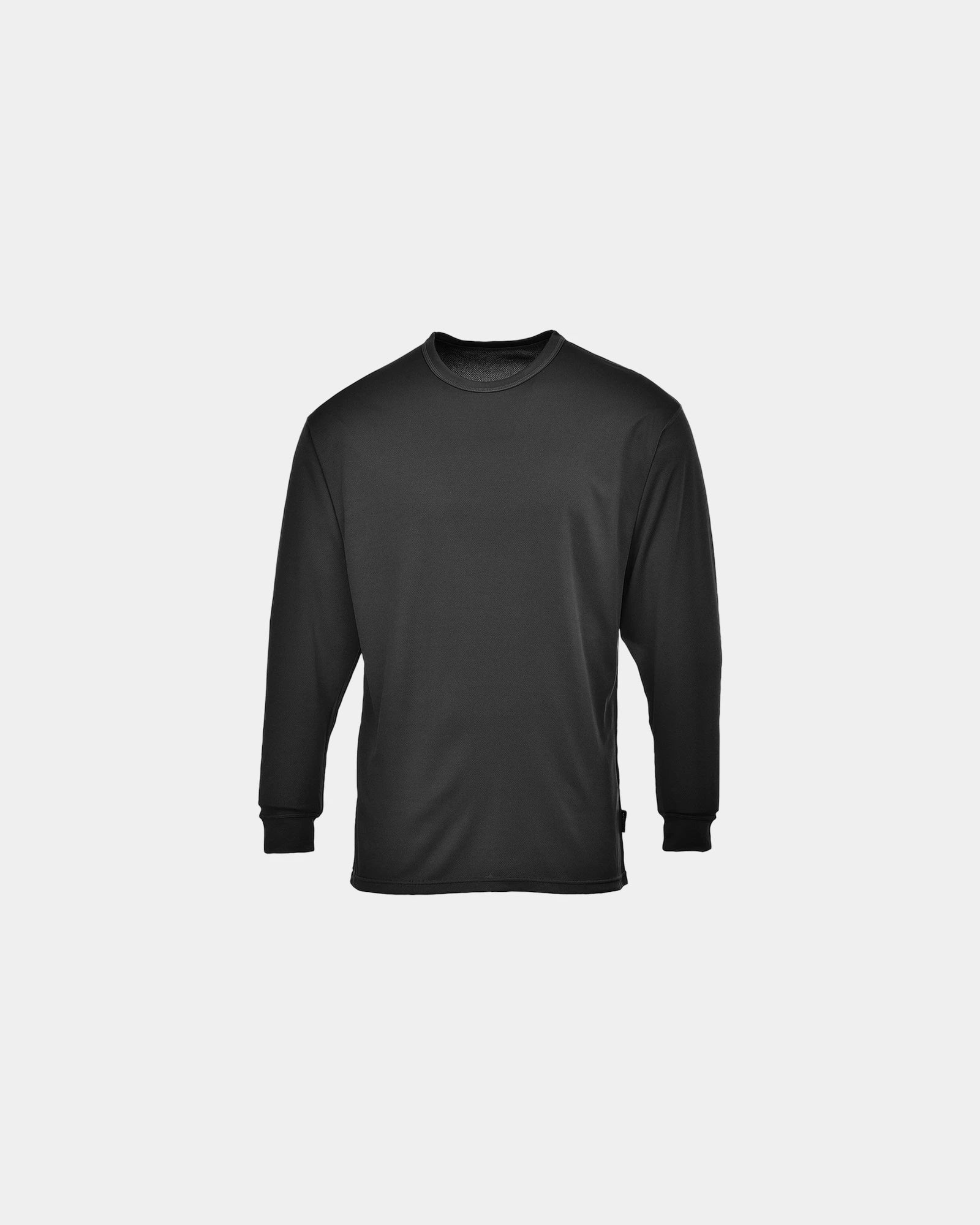
Custom thermal long sleeve baselayer T-shirt - Black-Sky BlueCustom thermal long sleeve baselayer T-shirt - Charcoal
Starting from £14
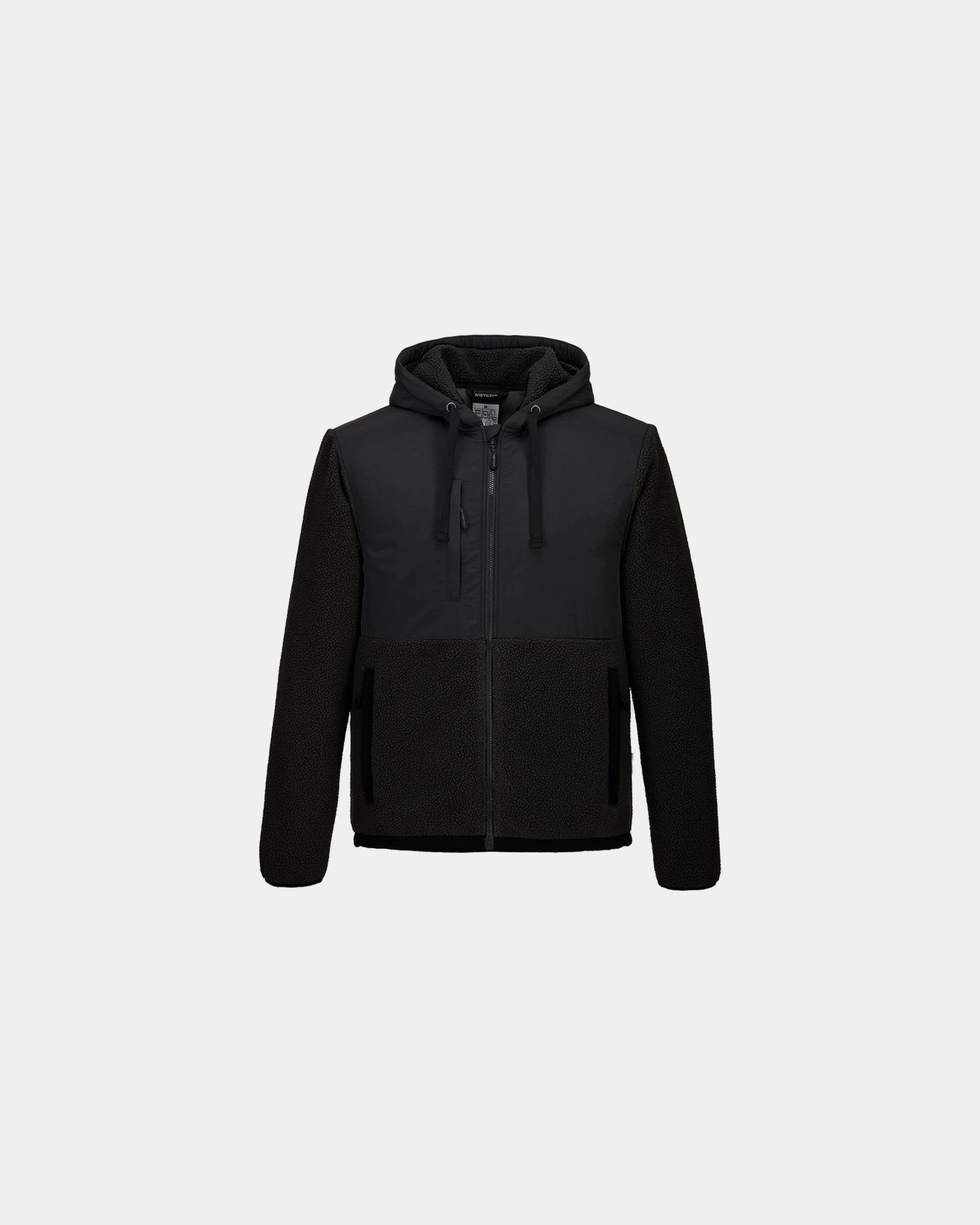
Promotional contemporary fleece jacket KX3 Borg - Black-Sky BluePromotional contemporary fleece jacket KX3 Borg - Dark Green
Starting from £56
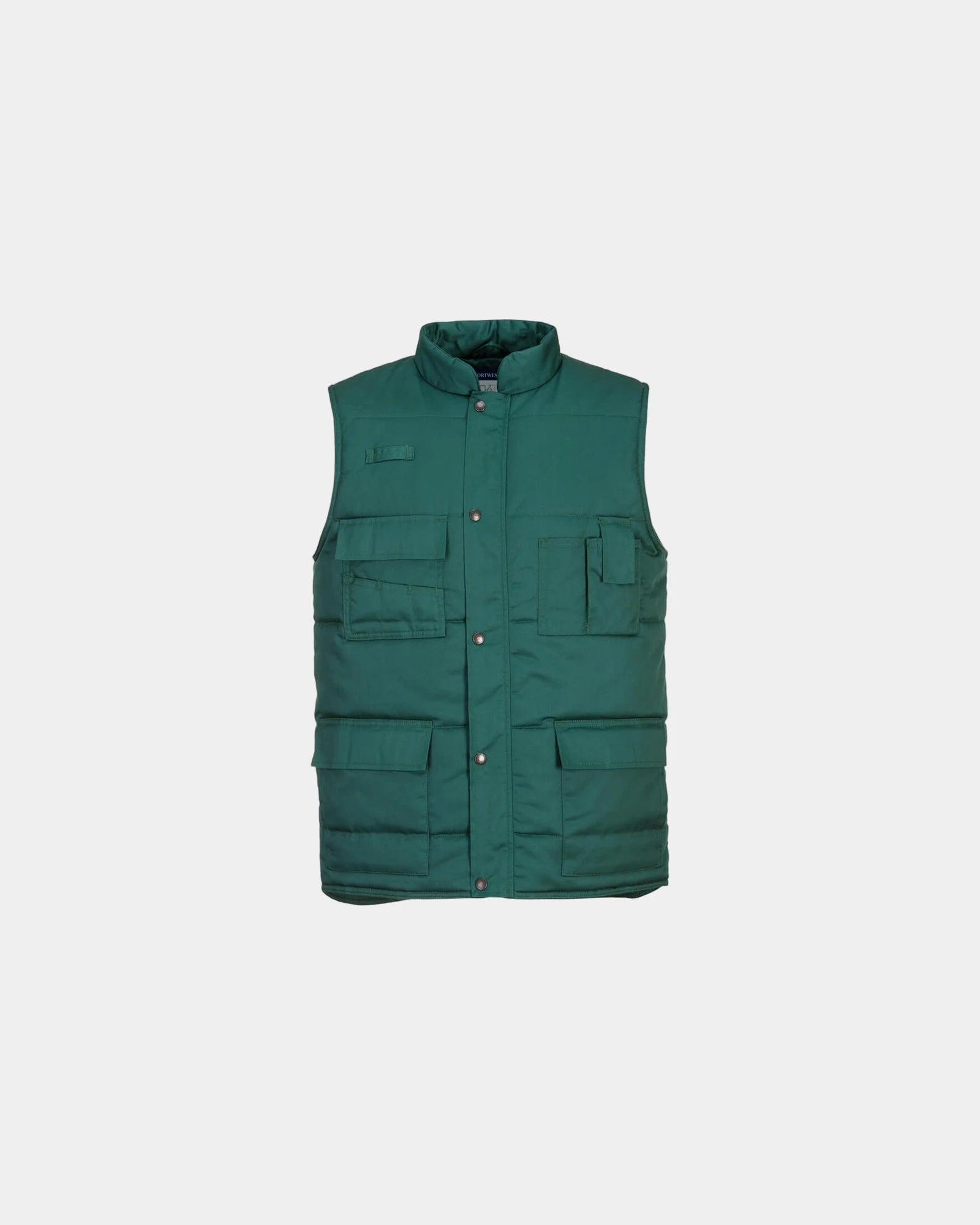
Custom classic vest with pockets Shetland - Dark GreenCustom classic vest with pockets Shetland - Navy
Starting from £39
Promotional high-visibility sweatshirt Portwest B303 - Yellow
Starting from £91
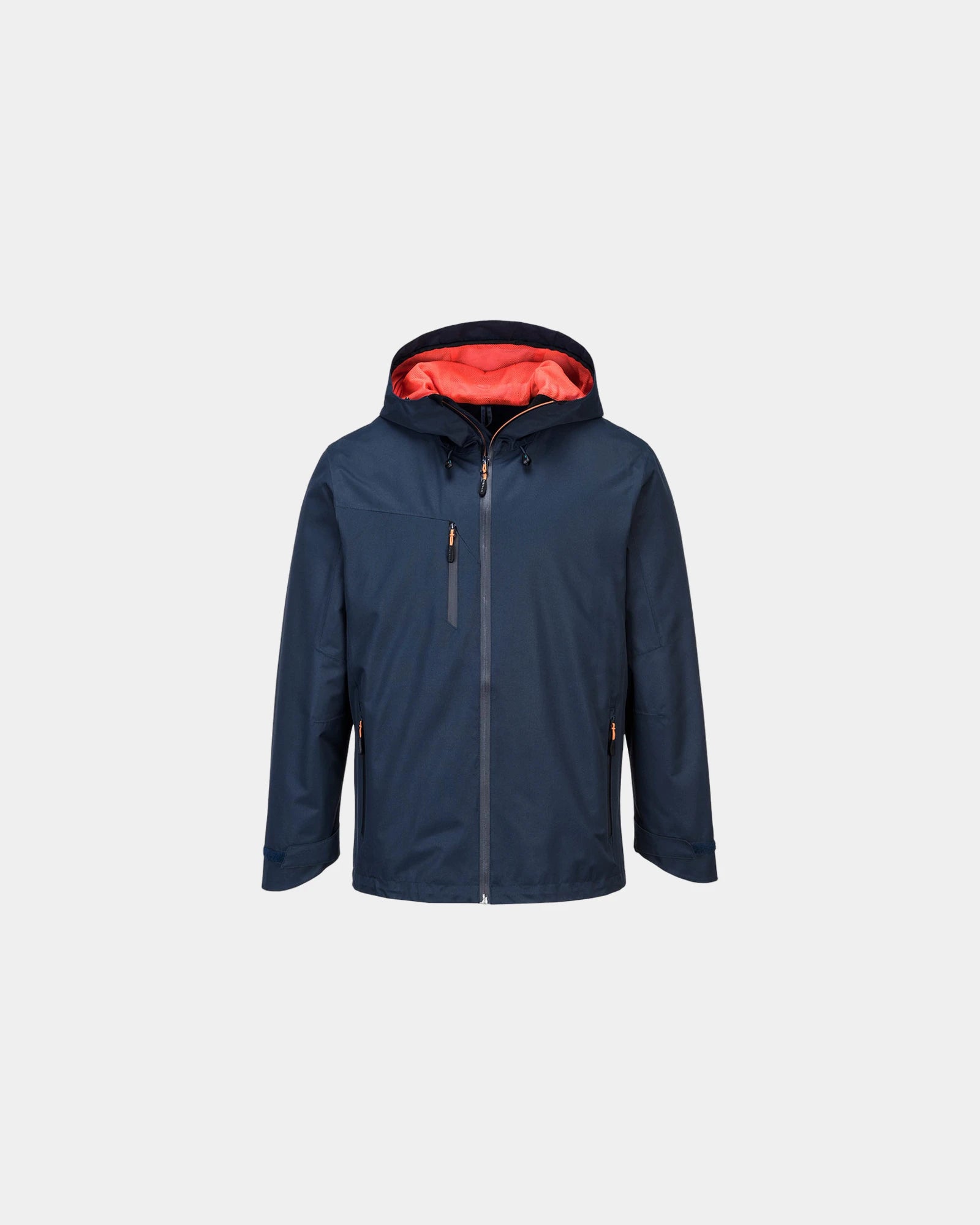
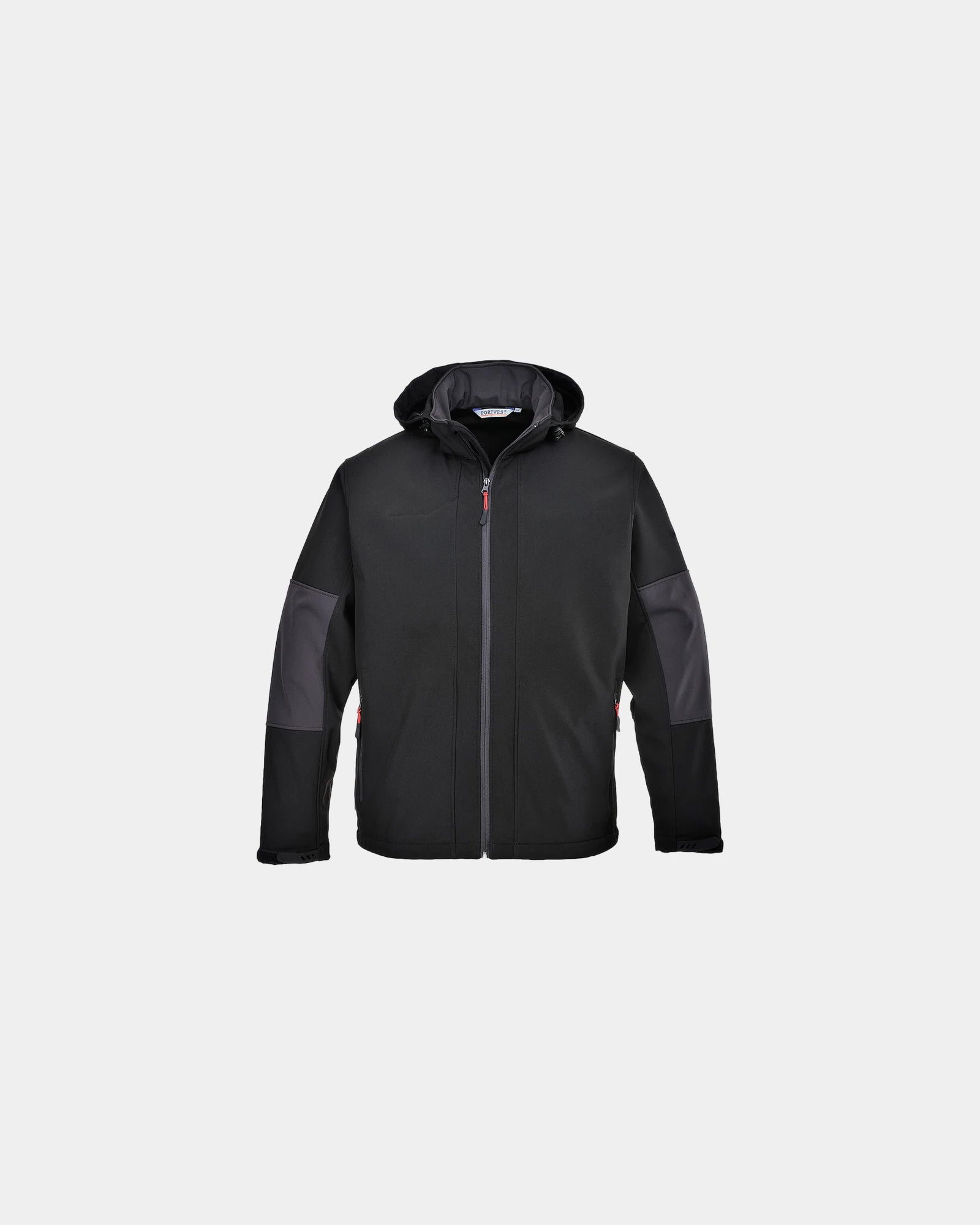
Custom softshell jacket with hood - Black-Sky BlueCustom softshell jacket with hood - Navy
Starting from £67
Promotional Multi-Risk coverall - Navy
Starting from £109
Promotional leather welding jacket - Beige
Starting from £69
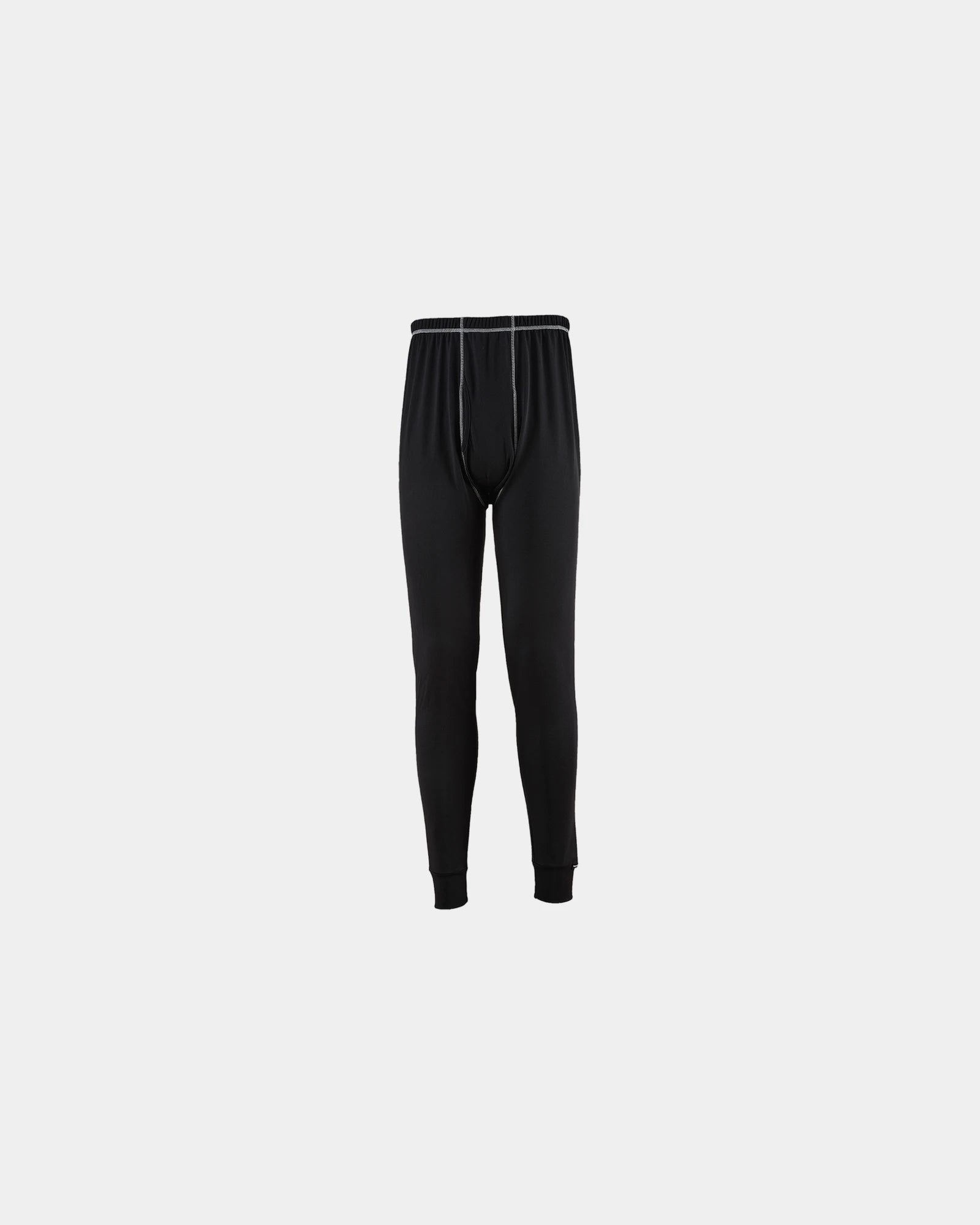
Custom antibacterial Base Pro legging - Black-Sky BlueCustom antibacterial Base Pro legging - Charcoal
Starting from £23
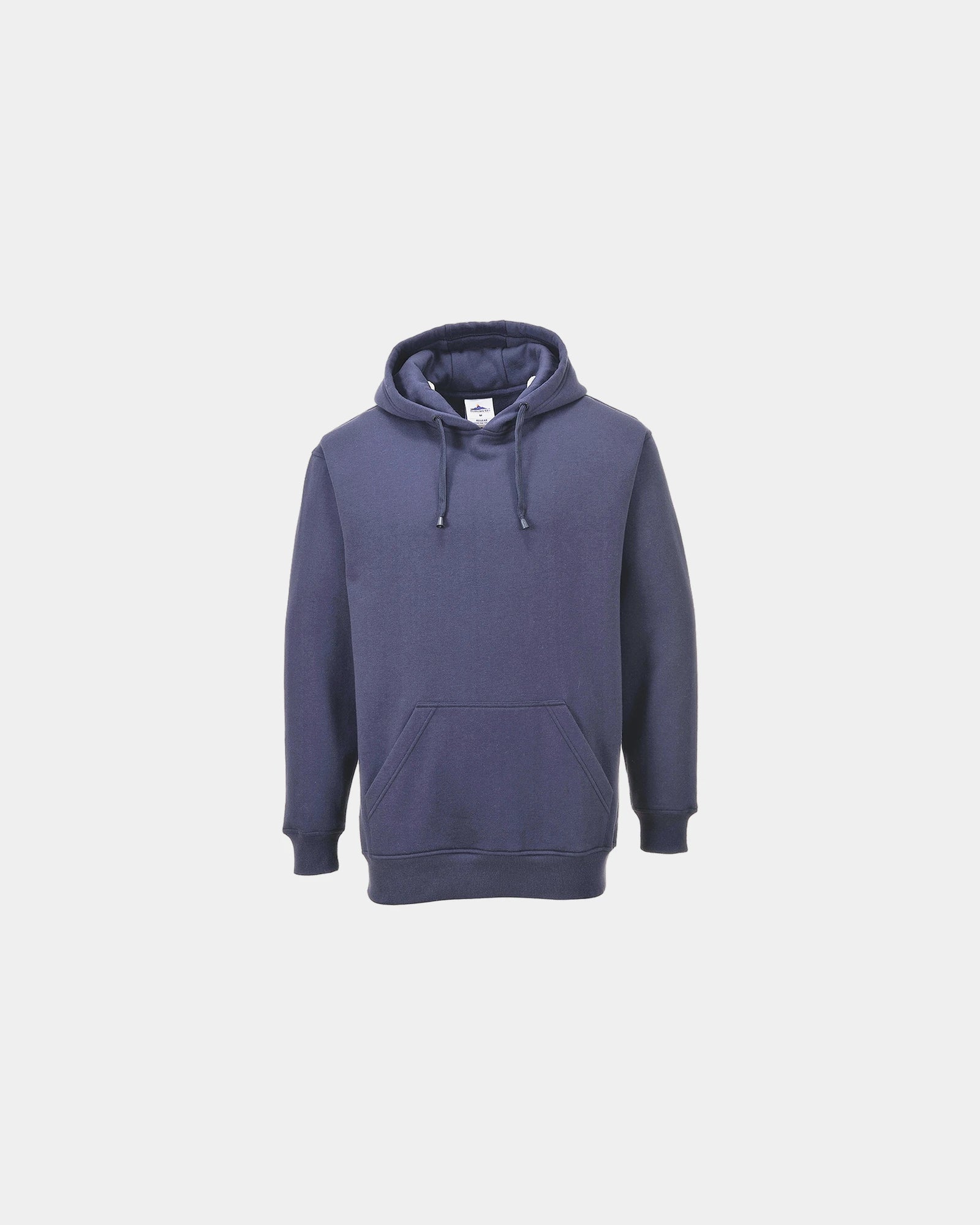
Custom polyester hoodie Roma - NavyCustom polyester hoodie Roma - Black-Sky Blue
Starting from £26
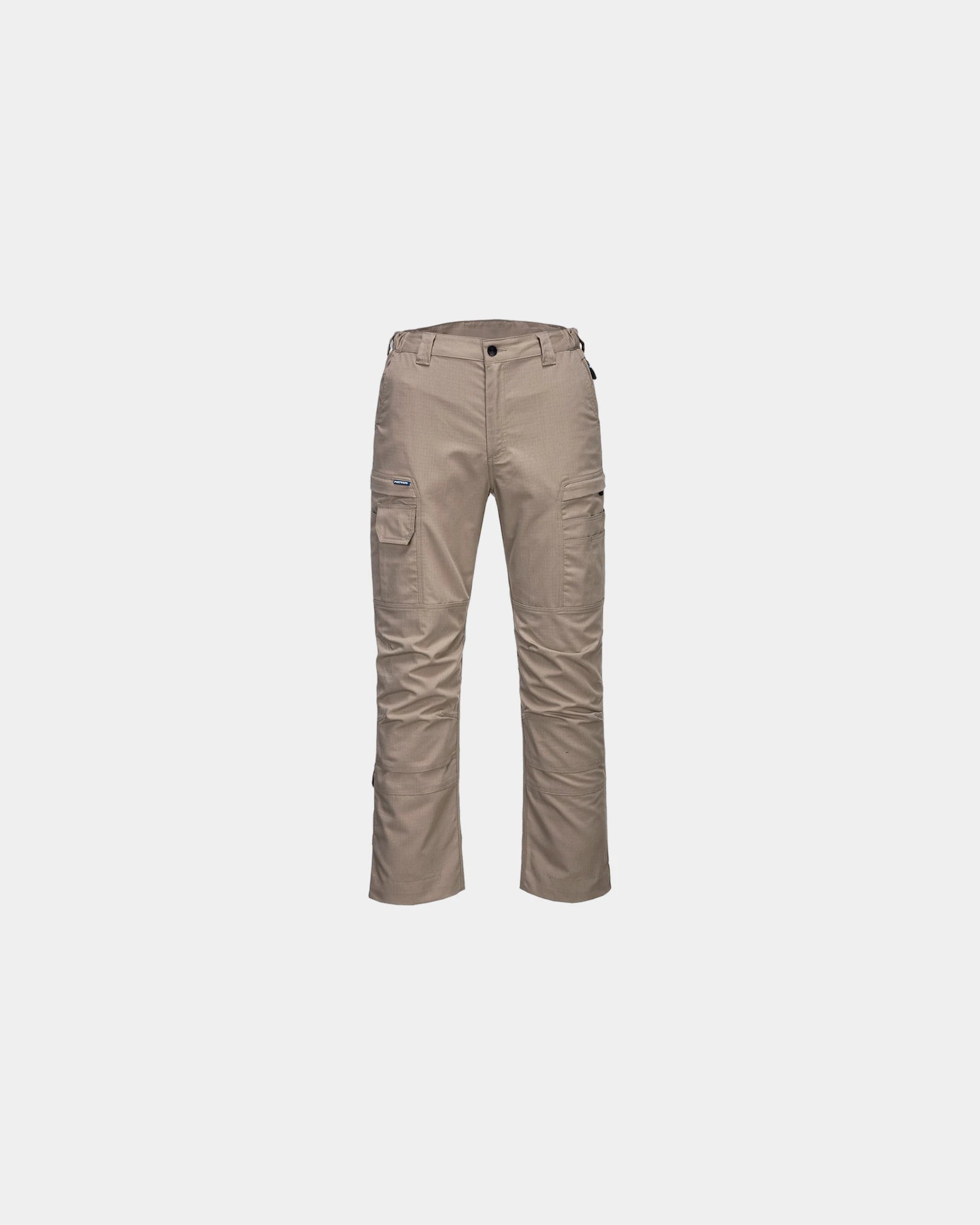
Promotional ripstop stretch work pants - GreyPromotional ripstop stretch work pants - Navy
Starting from £55
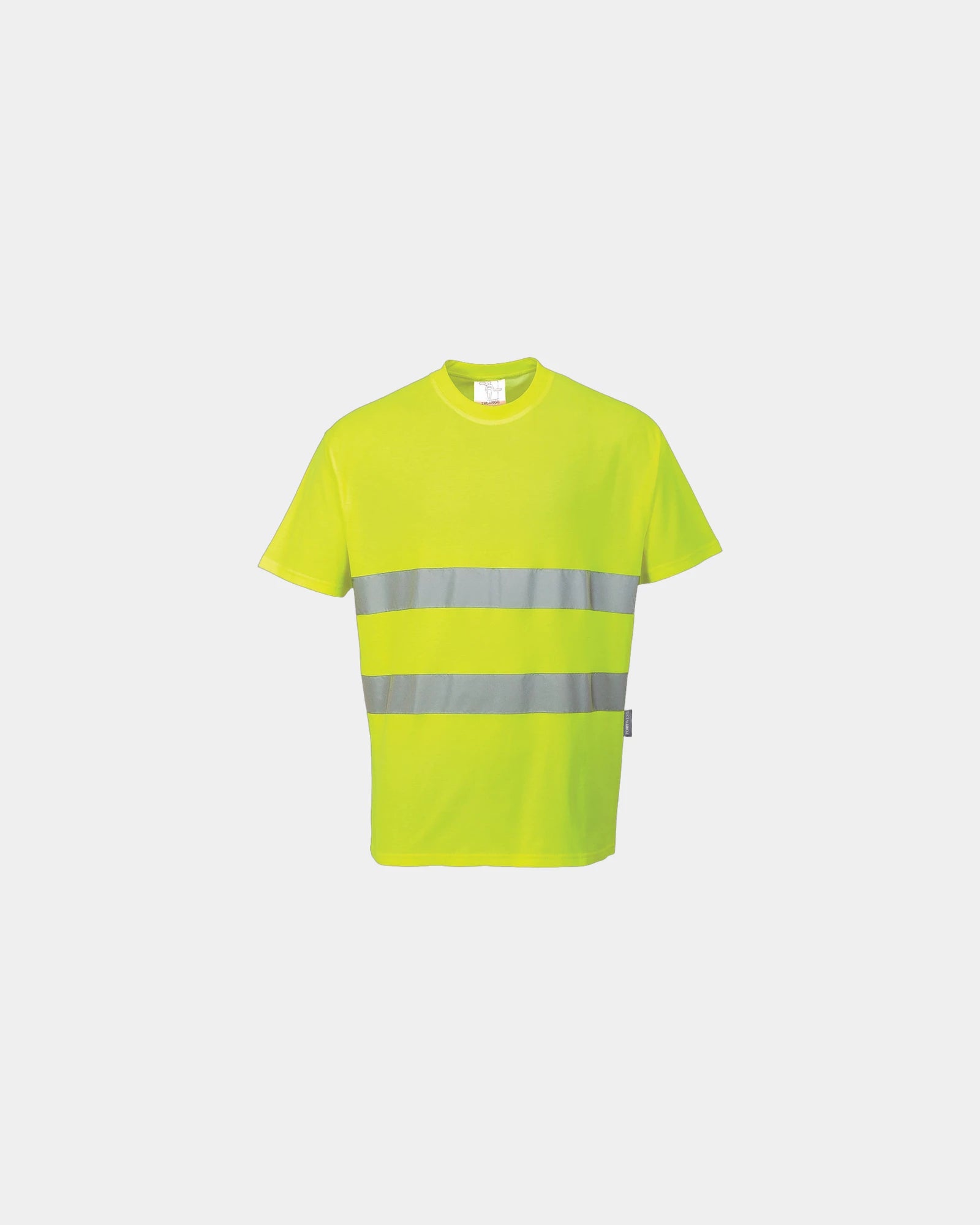
Promotional breathable cotton T-shirt Hi-Cool - YellowPromotional breathable cotton T-shirt Hi-Cool - Orange
Starting from £17
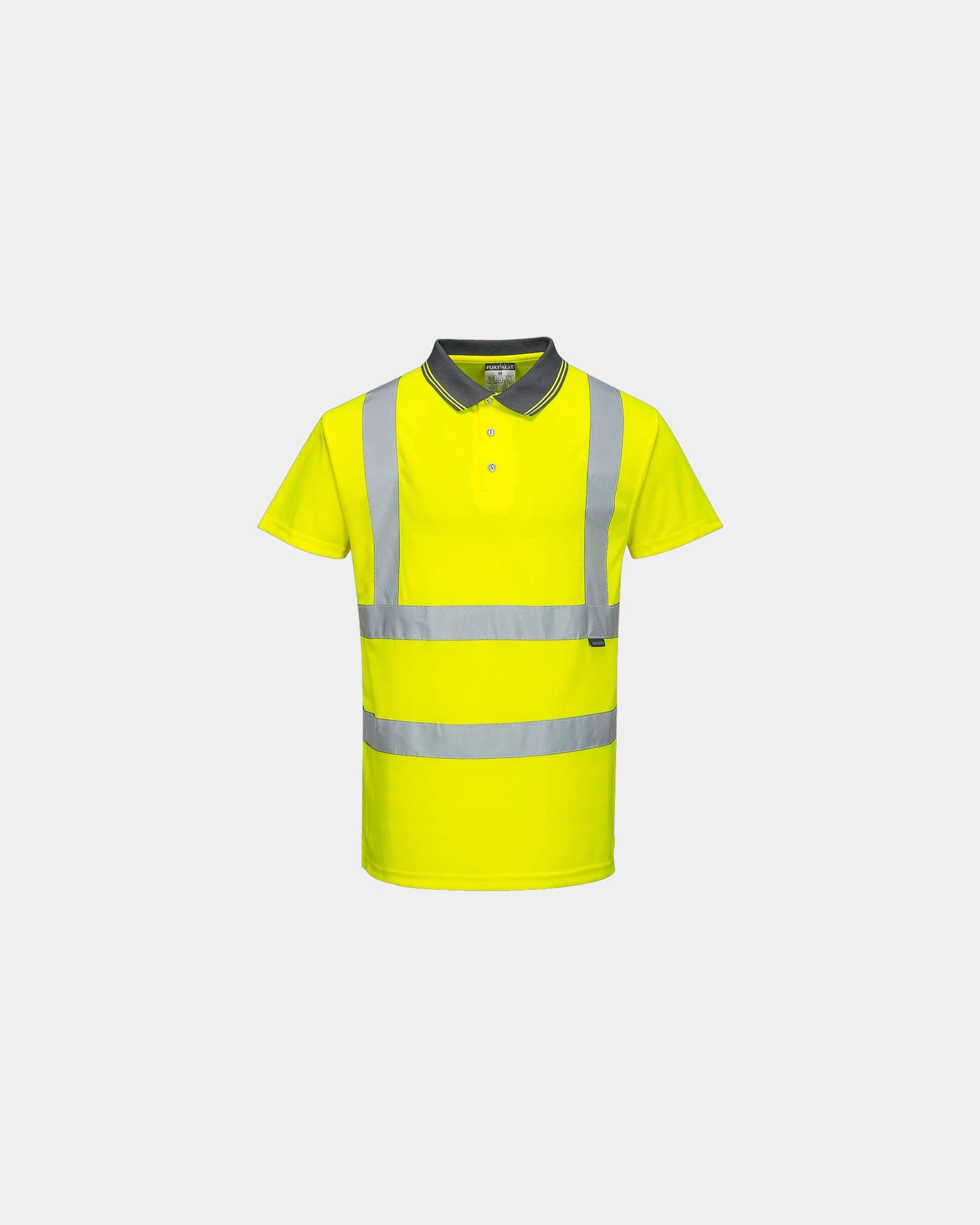
Custom high-quality polo for warm working conditions - YellowCustom high-quality polo for warm working conditions - Dark Blue
From £17
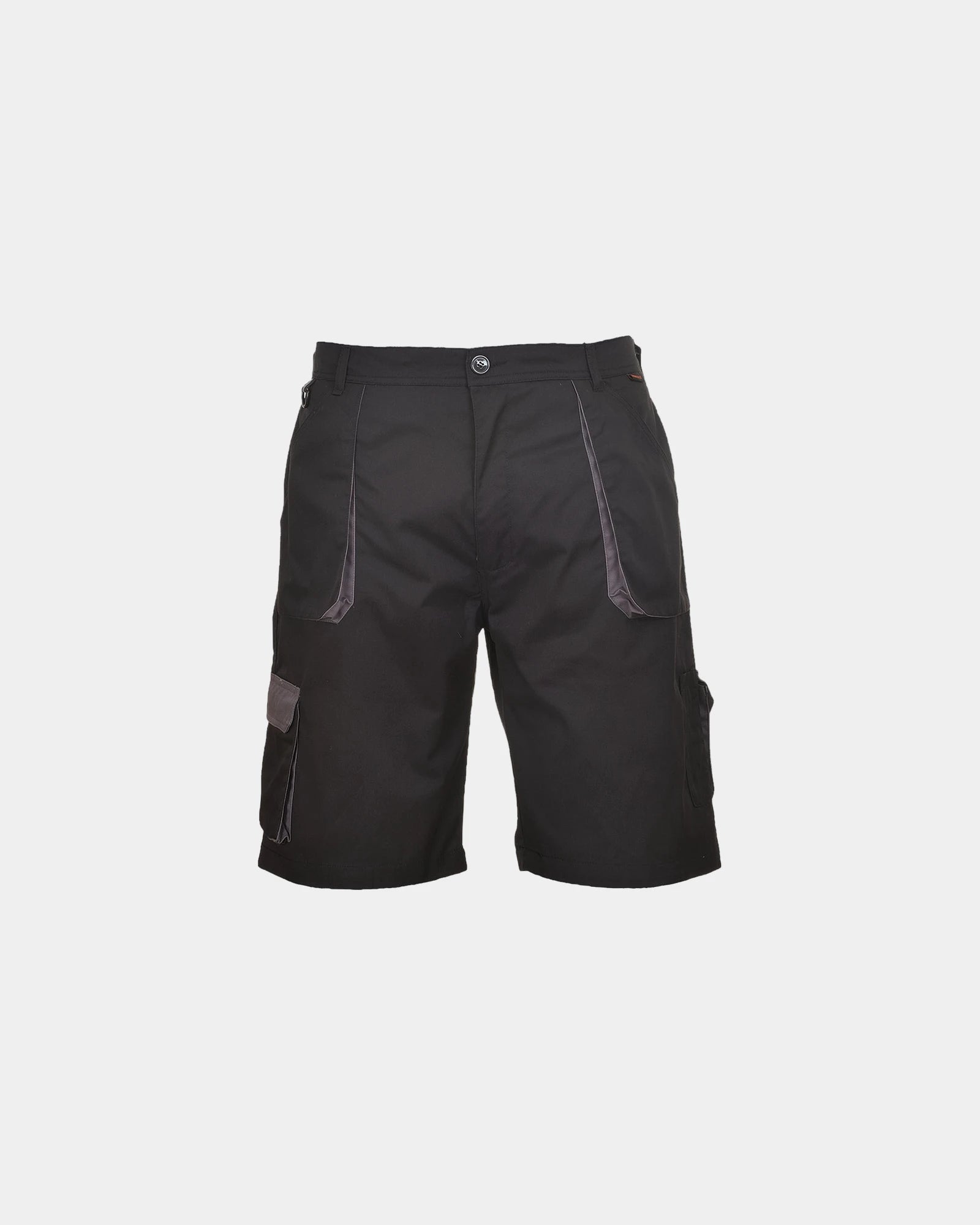
Promotional Bermuda shorts - Black-Sky BluePromotional Bermuda shorts - Green
Starting from £26
+ 2
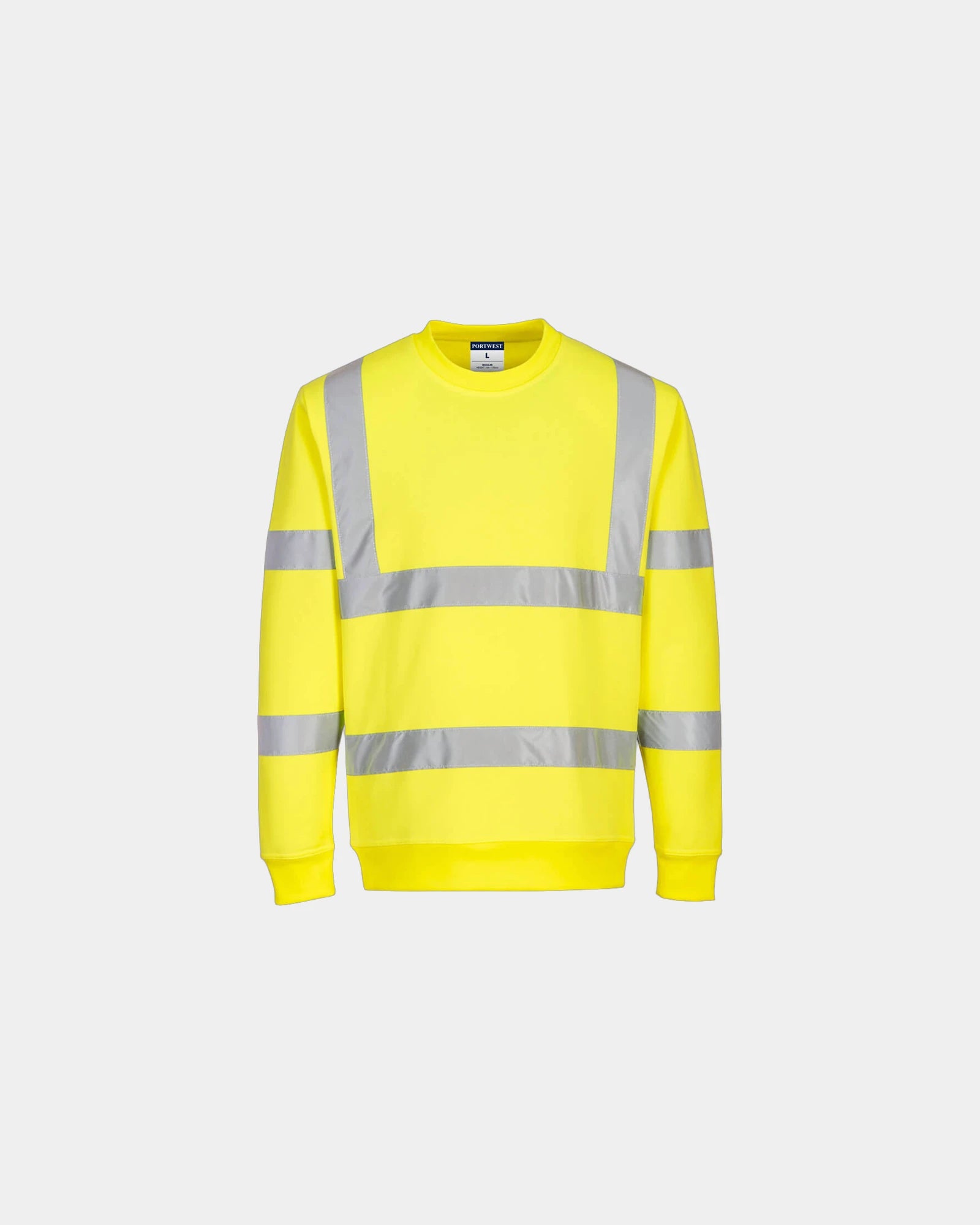
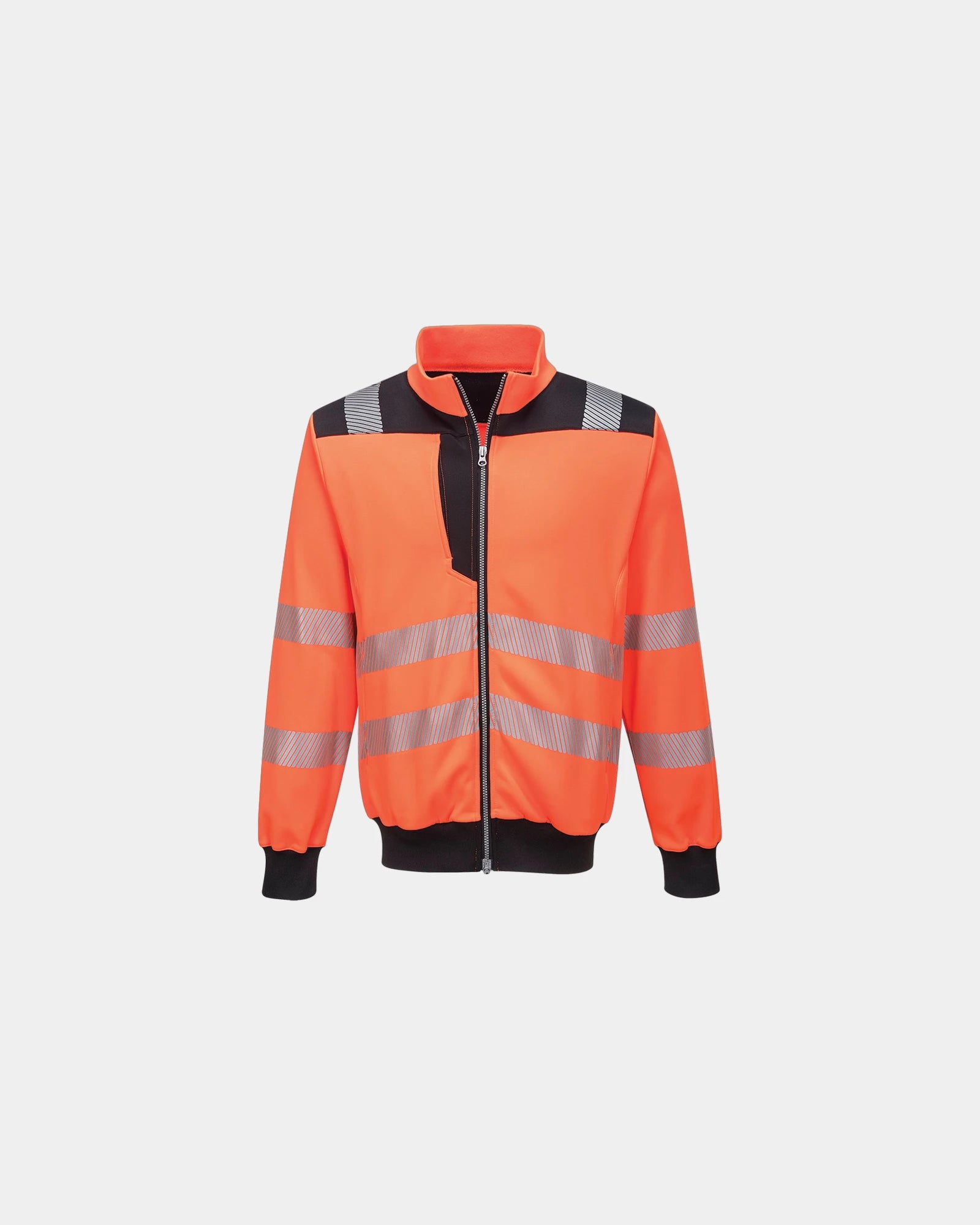
Promotional high visibility sweatshirt 100% polyester - YellowPromotional high visibility sweatshirt 100% polyester - Orange
Starting from £31
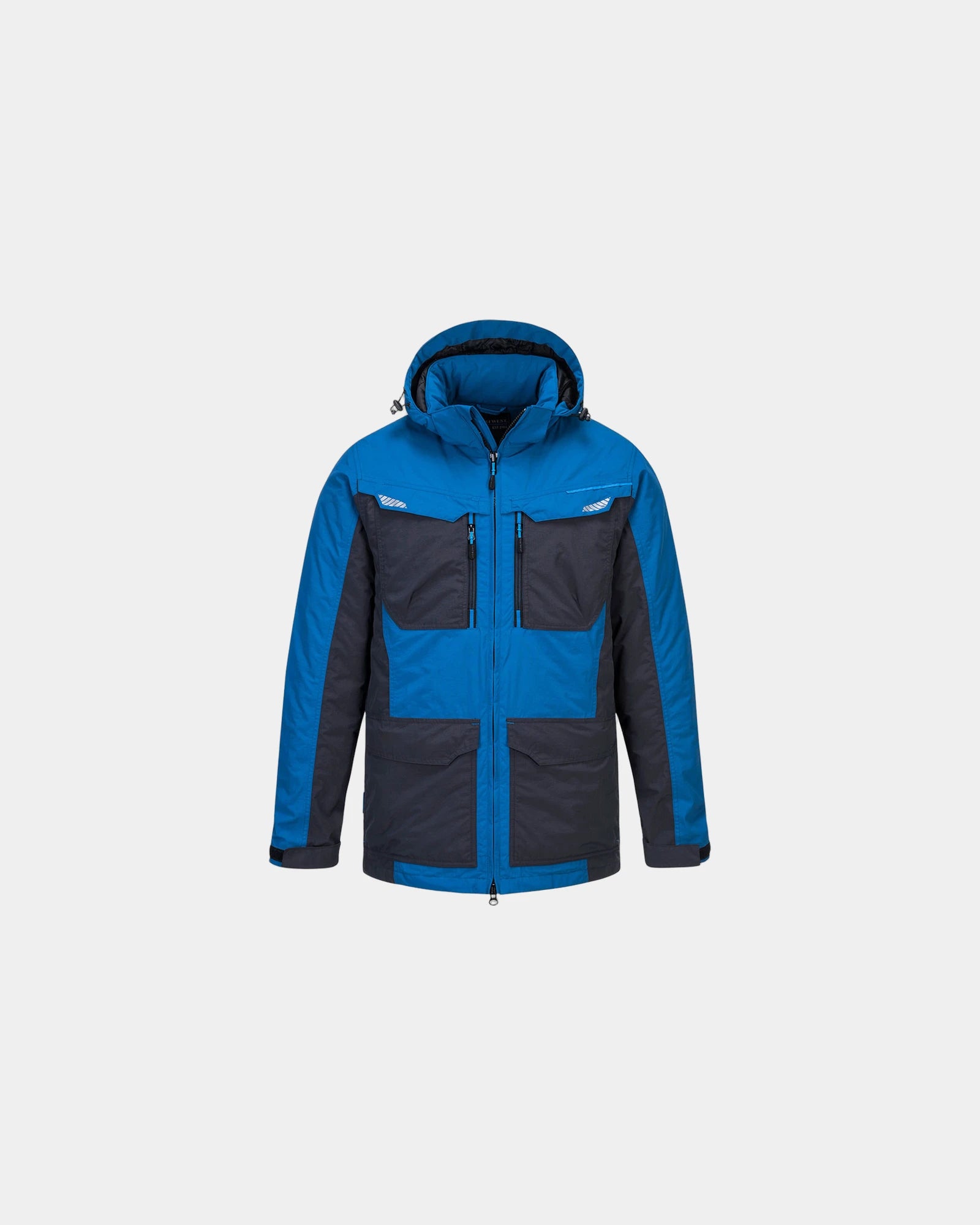
Promotional waterproof parka for winter protection - Dark BluePromotional waterproof parka for winter protection - Mirror
Starting from £103
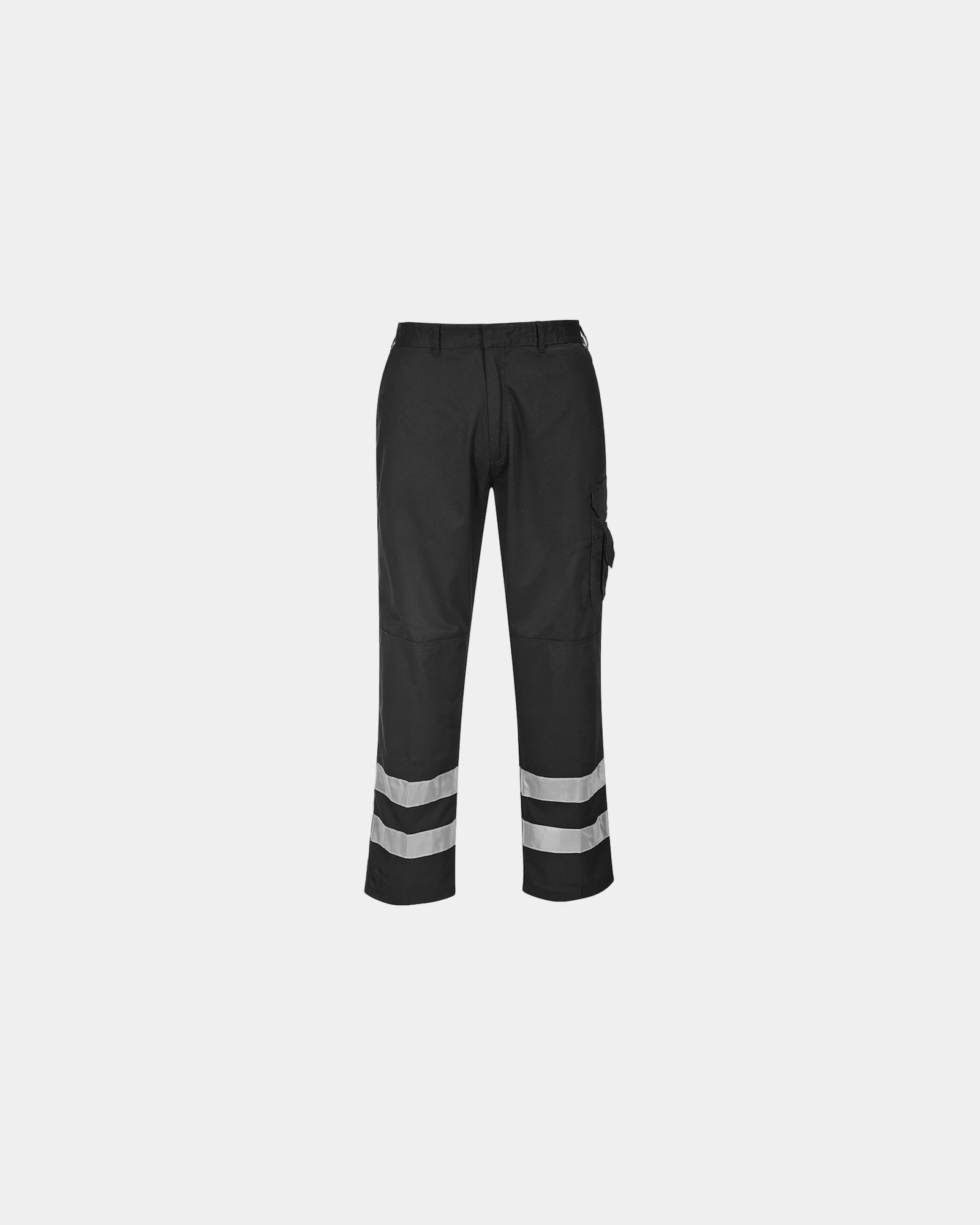
Promotional work pants with reflective bands - Black-Sky BluePromotional work pants with reflective bands - Navy
Starting from £37
Promotional reversible cold vest Portwest RT44 - Orange
Starting from £51
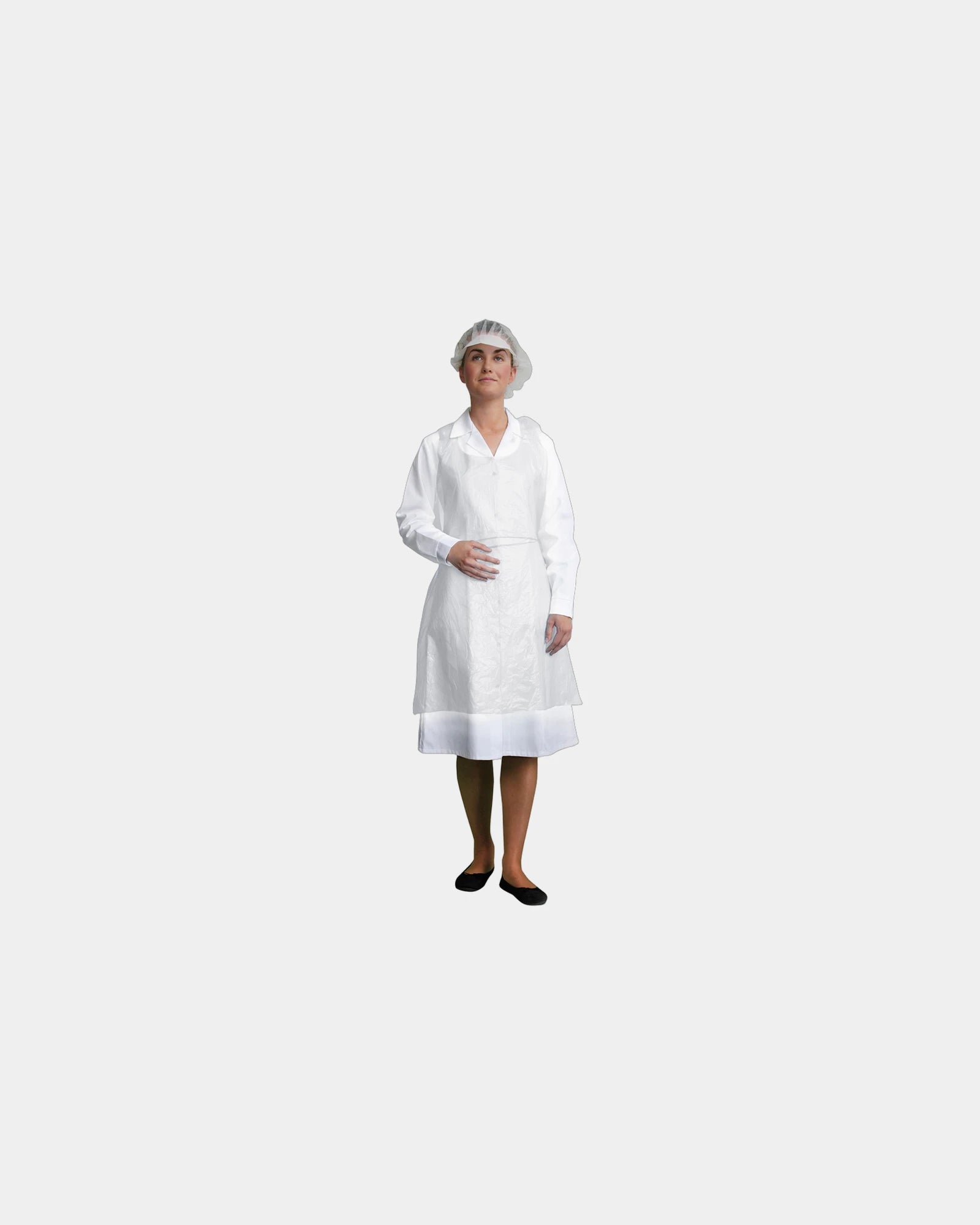
Promotional disposable PE apron - WhitePromotional disposable PE apron - Blue
Starting from £122
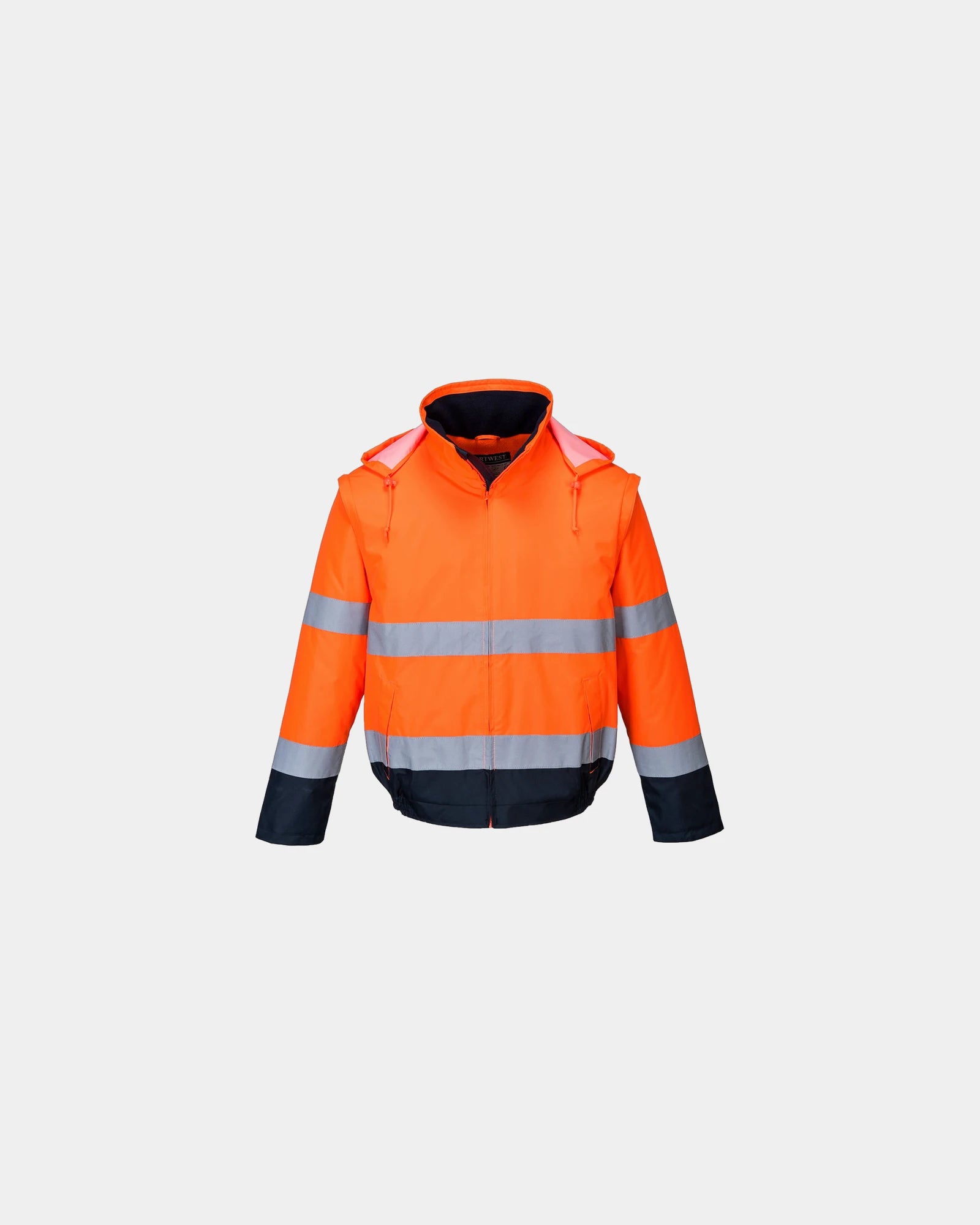
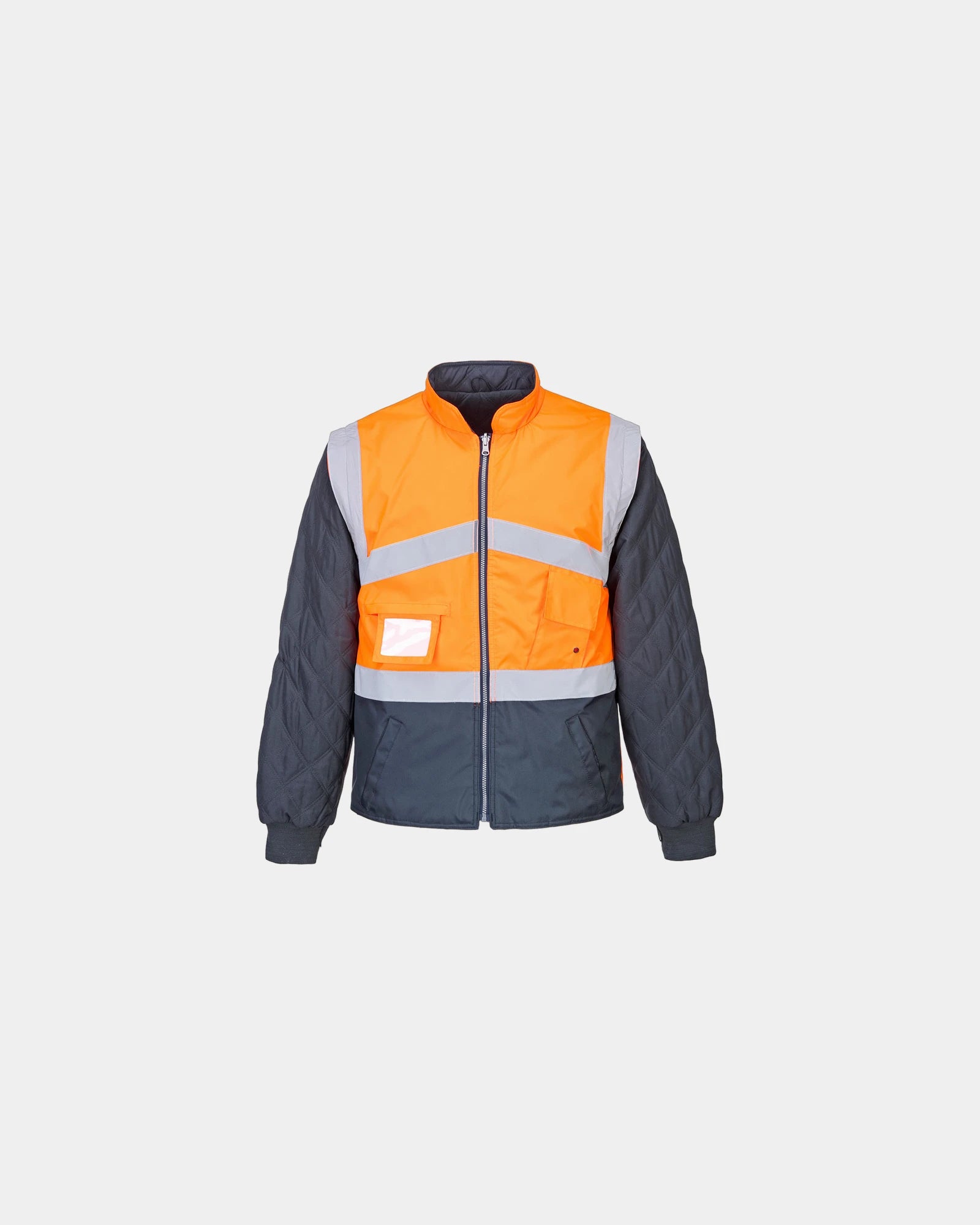
Promotional 2-in-1 HV jacket with detachable sleeves - OrangePromotional 2-in-1 HV jacket with detachable sleeves - Yellow-Navy
Starting from £56
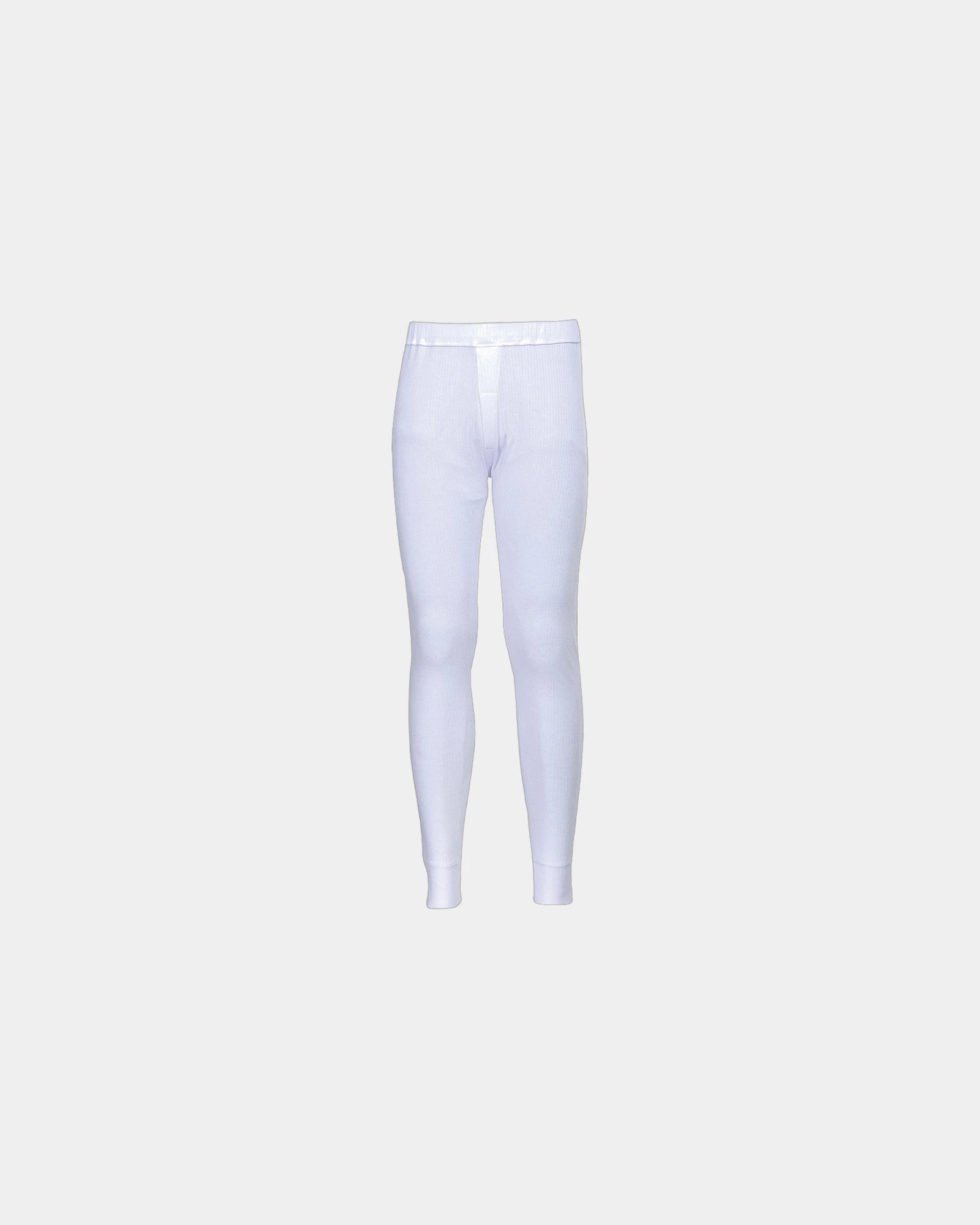
Promotional thermal pants for Portwest - WhitePromotional thermal pants for Portwest - Grey
Starting from £12
+ 1
Promotional Hi-Vis Girona coverall - Yellow-NavyPromotional Hi-Vis Girona coverall - Orange
Starting from £42
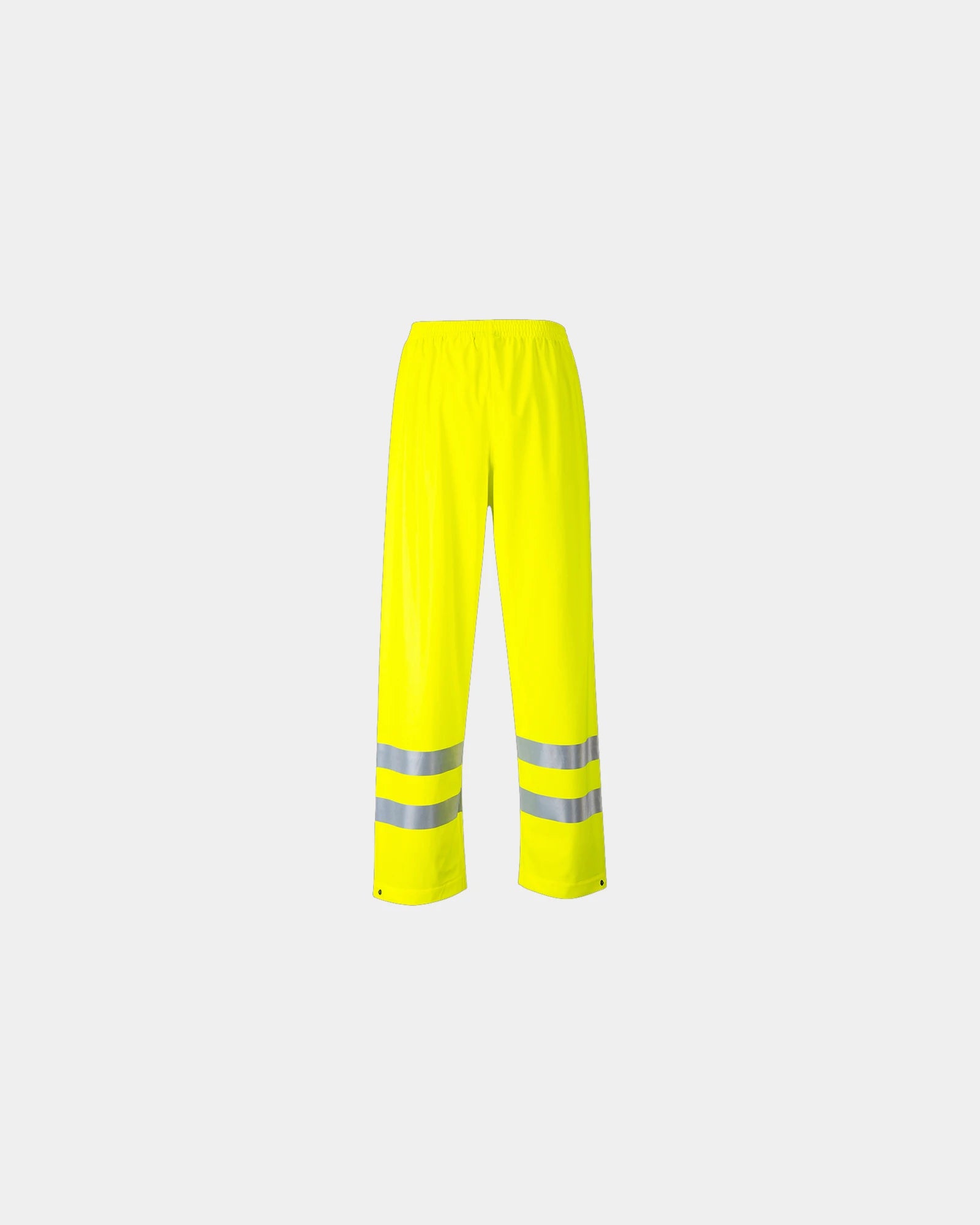
Promotional waterproof HiVis Sealtex rain pants - YellowPromotional waterproof HiVis Sealtex rain pants - Orange
Starting from £82
Promotional high-visibility coverall - Yellow-Navy
Starting from £126
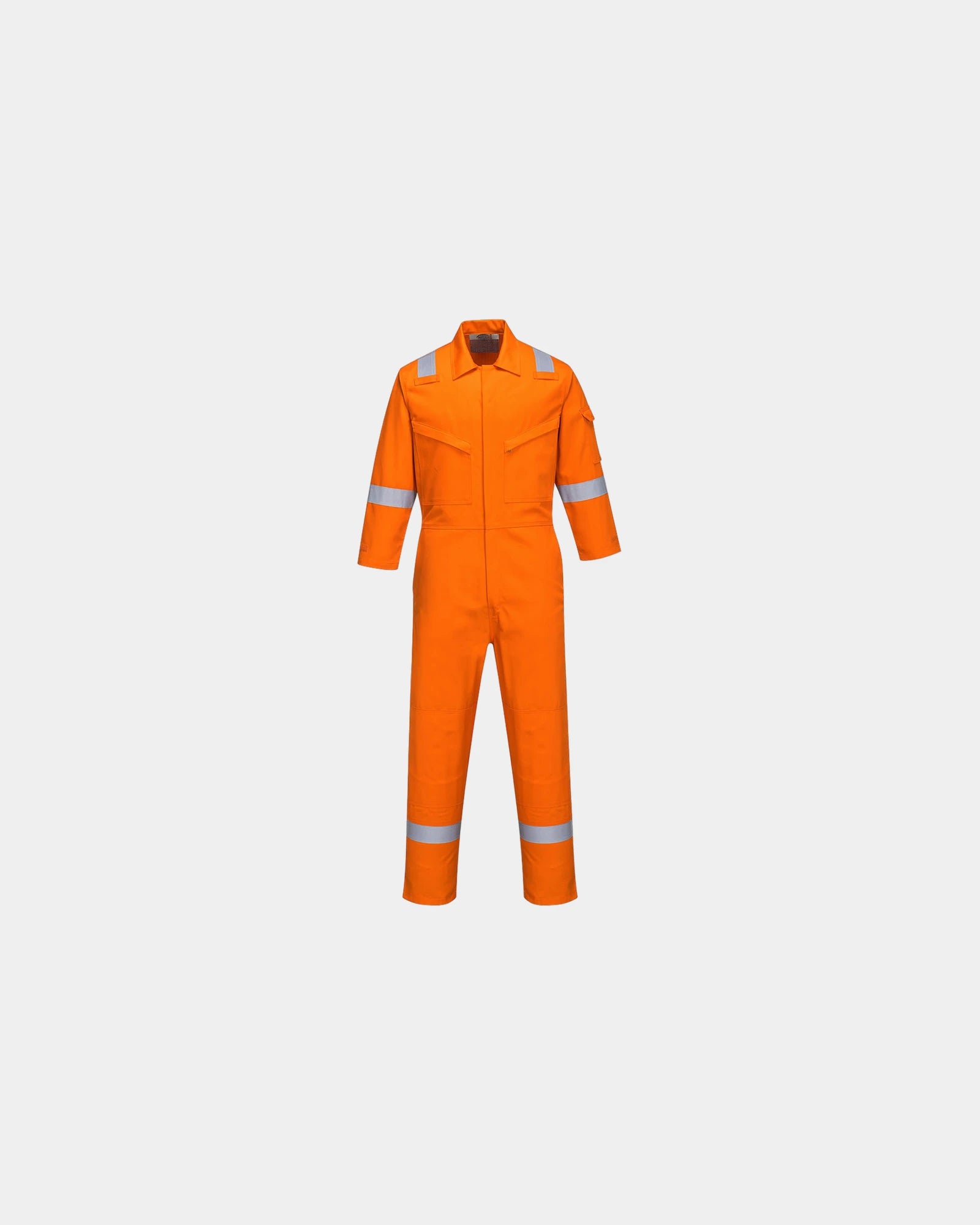
Promotional women's FR Bizflame Plus coverall - OrangePromotional women's FR Bizflame Plus coverall - Navy
Starting from £97
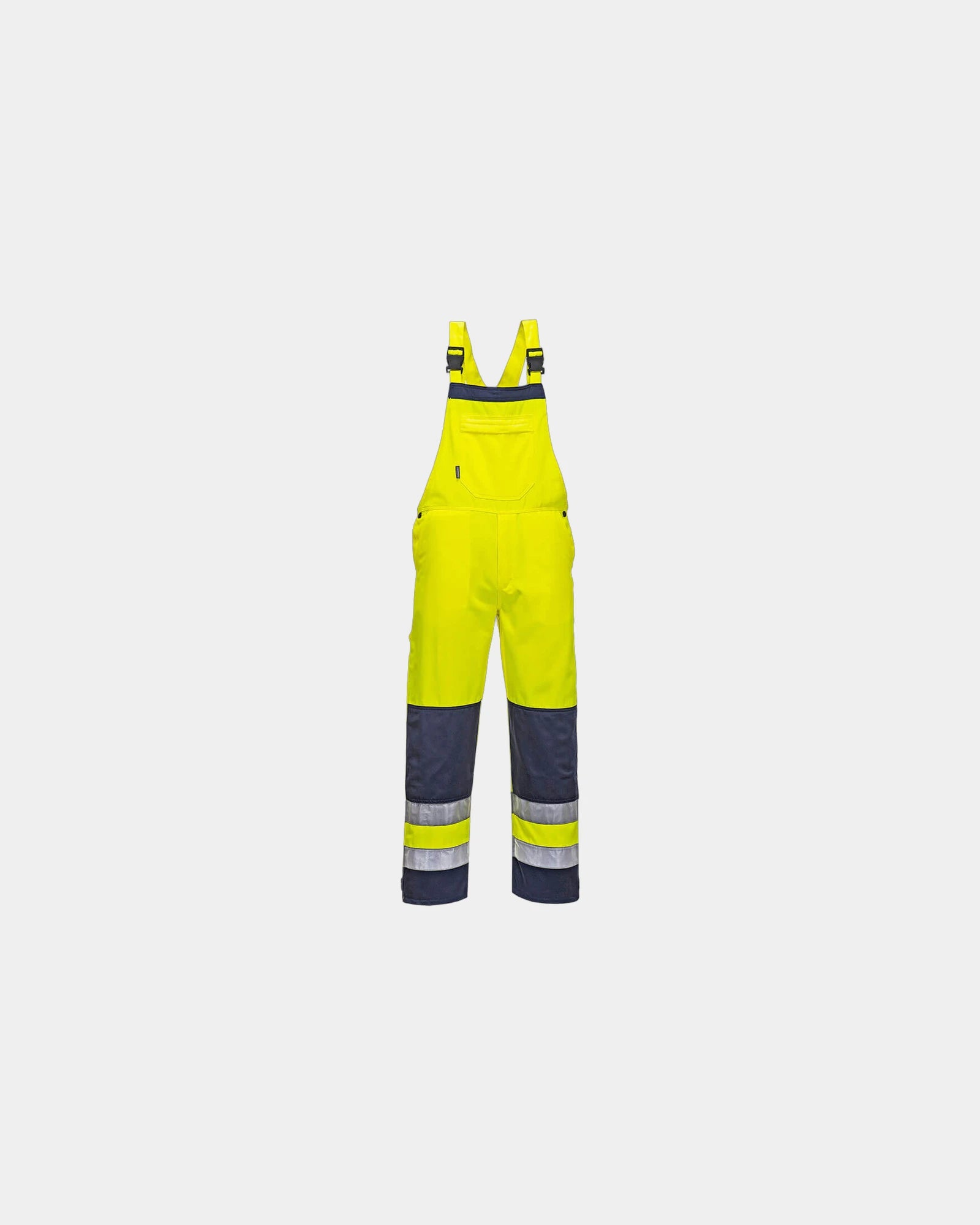
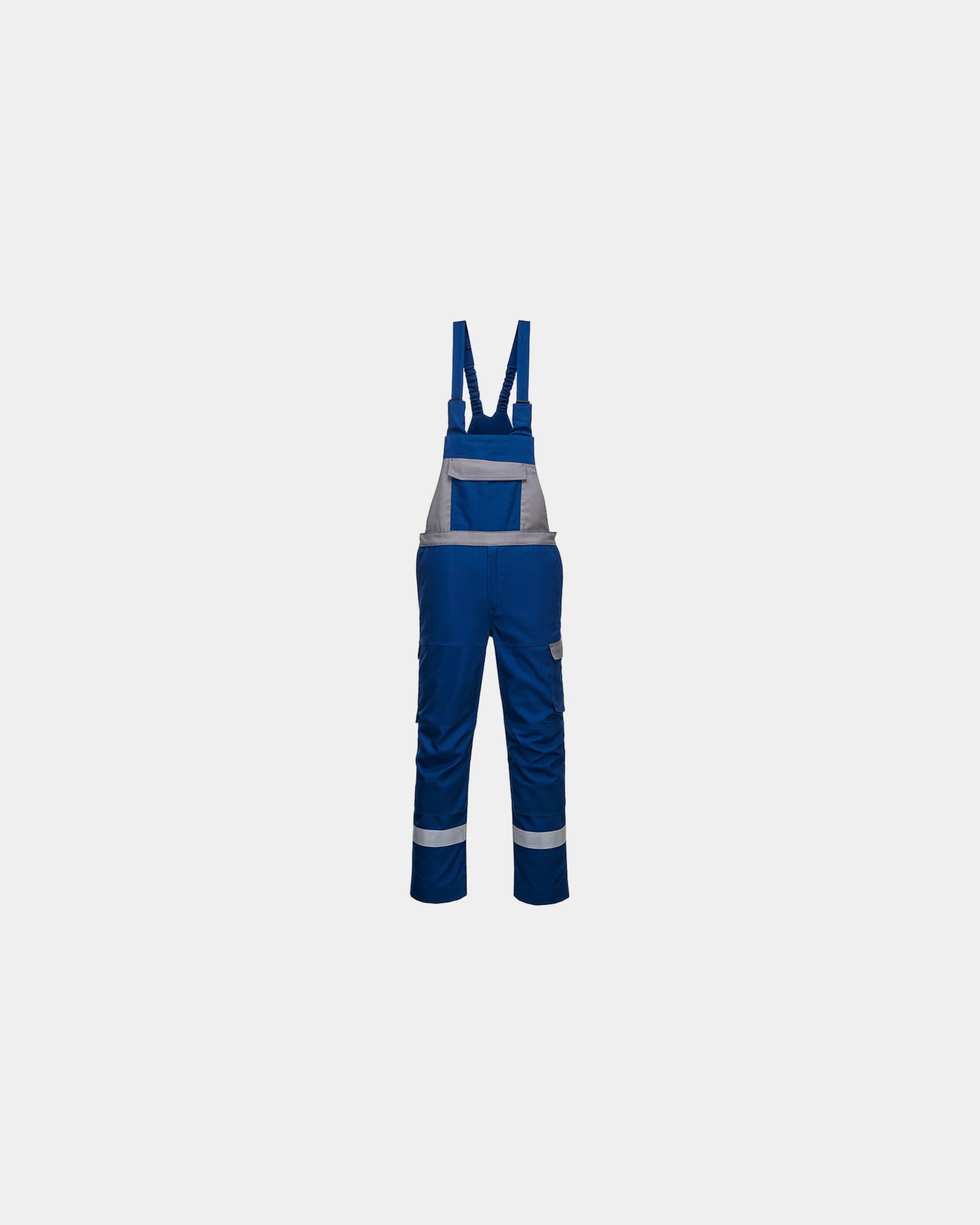
Promotional resistant bib overall - Dark Blue
Starting from £30
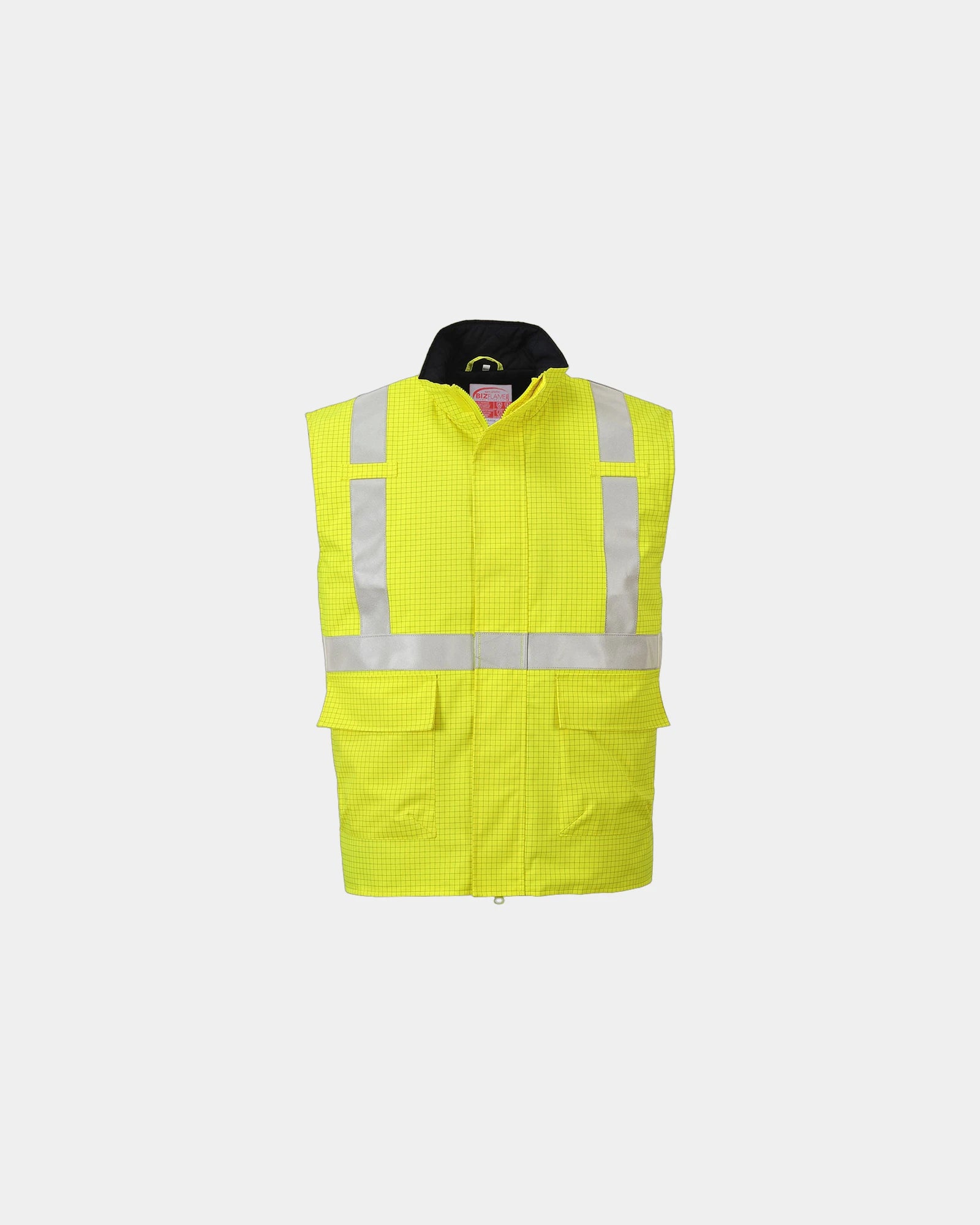
Promotional high-visibility bodywarmer Portwest - YellowPromotional high-visibility bodywarmer Portwest - Orange
Starting from £87
Promotional flame-resistant antistatic coverall 350g - Dark BluePromotional flame-resistant antistatic coverall 350g - Grey
Starting from £97
+ 3
Promotional high-visibility sweatshirt Portwest B303 - OrangePromotional high-visibility sweatshirt Portwest B303 - Yellow-Black
Starting from £57
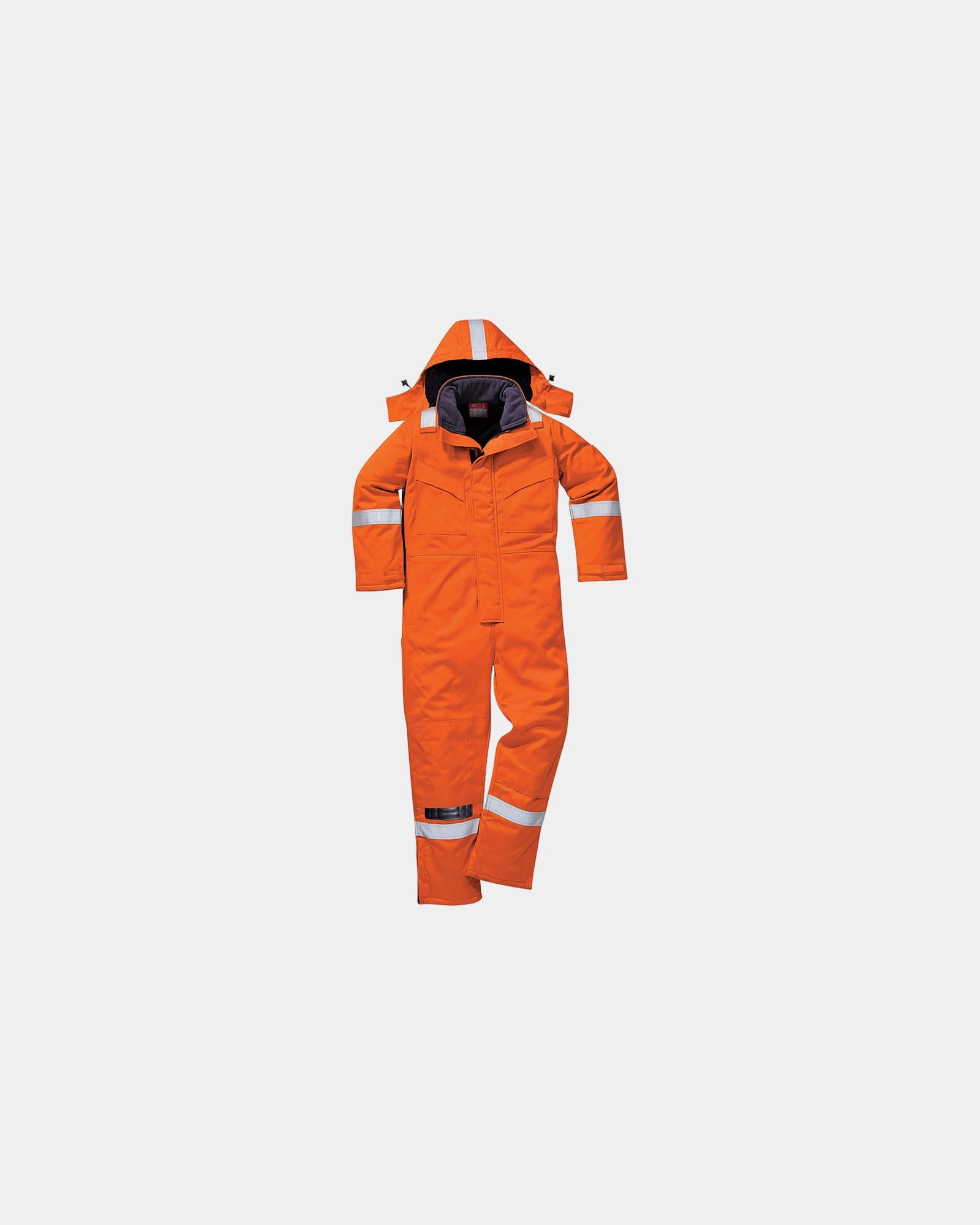
Promotional FR winter coverall for offshore industry - OrangePromotional FR winter coverall for offshore industry - Dark Blue
Starting from £204
Promotional BizTex® coverall ST40 - White
Starting from £187
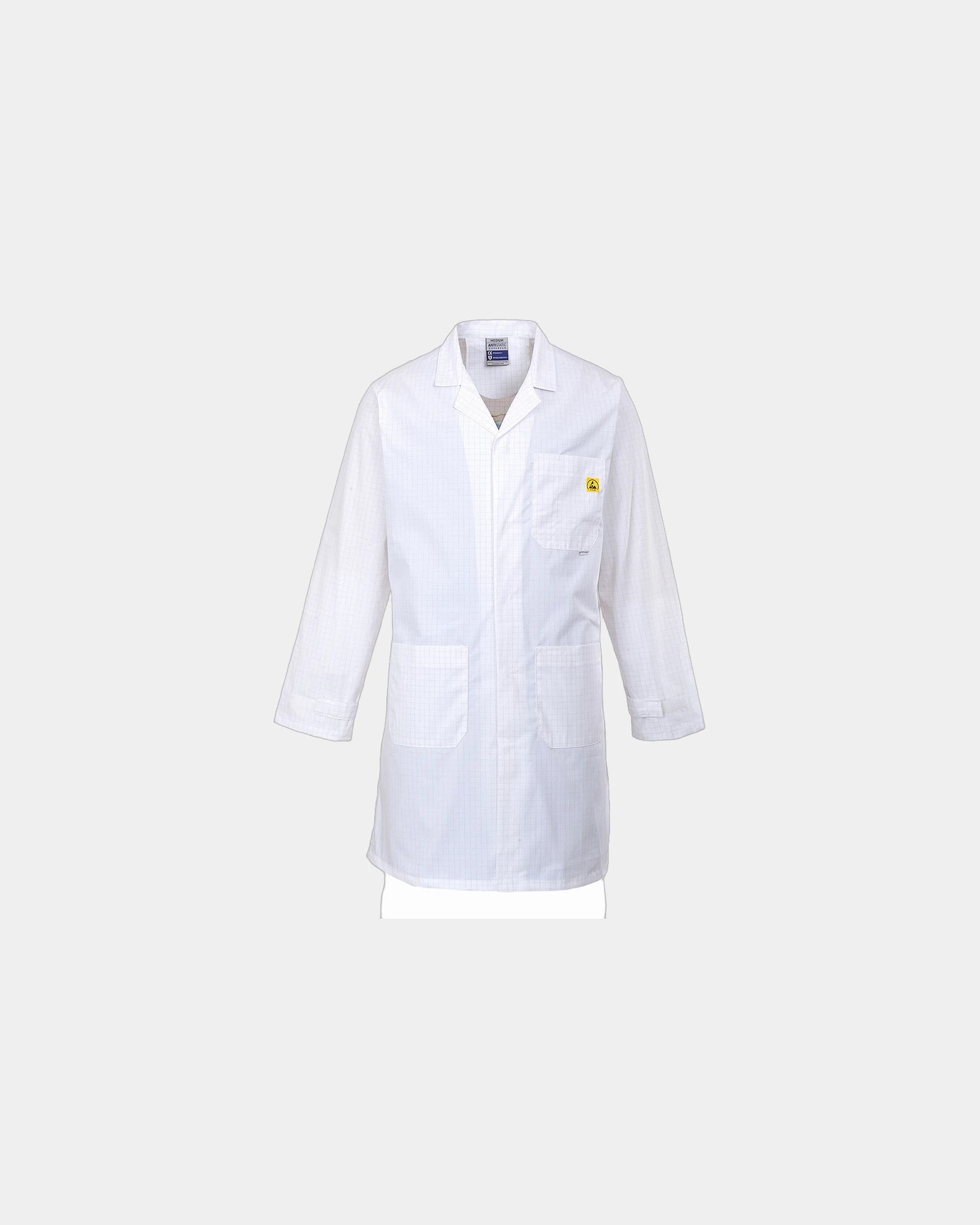
Promotional antistatic ESD blouse - WhitePromotional antistatic ESD blouse - Gris Clair Chiné
Starting from £35
Promotional medical tunic 65% polyester - White
Starting from £30
Custom thermal top for multi-season use - Charcoal
Starting from £21
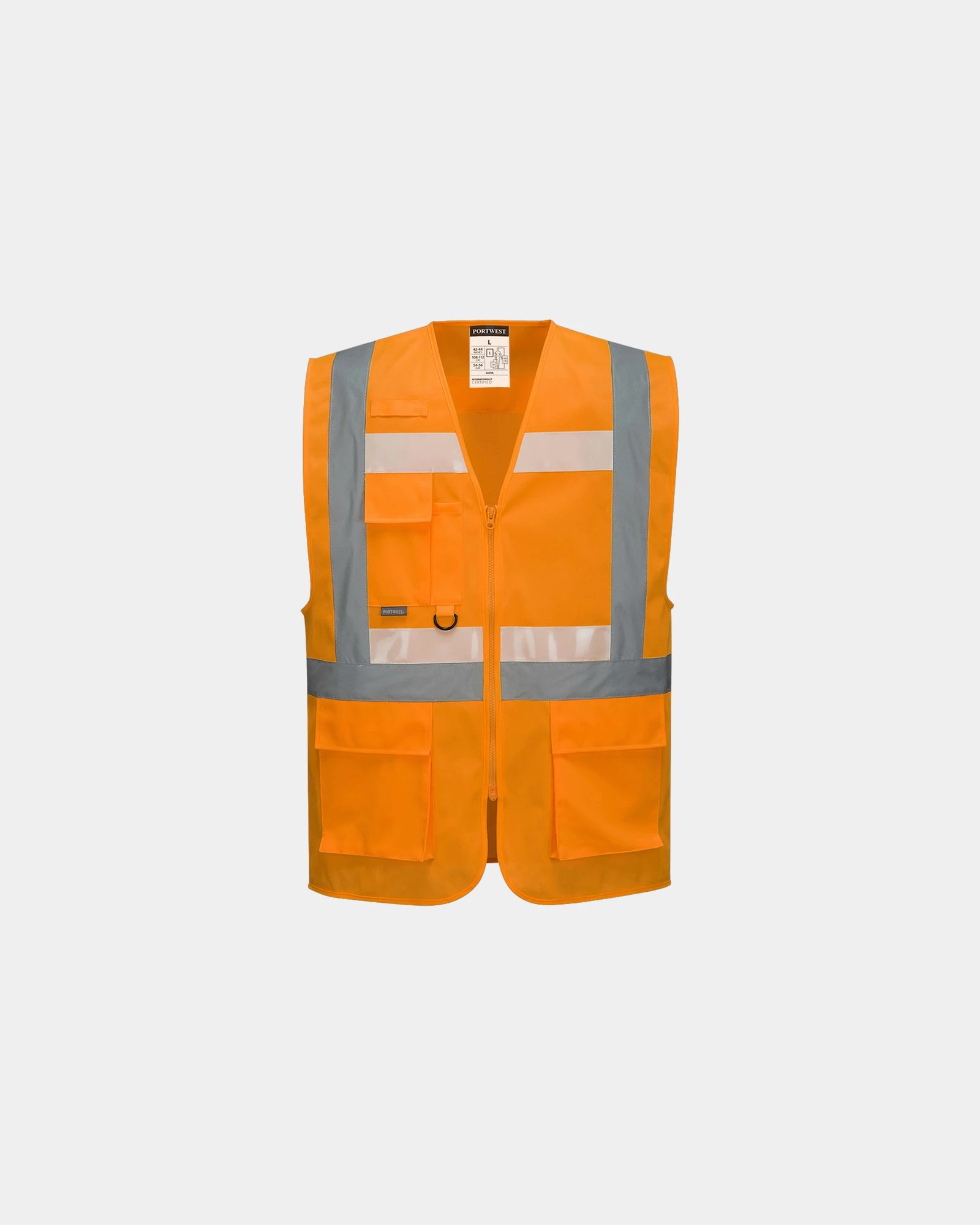
Promotional fluorescent safety vest GLOWTEX - OrangePromotional fluorescent safety vest GLOWTEX - Yellow
Starting from £24
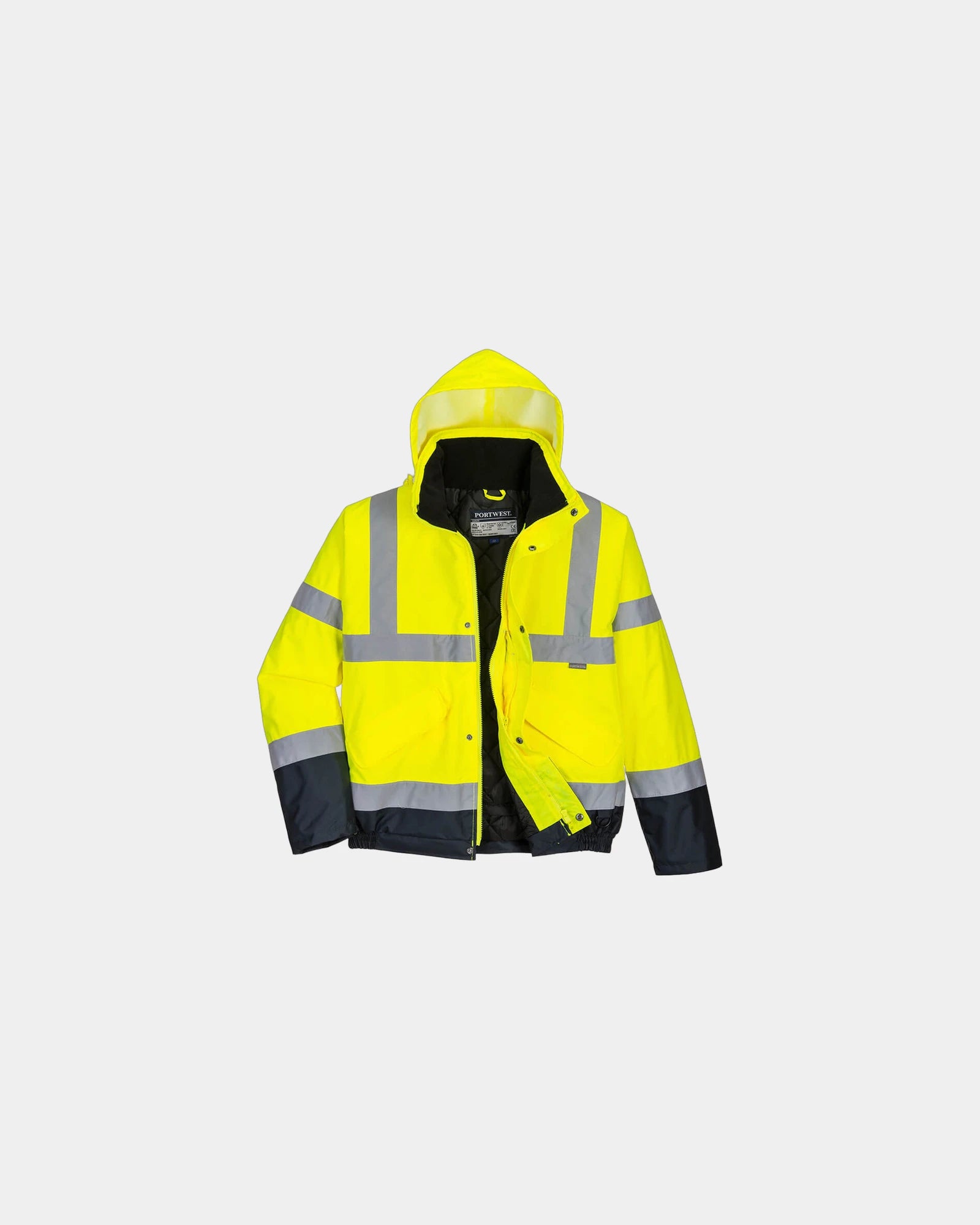
Promotional bicolored aviator jacket - Yellow-NavyPromotional bicolored aviator jacket - Orange
Starting from £49
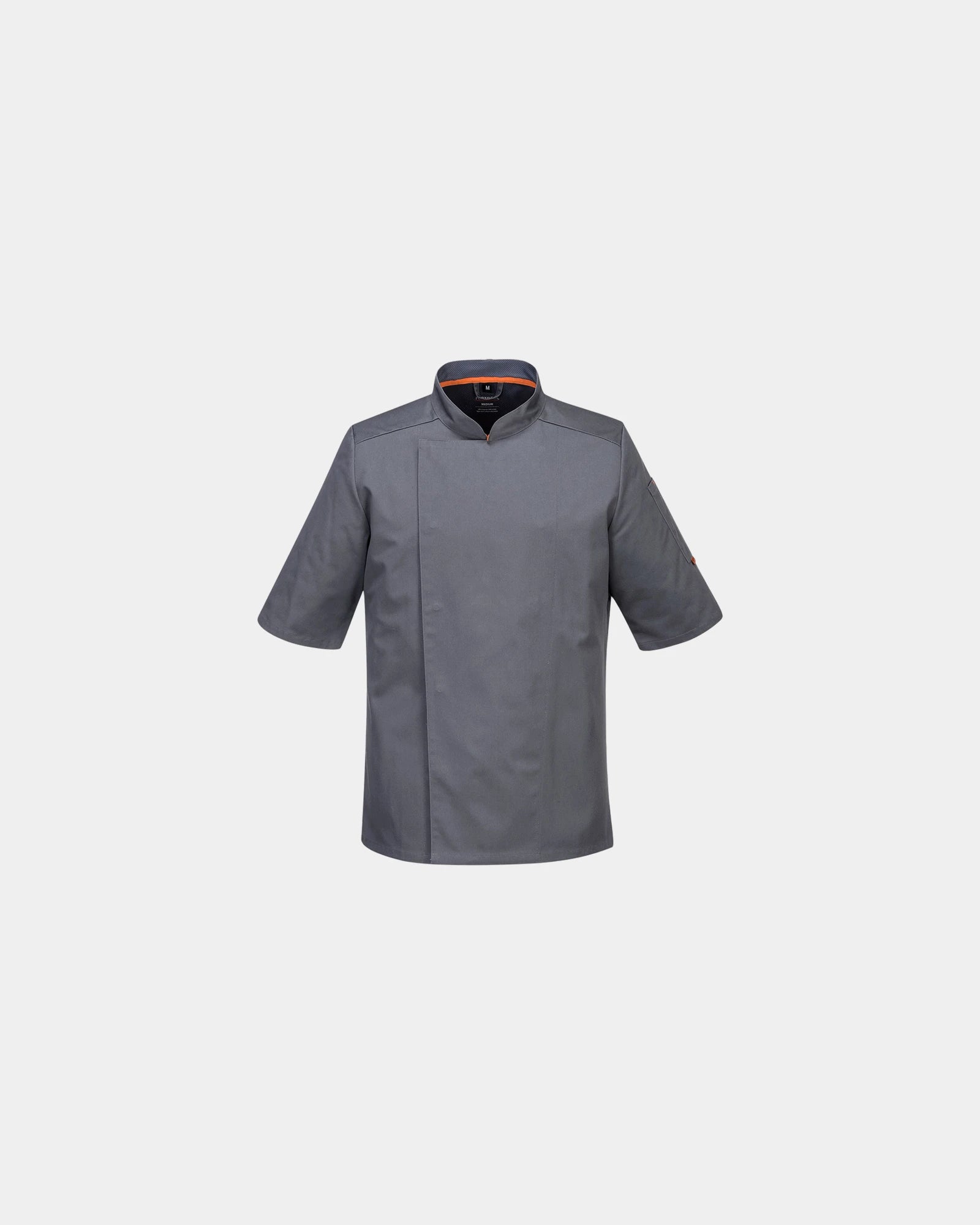
Personalized mesh chef jacket for hot kitchen conditions - GreyPersonalized mesh chef jacket for hot kitchen conditions - Black-Sky Blue
From £23
Promotional Bizflame Ultra bicolore overalls - Dark BluePromotional Bizflame Ultra bicolore overalls - Grey
Starting from £106
Promotional bicolored high-visibility vest - OrangePromotional bicolored high-visibility vest - Yellow-Navy
Starting from £75
Promotional waterproof orange overalls - Orange
Starting from £223
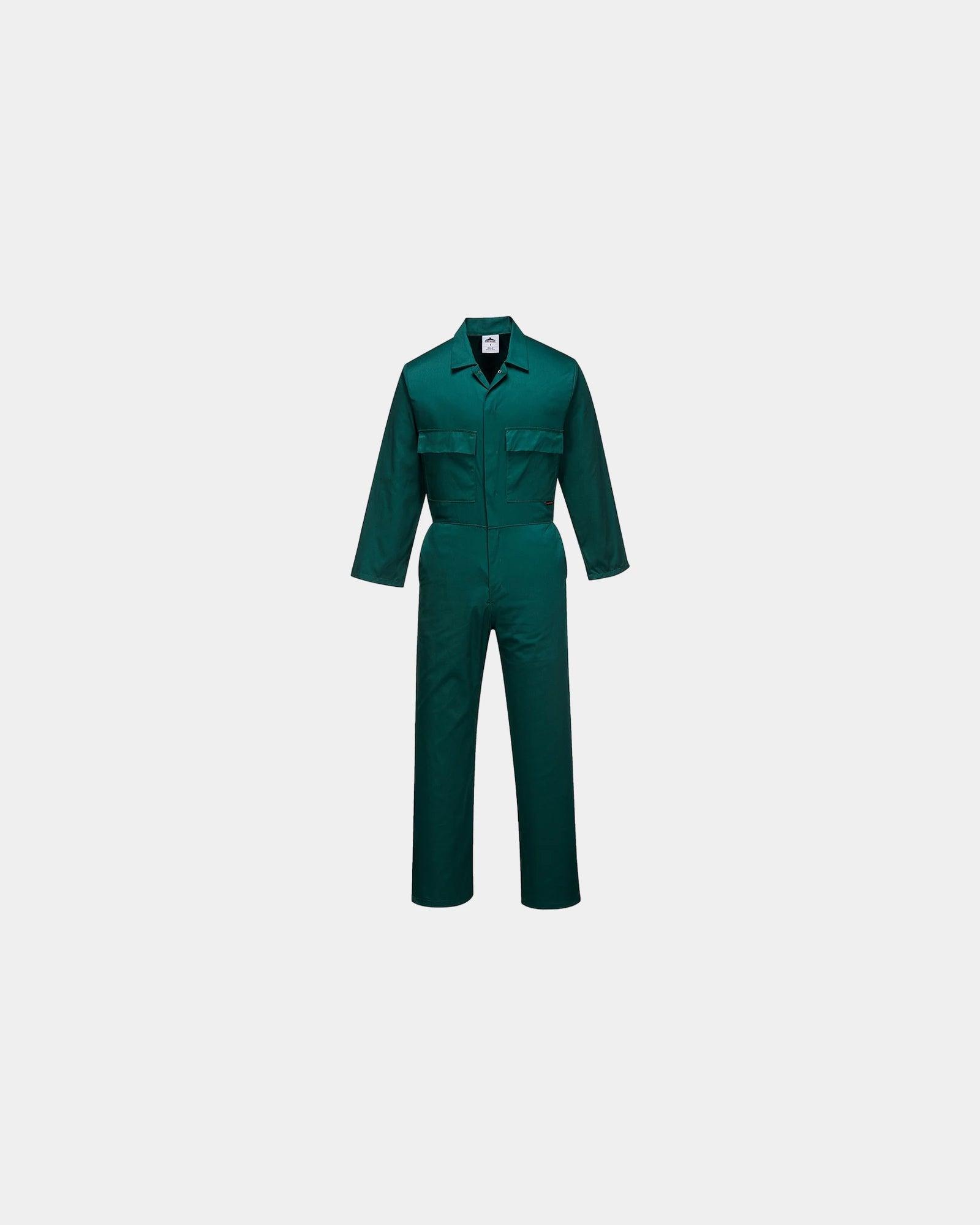
Promotional work coverall with pockets - Dark GreenPromotional work coverall with pockets - Navy
Starting from £26
+ 1
Promotional Kinross bodywarmer - Navy
Starting from £19
Promotional polyester cotton Wakefield trousers - Dark Blue
Starting from £21
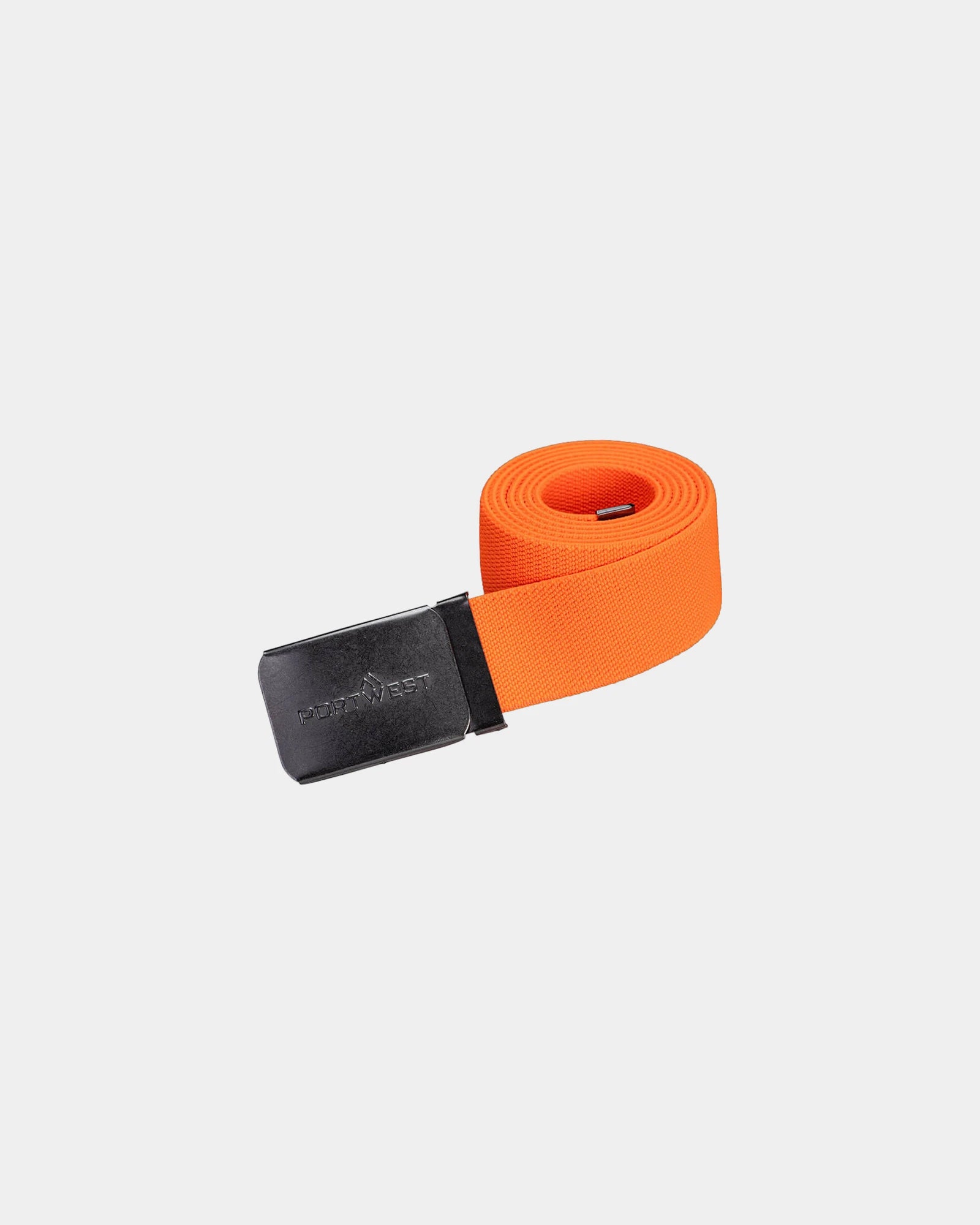
Promotional adjustable work belt Portwest - OrangePromotional adjustable work belt Portwest - Black-Sky Blue
Starting from £6
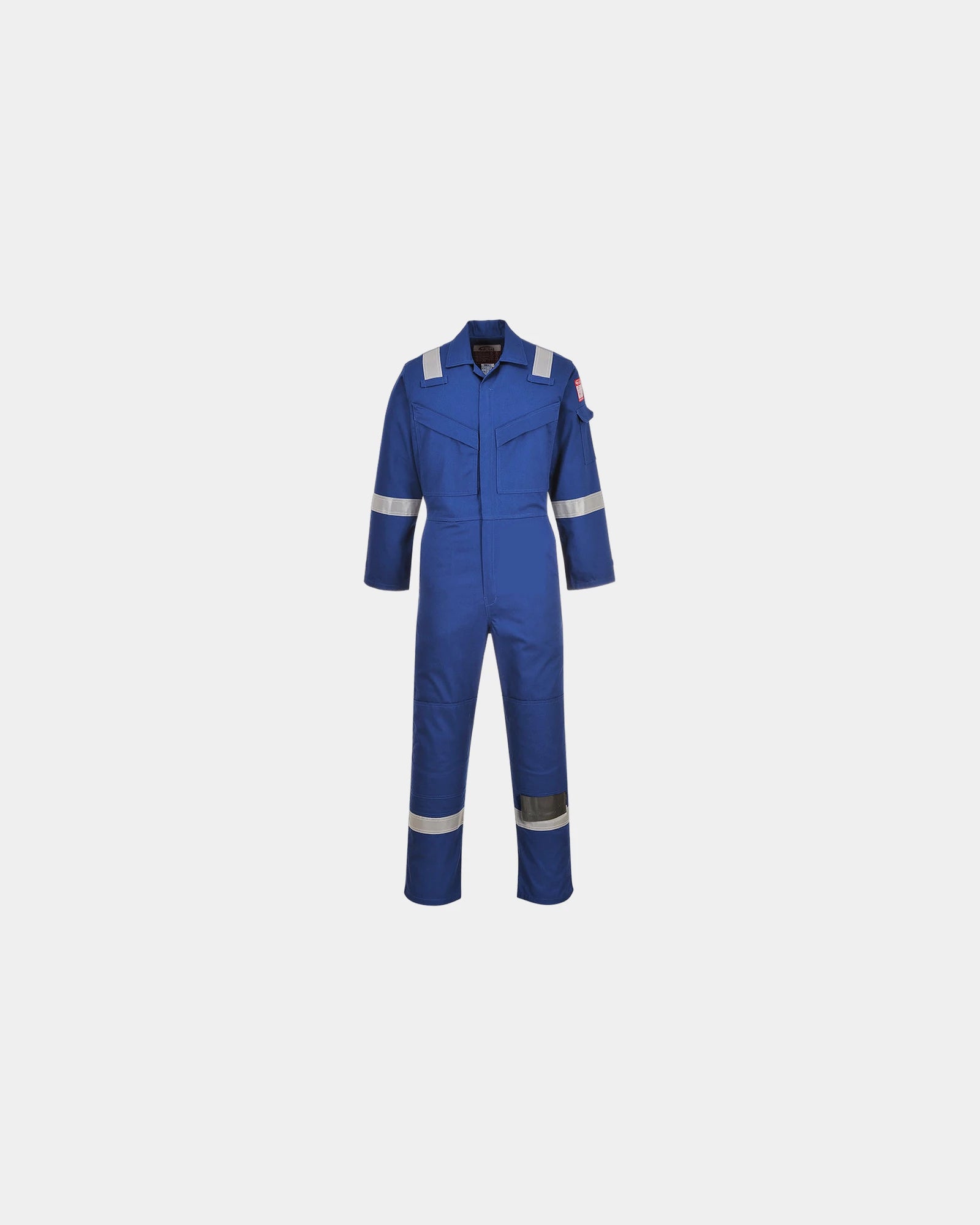
Promotional lightweight flame-retardant suit - Navy
Starting from £153
Promotional cooling vest for hot weather - Grey
Starting from £50

Treat your clients and employees!

Rains

FAQ - Printed textiles

Trusted by 1,000+ companies

What separates non-garment promotional textiles from your clothing range

A branded hoodie and a branded tea towel share a logo and almost nothing else. The promotional textiles in this hub are flat soft-goods, not body-shaped garments, so there is no sizing curve, no fit grading and no wearer comfort to balance.

That changes the whole brief. A towel is judged on absorbency and pile depth, a blanket on warmth and drape, an apron on coverage and tie length, a flag on wind tolerance and fade resistance. None of those are clothing metrics.

It also changes how a logo reads. On a folded towel the mark is seen edge-on and at distance; on a flag it is read across a field. On a tea towel it is handled daily and washed hot. So the marking decision below is driven by the surface and its use, not by a house default.

Decide the family first. Bathroom and beach textiles lead on GSM and pile. Kitchen and home textiles lead on weave and wash durability. Event textiles lead on weather and visibility. Each routes to a dedicated product page with its own weights and lead times.

Bathroom and beach towelling printed textiles

Weight bands for towelling branded textiles

Towelling is graded by GSM, and the band you pick sets the whole impression. A 350-450 gsm towel reads as a light, fast-drying gym or sports towel; a 500-650 gsm towel feels dense and hotel-grade in the hand. The same logo lands very differently across that range.

For an embroidered finish, the pile matters more than the colour. Embroidered Towels hold a raised, dimensional logo best when the loops are dense enough to anchor the stitch without sinking into the towelling. A border or dobby band gives the thread a flatter shelf to sit on.

Sublimation needs a polyester or poly-blend velour face to fix the dye, while a 100% cotton towel takes embroidery or a woven jacquard instead. That single fibre choice decides which marking methods are even on the table for a towelling textile.

Beach formats among printed textiles

Beach formats run wider and longer than a bath towel and often sit at a lighter weight to pack flat for a summer mailer. Branded Beach Towels take a full-colour sublimated panel across the whole surface, which suits a photographic or edge-to-edge brand design that embroidery cannot reproduce.

GSM bandFeelBest markingTypical use
350-400 gsmLight, quick-dryEmbroidered borderGym, sport, golf
450-500 gsmEveryday bathEmbroidery or jacquardStaff gifts, spa
550-650 gsmDense, hotel-gradeWoven dobby + embroideryHospitality, premium gift
300-380 gsm velourSmooth printable faceFull-colour sublimationBeach, photo designs

Kitchen and home soft-goods branded textiles

Kitchen promotional textiles are the workhorses of this hub because they are cheap to produce, used daily and washed often. That daily handling is exactly why the marking method has to survive repeated hot cycles rather than just look sharp on day one.

Personalised tea towels are usually a flat woven cotton or cotton-linen, which gives screen print and woven-in designs a smooth, stable surface. A heavier panama or half-panama weave resists pilling and holds a printed edge crisper through the wash than a loose plain weave.

Aprons sit at the heavier end of the home range. The cloth has to do two jobs at once: stay opaque under a bold front graphic, and stand up to spills, heat and frequent laundering in a working kitchen.

Personalised aprons are typically a 10-12 oz cotton drill or canvas, dense enough for an embroidered chest logo or a large screen-printed front without the fabric showing through.

Warmth-led home textiles change the rules again, because a blanket is judged on drape and loft rather than absorbency or coverage, and it is kept seasonally rather than used daily.

Personalised Blankets take embroidery on a corner or a woven label, while an all-over sublimated or jacquard-woven blanket carries a pattern edge to edge for a retail-quality gift.

Outdoor flags and bunting promotional textiles

Event textiles are engineered for wind and weather, not the hand. A feather or teardrop flag has to read across a car park. So the print runs full-colour through a knitted polyester, which lets the dye show on both faces and the fabric breathe under gusts.

Bunting is the lighter cousin: strings of printed pennants for a launch, a fete or a shop frontage. It packs to almost nothing, ships flat and reuses across many dates, which makes it one of the lowest cost-per-impression textiles in the range.

The failure mode for outdoor textiles is fade. A dye-sublimated polyester flag holds colour far longer in UV than a surface print that sits on top of the weave. For anything left up for weeks, sublimation into the fibre is the durable choice rather than a print laid over it.

Hems and reinforcement decide lifespan as much as the print. A double-stitched hem and a reinforced header stop a flag fraying at the leading edge, where the wind load concentrates first.

Event textileFabricPrintReuse profile
Feather/teardrop flagKnitted polyesterDye-sublimated, both sidesMany dates, weeks outdoors
Bunting stringsLightweight polyesterFull-colour pennantsIndoor and short outdoor runs
Table throw/runnerWoven polyesterSublimated front panelRepeated exhibition use
Hanging bannerHeavy knit polyesterDye-sublimatedLong single-site display

Choosing the print method across printed textiles

Three methods cover almost every promotional textile in this hub, and each is tied to a fibre and a finish. Screen printing lays opaque ink on flat cotton, which is why it dominates tea towels and aprons where the surface is smooth and the run is large.

Sublimation dyes polyester from within, so it owns the full-colour, edge-to-edge jobs: beach towels, photo blankets, flags and bunting. It cannot print on natural cotton. It also cannot produce a true white, so the base colour shows through any unprinted area.

Embroidery is the durable, tactile choice for towelling, aprons and blanket corners. It adds no colour limit and survives hot washing, but it raises stitch count and cost on detailed marks, and very fine text can blur on a deep pile.

MethodWorks onBest forWatch-out
Screen printFlat cotton, canvasTea towels, apronsLimited colours per pass
SublimationPolyester, velourBeach towels, flags, photo blanketsNo cotton, no true white
EmbroideryTowelling, drill, knitLogos, monograms, cornersCost rises with stitch count
Woven jacquardCotton, cotton-blendPremium towels, blanketsSet-up suits larger runs

Carrying one brand identity across mixed branded textiles

The hardest part of a programme of promotional textiles is not any single item. It is keeping a logo recognisable when it lands on a deep towel pile, a flat tea towel and a windblown flag in the same campaign. Each surface shifts colour and sharpness.

Lock the brand colours to a thread reference and an ink reference up front, then accept that a sublimated flag will read slightly brighter than an embroidered towel. Agreeing that variance in advance avoids a re-run when the promotional textiles arrive looking subtly different.

Where a sharp edge matters, favour a woven or embroidered version of the logo, which holds geometry on textured cloth. Where vivid fill matters, favour sublimation. A mixed kit often uses both, chosen per item rather than forced into one method.

Artwork approval within 24h covers every promotional textile in the set. You sign off the towel, the apron and the flag against the same reference before any base goes to press.

Matching promotional textiles to giveaway and retail formats

A tote bag straddles this hub and the clothing range, which makes it a natural anchor for a textile giveaway. Personalised Tote Bags carry a large screen or embroidered logo on flat cotton and double as the carrier for the rest of the soft-goods kit.

Think about how the recipient receives the textile. A folded towel with a woven band reads as a gift; a flat-packed bundle of bunting reads as event kit. A tea towel and apron pair reads as a kitchen set. The format frames the perceived value before the logo is even seen.

Weight drives postage on a textile mailer. A single tea towel ships in a letter-rate envelope, while a 600 gsm bath towel needs a parcel rate. Choosing a lighter base for a mass mailing can change the per-unit landed cost more than the print does.

Use-case mapping for branded textiles

Match the textile to the moment and the rest follows. A spa or hotel reaches for dense towelling; a brewery or deli reaches for tea towels and aprons. A festival or dealership reaches for flags and bunting; a winter campaign reaches for blankets.

The numbers below pair common occasions with the textile that earns its place there, the base to start from and the marking that survives that context. Use it as a shortlist before routing to each product page.

  • Spa and hotel: 550-650 gsm bath towel, embroidered border
  • Café and deli: woven cotton tea towel, screen-printed front
  • Trade kitchen: 10-12 oz canvas apron, embroidered chest
  • Festival pitch: knitted polyester flag, dye-sublimated both sides
  • Winter gift: fleece or knit blanket, corner embroidery
  • Shop launch: PVC-free bunting, full-colour pennants

One textile rarely covers a whole brief. A dealership open day might run flags at the entrance, branded blankets in the waiting area and tote bags at the desk. Each routes to its own product page with its own minimum and lead time.

Wash durability and care across home printed textiles

The textiles handled most often are also washed most often, so durability is a marking question, not just a fabric one. A screen print on a tea towel should be cured correctly to survive a 60-degree cycle without cracking along the fold lines.

Embroidery is the most wash-stable mark on towelling and aprons because the logo is stitched through the cloth, not bonded on top. It tolerates repeated hot washing and tumble drying where a surface print would eventually soften.

Sublimated textiles do not crack or peel because the dye is part of the fibre. They do need a polyester base to hold it. That is why a photo blanket or beach towel reads brighter yet feels different from a cotton item in the same kit.

Set a care expectation per textile rather than across the kit. The towel, the apron and the flag each have a different wash and weather tolerance, and pretending they share one care label leads to disappointed recipients.

Quantity, minimums and lead time across branded textiles

Minimums vary widely across promotional textiles and by method. A digitally printed run of tea towels can start low, while a woven jacquard towel or a custom-loomed blanket needs a larger commitment to justify the set-up on the loom.

Screen-printed and embroidered textiles carry a one-off set-up per colour or per logo, so the unit cost falls steeply as the run grows. Sublimated and digital textiles spread cost more evenly, which favours shorter or more varied runs.

Lead time tracks the method and the base. A stock-base embroidered or printed textile delivers in three weeks. A fully woven or bespoke-loomed textile sits longer because the cloth itself is made to order before any logo is applied.

Plan a mixed textile order around its slowest item. If a campaign pairs quick-turn bunting with a bespoke woven blanket, the blanket sets the date, so brief the long-lead textile first and let the rest follow.

Textile typeTypical minimumSet-up basisIndicative lead time
Printed tea towels25-50 unitsPer print colourAround 3 weeks
Embroidered towels50-100 unitsPer logo digitiseAround 3 weeks
Sublimated flags/bunting10-25 unitsPer artwork file2-3 weeks
Woven jacquard towel250+ unitsPer loom programme5-7 weeks
Bespoke knit blanket100+ unitsPer loom programme5-7 weeks

Recording fibre content and eco status on promotional textiles

Sustainability on textiles is per base, not per range, because each item starts from a different cloth. A recycled-polyester flag, an organic-cotton tea towel and a standard towelling base each carry their own fibre breakdown.

For any eco or certification claim, the organic-cotton or recycled-content status is stated on each textile's product spec rather than assumed across the kit. The exact figure for the base you choose is on that line, so you quote what is documented.

This matters most when a single campaign mixes textiles. A buyer can truthfully describe the organic tea towel and the recycled flag separately. A blanket programme on a standard fleece carries no such claim, and the spec keeps those distinct.

How this hub differs from a single printed textiles product page

A product page sells one textile in depth: every weight, colour and size of, say, a tea towel. This hub does the opposite job, mapping the whole soft-goods landscape so you can pick the right family before drilling into a single item.

Use it as a router. If you already know you need 500 embroidered bath towels, skip straight to that product page. If you are scoping a mixed campaign across kitchen, bathroom and event textiles, start here and branch out from the families above.

The value of the hub is the cross-comparison. Seeing that a flag wants sublimation while an apron wants screen print, side by side, stops a buyer forcing one method across textiles it was never suited to.

Sector fit: routing branded textiles to the right family

The fastest route through this hub is to name the sector before the cloth. A spa reaches for dense towelling. A brewery reaches for tea towels and aprons. A dealership or festival reaches for flags and bunting. A winter campaign reaches for blankets. Reading the sector first points the brief at one textile family.

That sector lens also settles the marking. A hotel set wants embroidery on a heavy pile, while a festival pitch wants dye-sublimation that holds in UV. Name the buyer and the method follows, so a mixed campaign can route each promotional textile to the process it actually suits rather than forcing one finish across the lot.

SectorTextile familyBase to start fromMarking
Spa / hotelBathroom towelling550-650 gsm bathEmbroidered border
Café / breweryKitchen soft-goodsWoven cotton, canvasScreen print
Dealership / festivalEvent fabricsKnitted polyesterDye-sublimation
Winter campaignHome soft-goodsFleece or knit blanketCorner embroidery