

Cybersecurity goodies
- Price, low to high
- Price, high to low
















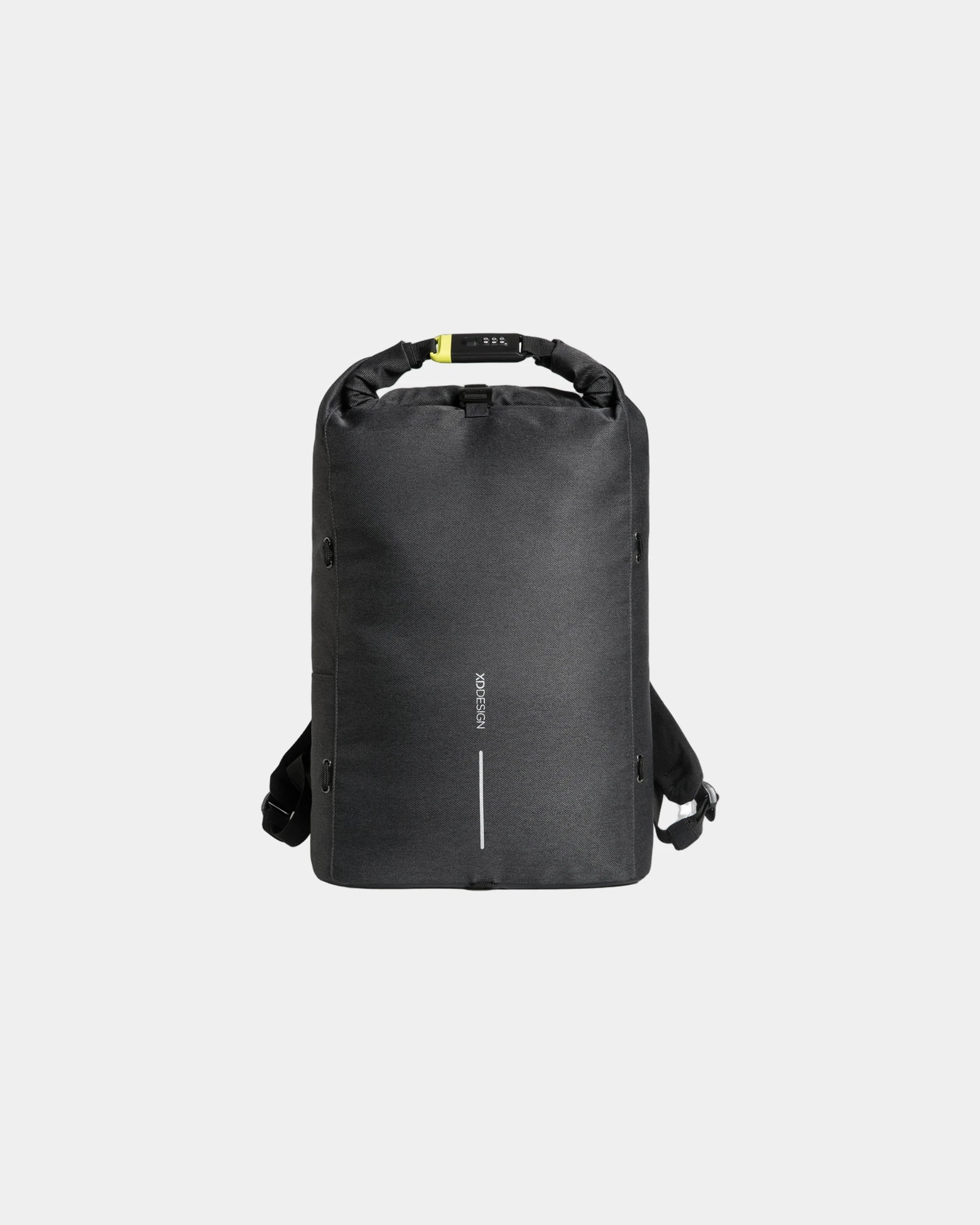


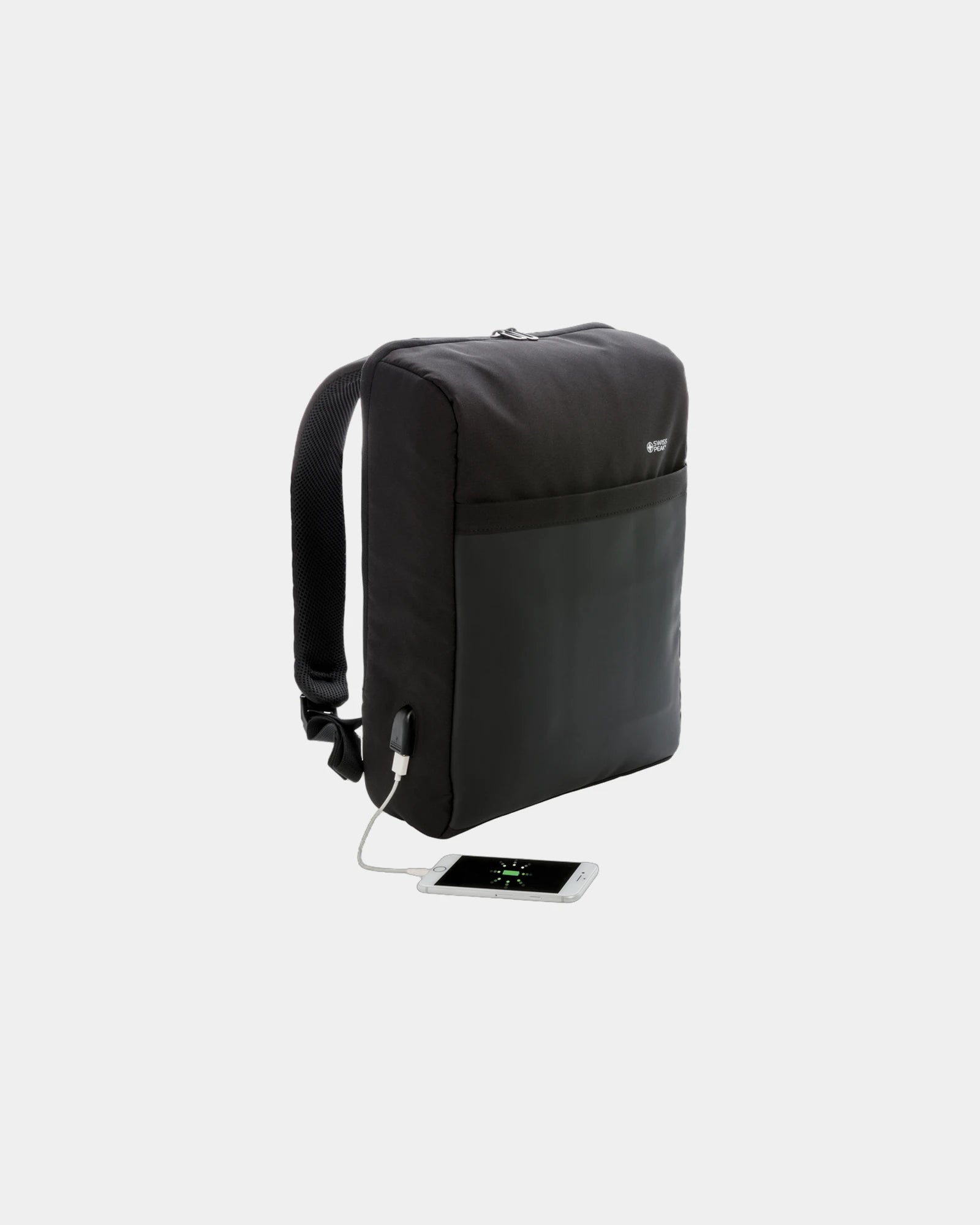


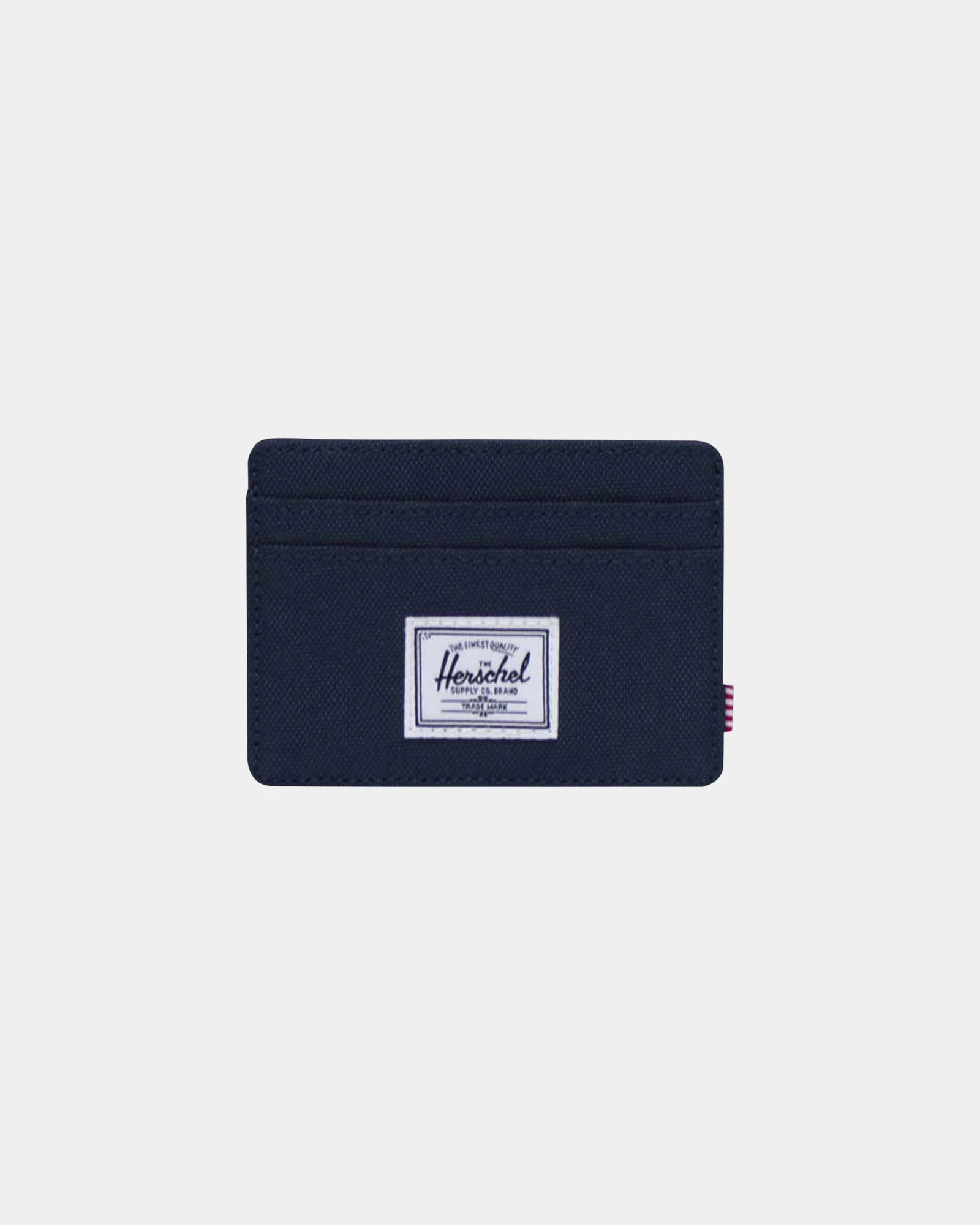


Treat your clients and employees!

FAQ - branded cybersecurity goodies
Trusted by 1,000+ companies
What branded cybersecurity goodies actually are
Branded cybersecurity goodies are small, useful items that carry a security message and your logo at the same time. Think webcam covers, RFID-blocking wallets and card sleeves, USB data blockers and mini padlocks, handed out during awareness campaigns or onboarding. They sit where two ideas meet: protecting people from everyday digital risks, and keeping your brand visible on the desks where work happens. Unlike a poster that fades into the background, a well-chosen promotional gift stays in daily use, so the reminder to lock a screen or cover a camera travels with the object.
Because these items are practical, they earn their place. A webcam slider protects privacy on every video call. An RFID sleeve guards a contactless card on a crowded commute. That utility is what makes cybersecurity goodies a considered choice for internal campaigns, trade stands and branded corporate gifts packs alike, rather than a throwaway freebie your recipients quietly leave behind.
They also give a security or IT team something rare: a friendly way into a subject that people often find dry or intimidating. Instead of another mandatory module, a small gift opens a conversation on a video call, at a desk or across a stand. Human error remains the weak point in most incidents, from a clicked link to a card read in passing, so anything that keeps safe behaviour front of mind pays for itself many times over. Used well, these items are a communications tool as much as a product.
Branded webcam covers for privacy on every call
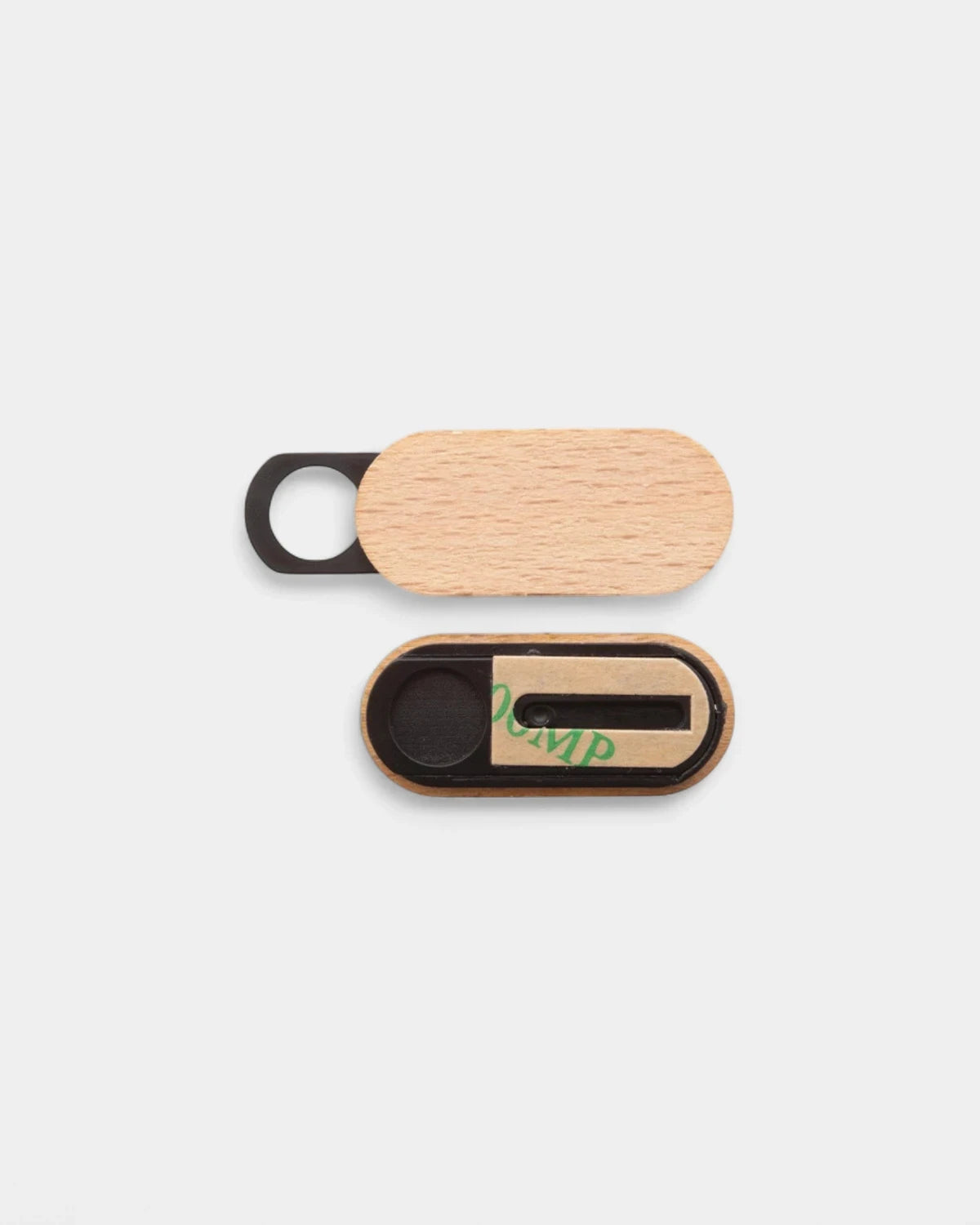
The webcam cover is the signature item of the category, and for good reason. A thin sliding shutter fixes over the lens of a laptop, tablet or monitor, letting people open the camera for a video call and close it the moment the meeting ends. It answers a real worry about being watched through a compromised device, and it does so with a single, satisfying gesture. Slim aluminium or ABS covers sit flush enough that the lid still shuts, which matters for anyone working from a laptop all day.
For branded merchandise, the flat face of a webcam cover is ideal for a crisp logo. On aluminium versions, laser engraving burns a permanent, colour-free mark that survives years of sliding, while tampography suits plastic covers where you want up to four Pantone colours on a small, curved surface. These sit naturally alongside desk-based branded computer accessories such as mouse mats, keyboard risers and cable organisers that share the same workstation.
RFID-blocking wallets and card sleeves
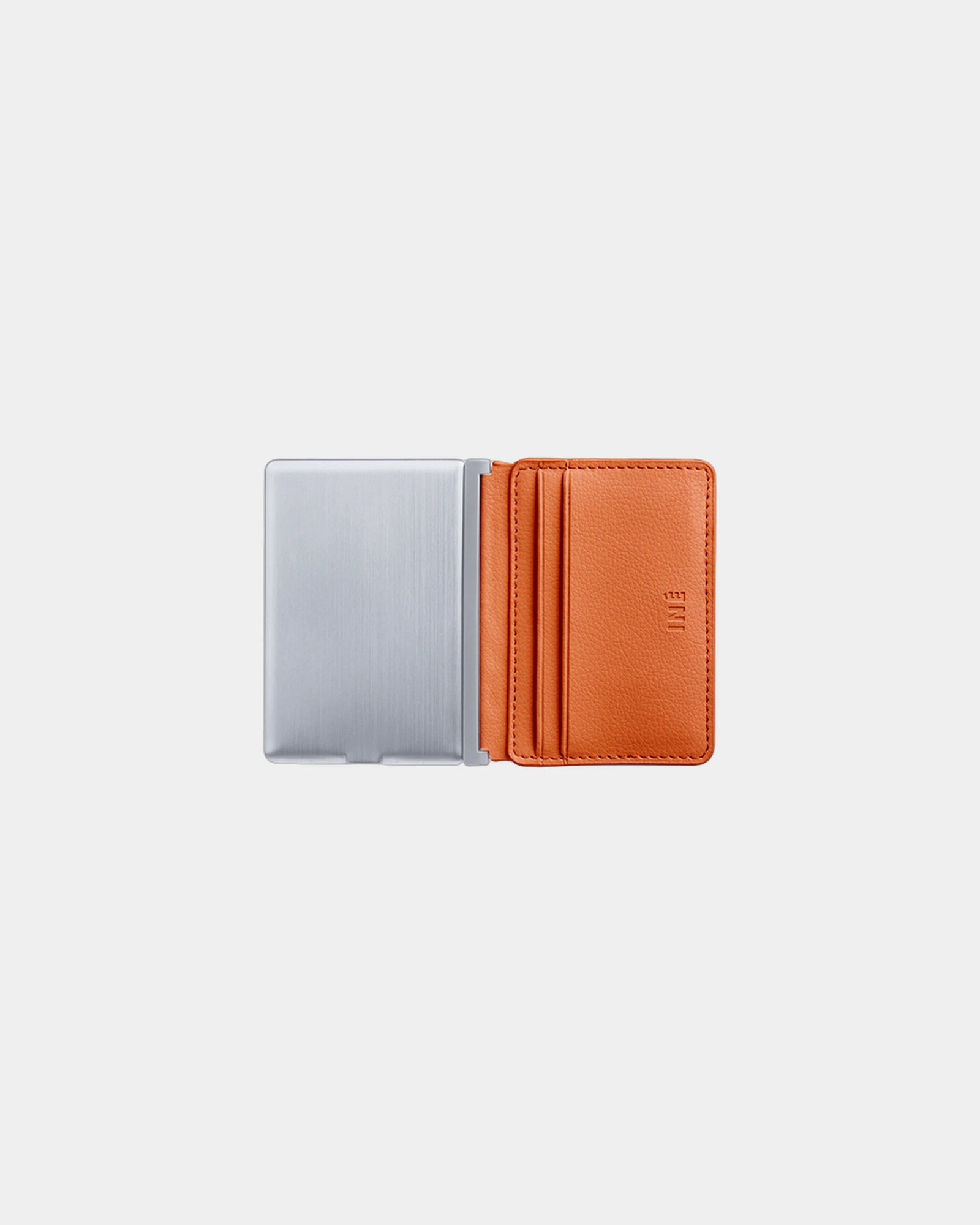
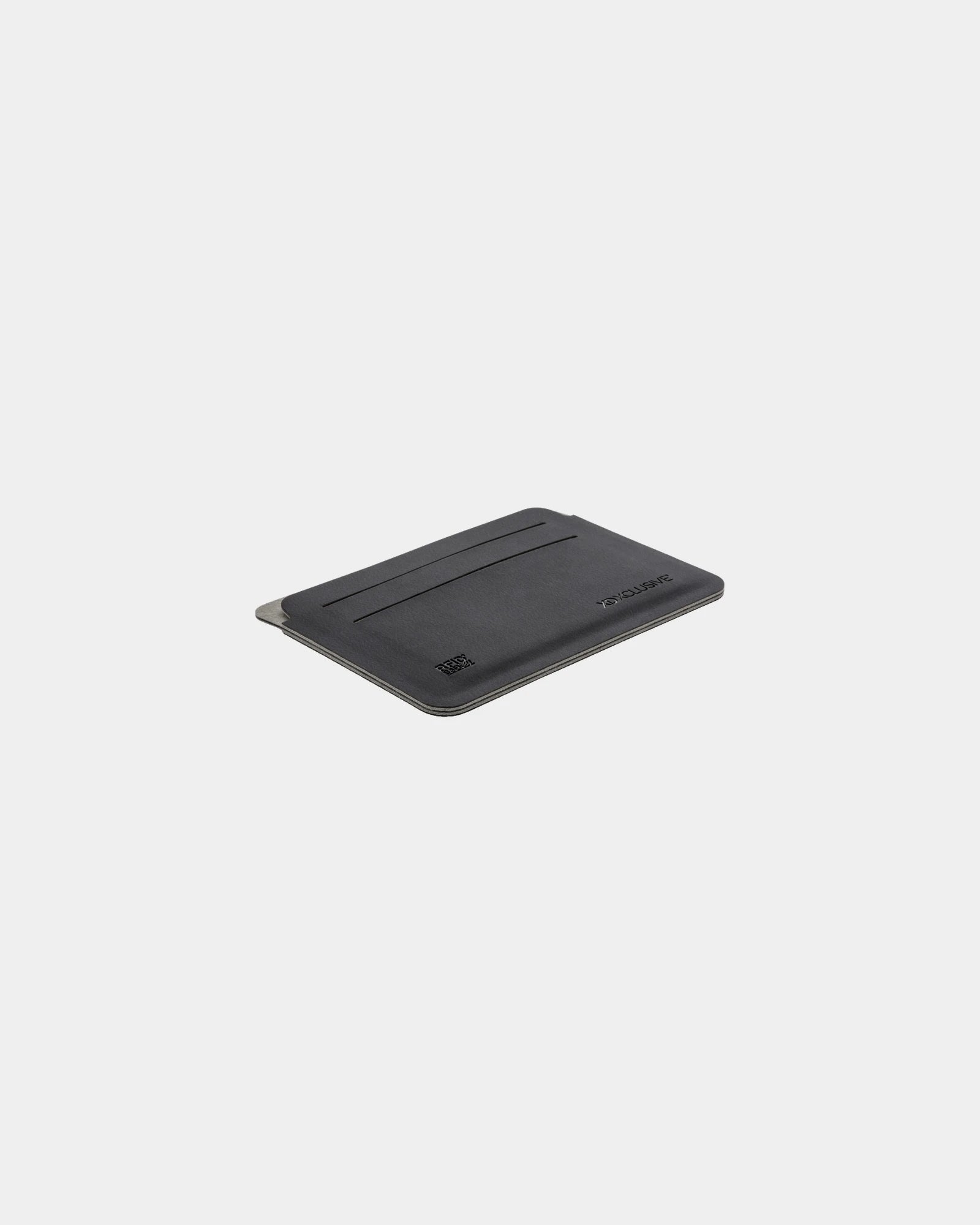
RFID-blocking wallets and sleeves stop unwanted contactless reads by shielding the card inside a conductive layer. As bank cards, travel passes and access badges all moved to contactless, this became an easy, tangible way to talk about data protection with a wider audience than the IT team alone. A slim sleeve slips over a single card, while a full wallet or cardholder shields several at once and doubles as an everyday carry item people genuinely use.
Leather, recycled PU and aluminium versions all take a logo well, so an RFID cardholder can be as understated or as premium as your brief requires. Discreet embossing or laser engraving keeps the finish clean on leather, which suits client-facing gifts. Browse the wider range of branded wallets when you want the same shielding technology in a card holder, coin pocket or travel style with room for notes and receipts.
USB data blockers and safer charging
USB data blockers, sometimes called USB condoms, are small adaptors that pass power through but cut the data pins, so a device can charge from a public port without exposing its files to juice-jacking. For anyone who travels or works from airports, stations and hotels, this is a concrete habit worth building, and the object makes the point better than any slide deck. Pair it with a short braided charging cable and you have a compact travel kit that lives in a laptop bag.
These slot neatly into your branded tech gadgets line-up next to power banks, wireless chargers and cable tidies. If you would rather lead with storage, encrypted promotional USB sticks with hardware protection carry a related message about keeping files off unmanaged drives and shared machines, and they suit conference giveaways where people expect something they can plug in.
Padlocks, cable locks and physical security
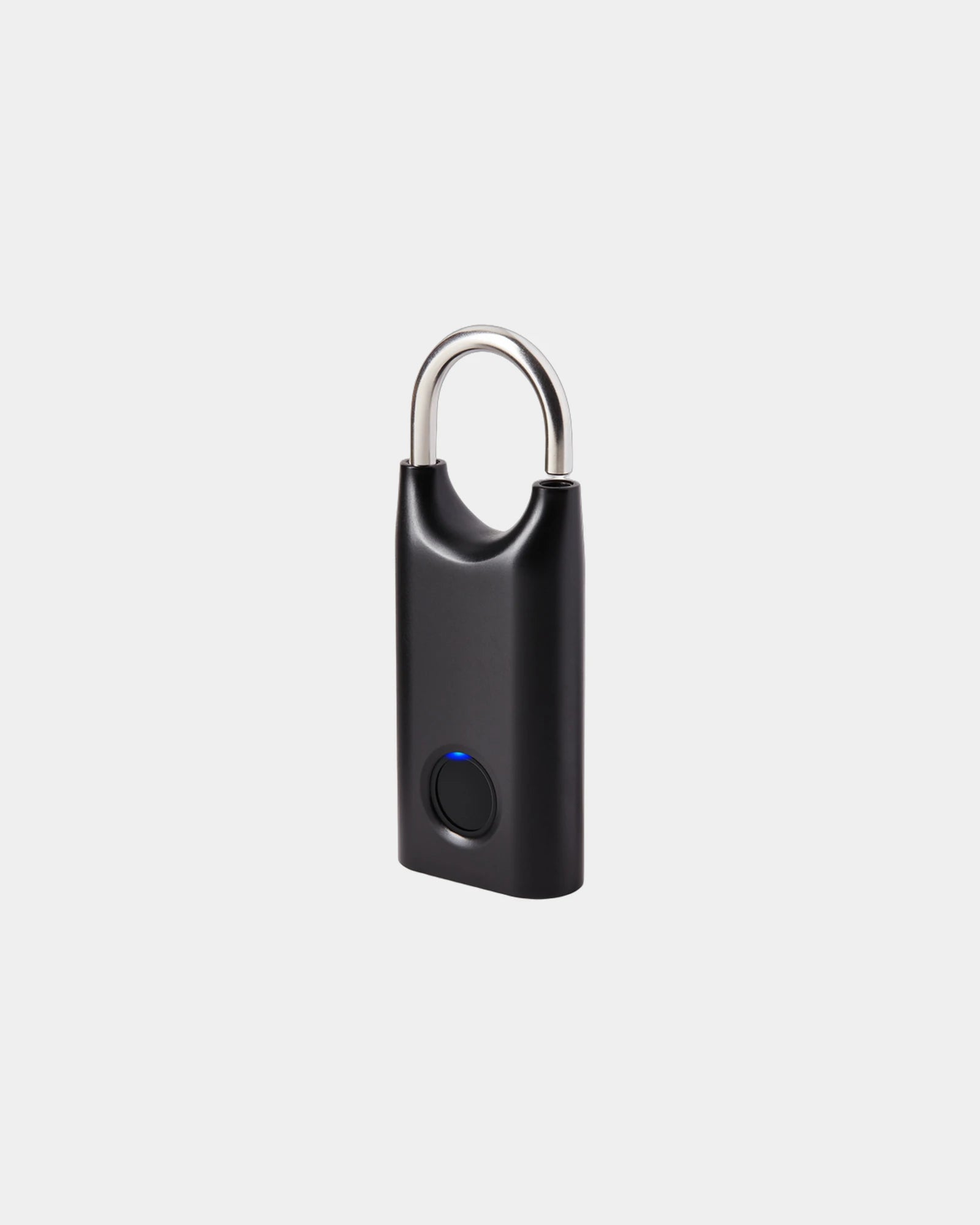
Digital safety has a physical side, and small locks make that visible. Combination padlocks for lockers and bags, retractable cable locks that tether a laptop to a desk, and lockable pouches all reinforce the idea that a clear desk and a secured device matter as much as a strong password. They travel well, they cost little, and they keep working long after an awareness week has ended.
A padlock body or lock casing takes engraving or tampography cleanly, so your logo rides along with a genuinely useful tool. Access control belongs in the same conversation, which is why security passes on branded lanyards often round out a kit, keeping ID badges, swipe cards and building fobs visible, worn correctly and easy to challenge when a stranger tailgates through a secure door.
Cybersecurity goodies for security-awareness campaigns
Awareness campaigns work best when the message lands in the moment, not in an inbox. Handing over a webcam cover during a lunch-and-learn, or dropping an RFID sleeve into a payslip envelope during Cyber Security Awareness Month each October, links a small object to a specific behaviour. The item becomes a daily prompt: cover the camera, shield the card, lock the screen. That repetition is what turns a one-off talk into a habit across a whole workforce.
Used this way, promotional merchandise supports a BtoB internal communications plan rather than replacing it. Many organisations tie the giveaway to a short quiz, a phishing simulation debrief or a policy refresh, so the goodie rewards participation and keeps the training memorable. Sequencing a few items across the year, one per campaign, keeps interest fresh without overwhelming people with tat they never asked for and quietly bin.
Who cybersecurity goodies suit best
The natural home for these items is the IT and information-security sector, but the audience is far wider. In-house security teams use them to build a culture of vigilance. Managed service providers and consultancies hand them to clients as a thoughtful reminder of the service they deliver. Software vendors and fintech firms include them in client gifts and event packs to signal that safety is part of the product, not an afterthought bolted on later.
They also work for any employer with a hybrid or remote workforce, where the perimeter is no longer the office wall. New starters appreciate a practical welcome, which is why security items pair well with branded welcome packs that set expectations from day one. For people splitting time between home and the office, a compact work-from-home kit bundles a webcam cover, cable tidy and desk tools into a single, coherent onboarding gesture.
Materials, quality and branding techniques
Quality is what separates a security giveaway people keep from one they lose in a drawer. Aluminium webcam covers and cases feel solid and take a permanent mark. Recycled ABS and RPET options carry an environmental message that sits comfortably next to a responsibility theme. Leather and recycled PU raise a cardholder into premium territory, while silicone and soft-touch coatings give padlocks and cable tidies a grip that survives a bag.
Marking follows the material, and every technique comes from our own workshop standards. Laser engraving suits aluminium and stainless steel, leaving a clean, colour-free mark that resists years of handling. Tampography prints up to four Pantone colours on small, curved plastic parts such as slider covers and lock bodies. Pad-printed and engraved finishes keep logos legible at the tiny scale these products demand, where a printed area is often no wider than a thumbnail and detail is easily lost.
It pays to think about finish as well as logo. A soft-touch coating hides fingerprints on a webcam cover that gets handled dozens of times a day. A recycled material sends its own quiet message on an object that talks about protection and responsibility in the same breath. Where relevant, standards such as OEKO-TEX or a recycled-content certification give buyers something concrete to point to, and we will tell you honestly which credentials a given product genuinely holds rather than implying more than the item can support.
The cybersecurity range at a glance
The table below maps the main items to their everyday purpose and a suitable marking method, so you can match a product to the behaviour you want to encourage. It is a starting point for a brief rather than a fixed catalogue, and our team will confirm what works for your logo, quantity and lead time.
| Item | What it protects | Typical branding |
|---|---|---|
| Webcam cover | Camera privacy on video calls | Laser engraving or tampography |
| RFID wallet or sleeve | Contactless cards and access badges | Embossing or laser engraving |
| USB data blocker | Files when charging on public ports | Tampography |
| Padlock or cable lock | Lockers, bags and tethered devices | Engraving or tampography |
Occasions to hand out promotional cybersecurity goodies
The calendar gives you several natural moments. Cyber Security Awareness Month in October is the obvious anchor, and many teams plan their campaign around it. Onboarding is another, since new starters form habits early and a security welcome sets the tone. Trade shows and exhibitions reward a stand giveaway that visitors actually pocket, and a webcam cover clipped to a business card does exactly that.
Beyond those, client appreciation and year-end thank-you gestures let a service provider reinforce the value they deliver. Employee recognition schemes can use small security tools as low-key rewards throughout the year. Because the items are compact and affordable, they also suit high-volume drops at internal town halls, security drills and phishing-awareness debriefs, where you want to reach every desk without stretching the budget or the storeroom.
Data protection dates on the calendar give further hooks. Data Privacy Day in late January, an internal policy relaunch, or the rollout of a new laptop fleet all create a reason to put a relevant object in people's hands at exactly the moment the message matters. Aligning the giveaway with these moments means the item arrives with context, so recipients understand why they have it and what they are meant to do with it, rather than treating it as another anonymous piece of desk clutter.
Budget, quantities and getting value
Cost sits at the accessible end of the merchandise scale, which is part of the appeal. Entry-level items such as plastic slider covers and USB data blockers keep the unit price low, so you can reach a large headcount in a single campaign. Mid-range choices, including aluminium covers and recycled RFID sleeves, add a more premium feel for client-facing packs. Leather cardholders and engraved metal locks sit at the top, suited to VIP or executive gifting where the object should feel considered.
Quantity affects both price and technique. Larger runs make setup-heavy methods more economical per unit, while small, high-quality batches favour engraving and embossing. Rather than quote invented figures, we prefer to build a tiered proposal around your headcount, so you see clearly where a slightly higher spend buys a noticeably better item. We will also flag when combining several security tools into one branded pouch gives better perceived value than scattering single items.
Cybersecurity gifts and UK tax
Corporate gifts follow clear HMRC rules, and security items usually fit them comfortably, though your finance team or accountant should confirm your own position. Under HMRC guidance BIM45065, a business gift can qualify for tax relief when it carries a conspicuous advert for your business, is not food, drink, tobacco or a voucher, and costs no more than £50 per recipient per year. A logoed webcam cover or RFID sleeve is a textbook example, since the branding is visible and the value modest.
A few thresholds are worth noting. VAT is charged at the standard 20 per cent rate, and output VAT can become due if the total value of gifts to the same person exceeds £50 excluding tax over a rolling twelve months. For staff, a trivial benefit is exempt when it costs £50 or less and is not cash, a voucher or a reward for performance, which fits small security tools well. Keeping a simple record of who received what helps you stay inside these limits and claim corporation tax relief correctly.
Quality, origin and ordering
Every item is chosen for durability first, because a security tool that breaks undermines the very message it carries. We work with reliable suppliers and mark each product to a standard that lasts, whether that is a laser-engraved case or a pad-printed lock. Where a product has a specific provenance worth mentioning, we say so honestly rather than making claims we cannot stand behind, and otherwise we let the build quality speak.
To move from idea to delivery, share your logo, your headcount and the campaign date, and we will propose a shortlist with a clear timeline. A digital proof lets you check the mark before production begins, so there are no surprises. Whether you need a handful of premium cardholders or thousands of webcam covers for a company-wide push, the process stays the same: practical items, clean branding and a message your people will actually remember.

