Printed baby clothes
Treat your clients and employees!
FAQ - Personalised Baby Clothing
Trusted by 1,000+ companies
The core formats of custom baby clothing
Baby clothing is a family of small garments, and each one carries a logo or a name in a slightly different place. The bodysuit, also called a vest or babygrow, is the workhorse: a short or long-sleeve top that poppers under the nappy. The sleepsuit, or all-in-one, adds covered legs and often integrated feet for the youngest sizes.
Above the core layer sit the lighter pieces. A baby t-shirt suits older bands once a child is sitting and crawling. A romper opens the legs for summer wear and easier changing. Bibs, hats and booties round out a set of printed baby clothes, and a bib is the single cheapest item to carry a name or a small brand mark.
Choosing the format comes first, because it decides where the decoration can sit and how big it can be. A bodysuit gives a clear chest panel for a logo. A bib gives a curved front that suits a short name or a single motif. A romper splits the front with poppers, so artwork is placed to clear the fastening line.
Fabric choices for soft-touch printed baby clothes
Skin contact drives every fabric decision on printed baby clothes, so the default is a soft, breathable cotton jersey. Standard cotton jersey in a 150 to 200 GSM band gives an everyday vest that washes hot and holds its shape. It is the sensible base for a high-volume giveaway where unit cost has to stay low across a big run.
Organic cotton lifts the same garment for buyers who want a documented natural-fibre angle. The weave and feel are close to standard cotton, with the difference sitting in the certified supply chain rather than the hand. Bamboo-blend jersey is the third route, prized for a silky drape and natural breathability that suits hot-weather rompers and sleepsuits.
Matching GSM to season on printed baby clothes
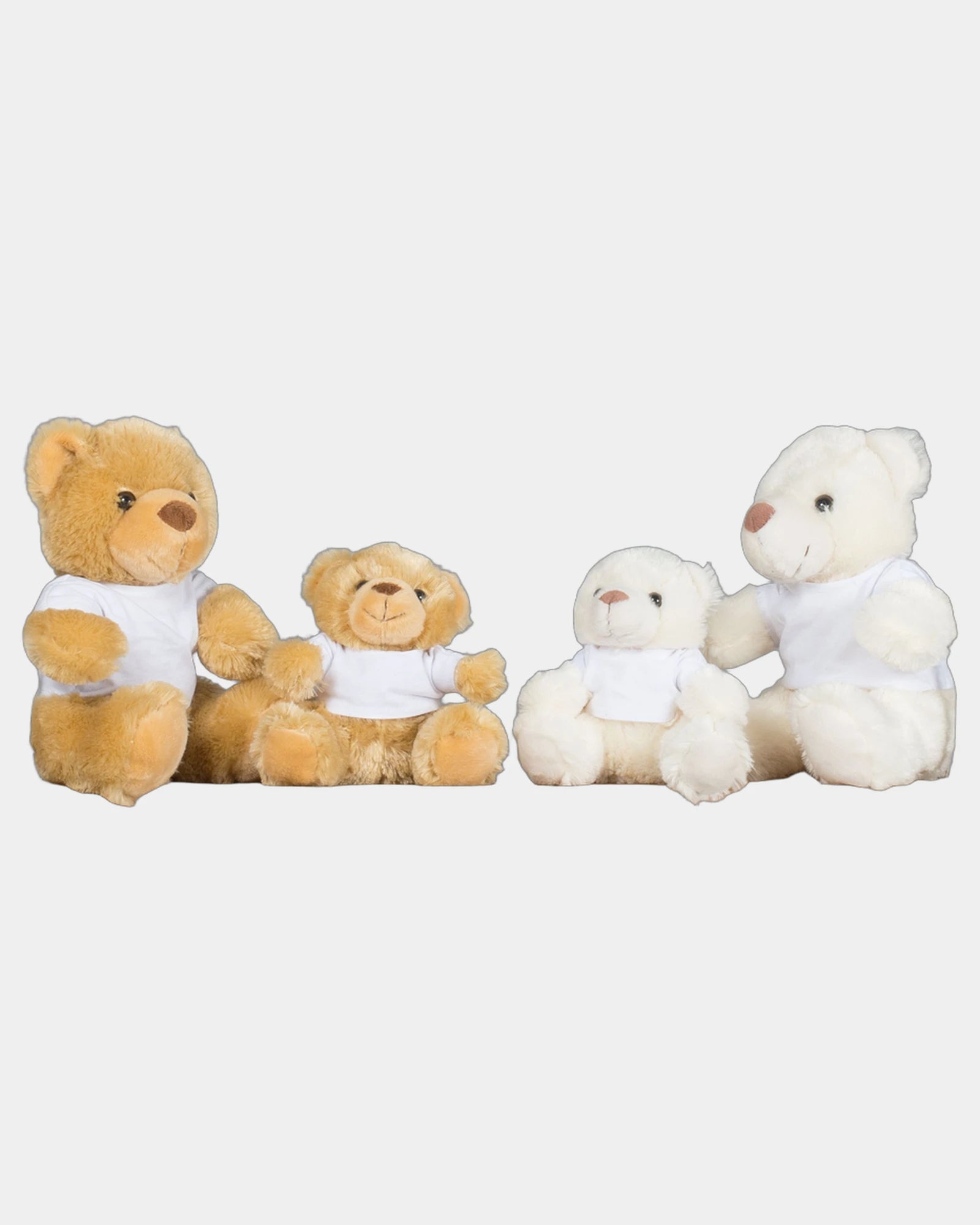
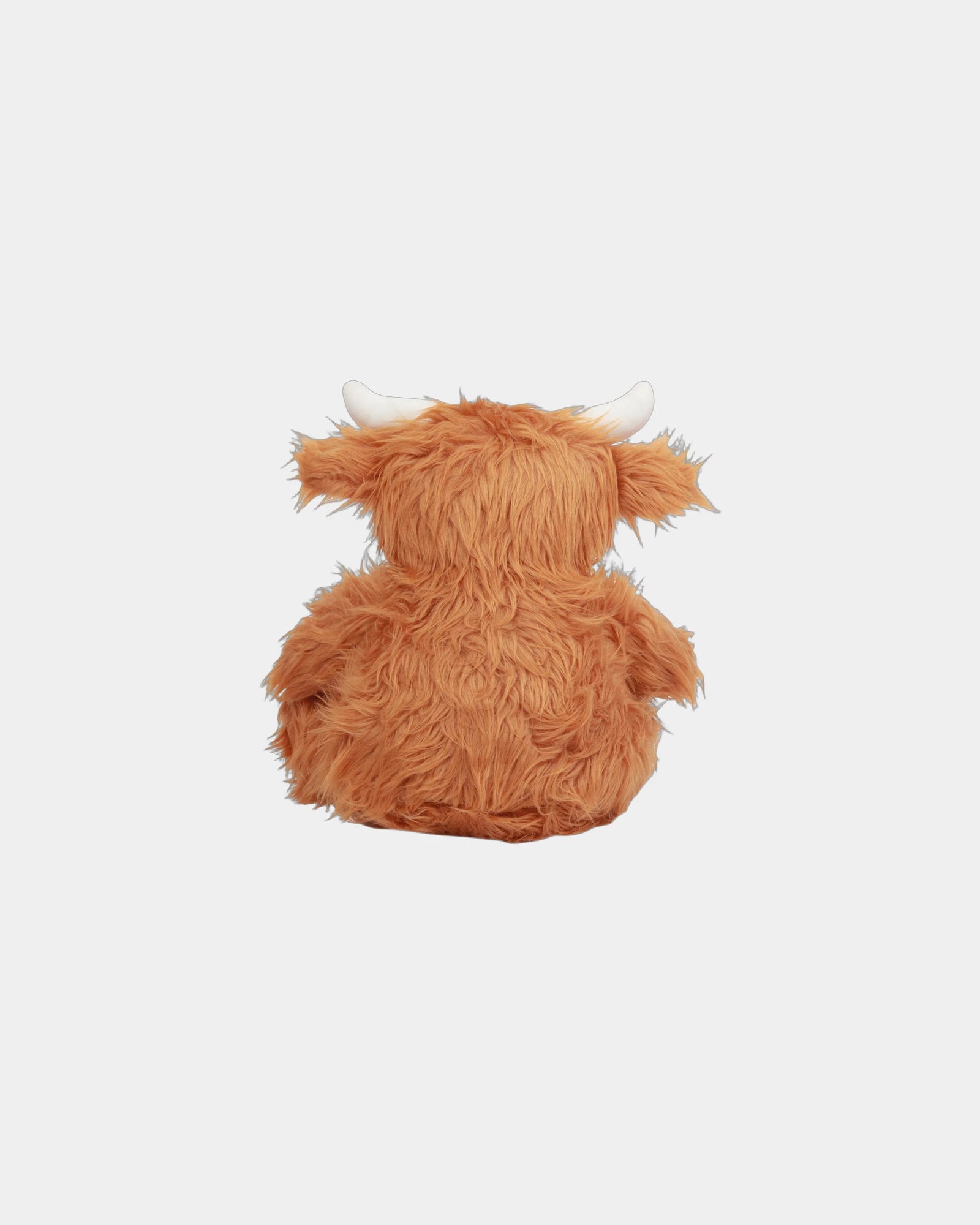
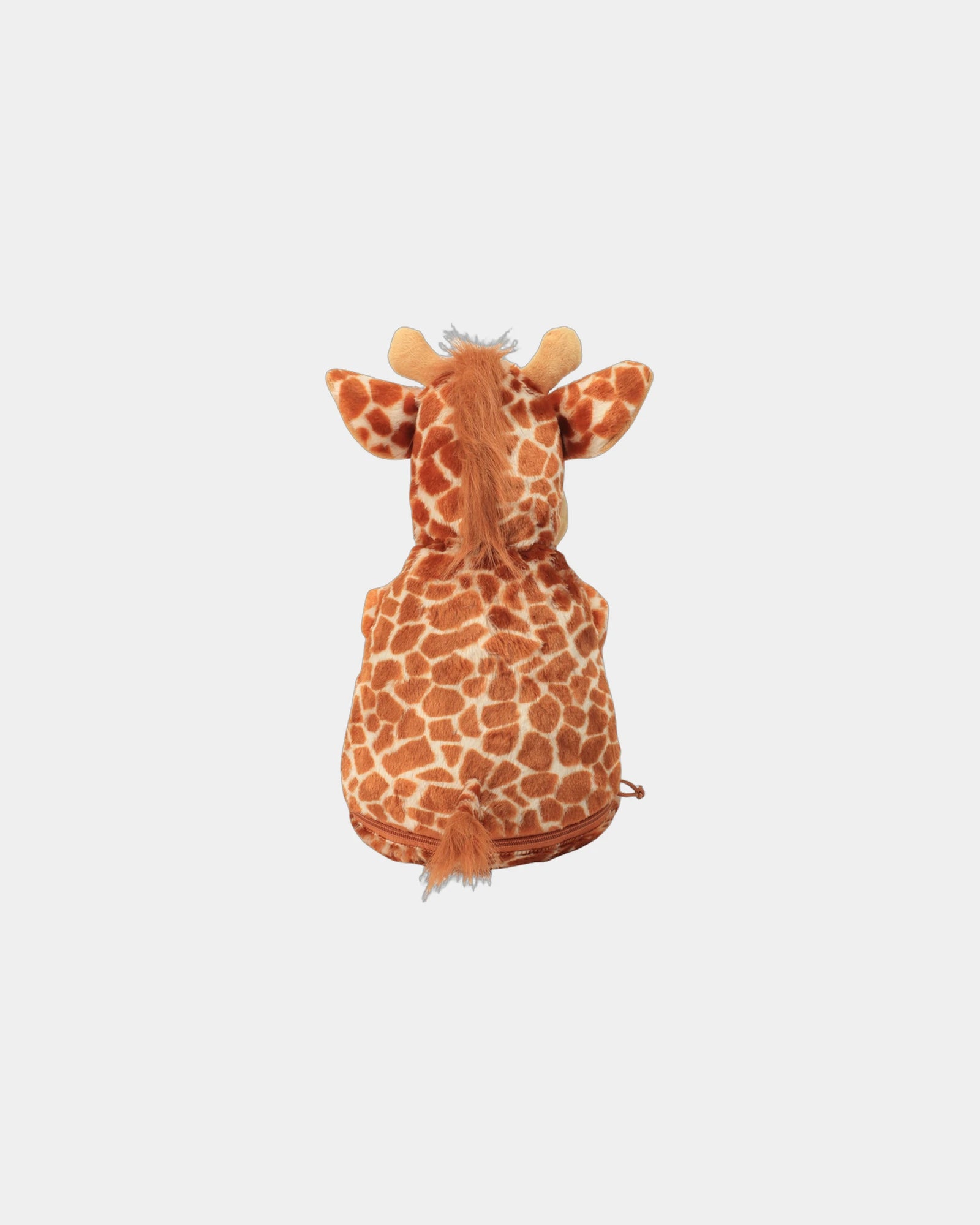
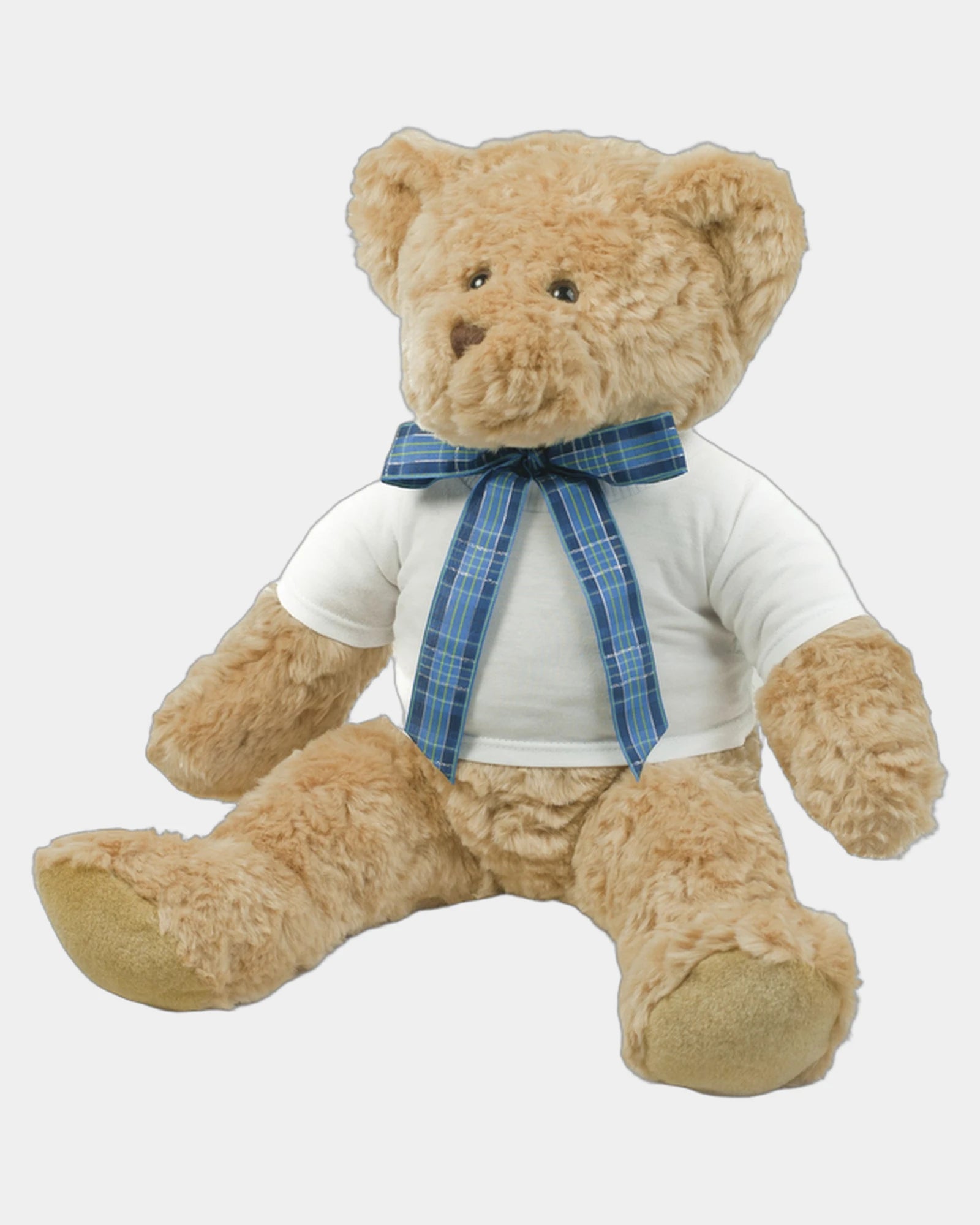
GSM steers warmth and season as much as fibre does. A light 140 to 160 GSM suits a summer bodysuit, while a 200 GSM-plus interlock gives a warmer winter sleepsuit with more body. Personalised soft toys pair naturally with this baby clothing in a gift set, sharing one soft, washable cotton feel across the pack.
- Standard cotton jersey 150-200 GSM for low-cost high-volume vests
- Organic cotton for a certified natural-fibre gift line
- Bamboo-blend jersey for silky drape and hot-weather breathability
- Light 140-160 GSM for summer rompers and short-sleeve vests
- Heavier 200 GSM interlock for warm winter sleepsuits
- Combed cotton to resist bobbling through repeated hot washes
| Fabric | GSM band | Feel | Best fit |
|---|---|---|---|
| Standard cotton jersey | 150-200 GSM | Soft, hard-wearing | High-volume giveaways |
| Organic cotton | 150-200 GSM | Close to standard | Certified-fibre gifts |
| Bamboo-blend jersey | 140-180 GSM | Silky, breathable | Summer rompers, sleepsuits |
| Cotton interlock | 200 GSM-plus | Warm, more body | Winter sleepsuits |
Necklines and poppers: the practical build of custom baby clothing
The detail that separates real baby clothing from a shrunken adult tee is the changing hardware. An envelope neckline has overlapping shoulder panels that stretch wide and pull down over a baby's body, so a vest comes off without dragging over the head. It matters most on the newborn and 0-3m bands, where head support is limited.
Popper fastenings run along the legs and crotch of bodysuits, sleepsuits and rompers for nappy access without full undressing. Nickel-free poppers are the standard expectation on baby ranges, and we confirm the fastening type on the spec sheet for the garment you pick. A bib closes with a popper or a hook-and-loop tab at the neck.
These features change where artwork goes. A chest print must clear the envelope shoulder seam so it does not distort when the panel stretches. A leg-line print sits clear of the popper run. We position every design against the actual garment pattern at proof, not against a flat template.
Embroidered baby clothing versus soft-touch print
Two decoration routes dominate baby clothing, and they suit different briefs. Embroidery stitches a name, initials or a small logo into the fabric with thread, giving a raised, gift-grade mark that survives years of hot washes. It reads as considered and keepsake-quality, which is why a new-baby gift or a christening order usually leans embroidered.
Soft-touch print for printed baby clothes at volume
Print is the volume route. A soft-touch or water-based print sits into the fabric rather than on top, so the hand stays soft against skin with no stiff plastic patch. This is the sensible answer for printed baby clothes at family-fun-day or merch scale. A full-colour graphic and a low unit cost there matter more than a stitched finish.
The non-negotiable on any printed baby garment is the backing. A no-scratch transfer backing, or a soft-hand water-based ink, keeps the inside of the printed baby clothing smooth so nothing rubs delicate skin. Custom T-Shirts use the same print kit, but a baby spec always specifies the softer backing as standard.
| Method | Finish | Best for | Typical minimum |
|---|---|---|---|
| Embroidery | Raised stitched mark | Gift, christening, keepsake | From approx. 10 |
| Water-based print | Soft, into-fabric | High-volume merch, events | From approx. 25 |
| Soft-touch transfer | Smooth no-scratch back | Full-colour graphics | From approx. 10 |
| Name plus motif | Combined personalisation | Per-baby welcome packs | From approx. 10 |
Age and size bands for a run of branded baby clothing
Baby clothing is sized by age band rather than a single fit, and getting the curve right is the main ordering decision. The standard bands run newborn, 0-3m, 3-6m, 6-9m, 9-12m, then 12-18m and 18-24m. Babies grow fastest in the first months, so the early bands are worn for weeks, not seasons.
That short wear window shapes how a giveaway should be split. For an open family-fun-day handout, weighting toward the 6-12m and 12-24m bands is safer, because a vest sized too small is unusable while a larger one is grown into. A hospital-welcome pack is the exception and leans hard toward newborn and 0-3m.
For a named gift order tied to a specific baby, we match the exact band to the child rather than guessing. We can produce a free sample in your chosen band so you confirm the cut, the popper feel and the print hand before the full order runs. Spares above headcount are cheap insurance against a band miss.
OEKO-TEX and safety on printed baby clothes
Safety is the reference point UK buyers raise first on baby clothing, and it deserves a plain answer rather than a marketing line. OEKO-TEX Standard 100 is the textile mark most associated with low-harm dyes and finishes on babywear. Where a base stock carries it, we state that certification exactly as it appears on that product's spec sheet. We then send you the document for the line you choose.
Beyond the textile mark, printed baby clothes follow general product-safety expectations on small parts and flammability. Poppers and any applied trims must be secure, and decoration is kept clear of the neck and mouth zone. We position embroidery and print so no raised element sits where a baby could mouth it.
Ask us for the certificate and the fastening detail on any line, and we supply the figures for that exact garment before you commit. We verify the safety spec per order so you order on confirmed detail.
The garment line-up of custom baby clothing: bodysuits, sleepsuits, bibs and rompers
The bodysuit is where most branded baby clothing budgets land, because it is the garment a baby lives in. A short-sleeve cotton vest at around 180 GSM with an envelope neck and three-popper crotch is the standard giveaway piece. It carries a clear chest mark, washes hot and stacks cheaply for a big run.
Sleepsuits earn their place on gift and hospital orders. The covered legs, integrated feet and full popper run make the sleepsuit the garment a parent reaches for at night. A chest name then gets weeks of dwell at the cot-side, and a 200 GSM-plus interlock gives the warmth a newborn sleepsuit needs.
Across both, the chest is the natural canvas and the placement is consistent: a centred or left-of-centre mark above the lowest popper line. Embroidered Sweatshirts extend the same logo upward into older-child and parent sizes, so a family set shares one stitched identity from baby to grown-up.
Bibs, baby t-shirts and rompers in your custom baby clothing
Around the core layer, the lighter pieces each solve a different brief. A bib is the lowest-cost entry into branded baby clothing: a curved cotton or cotton-towelling front that takes a short name or a single motif. It works as a bulk family-fun-day handout or a mailer insert, and it fits any baby regardless of size band.
A baby t-shirt suits the older 12-24m bands once a child is upright and active, giving a flat front for a fuller graphic without the popper interruptions of a bodysuit. A romper opens the legs for summer and easier changing, splitting the front so artwork is placed to one side of the fastening.
Hats and booties complete a set and carry tiny personalisation well: a knitted hat takes a small embroidered initial, and booties suit a name on the cuff. Personalised Socks sit alongside booties in a layette pack, scaling the same soft-knit idea up through child and adult sizes for a whole-family gift.
Where branded baby clothing earns its place
The use-case decides the spec, and four briefs dominate. A new-baby gift wants embroidery, a sleepsuit or bodysuit, and gift packaging that reads as a present rather than merch. The printed baby garment is kept, photographed and re-worn until outgrown, which is far more brand dwell than a printed leaflet ever buys.
A hospital-welcome pack works at scale on newborn and 0-3m bodysuits, often with a maternity unit or a family brand's mark, handed to every new parent on the ward. A family-fun-day giveaway flips to volume printing across wider age bands, where a soft cotton vest with a fun graphic outperforms a throwaway freebie.
Brand merch is the fourth route, aimed at staff and customers with new babies, building goodwill that an adult tee cannot. Personalised keyrings make a low-cost add-on in the same pack, giving the parent a second keepsake that stays on the changing bag.
| Use-case | Lead garment | Decoration | Age weighting |
|---|---|---|---|
| New-baby gift | Sleepsuit or bodysuit | Embroidered name | Matched to baby |
| Hospital-welcome pack | Newborn bodysuit | Print or stitch | Newborn, 0-3m |
| Family-fun-day giveaway | Cotton vest, bib | Soft-touch print | 6-24m weighted |
| Brand merch and goodwill | Bodysuit, baby tee | Logo, name option | Wide spread |
Run size and lead time for a printed baby clothes order
Quantity changes both the decoration route and the timeline on baby clothing. A small named-gift batch of embroidered sleepsuits runs quickly, because each piece is stitched and matched individually with no screen setup. A 1,000-vest printed merch drop needs longer for proofing, base-stock confirmation and the print run across multiple age bands.
Mixing age bands in one order is normal and does not slow it much, since the garments share a base and a decoration file. What moves the timeline is a bespoke base colour or a certified organic stock. These can need a longer sourcing runway than standard white or pastel jersey held in volume.
We confirm the full schedule and the band split at proof, then hold your approved artwork and name list on file. A repeat order, for a returning hospital ward or an annual fun day, then starts from the proof rather than from scratch, buying back the setup time.
Wash durability and care of branded baby clothing
Baby clothing is washed more often and hotter than almost any garment, so durability is a real spec point, not a nicety. Embroidery and into-fabric water-based print survive repeated 40 to 60 degree washes because the mark is part of the fabric. It is not a plastic patch sitting on top that can crack after a dozen cycles.
The garment itself has to hold up too. A combed-cotton jersey resists bobbling and keeps its envelope-neck stretch through the months a baby wears it. We supply the wash temperature and care note for the exact base you choose, rather than a generic line, so a parent keeps the baby clothing looking its best.
This longevity is the quiet reason printed baby clothes work as brand stock. A vest that still looks good after thirty washes carries a name or logo for the full months a baby fits it, which no single-use giveaway matches.
Packaging and per-baby personalisation across an embroidered baby clothing order
Getting the right named garment to the right parent is half the job on a personalised order. For a gift run, each baby's name is matched to its garment and band, then the piece is folded and bagged or boxed to that recipient. A 60-piece named order arrives ready to hand out, not as a pile to sort against a spreadsheet.
Gift presentation lifts a keepsake order. A bodysuit or sleepsuit boxed with tissue, or bundled with a soft toy and a bib as a layette set, reads as a considered present. Personalised Blankets complete that bundle, sharing the baby's name and a matched colour so the whole pack reads as one gift.
Volume handouts take the opposite route: bulk-bagged by age band for a stand or a ward, labelled per box so the team grabs the right size fast. We confirm the split, the band breakdown and the box count at proof so nothing arrives mis-sorted.