

European made goodies
- Price, low to high
- Price, high to low
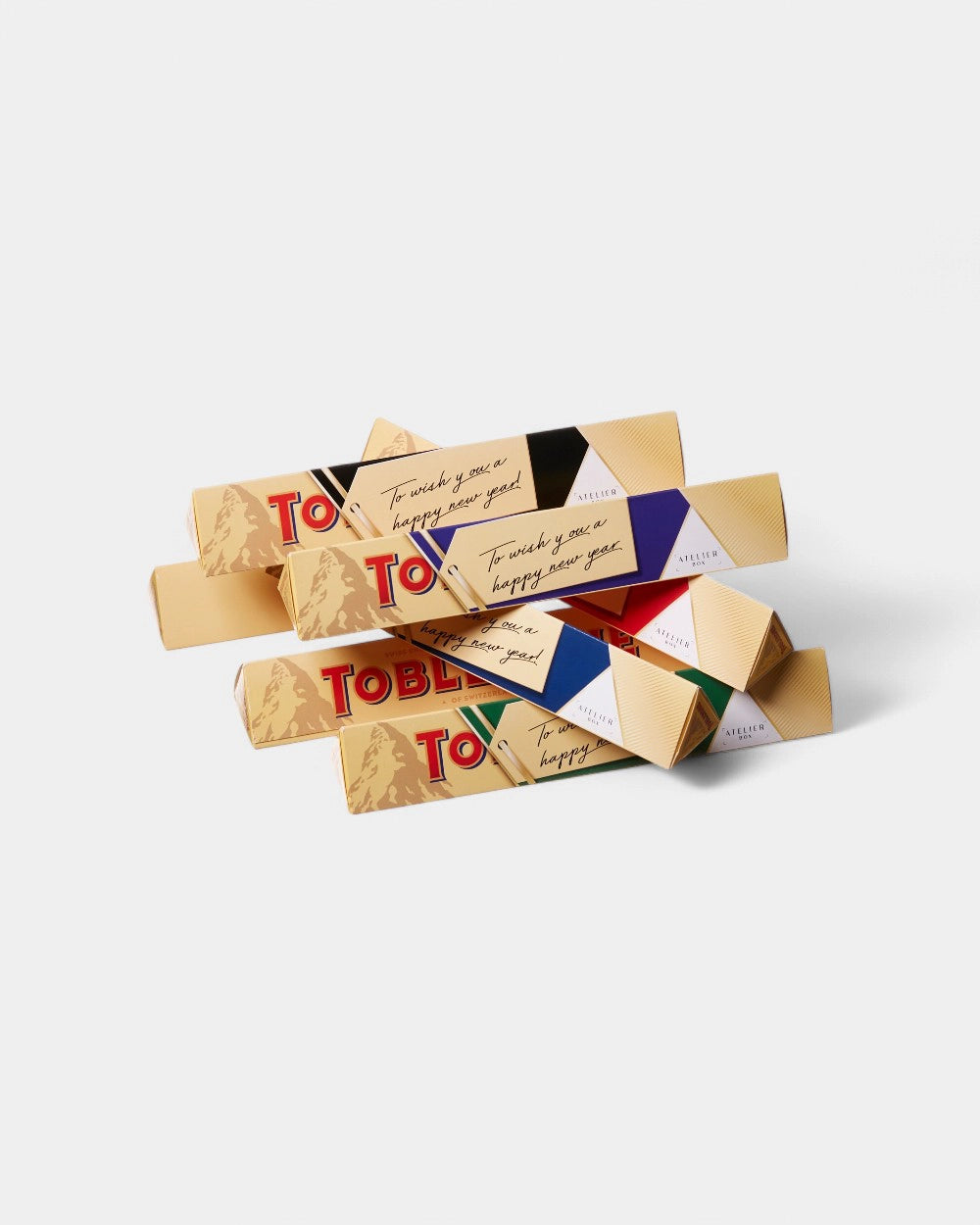
 Made in Switzerland



- Made in Switzerland
- Eco-friendly






 Made in the Netherlands
- Eco-friendly





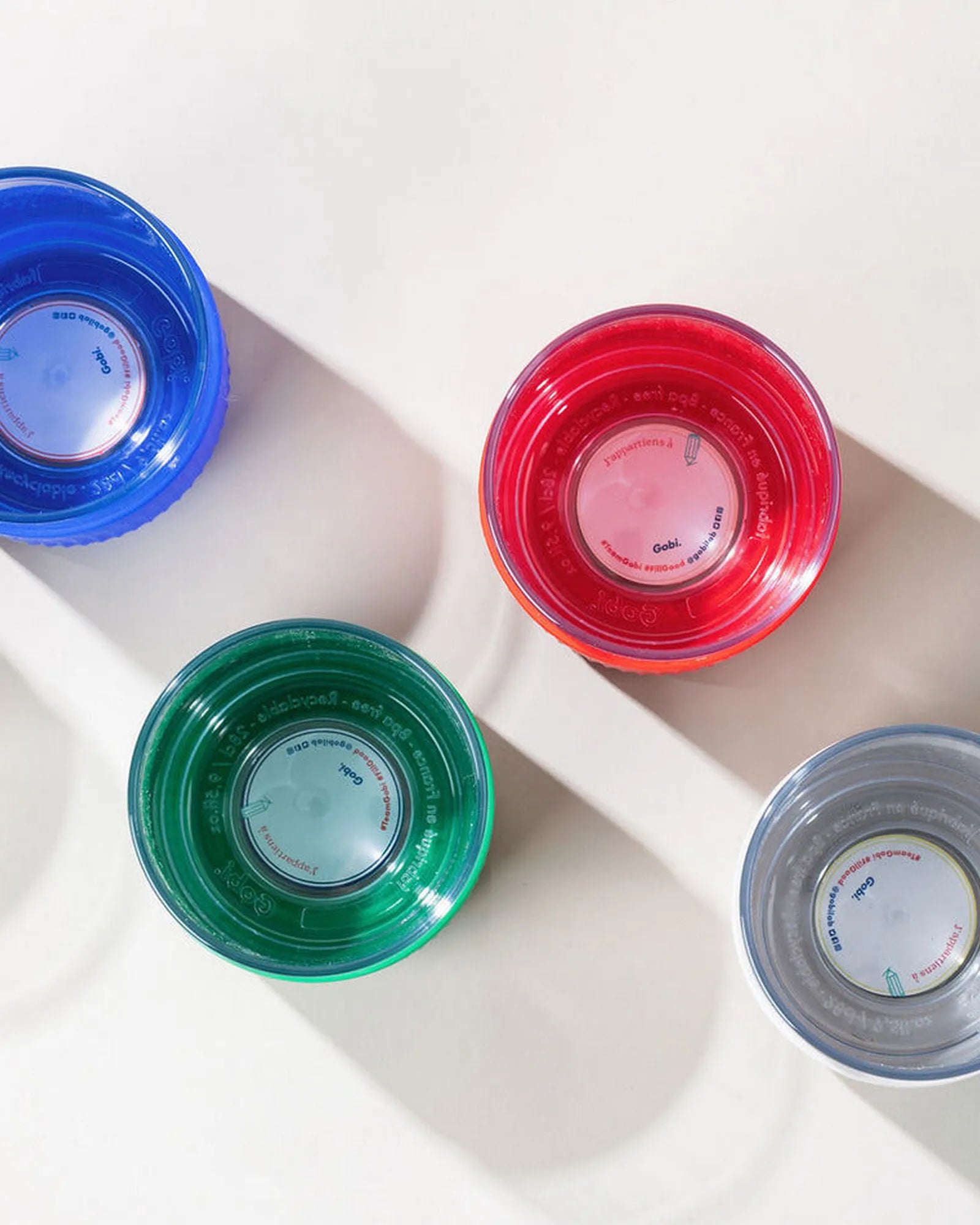





- Made in Switzerland
- Eco-friendly


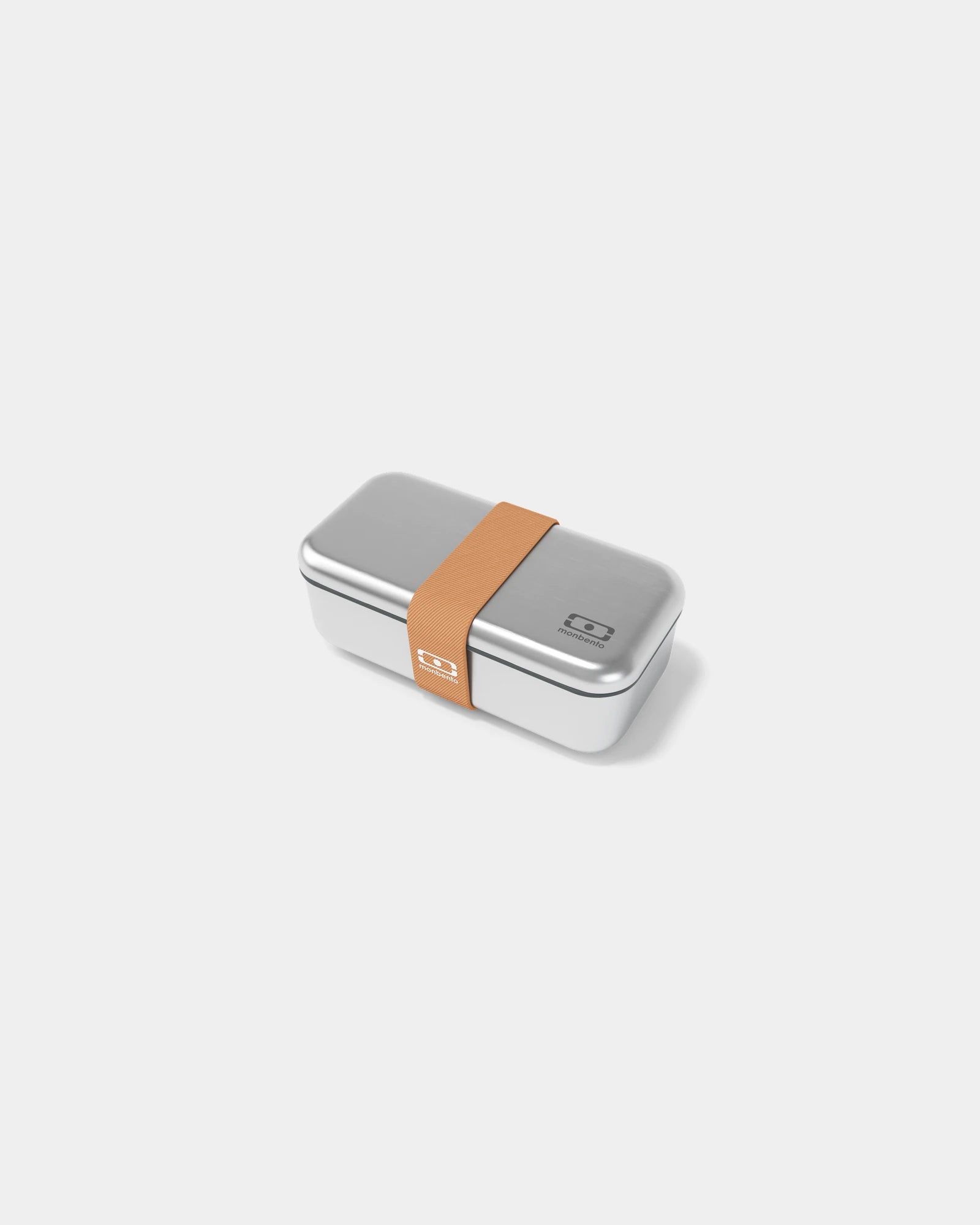


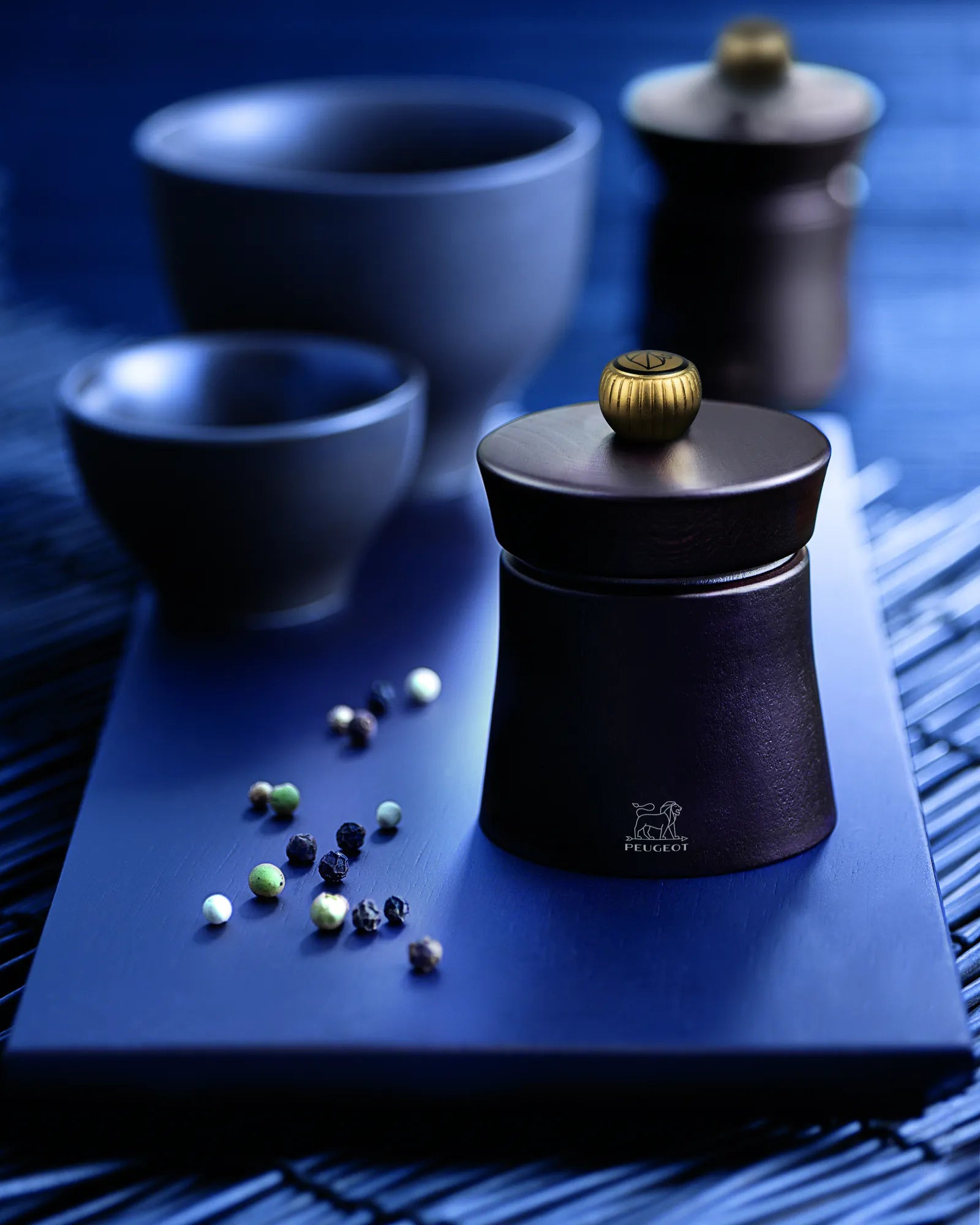


- Made in Switzerland
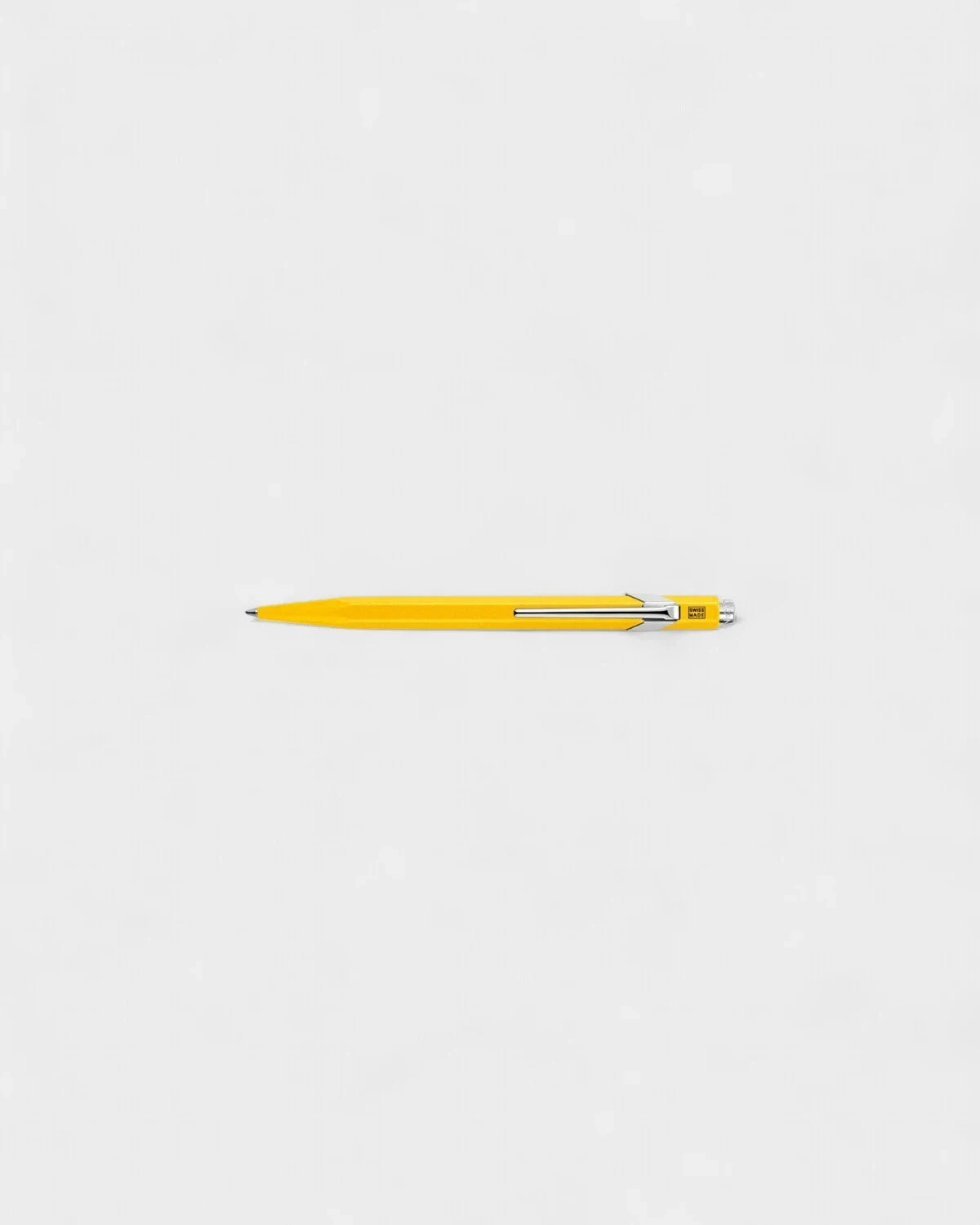





- Made in Switzerland
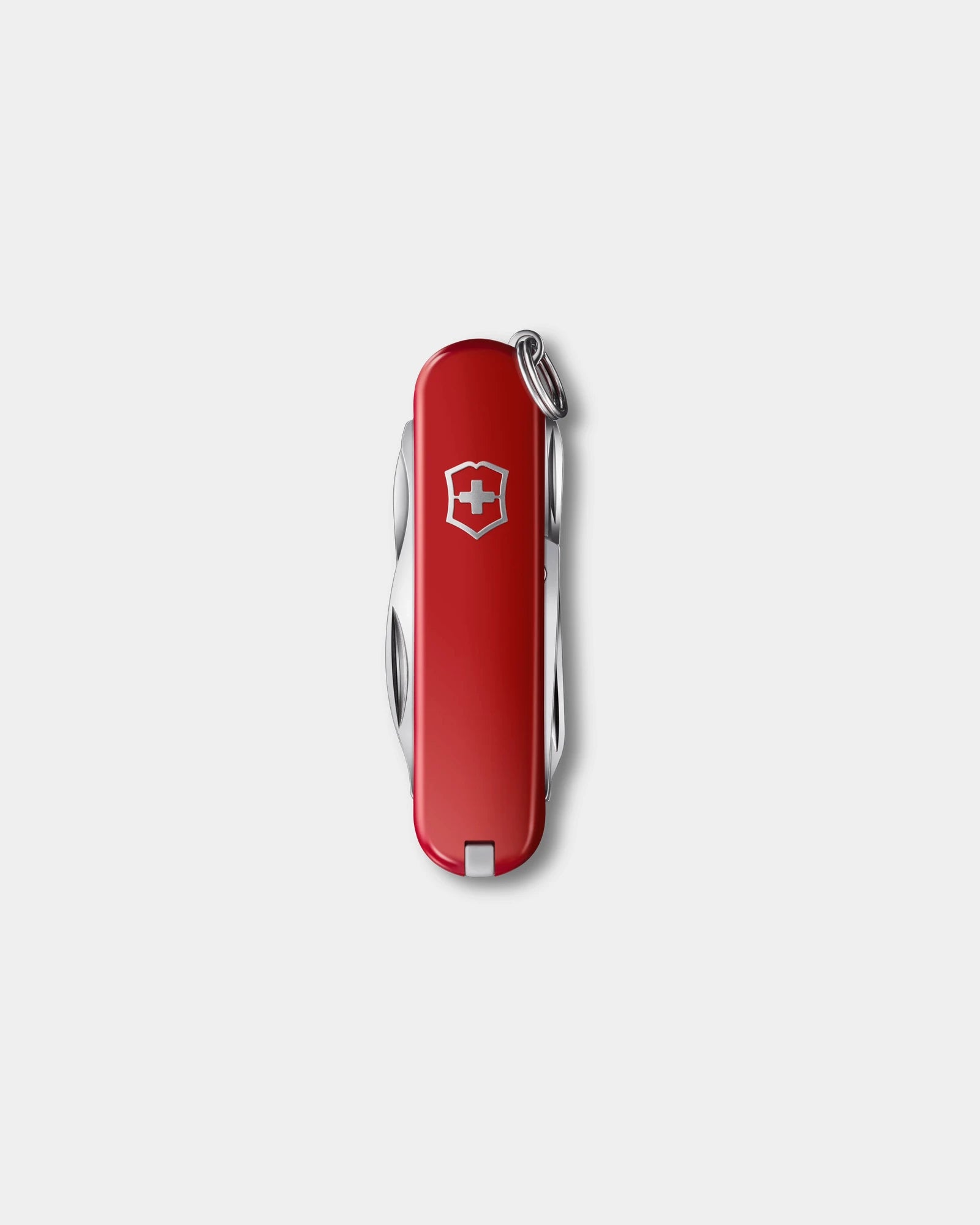


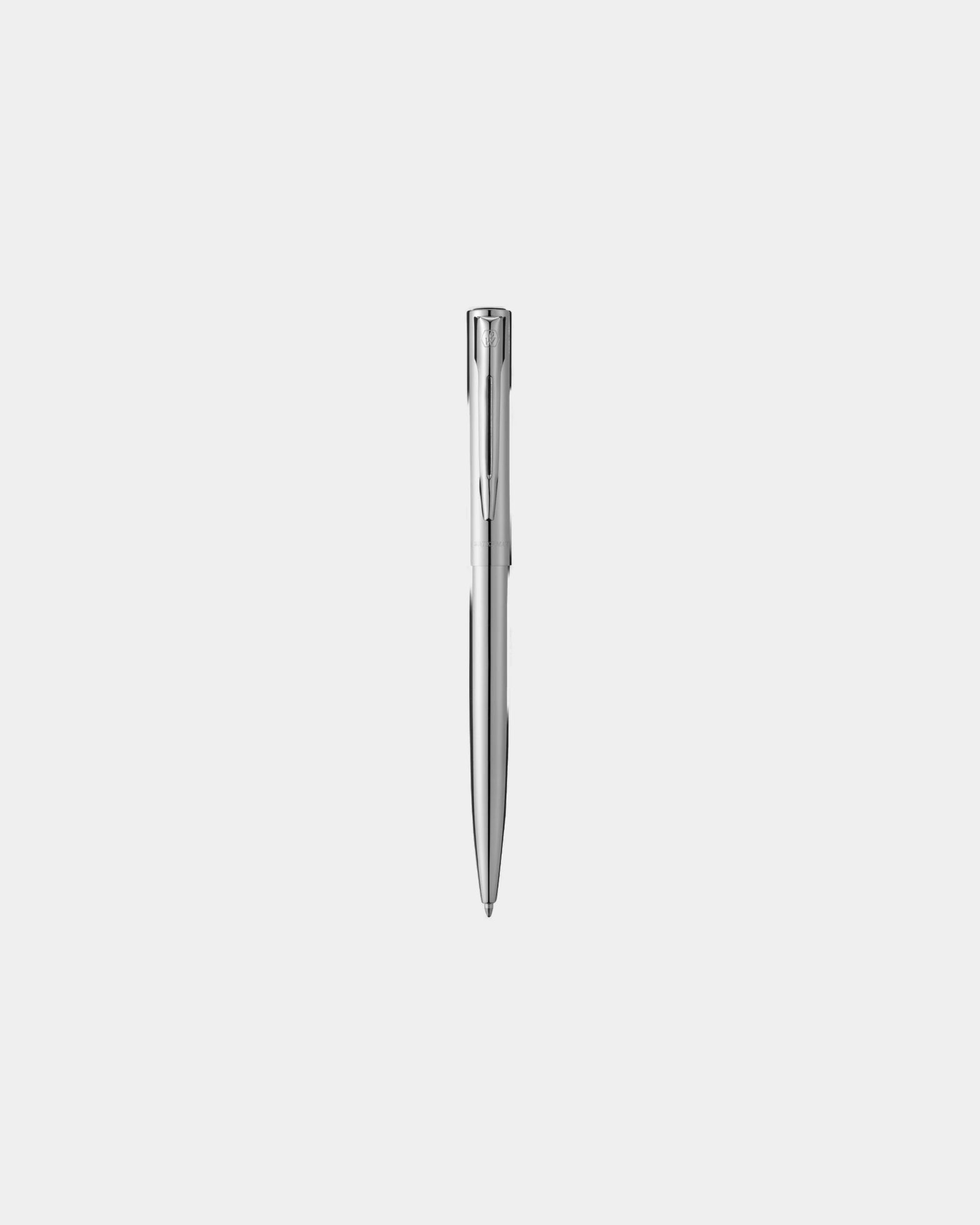








- Made in Switzerland
- Eco-friendly
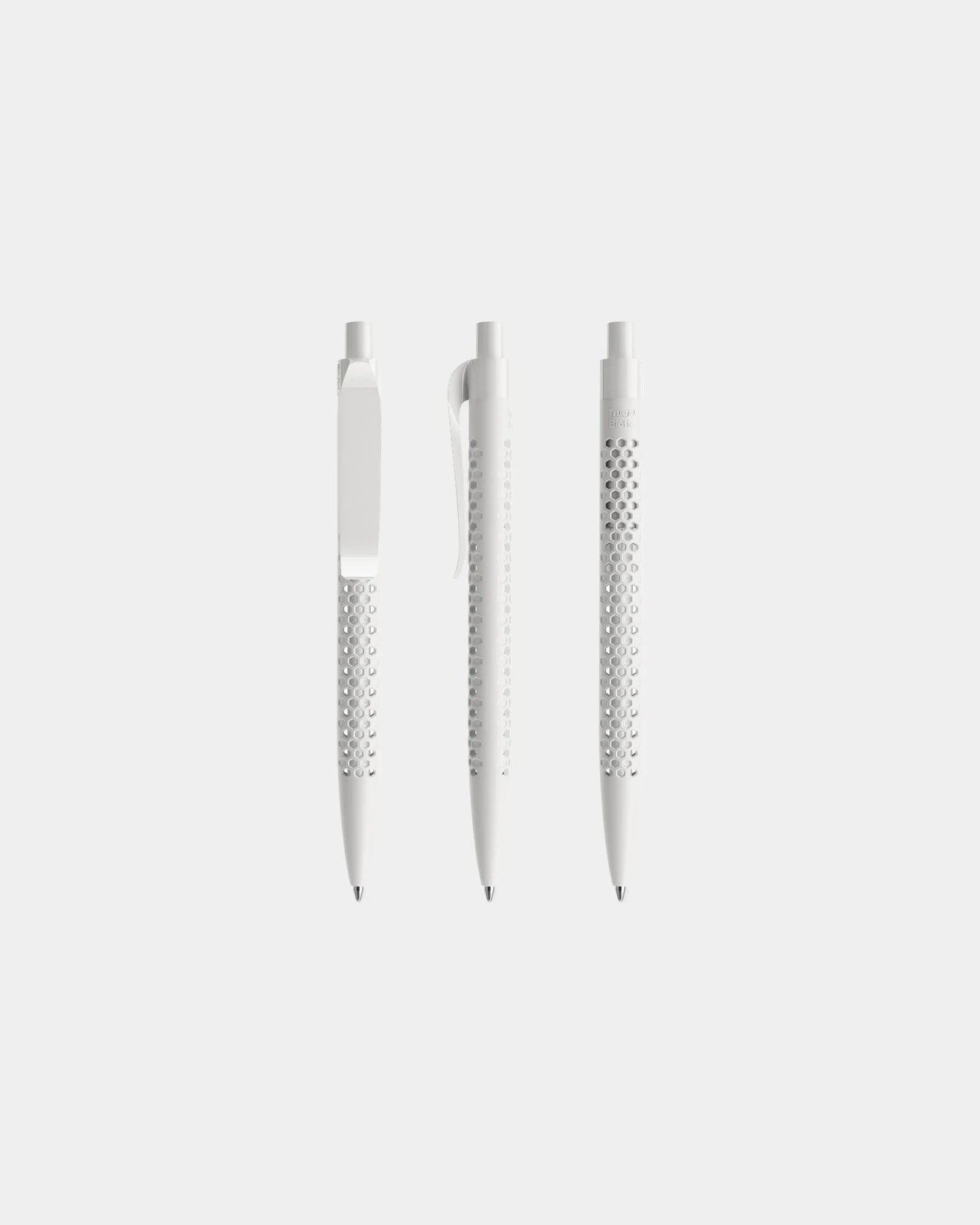


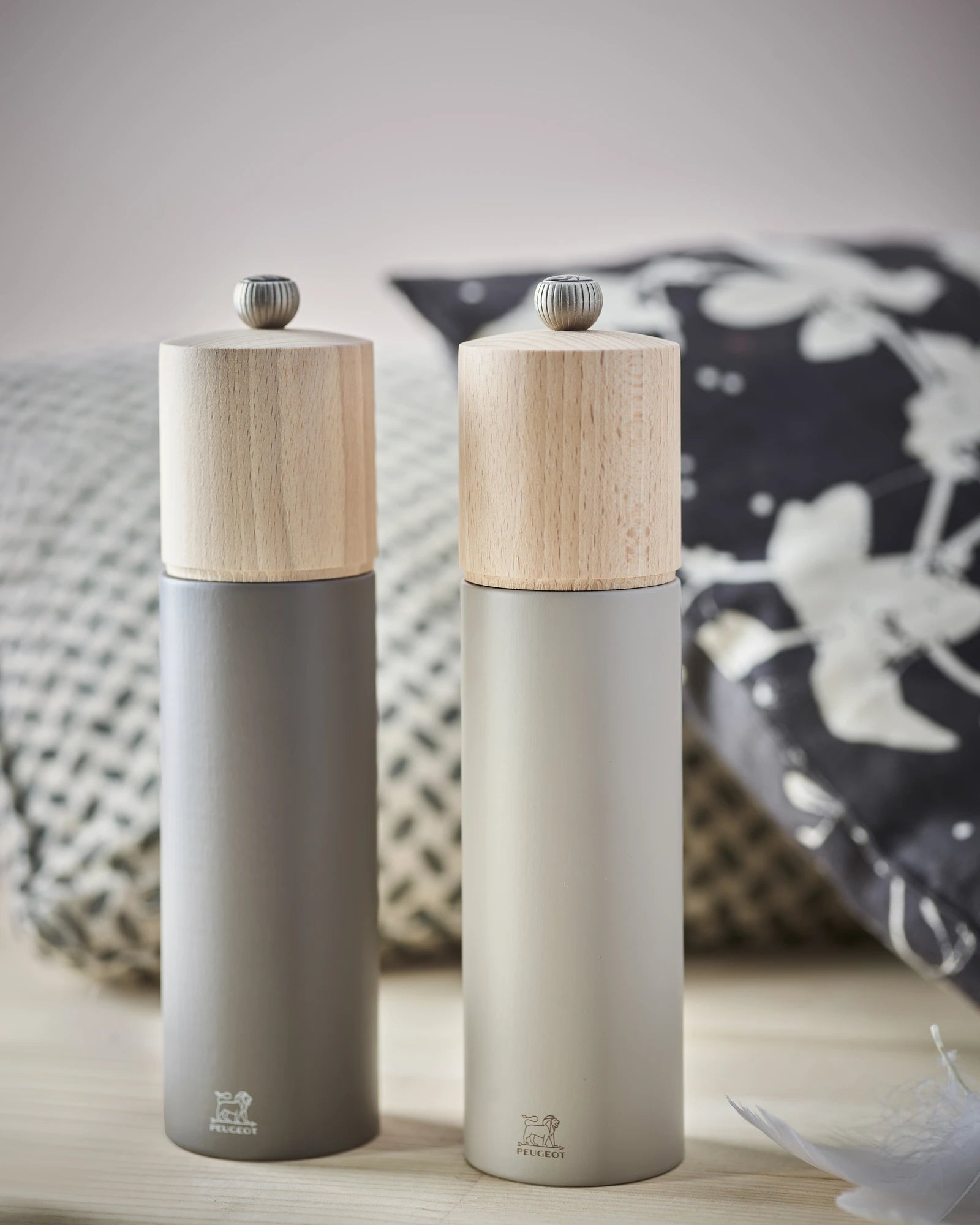






 Made in Belgium




- Made in Belgium


- Made in Switzerland


 Made in Spain

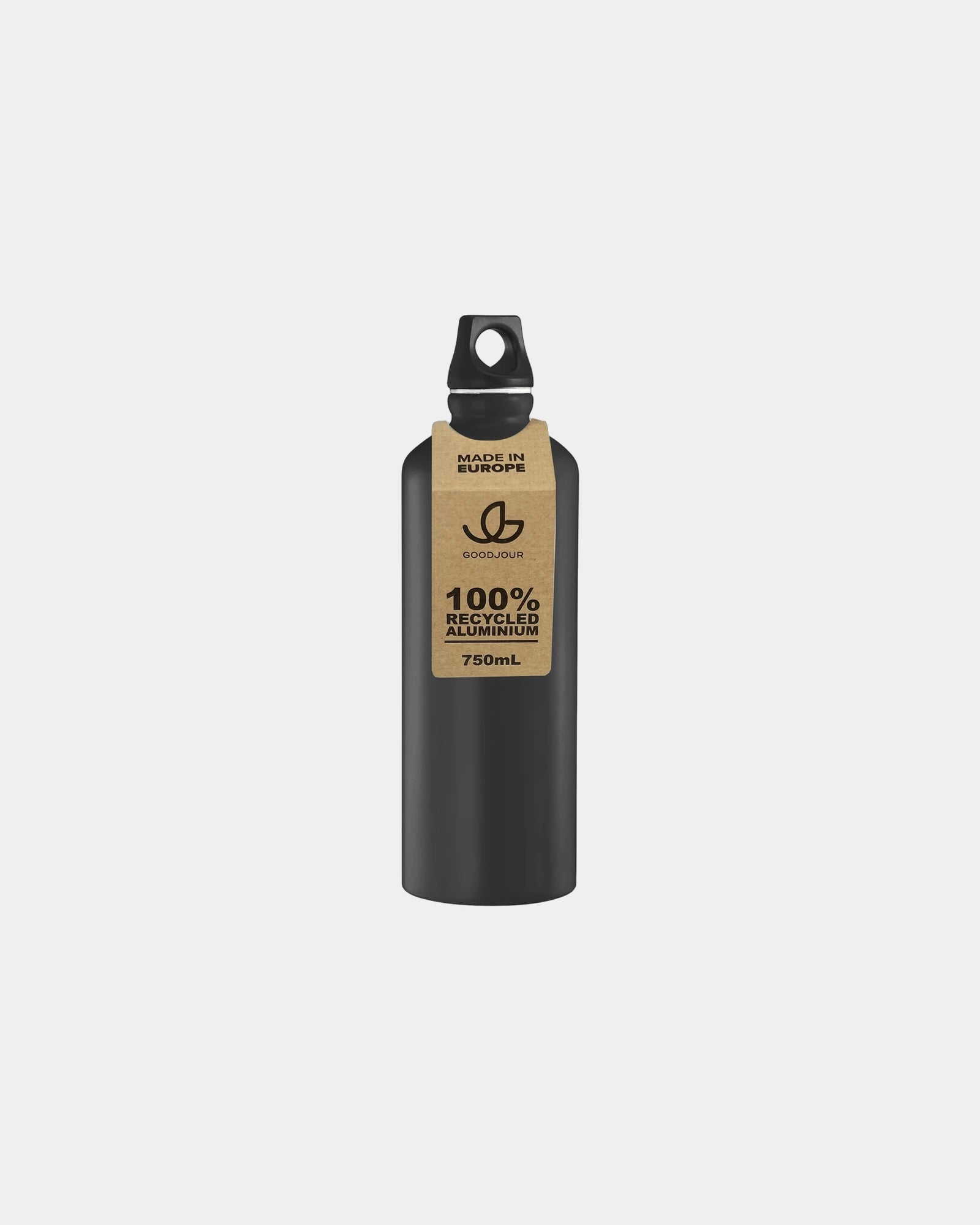


 Made in Portugal
- Eco-friendly

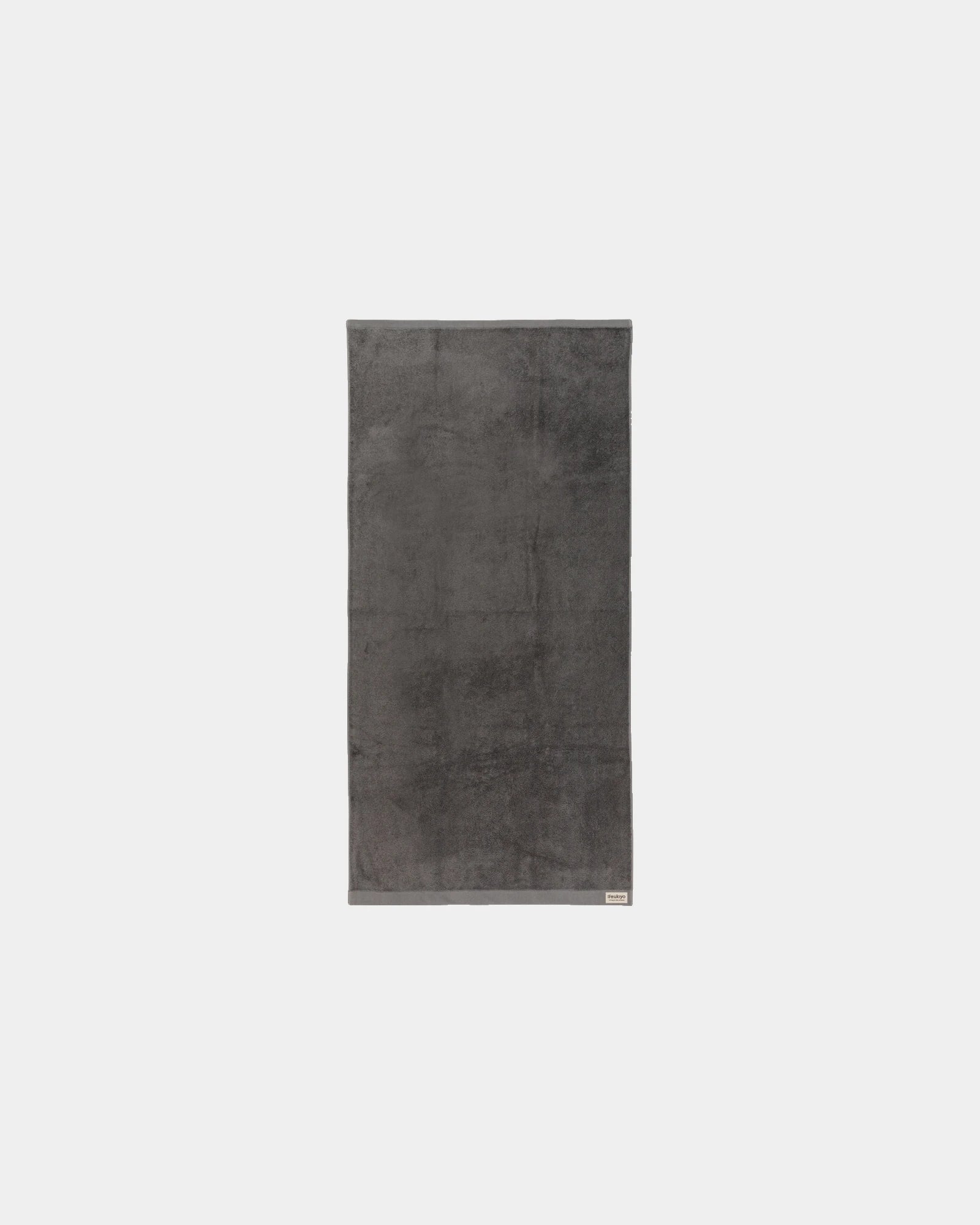


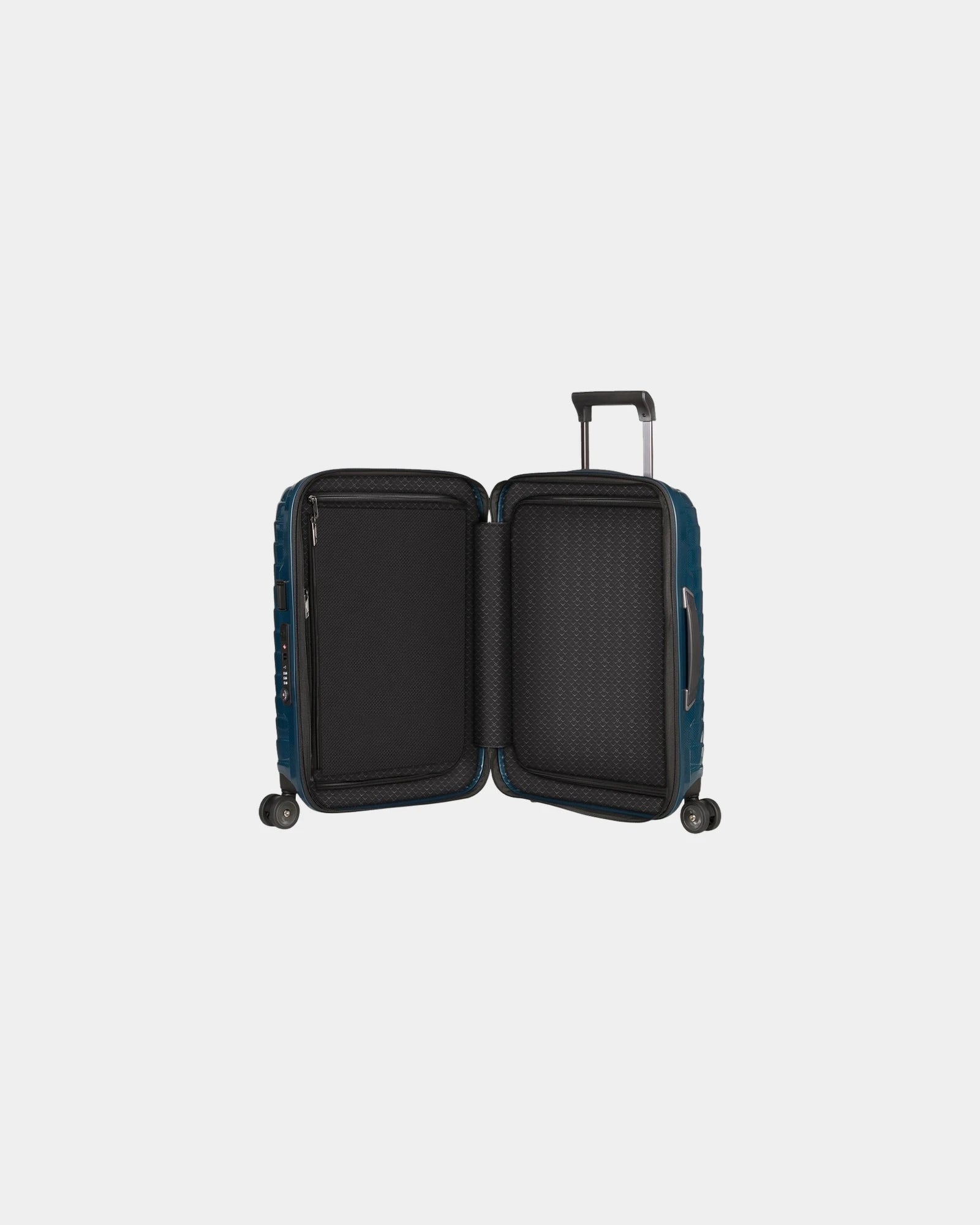


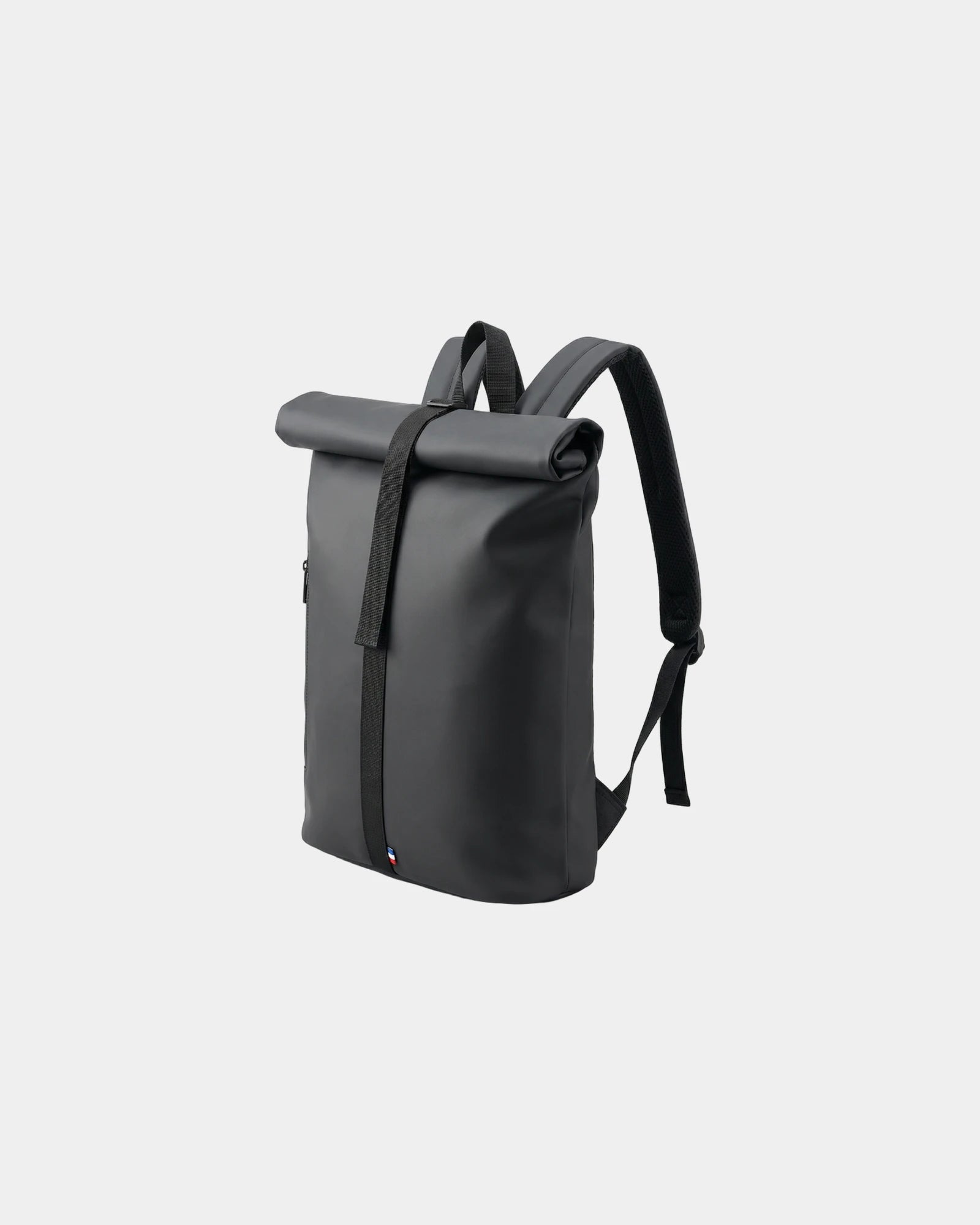


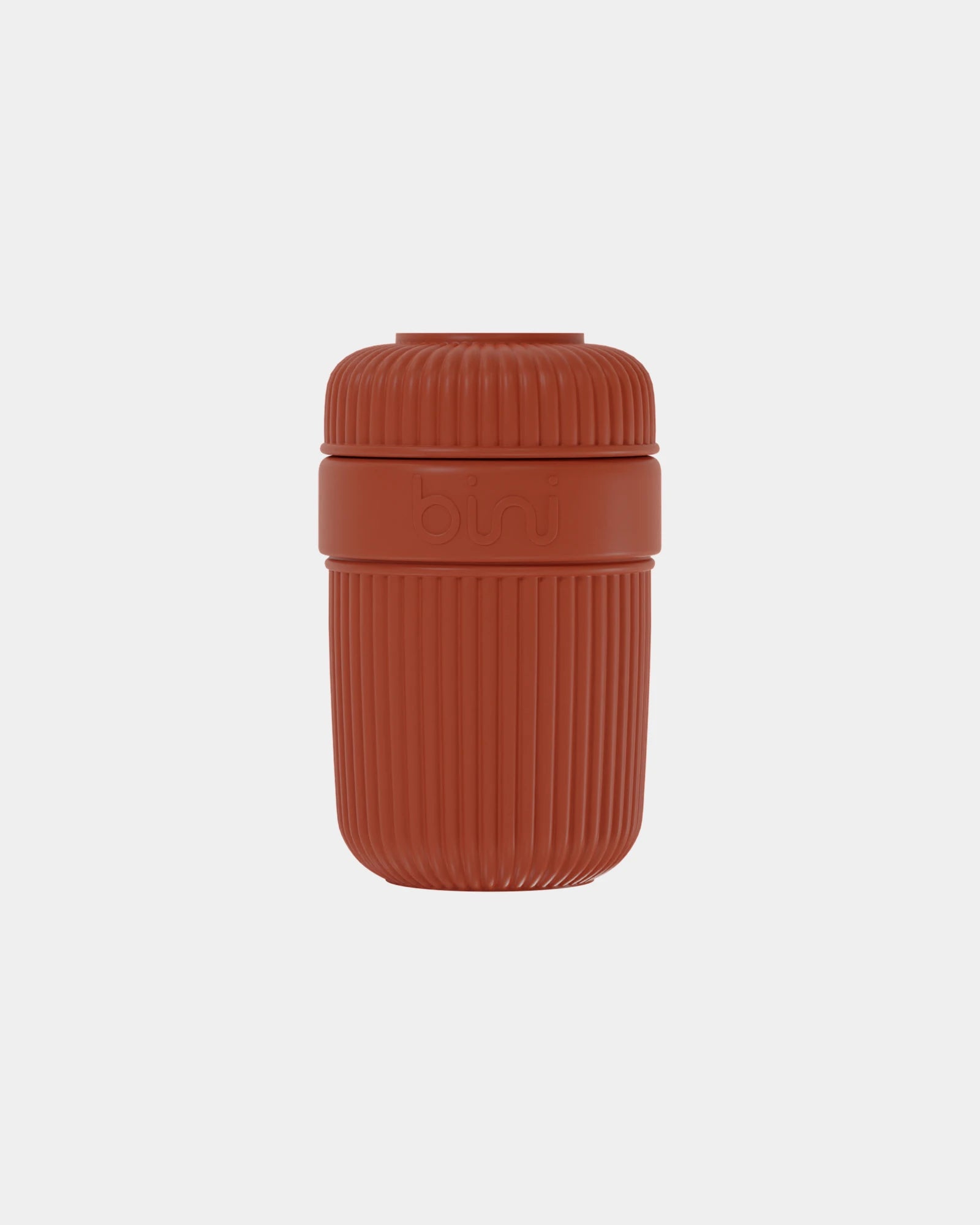


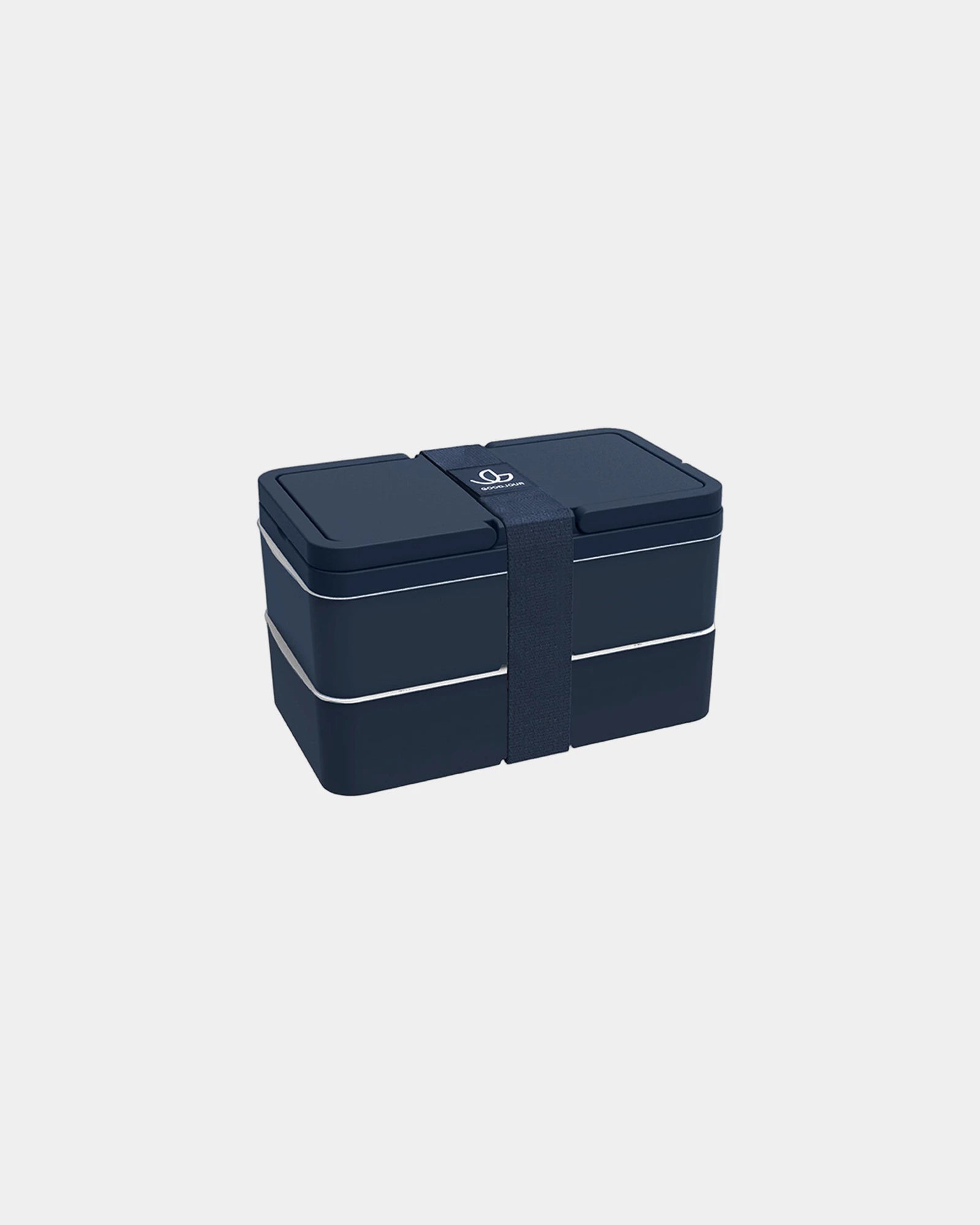


- Made in Belgium


- Made in Belgium
- Eco-friendly
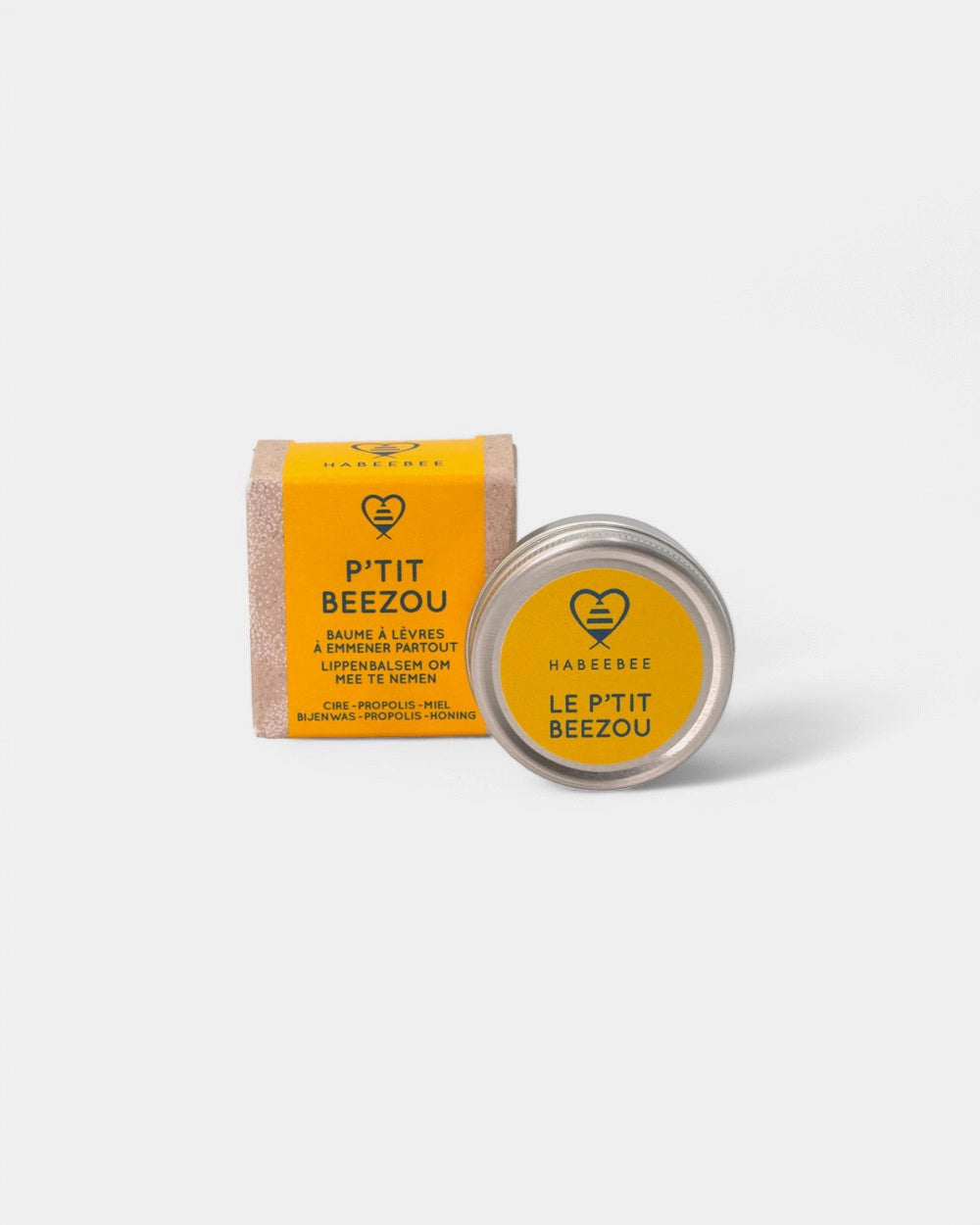


- Made in Belgium
- Eco-friendly
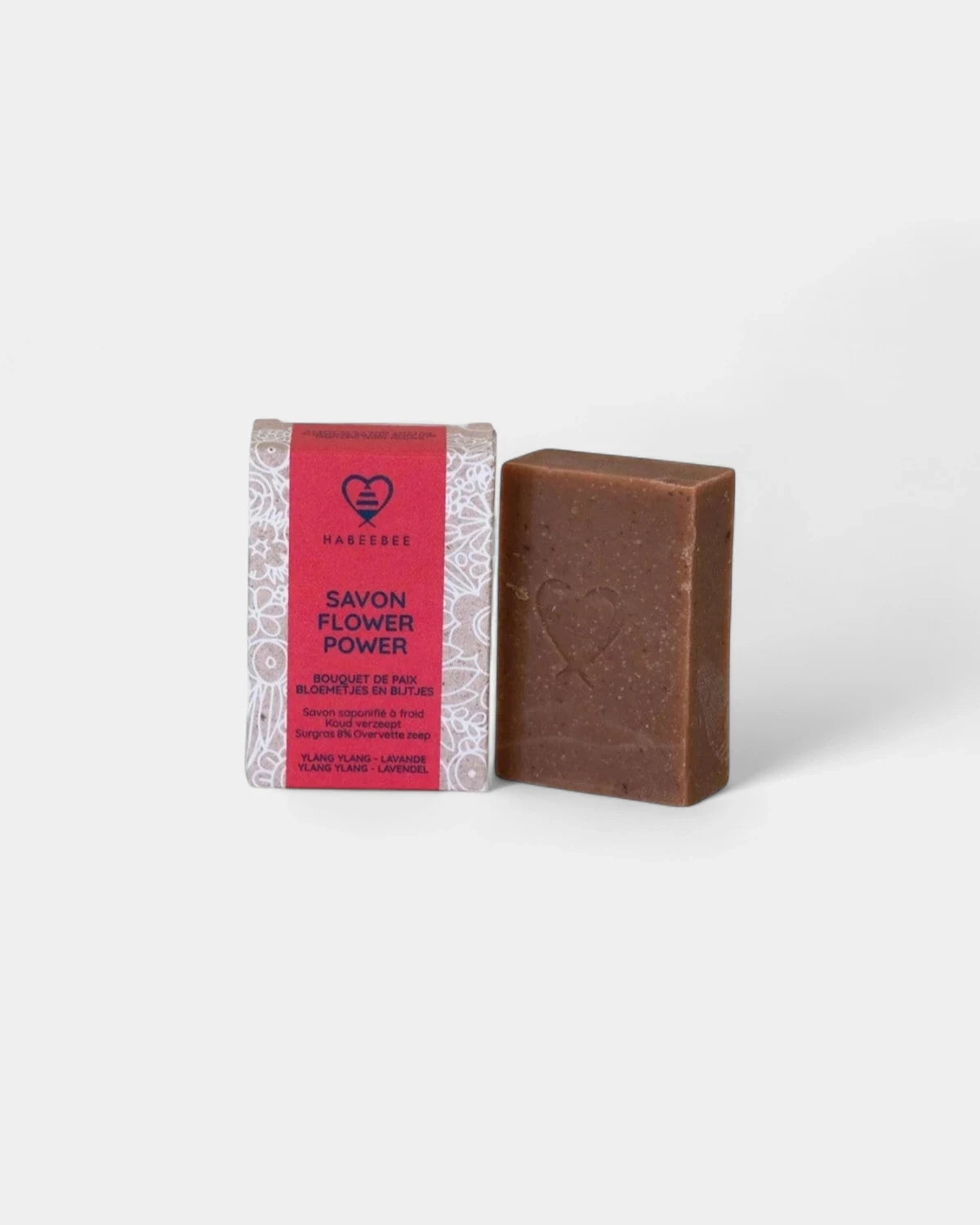




















Treat your clients and employees!

FAQ - European made promotional goodies
Trusted by 1,000+ companies
Why European made goodies stand up to a procurement review
An origin claim is only as good as its precision. Saying an item comes from Europe means very little until you can name the country and, ideally, the mill. That is the principle behind this selection: every reference is tied to a stated country of manufacture, and we know which one before we quote.
The operational case follows immediately. A short supply chain shortens lead times, makes small runs viable and lets a batch be re-run without waiting on a container in transit. Measured against a fixed event date, that gap is counted in weeks rather than days. It also decides whether a reprint after a quality issue is possible at all before the handover date.
Then there is message consistency. A company that publishes a sustainability report and hands out merchandise shipped halfway around the world creates a contradiction its audience notices. Our branded European made t-shirts remove that problem at source, because the garment and the story share a geography. Nothing in the packing note contradicts what the annual report says.
What the European made label actually covers
One point deserves plain speaking, because many suppliers leave it deliberately vague. European made is not a protected mark and not a certification issued by an independent body. It indicates the place of last substantial transformation, which for apparel means where the fabric was knitted and the garment sewn. Everything upstream of that step, including where the fibre grew, sits outside the description.
In practice a t-shirt knitted and made up in Portugal or Poland is European, even where the cotton fibre was grown elsewhere. European cotton cultivation does exist, notably in Greece and Spain, but it does not cover the whole of promotional textile demand. We would rather state that nuance than let anyone assume a fully continental supply chain.
Our internal rule follows from it. We claim an origin only where it appears in the country of manufacture field of the product record. Where no verified information exists, the reference leaves this selection and we stay neutral about where it came from. That discipline shrinks the eligible range, which we accept: a short accurate list beats a long unverifiable one.
European made apparel, the backbone of the range
Clothing is the best documented family in the European catalogue. The mills feeding this selection work on short chains, with cutting and sewing inside Europe and traceability that reaches back to the knitting stage. It is the family on which a buyer most easily obtains a documented answer. Mills in this segment are used to being asked and answer in writing.
The t-shirt range covers the cuts a business actually orders: unisex crew neck, long sleeve, washed finishes and organic references. Some pieces carry a national origin guarantee mark, which is the highest level of proof available anywhere in this category. No other family in the promotional market offers proof at that level.
For heavier weights, our European made sweatshirts offer the classic crew, the zipped hooded version and an oversized cut. That heavier fabric changes how branding behaves: embroidery sits better on a dense sweatshirt than on fine jersey, because the cloth supports the stitch without distorting under thread tension. We rarely recommend the same technique on a fine tee and on a heavy sweat, even for an identical logo.
Ceramics, candles and cotton beyond the apparel range
Apparel is not the whole story. Our European made mugs bring European ceramics into the range, a category where the glaze and the firing determine both the finish and which branding method will hold. Our European made candles cover the home fragrance side, where the wax pour and the vessel are made on the same continent as the recipient. Both families avoid the sizing questions that slow an apparel distribution down.
Cotton carriers sit alongside them. Our European made cotton bags work as the outer layer of a welcome pack or as a standalone item at an event, and the weave weight decides whether a print or an embroidery reads better on the finished bag. A heavier canvas takes an embroidered mark that a light tote simply cannot support.
These three families share a practical advantage over apparel: no size grid. A mug, a candle and a cotton bag suit every recipient without a fitting question, which removes the single biggest administrative burden from a large distribution. That alone often decides the format for a several hundred piece operation.
Food hampers and the European produce angle
The hamper is the format that shows a European origin best, because it can hold several countries in one object. Belgian chocolate, French preserves and an Italian table item together describe a geography the recipient reads without any explanation from you. The story is in the contents rather than in a card placed beside them.
Our European produce hampers also give the most budget flexibility of any format in the range. The number of components adjusts, the outer box is branded independently of what goes inside, and quantities split easily across several recipient tiers within one operation.
One caveat belongs here rather than in the small print. On food, the branding sits on the packaging or the outer box, never on the produce itself, so it disappears when the gift is eaten. That is not a fault, but it changes how long your logo stays in view and it should inform the budget split between consumable and durable items. Pairing one of each is usually the most effective answer.
The national origins behind this European selection
A European range only holds together if it rests on real national origins. The catalogue carries several, each with its own identified selection, its own makers and its own limits. None of them is presented as covering the whole catalogue.
Our Swiss made corporate goodies draw on a cutlery and tableware industry that needs no introduction to a British buyer, while our Italian made corporate gifts bring the design and tableware angle. Belgian references rest on chocolate and fine food produced locally, and German references cover writing instruments and small functional goods. Each of those selections is identified separately in the range and quoted on its own terms.
Spanish manufacture adds recycled felt, laptop sleeves, soap and candles, and Portuguese manufacture covers towelling, beach linen and wash bags. Taken together these origins meet most of what a corporate operation needs, from apparel to edibles by way of desk objects. The breadth means a single operation can stay European without repeating the same item across tiers.
Countries of manufacture represented in the range
The table below sets out, country by country, the product families involved and what establishes the origin in each case. It transfers directly into a specification or a procurement file without rewriting. Every line traces back to a product record rather than to a marketing claim.
| Country of manufacture | Product families in range | What establishes the origin |
|---|---|---|
| France | Apparel, stationery, mugs, candles, gift boxes | Dedicated collections and Origine France Garantie on some references |
| Belgium | Chocolate, fine food, organic cotton | Belgian chocolate and food lines produced locally |
| Switzerland | Cutlery, tableware, writing instruments | Long-established Swiss makers carried in the catalogue |
| Italy | Tableware and design objects | Made in Italia selection identified reference by reference |
| Germany | Writing instruments, cutlery, small goods | Made in Deutschland selection in the catalogue |
| Netherlands | Promotional items and accessories | Made in Nederland selection in the catalogue |
| Spain | Recycled felt, laptop sleeves, soaps, candles | Country of origin field on the product record |
| Portugal | Towelling, beach linen, wash bags | Portuguese weaving documented product by product |
Two qualifications belong with it. The table describes the origins represented in the catalogue, not the whole of our offer: most references have no documented European manufacture and therefore do not appear here.
Origin is also established reference by reference and never by brand. A European house can perfectly well have part of its range made outside Europe, so we check the item rather than the name above the door. Applying that rule to a familiar brand is exactly when it matters most. A familiar name is precisely the case where nobody thinks to check.
Branding methods for European made promotional items
The material decides the method, never a price list. On textile, embroidery gives the most considered finish and survives years of wear without losing density, while digital transfer covers logos with gradients or more colours than a thread chart carries.
On rigid goods, laser engraving removes a shallow layer of material and sets the mark into the substrate, which makes it permanent on metal, wood and glass. Pad printing handles small surfaces and the irregular shapes a laser head cannot follow, including caps, closures and moulded inserts.
Ceramics deserve their own note. A glazed mug takes a fired decoration that survives dishwashing, whereas a surface print applied over the glaze will not last as long. Tell us how the item will be used and we will recommend accordingly rather than quoting the cheapest process by default. A mug that fails after ten washes costs more than the process saved.
Lead times and quantities for a European made order
Allow four to five weeks from artwork approval, and add time between September and December when the embroidery and engraving capacity available across the market is committed to year end work. An order placed in October is comfortable; the same order placed in late November is not.
Geographic proximity earns its keep precisely here. A European re-run is handled in days where a long-haul replenishment is counted in weeks, and that difference becomes decisive when your delivery date is fixed by an event you do not control.
Minimum quantities depend on the branding method rather than on the product. Embroidery absorbs a digitising cost paid once, which makes small runs viable. Transfer and screen work reward volume. Laser engraving needs no tooling and stays economical from modest quantities. A secured operation is worth more than a few pence saved per unit.
Occasions for branded European made goodies
Year end concentrates most of the volume, with hampers and gift boxes going to clients and partners. European origin earns its place there, because the December gift attracts the most comment and therefore the most scrutiny of what it says about the sender.
Onboarding is the second use. European apparel dresses a welcome pack better than a generic item, and first impressions carry more weight on how an employer is perceived than most companies allow for. That impression is formed in the first few hours.
Exhibitions, conferences and sales campaigns make up the rest, where volume dominates. On those formats, European origin lets you step out of the race to the lowest unit price and justify a position without apologising for it. The person walking away with the item understands what it cost and why.
What we do not claim about this European selection
We do not assert that the raw material is European. The making is, the knitting often is, but the fibre may come from elsewhere and we will not obscure that. A supplier promising a fully continental chain on promotional cotton is taking liberties with agricultural reality.
We never extend one reference's origin to the item next to it. Two products from the same brand can leave two different continents, and only the product record settles it. That rule applies most stringently to ranges we know well.
We also publish no comparative carbon figure. Such a calculation needs a methodology, a boundary and transport assumptions we do not control, and a number produced by a sales team does not survive an audit. We would rather you ran that calculation on your own assumptions.
Verifying the origin of a reference before you order
The process is straightforward and we run it as a matter of course. The country of manufacture field on the product record is the source, and it decides whether a reference enters this selection. No decision rests on a brand name or on a maker's reputation.
If your procurement file needs supporting evidence, ask for it at the enquiry stage rather than on delivery. We put the question to the manufacturer and pass the document on only where one exists: we do not fill a gap in the evidence with an estimate of our own.
That discipline protects you more than it protects us. An origin statement repeated in an internal report or a client communication commits your company, and a loose claim comes back on whoever repeated it, often months after the order was delivered. We would rather answer a hard question now than field a complaint later.

