

Branded wallets
- Price, low to high
- Price, high to low
 Made in Switzerland



 Made in the Netherlands





- Made in the Netherlands










- B corporation
 Made in Spain
- Eco-friendly

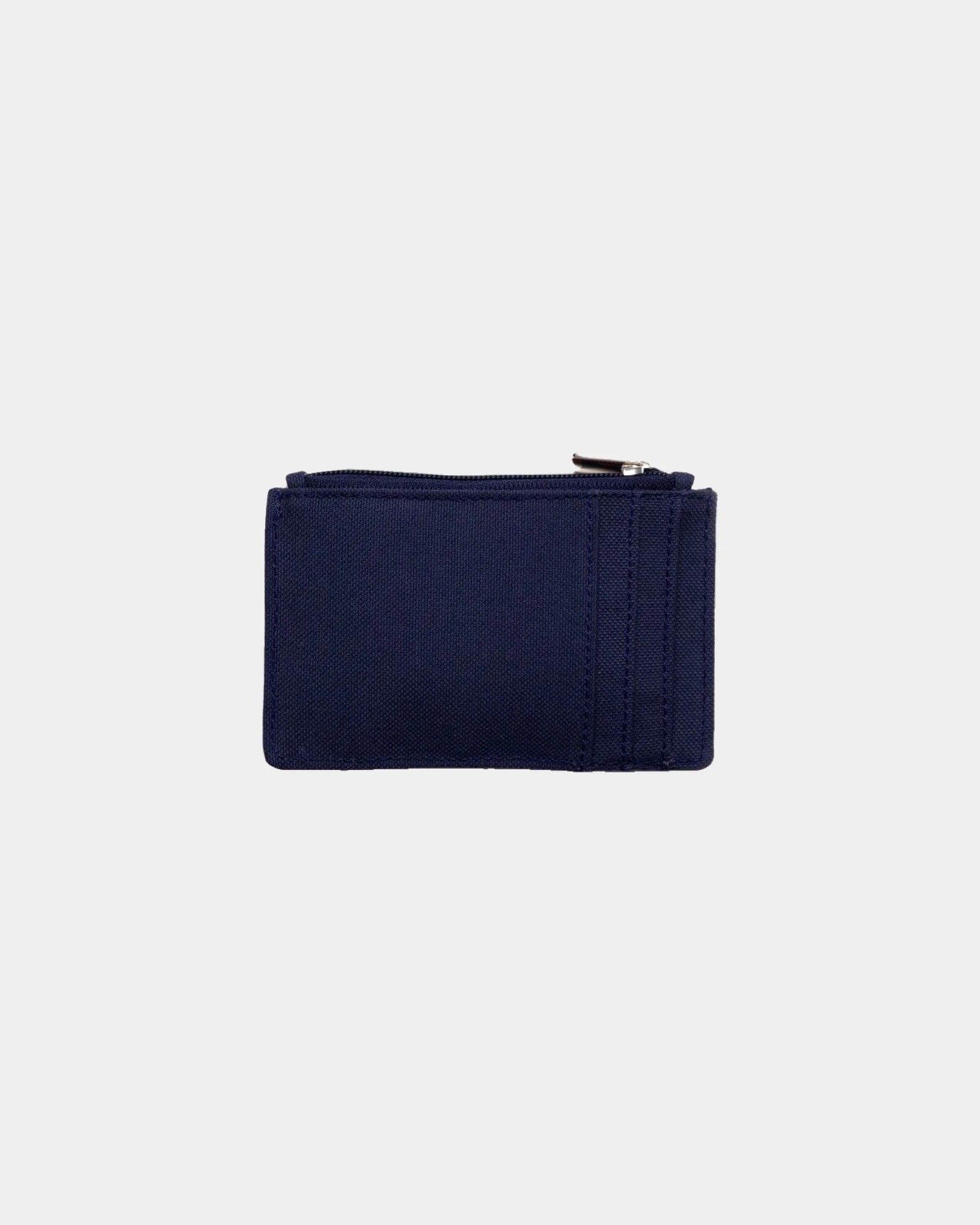


Treat your clients and employees!

FAQ - Personalised wallets
Trusted by 1,000+ companies
Bifold, trifold and coin formats across the engraved wallets range
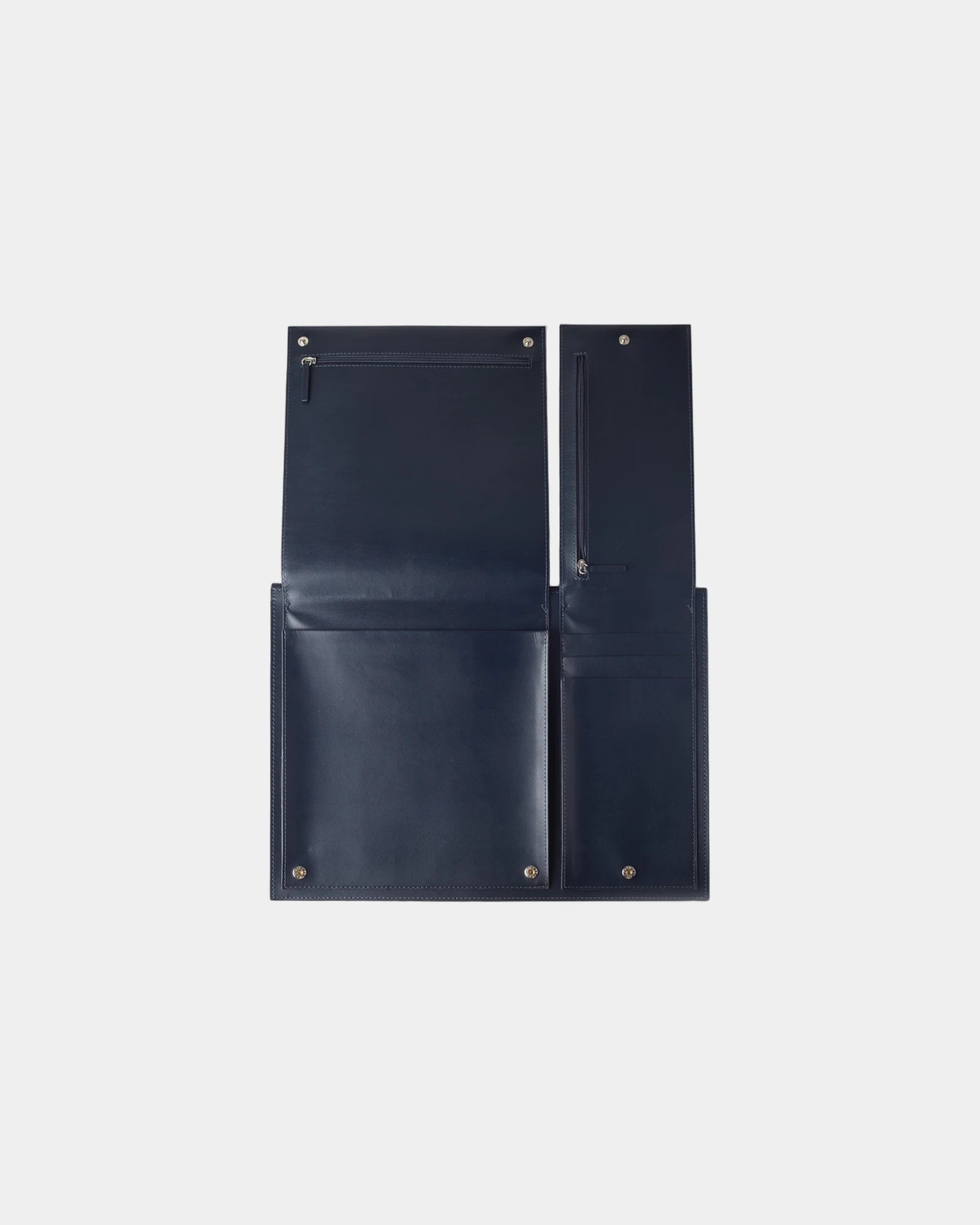
The fold is the first thing to settle on an engraved wallet order, because it decides capacity, closed thickness and which recipient the piece suits. A bifold folds once into two panels, carrying six to eight card slots, a full-length note compartment and often a clear ID window. It is the default everyday-carry shape and the one most staff already recognise.
A trifold folds twice into three panels, stacking eight to twelve card slots and a deeper note bay into a taller, chunkier body. It suits a recipient who carries loyalty cards, a travel card and cash together, though it sits less flat in a trouser pocket than a bifold.
A coin wallet adds a zipped or press-stud pouch for loose change, which still matters to anyone who parks, tips or buys from a market stall. Personalised pens join a trifold or travel format in an executive pack, since both share the same gift tier and the same rigid box.
| Format | Card and note capacity | Coin and extras |
|---|---|---|
| Bifold | 6-8 cards, full note compartment | Optional ID window |
| Trifold | 8-12 cards, deeper note bay | Optional press-stud coin pouch |
| Coin wallet | 4-8 cards, note slot | Zipped change pocket |
| Travel wallet | Cards, passport sleeve, pass slot | Pen loop, boarding-pass pocket |
Choosing full-grain, PU or recycled leather for your promotional wallets
Material sets both the feel in the hand and the floor on price, so it is the decision the rest of the engraved wallet spec hangs off. Full-grain leather keeps the hide's natural surface and develops a patina with handling, which reads as the most premium body for a board-level or retirement reward. Top-grain is sanded a touch smoother, ages well and sits a tier below on cost.
Vegan PU and recycled microfibre give an even, uniform face at a lower price and a lighter weight, which suits high-volume promotional wallets where a vegan brief applies. The colour holds batch to batch, useful when an engraved wallet ships in one colourway beside other accessories. Recycled microfibre is woven from a varying rPET blend, so the recycled percentage is stated against the exact wallet line you select rather than as a round figure.
Personalised luggage tags cut from the same hide and edge colour let a travel set read as one designed family. Full-grain rewards the gift end; PU and recycled bodies cover the volume runs where cost per unit leads.
| Material | Feel and ageing | Best fit |
|---|---|---|
| Full-grain leather | Natural grain, develops a patina | Executive and retirement gifts |
| Top-grain leather | Smooth, uniform, ages well | Service awards, client gifts |
| Vegan PU | Even surface, lightweight | High-volume promotional runs |
| Recycled microfibre | Soft, consistent colour | Eco-brief giveaways |
Note, card and coin compartments inside your printed wallets
Where a slim cards-only holder skips cash entirely, an engraved wallet carries notes, cards and change in one body, and how those compartments lay out decides the daily fit. The note compartment runs the full panel length so folded banknotes sit flat rather than creasing, and a second slip pocket behind it takes receipts or a travel card.
Card slots stack at a slight angle so a thumb lifts the right one clear of the rest. Six to eight slots suit most carriers; a recipient with several loyalty and access cards is better matched to a trifold's deeper stack. A clear ID window on the inner leaf shows a driving licence or staff pass without removing it.
A coin pocket is the compartment that splits the range. A zipped pouch holds change securely for a traveller, while a press-stud flap opens faster for everyday use but spills if overfilled. Specify the coin format to the recipient's habit, since a cash-light contactless user gains nothing from a bulky change pouch.
RFID-blocking engraved wallets and the contactless cards inside
A wallet gathers several contactless cards into one fold, which is the stack a skimmer hopes to reach, so an RFID-blocking layer has become a standard line on corporate orders. A shielding film bonded behind the card slots blocks unauthorised reads of an enclosed card while the wallet is closed, and a removed card taps normally at the till.
The layer sits inside the body and rarely changes the external dimensions or the feel, so a shielded wallet looks no different from a plain one. It adds little to the unit cost on most leather and PU bodies, which makes it an easy inclusion for a workforce carrying access badges and corporate cards.
Where RFID protection is specified, the test standard the film meets is recorded on the product spec for the line you pick. A non-shielded version stays available for budgets that do not call for it. Cards a recipient wants to tap without opening the fold are better kept in an outer slip pocket outside the shielded zone.
Embossing, foil and engraving on branded embossed wallets
Blind and foil embossing on branded embossed wallets
The marking route follows the leather grain and panel size, and each method reads differently across a wallet's broad front panel. Blind embossing presses your mark into the hide with no ink for a tone-on-tone result that suits an understated executive piece. Foil embossing fills that same recess with gold, silver or a colour to stand off a dark body.
Laser engraving for permanent fine detail on engraved wallets
Laser engraving removes a thin top layer to reveal a permanent tonal mark that will not rub off under daily folding, and it works cleanly on both leather and PU. Engraved wallets hold fine detail such as a monogram better than foil does, which is why a single name or set of initials usually engraves.
Debossing presses a die without foil for a crisp inkless impression, while pad or screen print lays a full-colour logo onto PU and microfibre. A multi-colour brand mark prints; a one-tone wordmark embosses or engraves. The grain, the panel and the number of ink colours together decide the cleanest route. The wide front of a bifold gives more room for a mark than a slim holder face does.
| Method | Surface it suits | Look |
|---|---|---|
| Blind embossing | Full and top-grain leather | Tone-on-tone, no colour |
| Foil embossing | Leather | Metallic or coloured fill |
| Laser engraving | Leather and PU | Permanent tonal mark |
| Pad or screen print | PU and microfibre | Full-colour, flat finish |
- Bifold for everyday six-to-eight card carry
- Trifold for deeper card and note stacking
- Coin wallet for change-carrying recipients
- Blind embossing for tone-on-tone discretion
- Foil embossing for metallic contrast
- Laser engraving for permanent fine detail
- Per-unit names or initials on inner leaf
Edge finish, stitching and lining details on printed wallets
Two wallets in the same hide can feel a grade apart on the construction, and the edge finish is where a recipient registers it first. A painted, burnished edge looks resolved and resists the fraying that daily folding causes, while a raw cut edge reads more casual and trims the cost. On a piece meant to last, the burnished edge is the safer call.
Saddle-stitched or lockstitched seams hold up to repeated flexing better than glued edges, and a contrast thread echoes a brand colour without any extra marking. The lining, whether matching leather, a printed fabric or a contrast panel, is an inner surface where an event date or a strapline can sit unseen until the wallet opens.
These details let one body serve several briefs without changing supplier or tooling. A single leather wallet with a contrast lining can carry a discreet inner engraving for the boardroom and a fuller foil mark for an open giveaway. One specification then stretches across a whole campaign.
Where the logo sits and how large it reads on engraved wallets
Placement decides whether a wallet feels gifted or branded, and the two briefs pull in opposite directions. A small mark in a bottom corner of the front panel keeps an executive piece discreet. A centred logo reads more openly promotional and suits a giveaway that needs the brand seen.
Inside placement is the route many corporate buyers prefer. A logo or message embossed on the inner lining shows only when the wallet opens, so the recipient carries something that looks personal outside and branded within. An event date or a name often lives there instead of on the face, which a slim cards-only holder rarely has room to offer.
Size has a practical floor. A fine logo with thin strokes needs a few millimetres of clear height to emboss or engrave cleanly on grained leather. A busy mark is often simplified to a monogram or a single-line wordmark. A digital proof shows the real scale on the chosen body before you commit.
How printed wallets age and what care to expect
A gift that wears badly reflects on the giver, so it helps to know how each wallet body behaves across the years a recipient keeps it. Full-grain leather darkens and softens with handling, which most people read as character rather than wear, and a light occasional conditioning keeps it supple. Top-grain holds its finish with little attention.
A painted edge is the part most likely to show age first under constant folding, which is another reason a burnished edge is the safer call on a long-service piece. PU and microfibre resist scuffs and a damp pocket better than untreated leather, though they will not develop the same patina over time.
The marking outlasts the body in every case. Engraved wallets carry a mark cut into the surface, so it stays legible as the leather ages, where a printed PU logo can soften slightly under years of friction. That difference is worth weighing when the wallet is a retirement or five-year-service piece meant to keep its mark.
| Body | Ageing behaviour | Best-fit gift |
|---|---|---|
| Full-grain leather | Darkens, patinas, needs occasional care | Retirement and board rewards |
| Top-grain leather | Holds finish, low maintenance | Service and client gifts |
| Vegan PU | Wipes clean, scuff-resistant | Volume promotional runs |
| Recycled microfibre | Stable colour, no patina | Eco-led giveaways |
Colours and finishes to align promotional wallets with your brand
Colour is the fastest way to make a stock wallet look commissioned, since a body in the right shade does much of the bespoke work alone. Classic black and tan cover most corporate palettes, while navy, oxblood and grey bring the body closer to a brand colour without a special dye run.
Synthetic PU and microfibre bodies open a broader, batch-consistent colour book, useful when a wallet has to sit in a set beside other accessories. A contrast lining or a coloured stitch thread brings in a second brand shade with no extra print pass.
Personalised keyrings finished in the same leather and edge colour pair with a wallet into a small everyday-carry gift that still costs less than one large item. The shared colour reference at proof stage keeps the two reading as one programme.
Presentation and gift boxing for branded embossed wallets
A wallet that arrives in a poly bag undoes much of the work the leather did, so presentation belongs in the brief rather than after it. A rigid two-piece box with a foam bed holds the wallet flat and unbent. That turns a desk drop or a stage award into a moment suited to a board reward or a top-client thank-you.
A printed outer sleeve, an insert card or a slim ribbon pull lifts the unboxing for little added cost. For a client gift, a short note tucked inside the fold carries words the embossing cannot. High-volume promotional wallets can go out bagged where a box is not needed, trimming the landed cost.
Artwork approval is shared within 24 hours, so you see exactly how the embossing or print sits before any run begins. Corporate Gift Boxes let a wallet headline a larger curated desk set when one item alone feels light for the occasion.
Matching promotional wallets to occasion and recipient
The recipient should steer the format more than the budget does, because a fold that suits the person is what keeps engraved wallets in use. A frequent traveller gets more from a travel format with a passport sleeve than from a thick trifold; a contactless-first graduate hire wants a slim bifold, not a coin-heavy body.
For a retirement or long-service award, full-grain leather with blind embossing and the recipient's initials reads as considered and personal. For a wide promotional giveaway, a printed PU bifold keeps the cost per impression low while still carrying the logo into daily use. The two sit at opposite ends of the same range.
Mapping the piece to the person, rather than buying one wallet for everyone, is what makes the gift land. A mixed order runs cleanly, with full-grain trifolds for senior staff and PU bifolds for a wider team. They carry the same logo treatment, so the set still reads as one programme. Personalised diaries complete a year-opening pack when a wallet alone feels light for a senior gift.
Pairing engraved wallets into a wider everyday-carry gift
A wallet rarely headlines a gift alone, since the pieces a recipient reaches for each day read better as a small matched set. A keyring, a card holder or a luggage tag cut from the same hide and edge colour lets a wallet anchor a coordinated everyday-carry programme. Each one shares the gift tier and the rigid box, so the set reads as one designed family rather than a handful of separate buys. The fold and the body of the wallet still lead, with the companions sized around it.
Match the pairing to the occasion and the recipient. A retirement reward pairs a full-grain bifold with an engraved keyring in a two-piece box. A wide promotional run sets a printed PU wallet beside a stocked card holder at a low cost per impression. We hold one colour and edge reference across the pieces at proof stage, so the set arrives matched rather than near-miss. A single finished sample can be made for approval before the full run is committed.
Ordering printed wallets at volume, from samples to delivery
For engraved wallets, the quantity and the marking method move together. A small run of full-grain bifolds for a board reward carries a higher unit cost and usually laser engraving. A few hundred PU coin wallets for an exhibition drop print more economically per piece. The fold, the body and the mark all feed the per-unit figure on your quote.
Lead time on wallets tracks the marking and the volume. A simple engraved name on a stocked leather body turns around faster than a foil-embossed logo across a large PU run that needs a bespoke die. Most orders ship in about three weeks once the artwork is signed off. We can make a single finished wallet for approval before the full run is committed.
Personalised lanyards often join wallets on the same event order. A card slipped into a wallet and a badge on a lanyard cover both payment and ID for a delegate in one handover.

