Branded Event Merchandise

Atelier Box builds promotional merchandise campaigns around the wearables, drinkware, tech, bags and stationery that turn a marketing line into months of everyday visibility. Our promotional merchandise covers branded tees and lanyards, reusable bottles and flasks, power banks, totes and printed pens, decorated by print, laser etch or embroidery with your logo. Match the custom branded merchandise family to your channel, from event handouts and mailers to reception giveaways and retail add-ons.
FILTRER
  • Eco-friendly
  • Made in France
  • Made in Europe
  • B corporation
TRIER
  • Price, low to high
  • Price, high to low
234 produits
  • Made in Europe
  • Eco friendly
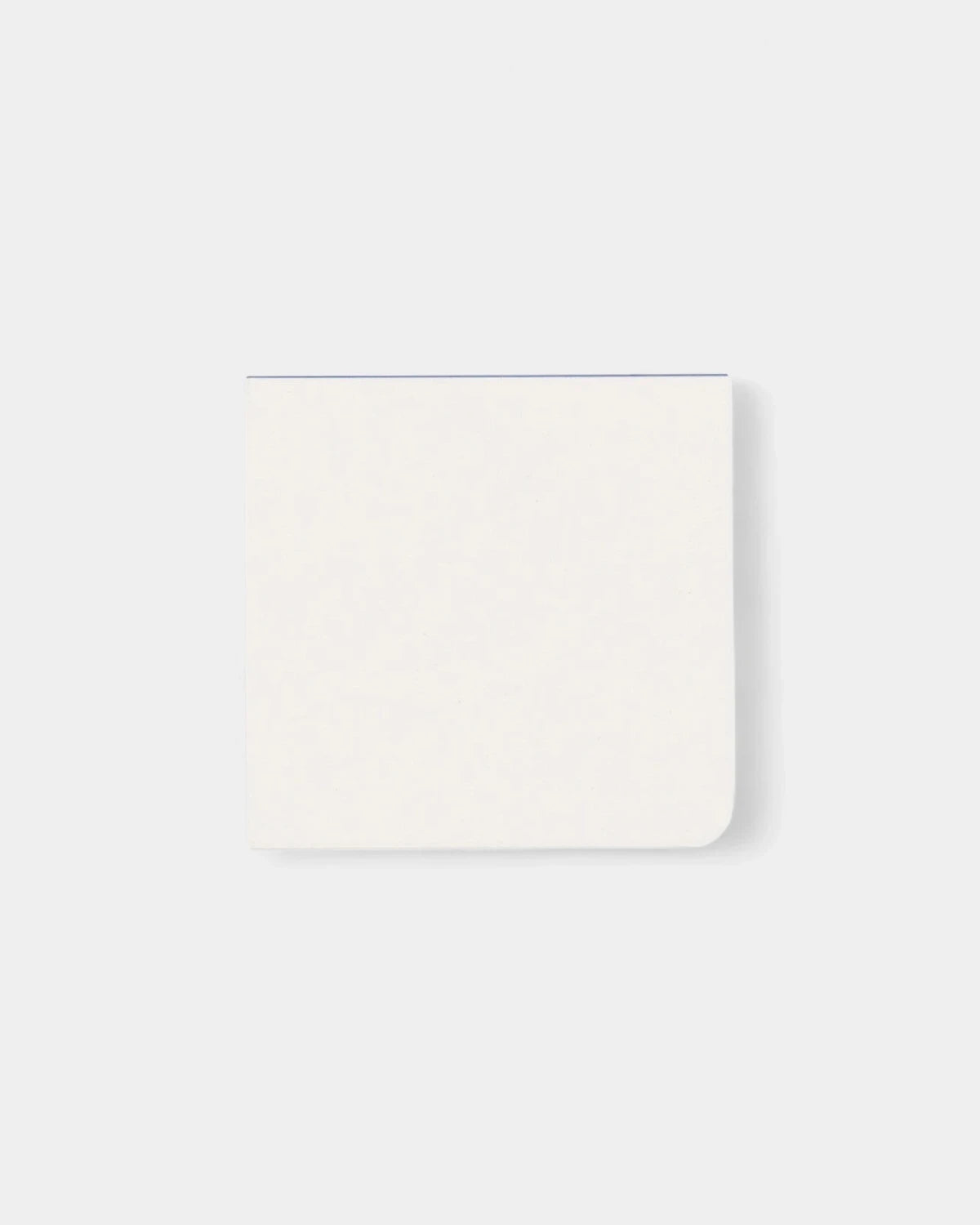
Eco-friendly customizable notepad - 2Eco-friendly customizable notepad
Starting from £7
  • Made in Europe
Customizable Mishmash Notebook - 12Customizable Mishmash Notebook
Starting from £4
+ 3
  • Made in Europe
  • Eco friendly
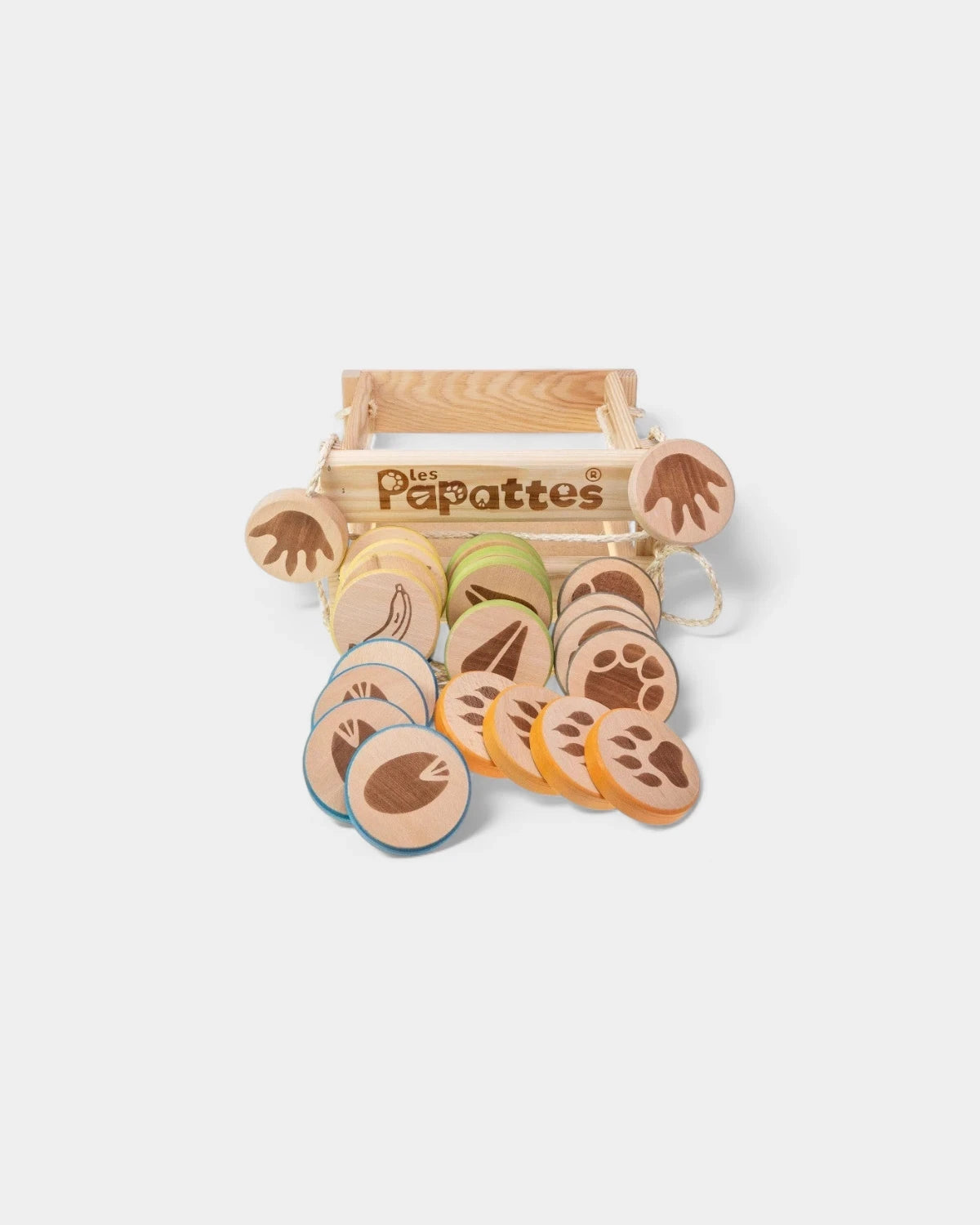
Customizable Paw GameCustomizable Paw Game
Starting from £34
  • Made in Europe
  • Eco friendly
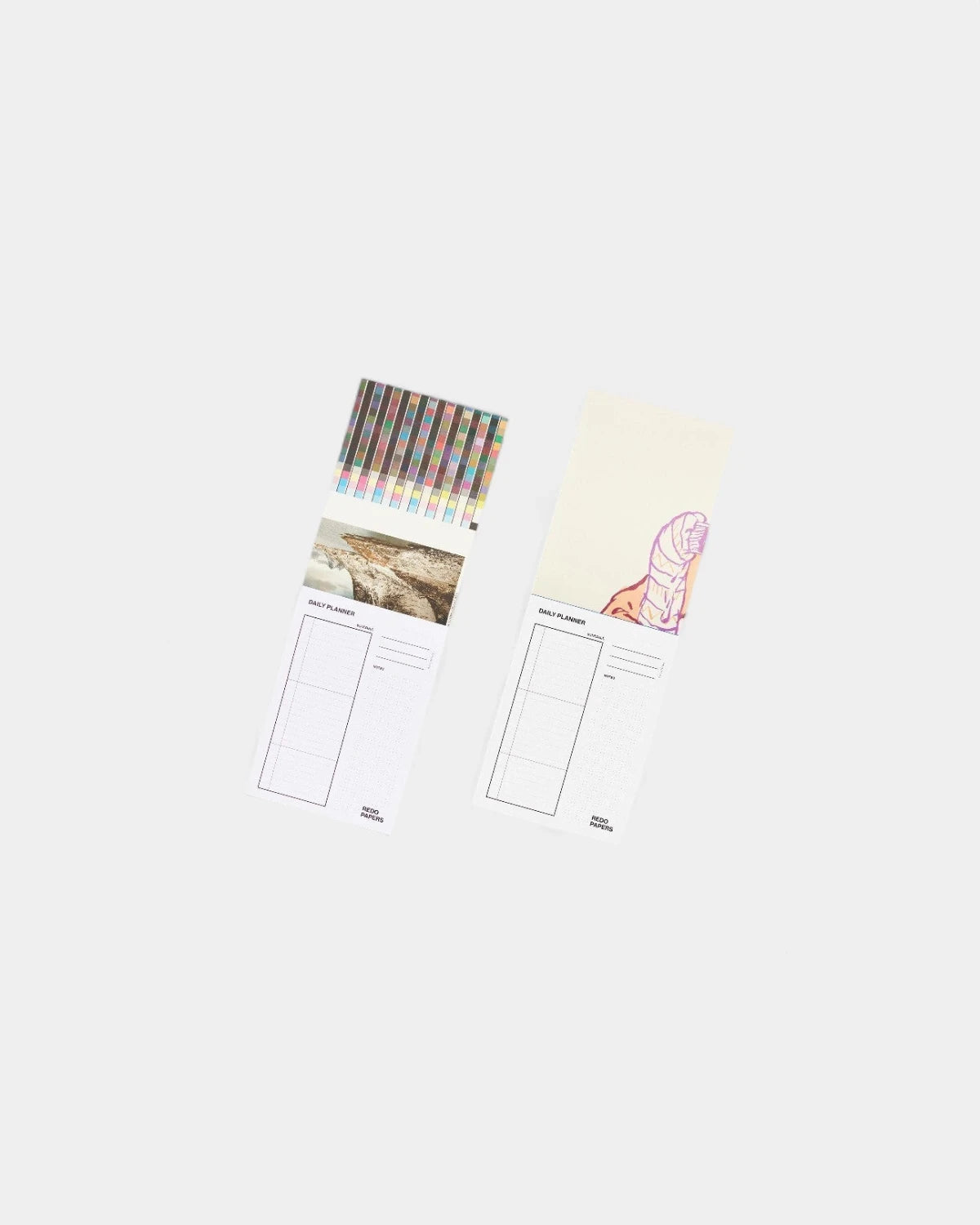
Customizable Daily Planner - 2Customizable Daily Planner
Starting from £9
  • Made in Europe
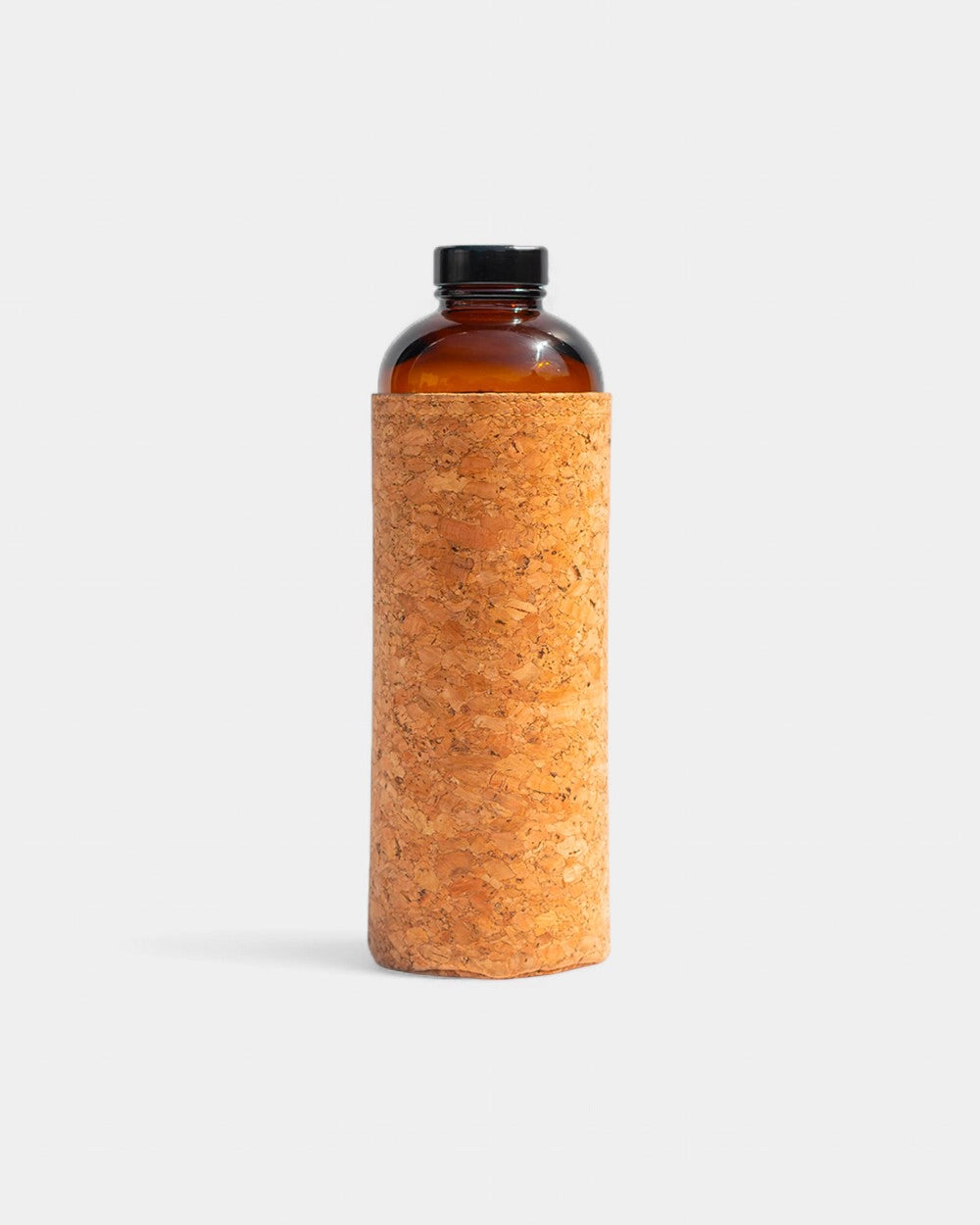
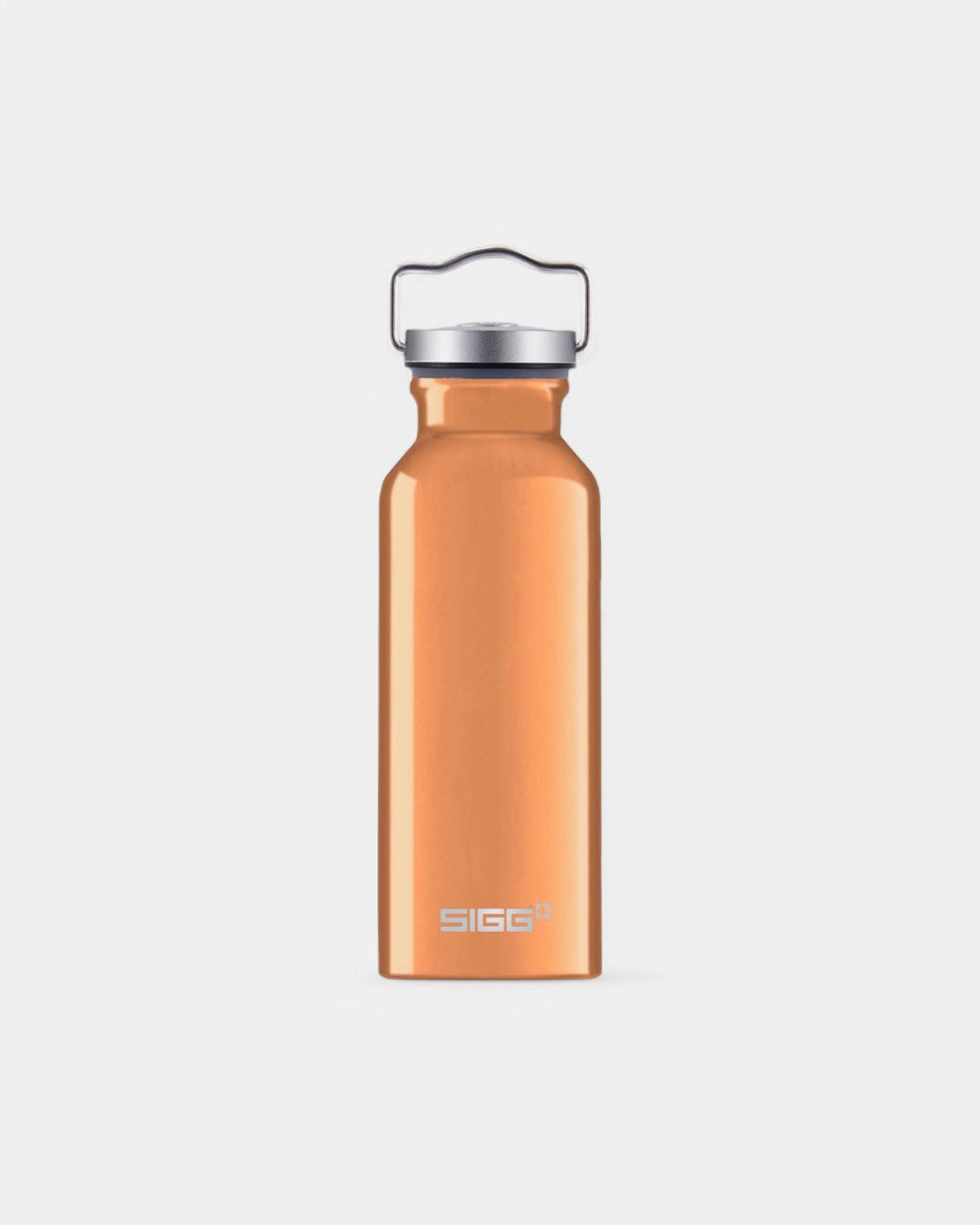
Customizable Aluminum Water BottleCustomizable Aluminum Water Bottle
Starting from £26
  • Made in Europe
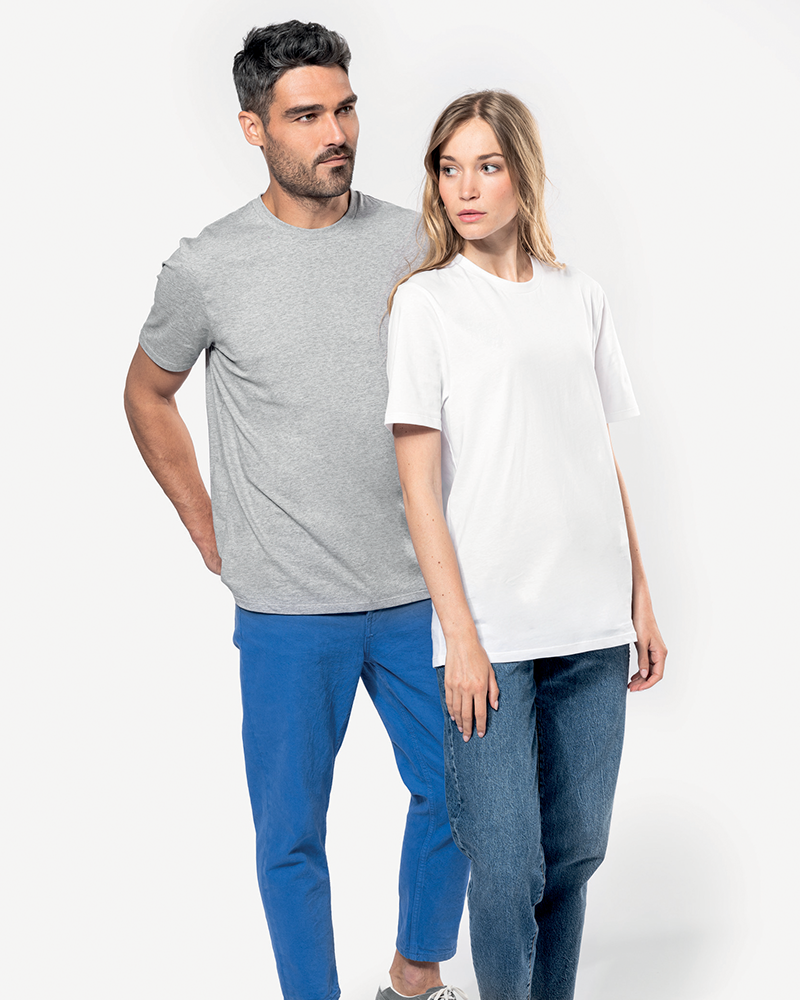
Round Neck T-Shirt Made in Europe Unisex CustomizableRound Neck T-Shirt Made in Europe Unisex Customizable
Starting from £10
+ 3
  • Made in Europe
Custom polypropylene suitcase Samsonite C-LITE 55 cm - 1Custom polypropylene suitcase Samsonite C-LITE 55 cm - Black
Starting from £337
+ 2
  • Made in Europe
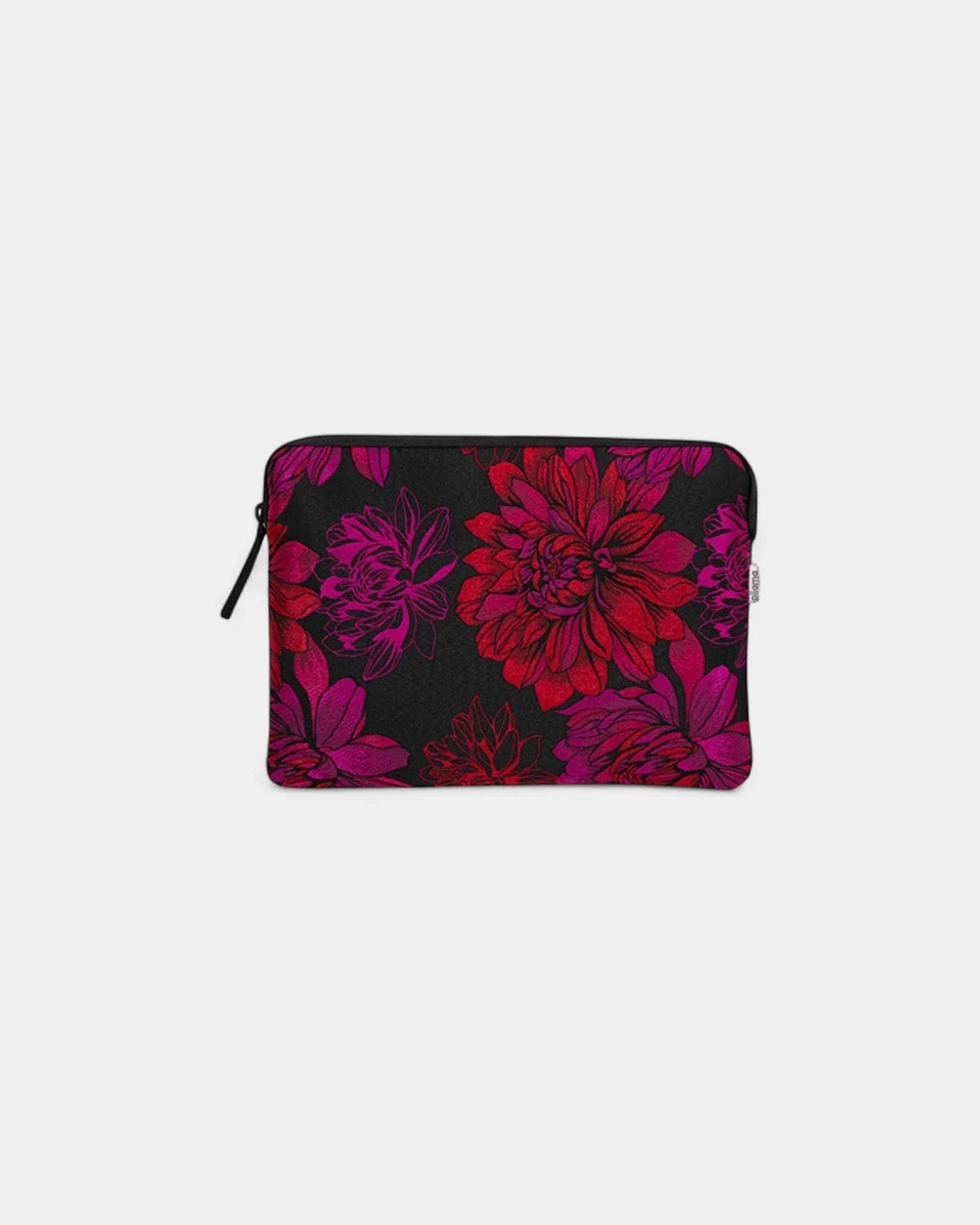
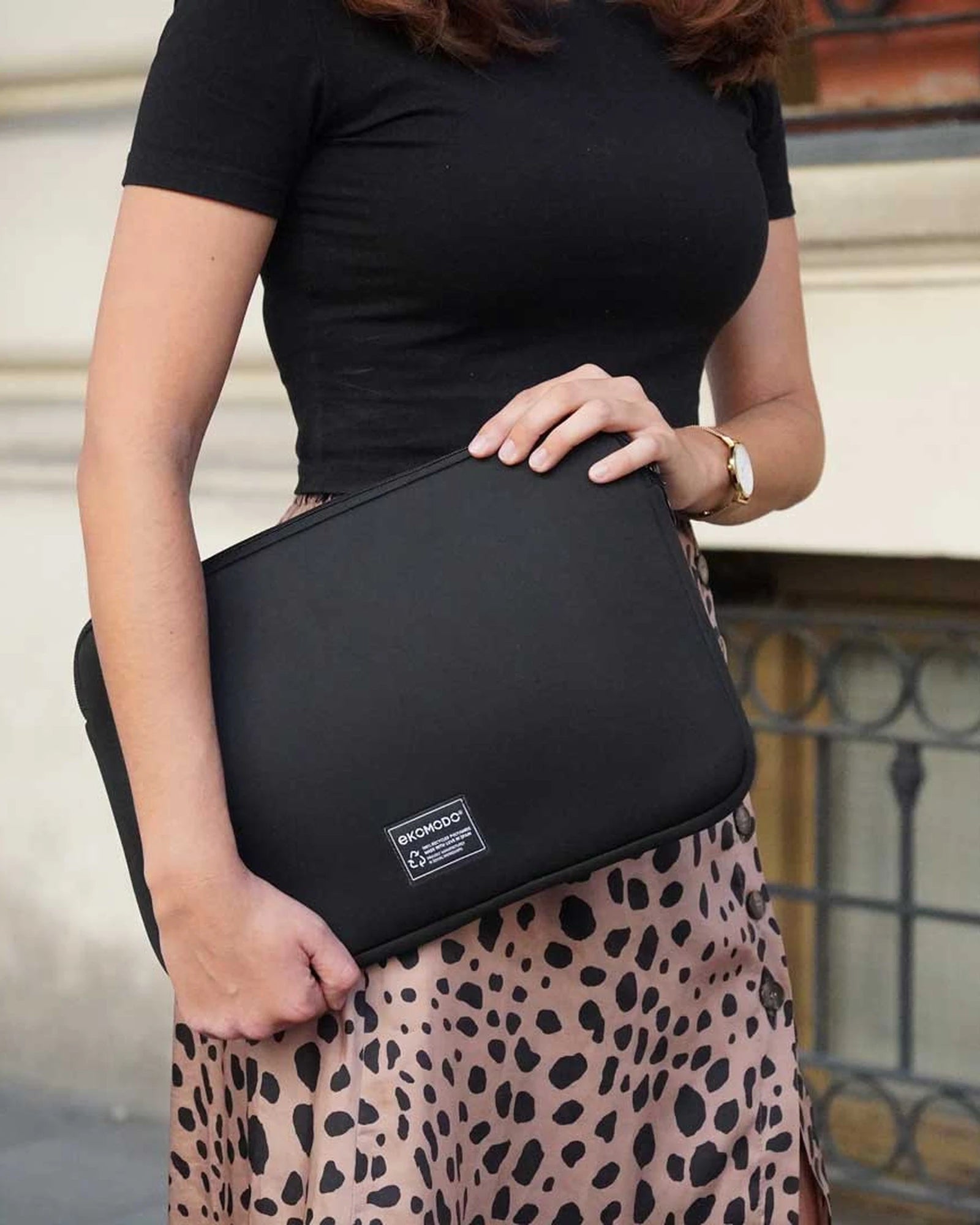
Customizable Laptop Sleeve Made in ItalyCustomizable Laptop Sleeve Made in Italy
Starting from £31
+ 5
  • Made in Europe
  • Eco friendly
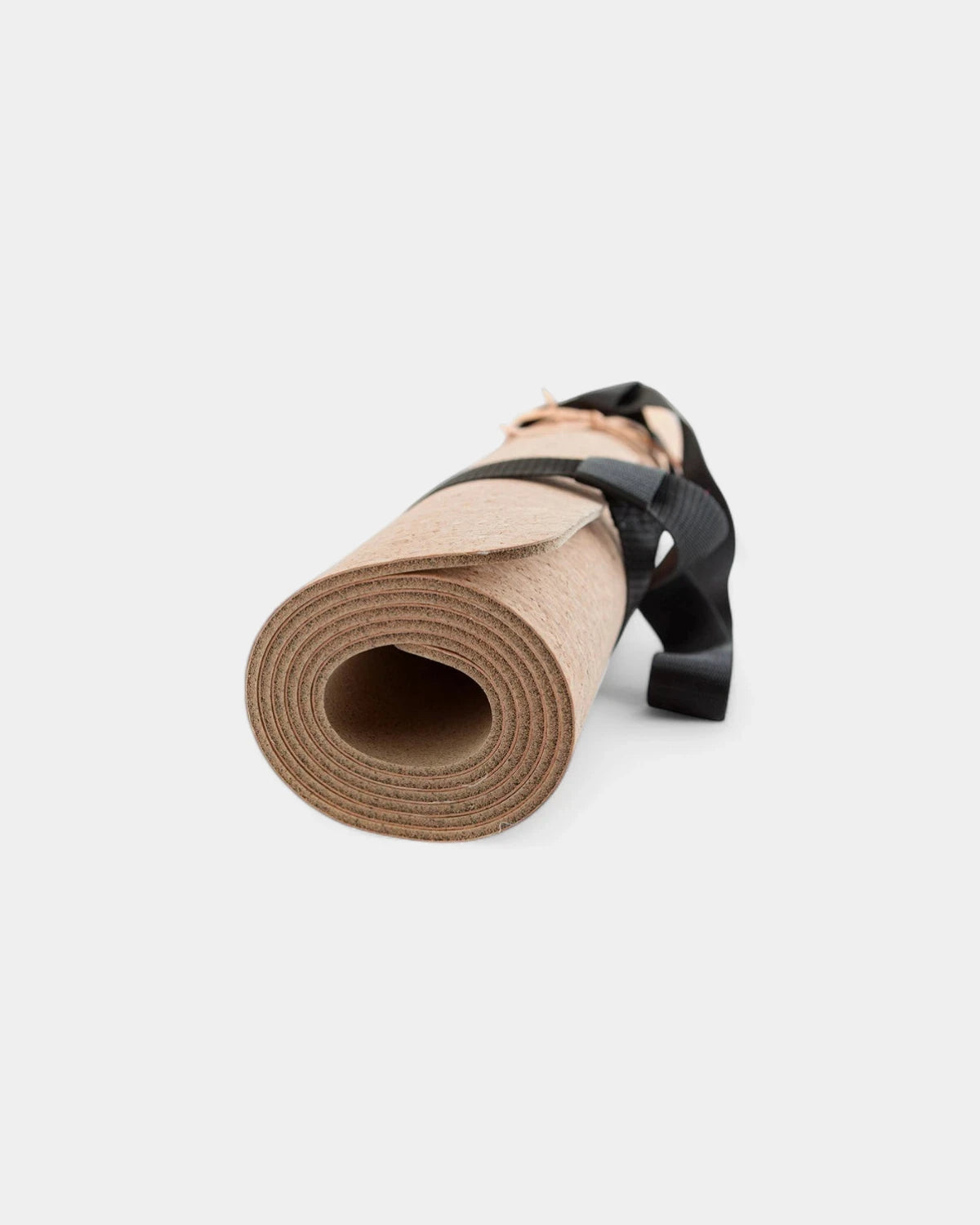
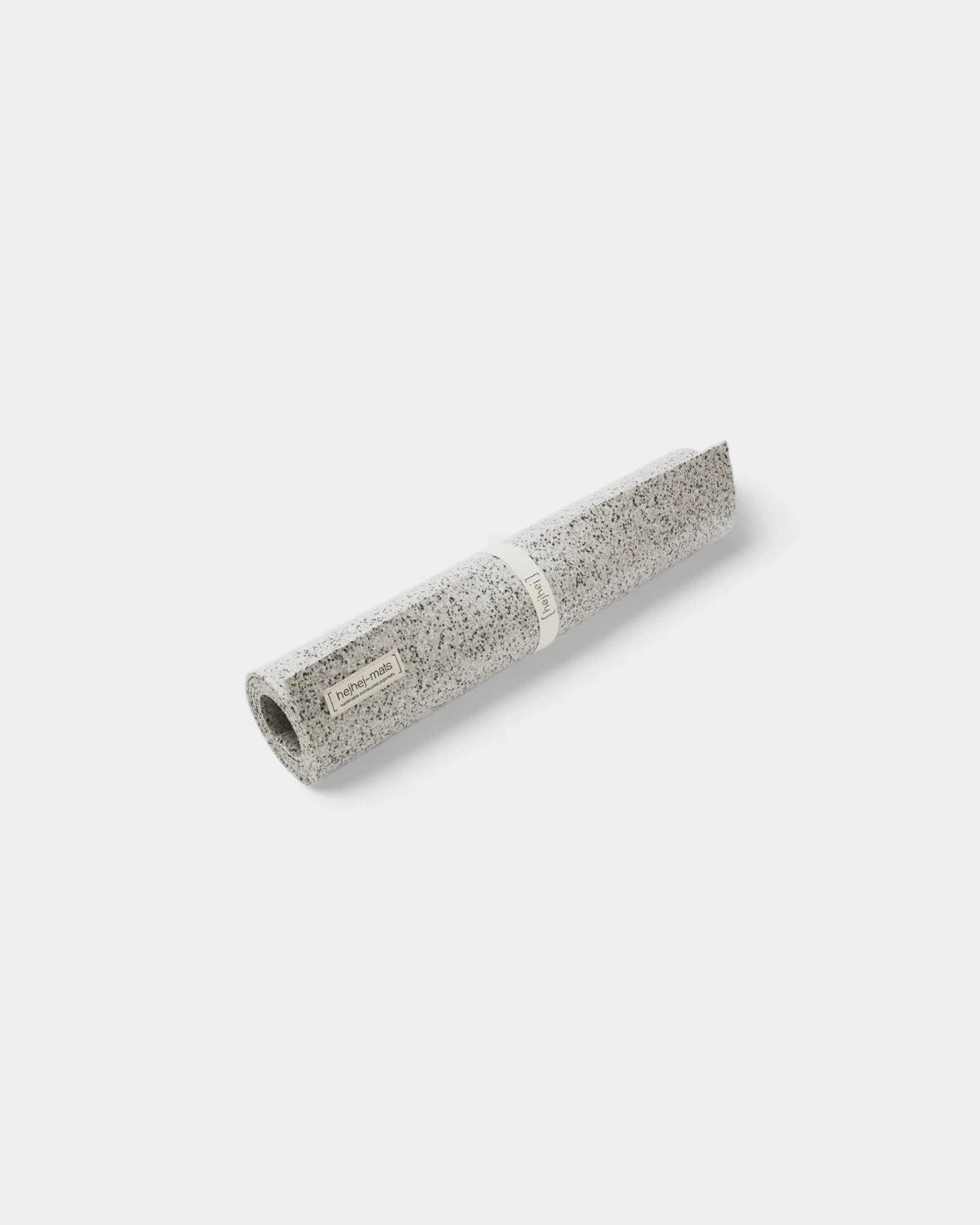
Recycled and Customizable Yoga MatRecycled and Customizable Yoga Mat
Starting from £110
  • Made in Europe
Customizable Sleep Mask
Starting from £10
  • Made in Europe
  • Eco friendly
Customizable Pen Holder - 2Customizable Pen Holder
Starting from £27
  • Made in Europe
Customizable Leather SlimwalletCustomizable Leather Slimwallet
Starting from £42
+ 5
  • Made in Europe
Customizable Leather MiniwalletCustomizable Leather Miniwallet
Starting from £37
+ 2
  • Made in Europe
Customizable Steel ScissorsCustomizable Steel Scissors
Starting from £32
  • Made in Europe
  • Eco friendly
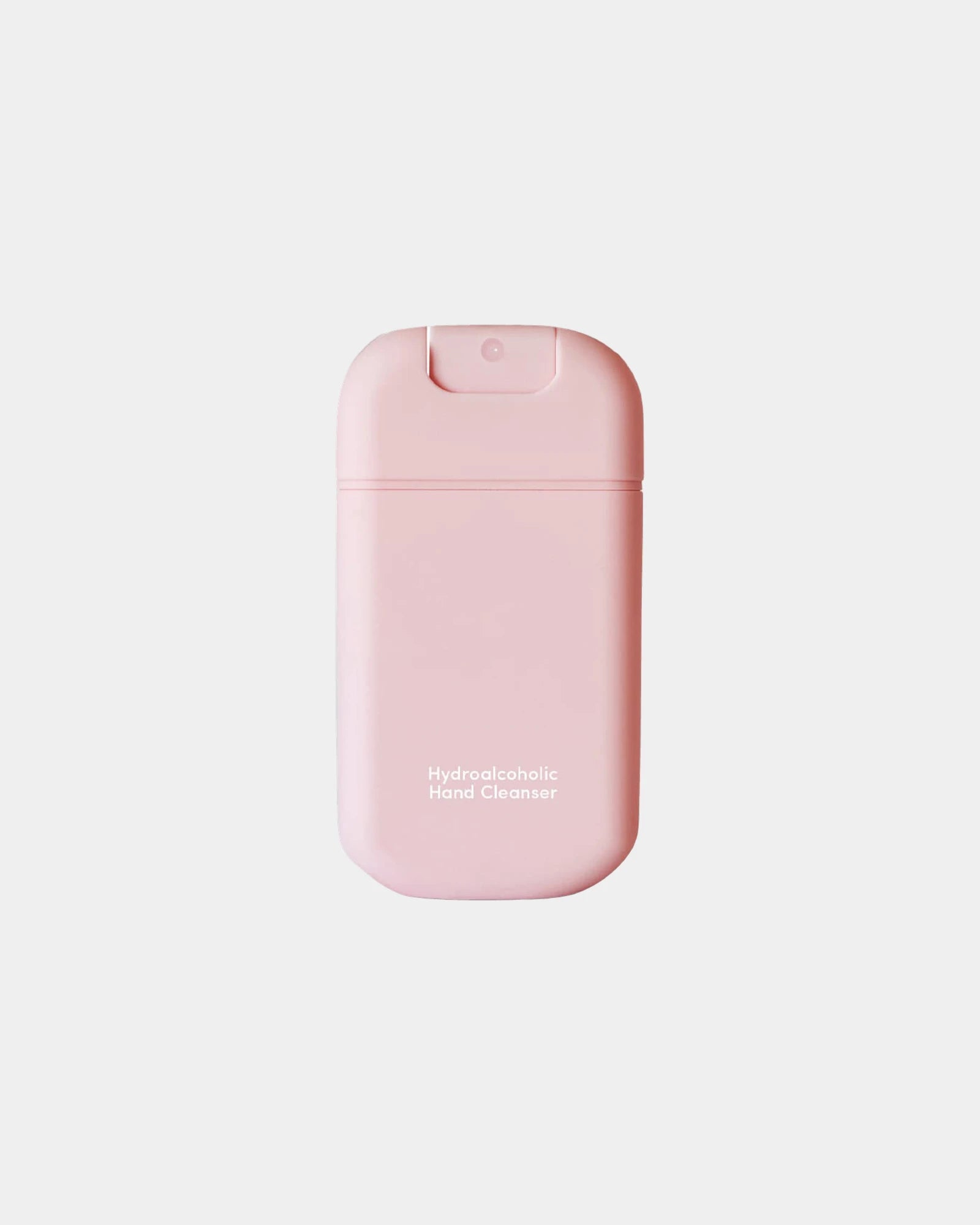
Custom eco-friendly hand cleanser HAAN 30 mlCustom eco-friendly hand cleanser HAAN 30 ml - Bright Rose
Starting from £6
+ 6
  • Made in Europe
  • B corporation
  • Eco friendly
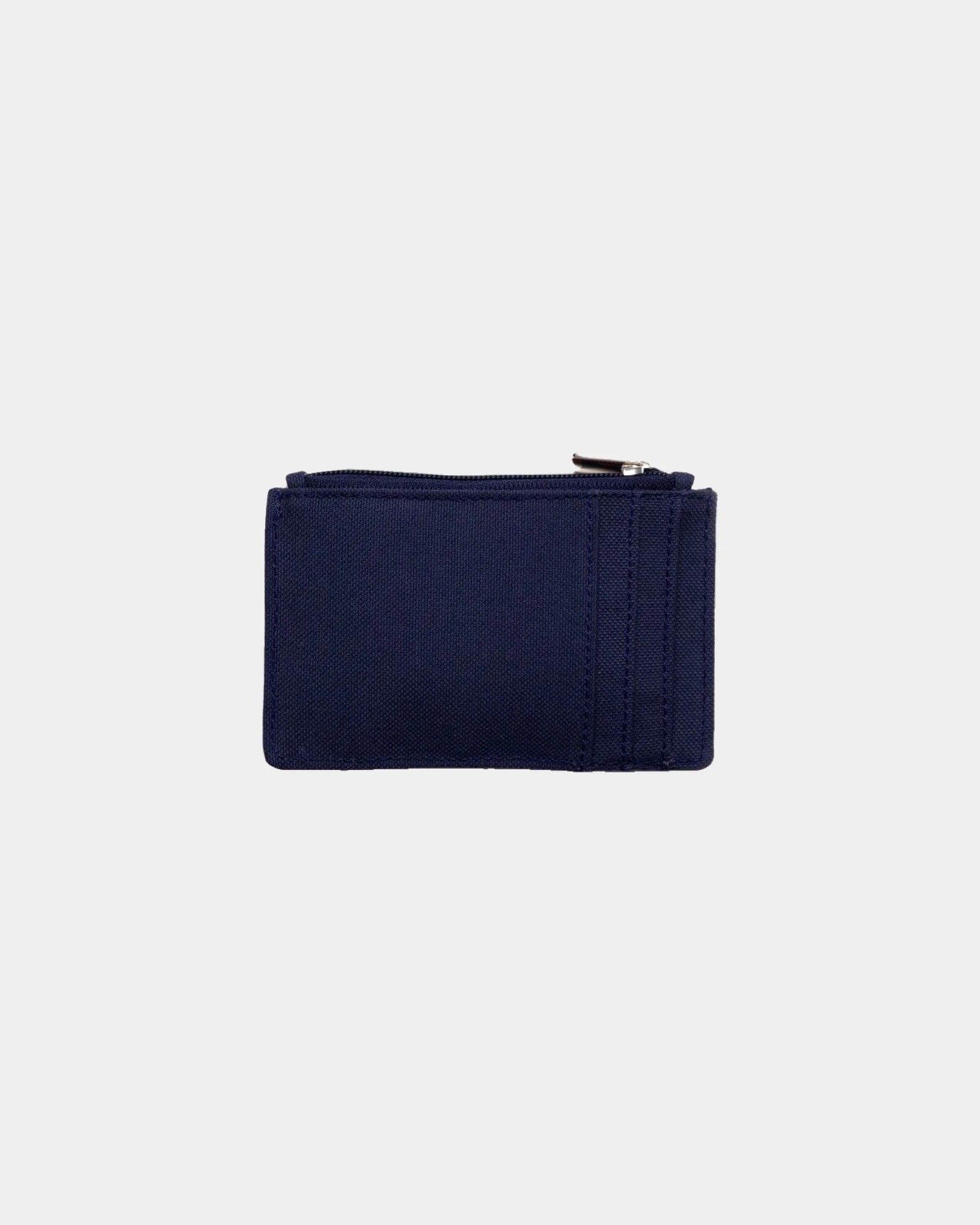
Custom Diru recycled polyester walletCustom Diru recycled polyester wallet - Navy
Starting from £19
+ 4
  • Made in Europe
  • B corporation
  • Eco friendly
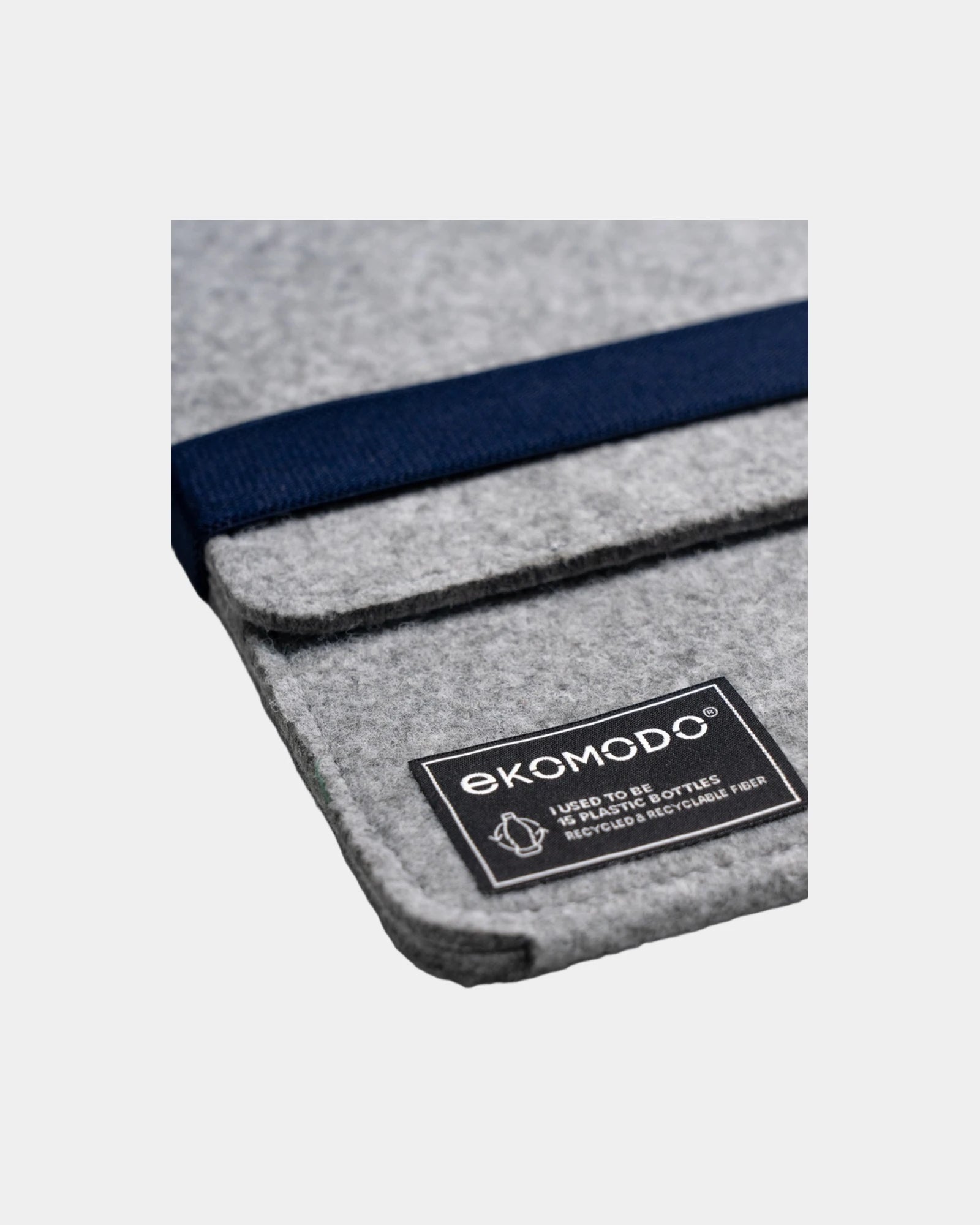
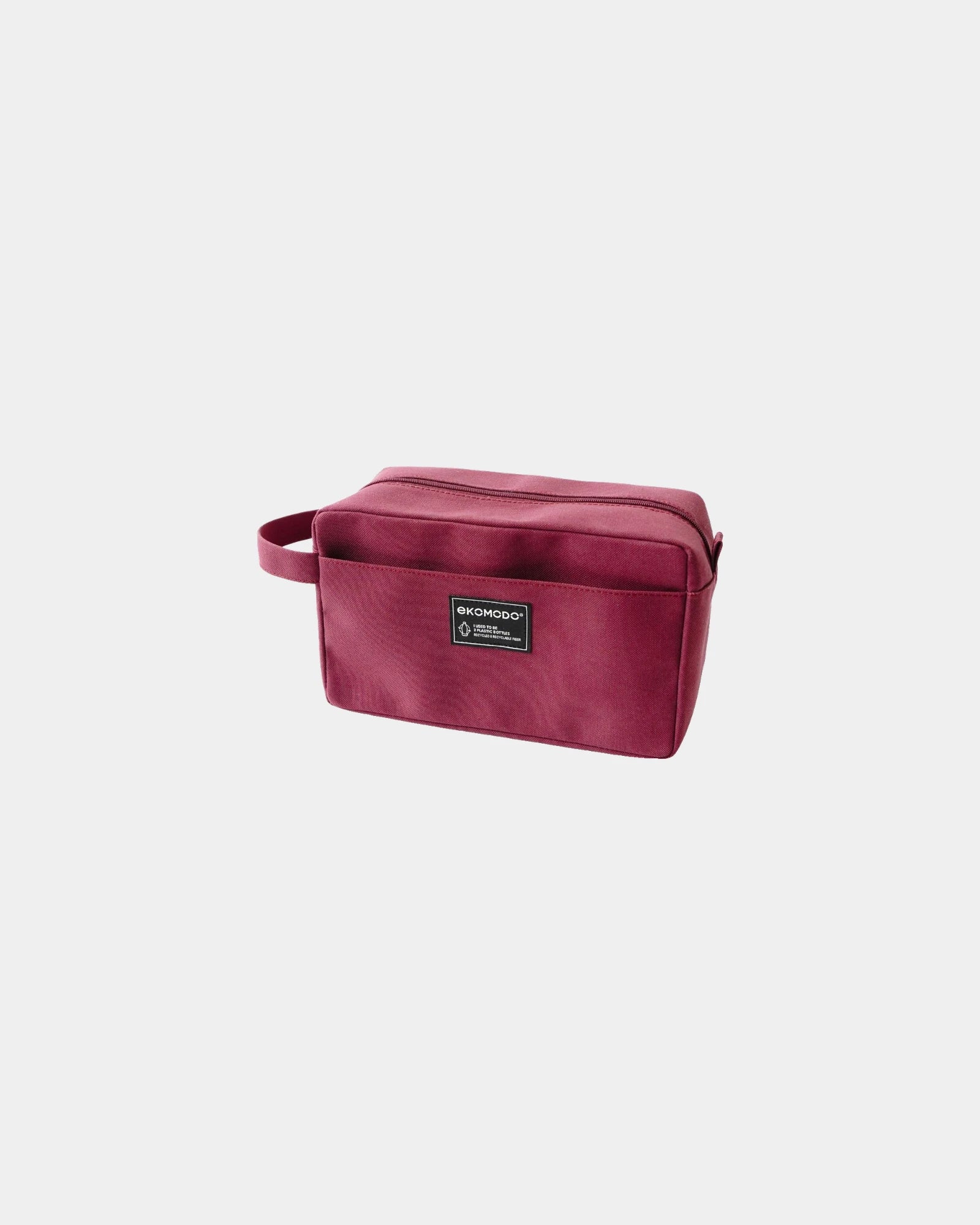
Custom recycled polyester laptop case Ekomodo HaziCustom recycled polyester laptop case Ekomodo Hazi
Starting from £22
+ 3
  • Made in Europe
  • B corporation
  • Eco friendly
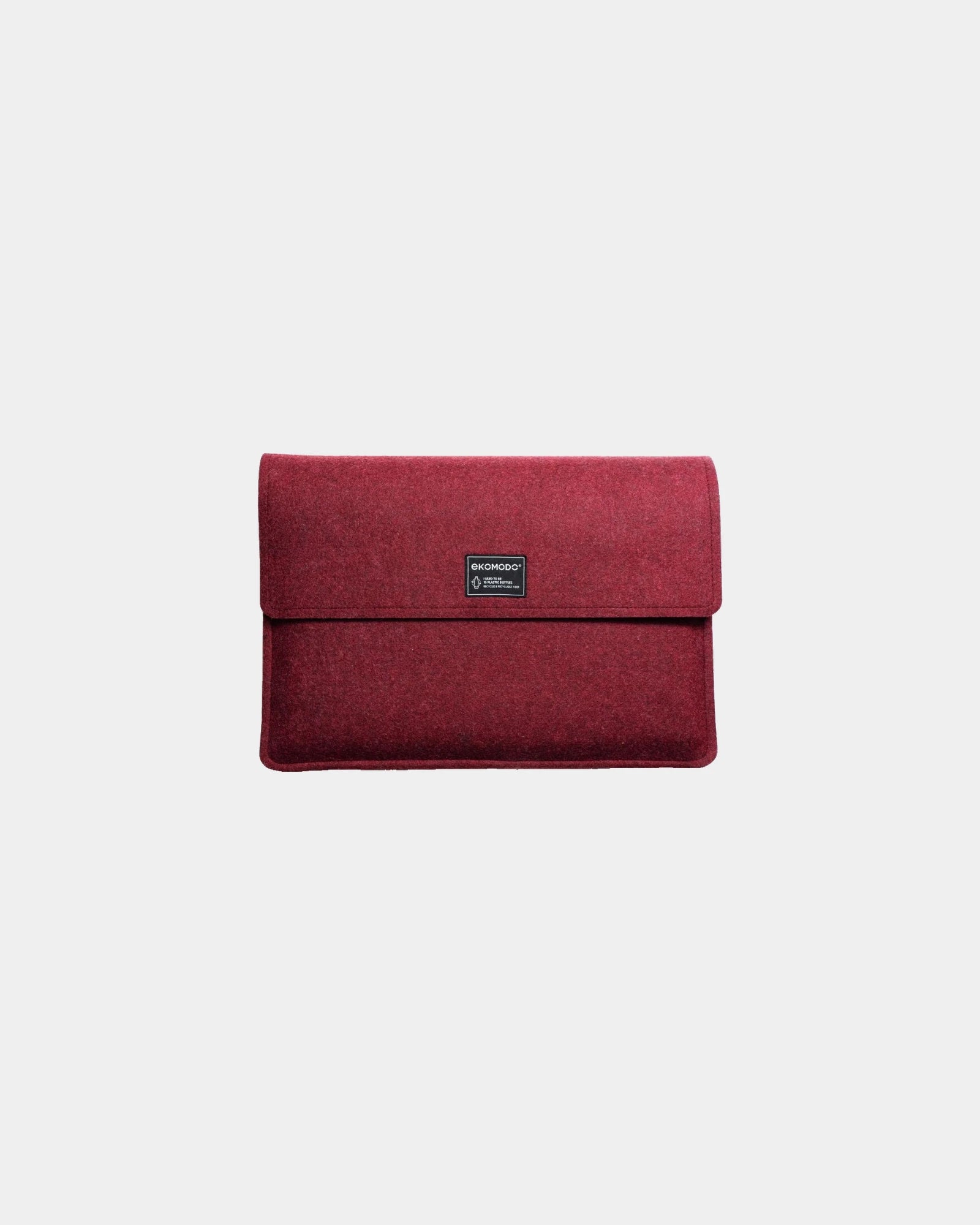
Custom recycled polyester laptop case Ekomodo Lapatx 13" - GarnetCustom recycled polyester laptop case Ekomodo Lapatx 13" - Navy
Starting from £23
+ 1
  • Made in Europe
  • B corporation
  • Eco friendly
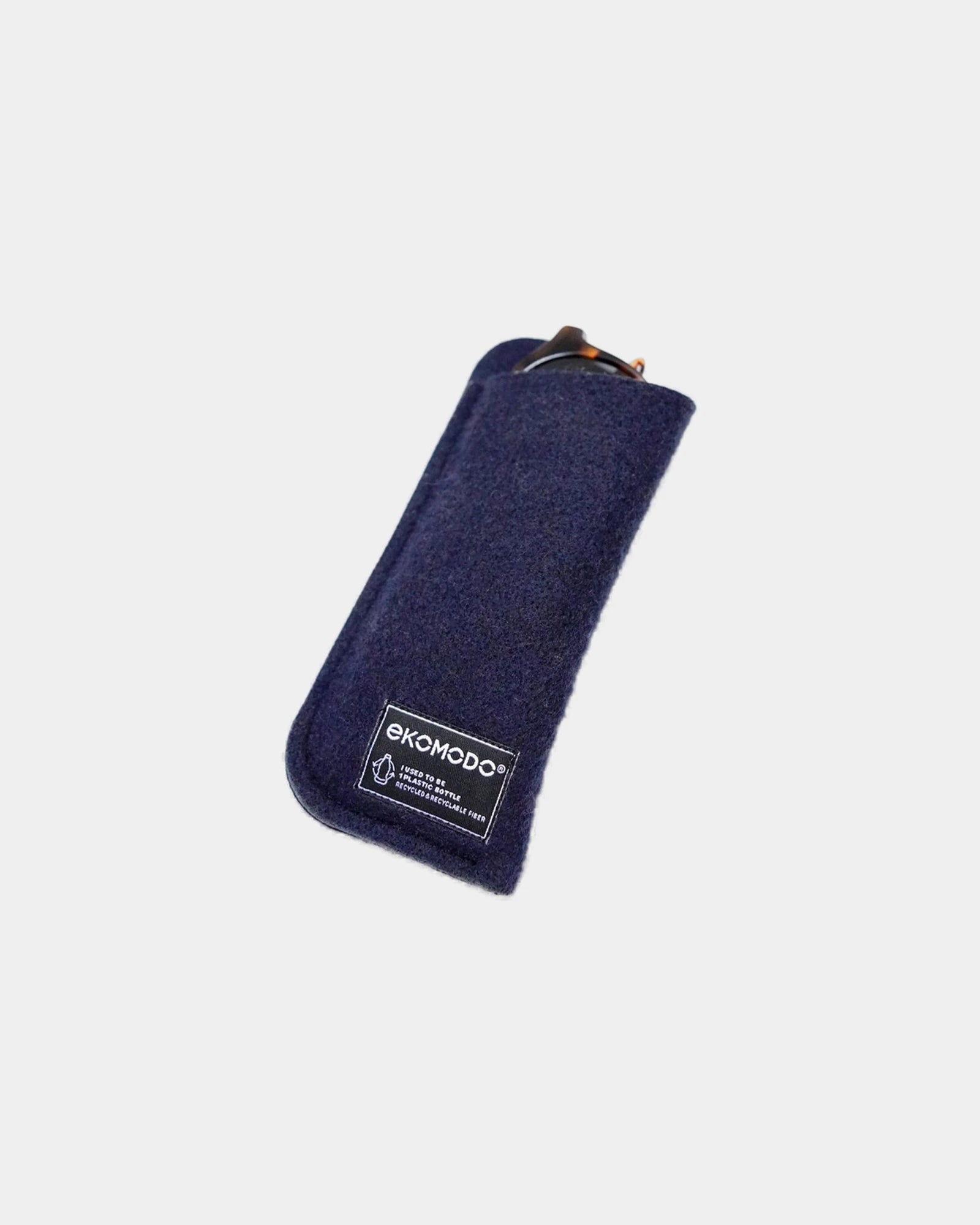
Custom recycled PET eyewear case Ekomodo Begi - 1Custom recycled PET eyewear case Ekomodo Begi - Navy
Starting from £9
+ 1
  • Made in Europe
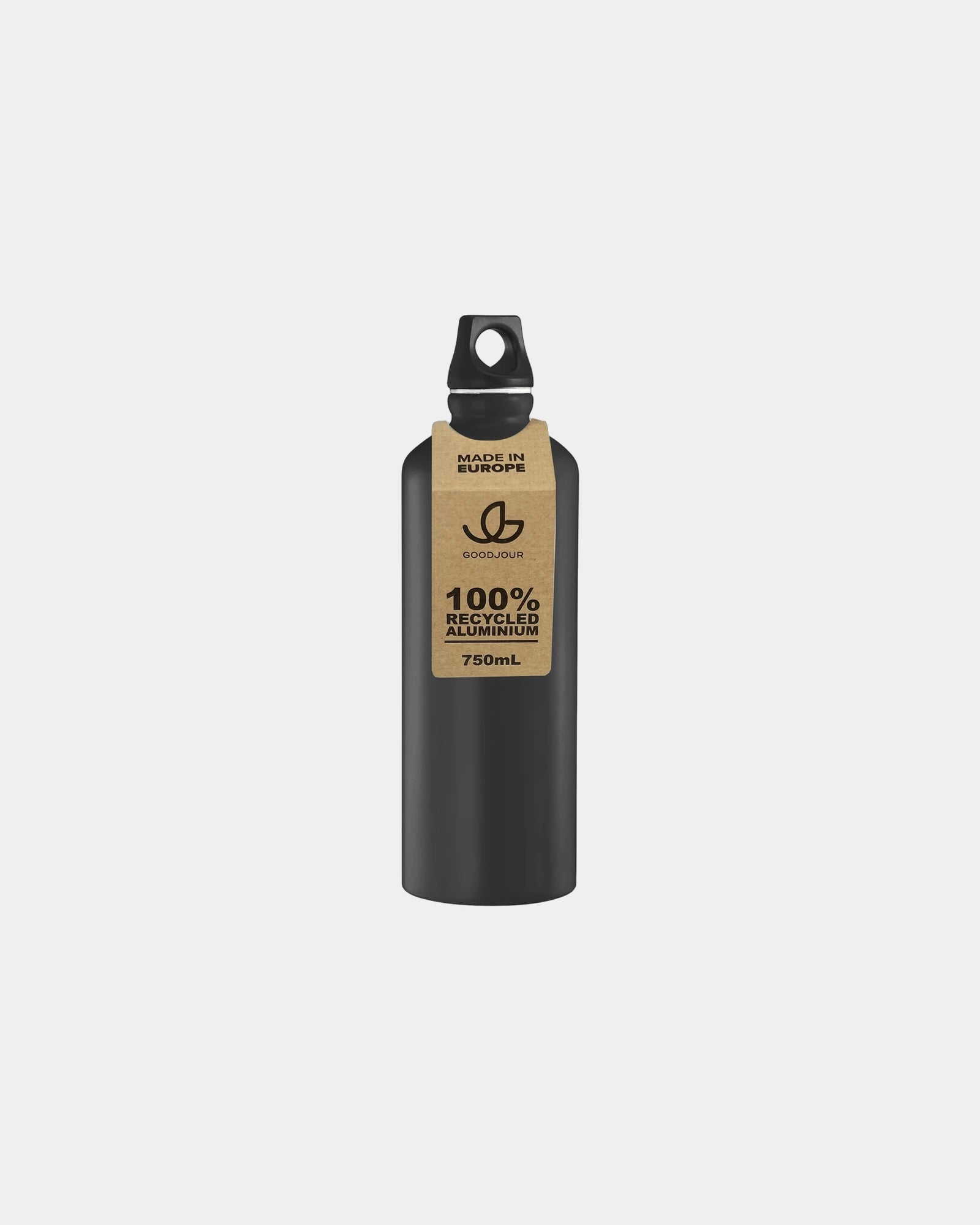
Custom promotional recycled aluminum water bottle Goodjour - 1Custom promotional recycled aluminum water bottle Goodjour - Black
Starting from £7
+ 2
  • Made in Europe
  • Eco friendly
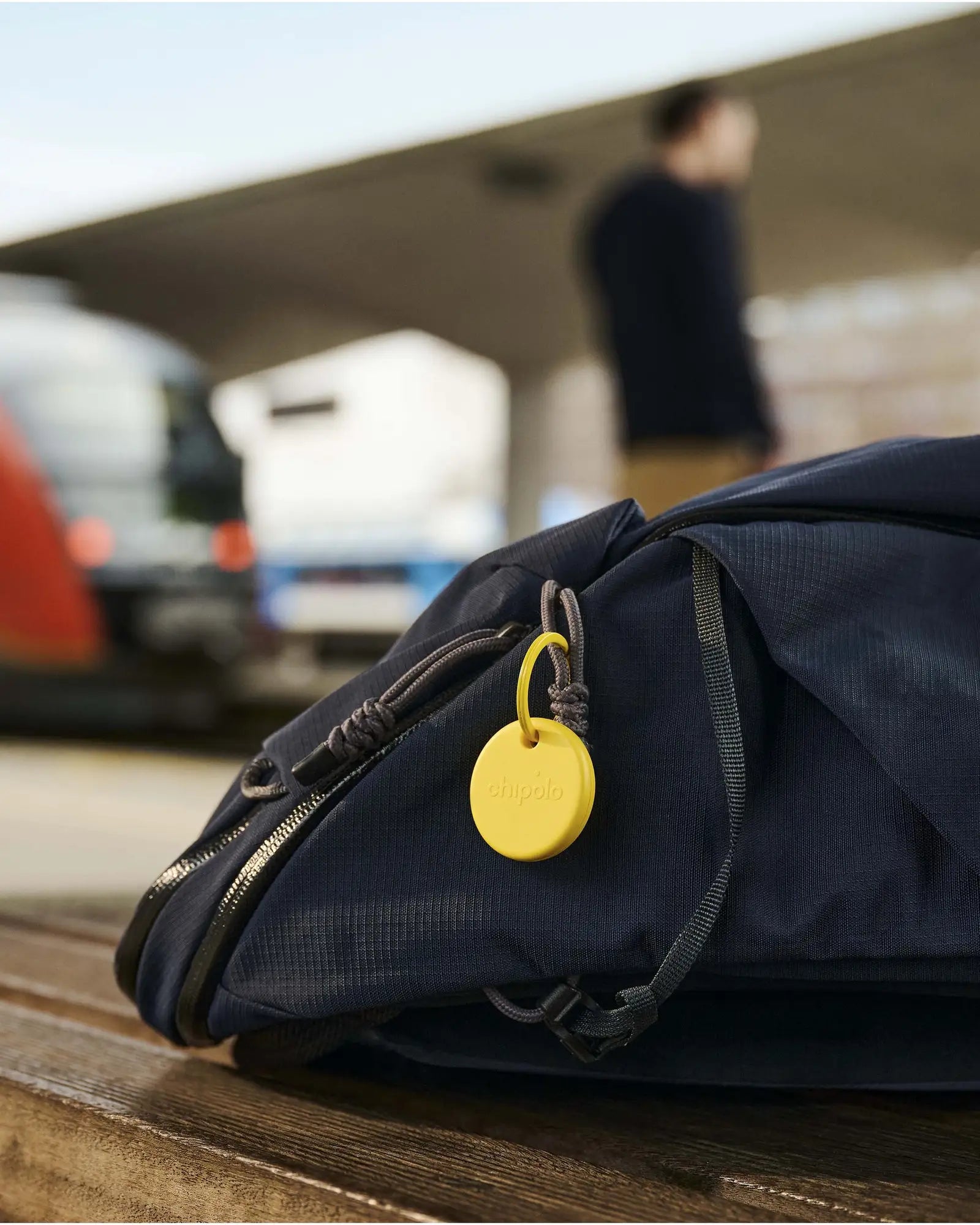
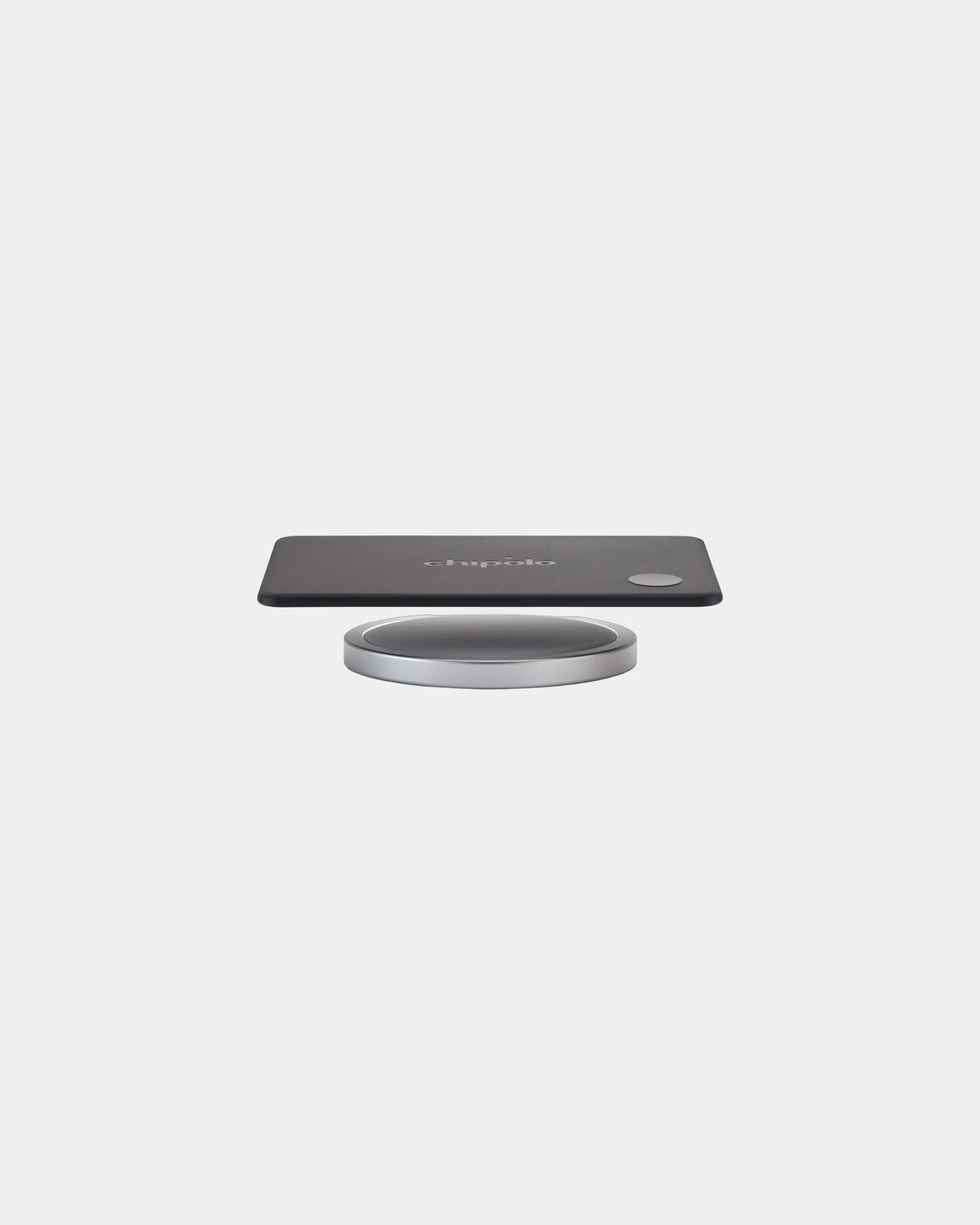
Custom promotional Chipolo POP tracking tag - 3Custom promotional Chipolo POP tracking tag - Yellow
Starting from £26
+ 3

Treat your clients and employees!

Rains

FAQ - Promotional Merchandise

Trusted by 1,000+ companies

What promotional merchandise does for a marketing budget

A marketing pound spent on a digital ad buys a glance and then disappears. The same pound spent on promotional merchandise buys a physical object a person keeps, refills, wears or charges from, and your logo rides along every time. That difference is the whole rationale for the category: you are not renting attention, you are placing your brand inside someone's daily routine.

The British Promotional Merchandise Association has long reported that most UK recipients keep a branded item they find useful, many for over a year. That retention is what makes the maths work. A printed bottle used at a desk five days a week is seen hundreds of times for one print cost. That is why the category earns its line on a marketing plan rather than competing with media spend.

This page is a hub, not a product page. Each section below frames one family of promotional merchandise or one route to market, from desk drinkware to branded event merchandise, then routes you onward to the collection holding the sizes, colours and decoration detail. Settle the category and the channel here; pin the exact unit on the linked page.

The item families that make up promotional merchandise

The category splits into five broad families, and most marketing briefs draw from two or three of them at once. Wearables put the logo on a person. Drinkware sits on a desk or in a gym bag. Tech rides in a pocket. Bags travel through a high street. Stationery stays on a working surface. Knowing which family suits the audience is the first decision before any spec.

Wearables top the visibility ranking because the logo travels on a person, out where strangers see it. Custom T-Shirts anchor this family for campaigns, staff teams and festival crowds, since a worn garment is read by everyone in the wearer's path across the life of the print. Your choice of fabric weight and cut settles whether it becomes a weekly favourite or drawer filler.

The other four families each solve a different visibility problem. The table below sorts them so you can read the trade-off at a glance before drilling into a single product.

FamilyWhere the logo travelsTypical lifespanBest audience
WearablesOut in public, on the bodyA year or more of wearEvents, staff, festival crowds
DrinkwareDesk, gym, commuteYears if reusableOffice, fitness, eco-led brands
TechPocket, laptop bagYears, kept for utilityConferences, senior prospects
BagsHigh street, campus, commuteMonths to yearsRetail, students, mailouts
StationeryWorking desk surfaceWeeks to monthsSeminars, mailers, reception

Drinkware: promotional merchandise that earns daily desk time

Why a refilled bottle out-earns other promotional merchandise

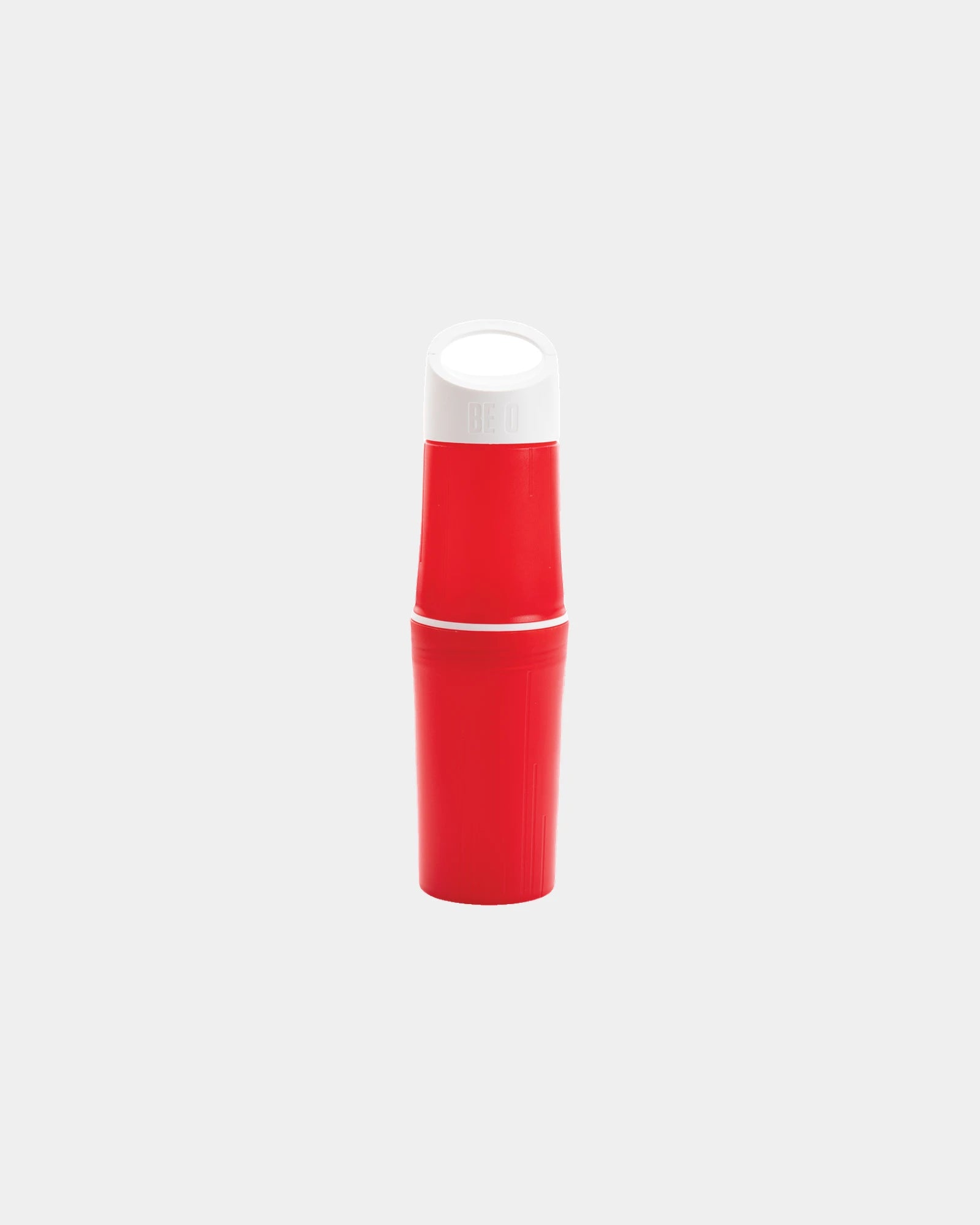
A reusable bottle or cup is the branded event merchandise item most likely to be picked up every single working day. A colleague who refills your branded bottle at the office tap is exposed to the logo more often than any campaign could afford to repeat itself. That repetition, not novelty, is what makes drinkware one of the strongest families in the category.

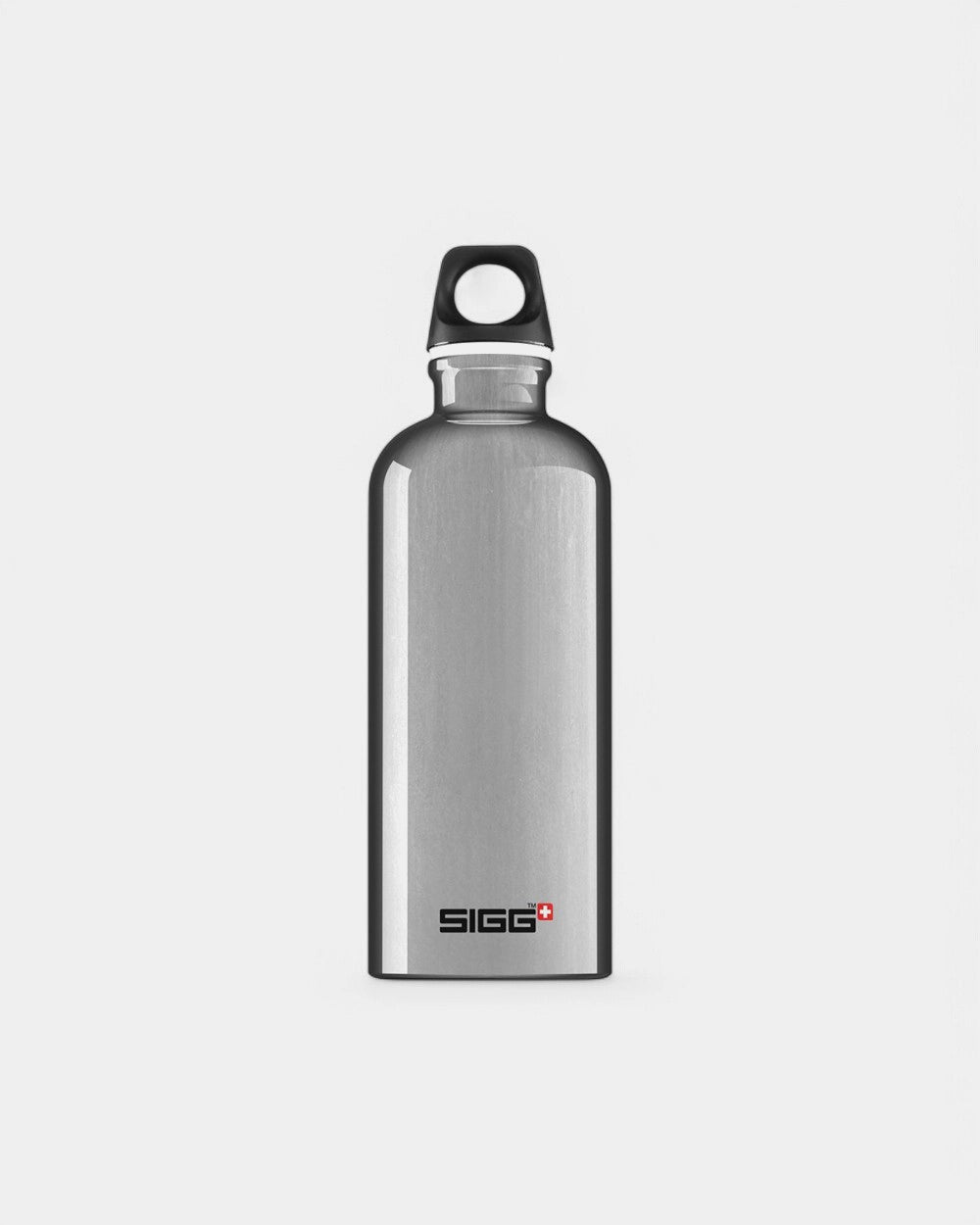
Personalised water bottles carry the choice between single-wall and double-wall insulation, capacity from around 500ml to 750ml, and a lid type that suits a gym bag or a boardroom. A brand leaning on a sustainability message gains real substance from drinkware, because a reusable bottle visibly displaces the throwaway cups it replaces.

Decoration on drinkware follows the body material. A coated metal flask suits a full-wrap print or a laser etch that lifts the underlying tone; a plastic body suits a screen ink. Check the finish against the branded event merchandise model you choose, since a single-colour etch reads very differently from a full-colour wrap on the same silhouette.

Tech as promotional merchandise people keep for utility

Of all promotional merchandise, tech is the family a recipient is least likely to bin, because a working gadget holds value beyond the print on it. When a phone dies late in a long working day, a branded charger turns into a rescue, and your logo inherits that gratitude every time the device is pulled out.

Branded power banks lead this family, with capacity tiers that track audience value. A slim 5,000mAh unit fits a broad high-volume handout; a 10,000mAh bank reads as a considered piece of branded event merchandise for a handful of key prospects. Each unit's recycled-cell figure differs from mould to mould, and the data sheet for the model states it, so you verify the exact one ahead of order.

Tech carries a higher unit cost than a pen, which changes how you deploy it. You do not scatter power banks across a hall; you reserve them for the contact worth a real gift, or the prize that pulls a qualified sign-up. The perceived value a recipient can weigh in the hand is the point, so a slightly heavier, better-finished unit out-earns a flimsy one twice over.

Bags: promotional merchandise that travels past your customer's reach

A branded bag is the rare piece of branded event merchandise that advertises to strangers. Hand a customer a roomy tote and your logo travels down a high street, through a campus and onto a train, passing hundreds who never met your brand directly. That knock-on exposure is what lets bags out-earn small desk freebies on pure visibility.

Personalised Tote Bags take a logo across a generous front face, legible from down the pavement rather than only up close. Cotton weight then sets the use case. A light 5oz tote works for a one-off campaign drop; a sturdy 8 to 10oz canvas carries a laptop and gets reused all year, stacking up the impressions per unit.

Bags also suit the direct-mail channel because they fold flat and post cheaply at volume. A 2,000-unit run shipped flat to a customer base reaches people a stand never would, and each recipient who reuses the tote turns one mailing into months of street-level advertising.

Stationery: low-cost promotional merchandise that seeds a logo widely

Stationery is the entry tier of the category, where the unit cost falls low enough to scatter a logo across a vast audience. The job here is reach, not perceived value, so the print run is large and the per-unit spend is pennies. The payoff is a logo landing on thousands of working desks for a sliver of a media budget.

Personalised pens are the workhorse of this branded event merchandise tier, posting flat in a mailer and writing your brand into every form a recipient signs. A pen that skips gets binned unused, so the barrel matters more than the saving; pick one that writes cleanly and it lives in a pen pot for months. A 5,000-unit batch puts your name in front of a wide audience for very little money.

Notepads and sticky notes raise stationery a tier, keeping a branded surface open on a desk through a working week. Stationery suits the reception channel and the seminar pack precisely because it is useful in the moment and cheap enough to give to everyone who walks in.

Matching promotional merchandise to the marketing channel

The same item performs differently depending on how it reaches the recipient, so the channel shapes the brief as much as the audience does. An event handout, a posted mailer, a reception giveaway and a retail add-on each impose their own constraints on weight, value and quantity. Brief by channel and the right family usually picks itself.

An event hands merchandise out face to face, so the item can be bulkier and the conversation does the work; a tote or a tech prize suits the floor as branded event merchandise. A mailout has to slip into an envelope at low cost, which favours pens, stickers and folded bags. A reception desk wants a steady, useful giveaway like a stationery item or a small drinkware piece. The table below lines up each route against the family that fits it.
ChannelConstraintBest-fit familyTypical run
Event or exhibitionFace-to-face, bulk allowedBags, tech prizes500-5,000
Direct mailoutMust post flat and cheapPens, stickers, flat bags1,000-10,000
Reception or counterSteady useful giveawayStationery, small drinkware500-2,000
Retail add-on or gift-with-purchaseLight, on-brand, repeatableWearables, drinkware1,000-5,000

Choosing promotional merchandise that gets used, not binned

The single test that separates branded event merchandise that works from landfill with a print run is whether the recipient would buy a plain version of the item for a few pounds. If they would, the item travels home and clocks up desk time; if not, it ends in a bin by the door and the budget goes with it. Usefulness, not gimmickry, decides retention.

Relevance to the audience drives keep-rate as hard as quality does. A tech-sector crowd keeps a charging cable; an active audience keeps a comfortable bottle; an office mailing list keeps a good pen. Tell us who receives the item and we point the order toward what that particular group genuinely pockets, not toward whatever costs least per unit.

Finish quality is the difference between a kept item and a discarded one. A restrained mark on a properly good notepad travels into a client meeting; a loud full-bleed print on a flimsy base gets pushed aside. Design for the keep, and across twelve months the price of each impression sinks under nearly any media route to the very same buyer.

Wearables in depth: promotional merchandise that becomes a uniform

Wearables do double duty in the category because the same garment can be a giveaway and a staff uniform at once. A team in matching branded kit reads as one group from across a room. The same shirt handed to a festival crowd turns an audience into a sea of walking signage, which is why wearables headline so many branded event merchandise briefs. Few other families work both inward and outward like this.

Lanyards are the most efficient wearable for events, branding visitors and staff in the same motion. Personalised lanyards worn by every badge-holder turn a whole hall into moving brand carriers, while a matching set on your own team makes staff findable in a crowd. The cord width, from a slim 15mm to a fuller 25mm band, sets how much of a printed message the lanyard can carry.

Apparel weight decides where a wearable performs. A light 150 to 180gsm fabric is right for a warm room or a summer push; a beefier 280gsm cloth withstands an outdoor day and carries a bold rear print. Pitch the gsm to the setting and the shirt earns a year of wear instead of a single outing.

The cost-per-impression case for promotional merchandise

How the cost-per-impression maths works for promotional merchandise

Marketing teams justify the category on cost per impression, and the maths favours merchandise heavily once an item is kept. The whole cost is paid once, at the print stage, and every use from then on is advertising you never pay for again. A bottle seen ten times a day for a year delivers thousands of impressions for a single unit cost, which no rolling ad spend matches.

Set the routes side by side and the gap is stark. A paid-search click is bought once and gone; a printed mug is bought once and reappears at every coffee break for months. The longer an item's working life, the cheaper each sighting of the logo, which is why durable, useful merchandise beats a stack of disposable freebies on the metric that matters.

The trap to dodge is buying on lowest unit price alone. A pennies-each item nobody keeps costs infinitely per impression, because the impressions never happen. A few-pounds item used daily for a year is the cheaper buy in real terms. Brief the budget against keep-rate, not the cheapest line on the quote.

Matching promotional merchandise to your sector and audience

Different buyers keep different objects, so the family that wins changes with the sector you are reaching. A fitness brand gets weeks of gym-bag visibility from a bottle that a stationery line would never earn from the same crowd. Reading the audience before the spec is what stops a generic order that suits no one in particular.

A university freshers audience pockets a tote and a bottle for a campus year; a tech-conference crowd keeps a power bank or a charging cable for its sheer utility. A hospitality or retail customer responds to a wearable they would happily be seen in. The table below pairs common UK sectors with the branded event merchandise their audience actually retains.

Sector or audienceWhat they keepLead familyWhy it lands
University and studentTote, bottle, hoodieBags and drinkwareUsed daily across a campus year
Tech and conferencePower bank, charging cableTechStandalone utility outlasts the event
Fitness and outdoorInsulated bottle, capDrinkware and wearablesVisible at the gym and on the move
Office and B2B mailoutPen, notepad, mugStationery and drinkwareSits on a working desk for months
Retail and hospitalitySoft tee, toteWearables and bagsWorn or carried into public by choice

Quantity, decoration and lead time across promotional merchandise

Because this hub spans five families, the order detail differs by line, but two rules hold across the category. Bigger volumes open up cheaper print methods, and a printed order reaches you three weeks after you approve the proof. We proof artwork free inside 24 hours, which keeps a multi-line order moving from first brief through to dispatch.

Run size shifts the decoration route on every family of branded event merchandise. A 200-unit batch goes digital at a steeper price each; a 5,000-unit order opens up screen or pad work and a much lower cost per piece. That tipping point lands in a different place for a pen than for a power bank. Give us the family, the volume and the deadline, and we fit the method to your order.

Item surfaceMarking routeFinished look
Cotton tee or toteScreen ink, or stitched embroideryFlat solid colour, or a raised thread finish
Coated metal bottleLaser etch, or a wraparound printBase tone revealed, or full-colour artwork
Plastic body or pen barrelPad or screen inkSharp single colour, or full-colour panel
Tech casingPad ink, or laser engravingLow-key logo that shrugs off daily handling
Notepad or card coverPressed deboss, or printQuiet recessed mark, or a colour block

Sustainability claims sit per product, never across the hub. We quote the recycled or organic content against the specific line you choose. A cotton tote and a metal bottle each carry their own verified figure, not a hub-wide label. Picking a reusable object that retires a pile of disposables is the real eco gain, well beyond any percentage on a print.

  • Brief by channel first, then pick the merchandise family
  • Test every item against the would-they-buy-it-plain rule
  • Reserve tech for high-value contacts, not mass handouts
  • Match cotton gsm to one event or a year of wear
  • Buy on cost-per-impression, never lowest unit price alone
  • Confirm the recycled figure on the chosen line's data sheet

Turning a first promotional merchandise run into a standing programme

The strongest return on promotional merchandise rarely comes from the first order. It comes from the second, when a proven item repeats for the next intake or campaign with no fresh sourcing round. A bottle that landed well as branded event merchandise becomes the default staff gift the following year. A tote that worked as a mailer becomes the standing welcome piece. The setup cost is paid once, and every repeat rides on it.

Running branded event merchandise as a programme rather than a one-off also keeps the brand consistent as a team or campaign grows. One approved vector master holds the logo steady across every family, so a mug, a flask and a polo all read as the same brand a year apart. We log the spec against your account, which turns a reorder into a short email rather than a full brief.

The cost case sharpens at the programme level too. A run planned as a recurring line is set up to repeat economically, where the same item treated as a one-off pays the setup each time. Decide the rhythm early, whether that is every intake or every campaign, and the per-unit figure settles lower across the year than a string of separate orders ever would.