Branded eco products

Atelier Box gathers sustainable promotional products for the buyer who has to defend a giveaway in a sustainability report, not just hand it out. The range spans recycled rPET and reclaimed-plastic items, organic and recycled cotton, cork, untreated wood, jute and FSC paper, plus reusable bottles and totes that displace single-use stock. Every claim is documented per line on a short European chain, so sustainable promotional products survive a procurement reviewer.
FILTRER
  • Eco-friendly
  • Made in France
  • Made in Europe
  • B corporation
TRIER
  • Price, low to high
  • Price, high to low
1266 produits
  • Eco friendly
Promotional recycled stainless steel travel mug 470ml - GreyPromotional recycled stainless steel travel mug 470ml - Cream
Starting from £30
  • Eco friendly
Custom recycled stainless steel tumbler 1200ml - 1Custom recycled stainless steel tumbler 1200ml - Cream
Starting from £42
  • Eco friendly
Custom recycled stainless steel water bottle - 1Custom recycled stainless steel water bottle - Frosted White
Starting from £41
  • Eco friendly
Custom recycled stainless steel water bottle 350ml - 1Custom recycled stainless steel water bottle 350ml - Cream
Starting from £32
  • Eco friendly
Promotional stainless steel travel mug 350ml - 1Promotional stainless steel travel mug 350ml - Cream
Starting from £28
  • Eco friendly
Promotional eco-friendly PU desk pad - 1Promotional eco-friendly PU desk pad - Dark Grey
Starting from £7
  • Made in France
  • Eco friendly
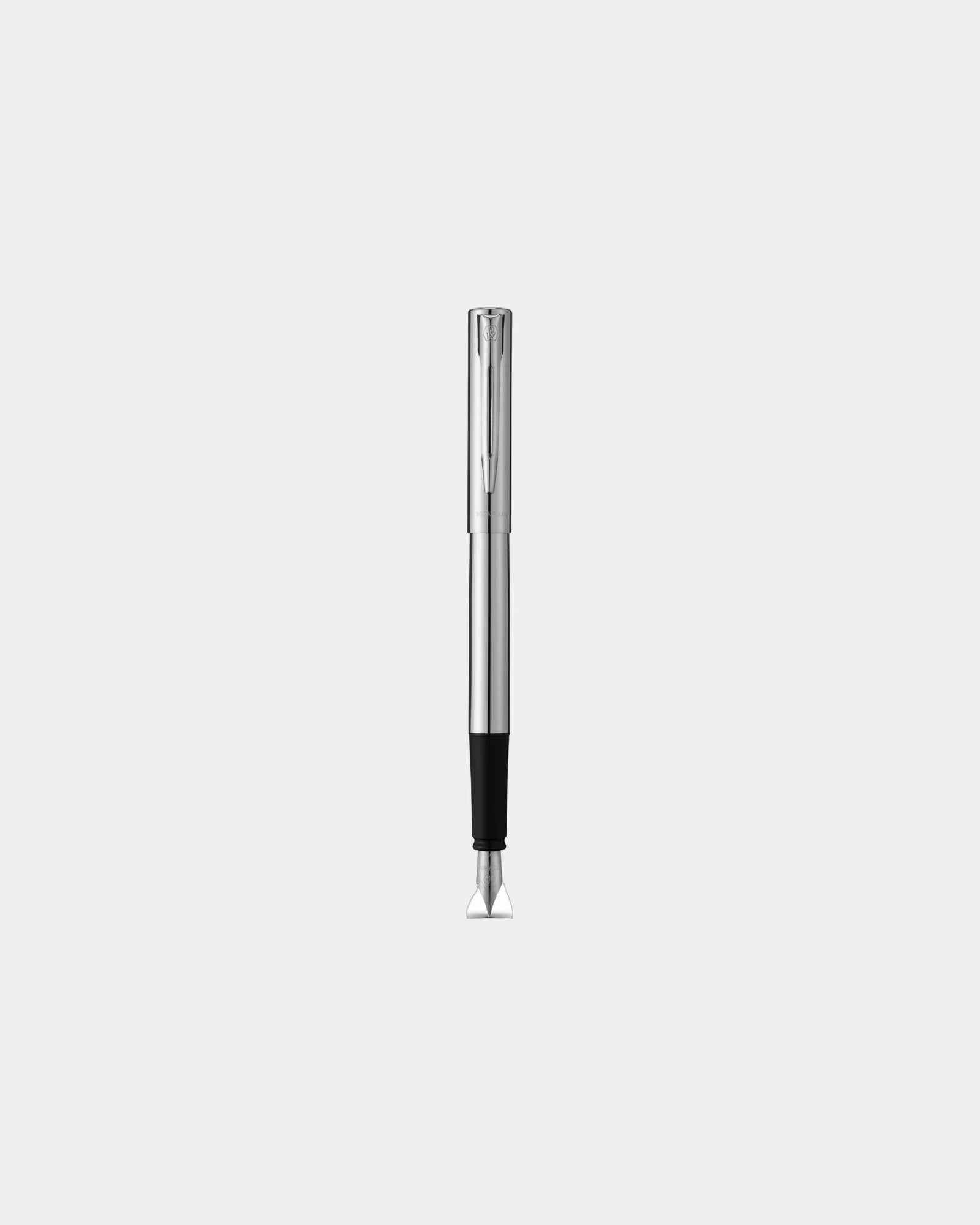
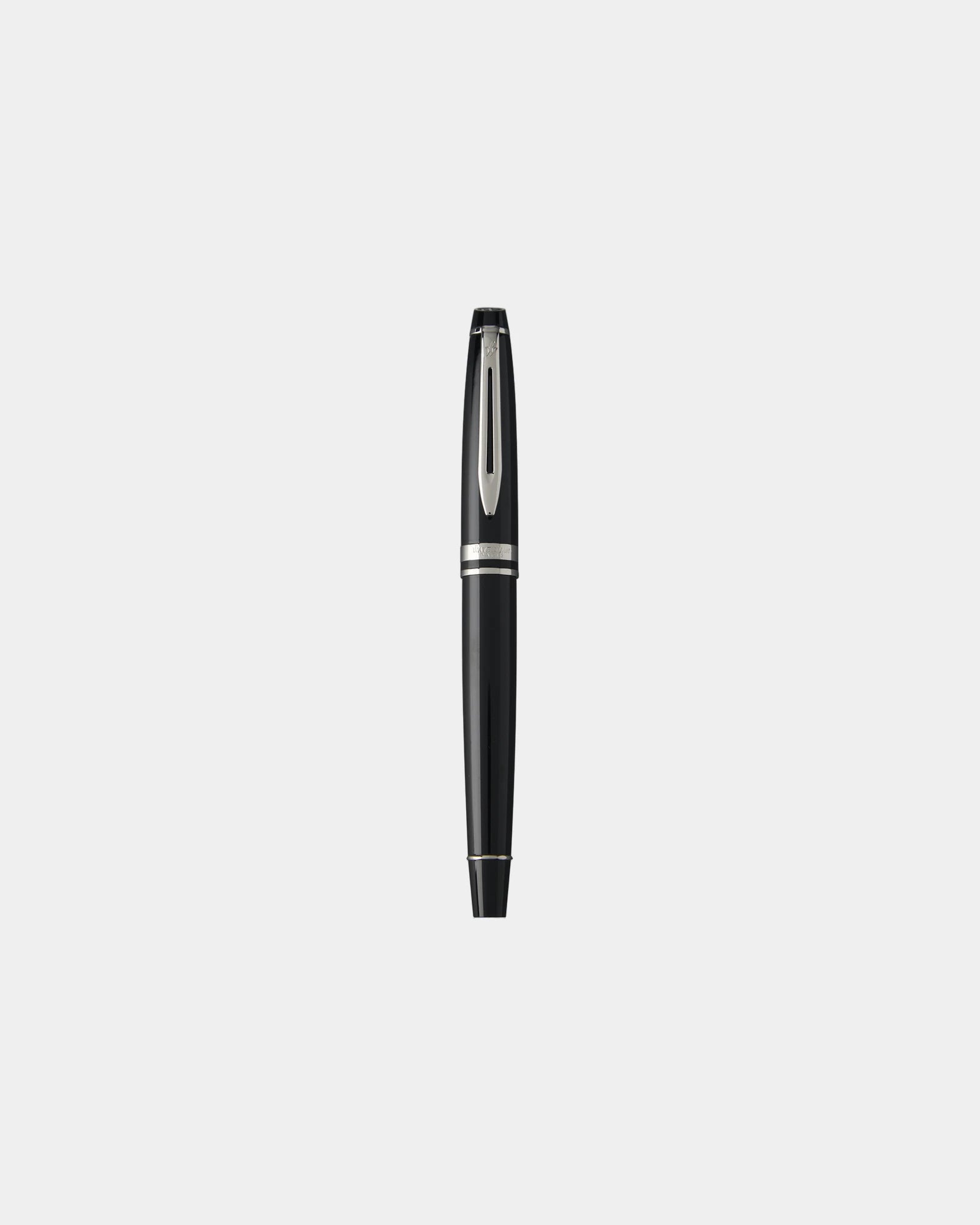
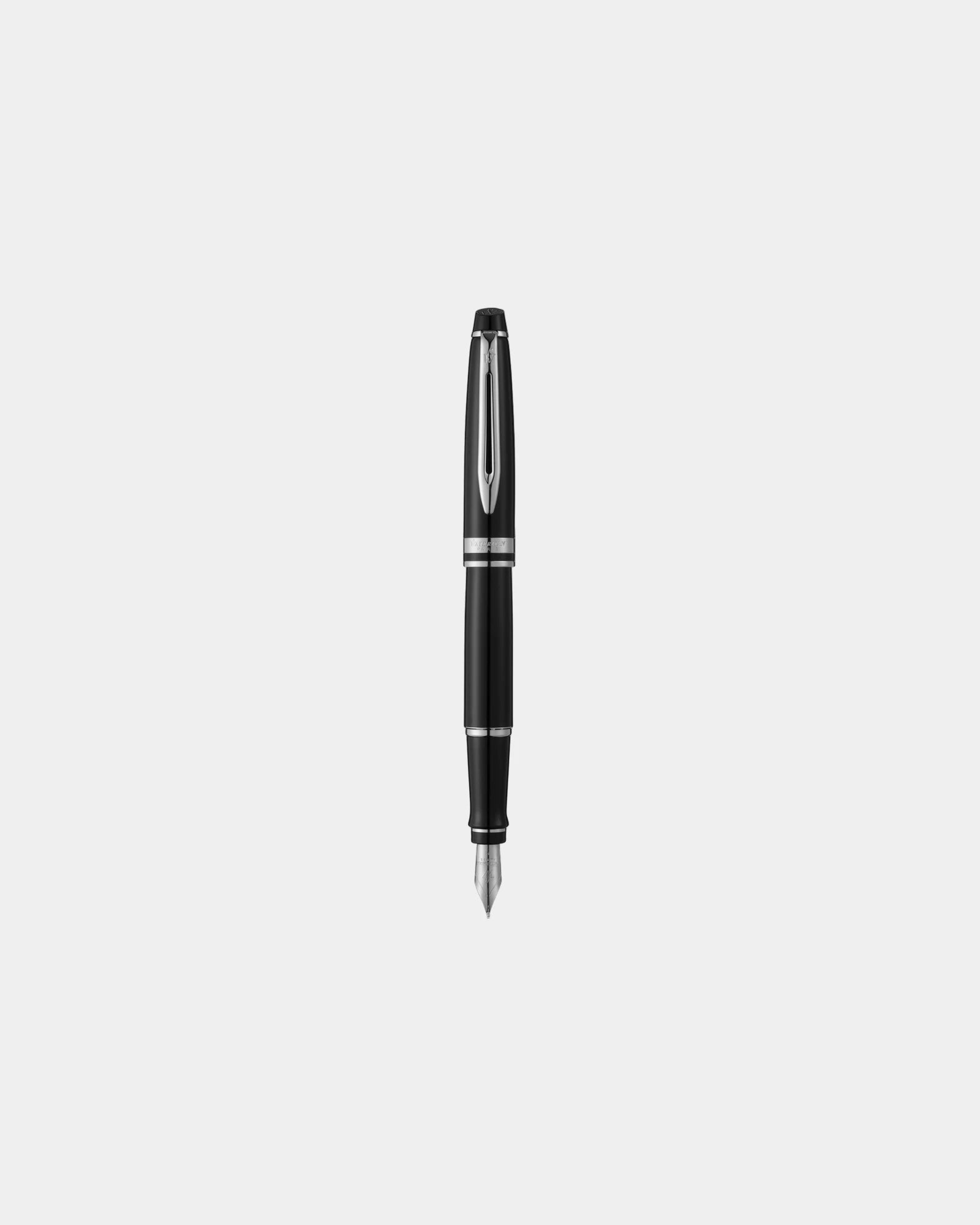
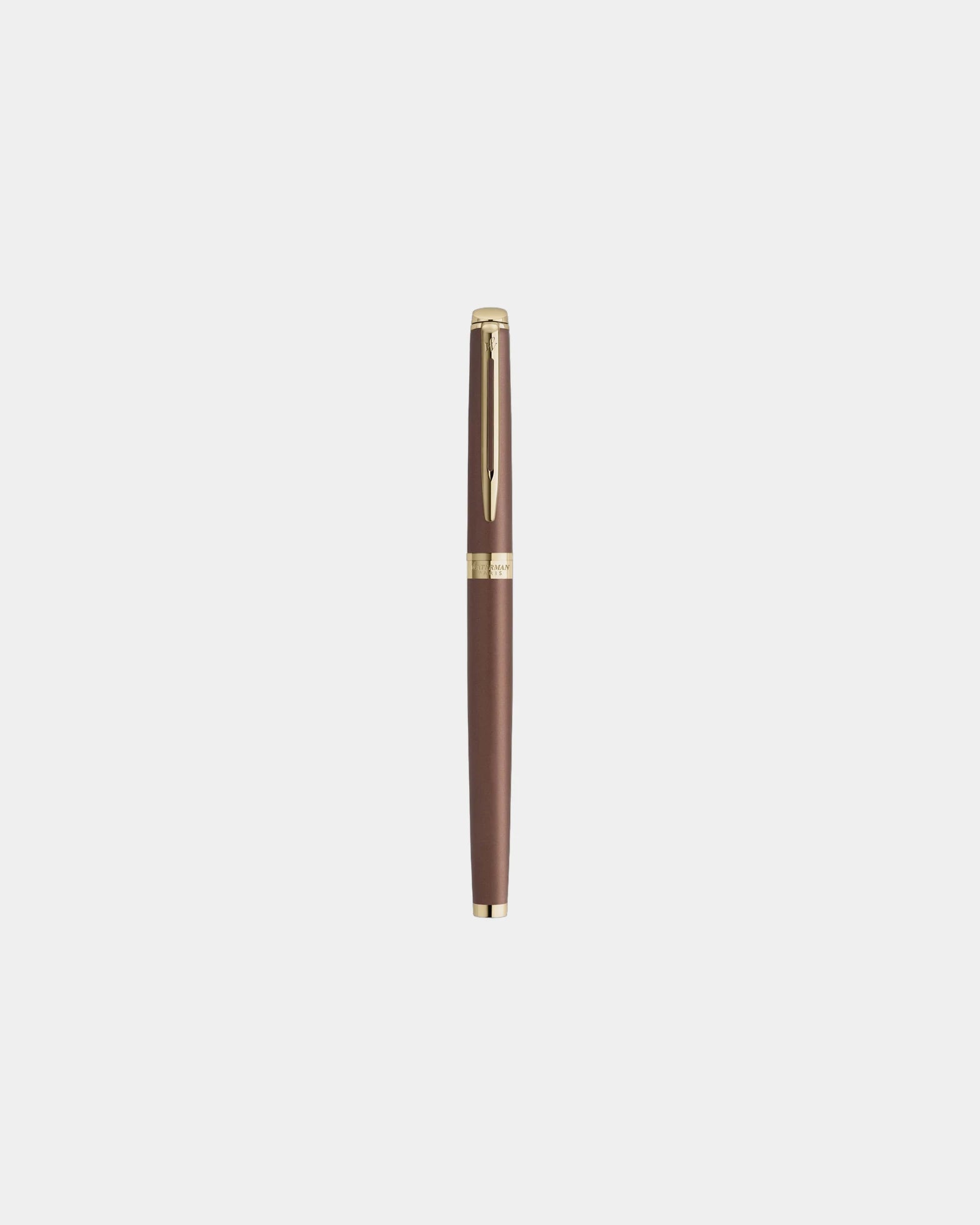
Custom eco-friendly Waterman Hemisphere fountain pen - 1Custom eco-friendly Waterman Hemisphere fountain pen - Copper
Starting from £87
  • Made in France
  • Eco friendly
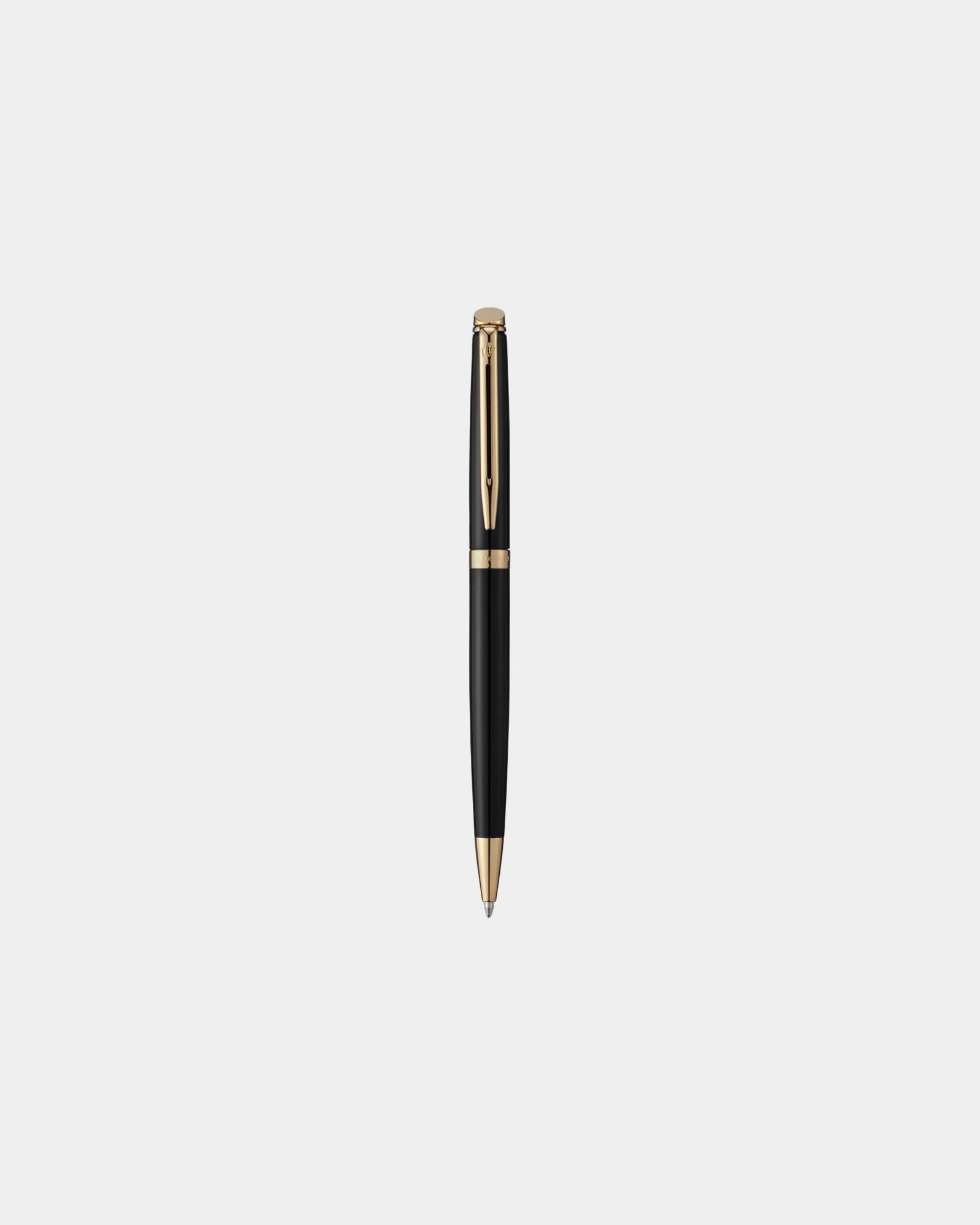
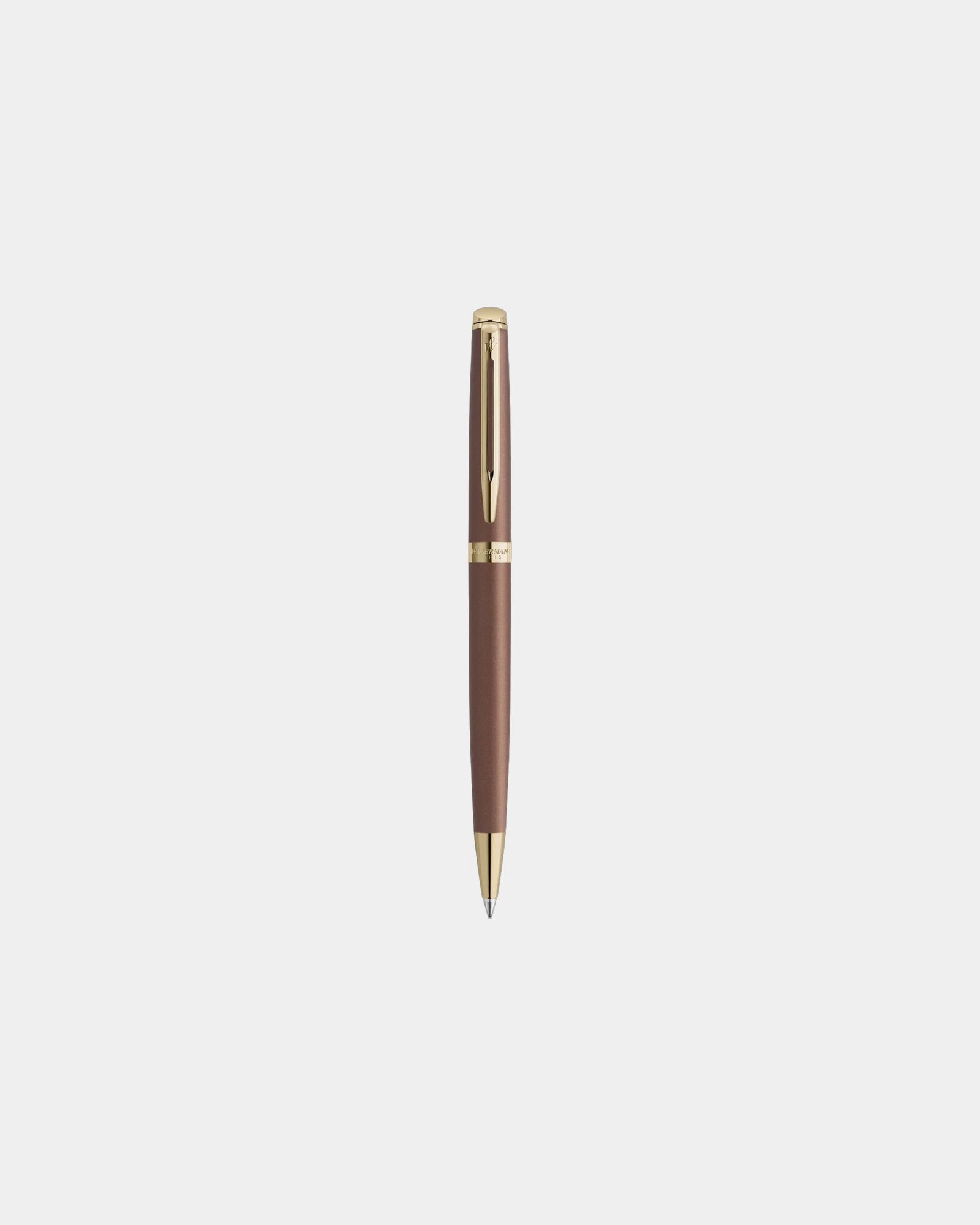
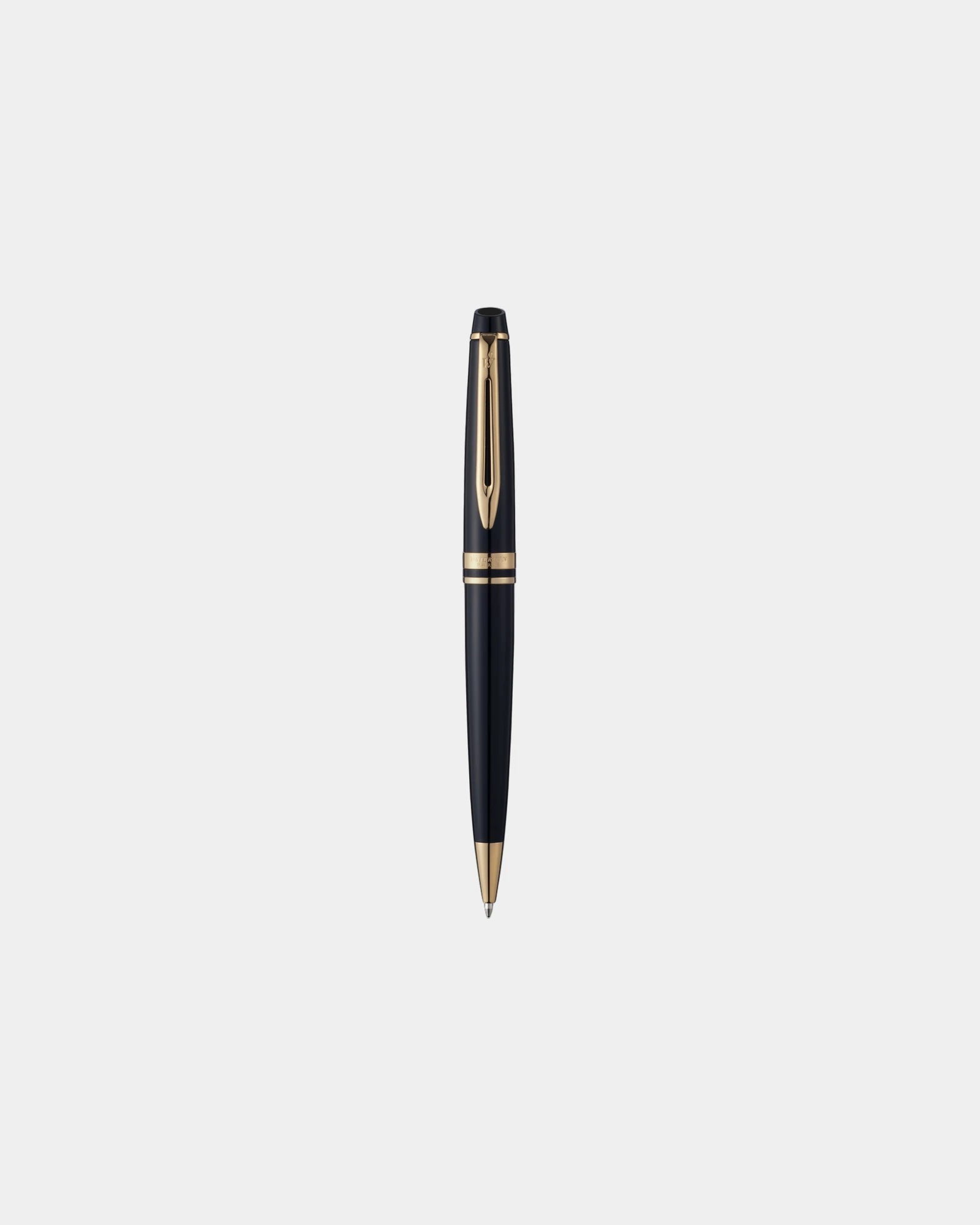
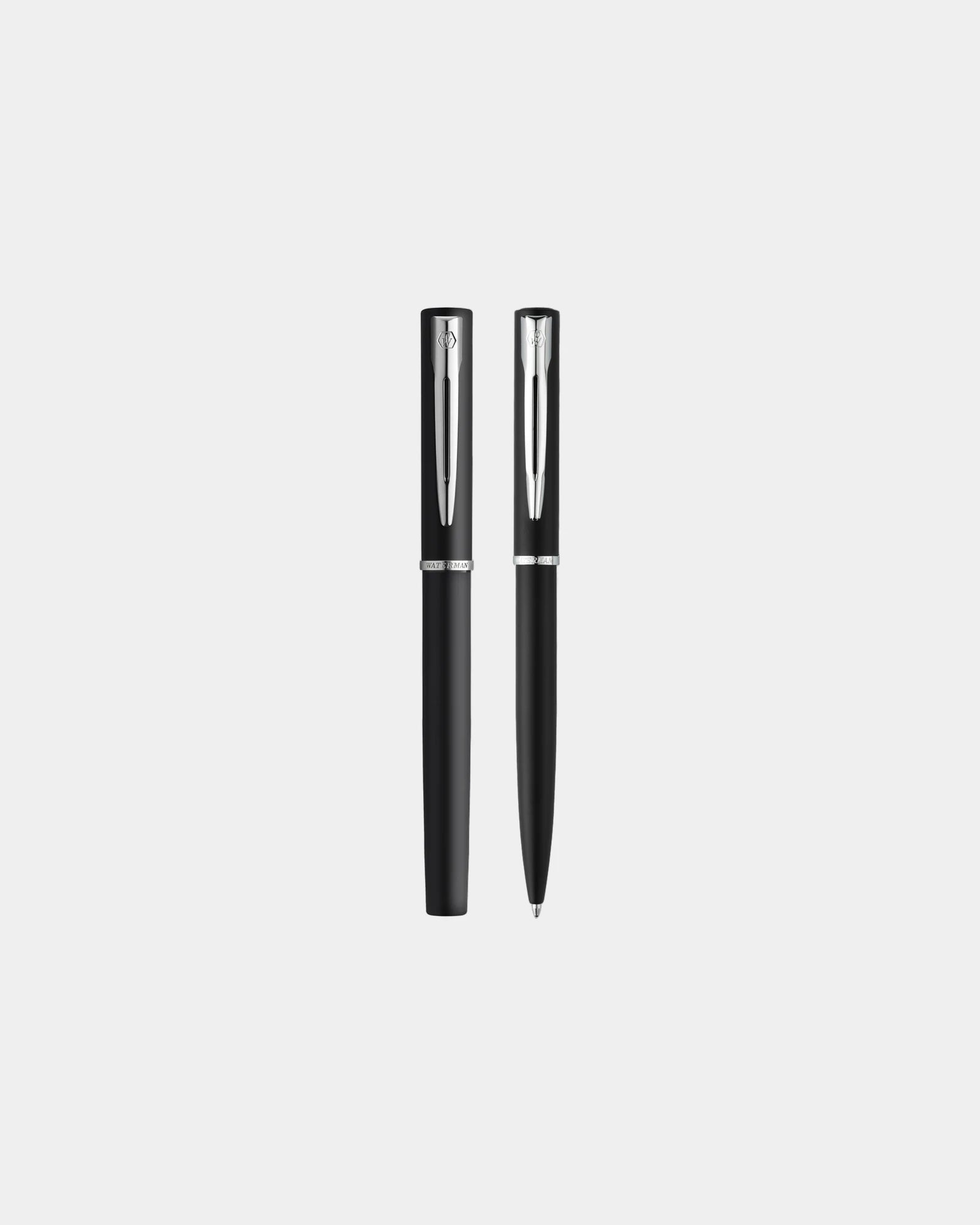
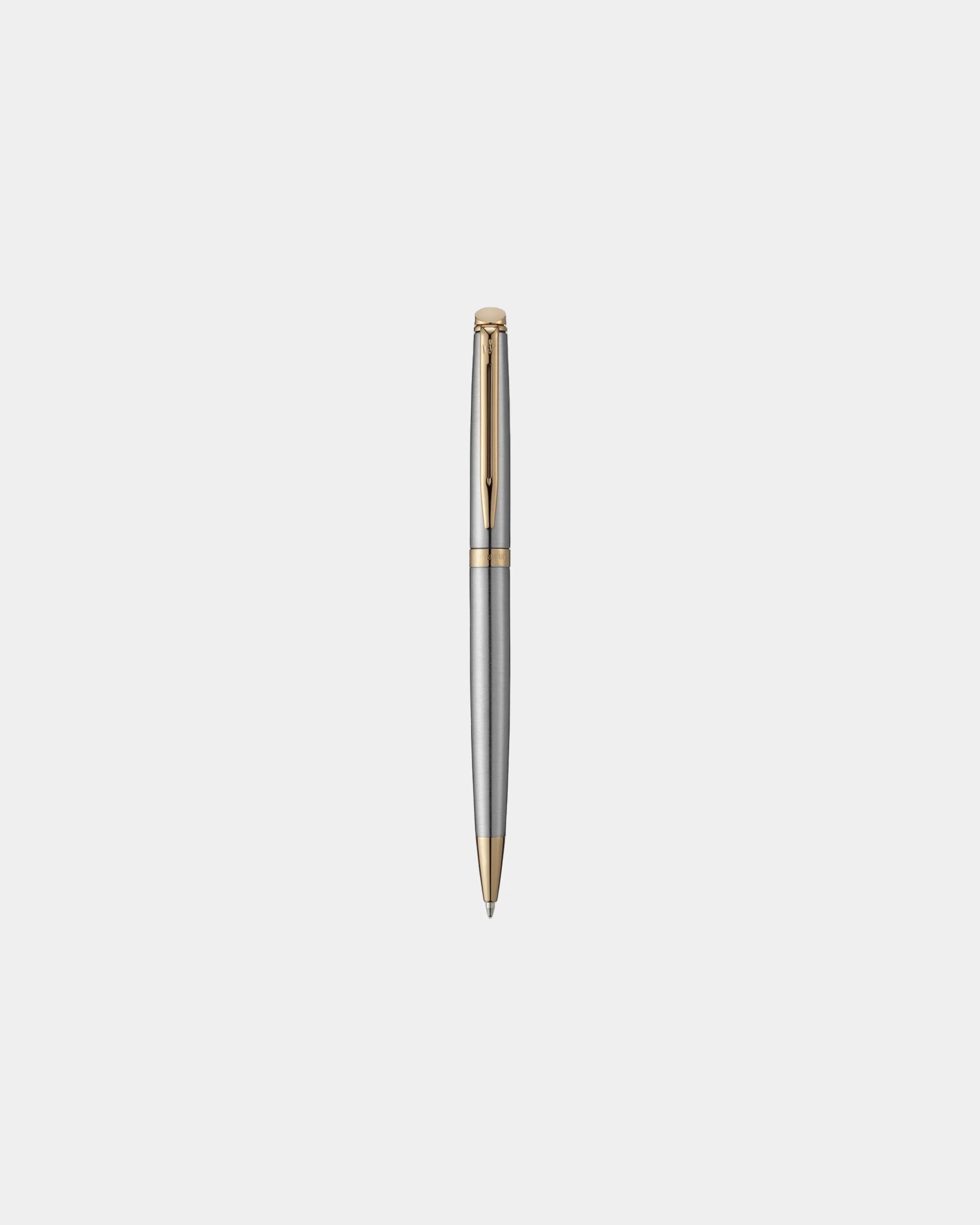
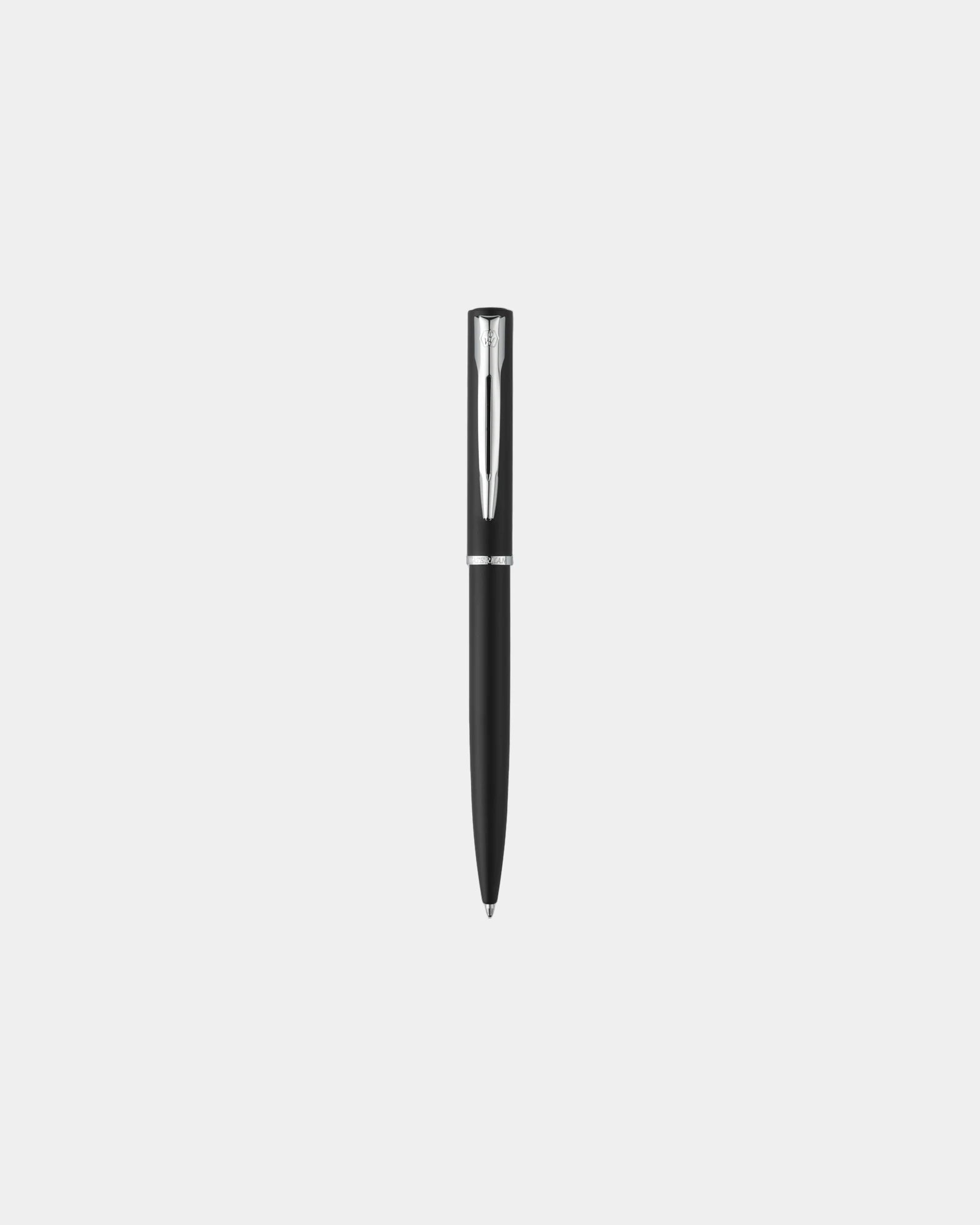
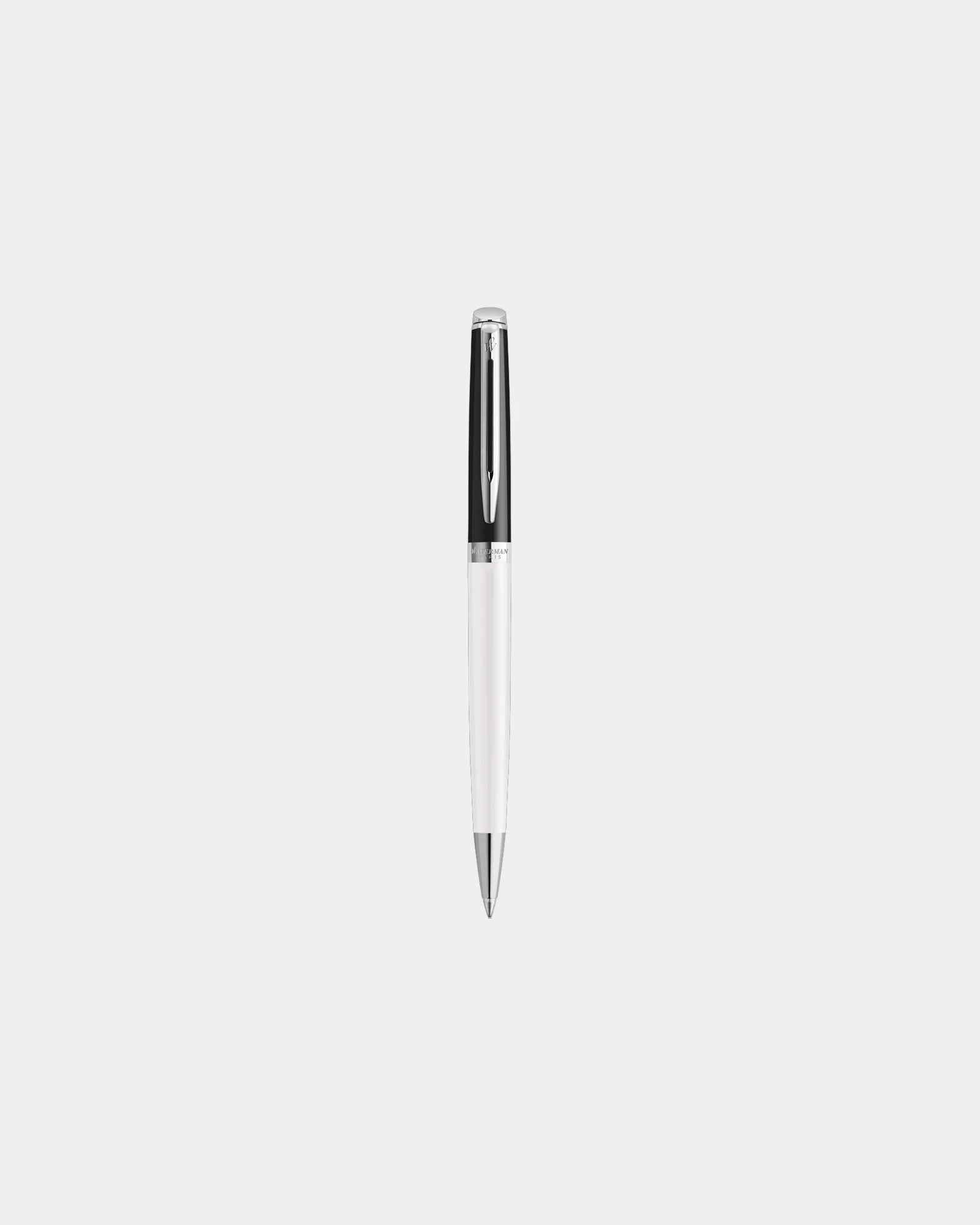
Custom eco-friendly Waterman Hemisphere ballpoint pen - 1Custom eco-friendly Waterman Hemisphere ballpoint pen - Copper
Starting from £67
  • Made in France
  • Eco friendly
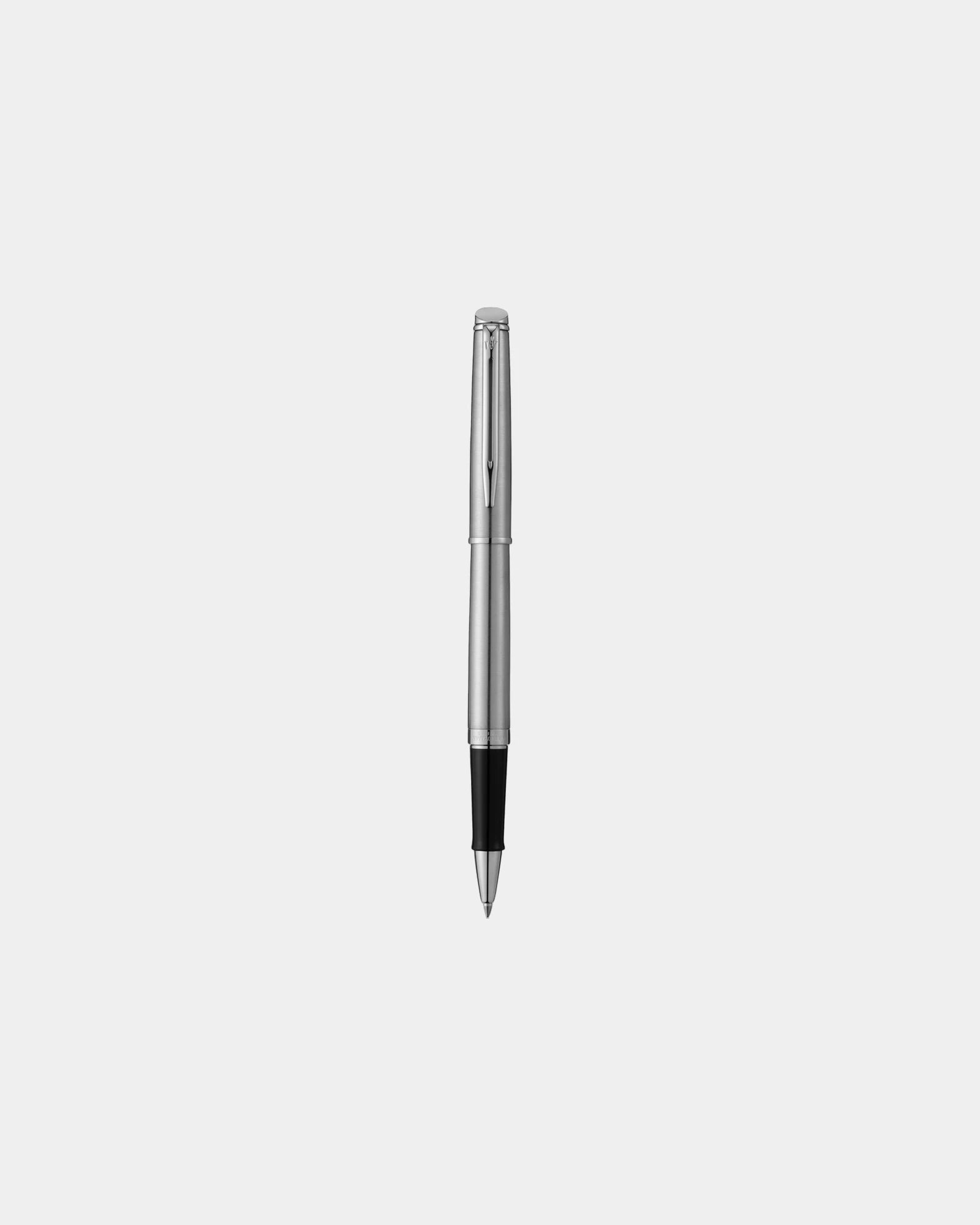
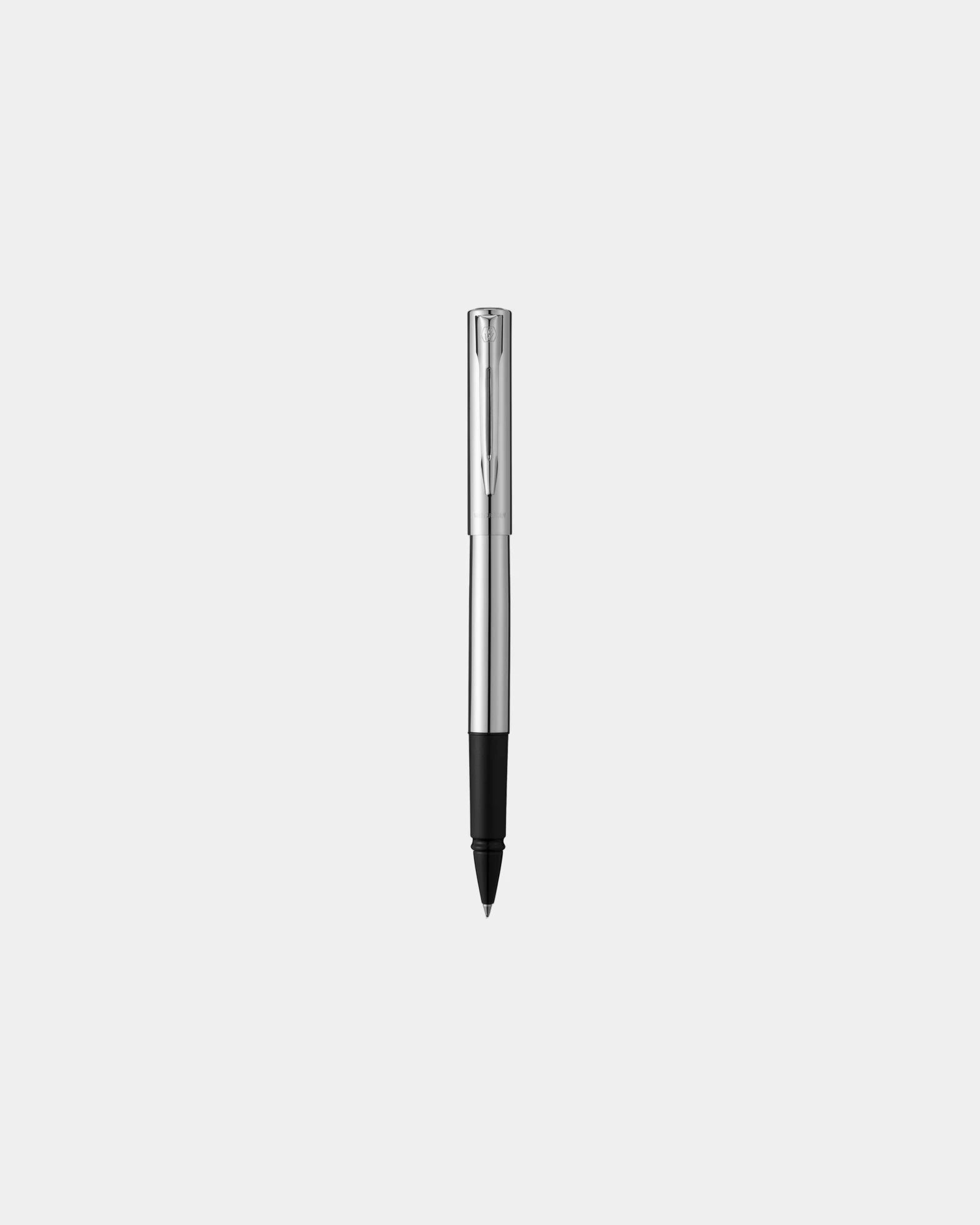
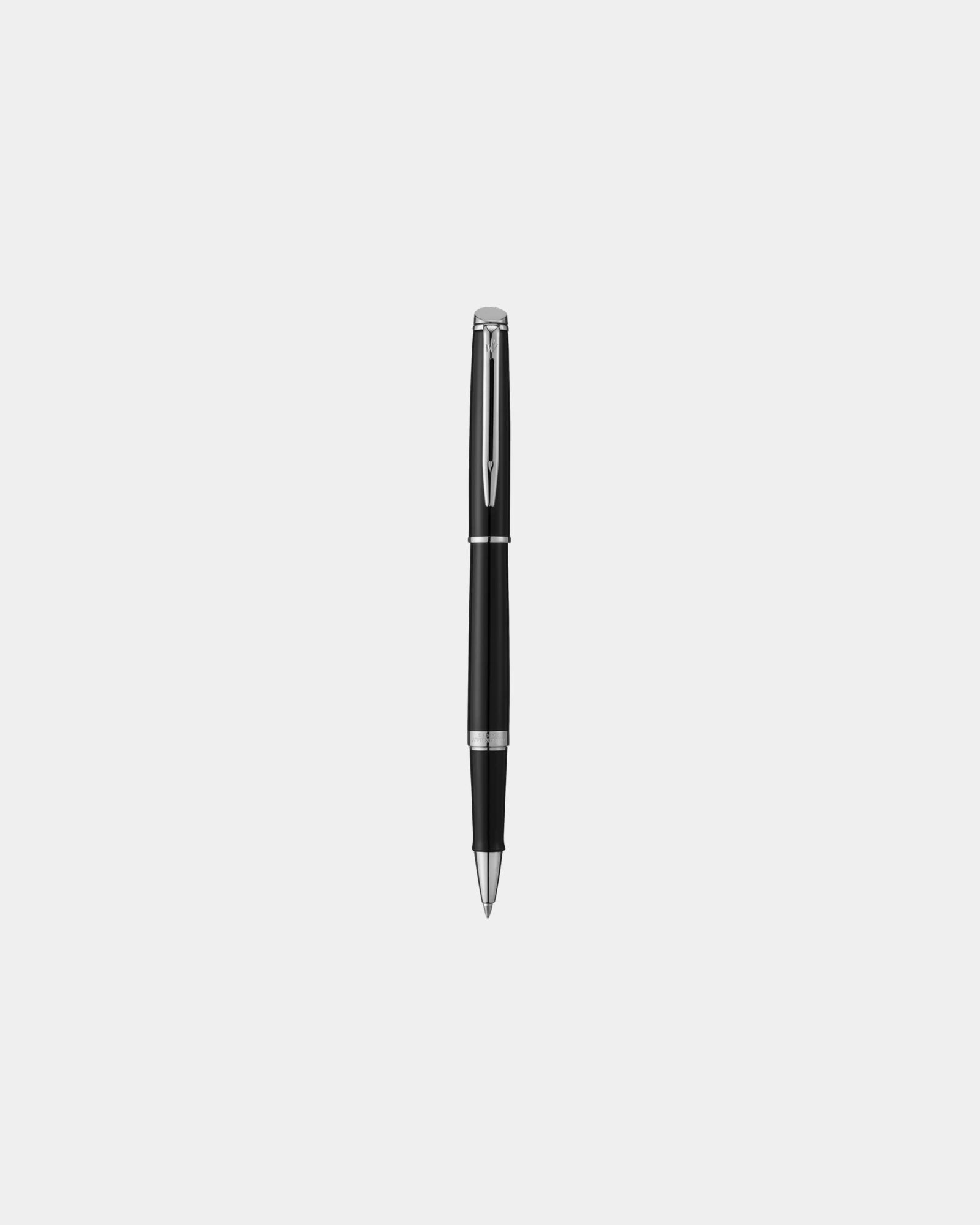
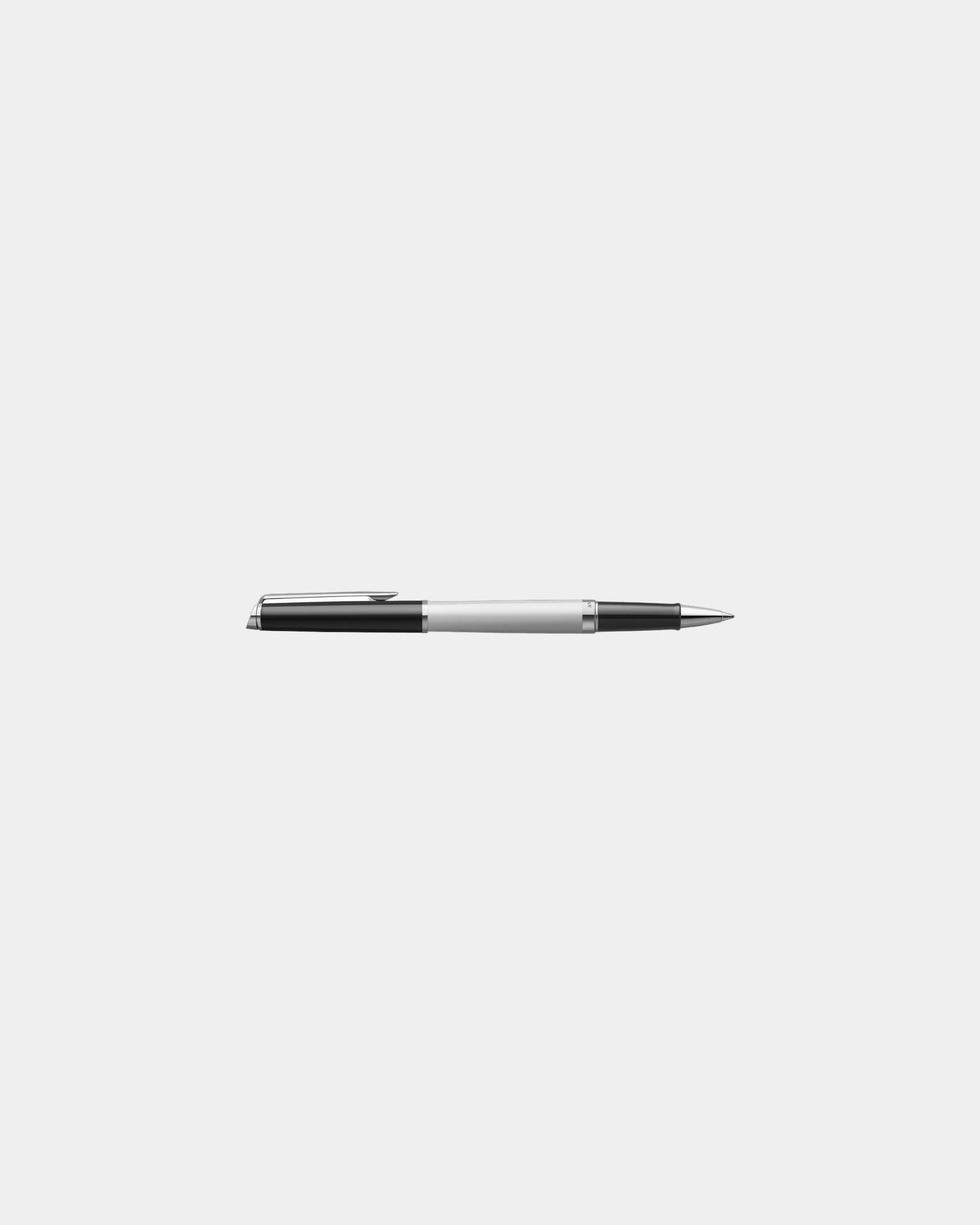
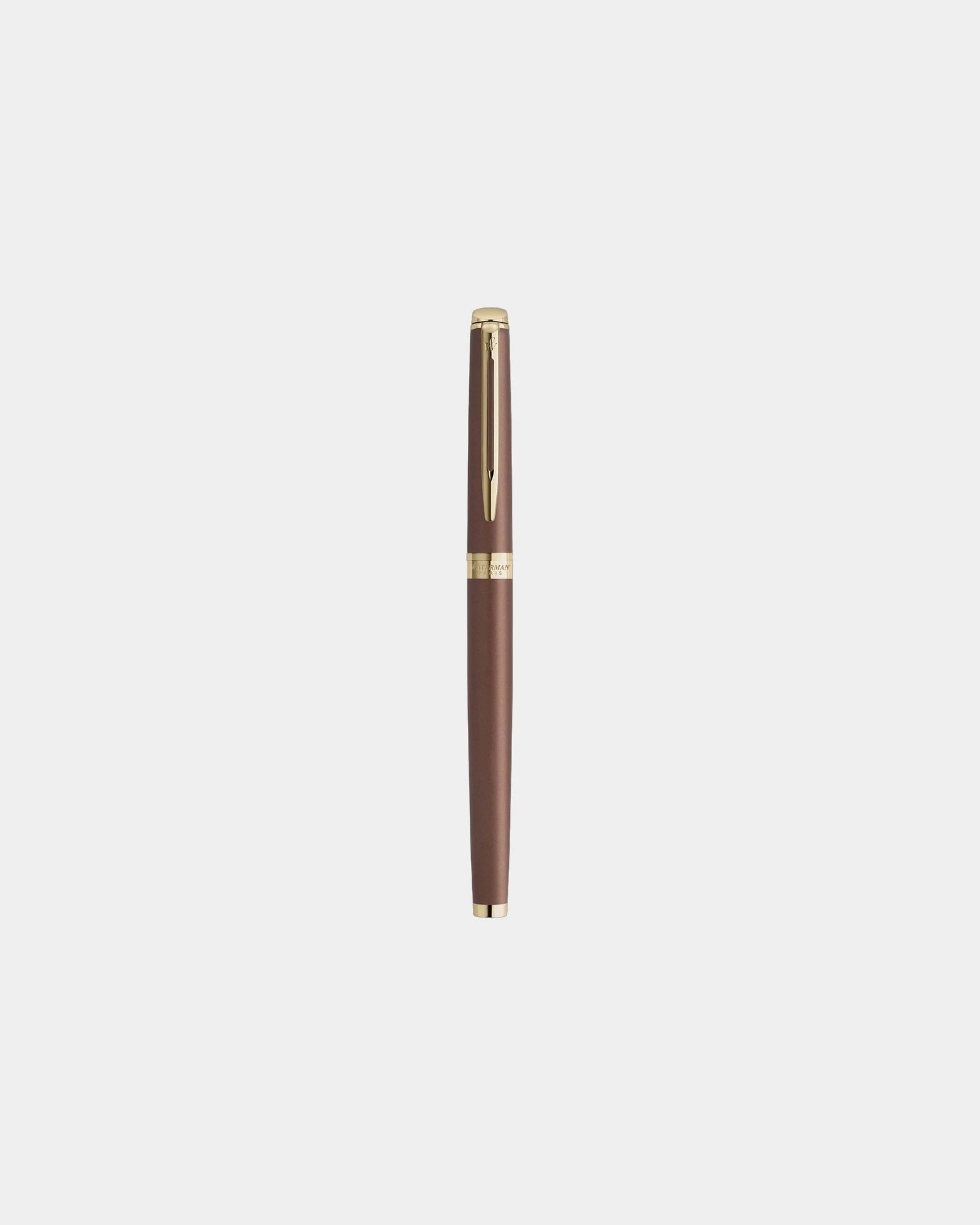
Custom eco-friendly roller pen Waterman Hemisphere F - 1Custom eco-friendly roller pen Waterman Hemisphere F - Copper
Starting from £109
  • Made in Europe
  • Eco friendly
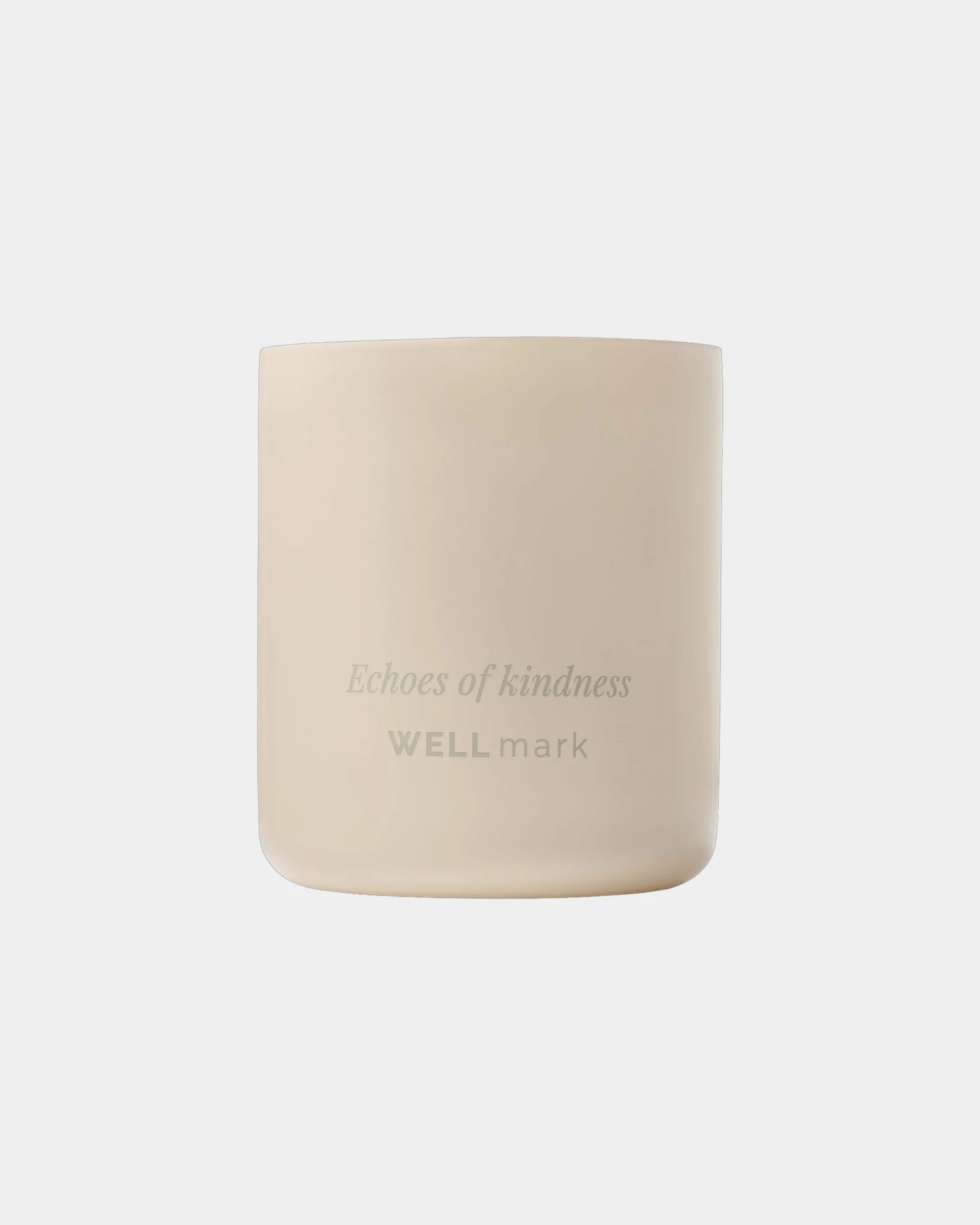
Promotional eco-friendly scented candle Wellmark - 1Promotional eco-friendly scented candle Wellmark - Ecru
Starting from £20
  • Made in Europe
  • Eco friendly
Promotional eco-friendly shower gel 250ml - 1Promotional eco-friendly shower gel 250ml - Heather Amber
Starting from £11
  • Made in Europe
  • Eco friendly
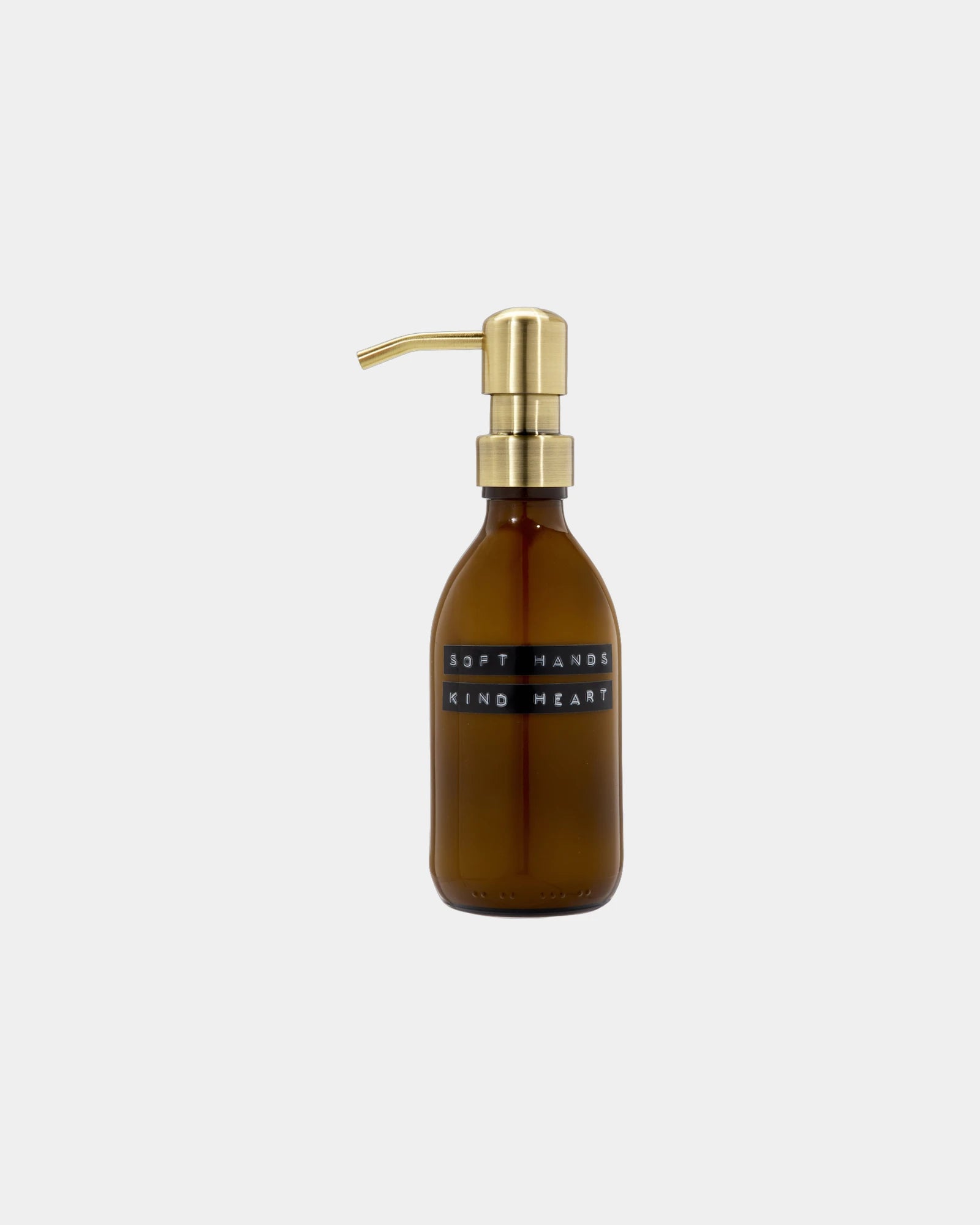
Promotional eco-friendly soap dispenser and candle set - 1Promotional eco-friendly soap dispenser and candle set - White
Starting from £21
  • Made in Europe
  • Eco friendly
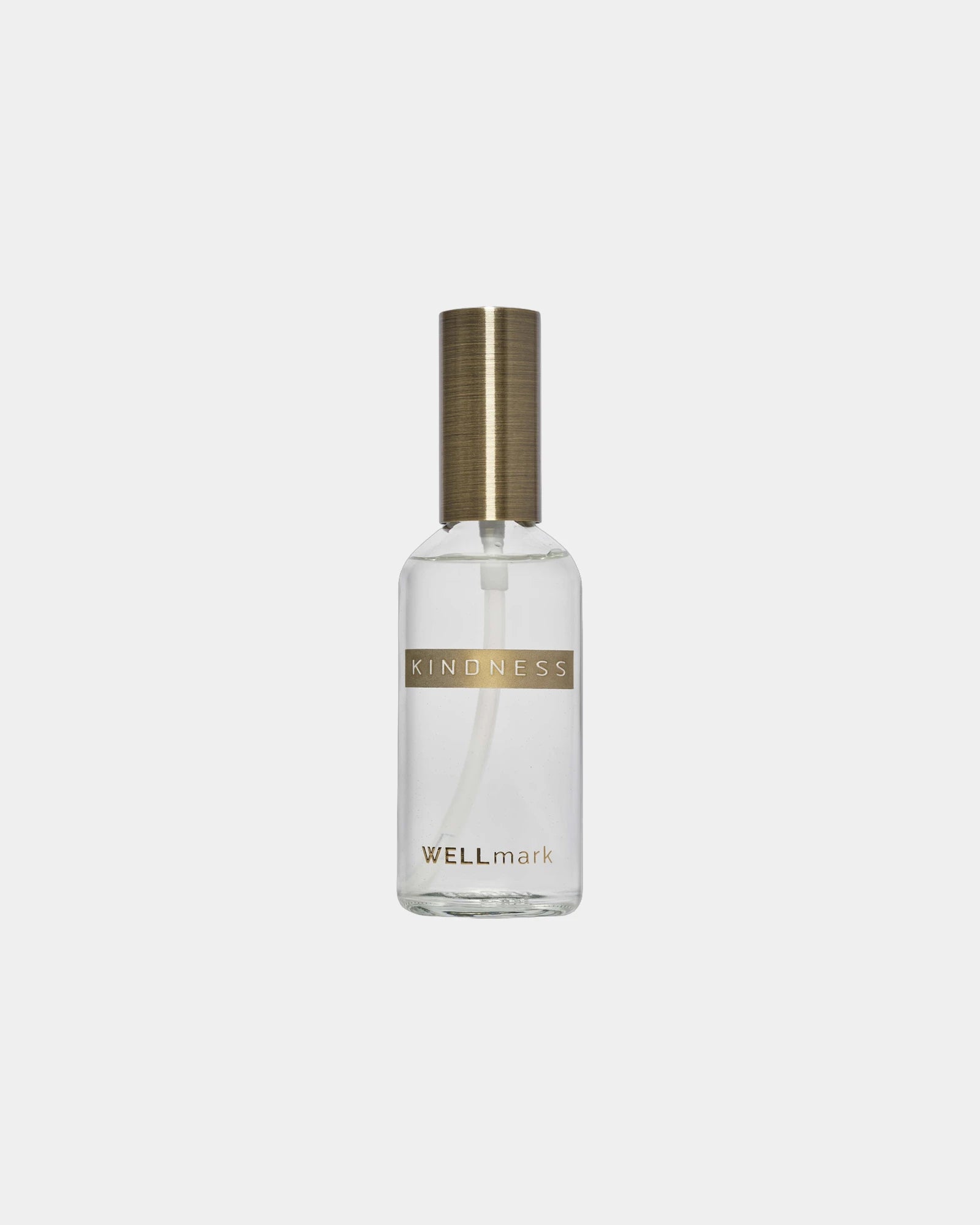
Promotional eco-friendly 100ml glass spray Wellmark - 1Promotional eco-friendly 100ml glass spray Wellmark - Translucent
Starting from £20
  • Made in Europe
  • Eco friendly
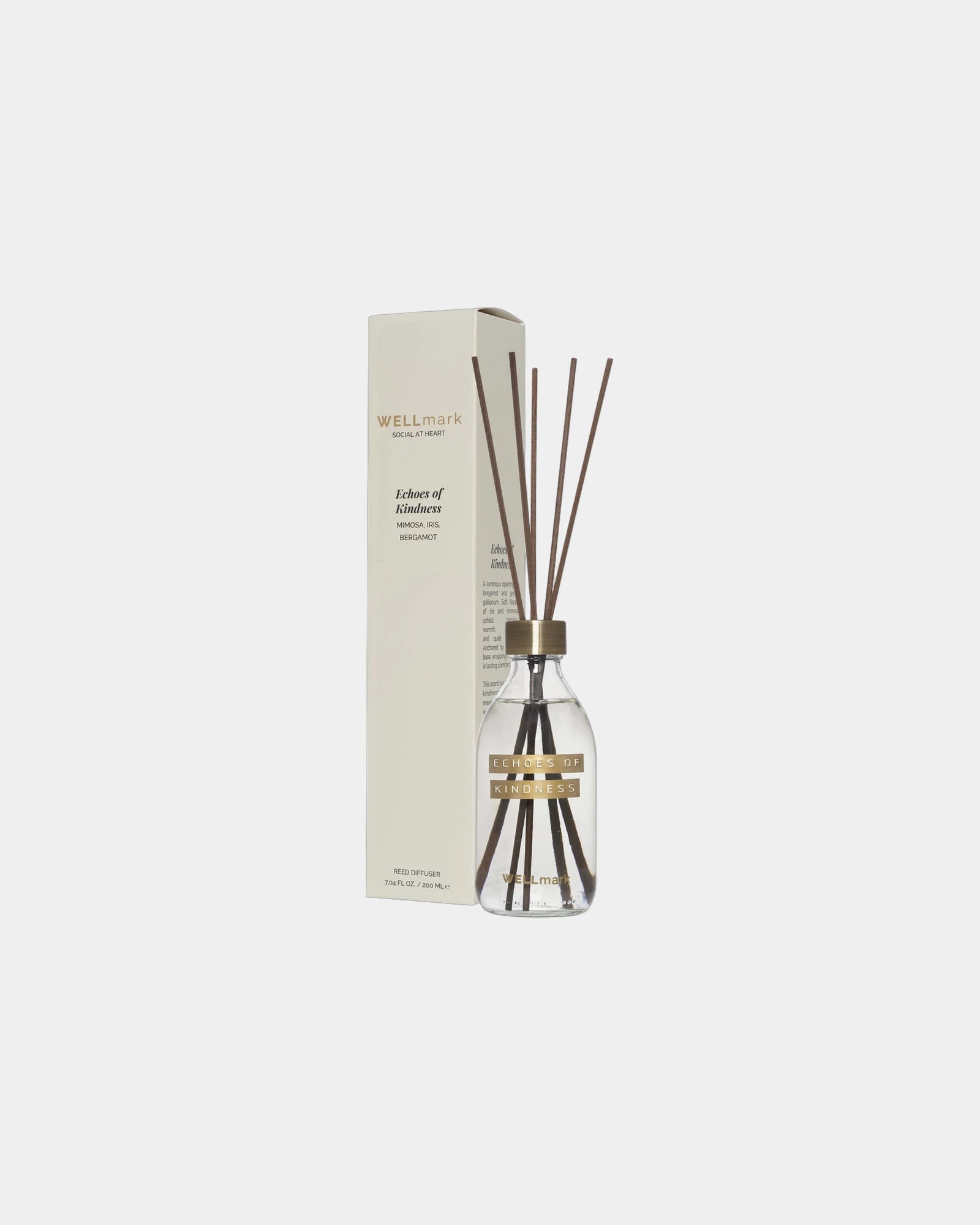
Promotional eco-friendly scented sticks 200ml - 1Promotional eco-friendly scented sticks 200ml - Translucent
Starting from £28
  • Eco friendly
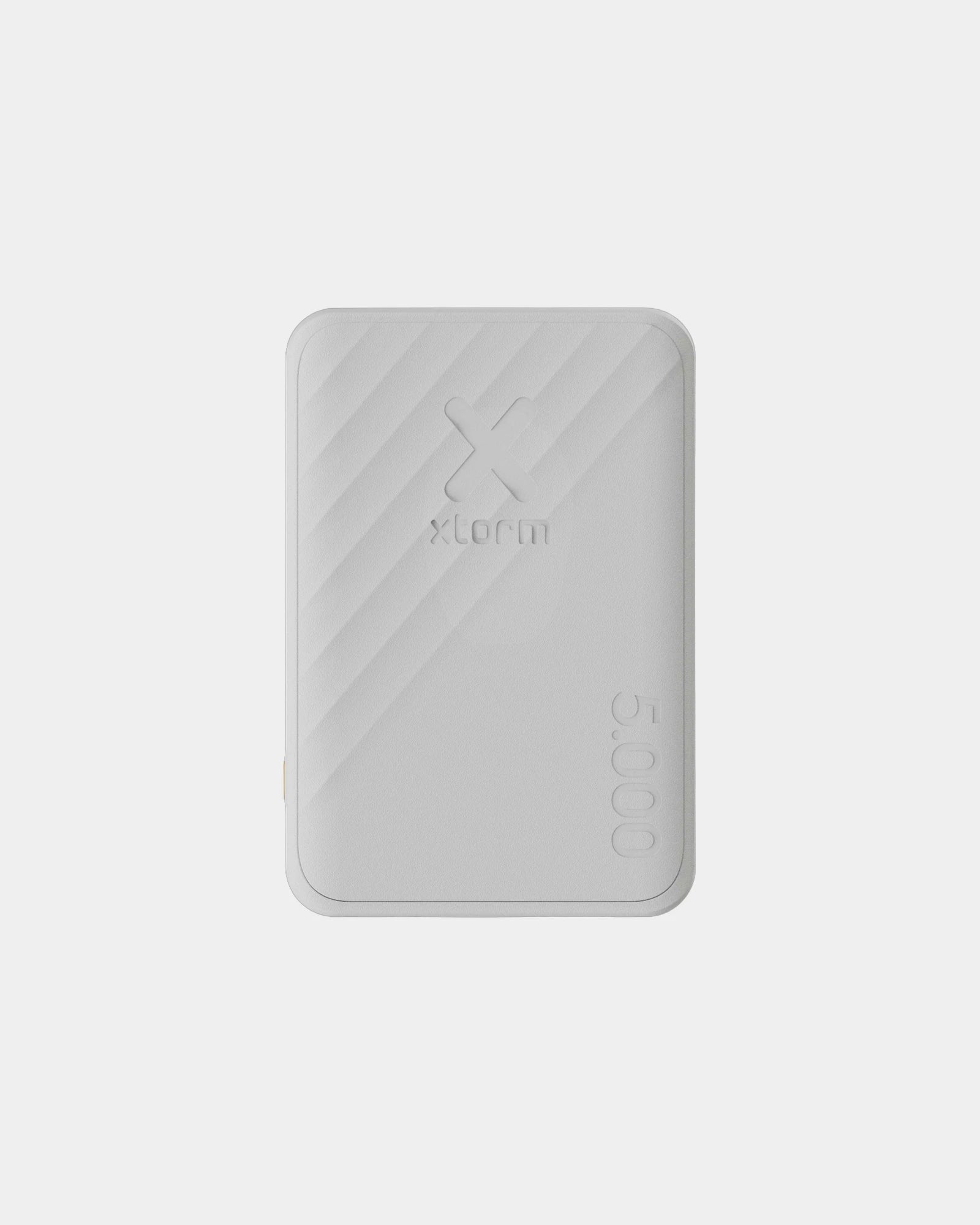
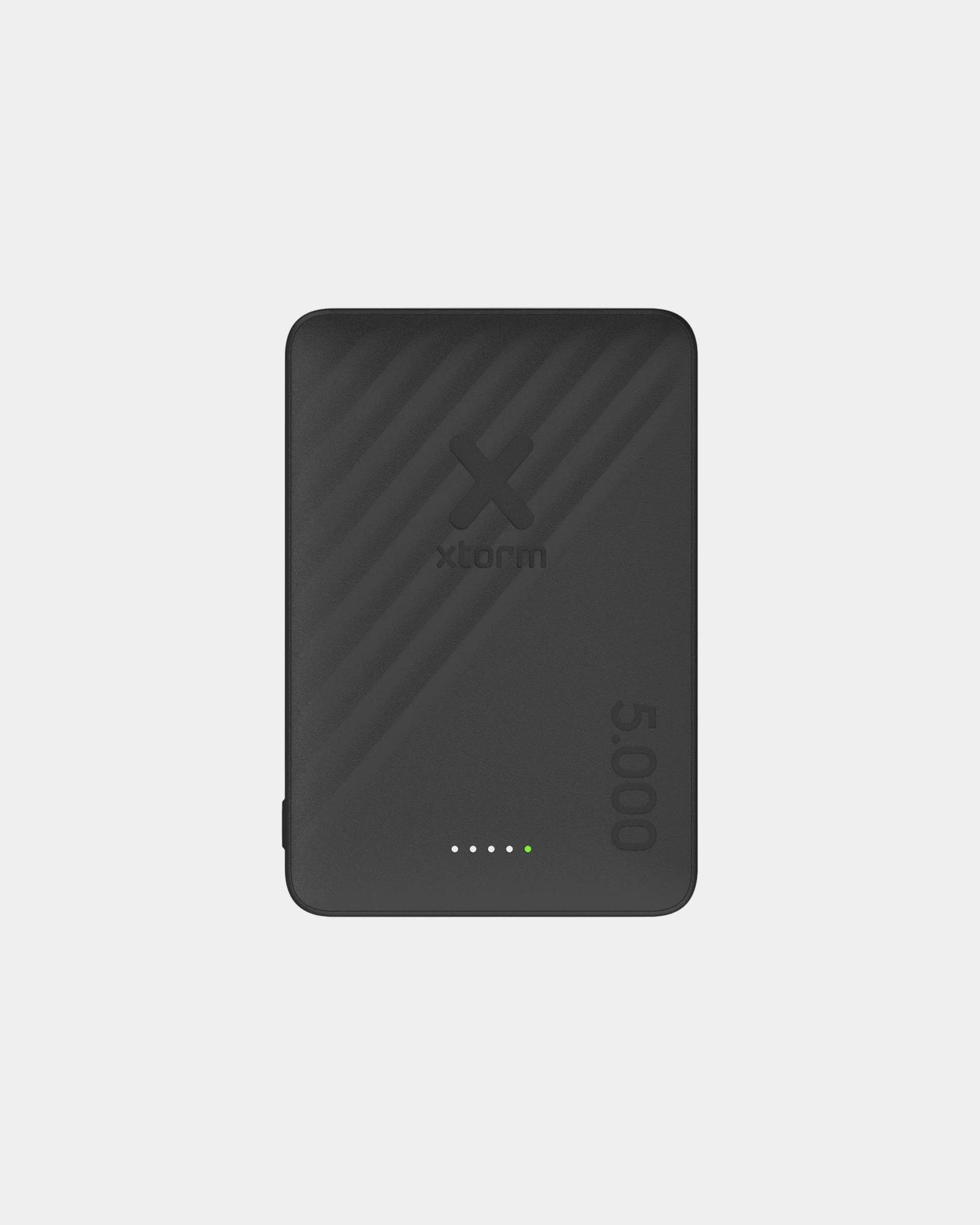
Promotional recycled 5000mAh power bank - 1Promotional recycled 5000mAh power bank - White
Starting from £18
  • Eco friendly
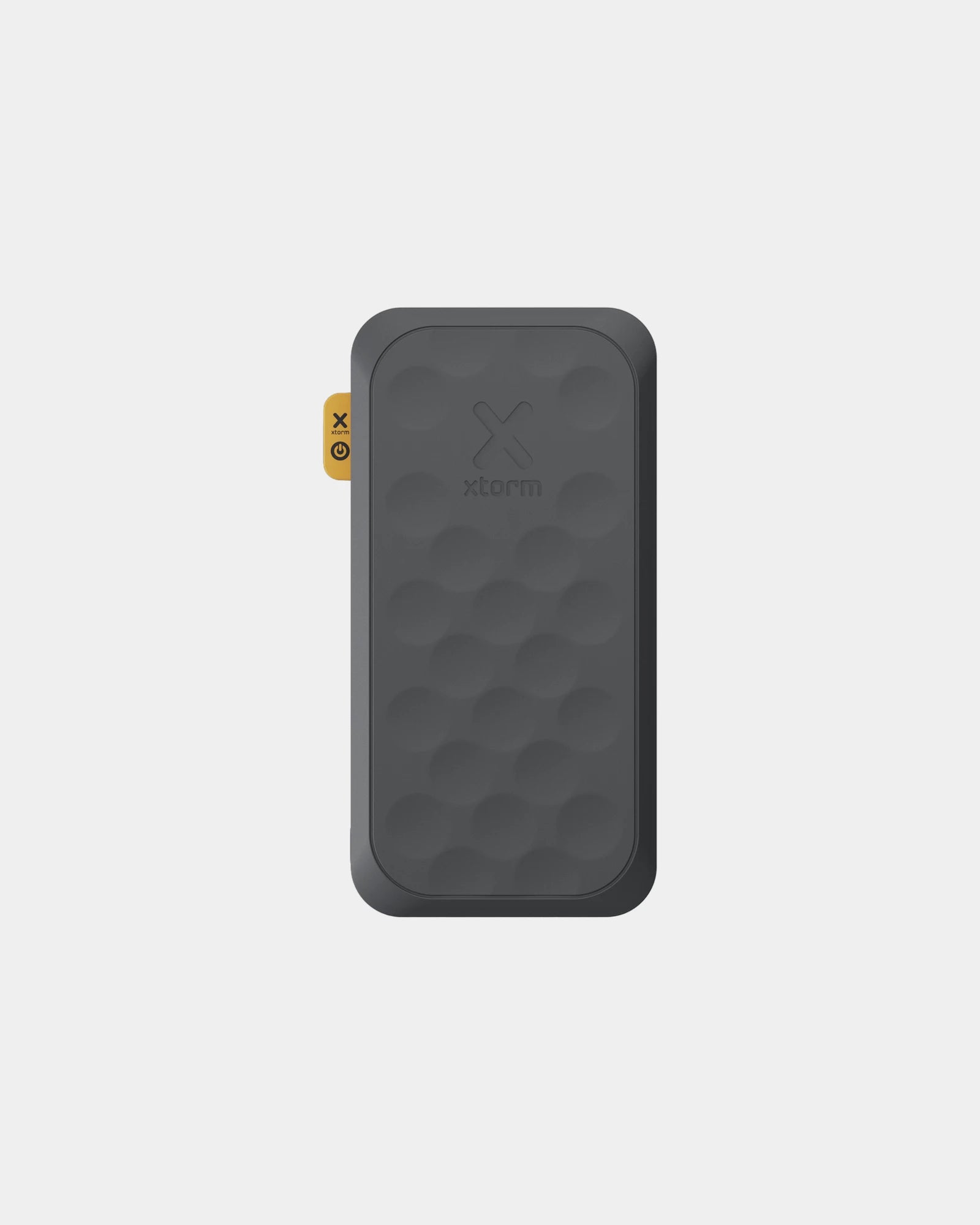
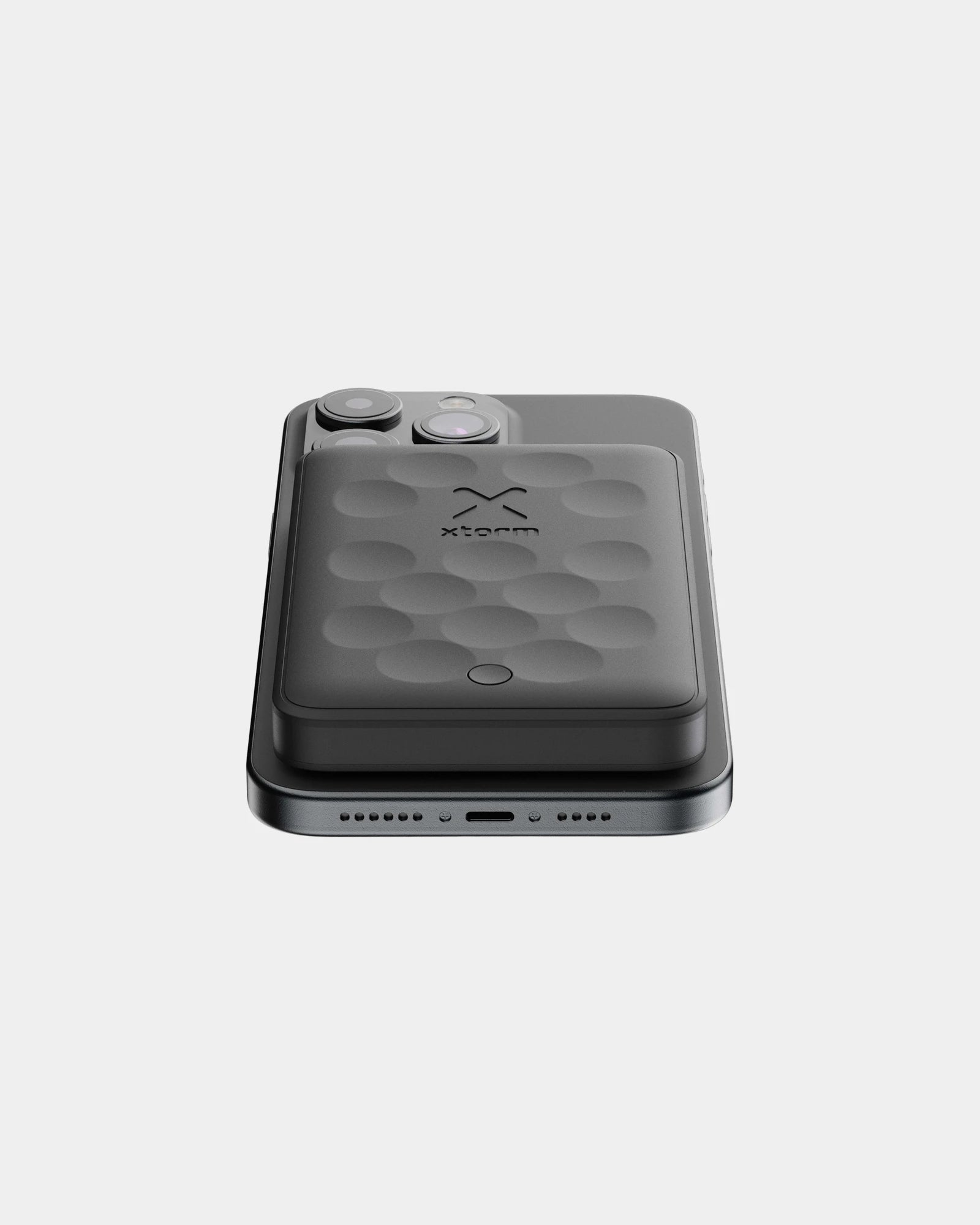
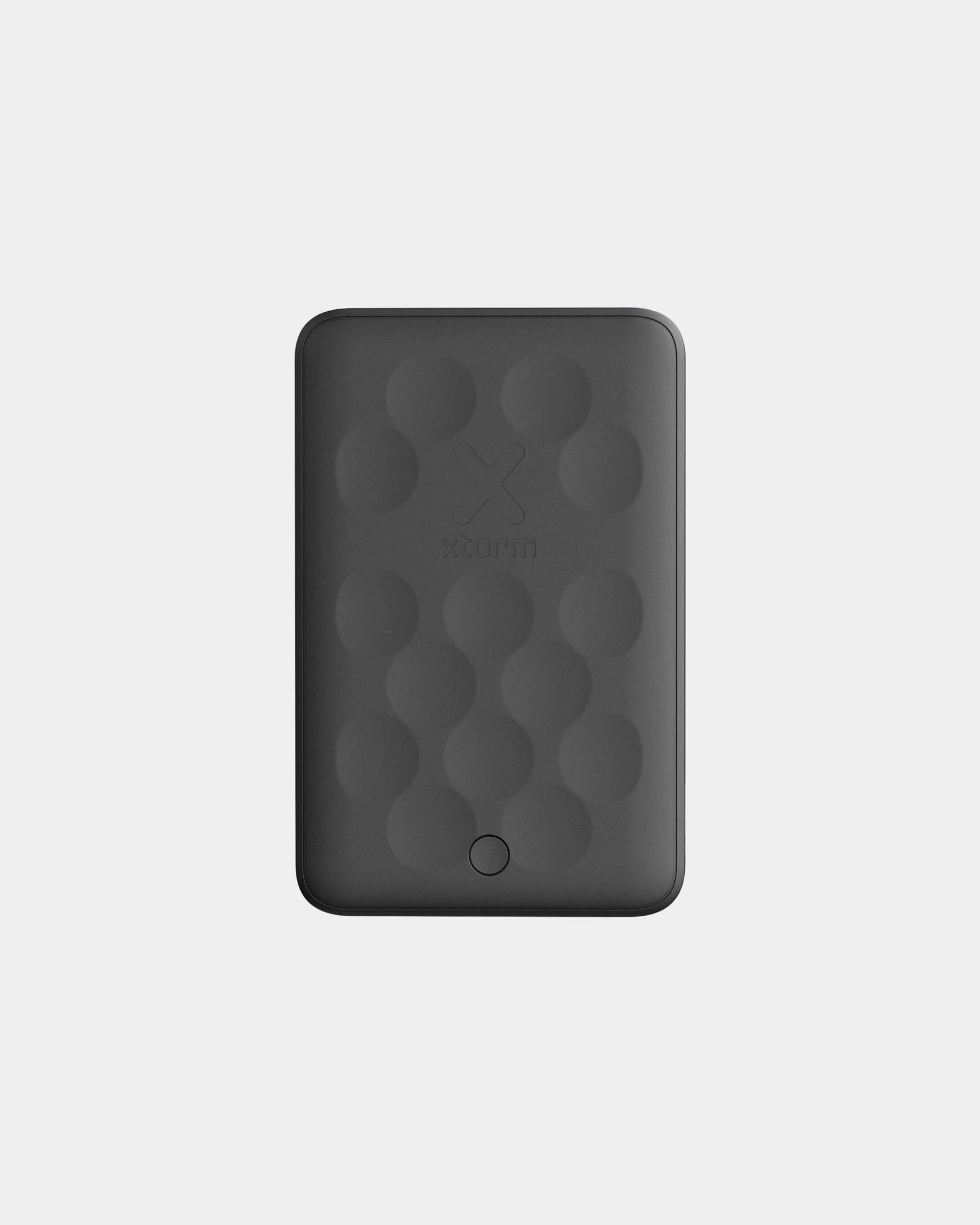
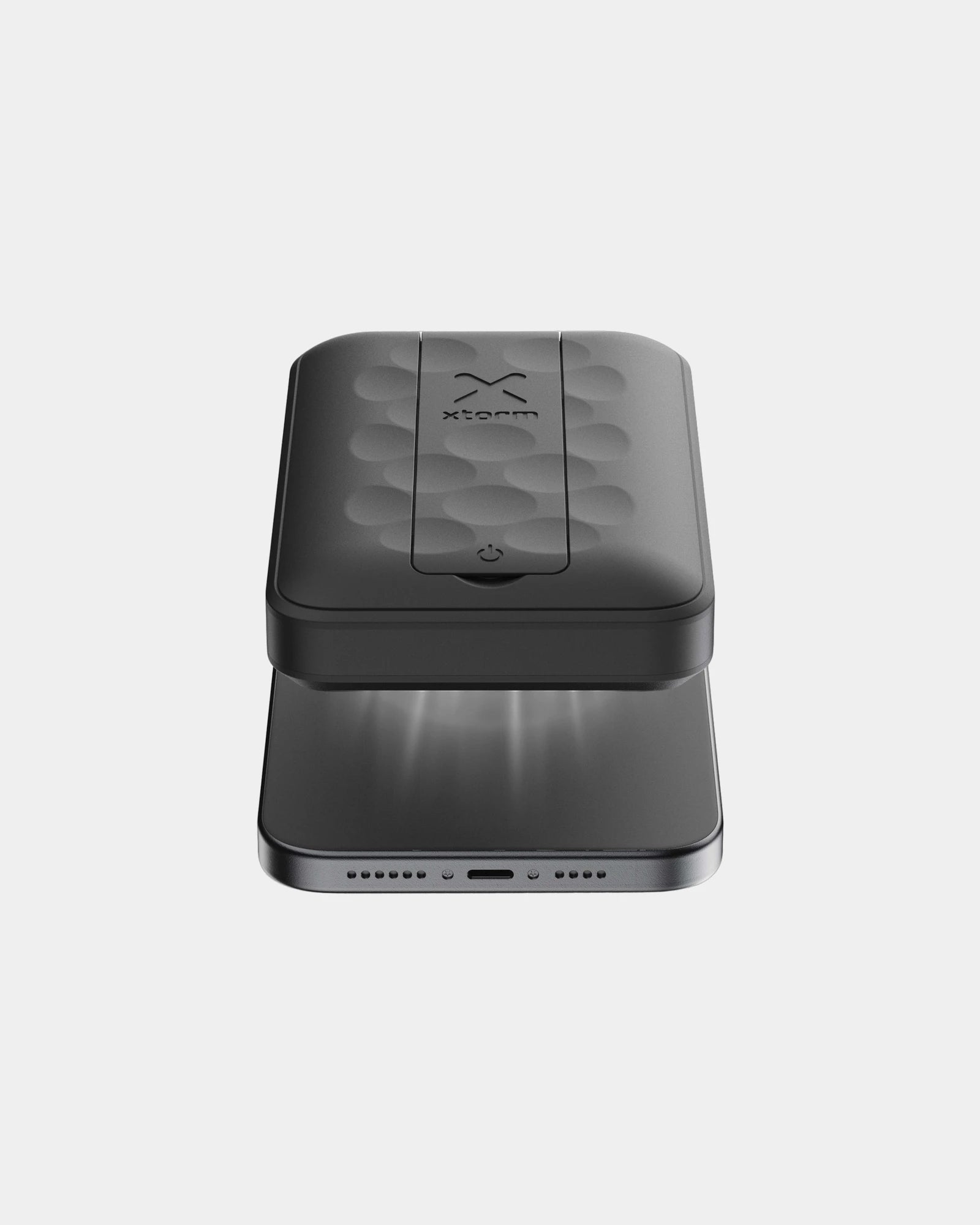
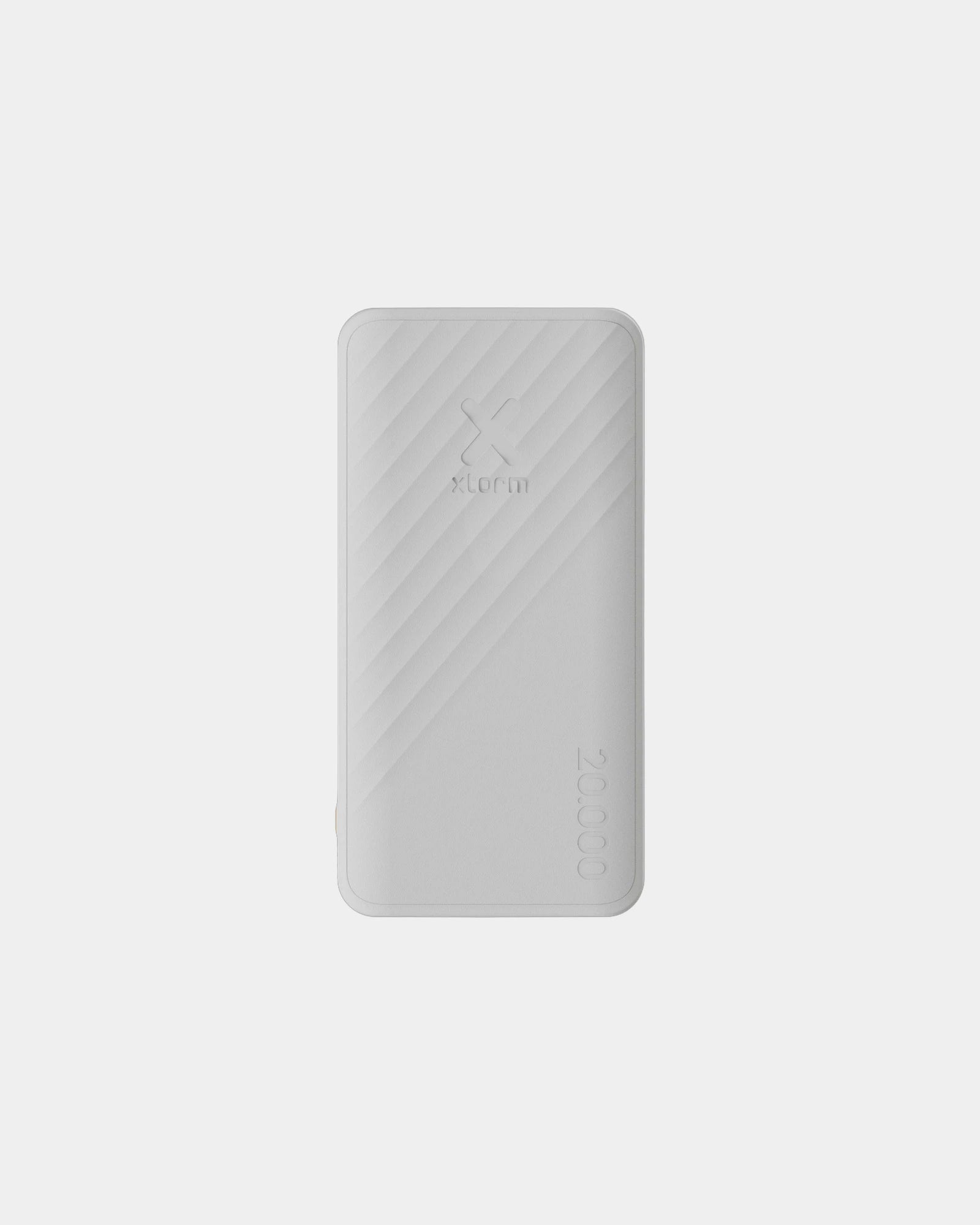
Promotional 20000mAh USB-C power bank - 1Promotional 20000mAh USB-C power bank - Midnight Black
Starting from £54
  • Eco friendly
Promotional 45000mAh USB-C power bank - 1Promotional 45000mAh USB-C power bank - Midnight Black
Starting from £99
  • Eco friendly
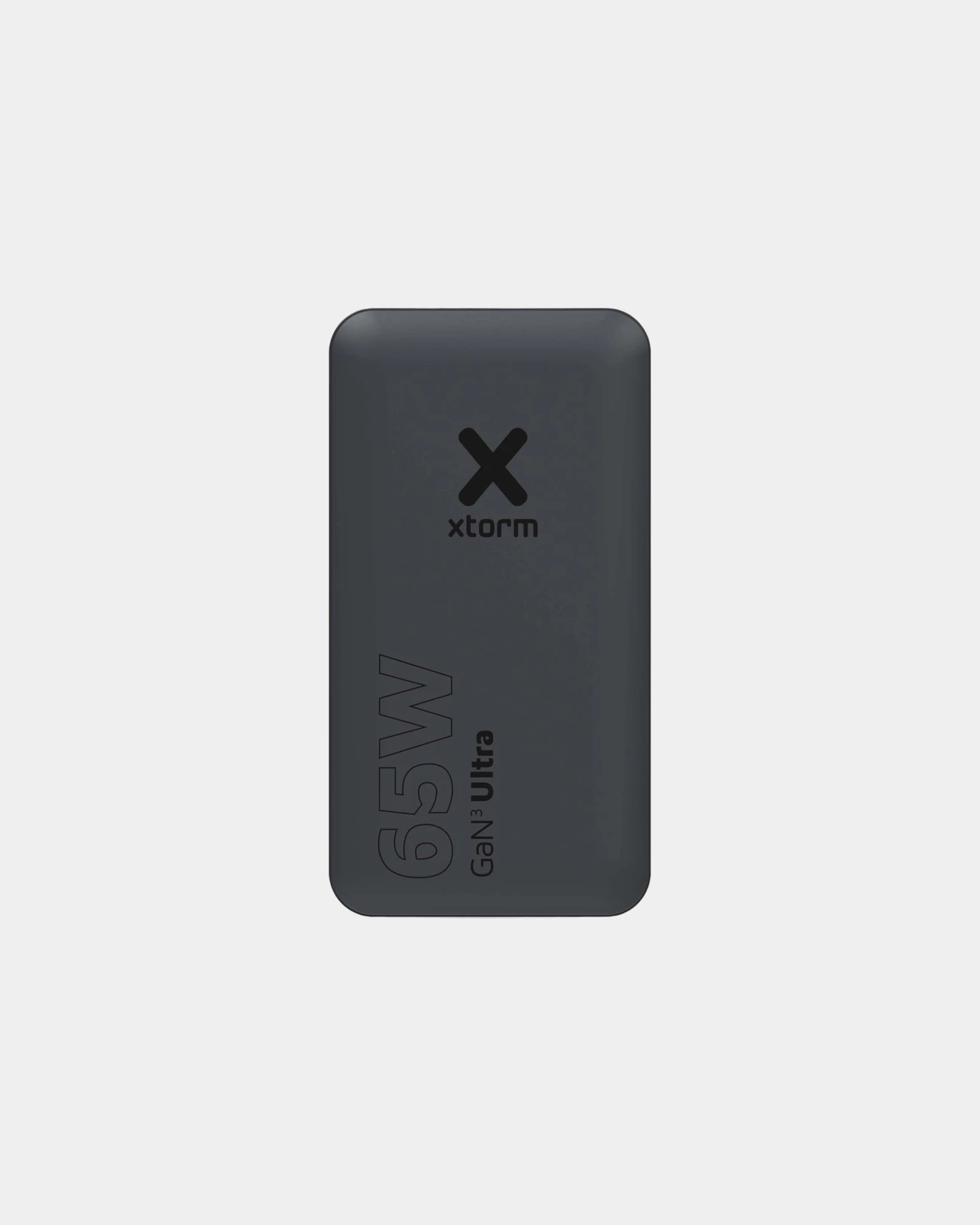
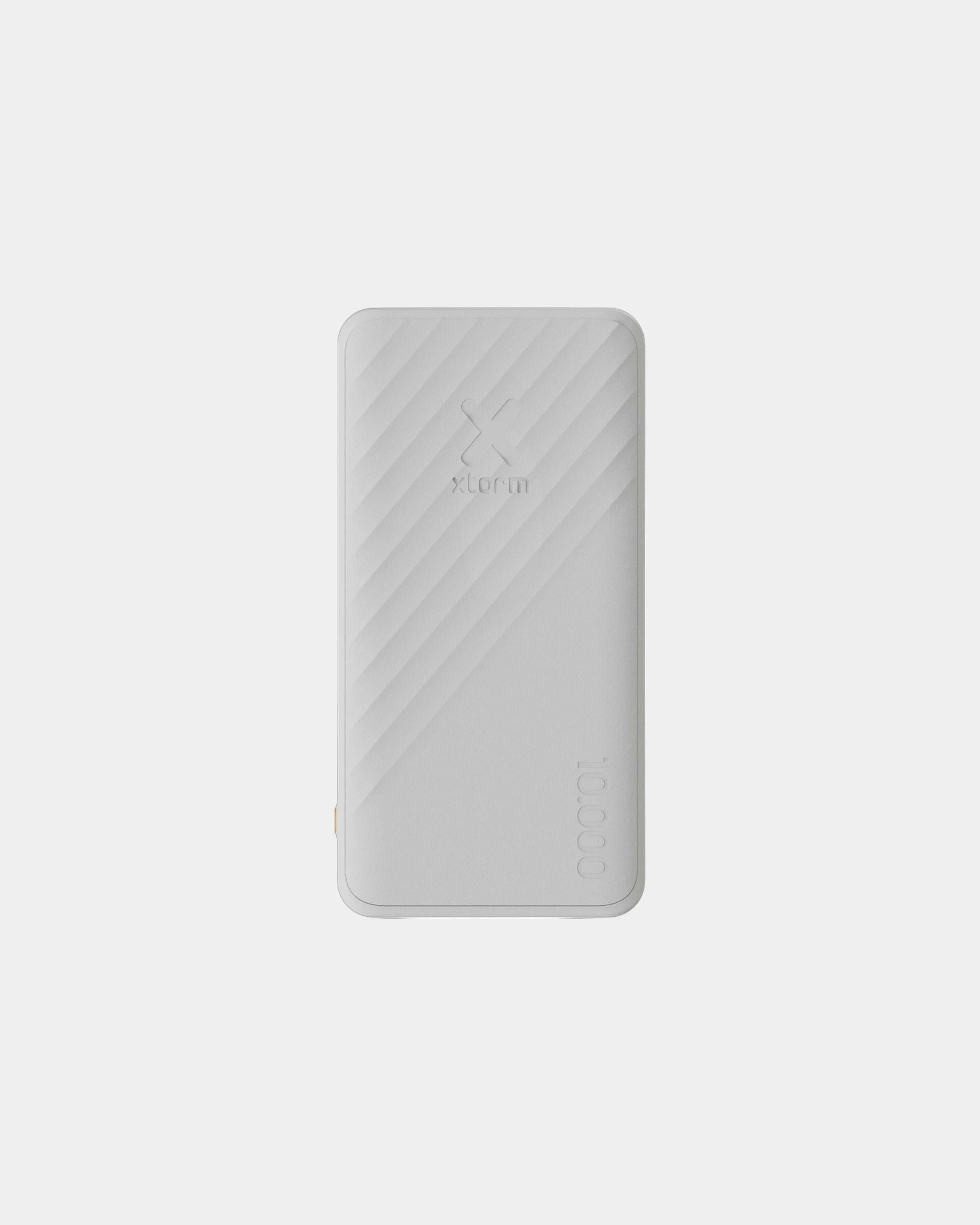
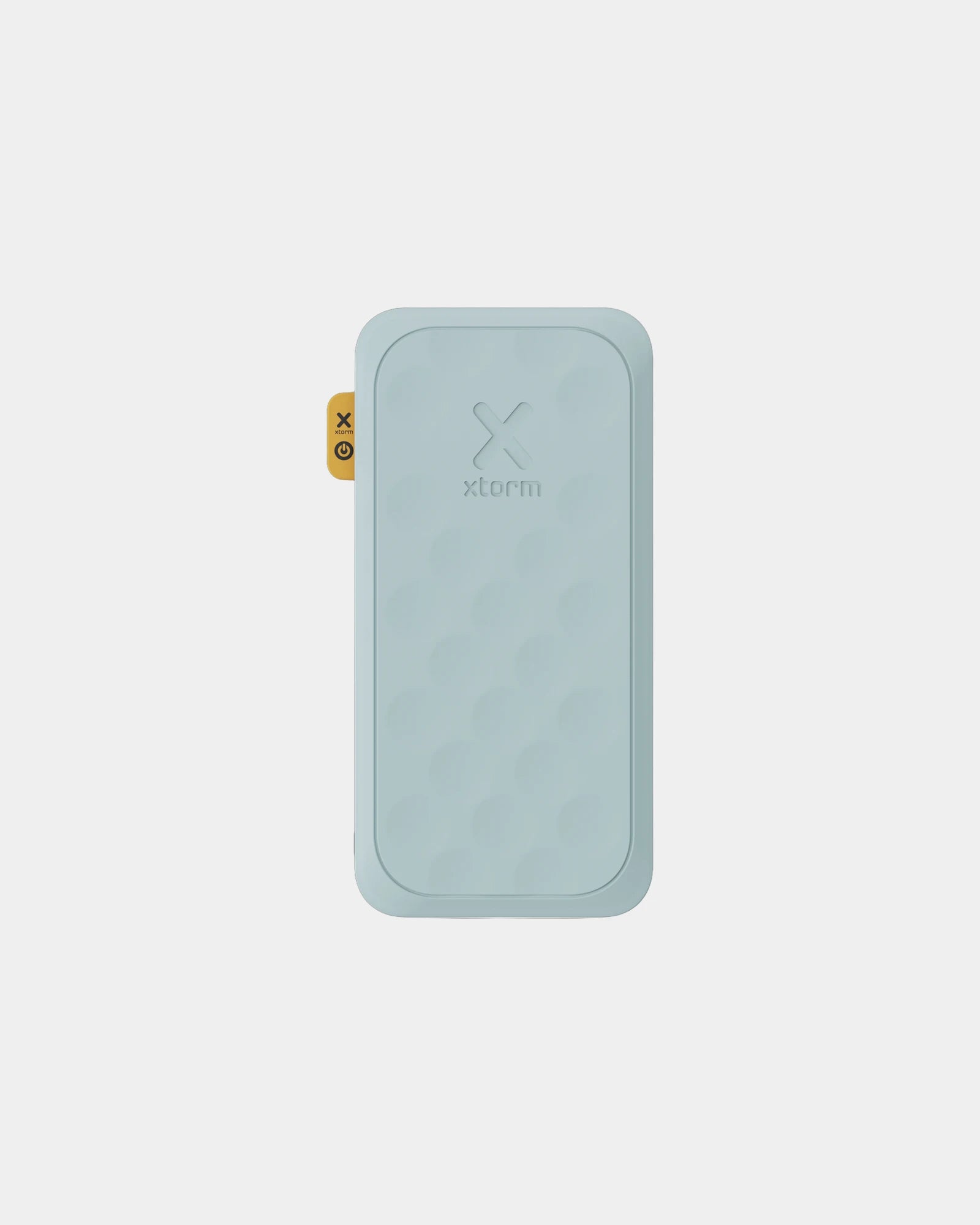
Custom 10,000 mAh fast charge power bank - 1Custom 10,000 mAh fast charge power bank - White
Starting from £27

Treat your clients and employees!

Rains

FAQ - Sustainable promotional products

Trusted by 1,000+ companies

What counts as branded eco products, and what does not

Three material routes carry almost every defensible claim across our sustainable promotional products. Recycled content reuses a feedstock that already existed, such as rPET spun from drinks bottles. Organic and natural materials, like GOTS-grade cotton or untreated cork, cut the chemical load at source. A long-life reusable item justifies itself by displacing dozens of single-use equivalents over its working life.

What does not count is the vaguer language the category is full of. A product can be technically recyclable while containing zero recycled fibre. A bamboo handle on an otherwise plastic gadget is a veneer, not a credential. We separate these on the spec for every line, because a procurement reviewer reads the small print before they read the headline. That discipline is what turns branded eco products into evidence rather than a marketing adjective nobody can stand behind.

The fourth lever is geography, and it sits underneath all three materials. A short supply chain shortens freight, which is where a large slice of a giveaway's carbon usually hides. That is the spine of this hub, so it is worth its own section before the product ranges open up.

Why European near-shore manufacture lowers the carbon of branded eco products

A pallet of merchandise shipped from East Asia carries weeks of sea freight, or a far worse air-freight figure when a deadline slips. Bringing manufacture into France and the wider EU cuts that leg to a road journey of hundreds of miles rather than thousands. For a values-led buyer measuring scope-three emissions, the freight line is often easier to move than the material line.

Near-shore manufacture shortens the audit distance for branded eco products

Near-shore production also shortens the audit distance. A factory a day's drive away can be visited, and its certificates checked against the actual line, in a way a distant subcontractor rarely can. That proximity is what lets us state origin as a fact on the spec rather than as a marketing flourish nobody can verify.

The trade-off is plain: European manufacture rarely beats the lowest offshore unit price on a like-for-like commodity item. What it buys is a defensible carbon and provenance story, which for a net-zero-reporting organisation is the whole point of the spend.

Recycled eco friendly promotional products: rPET, recycled cotton and reclaimed plastic

Recycled drinkware and bags do the heaviest lifting among our sustainable promotional products because the volumes are high and the displacement is real. An rPET tote or a recycled-polyester drawstring bag replaces a stream of carrier bags. Its recycled percentage is whatever that fabric's own data sheet records, and it shifts from one mill to the next. We pass that number through rather than rounding it to a tidy headline. Recycled fabric is where eco friendly promotional products do their heaviest displacement, so the exact percentage matters more than the badge.

Personalised French Cotton Bags sit at the centre of this group, woven in France from cotton that can be specified in recycled or organic grade by model. The provenance is stated on the order, and the weave weight is chosen for how many uses the bag must survive.

Reclaimed-plastic hard goods round out the recycled route. A bottle or a desk item moulded from post-consumer regrind carries a recycled percentage that shifts with each batch, because regrind is not a uniform feedstock. That variability is a feature to disclose, not a flaw to hide, and the model's data sheet is where the exact figure lives.

MaterialTypical productRecycled basis
rPET fabricTotes, drawstring bags, lanyardsSpun from post-consumer bottles, share per mill
Recycled cottonWoven bags, towelsReclaimed offcuts blended to a stated ratio
Reclaimed plasticBottles, rulers, desk itemsPost-consumer regrind, share per batch
Recycled paperNotebooks, packagingPost-consumer fibre, grammage per stock

Organic branded eco products for the lower-chemical brief

Some buyers care less about recycled content and more about what touched the raw fibre. Organic cotton grown without synthetic pesticides answers that, and the credential is certified per garment, not assumed across a range. A line carrying GOTS or OEKO-TEX status names that scheme on its tech pack, and the certificate for the exact base ordered travels with the job.

Branded Organic European T-Shirts are the clearest organic-cotton product here, knitted in Europe so the certified-cotton claim and the short-freight claim hold together. A blank with no certification is sold as conventional cotton, plainly, rather than dressed up as eco because it suits the page.

Reading the organic claim on branded eco products precisely

The organic credential is narrower than buyers often assume, and worth reading precisely. GOTS covers the whole textile process from fibre to finishing, while an organic-content claim covers only the raw cotton. We name which scheme a garment actually carries, so you are not buying a softer claim than the word organic on a tag suggests.

Natural-material eco friendly promotional products beyond cotton

Natural materials give the range a texture that recycled plastics cannot. Cork, untreated wood, jute and FSC paper each carry a renewable or low-treatment story, stated at the level of the individual item rather than smeared across the catalogue. The appeal is partly tactile: an unfinished surface reads as deliberate where a glossy plastic body reads as filler.

Personalised notebooks in recycled or FSC stock are the everyday natural-material product a recipient keeps on the desk and uses for months. The grammage and the cover stock are chosen for how the book gets handled. The paper's recycled or certified basis is the figure on that specific stock, never a range-wide claim.

Wood and cork add a harder-wearing natural option for desk and drinkware items. A cork-backed coaster or an untreated-wood keyring carries no synthetic coating to break the recycling, and a laser mark adds the logo with no ink at all. The one caveat to flag is that natural grain varies, so no two units are identical, which most recipients read as a virtue rather than a fault.

Reusable branded eco products that replace single-use items

The strongest argument for reusable sustainable promotional products is not the material at all; it is displacement. A durable reusable item removes dozens of disposable equivalents from circulation across its life, and that maths often beats a marginally greener throwaway. The catch is that the claim only holds if the item is good enough that the recipient keeps using it. Reusable branded eco products earn their place through that displacement maths, not through the material alone.

Personalised water bottles are the workhorse here, with a stainless or recycled-content bottle replacing a run of single-use cups week after week. Printed in France, they pair a real displacement story with a short freight leg, which is the combination this hub is built around.

Quality is therefore a sustainability decision, not just a perceived-value one. A flimsy bottle that fails in a month displaces nothing and lands in the bin, undoing the claim. We steer reusable picks toward builds robust enough that the displacement actually happens over a year or more of daily use.

Reusable productReplacesRealistic lifespan
Stainless bottleSingle-use cups and plastic bottlesSeveral years of daily use
Organic cotton toteDisposable carrier bagsHundreds of shopping trips
Refillable notebookStapled padsA full year of meetings
Solid soap barPlastic pump bottlesWeeks per bar, no bottle

Decorating branded eco products without undoing the sustainability claim

How a logo goes on can quietly cancel the credential the product was chosen for. A thick plastic transfer fused onto an organic tee, or a UV varnish flooded over recycled card, bonds material that stops the item recycling cleanly. The marking method has to respect the substrate, and that is a different decision for each product type.

On textiles, water-based screen prints and direct embroidery keep a garment as recyclable and chemical-light as the blank allows. On natural materials, laser engraving on cork, wood or a stainless bottle adds the mark with no ink, no film and no extra consumable at all. The technique is chosen to suit each substrate rather than defaulting to one house finish.

Marking eco friendly promotional products on paper without breaking the recycling stream

On paper and packaging, a blind deboss or a soy-based ink leaves the stock in the recycling stream, where a metallic foil would not. The plain truth is that the most striking finish is not always the most defensible one. We will tell you when a requested decoration fights the eco brief the product is meant to serve.

Honest claims: certified versus merely recyclable eco friendly promotional products

This is the distinction the whole hub turns on, and it is where most eco catalogues blur. Certified means an independent scheme has audited a specific claim, such as GOTS for organic cotton or FSC for paper. Recyclable means only that the material can in principle re-enter a stream, which says nothing about its recycled content or its origin.

We hold those apart on every line so nothing on your spec claims more than the maker will defend in writing. The recycled percentage for a given bottle is whatever its current batch data sheet states, no higher. The organic status of a tee is per garment, shown on the line's tech pack. Where a product is recyclable but not recycled, the spec says exactly that.

This matters commercially, not just ethically. Overstated green claims are now a regulatory and reputational risk, and a procurement reviewer or a journalist can check. A programme built on per-line, documented claims survives that scrutiny, which is the difference between an asset and a liability in your next sustainability report.

SchemeWhat it certifiesWhere it applies
GOTSOrganic fibre plus processing and finishingCotton garments and bags
OEKO-TEXAbsence of harmful substances in the textileTested fabrics and trims
FSCResponsibly managed forest sourcePaper, card, wood items
GRSRecycled content and its supply chainrPET and recycled-fibre lines

How we source and verify branded eco products before they reach you

A claim is only as good as the document behind it, so sourcing runs through the certificate, not the sales sheet. For each eco line we hold the scheme certificate or the batch data sheet on file. We check it against what the factory actually ships, which a near-shore supplier makes practical to do. A line we cannot substantiate is sold as conventional, never as eco by association.

Provenance gets the same treatment as the material claim. We state where a product is manufactured and where it is decorated as two separate facts, because the two are often different. A garment knitted in Portugal and printed in France is described that way, rather than collapsed into a single tidy origin line that would overclaim.

This is also why we vary the wording on every line rather than reaching for a stock green sentence. The rPET share sits on a bag's own fabric label, the OEKO-TEX certificate names the exact base of a tee, and a notebook's recycled grammage is printed on its stock. Each product points at a different real document, so no two claims read the same.

End-of-life and recyclability of eco friendly promotional products

The footprint does not end when the recipient unwraps the product; it runs through how the item is eventually disposed of. A genuinely sustainable choice is one a recipient can recycle or compost without a special route. The spec spells out which parts go in the household stream and which need a separate one. The disposal route is part of what makes branded eco products defensible long after the recipient has unwrapped them.

Mixed-material products are where end-of-life gets messy, and where plain wording pays. A bottle with a stainless body and a plastic lid splits across two streams; a laminated notebook needs the film stripped before the paper recycles. We name those splits rather than implying a clean single-bin disposal that does not exist.

Compostable items carry their own asterisk worth stating plainly. A bar of plastic-free soap leaves nothing behind, but a compostable wrapper may need industrial composting rather than a garden heap to break down as claimed. Where that distinction applies, the spec says which kind of composting the item actually needs.

ProductDisposal routeCaveat to state
Recycled paper notebookHousehold paper recyclingStrip any laminate first
Stainless bottleMetal recycling, reused for yearsPlastic lid splits out
Organic cotton toteReuse, then textile recyclingRemove non-cotton trims
Plastic-free soapUsed up, no residueWrapper may need industrial compost

Matching branded eco products to the buyer and the occasion

A B-Corp partner gift, a net-zero conference giveaway and a values-led onboarding pack each pull a different one of these sustainable promotional products from this hub. The B-Corp send rewards a certified, documented item the recipient can scrutinise. The conference giveaway needs scale and a low per-unit footprint, so a recycled tote or bottle fits. Matching eco friendly promotional products to the buyer this way stops a well-meant send landing wrong for the occasion.

The onboarding pack is where coherence matters most, because a graduate drawn in by the company's environmental position reads every component. Corporate Gift Boxes gather a reusable bottle, an organic tee and a recycled notebook into one considered set. The welcome then reflects the values that won the hire rather than contradicting them.

The trap with a mixed eco set is a single weak component undercutting the rest. A throwaway plastic insert beside three reusable items is the detail a sceptical recipient fixes on. The whole set has to clear the same bar, including its own packaging and fill.

Consumables still belong in the mix when chosen carefully. Custom soaps in a plastic-free wrapper give a warm, used-up gift that leaves no plastic blister behind, which suits a wellbeing-led send where a hard good would feel excessive.

Where eco friendly promotional products get tested across teams

The same recycled bottle or organic tee faces a different test depending on who has to stand behind it. A sustainability lead is questioned on the certificate, so they reach for a GOTS tee or a GRS-stated bag whose paperwork survives an audit. A facilities or events team is questioned on cost per head at volume, so they favour a flat-packing recycled tote that ships cheaply by the thousand. A marketing team is questioned by a journalist or a customer, so they avoid any line that is merely recyclable rather than recycled. A people team running onboarding is questioned by the new hire who joined for the values, so coherence across the whole set matters more than any single line. Reading who will be questioned first points you at the product whose evidence answers that question cleanly. Branded eco products are tested by whoever has to defend them, so the right pick is the one whose paperwork suits that particular interrogator.

Who defends itThe question they faceLead product
Sustainability leadWhere is the certificateGOTS tee, GRS-stated bag
Events or facilitiesCost per head at volumeFlat-packing recycled tote
MarketingRecycled or just recyclableDocumented recycled-content line
People and onboardingDoes the whole set holdCoherent reusable bottle and notebook

Volume, minimums and lead time across branded eco products

Order size decides which sustainable promotional products remain within budget, and it lands differently on each one. Certified textiles and recycled-content hard goods often carry a higher floor than a conventional equivalent. A small run of 50 leans toward simpler items. A 2,000-unit order spreads tooling and setup thin enough to keep premium materials in reach.

Lead time on this range moves with sourcing as much as with print. A standard recycled tote runs to the usual schedule. A certified organic garment or a specific recycled-content mould can stretch when the supply lead is longer, so we fix a committed date against any longer-lead line at the quote. Production starts at artwork approval, not at enquiry.

A free sample of the actual eco stock and printed mark lands with you ahead of any committed production. The recycled texture and the ink then sit in your hand first. That one check catches the mismatch between a swatch on screen and a recycled fibre that takes ink differently, which is worth the two or three extra days it adds.

  • Decide whether recycled content, organic fibre or reuse is your lead claim
  • Ask for the per-line figure or certificate, not a range-wide headline
  • Favour near-shore manufacture to cut the freight slice of the footprint
  • Match the marking method to the substrate so it stays recyclable
  • Choose reusable items robust enough to actually displace disposables
  • Check whether a line is certified or merely recyclable before approving it
  • Pin a firm date on any certified or recycled-content item with a longer lead