Printed balls
Treat your clients and employees!
FAQ - Personalised balls
Trusted by 1,000+ companies
How to pick the right type from our printed balls range
Three questions sort almost any brief. Are the personalised balls played with or just handed out? Indoors or outdoors? Tens of units or thousands? A junior club kitting out training needs a stitched, sized sport ball; a 5,000-unit conference handout needs a light moulded squeeze that ships flat. Those two briefs never land on the same product, so naming the use first saves a fortnight of back-and-forth.
The split that catches buyers out is play-grade versus promo-grade. A play-grade ball meets a sport's size and weight so it performs on a court or pitch. A promo-grade ball borrows the shape but is built to be cheap, bright and given away. Decide which one your brief wants before you compare prices, because the gap between them is most of the cost.
- Played with or handed out? sets play-grade against promo-grade
- Indoor or outdoor? changes surface and rubber by sport
- Tens or thousands? swings unit cost and minimum
- Fixed event date? add three weeks plus a delivery buffer
- One sport or several? a combined order cuts proofing rounds
Match the sport to the right type of printed balls
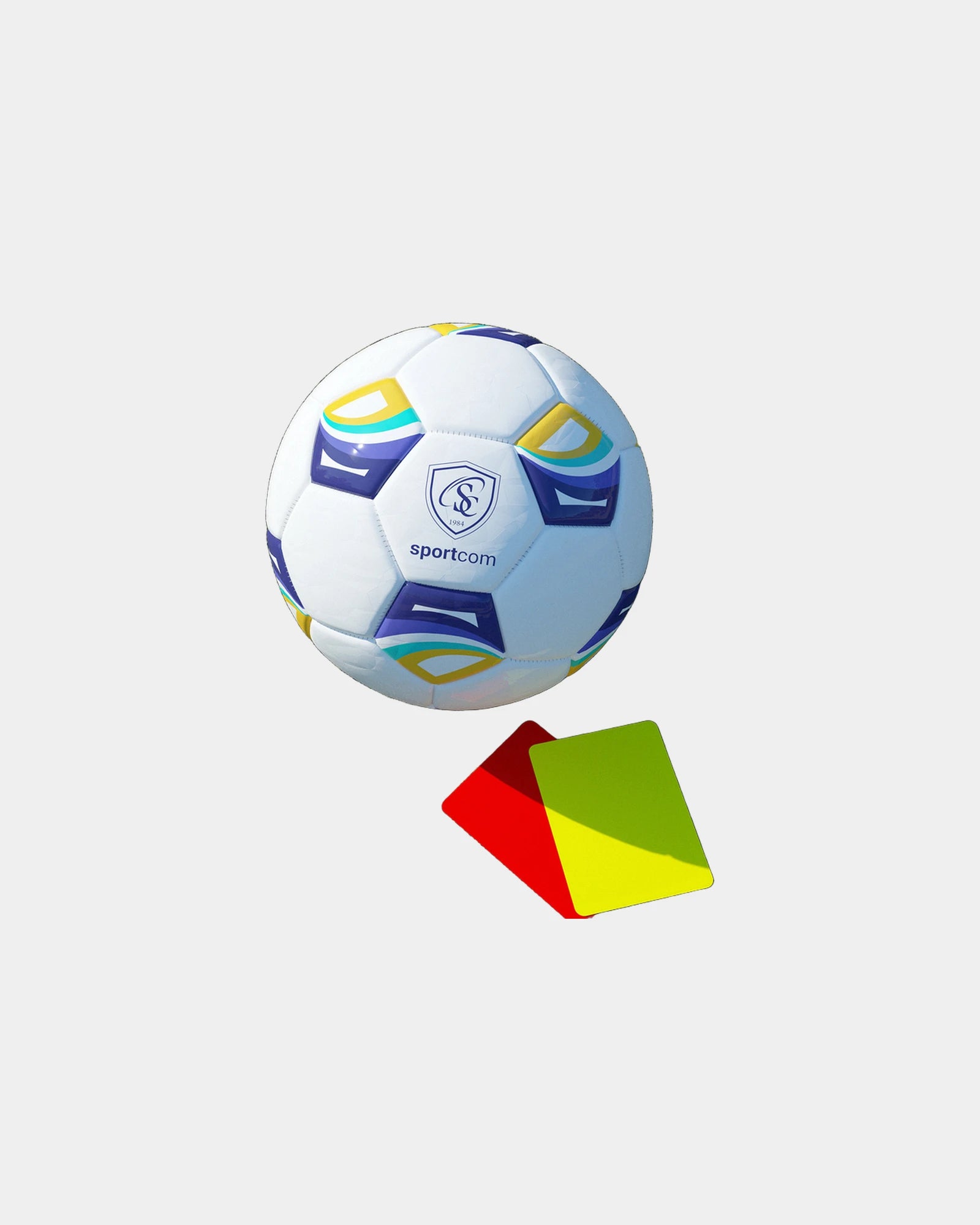
Each sport has its own delivered page, and the choice is genuinely different per discipline. Personalised footballs run from a size 1 skills mini to a stitched size 5, with panel printing and a bladder you actually have to brief. They suit grassroots clubs, sponsorship throw-outs and fan-zone giveaways where the printed balls get genuinely kicked rather than shelved.
Consider a regional brewery sponsoring a five-a-side summer series across a dozen amateur sides. It wants two builds on one brief. Durable stitched size 5s let the teams keep training, while a crate of vivid moulded minis gets lobbed into the touchline crowd on finals day. The hub sorts that split fast, then routes the durable line to the football page for bladder detail.
Court sports within the promotional balls range
Court sports add variables a hub cannot flatten into one spec. Indoor rubber behaves unlike outdoor rubber, and a curved or pebbled surface changes how cleanly a crest reads from the stands. That is why the entry point is the sport page rather than a generic printed balls description.
Take basketball as the clearest example. Printed basketballs hinge on pebbled grip and indoor-versus-outdoor rubber, which decides how a logo sits on the surface. The variables that matter differ at the level of felt, pebbling and core, so the build detail lives on each discipline's own page.
| Ball type | Sizes available | Typical use | Print approach |
|---|---|---|---|
| Football | Mini to size 5 | Clubs, sponsorship, fan zones | Panel print or all-over wrap |
| Basketball | Mini to size 7 | Streetball, schools, team kit | Logo on panel, pebbled surface |
| Tennis ball | Standard and mini | Coaching, club days, padel | Surface print on felt |
| Golf ball | One size, model tiers | Corporate days, tournaments | Pad or full-colour print |
| Mini and stress | Palm-sized | Trade shows, mailers, kids | All-over moulded print |
Coaching, club and tennis printed balls for sport organisations
Sport organisations buy balls on a different rhythm from marketers. They reorder against a season, store balls in bulk and care about how a ball performs in week ten, not just on launch day. That changes the build they should choose, regardless of how good the logo looks on day one.
A coaching brief behaves unlike a giveaway brief. A tennis academy buying 300 balls for term-time drills wants them to bounce true after a month of court time, and it wants them in branded tubes for tidy storage. Personalised Tennis Balls cover pressurised versus pressureless and why printed balls arrive depressurised, which is the detail that decides whether they survive a season.
Golf and precision builds among the promotional balls
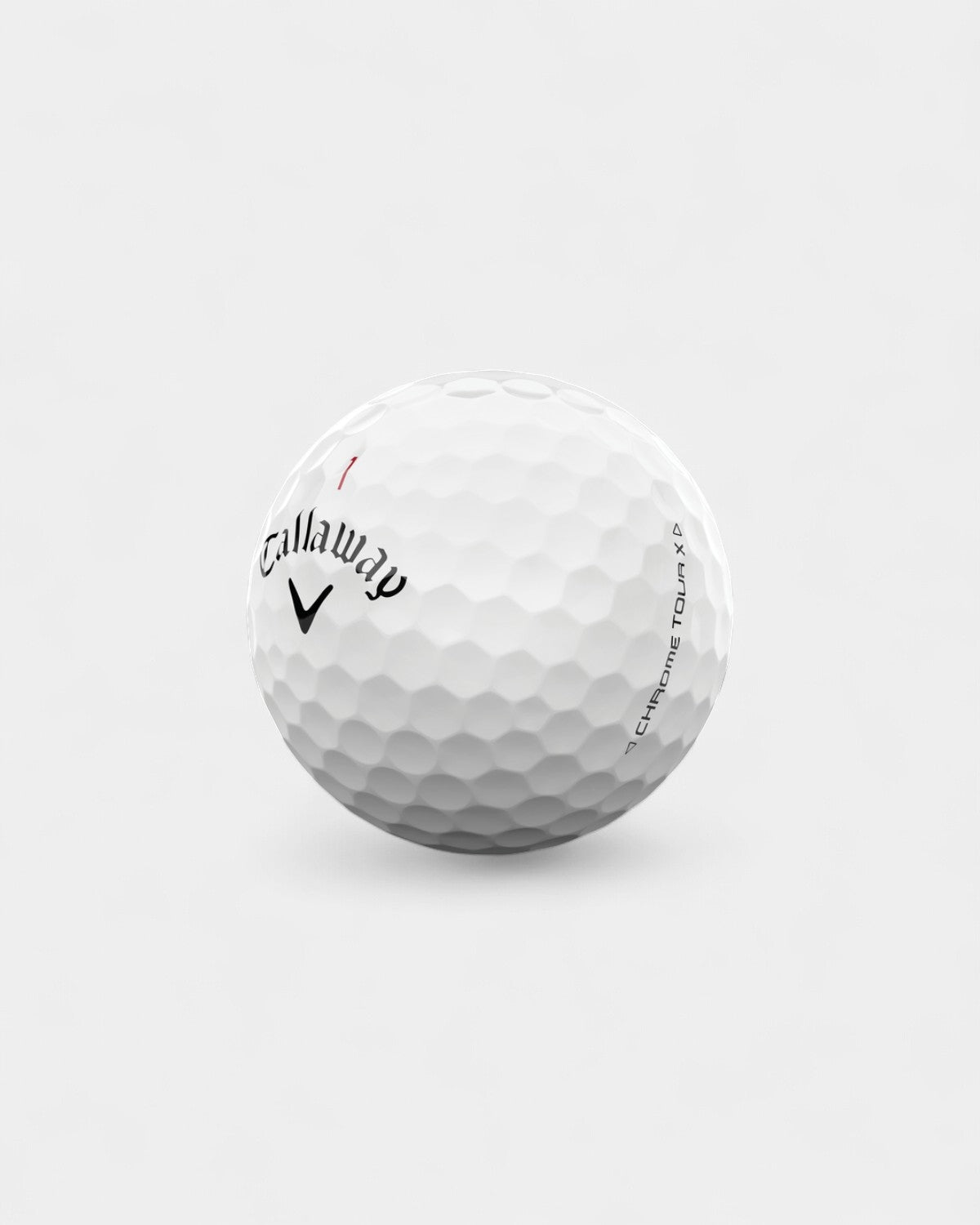
Golf sits at the opposite end of the precision scale from a felt training ball. A society or a corporate day wants a recognised model so the play feel holds up on the course, not a hollow promo shell with a crest. The model tiers by layers, spin and feel, then prints by pad or full colour onto a sleeve.
Think of a hospice fundraising day filling its tees with branded sleeves, one resting at each peg before the shotgun start. The committee runs mixed abilities, so a forgiving low-compression ball flatters the whole field while the host crest and a per-hole sponsor mark share the print. That is a routing call the hub makes, then it sends the model and double-print detail to the golf page.
This is where matching the ball to the field pays off. Personalised golf balls let you fit a softer two-piece to a mixed-handicap day rather than guessing from a thumbnail. The sport page carries the model comparison the hub deliberately keeps off the overview.
Indoor versus outdoor surface and rubber across your promotional balls
Where the ball gets used outranks almost every other variable once the sport is fixed. An outdoor surface meets grit, damp and tarmac, so it wants a tougher, weather-shrugging build that accepts a slightly firmer feel. An indoor surface stays dry on a wood or sprung floor, so it can run a softer, tackier compound that grips and prints finer detail. Name the floor before the finish, because that one fact reshapes both the material and how the artwork holds up.
The axis runs right across the range, not just one sport. A playground basketball and a futsal ball both face hard, abrasive use and lean toward a hard-wearing moulded surface. A sports-hall basketball or an indoor coaching tennis ball can take a grippier face that reads a logo more crisply. The penalty for ignoring it is real: a soft indoor compound put outdoors scuffs and fades within a term, while a hard outdoor build indoors feels dead and slick underfoot.
How surface grain shapes printed balls detail
Surface texture also decides how much logo detail survives. A smooth or shallow-grain face holds hairlines and small type, so an indoor ball carries a fuller design. A deep, aggressive grain made for outdoor grip scatters fine detail, so the brief there wants a bolder, thicker mark. State the floor and the run, and the right base, finish and artwork weight fall out together rather than being guessed at the proof.
| Setting | Surface wanted | Logo detail it holds | Where it routes |
|---|---|---|---|
| Outdoor tarmac or grass | Tough, weather-resistant | Bold, thick marks | Football, rubber basketball |
| Sports hall or wood floor | Softer, grippier | Finer lines, full design | Indoor basketball, futsal |
| Covered or indoor court | Dry-only, tacky | Crisp small type | Coaching tennis, padel |
| Pool, beach or festival | Light, inflatable | Large flat colour | Beach and moulded balls |
Full-print versus logo-panel basics across promotional balls
At hub level there are two ways a logo meets a ball, and knowing the pair narrows your quote before you reach a product page. An all-over wrap covers a one-piece or moulded surface edge to edge. That is why a stress ball or a moulded promo football carries one continuous image, with no panel join interrupting it. A logo-on-panel print places artwork on the flat panels of a stitched ball, repeated or varied, so each panel reads cleanly.
The rule of thumb is simple: moulded and pressureless balls take a wrap, stitched and panelled balls take per-panel print. A crest with gradients or a photo points to full-colour print; a flat logo in a couple of brand colours reproduces sharpest as spot colour. Each sport page carries the exact ink and surface detail, but this distinction alone tells you whether your artwork needs to be one image or one panel.
| Route | Suits | Surface | Artwork you supply |
|---|---|---|---|
| All-over wrap | Stress, beach, moulded promo | One-piece or moulded | One continuous design file |
| Logo-on-panel | Stitched footballs, basketballs | Flat printed panels | Vector logo per panel |
| Surface print | Tennis, mini foam | Felt or coated foam | Compact logo, flat colour |
| Pad or full colour | Golf, hard-surface balls | Dimpled or smooth | Vector or photographic crest |
Giveaway, sponsorship and club use cases for printed balls
The same ball type changes character with the occasion. A sponsorship activation throwing balls into a stand needs big numbers and a low price each. It also wants a wrap legible from forty rows back, so a moulded mini wins on every count. A club gift to sixty junior players wants a sized, stitched ball they will actually train with, because a flimsy shell goes soft by half-term and reflects on the sponsor.
Take a sportswear label running a weekend court takeover in a city square, with open hoops and a brand DJ pulling passers-by in. It needs two tiers at once: tough full-size rubber basketballs that take an afternoon of hot-asphalt play, plus foam minis to toss into the watching crowd. The hub flags that this is an outdoor brief, so the played balls route to a hard-wearing rubber build rather than an indoor compound that would scuff by sundown.
A corporate incentive splits the difference again. A reward ball handed to staff or clients should feel keepable, so a recognised build matters more than raw volume. Whatever the occasion, the promotional balls outlast the day they were given. A child keeps a printed football and a golfer pockets a sleeve, so the carry-home life is a return a flyer never delivers. Brief the occasion, and the build follows.
| Occasion | Headcount | Suggested ball | Why |
|---|---|---|---|
| Stadium sponsorship throw-out | Thousands | Moulded mini football | Light, ships flat, bold wrap |
| Grassroots club gift | Tens | Stitched size 4 or 5 | Sized for real training |
| Coaching or academy stock | Hundreds | Pressureless tennis balls | Survives court time |
| Corporate golf day | Dozens | Recognised golf model | True play feel, sleeve packs |
| Trade-show mailer | Thousands | Stress or foam ball | Lowest cost, full-colour print |
Mini, stress and beach balls as lightweight promotional balls
Plenty of briefs never call for a sport ball at all. A mailer campaign or a kids' corner runs on palm-sized foam and stress balls that ship in their thousands on one pallet and print all over in full colour. A summer activation or a pool-side launch leans on inflatable beach balls that arrive flat and inflate on site, so freight stays low while the printed surface stays large.
These lightweight options carry the lowest unit cost in the range and the highest order volumes. That is why a 5,000-unit conference handout almost always lands here rather than on a stitched build. These promotional balls are not built for play, and that is the point: they are built to be cheap, bright, given away and remembered. Match them to footfall events, not to a club store room.
Coordinating kit and multi-sport printed balls under one brief
Balls rarely arrive alone on a club purchase order. A squad receiving printed match balls usually wants the kit to match, so the crest reads the same on the ball, the shirt and the bag. Custom Sportswear let a club run one artwork sign-off across balls and training tops, which keeps the brand colours consistent and cuts the proofing rounds to a single pass.
The same logic stretches a single event across several ball types. A summer festival might run a football five-a-side, a putting green and a kids' corner at once. That puts stitched size 5s, a sleeve of golf balls and a crate of foam minis on one purchase order. The whole batch then shares one schedule and one colour reference across every age group.
Transport then closes the set for a travelling squad or a touring activation. Custom drawstring bags carry the printed balls between fixtures and put the same logo trackside. A club store room and a roadshow van then both read as one branded programme rather than a row of separate buys.
The routing rule holds however wide the brief runs: name the sport, name the use, name the headcount, then open the product page for the build spec. Before any full run, we can post a free sample of the shortlisted ball type. The surface, colour and inflated weight are then judged in the hand rather than off a thumbnail.
Ship-flat economics and minimums across the promotional balls range
Freight separates the ball types as sharply as the print does. A full-size inflated ball is event-ready but eats carton space, so a big sport-ball order carries a real shipping line. Deflated builds and the small stuff change that maths: a flat-packed mini or a boxed crate of foam balls moves far cheaper per unit. When a brief spans several types, the lightweight end usually carries the volume and the sport end carries the cost.
Minimums vary by ball type, not by the range as a whole. A small bespoke run of sport balls often opens in the 30-to-50 region, while moulded promo balls reward orders in the thousands with a much lower price each. The product page states the floor for its own build, so check there once you have chosen the ball, rather than assuming one minimum covers every type.
Lead times and proofing for your promotional balls order
Every ball type in the range is made to order, so your timeline counts from the day artwork is signed off, not the day you enquire. Plan on roughly three weeks of production once a proof is approved, and expect that first proof back within 24 hours of sending usable files. Where a brief mixes types, the slowest line sets the date, so brief them together against your event with a delivery margin on top.
Artwork quality decides the proof more than the ink does. Send scalable vector files, since a low-resolution graphic pulled off a website breaks up once it is stretched across a panel or curved over a sphere. Outline the fonts and quote your brand colour codes, so the finish reads the same across whichever ball types share the order.
Reordering and brand consistency across your printed balls
A club or sponsor rarely orders balls once. The colour that matters is the one that has to match next season, so keep your approved proof and Pantone references on file for every ball type you run. A reorder placed against a saved spec reprints to the same flat colour, which stops the reds drifting between this year's footballs and next year's tennis tins.
Eco and recycled options exist on some ball types but not as a blanket claim across the range. Where a recycled core or material applies, the exact percentage sits on that model's own spec label, because it shifts from one mould and sport to the next. Ask on the relevant product page rather than assuming the figure carries across every ball you buy.