

Promotional cool bags
- Price, low to high
- Price, high to low
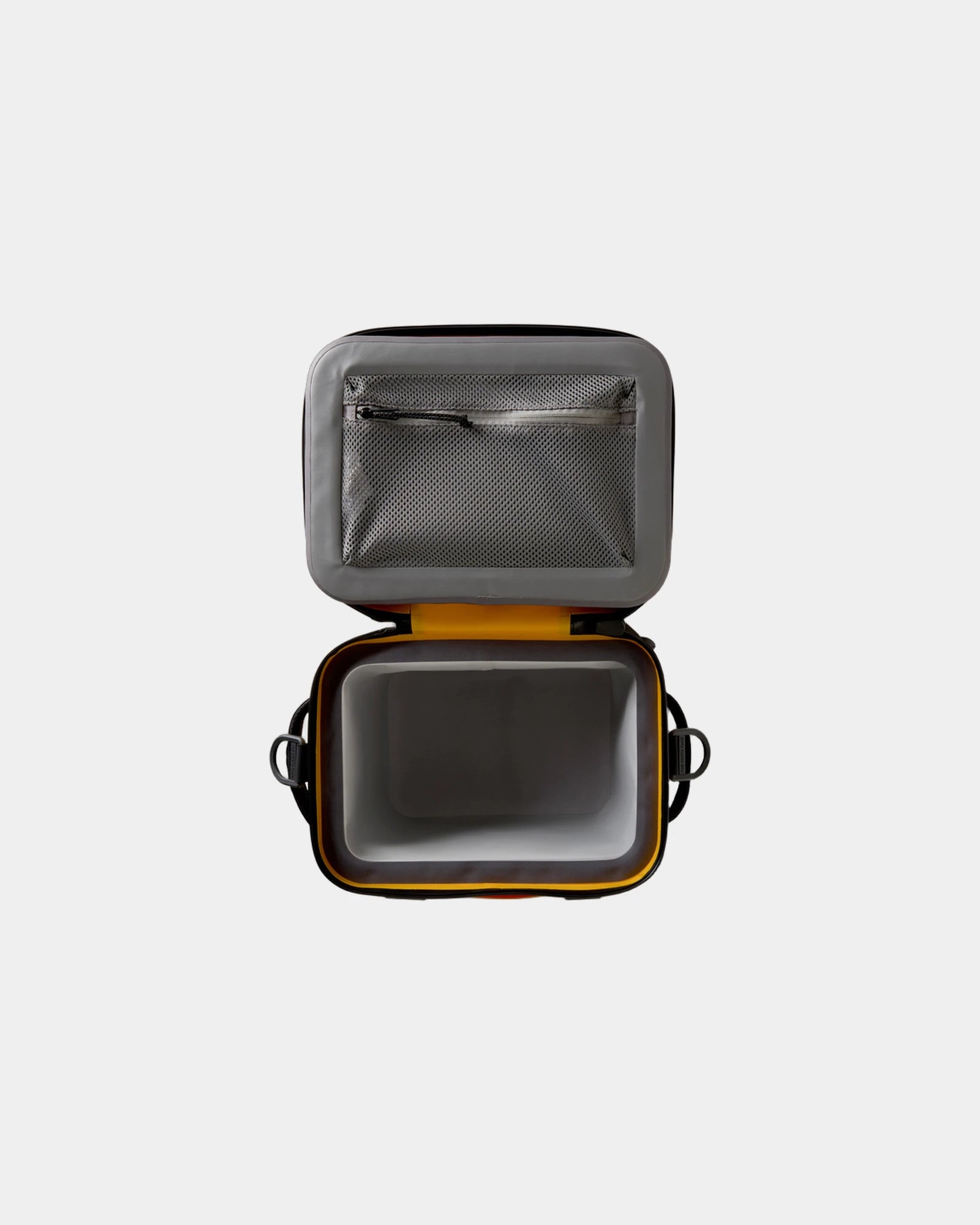


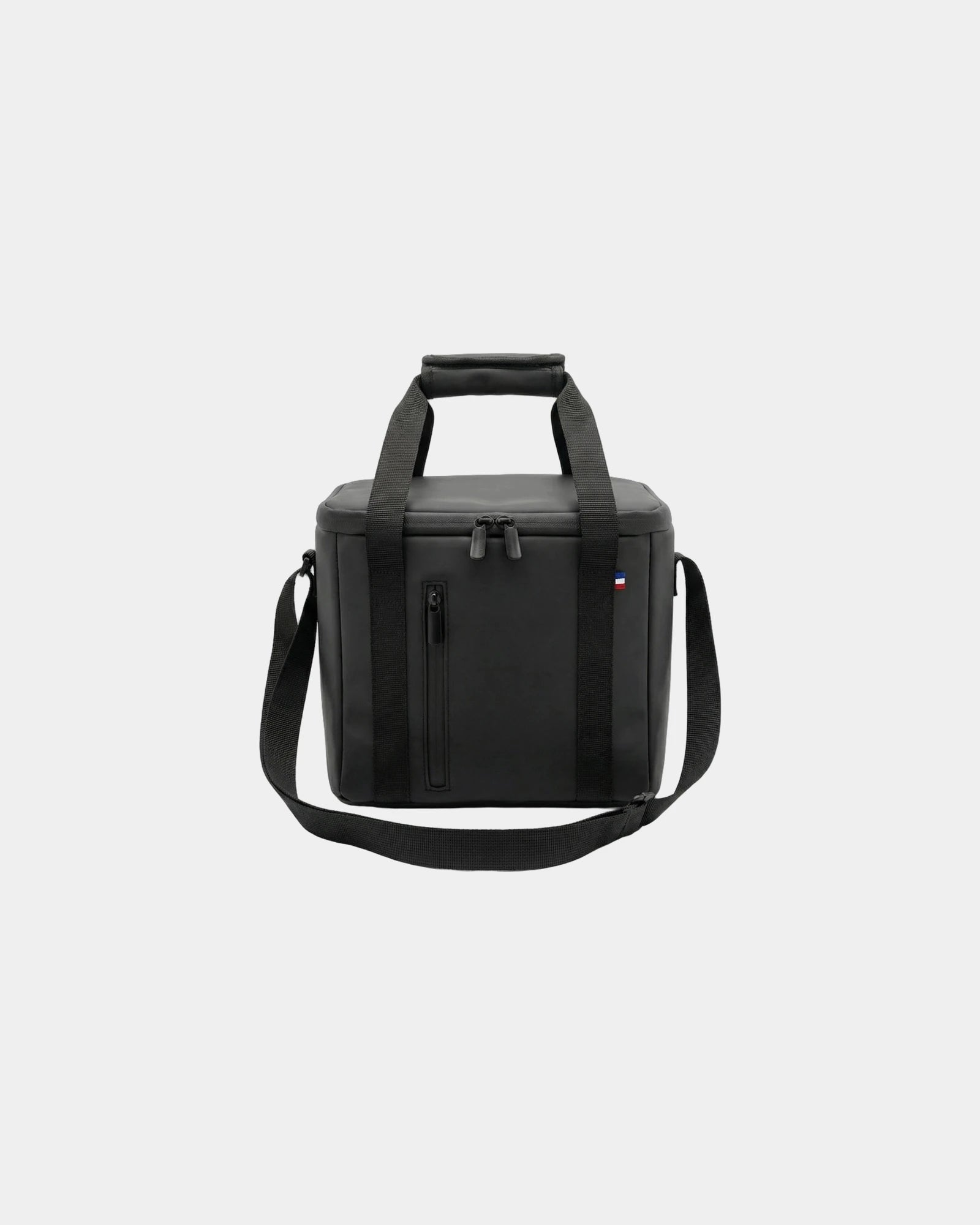


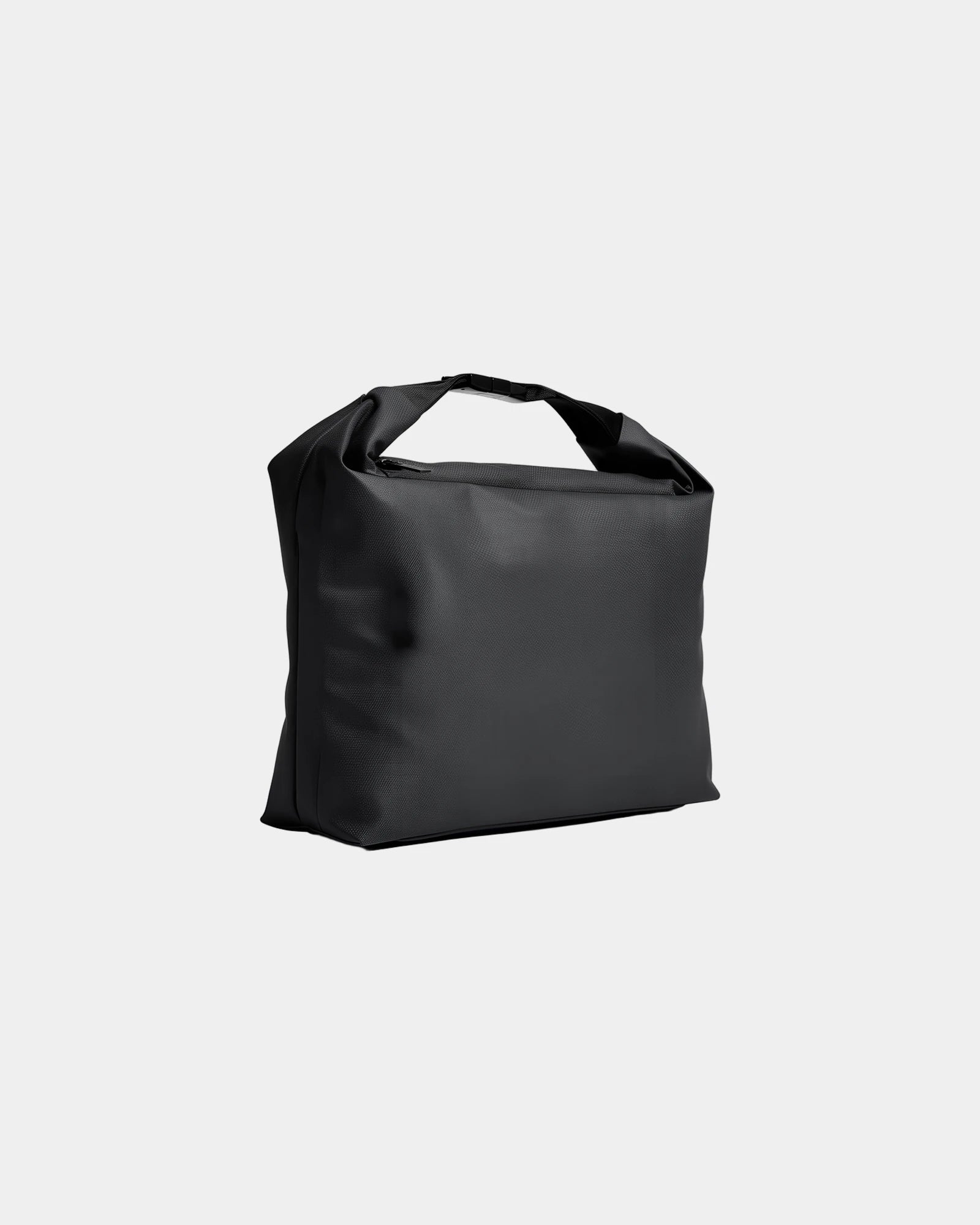


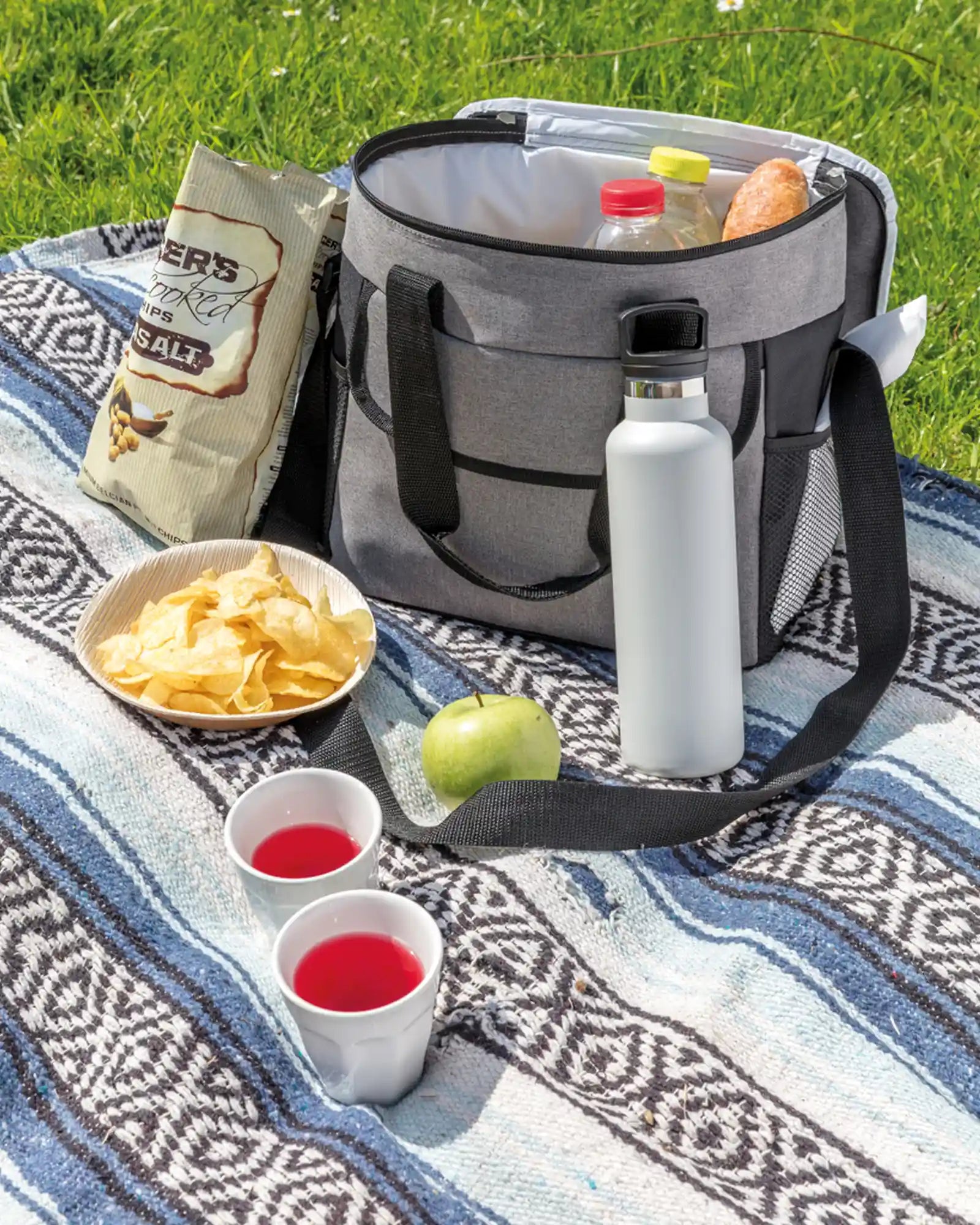


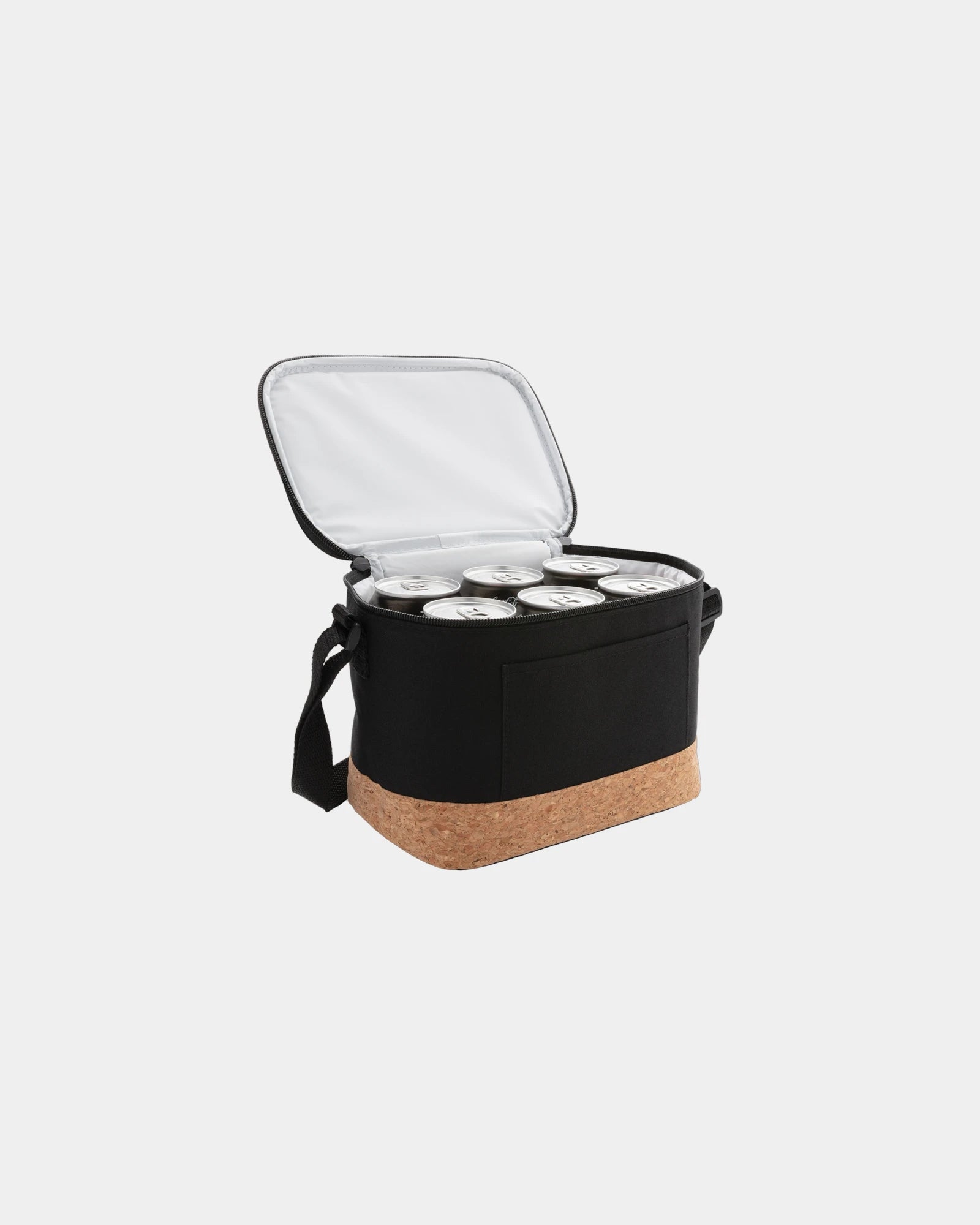


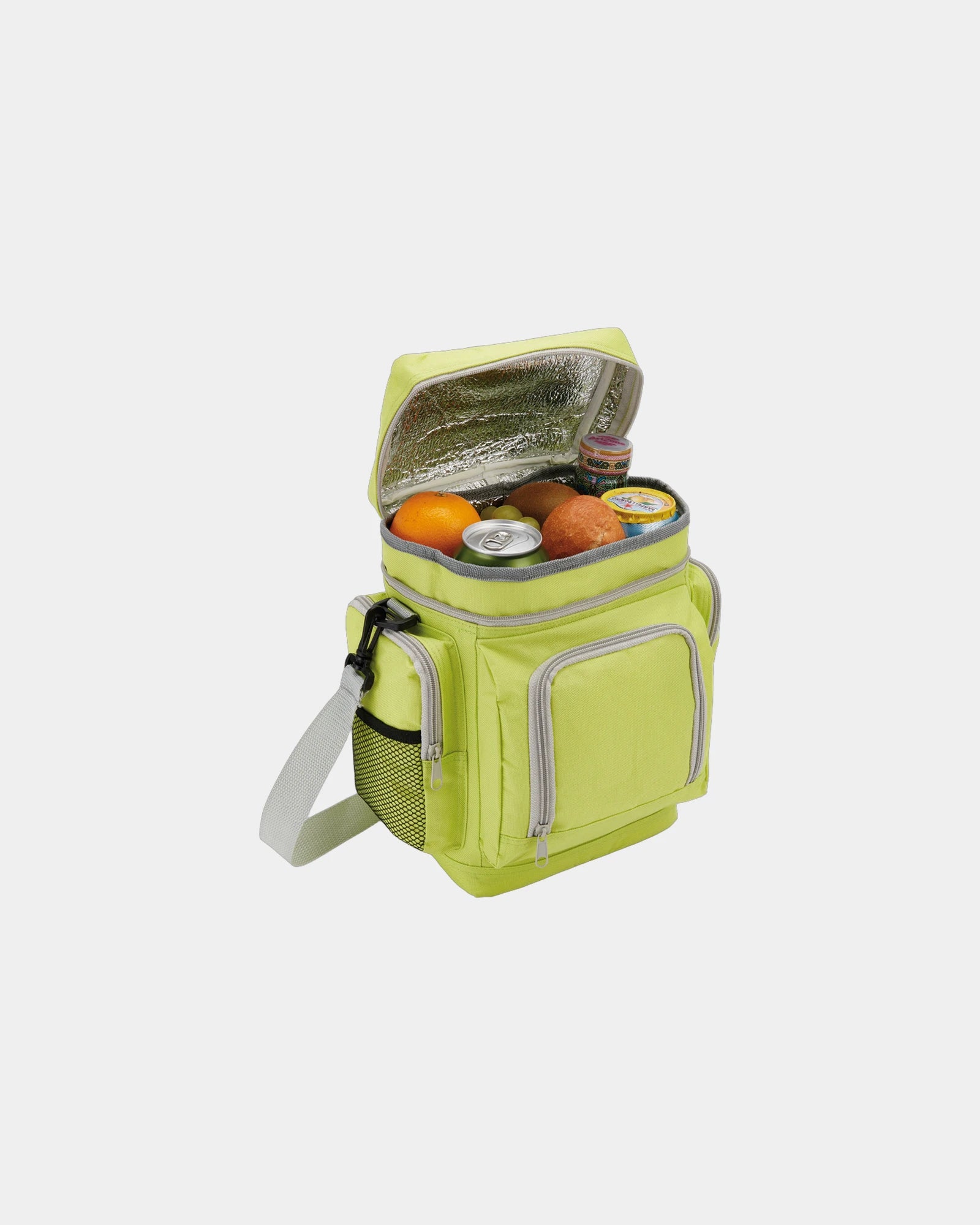




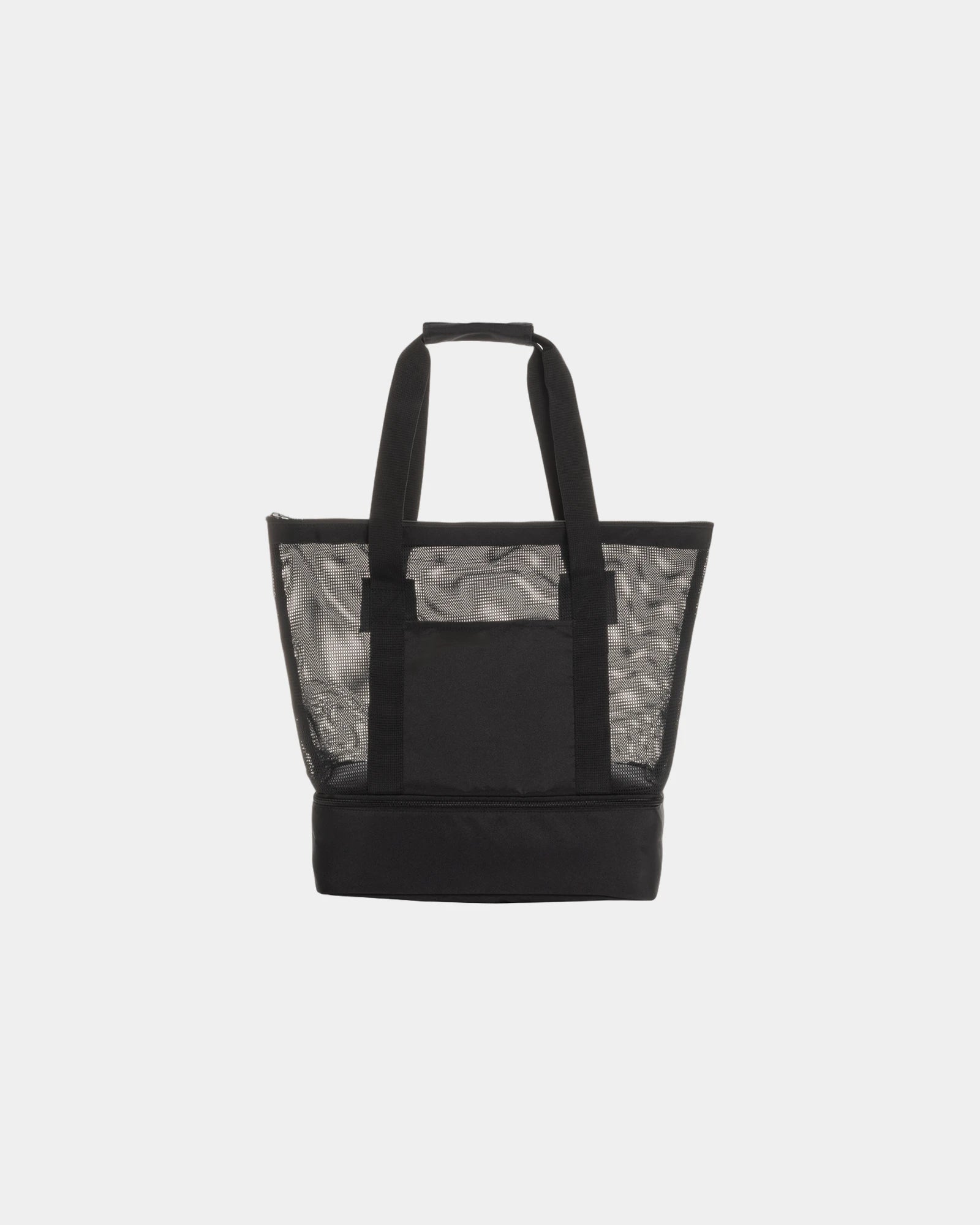


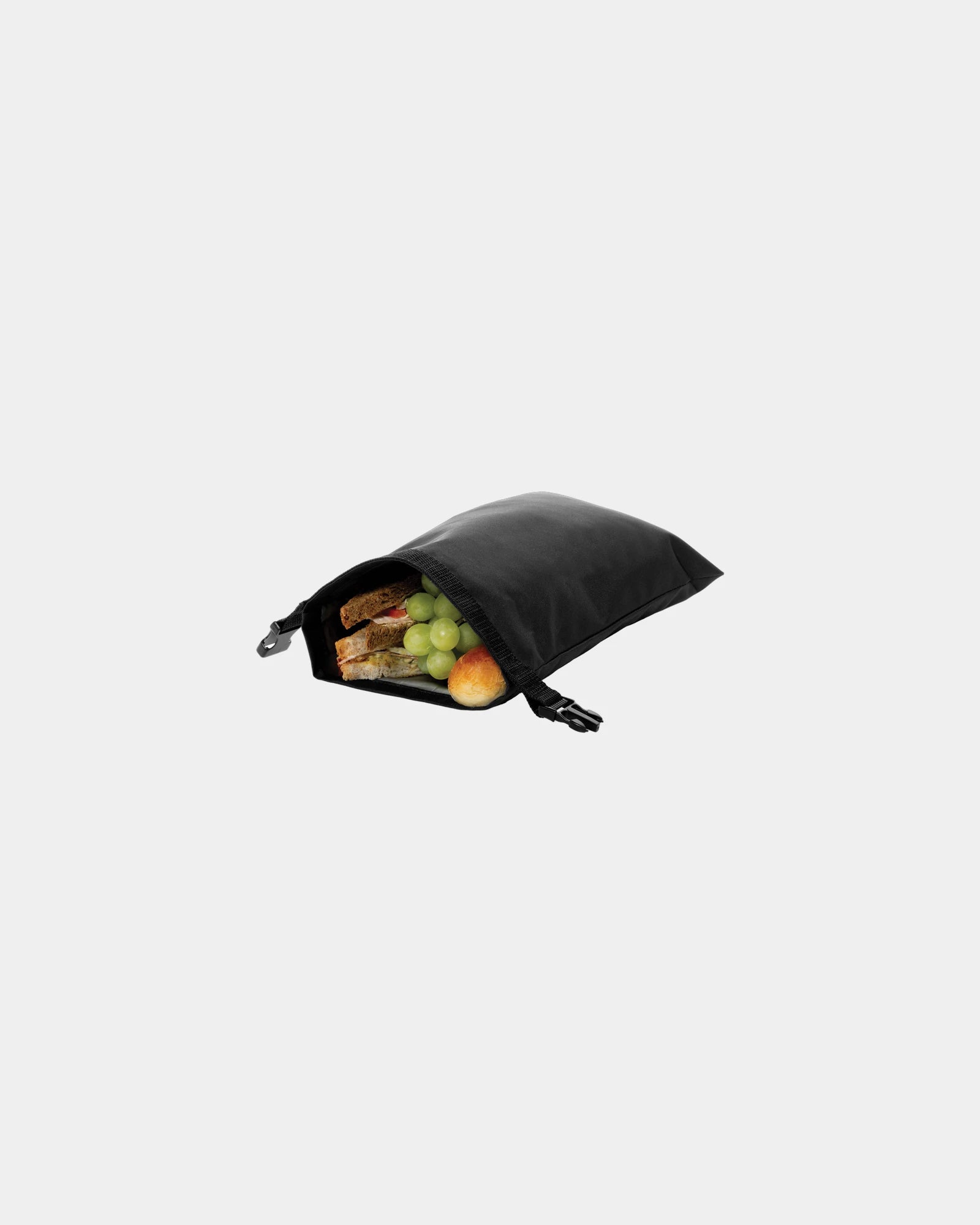


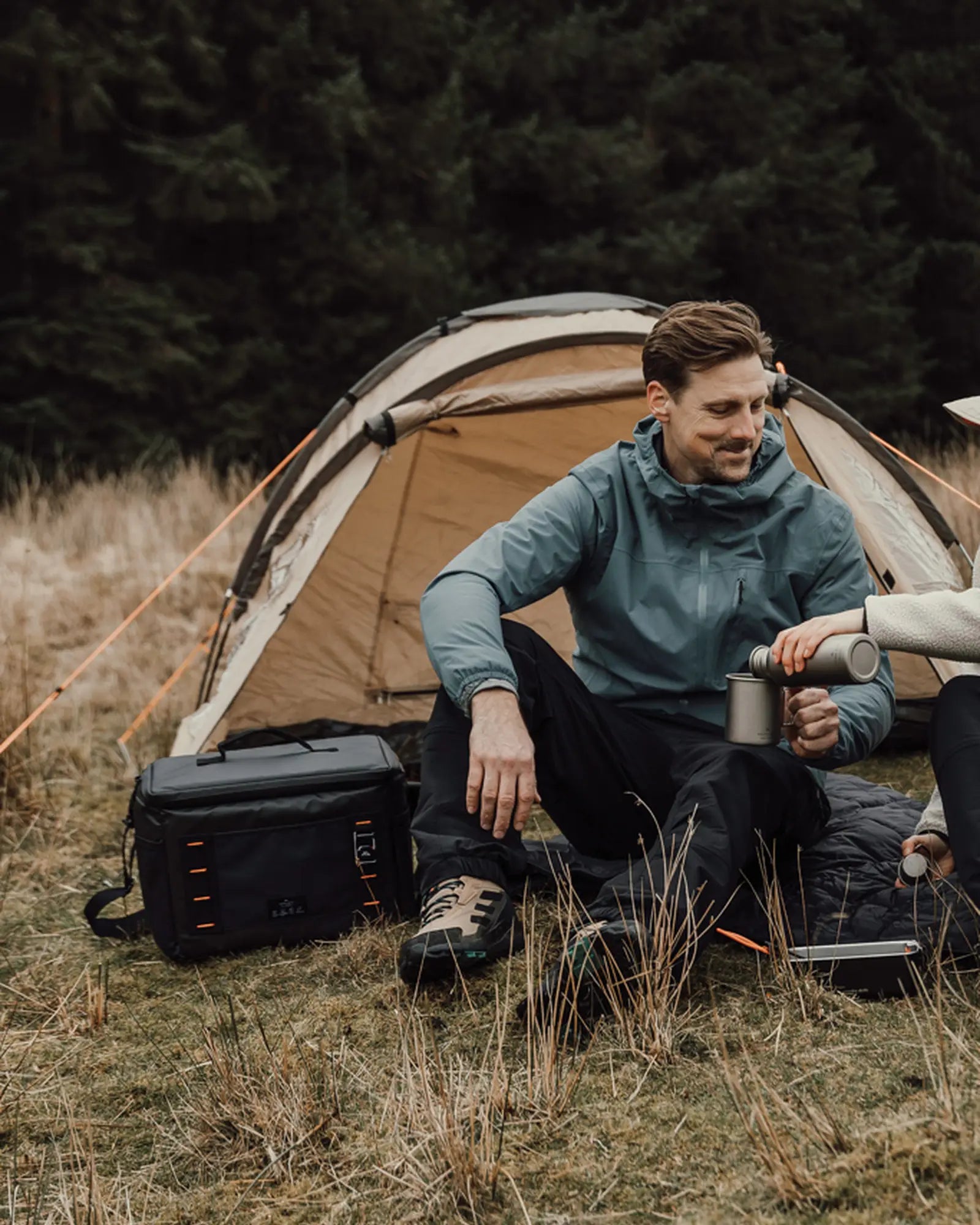


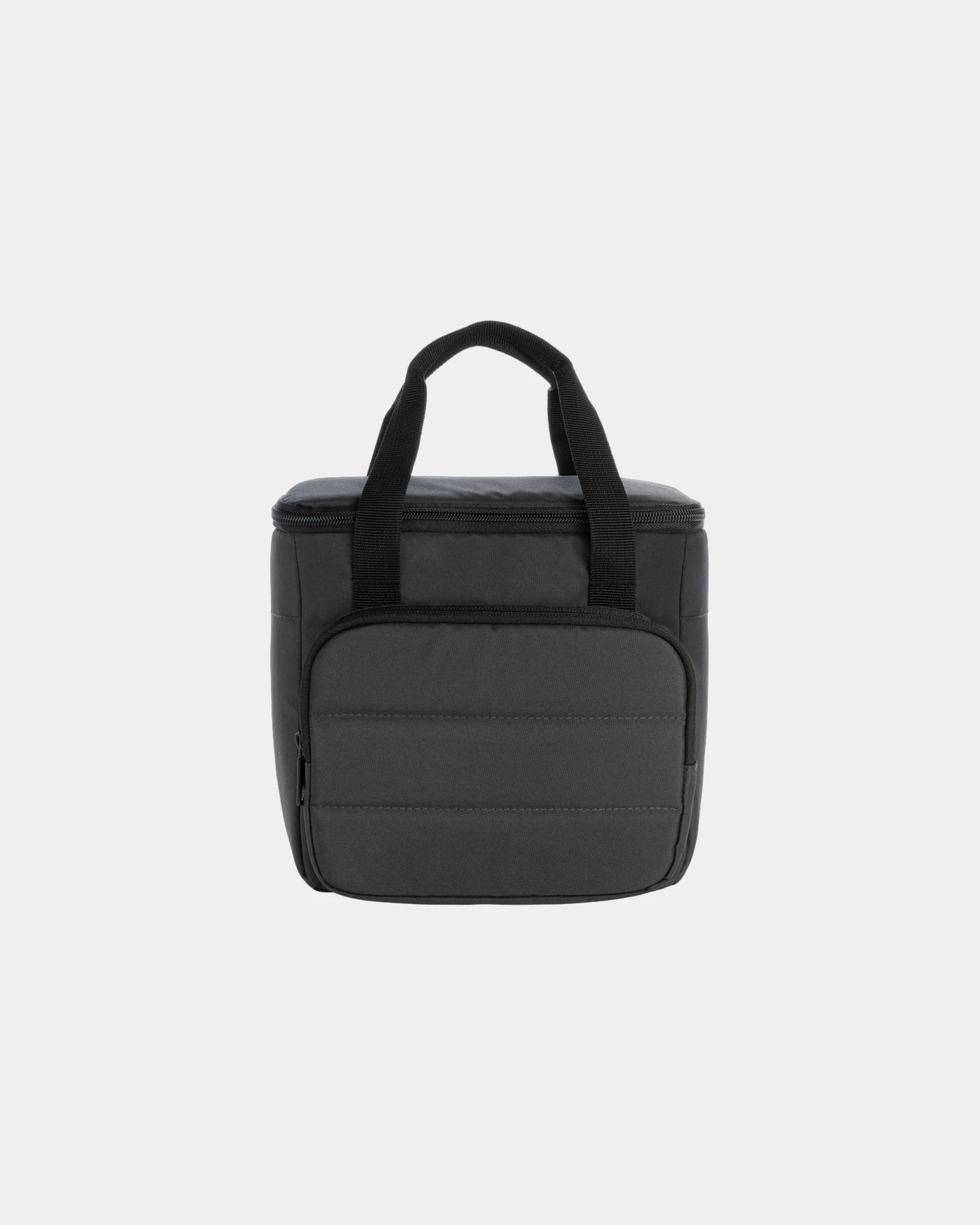


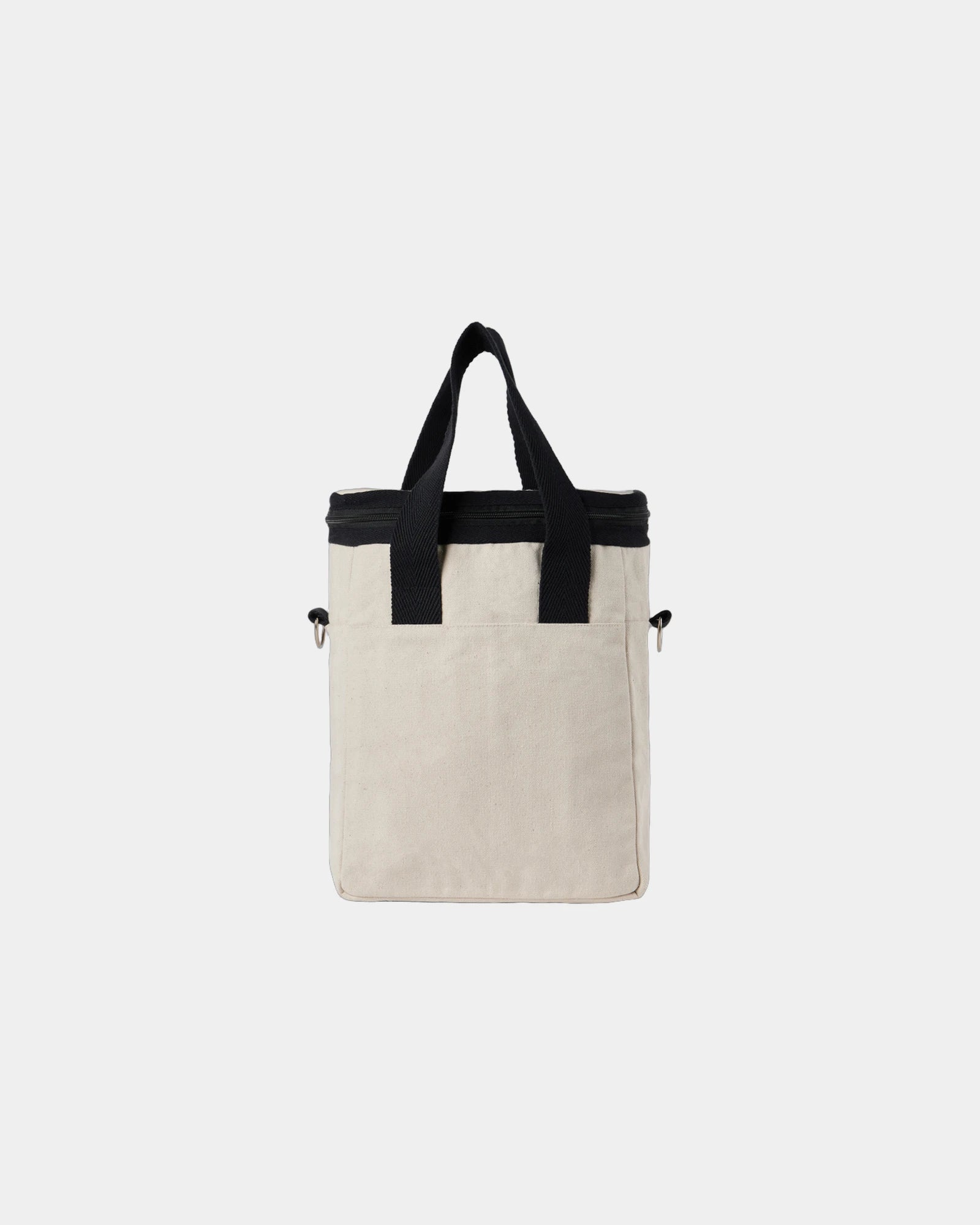


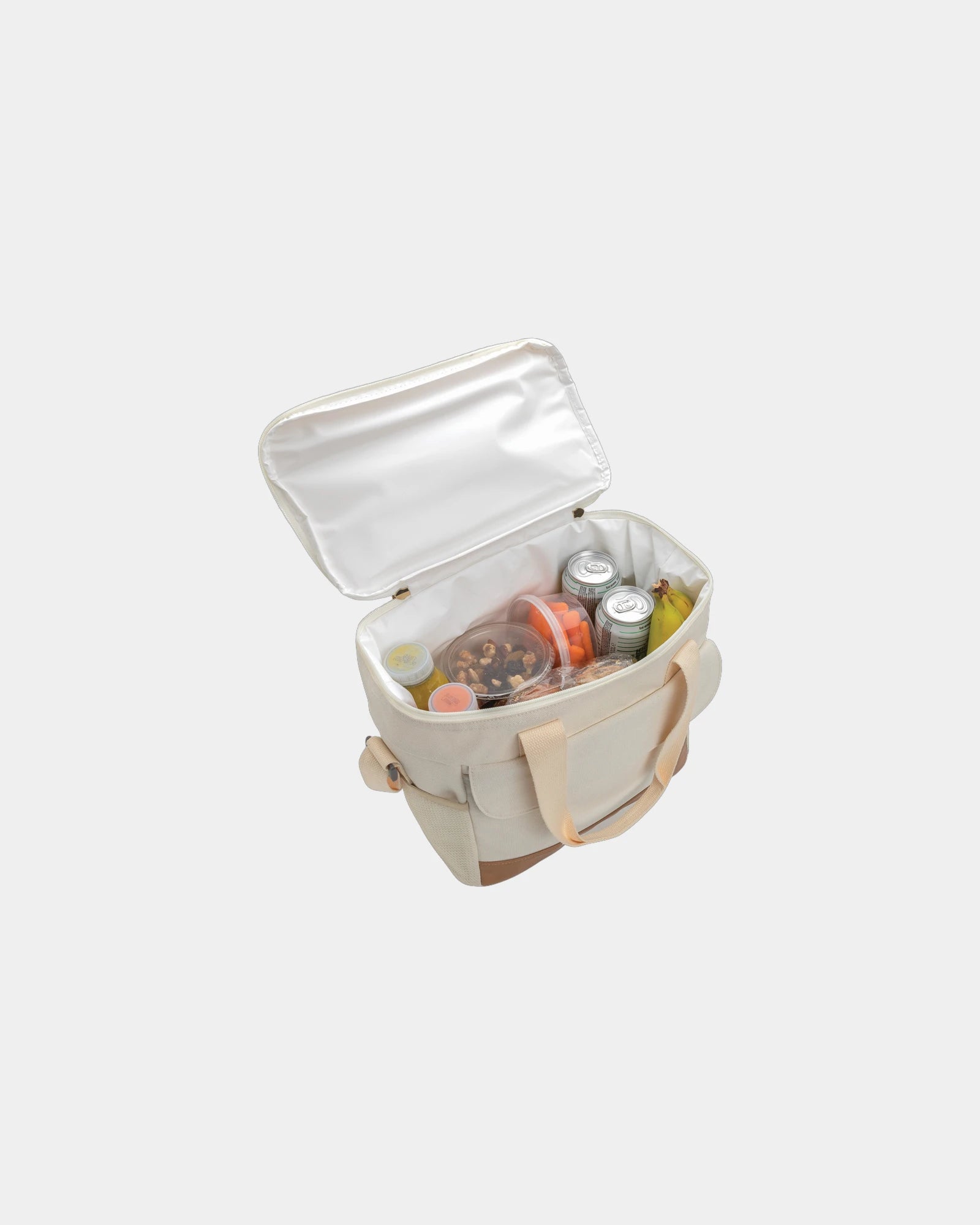


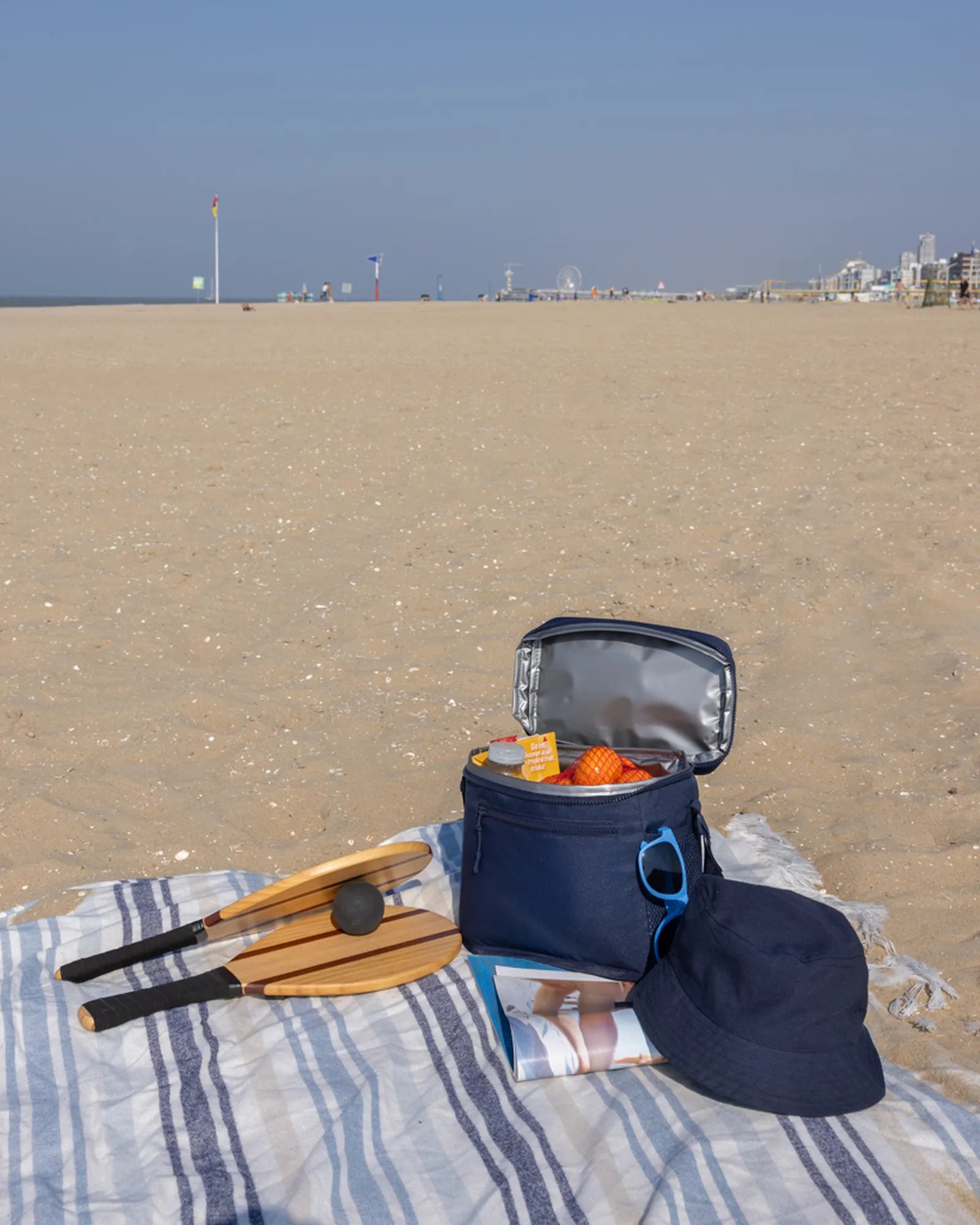


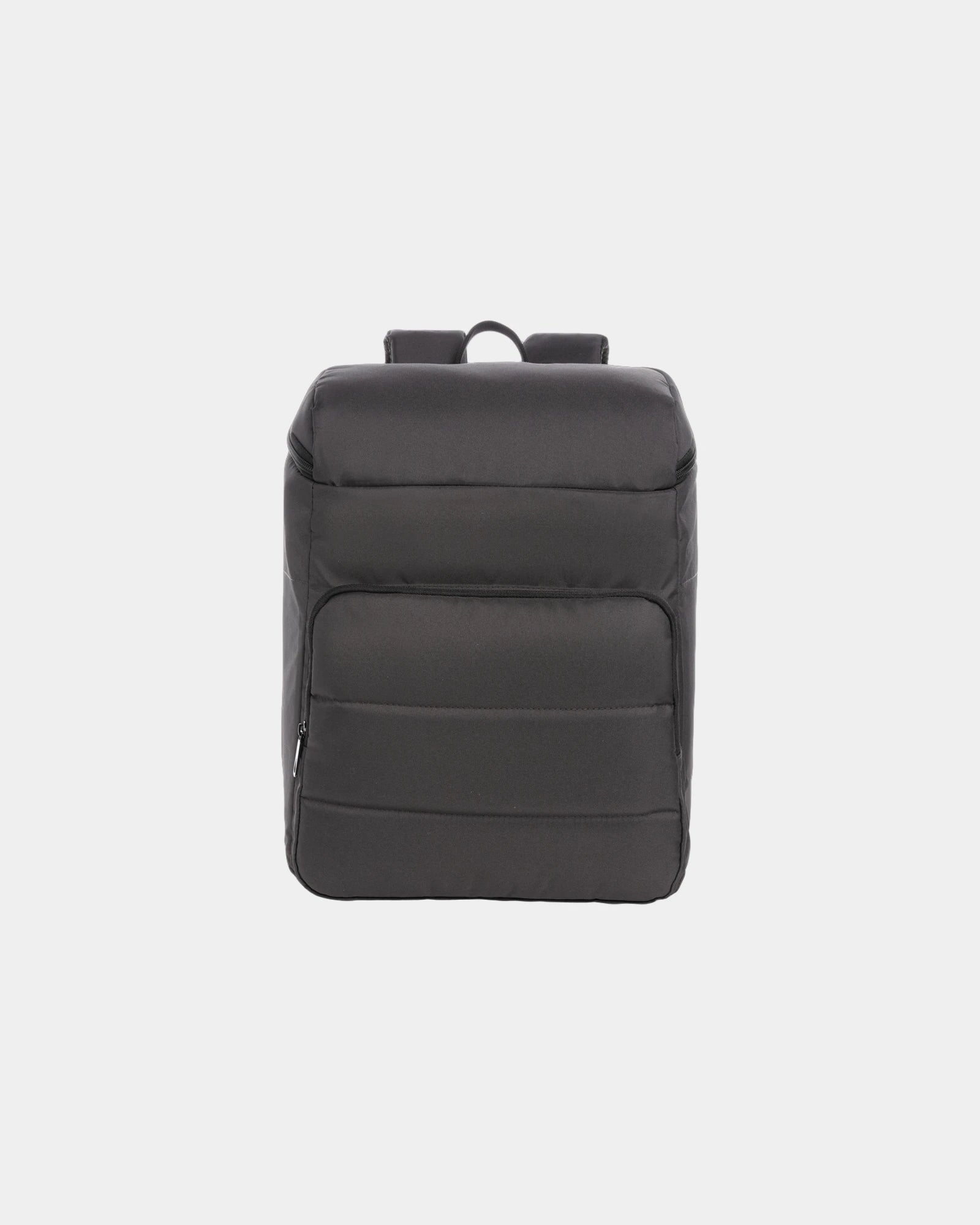


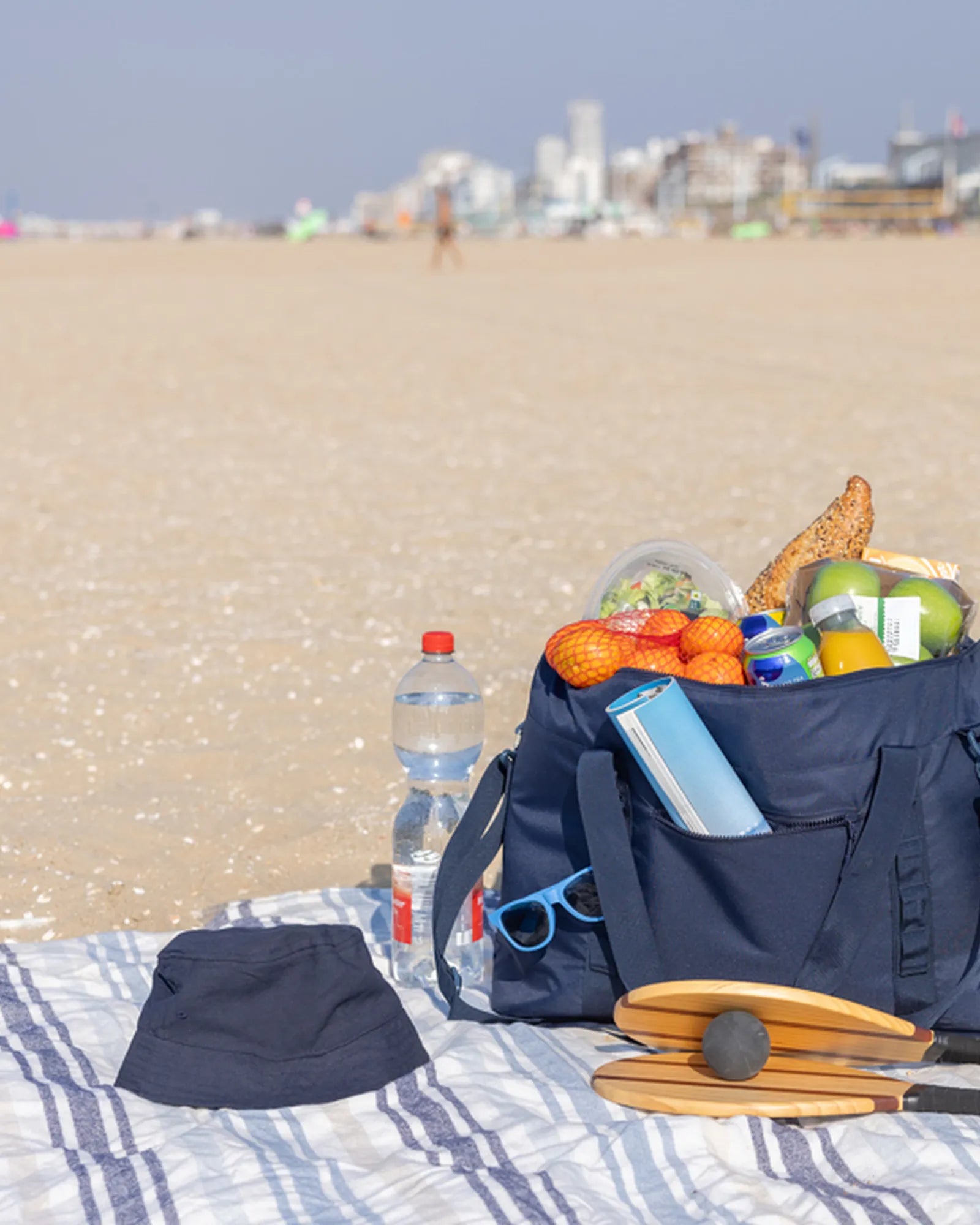


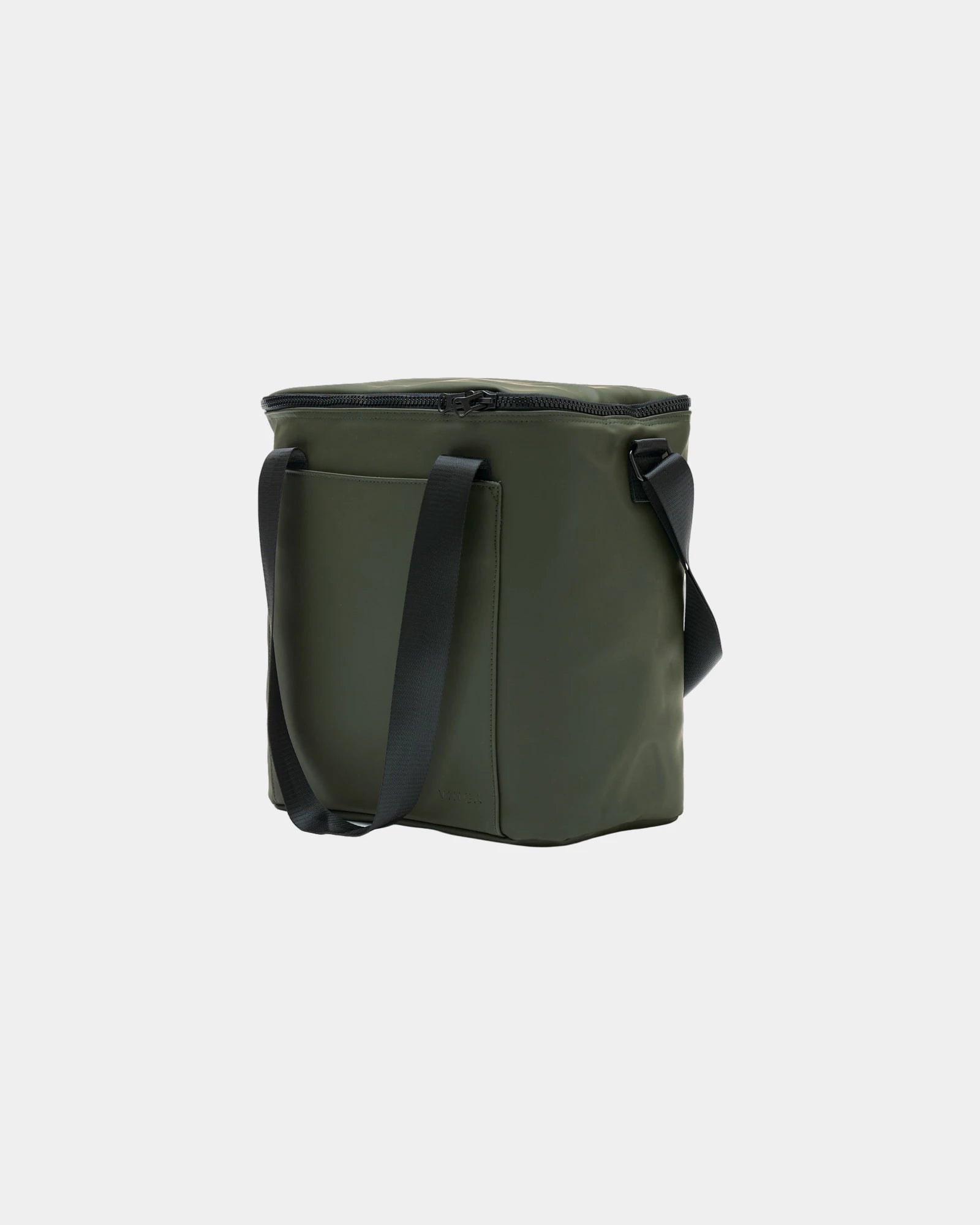


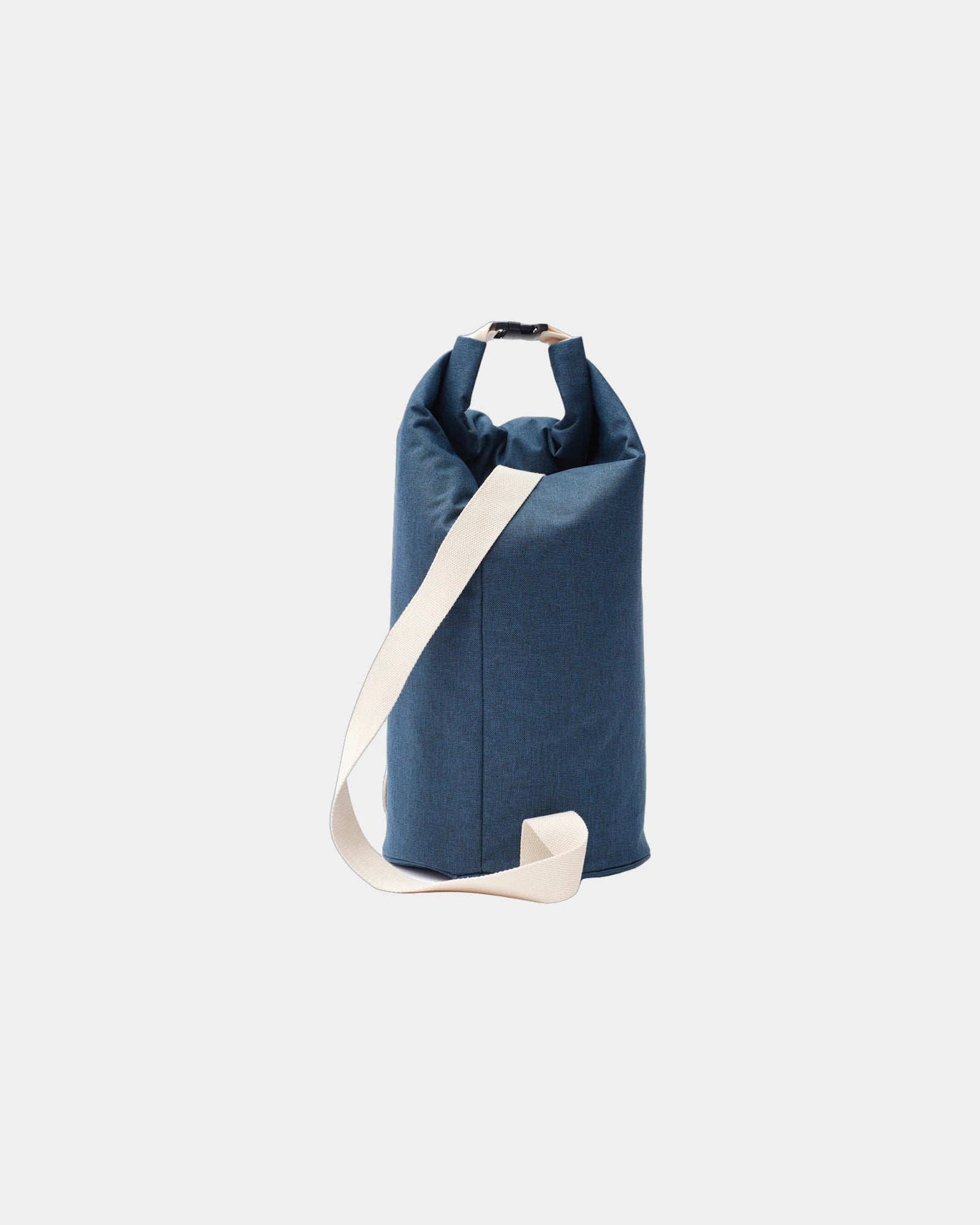


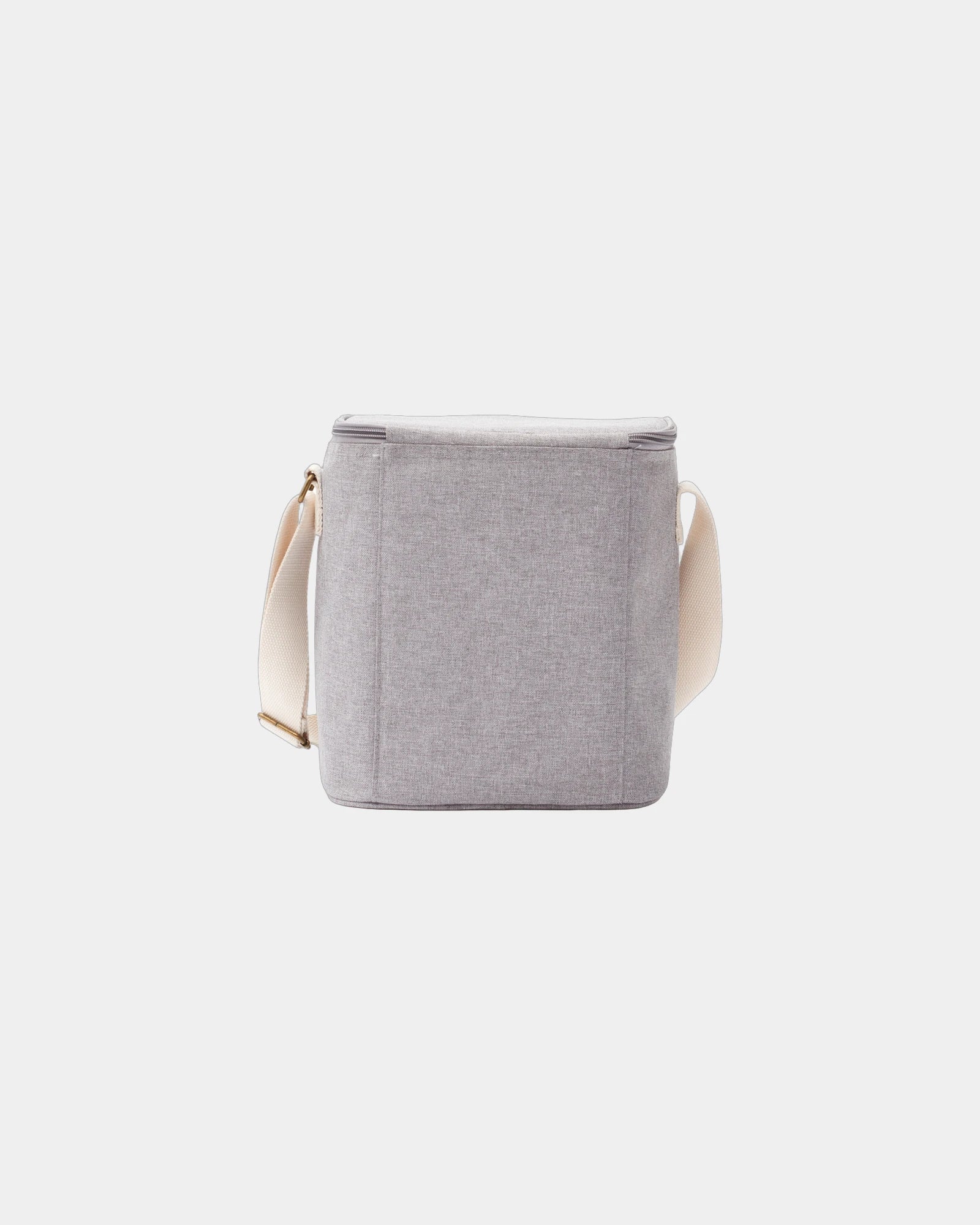


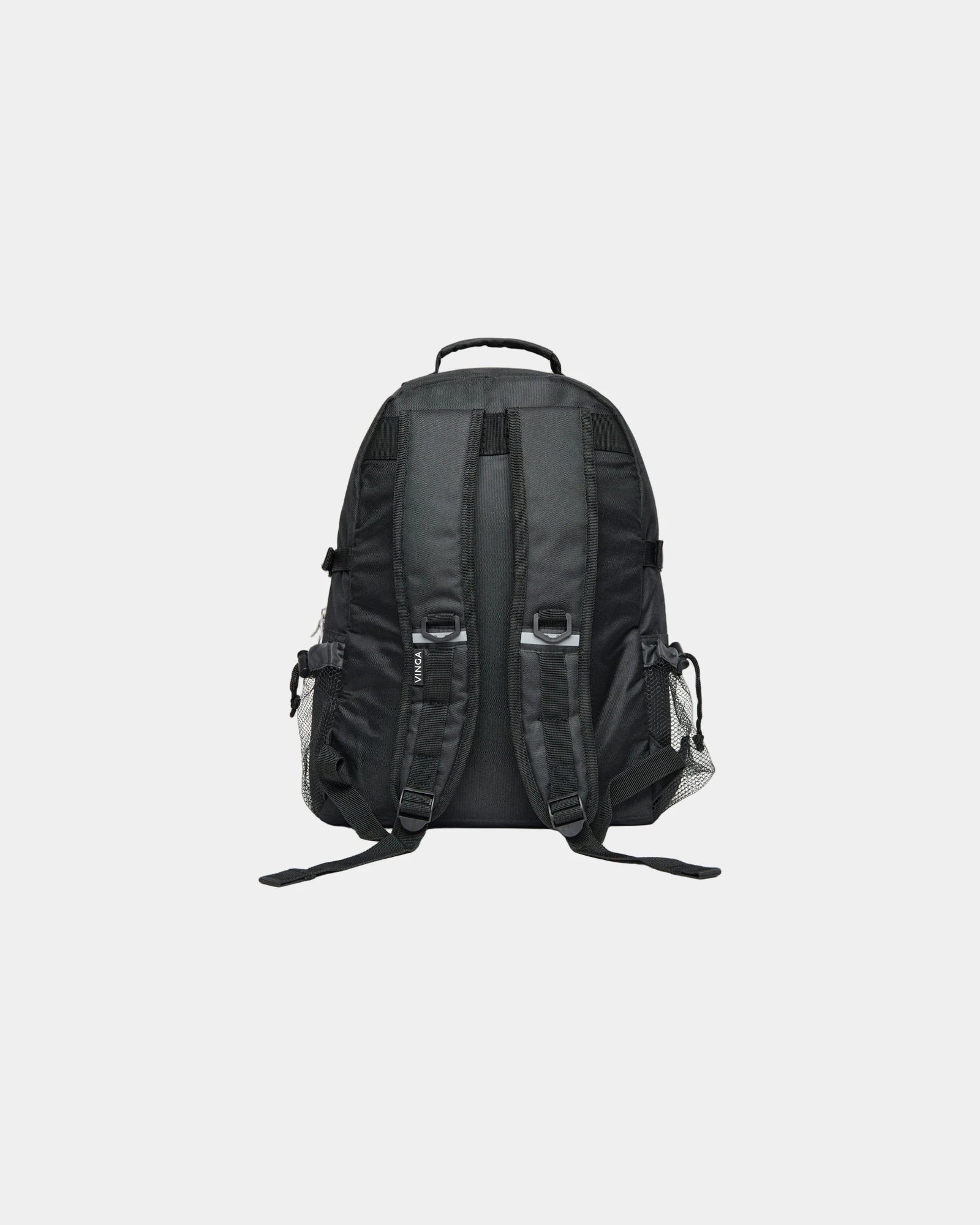


















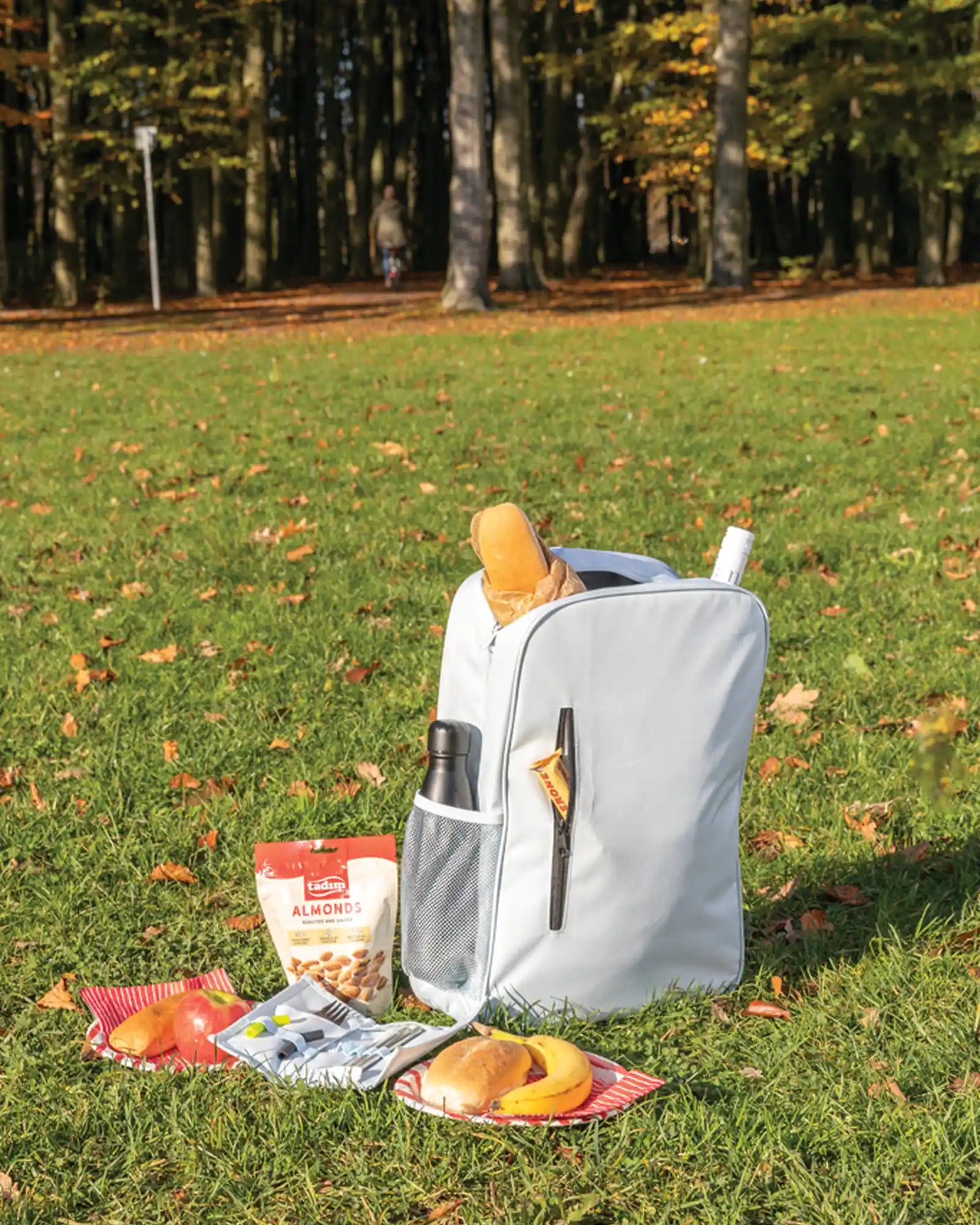


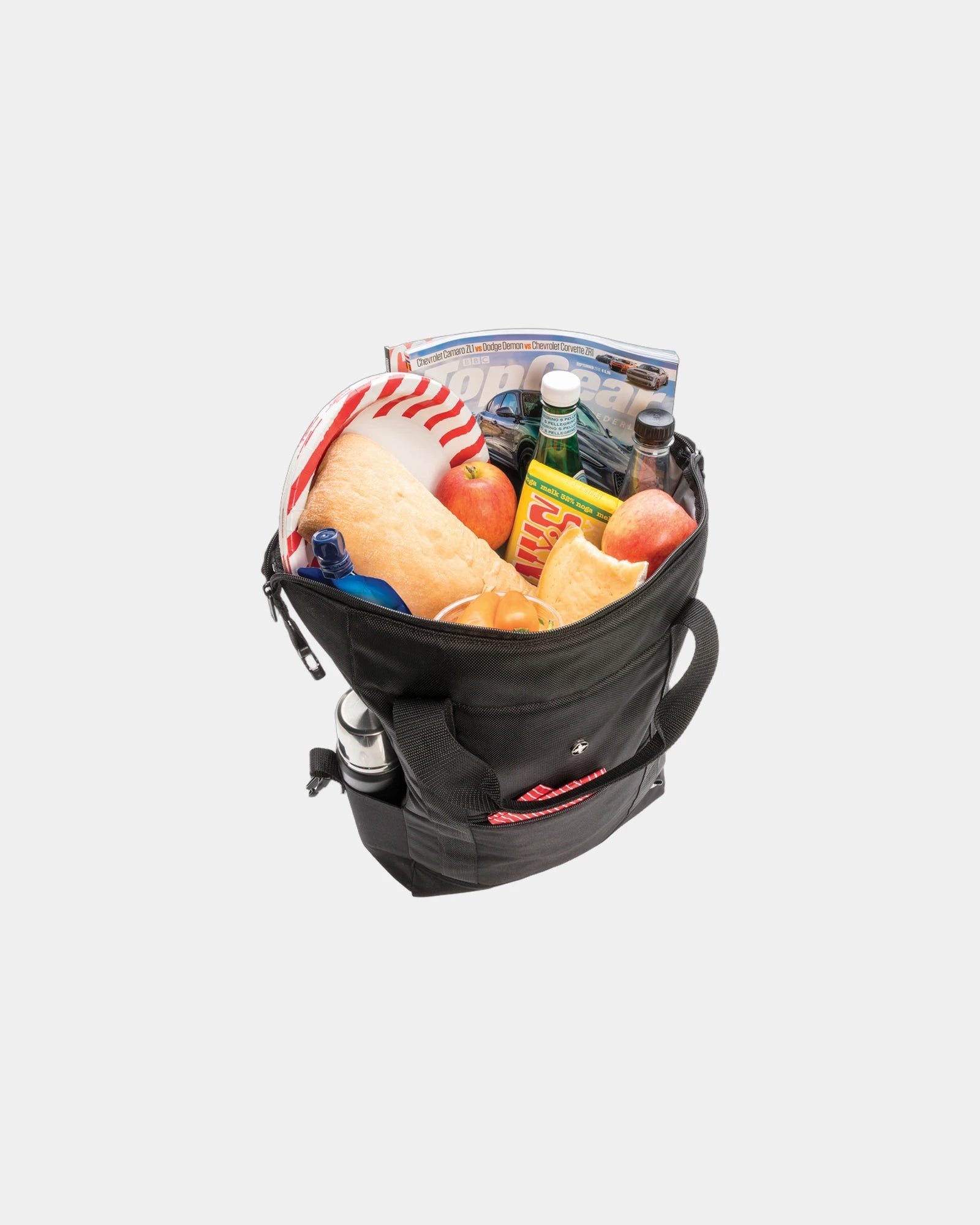


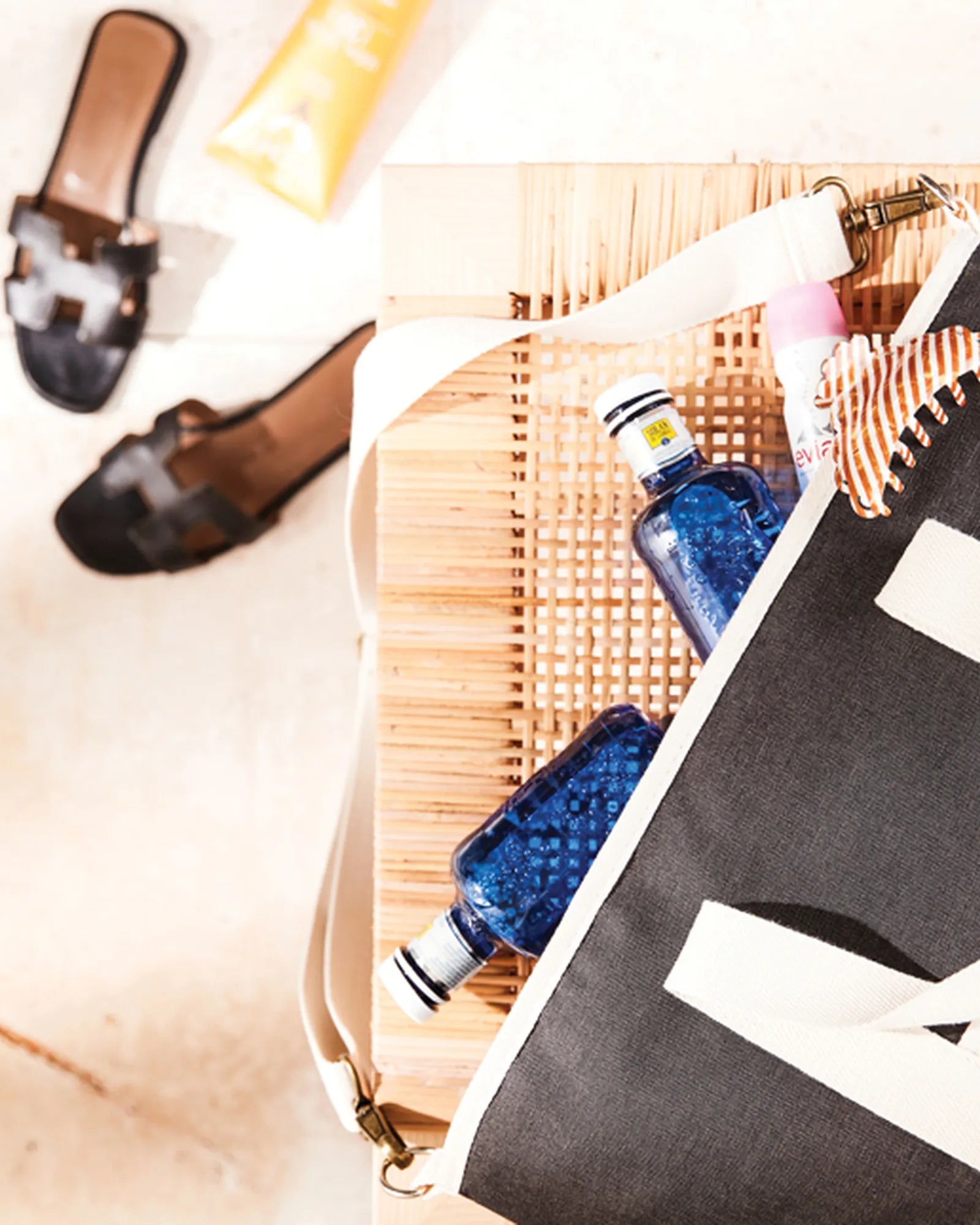


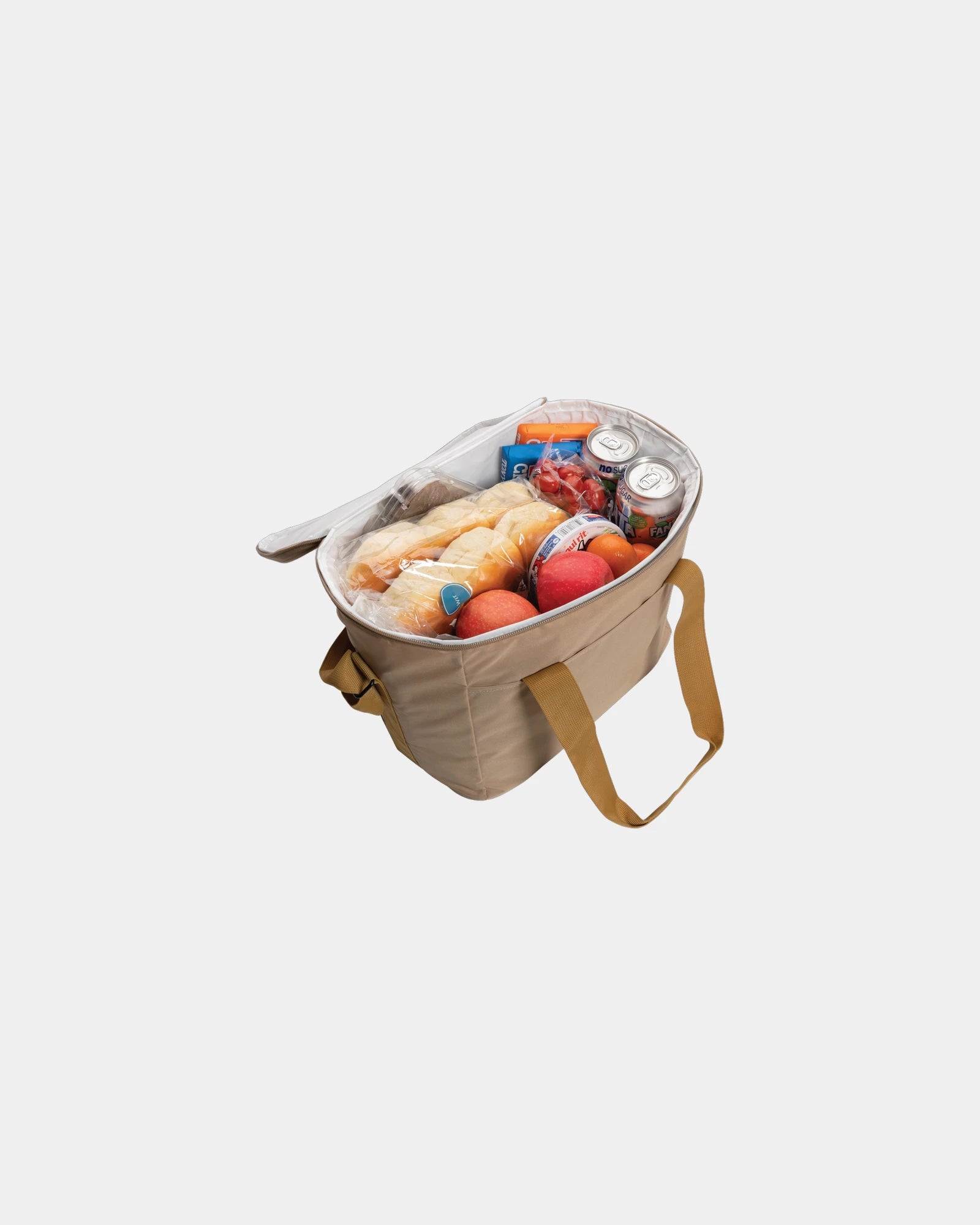


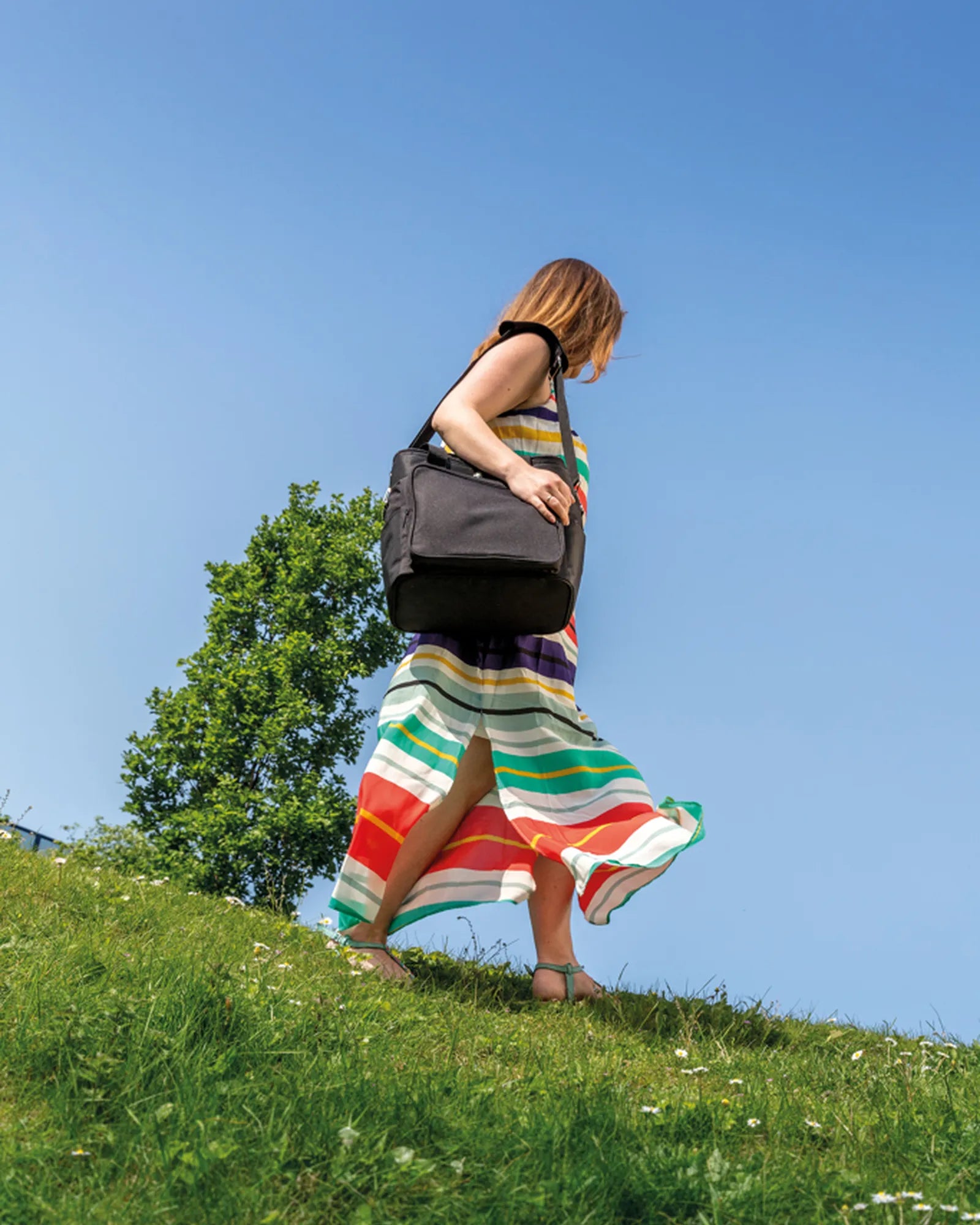


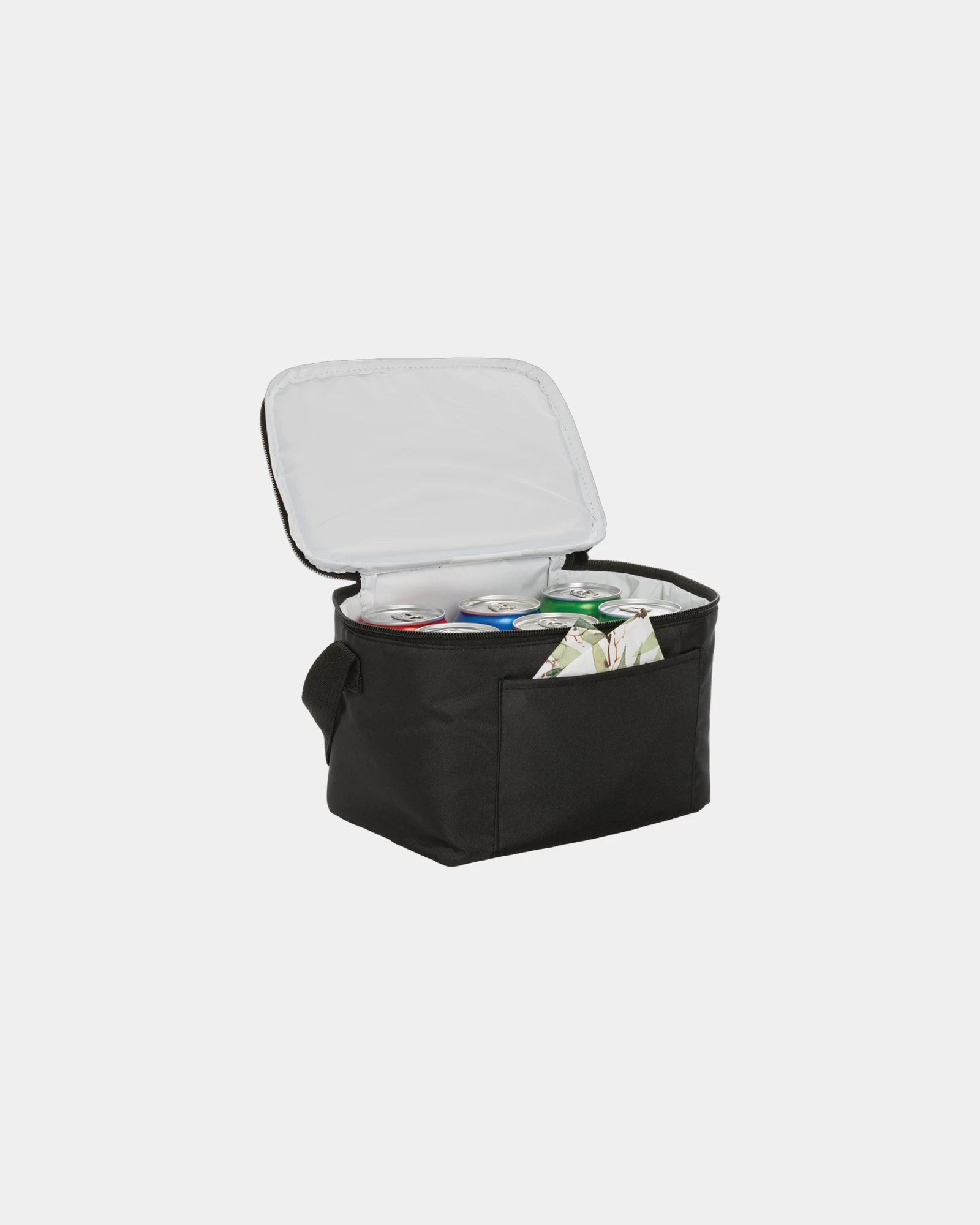


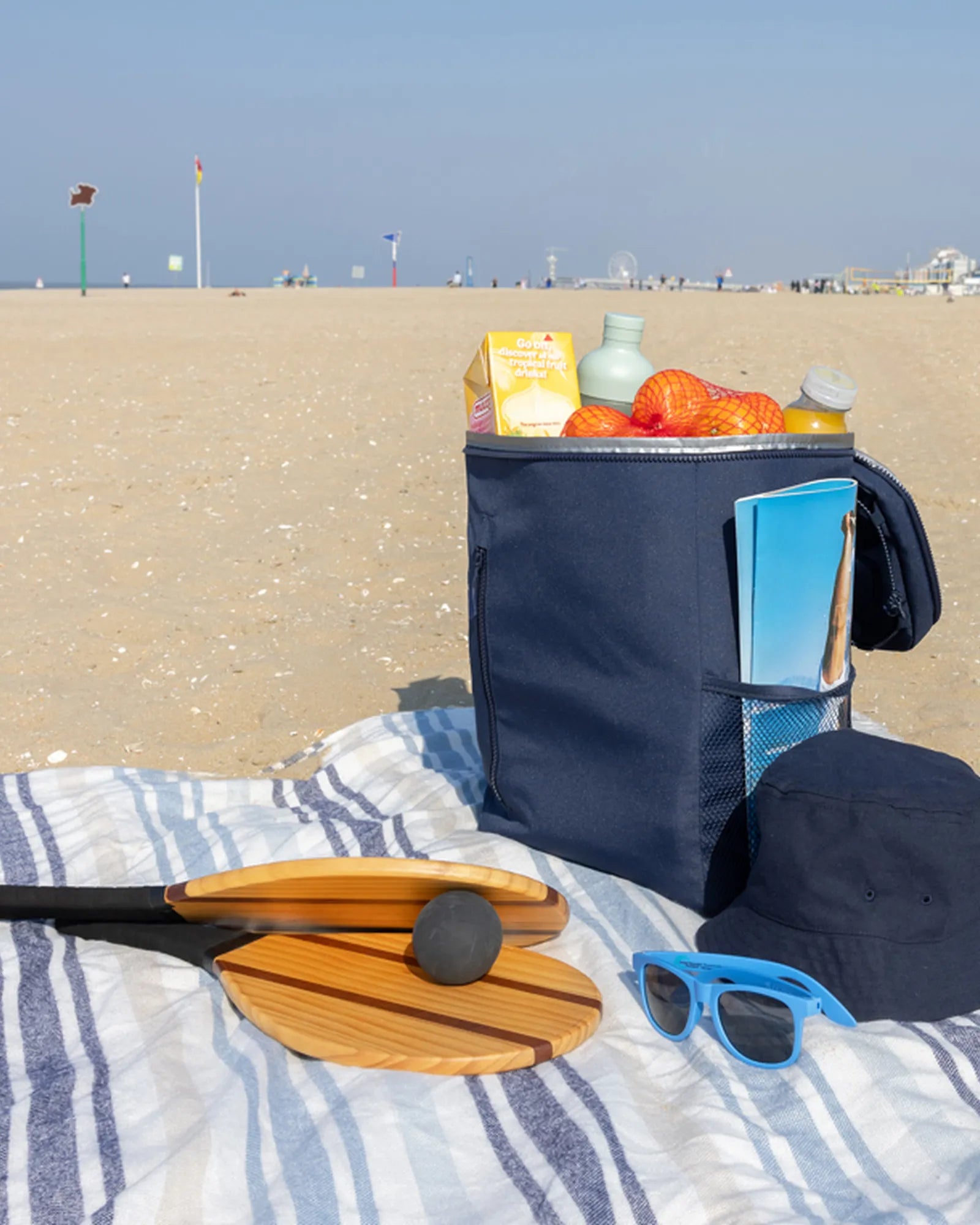


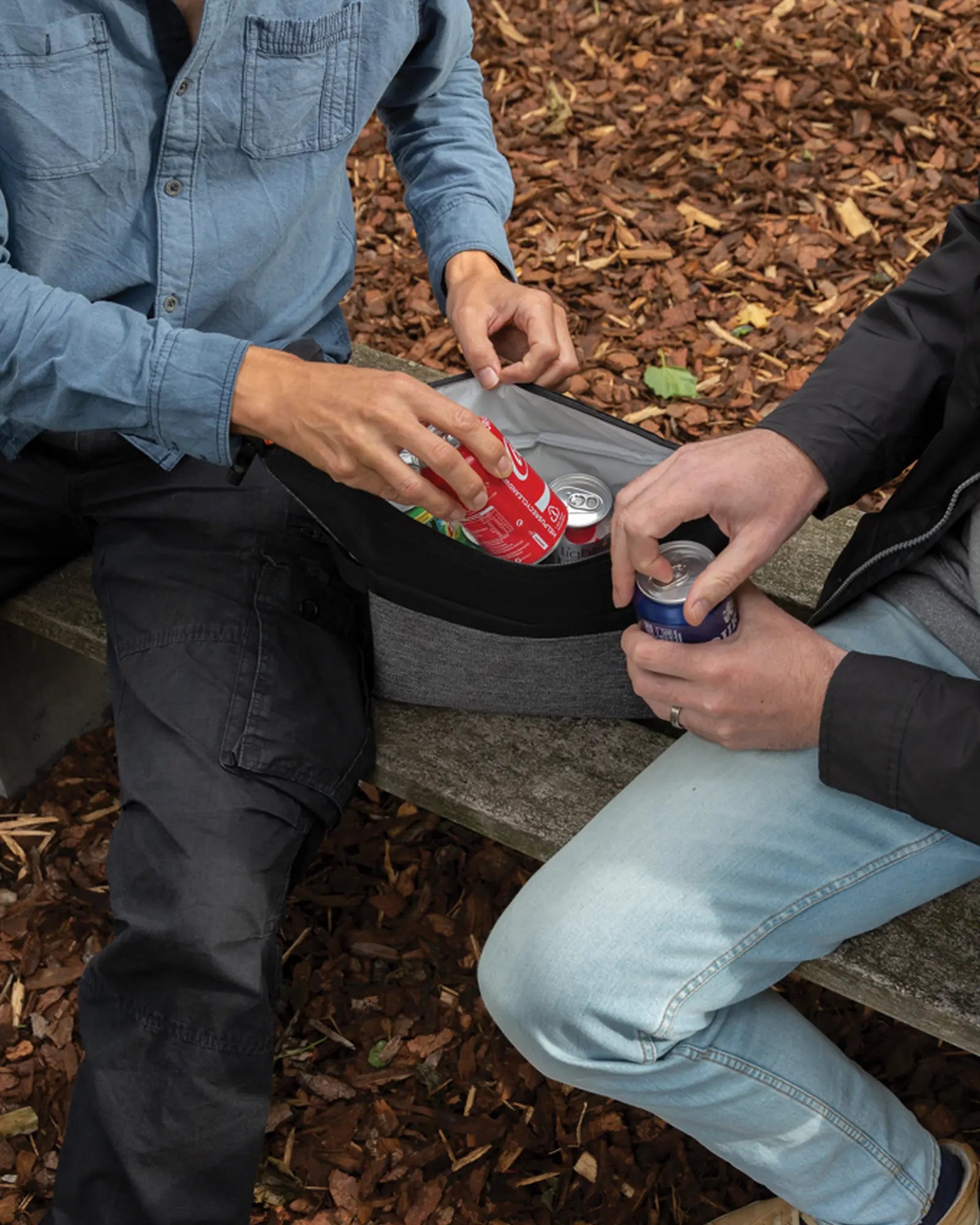




Treat your clients and employees!

FAQ - Branded cool bags
Trusted by 1,000+ companies
What the insulated lining does inside Custom cool bags
The job of any printed cool bag is heat exclusion, and that work happens in a layer most buyers never see. Inside the outer fabric sits a foil-faced film bonded to a layer of foam, then a PEVA inner skin that holds the cold and wipes clean. The foil reflects radiant heat back out, the foam slows conduction, and the PEVA stops a melting ice pack soaking through to a delegate's lap.
PEVA is chosen over PVC because it is BPA-free and food-safe, which matters when the bag holds sandwiches rather than spanners. A mid-spec lining holds chilled contents for roughly four to six hours; a thicker, double-foil build pushes that toward a full working day. State the use-case in your brief and we match the lining grade to it rather than overselling a thin bag as all-day kit.
| Lining build | Approx. hold time | Best for |
|---|---|---|
| Single foil + thin foam | 2-3 hours | Short commute, desk lunch |
| Foil + standard foam + PEVA | 4-6 hours | Picnic, half-day event |
| Double foil + thick foam + PEVA | Up to a full day | Outdoor stand, brewery sampling |
| Recycled rPET outer + PEVA | 4-6 hours | Eco-led summer campaign |
Capacity in litres and cans across the Personalised cool bags range
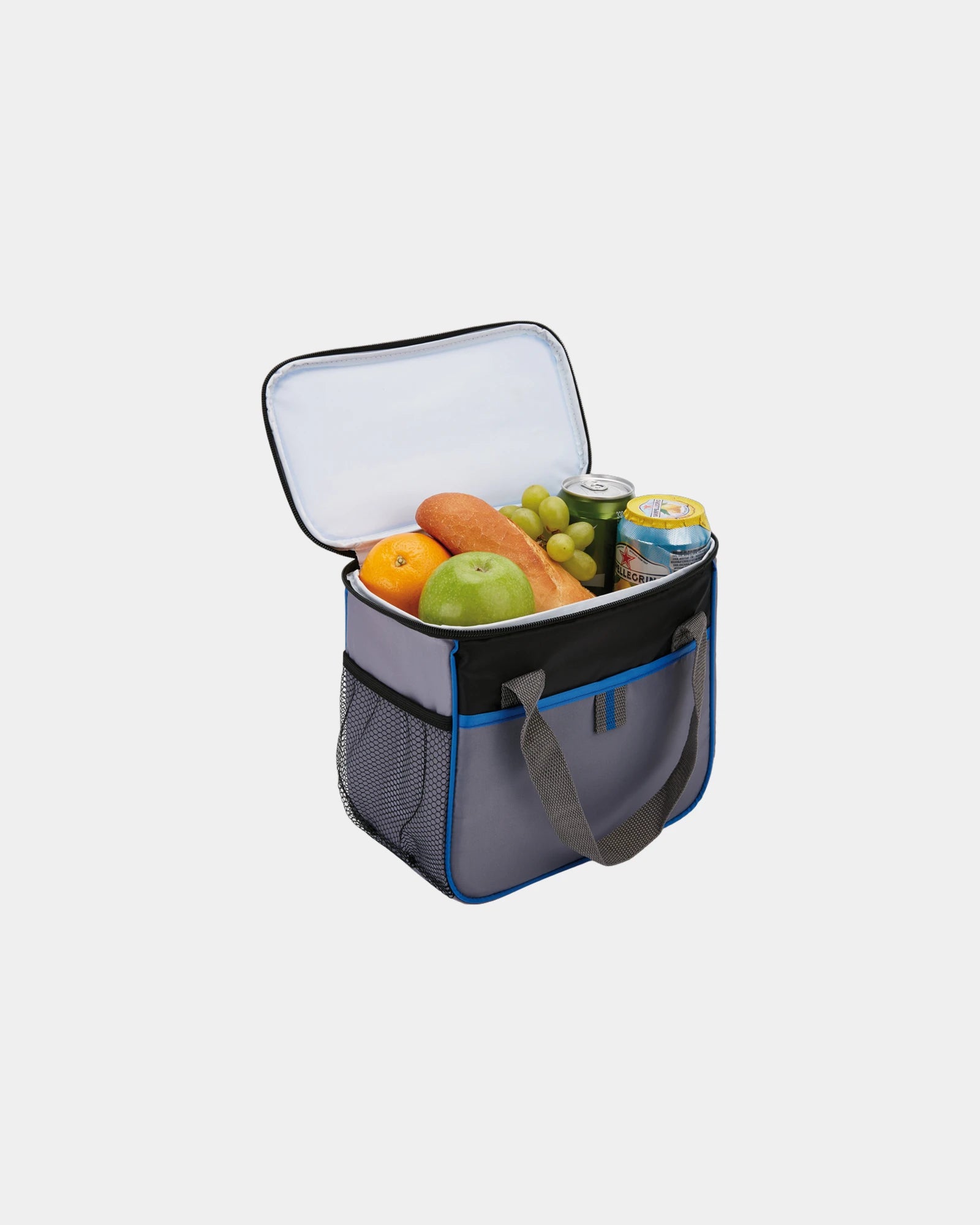
Cool bags are sold two ways, in litres and in cans, and the two numbers describe the same thing from different angles. A compact lunch cool bag runs around 5 to 8 litres, enough for a meal box, a drink and an ice pack. A picnic or event cooler sits near 18 to 32 litres, which translates to roughly 24 to 48 standard 330ml cans before you add ice.
Picture a brewery sampling at a summer food fair: a 30-litre bag swallows 30 cans plus two ice packs and still zips shut. Personalised water bottles travel happily in the same bag for a hydration-led campaign, since the lining keeps a refilled bottle cold as long as a can. The table below pins the litre-to-can maths to the formats we actually stock.
| Format | Approx. capacity | Holds (model-dependent) | Typical use |
|---|---|---|---|
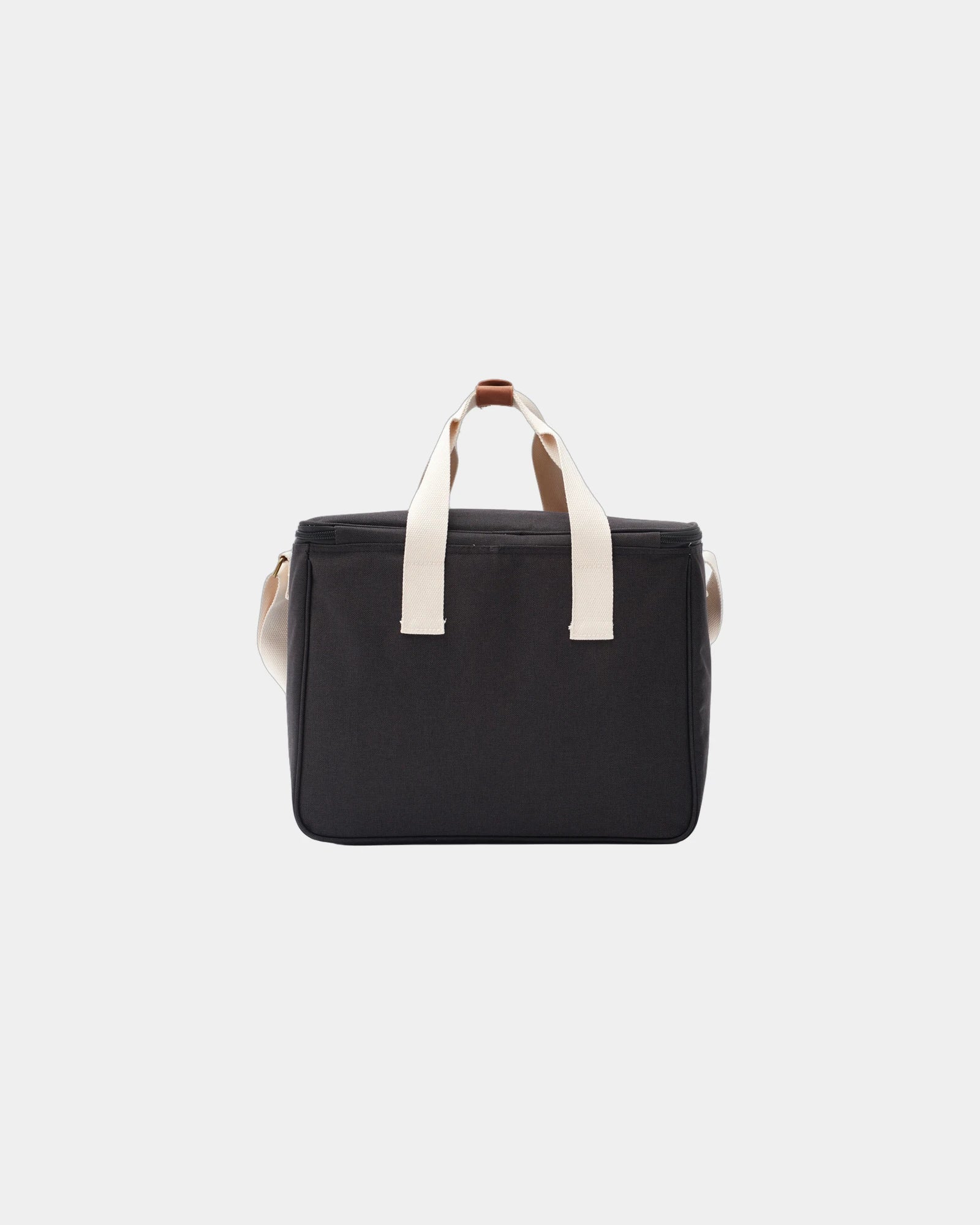
| Lunch cool bag | 5-8 litres | 1 meal box + 1 drink | Staff lunch, single user |
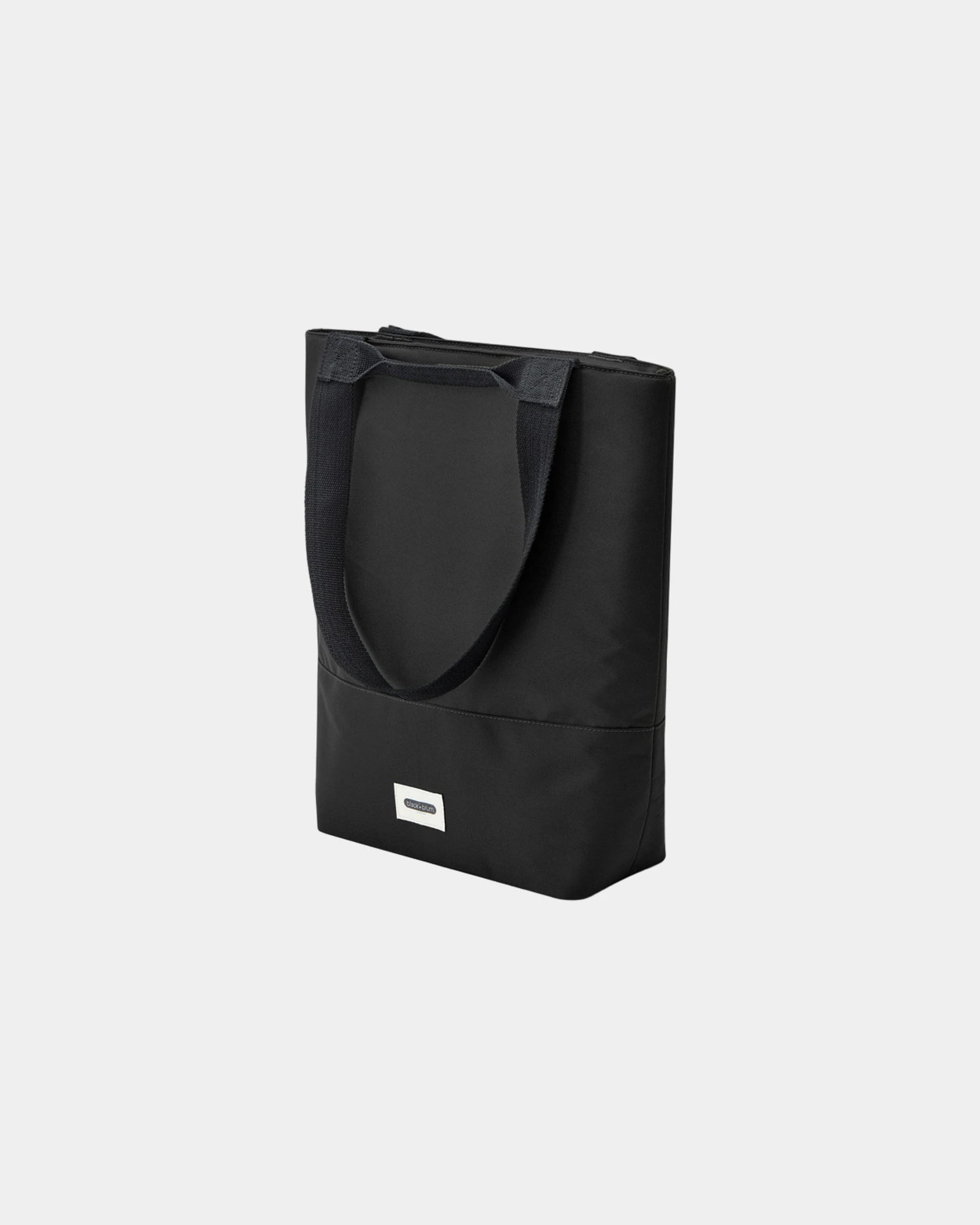
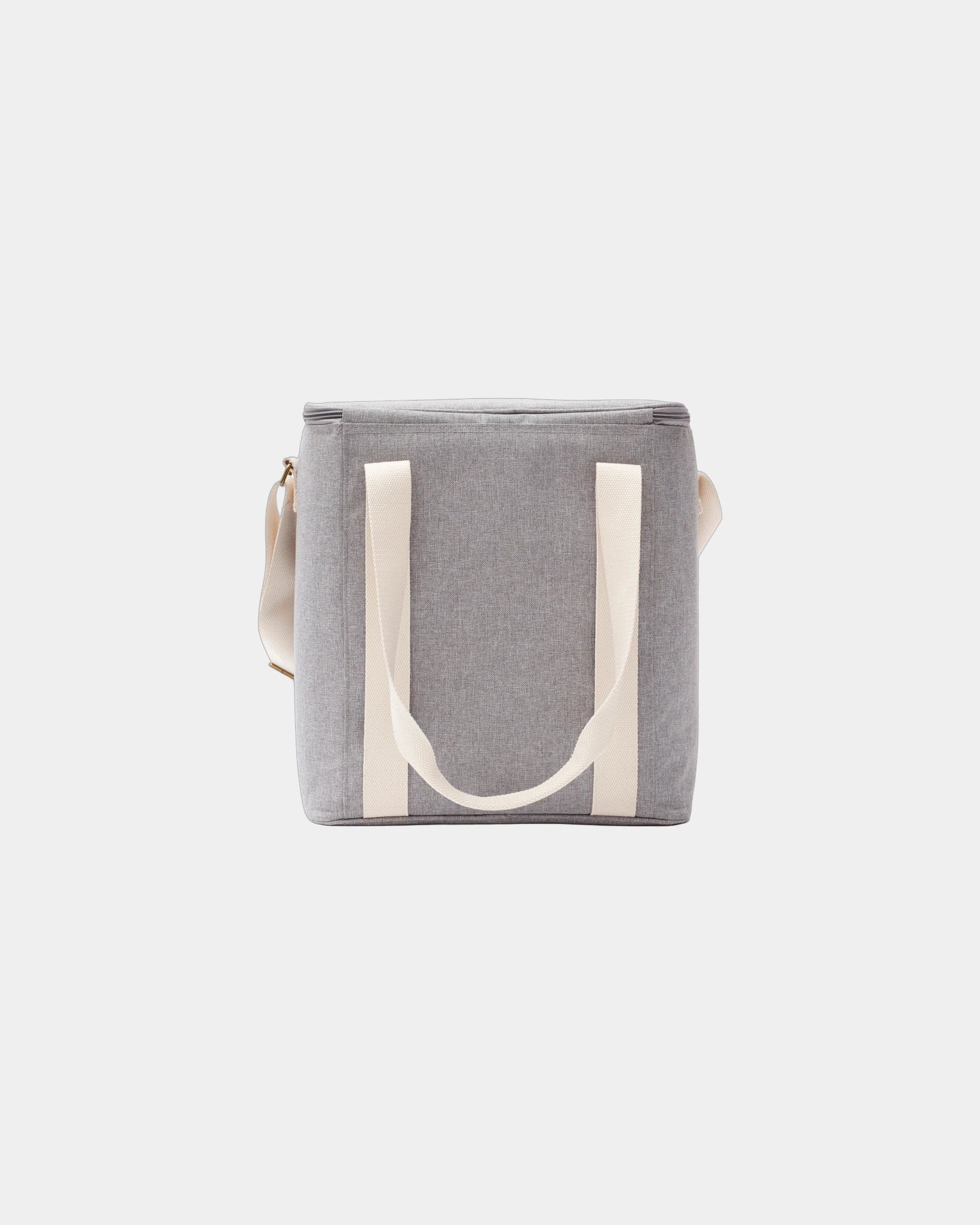
| Cool tote / shopper | 12-18 litres | 12-20 cans | Picnic, chilled grocery run |
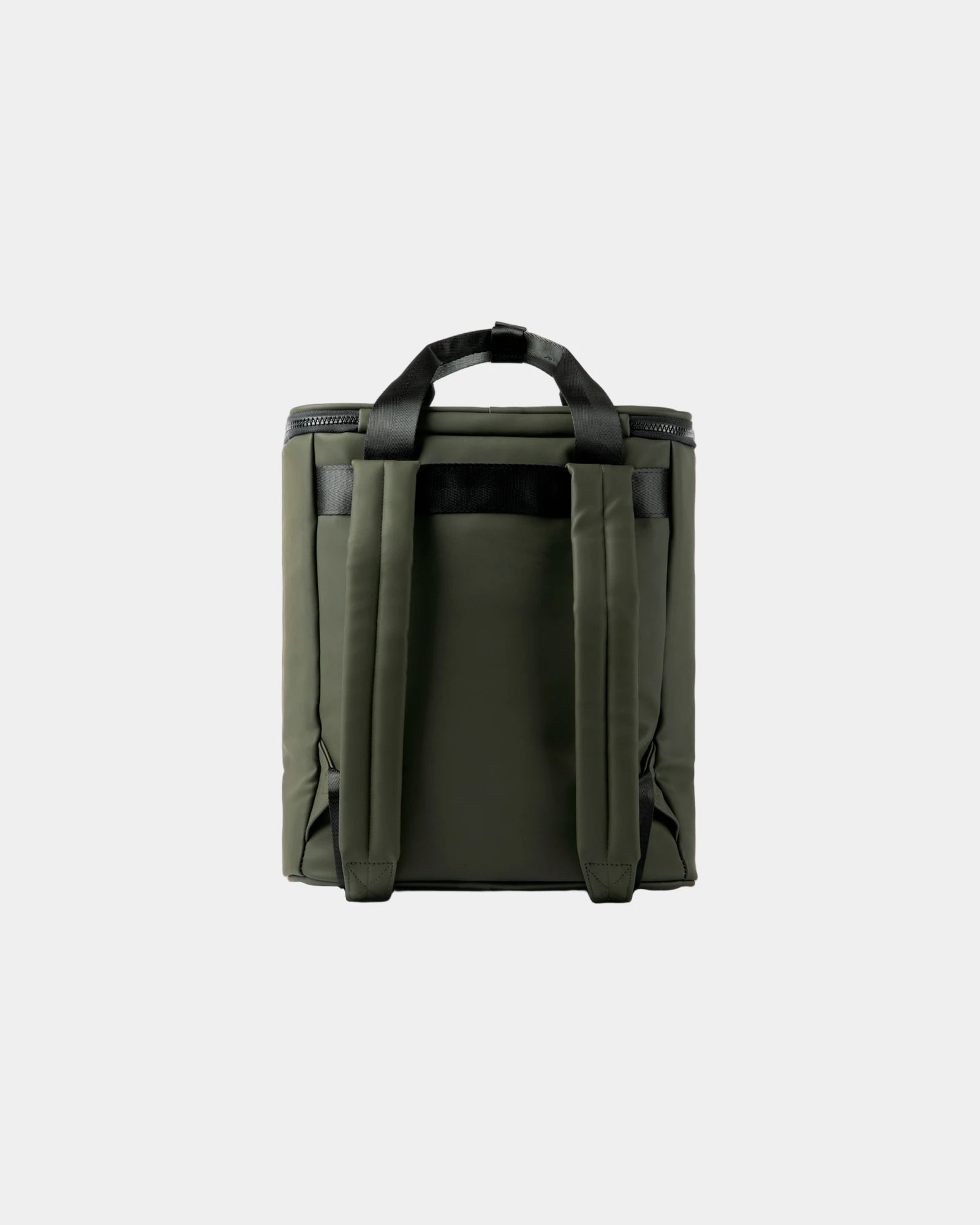
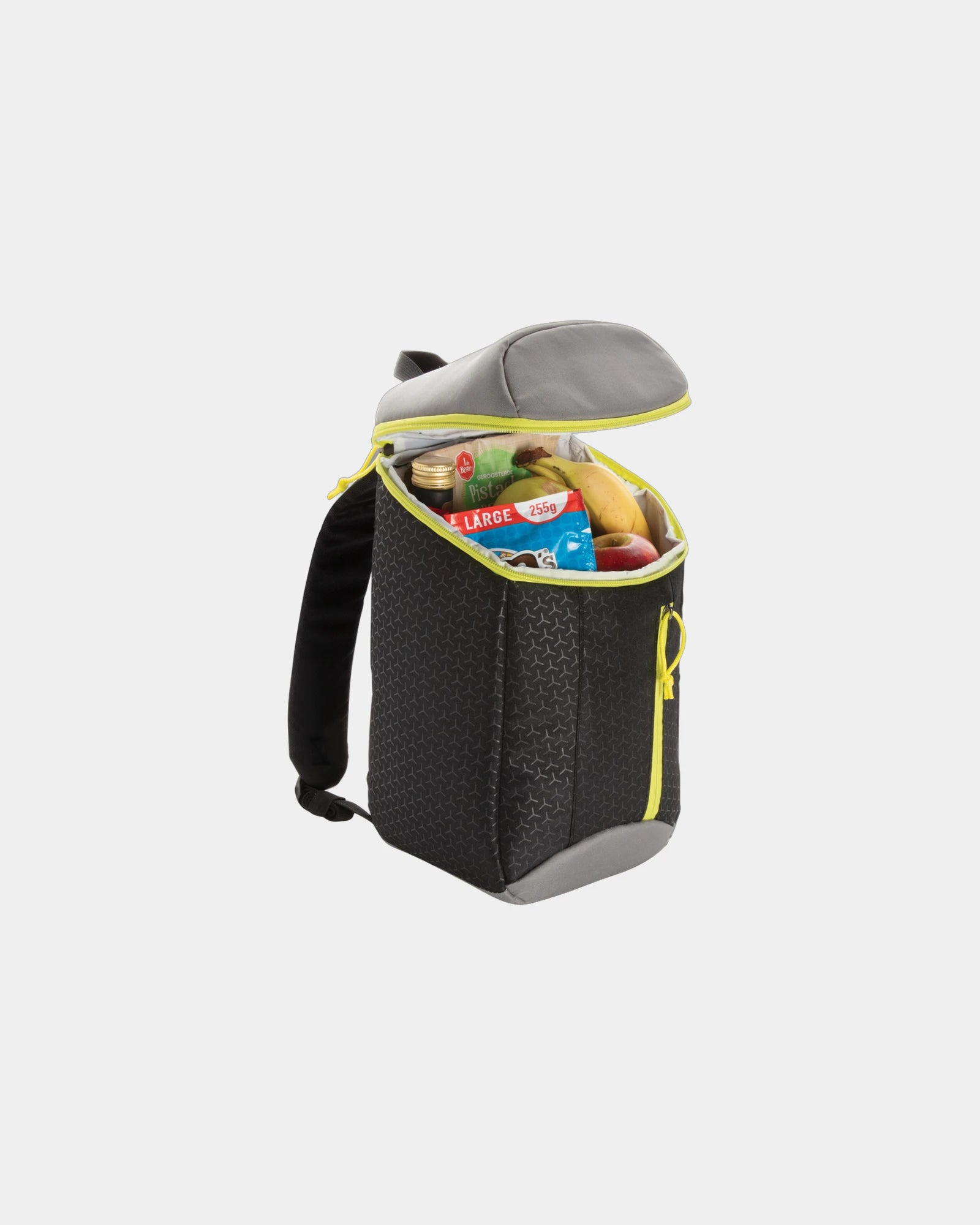
| Cool backpack | 15-25 litres | 18-30 cans | Hands-free event, cycling |
| Large picnic cooler | 25-32 litres | 30-48 cans | Family day, brewery sampling |
Custom cool bags formats: from lunch bag to cool backpack and rucksack
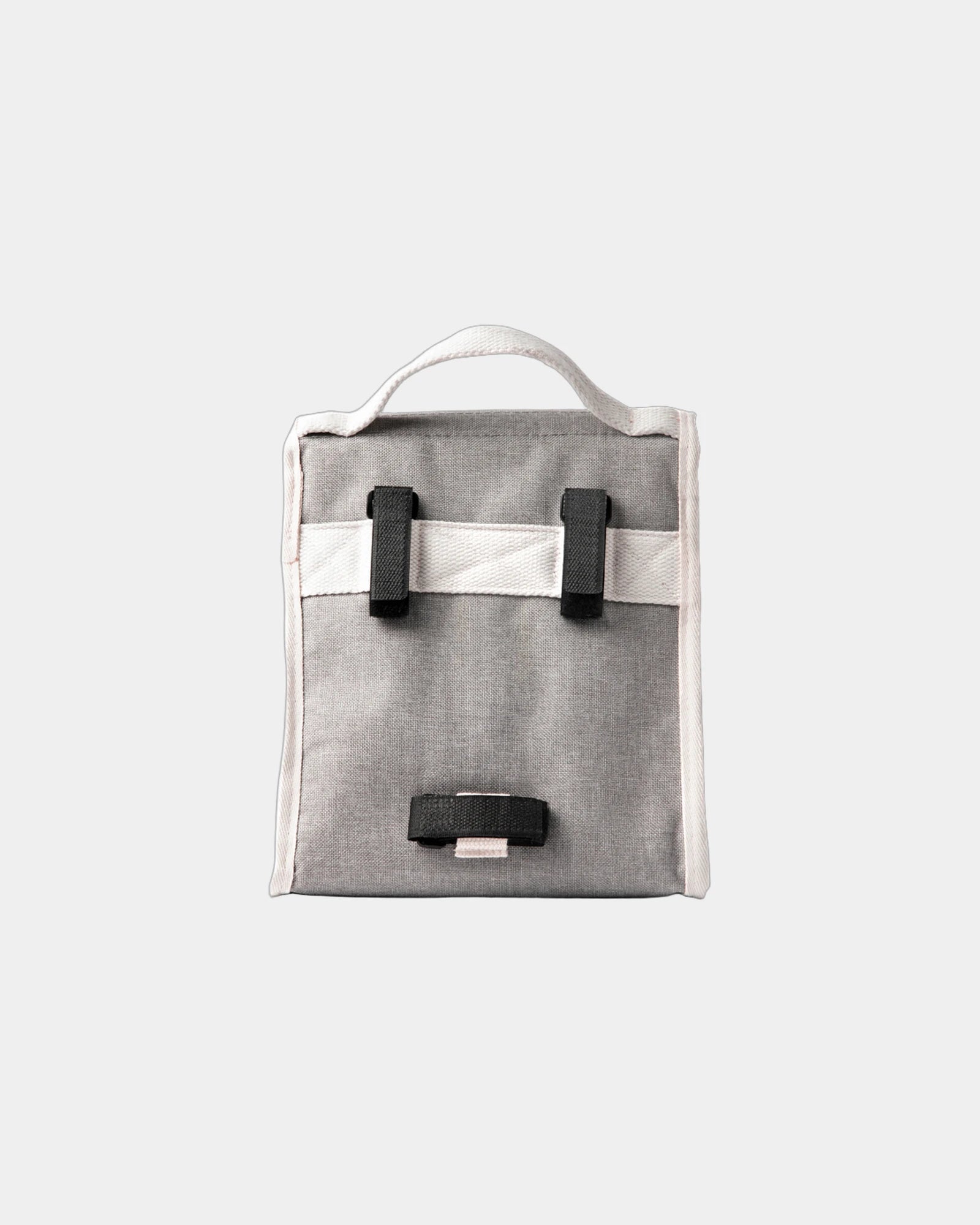
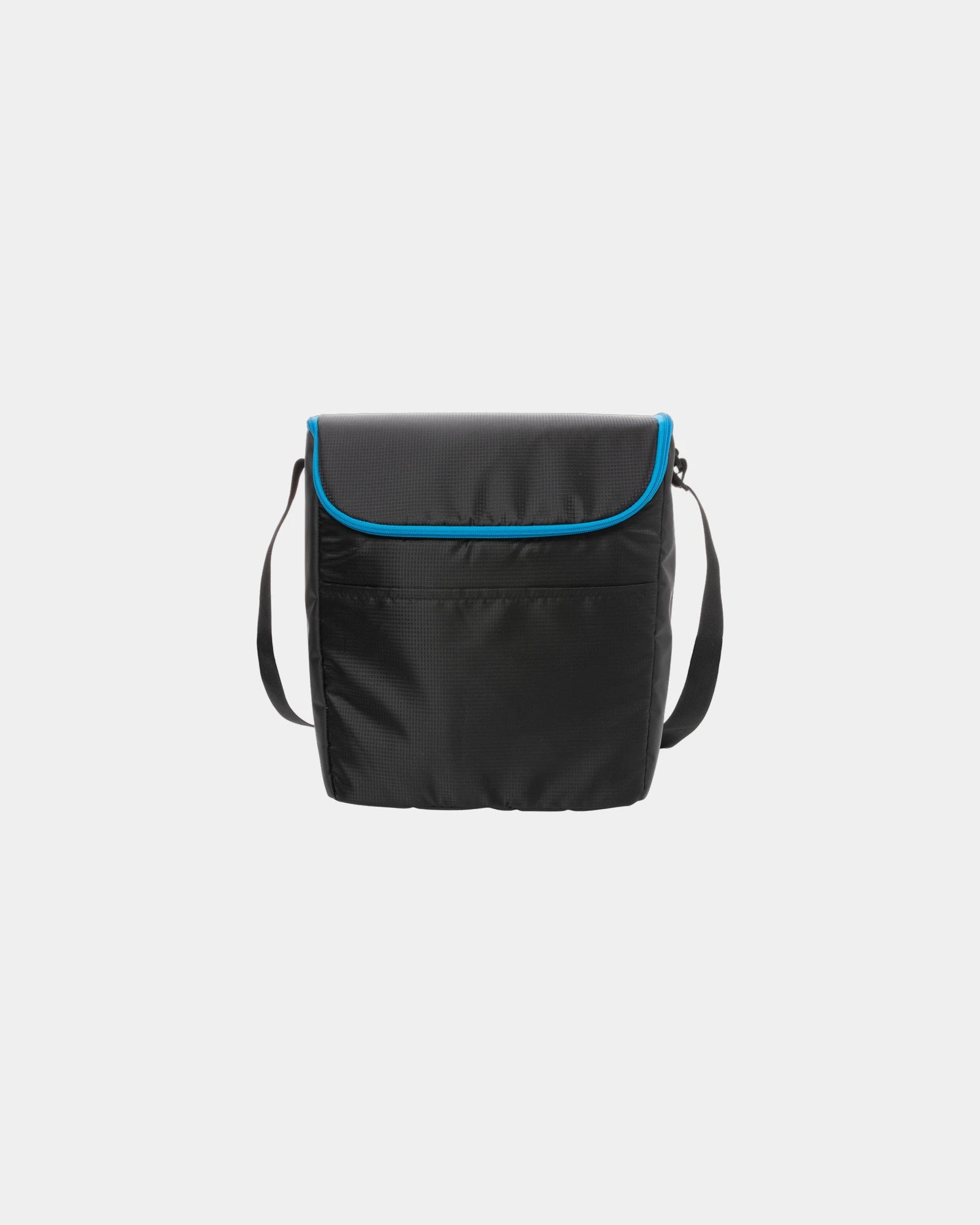
The format decides how the bag is carried, and that changes which audience your logo reaches. A grab-handle lunch cool bag rides on a desk and a commute. A cool backpack or rucksack frees both hands, which suits a cycling-led brand, a campus rep or a festival steward moving through a crowd all day. A shoulder-strap cool tote sits between the two for a picnic or a market stall.
Cool backpacks usually add padded straps and a separate dry pocket for keys and a phone, so the cold compartment stays sealed while the user reaches for everyday items. If your recipients will wear the bag for hours, the rucksack format earns its place; for a quick fridge-to-meeting hop, a flat lunch bag is the honest fit.
Foldable Printed cool bags and why collapsibility matters at volume
A 500-unit mailer of rigid coolers ships as 500 awkward boxes; the same run in foldable printed cool bags ships flat and stacks four times deeper on a pallet. Collapsible bags fold down to a few centimetres tall when empty, which cuts your storage footprint and your carriage cost on a large giveaway.
Foldability also helps the recipient, who tucks the bag into a drawer between the office summer party and the next picnic. The trade-off is structure. A fully collapsible bag is softer when loaded than a framed cooler. For heavy bottle runs we steer you to a semi-rigid base panel that still folds but holds its shape.
Screen printing your logo on the outer of Printed cool bags
Branding sits on the outer shell, never the lining, and the outer is usually a woven polyester, 600D Oxford or a recycled equivalent. Screen printing is the workhorse here. It lays a crisp, opaque logo on a flat front panel and prices down hard across a few hundred units, which is why most printed cool bags use it.
For a photographic or multi-tone design, a heat-applied transfer carries fine detail and gradients that a screen cannot. Embroidery suits a thicker canvas cool tote and reads as a premium finish on a retail-facing line. Whichever method, keep the artwork inside the printable panel and clear of the zip and seams, and we confirm the exact print area against the chosen model before proofing.
| Method | Suits which surface | Best for |
|---|---|---|
| Screen print | Woven polyester, 600D Oxford | 1-2 colour logos at volume |
| Heat transfer | Smooth coated outers | Photographic, multi-tone art |
| Embroidery | Canvas, heavier cool totes | Premium, retail-facing lines |
| Woven label | Seam or front panel | Subtle, textile-led branding |
Zip closure, seams and the leakproof detail on Personalised cool bags
The zip is the part a recipient touches most, and a cheap one is the first thing to fail on a printed cool bag. A chunky moulded zip runs smoothly with cold, slightly stiff fabric and survives being yanked shut over a full load. A heat-welded or taped seam keeps the cold in at the corners where a stitched seam would leak air.
Leakproof matters because cool bags carry ice and condensation, not dry goods. A sealed PEVA liner with welded base seams means a burst ice pack stays inside the bag, which is the difference between a usable kit and a ruined boardroom table. Ask which models are fully welded if the bag will routinely hold loose ice.
Staff lunch, picnic and event use-cases for Custom cool bags
A printed cool bag earns its keep when the occasion is right. For a staff wellbeing rollout, a lunch cool bag lands on every desk and gets used five days a week. That keeps the logo in front of the team far longer than a one-off mug. Branded lunch boxes pair naturally inside it, since the rigid box holds the meal and the bag holds the chill.
For an outdoor event, a larger picnic cooler becomes the prop people photograph on the grass. Festivals, county shows, sports days and summer client gifts all suit the format, because the bag is used precisely when your brand wants to be seen outdoors. A summer-launch campaign times the delivery to land before the first warm week.
Printed cool bags versus rigid lunch boxes and plain tote bags
Buyers often weigh a cool bag against two neighbours, and the distinction is functional. A rigid lunch box protects the food's shape but does nothing thermal on its own. A plain tote carries volume but has no lining, so a warm sandwich stays warm. A cool bag is the only one of the three that actively holds temperature, which is the reason to choose it.
Personalised Tote Bags win on price and everyday reach when chilling is not needed, so the brief decides between them. Run a cool bag when the contents are perishable or the campaign is summer-led; run a tote when the job is simply to carry. The two often go out together in a wider summer kit without overlapping in purpose.
Eco and recycled options for a Branded Recycled cool bags brief
Branded recycled cool bags use an outer woven from rPET, the fibre spun from post-consumer plastic bottles, and many linings now carry a recycled PEVA content too. The recycled percentage varies by model and is printed on each item's spec sheet. We send you the exact figure for the line you choose rather than a blanket claim.
Personalised beach bags sit alongside recycled cool bags in a summer eco range, both leaning on the same rPET story. Where a brief asks for a specific certification, we confirm what the chosen base genuinely holds before it goes on any artwork or web copy.
Care, cleaning and the working life of your Personalised cool bags
A cool bag lives a messier life than most promotional kit, so cleanability is part of the spec. The PEVA lining wipes down with a damp cloth and mild soap, which is why the food-safe inner is worth specifying over a fabric-lined budget bag that holds smells. Never machine-wash a foil-lined bag, as the spin cycle delaminates the foam from the foil.
Personalised travel mugs share the same thermal logic and the same care rule: the insulation is a sealed system, so you protect it by wiping rather than soaking. Stored flat and dry, a good cool bag survives several seasons of picnics, which is what makes it a repeat-impression product rather than a single-use one.
Quantities, lead time and a worked budget for Custom cool bags
Printed cool bags scale sensibly because the print, not the bag, drives the unit economics. A one-colour screen print on a stock lunch bag prices keenly from a few hundred units. A multi-position print or a bespoke recycled body lifts both the minimum and the cost per bag. Larger picnic coolers cost more as bags but carry a bigger, more visible print area.
Lead time on a stock body with a standard print is around three weeks, longer if you specify a recycled outer that is made to order or a bespoke colourway. We can send a free pre-production sample on most stock lines so you approve the lining grade and print position before committing the full run.
- Confirm lining grade against your real hold-time need
- State capacity in cans or litres, not just dimensions
- Check the zip is moulded and seams welded for ice
- Keep artwork clear of zip, seams and side gussets
- Specify recycled content per model from its spec sheet
Coordinating Printed cool bags inside a wider summer or welcome kit
A cool bag rarely travels alone in a campaign, and it makes a natural carrier for the rest of a summer set. Corporate Gift Boxes present a smaller cool bag as the hero item folded inside a presentation box for a premium client gift. For an internal rollout, the bag itself becomes the container that holds the smaller pieces.
The point is fit, not bulk: each item should answer a real need on the day rather than padding a count. A cool bag plus a chilled bottle and a meal box is a coherent summer kit; the same bag stuffed with mismatched extras is not. Brief us on the occasion and we suggest a set that hangs together.
Use cases for Custom cool bags by sector
Different sectors brief printed cool bags for different working days, and the format that suits one fails another. A brewery or drinks brand reaches for the large picnic cooler that swallows thirty cans plus ice for a sampling stand. An HR or wellbeing team rolls out the lunch cool bag, which lands on every desk and gets used five days a week. A cycling or campus brand wants the cool backpack, which frees both hands for a rep moving through a crowd. An events or festival operator uses the mid-size cool tote as a prop people photograph on the grass. An eco-led summer campaign points to the recycled rPET body, where the sustainability story carries the brief. The table below maps the common buyers to the printed cool bags that fit each brief.
| Sector | Recommended format | Why it fits |
|---|---|---|
| Brewery and drinks | Large picnic cooler | Holds 30 cans plus ice for sampling |
| HR and wellbeing | Lunch cool bag | Used five days a week on every desk |
| Cycling and campus | Cool backpack | Frees both hands on the move |
| Events and festivals | Mid-size cool tote | Photographed prop on the grass |
| Eco summer campaign | Recycled rPET body | Sustainability story carries the brief |
How we decorate your Personalised cool bags without compromising the product
Decoration on custom cool bags goes on the outer shell, never the lining, because printing the PEVA inner would break the food-safe surface and the thermal seal. We mark the front panel cleanly, so the insulation that does the work stays intact while your logo sits where it is seen. Screen printing is the workhorse on a woven polyester or 600D Oxford outer, laying a crisp opaque logo that prices down hard across a few hundred units. A heat-applied transfer carries fine detail and gradients a screen cannot, while embroidery reads as a premium finish on a heavier canvas cool tote. Each method is confirmed against the chosen model before proofing, with the artwork kept clear of the zip and seams.
Keeping the print off the seams on custom cool bags
Keeping the logo off the zip and the gussets matters because those are the parts that flex and fail first. We map the print to the flat front panel, so the mark holds its shape through the bag's working life rather than cracking at a fold. The recipient then meets a clean brand on the outside and a food-safe surface on the inside. That split is the whole point of choosing a cool bag over a plain tote.
Branding a recycled outer on Branded Recycled cool bags
On a recycled outer the same screen or transfer applies, so an eco brief loses nothing in print quality. The rPET shell takes a logo as cleanly as a virgin polyester one, so the sustainability story does not cost you a sharp print. That keeps the personalised cool bags looking deliberate rather than overprinted, and it protects the welded seams and the sealed liner that make the bag usable. We confirm the print area against the chosen recycled base before proofing.

