

Drinkware & Lunchware




Treat your clients and employees!

FAQ - Drinkware & Lunchware
Trusted by 1,000+ companies
Drinkware and lunchware: why they out-perform most giveaways
Branded drinkware and lunchware earns its place because it works every day rather than once. Most promotional items get glanced at once and filed in a drawer. A drink vessel or a lunch box is different because it has a job to do every working day. A team mug sees roughly 250 uses a year if it carries a morning coffee; a refillable bottle sees more, and a lunch box travels to the desk five days a week. That repeat handling is what makes this a high-impression category rather than a one-look handout.
There is also a shared-space effect. A mug left on a hot-desk, a bottle on a meeting table, a bento box open in a staff kitchen: each is seen by colleagues and visitors, not only its owner. One vessel works as a small, mobile billboard wherever it travels across an office or a venue.
That visibility scales with how mobile the item is. A ceramic mug stays in one kitchen, so it works on the people who pass through. A refillable bottle or a lunch box leaves the building for the gym, the commute and the park bench, so personalised drinkware and lunchware of that kind clock up public exposure no deskbound item reaches. Match the format to how far you want the logo to travel, not just to the drink or meal it holds.
The category spans five jobs, and the right pick depends on which one you are buying for. Hot drinks call for ceramic or double-wall steel. Cold and water call for a sealed reusable bottle. On-the-go drinks call for a leak-proof travel format. Lunch calls for a lunch box, a bento or a cutlery set. Events and bar handouts call for a stackable cup or a printed glass. The sections below take each in turn.
Personalised drinkware for hot drinks: mugs and flasks
Branded drinkware: mug or flask
The office tea round is the most reliable display window any giveaway gets. A ceramic mug used for a daily brew is handled, washed and re-shelved hundreds of times a year, and the print sits at eye level the whole time. For a staff kitchen refresh or a welcome-pack item, this is the workhorse of the range.
Personalised mugs cover the classic ceramic format, from a budget earthenware body for a high-volume freshers' handout up to a heavier stoneware for a premium client gift. Print runs from a single-colour wrap to full-colour sublimation, model-dependent.
Where a mug stops working is the desk that has no kitchen nearby, or the home worker who wants to keep a drink hot through a long call. That is the flask job. A vacuum flask holds temperature for hours rather than minutes, which suits site teams, field reps and anyone away from a kettle.
For that brief, Personalised flasks move the category from desk to field. A 500ml to 1-litre vacuum flask keeps coffee or soup hot across a shift, and the larger body gives engraving or print a generous panel to work with.
| Format | Best for | Typical capacity | Keeps hot |
|---|---|---|---|
| Ceramic mug | Office kitchen, welcome packs | 300-350ml | Until it cools |
| Double-wall steel mug | Hot-desk, no-coaster desks | 300-400ml | 1-2 hours |
| Vacuum flask | Field teams, commuters, sites | 500-1000ml | 6-12 hours |
Branded drinkware for cold drinks and water
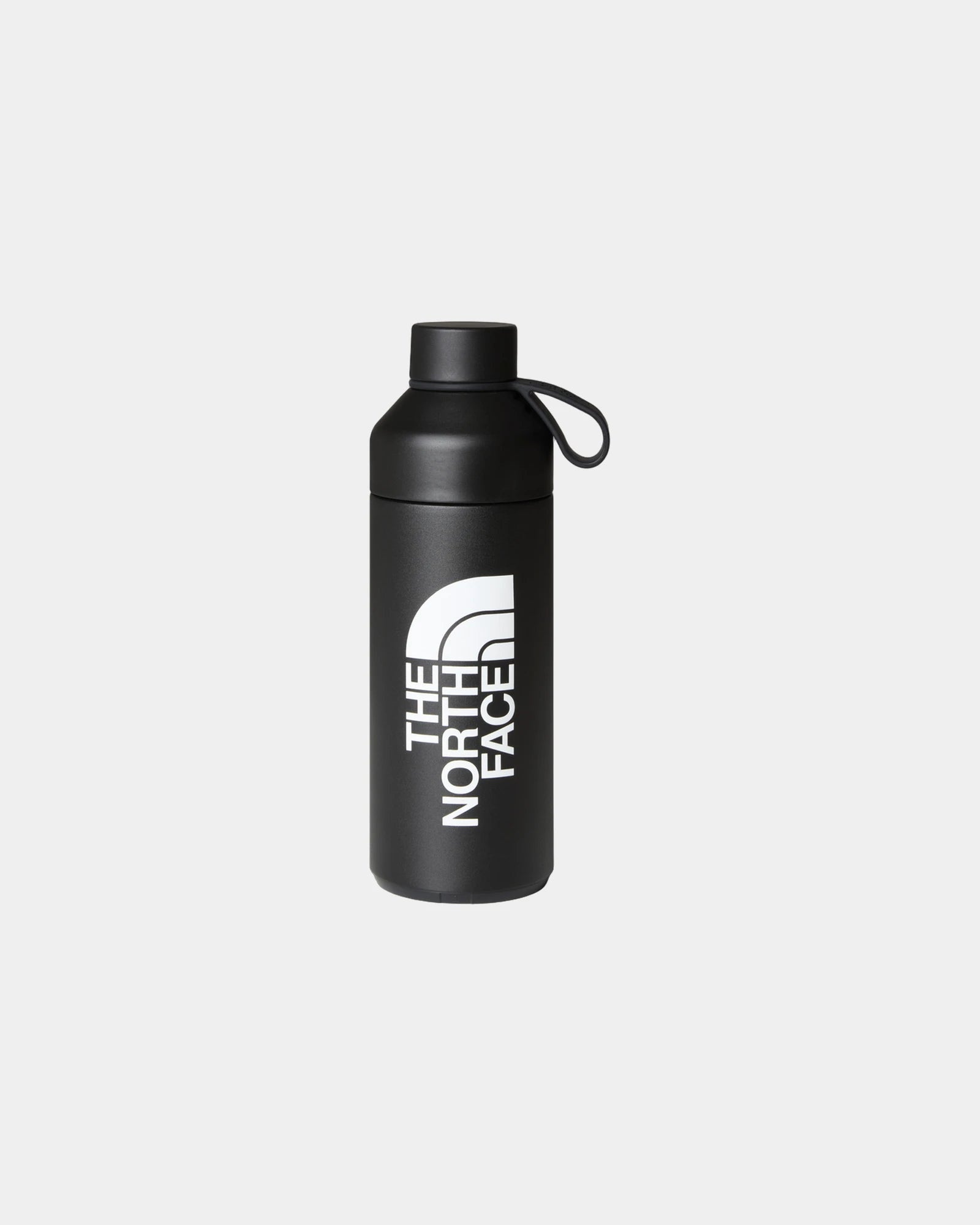
Branded drinkware for cold drinks leans on the reusable bottle, the fastest-growing slice of the category, driven by office water-cooler culture and a steady move away from single-use plastic. A bottle that a recipient actually refills travels to the gym, the commute and the desk. Your logo then clocks up far more public exposure than any deskbound item.
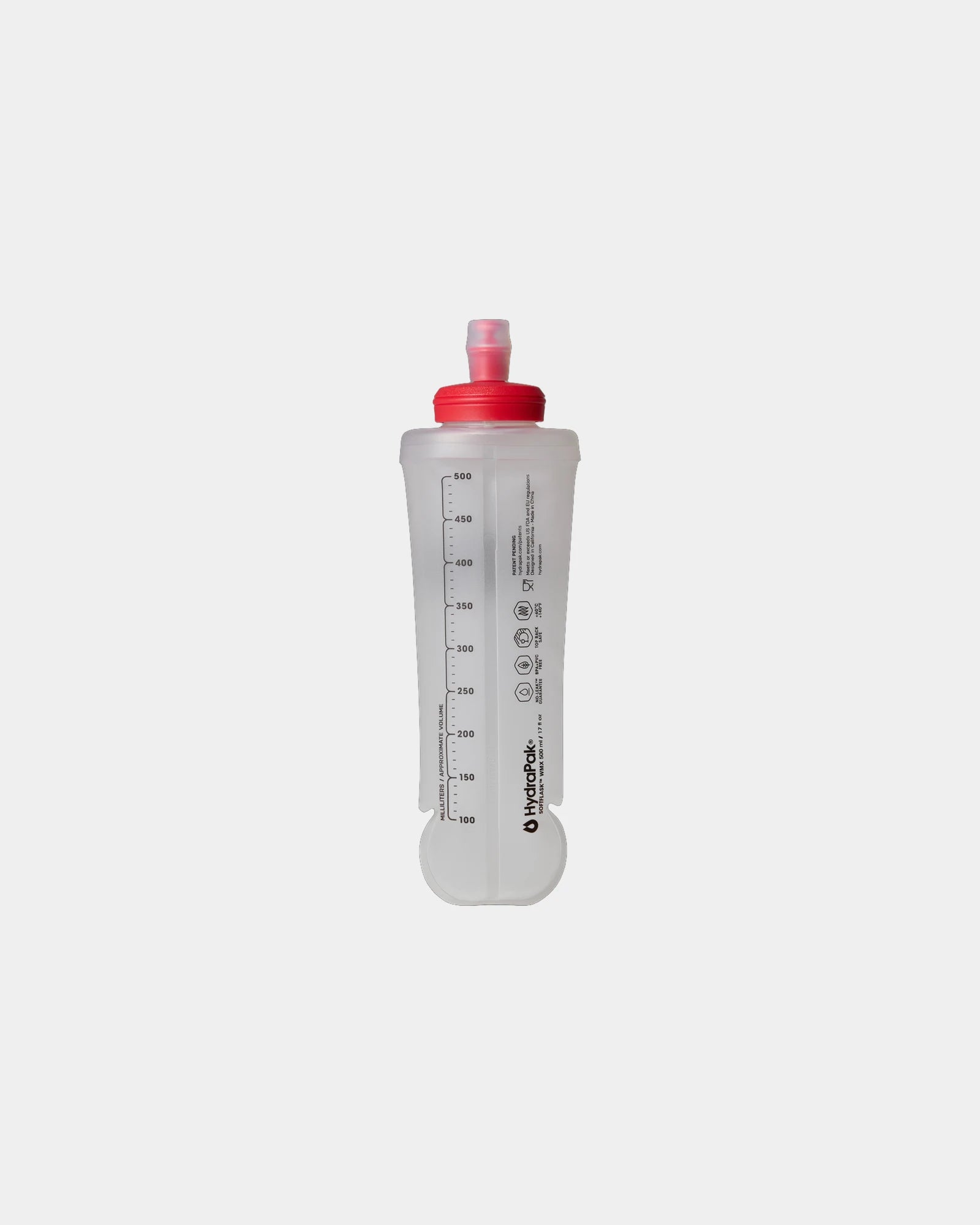
Personalised water bottles run from a light Tritan sports body for an event handout up to brushed stainless steel for a flagship gift. Sealed lids matter here: a sports cap suits a 5k giveaway, while a screw lid suits a desk or a kit-bag where leaks are not welcome.
Single-wall and double-wall bodies behave differently with cold drinks. A single-wall steel bottle sweats with iced water and can chill a desk surface, while a vacuum body stays dry on the outside and holds ice for hours. For a summer event or a gym reward, the insulated build is worth the step up.
The lid is the spec that decides whether a bottle stays in use. A sports cap suits a 5k handout where a one-handed gulp matters, while a screw or locking lid suits a desk or a kit bag where a leak is unwelcome. Buy the closure to match how the recipient carries it, and the bottle travels daily rather than parking on a shelf after the first spill.
Personalised lunchware: lunch boxes, bento and cutlery
Custom lunchware: box, bento or cutlery set
The desk lunch is a second daily display window, and it is one most giveaways ignore. A lunch box carried to work five days a week is opened in the staff kitchen, set on the desk and washed each evening, so the logo on the lid earns repeat views alongside the drinkware it travels with. Pairing a bottle with a matching lunch box turns a welcome pack into an all-day kit.
Personalised lunch boxes run from a light recycled-PP body for a high-volume onboarding handout up to a leak-resistant, compartment bento for a premium wellbeing gift. A snap-lock lid with a silicone seal keeps a salad or a curry contained in a rucksack, and the flat lid panel takes a clean single-pass print or a laser mark.
Bento formats add the wellbeing angle that plain boxes miss. Divided compartments suit a portion-controlled lunch, a stainless steel body reads as the durable, plastic-free choice, and a stackable tier fits a commuter bag. For a health-and-wellbeing campaign or a returner kit, the bento is the format that signals intent rather than swag.
A cutlery set closes the lunch kit. A reusable bamboo or stainless spork-and-fork set in a printed sleeve displaces single-use plastic and slips into a bag, so it suits an eco switch or a festival handout as readily as a desk lunch. Match the box body to how the meal travels, and the lunchware stays in daily use rather than parking in a drawer.
| Format | Best for | Typical material | Seal |
|---|---|---|---|
| Single-compartment box | Onboarding, high-volume handouts | Recycled PP | Snap-lock lid |
| Bento with dividers | Wellbeing gifts, returner kits | Stainless or PP | Silicone-sealed clip |
| Cutlery set in sleeve | Eco switch, festival, desk lunch | Bamboo or stainless | Rolled or clip sleeve |
Custom drinkware for on-the-go: travel mugs
Picture a 200-strong sales force handed a sealed travel mug at the annual kick-off: every commute and every client car park becomes a branded touchpoint for months. The on-the-go format is built for movement, with a leak-proof lid and a double wall that survives a bag and a dashboard.
Personalised travel mugs sit between a desk mug and a flask. A 350-450ml insulated body keeps a coffee hot for the journey, the lid seals against a tote or rucksack, and a slim profile fits a car cup-holder. This is the pick for commuter giveaways and reward kits.
The detail that decides repeat use is the lid seal. A push-fit sip lid is fine for a desk, but a screw or locking lid is what lets a recipient drop the mug into a bag without a spill. Buy the seal to match how your audience travels, and the mug stays in daily rotation rather than the cupboard.
The slim profile matters as much as the seal for a commuter mug. A body that drops into a car cup-holder and stands in a rucksack side pocket gets carried, while a wide tumbler gets left at home. That is why custom drinkware aimed at a travelling audience leans tall and narrow rather than broad. We confirm the cup-holder fit on the chosen body before a reward-kit run goes ahead.
Branded drinkware for events and the bar
Personalised drinkware: cups and glasses for events
A festival bar serving 4,000 drinks a night needs a vessel that stacks, survives a wash cycle and carries a logo legibly across a crowded room. Reusable event cups and printed glasses do that work, cutting single-use waste while keeping the brand visible in every photo from the floor.
Custom tumbler cover the reusable polypropylene cup that has become the standard for festivals, conferences and stadium bars. A deposit-return model keeps cups circulating through the night, and the flat side panel takes a bold, single-pass print that reads from across a marquee.
Where a cup is the workhorse, a printed glass is the upgrade for a seated reception, a tasting or a hospitality suite. The weight and clarity signal a finished event rather than a quick pour, and the brand sits on something a guest may take home.
Personalised glasses suit launches, awards dinners and brewery or distillery tie-ins. A branded pint, tumbler or stemmed glass carries fine detail through screen print or deep etch, and the etched mark survives the dishwasher far longer than a surface decal.
| Vessel | Event type | Reuse model | Print style |
|---|---|---|---|
| Reusable PP cup | Festivals, stadiums, conferences | Deposit-return, high volume | Bold single-colour wrap |
| Printed pint glass | Beer launches, brewery tie-ins | Take-home keepsake | Screen print or etch |
| Stemmed glass | Receptions, tastings, awards | Hospitality, premium | Fine etch or print |
Drinkware and lunchware matched to your buyer scenario
Buyers of drinkware and lunchware rarely arrive thinking in materials; they arrive with a scenario. An office kit usually pairs a ceramic mug for the kitchen with a sealed bottle for the desk and a lunch box for the commute, covering hot, cold and food in one onboarding pack. The mug stays in the staff cupboard while the bottle and box leave the building, so the formats spread the brand across different settings.
An event handout pulls the opposite way. Here the brief is volume, low unit cost and instant legibility, which points to a printed cup, a light sports bottle or a cutlery sleeve rather than a heavy steel gift. The aim is a clean logo seen by thousands, not a single premium piece.
The eco switch is its own scenario. An organisation replacing vending-machine cups, plastic bottles or single-use cutlery wants a reusable that displaces disposables. A refillable bottle, a deposit-return cup or a bamboo cutlery set then carries both a brand and a measurable waste saving.
The client gift sits at the top of the range. A boxed vacuum flask, an etched glass set or a stainless bento reads as a considered gesture rather than swag, and the finishing does the talking. A low minimum order means you can run a short, high-quality batch for a named account list without committing to bulk.
- Office kit: ceramic mug, sealed desk bottle and lunch box
- Event handout: printed PP cup, light sports bottle or cutlery sleeve
- Eco switch: refillable bottle, deposit-return cup or bamboo cutlery
- Commuter reward: leak-proof insulated travel mug
- Client gift: boxed flask, etched glassware or stainless bento
Drinkware and lunchware decoration methods
Custom lunchware: print, engrave or etch
How a logo is applied changes with the surface, so the same artwork is handled differently on a glazed mug, a steel bottle, a PP lunch box and a clear glass. A glazed ceramic body takes pad print for a one or two-colour mark, or dye-sublimation for an all-over full-colour wrap that fires into the glaze.
Powder-coated and stainless bodies suit screen print for flat colour or laser engraving for a permanent, single-tone mark that exposes the metal beneath. On a bento or a stainless flask, engraving outlasts print where the item meets keys, bags and dishwashers daily, so it is the durable choice for a piece built to travel.
Plastic lunch box lids take pad print or a screen print in flat colour, while glass splits between screen print for crisp colour and deep etch for a frosted, tactile mark. Etch reads as the premium finish on a reception glass and shrugs off repeat washing. Match the method to where the item lives, and the brand stays legible for the life of the piece.
| Surface | Best method | Colour | Durability |
|---|---|---|---|
| Glazed ceramic | Pad print or sublimation | 1-colour to full wrap | Good, glaze-fired on sublimation |
| Stainless or coated steel | Laser engraving or screen print | Single-tone or flat colour | Permanent when engraved |
| Recycled PP box | Pad or screen print | Flat single or two-colour | Good on the lid panel |
| Clear glass | Screen print or deep etch | Crisp colour or frosted mark | Etch survives repeat washing |
Custom drinkware and lunchware: capacity, materials and build
With drinkware and lunchware, capacity is the first spec to settle because it defines the use. A 250-350ml ceramic suits a single coffee; a 500ml bottle suits a desk; a 750ml-1L bottle or flask suits a gym bag; and an 800ml-1.2L lunch box suits a full meal. Buy the volume to the moment of use, not the biggest number on the shelf.
Materials then set the price and the feel. Earthenware, Tritan and standard PP sit at the value end for high-volume handouts. Recycled PP and recycled steel carry the eco story, while 18/8 stainless with a vacuum wall or a stainless bento sits at the gift end. A double-wall construction holds temperature for hours; a single wall simply holds the liquid.
Lids and seals are the spec buyers most often overlook on branded drinkware and lunchware alike. A push lid suits a desk, a screw lid suits a bag, a locking sip lid suits a commute, and a silicone-sealed clip keeps a lunch box leak-resistant. The seal decides whether a bottle, travel mug or box survives daily transport or stays parked on a shelf. It is the cheapest detail to get right and the most expensive to get wrong, since a leaky lid retires the whole item.
Drinkware and lunchware use cases by sector
The sector you are buying for usually settles the format before any material talk begins. An employer fitting out a staff kitchen wants ceramic mugs, sealed desk bottles and lunch boxes. A festival bar wants reusable cups in volume. A sales team wants leak-proof travel mugs for the commute. A key-account team wants a boxed flask or etched glass. Reading the sector first routes you to the right item fast.
| Sector | Lead format | Why it fits |
|---|---|---|
| Employers and office kits | Mug, sealed bottle and lunch box | Hot, cold and food in one welcome pack |
| Festivals and stadiums | Reusable PP cup | High volume, stacks, deposit-return |
| Sales and field teams | Leak-proof travel mug | Survives a bag and a commute |
| Wellbeing and returner kits | Bento box and bottle | Portion control, plastic-free signal |
| Key-account gifting | Boxed flask or etched glass | Premium finish, low minimum run |
We map the item to the sector at quote, then confirm the decoration method per surface and the recycled content per body. An office onboarding kit and a festival cup run are two different orders off one logo. We spec each rather than forcing a single vessel across every audience.
Ordering drinkware and lunchware: quantity and lead time
Quantity steers the method on drinkware and lunchware in a specific way. A short run of 50 boxed flasks is engraved one body at a time, while a 5,000-cup festival order is screen-printed in a single bold pass. That is why unit cost falls sharply as volume climbs on the cup, bottle and box lines.
Lead time tracks the decoration, not just the count. A stock ceramic mug or a plain lunch box with a one-colour print clears fastest; a full-wrap sublimated bottle or a deep-etched glass set needs longer for setup and curing. Standard production runs to delivery in three weeks, with artwork approval inside 24 hours so the clock starts the day you sign off.
For mixed campaigns, a single approved drinkware and lunchware spec is easy to repeat-order across the year. One signed-off mug, bottle or box build can serve onboarding, an event handout and a year-end gift without a fresh sourcing exercise each quarter. Holding the artwork on file also keeps colour and placement consistent between batches, so the brand reads the same on the first order and the fourth.

