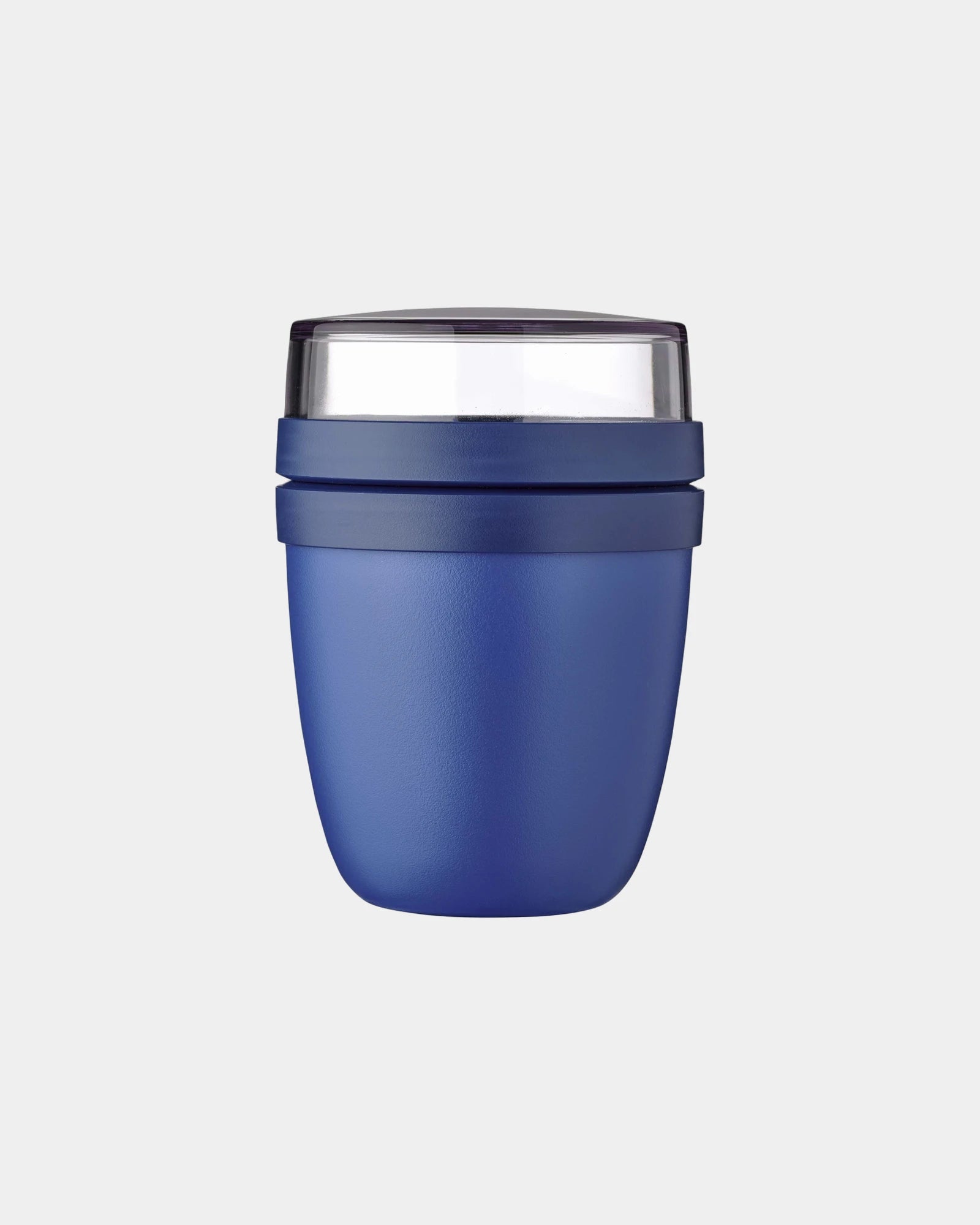
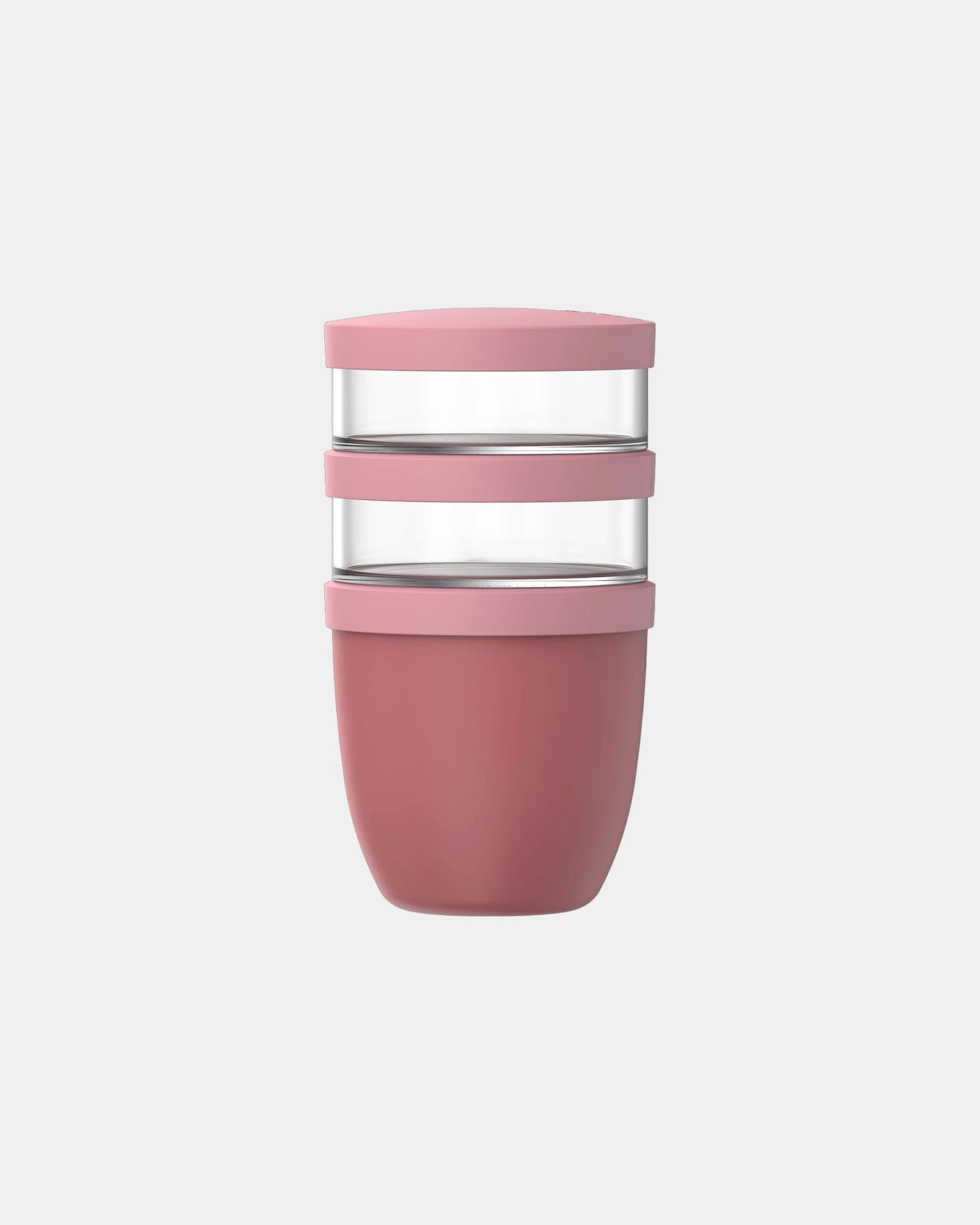
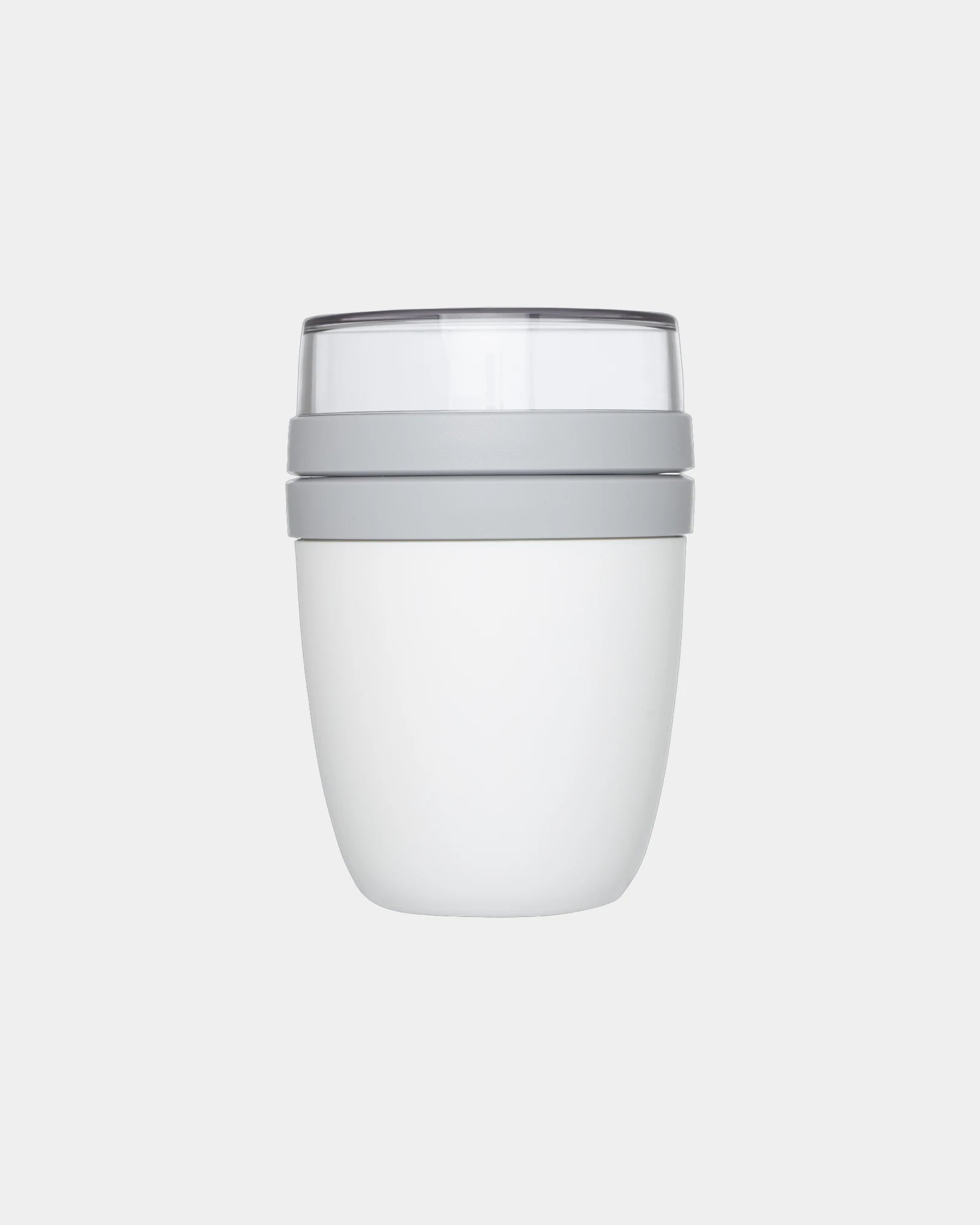
Promotional lunch boxes
- Eco-friendly
- Made in France
- Made in Europe
- B corporation
- Price, low to high
- Price, high to low
Treat your clients and employees!
FAQ - Branded lunch boxes
Trusted by 1,000+ companies
Choosing the material for your personalised lunch boxes
A clip-lid PP bento, two compartments, around 850 ml, is the single most ordered line among our personalised lunch boxes, and it shows what material decides. PP is light, low-cost at volume and takes a full-colour printed lid cleanly, which makes it the default for school runs, freshers' fairs and high-quantity giveaways. Weight in a bag, marking method and unit price all follow the material before anything else.
Stainless steel and Branded Bamboo lunch boxes at the premium end
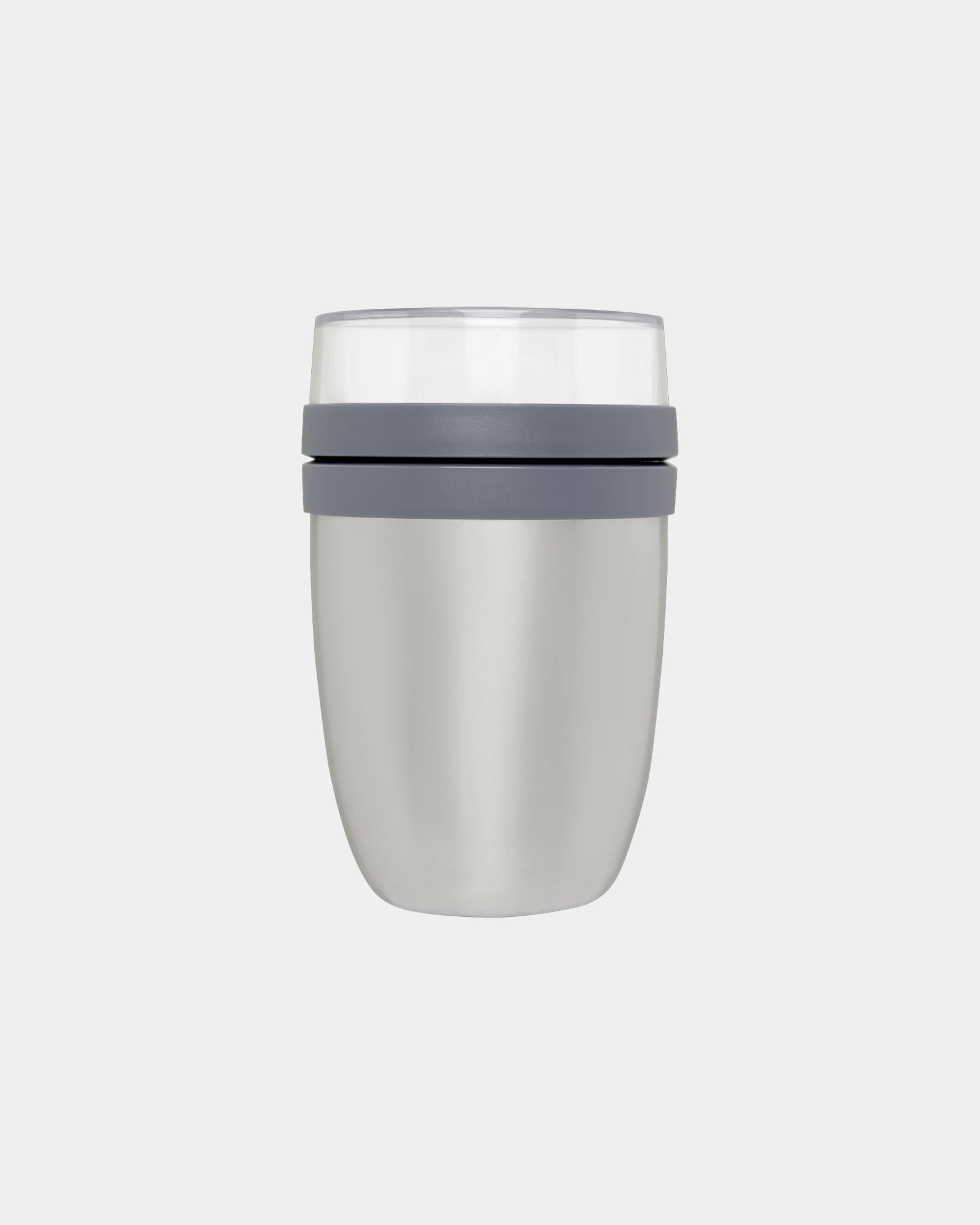
Stainless steel sits at the premium end. It resists odours and stains, laser-engraves to a clean permanent mark and reads as a considered gift rather than a freebie. Branded bamboo lunch boxes carry the strongest visible eco cue, while wheat-straw and rPET options give a recycled or plant-based story at a mid-range price. For a wider food-and-drink theme, Branded Drinkware sit alongside the lunch range without overlapping it.
Glass-base boxes with a vented lid are the choice when reheating matters most, since glass takes the microwave and the oven where many plastics cannot. They are heavier, so they suit a desk-based team more than a commuting one. The glass body also resists staining from tomato or curry, a problem that dogs cheaper plastic over time. For a premium personalised lunch box that stays looking new, glass and steel both earn their higher unit cost through years of clean service.
| Material | Best marking | Microwave (model-dependent) | Best for |
|---|---|---|---|
| PP plastic | Full-colour printed lid | Often yes, lid off | High-volume giveaways, schools |
| Stainless steel | Laser engraving | No | Premium gifts, wellness kits |
| Bamboo fibre / lid | Laser or pad print | Base only, check spec | Eco-led campaigns |
| Wheat straw | Pad print | Often yes, lid off | Mid-range eco giveaways |
| Glass base | Printed or engraved lid | Yes, base only | Desk teams who reheat |
Branded Bento boxes versus single-compartment lunch boxes
A three-well bento with a 1,000 ml total split keeps a sandwich, fruit and a dip apart, and that separation is what marks it out from a single deep tub. The compartment count changes how the box gets used, so decide it before the material. A single-compartment lunch box holds one main meal, a salad or a batch-cooked portion, and packs flat in a bag.
When Branded Bento boxes beat a single tub
A bento splits the same footprint into two, three or four wells, and it is the format people associate with a considered lunch rather than leftovers. Branded Bento boxes with a leakproof divider tend to land better in a wellness or onboarding kit because they look like a daily-use object, not a promo throwaway.
Stackable two-tier bento sets are the third option. One tier takes a main, the other a snack or salad, and the two clip together for transport. They cost more and weigh more, so reserve them for higher-value recipients rather than a mass event drop.
If the recipient mainly reheats one hot dish, a single deep compartment is the practical pick. Compartments only help when the meal is genuinely mixed, so match the layout to how your audience actually eats at midday.
Leakproof seals and lid types on personalised lunch boxes
On personalised lunch boxes, a four-side clip lid pressing a silicone gasket against the rim is what earns a bento its leakproof rating, tested upright with liquid before it carries that label. A leak on the morning commute turns a branded gift into a complaint, so the lid system matters more than the print. Three closures appear across the range, each with a trade-off.
Four-side clip lids press a silicone gasket against the rim and give the most reliable leakproof seal, which is why they dominate the bento lines that carry dressings or sauces. Snap-on lids without a gasket are splash-resistant rather than leakproof, fine for dry snacks and sandwiches but not for soup.
Screw-thread lids feature on round soup-style pots and seal well, though they are slower to open one-handed. Where a box is described as leakproof, that rating applies to its own tested closure, and we state it per line rather than across the range. A vented lid, common on glass and PP reheating boxes, is the exception: it is designed to release steam, so it is not airtight by design.
| Lid type | Seal rating | Carry sauces or soup? | Typical line |
|---|---|---|---|
| Four-side clip | Leakproof, gasket | Yes | Bento and dressing boxes |
| Snap-on | Splash-resistant | No, dry food only | Sandwich and snack boxes |
| Screw-thread | Leakproof, slower | Yes, soup pots | Round food pots |
| Vented | Not airtight | No, reheating only | Glass and PP microwave boxes |
Microwave and dishwasher use for your custom lunch boxes
Reheating and washing behaviour is model-dependent, and it is the question that generates the most post-purchase queries, so it is worth setting out plainly. The general pattern follows the material rather than the brand.
Most PP and wheat-straw boxes are microwave-safe with the lid removed, because the lid carries the gasket and the print, both of which dislike sustained heat. Glass bases take the microwave with the lid off and tolerate higher temperatures than any plastic. Stainless steel must never go in the microwave, and bamboo-fibre boxes vary, so the base may reheat while the lid does not.
Dishwasher tolerance splits the same way. Steel, glass and most PP bases handle a dishwasher, while printed lids and bamboo components are safer hand-washed to protect the mark and the timber. We publish the exact microwave and dishwasher rating on each product spec, so the recipient is not left guessing.
- Hand-wash printed and bamboo lids to protect the logo
- Remove gaskets monthly to clear trapped moisture
- Reheat with the lid off to vent steam safely
- Avoid abrasive scourers on laser-engraved steel
- Air-dry fully before clipping the lid shut
Branding methods that suit each printed lunch boxes surface
On personalised lunch boxes, a flat bento lid gives a generous rectangular print window. A round soup pot offers only a wrap band of roughly 50 to 60 mm in height on common sizes. That gap is why the surface, not the logo, sets the method. We steer the technique to your artwork rather than forcing one across every material.
A PP or wheat-straw lid takes pad or screen print and holds full colour, so a detailed multi-colour logo belongs here. Stainless steel and bamboo lids suit laser engraving, which burns a permanent single-tone mark that will not scratch off after months of washing. A full-wrap print across a curved soup pot covers the largest area but needs a vector file to stay sharp.
Send artwork as a vector file and you receive a digital proof within 24 hours, so logo placement and scale are signed off before any unit is marked. That proof step matters most on the smaller wrap bands, where a raster file would blur and a position error wastes a whole run.
Capacity and sizing across the personalised lunch boxes range
Among personalised lunch boxes, an 800 to 900 ml single or two-compartment box is the safe default for a mixed staff giveaway, generous for most adults without rattling in a bag. Capacity is the spec recipients judge first, so getting that band right settles most of the sizing decision before it starts.
Below it, snack and side pots sit around 350 to 500 ml, which suits a child's portion, a salad side or a fruit serving. The volume workhorses fall between 800 ml and 1,000 ml, enough for an adult main with a side, and this band covers most bento and single-compartment lines. Two-tier stacking sets reach 1,200 ml or more once both layers are counted.
Reserve the larger stacking sets for recipients you know carry a fuller midday meal, since the extra tier adds weight and bulk a commuter rarely wants. A commuter who carries a full box usually carries a drink too, and Personalised travel mugs cover the hot drink the box itself cannot, completing the on-the-go routine without overlap.
The eco angle on branded eco lunch boxes
Run the maths for a single commuter. A reusable box used five days a week displaces roughly 250 disposable containers a year, the honest core of its sustainability case. That swap is worth stating without overclaiming. Where a product spec lists a recycled, plant-based or responsibly-sourced material, we pass that detail through exactly as the supplier states it.
Bamboo-fibre and bamboo-lidded boxes carry the clearest visible eco cue, while wheat straw uses an agricultural by-product and rPET draws on recycled plastic. Stainless steel and glass earn their place through longevity rather than material origin, since a box used for years displaces a great deal of disposable packaging. On a broader low-waste brief the box anchors the kit, and Sustainable promotional products round it out without diluting the reusable message.
Any organic, recycled-content or certification claim is confirmed on request and shown in the product spec, never assumed across the range. Branded eco lunch boxes work hardest in a sustainability-themed campaign, where the reusable message reinforces the values the gift is meant to signal.
For a homeware or hospitality brand, the box sits well alongside table textiles. Personalised tea towels extend the same home-and-kitchen cue the lunch box already carries into a coordinated gift set.
Promotional lunch boxes in an employee wellness kit
A 200-strong wellness rollout might ship each new starter a two-compartment steel bento, a refillable bottle and a notebook, logo-matched and landing before day one. The personalised lunch box is the item used daily, which is why it anchors the kit rather than padding it.
A branded bento nudges the home-prepared lunch over the meal-deal, a small wellness message that costs nothing to deliver and reinforces an employer-of-choice story. Personalised water bottles are the natural partner, since a bottle and a lunch box cover the full midday routine.
For hybrid and remote teams, we pack and label individually and dispatch to home addresses from a single list you supply. No office then becomes a distribution choke point. A low minimum order means a pilot kit for one cohort is viable before you commit to a full year of starters.
In a gym-bag or self-care bundle, the reusable box sets the theme. Custom soaps sit naturally beside it, where both items reinforce the same low-waste, daily-use story.
Custom lunch boxes for school, university and family campaigns
A multi-academy trust ordering single-tier PP boxes across a dozen schools gets one mascot lid printed at a volume that drives the per-unit cost right down. A printed PP lunch box is one of the few giveaways a child carries every day, which makes it a strong fit for a school, nursery or family-brand promotion.
University freshers' fairs are the other high-volume use. A bright, low-cost printed lunch box stands out in a tote of leaflets and survives the term, keeping the institution's name in a shared kitchen all year. School-branded boxes also build a sense of identity, carrying the name or motto into hundreds of homes daily.
A custom lunch box in a soup-pot or snack format extends the same campaign to a food brand sampling a product, where the reusable container outlasts the sample inside it. Match the material to the audience: PP for children and high volumes, a sturdier steel or bamboo box for staff and partners.
| Audience | Suggested box | Material | Marking |
|---|---|---|---|
| School / nursery | Single-tier clip box | PP plastic | Full-colour lid print |
| Freshers' fair | Snack or bento box | Wheat straw | Pad print |
| Staff wellness kit | Two-compartment bento | Stainless steel | Laser engraving |
| Client / partner gift | Stacking two-tier set | Bamboo lid | Laser or pad print |
| Food brand sampling | Round soup pot | rPET | Full-wrap print |
Conference and event handout briefs for printed lunch boxes
An exhibition stand wants a giveaway that leaves the hall and keeps working, which is where personalised lunch boxes earn their place. A printed PP box does exactly that, since a delegate carries it home and uses it the next Monday. That daily return trip is why event teams pick a branded lunch box over a leaflet that lands in the bin by lunchtime.
Match the format to the event type. A freshers' fair or trade show with high footfall wants a light, low-cost box that prints in full colour and ships in volume. A smaller leadership summit or a partner day suits a steel or bamboo box, where the heavier feel reads as a considered gift rather than a mass handout. The table below pairs common event briefs with a build that fits.
Lead time protects the launch date on any event run. We lock the artwork proof early so a multi-position print does not push the delivery past the show opening. Brief the event date up front and we map the marking method and the quantity to hit it. A pilot batch ahead of the main order lets you test the box in real use before the show. That trial run also confirms the print holds up after a few washes, which matters when delegates keep the box for months.
| Event type | Suggested box | Material | Why it fits |
|---|---|---|---|
| Trade show stand | Single-tier clip box | PP plastic | Light, full-colour, ships in volume |
| University freshers' fair | Snack or bento box | Wheat straw | Low cost, eco cue, high quantity |
| Leadership summit | Two-compartment bento | Stainless steel | Premium feel for fewer guests |
| Partner or client day | Stacking two-tier set | Bamboo lid | Considered gift, daily use |
| Food brand sampling | Round soup pot | rPET | Outlasts the sample inside |
Lead times and ordering your personalised lunch boxes
A standard branded lunch box order runs to delivery in around three weeks from artwork approval, with the print or engraving stage being the main variable. A simple one-colour pad print on a stocked PP box clears faster than a multi-position full-wrap or a laser-engraved steel run.
Quantity steers the marking economics directly. Screen and pad printing reward larger PP runs with a lower unit cost, while laser engraving on steel holds a steadier per-unit rate that suits smaller premium batches. A short pilot run is feasible before a full campaign commits, which lets you test the box and the print in real use first.
Confirm the per-line microwave, dishwasher and leakproof ratings against your audience before you sign off the proof, since those three specs drive most post-purchase queries. Matching the rating to how the recipient eats and washes up settles the brief before any unit is marked.