

Promotional Fabric Bags


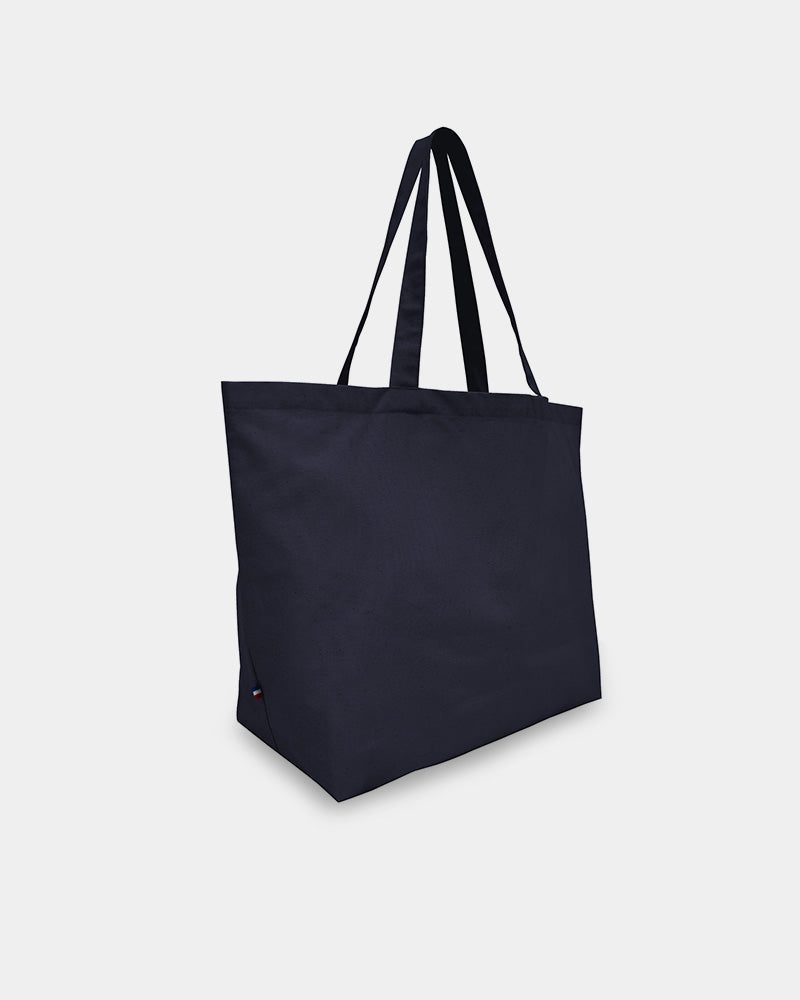


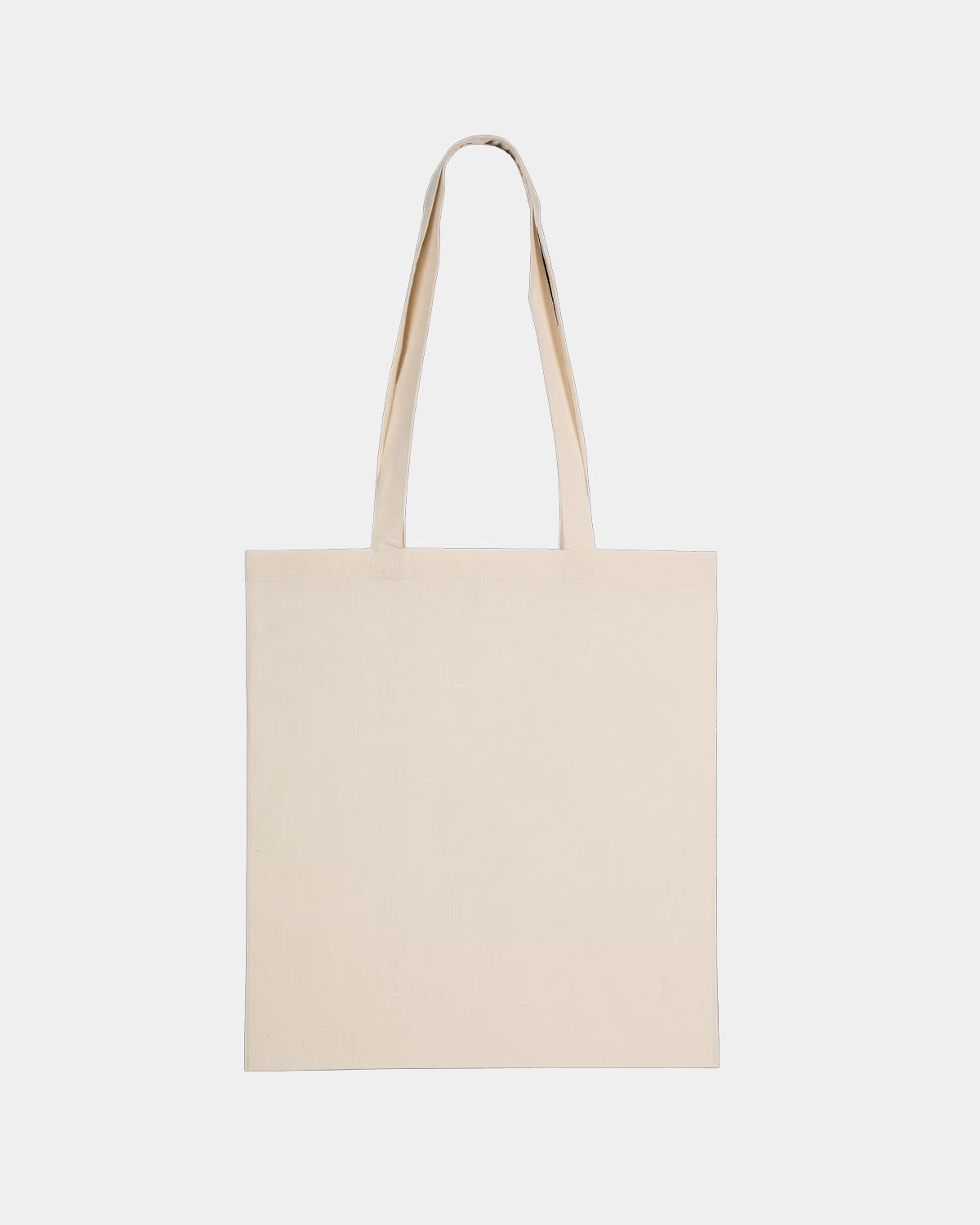


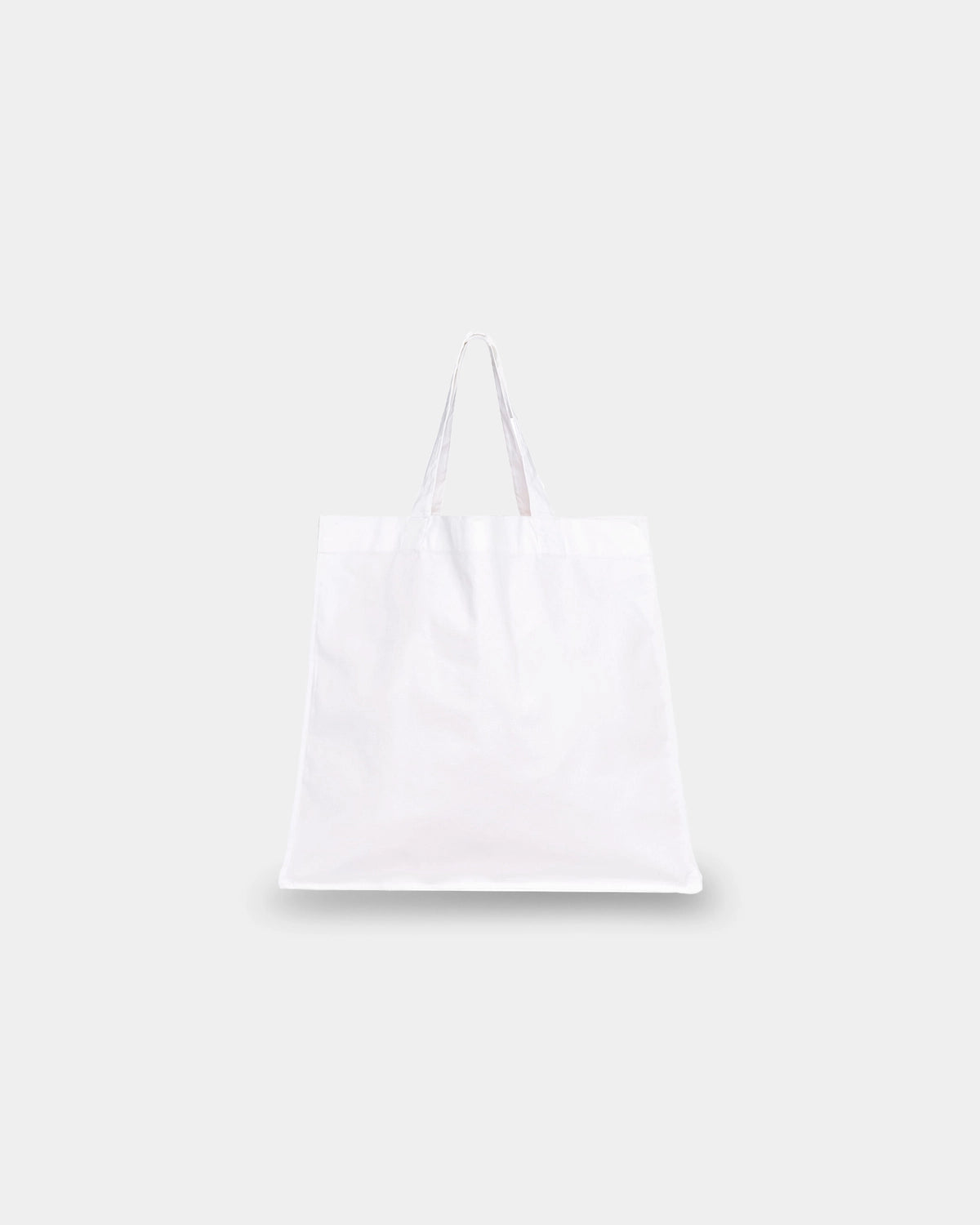


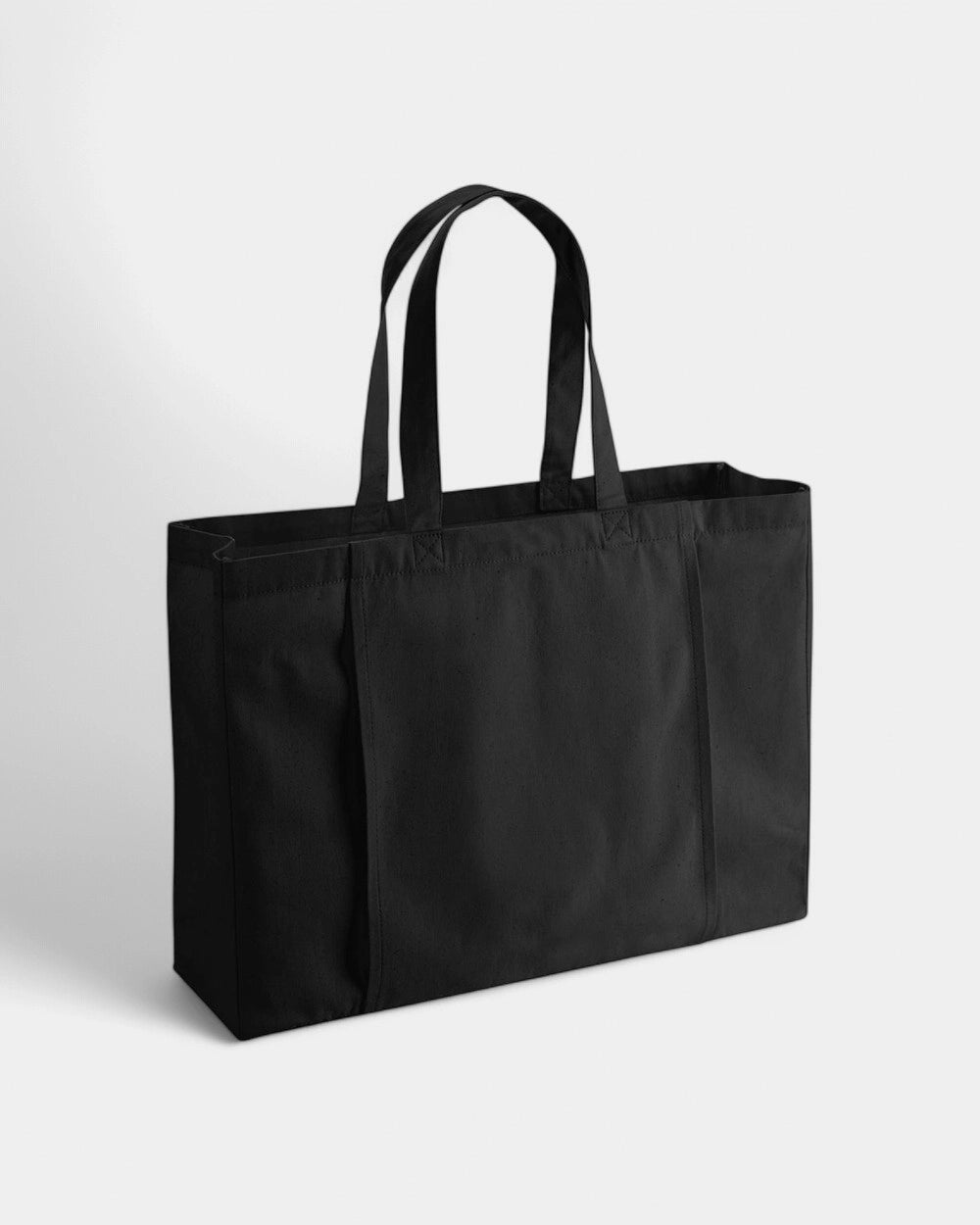


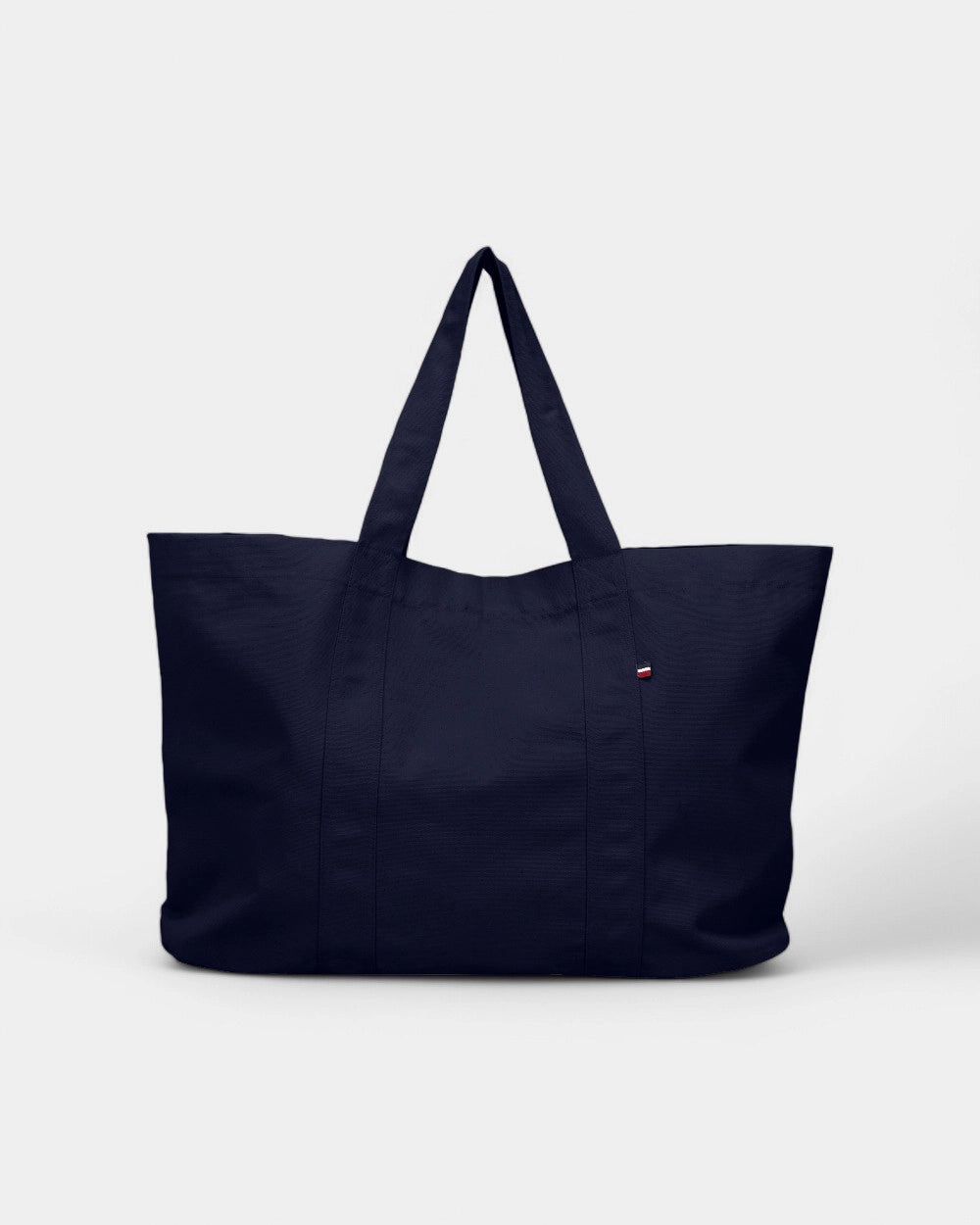


Treat your clients and employees!

FAQ - Printed Fabric Bags
Trusted by 1,000+ companies
What sets this soft promotional fabric bags range apart from a structured tote
A tote stays open and carries a load on the shoulder. These promotional fabric bags do the opposite job. A drawstring or a fold closes them, and they wrap one item snugly so it cannot fall out in transit or on a shelf. That single difference reshapes every spec, from the weave to the cord.
The lightest end is a single-layer muslin pouch you can see daylight through, bought for breathability rather than strength. The middle is a 5-7oz cotton drawstring sack for trainers, dice sets or a bottle of wine. The heavier end is a lined or flannelette dust bag that protects a handbag or a pair of shoes from scuffs and light.
Because the bag grips its contents, size is exact rather than generous. A jewellery pouch runs 7 x 9cm; a wine bag 15 x 35cm; a shoe dust bag 30 x 40cm. We cut to the product, so the cord pulls the mouth shut just above the item instead of leaving a loose, untidy gather.
Personalised Tote Bags own the open carry-handle shopper end, the structured 8oz canvas bag slung over a shoulder. This range keeps the closing pouch and the protective sleeve instead.
Muslin, calico and the weaves behind printed fabric bags
Muslin and calico weaves for printed fabric bags
Muslin is the headline cloth across these promotional fabric bags, a loose plain weave of fine cotton yarn that stays soft, light and breathable. That openness is the point. A muslin bag lets air move through it, so bakeries, grocers and tea brands reach for it where a sealed plastic film would trap moisture and spoil the contents.
Calico is the tighter, slightly heavier weave, unbleached and kept in its natural cream tone. It carries a crisper print than open muslin and lends a drawstring pouch more structure. A small gift or a sample set then rides in a bag that keeps its form rather than collapsing flat.
Organic and bleached muslin are both available where the brief needs them. Bleached muslin gives a clean white ground for bright, full-colour artwork. Organic muslin suits a food or wellness brand that wants a stated provenance and a softer, undyed handle on the finished pouch.
Heavier protective fabric bags move to brushed cotton or flannelette, a soft napped cloth that cushions a leather surface. That nap is what stops a dust bag scratching a watch or a bag clasp it is meant to guard, a property a flat-woven muslin cannot offer.
| Cloth | Approx. weight | Character | Typical content |
|---|---|---|---|
| Open muslin | 40-60gsm | Sheer, breathable | Bread, produce, herbs, tea |
| Fine cotton/calico | 100-140gsm | Soft, holds a print | Jewellery, samples, gifts |
| Mid cotton drawstring | 160-200gsm | Bodied, durable | Trainers, dice, bottles |
| Brushed/flannelette | 180-220gsm | Soft nap, protective | Handbag and shoe dust bags |
Drawstring closure mechanics on branded drawstring bags
Single against double cords on branded drawstring bags
The cord is the working part of these promotional fabric bags, and it has more variables than buyers expect. A single drawstring threads one channel and gathers the mouth from one side. A double drawstring runs two cords from opposite sides, so a pull on each cinches the bag evenly and locks it shut for a gym or shoe sack.
Cord material changes both the feel and the closure tension. A natural cotton drawcord matches an eco brief and holds the pouch to a single recyclable fibre throughout. A flat woven tape sits softer against the shoulder on a larger sack, while a thin polyester cord pulls tighter and slips less on a heavy load.
Branded drawstring bags meant to be worn over the shoulder need the cord anchored into bottom corner eyelets or reinforced tabs. That detail turns a simple pouch into a gym sack that takes a full load without the cord tearing free of the seam. The seam join is the usual failure point on a cheap version.
Custom drawstring bags cover the larger over-the-shoulder gym-sack format in depth, where this page keeps the smaller pouch, the produce sack and the protective dust bag.
Cotton dust bags as protective printed fabric bags for products
A dust bag is a promotional fabric bag bought to protect, not to carry. A handbag brand slips its product into a soft cotton or flannelette sleeve so the leather does not scuff against a wardrobe. A customer then reuses the bag for storage long after the sale. That keeps the brand in the home and out of a drawer of throwaway wrap.
Sizing a dust bag is a precise job because it must clear the product with a little ease, not swamp it. A clutch needs roughly 25 x 30cm; a tote-sized handbag 40 x 45cm; a single shoe around 15 x 38cm. We pattern the bag to the actual item, often from a sample you send, so the drawstring closes neatly above it.
The inside finish matters as much as the outside print. A brushed or sateen lining glides against a polished surface, while a coarse seam left exposed can mark soft leather. We turn or bind the internal seams on a protective fabric bag so nothing inside can press a line into the product it guards.
Printed Cotton Bags hold the lightweight calico handout end, the flat 4-5oz event giveaway, where the dust bag here is a sized, closing sleeve built around one product.
Muslin produce and food promotional fabric bags
Food-contact rules on muslin promotional fabric bags
Reusable muslin produce bags have moved from a niche to a checkout staple. A grocer or a farm shop printing its name on them turns packaging into a walking advert. A shopper fills the bag with loose apples or mushrooms, ties the drawstring and reuses it weekly, which replaces a roll of single-use plastic film.
Food contact sets the rules on these promotional fabric bags. Open-weave muslin breathes, so bread keeps its crust and herbs do not sweat and rot inside a sealed bag. We keep the print clear of the bag's mouth on any food-contact format. We also use the cloth and inks the product spec confirms for that use, rather than assuming a generic bag is food-safe.
Weight tuning is the quiet skill here. A featherlight 40gsm muslin suits dry herbs or a tea blend. Loose root vegetables need a 60gsm cloth that takes a few pounds of carrots without the seam straining at the till.
A bread bag wants a flat-bottomed gusset so a loaf stands upright; a produce bag stays flat to fold into a tote between shops. We match the construction to whether the bag is filled once a week or reopened every day.
Print and embroidery methods for printed fabric bags
A soft, unstructured base prints differently from a taut tote panel, because there is no firm backing to push against. Screen printing still leads on volume, laying opaque ink into cotton or calico, and the plate charge divides across the run so the unit price drops past 250-500 pouches.
Open muslin needs a lighter touch. A heavy ink block can clog the loose weave or crack as the sheer cloth flexes. So we hold artwork to a clean one or two-colour mark. A soft-hand water-based ink soaks into the yarn instead of crusting over the surface as a stiff film.
Full-colour digital transfer suits a small run or a photographic design on a bleached muslin pouch, where screens would not pay for a 100-bag batch. A free sample is available so you can judge how your logo reads on the actual weave before the full quantity is committed. Ink behaves differently on sheer muslin than on a solid tote panel.
Embroidery on a featherlight fabric bag wants a backing layer under the needle, because muslin offers almost no body of its own to anchor a tight fill. We keep stitched marks small and open on these cloths and route a dense crest to print instead, so the pouch does not pucker as the thread pulls in.
| Method | Colour range | Best quantity | Strength on soft cloth |
|---|---|---|---|
| Screen, water-based | 1-3 spot colours | 250-5,000+ | Soft hand, no clogging on muslin |
| Screen, standard | 1-4 spot colours | 250-5,000+ | Opaque, vivid on cotton/calico |
| Digital transfer | Full-colour | 25-500 | Photographic, low-run, bleached base |
| Embroidery | Thread colours | 100-1,000 | Premium on calico, not sheer muslin |
Sizes and formats across the printed fabric bags range
Because each bag grips one type of content, the format range of these promotional fabric bags is wide and the sizing is specific. Four very different products sit under one drawstring idea. A jewellery pouch runs 7 x 9cm, a candle or soap bag 10 x 14cm, a wine bottle sleeve 15 x 35cm and a shoe dust bag 30 x 40cm.
The fold-over pouch is the alternative to a cord on the smallest formats. A flap that tucks closed suits a delicate sample or a single piece of jewellery, where a drawstring channel would add bulk. A printed gift pouch slips neatly inside Corporate Gift Boxes as the soft liner, turning a flat bag into a considered welcome gift. We pick the closure to the size, not the other way round.
Gusset is the variable that turns a flat pouch into a standing bag. A flat muslin produce bag folds to nothing for storage; a base-gusseted bread or gift bag stands open on a counter. Tell us whether the bag is filled flat or needs to stand, and we spec the base to suit.
- Jewellery pouch 7x9cm, drawstring or fold-over flap
- Candle and soap bag 10x14cm in calico
- Wine bottle sleeve 15x35cm, single cotton drawcord
- Shoe dust bag 15x38cm with soft nap lining
- Handbag dust bag 40x45cm, double drawstring
- Muslin produce bag 25x30cm, 40-60gsm breathable weave
| Format | Approx. size | Closure | Best for |
|---|---|---|---|
| Jewellery pouch | 7 x 9cm | Drawstring or flap | Rings, earrings, samples |
| Gift/candle bag | 10 x 14cm | Single drawstring | Soap, candle, small gift |
| Wine sleeve | 15 x 35cm | Single drawcord | Single bottle gifting |
| Dust bag | 30 x 40cm | Drawstring | Handbag, shoe protection |
Use cases for printed fabric bags by sector
Different sectors reach for a promotional fabric bag to solve a different problem, and the format follows the problem. A jeweller wants a soft pouch that protects a ring and presents it well. A grocer wants a breathable muslin sack that replaces plastic film. A premium retailer wants a lined dust bag that guards a leather product in the wardrobe. Reading the sector first sets the cloth weight, the closure and the print method before any colour is picked.
The table below pairs each sector with the build that tends to suit it. Treat it as a starting point, not a fixed rule, since a candle brand and a soap maker order the same small pouch at very different volumes. We confirm the cloth and the food-contact spec against the exact use before the order is locked.
| Sector | Typical build | Why it fits |
|---|---|---|
| Jewellery and gifts | 7-14cm calico pouch, fold or drawstring | Protects and presents one small item |
| Grocers and food brands | 40-60gsm muslin produce bag | Breathes, replaces single-use film |
| Premium retail | Lined flannelette dust bag | Guards leather from scuffs and light |
| Wine and spirits | 15-35cm cotton sleeve, single drawcord | Dresses a single bottle for gifting |
How we decorate your printed fabric bags without compromising the cloth
A soft, unstructured pouch is not a taut tote panel, so the decoration has to respect the cloth rather than fight it. There is no firm backing to push against, so a heavy ink block can clog an open muslin weave or crack as the sheer cloth flexes. We hold artwork to a clean one or two-colour mark on the lightest cloths and lay a soft-hand water-based ink that soaks into the yarn. On bodied calico a fuller print or a small embroidered crest holds well.
Placement protects the bag as much as the artwork. On any food-contact muslin the print is kept clear of the mouth, so nothing transfers onto produce. On a protective dust bag the mark sits on the outer face while the inner seams stay bound, so nothing presses a line into the product inside. Every position is proofed on the actual weave before the run, and we name the method per cloth at quote. A free sample lets you judge how the logo reads on the real fabric first.
Eco materials and honest claims on promotional fabric bags
The soft, reusable nature of these promotional fabric bags is the eco story, but the cloth options carry real differences a buyer should weigh. Organic muslin and recycled-cotton drawcords lower virgin-fibre use; conventional calico prints sharpest and costs least; bleached muslin trades a little earthiness for a bright print ground.
Certification sits with one specific cloth, never the whole catalogue. The organic-muslin status is shown on that base's tech pack. A recycled-cord figure varies by spool, so it appears on the line's data sheet rather than as a blanket claim across the range.
A reusable muslin bag does its environmental work by replacing single-use film week after week, so the weave and seam quality matter more than a label. A bag that frays after a fortnight gets binned and undoes the point. So our lightweight pouches sit at a sensible minimum weight rather than the thinnest cloth available.
Personalised jute bags take the coarse natural-fibre end of an eco brief, the rustic hessian shopper, where these promotional fabric bags keep the soft cotton pouch and the breathable muslin sack.
Lead time, minimums and quality on printed fabric bags
Minimums on these fabric bags depend on the route. A stock muslin or cotton pouch overprinted with one or two colours runs from around 100-250 units. A fully bespoke size, cloth and cord made to your pattern typically starts near 500. The smaller the bag, the more pieces fit a carton, which keeps freight low on a large pouch order.
Standard turnaround lands at roughly three weeks to your door, shifting with quantity and with any made-to-pattern cutting or organic-cloth sourcing layered onto a plain stock print. A 250-unit overprint leaves the bench sooner than a 2,000-piece bespoke dust bag cut to a sample.
Seam and cord strength are the checks that matter on a closing bag. We inspect the drawstring channel, the cord anchor and the seam allowance across a run. A mouth that tears or a cord that pulls out is what fails first on a fabric bag in daily reuse.
Personalised beach bags step in when the audience wants a roomy summer carrier rather than a closing pouch. This range keeps the small sealed pouch and the protective sleeve for a single item.

