

Branded fleeces
- Price, low to high
- Price, high to low


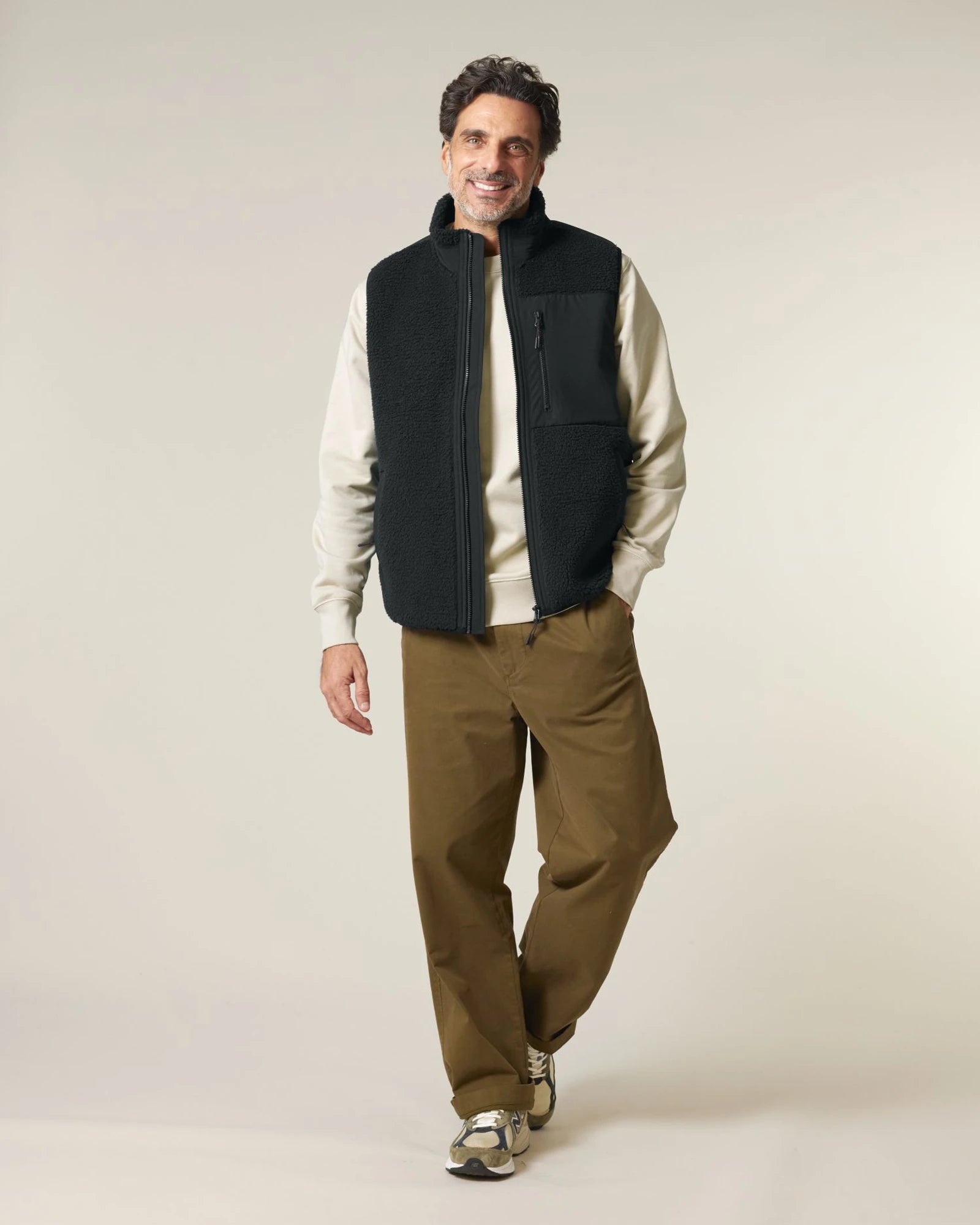


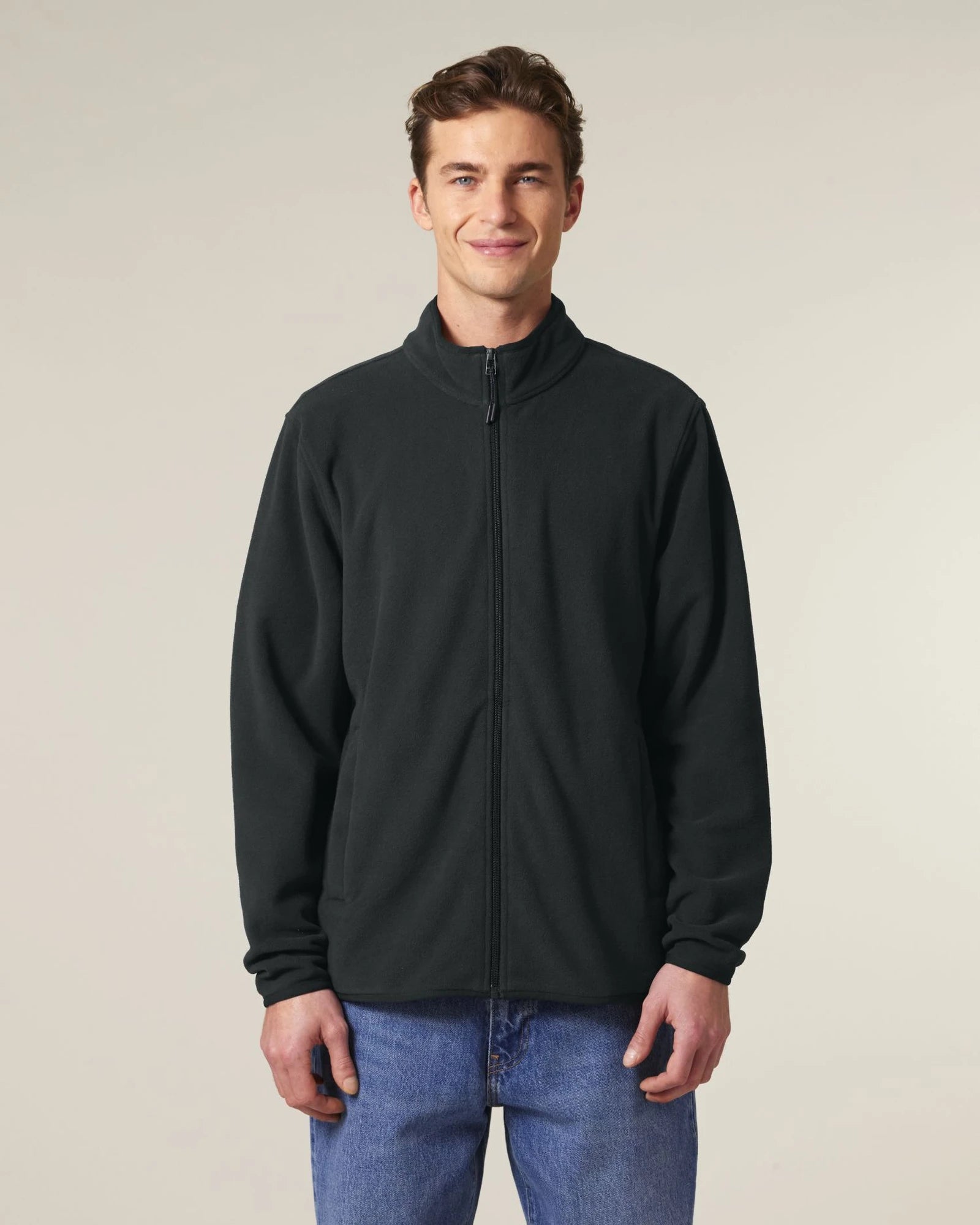


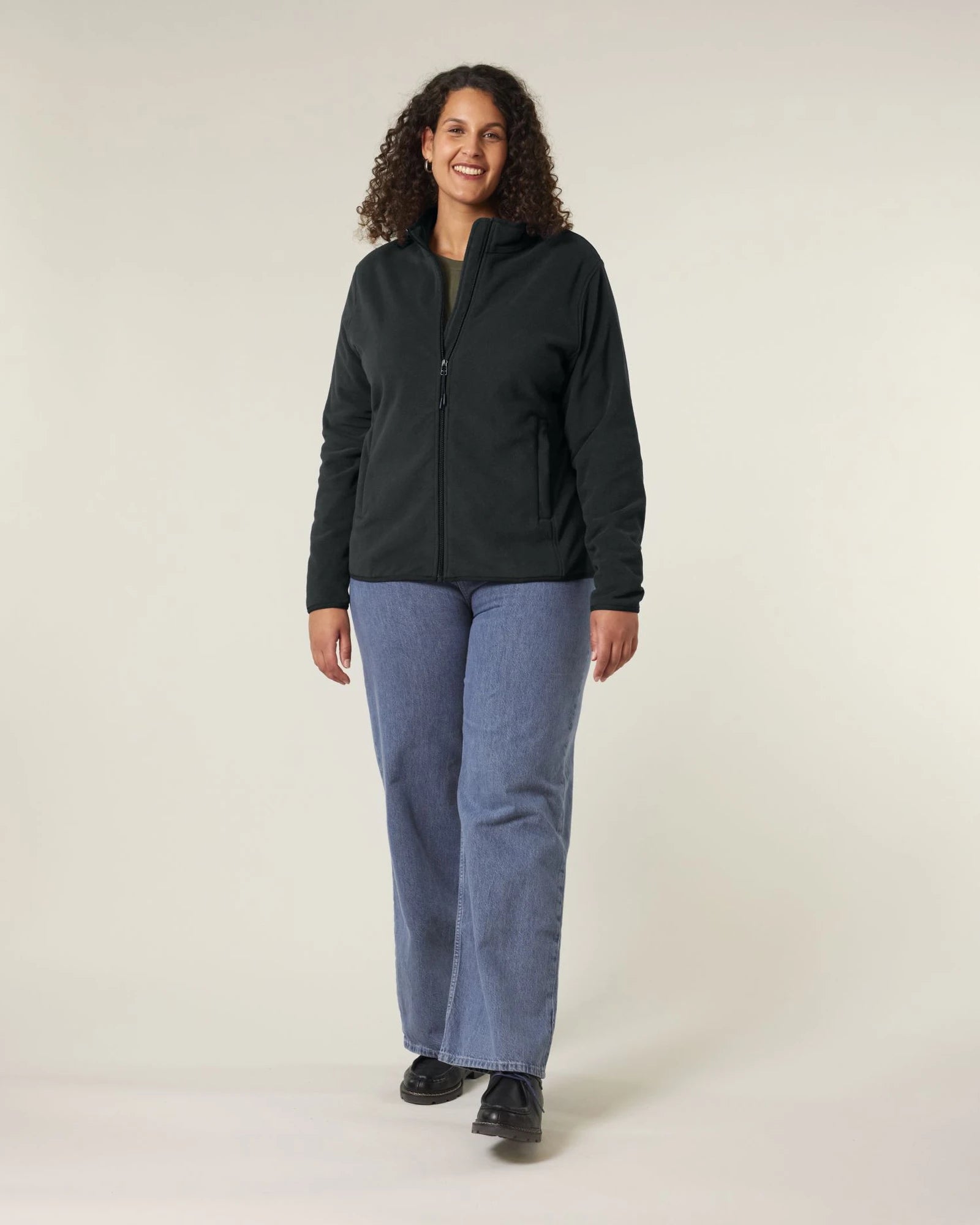


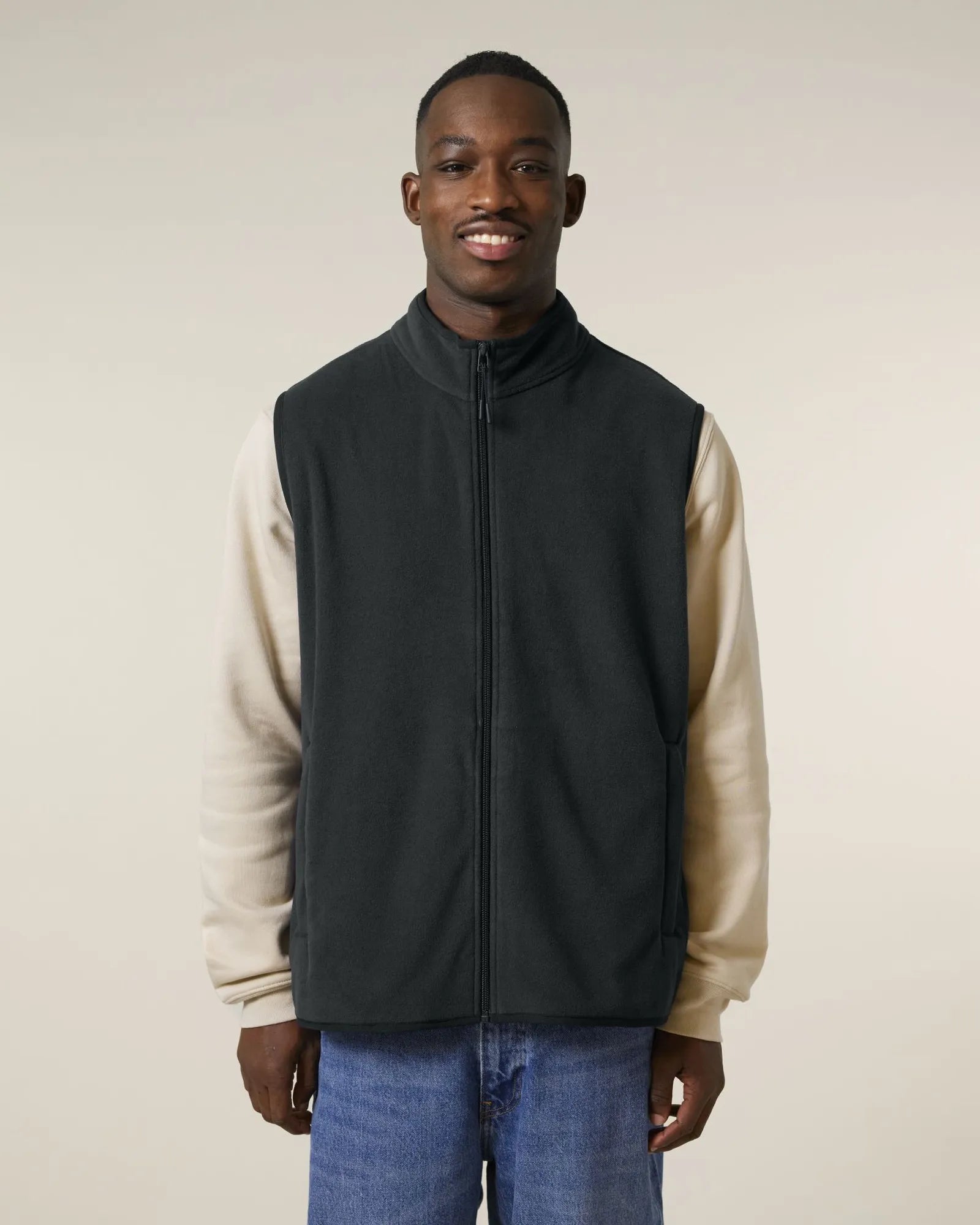


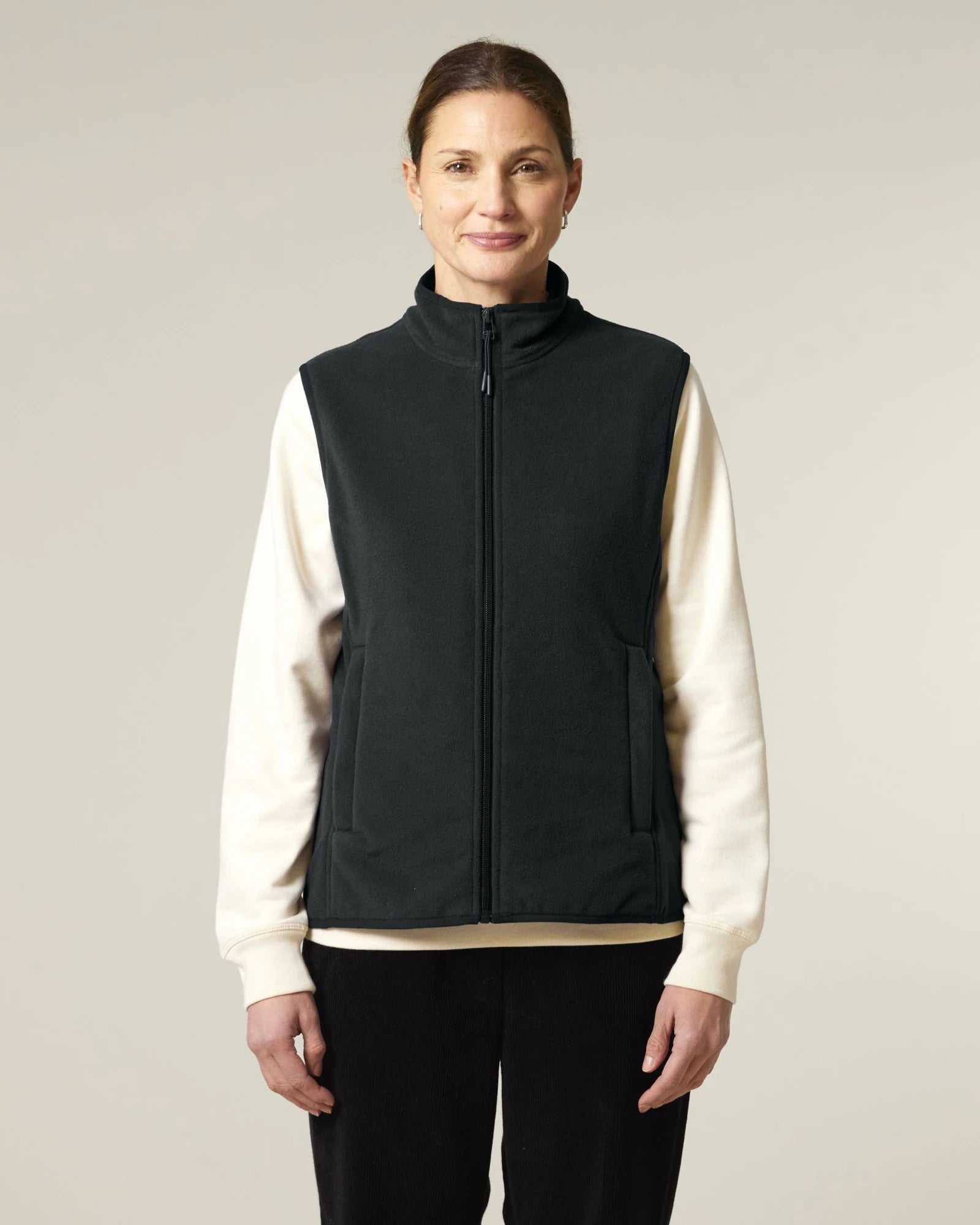


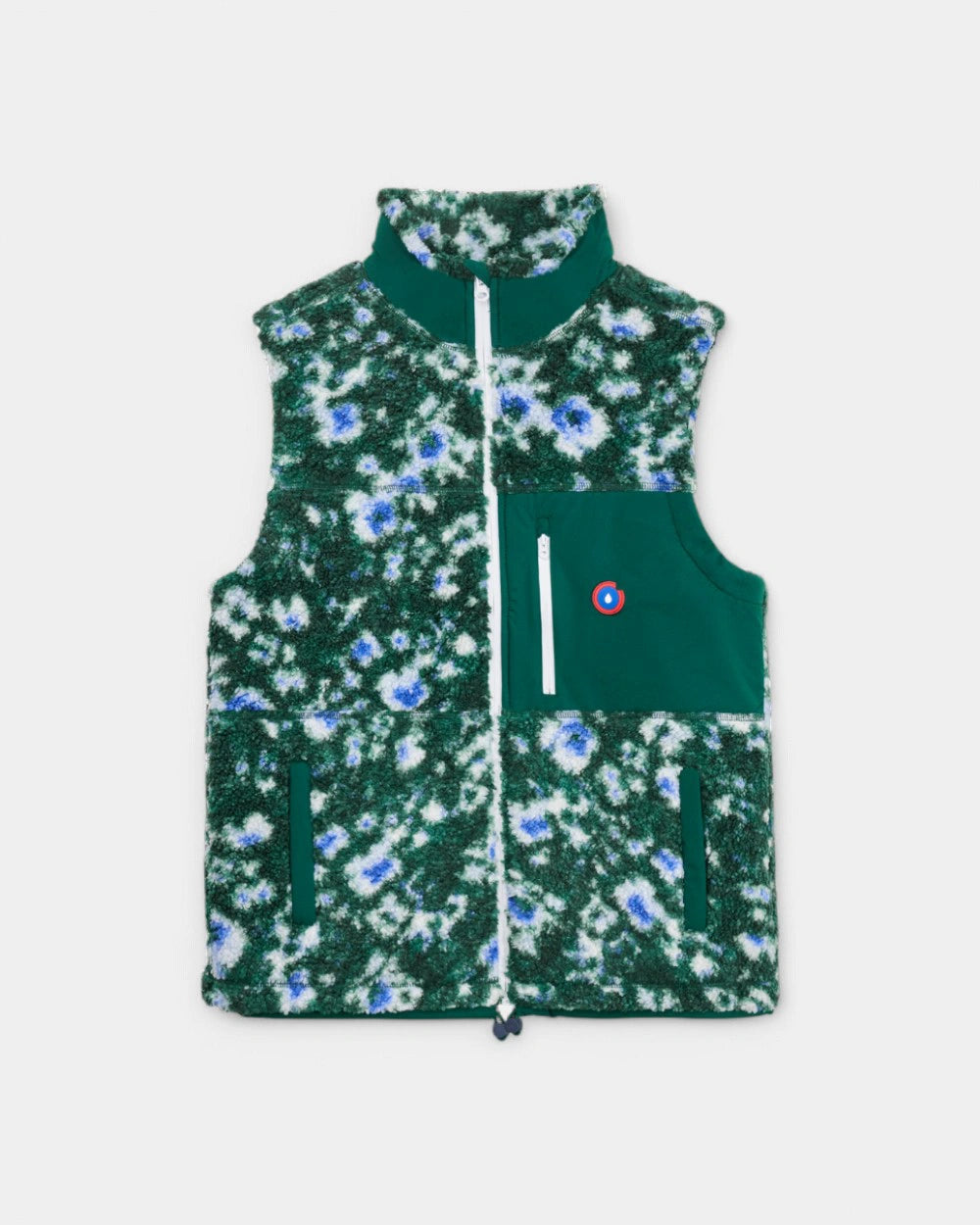


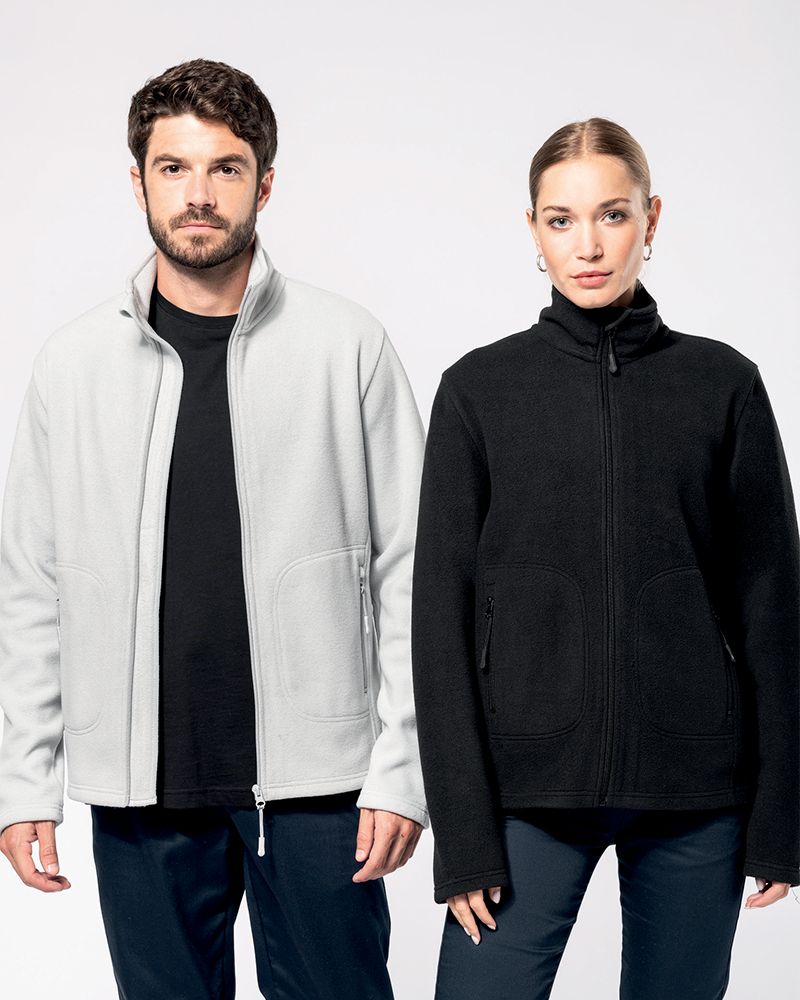


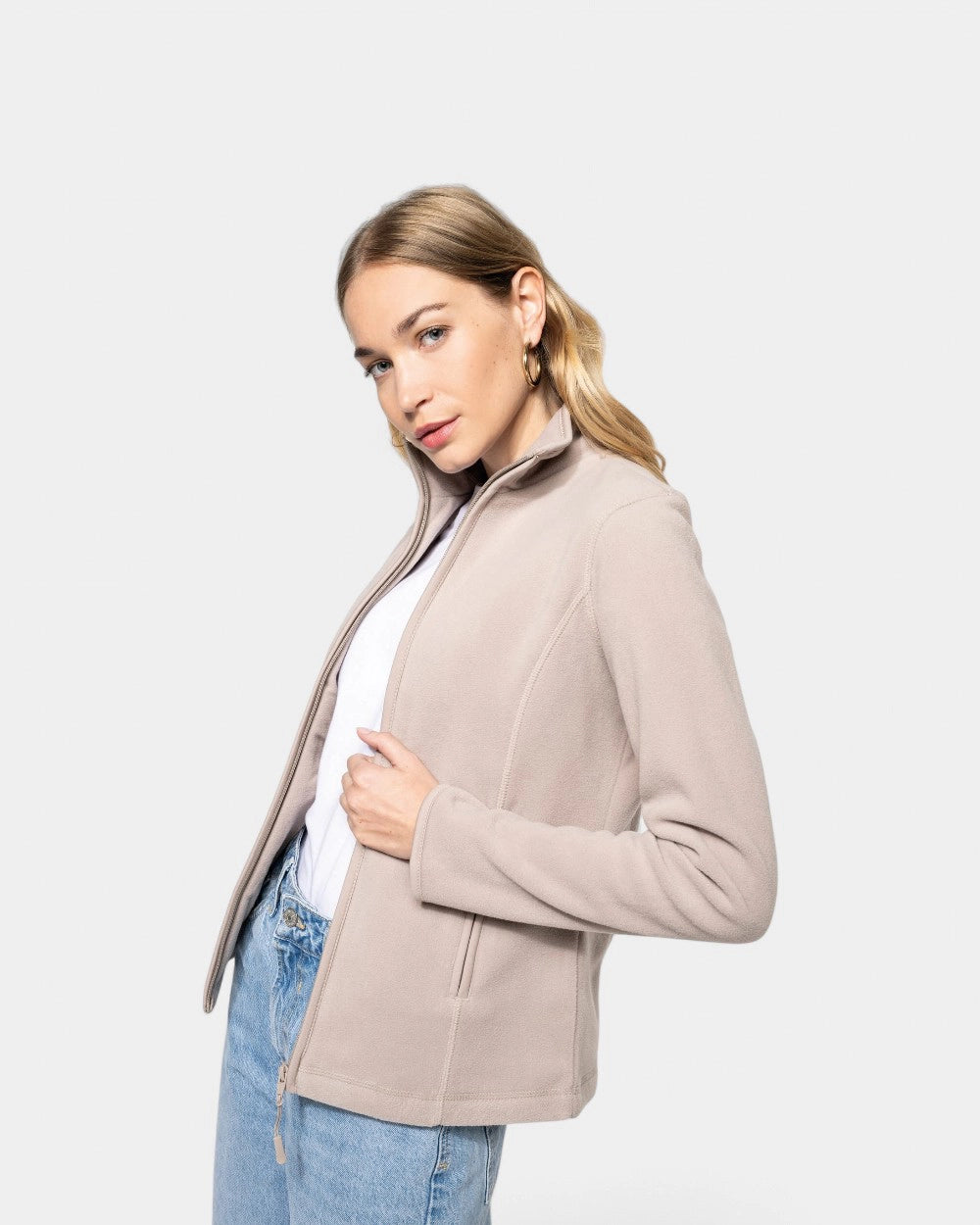


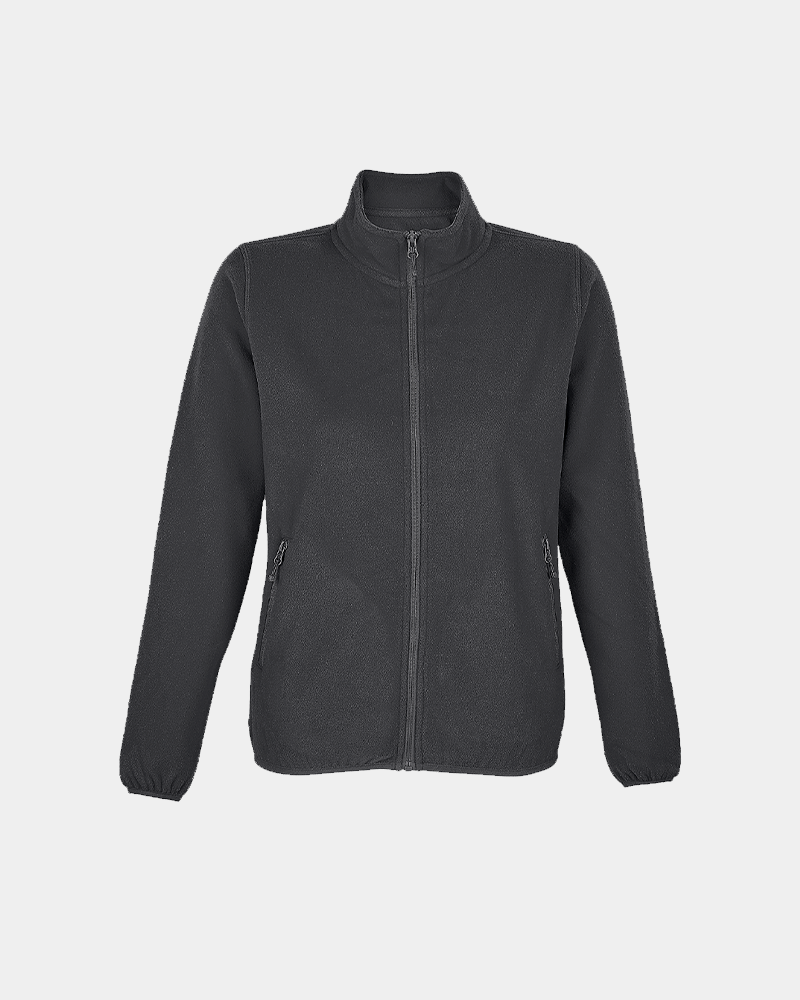


Treat your clients and employees!

FAQ - Embroidered fleeces
Trusted by 1,000+ companies
Fleece weight bands and what each personalised fleeces order is built for
The first decision on any personalised fleeces order is not colour or cut. It is weight, measured in grams per square metre. A microfleece sits around 200 gsm and reads as a light indoor layer. A mid-weight polar fleece lands near 280 gsm. A heavy anti-pill fleece reaches 300 to 330 gsm and behaves like genuine outdoor warmth.
Match the band to the wearer. A 200 gsm microfleece suits office support, reception and care staff who move between heated rooms. A 280 to 330 gsm polar fleece suits warehouse aisles, forecourts and field crews who work in the cold for hours. Ordering one weight for a mixed team leaves half of them wrong.
Weight also changes how a garment layers. A slim 200 gsm fleece slides under a shell without bunching at the cuff. A 330 gsm fleece is bulkier and is usually worn as the outer layer itself. We can send the gsm figure for any line before you commit, so the spec matches the job.
| Weight band | Typical gsm | Best suited to |
|---|---|---|
| Microfleece | approx. 180-220 | Indoor teams, layering under a shell, warmer months |
| Mid-weight polar | approx. 250-290 | Mixed indoor and outdoor use, year-round wear |
| Heavy anti-pill | approx. 300-330 | Outdoor crews, cold stores, forecourts, winter |
Micro, polar and sherpa-lined personalised fleeces compared
Microfleece is a thin, smooth-faced knit with a low pile. It packs down small and dries quickly, which is why it travels well and works as a base midlayer. The trade-off is modest warmth and a surface that shows wear sooner than a denser pile.
Polar fleece is the workhorse. It has a deeper, brushed pile on both faces, holds more air and so holds more heat. It is the band most corporate and workwear fleeces sit in. Sherpa-lined fleeces add a curly, high-loft inner that mimics shearling, giving the most warmth and the most premium hand-feel for the price step up.
There is a marking consequence too. A short microfleece pile takes embroidery cleanly. A deep sherpa loft is harder to stitch over and often pushes you toward an embroidered patch or a flat chest panel instead. Choosing the fleece and the decoration together avoids a logo that sinks into the pile. Teams comparing a fleece against a softer casual layer such as Custom Hoodies should weigh pile depth against how the logo will read.
Full-zip, quarter-zip and pullover custom fleece jackets
On personalised fleeces the closure format decides how the garment is worn and where your branding sits. A full-zip fleece opens completely, layers over a polo or shirt and vents fast when someone steps indoors. It is the default among custom fleece jackets for teams who pull the garment on and off all day.
A quarter-zip and a pullover fleece both go on over the head. They run warmer at the neck, lose a little adjustability and give you a clean, unbroken chest for a larger embroidered logo. A full-zip splits that chest area, so a left-breast crest usually works better there. The pullover suits a single bold front mark; the quarter-zip suits a team that wants warmth at the throat without losing the centre chest. Embroidered Jackets follow the same logic when the fleece becomes a midlayer under a shell.
Cuff and hem finish matter on a working garment. Elasticated or bound cuffs keep cold air out and survive repeated washing better than a raw knit edge. A chin guard at the top of a full-zip stops the slider catching, a small detail that drives returns when it is missing.
| Format | Logo area | Best for |
|---|---|---|
| Full-zip | Split chest, left-breast crest | On-and-off use, layering, venting indoors |
| Quarter-zip | Clean upper chest | Warmth at the neck, mid-day outdoor wear |
| Pullover | Full unbroken chest | Largest front logo, simplest construction |
Embroidering a logo onto the brushed pile of personalised fleeces
Why Personalised fleeces hold the mark
Embroidery is the standard finish for fleeces because it survives the wash cycle a workwear garment lives through. Printed fleeces have their place for multi-colour artwork, but stitched thread does not crack or peel the way a print can. On a brushed surface embroidery reads as a quality mark rather than a sticker. The raised pile works against a clean stitch, which is why a cut-away backing and a soluble topping matter on a fleece.
A fleece has no firm base, so the backing does the work. We hoop a cut-away stabiliser behind the logo to stop the design distorting as the pile compresses and recovers. Without it, fine text sags and a circular logo turns oval after a few washes. For very deep or sherpa piles, a water-soluble topping is laid on top so stitches sit on the surface instead of sinking.
Backing and digitising for printed fleeces
There are limits worth knowing before artwork. Lettering much below 4 mm tall closes up on a fleece pile, and very fine gradients do not translate to thread. Our team remaps a logo into stitch-friendly form at the digitising stage. We then share the artwork proof for approval within 24 hours, so you see the stitched layout before any garment is run.
| Method | How it sits on a fleece | Best for |
|---|---|---|
| Embroidery | Stitched into the pile over backing | Logos, names, durable workwear finish |
| Embroidered patch | Stitched badge applied to the chest | Deep or sherpa piles, detailed crests |
| Heat-applied transfer | Bonded to a flatter, lower-pile face | Multi-colour artwork, smaller runs |
Personalised fleeces for named teams and roles
Personalised fleeces go a step beyond a shared logo by adding an individual name or role under the chest mark. On a fleece this is straightforward because the name is stitched in the same pass as the crest, on the same backing. Care teams, event crews and site supervisors use it so a wearer is identifiable across a room or a yard.
Plan the name list before production, not after. A late spelling change means re-hooping a finished garment, which is slower than getting the roster right once. We hold a low minimum order, so a small named run for a new department is viable without committing to hundreds of units.
Position is a choice. A name reads well opposite the logo, on the right chest, or below a left-breast crest. Keep both within the same colourway of thread for a uniform look across the team. Embroidered Polo Shirts take the same name treatment if you want a warm-weather layer that matches the cold-weather fleece.
Colour, contrast panels and the visible logo on printed fleeces
Most corporate personalised fleeces order in grey marl, black or navy because those colours hide everyday handling and frame a stitched logo cleanly. A pale thread on a dark fleece gives the sharpest contrast, while tonal stitching reads as understated for a more formal brand.
Contrast panels change the brief. A fleece with a contrast chest or shoulder panel gives a second placement option and a more designed look. It also constrains where the logo can sit without crossing a seam. Stitching across a panel join is possible but the seam can pull the design, so we place the logo within a single panel where the layout allows.
High-visibility is its own category. Hi-vis fleeces in yellow or orange to the relevant EN standard suit roadside, rail and yard work. The logo is usually stitched onto a contrasting chest band so it stays legible against a bright ground. Confirm the exact standard you need and we will match a line to it. For outdoor crews, a head layer such as Custom beanies in the same hi-vis tone keeps the team readable from the neck up.
Custom fleece jackets as a corporate midlayer under a shell
A fleece earns its keep as the middle of three layers. A wicking base moves moisture, the fleece traps warm air in its pile, and an outer shell blocks wind and rain. The fleece is not waterproof and is not meant to be. Its job is insulation, and a damp fleece under a shell still keeps a worker warm where a soaked cotton hoodie would not.
This is why fleece weight should be read against the shell. A team already issued a heavy waterproof needs only a 200 to 250 gsm fleece beneath it. A team in a light softshell carries more of the warmth in the fleece and wants 300 gsm or more. Embroidered workwear pulls the base, mid and outer layers into one branded system so the kit works together.
Branding the midlayer is deliberate, not incidental. Because the shell comes off the moment someone is indoors or out of the rain, the fleece is what people see most of the day. A logo on the midlayer is on show far more than one buried under an outer jacket.
Fit, sizing and a unisex versus cut personalised fleeces range
Sizing decides whether a fleece is worn or left on a peg. Offer both a men's and a women's cut where the range allows, rather than only unisex sizing that fits no one well. A women's cut shapes the waist and shortens the body; a unisex block runs boxier and longer.
Layering eats a size. A fleece worn over a shirt and under a shell needs room, so order a touch generous if it sits mid-stack. Most ranges run XS to around 3XL, with workwear lines reaching far larger for full site coverage. Check the top of the range early if you have a broad team.
A size set is the cheapest insurance on a large order. We can supply samples across the size run so wearers try before you commit the full quantity, which removes the guesswork from a 200-strong roll-out.
Lead time and quantity on a promotional fleece jackets order
Setup costs on custom fleece jackets
Decoration drives the timeline more than the garment does. Once artwork is approved, a stock fleece in standard colours moves quickly, with typical production around three weeks and faster turnarounds available when a date is fixed. The slow points are digitising a new logo and waiting on artwork sign-off, both of which are front-loaded.
Quantity changes the setup economics. Embroidery carries a one-off digitising charge to convert your logo to a stitch file. That cost spreads thinner across more units, so the per-fleece price falls as the run grows. A run of 25 named fleeces for one department and a run of 300 for a national rollout decorate the same way but land at very different unit costs.
Order the size and colour spread in one go where you can. Splitting an order into repeat top-ups means new minimums and possible dye-lot variation between batches of the same colour. A single planned order keeps the colour consistent across the whole team. Promotional fleece jackets handed out at a trade event follow the same rule, so a one-off giveaway run is best ordered complete rather than topped up later.
- Confirm gsm weight against the wearer's environment
- Pick zip format before placing the logo
- Approve the stitched artwork proof, not just the flat logo
- Order a touch generous if the fleece is a midlayer
- Check the top size in the range for broad teams
- Keep one colourway across the run to avoid dye-lot drift
Caring for Printed fleeces so the stitch lasts
Personalised fleeces are washed often, so the finish has to survive it. Embroidery handles a 30 to 40 degree wash without fading, which is one reason it beats print on a garment that goes through the laundry weekly. Wash inside out to protect the pile and the stitched face from abrasion against zips and fasteners.
Skip the fabric softener and the tumble dryer where you can. Softener coats the fibre and dulls the pile over time, and high heat can flatten the loft that gives a fleece its warmth. Air-drying keeps both the pile and the embroidered logo crisp for far longer. The same low-heat rule applies to Embroidered Sweatshirts in the same wardrobe, so a shared laundry routine keeps every layer looking issued.
Anti-pill finishes earn their name here. A treated fleece resists the small bobbles that form on a cheaper pile after repeated washing, keeping the garment looking issued rather than worn out. It is worth specifying on a fleece that has to look uniform across a team for a couple of seasons.
Zip hardware and pocket detail on working custom fleece jackets
On a garment opened and closed dozens of times a day, the zip is the first thing to fail. Look for a moulded plastic or coil zip with a chunky pull that gloved hands can grip. A reinforced box at the base lets the slider engage cleanly every time. A cheap metal zip on a flexing fleece works loose far sooner.
Pockets change how a fleece is used on site. Zipped side pockets keep a phone and pass secure when someone bends or climbs, where open hand-warmer pockets spill. A chest pocket gives a second secure stash and, on a pullover, an alternative spot for a small stitched logo away from the centre chest.
Thread colour on the zip tape and the pocket bartacks is a small branding lever. Matching the embroidery thread to a contrast zip pull ties the garment to the brand without adding a separate logo. We can flag which lines offer coloured zips when you brief the run.

