

Printed Sweatshirts
- Price, low to high
- Price, high to low


















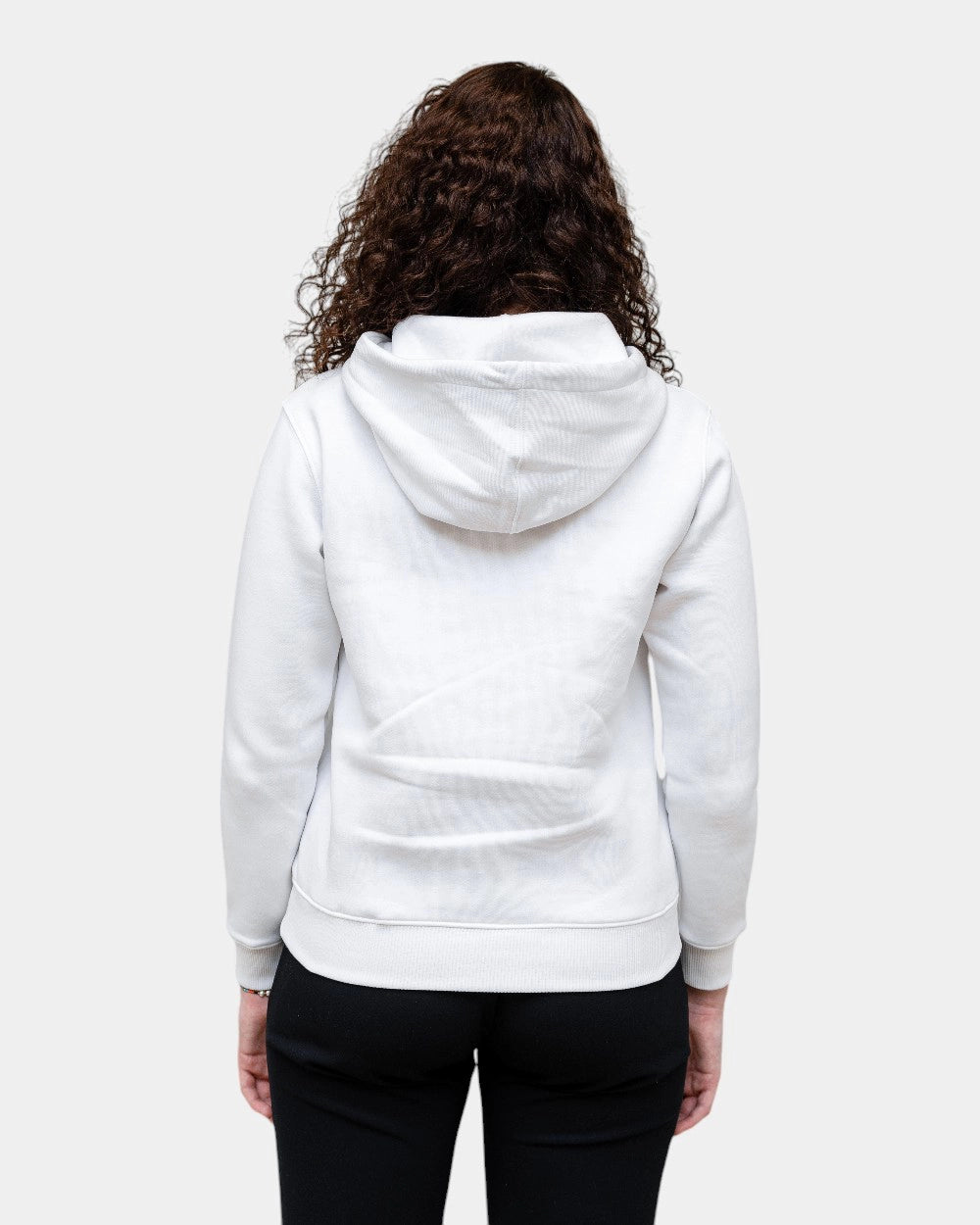


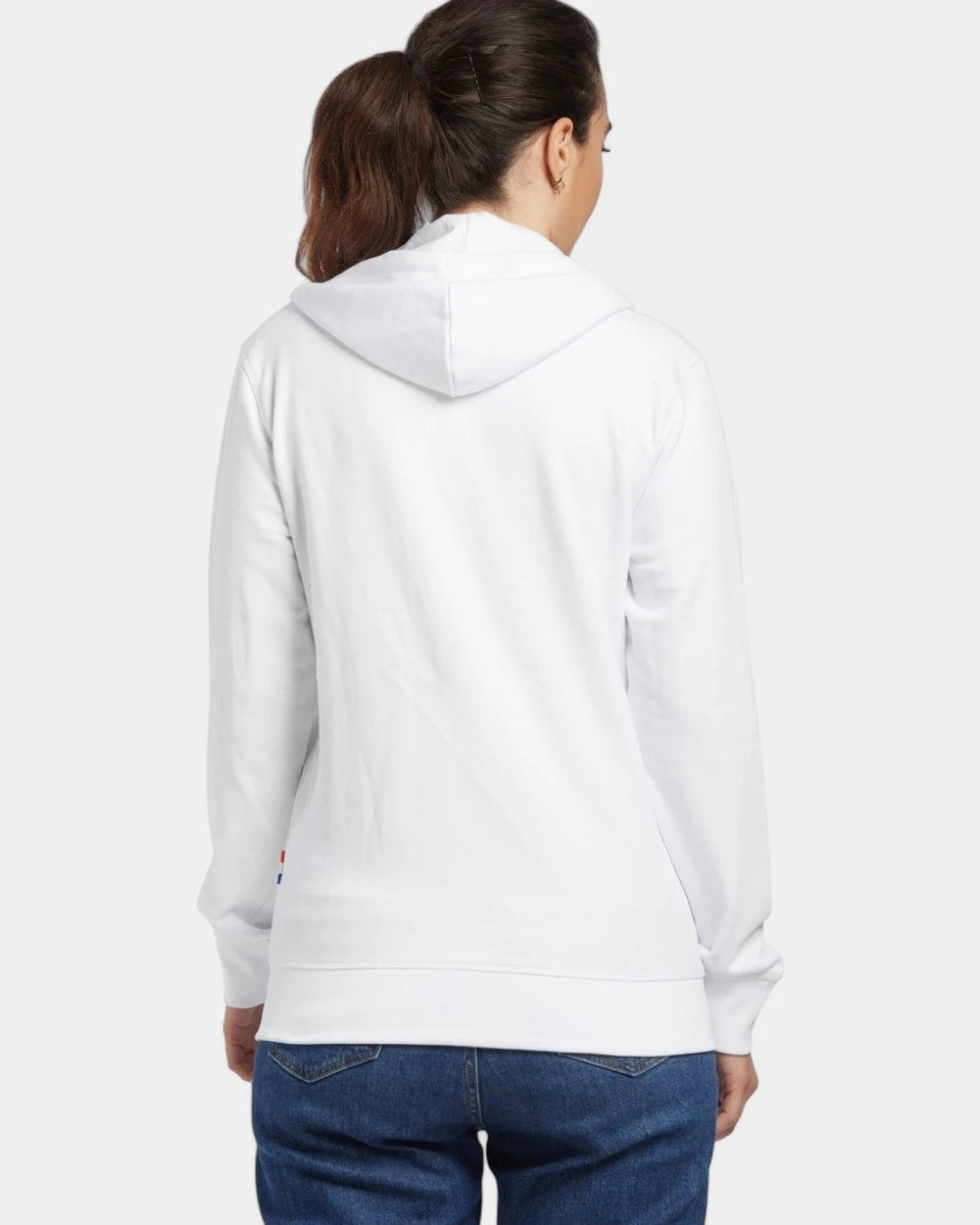


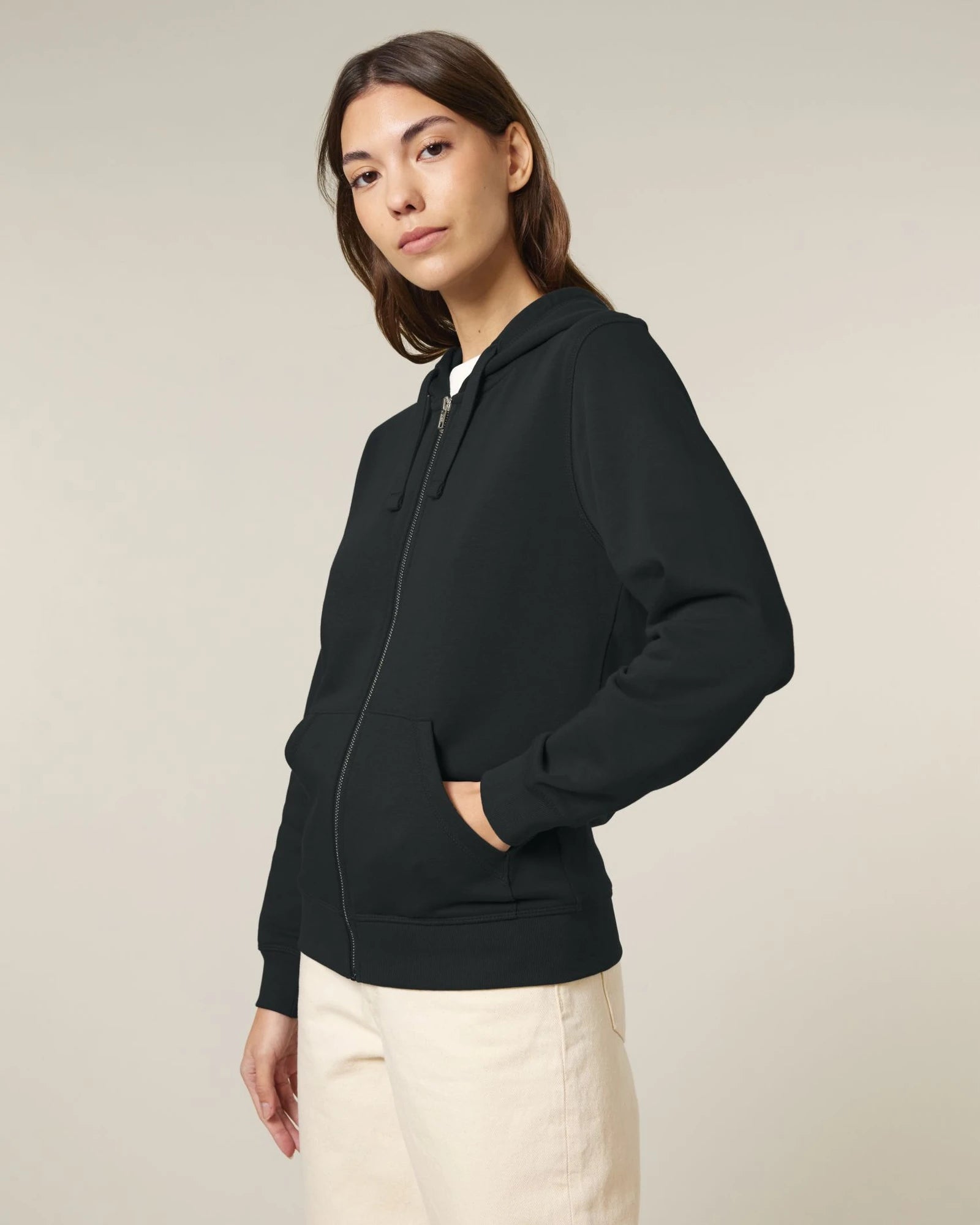


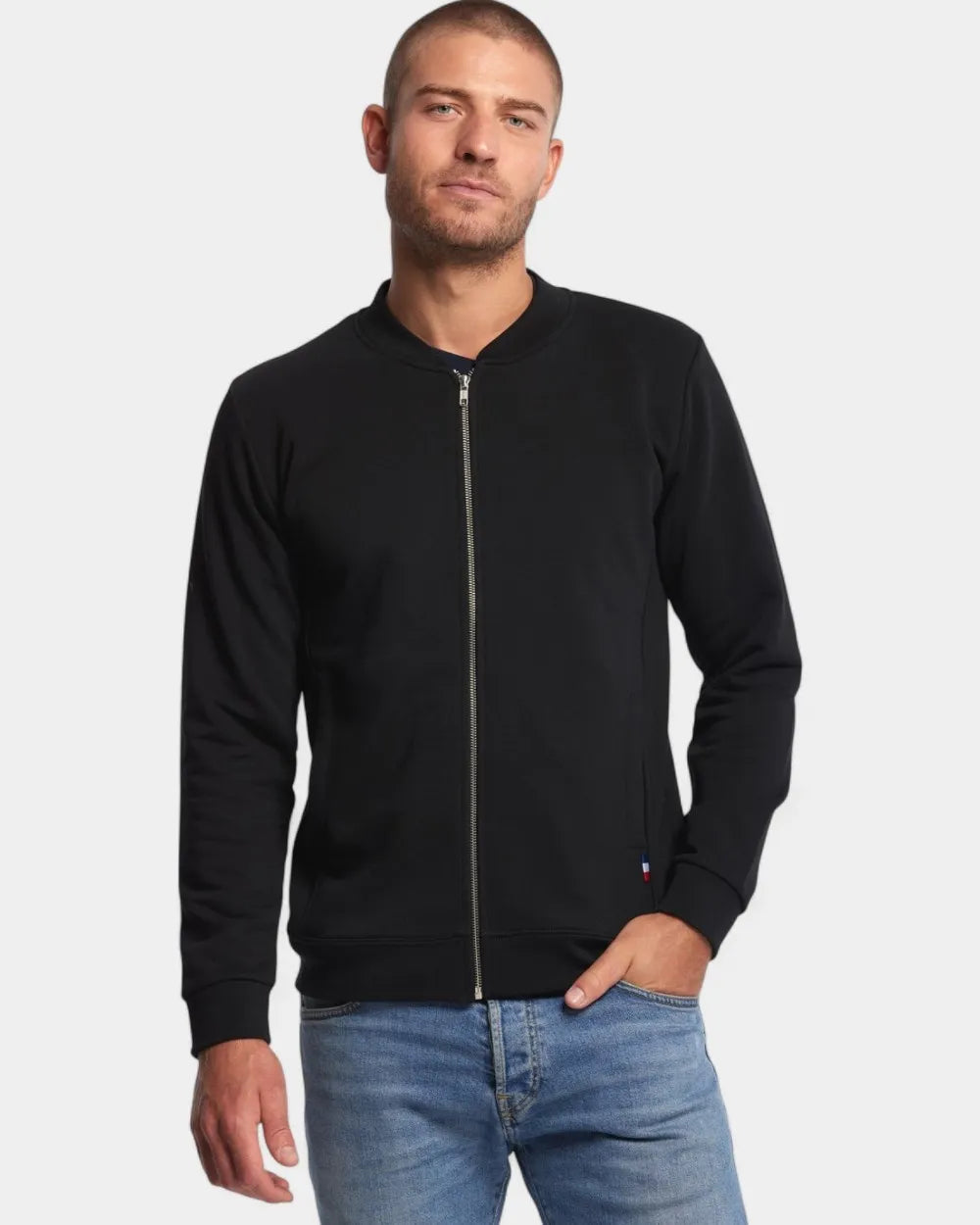










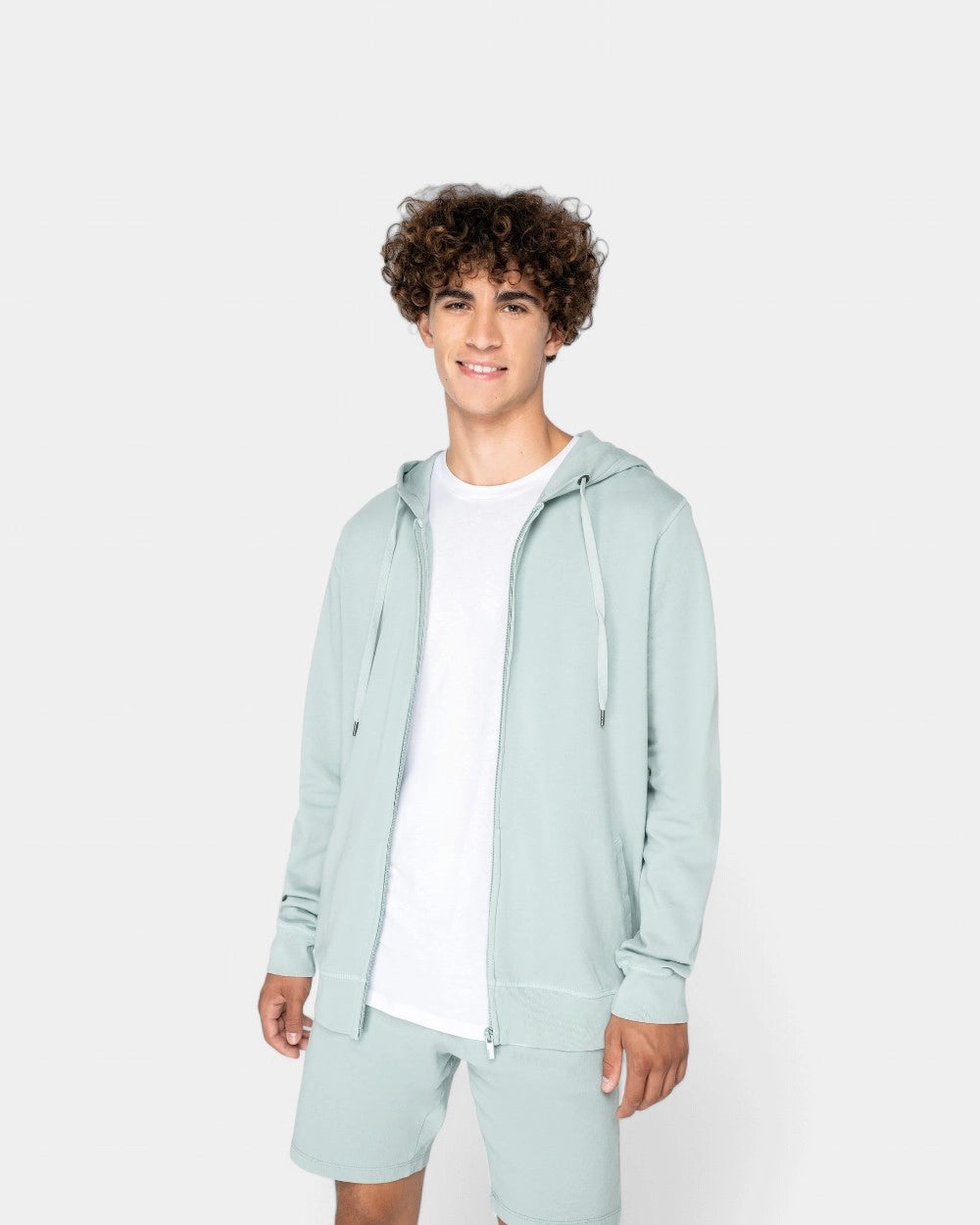


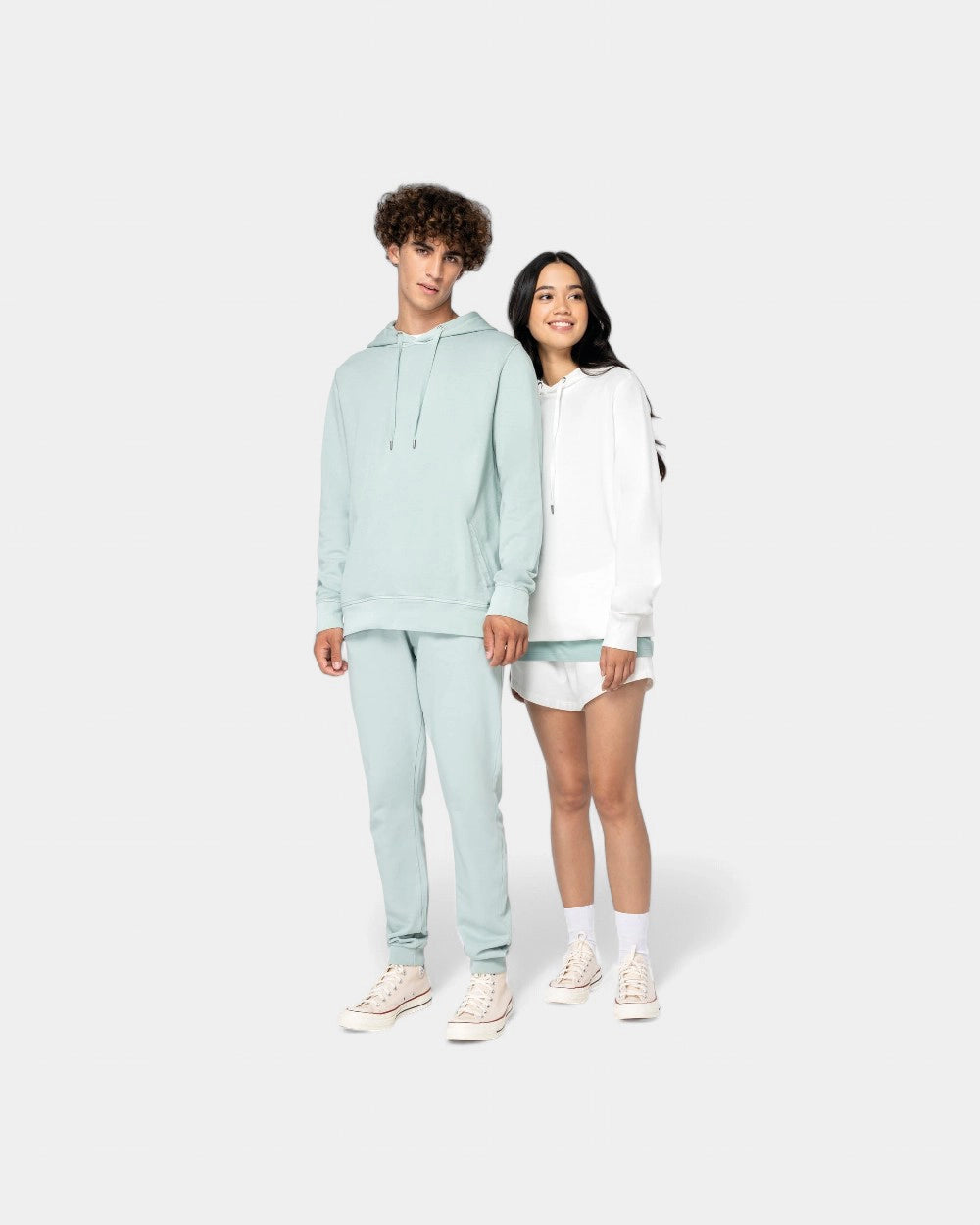


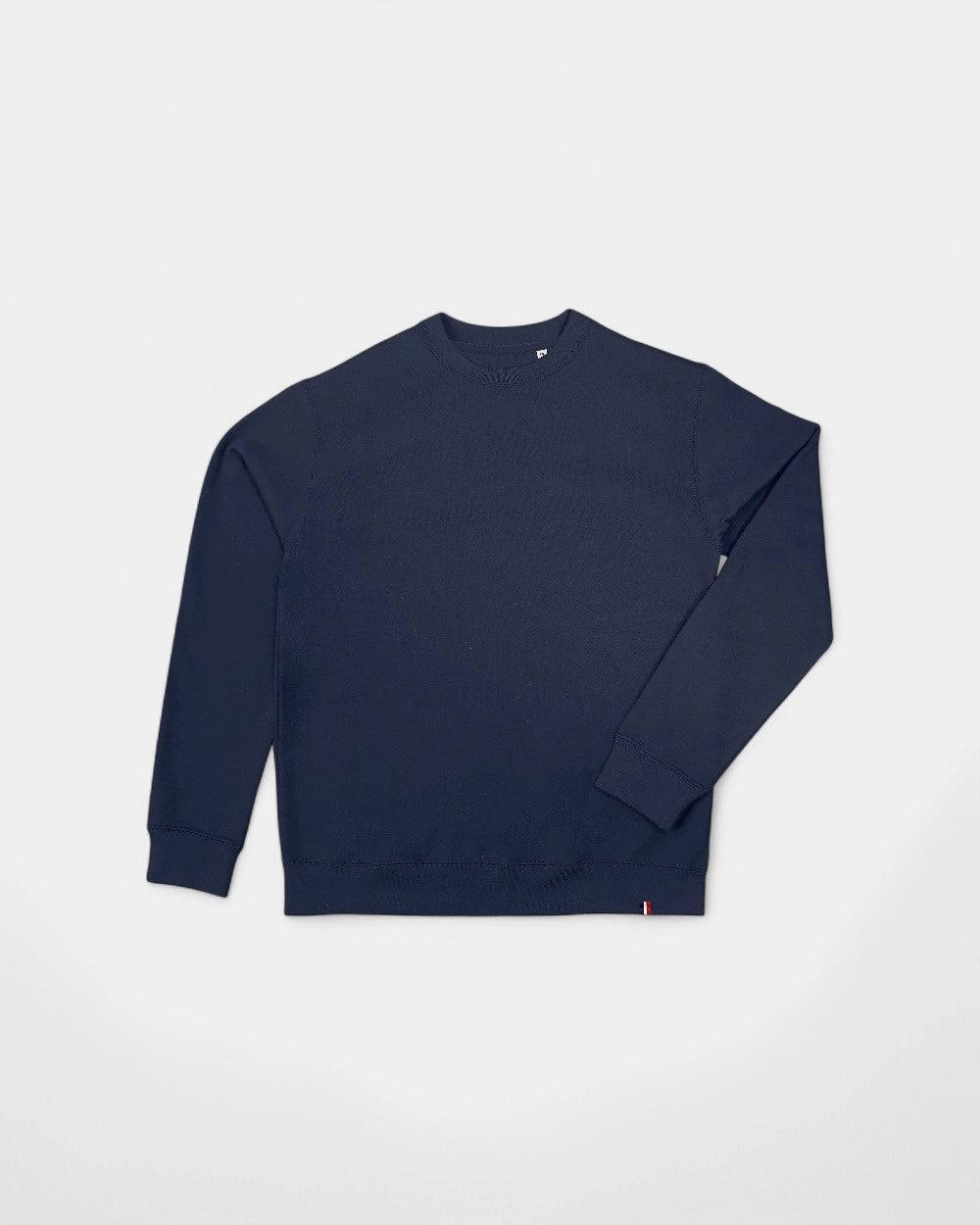


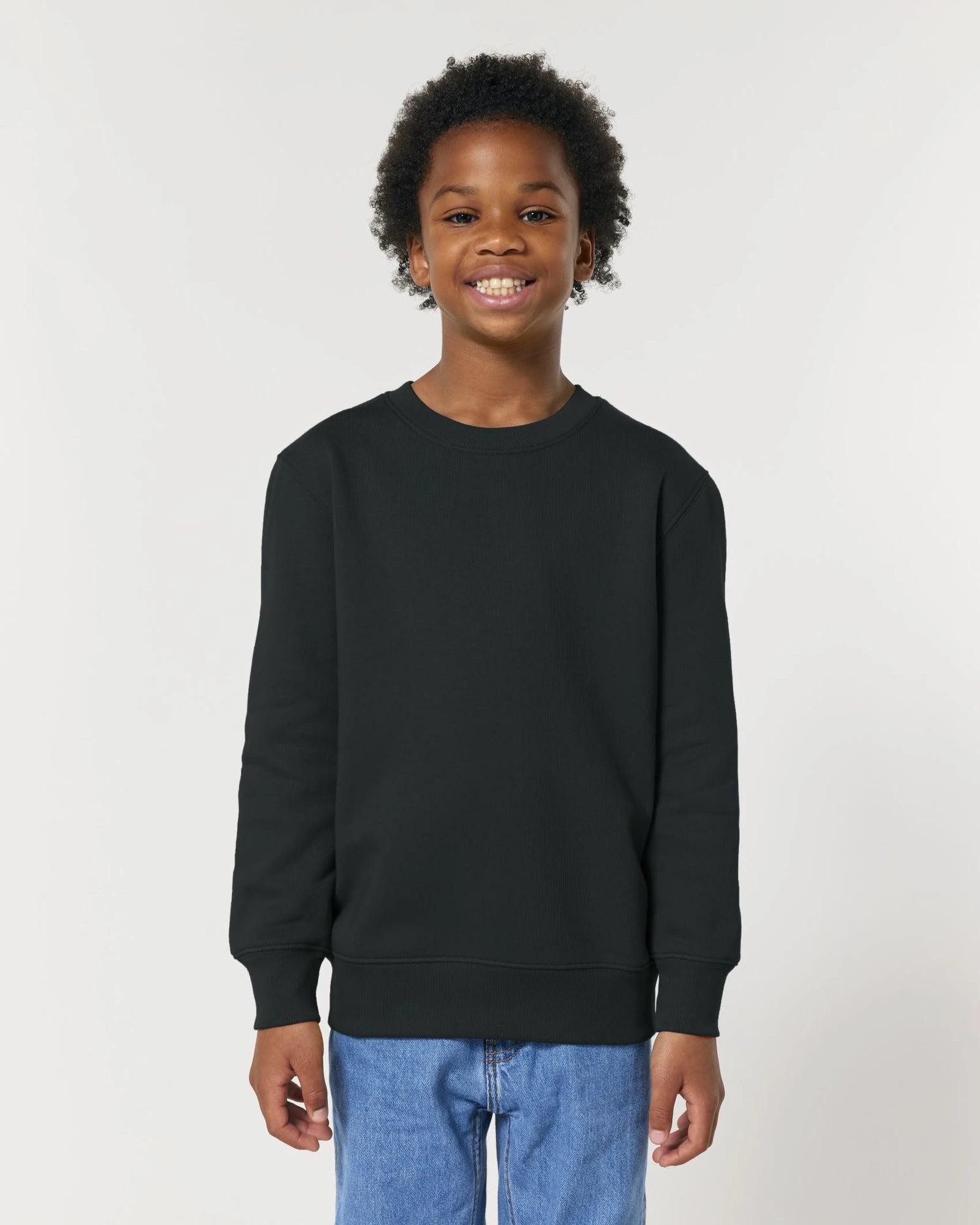


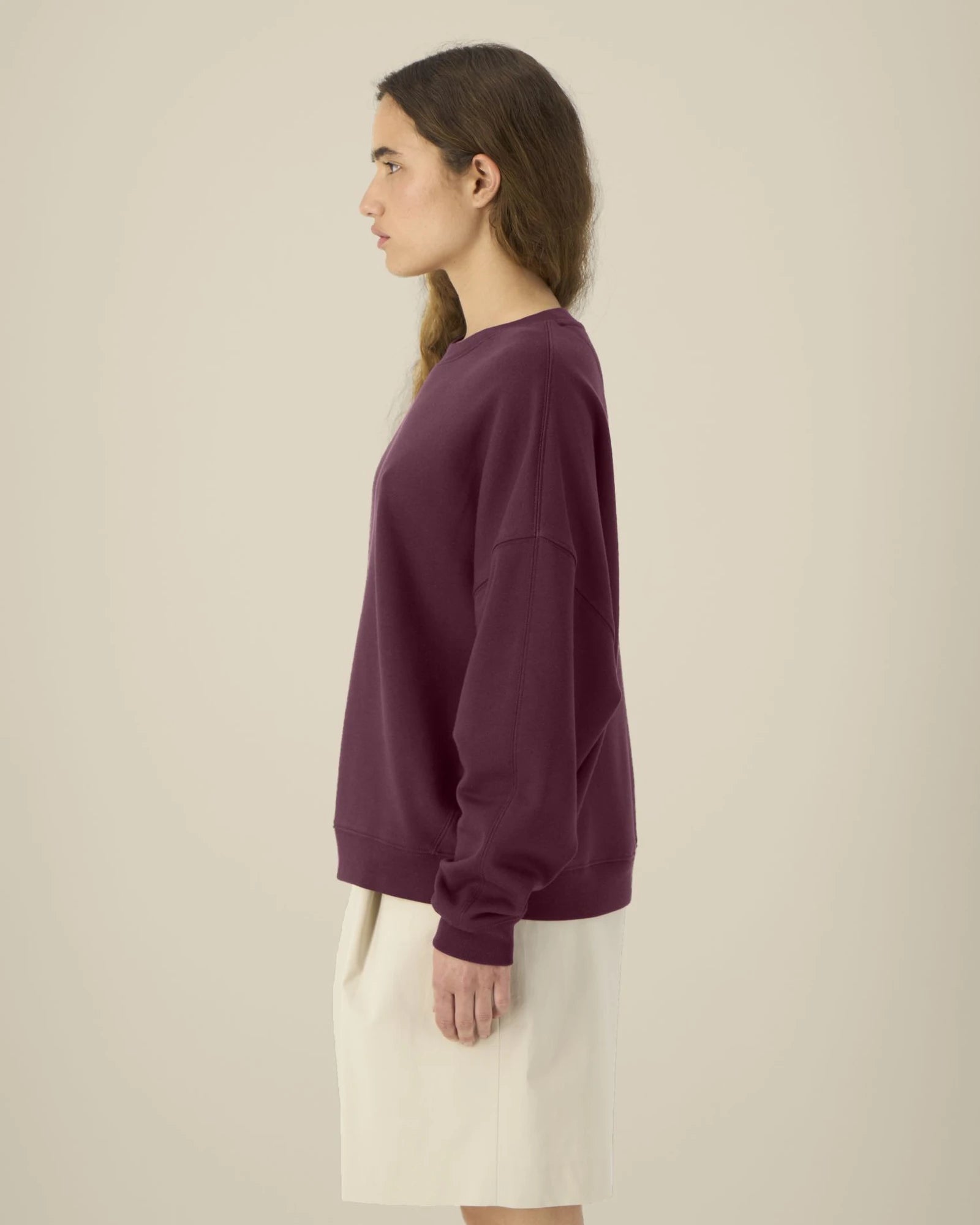


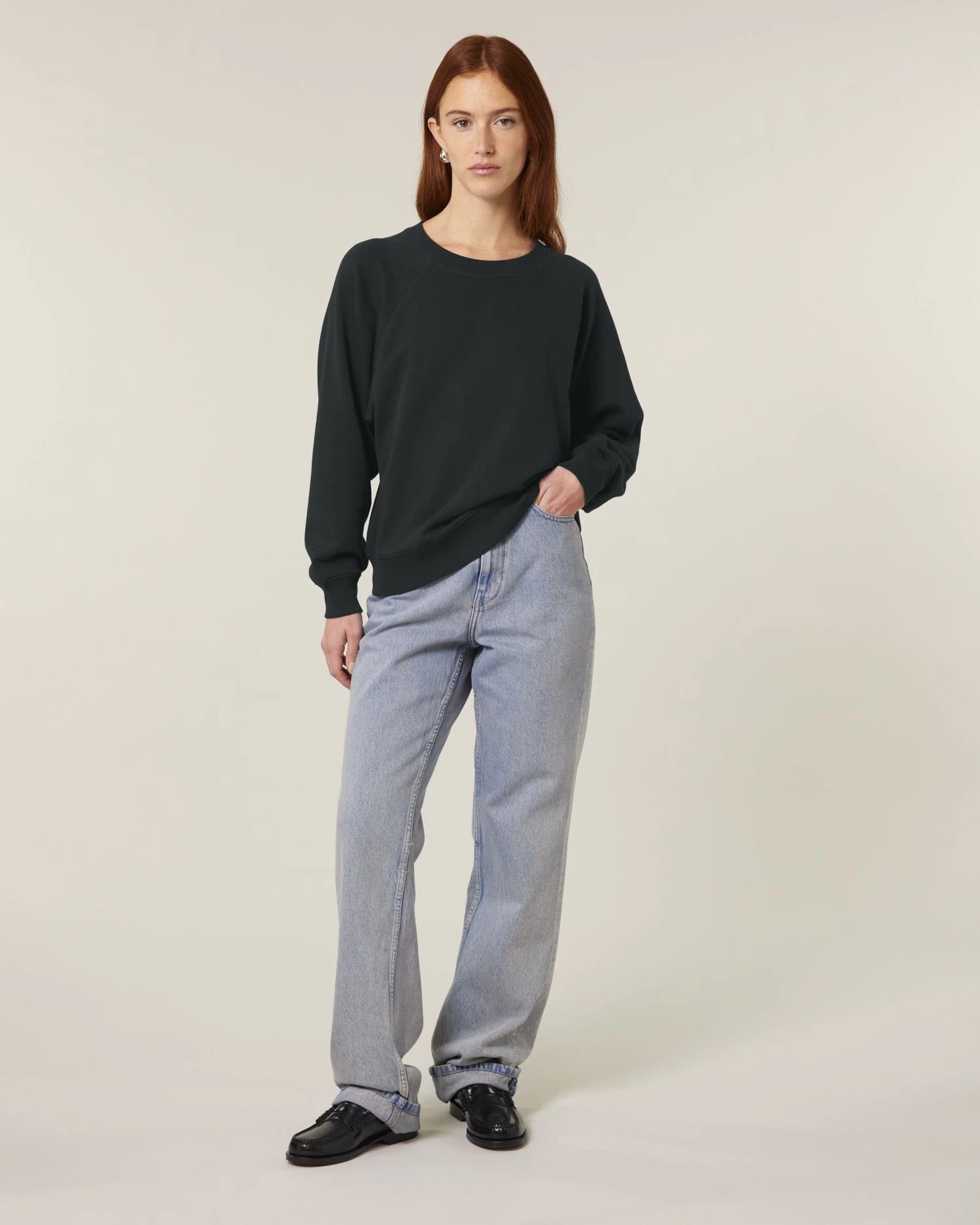


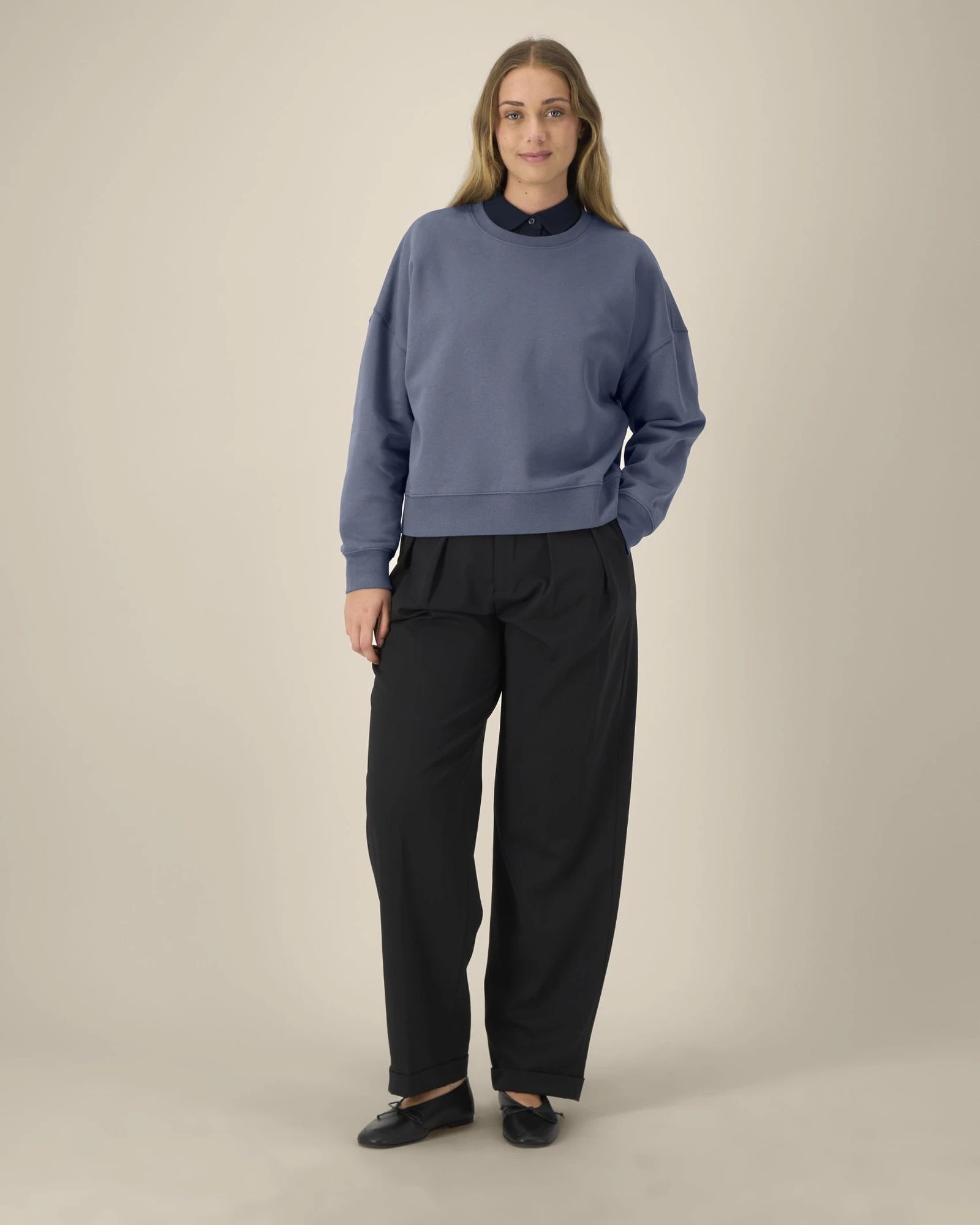


Treat your clients and employees!

FAQ - Embroidered Sweatshirts
Trusted by 1,000+ companies
Why a flat-chest crewneck changes how you spec printed sweatshirts
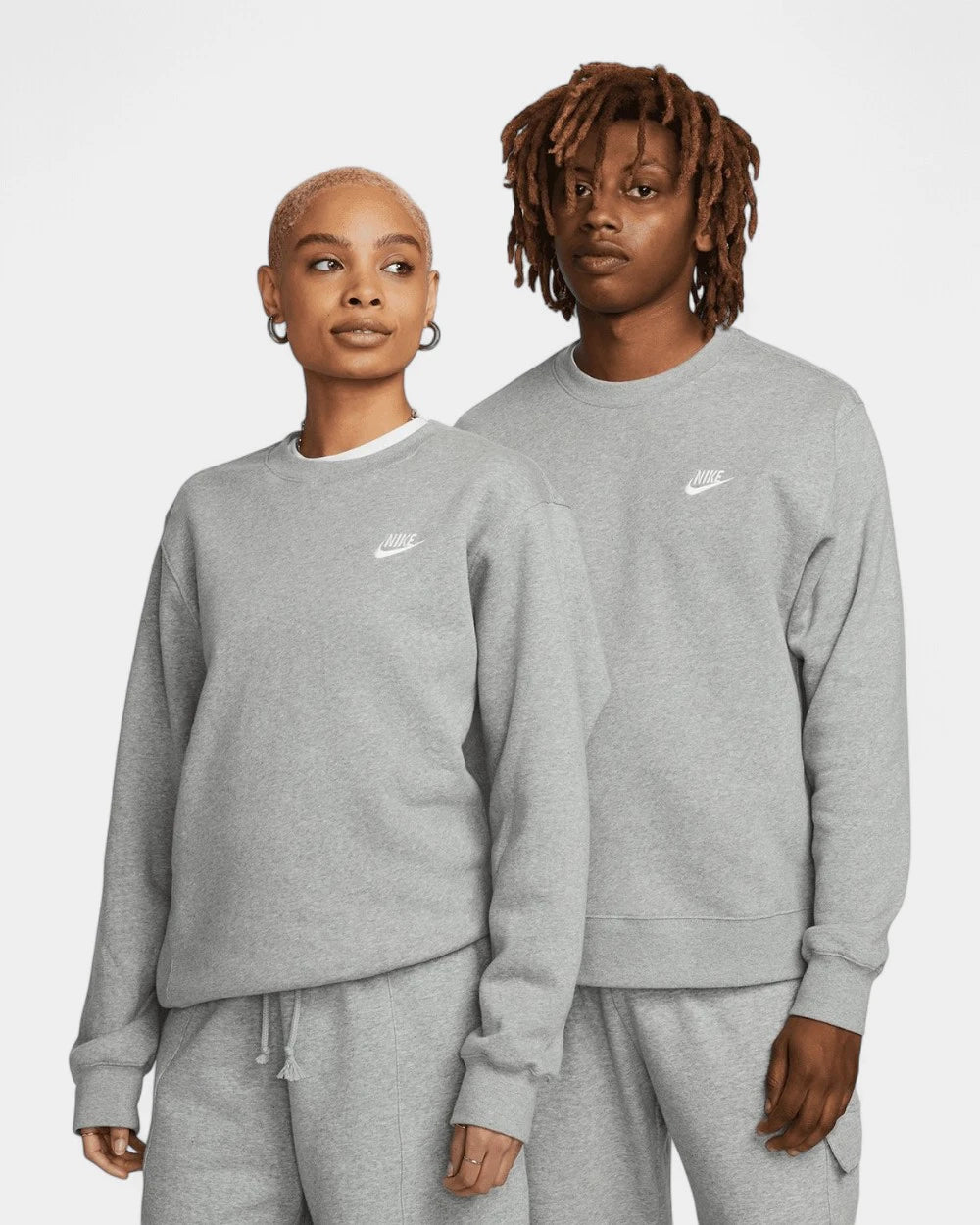
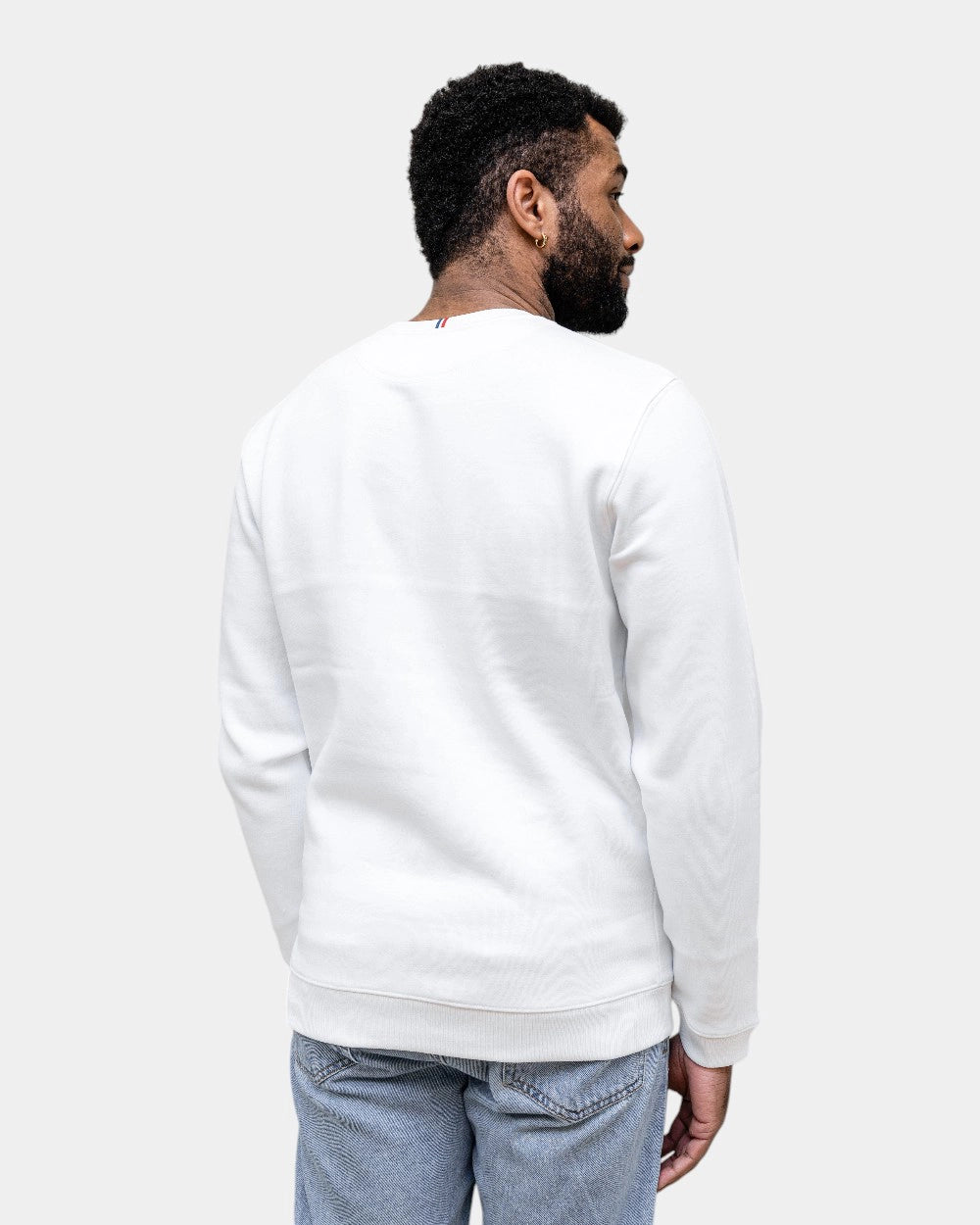
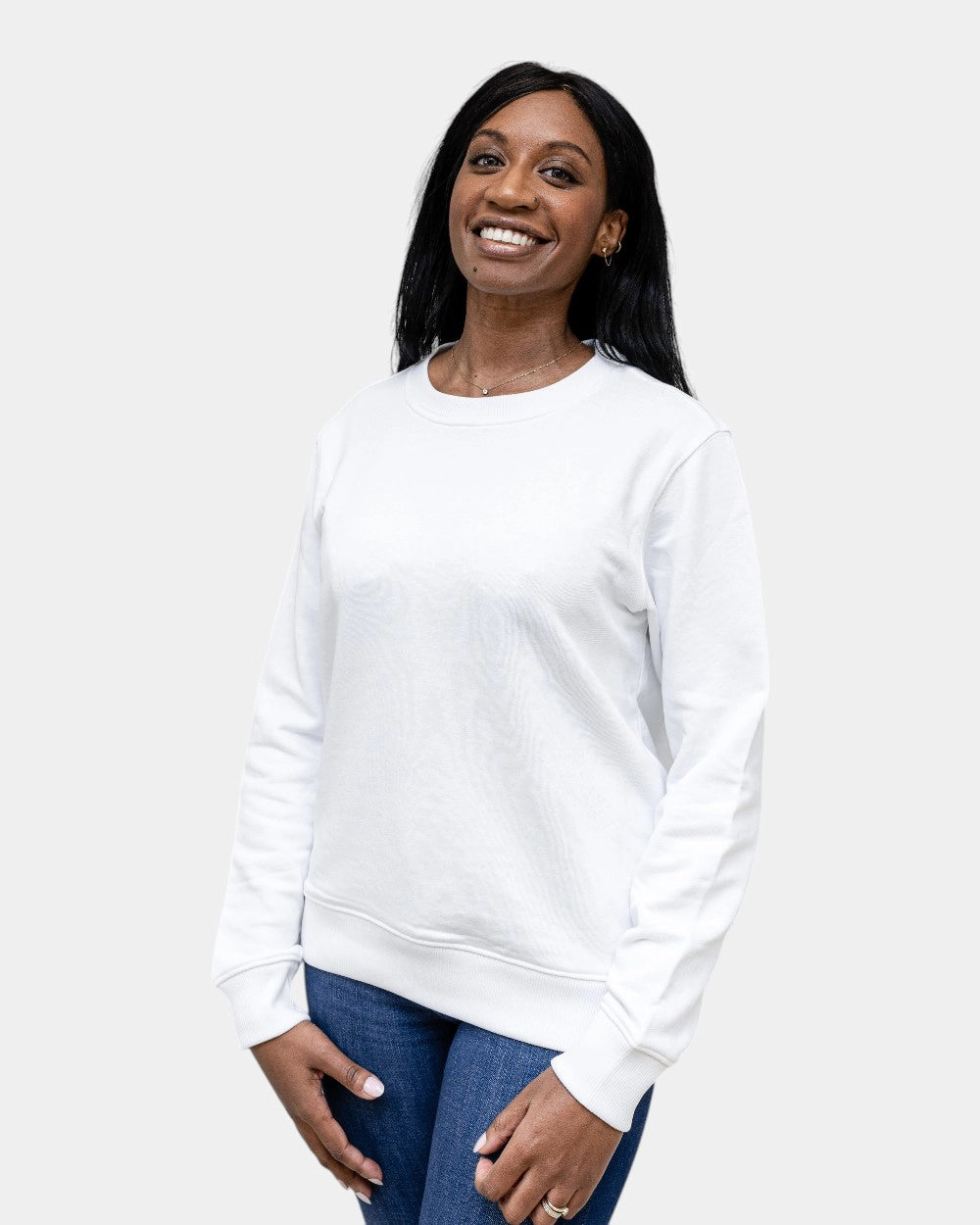
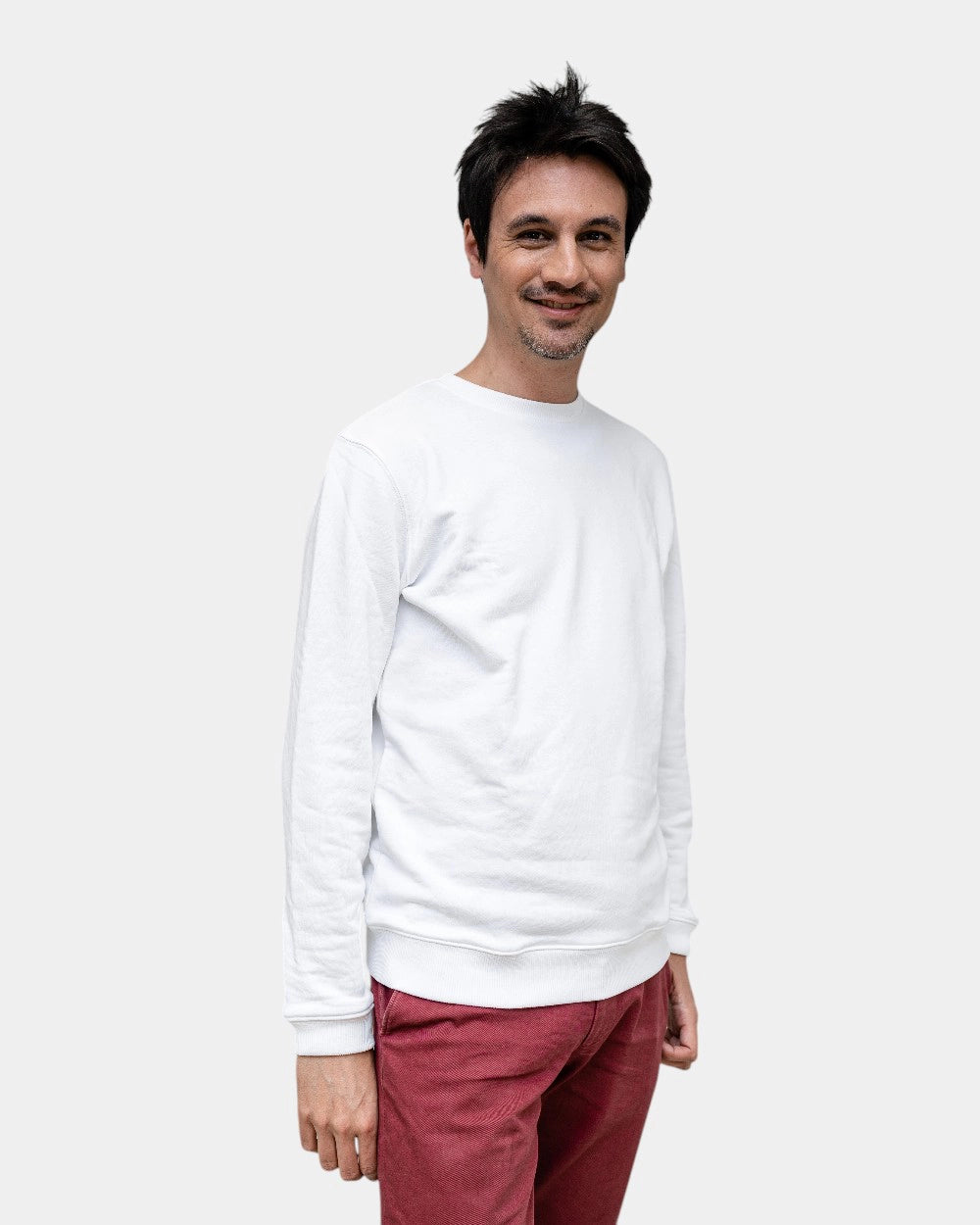
A history society ordering 90 garments for freshers' week wants the same thing on every chest: a crest that sits dead centre and reads identically across a group photo. A crewneck delivers that. With no zip and no hood seam crossing the upper body, the front is one continuous panel from the ribbed collar to the hem. That is exactly what a large embroidered or printed mark needs.
That single difference cascades through the whole brief for printed sweatshirts. A hood adds weight, bulk at the neck and a drawcord that frays. A crew loses all three, so the garment reads cleaner under a lanyard and packs flatter for posting. For client-facing staff who want branded warmth without a casual hood, the crewneck is the smarter default for printed sweatshirts.
The trade-off is honest. A crew gives less neck warmth than a hood and no pocket to warm hands, so for outdoor crews in deep winter a hood still wins. Where a brief wants the hood instead, our Custom Hoodies cover pullover and zip bodies with the same fleece options. Match the garment to the wear before you match it to the logo.
Brushed-back or loopback fleece on your branded sweatshirts
The inside face of the fleece decides how a sweatshirt feels and how sharply it prints. Brushed-back fleece is sheared so the inner loops lift into a soft, warm nap, the cosy hand most people picture in a college sweatshirt. Loopback keeps those inner loops uncut, which yields a lighter, airier body whose flatter, tighter outer face grips fine print and sharp stitching more reliably.
The choice is a season-and-finish call, not a quality ladder. A November rugby club kit wants brushed warmth; a summer festival staff run wants loopback so the garment breathes and a multi-colour chest print stays sharp. Brushed nap can soften very fine lines, so where artwork carries thin text we steer it onto a loopback body or firm the design at proof.
| Fleece | Inner face | Best for | Decoration note |
|---|---|---|---|
| Brushed-back | Soft raised nap, warm | Autumn-winter, cosy merch | Backing keeps stitch crisp on nap |
| Loopback | Flat dense loops, breathable | Spring-summer, sharp print | Holds fine lines and detail best |
| Heavy brushed | Dense warm nap, structured | Outdoor clubs, premium drops | Best for large stitched crests |
| Light loopback | Smooth, fast-drying | Active and indoor staff | Cleanest face for multi-colour print |
Reading GSM weight bands across your promotional sweatshirts
Picture two orders at opposite ends of the same rail. A summer open-day team handing out prospectuses wants a 280 GSM crew, light on the shoulders and quick to pack into a stand. A leavers' run for a hill-walking society wants 330 to 350 GSM, structured enough to read as a keepsake garment people wear for years. GSM is the number that separates the two.
Three weight tiers cover almost every brief for printed sweatshirts. The lightest, near 280 GSM, sits soft on the shoulder for indoor wear and mild-weather handouts. A mid tier of 300 to 320 GSM flexes across most society and floor-team orders without committing to either extreme. Push past 330 GSM and the body turns properly substantial, firm enough to keep a wide back panel flat under a big stitched or printed graphic instead of letting it ripple.
Fibre is a separate dial from weight, not the same one. A cotton-led face, typically four parts cotton to one part polyester, hoops well for stitching and wears in rather than out. Lift the polyester share or switch to a recycled yarn and the garment sheds moisture quicker and holds its size through hard use, which is why squads lean that way. Because the two dials move on their own, you can spec a beefy cotton-rich 330 GSM or a featherweight recycled 280 GSM with no penalty to the hand.
- Around 280 GSM suits indoor staff and warmer months
- 300 to 320 GSM is the versatile all-rounder for most teams
- 330 GSM and above reads as a structured keepsake heavyweight
- Brushed-back fleece adds warmth, loopback holds sharper print
- Cotton-rich faces favour clean embroidery and longevity
- Recycled-polyester blends dry faster for sports squads
- Heather body needs a print underbase so colour reads true
Set-in versus raglan sleeve construction on branded sweatshirts
Sleeve construction is the spec hoodie buyers rarely meet, yet on a crewneck it decides where a chest mark can sit. A set-in sleeve joins at a vertical shoulder seam, leaving a flat, square upper chest that holds dense embroidery without distortion. It is the classic college-sweatshirt silhouette and the safest base for a large central crest.
A raglan sleeve runs in a diagonal seam from underarm to collar, giving a sportier, roomier shoulder and a touch more reach. The trade-off is a curved upper chest, so a big square embroidery can pull at the seam line. On raglan bodies we keep stitched marks smaller and centred, or move detailed artwork to print, and we flag the construction at proof so placement stays true.
This is where a crewneck genuinely diverges from a hood, not just in the missing hood but in how the whole upper garment is built. The construction note travels into the rest of our knitwear too, so Personalised Blankets aside, anything worn on the shoulders earns the same seam check before decoration. Brief the use and we steer set-in for crests, raglan for movement.
The ribbed crew neck, cuffs and hem that define your printed sweatshirts
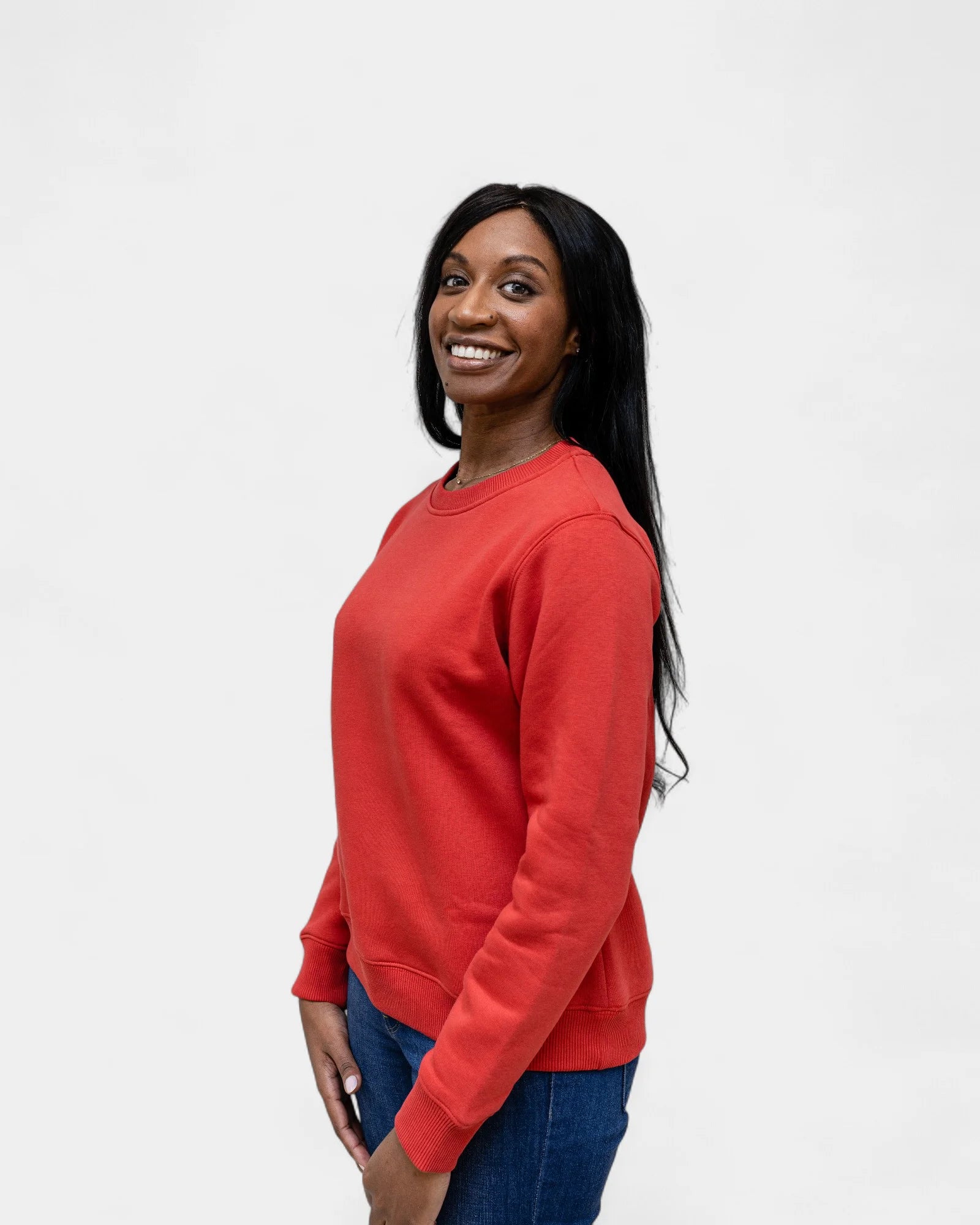
Rib is the understated wear-test on any crewneck, and the place a cut-price blank gives way soonest. A tightly knit double-needle collar rib recovers its shape after a term of being tugged over the head. A thin single rib stretches and gapes within a season, leaving the collar slack by spring. The same logic runs through the cuffs and hem, the three points that take the most strain.
Spandex content in the rib is what holds the recovery. A rib with a small percentage of elastane snaps back at the wrist and waist rather than bagging out, which matters for a garment laundered weekly through a sports season. We steer all-day and club bodies toward the firmer, elastane-blended rib so the silhouette still sits clean at the end of the year.
Rib colour is a free design lever most buyers miss. A contrast tipping on the neck and cuff rib lets a society echo its colours without a second print pass. A two-tone rib reads as considered against a plain body. For groups also kitting out their feet, a matched Personalised Socks order can pick up that same contrast shade so the accessory ties to the sweatshirt.
| Component | Cheap spec | Durable spec | What it prevents |
|---|---|---|---|
| Neck rib | Thin single rib | Dense double-needle, elastane | Collar gaping by mid-season |
| Cuffs | Loose, low recovery | Firm elastane-blend rib | Cuffs bagging at the wrist |
| Hem | Single shallow rib | Deep elastane rib | Hem riding up and curling |
| Side panels | None, tubular only | Set-in with side seams | Twisting after repeated wash |
Embroidery on a flat chest: stitch quality on your branded sweatshirts
Stitch count and the fleece behind your branded sweatshirts
A crewneck's open chest is the spot where stitching shows at its sharpest, and the figure that governs the job is the stitch tally. Plain lettering lands near the 4,000 mark; a layered society crest with fine internal work can push beyond 15,000. What sets the digitising time and the unit price is that tally rather than how wide the mark is, so paring a fussy badge back to clean shapes runs through the machine quicker and bills lower than a dense one.
On a crewneck the design lands on one unbroken chest panel, so the fleece you pick decides how cleanly a dense crest holds. A brushed-back body around 300 to 350 GSM anchors heavy stitching, whereas a thin loopback can ripple under a tight fill. We float a cut-away stabiliser behind the stitch zone on brushed bodies, so the nap cannot drag the thread and the crest keeps its line through years of laundering.
Placement on a crew differs from a hoodie precisely because the chest is unbroken. A central crest up to roughly 12 cm wide sits beautifully where a zip would otherwise split it. A left-chest mark around 8 to 10 cm reads as a uniform. We approve your artwork with a free digital proof and confirm thread colours before a single garment is hooped.
Printed Sweatshirts: matching method to run size and artwork
Screen print against DTF transfer on printed sweatshirts
Printed sweatshirts stretch across the broadest run of briefs, and what governs the method is how many you need and how many inks the art uses. A charity putting a punchy two-tone back slogan on 250 bodies belongs on the screen bench. One cut stencil carries each colour, the ink lays down rich and the rig cost dilutes fast once it rides a long run, so the further your roster climbs the harder screen work undercuts everything else.
For tighter, full-spectrum jobs the transfer route fits better. Your design prints to a film, then a heated platen bonds it to the fleece, which lets a 40-piece batch of an intricate many-hued crest stay within budget with no stencil per shade to pay for. Transfer carries soft gradients and tiny detail that a stencil cannot resolve, so anything photographic on a short count heads to the press rather than the screen.
How the inside of the fleece is finished bears on print crispness. A raised nap can blur the thinnest strokes, so we tighten the file or shift detail to a loopback body, though a worn retro effect can lean into that fuzz on purpose. Both a properly cured screen lay-down and a solid transfer ride out scores of inside-out washes at 30 degrees, and a care card travels with each order.
| Method | Best for | Colour handling | Typical minimum |
|---|---|---|---|
| Screen print | Large runs, bold back graphics | Cost rises per colour | From approx. 25 |
| DTF transfer | Small full-colour crests | Unlimited, no set-up | From approx. 10 |
| Embroidery | Flat-chest crests, left chest | Thread-dependent | From approx. 10 |
| Print plus stitch | Stitched chest, printed back | Mixed on one garment | From approx. 25 |
Where the mark sits: print positions on your promotional sweatshirts
Printed sweatshirts offer positions a hood cannot. The unbroken centre chest carries a large crest or wordmark that a zip would otherwise cut in half, the signature look of a college sweatshirt. A left-chest mark sized around 8 to 10 cm reads as corporate uniform, discreet enough for staff who wear the garment off-site to meetings.
Behind the wearer, the back acts as a moving placard. Hang the graphic on a 330 GSM body and it stretches to about 30 cm across by 38 cm down, a footprint wide enough to spell out a society name, a fixture list or a sponsor that reads the length of a hall. Quieter touches follow: a print down the sleeve, plus a mark at the nape that can stand in for the inner label and carry your branding there instead.
A common build pairs both prestige and reach on one garment: an embroidered central or left-chest crest with a screen-printed back graphic, set up from the same approved artwork file. Where the same group also wants matching outerwear, Custom shirts take the identical chest logo so the smart and casual layers read as one wardrobe.
Fits, sizing and colour across your printed sweatshirts
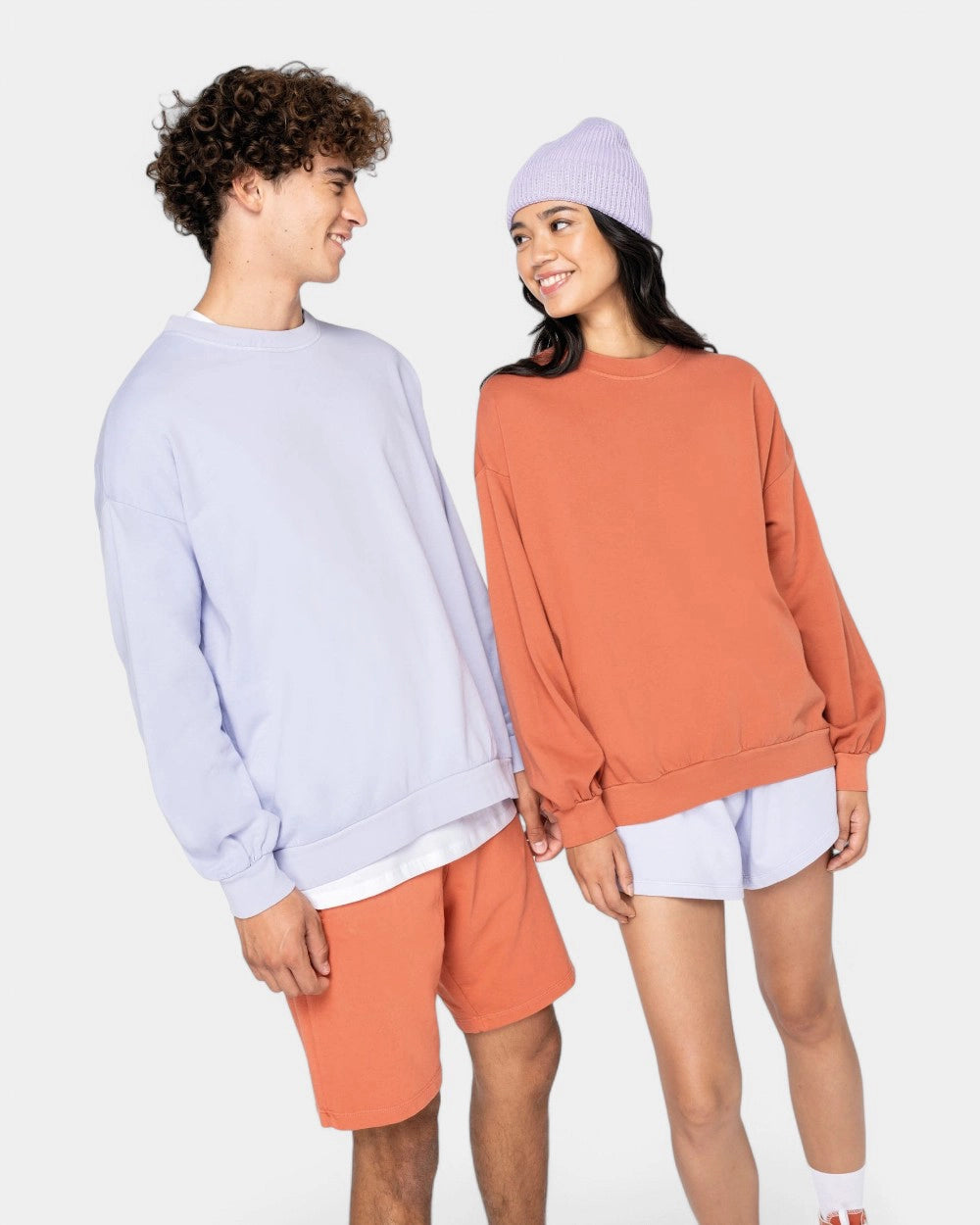
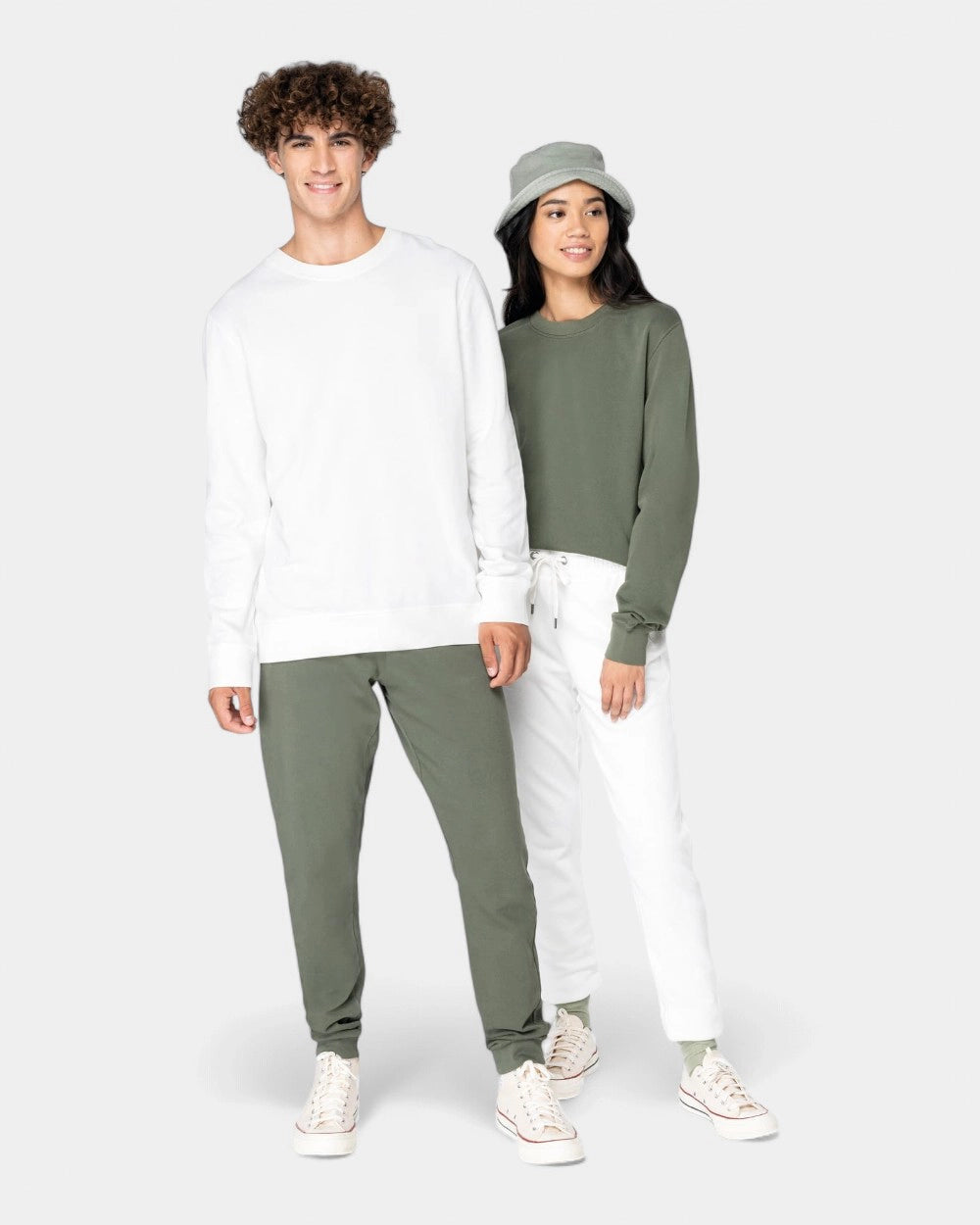
When a society kits out 90 people from one artwork, the cut and the grading carry as much weight as the badge itself, since a single design has to flatter every frame on the list. Crewneck blanks usually come in a shared cut spanning XS up to 3XL and sometimes further. Drop the shoulder and roomy it up for streetwear merch; keep it trim and standard where staff and corporate wear want a tidier line.
Shade steers both the look and how cleanly the mark prints. Deep tones mask everyday marking and throw a bright crest forward. Pale and heather crews ask for a white underlay first, otherwise a printed colour bleeds down into the loopback instead of reading sharp on top. We lock the body shade against your proof art, and a sizing sample ahead of any sizeable run keeps the grade honest before you commit the full count.
For mixed groups a single printed sweatshirt in two colourways beats two different styles, letting year groups or departments self-identify without a second design. We can share the flat measurements, such as half-chest and body length, so you map a chart to your team rather than guessing the spread from a generic size label.
| Fit | Cut | Sizes | Reads as |
|---|---|---|---|
| Unisex regular | Straight, classic crew | XS-3XL | Staff and corporate |
| Relaxed oversized | Drop shoulder, roomy | XS-2XL | Streetwear, creator merch |
| Slim fit | Shaped, closer body | XS-XL | Retail-style premium drops |
| Youth grade | Scaled junior sizing | Age 3-13 | School and club juniors |
Promotional Sweatshirts for societies, merch drops and team kit
Promotional sweatshirts earn their cost by living long past the day they are handed out. A university society running a 200-unit kit gets matching visibility at every social and a garment members wear all winter, carrying the name across campus for months. That second life is what makes a sweatshirt outvalue a cheaper throwaway giveaway every time.
A limited merch run plays by its own rules. A creator or club shifting 150 numbered sweatshirts is after a chunky body and a design that stands out, because here the customer is buying the piece rather than being handed it, which pushes the brief toward 330 GSM and a thought-through colourway. Floor staff want the reverse: one steady left-chest badge that looks neat shift after shift.
The maths favours items people keep, since a worn sweatshirt earns months of impressions per recipient. A winter staff gift can pair the printed sweatshirt with Personalised aprons for a hospitality team. The same crest then reaches both the floor and the kitchen, keeping one identity across the whole brigade.
Quantity, minimums and lead time on your branded sweatshirts
How volume eases the per-piece cost on promotional sweatshirts
A 30-piece office order and a 600-strong freshers' batch ride the same cost slope; what slides them along it is the count. Stencil burning and machine digitising are one-off charges, so the more crews share a single set-up the thinner that fixed cost spreads, and the per-garment figure on a screen-printed or stitched job keeps dropping as a club kit grows into several hundred sweatshirts.
A student society or a single department rarely needs hundreds, so we run custom sweatshirts from a low minimum order. A 25 to 30-piece crewneck run stays workable without a one-off setup charge, and the per-piece cost on screen-printed sweatshirts and bulk embroidery eases as the roster grows. Add a few spares above the headcount to cover late joiners, rather than paying twice for a second short run.
Turnaround follows both the count and what is being applied. A small stitched batch clears the floor sooner than a several-hundred-strong job running print in two or three positions. Once your art signs off we pin a hard date, and the usual window is roughly three weeks. Should that same crest also need to go onto kit for the shop floor, the Embroidered workwear range uses an equally tight rib cut to take the punishment of industrial laundering.

