

Printed T-Shirts
- Price, low to high
- Price, high to low


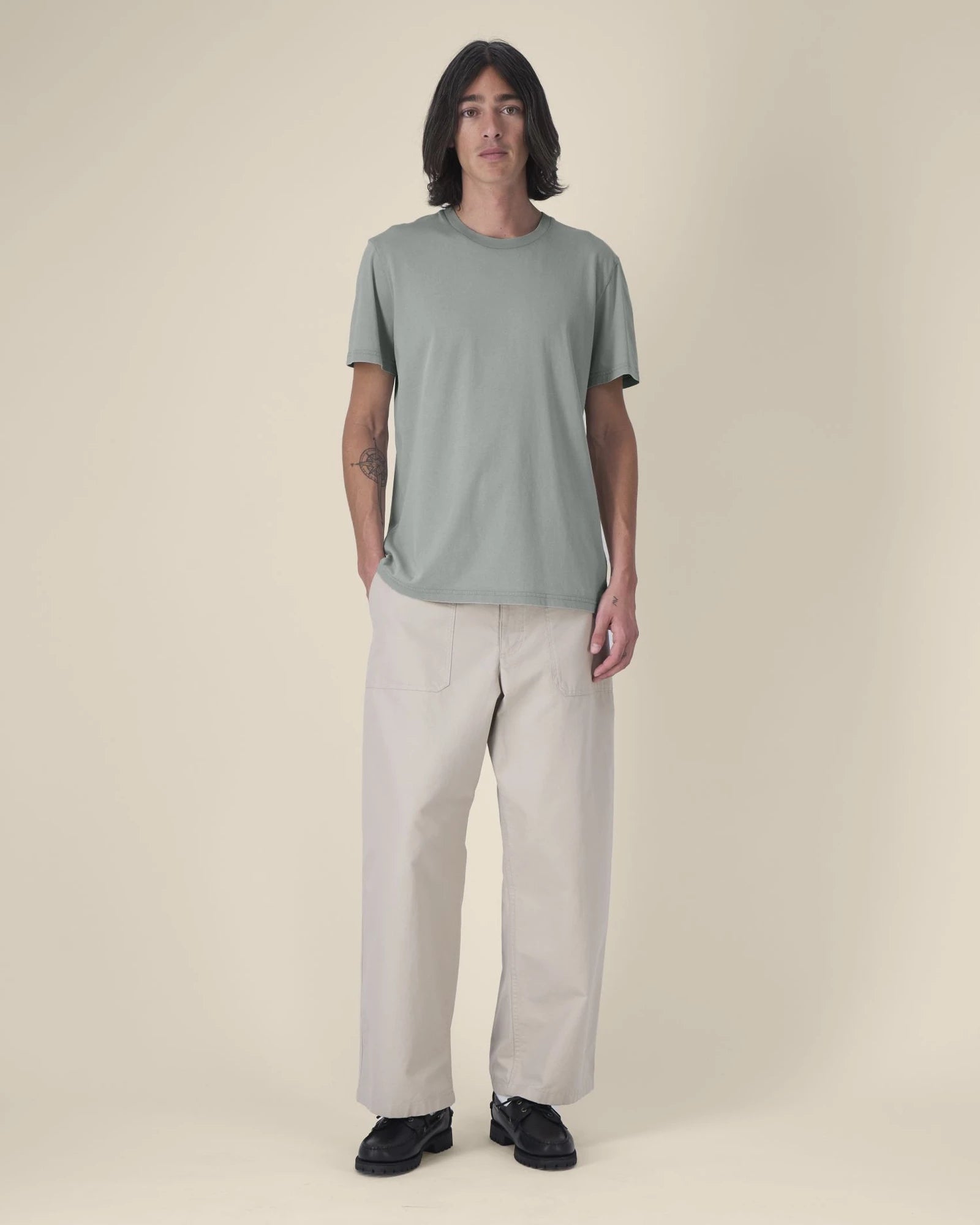


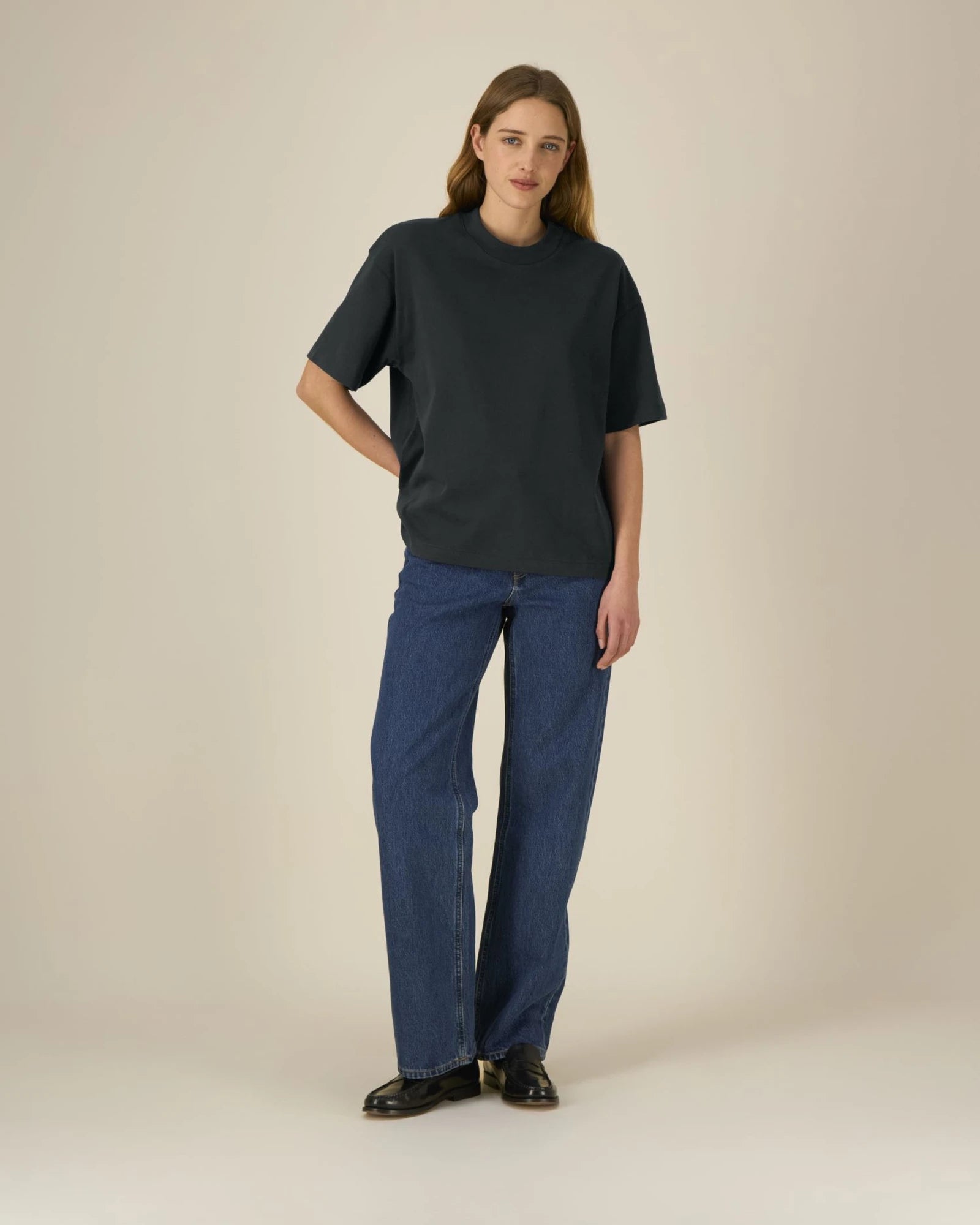


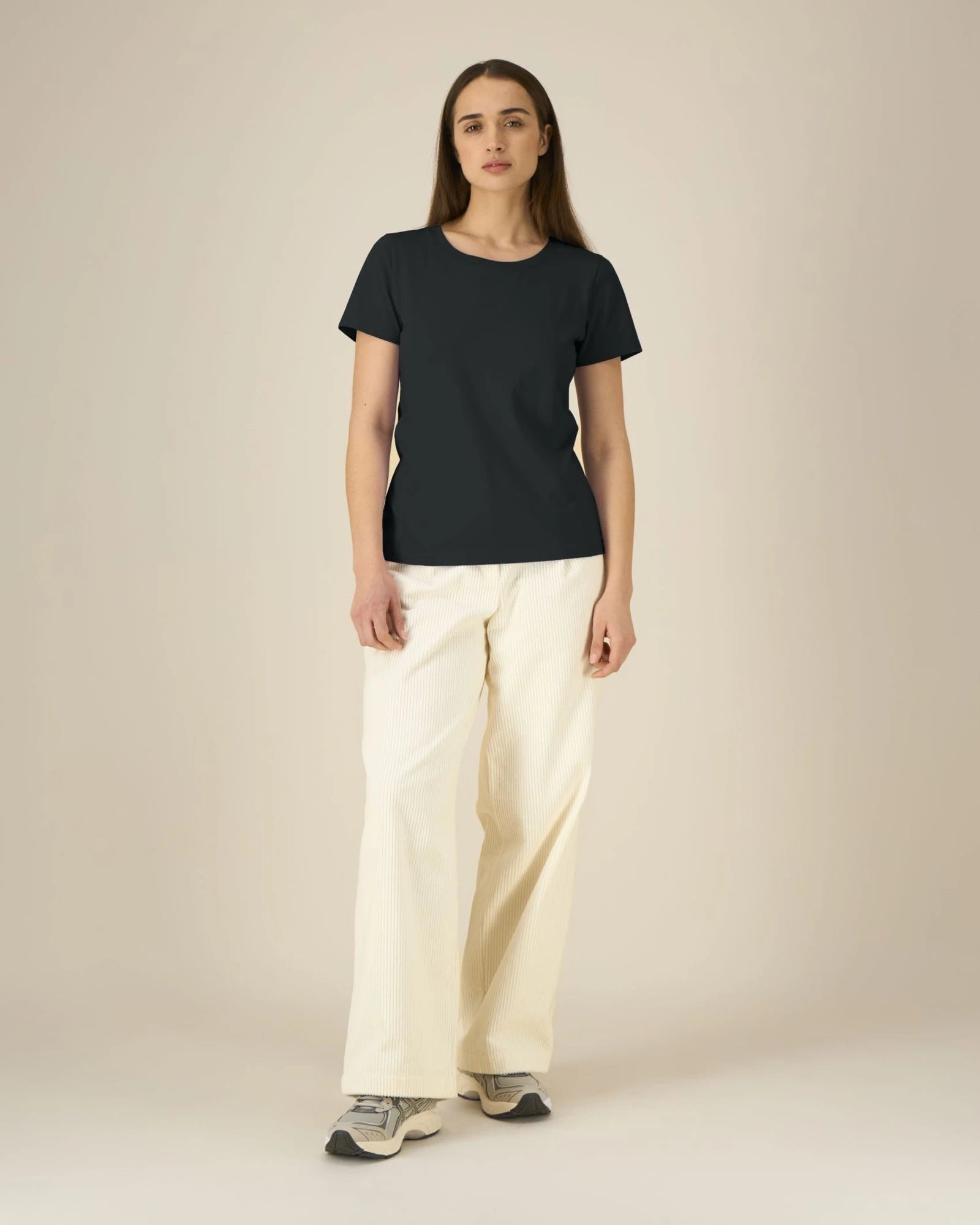


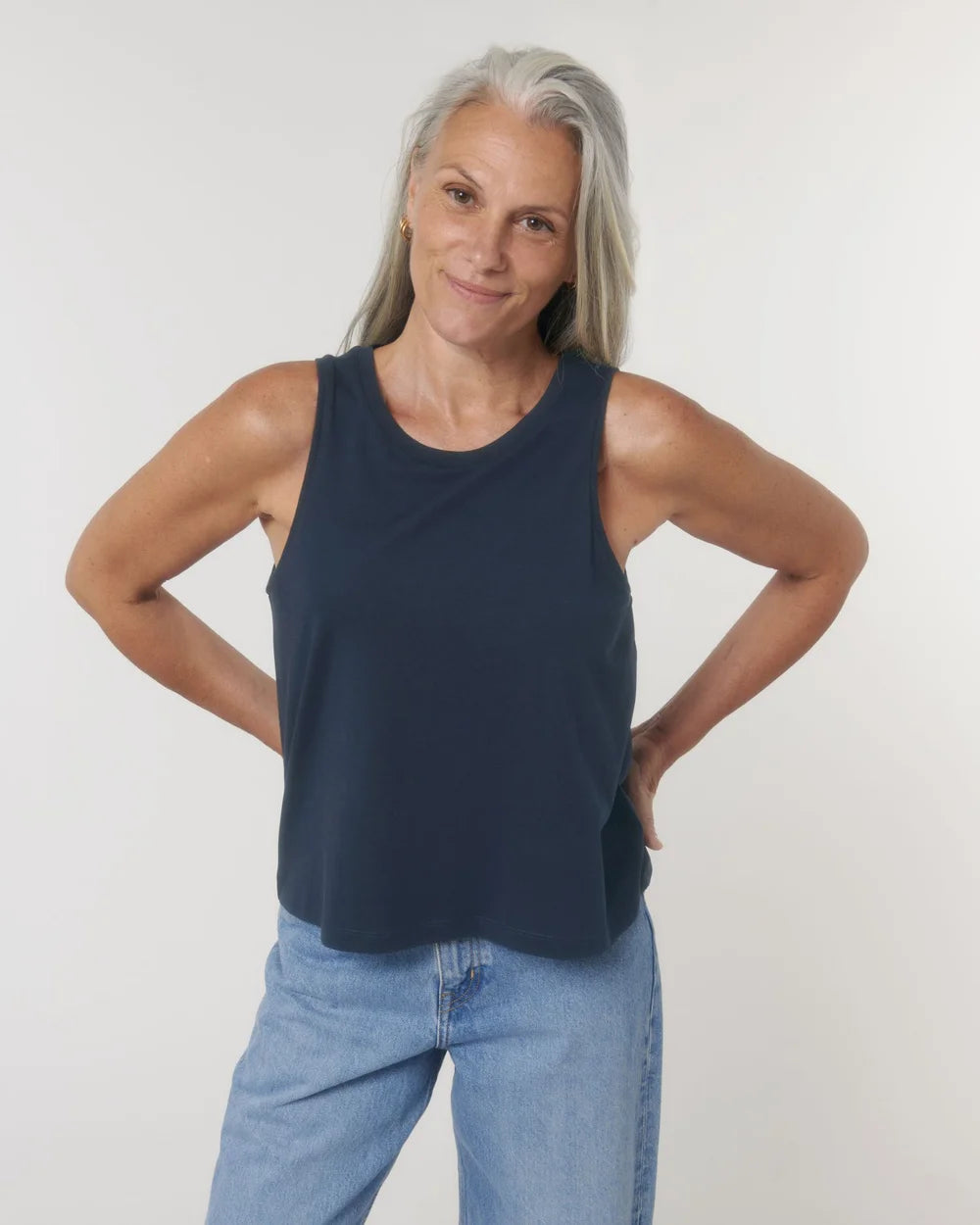


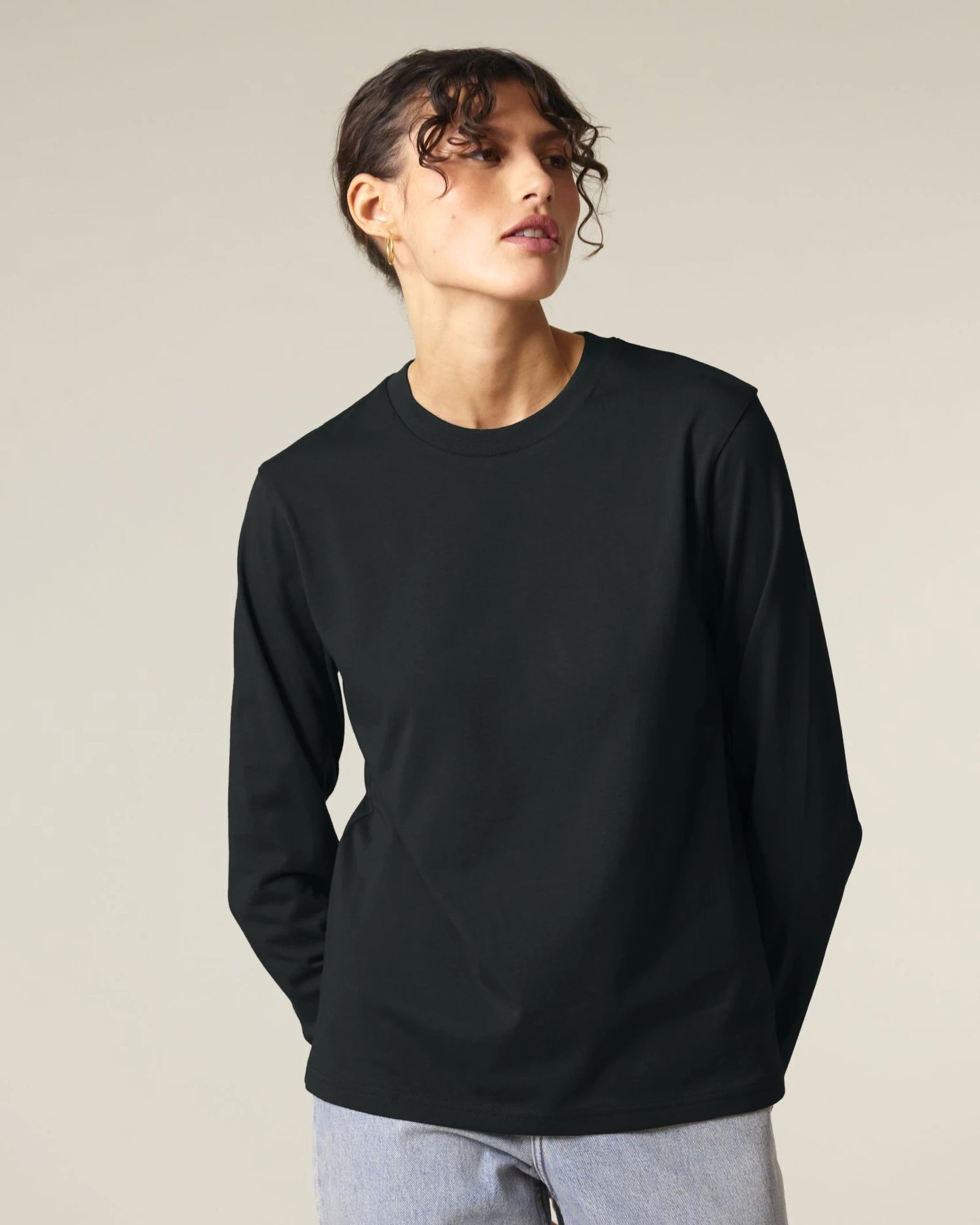


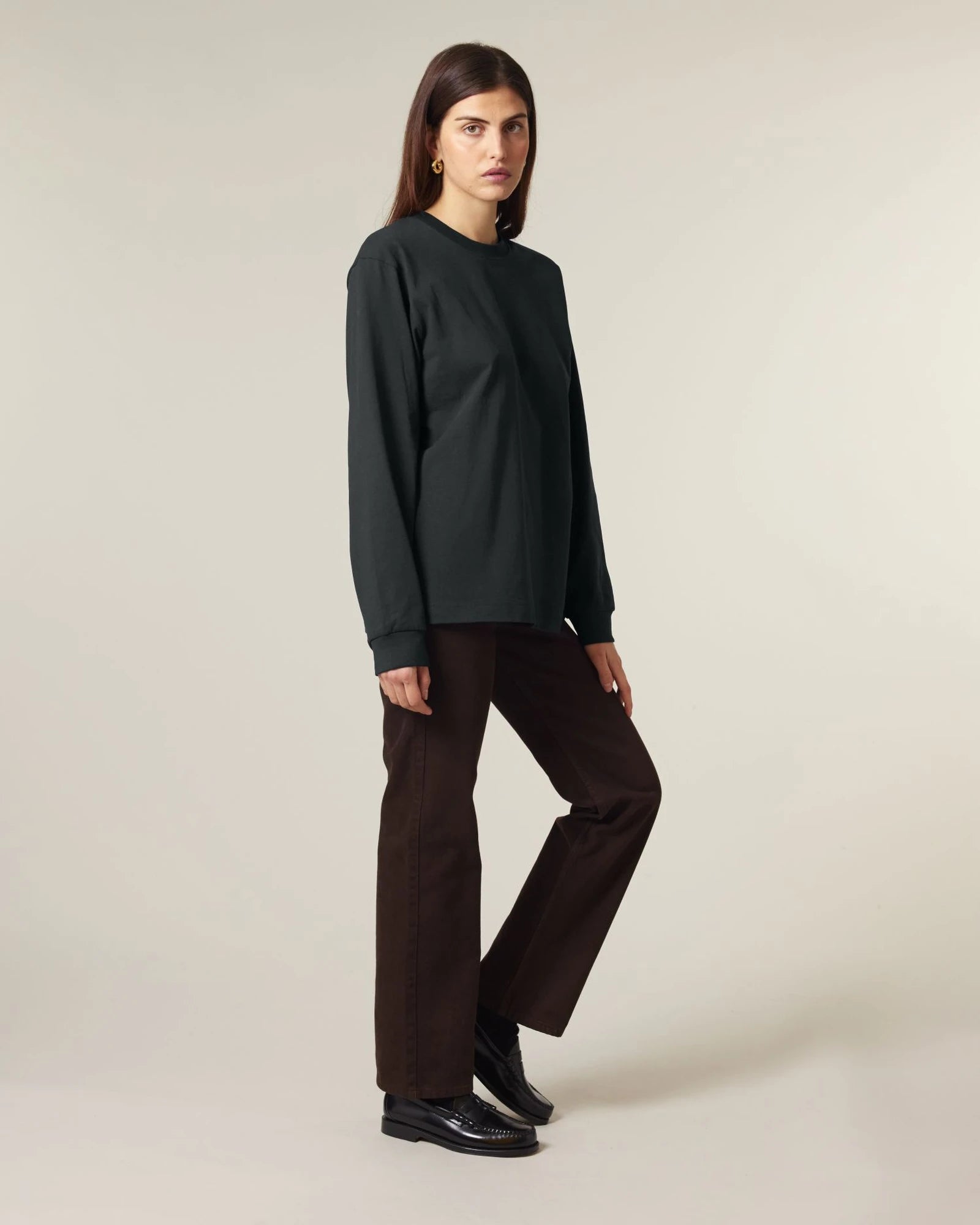


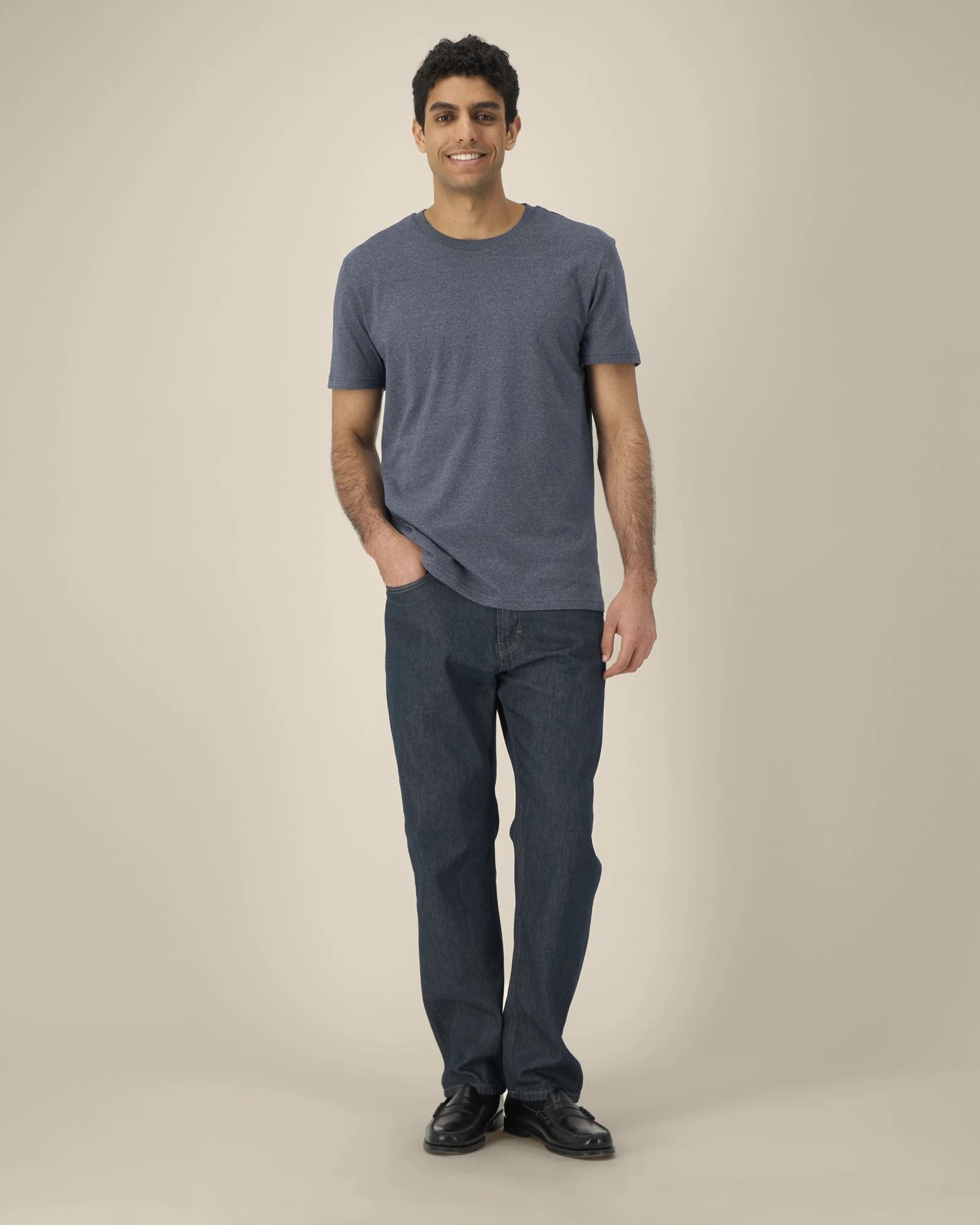


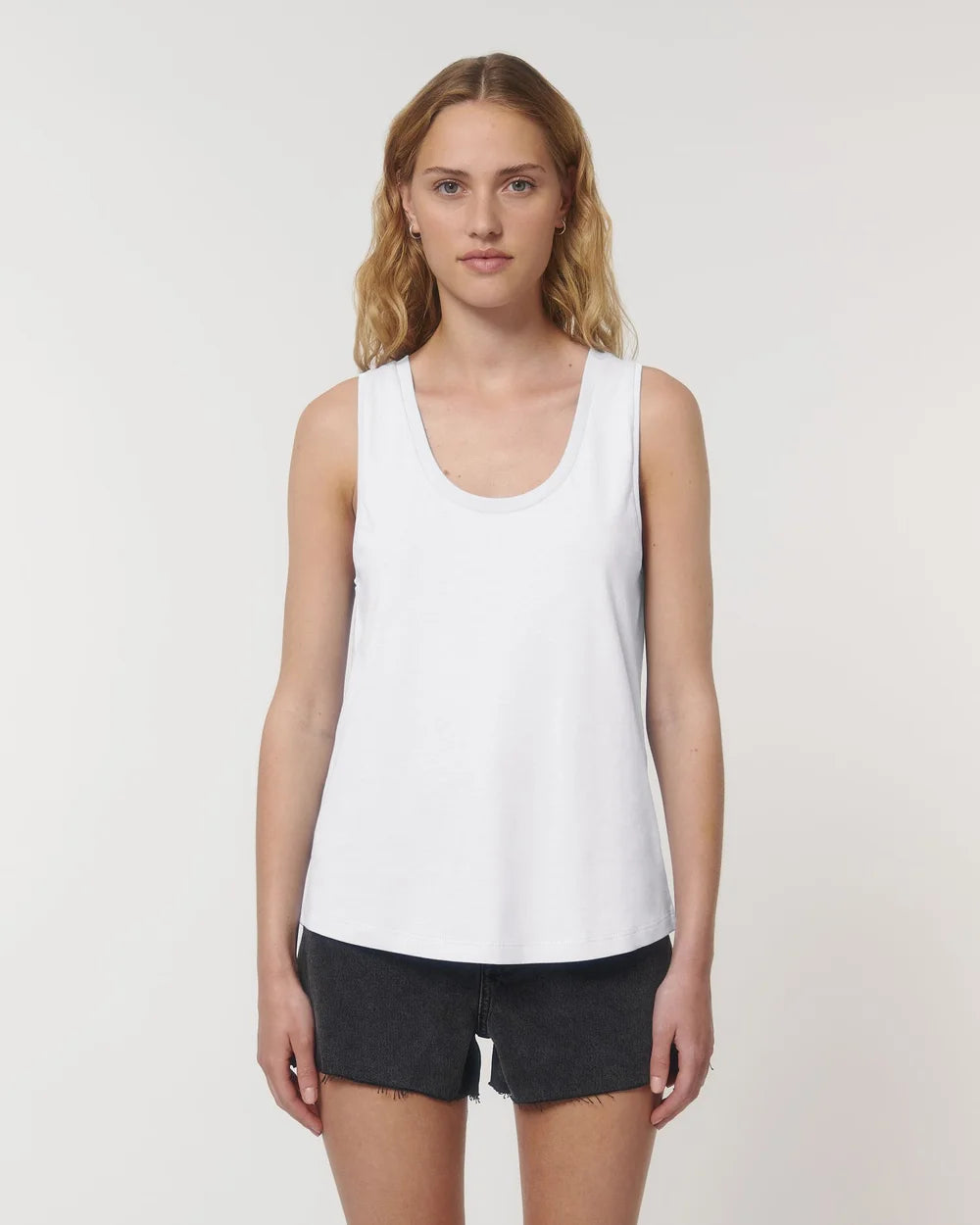


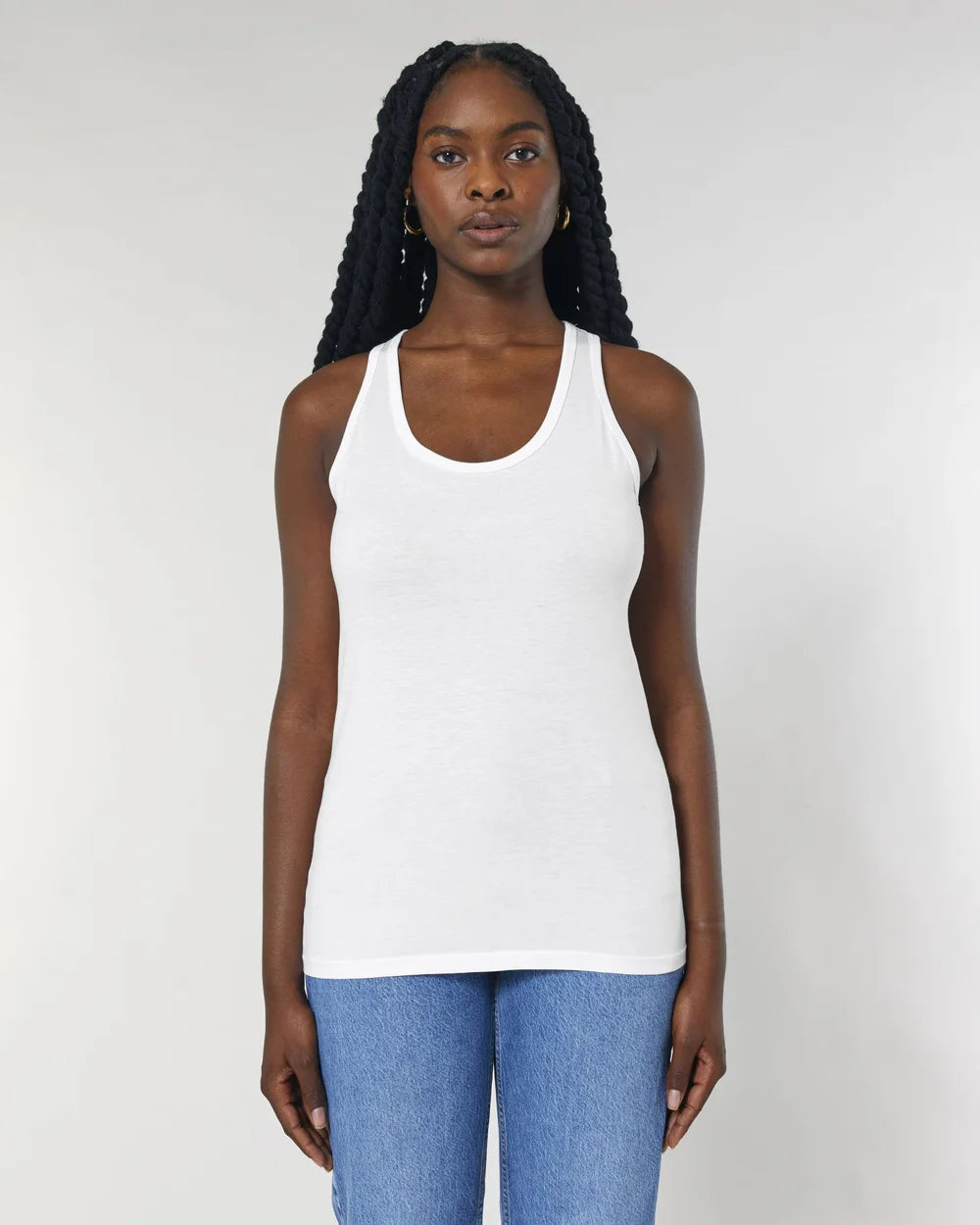


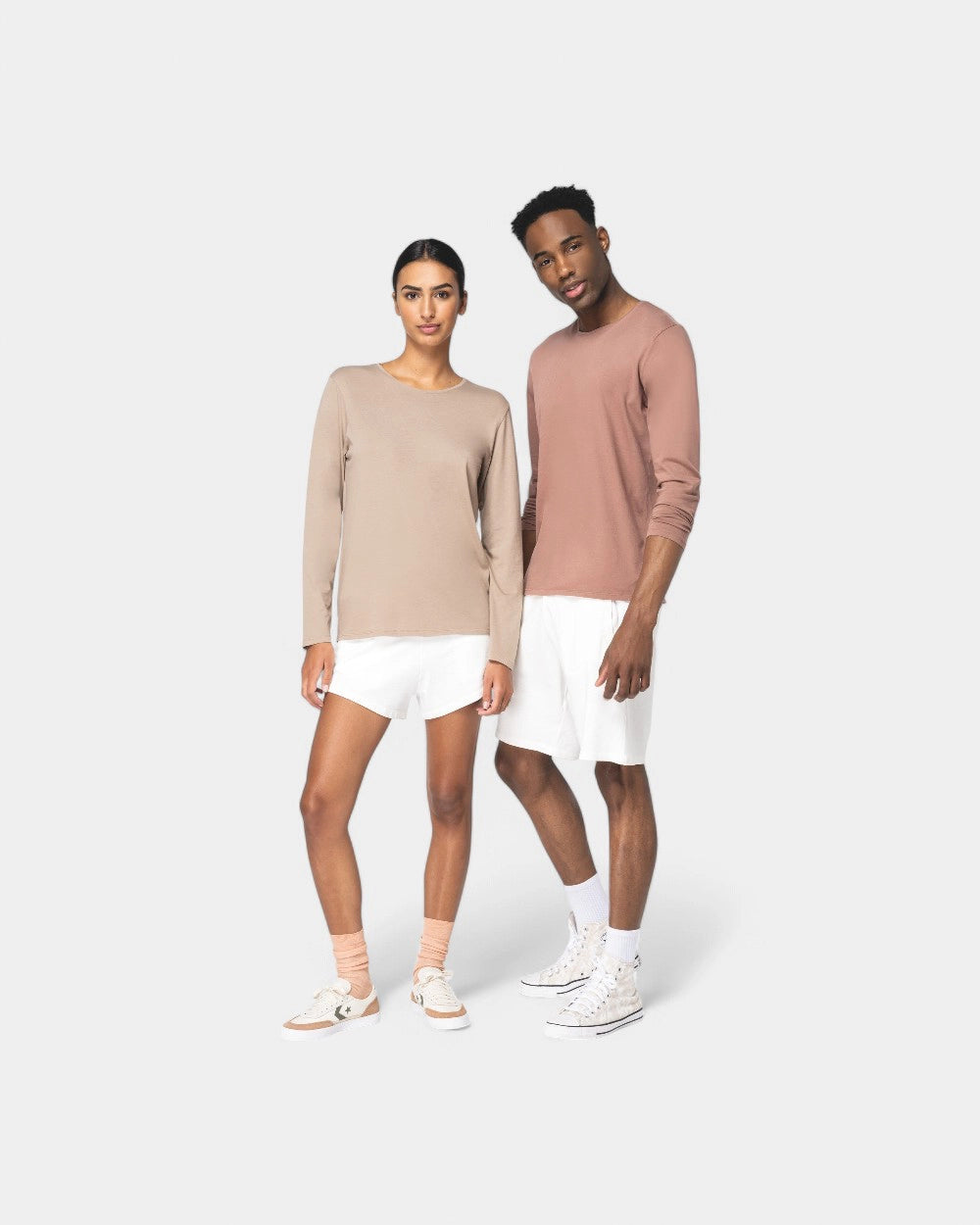


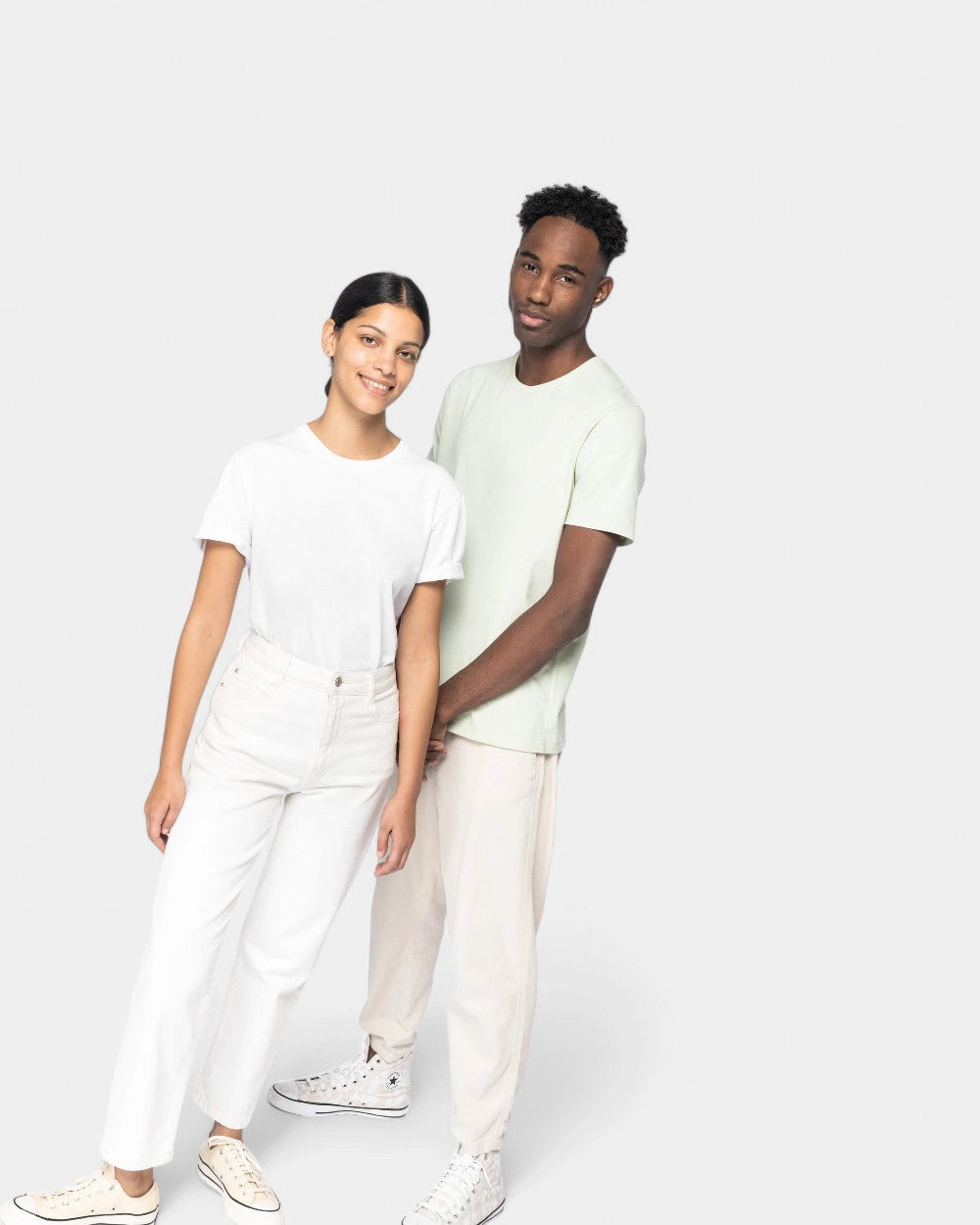


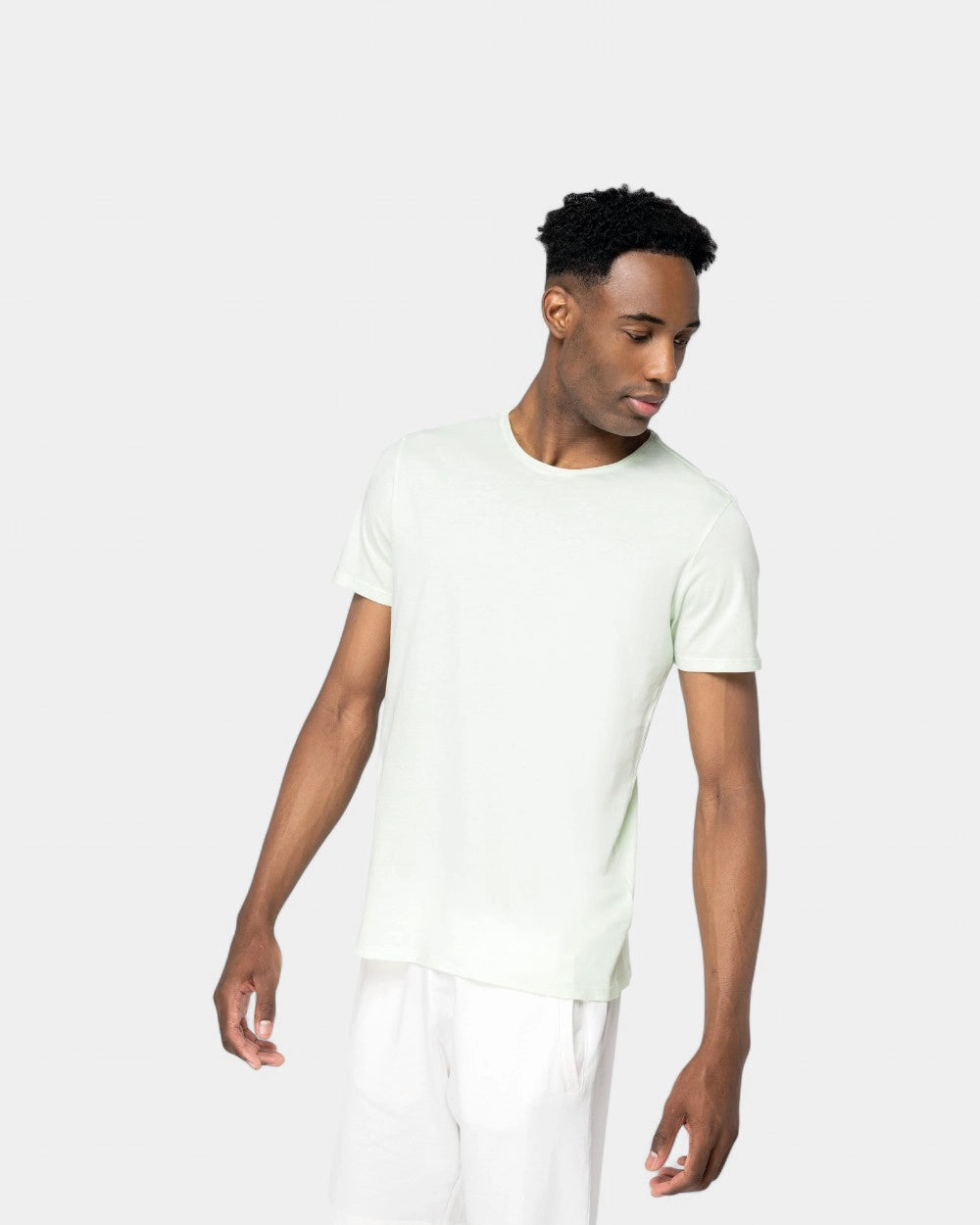


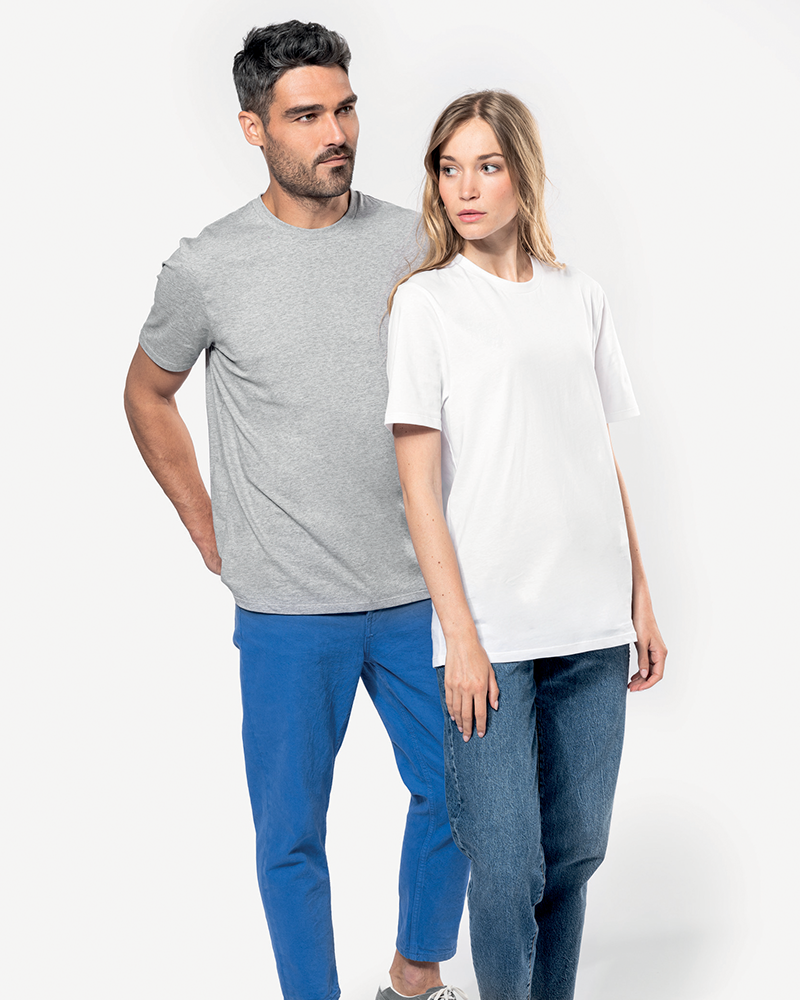


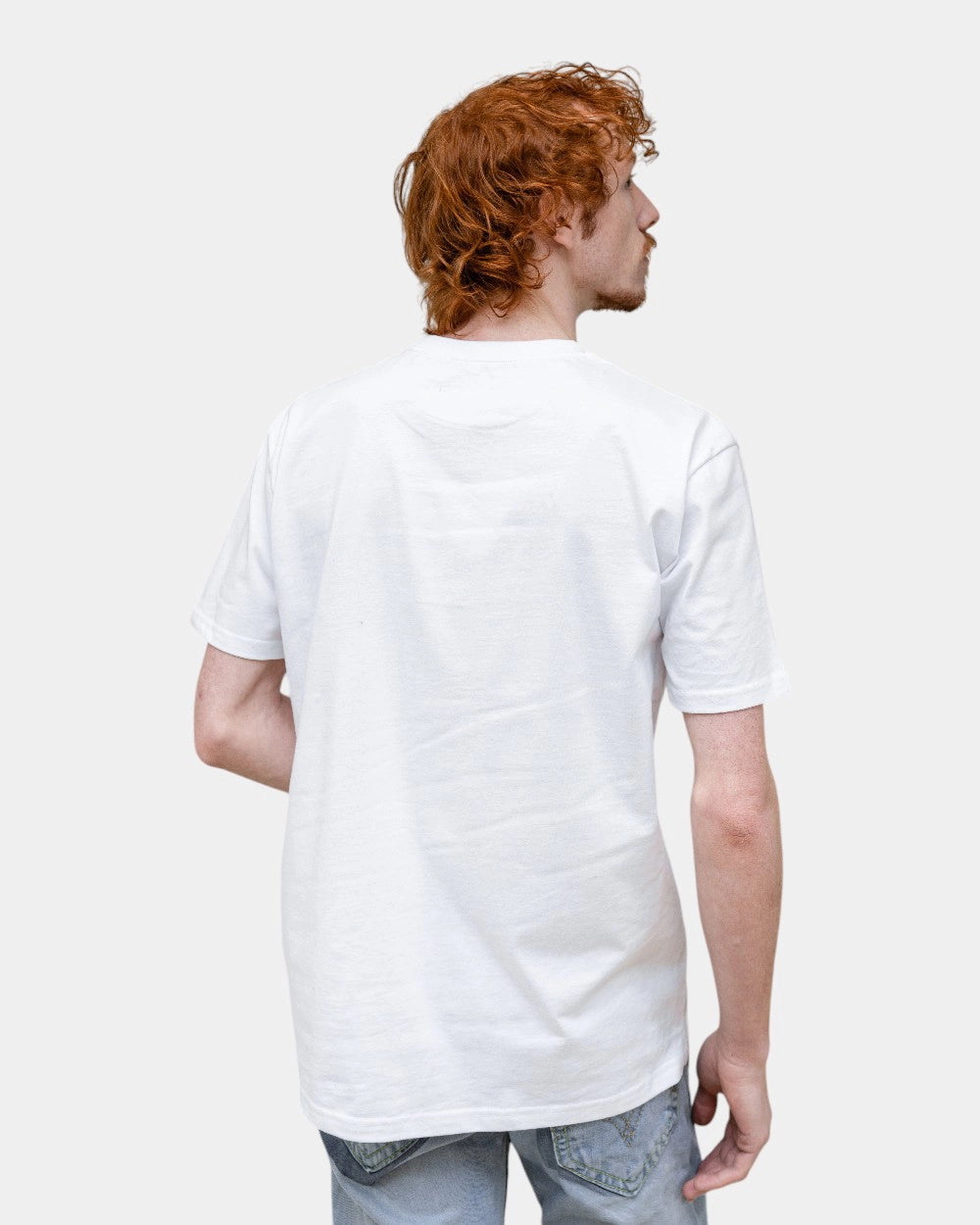


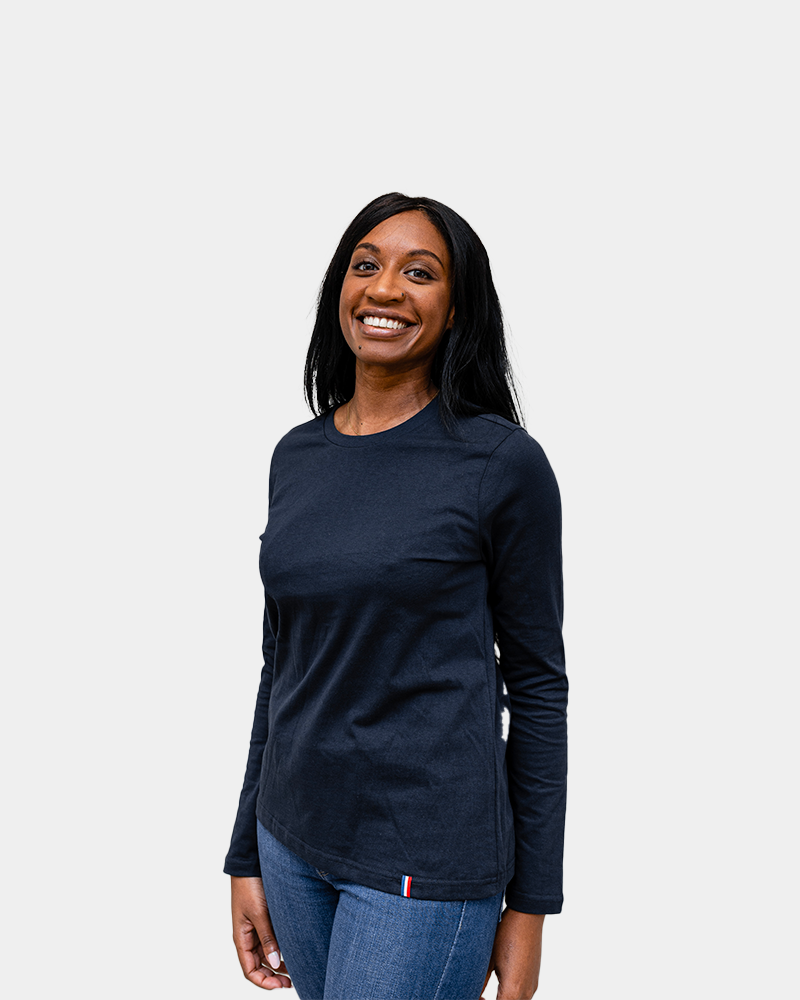


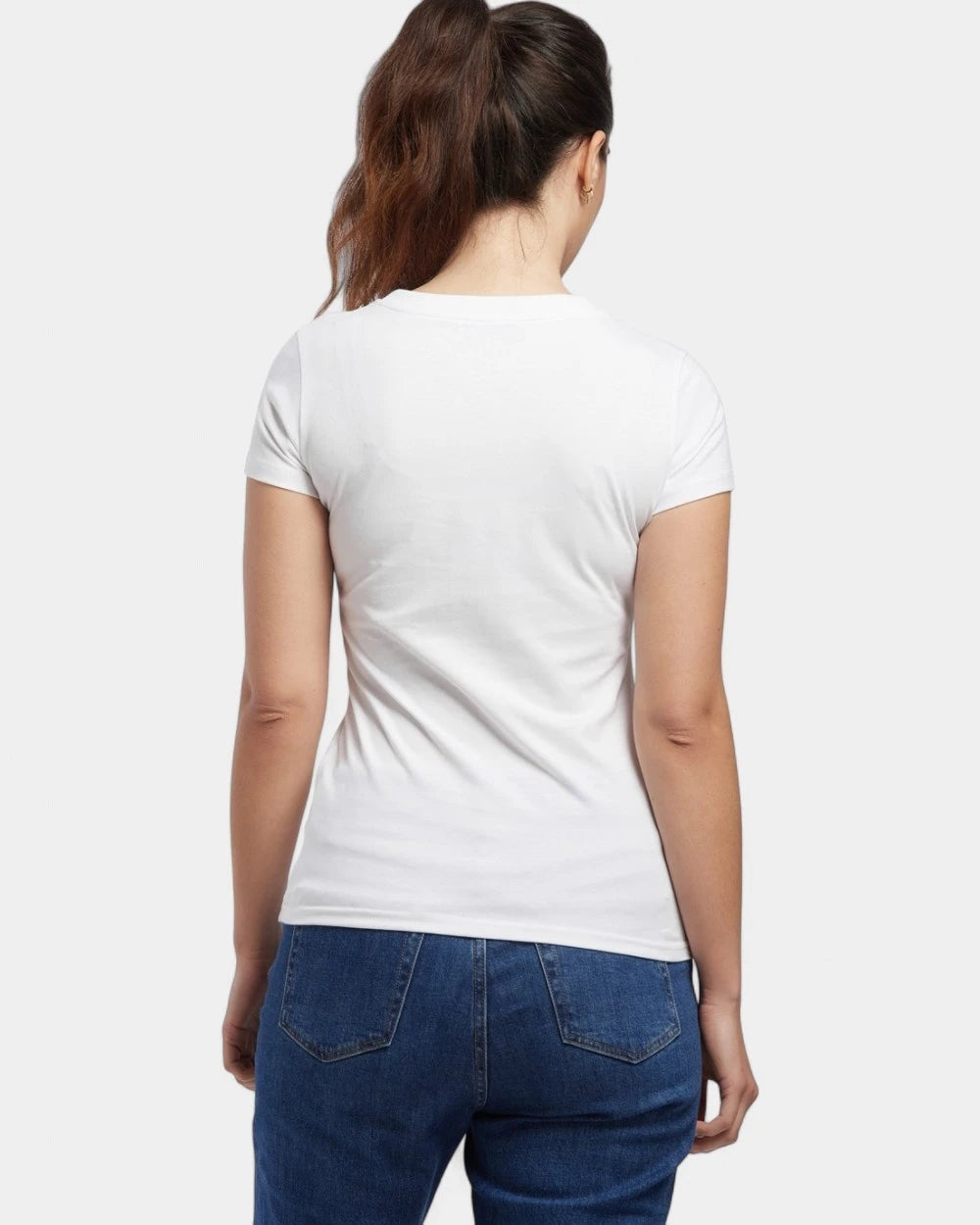


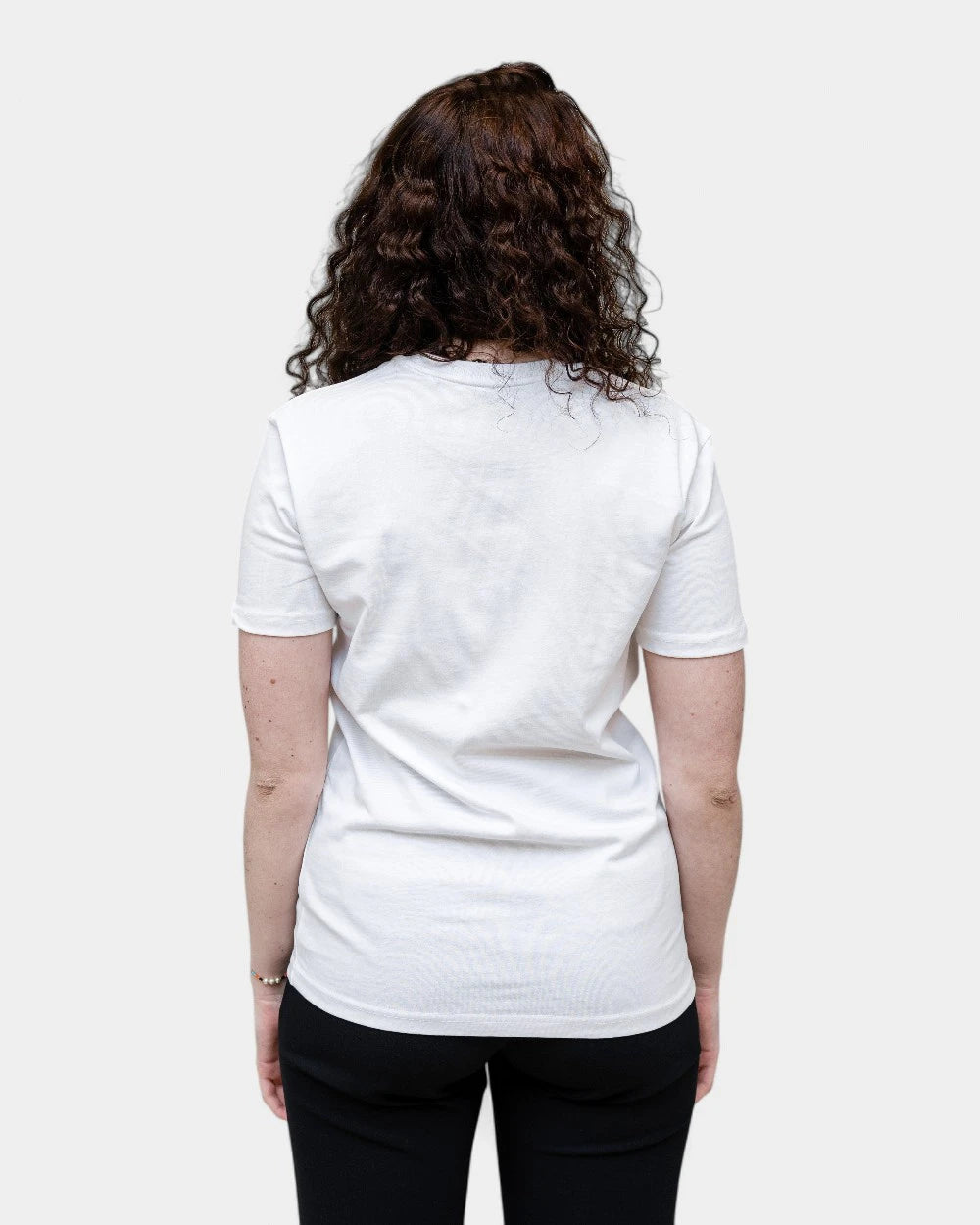


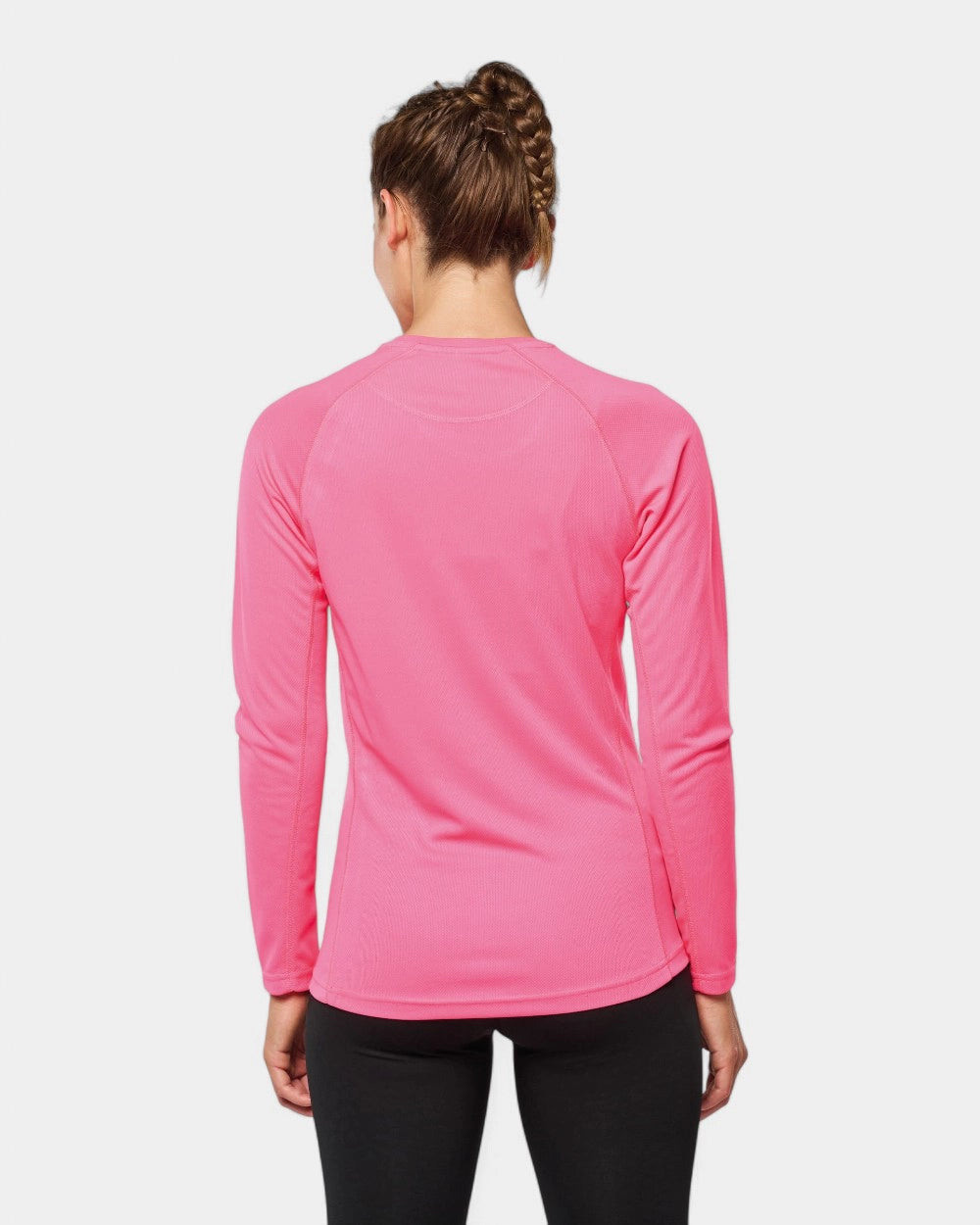


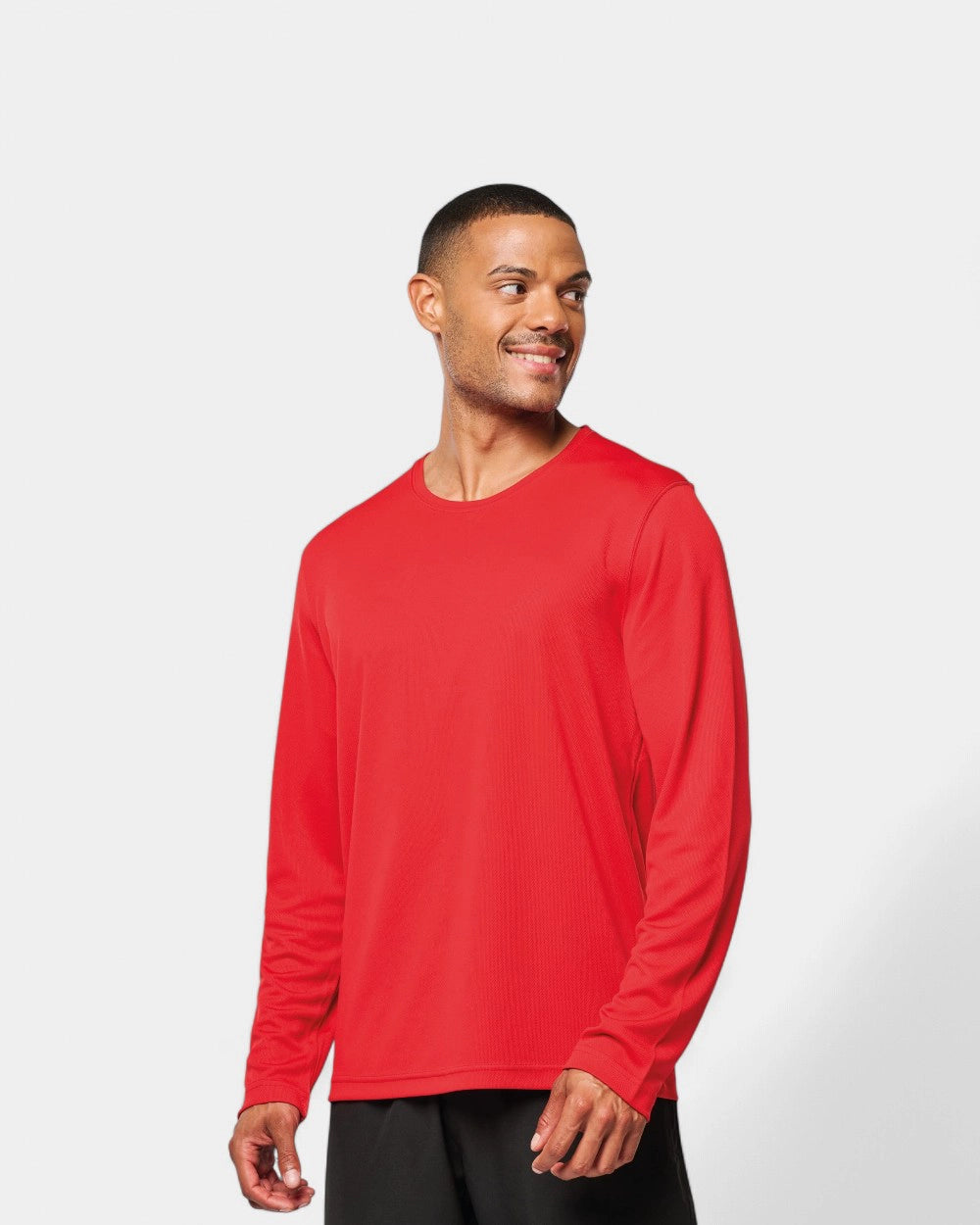


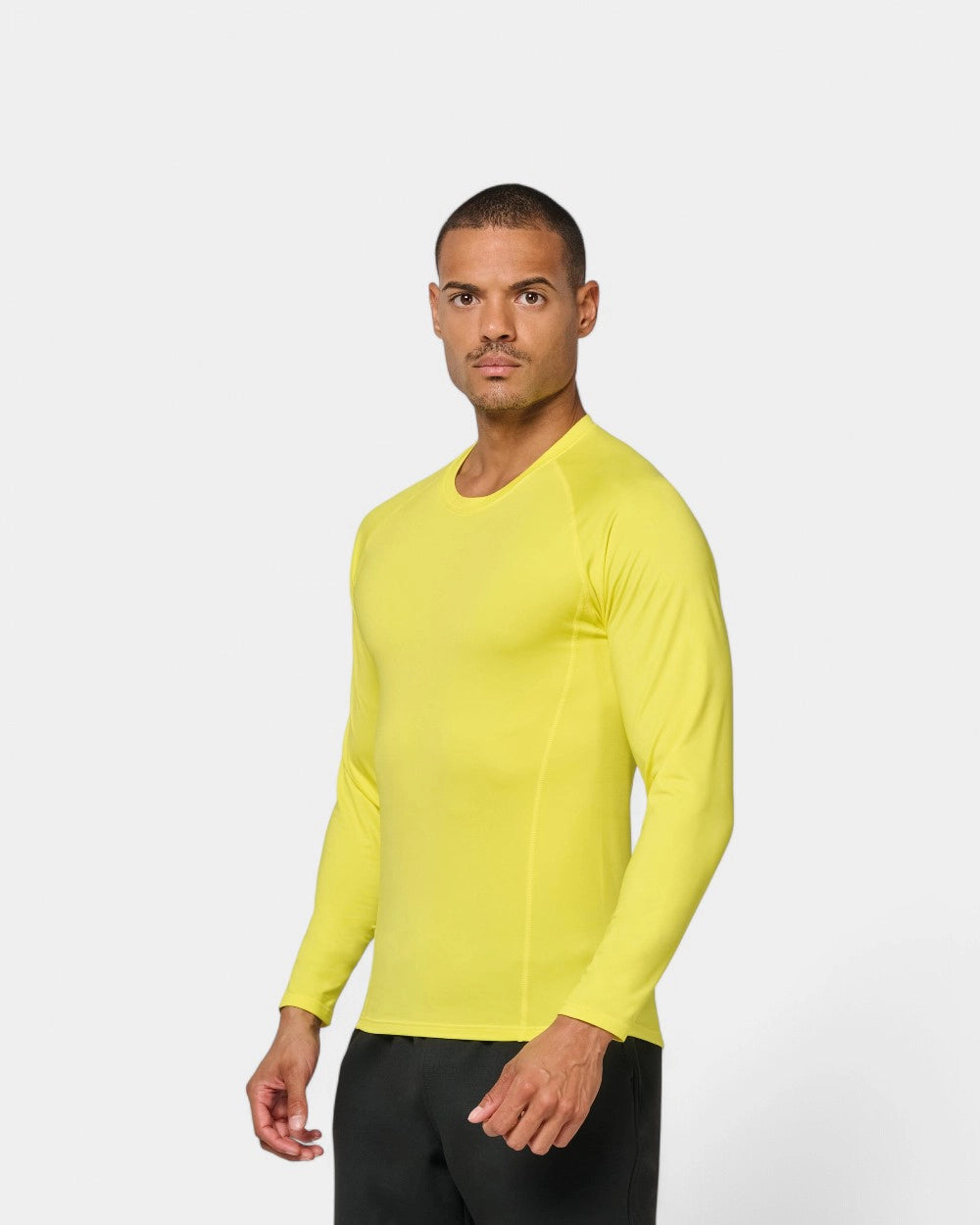


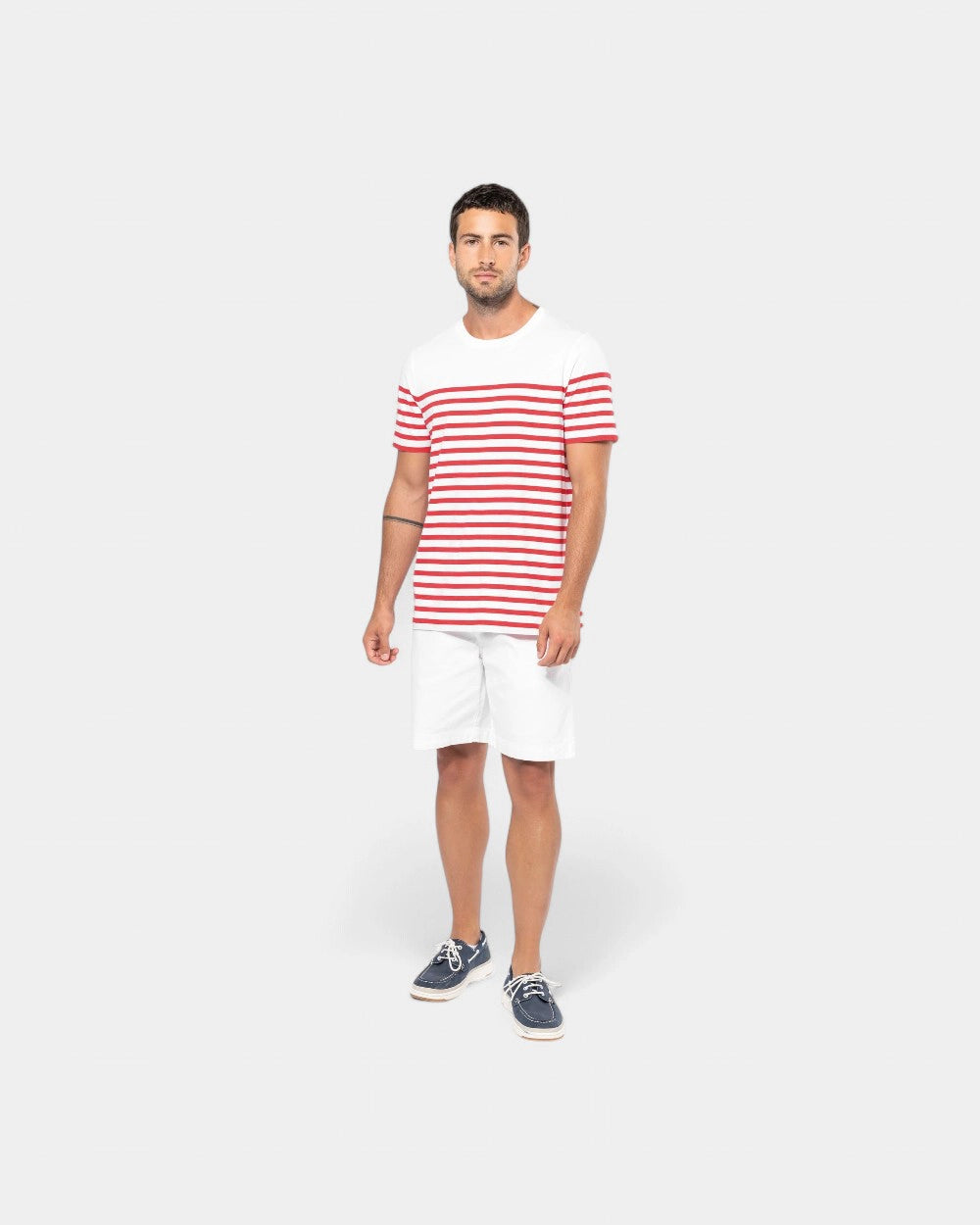


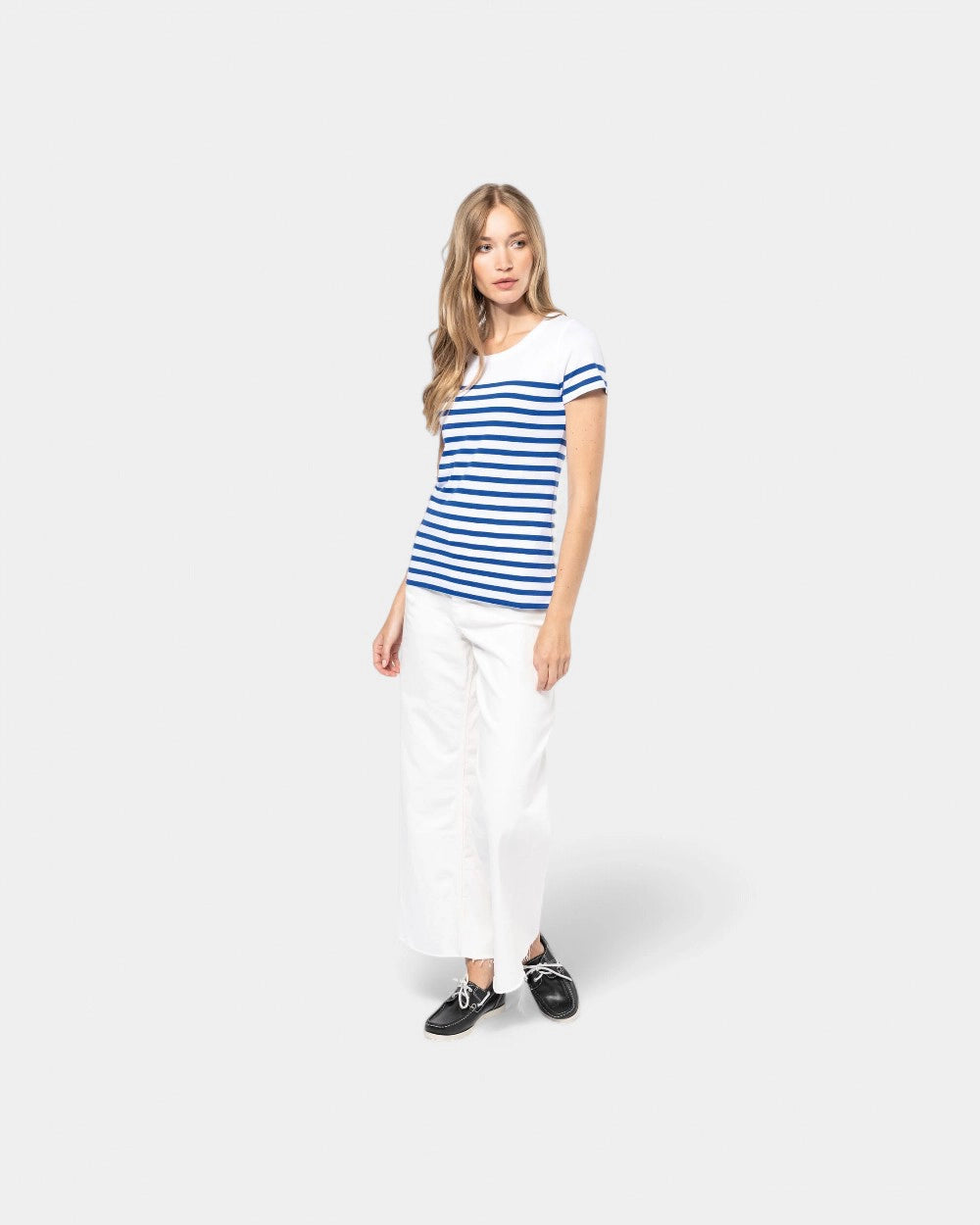


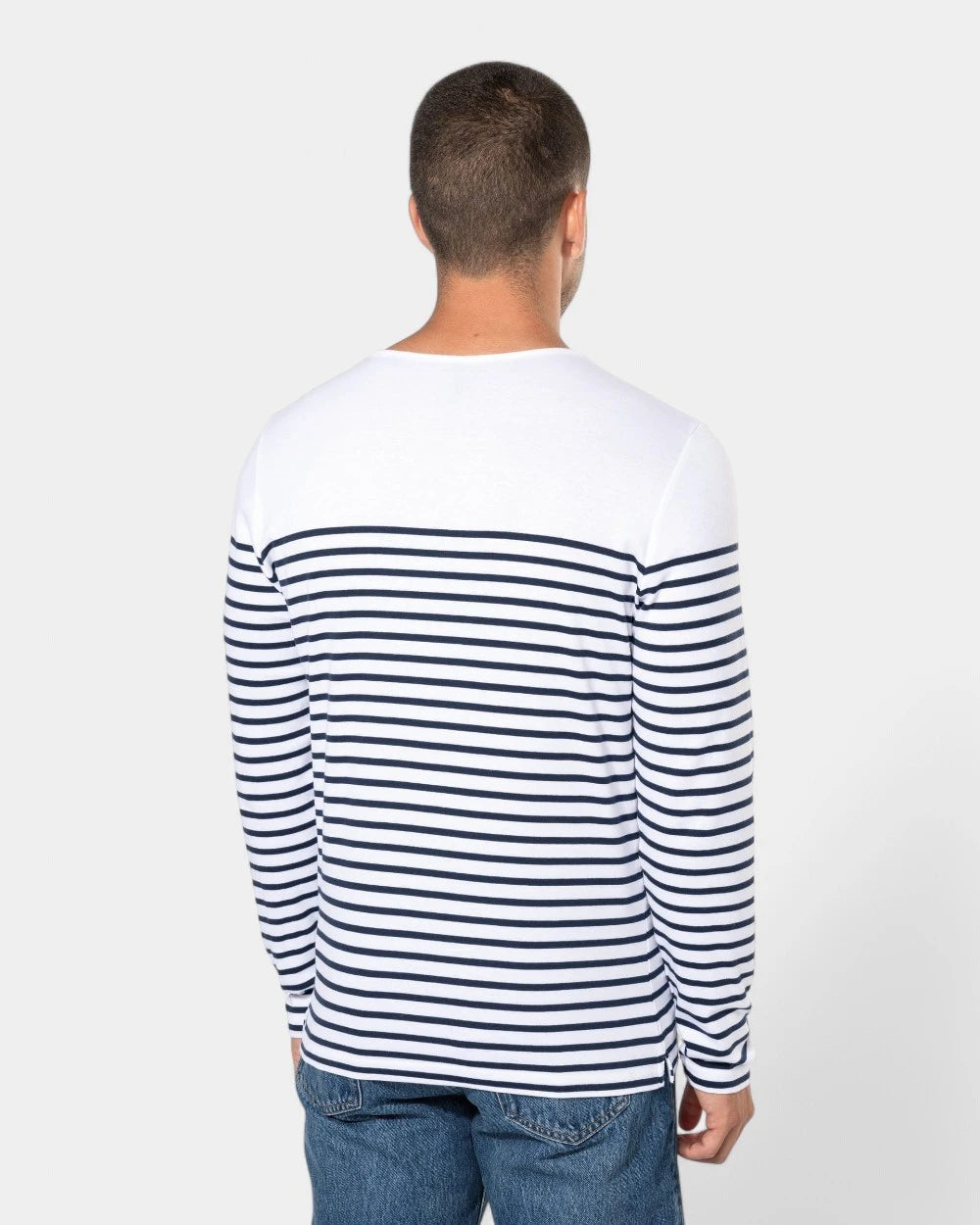


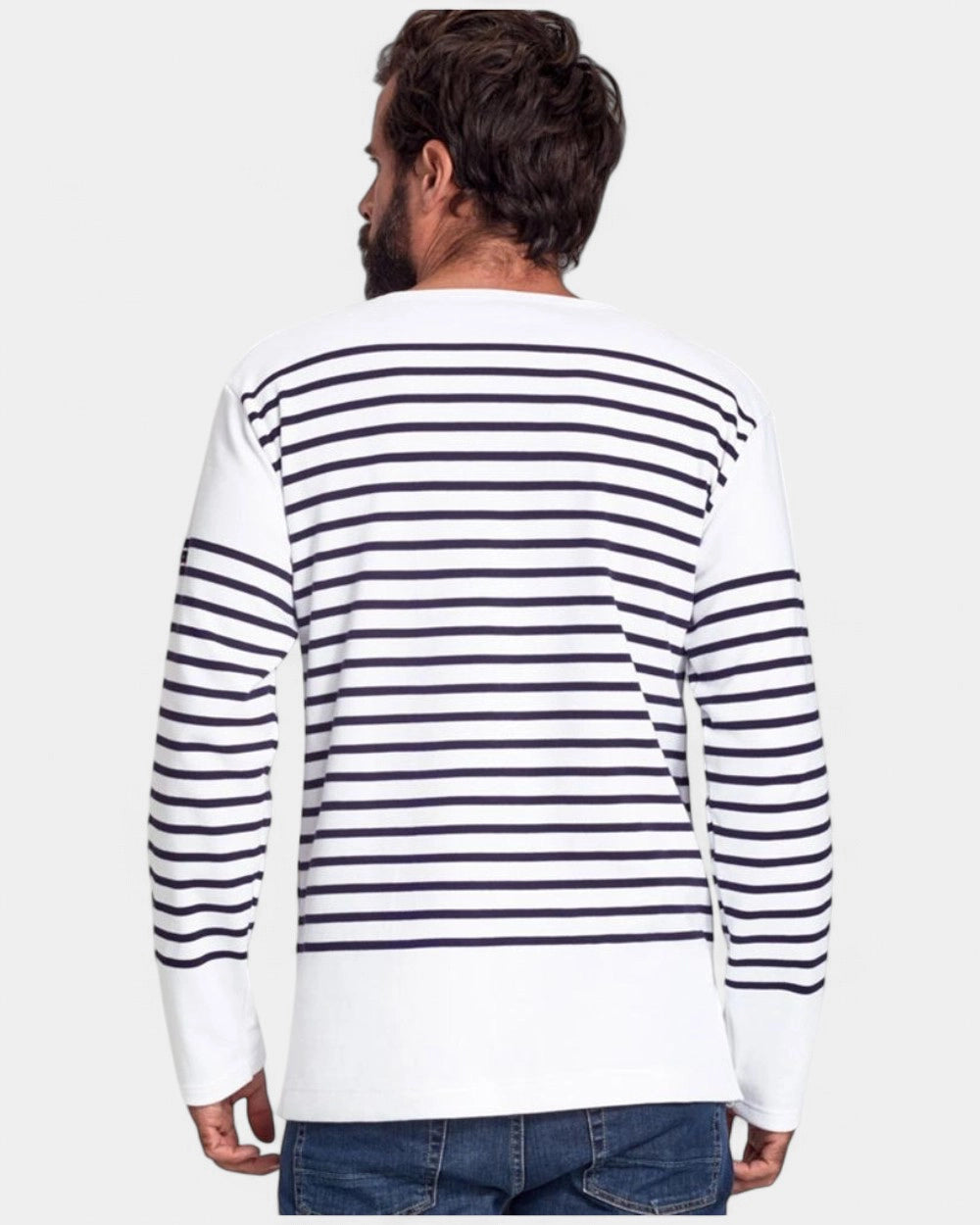








Treat your clients and employees!

FAQ - Custom T-Shirts
Trusted by 1,000+ companies
Why A Worn Billboard Beats A Printed Blank: How We Build Personalised T-Shirts
A festival crew kit makes the point fast. Forty volunteers in matching Branded T-Shirts read as one outfit from across a muddy field, while forty random blanks read as a queue. The mark that carries that far is bonded to the cloth, not sitting on top waiting for the first wash to lift it.
So we read a brief backwards from how most suppliers do. The question is not which blank to buy, but what the mark must do: read at distance, survive laundering, and feel right against the skin. Answer that and the decoration method picks itself, then the cloth follows to support it.
This page is sequenced by that logic, not by fabric-first habit. We open on the decision that actually drives the brief on personalised t-shirts, the mark and its method, then treat fabric as the carrier the mark rides on. Fit, placement and sustainability close the loop. Brief us in this order and a sample reaches your desk faster.
The Four Decoration Routes That Mark Your Branded T-Shirts
Before any cloth is chosen, four routes cover almost every Branded T-Shirt we make: screen print, direct-to-garment, heat-applied film and embroidery. Each one survives the wash differently and reads at a different distance, so the right pick turns on quantity, colour count and how much fine detail your artwork carries.
As a rough map, screen printing rules high volumes with few colours, while DTG handles photographic detail at low quantities. Vinyl and flock films suit names, numbers and bold shapes that read from across a hall. Embroidery delivers the most premium, hard-wearing finish, and many orders blend two routes on one garment.
Whichever route we take, artwork quality drives the result, so we approve your artwork before production and share a free digital proof. That single check, with sign-off within 24h, catches sizing and colour issues before any ink or thread touches cloth. Get the proof right and the decoration follows on every personalised T-Shirt.
Screen Print Versus DTG: The Decision That Drives Your Branded T-Shirts
Screen Print For High-Volume Branded T-Shirts
Picture a corporate 5k where three hundred runners need the same two-colour chest logo. That brief belongs to screen printing, which pushes ink through one stencil per colour. Setup takes time, but the per-unit cost falls sharply as the count climbs, and a cured screen print can hold colour through fifty-plus domestic washes.
DTG For Small, Photographic Runs Of Personalised T-Shirts
Now swap that for fifteen photographic tees. Direct-to-garment, or DTG, works like an inkjet aimed straight at the cloth, reproducing gradients and many-colour artwork with no per-colour setup. It wins outright on small, complex runs, though it needs a pre-treatment coat on dark cotton so the white underbase bonds and colours read true.
The crossover is mostly about quantity and colour count. As a rough guide, simple low-colour artwork tips toward screen from around fifty units, while DTG stays cheaper below that and for any photographic design. We quote both routes where your order sits near that line, so the maths decides, not a default.
Mesh count tunes a screen print to the artwork. A higher mesh, measured in threads per inch, lays fine detail, while a lower mesh deposits thicker, more opaque colour for bold blocks. We match the mesh to your design so solid shapes and thin lines both hold on the finished T-Shirt.
Transfer, Vinyl And Flock: Per-Garment Marks On Promotional T-Shirts
A five-a-side squad wanting different names and numbers on every back shows where film methods earn their place. Heat transfer and vinyl press a pre-cut or printed film onto the personalised T-Shirt under heat, giving a smooth, slightly glossy finish. Crucially, they personalise individual garments inside one order with no new setup per shirt.
Flock uses a raised, velvety film that adds a tactile, slightly 3D texture to a design. It feels premium under the fingertips and lifts a simple logo off the cloth, though it favours bold, uncluttered shapes over fine detail. For varied apparel that mixes finishes, our printed canvas jackets show how a textured mark changes a garment's character.
Both methods suit personalisation and short runs, and both read sharply across a room. Vinyl reads crisp and modern, flock reads soft and rich, so squad numbers lean vinyl while a single chunky crest can carry flock well. We recommend one over the other on your artwork and the feel you want against the skin.
Embroidery Versus Print On Your Branded T-Shirts
When a hospitality group rolls out front-of-house uniform, the left-chest mark usually wants stitching, not ink. Embroidered T-Shirts work the logo in thread for a textured, premium finish that signals quality and outlasts most prints. Thread does not crack or fade the way an unloved transfer eventually can.
Print, by contrast, handles large, detailed or full-colour artwork that thread cannot reproduce economically. A big back graphic or a photographic design belongs in print, not stitch. Cost shifts with complexity too, because dense embroidery uses more thread and stitch time than a simple printed logo of the same width.
Stitch density is the quiet driver of an embroidered finish. A higher stitch count, often several thousand stitches for a left-chest logo, fills small text cleanly but adds thread and run time. We digitise your logo into a stitch file first, set a sensible density, and add a backing stabiliser on lighter T-Shirts.
Plenty of orders combine the two, with an embroidered chest crest and a printed back message. The same logic carries across our range, so embroidered gilets and matching tees can share one stitched mark for a coherent uniform. We advise the split that protects both budget and finish.
The Cloth That Carries The Mark On Your Personalised T-Shirts
Once the method is set, fabric becomes the carrier chosen to support that mark on personalised t-shirts, not a default starting point. Standard carded cotton is the workhorse for high-volume giveaways where unit cost leads. It prints cleanly and keeps the price sensible across large runs, which is why screen-printed event tees so often sit on it.
Ringspun cotton spins the fibres tighter for a smoother, softer face that suits premium retail-style merch and fine print detail. Organic cotton offers the same hand feel with a sustainability story, named per garment where it applies. Poly-cotton and tri-blends add stretch, reduce creasing and hold colour well for events and active use.
Yarn construction matters as much as fibre type for how a mark sits. Combed ringspun yarn removes the short fibres, which lowers pilling and gives a cleaner face for fine print. Carded yarn keeps those shorter fibres, so it costs less but shows a slightly rougher surface under close inspection.
Brands such as B&C, Stedman, Fruit of the Loom and Stanley/Stella appear here only as market reference points for these fabric families. We match the garment to your end use rather than to a single label. Tell us the priority, whether softness, price or eco credentials, and we steer the spec accordingly.
- Set your gsm by season: light 140-150, mid 160-185, heavy 190-220
- Pick combed ringspun for fine print, carded yarn to save cost
- Choose unisex for one spec, fitted cuts for retail roles
- Request organic or recycled-content cloth where the spec allows
- Match method to art: screen, DTG, transfer or embroidery
- Check the available colour range against your brand palette early
- Confirm the MOQ before you lock quantity and deadline
Reading GSM And Drape On Your Embroidered T-Shirts
GSM, or grams per square metre, sets a trade-off between drape and durability that the spec sheet rarely spells out. Lighter T-Shirts around 140 to 150 g/m² drape softly and cost less, suiting summer events, but they can feel thin and let a bright light show through under stage lighting.
Mid-weight T-Shirts at roughly 160 to 185 g/m² are the all-round choice for staff kit and retail merch. They balance comfort, opacity and durability without pushing the price up. Heavyweight options from about 190 to 220 g/m² give a substantial hand feel that reads as quality the moment the tee is picked up.
Read GSM alongside the knit, never on its own. A tight single jersey at 180 g/m² feels denser than a loose knit at the same weight, since the stitch count per centimetre changes the hand. Tubular bodies remove the side seam for all-over prints, while side-seamed bodies hold a more tailored shape.
Weight also affects how a mark survives. Heavier cloth anchors prints and embroidery more confidently and rewards detailed artwork, so the design moves less in the wash. The trade-off is higher unit cost and warmer wear, which is why we set weight by season and by how premium the finished T-Shirt should feel.
Print Positions That Make Personalised T-Shirts Read Across A Room
Placement is where the worn-billboard idea becomes geometry. A left-chest logo is understated and professional, ideal for staff uniforms and corporate days, while a large centre-chest design grabs attention at events and reads from across a crowded hall. The right position is set by viewing distance, not habit.
The back panel is prime space for a bigger message, a sponsor list or a slogan people see as you walk away. Sleeve prints add a subtle secondary mark, often a website or social handle, without crowding the front. Combining positions lets one tee do several jobs across different sightlines at once.
Precise placement keeps a run looking uniform across every size. A left-chest mark usually sits around 18 to 22 cm from the shoulder seam, scaled so it stays balanced from small to large. A nape print at the back neck replaces the inside label with your brand, which reads tidy under a collar.
Custom hats often join the same brief, since a chest logo on the tee and a stitched cap reinforce one another at events. Each position carries a maximum print area set by the method and the garment. We map your artwork to those limits during proofing, so nothing is cropped on the finished T-Shirt.
Fits And Sizes Across Your Promotional T-Shirts
Fit shapes how a personalised T-Shirt looks on a real team, so it matters as much as fabric. Men's cuts run straighter and roomier, women's cuts are shaped through the waist for a tailored line, and unisex sits between the two for mixed groups. Most ranges span XS to 5XL, though the exact ladder varies by style.
Neckline is the second choice. A crew neck is the classic, versatile default that suits any logo placement, while a V-neck reads slightly dressier and softens the look for retail or hospitality. We confirm the available size run for your chosen garment before you commit a single unit.
Fit also depends on whether the body is pre-shrunk, which protects placement after the first hot wash. Cotton can shrink, so a garment described as ring-spun and pre-shrunk holds its measured size more reliably. We can share the flat measurements, such as half-chest and body length, so you map a chart to your team rather than guessing.
For groups, ordering a spread of sizes prevents the classic shortfall of too many mediums. The same size logic applies when you extend a seasonal range into personalised Christmas jumpers, so plan both together. We help model a realistic size curve from your headcount so nobody is left without a personalised T-Shirt that fits.
Wash-Survival And Sustainable Organic Branded T-Shirts
The greenest of personalised t-shirts is the one that stays in wear, and wash-survival is where longevity and sustainability meet. Washing at 30 degrees, turning the tee inside out and skipping the tumble dryer protects both fabric and mark. Done this way, a good screen or DTG print routinely survives well past fifty washes.
Sustainability now sits high on most B2B briefs, and Custom T-Shirts can meet it without overclaiming. Organic cotton is grown without synthetic pesticides. Certified organic cotton is offered on specific styles rather than as a blanket guarantee, with the exact standard named per garment on its product page. Recycled-content blends reuse fibres to lower each garment's footprint.
That single hedge is the only honest way to talk about certification, so we never paint a whole range green. We state clearly which garments carry the named status, which keeps your own marketing claims accurate and protects your brand from greenwashing scrutiny. Student groups often combine these tees with Merchandise ideas for students for a fully considered kit.
Care that extends garment life pairs naturally across a campaign, and lower wash temperatures also save energy across a large staff order. Choosing an eco fabric and printing for the wash are both visible signals that your values reach as far as your merch does.
Industries And Events That Lean On Personalised T-Shirts
Custom T-Shirts flex across almost every sector, which is why they remain the default branded garment. Hospitality and retail use them as front-of-house uniform, while construction and logistics favour high-visibility colours for site teams. A layered outdoor event often pairs tees with Branded european sweatshirts for changeable weather.
Seasonal and themed campaigns open further ground. Festive staff parties and end-of-year events reward a coordinated look across the whole team, while sports clubs and corporate tournaments lean on matching kit to build identity on the day. Charities rely on bold tees to spot staff and volunteers in a crowd.
Around sporting hospitality, branded tees sit naturally alongside personalised tennis gifts in a single gifting bundle. Whatever the sector, a well-specified T-Shirt carries your name into the places a banner never reaches.
Colour, Necklines And Detailing On Embroidered T-Shirts
Beyond method and cloth, a few details decide how a tee reads on a team. Colour comes first, so we check your brand palette against the available stock shades early, since a precise corporate colour may need a specific base garment. A dark body anchors a bright print, while a heather or marl finish reads softer for a casual event look. The shade also affects the decoration, because a dark cotton needs a white underbase under DTG to make colours read true.
Neckline and trim finish the garment. A crew neck stays versatile under any logo placement, while a V-neck reads dressier for retail or hospitality. A tubular body removes the side seam for an all-over print, where a side-seamed body holds a more tailored line. We confirm which detailing the chosen style carries, because a fashion-fit tee and a workhorse giveaway tee offer different finishing at the collar and hem on your Custom T-Shirts.
How To Brief Us On Your Personalised T-Shirts
A clean brief is what turns personalised t-shirts into a sample on your desk fast. Tell us the use case, the rough quantity, the deadline and any brand colours, and we translate that into method, fabric and weight without a dozen back-and-forth emails. Rushed reorders limit your method choices, so share the deadline early.
Send vector artwork where you have it, since clean lines digitise and screen far better than a low-resolution logo lifted from a website. If you only hold a raster file, we will tell you honestly whether it holds up at print size before anyone commits. Gift bundles, including personalised balls, can be costed alongside your tees in the same brief.
From there the path is short: digital proof within 24h, your sign-off, then production with delivery in around three weeks. The clearer the brief, the closer the first proof lands to what you pictured for your finished T-Shirt.
| Method | How it works | Strength | Cost-effective from |
|---|---|---|---|
| Screen print | Ink pushed through per-colour stencils | Vivid, durable, bulk-friendly | From approx. 50 units |
| DTG (digital) | Inkjet printed straight onto fabric | Photographic, many colours | From approx. 10 units |
| Transfer/vinyl | Heat-pressed film, smooth finish | Crisp names and numbers | From approx. 1 unit |
| Flock | Raised velvety film, tactile | Premium bold shapes | From approx. 10 units |
| Embroidery | Logo stitched in thread | Most durable, premium look | From approx. 10 units |
| Material | Typical GSM | Properties | Best for |
|---|---|---|---|
| Carded cotton | 140-160 g/m² | Affordable, clean print surface | High-volume giveaways |
| Ringspun cotton | 150-185 g/m² | Soft, smooth face, premium hand | Retail-style merch |
| Organic cotton | 150-185 g/m² | Soft feel, certified option on request | Sustainable campaigns |
| Poly-cotton blend | 150-180 g/m² | Stretch, low crease, colour stable | Events and active wear |
| Heavyweight cotton | 190-220 g/m² | Dense, structured, premium feel | Statement Branded T-Shirts |
| Fit | Cut | Sizes | Note |
|---|---|---|---|
| Men's | Straighter, roomier body | S-5XL | Default for mixed male teams |
| Women's | Shaped through the waist | XS-3XL | Tailored, flattering line |
| Unisex | Between men's and women's | XS-4XL | Best for one-spec group orders |
| Crew neck | Classic round neckline | XS-5XL | Versatile for any logo placement |
| V-neck | Open V neckline | XS-3XL | Dressier retail and hospitality look |
| Scenario | Recommended method | Why it fits | Note |
|---|---|---|---|
| Pilot or sample tee | DTG or vinyl | No setup cost on small counts | Test before a full run |
| Festival crew kit | Screen print | Bold colour, bulk-friendly | Plan colours early |
| Retail-staff rollout | Embroidery | Premium, hard-wearing chest mark | Pairs with printed back |
| Five-a-side squad | Vinyl transfer | Crisp names and numbers | Personalise per garment |
| Corporate 5k | Screen print | Same two-colour mark at volume | Lead time matters |

