

Printed tote bags
- Price, low to high
- Price, high to low










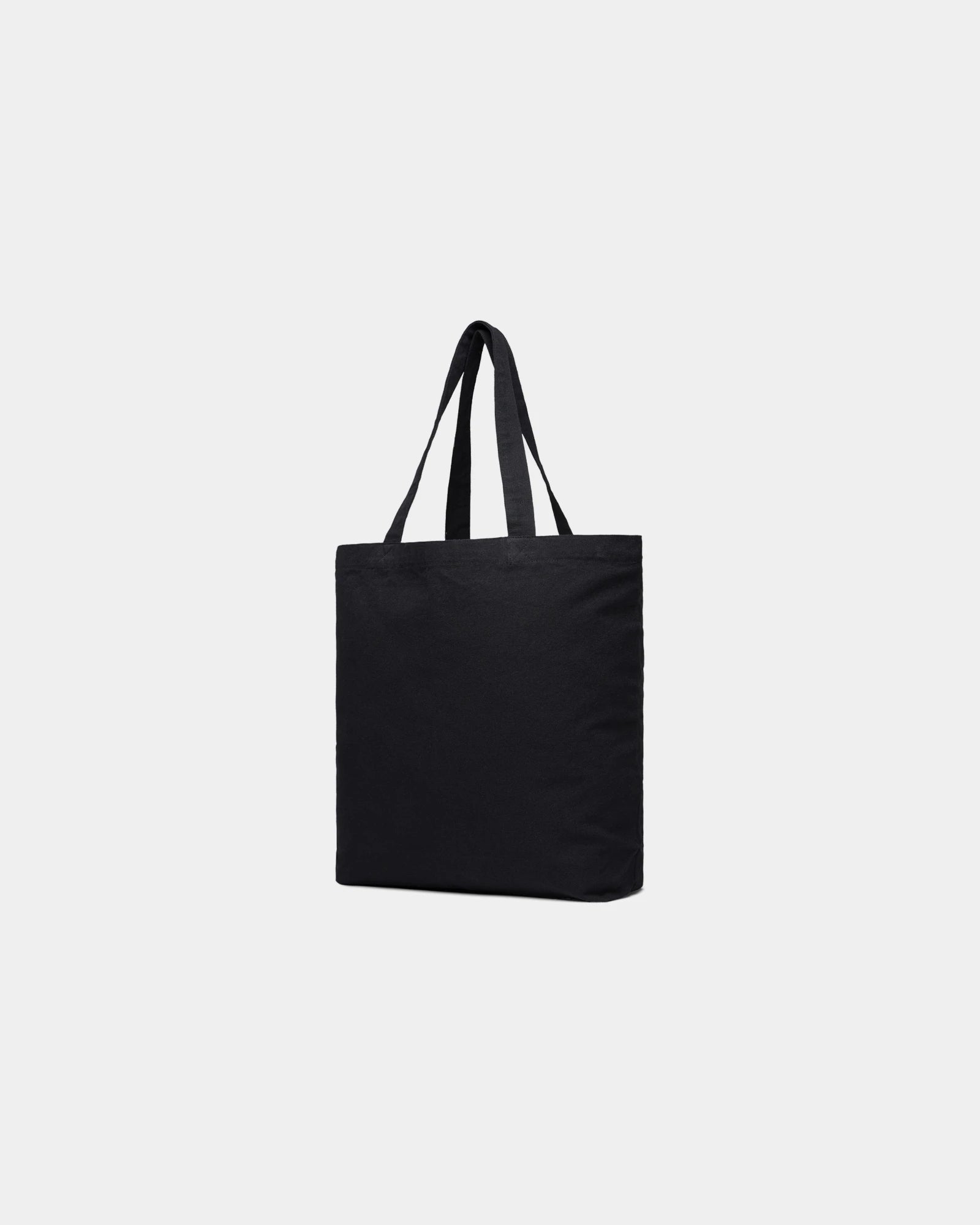


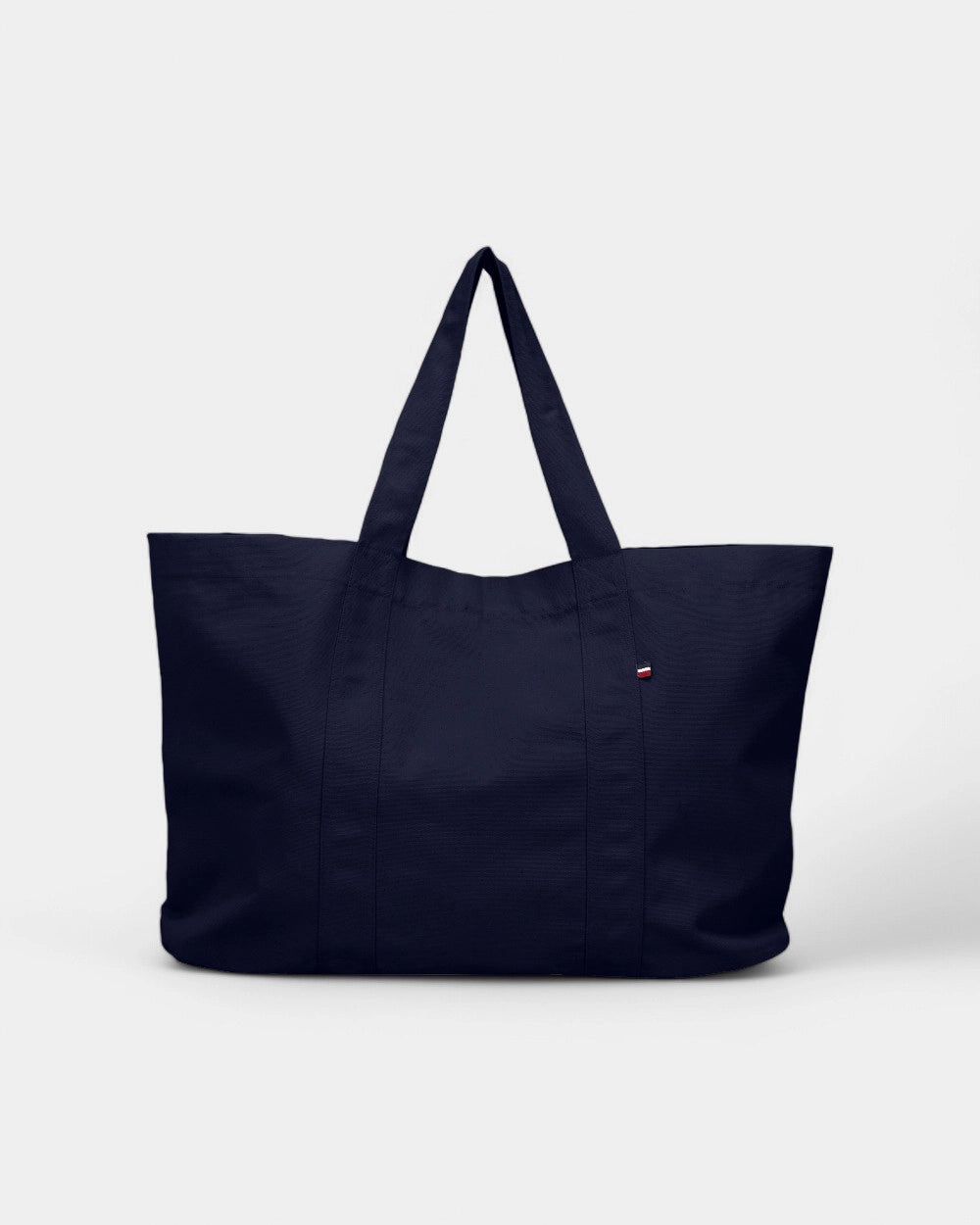


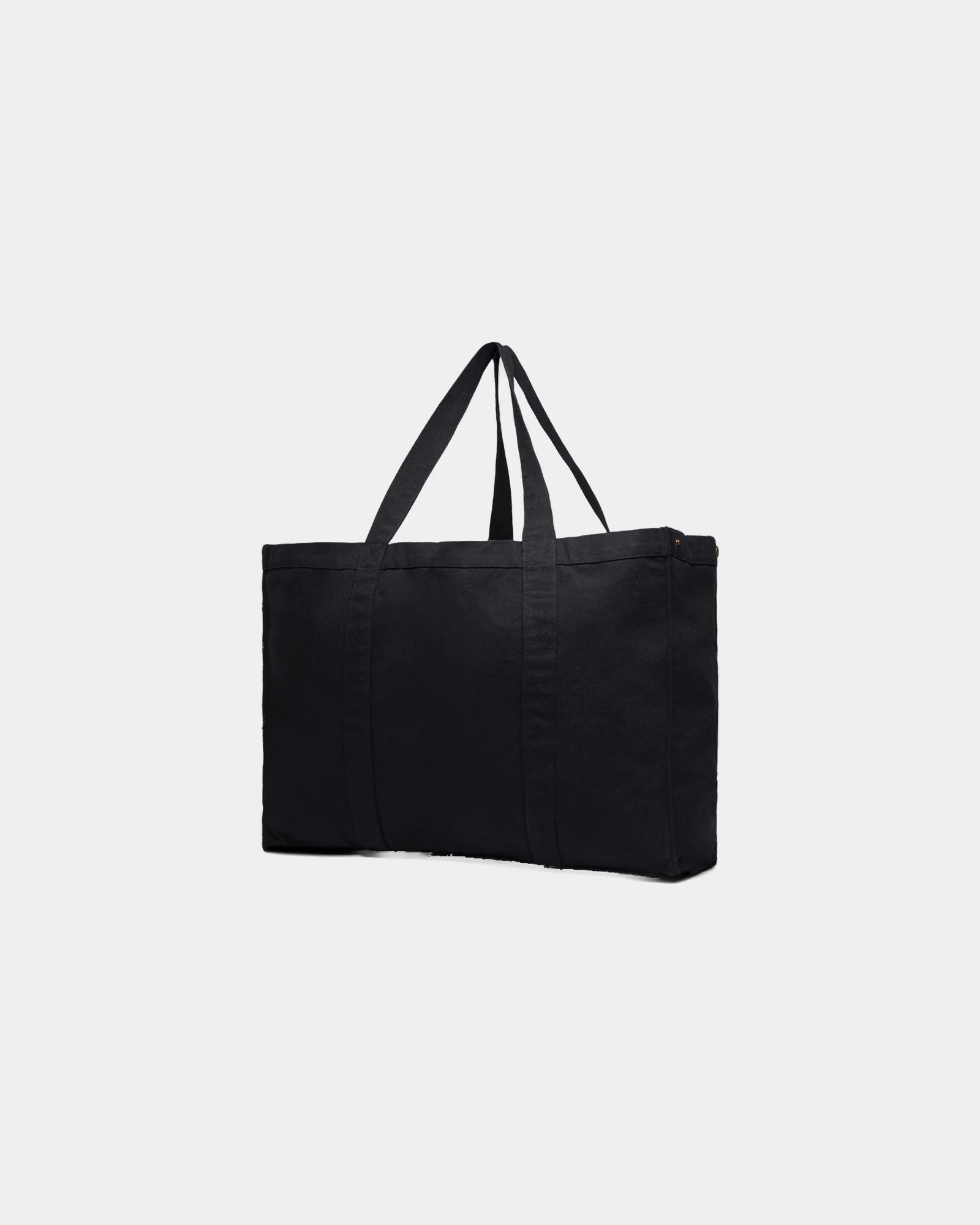


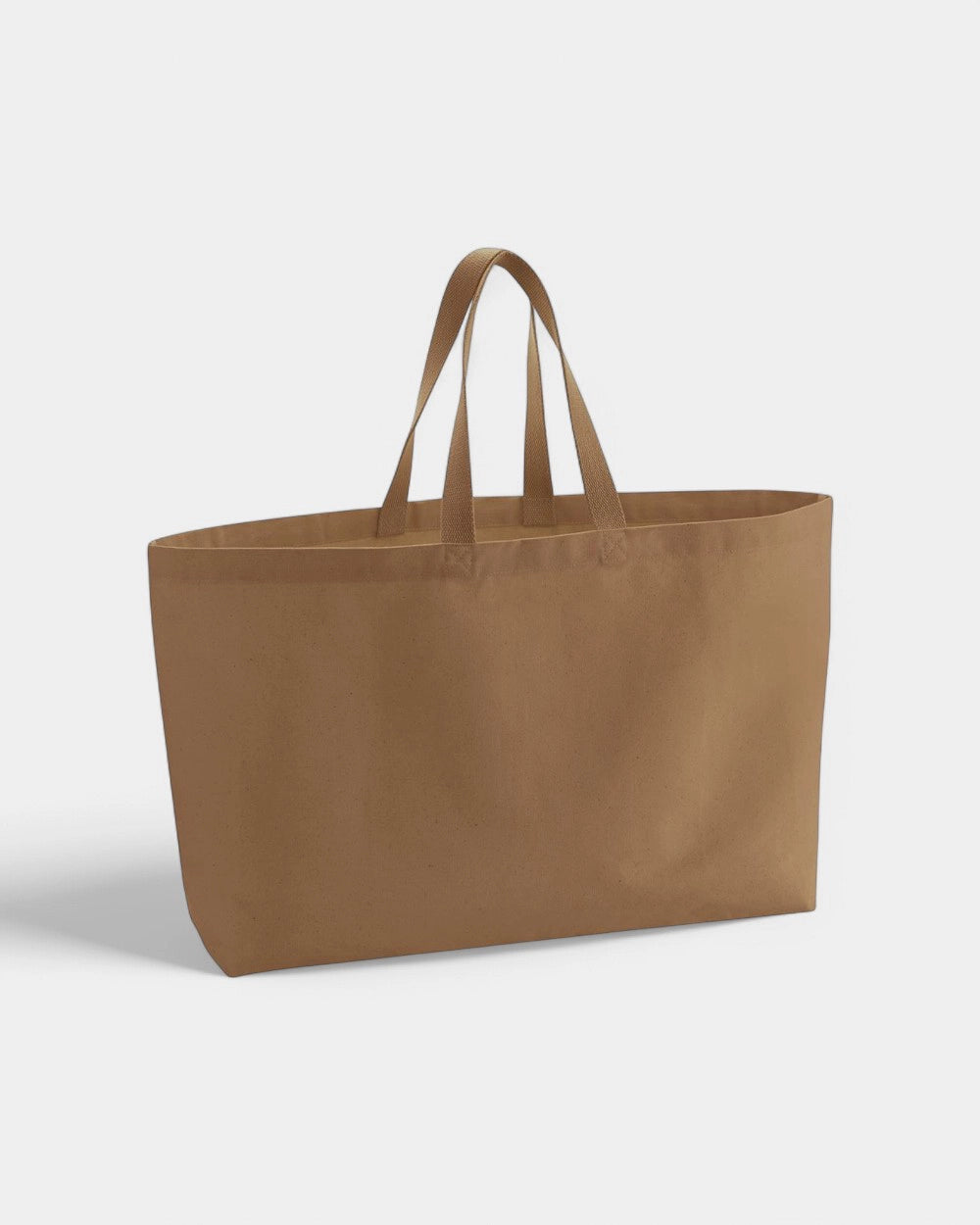


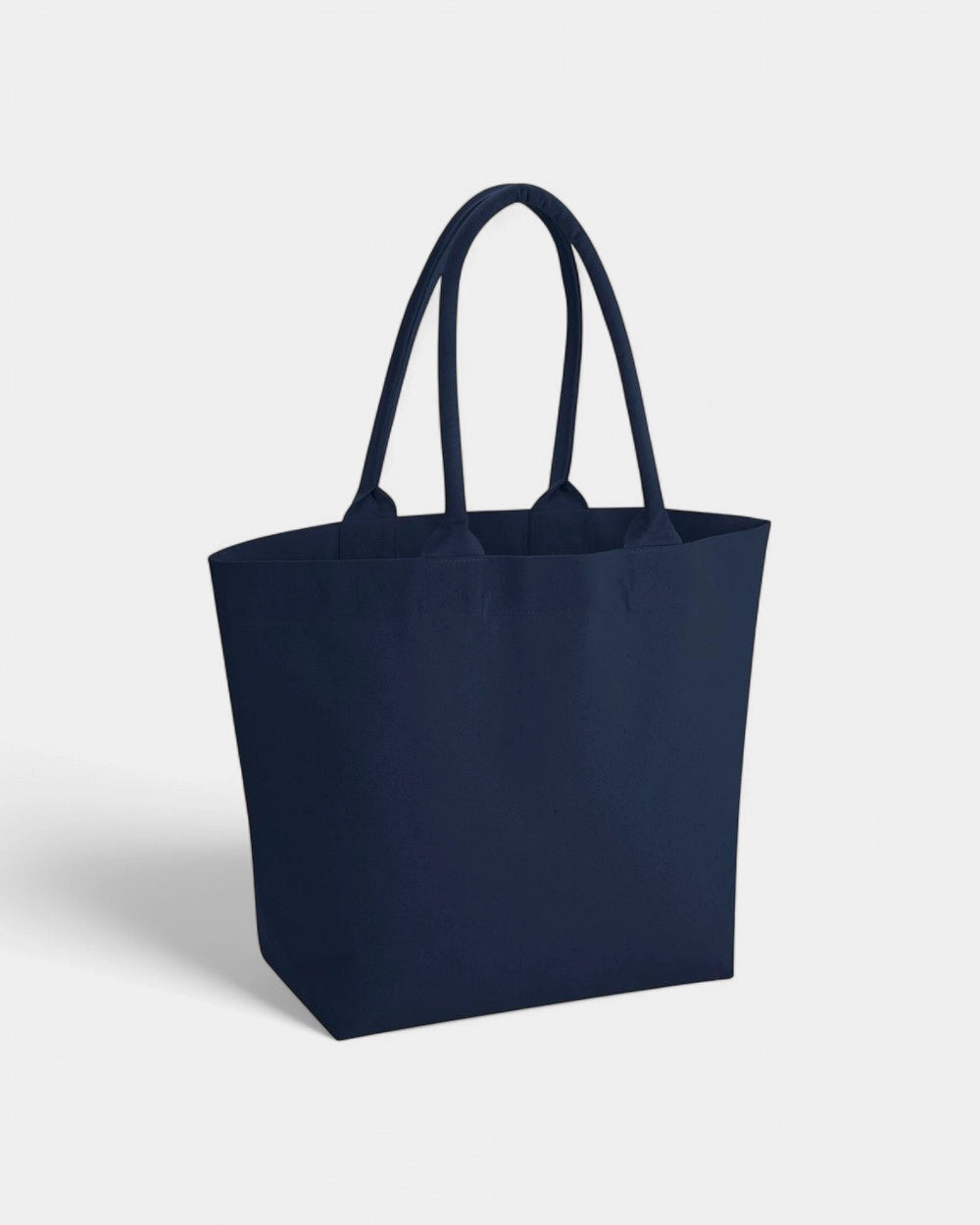


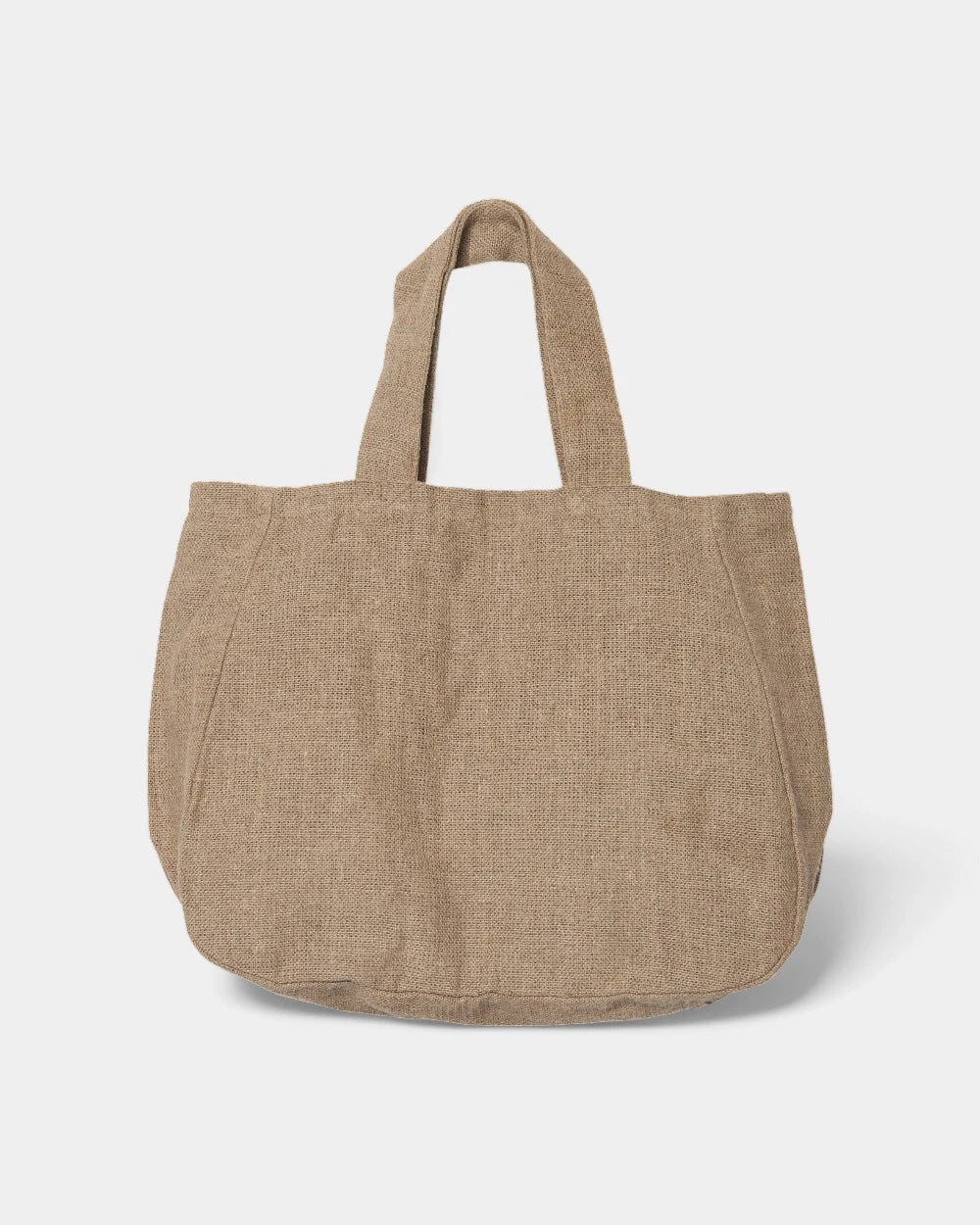


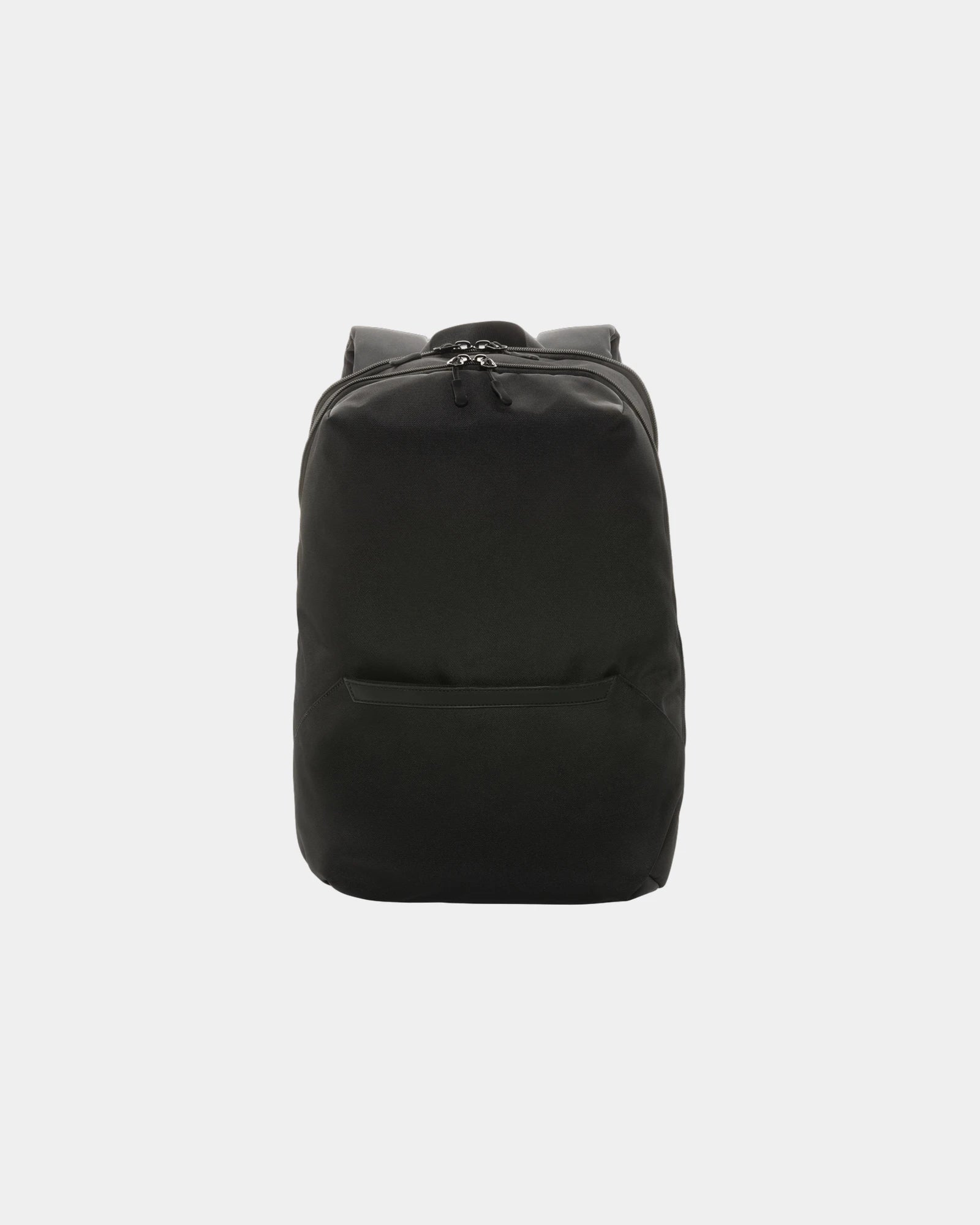


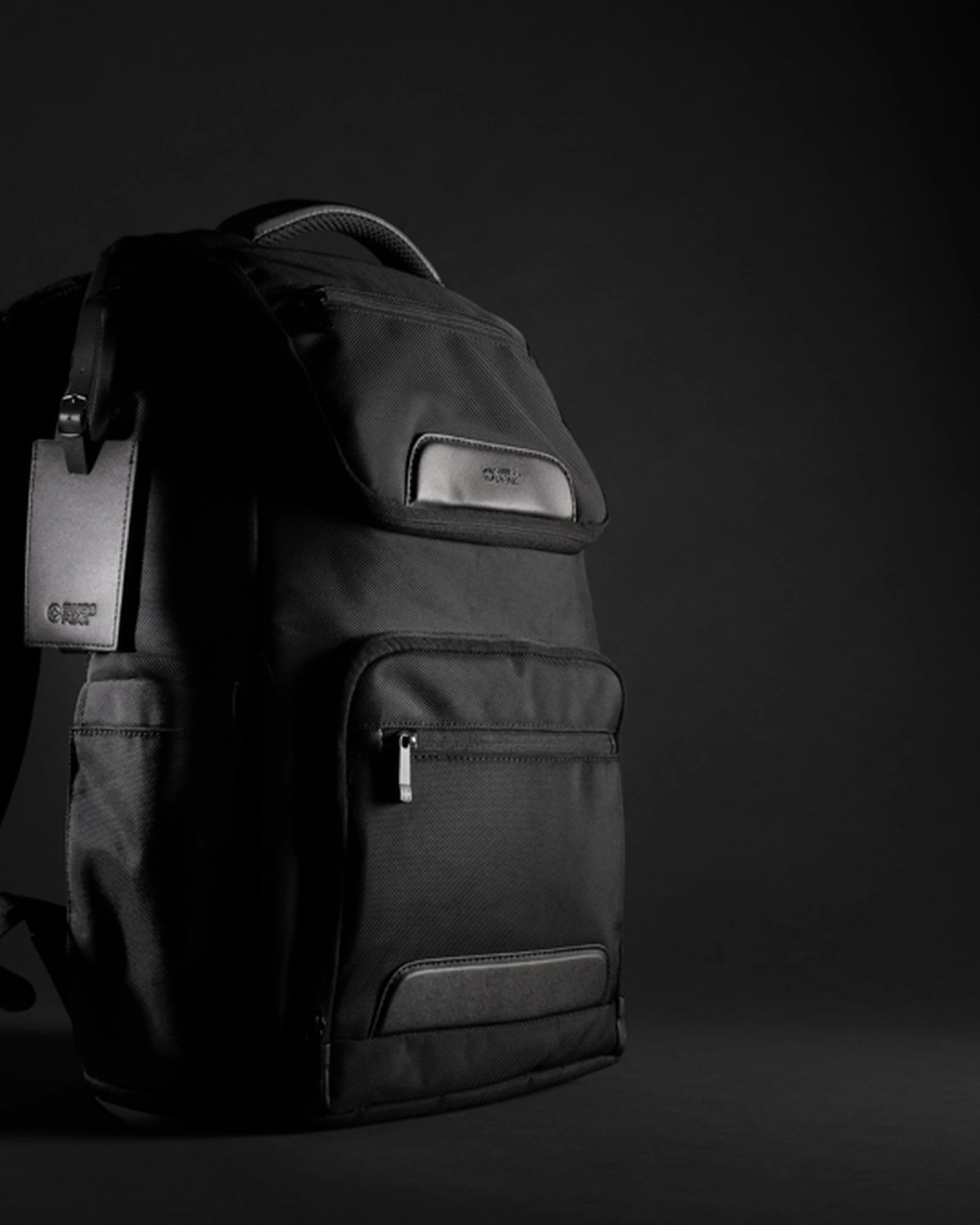























































Treat your clients and employees!

FAQ - Personalised Tote Bags
Trusted by 1,000+ companies
Cotton weight is the first decision for your branded cotton tote bags
A loyalty shopper for a bookshop and a flimsy event giveaway are the same shape and wildly different objects. The gap is grammage. Lightweight cotton sits around 4-5oz (roughly 120-140gsm), mid-weight near 6-8oz, and heavy canvas climbs to 10-12oz (about 280-340gsm) for printed tote bags that stand up loaded.
Lighter cloth keeps the unit cost down and folds flat for mass handouts, which suits a freshers' fair or a sampling drop. Heavier canvas resists sagging, holds the panel taut on printed tote bags and survives the weekly food shop, so it earns its place as a retail product people actually buy.
We quote tote bags in oz and gsm side by side because suppliers label both. If you are unsure, send us the heaviest thing the printed tote bag must carry and we will recommend a weight band rather than guess at a number.
Weight also changes how the cloth folds and feels in the hand at a stall or counter. A 5oz bag scrunches into a pocket; a 10oz canvas keeps its shape on a shelf. That structure is part of why a heavier tote reads as a product rather than a freebie, and why it can carry a retail price.
| Weight (oz) | Approx. gsm | Typical use | Feel |
|---|---|---|---|
| 4-5oz | 120-140gsm | Mass event handouts, sampling | Soft, foldable |
| 6-7oz | 160-200gsm | Everyday branded shopper | Balanced |
| 8oz | 220-240gsm | Retail loyalty, embroidery | Structured |
| 10-12oz | 280-340gsm | Heavy shop, durable resale | Rigid, stands up |
Handle length and gusset change how promotional tote bags carry
Picture a delegate weaving through an exhibition hall with a brochure pack on one shoulder. That only works with long handles of roughly 60-70cm drop that clear a coat and a lanyard. Short handles near 30-35cm are hand-carry only and read tidier on a slim retail tote.
A bottom gusset of about 8-10cm gives the printed tote bag depth, lets it stand open on a table and adds real capacity for a market haul. Side gussets widen the load further. A flat tote with no gusset prints beautifully but holds less, which is fine for documents and bad for groceries.
Personalised shopping bags sit at the heavy, gusseted end of this range when the brief is a true reusable for the weekly shop rather than a light promotional carrier.
Handle width matters too. A 2.5cm webbing strap digs in less than a thin tape under weight, so heavier tote bags pair best with broader, stitched-down handles.
Printed tote bags: screen, DTG and transfer compared
Screen printing is the workhorse for printed tote bags at volume. It lays down dense, opaque ink that pops on natural cotton. The plate cost spreads thin across a few hundred units, so price per bag falls fast above 100-250 pieces.
DTG and transfer for printed tote bags
Direct-to-garment (DTG) prints full-colour artwork and photographic detail with no screens, which makes it the sensible route for low quantities or a gradient-heavy design. The trade-off is a softer hit on coarse canvas and a higher unit cost at scale.
Heat transfer and DTF handle fine multi-colour logos on smaller runs and small lettering that screens struggle to hold. We match the method to your artwork, colour count and quantity rather than defaulting every job to one process.
Printed Cotton Bags cover the same decoration logic on a plain cotton base when you want the marking discussion separated from canvas weight and gusset.
Colour count is the hidden cost driver in screen work. A one-colour logo needs one screen; a four-colour crest needs four set-ups, four passes and tighter registration. We will often suggest simplifying a busy mark to two spot colours to halve the screen cost without weakening the brand.
- Screen print: opaque, low cost per bag above 100-250 units
- DTG: full-colour, no minimums, softer on canvas
- Transfer/DTF: fine detail and small text on short runs
- Spot Pantone matching available on request
- Front-only or front-and-back placement
- Light ink on dark dyed cotton needs a base layer
| Method | Colour range | Best quantity | Strength |
|---|---|---|---|
| Screen print | Spot, 1-4 colours | 100-2,000+ | Opaque, cheapest at volume |
| DTG | Full-colour photographic | 1-150 | No screen cost, fine gradients |
| Transfer/DTF | Full-colour | 25-500 | Fine text and small detail |
| Embroidery | Thread colours | 50-1,000 | Durable, premium, washfast |
Embroidered tote bags for a premium, lasting finish
A 250-unit run of 8oz totes for a members' club reads differently once the crest is stitched rather than printed. Embroidered tote bags carry a tactile, woven mark that survives years of washing without cracking, which suits anything sold or kept rather than handed out and binned.
Stitch count drives the cost, so a clean logo embroiders economically while dense fill or tiny serif text pushes the price and the minimum size up. We convert your artwork to a stitch file and confirm thread colours against your brand before a single bag is run.
Heavier cloth at 8oz and above takes embroidery best because the stitches anchor without puckering. On lightweight 5oz cotton a print usually serves the design better than a needle.
There is a hybrid worth considering for a flagship run. A stitched logo on the front panel paired with a small printed strapline on the gusset gives the perceived value of embroidery while keeping the secondary detail affordable. We will mock both elements on one proof so you can judge the balance before production.
Branded Cotton tote bags as a retail and loyalty product
A farmers'-market trader who sells a 10oz Branded Cotton tote bag at the till has turned packaging into margin and a walking advert at once. Cotton is the default because it prints cleanly, dyes to a Pantone and feels like a product worth paying for.
Custom cosmetic bags pair naturally with a cotton tote in a gift set when a brand wants a larger carrier and a small zipped pouch under one identity.
Natural undyed cotton is the cheapest and most popular base, but the cloth can be piece-dyed to a requested colour, typically above a 500-unit threshold. Coloured stock totes offer ready alternatives in black, navy and natural without the dye minimum.
Contrast is the deciding factor between a dyed bag and a coloured print. A deep navy tote with a white logo cuts through a busy street; a pale natural bag with a brand-coloured mark feels softer and more boutique. We match the base and ink to the shelf the printed tote bag will sit on, not to a default palette.
Branded Eco tote bags and the claims you can honestly make
Recycled rPET totes, woven from post-consumer plastic bottles, give a Branded Eco tote bag story you can stand behind, alongside organic cotton, recycled cotton and jute options. Each material carries a different texture, drape and print behaviour.
Organic and GOTS-certified cotton is available on request and stated in the product spec, never assumed. We will not print a green claim we cannot evidence, so any certification appears only where the supplier documents it.
Personalised beach bags move into jute and roomier woven constructions when the eco angle meets a summer, seaside or lifestyle audience rather than a daily commuter.
Jute and non-woven branded eco tote bags
Jute brings a rustic, hard-wearing look for a deli or wholefoods brand, while non-woven polypropylene totes stay water-resistant and very low cost for high-volume sampling. Recycled cotton blends offcuts back into new yarn, lowering virgin-fibre use at a small trade-off in print crispness.
Each eco route prints a little differently. rPET takes vivid transfer and screen work well; jute suits bold, simple logos rather than fine detail; organic cotton behaves like its conventional cousin under the screen. We flag these behaviours up front so the artwork suits the cloth.
| Material | Source | Texture | Best print |
|---|---|---|---|
| Organic cotton | GOTS on request | Soft, smooth | Screen, embroidery |
| Recycled rPET | Post-consumer bottles | Woven, smooth | Transfer, screen |
| Jute | Natural plant fibre | Coarse, rustic | Bold screen, large logos |
| Non-woven PP | Recyclable polypropylene | Light, water-resistant | Screen, transfer |
Promotional tote bags at event volume
A 2,000-unit conference order ships flat in slim cartons, which slashes freight against any structured bag and lets the venue store stock without a warehouse. That packing efficiency is half the reason Promotional tote bags dominate trade-show giveaways.
At this scale, lightweight 5oz cotton or non-woven PP keeps the unit price low. The bag still carries a delegate's brochures, lanyard and water bottle through a long day on the floor. It then outlives the event and keeps the logo moving for months.
Sponsorship value is part of the maths. A tote handed to a thousand delegates is seen on trains, in offices and at lunch breaks long after the stand comes down. That reach is why exhibitors often co-brand the bag. We can run two logos on opposite panels so each sponsor gets a clean face.
Personalised drawstring bags often run alongside totes in the same campaign when organisers want a closing, over-the-shoulder option for kit and gym sessions rather than an open carrier.
We hold a free sample option so you can check the cloth, handle and print on a real bag. Seeing it before committing the full run removes the guesswork from a large promotional order.
Matching printed tote bags to retail, conference or market use
The same blank serves three very different briefs. A bookshop wants a sellable 8-10oz shopper with short handles and a tidy front print. A conference wants a flat, light, long-handled carrier in bulk. A farmers' market wants a deep-gusset 10oz workhorse.
Mapping the use first stops the classic mismatch of a heavy retail canvas ordered as a cheap handout, or a flimsy giveaway sold at a till. We start every brief by asking who carries the bag and what goes in it.
Custom duffle bags step in when the load outgrows a flat tote and the audience needs a structured, zipped holdall for travel or sport instead.
A useful test is to ask how many times the bag will be carried. A handout crosses a car park once or twice; a loyalty shopper makes a weekly trip for a year or more. The first job rewards low cost and flat packing, the second rewards weight, gusset and stitch quality, and the brief should say which from the start.
Print placement and colour on your printed tote bags
On printed tote bags in natural cotton the print area sits roughly 25cm wide on the front panel, with a clean margin from the seams and handles. Front-and-back decoration doubles the visible brand, useful when the bag is carried in crowds.
Dark dyed cotton needs a white base layer under bright inks to stop the colour sinking, which adds a screen and a little cost. Light ink on natural cloth is the cheapest, highest-contrast route and the one most retail totes use.
Pantone spot matching is available on request so a brand red lands consistently across a repeat order. We confirm the reference on an artwork proof rather than trusting screen colour.
Placement height is worth a thought too. A logo set high on the front panel stays visible when the bag is full and bulging; one set low can disappear into folds. For a carrier meant to be seen across a busy concourse, we lift the mark and size it generously rather than centring it by default.
Sizes and capacity for everyday branded cotton tote bags
A standard tote runs about 38cm by 42cm, fitting an A4 folder, a laptop sleeve and a day's shopping. A delegate-bag format may run slimmer and taller; a market tote wider with a deep base. We size the bag to the contents, not a catalogue default.
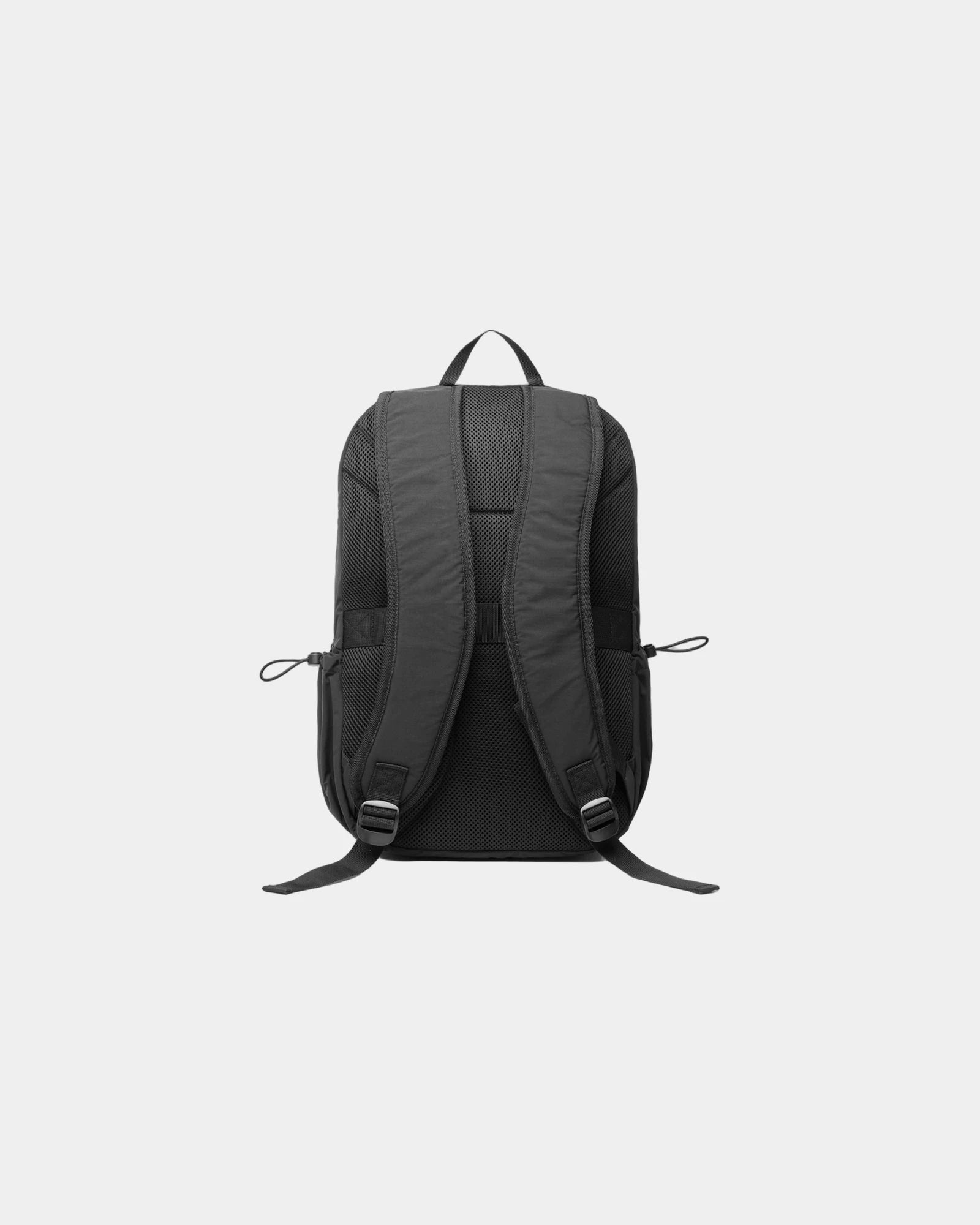
Personalised backpacks take over when delegates need both hands free and a structured, padded carry for tech, which a flat tote cannot offer across a long commute.
Capacity scales with gusset more than face dimensions, so two bags of the same width hold very different loads once one gains a 10cm base. Tell us the heaviest realistic load and we will spec the weight and gusset to suit.
It helps to picture the bag full rather than flat. A laptop, a lunch and a folder sit upright in a deep-based shopper but slump in a flat document tote. Sizing to the loaded silhouette, not the empty outline, is what keeps a branded bag looking smart in daily use.
| Format | Approx. size | Handle drop | Best for |
|---|---|---|---|
| Slim delegate | 36 x 40cm | 60-70cm | Conference, brochures |
| Standard shopper | 38 x 42cm | Mixed | Everyday, retail |
| Deep-gusset market | 40 x 42cm + base | Short/long | Groceries, stalls |
| Mini/gift tote | 25 x 30cm | Short | Boutique, gifting |
Artwork, proofing and lead time on printed tote bags
Send vector artwork (AI, EPS or a high-res PDF) for your printed tote bags and we return a digital proof, with artwork approval available within 24h on standard jobs. Nothing goes to print or stitch until you have signed off colours, size and placement.
Standard production runs to delivery in around three weeks, with the timeline moving as quantity climbs and as dyeing or embroidery is added to a plain-print job. A 200-unit screen print clears faster than a 2,000-unit dyed-and-embroidered order.
Branded Sailor Duffle Bags follow the same proof-then-produce route, so a brand can run a tote and a sailor bag through one approval and one delivery window.
Ordering quantities and durability for promotional tote bags
Tote bags reward volume. A screen-printed cotton run drops sharply in unit price above 100-250 pieces as the plate cost spreads, while DTG stays flat and suits a 25-bag boutique batch. Low minimums keep small brands in the game.
Durability tracks weight and handle construction. A 10oz canvas with stitched-down 2.5cm webbing handles takes a heavy weekly shop for years; a 5oz giveaway is built for lighter, shorter service. Match the lifespan to how long the brand needs to travel.
We run quality checks on stitch density, handle attachment and print registration across a repeat order. That keeps a second batch matching the first, which protects a retail line customers expect to look identical.
Handle attachment is the most common failure point on a cheap tote, where a strap tears the seam under a full load. Bar-tack stitching at the join, where the handle is sewn down in a reinforced box pattern, is the detail that earns a bag years of service. We specify it on any tote meant for resale or heavy reuse.
Repeat orders also benefit from a held reference sample. We keep an approved bag from the first run so colour, weight and placement on batch two are checked against a physical object, not a memory or a screen. That single step removes most of the drift brands complain about between reorders.
Brief fit: routing printed tote bags by how they are carried
The same blank turns into three different objects depending on the brief, so it pays to name the use first. A retail counter wants a sellable structured shopper. A conference wants a flat, light, long-handled carrier in bulk. A market stall wants a deep-gusset workhorse. Reading the carry first points the spec at the right weight and handle.
That brief lens settles the cloth, the gusset and the mark in one pass. A mass handout leans on light printed cotton, while a members' club leans on embroidered tote bags that read as product. Name the carry and the build follows, so a single order can blend cheap promotional tote bags with a premium branded cotton tote bag tier.
| Brief | Weight | Handle | Mark |
|---|---|---|---|
| Retail / loyalty counter | 8-10oz | Short, stitched | Screen or embroidery |
| Conference handout | 4-5oz | 60-70cm long | Screen, flat panel |
| Market stall | 10-12oz, deep gusset | Mixed drop | Bold screen |
| Members' club | 8oz | Short | Embroidered crest |

