

Branded Hoodies
- Price, low to high
- Price, high to low
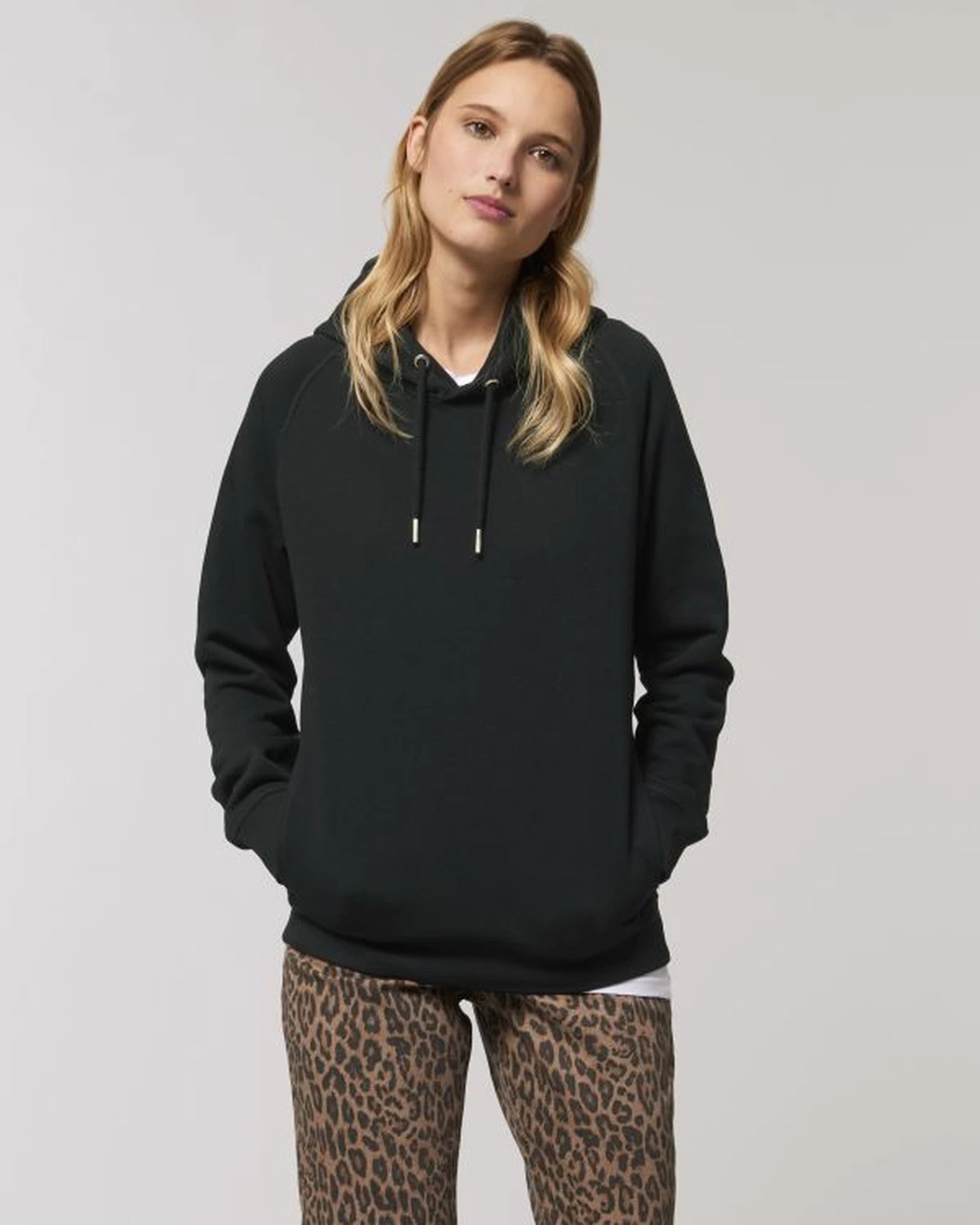


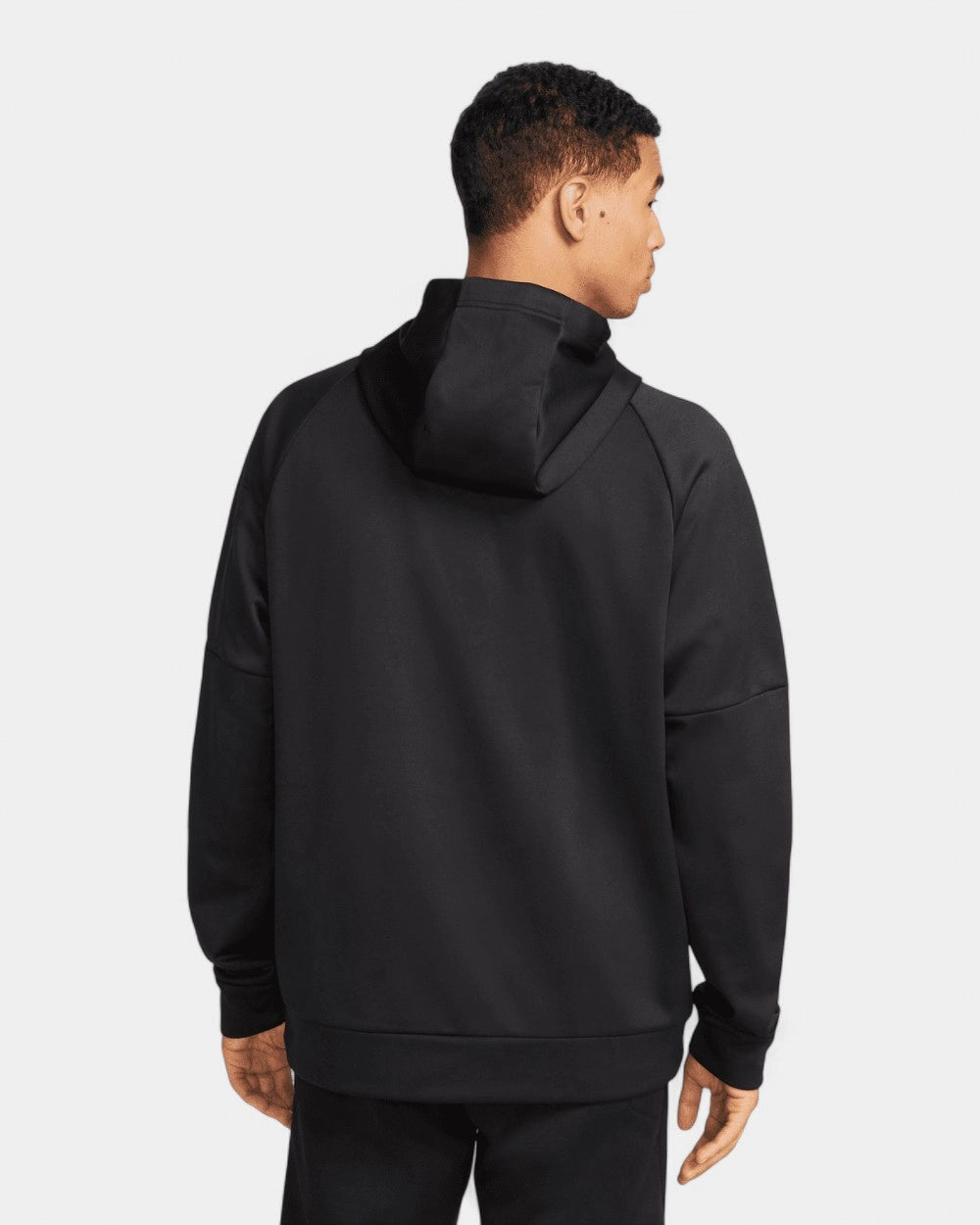


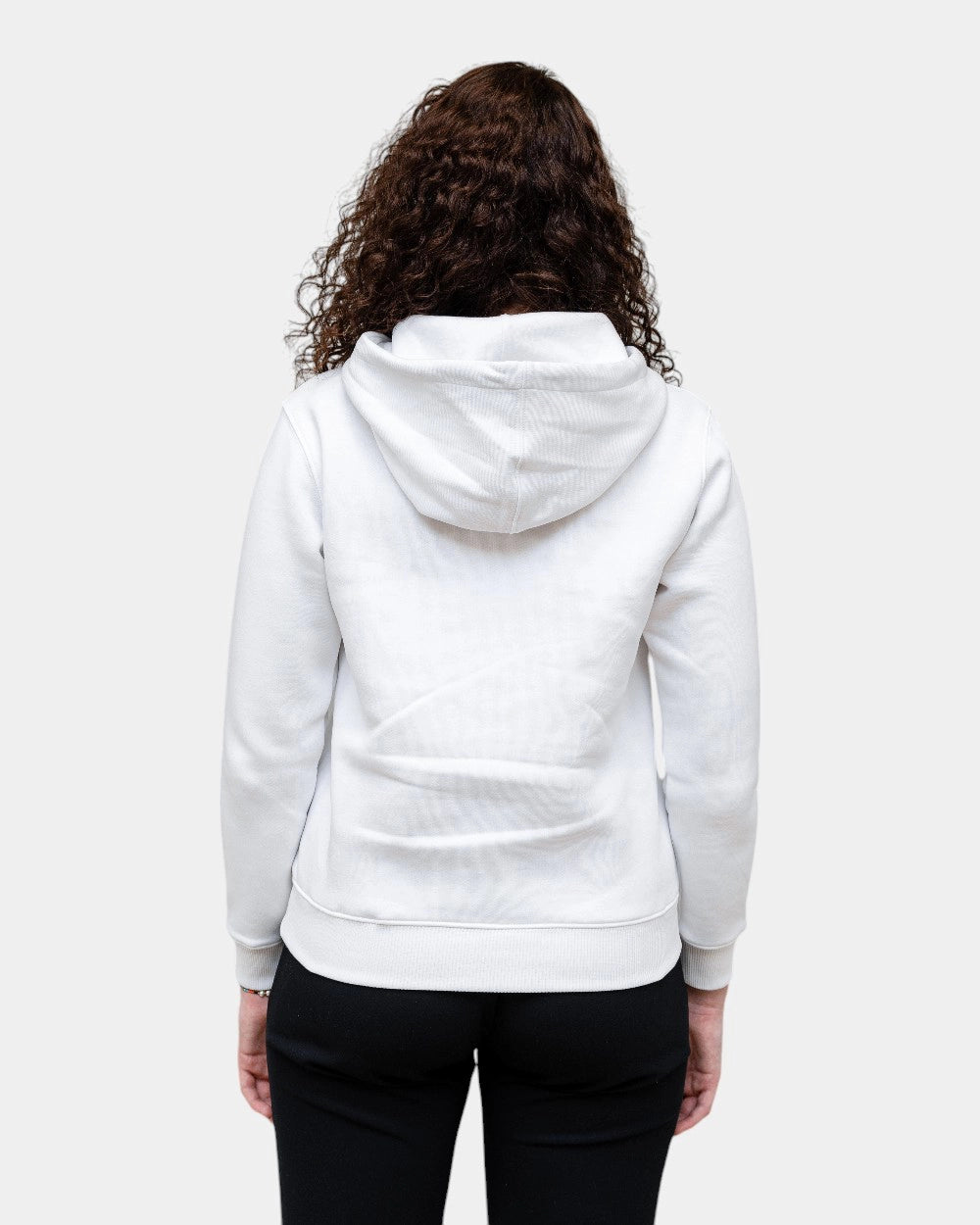


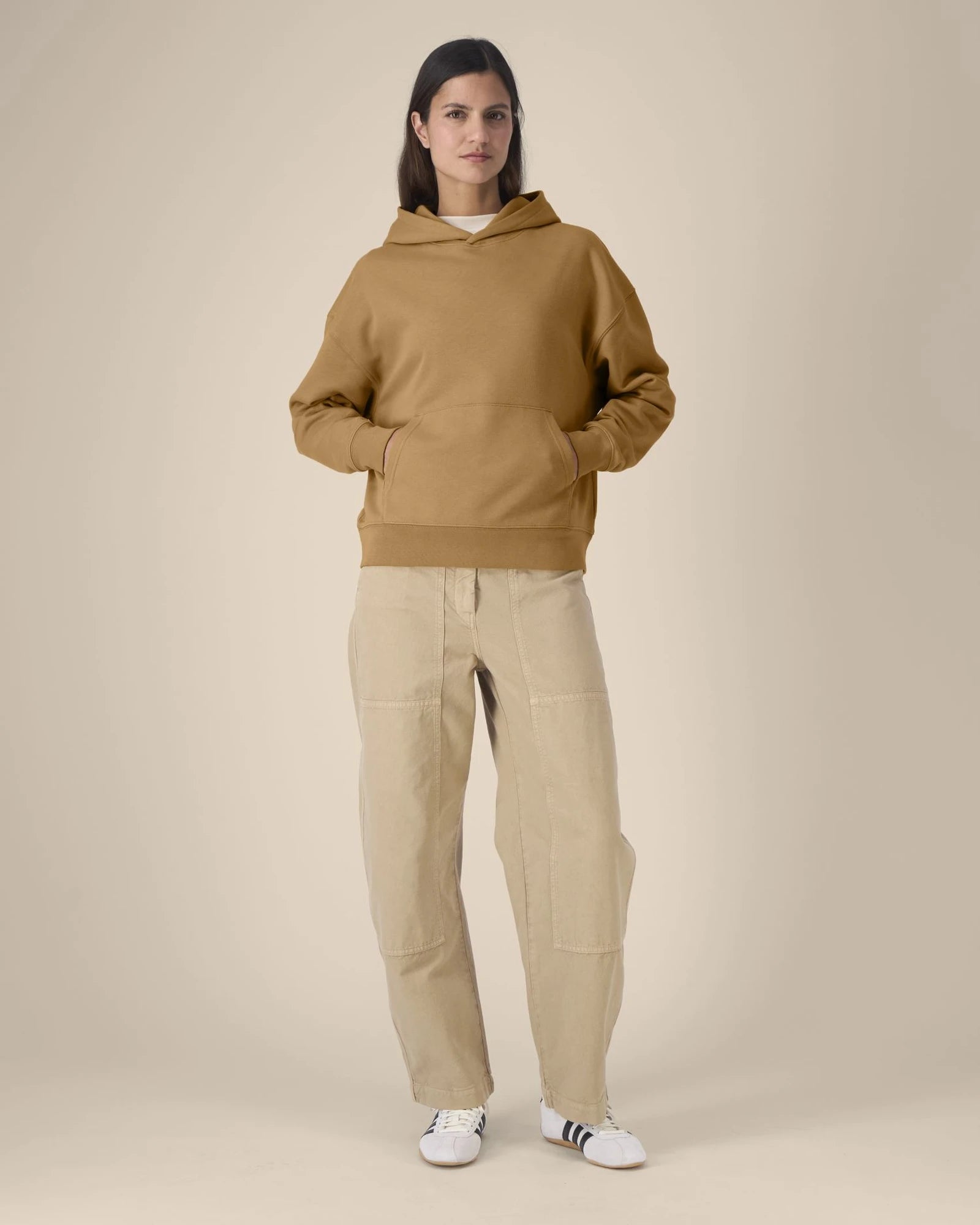


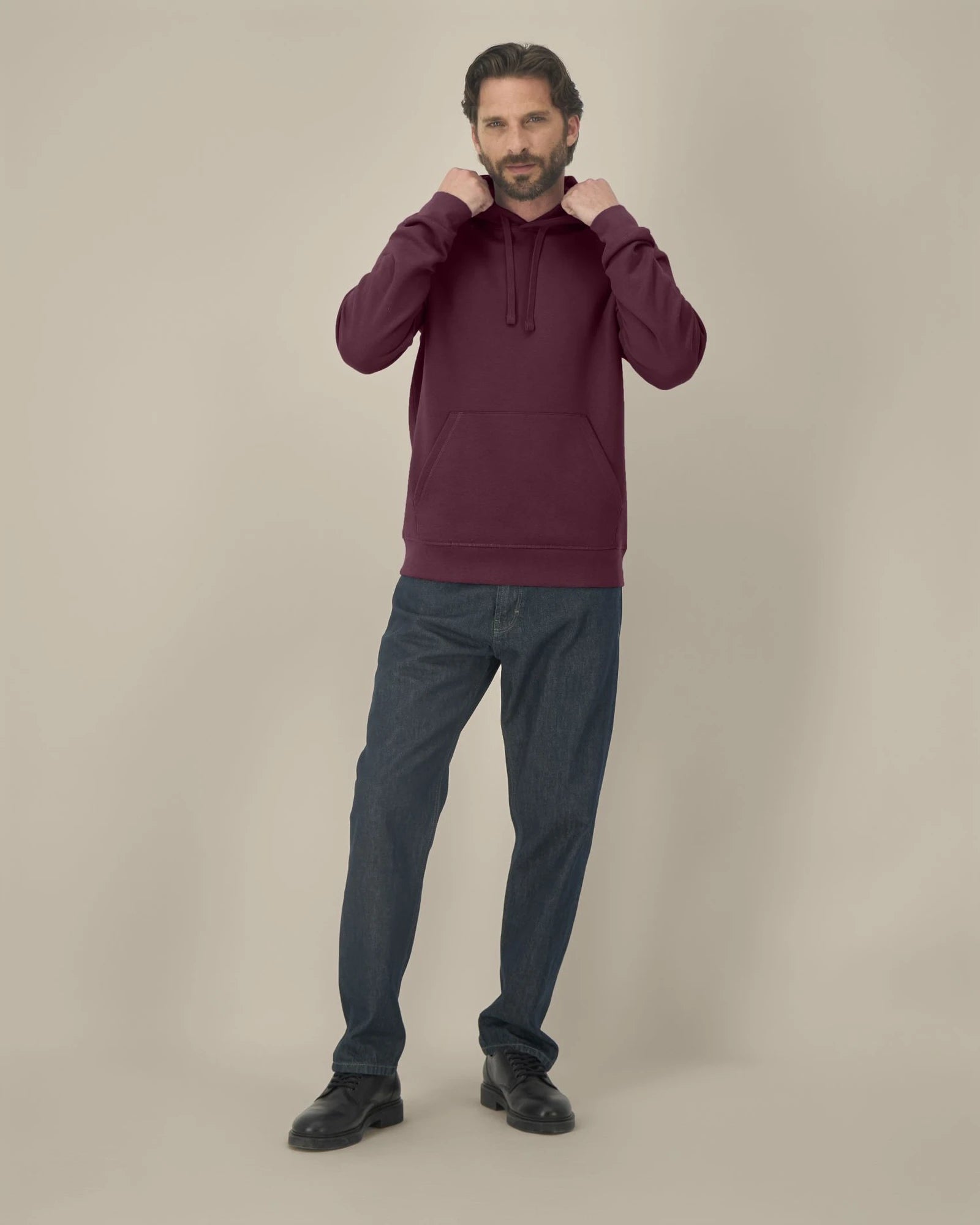


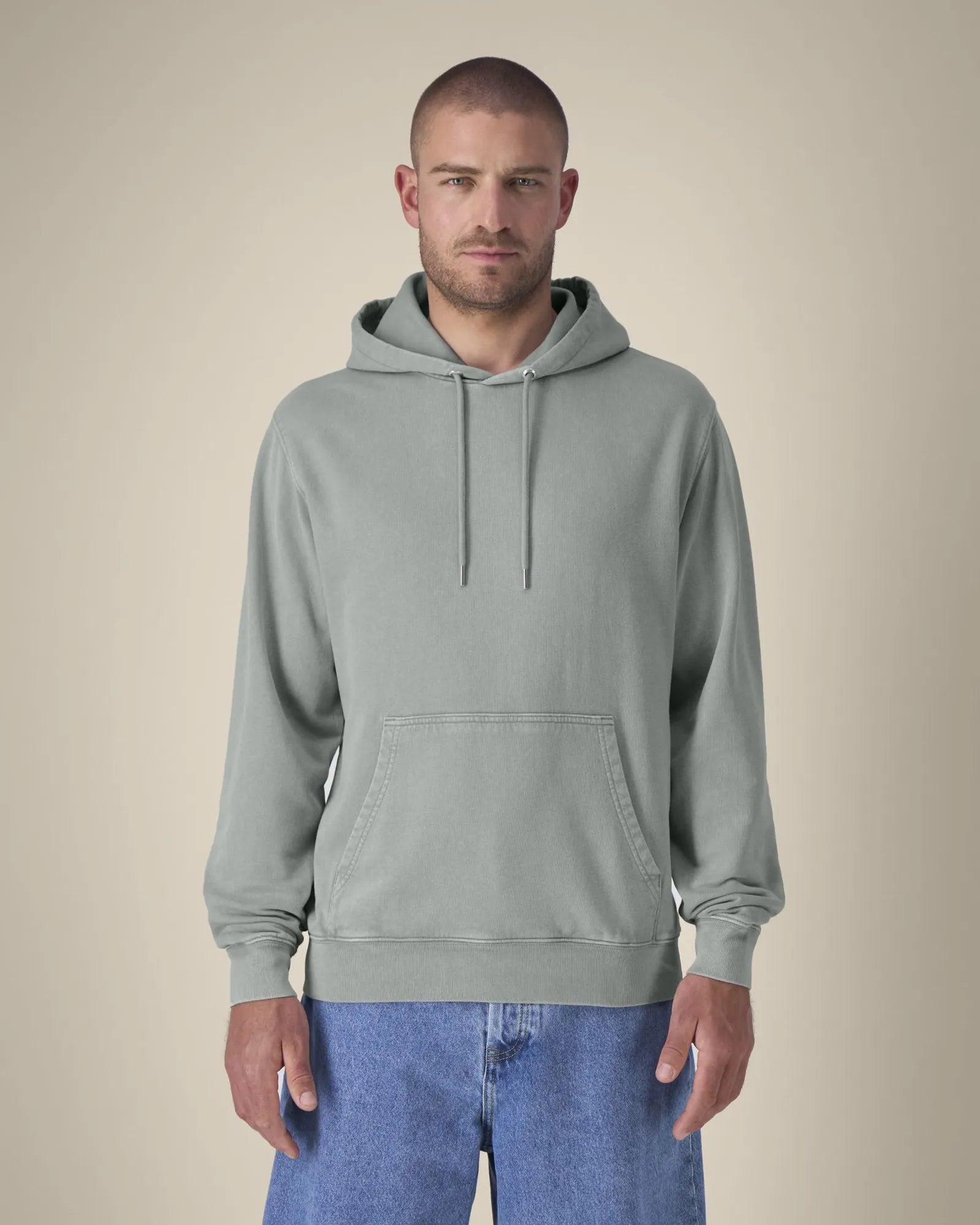


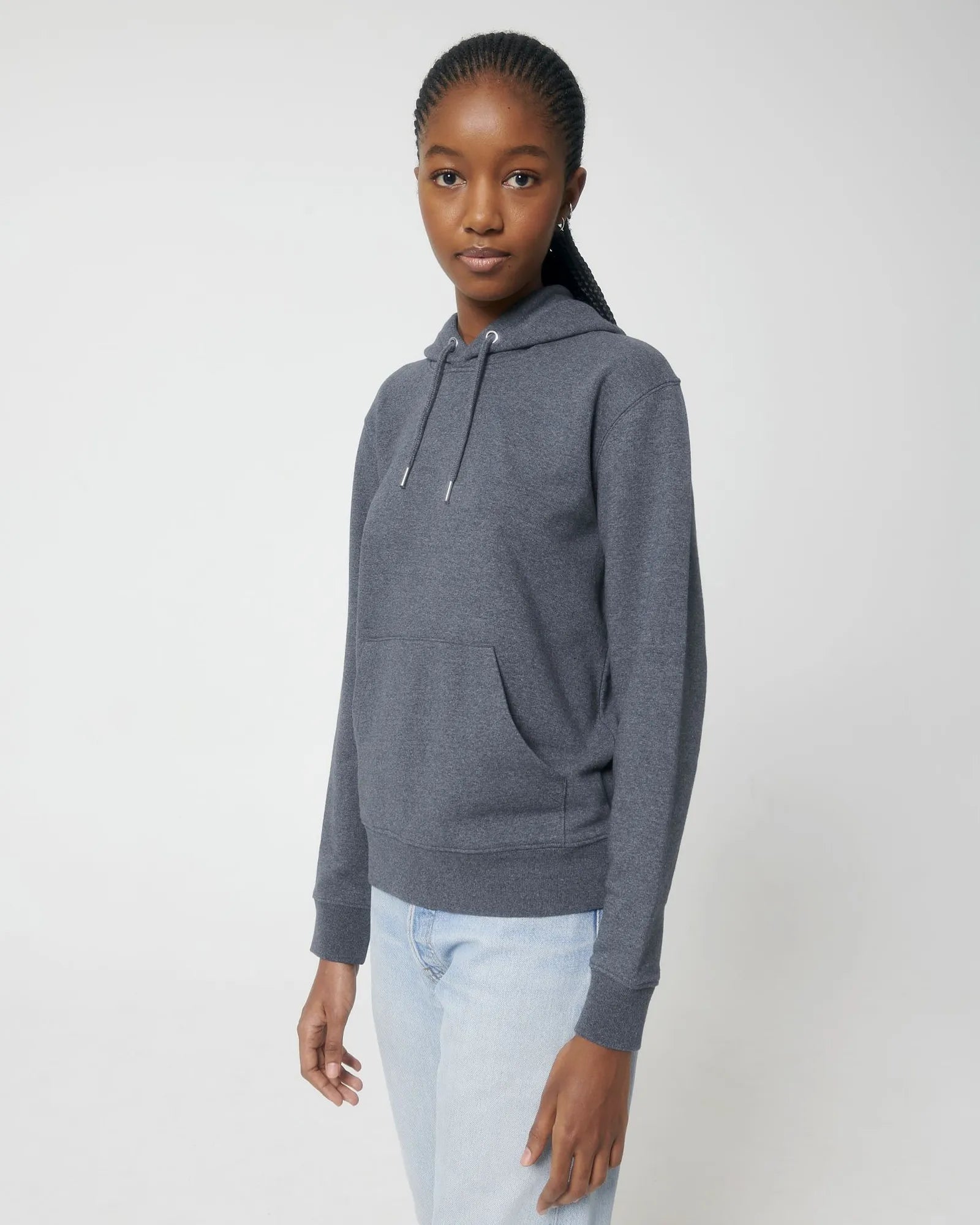


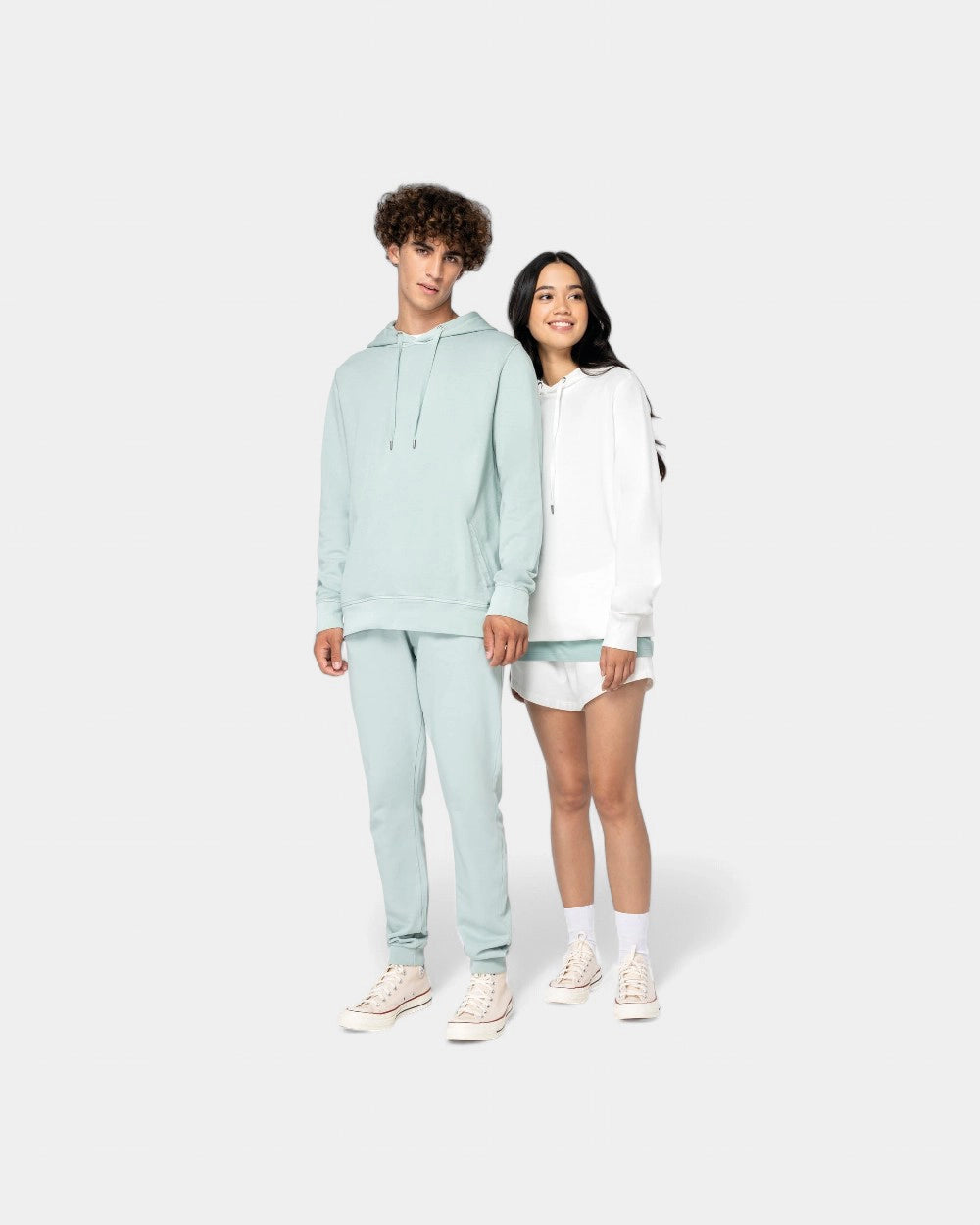


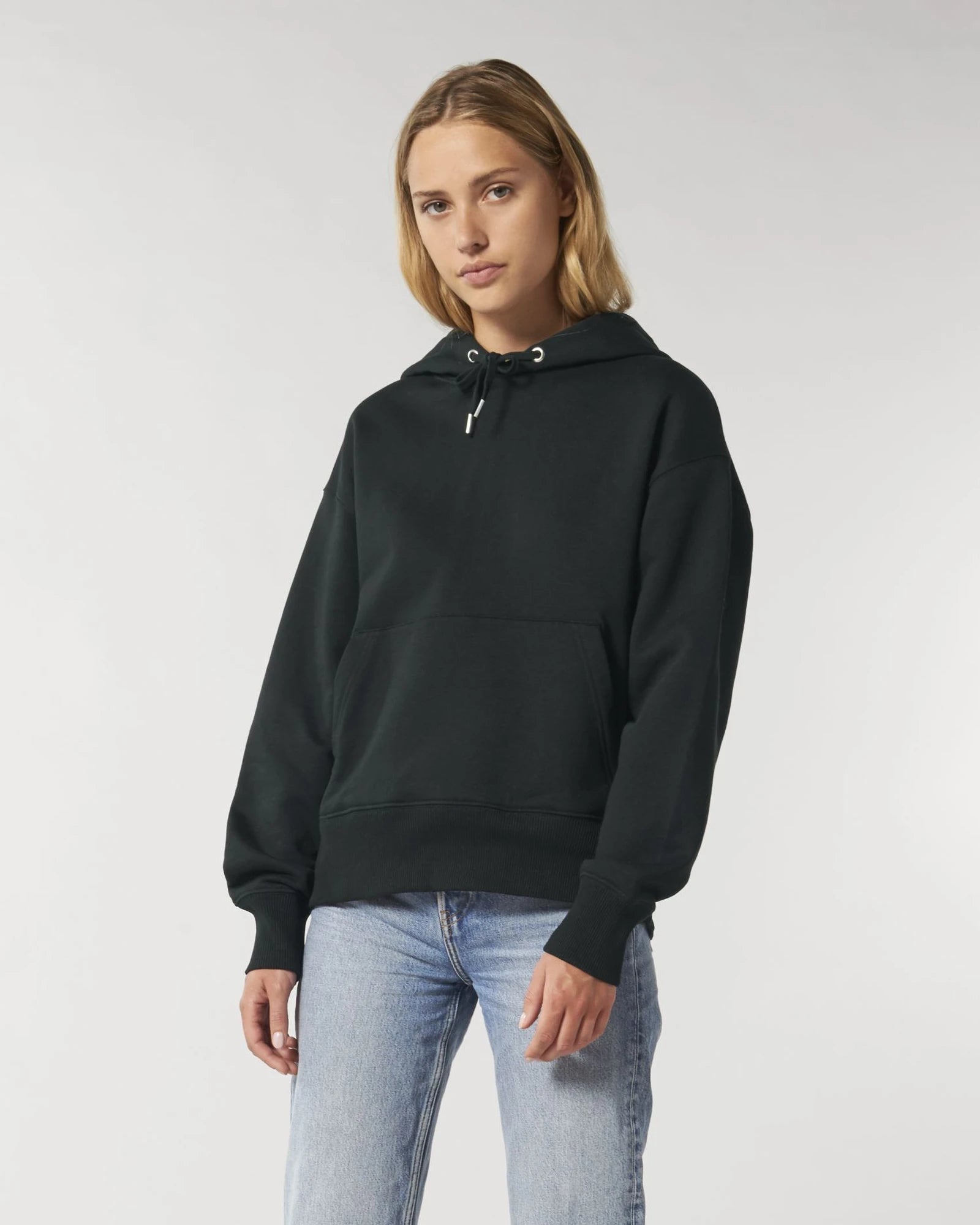


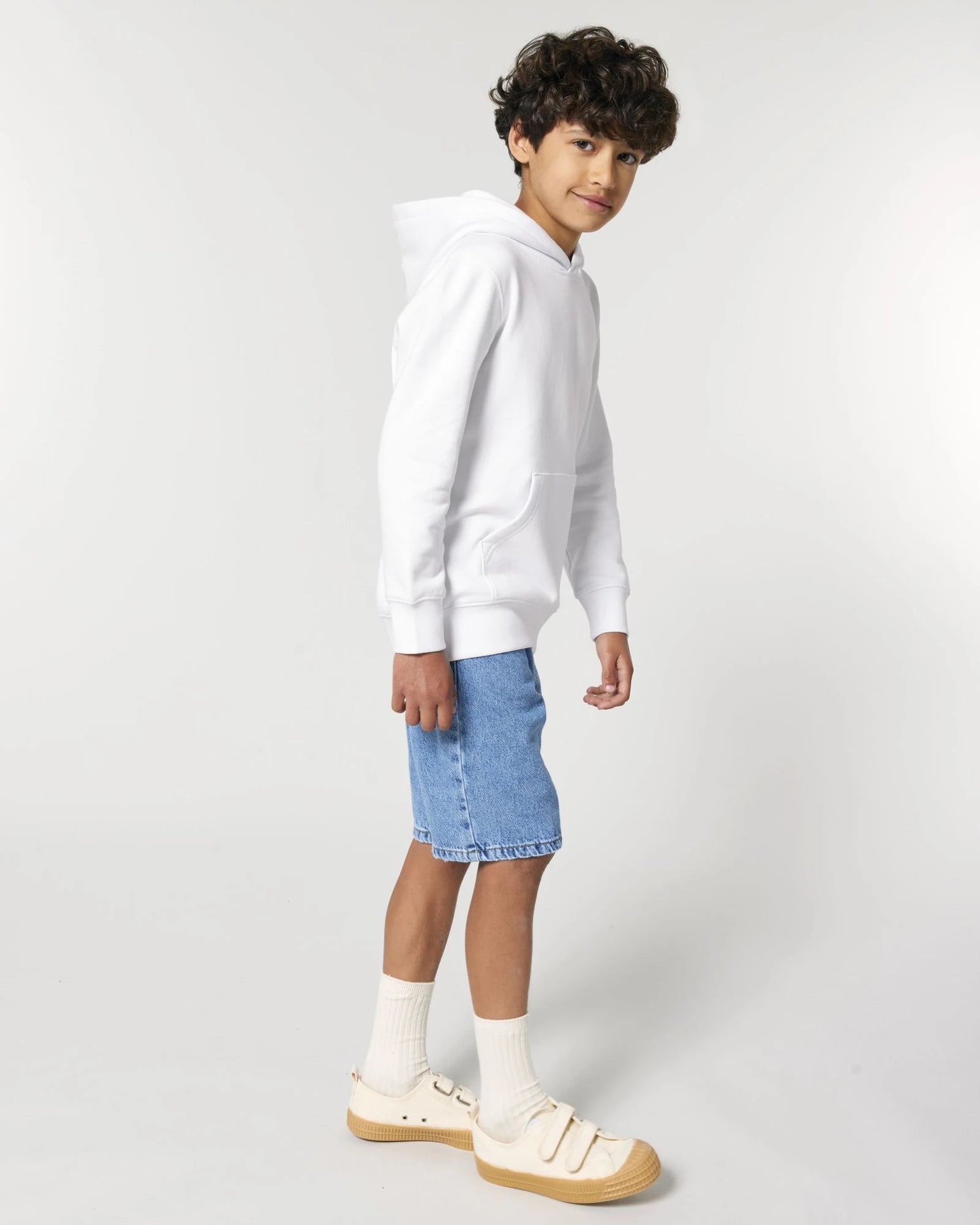


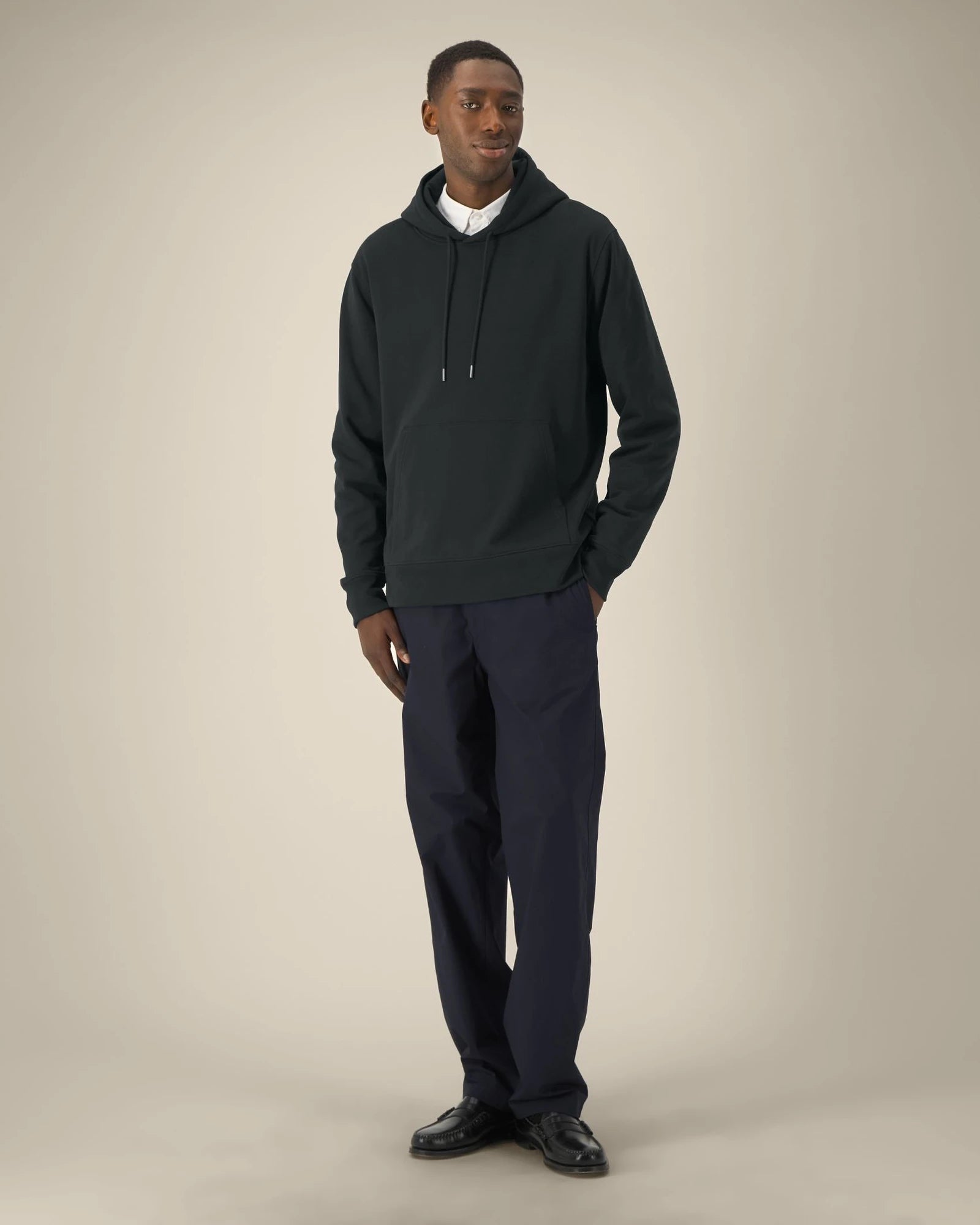


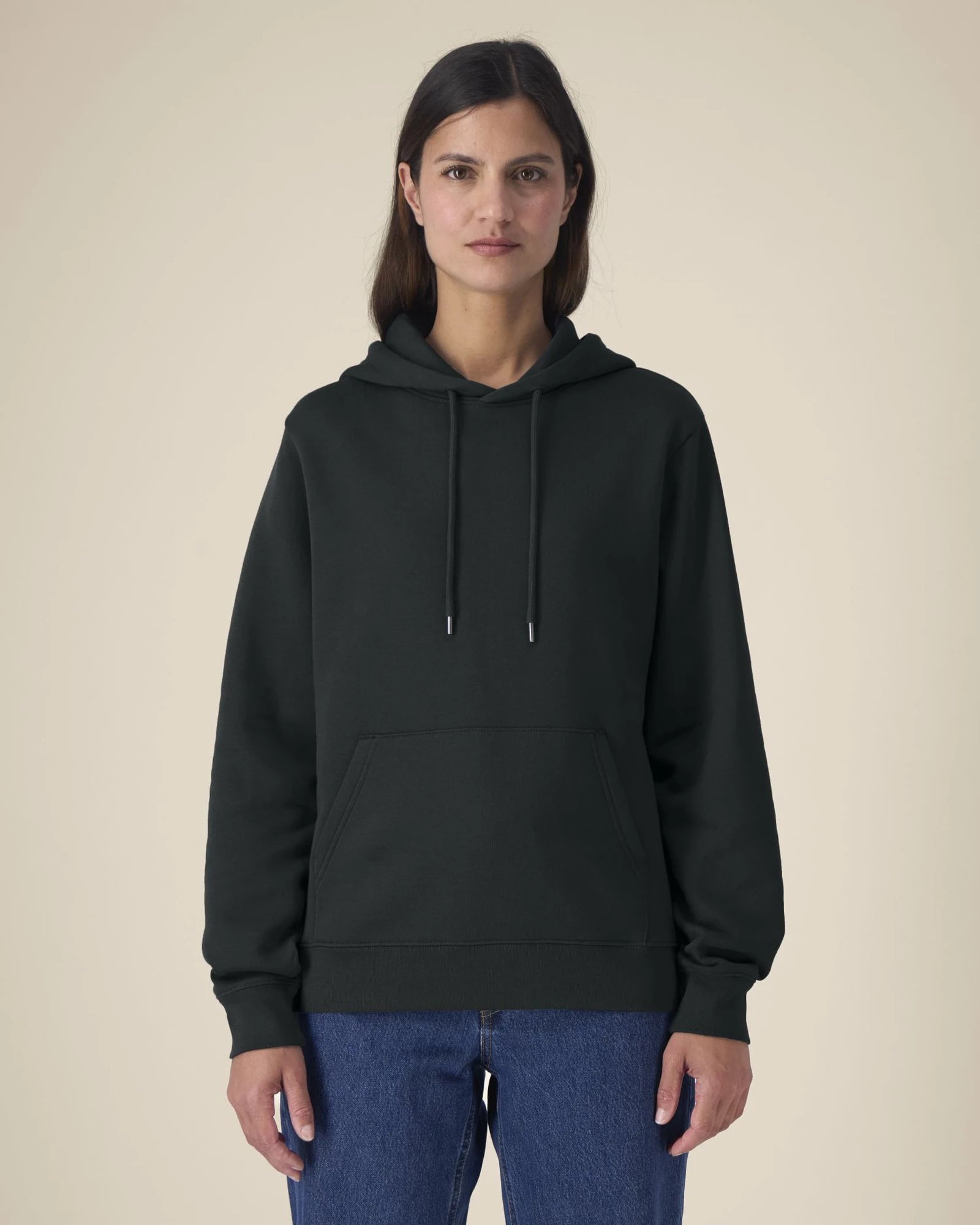


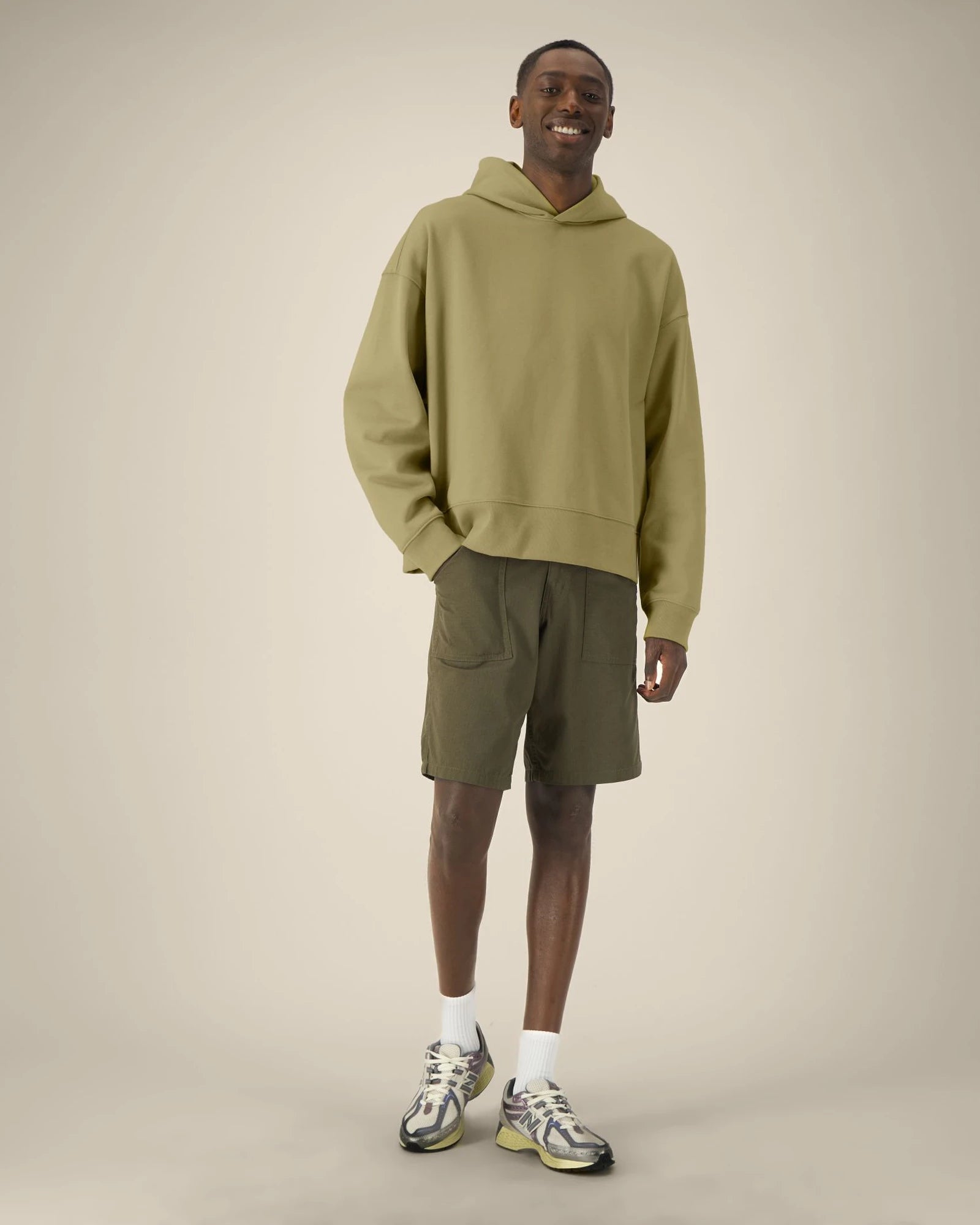


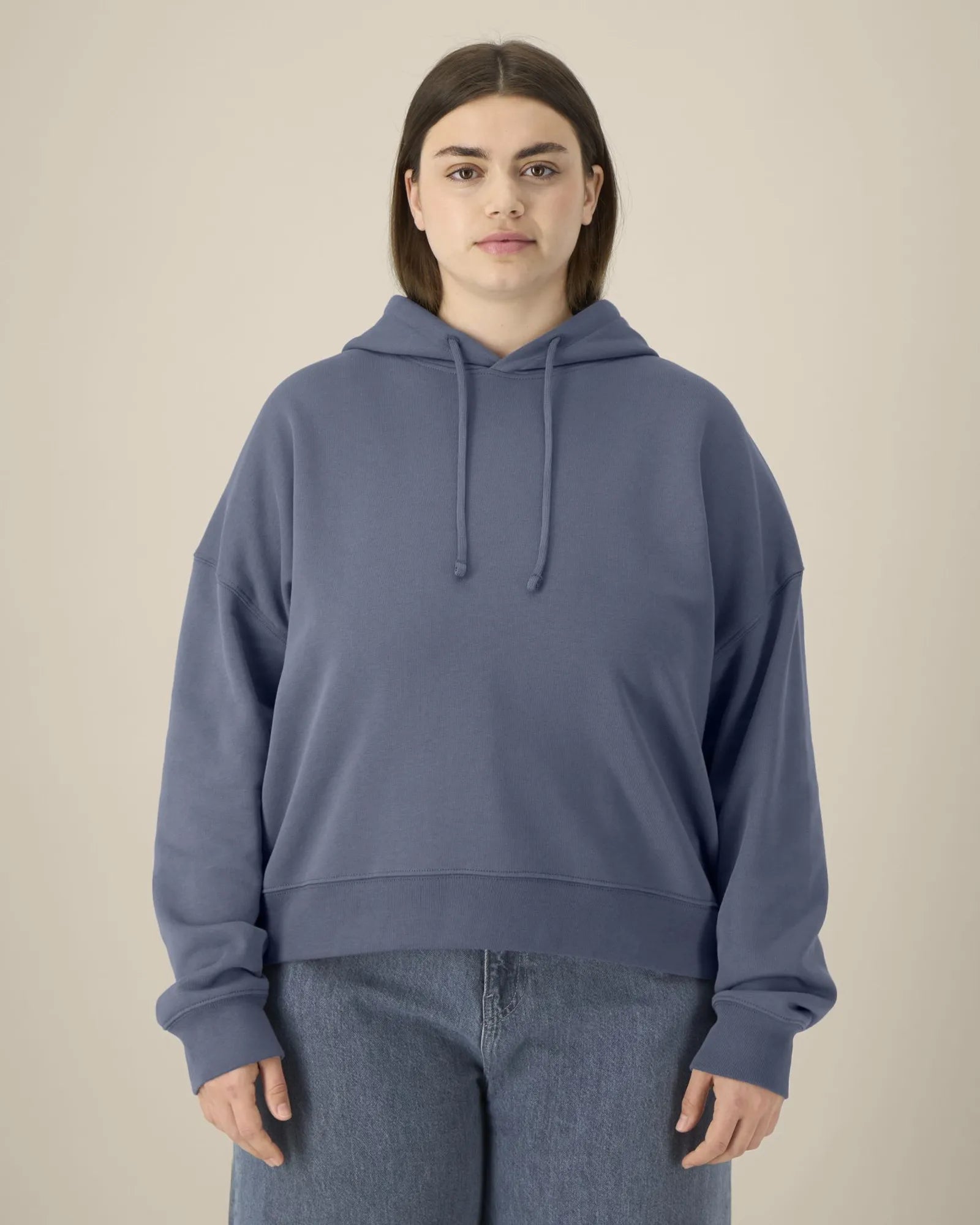


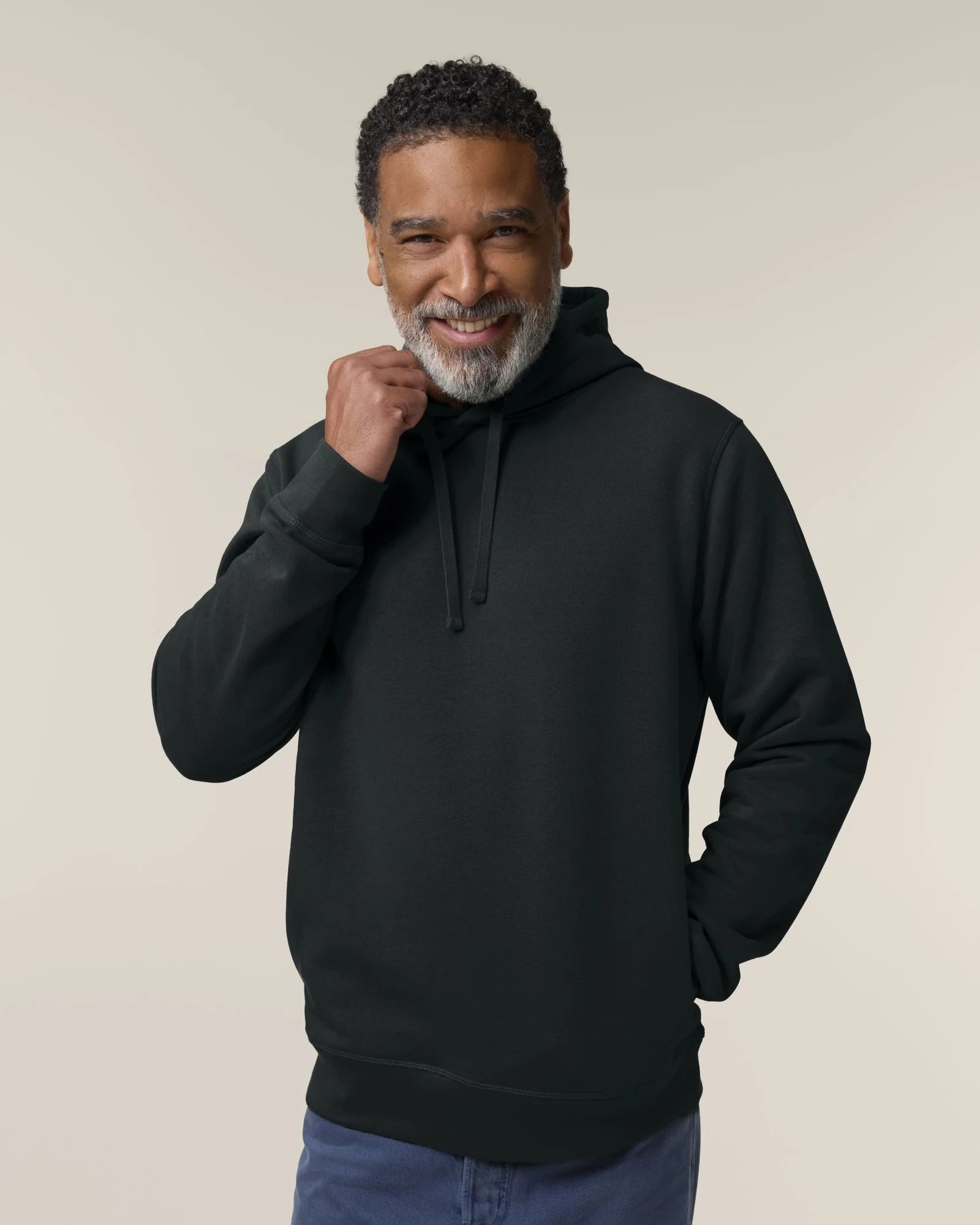


Treat your clients and employees!

FAQ - Custom Hoodies
Trusted by 1,000+ companies
Pullover or zip: the body choice that frames your printed hoodies
A university rowing society ordering 120 garments for early-morning outings wants a pullover. The closed front holds warmth on the water, the kangaroo pocket keeps hands and phones dry, and the silhouette stays clean across a large group photo. Pullover is the default body for team identity and for any brief where a large chest or back design needs an unbroken canvas.
A startup fitting out 35 staff for a trade stand often leans the other way. A full-zip body lets people regulate temperature on a hot show floor, layer over a shirt, and slip the garment on and off without disturbing a lanyard or headset. Zip hoodies suit workwear, retail floors and anyone wearing the garment all day rather than for one event.
There is a third body worth naming. A quarter-zip or half-zip hoodie reads more corporate than a pullover yet keeps most of the front intact for a logo. It is a frequent pick for client-facing teams who want branded warmth without the casual feel of a full drawstring hood. Where a brief needs a true outer layer over the hoodie, our Embroidered Jackets carry the same chest logo so the warm mid-layer and the shell read as one set.
Zip placement changes what decoration the front can carry. A full centre zip splits the chest, so artwork moves to the left chest, the back or the sleeve. A pullover keeps the whole front open, which is why event and merch runs nearly always start there, and why most Promotional Hoodies for a crowd lean pullover. Match the body to the design before you match it to the wearer.
Custom hoodies also vary in hood construction, and that detail separates a cheap blank from one that lasts. A double-lined hood holds its shape after repeated washing, and a flat drawcord with metal-tipped aglets resists fraying far better than a thin round cord. We flag hood and cord spec at the proof stage so the finish matches the use.
| Body | Best for | Front canvas | Wear pattern |
|---|---|---|---|
| Pullover | Team kit, merch, events | Full, unbroken | One-off and all-day |
| Full-zip | Workwear, retail floors | Split by centre zip | All-day, layered |
| Quarter or half-zip | Client-facing teams | Mostly intact | Smart-casual, all-day |
| Drawcord heavyweight | Outdoor crews, winter | Full, structured | Cold-weather, layered |
Reading GSM and fleece weight across your printed hoodies
The three working weight bands for printed hoodies
GSM is the number that decides how a hoodie feels in the hand, and it is the spec most buyers skip. A festival crew working outdoors in October needs body and warmth, so a 320 to 350 GSM heavyweight earns its place. A summer pop-up team handing out samples wants 280 GSM, lighter on the shoulders and quicker to pack.
Most branded hoodies sit in three bands. Around 280 GSM gives a soft, mid-weight garment good for indoor staff and milder months. The 300 to 320 GSM band is the all-rounder that suits the widest range of briefs. The 330 GSM and above range is genuine heavyweight, structured enough to stand up on its own and built to read as a premium piece.
Weight alone does not tell the whole story. A brushed-back fleece is sheared on the inside so the loops are raised into a soft, warm nap against the skin. An unbrushed loopback leaves the loops intact, giving a lighter, more breathable feel that holds a crisp print better. Brief us on the season and the wear pattern and we match the fleece accordingly.
- Around 280 GSM suits indoor staff and milder seasons
- 300 to 320 GSM is the versatile all-rounder for most briefs
- 330 GSM and above reads as a structured heavyweight
- Brushed-back fleece adds warmth against the skin
- Loopback unbrushed fleece holds a sharper print
- Cotton-rich blends favour embroidery and longevity
- Recycled-polyester blends cut weight and dry faster
How fibre content shapes the fleece on embroidered hoodies
Fibre content rides alongside weight. A cotton-rich face, often 80 percent cotton with 20 percent polyester, gives a smooth surface that takes embroidery cleanly and ages well. A higher-polyester or recycled blend dries faster and resists shrinkage, which matters for sports and outdoor crews. The table below sets the weight bands against their best use so you can spec before you commit.
| Weight band | Feel | Best for | Decoration note |
|---|---|---|---|
| Approx. 280 GSM | Soft, mid-weight | Indoor staff, milder months | Takes print and embroidery well |
| Approx. 300-320 GSM | Balanced, versatile | Most team and event briefs | Strong all-round canvas |
| Approx. 330-350 GSM | Structured heavyweight | Outdoor crews, premium merch | Ideal for large back prints |
| Recycled blend, varies | Lighter, fast-drying | Sports and active use | Print sits best on smoother face |
Print, embroidery or applique: which decoration suits your embroidered hoodies
Screen print versus DTF transfer on printed hoodies
Thick fleece is not a flat T-shirt, and that changes how a logo should be applied. A charity fundraiser printing 200 hoodies with a bold two-colour back slogan is a screen-print job. Ink is pushed through a stencil for a vivid, cost-effective mark that scales beautifully on big runs. Screen print is the workhorse for large single-design orders.
DTF transfer suits smaller, full-colour briefs. Artwork is printed onto film, then heat-pressed onto the garment, so a 50-unit run with a detailed multi-colour crest stays affordable without screen set-up costs. It reproduces gradients and fine detail that screen print struggles to hold across many colours.
Embroidery is the choice when a logo needs to feel substantial. Thread is stitched directly into the fabric, giving a raised, durable mark that survives years of washing and reads as the most premium finish. On a brushed fleece, a backing stabiliser sits behind the stitch area so the design stays crisp and the nap does not pull the thread.
Applique adds another texture entirely. A shaped fabric panel is stitched onto the garment, often outlined with embroidery, which suits bold initials, numbers or crests on sports and leavers hoodies. It carries large lettering at lower stitch counts than full embroidery, so it stays economical on big, simple shapes.
Decoration choice is not only about looks; it shapes minimum order and unit cost. If you are also kitting out a team with Custom T-Shirts, aligning the decoration method across both garments keeps the brand mark consistent and the artwork charges down.
Embroidered hoodies and printed hoodies are not an either-or on a single order. A common build embroiders a small left-chest logo and screen-prints a larger back design, pairing the prestige of stitch with the impact of a big graphic. We set both up from the same approved artwork file.
| Method | Best for | Colour handling | Typical minimum |
|---|---|---|---|
| Screen print | Large runs, bold graphics | Cost rises per colour | From approx. 25 |
| DTF transfer | Small full-colour runs | Unlimited, no set-up | From approx. 10 |
| Embroidery | Premium left-chest, sleeves | Thread-dependent | From approx. 10 |
| Applique | Bold initials, numbers, crests | Block colour panels | From approx. 25 |
Where the logo sits: print positions on your printed hoodies
On printed hoodies a left-chest mark is the corporate default, sized around 8 to 10 cm wide, discreet enough for staff who wear the hoodie off-site. It is the position that reads as a uniform rather than merchandise, which is why workwear and client-facing teams nearly always start there.
A large back print is the position that turns a hoodie into a walking banner. On a 330 GSM heavyweight, a back design can run up to roughly 30 by 38 cm. That is big enough to carry an event name, a tour list or a society crest that reads across a room. Reserve the back for the message you most want seen.
Sleeve prints and hem tabs are the details that lift a garment from blank to designed. A small sleeve logo, a year on the cuff, or a woven label at the hem give merch and leavers runs a finished feel. These positions work best on a flat loopback so the surface stays even under the press.
If your wider kit already runs to Custom caps, echoing the cap logo on the hoodie sleeve ties the set together without crowding the chest. Position planning is part of every proof, so positions are agreed before a single garment is decorated.
| Position | Typical size | Reads as | Best surface |
|---|---|---|---|
| Left chest | Approx. 8-10 cm wide | Uniform, corporate | Any body |
| Full back | Up to approx. 30 by 38 cm | Merchandise, event | Flat heavyweight |
| Sleeve | Approx. 5-7 cm | Designed detail | Loopback, smooth |
| Hem tab or hood side | Small woven or stitched | Finishing touch | Flat panel |
Printed Hoodies: matching method to artwork and run size
Printed hoodies cover the widest spread of briefs, but the right print method shifts with colour count and quantity. A 500-unit run of a simple one-colour logo is cheapest by screen print, where the cost of burning the stencil is spread thin across the order. The more garments share one design, the more screen print pulls ahead.
Colour count is the other lever on printed hoodies. Each screen-print colour needs its own stencil and pass, so a four-colour design costs more to set up than a one-colour mark. When a brief carries photographic detail or many colours on a short run, DTF transfer or DTG removes the per-colour set-up and prices on quantity alone.
Fleece surface affects print sharpness. A brushed-back face has a slight nap that can soften very fine lines, so we either firm the artwork or steer detailed work onto a smoother loopback body. A festival crew wanting a distressed, vintage look may actually want that softness, so we match the print to the intent.
Wash durability separates good printed hoodies from cheap ones. A properly cured screen print and a quality DTF transfer both survive dozens of washes inside-out at 30 degrees. We supply care guidance with every order so a printed hoodie keeps its mark through the season it was bought for.
Embroidered Hoodies: stitch count, fleece and the premium finish
Embroidered hoodies carry a weight of quality that print cannot match, and the spec behind them is stitch count. A simple text logo might run 4,000 stitches, while a detailed crest climbs past 15,000. Stitch count drives the digitising and the per-unit cost, so a clean, simplified logo embroiders faster and cheaper than a busy one.
Fleece weight matters more for stitch than for print. A 300 GSM and up cotton-rich body holds embroidery firmly, while a thin, stretchy fleece can pucker under dense stitching. We recommend the heavier, cotton-rich bodies for any large embroidered design and add the right backing to keep the surface flat.
Small marks suit embroidery best. A left-chest logo, a sleeve initial or a hood-side detail all embroider crisply at modest stitch counts. Very large, multi-colour back designs are usually better as print or applique, because a back full of dense stitch adds cost and can stiffen the panel.
This same stitch quality runs through our Embroidered Sweatshirts, though the hoodie body changes how stitch sits. A set-in sleeve gives a flat shoulder seam that holds dense embroidery square, while a raglan sleeve curves the upper chest and suits a smaller, simpler mark. We flag the sleeve construction at proof so the stitch placement stays true.
Organic and recycled fabric options for sustainable promotional hoodies
A B Corp client kitting out 300 staff increasingly asks for a sustainability story behind the garment. Organic-cotton hoodies use cotton grown to a certified standard, and recycled-polyester blends spin fibre from post-consumer plastic. Both are available on request, and the exact certification is confirmed against the chosen product spec before you order.
Recycled blends are not only an ethics choice; they perform. A recycled-polyester face dries faster and resists shrinkage, which suits sports clubs and outdoor crews. The trade-off is a slightly smoother hand than a brushed organic cotton, so we match the fabric to whether warmth or performance leads the brief. Promotional Hoodies with a recycled story also give a giveaway a credential the recipient is happy to keep wearing.
Weight and sustainability are independent levers. You can spec a heavyweight 330 GSM hoodie in an organic cotton, or a lighter 280 GSM in a recycled blend. The eco choice never forces a compromise on feel. Where a buyer wants both warmth and recycled content, a brushed recycled-cotton blend bridges the two.
We state fibre content and any certification exactly as it appears in the product spec, never as a blanket claim. If a tender requires documented proof, ask at quote stage and we confirm what each body can substantiate before the order is placed.
Promotional Hoodies: giveaways, merch drops and event crews
Promotional hoodies earn their cost by living far beyond the day they are handed out. A festival running a 600-unit crew kit gets staff visibility on site and a garment those staff wear all winter, carrying the brand long after the gates close. That second life is what makes a printed hoodie outvalue a cheaper throwaway giveaway.
Merch drops follow a different logic. A creator or brand selling 150 limited hoodies wants a premium heavyweight body and a standout design, because the buyer is paying for the garment, not receiving it free. Here the spec leans to 330 GSM, a considered colourway and a decoration that justifies the price.
Event crews need durability and fast turnaround above all. A conference team in matching zip hoodies reads as organised and approachable, and a left-chest logo with a discreet back line keeps the look professional. We hold the approved artwork on file so a repeat crew order matches the first to the stitch.
The maths behind a giveaway favours items people keep. A worn garment earns months of impressions per recipient, where a single throwaway product is binned within the week and stops working for the brand at once.
A winter gift drop can go further still. Bundling the hoodie with a Personalised Blankets makes a premium cold-weather pack. It keeps the brand in the recipient's home, on the sofa, long after a single-item giveaway would have been forgotten.
Fits, sizing and colour across your printed hoodies
A society ordering 120 printed hoodies needs the same design to suit a wide range of bodies, so fit and size grading matter as much as the print. Most bodies run a unisex cut from XS to 3XL or beyond, and we recommend ordering a size sample before committing a large run.
Fit is not one thing. A relaxed, drop-shoulder oversized cut suits streetwear and creator merch, while a regular fit reads cleaner for corporate and workwear. Brief the audience and we steer the body, because a leavers hoodie and a client-facing staff printed hoodie call for different silhouettes.
Colour choice affects both look and print. A dark body hides wear and frames a bright logo. A light or heather body needs an underbase on print, so colours sit true rather than sinking into the fabric. We confirm the colour against the artwork at proof so the final garment matches the screen. A chosen brand colour can also be echoed in a set of Personalised Socks, so a small accessory carries the same shade as the hoodie body.
For mixed teams, a single body in two colourways often works better than two different styles. It lets departments or year groups self-identify, and a contrast hood lining adds a colour pop that reads clean against a plain body without a second print. The same logic keeps a batch of Promotional Hoodies coherent when the headcount spans every build and size on the grid.
Quantity, minimums and lead time on promotional hoodies
A 40-unit startup kit and a 1,500-unit festival run sit at opposite ends of the same price curve, and quantity is the lever that moves both unit cost and method. Screen print and embroidery reward volume because set-up is spread across more garments, so the per-hoodie price falls noticeably as the order grows.
Low minimums keep small teams in reach. We run custom hoodies from a low minimum order, so a 25 or 40-piece team kit is viable without paying the per-unit premium of a one-off. As the count climbs into the hundreds, the structural savings of screen print and bulk embroidery come through.
Lead time tracks both quantity and decoration. A modest embroidered order moves faster than a multi-position print run across a thousand garments, and we confirm a firm date once artwork is approved. Standard delivery runs to three weeks, with the schedule agreed against your in-hands date at quote.
Plan headroom into the count. Ordering a handful of spares above the headcount covers late joiners and replacements, which is far cheaper than a second short run with fresh set-up. We advise on the right buffer for the run size when we quote. Where the same headcount also needs site-ready garments, our Embroidered workwear line carries the same rib spec. A dense cuff and hem recover their shape after repeated industrial washing rather than bagging out at the wrist and waist.
Care, wash durability and the lifespan of your embroidered hoodies
A hoodie that pills or cracks after three washes was the wrong spec, not bad luck. A cotton-rich heavyweight washed inside-out at 30 degrees keeps its fleece and its mark for years, which is the whole point of a garment people are meant to keep. Care guidance ships with every order.
Decoration drives durability differently. Embroidered Hoodies are effectively permanent because the mark is stitched in, while a quality screen print or DTF transfer survives dozens of washes when cured correctly. Cheap vinyl or under-cured ink is what peels, so we use methods matched to the fleece and the wear.
Brushed fleece needs slightly more care to keep its nap. Washing cool, avoiding fabric softener and skipping the tumble dryer keeps the inside soft and the body from shrinking. A loopback unbrushed body is more forgiving, which is worth weighing if the printed hoodies face heavy laundering.
Longevity is also a sustainability argument. A hoodie worn for three winters displaces three cheaper garments that would have ended up discarded. Spending on weight and decoration up front lowers the lifetime cost and the waste.
Matching embroidered hoodies into a wider branded clothing programme
Hoodies rarely travel alone in a serious kit. A logistics firm fitting out a depot pairs branded hoodies with Custom corporate wear so the same identity runs from the warehouse floor to the front desk. One approved logo file drives the whole programme.
Layering decides where the hoodie fits in that programme. Treated as the warm mid-layer, it pairs naturally with a tougher outer shell for colder, wetter conditions, and the chest logo lines up across both garments for a coordinated team.
Hardware and stitching that decide how long promotional hoodies last
The neck rib is a quiet durability test on any mid-layer. A dense, double-needle neck rib springs back after a hood is pulled on and off all winter, where a thin single rib stretches and gapes. We steer all-day bodies toward the firmer neck rib so the collar still sits clean by spring.
Pocket construction shifts with the body. A pullover usually carries a kangaroo pocket that keeps hands and a phone warm, while a full-zip splits into two side pockets either side of the centre zip. We flag which pocket each body runs before you sign off the proof.
On a zip hoodie, the zip is the part that fails first if it is specified cheaply. A heavier moulded or metal zip with a chunky puller survives daily on-and-off far better than a light coil, so we steer all-day workwear bodies toward the sturdier hardware.
The kangaroo pocket takes more strain than buyers expect. Bar-tack stitches at the pocket mouth absorb the pull of hands and phones going in and out. A reinforced bar-tack is what stops the opening tearing on a body worn daily.
Match the GSM to the job within the same range. A 280 GSM body suits indoor staff who layer it under a coat. Outdoor and site crews want a 330 GSM and up heavyweight that reads as structured and stands up to the weather.

