

Printed Bags
- Price, low to high
- Price, high to low








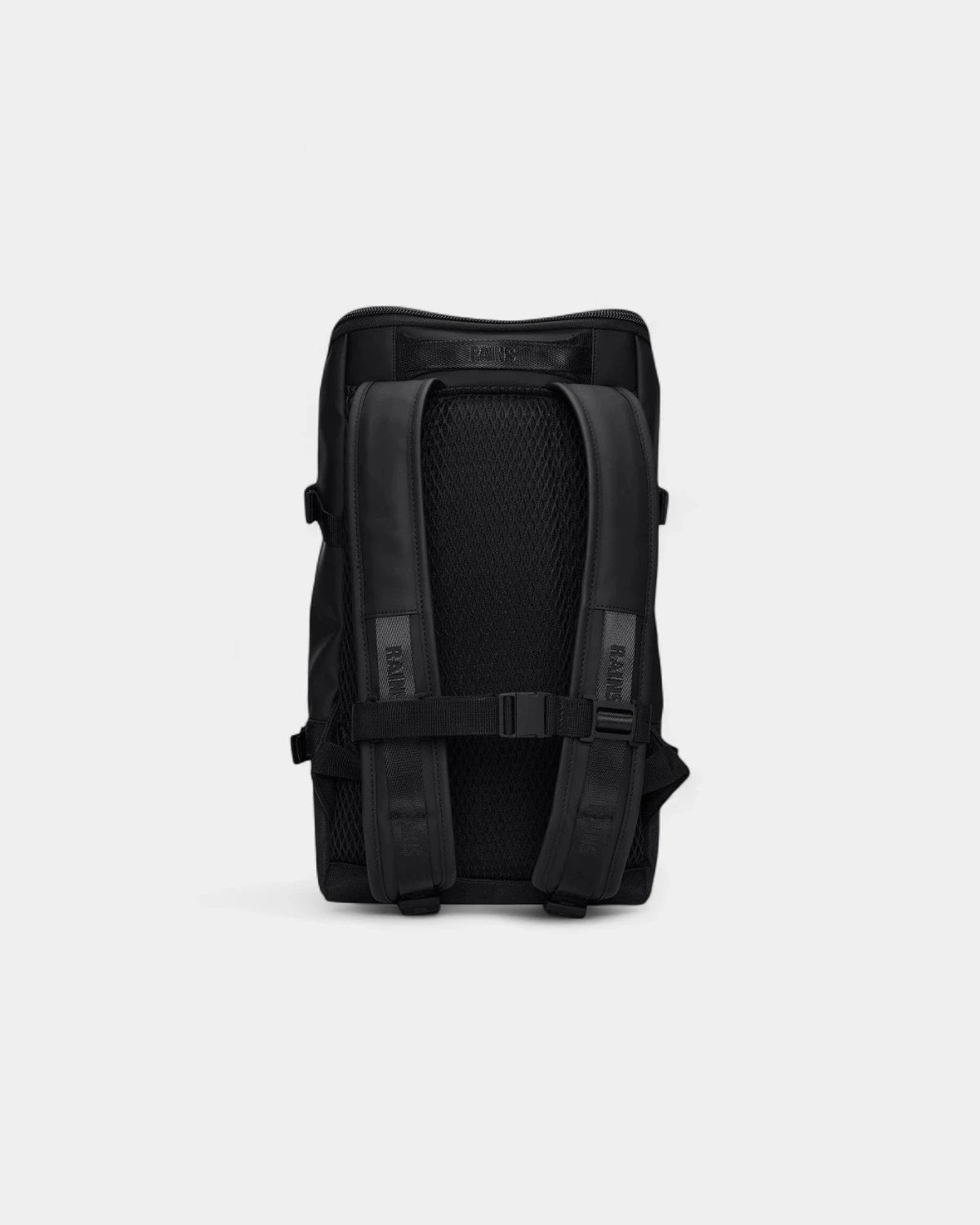


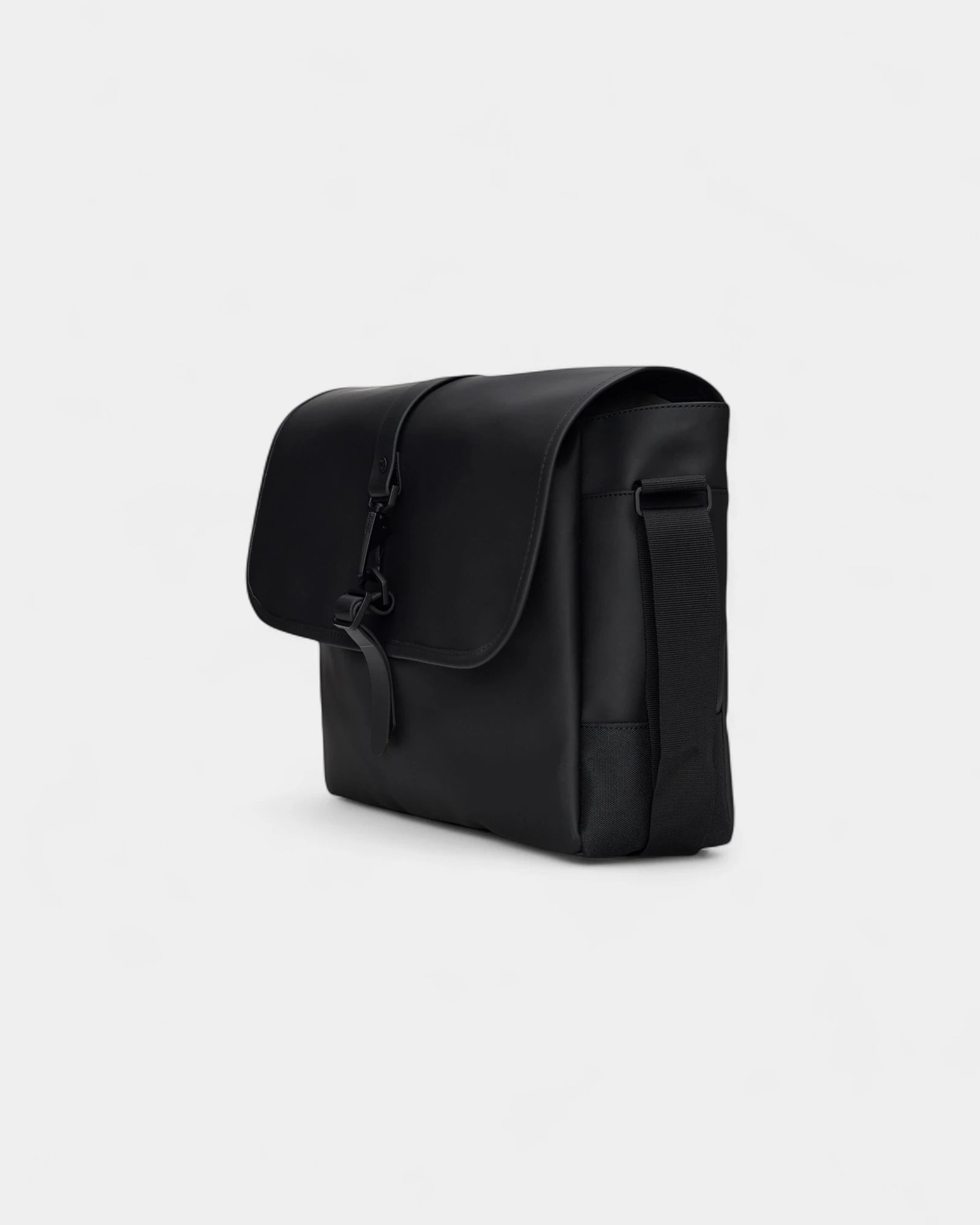


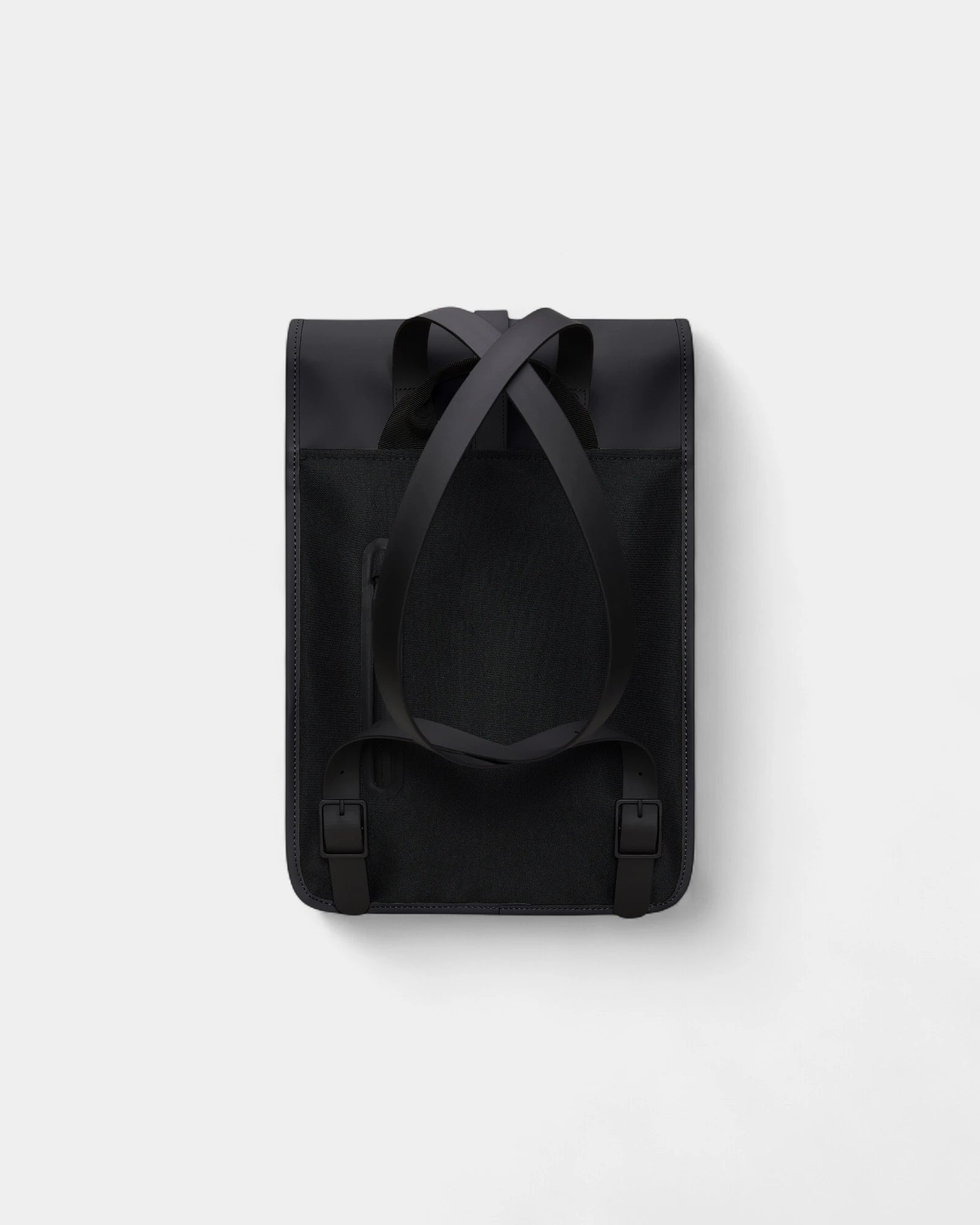


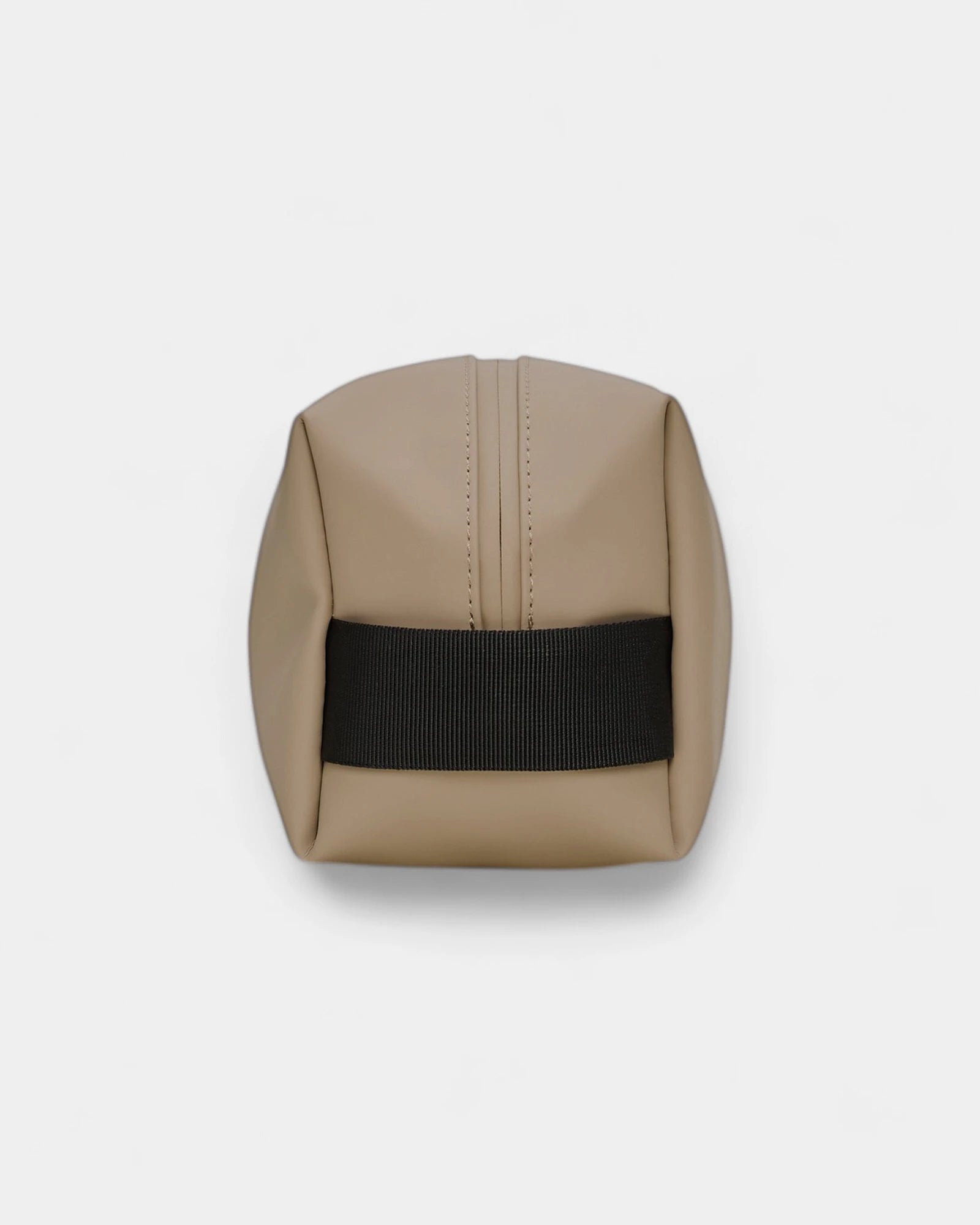


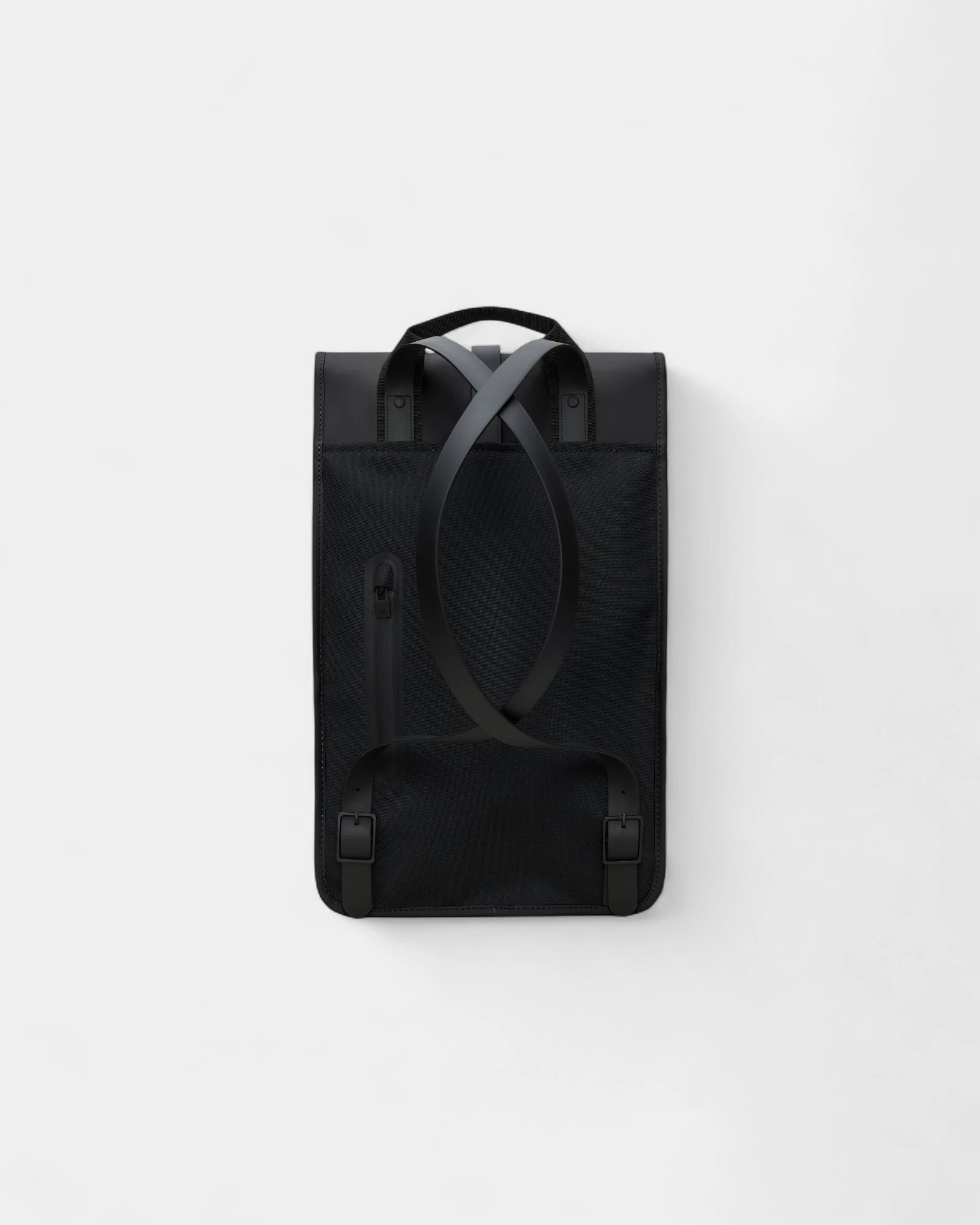


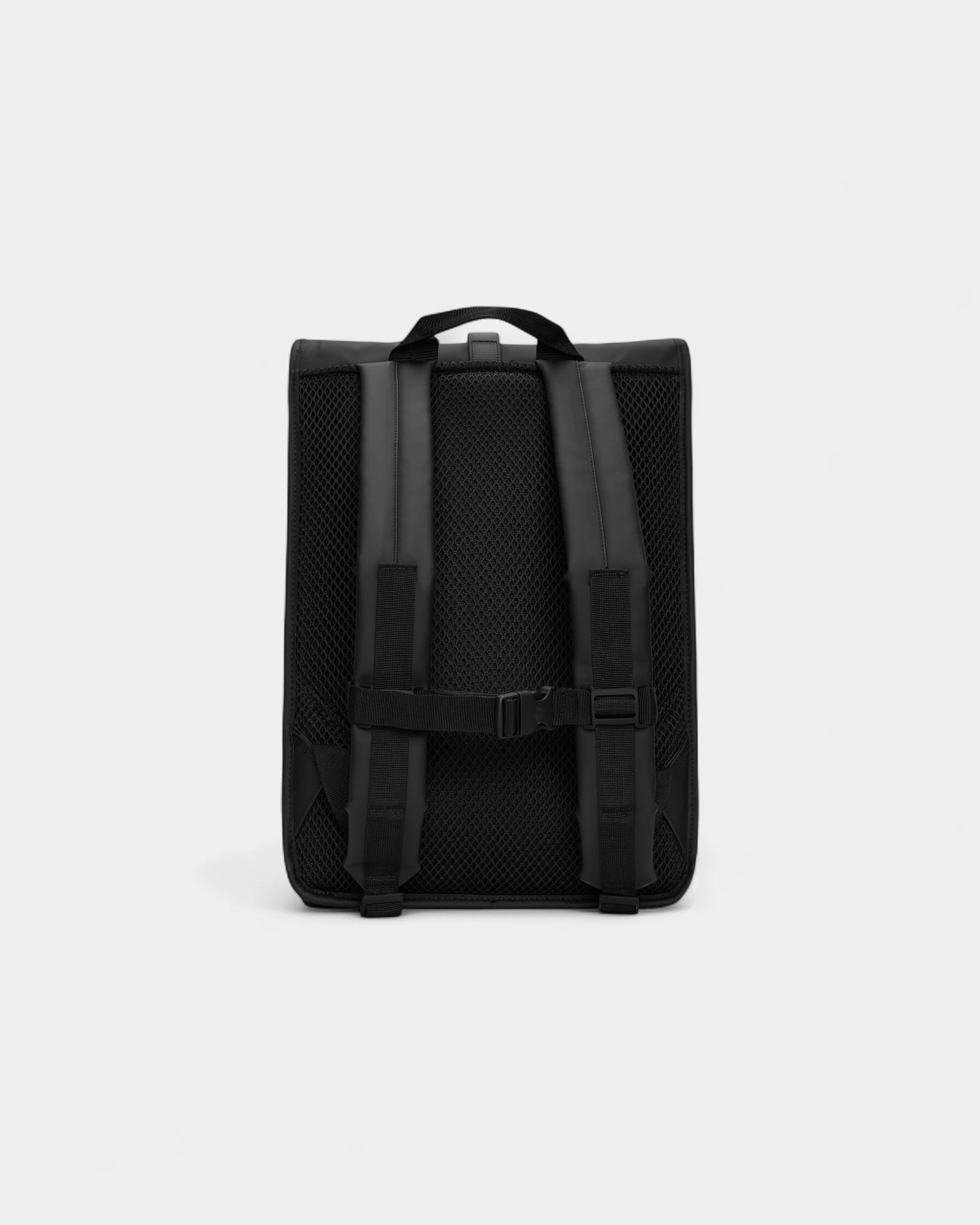


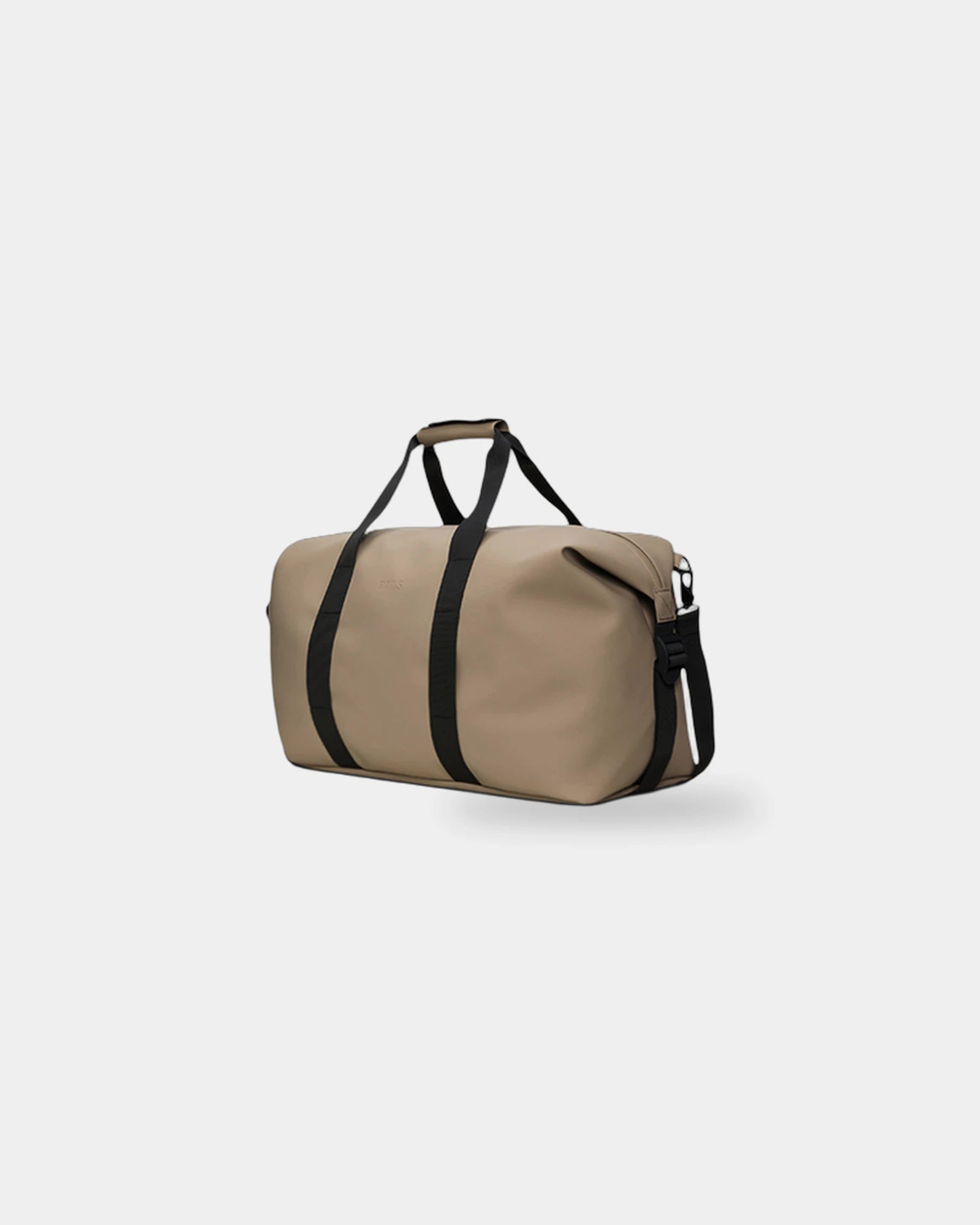


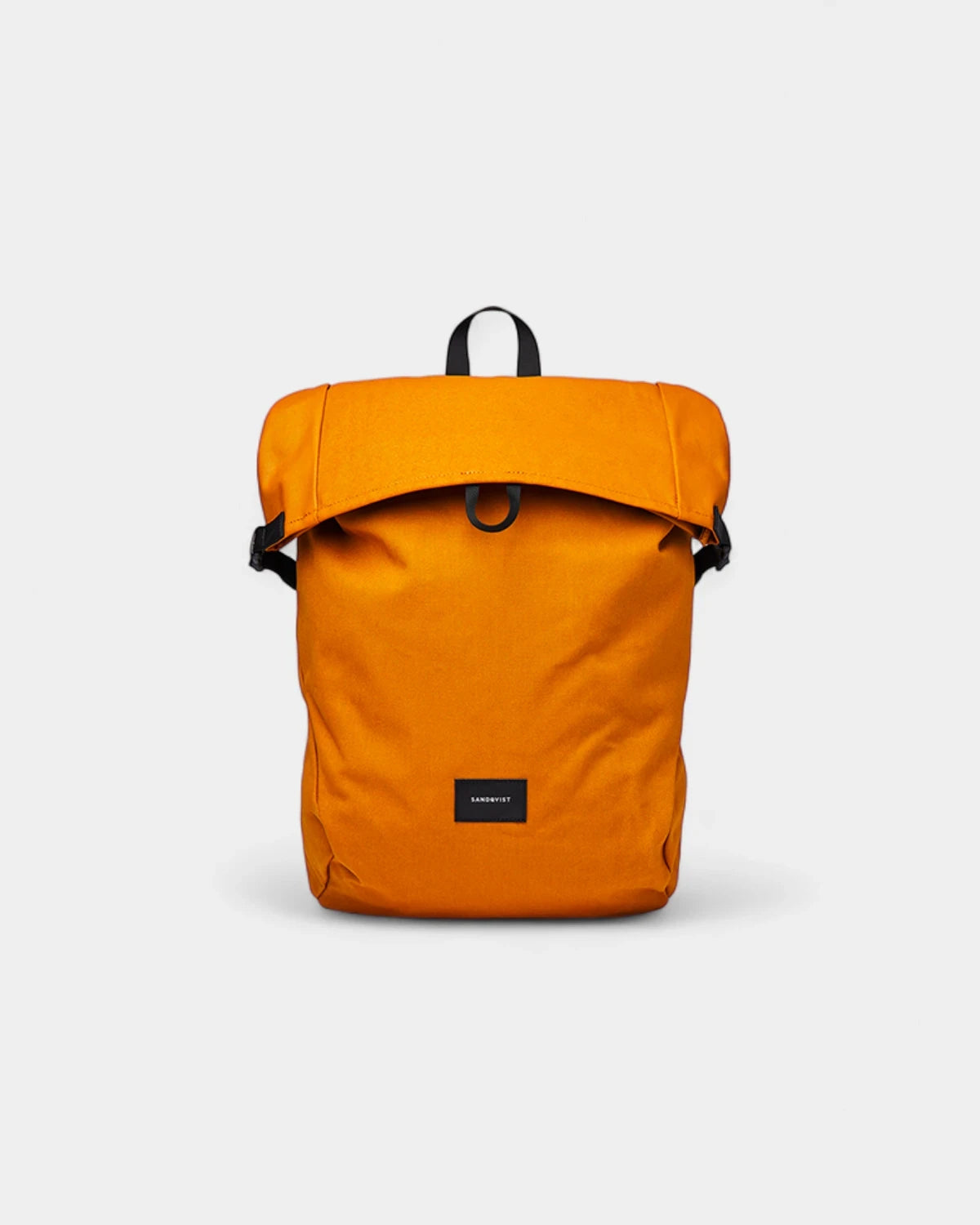


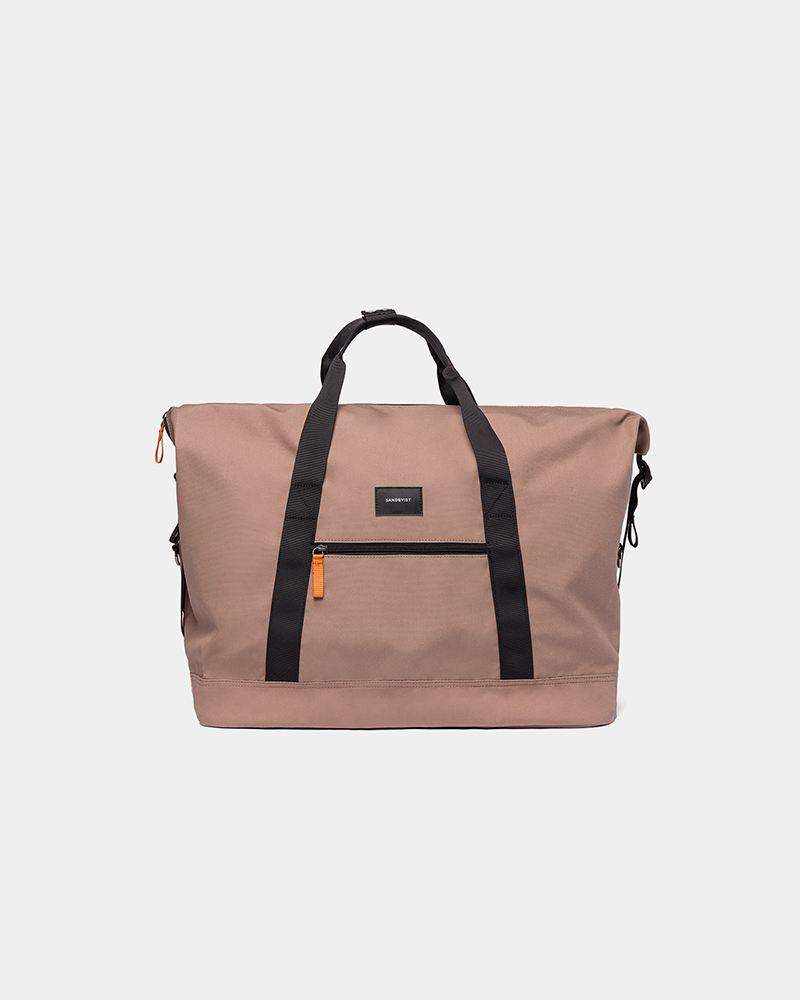


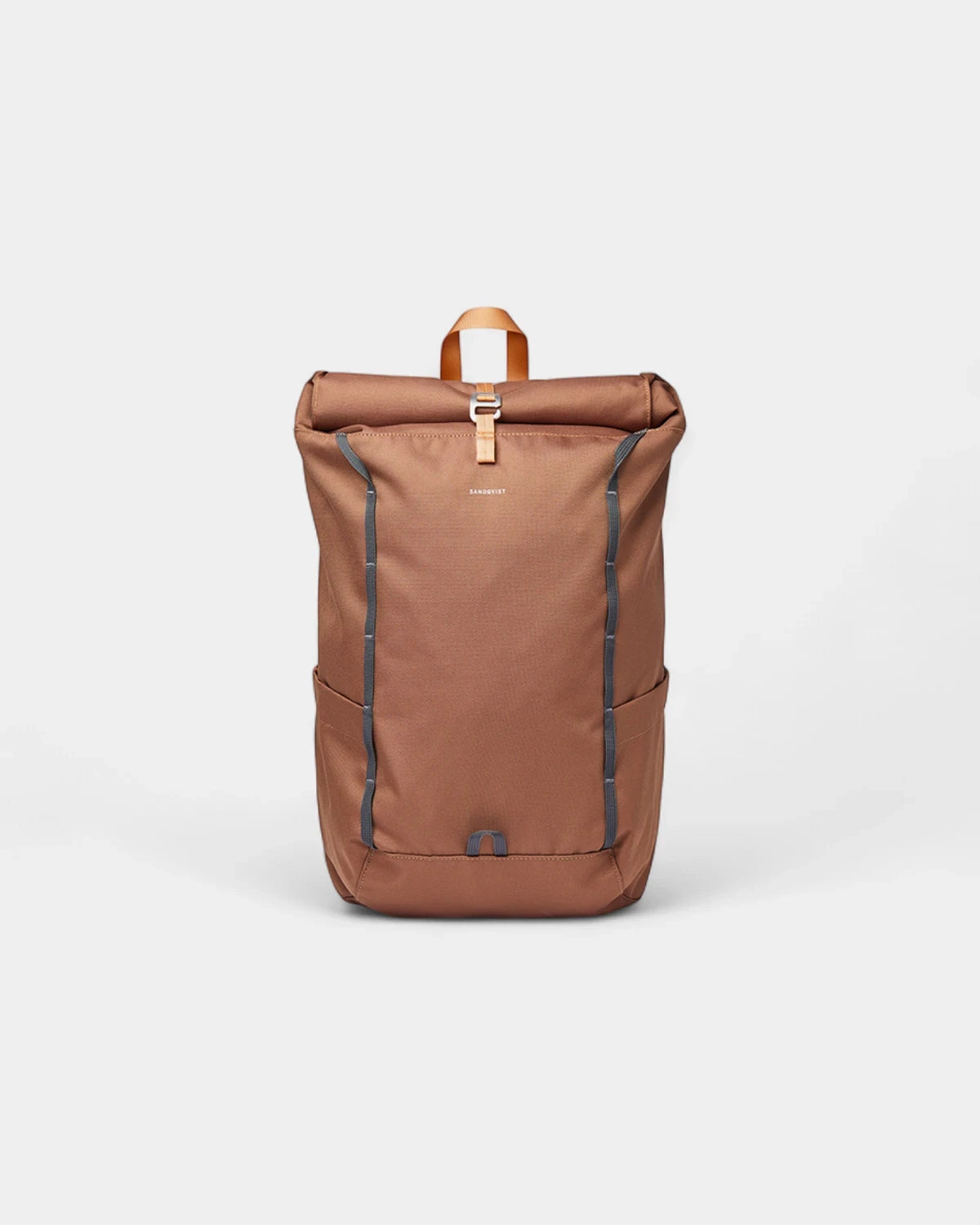


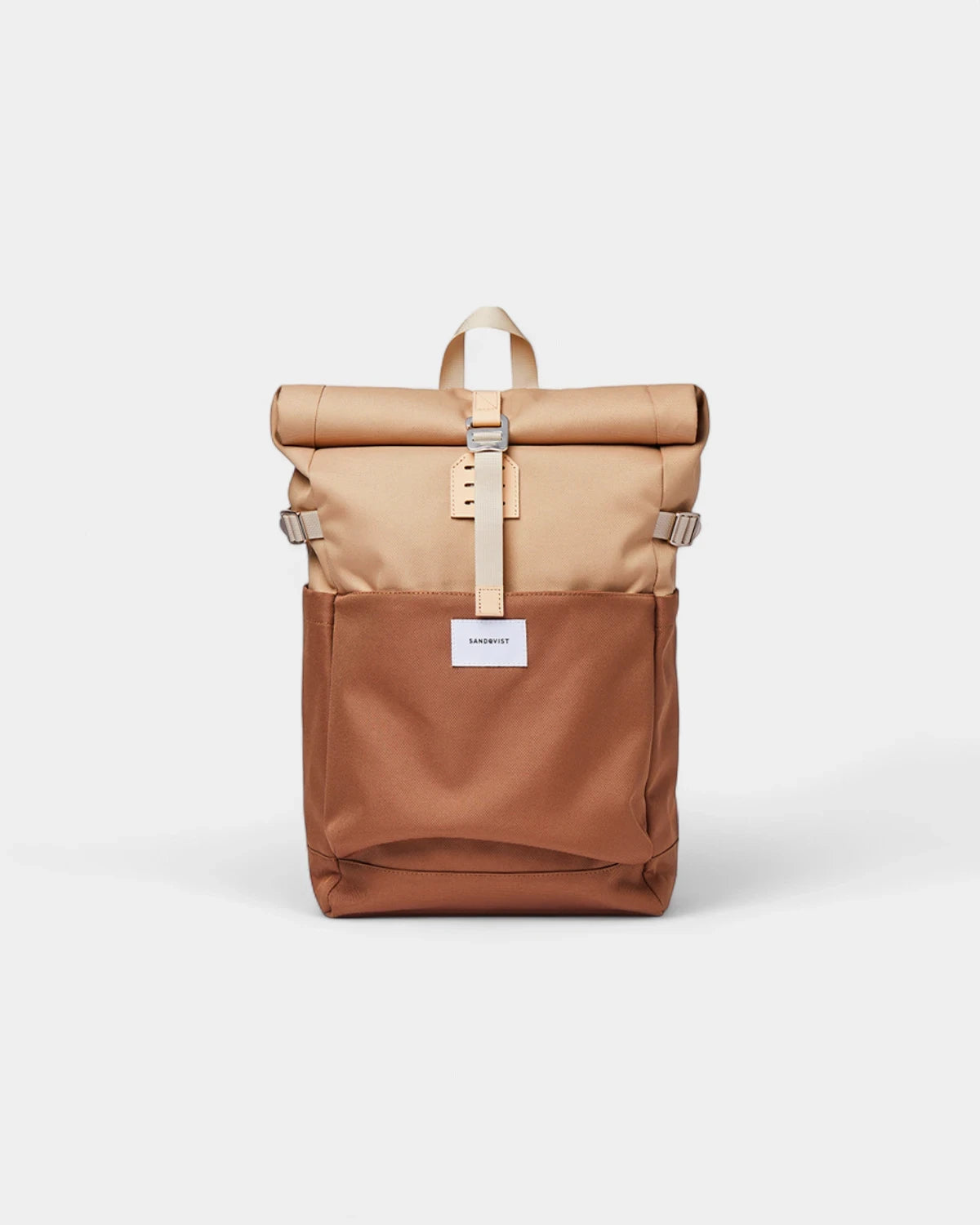


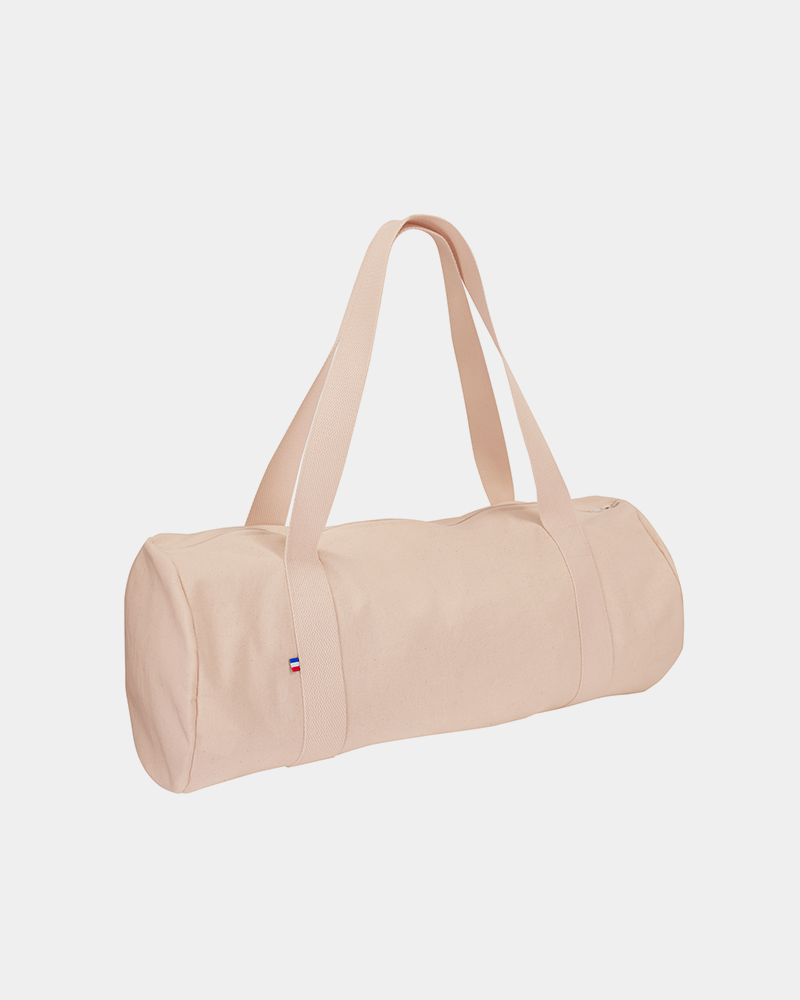


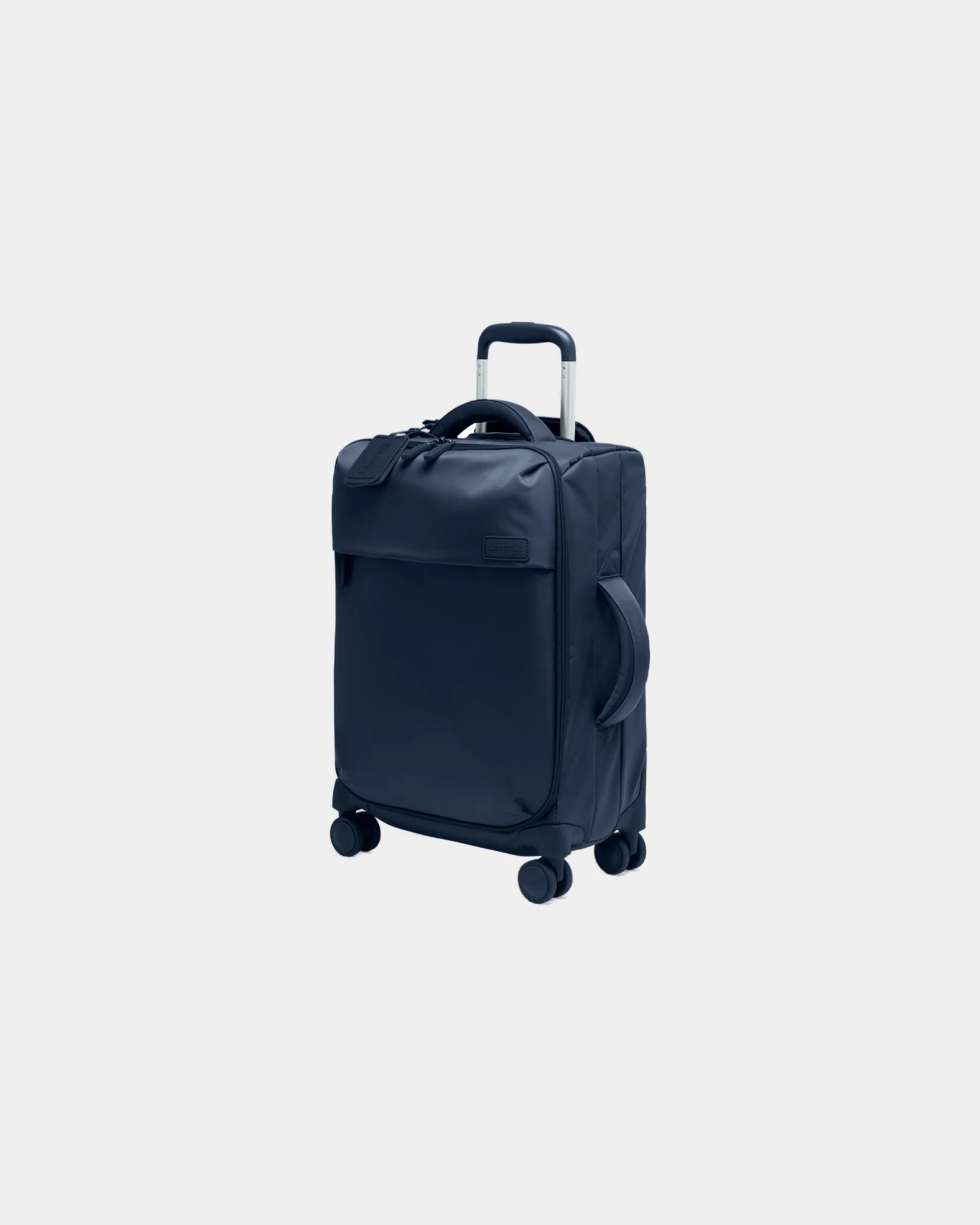


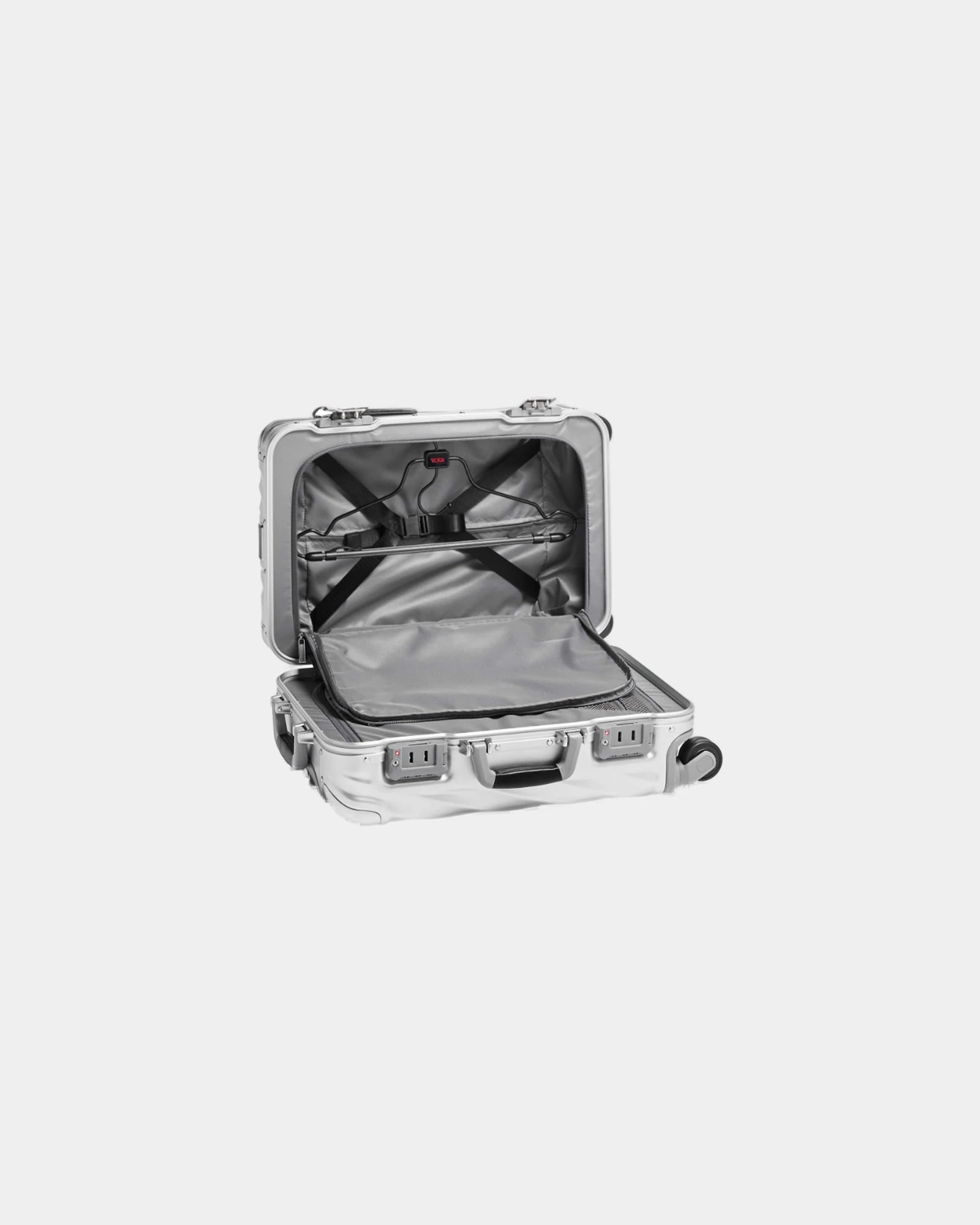


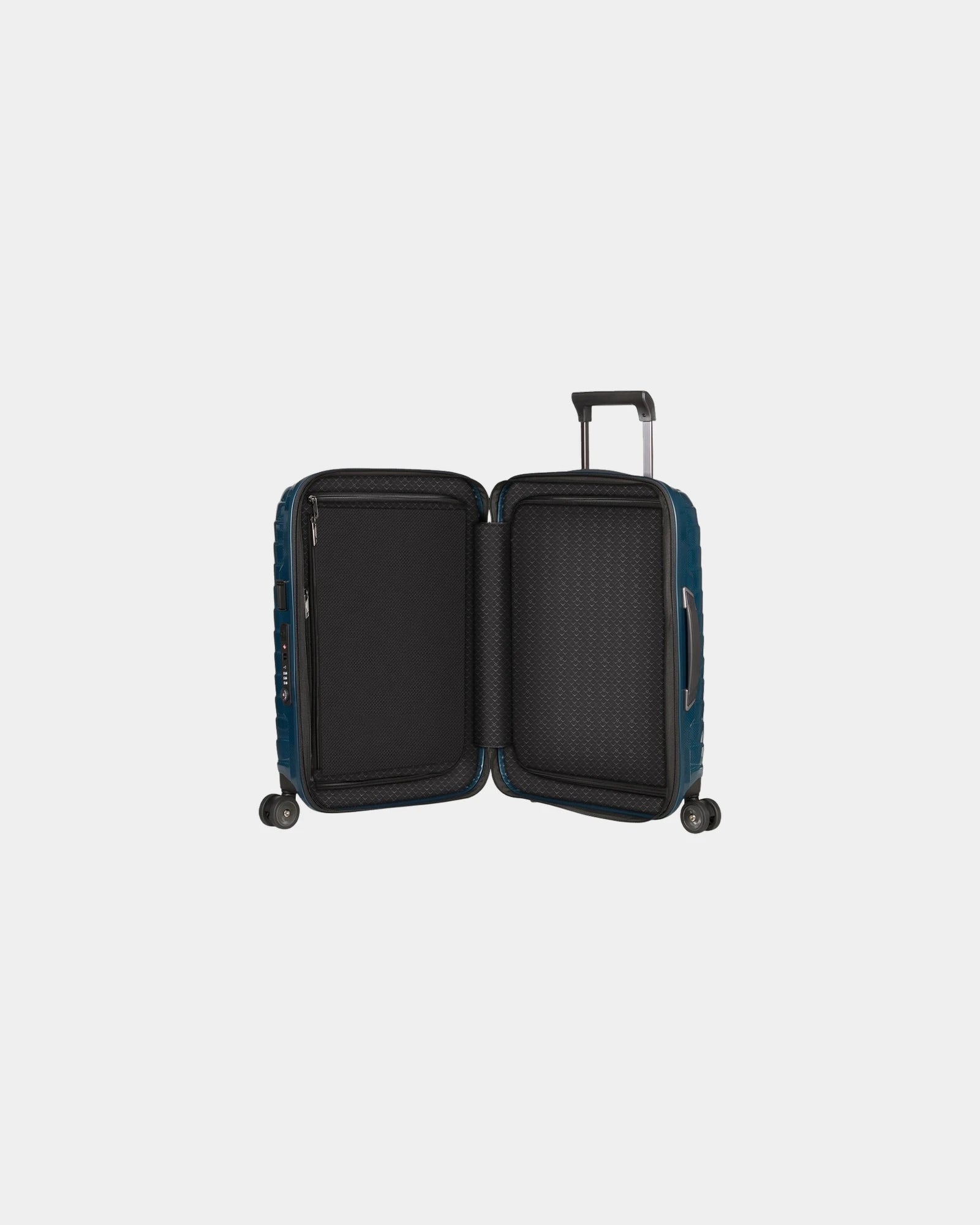


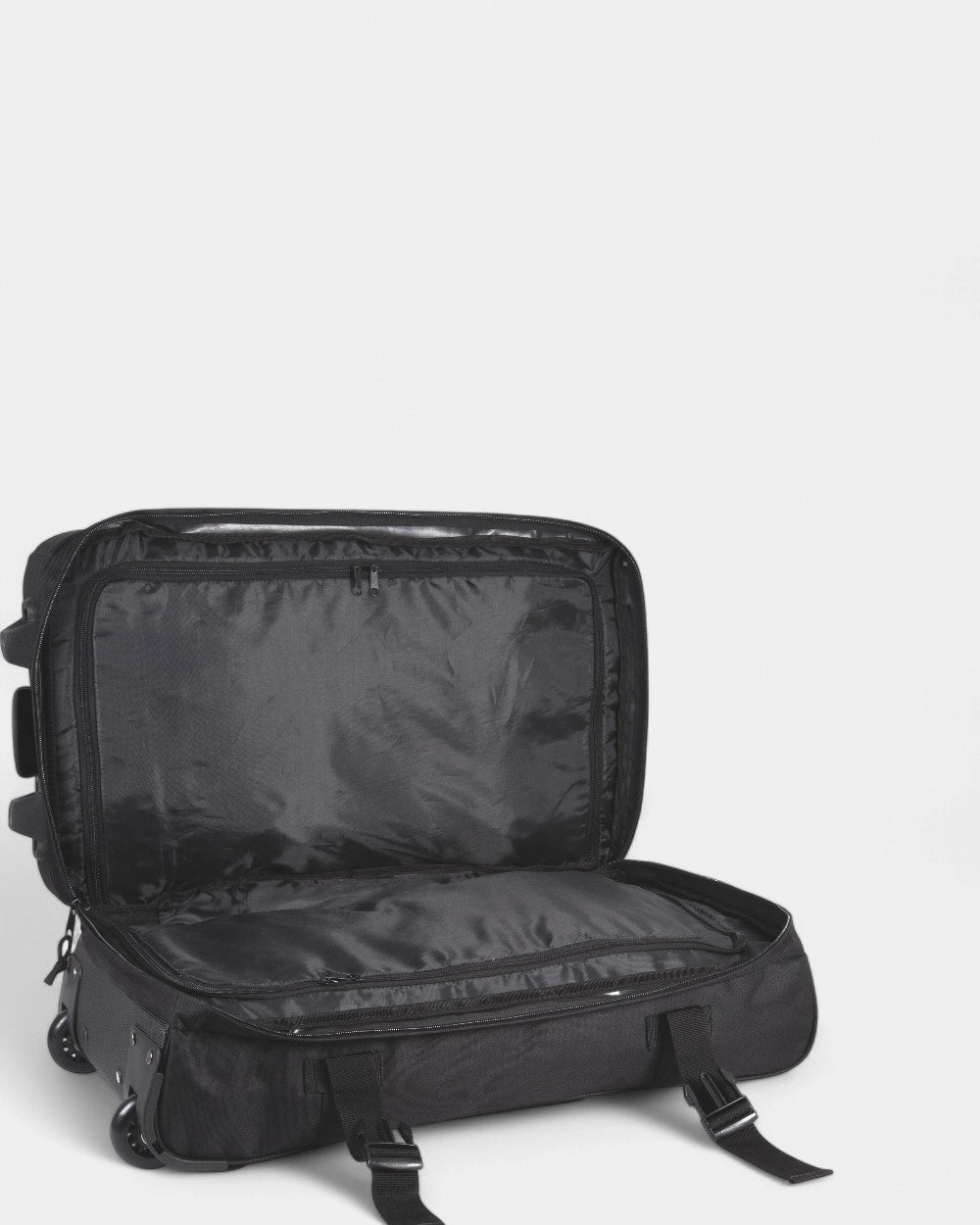










































Treat your clients and employees!

FAQ - Personalised Bags
Trusted by 1,000+ companies
How this range of printed bags is organised by use
Most buyers turn up with the task half-formed and the printed bag type still open. Someone needs a carrier for a freshers' fair, a gym membership perk, a client overnight gift or a market till, and the shape follows that need. So this overview sorts the range by use rather than by name. Find the row that matches what your audience actually has to carry, and the right type surfaces before you open a single collection.
The split that does the most work is everyday versus occasion. An everyday bag is carried open-handed for shopping, commuting or paperwork, and it lives in flat, soft cloth. An occasion bag is packed for sport, travel or an event, and it leans structured with zips, pockets and a strap. Naming which side of that line your brief sits on rules out half the range immediately and saves a wasted comparison.
Each type below gets a short steer, not a full teardown. Rebuilding a litre-by-litre holdall guide or a fabric-weight chart here would only duplicate what the product pages already set out. Think of this overview as a signpost: a couple of lines tell you whether a shape fits, and the linked collection carries the sizing, pockets and minimums. The goal is a confident shortlist you can act on, reached fast.
Carry-everyday printed bags for shopping, commuting and paperwork
The everyday corner is the open-topped carrier a recipient reaches for daily. That means a shopper for the weekly food run, a delegate carrier for a conference floor, a market bag sold at the till. These are flat or shallow-gusset printed bags in cotton, canvas or recycled woven cloth, carried by hand or over one shoulder. They win on low cost and a clean print panel rather than on pockets or structure.
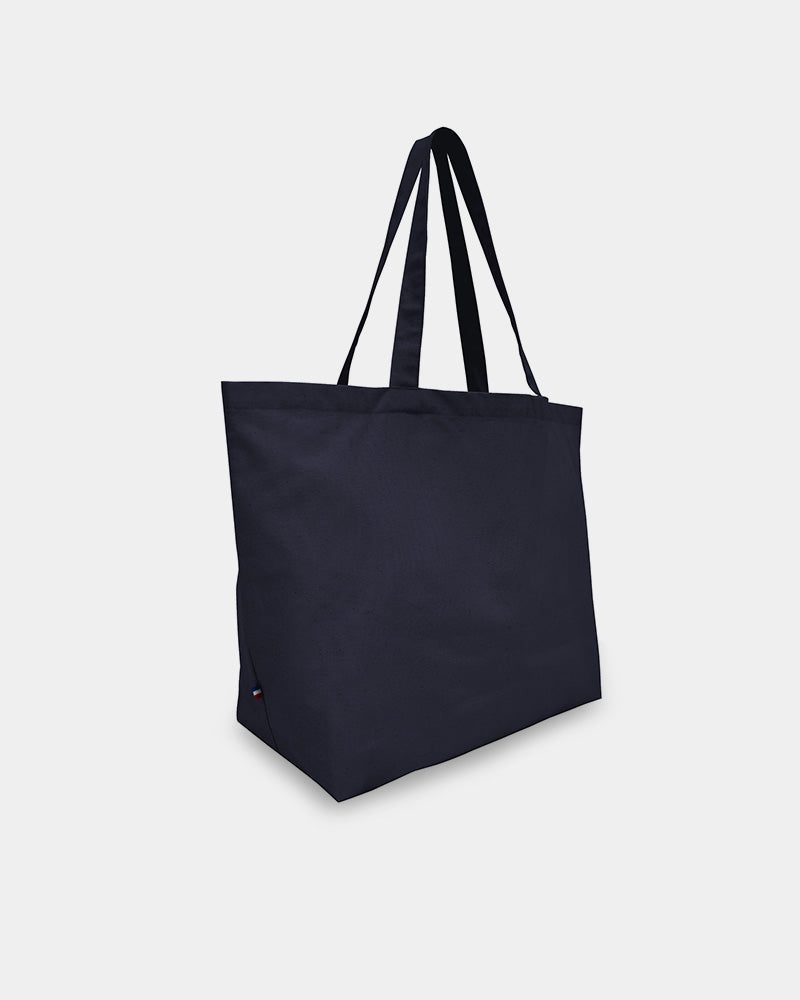
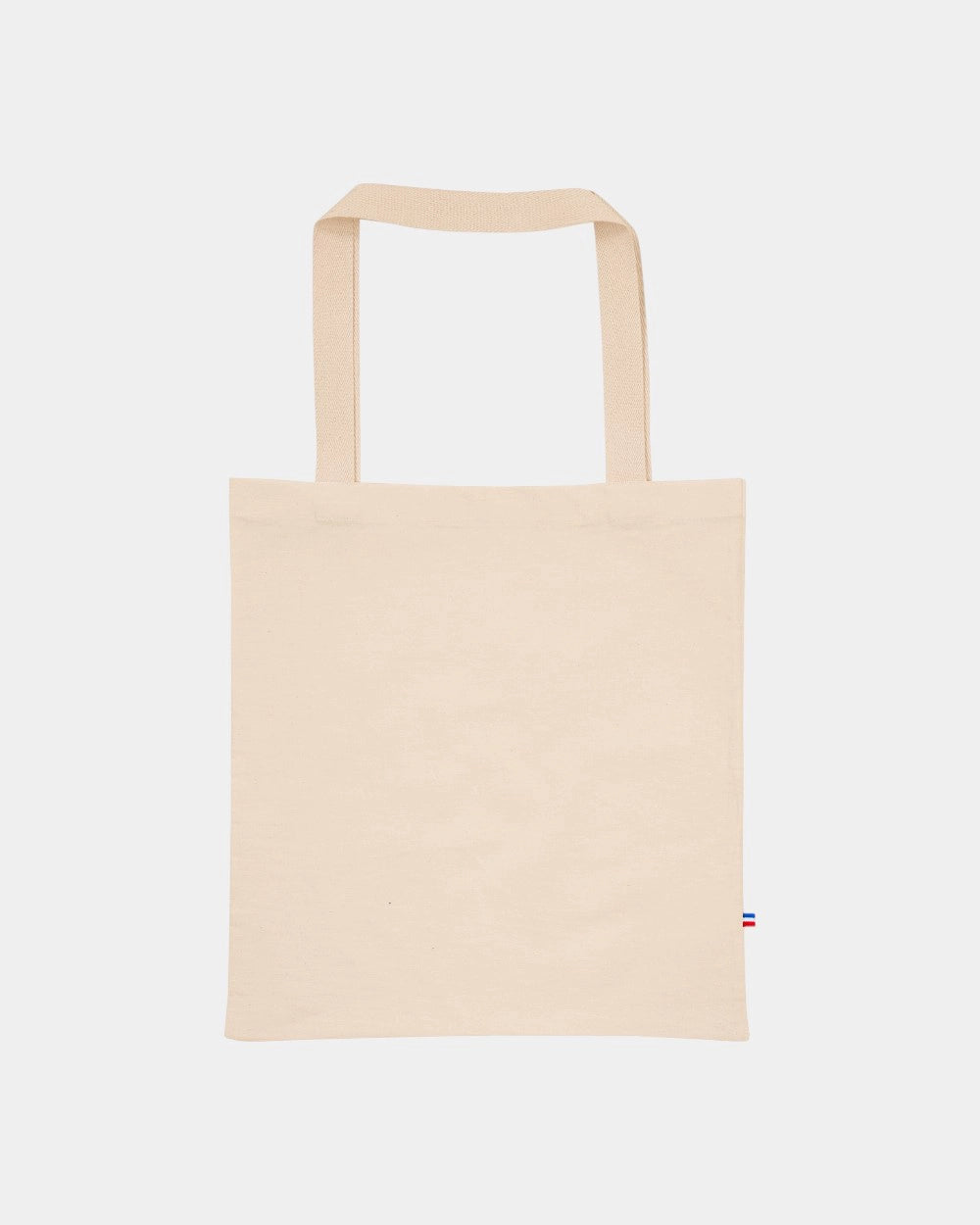
Personalised Tote Bags anchor this corner, spanning a light event handout through to a heavy resale shopper, with the cotton-weight decision set out on their page. The everyday brief turns on one early call: is the printed bag handed out free, or sold and kept? A giveaway rewards low weight and flat freight; a resale carrier rewards a heavier cloth and a bottom gusset that stands the bag up loaded.
The job dictates the weight, never a catalogue default. A carrier that crosses a car park once wants the thinnest cloth going. One a shopper totes weekly for a year wants real body, a deeper base and handles sewn down hard. So the first thing to settle is how often the personalised bag is actually carried. The everyday type, the grammage and the handle length all fall out of that one plain answer.
Sport and gym branded bags for kit, training and the changing room
The sport corner is cut for soft, bulky kit and hard wear: trainers, a towel, a damp base layer, a bottle. These printed bags sling over one shoulder or across the body and pack down to nothing when empty. They sit in coated polyester or recycled woven cloth that fends off a shower and sponges clean after a leaky flask. Spec them in litres rather than size labels, since a gym bag ordered one band short is what a member grumbles about first.
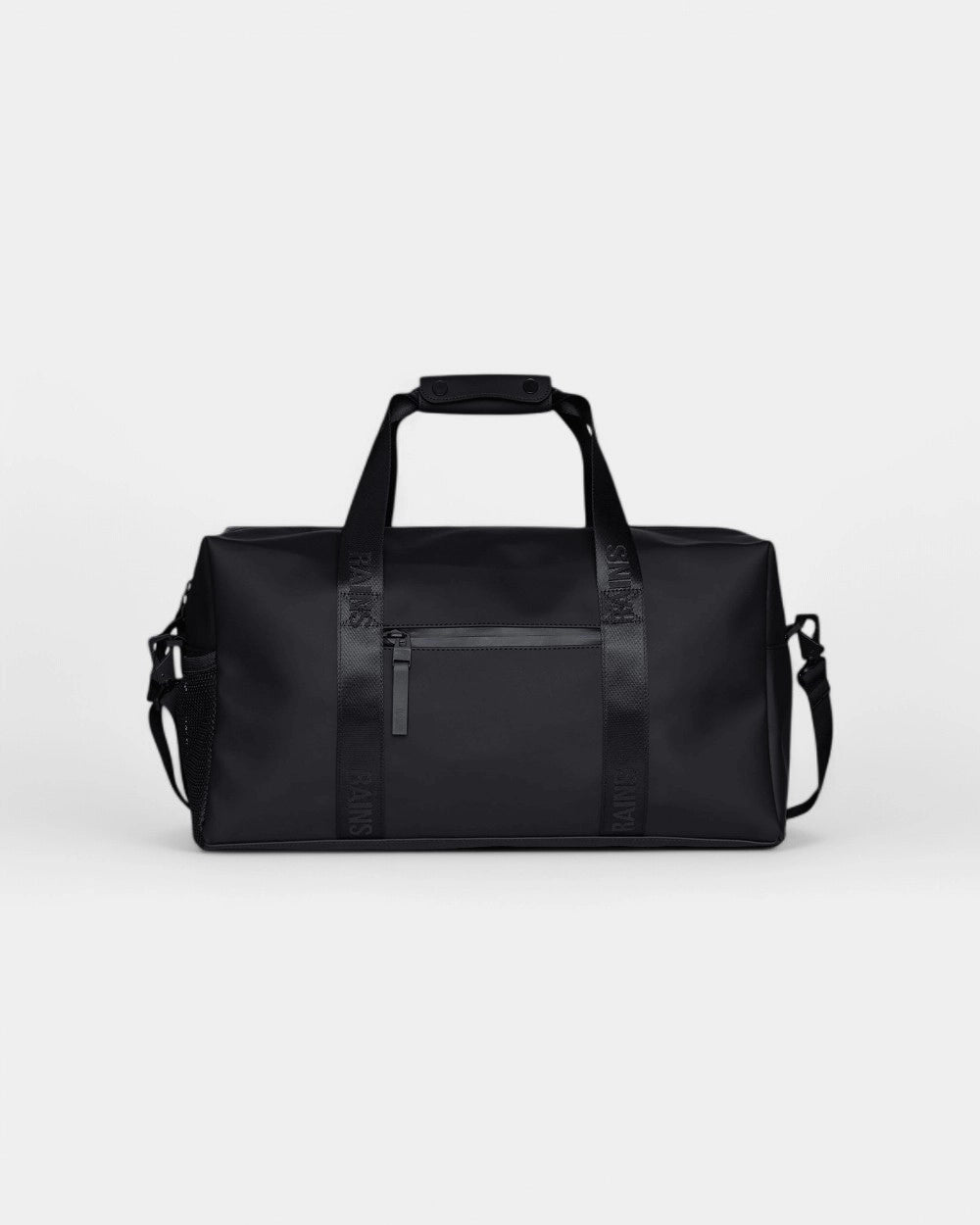
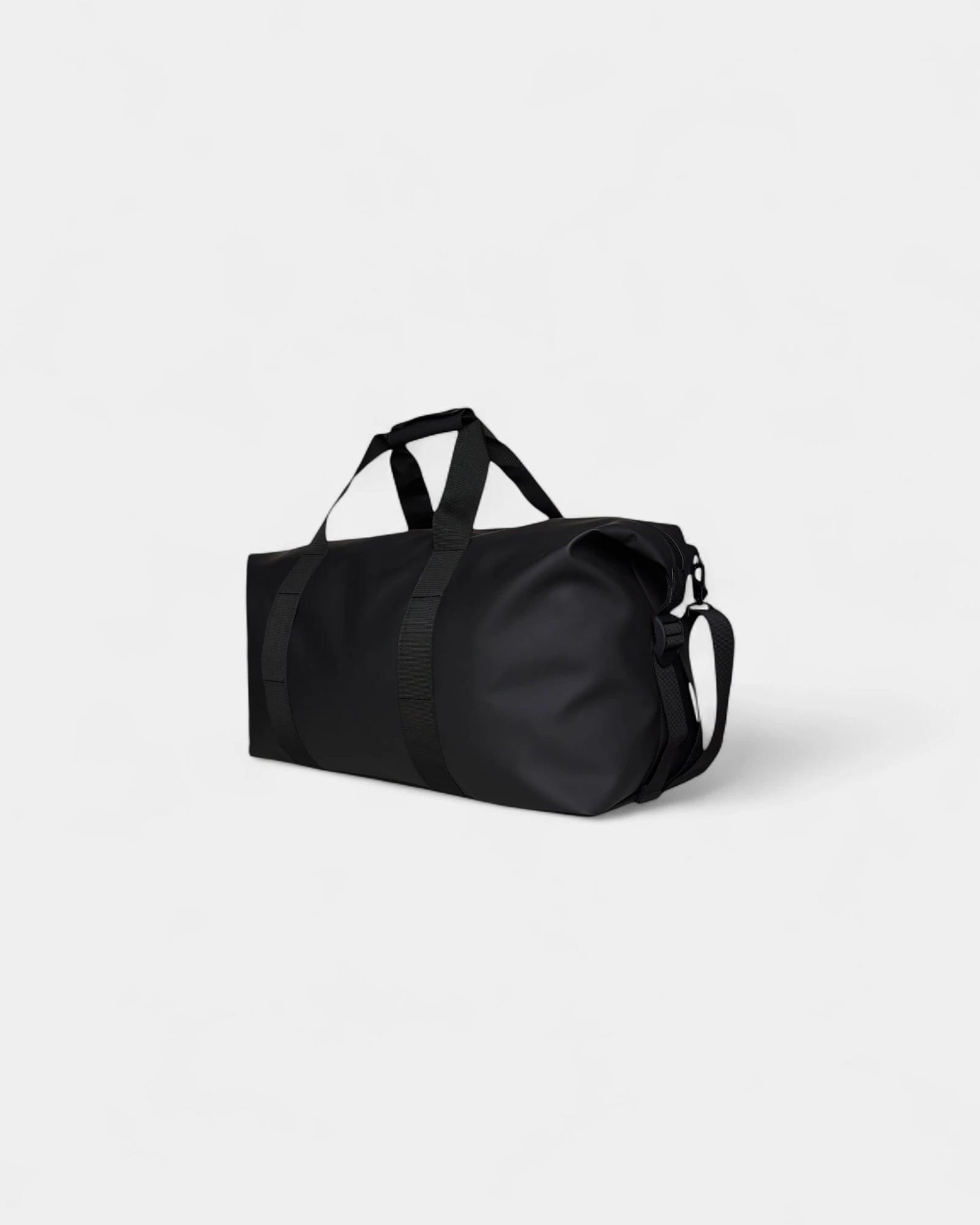
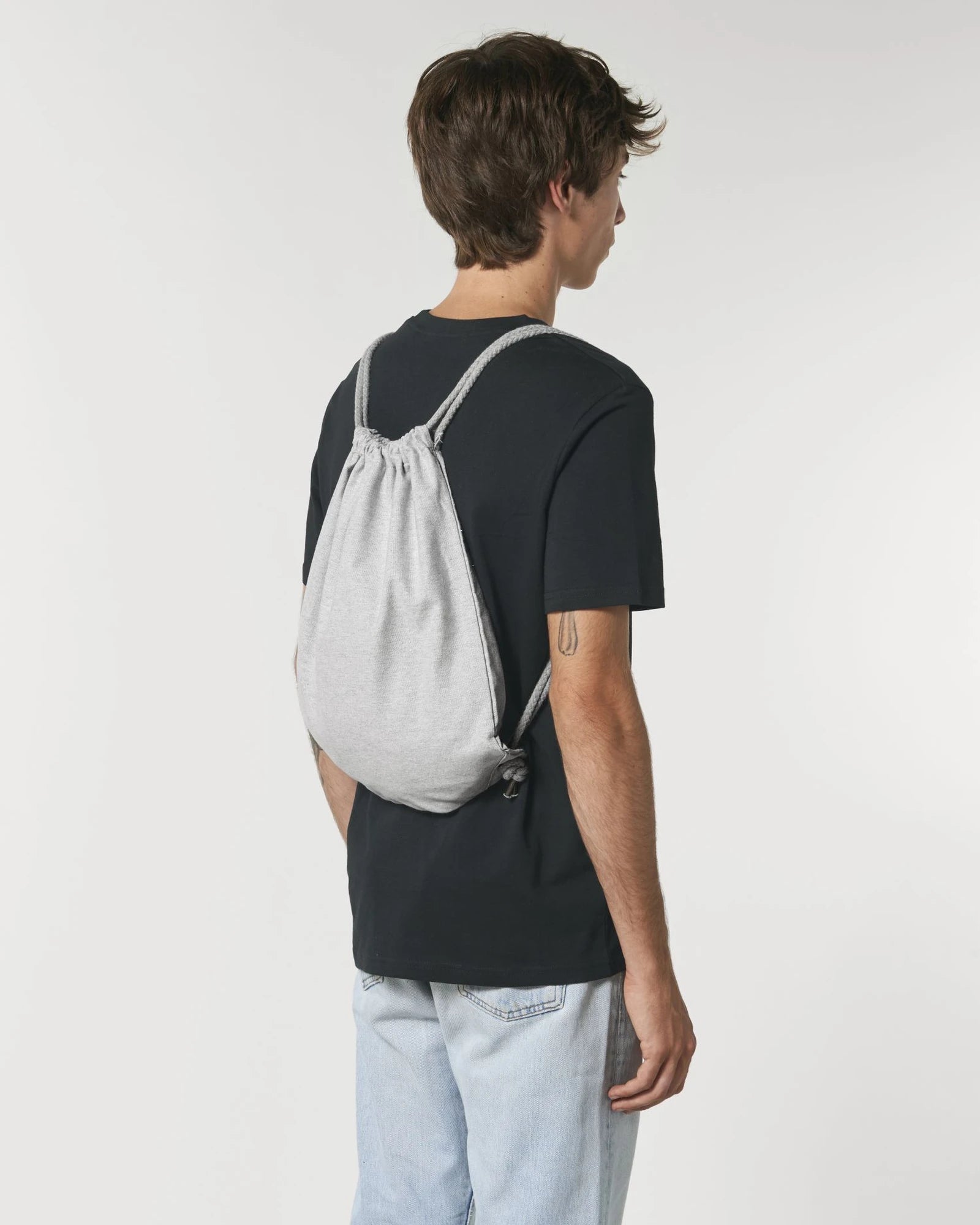
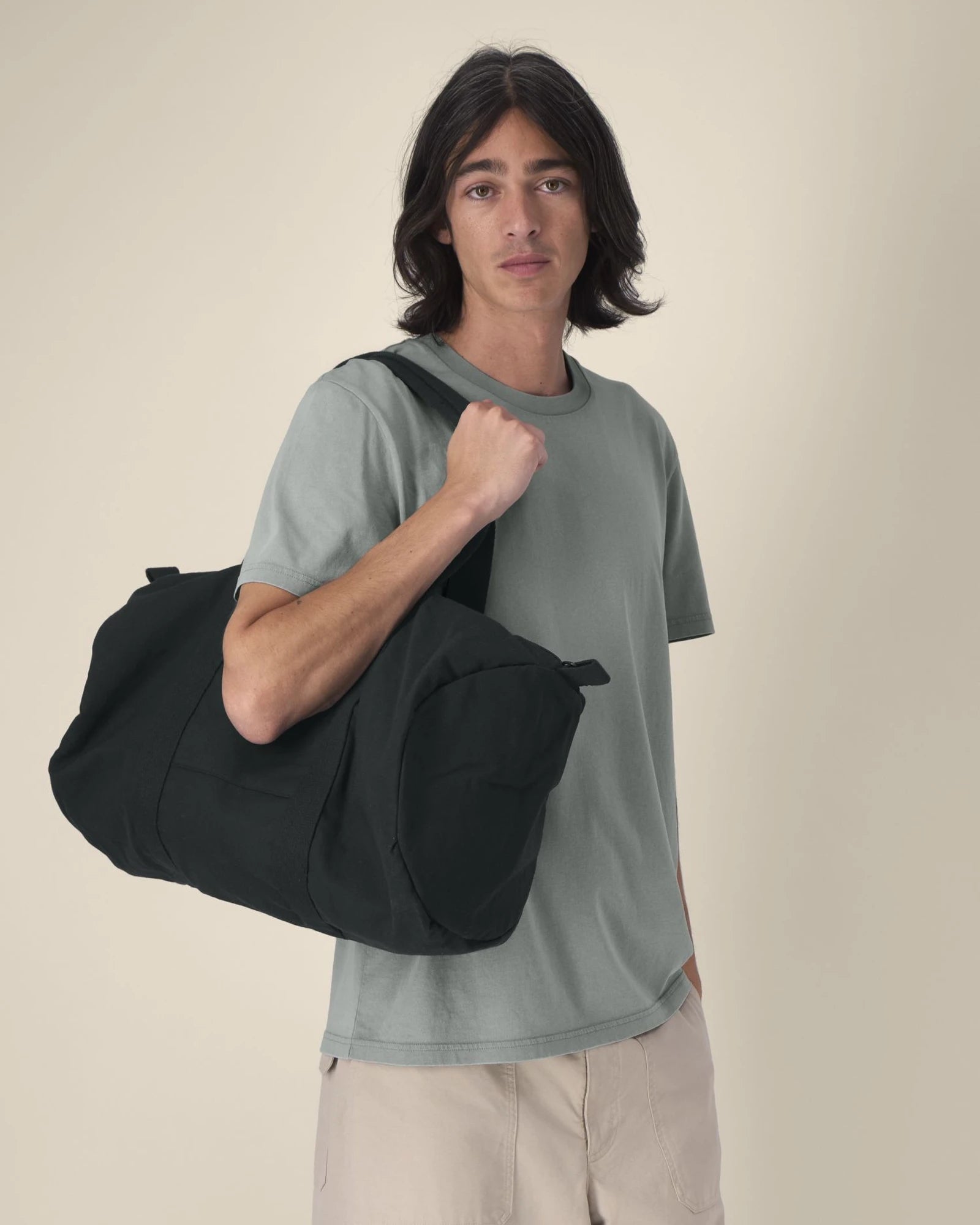
Branded drawstring bags cover squad kit and fitness perks, where a quick-cinch top and a wipe-clean woven body are the whole point. The barrel holdall a member slings to a class is its own type. Its long flat side gives a generous logo field, which is half of why a club or gym brands it rather than a flat tote.
One feature decides whether a sport bag suits the brief: how it copes with wet kit. A swim or pool habit calls for a sealed pocket that keeps a soaked towel away from a clean, dry change. A standard dry-gym session has no such need, so adding the lining there only burns budget. Fit it where a wet routine demands it, and leave it off any printed bag that never sees water.
Custom duffle bags hold the soft barrel itself, crushing flat when empty so a club kit cupboard stores a batch in a fraction of a rigid case's space. Capacity is read in litres against the session, from a 20-litre class bag up to a 35-litre weekend kit, with the bands set out on the duffle page.
| Use | Bag type | What it carries | Carried how |
|---|---|---|---|
| Shopping, retail till | Tote, cotton shopper | Groceries, paperback stack | Hand or shoulder, open |
| Conference, sampling | Light tote, drawstring | Programme, lanyard, bottle | Shoulder, flat-pack |
| Gym, club kit | Duffle, sports holdall | Trainers, towel, wet kit | One shoulder, crush-flat |
| Overnight, short trip | Weekender, travel holdall | Two outfits, wash kit | Hand and strap |
Travel and overnight printed bags for trips, tours and incentives
The travel corner spans a single overnight through to a week away, and finish climbs as the trip lengthens. At the smart end sits the short-stay holdall, sized for one or two nights and pitched to double as an executive gift. At the practical end sits the larger soft holdall that swallows a tour's kit and folds down for the journey home. With the right cloth and trim, both come across as a chosen gift instead of a throwaway handout.
Branded travel bags hold the larger hold-luggage and weekender end, sized in litres against the length of the trip. The shorter, smarter overnight carry leans on a canvas-and-leather finish and a single discreet monogram, the register a sales-incentive or long-service gift wants. A body-wide logo tips that kind of printed bag from present to promotional handout, so restraint is the rule across this corner.
Cabin allowance is the question that settles the smaller travel shape. A soft holdall cut close to a common carry-on limit gives at the sides and slips into a gauge that bounces a rigid case. Someone on a single-night client trip then heads straight past the bag drop to the locker above the seat. Measure the bag packed and bulging, not lying flat and empty, since the cloth spreads once a change of clothes goes in.
Event and giveaway branded bags at volume
The giveaway corner is where a bag works hardest as a spend, because it goes out at four-figure quantities and leaves the venue on hundreds of shoulders. Flat, frameless printed bags nest into thin cartons. A big drop then ships for a sliver of a rigid holdall's courier bill and tucks behind a registration desk rather than filling a store room. That stowing economy is a large part of why a light, flat shape owns the delegate-kit brief.
At this scale the per-piece price leads the call. A featherlight cotton, a recycled woven panel or a closing drawstring holds the cost down while still seeing a delegate through a busy day of sessions and stands. Before the full quantity is committed, we send a free sample so the event team can weigh the cloth and judge the print in the hand. Approving a real bag, not a brochure shot, is what de-risks a large order.
Reach is the other half of the maths here. One carrier given to several hundred attendees rides commuter trains, sits on café tables and turns up at the next office. It works for the brand weeks after the stand is packed away. Two sponsors can split opposite faces of a single bag. That afterlife is why an exhibitor brands a carrier instead of a leaflet that lands in the nearest bin.
Material basics that hold across the branded bags range
Whatever type you land on, cloth choice sets the cost, the feel and how the print behaves. So it helps to know the families before you click through. Natural cotton and canvas read as considered and take ink and thread cleanly. Coated polyester is light, showerproof and the workhorse of sport and giveaway runs. Jute and recycled woven cloth carry a rustic or sustainability story. Each type page names the exact base and weight band it offers.
Weight does different work in each corner. On a tote it decides whether the bag folds flat for a handout or stands loaded for resale. On a holdall the denier of the polyester decides whether the bag survives a daily haul or a few gym trips. The shorthand is simple. Heavier cloth reads as a product worth keeping and costs more; lighter cloth reads as a handout and ships cheaper. The brief should say which the bag is for.
Handle and strap attachment across the printed bags range
Handle and strap attachment is the silent weak point on every shape. A handle tacked to the face alone rips its stitching out under a heavy load. One bar-tacked, or carried right under the base, feeds the strain into the toughest part of the bag. On anything sold or carried every day, have us check that reinforced join on the chosen model before the order goes in.
| Material | Reads as | Best print | Suits |
|---|---|---|---|
| Natural cotton, canvas | Considered, retail | Screen, embroidery | Totes, shoppers, weekenders |
| Coated polyester | Practical, showerproof | Screen, transfer | Gym, travel, giveaway |
| Jute, woven natural | Rustic, eco | Bold screen, large logos | Beach, deli, lifestyle |
| Recycled woven cloth | Sustainability-led | Screen, transfer | Any corner, on request |
Print-area basics across the branded bags range
How a personalised bag takes a logo depends on its shape, so settle the print-area question at type level before sizing. A flat tote offers a clean front panel, often around 25cm wide, where a screen print sits crisp and a second screen adds the back. A barrel holdall offers a long flat side of 40 to 50cm for a bold club mark. A structured weekender suits a single small stitched monogram rather than a splash.
Choosing a print method for branded bags
Method follows the surface and the quantity, never a house default. Screen printing lays a dense, opaque mark whose unit price tumbles once you clear a few hundred pieces, which suits bulk giveaway and gym runs. Embroidery sinks a raised, washfast crest into canvas for a kept or premium bag. For finely detailed or many-coloured artwork on a shorter run, transfer and DTF hold the small stuff. We name the right route for your logo and volume at proofing.
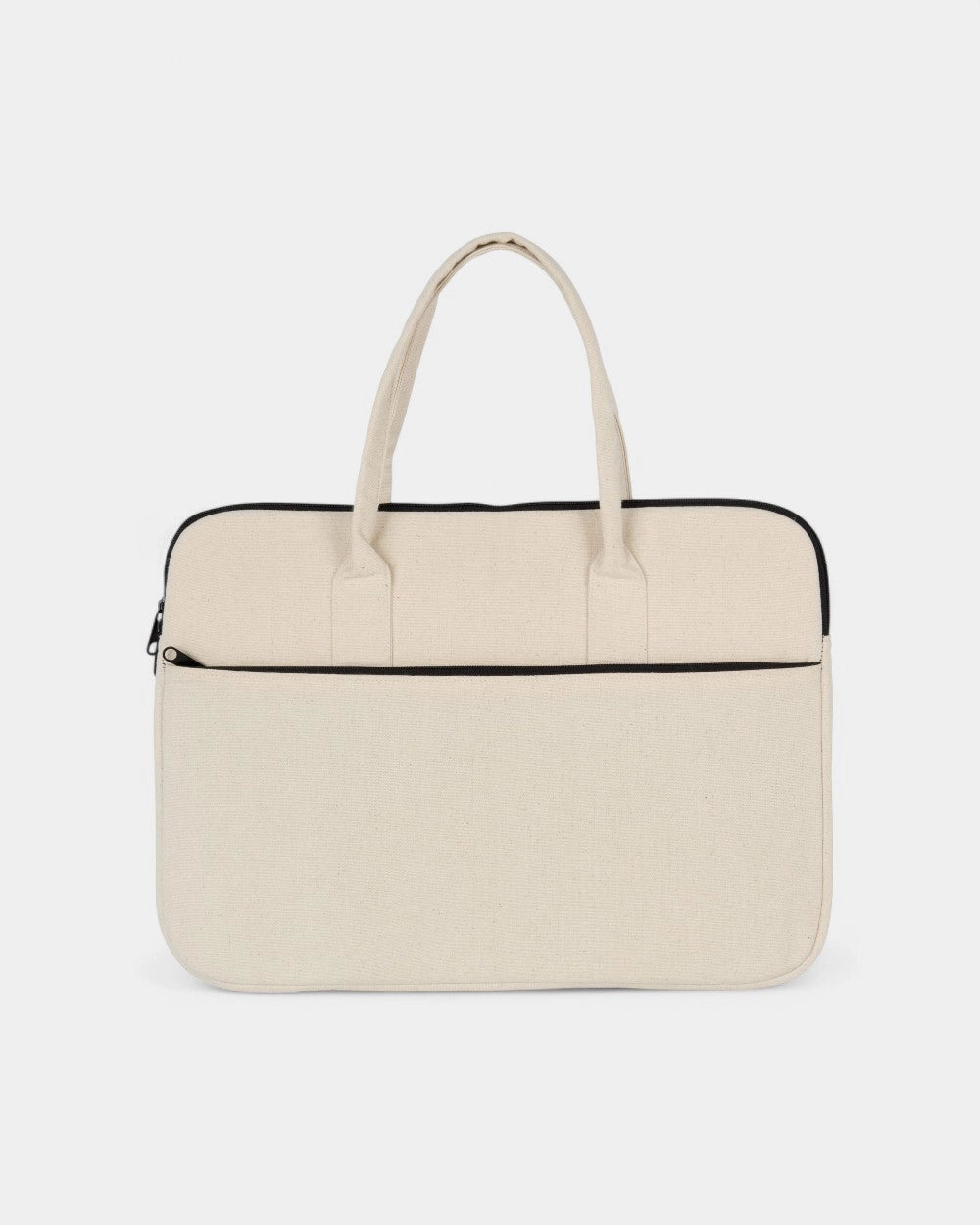
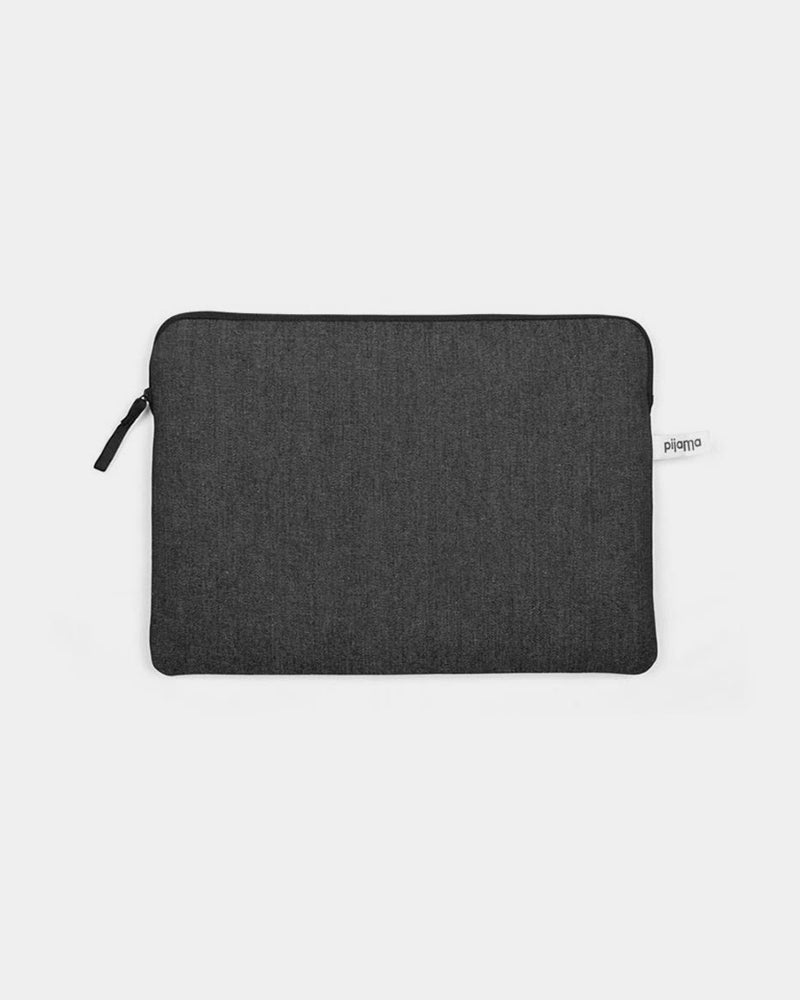
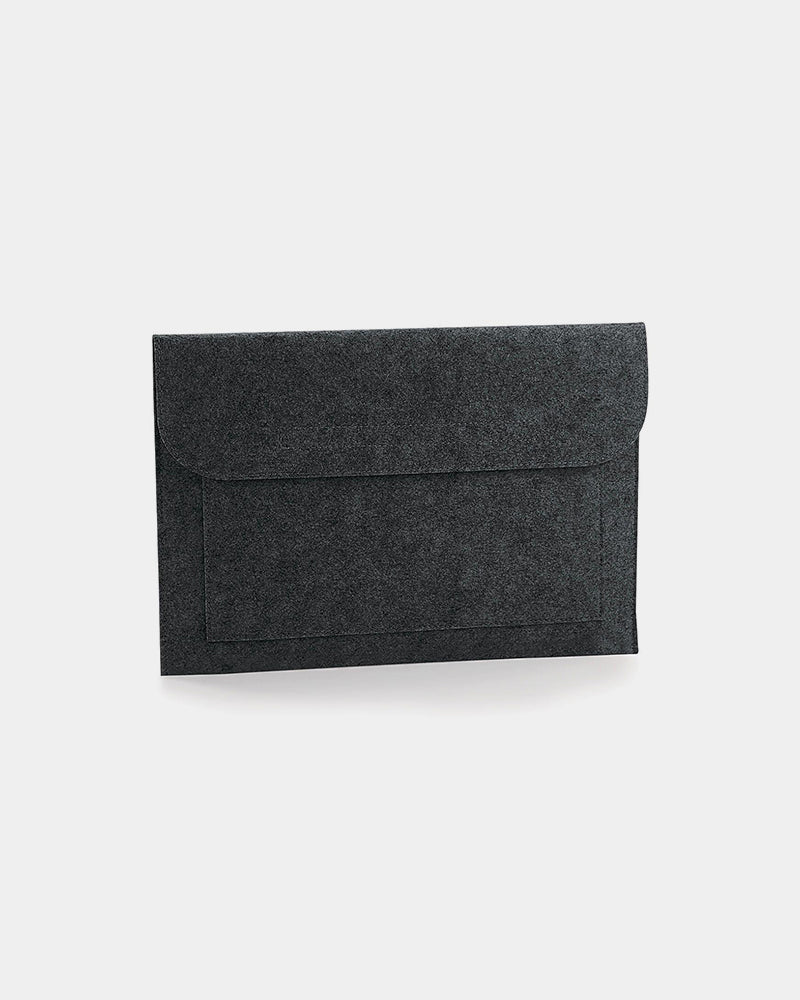
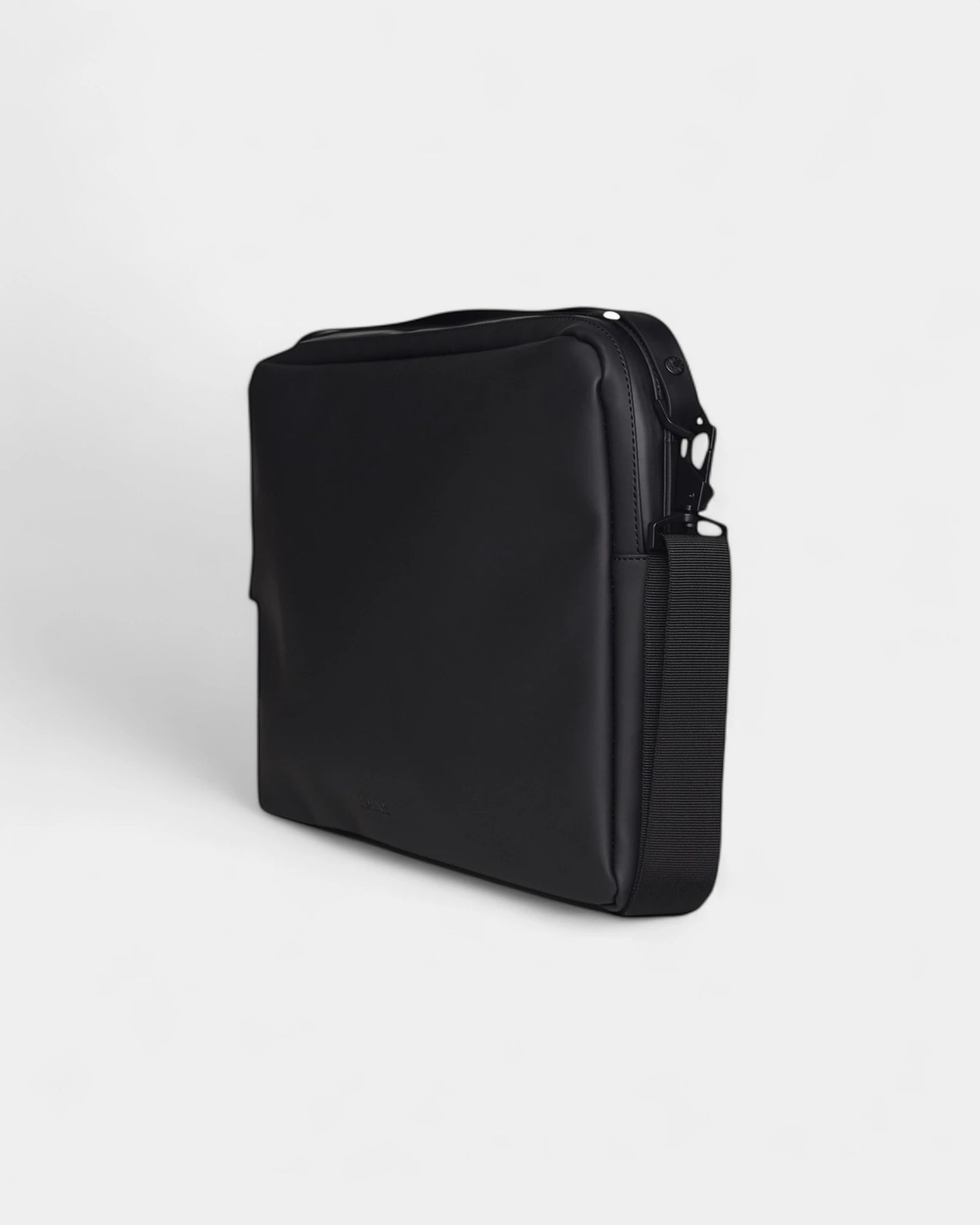
That same thinking extends to a padded work carrier. Branded laptop bags read best with a small stitched mark a commuter passes off as their own, not a loud printed slogan. On every shape, contrast does the real work. A strong brand shade on pale cloth reads boutique, while a light ink simply vanishes unless the base behind it is dark. We pick the cloth colour and the ink against the shelf or shoulder where the bag ends up.
| Bag type | Print area | Best method | Mark style |
|---|---|---|---|
| Flat tote | Front panel, approx. 25cm | Screen, transfer | Bold front, optional back |
| Barrel duffle | Long side, 40-50cm | Screen, transfer | Large club or event logo |
| Weekender | Canvas panel, leather tab | Embroidery, deboss | Single discreet monogram |
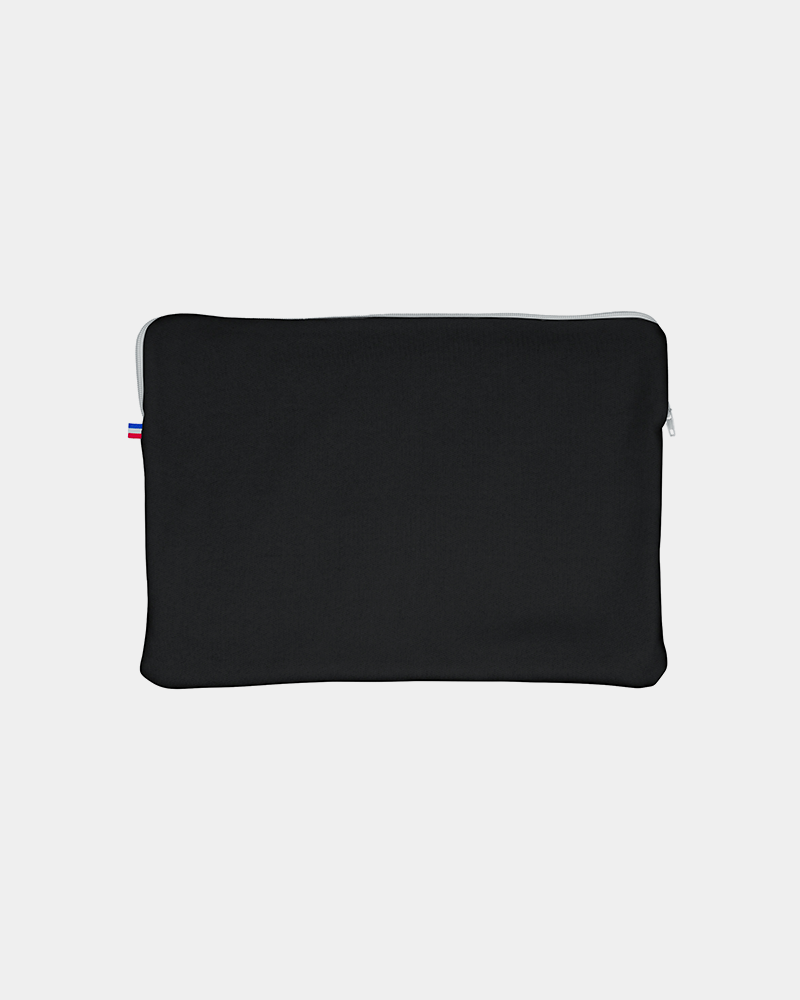
| Laptop carrier | Front flap or pocket | Embroidery, deboss | Small stitched commuter mark |
Reach, exposure and matching printed bags to your audience
A branded bag justifies a line in a marketing budget because it moves. A desk item sits in one office, but a branded carrier is worn through a station concourse, down a high street and across a campus. It puts the logo in front of strangers the brand never paid to reach. A tote that costs little to print is, in effect, a small mobile poster carried free by the recipient for as long as the bag survives.
Whether the logo gets read turns on where it sits, not merely that it is there. Placed high on the panel it stays in view once kit packs the bag out; dropped low it disappears into the folds of a loaded carrier. For a mark meant to carry across a crowded platform, we raise it and scale it up instead of defaulting to dead-centre. Being noticed at distance is the entire reason a bag is branded.
That exposure compounds on the printed bags people keep. A resale shopper or a leather-trimmed holdall earns years of service, so its mark stays on duty well after the campaign that paid for it has ended. A throwaway handout, by contrast, is built for a short, light life. Pairing the bag's working life to how long you need the brand seen is what points your budget at the right corner.
Matching branded bags to your audience and occasion
One logo can sit happily on a giveaway tote and on an executive weekender, yet the audience decides which shape it belongs on. A freshers' fair wants a cheap, light carrier by the thousand; a board-level reward wants a heritage canvas-and-leather holdall the recipient would happily have paid for. Reading the audience first heads off the usual blunder of a premium bag bought as a handout, or a flimsy sack passed off as a gift.
Personalised beach bags take the summer, seaside and festival audience, where a roomier woven carrier and a lifestyle look beat a flat commuter tote. The occasion sets the cloth and the finish as much as the budget does. A deli wants rustic jute, a sailing club wants heritage canvas, a tech conference wants a clean coated panel. Each routes to a different corner of the range.
A handy test is to imagine the recipient three months later. Is the bag still in daily use, or shoved in a cupboard? A carrier that answers a genuine everyday or seasonal need stays in circulation; one picked purely on price gets abandoned quickly. Briefing from how the audience actually lives, rather than from the cheapest line, is what holds a branded carrier in view long after you hand it over.
Eco and certified choices across the printed bags range
A sustainable option exists in most corners of the range, not in one type alone. Organic and recycled cotton, woven cloth reclaimed from drinks bottles, and natural jute each handle and hang differently and each shows up across several shapes. So an eco brief still routes by who carries the bag, a daily commuter, a seaside crowd or a bulk sampling drop, rather than by the material on its own.
For any green claim, the figure belongs to the exact blank, not the category. The reclaimed share or the certificate is printed on that one model's data sheet by the weaver, and it shifts from base to base. Name the cloth on your shortlist and we send its sheet across with the precise number in writing, so a tender answer rests on paper for that specific bag.
How a green base behaves under decoration is worth flagging early, and the product page does so per blank. A reclaimed woven panel holds bright transfer and screen ink crisply; coarse jute wants a chunky, simple mark and resists fine type; organic cotton prints much like its standard equivalent. We pair the artwork to the cloth at proofing, so choosing a sustainable base never blurs the logo.
- Sort by use first: everyday, sport, travel or giveaway, then pick the type
- flat cotton for handouts, heavier canvas for resale
- coated polyester and litres for gym and travel kit
- a sealed wet pocket only where a swim or pool routine needs it
- one discreet monogram on a gift-grade bag, not a body-wide logo
- eco figure sits on each model's own data sheet, on request
Sizing and capacity language across the branded bags range
Each corner of the range speaks a different sizing language, and using the right one stops a mismatch before it reaches a quote. Everyday totes are quoted in face dimensions and gusset depth; a deeper base holds far more than a wider face. Sport and travel holdalls are quoted in litres, because a barrel's volume tells you what it swallows better than a height-by-width ever could.
What a bag holds follows its depth and shape more than its headline measurement. Give one of two equally wide totes a 10cm base and it swallows far more than its flat twin. Step a barrel from 20 to 30 litres and it moves from class essentials to a gym session plus a layer. Give us the bulkiest item the bag genuinely has to swallow, and we pitch the format and litre band to that, not to a thumbnail.
The everyday-to-overnight ladder helps place a borderline brief. A smart overnight holdall takes over once a flat tote no longer looks the part, or a gym duffle no longer holds enough, for a short two-night stay. Knowing where one shape ends and the next begins keeps a bag specced to the actual trip. It stops a carrier being stretched to cover a job it was never built for.
Choosing across the printed bags range
Once the corners are clear, three questions settle the shape. First, what does the audience carry, which names everyday, sport, travel or giveaway. Second, how large is the order, since thin flat stock favours a big conference run while premium hide favours a short VIP list. Third, how will the bag be read, as a cheap handout or as a considered gift. Work through those and the right type more or less names itself.
Beyond that, each shape keeps its own collection page for the detail this overview deliberately skips: exact sizes, cloth weights, pocket plans and order floors. A modest first quantity on stock lines lets one studio or a single squad brand a neat batch. A company-wide order in the hundreds drops the unit price and opens up stitched crests and made-to-order body colours.
Set up the artwork once and it serves the lot. A clean vector file, with a digitised crest where thread is involved, drives a tote, a duffle and a weekender from a single setup. No bag goes to press or needle before you approve the digital proof. Choose the shape by its use, open that collection for the spec, and several formats can clear one sign-off on the same schedule.

