

Branded drawstring bags
















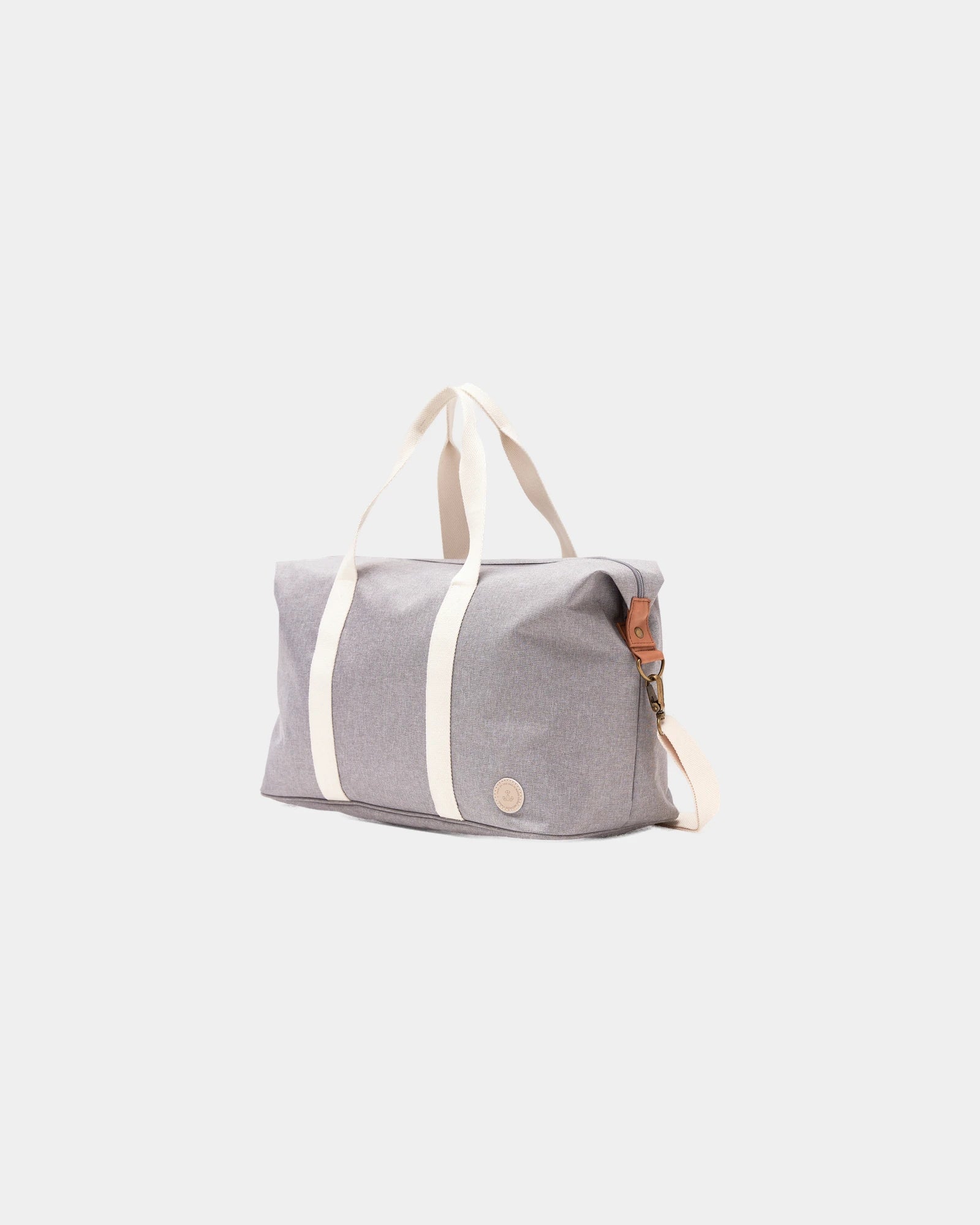


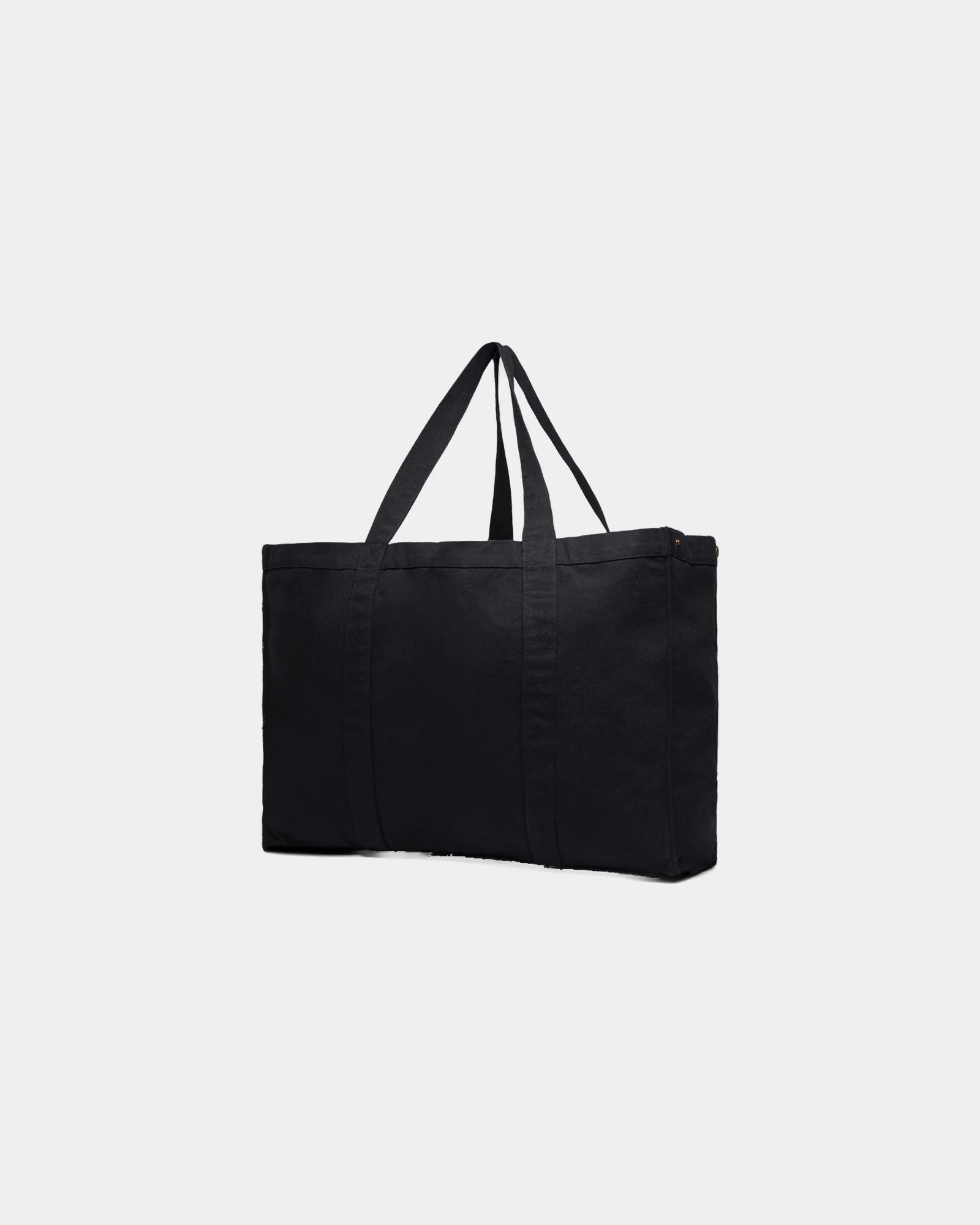


Treat your clients and employees!

FAQ - Branded Drawstring bags
Trusted by 1,000+ companies
Personalised drawstring bags: how the drawcord build defines them
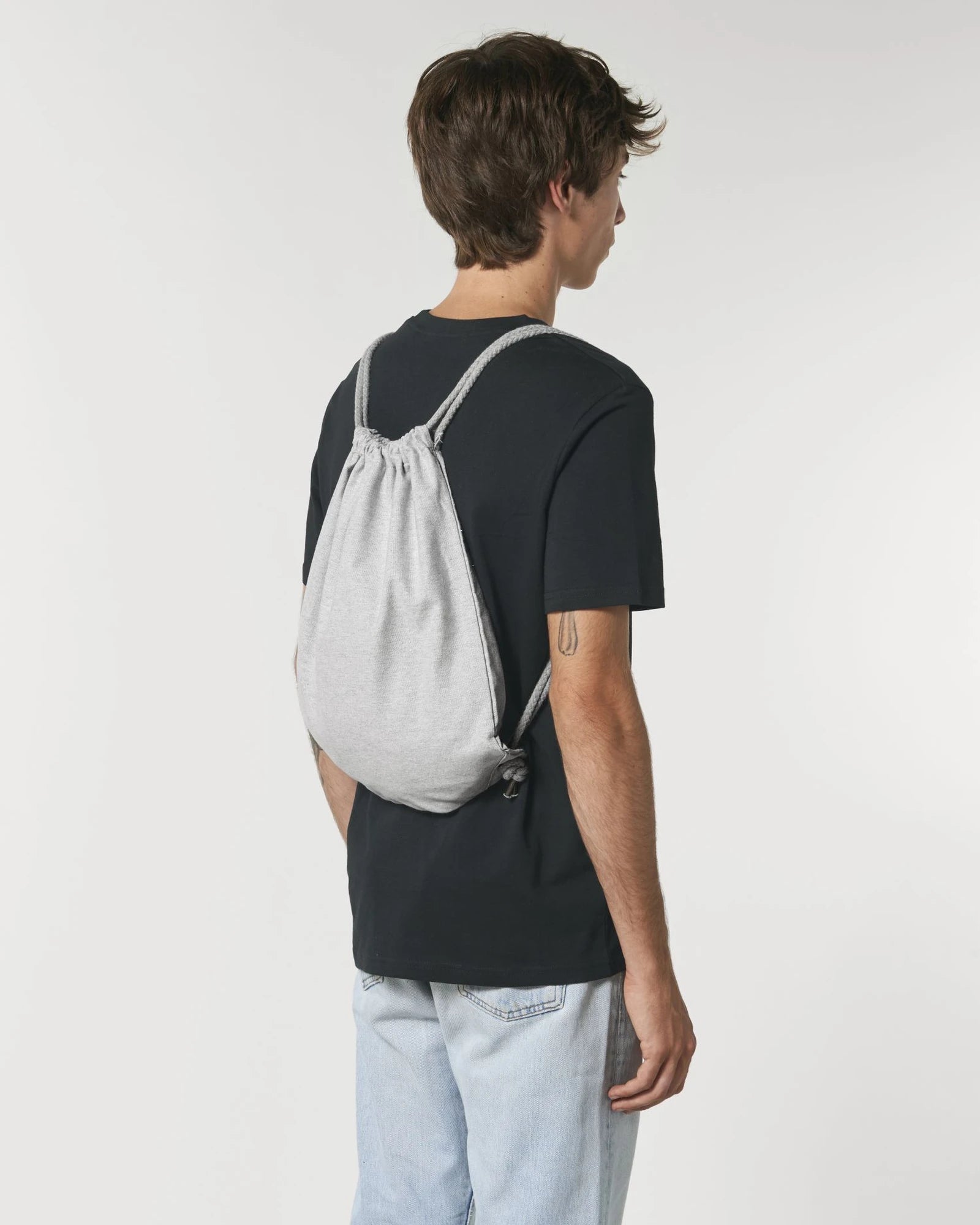
The whole product hangs on one detail. The cord enters the bag at the top and exits at the bottom corners. The same loop you tug to close the mouth is the loop that sits on a shoulder. Pull both cords and the gusset cinches; sling it and your bodyweight keeps it shut. No buckle, no zip, no frame.
That economy is the point. A drawstring bag has perhaps four components: a panel, a cord, two corner anchors and a channel for the cord to run through. Fewer parts means a lower unit cost and a faster print turnaround than any backpack.
Personalised drawstring bags also carry a built-in limit. The cord bites into the shoulder under real weight, so these bags suit a PE kit or a pair of trainers, not a laptop and a day's books. Knowing where the format stops is half of speccing it well.
Custom drawstring bags: eyelet versus sewn-corner cord anchoring
Custom drawstring bags: which anchor suits them
The cord has to grip the bottom corners, and there are two ways to do it. Cheaper drawstring bags thread the cord through a metal eyelet punched into the fabric. Sturdier ones reinforce the corner with a sewn-in fabric tab or a moulded plastic toggle the cord loops around.
The difference shows under load. An eyelet is a hole, and a hole in 210D polyester is the first thing to tear when a heavy kit swings off one shoulder. A sewn corner spreads that pull across stitching instead of one punched ring.
For a giveaway that gets carried twice, eyelets are fine and keep the price down. For a club kit bag used every training night, specify the reinforced corner. We will send a free sample of each anchor so you can feel the difference before committing the run.
| Anchor type | Build | Best for | Relative durability |
|---|---|---|---|
| Metal eyelet | Cord through a punched ring | Event giveaways, light use | Lower |
| Sewn fabric corner | Cord caught in reinforced stitching | Club and PE kit bags | Higher |
| Plastic toggle corner | Moulded loop holds the cord | Heavier 420D bags | Highest |
| Mesh-trim corner | Cord exits a bound mesh panel | Wet or sandy kit | Medium |
Printed drawstring bags: fabric weights that change what they carry
Denier is the number that matters most here. 210D polyester is the standard lightweight cloth: thin, packable and the cheapest to print, which is why most promotional drawstring bags use it. Step up to 420D and the cloth roughly doubles in weight, holding shape and shrugging off the abrasion of boots and studs.
Beyond polyester, the range adds nylon for a slicker water-shedding finish and non-woven PP for the lowest-cost handout. Cotton drill gives a natural, heavier feel, and recycled rPET is woven from post-consumer plastic. Personalised jute bags sit alongside these when a brief wants a coarse natural fibre rather than a smooth synthetic.
Personalised drawstring bags run roughly 10 to 15 litres across the range, model-dependent, which is a shoe bag and a towel, not a weekend's luggage. The fabric choice decides whether that volume survives one festival or three seasons of five-a-side.
Promotional drawstring bags: water resistance and the wet-kit problem
Damp swim kit and muddy boots are the real test. Coated 210D and 420D polyester shed a shower and wipe clean inside, which is why they win over cotton for anything sporty. The weave itself is not waterproof, so standing water will eventually wick through an uncoated panel.
Some drawstring bags add a mesh base or a vented lower panel so wet trainers can breathe instead of stewing. Others line the inside with a PU coating that holds a damp towel without the bag going through to whatever is underneath.
If the brief is a swimming club or a watersports event, say so on the quote. We will steer you to a coated or part-mesh build rather than a dry-handout fabric that turns soggy on its first outing.
Branded drawstring bags: screen print versus full sublimation
Printed drawstring bags: matching the method to your artwork
Two decoration routes dominate, and they suit different artwork. Screen printing lays solid ink onto one or two panels: sharp for a one or two-colour logo, and the workhorse method for budget runs. Each extra colour adds a screen and a little cost, so it rewards simple marks.
Full sublimation dyes the whole panel edge to edge, so a photographic festival graphic or an all-over club pattern prints without a colour limit. It only works on white or light polyester, because the process adds dye rather than covering the base cloth.
The rule of thumb is plain: a flat logo screen prints cheaply, a busy full-bleed design sublimates. Send the artwork with your enquiry and we will tell you which method your file actually needs, not which one we would rather sell.
| Method | Best artwork | Colour limit | Coverage |
|---|---|---|---|
| Screen print | 1-2 colour logos | Per-colour screens | One or two panels |
| Full sublimation | Photos, all-over patterns | Unlimited | Edge to edge |
| Transfer print | Detailed multi-colour, small runs | High | Single placement |
| Embroidery | Premium text and crests | Thread-count bound | Small badge area |
Personalised drawstring bags: embroidery for a club-crest finish
Print is the norm, but a thin drawstring panel will take embroidery on a defined badge area. A stitched club crest or sponsor name reads as a step above a printed handout, and it survives wash cycles that fade cheaper transfers.
The constraint is the cloth. Lightweight 210D puckers if you crowd it with dense stitching, so embroidery suits a compact logo on 420D or cotton drill, not a large block design across a flimsy panel. Custom Sportswear uses the same stitched crest, so a club can match its kit bag to its shirts in one digitised file.
Keep the badge under roughly 10cm and the thread count sensible. We digitise the artwork once, approve it with you, then run every bag from that single stitch file for a consistent crest across the order.
Custom drawstring bags as PE-kit bags for schools
Personalised drawstring bags: why schools choose them
The school PE bag is the original use-case and still the biggest. Every primary pupil needs a named bag for plimsolls and a kit, and a printed school crest on 210D polyester does the job for a few pounds a head. The cord doubles as a peg loop in the cloakroom, which no tote manages.
Personalised drawstring bags for schools usually want a name panel or an iron-on space alongside the crest, so each child can label their own. A light colour with a single-colour print keeps the per-unit cost where a PTA budget can absorb a whole year group.
Order these in one annual run keyed to the new intake. A low minimum order means a small village school can brand a single class without committing to thousands of units.
Promotional drawstring bags: event and festival giveaway runs
At a festival or a freshers' stand, the drawstring bag earns its keep as a wearable handout. A visitor slings it on, fills it with the other stalls' flyers, and walks your logo round the site for the rest of the day. A flat tote gets folded into a pocket; a cinch bag stays on a back.
For these promotional drawstring bags, non-woven PP or thin 210D keeps the unit price at giveaway level, and a bold one-colour print reads from across a crowd. The bag is disposable by design, so the spec leans cheap and loud rather than durable.
The wearable factor is what sets the cinch bag apart from a flat handout. A flyer goes in a pocket and a tote gets folded away, but a drawstring bag rides on a back all day. Your logo then moves through the crowd under its own steam, clocking up impressions a static stand never reaches. That mobile reach is the real return on a low-cost festival giveaway.
This is also where volume bites. A 2,000-unit festival run prints fast on a single screen, while the same artwork sublimated across 2,000 panels costs more and adds days. Match the method to whether the bag is a keepsake or a throwaway.
| Use-case | Fabric | Decoration | Typical anchor |
|---|---|---|---|
| School PE kit | 210D polyester | Screen-printed crest | Eyelet or sewn corner |
| Gym and club kit | 420D polyester | Screen or embroidery | Sewn or toggle corner |
| Festival giveaway | Non-woven PP / 210D | Bold one-colour | Eyelet |
| Event keepsake | rPET or cotton drill | Sublimation or embroidery | Toggle corner |
Printed drawstring bags: recycled rPET and cotton drill across the range
Buyers increasingly want a sustainability line on the bag, and two fabrics deliver it. Recycled rPET is woven from post-consumer plastic bottles and looks identical to standard polyester, so it prints the same and feels the same. Cotton drill offers a natural, heavier handle for a dressier club bag.
Recycled content varies by product, so ask us for the exact figure on the specific drawstring bags you pick and we will send the material sheet for that line. The number on a generic page is never the number on your order.
Cotton holds a damp towel less happily than coated polyester, so weigh the natural feel against the wet-kit reality of where the bag will actually live. Personalised Socks often share an rPET enquiry when a club is building a fully recycled-fibre kit.
Custom drawstring bags: capacity, colour and the visual range
Colour does more work on a drawstring bag than on most carriers, because the whole panel is the canvas. Stock colours run the full spectrum, and a light base is mandatory if you want to sublimate, since the dye process cannot lighten a dark cloth.
Capacity sits around 10 to 15 litres on most custom drawstring bags, enough for trainers, a folded top and a water bottle. If the brief needs a laptop or a structured day-carry, the format is wrong and a Personalised backpacks frame is the honest answer.
Matching the bag colour to a team strip is the common ask. Pick the base first, then the print method, because a navy team bag rules sublimation out before you have even seen the artwork.
Cord colour is the second lever on the look. A contrast or tonal cord picks up a brand accent and lifts a plain panel at little cost, drawn from a stock range on most custom drawstring bags. Bespoke cord shades are possible on a larger run, though they add to the lead time. We confirm the stock options against your palette before the order, so the cord and the panel read as one deliberate choice.
Branded drawstring bags: pairing them with a wider sports kit
A kit bag rarely travels alone. Clubs and event organisers order the cinch bag alongside the gear it carries, so the same crest lands on several items in one brief. Personalised footballs and a branded bag make a tidy junior-club welcome pack for a new season's intake.
Personalised drawstring bags are the cheapest entry point into that kit, which is why they often anchor a starter set rather than the premium piece. A child gets the bag and the ball; the regulars get the bag, the shirt and the embroidered crest.
A canvas drawstring bag also crosses over with retail. Personalised Tote Bags cover the flat shopper end, while the cinch bag suits anyone wanting a hands-free carry off the same artwork.
- Spec your drawstring bags by: denier for durability
- anchor type for load
- coating for wet kit
- print method for artwork
- base colour for sublimation
- capacity for what it holds
Personalised drawstring bags: use cases by sector
The sector you are buying for usually settles the denier, the anchor and the print method before the artwork lands. A primary school wants a cheap printed crest on 210D for every pupil. A sports club wants a durable 420D bag for training nights. A festival ops team wants the lowest-cost handout in bulk. Reading the use first picks the spec fast.
| Sector | Fabric and anchor | Why it fits |
|---|---|---|
| Schools and PE kit | 210D, eyelet or sewn corner | Cheap per head, crest plus name panel |
| Sports clubs and teams | 420D, sewn or toggle corner | Survives boots and weekly training |
| Festivals and freshers | Non-woven PP or 210D, eyelet | Lowest cost, bold one-colour, high volume |
| Event keepsakes | rPET or cotton drill, toggle | Sublimation or embroidery, kept longer |
| Swimming and watersports | Coated or mesh-base, sewn | Sheds water, wet kit breathes |
Personalised drawstring bags map to the sector at quote, then we confirm the coating, the anchor and the print method against that brief. A school PE handout and a club training bag are two different orders off one crest. We spec each rather than forcing a single build across every audience.
Promotional drawstring bags: artwork, proofing and lead times
Send vector artwork where you can, because a logo blown up from a small JPEG prints as soft on the panel as it looks on screen. We remake the file to print-ready, send a digital proof, and nothing goes to the screen or the dye press until you approve it.
Lead time on personalised drawstring bags runs to about three weeks from sign-off for a standard run. Sublimation and embroidery add a day or two over a plain screen print. A festival deadline is workable if the artwork lands early, so book the slot before the date is tight.
Quantity moves the method as much as the price. Below a few hundred, a transfer print can beat the screen setup; in the thousands, screen printing pulls clear ahead per unit. Tell us the number and the deadline and the quote names the right route.

