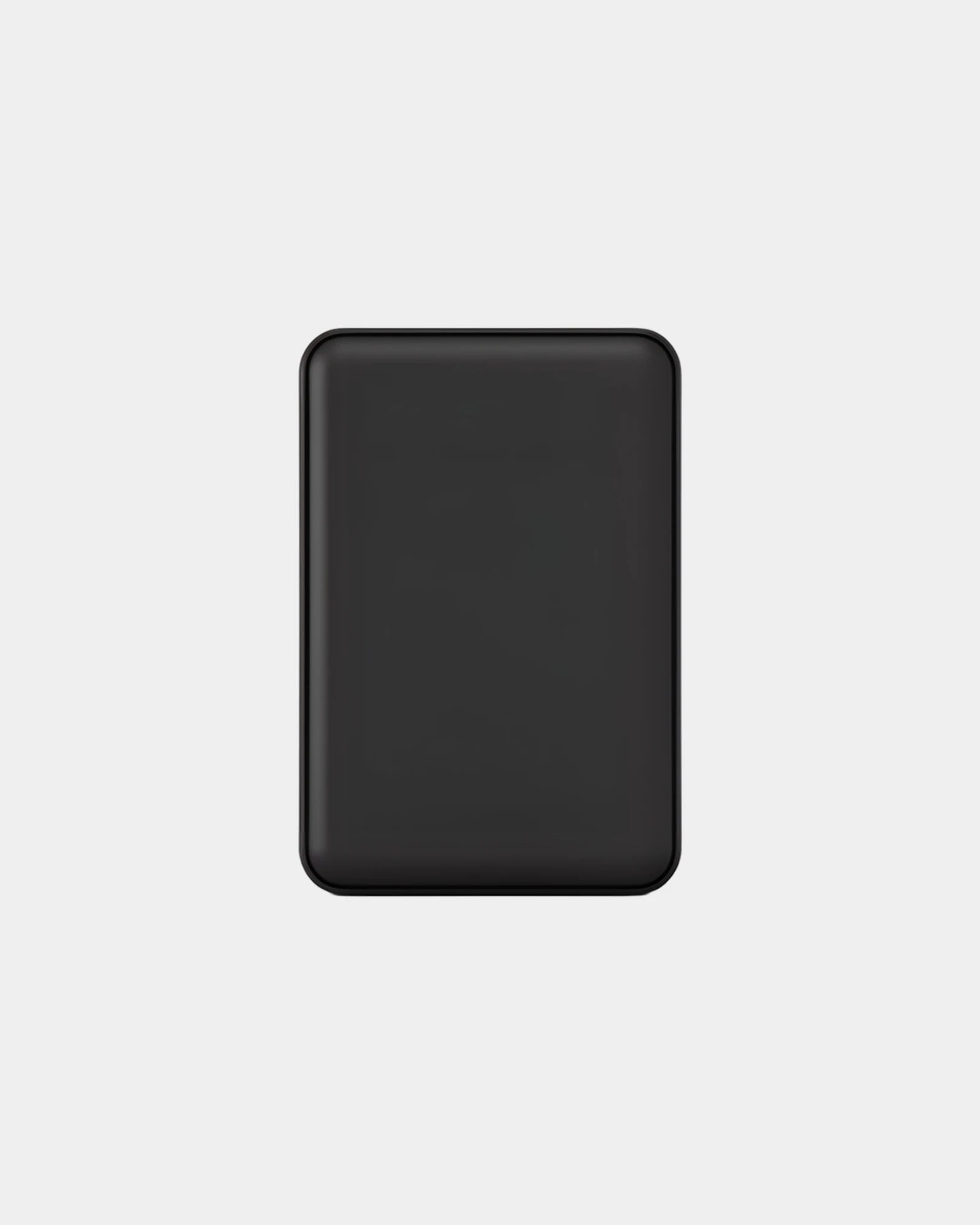
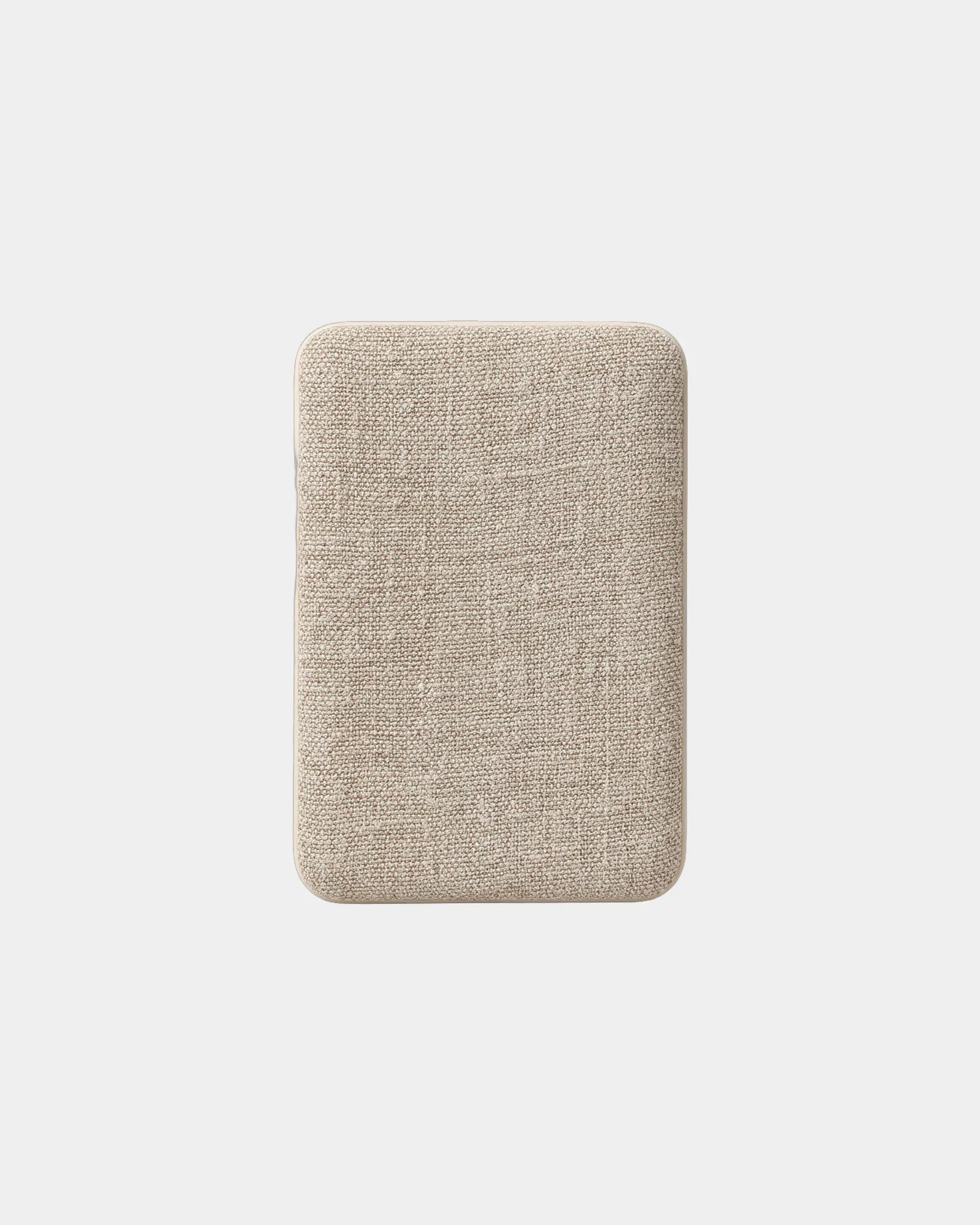
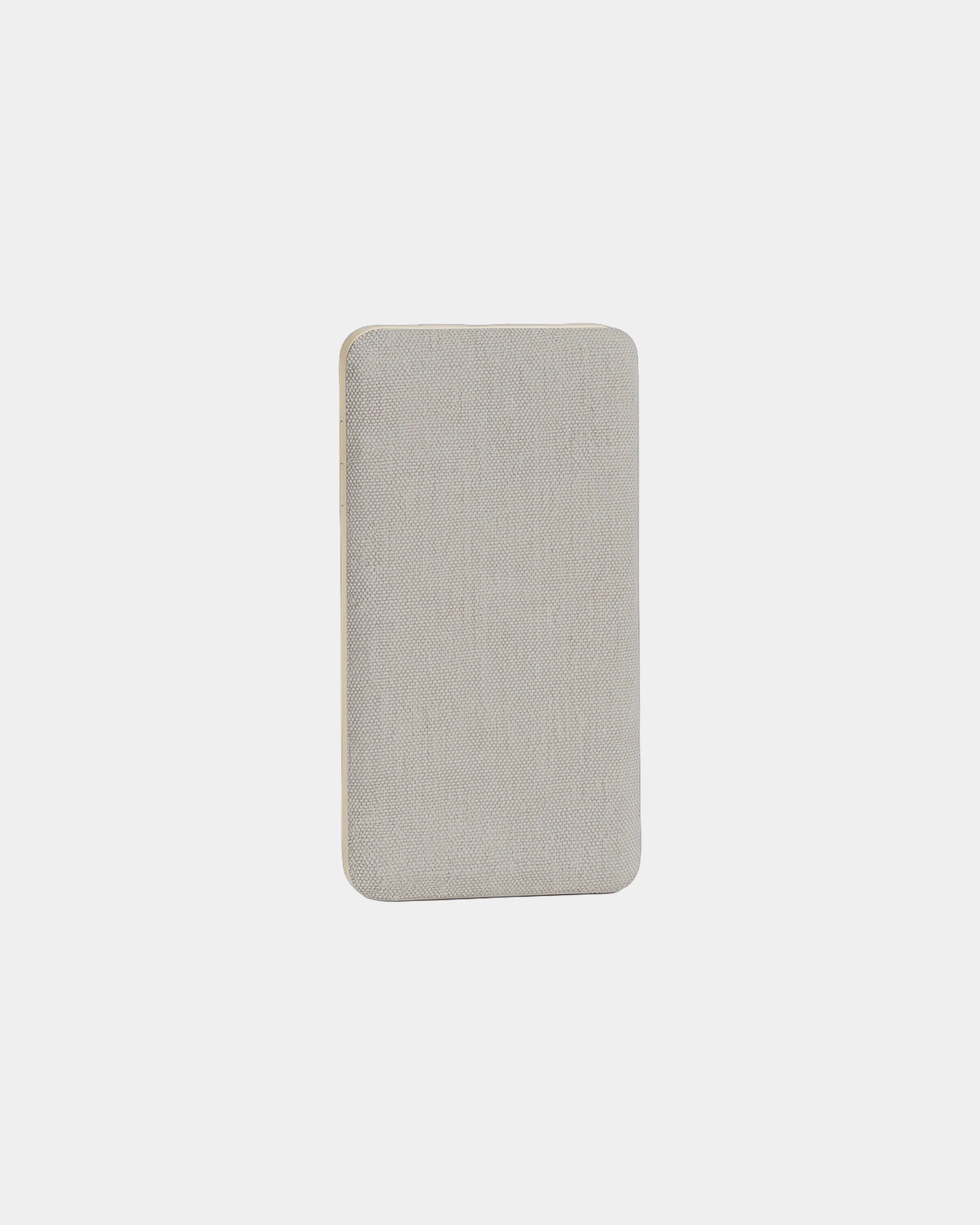
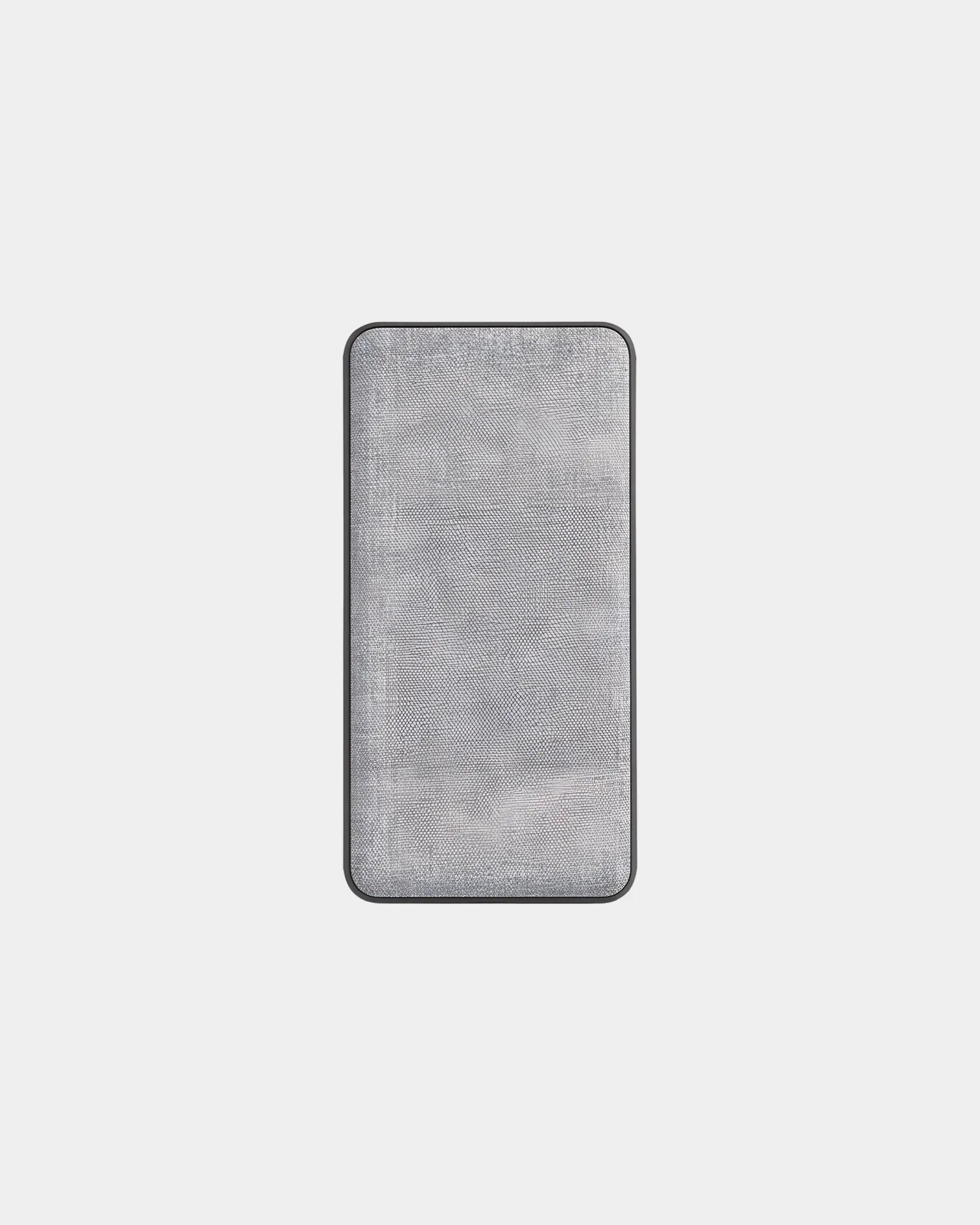
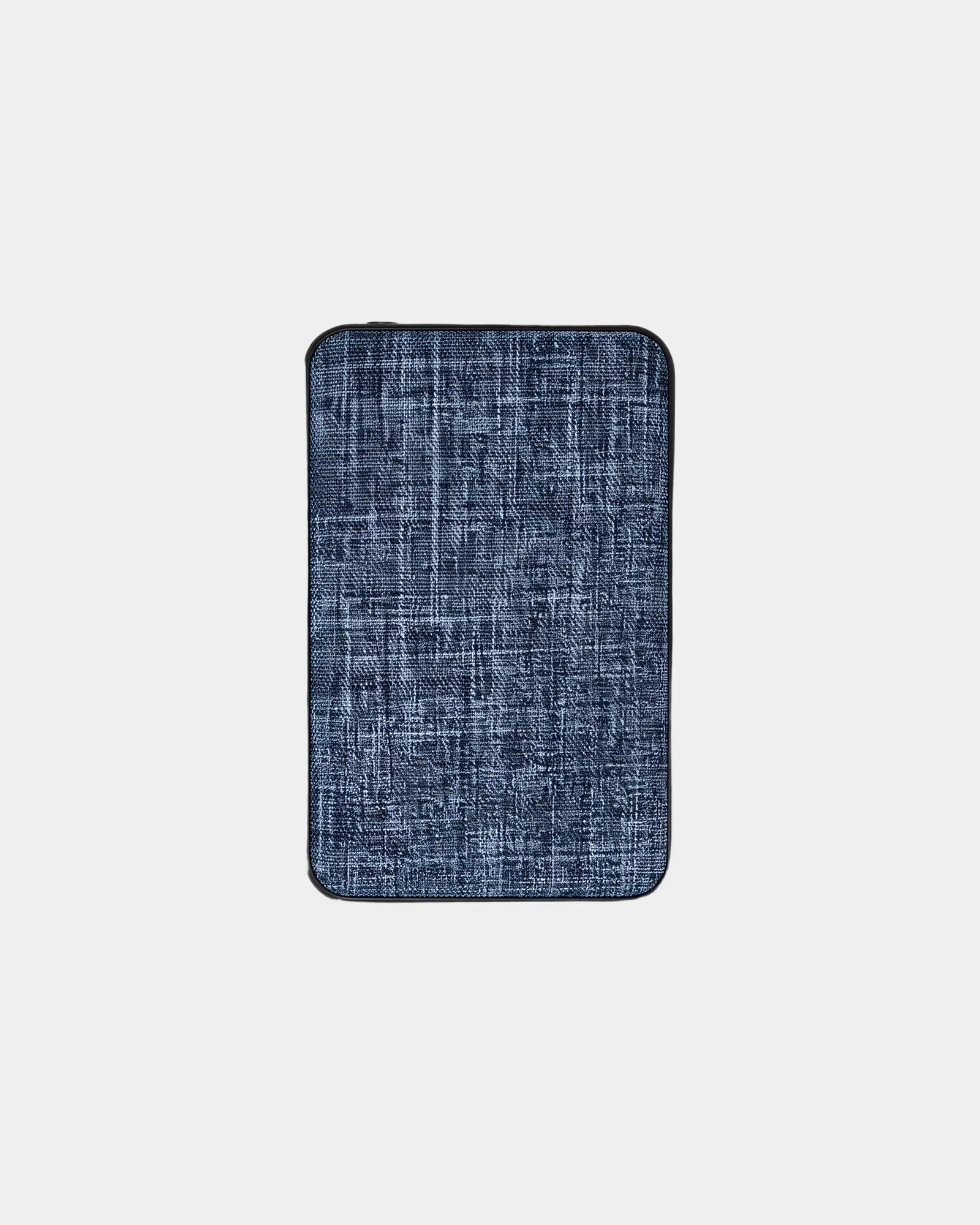
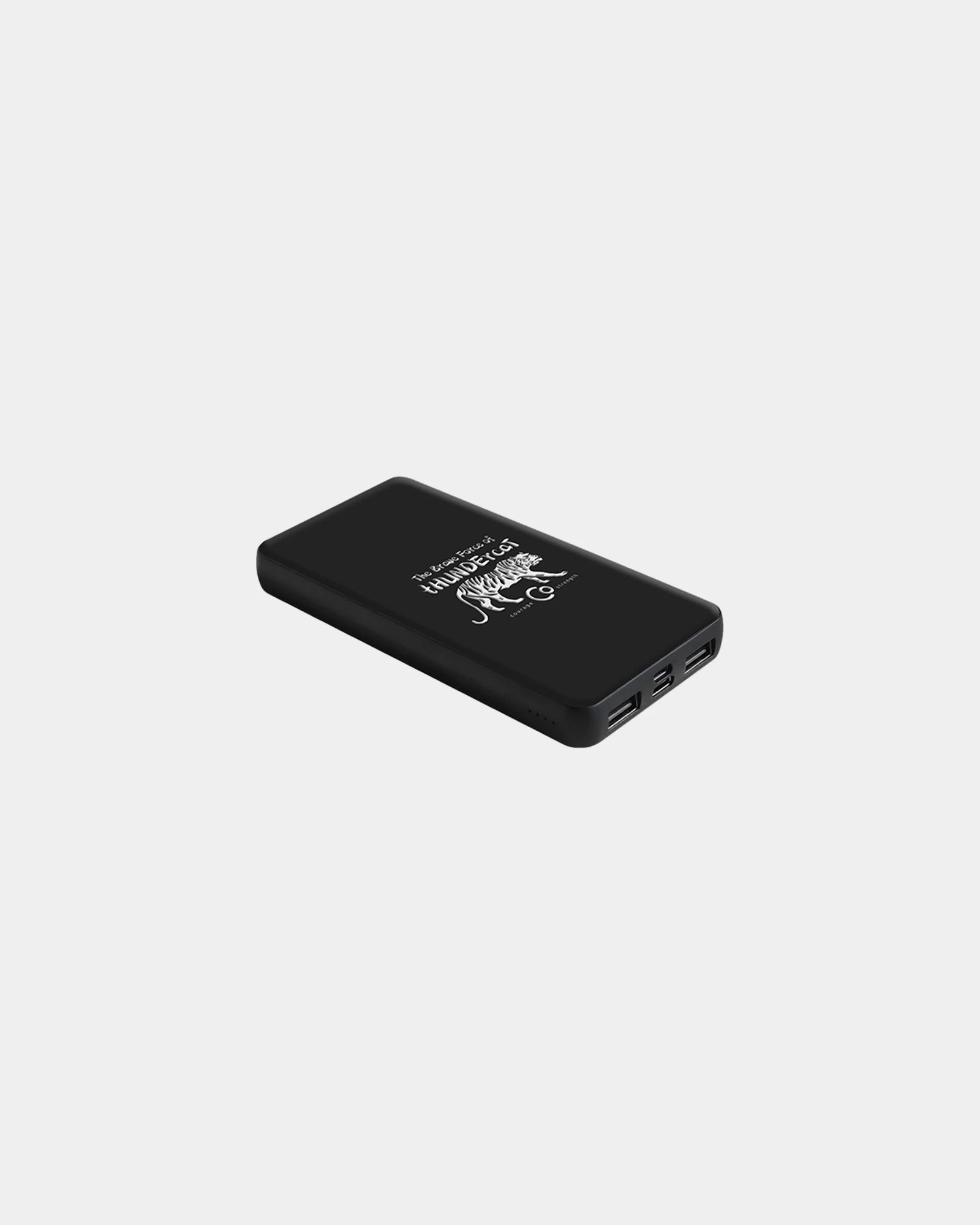
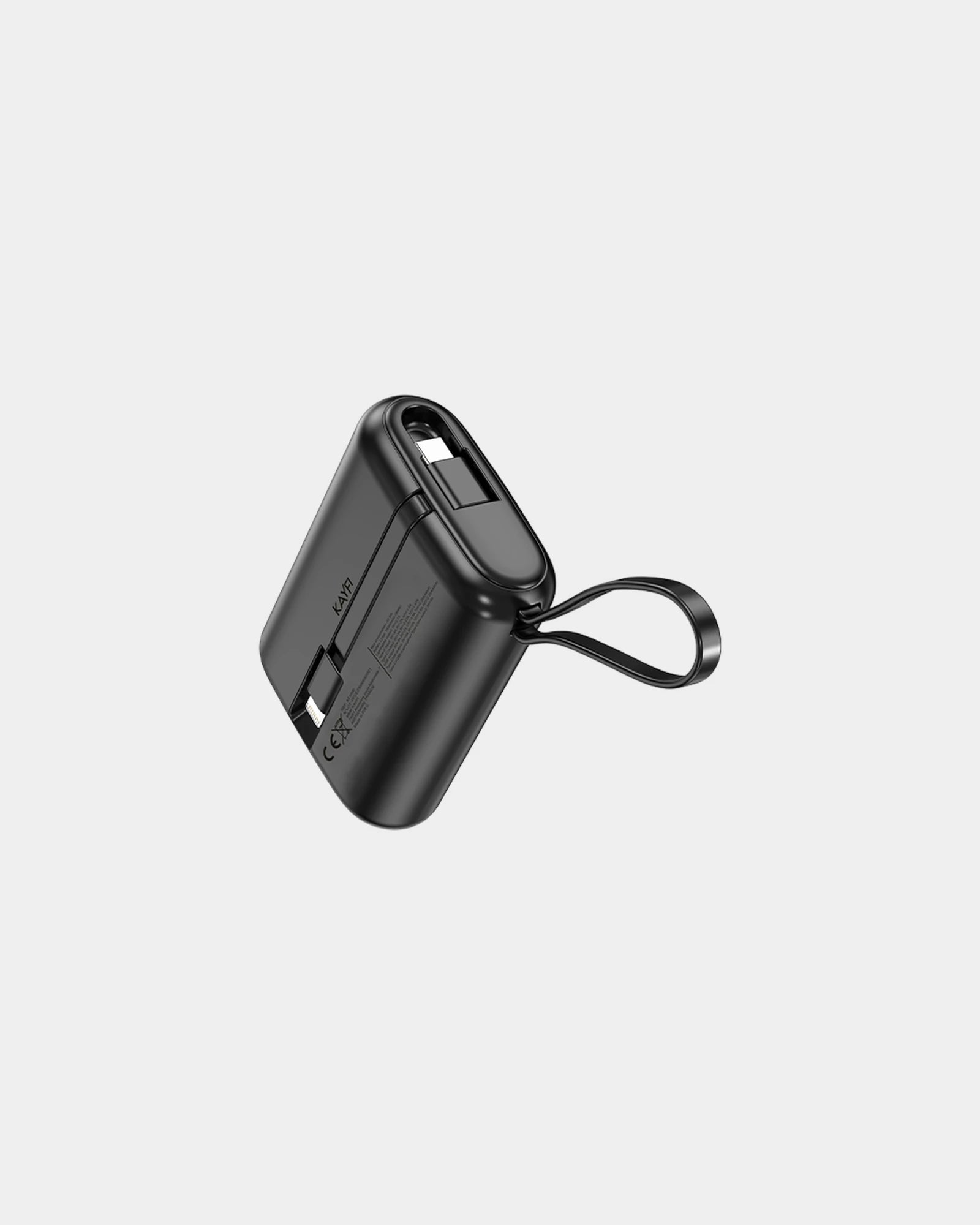
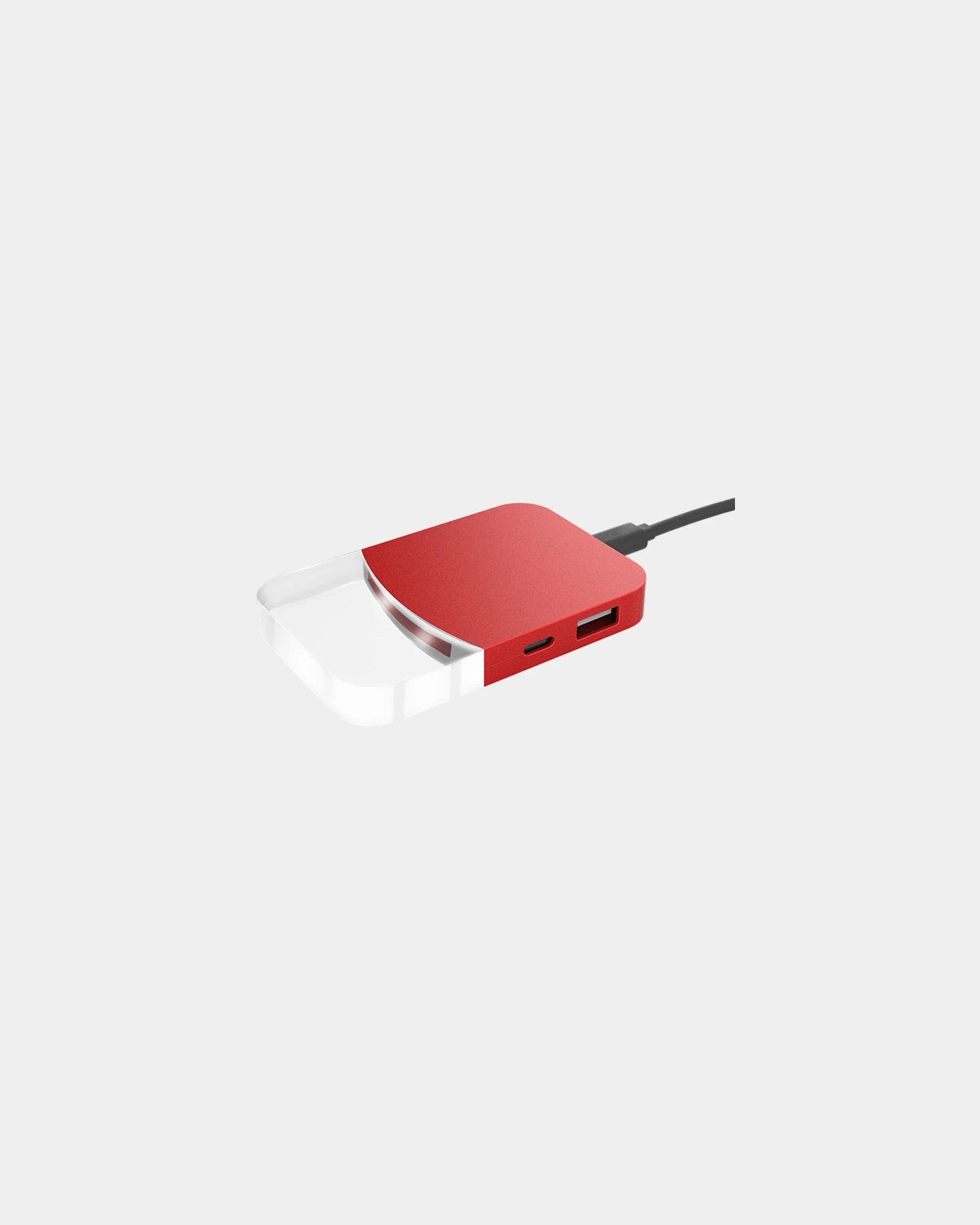
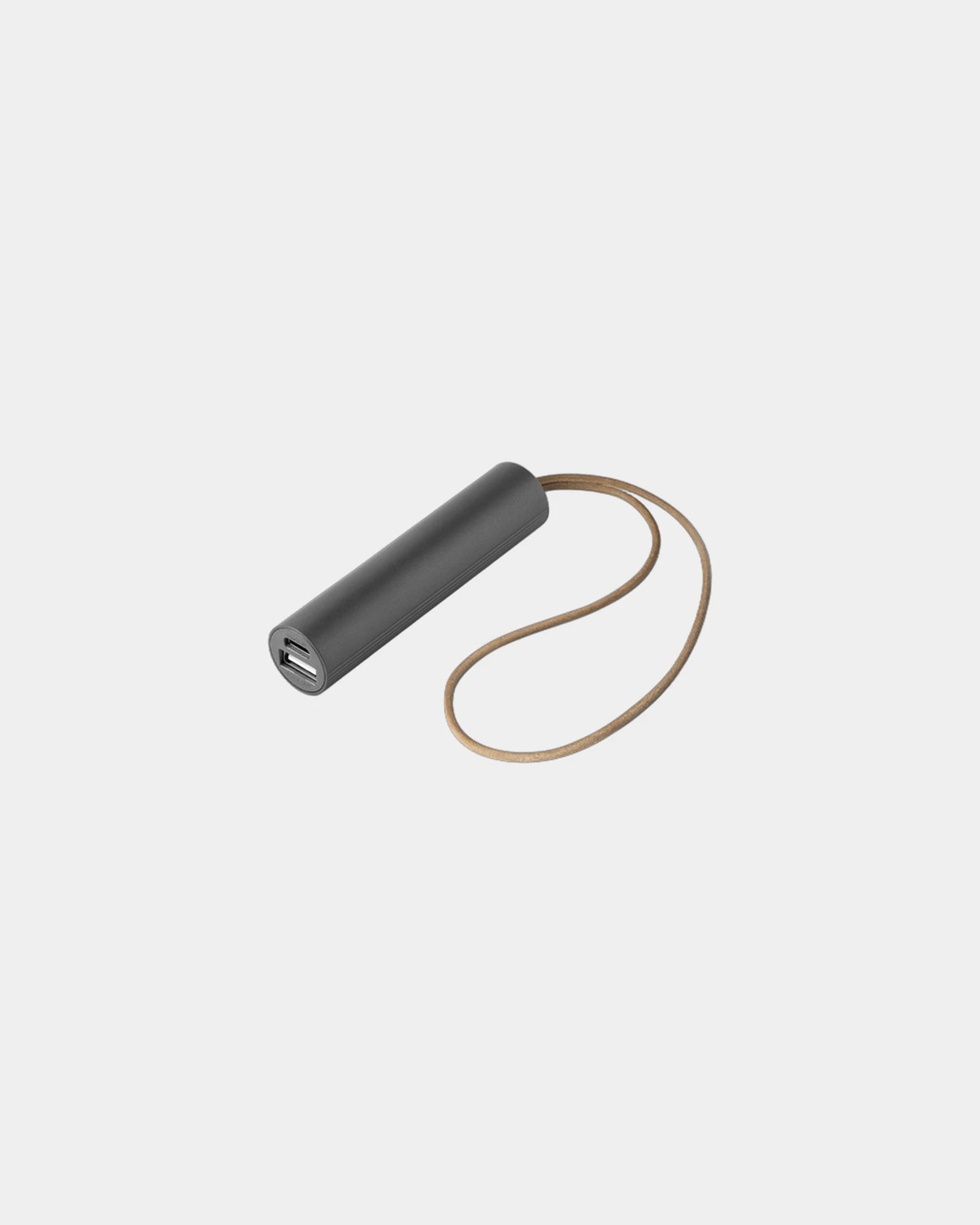
Promotional power banks
- Eco-friendly
- Price, low to high
- Price, high to low
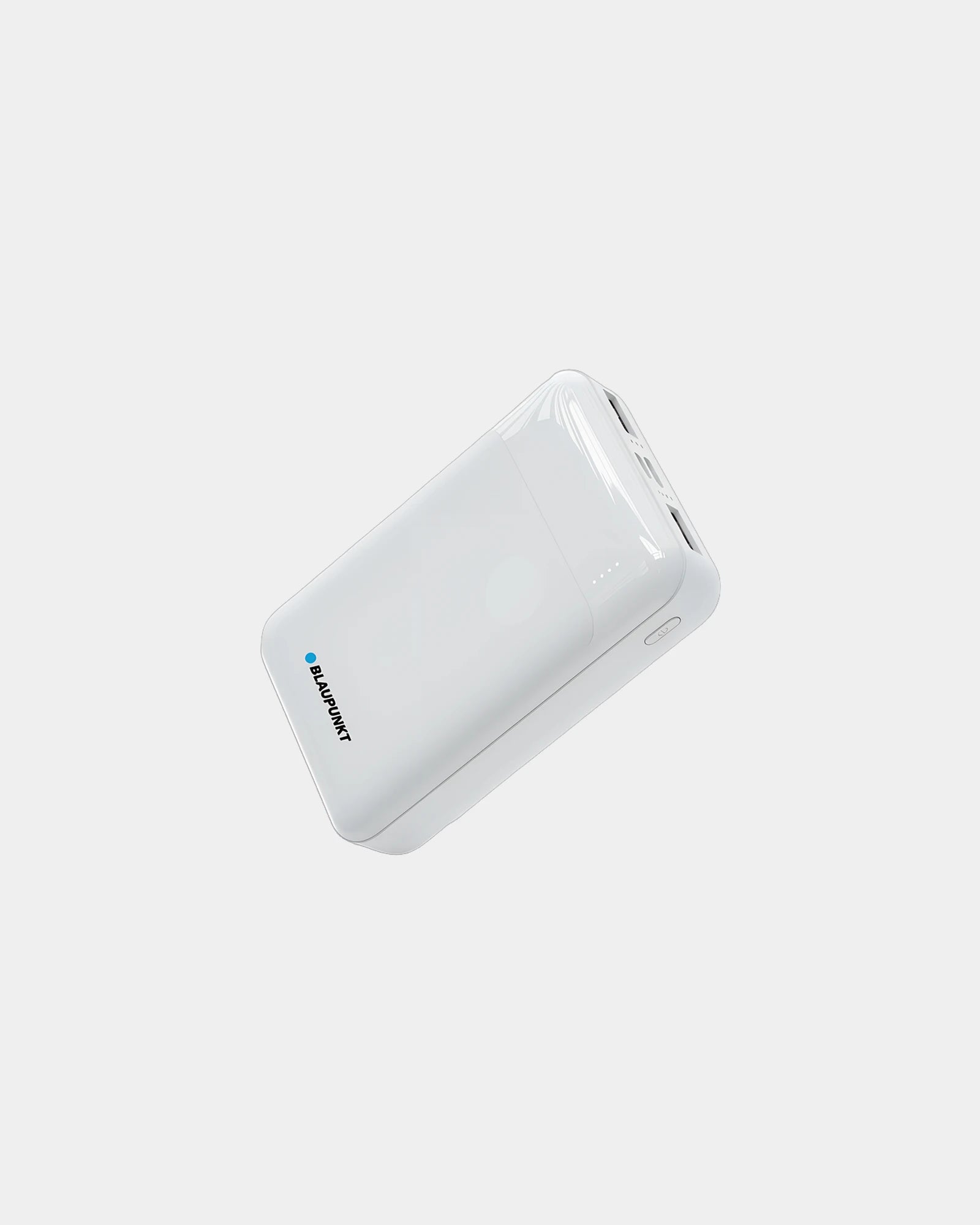
Treat your clients and employees!
FAQ - Branded power banks
Trusted by 1,000+ companies
How much charge personalised power banks actually deliver
Picture a three-day conference. A delegate lands at 6am, runs a packed agenda on mobile boarding passes, maps and notes, and by mid-afternoon the phone is flashing red. The personalised power bank you handed out at registration is the thing they reach for. What matters is not the number printed on the box but the charge that genuinely lands in the phone.
Capacity is rated in milliamp-hours, or mAh, yet that figure is stored energy, not delivered energy. Branded power banks lose a slice to conversion. The cell holds charge near 3.7 volts while a phone wants 5 volts or more, and stepping the voltage up sheds energy as heat.
In practice roughly 60 to 70 percent of the rating reaches the device. A 10,000 mAh unit therefore behaves like about 6,000 to 7,000 usable mAh, which is why honest briefs for personalised power banks talk in real charges rather than headline numbers.
Worked example: a typical smartphone battery sits near 3,500 to 4,500 mAh. Take that 10,000 mAh unit, apply the usable figure, and you get roughly one and a half phone charges, model-dependent. Scale up and a 20,000 mAh body covers a phone plus a tablet top-up across a long day.
So match the rating on your branded power banks to the day your recipient actually has. A festival crew working a weekend wants headroom; a delegate carrying a slim lanyard unit wants light weight over raw capacity that never gets used.
| Rated capacity (mAh approx.) | Usable after loss | Real-world charges |
|---|---|---|
| 2,000 to 3,000 | Around 1,300 to 2,100 | Up to roughly half a phone charge |
| 4,000 to 5,000 | Around 2,600 to 3,500 | Roughly one phone charge |
| 6,000 to 8,000 | Around 3,900 to 5,600 | One to one and a half charges |
| 10,000 | Around 6,000 to 7,000 | Roughly one and a half charges |
| 20,000 | Around 12,000 to 14,000 | A phone plus a tablet top-up |
Fast charging and USB-C PD on custom power banks
A field sales team illustrates the case for speed. Reps grab fifteen minutes between calls, plug in over a coffee, and need usable charge before the next meeting. For them, watts matter more than mAh, because a slow trickle wastes the only window they have.
Output is measured in watts and decides how quickly custom power banks refill a device. Fast charging leans on USB-C and a Power Delivery profile, which is why quotes give a wattage range rather than one fixed figure. The phone, the cable and the charger must all speak the same standard.
How USB-C Power Delivery moves charge faster on custom power banks
The mechanism is worth grasping. A plain USB-A port holds 5 volts and simply pushes more current. USB-C Power Delivery instead negotiates upward, stepping to 9 volts or beyond, moving more energy down the same cable while keeping it cool. Pass-through charging adds another trick, letting the unit refill from the mains while still feeding a phone, so a recipient runs both from one socket overnight. Not every model supports it, so name it in your spec if it matters.
For mass giveaways, modest output keeps the per-piece price sensible. For senior client gifts, a PD unit feels distinctly premium every time it is used. If you are building a wider line, browse our Promotional Technology range alongside it.
| Feature | Detail | Note |
|---|---|---|
| Standard output | Around 5W to 10W | Steady everyday charging |
| Fast charging | Higher W range, model-dependent | Needs PD-capable phone and cable |
| USB-C PD | Power Delivery profile | Negotiates a higher voltage |
| Pass-through | Charges out while charging in | Confirm support in the spec |
| Input port | USB-C or micro-USB | Sets how fast the bank refills |
Wireless and Qi charging personalised power banks
Some recipients never want to think about a cable. Wireless personalised power banks suit them: the phone rests on a Qi pad and charging begins, with output typically up to around 10W. Most cases under a few millimetres thick still charge through, though thick or metal cases can block the coil.
Be candid about the trade. Qi is slower than a good cabled link, so it suits a steady top-up at the desk rather than a fifteen-minute rescue. These units photograph well and feel modern, which makes them a natural premium client gift.
A small LED indicator earns its keep here. A row of lights or a percentage readout tells the recipient when to recharge before a busy day, and that low-cost touch lifts how usable personalised power banks feel.
Curated gift sets pair these neatly with Tech gadgets for a coordinated, contemporary look.
Battery safety and air travel with corporate power banks
Anyone shipping kit to an overseas event hits this wall fast. Power banks hold lithium cells, so they are subject to air-transport rules that shape how stock moves and how recipients carry units when flying. Most rules ask travellers to keep them in hand luggage, never checked, and cabin crew may query large capacities at the gate.
Reputable units build in protection against overcharge and short circuit, and follow recognised manufacturing practice. We describe this generically and make no specific certification claim.
Transport testing for lithium cells checks how a unit copes with the stresses of shipping, typically simulating altitude, temperature swings, vibration, shock and external short circuit. The point is that a cell is shown to be stable before it travels by air, again described in general terms only.
The practical takeaway is simple. Order through an established supplier, keep units within normal temperature ranges, and brief recipients to carry them in the cabin, and your campaign runs without a transport headache.
Ports, cables and pass-through on personalised power banks
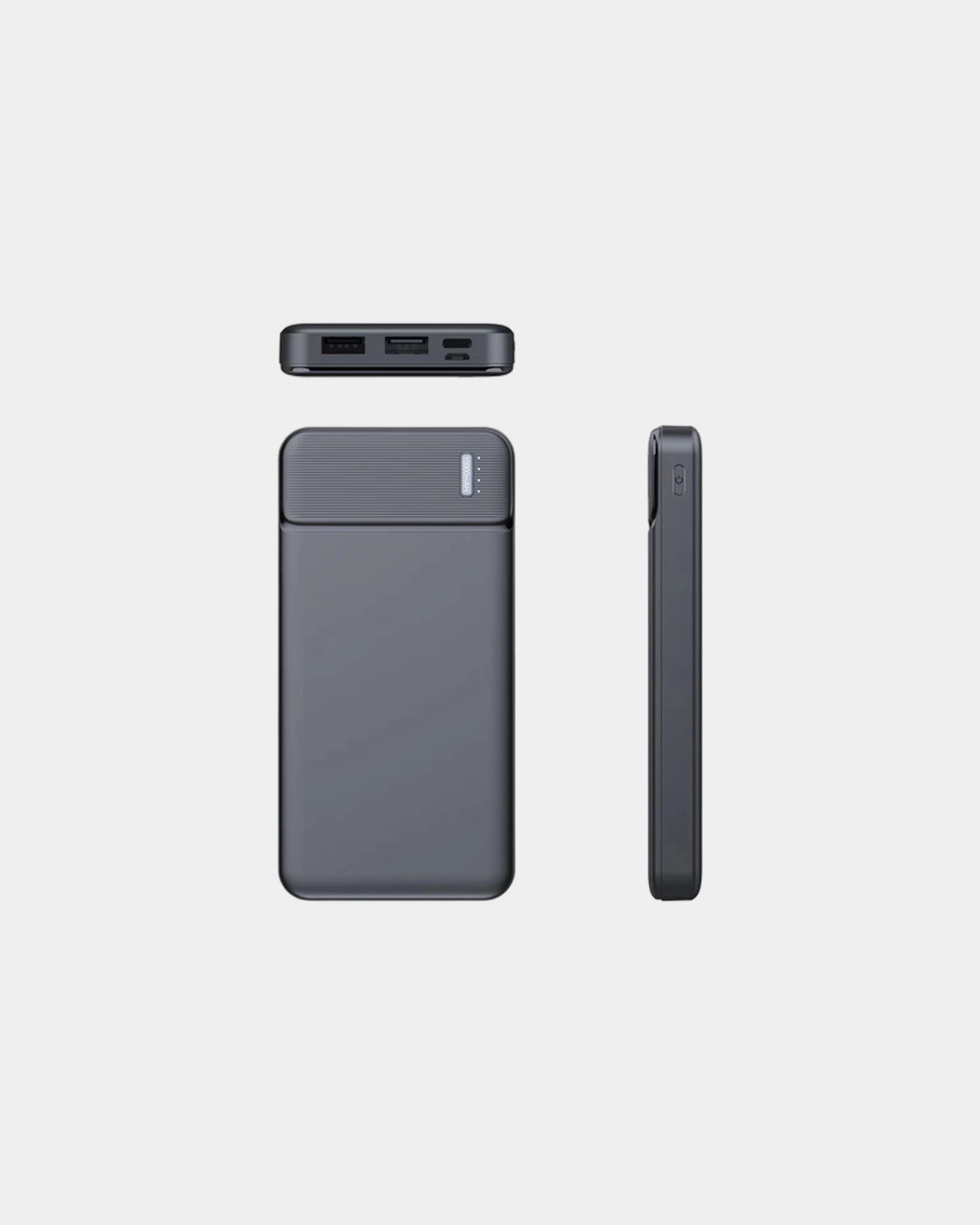
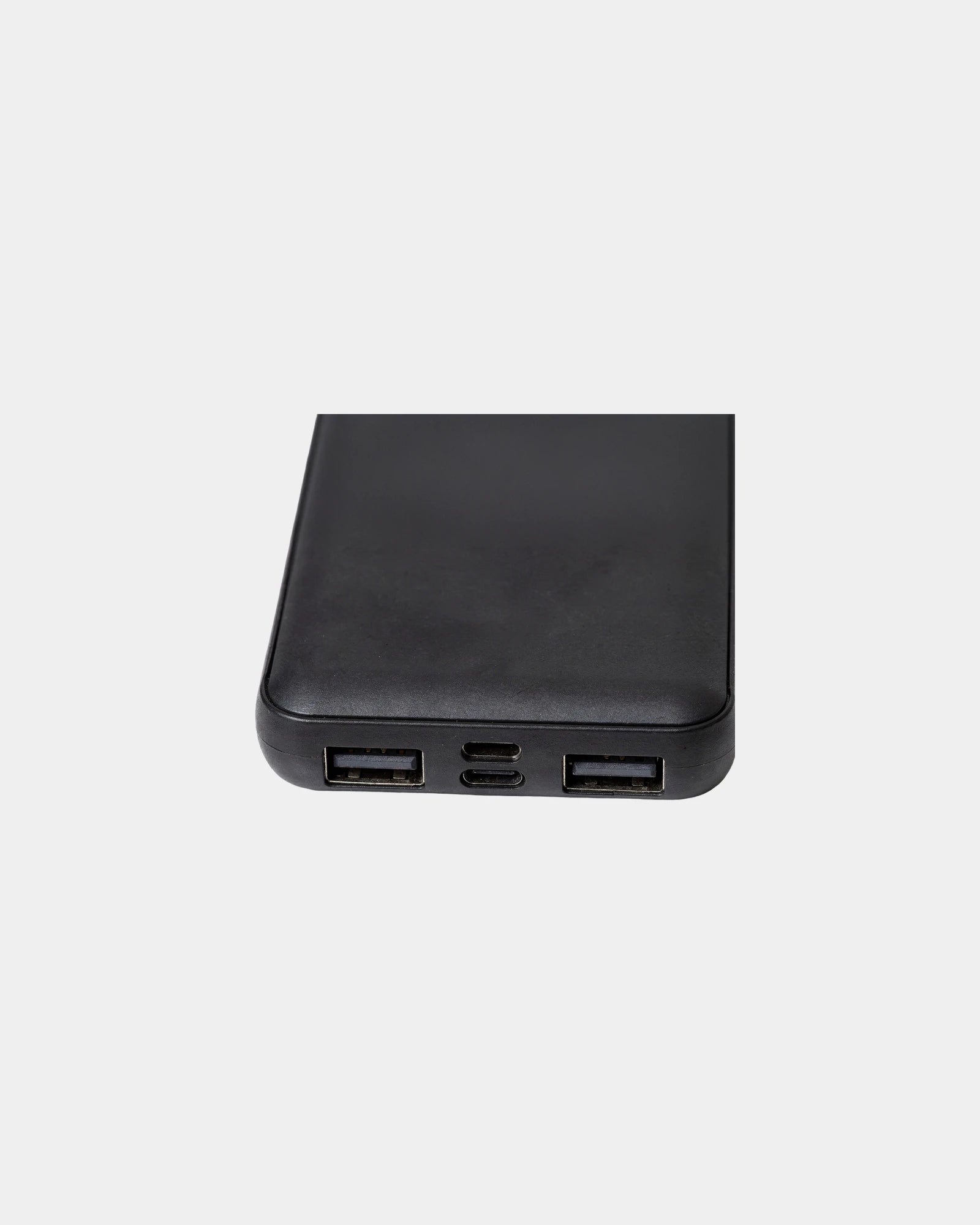
Port choice quietly decides how useful personalised power banks feel in a crowded bag. A single USB-A output covers a simple giveaway. Dual outputs let a phone and a set of earbuds charge together, though the available power splits between them, so each device charges a touch slower.
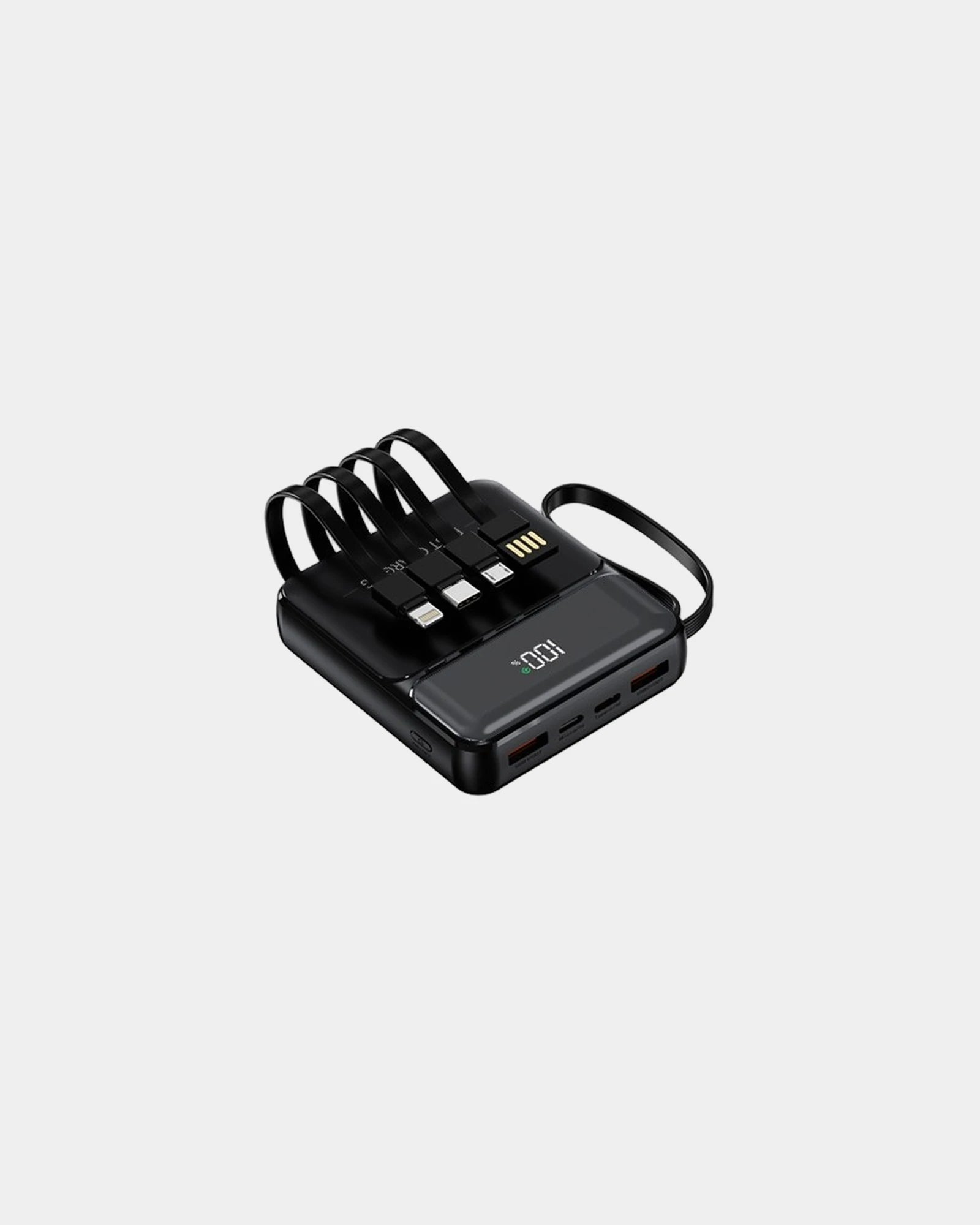
Built-in cables remove a real friction. A short captive lead means the recipient never hunts for a spare, so the unit works straight from the bag. Some models carry several connector tips on one cable, covering USB-C and Lightning, which suits mixed-device teams.
The input port matters as much as the outputs, since it sets how fast the personalised power bank itself refills overnight. A USB-C input recovers far quicker than ageing micro-USB, worth specifying for units that turn around between event days.
Think about the recipient's pocket, then the spec follows. Pair the charger with audio kit such as Branded earbuds in a welcome bundle when the use-case fits.
Capacity by device: worked examples for custom power banks buyers
Buyers ask the wrong question first: how big? The better question is who carries it and what they charge. A slim lanyard personalised power bank at 5,000 mAh gives roughly one phone charge, ideal for trade-show handouts that must stay light.
Step up to 10,000 mAh for staff and frequent travellers, where the usable 6,000 to 7,000 mAh covers a phone and a half across a long shift. This is the workhorse rating for conference bags and onboarding packs.
Reserve 20,000 mAh for premium gifts and multi-device users. The usable figure stretches to a phone plus a tablet, though the body grows noticeably heavier, so it suits a desk or a laptop bag rather than a pocket.
Smartwatches and earbuds barely register against these figures, so a recipient charging small wearables gets many top-ups from even a mid-range unit. Map the rating to the device, and an oversized charger never ends up abandoned at home. A solar add-on only ever adds a daylight trickle on top of these figures, so size the cell on cable charging first.
Branded solar power banks for outdoor and festival use
A festival crew working a muddy weekend with no reliable socket is the real test of a solar unit. Branded solar power banks carry a small photovoltaic panel that tops up the cell in daylight, which gives outdoor and sustainability campaigns a genuine talking point.
Set expectations honestly. The panel is a trickle source, not a primary one, so charge these mainly by cable and treat the sun as a backup. That framing actually helps, signalling environmental awareness without overpromising.
Build quality counts more outdoors. A rugged housing, a rubberised edge and a degree of dust or splash resistance help a unit survive a field or a worksite. A carabiner clip or a small torch widens the appeal for camping and travel without raising cost by much.
For a coordinated outdoor giveaway, these sit happily next to everyday branded kit such as Branded umbrellas in a complete pack.
Materials and cells inside custom power banks
Material shapes both the look and the marking of custom power banks. ABS plastic is the most economical and prints in full colour, the default for high-volume handouts. Aluminium feels cooler and more premium, taking a clean laser engrave for understated corporate gifts.
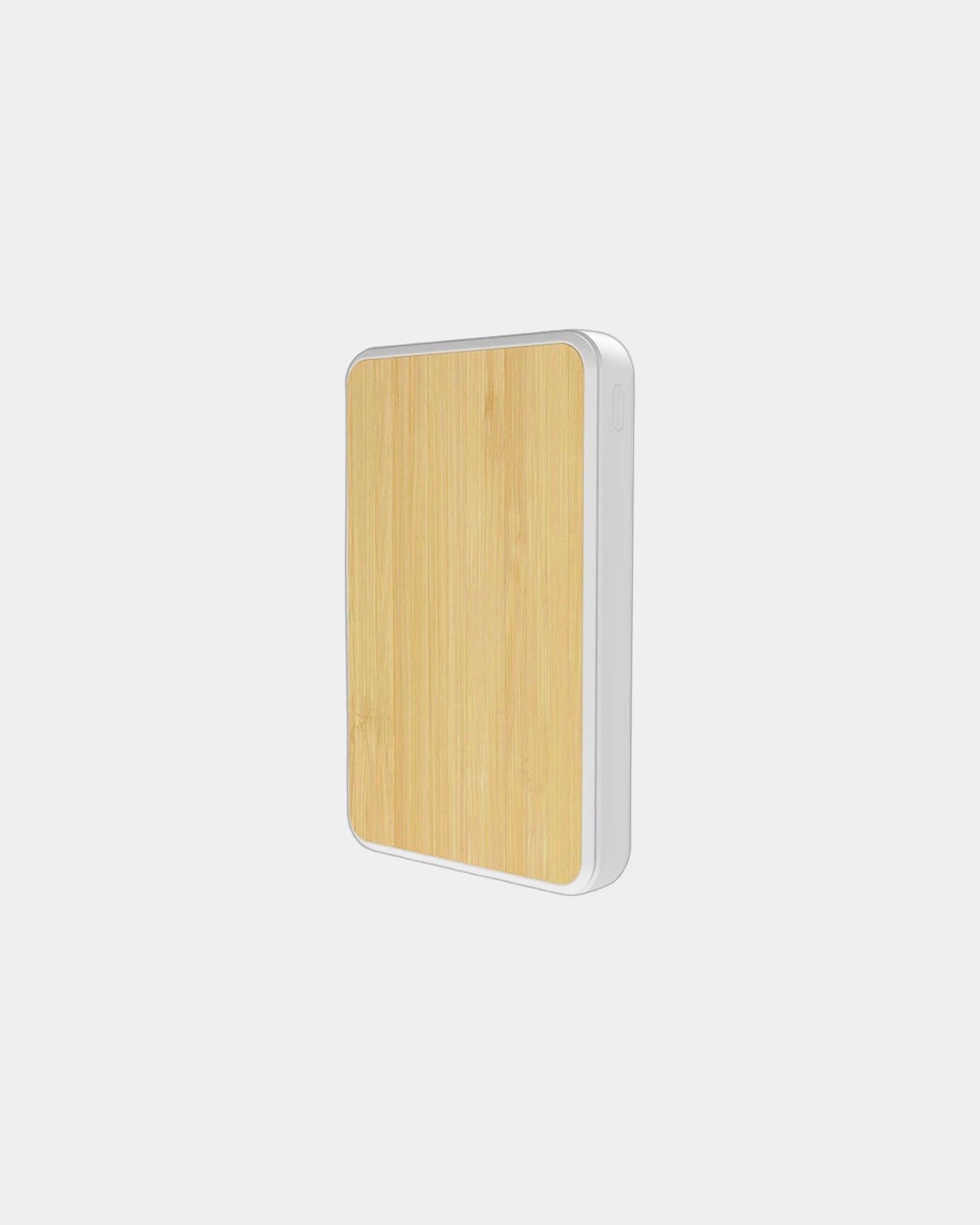
Bamboo and natural finishes carry an eco message and engrave attractively, while recycled-plastic bodies offer a similar story at a lower price. The body you pick should follow your logo, your quantity and the impression you want to leave.
The cell behind your custom power banks
The cell inside is the hidden half of the choice. Lithium-polymer cells are flat and thin, enabling slim card-style bodies and wireless pads; cylindrical lithium-ion cells are rounder and cost-effective, and tend to sit inside chunkier high-capacity units. A recycled ABS housing can wrap either type while keeping the sustainability angle.
Curated tech sets often place these beside Branded Bluetooth Speakers, so a shared material story can run across the gift.
Marking and finishing on printed power banks
The branding area on personalised power banks is the flat face of the casing, and its size caps how much detail you can carry. A larger panel holds a logo plus a strapline or web address; a slim lanyard unit may only fit a compact mark, so check the print area before finalising artwork.
UV digital print reproduces full-colour artwork and gradients on plastic, ideal for detailed logos. Pad print is a cost-effective classic for one or two solid colours on curved surfaces, and screen print lays bold single colours on flat panels.
For a premium finish, doming adds a clear raised resin layer over a printed label for a glossy, tactile badge. Laser engraving removes a thin surface layer on metal and bamboo for a permanent, refined mark that never rubs off.
Supplying clean vector artwork makes any method reproduce well, and naming your exact brand colours helps the finish match across a run. We can provide artwork approval within 24 hours so you sign off before production. For comparable finishing examples, see Bluetooth Speakers.
| Method | Surface | Effect |
|---|---|---|
| UV digital print | Plastic, coated bodies | Full colour, fine detail |
| Pad print | Curved plastic | One to two solid colours |
| Doming | Printed label area | Glossy raised resin badge |
| Laser engraving | Aluminium, bamboo | Permanent, no colour |
| Screen print | Flat plastic panels | Bold single colours |
LED light-up logo printed power banks at busy stands
On a packed exhibition floor, a logo that glows wins the glance. Light-up personalised power banks carry an illuminated mark that lifts your brand out of a bag of identical freebies, which is why they suit attention-grabbing stand giveaways.
The logo area is usually a frosted panel backlit by an LED, so a bold, simple mark reads best. Fine detail can lose impact once lit, worth weighing at artwork stage, and a single-colour logo with strong contrast carries across a busy aisle.
The light draws a little power, so it is normally set to glow only while the unit charges a device. That ties the effect to active use rather than draining the cell in a bag, keeping the spectacle where it counts.
For a memorable tech-led handout, these pair with standout audio such as Branded headphones across a coordinated set.
Who orders corporate power banks, and why it varies
Few products cross sectors as easily as branded power banks. Technology and SaaS firms hand them out at conferences, where delegates expect useful, on-brand kit that survives the trip home.
Professional services use them as considered client gifts; universities and events teams lean on them for freshers' packs and delegate bags. Field teams in logistics and construction value a real charge across long shifts, and outdoor crews favour rugged or solar bodies.
Healthcare, finance and public-sector teams tend toward a restrained finish, where a discreet engrave on a metal body suits a formal recipient. Many also pair the charger with Custom shirts for staff, so the material itself carries a consistent message.
Matching capacity and body to the audience matters as much as the logo. Retail and hospitality brands run them through loyalty and VIP schemes, and the same buyers often add a complete tech range around them.
Briefing your personalised power banks order well
A clean brief on your branded power banks saves a round of proofs. State the use-case first, name the rating you need in real charges, then settle output, ports and body around it. Minimum orders typically start from approximately 25 units, which keeps even pilot runs accessible.
Larger volumes unlock keener per-piece pricing and wider material choices, so balance your spec, quantity and deadline together rather than fixing one in isolation. Lead time runs around three weeks after artwork approval.
Use the checklist below to pin the spec before you request a quote, and confirm anything model-dependent in writing.
- Capacity by use: 5,000 mAh for lanyards, 10,000 for staff, 20,000 for premium gifts
- Remember usable capacity sits below the rated mAh after conversion loss
- Output and PD: pick higher watts with USB-C Power Delivery for premium recipients
- Add a Qi wireless pad when modern phones and easy top-ups matter
- Ports: USB-C plus USB-A lets two devices charge at once
- Body: slim card style for pockets, rugged or solar housing for outdoor campaigns
- Confirm pass-through and air-travel handling, and minimum orders start near 25 units
| Quantity | Material tendency | Marking | Unit-price tendency |
|---|---|---|---|
| From approx. 25 | Premium plastic or metal | Print or engrave | Higher per unit |
| 50 to 100 | Plastic, some metal | UV or pad print | Moderate |
| 250 to 500 | Mostly plastic | Pad or UV print | Lower |
| 1,000+ | Economical plastic | Single-colour print | Lowest per unit |
Tiering custom power banks across one campaign
A single campaign rarely wants one charger for everyone, because a conference handout and a board-level gift sit at opposite ends of perceived value. The proven move is to tier the spend. A slim, modest-output unit blankets the wide handout where the cost per piece has to stay low. A high-capacity USB-C PD body in metal rewards the short list of names worth a real gift. One artwork file drives both, so the brand reads identically from the cheapest unit to the dearest.
Tiering also lets the rating track the recipient rather than the budget alone. The mass tier sizes the cell for one phone charge on the move. The premium tier stretches to a phone plus a tablet, with a finish that feels considered in the hand. The table below sketches a three-tier split a buyer can adapt to a live list.
| Tier | Capacity | Body and mark | Best recipient |
|---|---|---|---|
| Wide handout | 5,000 mAh | ABS, UV print | Conference and event crowd |
| Staff and travellers | 10,000 mAh | Recycled ABS, print | Team and frequent movers |
| Premium gift | 20,000 mAh or PD | Aluminium, laser engrave | Senior clients and VIPs |
Where a list straddles two tiers, a single order carries both bodies side by side, made and packed together. We hold the artwork so a later top-up of any tier matches the first run. That keeps a growing programme consistent without a fresh setup each cycle.