Promotional charity merchandise
- Eco-friendly
- Made in France
- Made in Europe
- B corporation
- Price, low to high
- Price, high to low
Treat your clients and employees!
FAQ - Branded charity merchandise
Trusted by 1,000+ companies
What this Promotional charity merchandise hub owns, and how it differs from a corporate giveaway
Promotional charity merchandise here means branded goods bought to serve a cause. That covers items a supporter buys to fund you, a handout that spreads your name, kit that identifies a volunteer and a thank-you that keeps a donor close. The defining constraint is unit cost against a tight budget, because every pound spent on stock is a pound not spent on the cause.
That constraint is what sets this hub apart from a corporate or event range. A company buys a giveaway to look generous; a charity buys stock that often has to be resold at a margin to actually raise money. So the questions here run differently. They turn on low minimums, resale price points, the ethical sourcing your supporters will ask about, and designs that lead with the cause not a sponsor logo.
The page is sorted by the job the item does inside a charity, not by product type. You can enter from a fundraising sale, an awareness push, a volunteer rota, a marathon cheer point or a donor mailing. Each route hands you down to the delivered range where the spec-level choice lives.
The five Promotional charity merchandise jobs this hub routes to
Strip a charity's buying down and five distinct jobs appear, each with a different cost logic. Resale lines need a margin between unit cost and stall price. Awareness handouts need the lowest unit cost at the highest volume. Volunteer kit needs identification and durability. Supporter event merch needs visibility in a crowd. Donor thank-yous need a felt value above their modest cost.
Mapping a brief to one of those five jobs stops the common mistake of buying one item and asking it to do all five. A tote that works as a resale line is not automatically the cheapest awareness handout, and a volunteer hi-vis is not a donor gift. Audit your order against the five before you sign it off, so no job is doubled and none is missed.
Each job below opens on the decision that matters for it, then links down to the delivered range. The hub routes the cause; the product page carries the colours, sizes and marking detail.
| Charity job | What it has to do | Cost signal | Range to brief |
|---|---|---|---|
| Fundraising resale | Sell at a margin on a stall or shop | Unit cost well under resale price | T-shirts, tote bags |
| Awareness handout | Spread the cause at volume | Lowest possible unit cost | Stickers, keyrings |
| Volunteer and staff kit | Identify and equip the team | Durability over many wears | T-shirts, lanyards |
| Supporter event merch | Show the cause in a crowd | Visible at distance | T-shirts, water bottles |
| Donor thank-you | Reward and retain a giver | Felt value above unit cost | Water bottles, tote bags |
Cause-led design: what makes Promotional charity merchandise different to read
A piece of Promotional charity merchandise has one job a corporate giveaway never carries: it has to make a stranger feel the cause in a second. The artwork leads with the mission, a short message or a recognisable symbol, and the logo sits as identification rather than as the headline. That is the opposite of a sponsor handout, where the brand is the point.
This design logic changes what you brief on every item. A campaign sticker wants a slogan a passer-by reads at arm's length. A resale tee wants a design a supporter is proud to wear in public. A volunteer tabard wants the charity name big enough to read across a street. The cause sets the artwork hierarchy before the product type does.
Keep any supplier or funder credit small and secondary. Supporters give to a cause, not to a logo wall. Merchandise that reads as honest cause communication earns the trust that converts a glance into a donation or a sale.
Fundraising resale: Custom fundraising merchandise that has to clear a margin
Tote bags as Custom fundraising merchandise resale
A village fete stall has a float, a trestle table and three hours to turn boxes of stock into cause income. The single number that governs that stall is the gap between what each item cost you and what a supporter will pay for it. A tote bought low and sold at a fair charity price funds the cause twice, once on the margin and again every time it is carried.
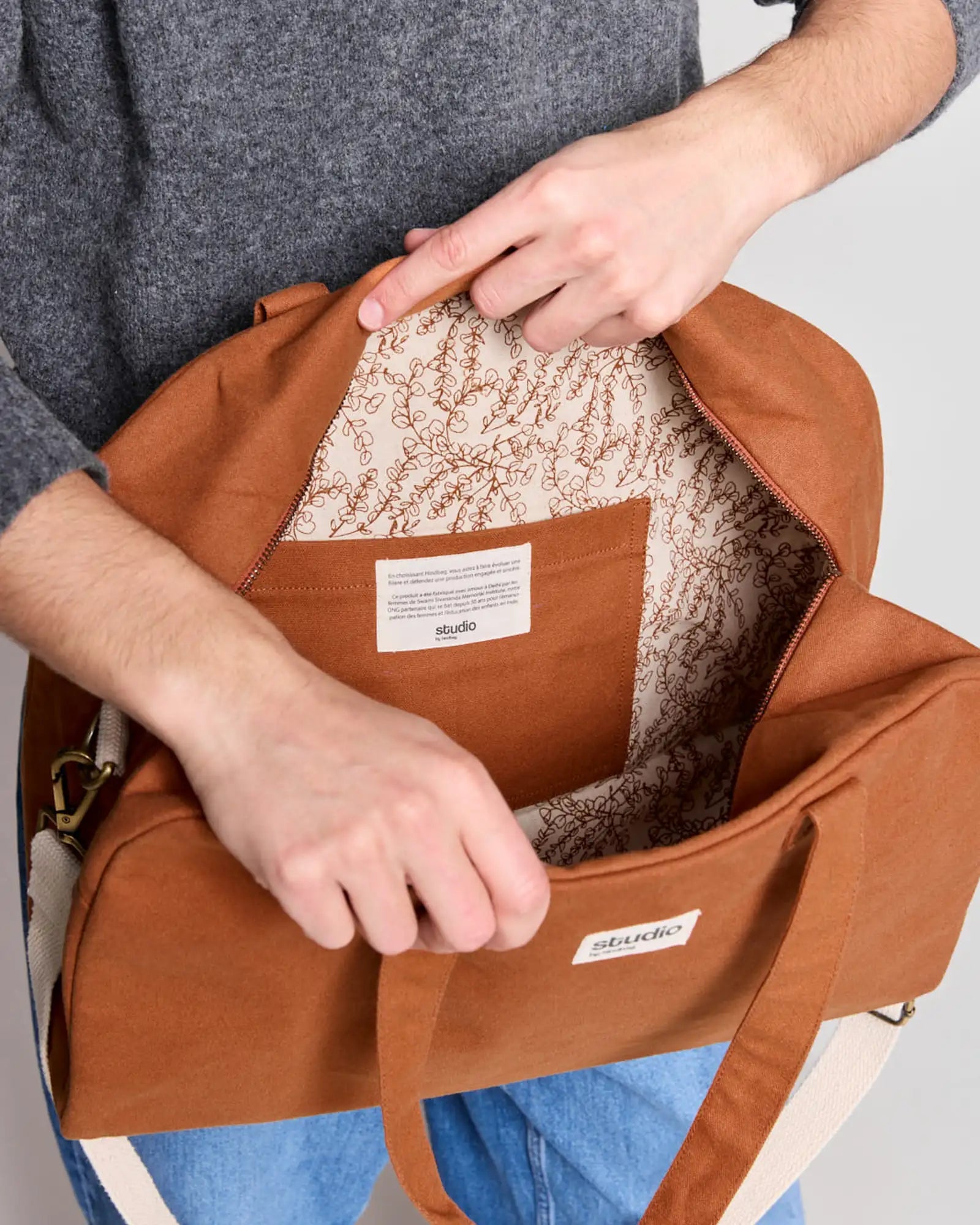
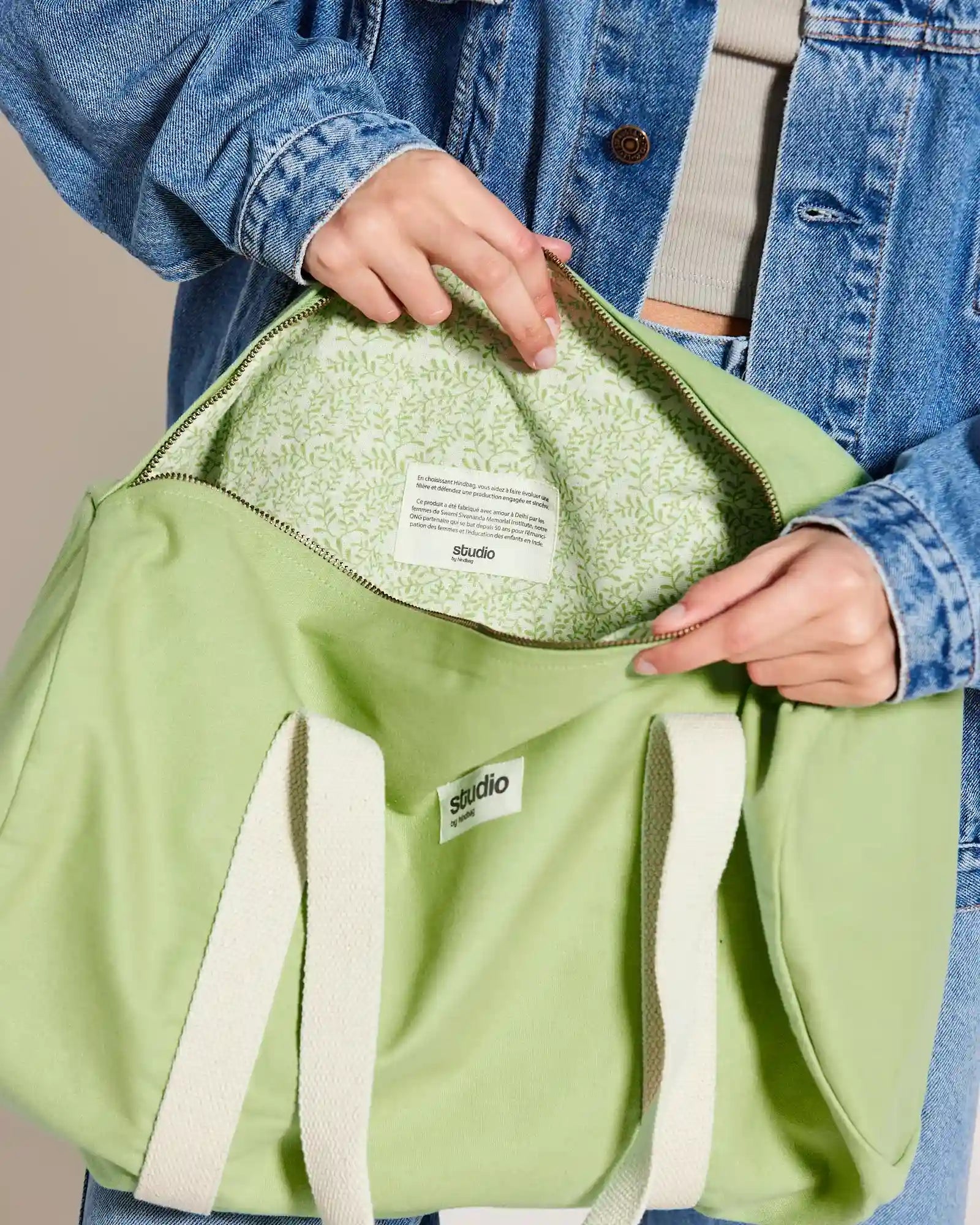
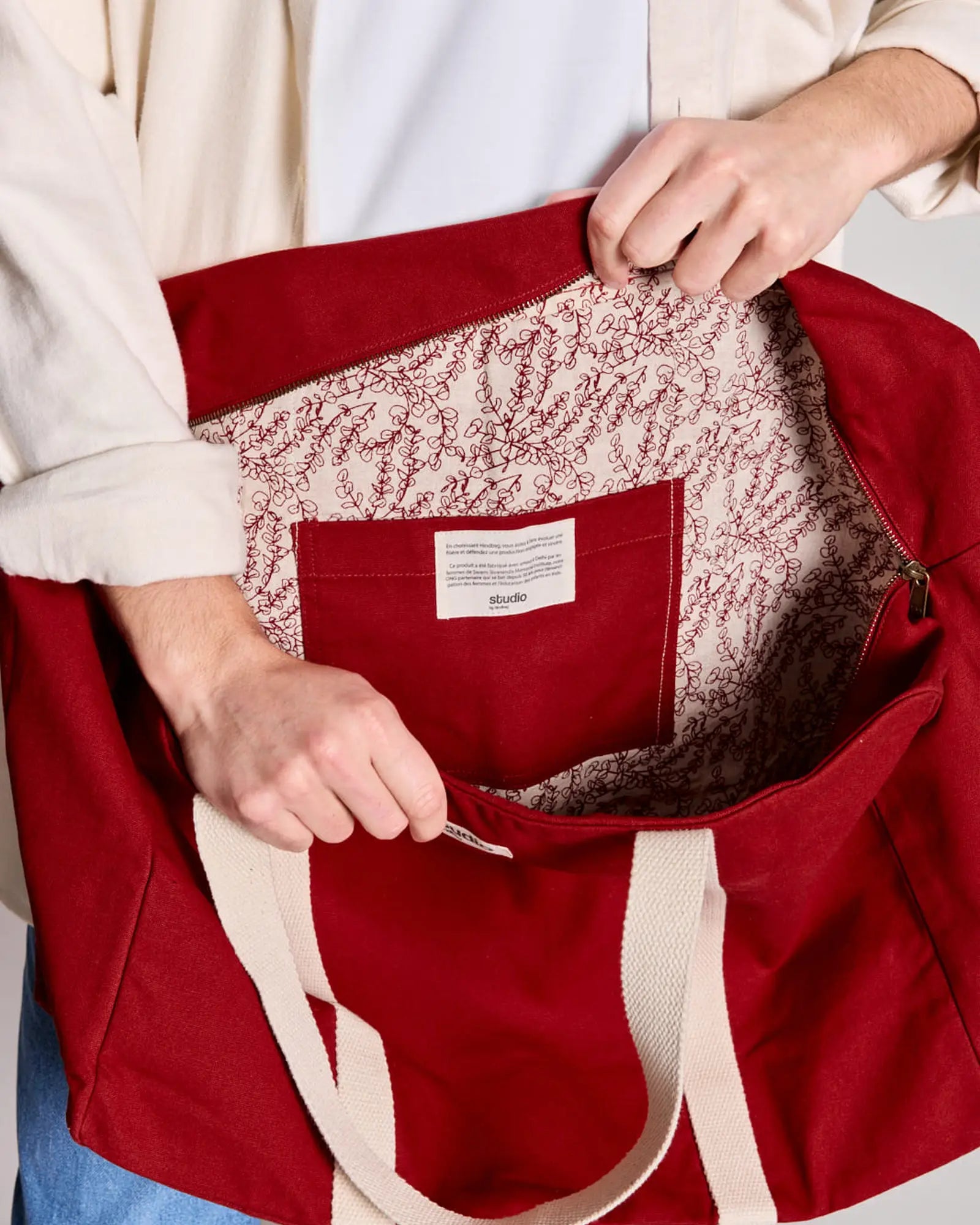
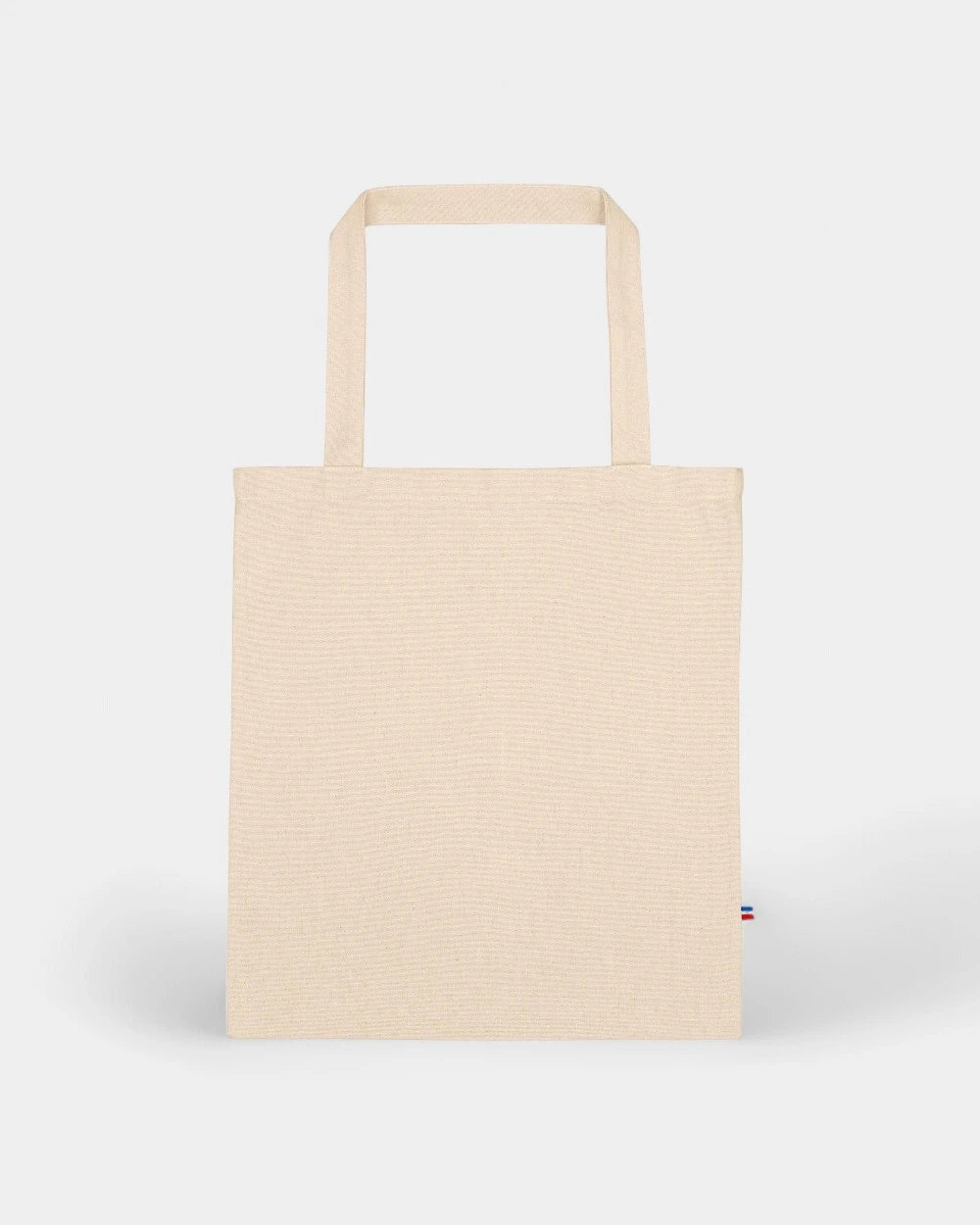
Personalised Tote Bags sit at the centre of charity resale because the cotton bag is the item supporters reliably pay a few pounds for and use for years. The weave weight, handle length and print area that set the resale feel all live on that range, so you can pitch the price to the weight.
Apparel as Custom fundraising merchandise resale
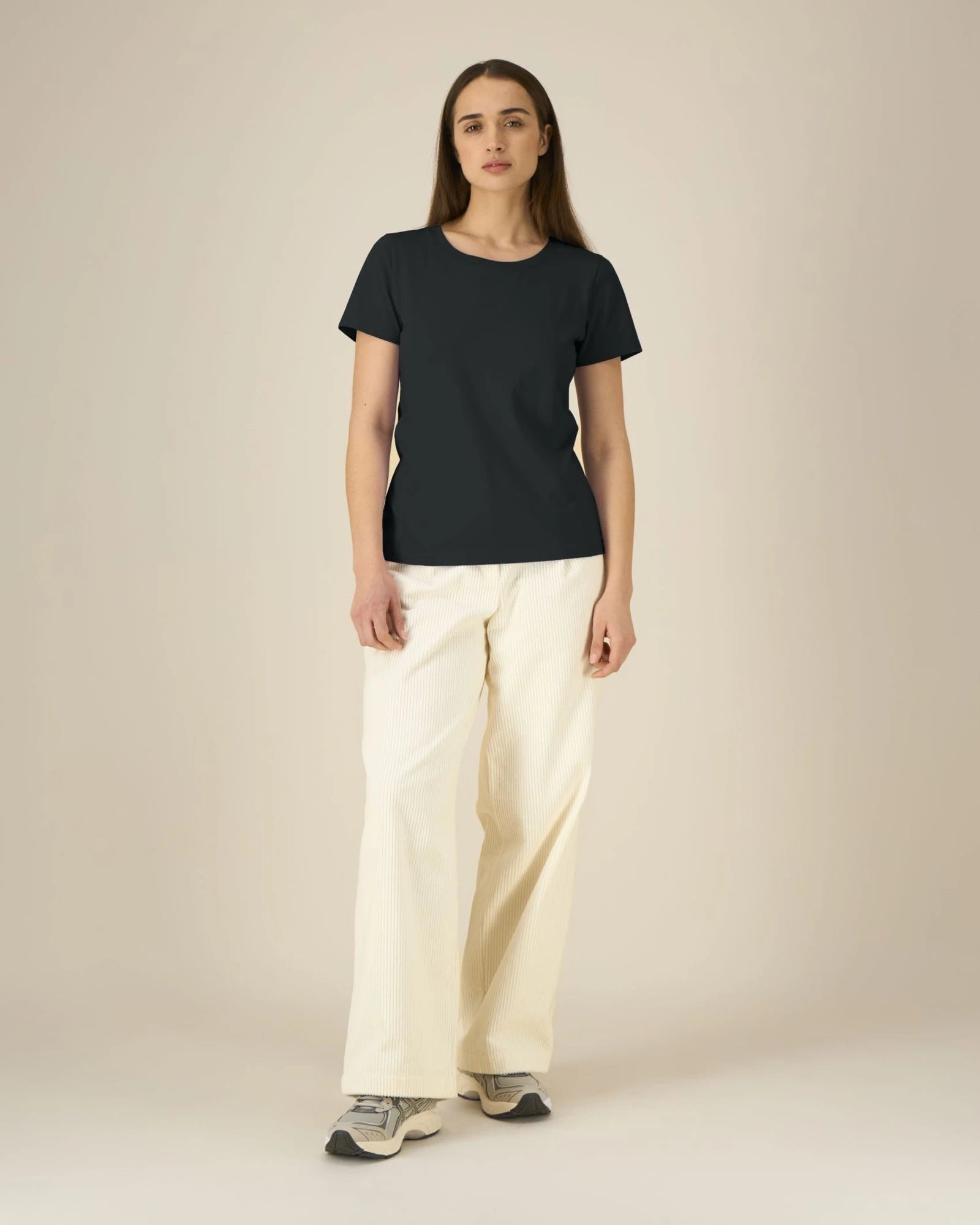
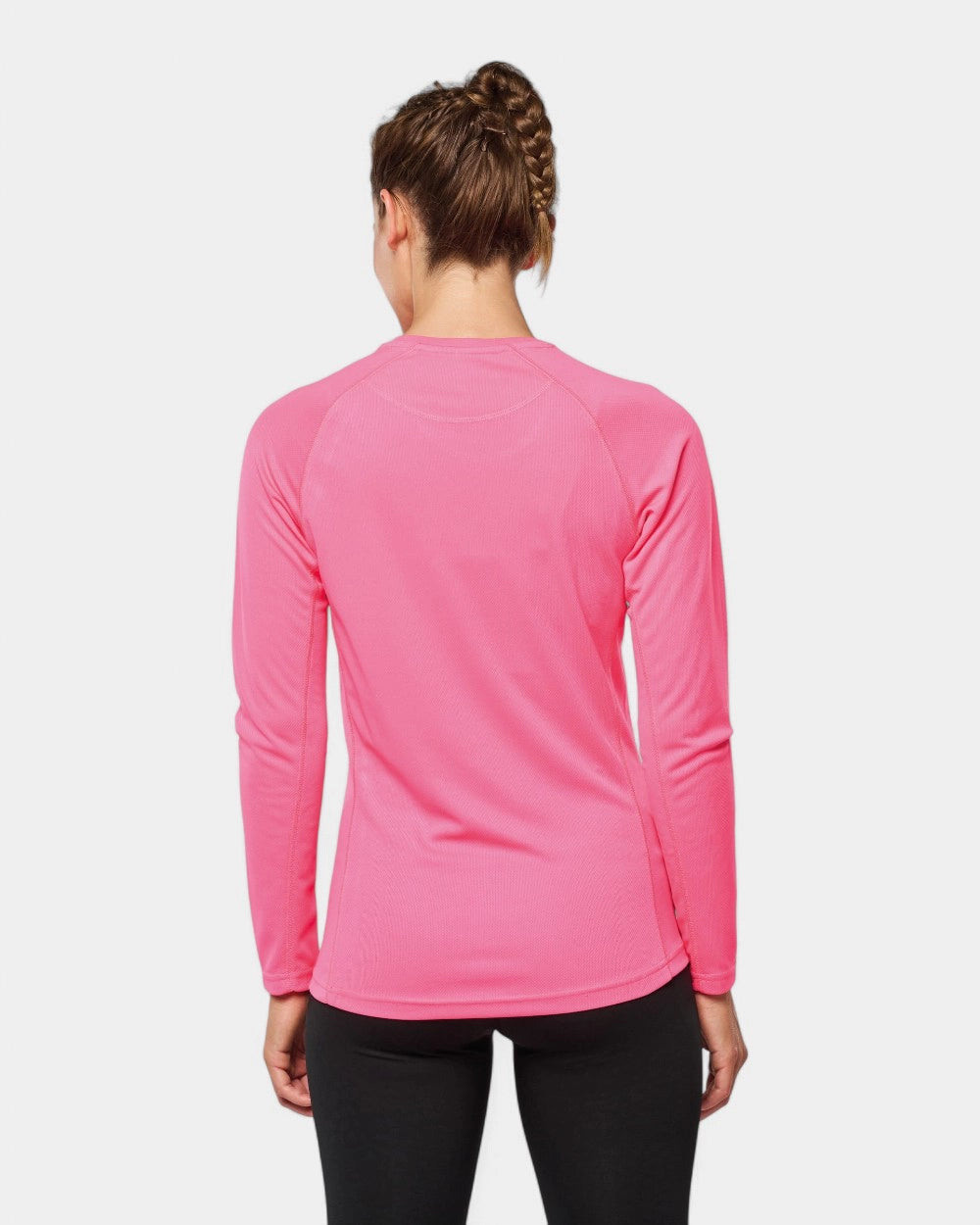
Apparel is the higher-margin resale line when your supporters want to wear the cause, not just carry it. A printed shirt commands a stall price a sticker never will, which is why it anchors a charity shop or an online fundraising store. Match the garment tier to the supporter: a budget tee for a casual flag-day buyer, a heavier shirt for a member who wants the cause to last.
The cut, fabric weight and print-versus-embroidery choice that decide that resale tier sit on Custom T-Shirts. A budget tee and a premium supporter line are briefed there side by side, with embroidery the higher-value option a charity shop can price up.
Resale maths is the discipline this job needs. Order at a quantity where the unit cost leaves a clear charity margin, but not so deep that unsold stock ties up funds you needed for the cause. A low minimum on the apparel and bag ranges lets you test a design on a small run. Sell it through, then reorder the winner, rather than gamble a whole budget on one untested print.
Awareness and campaign Promotional charity merchandise at the lowest unit cost
World-cause days and local campaign weeks live or fall on how many hands your name reaches for the budget you have. Here the logic inverts the resale job. You are not chasing a margin but the lowest possible unit cost, so the same spend covers thousands rather than hundreds of touchpoints.
Stickers are the cheapest unit a charity can put a logo on, which is why they carry a campaign giveaway. Custom stickers cover die-cut shapes, sheets and weatherproof vinyl for outdoor use. The material and finish that decide whether a sticker survives a water bottle or a bike frame are set on that range.
Keyrings are the awareness item that outlasts a sticker without leaving the low-cost band. A pin badge or a token pinned to a bag travels through a town all year for a few pence each. It does slow awareness work long after a campaign week has ended. That longevity is what justifies the small step up from a sticker for a year-round cause.
The materials, shapes and fixings for that token sit on Personalised keyrings, so a charity can pick one that fits both the budget and the cause. A simple enamel shape in the cause colour reads cleaner than a crowded printed disc.
Campaign design is where charity awareness merchandise differs hardest from corporate. The cause and the message lead the artwork; any sponsor or supplier mark sits small and second. A handout that reads as a cause people want to display does free awareness work; one that reads as an advert gets binned at the table.
Volunteer and staff Promotional charity merchandise that identifies the team
A flag day with forty collectors on the high street needs every one of them visible and unmistakably yours, and Promotional charity merchandise does that work. Without that, the public will not stop and the council may query who is collecting. Volunteer kit is the charity merchandise job where identification and durability outrank everything, because the item is worn through weather and washed many times.
A branded volunteer tee is the baseline identifier, and the spec that matters is a fabric weight and stitch that survive repeated wear and hot washes across a season. The durable cuts and the print-versus-embroidery decision for high-wear kit sit on the apparel range linked above, so a volunteer shirt is briefed for longevity, not a single-event print.
Lanyards complete the kit by carrying the ID, the collection-tin authorisation or the event pass that tells the public a collector is genuine. Personalised lanyards cover the widths, attachments and safety breakaway that a public-facing volunteer needs, with the woven or printed branding set on that range. The breakaway clip matters most where a volunteer works near children or moving crowds.
Supporter and event Promotional charity merchandise for marathons and mass participation
A charity place at a city marathon puts a hundred runners and a cheering squad on a course watched by tens of thousands. The job of Promotional charity merchandise here is to make that block visible from across a road. A branded vest or a printed tee in the cause colour turns a scattered group into a recognisable wall of support.
Bright, single-message apparel does this best, because a logo read at distance has to be bold and simple, not detailed. The technical-fabric and high-visibility print options that suit a running event live on the apparel range, where you match the garment to a runner rather than a stall shopper.
Reusable water bottles are the supporter item that solves a real need at a mass event and keeps working afterwards. Personalised water bottles give a cheer squad and a finish-line pack something useful in hand. The capacities, materials and lid types that suit an active day are set on that range. A refillable bottle also answers the single-use plastic question a green-minded event will face.
Donor thank-you Custom fundraising merchandise that retains a giver
A regular donor who set up a monthly gift is worth far more to a charity than the cost of a small token. A thank-you item is therefore a retention tool, not an expense. The trick is felt value above unit cost: an item that feels considered and useful, sent at the cost a tight charity budget can carry.
A branded bottle or a quality tote works here precisely because it is genuinely used. That daily use turns a one-off thank-you into a standing reminder of the cause a donor chose to back. The bottle and bag ranges linked above carry the finishes that lift a modest-cost item into something a donor is glad to keep. The gift then reads as gratitude rather than leftover stock.
Match the tier to the giver. A welcome token for a new small donor and a keepsake for a major gift are different briefs at different costs. A low minimum lets you run a small batch for a named major-donor group without committing to a warehouse of stock.
Low cost at high volume: the Promotional charity merchandise budget reality
The sector truth this whole hub is built on is that charities buy against need, not surplus. The unit cost has to be low and the volume often high, because awareness and fundraising both scale with reach. A 2,000-unit sticker run for a campaign week and a 5,000-badge handout for a flag day both depend on the per-item figure staying in pennies.
Quantity is the lever that moves that figure, and it moves it more steeply on a low-cost item than a corporate buyer expects. A larger run drops the unit cost on stickers, keyrings and badges fast. So the awareness jobs reward ordering the campaign in one block, rather than topping up in small batches that each pay a setup cost.
| Item | Cost band | Typical charity job | Volume that fits |
|---|---|---|---|
| Stickers | Lowest | Campaign and awareness handout | Several thousand |
| Keyrings and badges | Low | Year-round awareness token | Thousands |
| Tote bags | Low to mid | Resale and donor thank-you | Hundreds to low thousands |
| Water bottles | Mid | Event supporter and donor gift | Hundreds |
| Printed apparel | Mid to higher | Resale, volunteer and event kit | Tens to hundreds |
Ethical and eco sourcing your Promotional charity merchandise supporters will ask about
Charity supporters scrutinise sourcing harder than most buyers, because a cause that contradicts its own merchandise loses trust fast. An environmental charity selling a plastic-heavy tote, or a fair-trade campaign in an un-sourced shirt, invites exactly the question a journalist or a member will ask. So the eco and ethics answer has to be real, not assumed.
We state recycled content and any certification per line, since an organic-cotton tee and a recycled-PET bottle carry different documents. The organic-cotton or recycled status is shown on each product's own tech pack, so you can quote the exact fabric or material a supporter queries rather than a category-wide claim. We do not apply one eco label across goods this varied.
This is where the linked product ranges earn their place. The apparel, bag and bottle pages name the base material and its sourcing on the model itself. A charity can then pick the line whose documented credentials match the cause it is raising money for.
- Resale lines need margin between unit and stall price
- Awareness handouts chase lowest unit cost at volume
- Volunteer kit prioritises durability over many washes
- Donor tokens need felt value above modest cost
- Eco status is documented per line, not assumed
- Lead the artwork with the cause, sponsor marks second
Marking methods across mixed-surface Promotional charity merchandise
A charity order routinely spans cotton, vinyl, metal and plastic in one go: a tee, a sticker, a keyring and a bottle for a single campaign. No single technique covers that spread, so the surface decides the method, and each delivered range names what it offers on its own base.
Cotton apparel and bags take screen print for bold cause colours or embroidery for a premium stitched feel. A vinyl sticker is printed and cut, a metal keyring is enamelled or engraved, and a bottle is printed or laser-marked depending on its finish. Matching the method to the cause artwork keeps a bold campaign logo bold and a delicate donor design clean.
| Surface | Typical method | Result for a cause logo |
|---|---|---|
| Cotton tee or tote | Screen print or embroidery | Bold colour or stitched finish |
| Vinyl sticker | Printed and cut | Full-colour, weatherproof |
| Metal keyring or badge | Enamel or engraving | Crisp single or two colour |
| Reusable bottle | Print or laser | Wrap or tone-on-tone mark |
How we decorate Promotional charity merchandise without burying the cause
Cause-led branded charity merchandise carries two marks at once: the mission and the logo. We set the artwork so the cause reads first and the identifying mark sits second, never the reverse. A campaign tee shows the slogan large and the charity name small enough to identify but not to compete. The decoration serves the message rather than smothering it.
The method follows the surface without changing that hierarchy. A bold cause logo screen-prints flat on cotton, a delicate donor design stitches clean in embroidery, and a weatherproof sticker holds full colour outdoors. Across every surface we keep any supplier or funder credit small and off the front, so a supporter sees the cause they gave to, not a wall of logos. Your free proof confirms that balance before any run is decorated.
Minimums, lead time and gift-aid notes for a Custom fundraising merchandise order
Two practical questions decide whether a charity order is feasible: how few you can buy, and when it arrives. Low minimums matter more here than anywhere, because a community group may need eighty volunteer tees, not eight hundred, and a small batch should not carry a corporate setup cost.
Lead time sits at three weeks once artwork is approved, and we approve artwork free within 24h. That keeps a campaign on schedule when an awareness week or a marathon date is fixed. Plan the order around whichever decorated line runs slowest, not the headline quantity, when a campaign mixes a fast sticker run with a slower apparel print.
| Order type | Typical minimum | Lead time | Plan around |
|---|---|---|---|
| Awareness sticker or badge run | Several hundred | About three weeks | The print proof |
| Volunteer apparel batch | Tens of units | About three weeks | The slowest decorated line |
| Resale stock for a stall | Low hundreds | About three weeks | Sell-through before reorder |
| Donor thank-you batch | Small named group | About three weeks | The major-donor list |
On gift aid and resale, the merchandise side is straightforward. Items sold to raise funds are stock you buy and sell, and bought-in goods given to acknowledge a donation sit under your own gift-aid rules. We supply the branded goods; how you account for resale margin or donor acknowledgement is a charity-finance matter to confirm with your own treasurer or HMRC guidance.