Promotional Accessories
- Eco-friendly
- Made in France
- Made in Europe
- B corporation
- Price, low to high
- Price, high to low
Treat your clients and employees!
FAQ - Personalised Accessories
Trusted by 1,000+ companies
How to read this promotional accessories category and where it stops
Buyers arrive at an accessories hub from two angles. Some have a promotional accessory in mind and want to brief it quickly; others have an audience and need to see what fits. So the range is sorted two ways below. First by how the accessory is carried, from a keyring in a pocket to a cap on a head. Then by the occasion behind the order, from a summer giveaway to a three-day event. Work down the carry-type that matches your brief, then open the linked page for its sizing, decoration area and order floor.
Each item here is summarised in a line or two, never re-explained in full. A keyring mechanism guide or an umbrella rib chart belongs on the product page, which already holds it. Think of this hub as an index. A quick note flags whether an accessory matches the job, and the link carries you through to everything beneath it. The aim is speed, not depth, so the wording stays terse on purpose. You should leave with a shortlist of promotional accessories, not another long read to absorb. Note the carry-type that fits the brief, follow its link, and let the product page settle the detail.
The always-carried logic behind branded accessories
A keyring threaded onto a house key gets handled several times a day, every day, for years. That is the trait every accessory on this hub shares: it attaches to something the recipient already carries or wears, so the logo travels without asking anything of them. A desk item waits to be noticed; an accessory moves on its own. That difference is why the category outperforms a one-off handout on cost per impression over a long stretch.
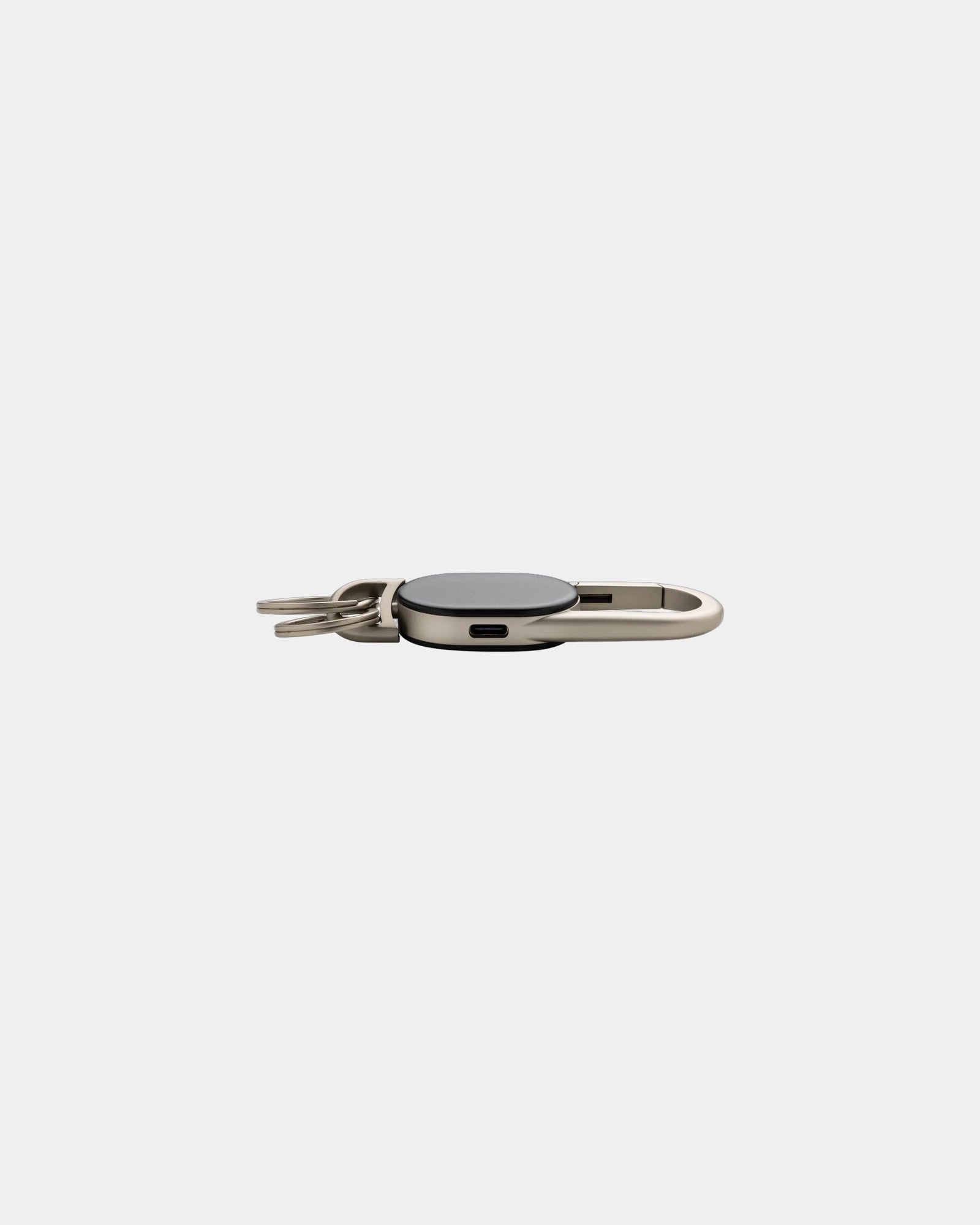
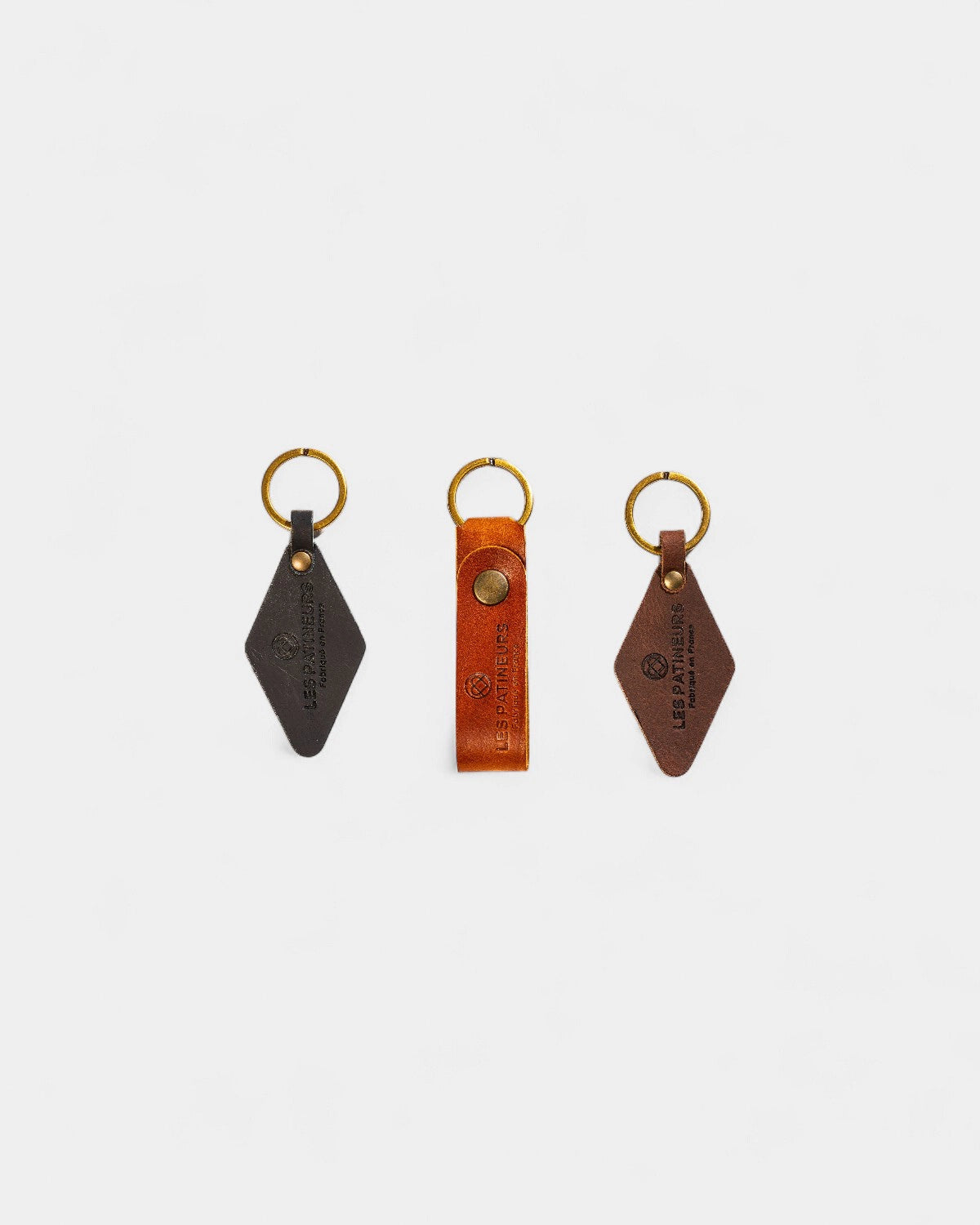
Personalised keyrings are the clearest case of this carry-everywhere trait, sitting on the one object a person rarely leaves home without. The range spans metal, leather, acrylic and recycled bodies, each taking a different mark, with the mechanisms and durability bands set out on the product page. A keyring suits a welcome pack, a dealership handover or a member fob equally, which is why it anchors the pocket end of the accessories range.
Pocket and clip-on personalised accessories: the small carry that rides along
The pocket group covers the flattest, lightest accessories in the range, the ones that clip on or slip into a pocket and post almost weightless at volume. These branded accessories are the ones a buyer reaches for when the brief is high quantity and low unit cost: a freshers' fair, a member mailing, a charity collection drive. A run of several thousand here costs little to ship because nothing in the group adds bulk to the carton.
A neck strap belongs to this group too, since it folds flat and clips to a pass holder. Personalised lanyards turn an access pass into a moving brand surface across a busy venue, with widths, clips and recycled rPET options on the product page. Where a keyring rides in a pocket, a lanyard sits at chest height in plain view. The two cover the carried-but-hidden and worn-and-visible ends of the same low-cost tier.
Small leather promotional accessories: the everyday carry that reads as a gift
One step up in perceived value sit the small leather accessories: the slim items that live in a pocket or bag and feel like a personal present rather than merchandise. These branded accessories suit a smaller, named list, a client thank-you or a long-service nod. The budget there stretches to a grain finish and a discreet deboss instead of a loud print. The register is quiet and expensive, the opposite of the mass pocket group above.
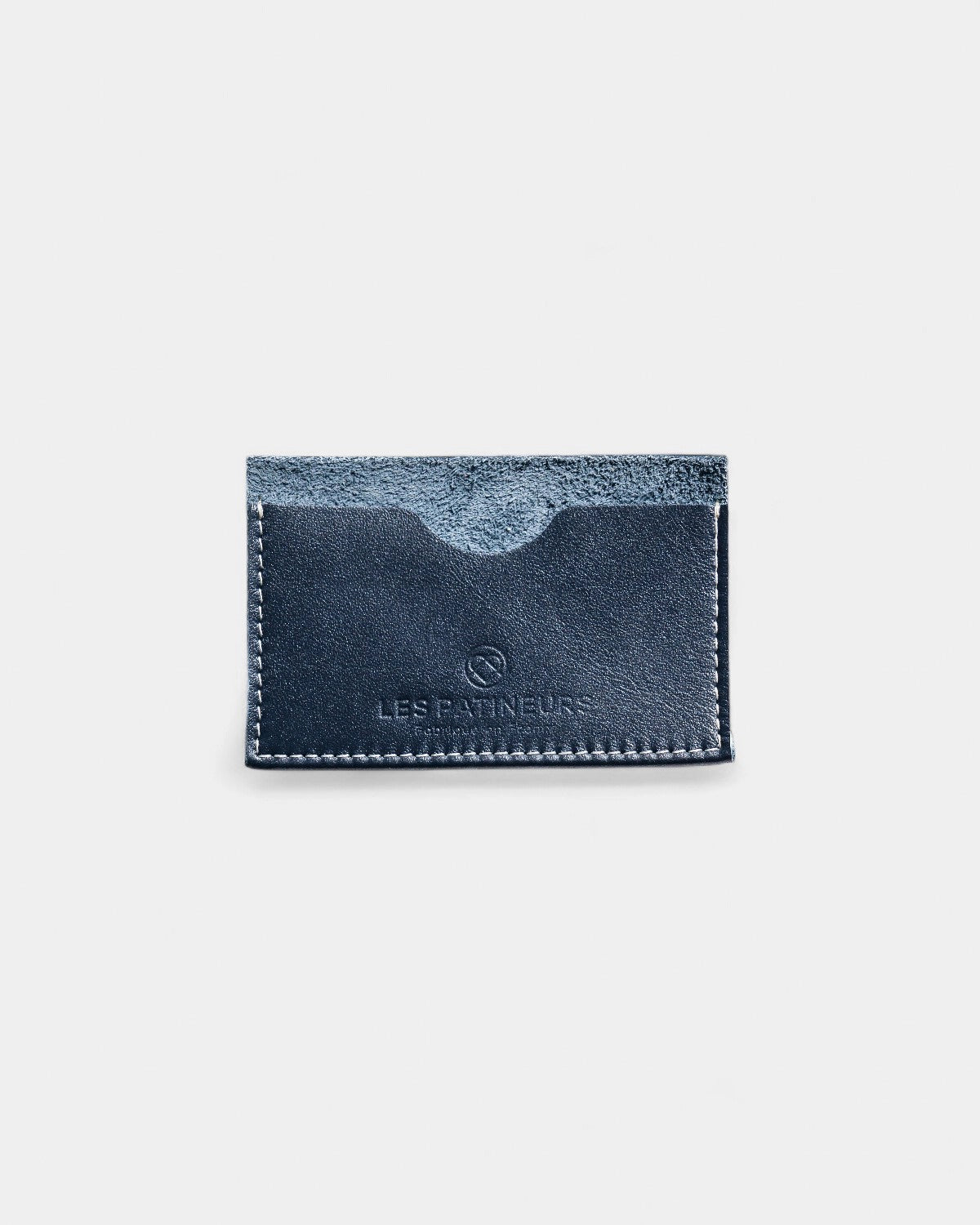
For that slot, Branded card holders hold travel cards, bank cards and ID in a slim leather or RFID-shielded body, with slot counts and finishes on the product page. A subtle pressed mark in a low-key shade signals a considered gift, which is the cue a senior recipient registers first. This is the accessory to choose when the order is short, the audience is named and the finish has to feel personal.
| Carry type | Lead accessories | Best run profile |
|---|---|---|
| Pocket and clip-on | Keyrings, lanyards | High volume, low unit cost |
| Small leather | Card holders, slim cases | Low volume, premium finish |
| Worn on the head | Caps, beanies | Mid volume, sized range |
| Worn on the face | Sunglasses | Mid volume, seasonal |
| Held in hand | Umbrellas | Mid volume, weather-led |
Worn branded accessories on the head and face: headwear and sunglasses in the range
Headwear is the most visible accessory a person can wear, because a cap sits above the crowd at an outdoor event and reads from metres away. This is the group to brief when the goal is a uniform look on a team, a festival crowd or a stand staff. Unlike a pocket item the recipient may hide, headwear is worn precisely so it is seen. That makes it a deliberate visibility buy rather than a private keepsake.
Branded accessories for the head: caps that read from across a crowd
Custom caps cover the structured and unstructured styles, the panel counts and the closure types, with embroidery and print areas set out on the product page. A six-panel structured cap holds an embroidered front mark crisply; a soft unstructured cap reads more relaxed for a festival. Headwear carries a sizing factor the flat accessories do not, so it ships as a size mix rather than a single unit, which the product page details.
Personalised accessories for summer: the warm-month face accessory
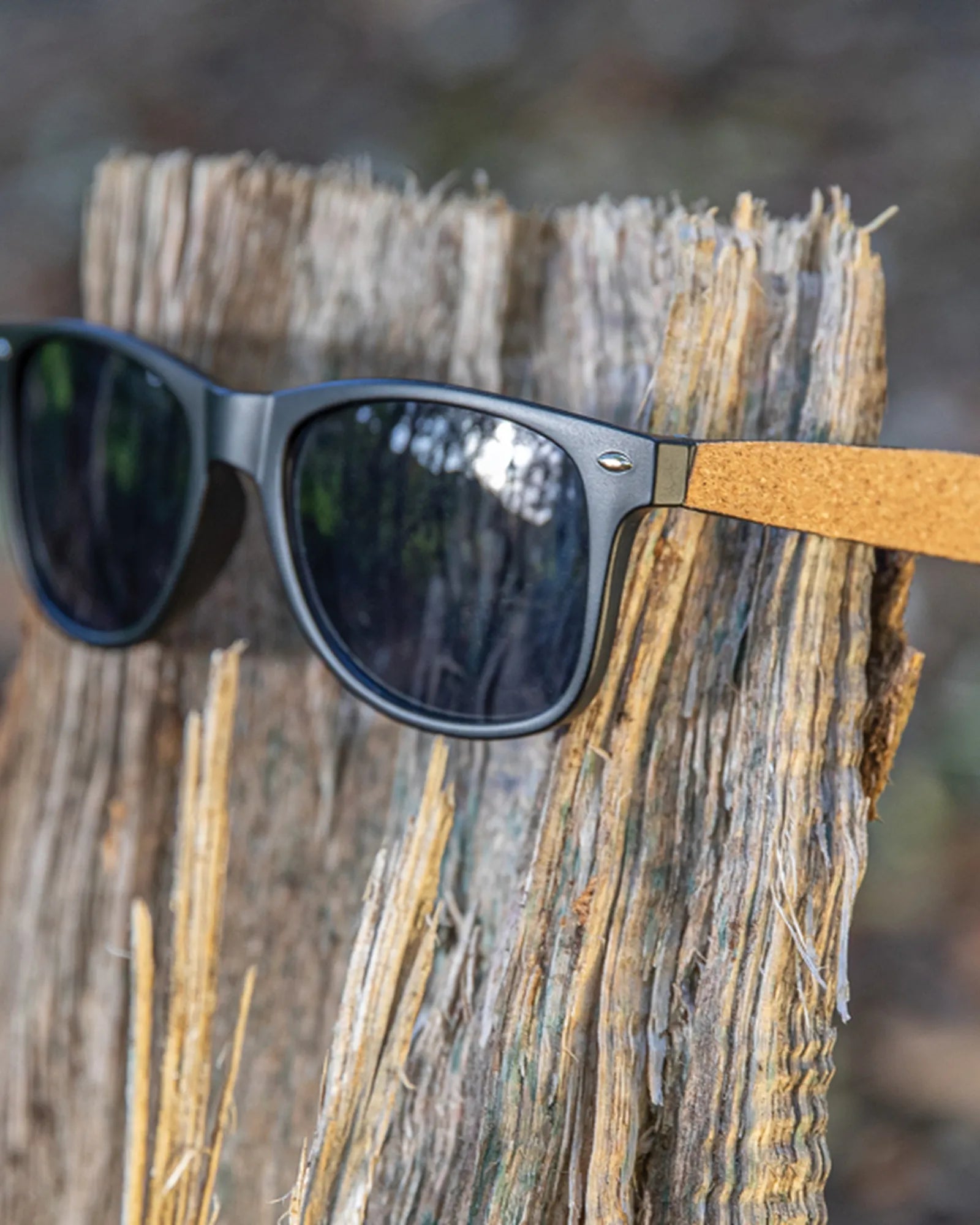
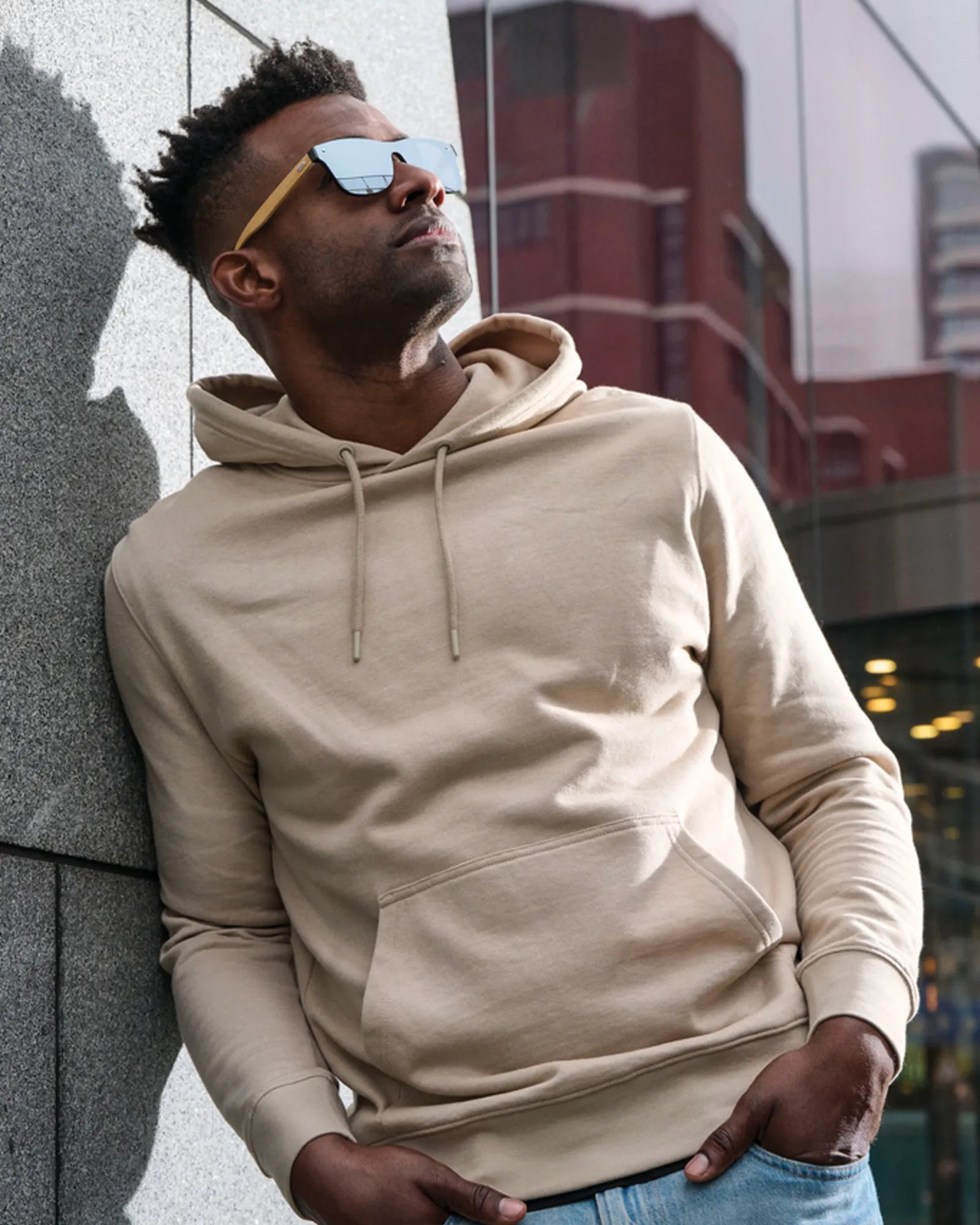
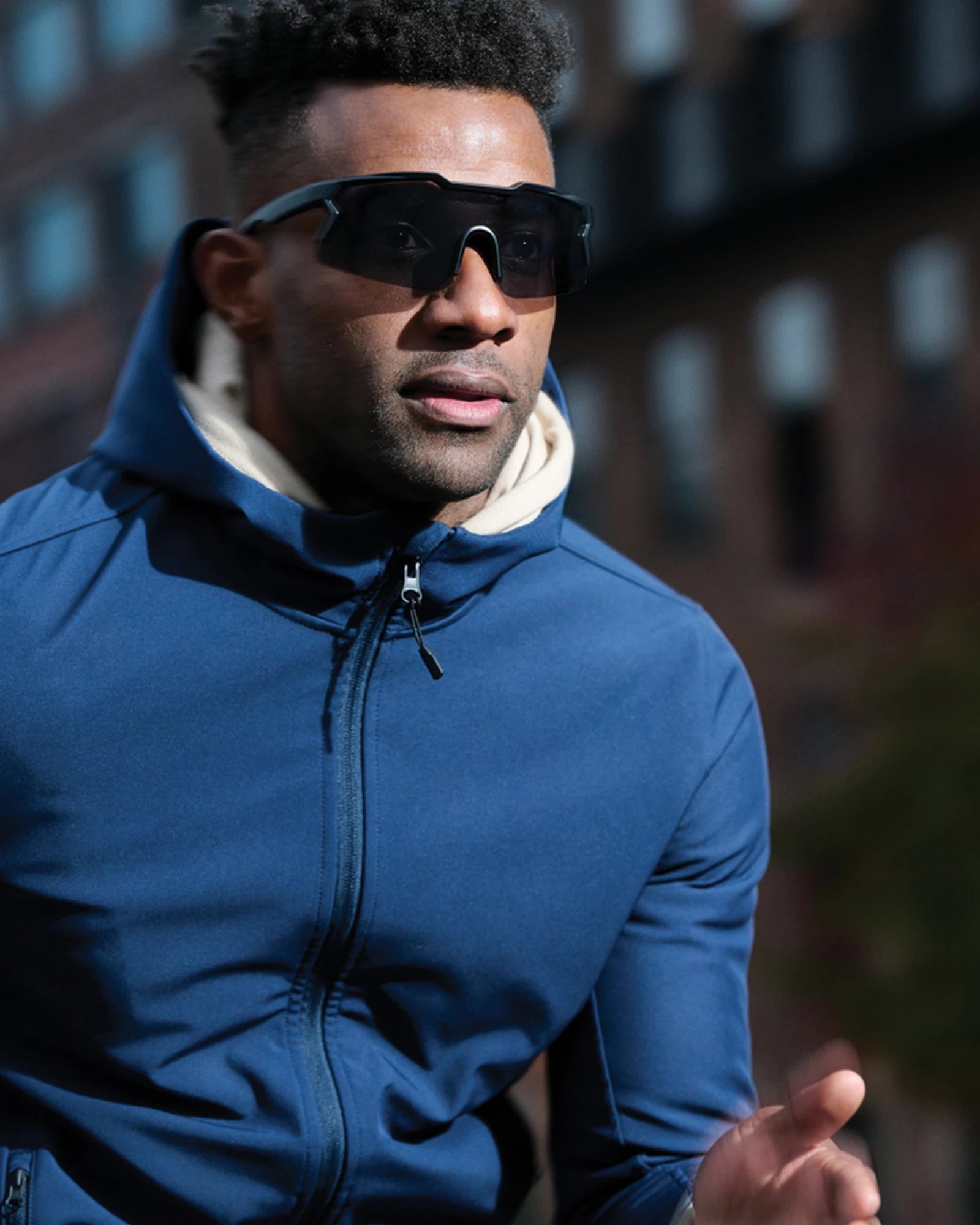
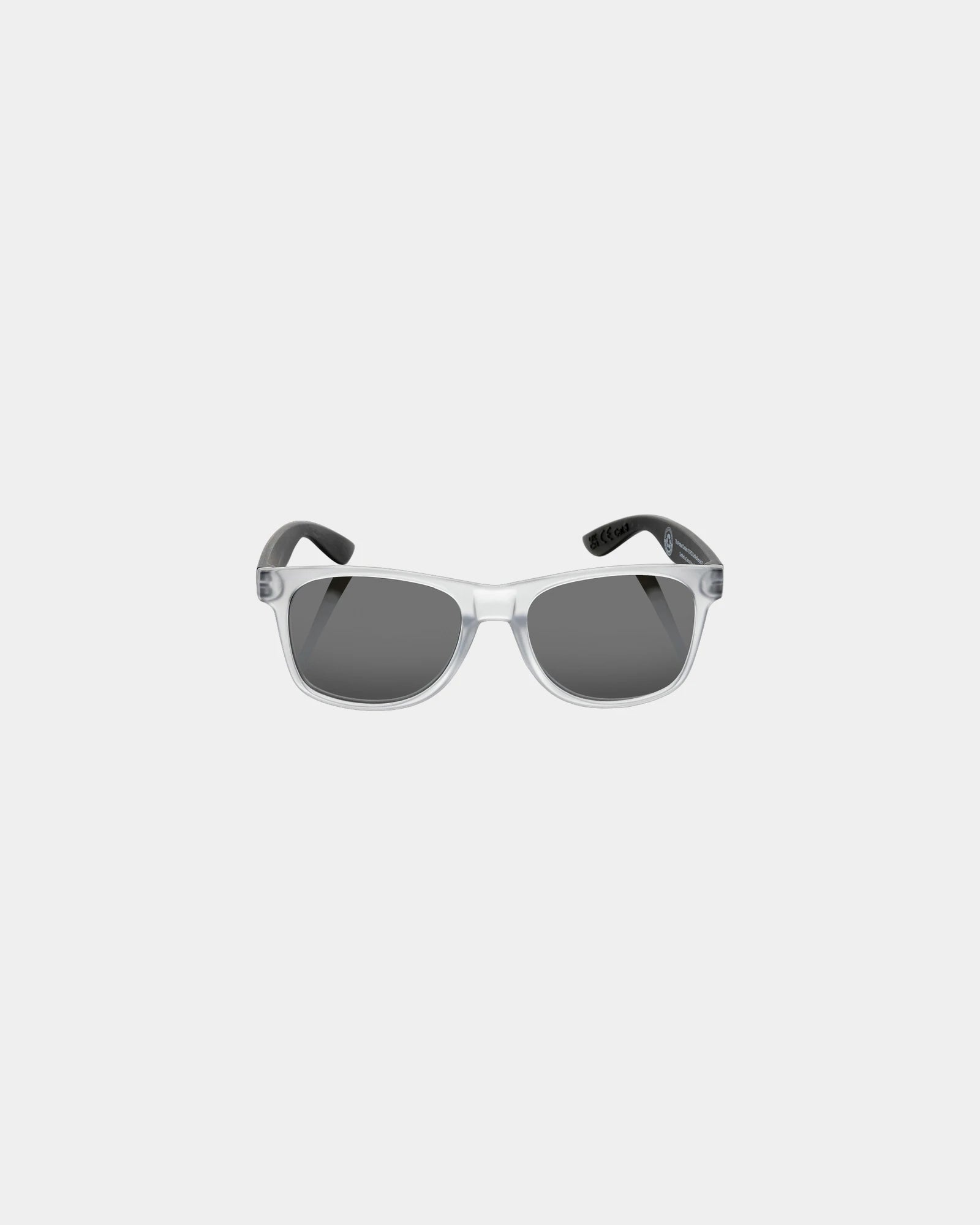
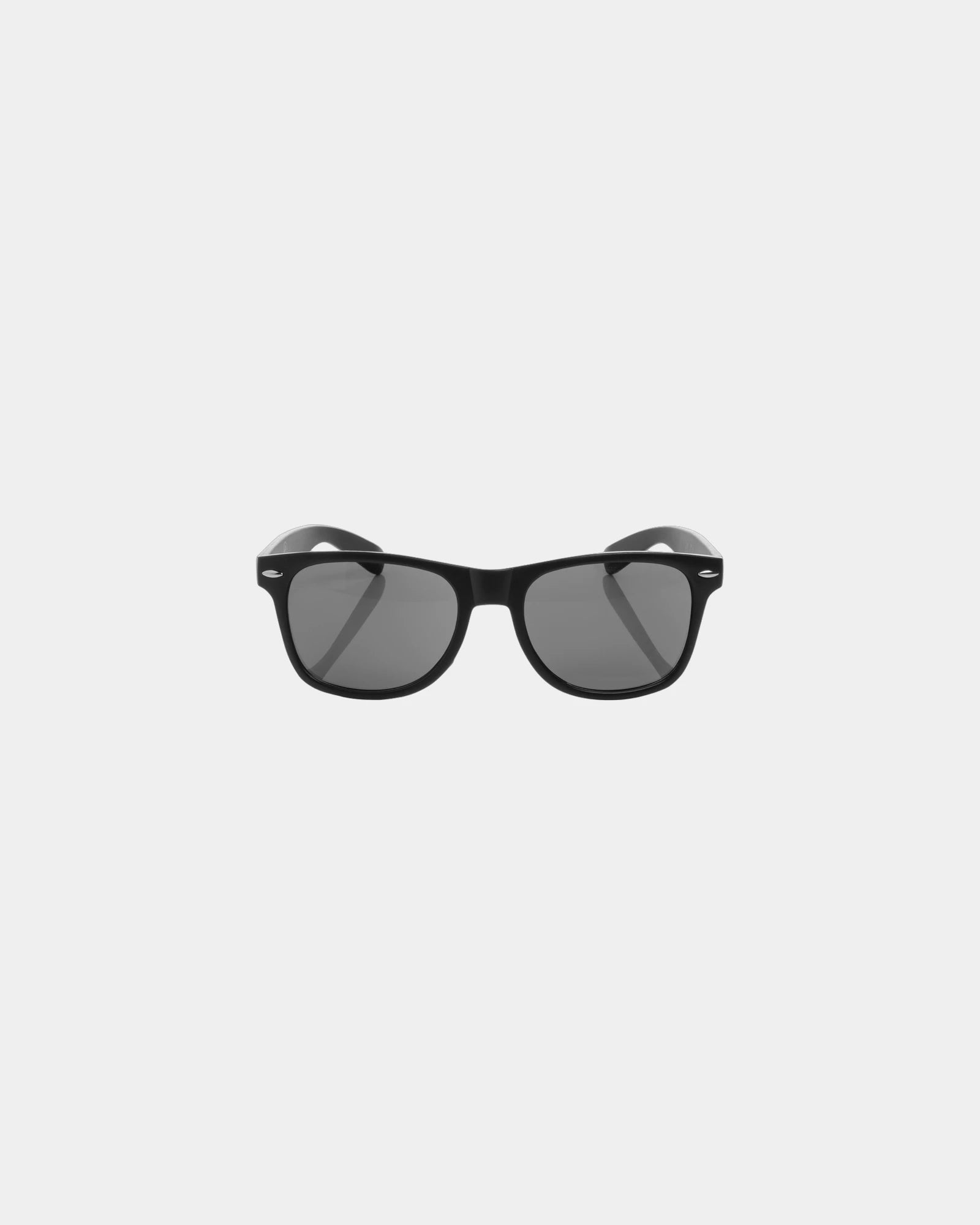
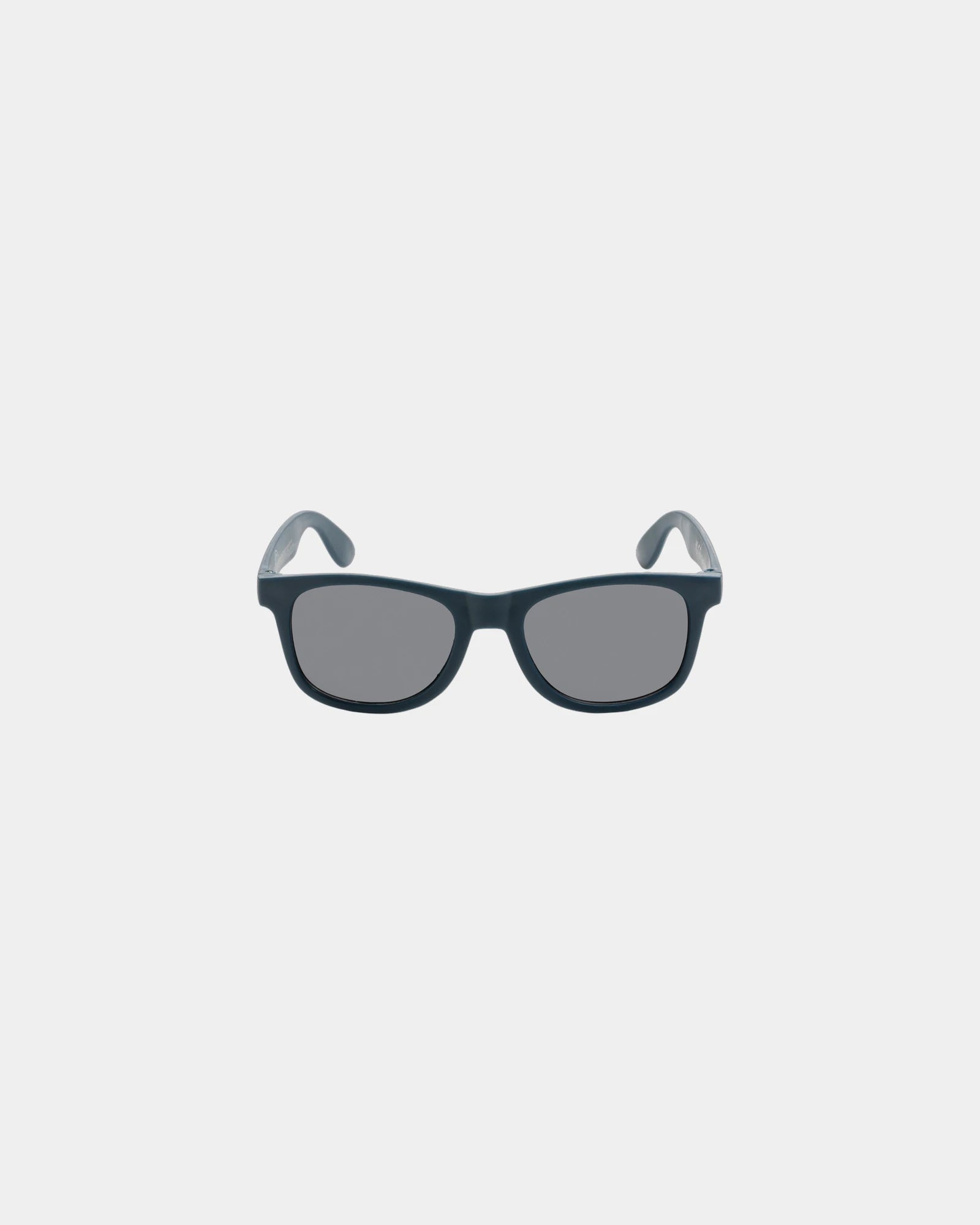
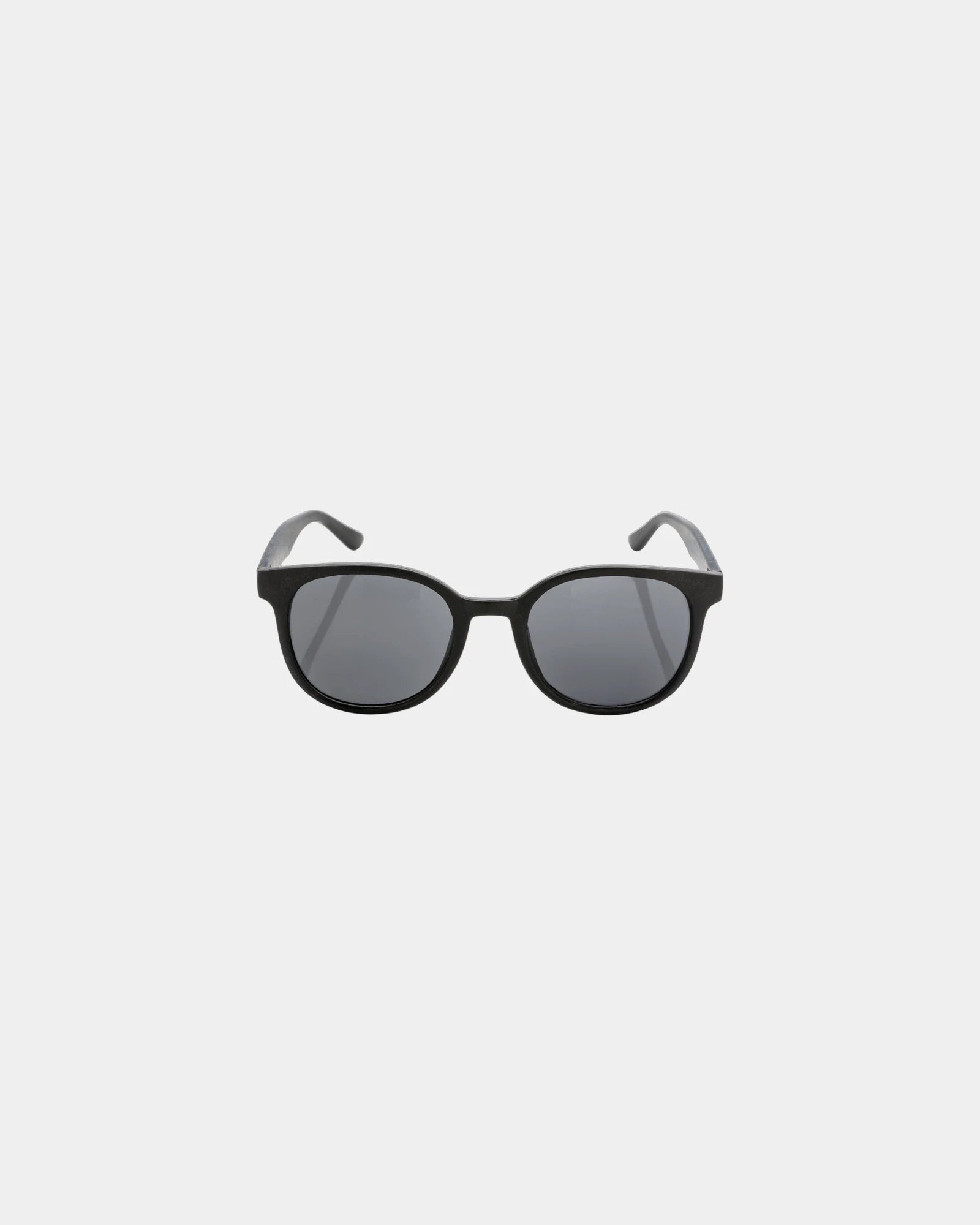
Sunglasses are the seasonal star of the accessories range. A branded pair handed out at a summer festival gets worn for the whole event, and often the whole holiday after it. The print surface is the arm, a narrow strip that takes a clean one or two-colour mark. This is a warm-weather accessory by nature, so its peak demand sits against summer events, beach activations and outdoor launches rather than a year-round handout.
Branded sunglasses cover the frame shapes, lens tints and the UV protection question, with the arm print area and colour options on the product page. A vivid frame matched to the brand palette signals an event giveaway; a matt black pair feels more upmarket for a client gift. Because the demand is seasonal, scheduling matters most here, so a summer run is best confirmed well before the warm months arrive.
Held promotional accessories against the weather: branded umbrellas in the range
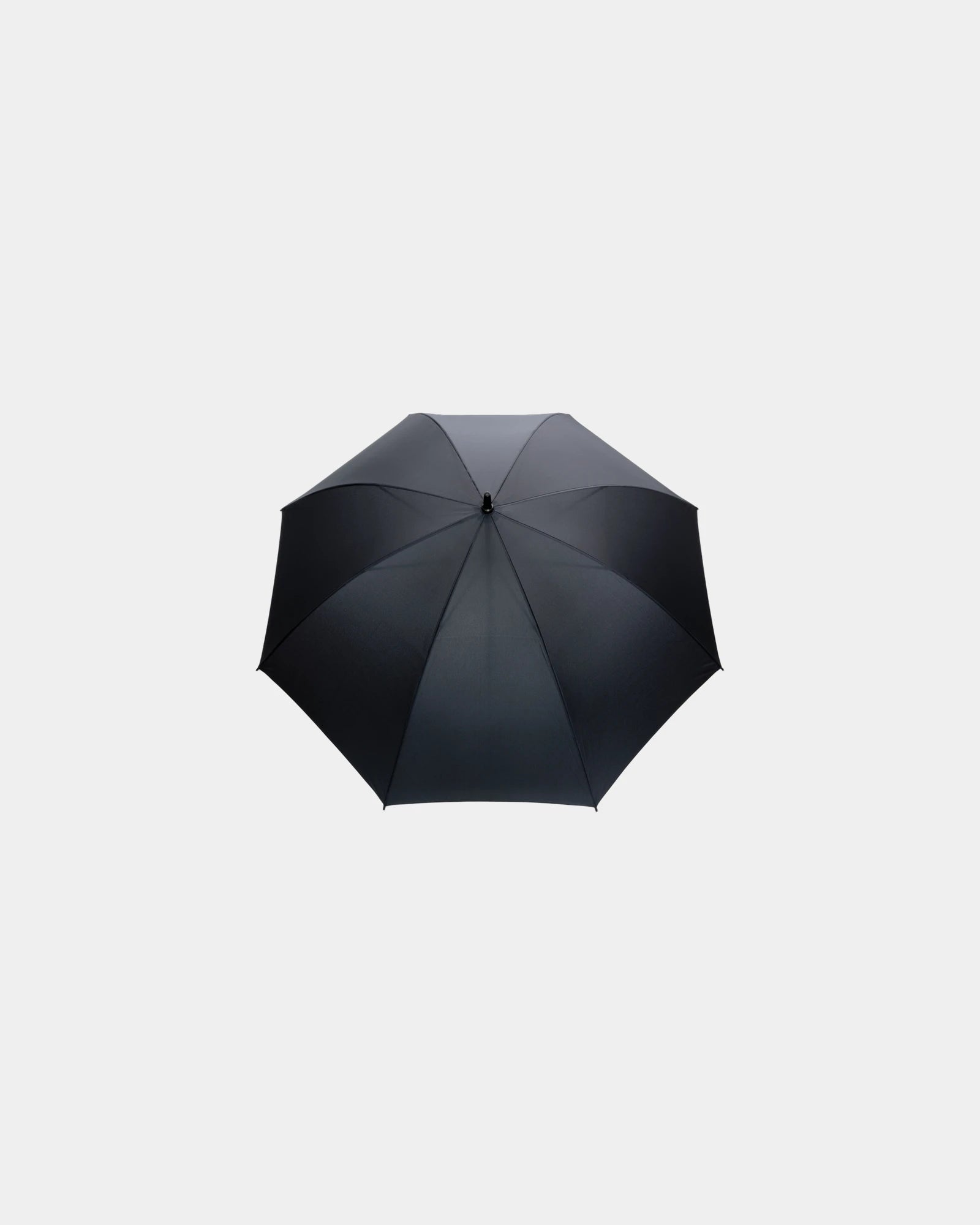
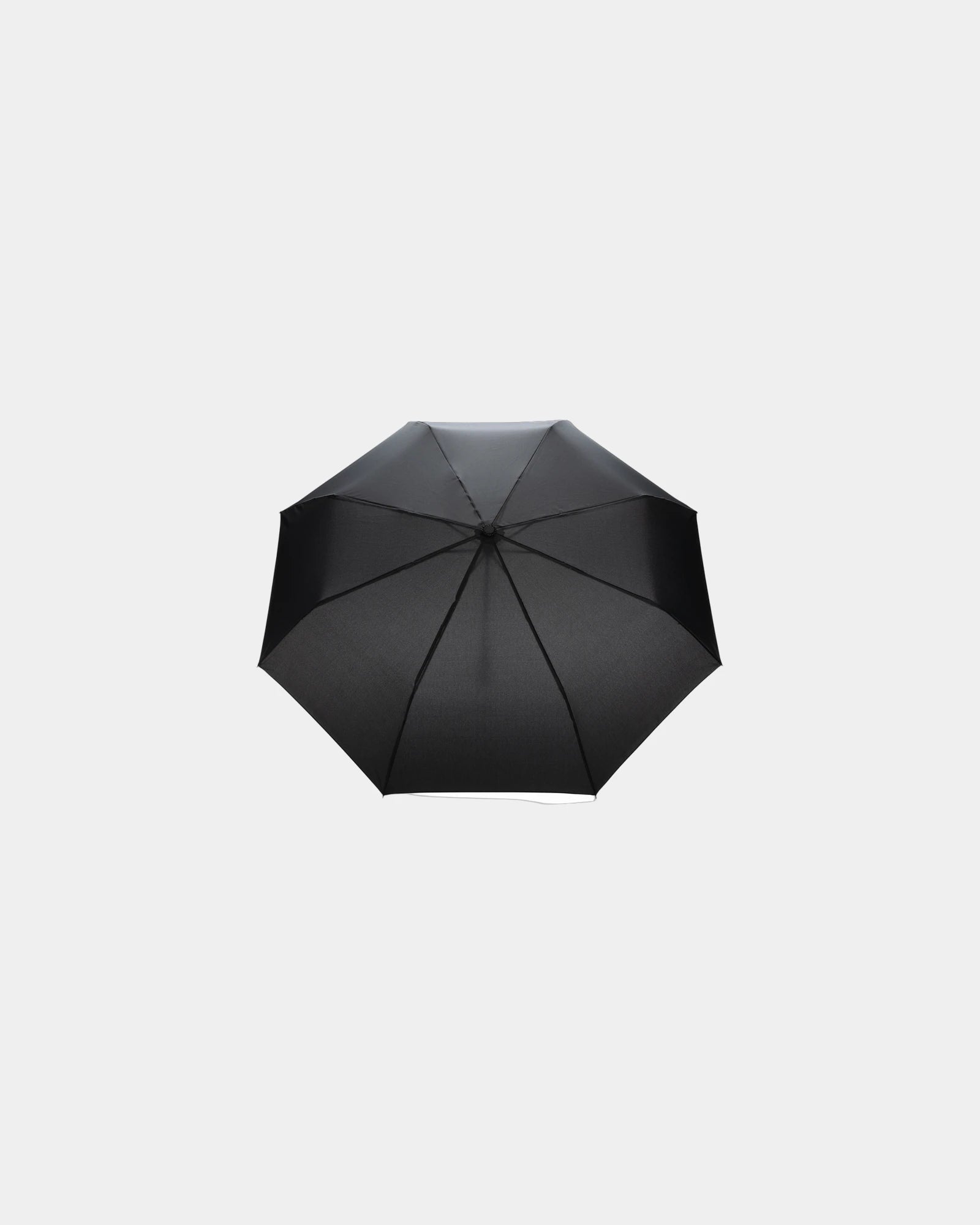
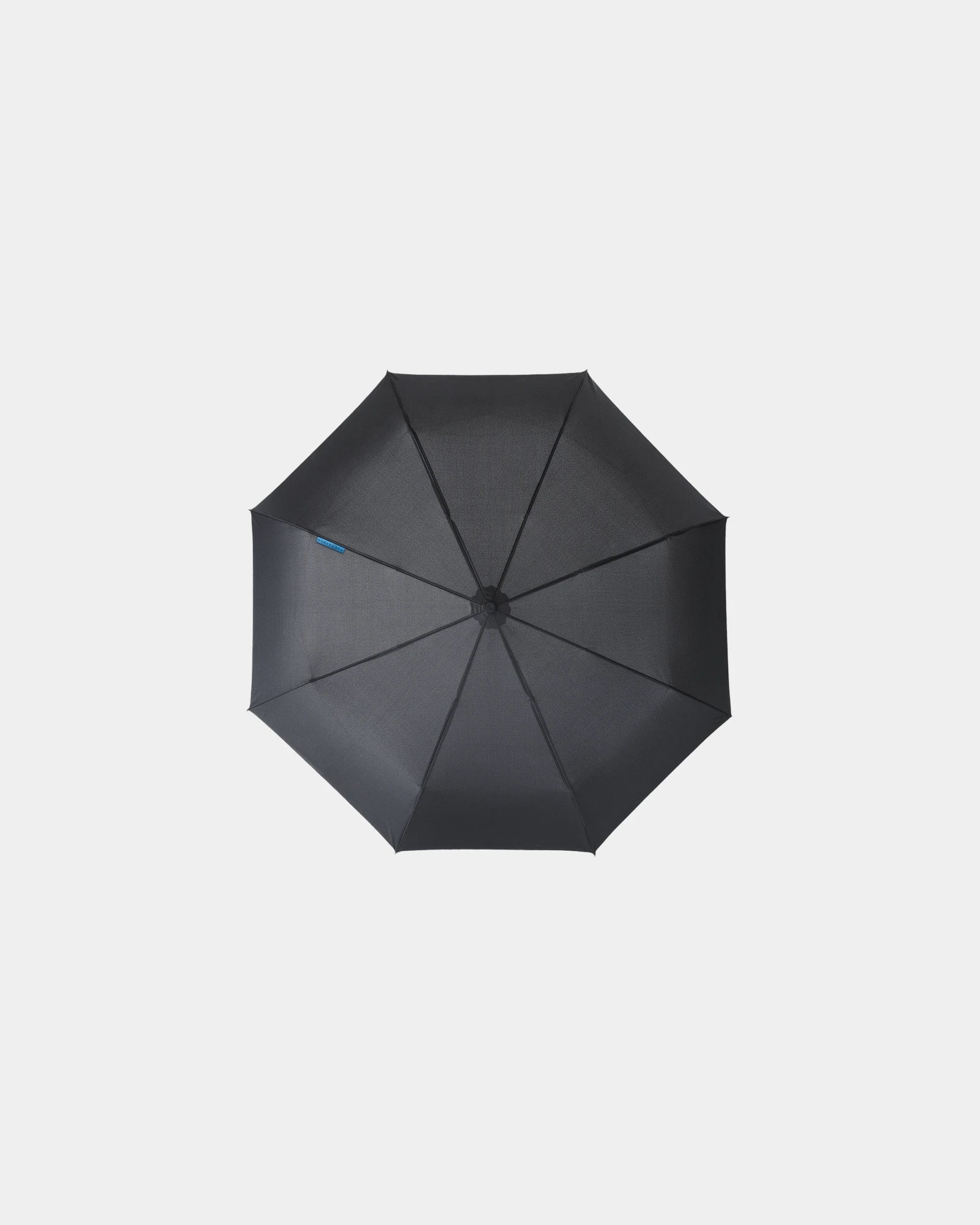
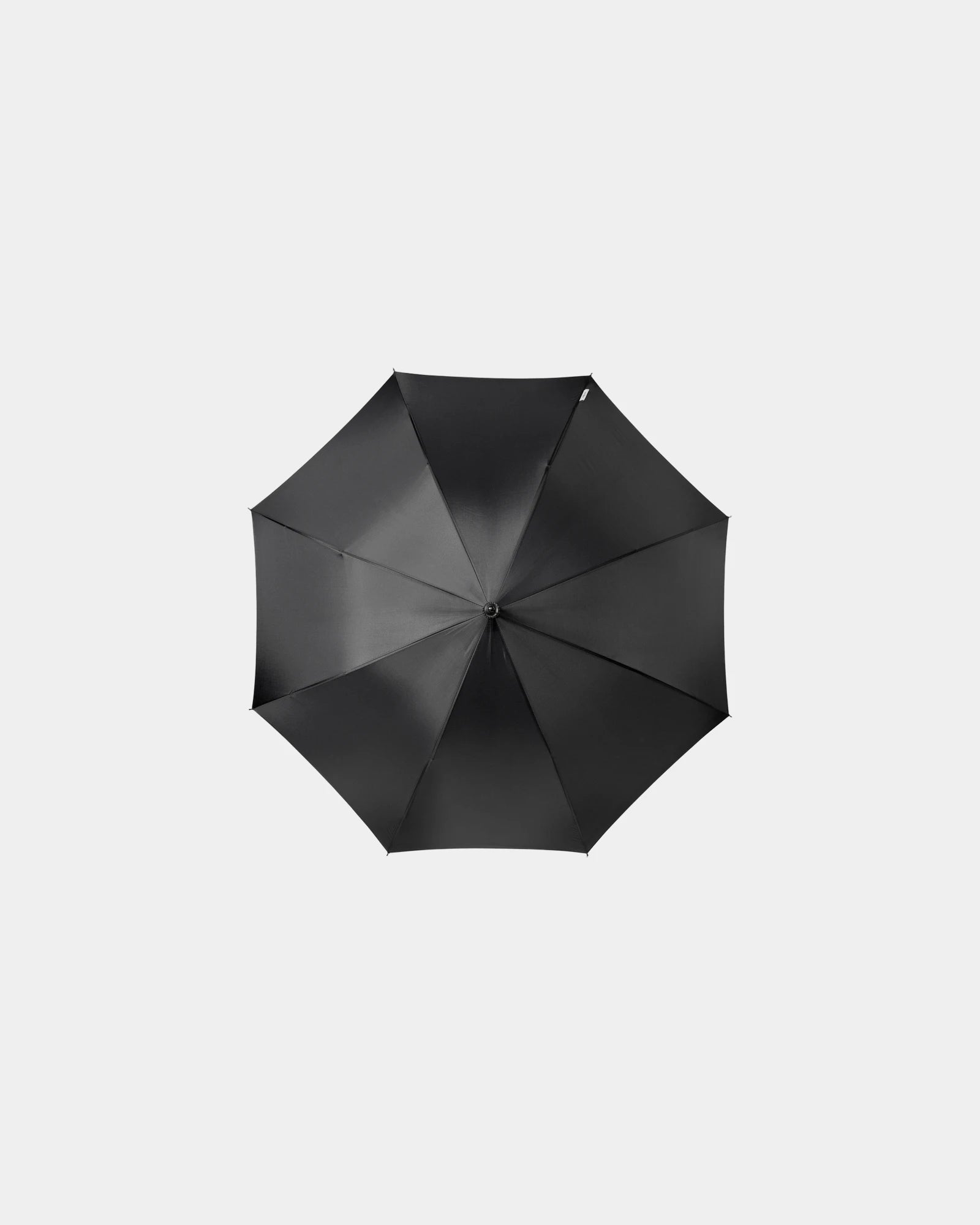
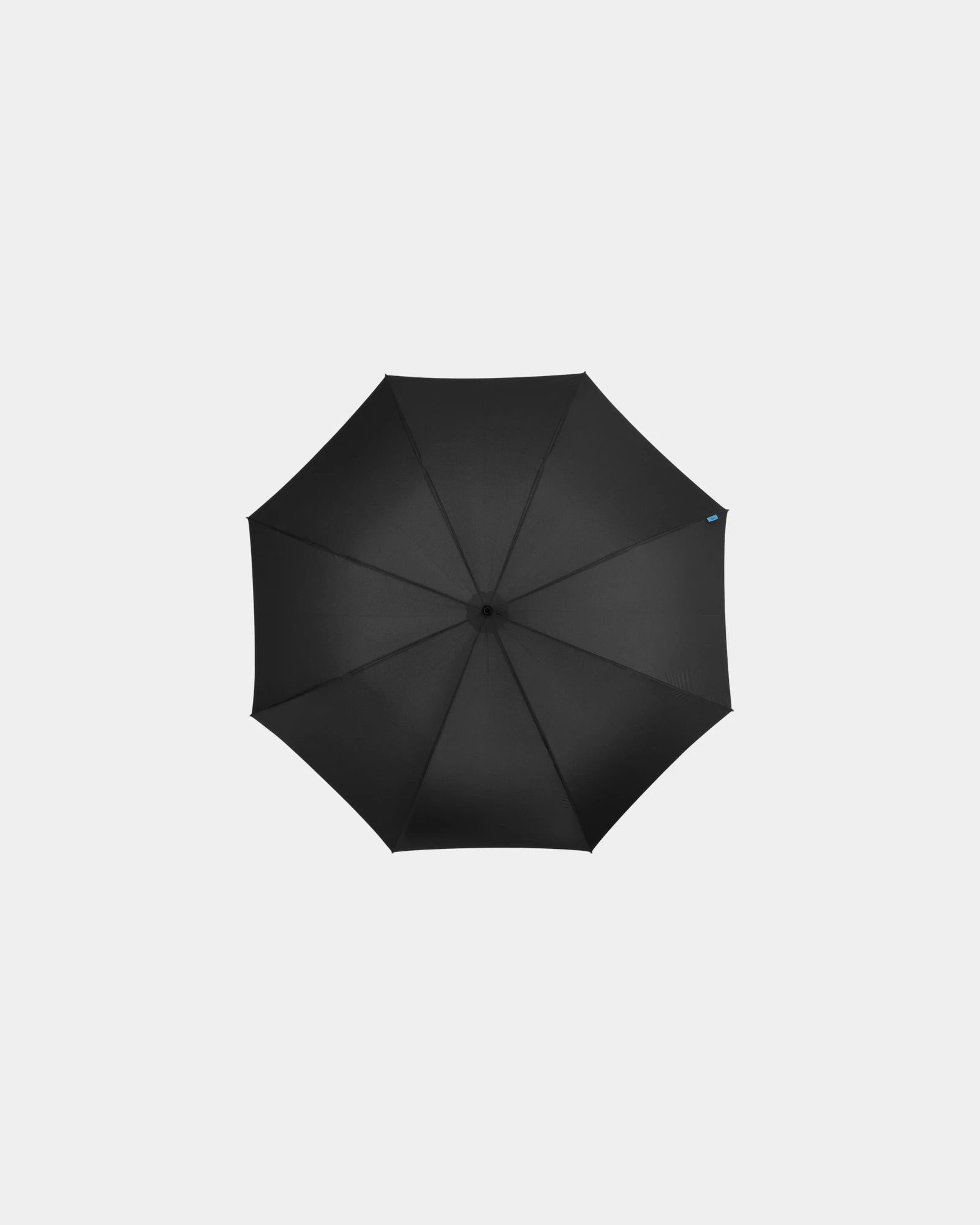
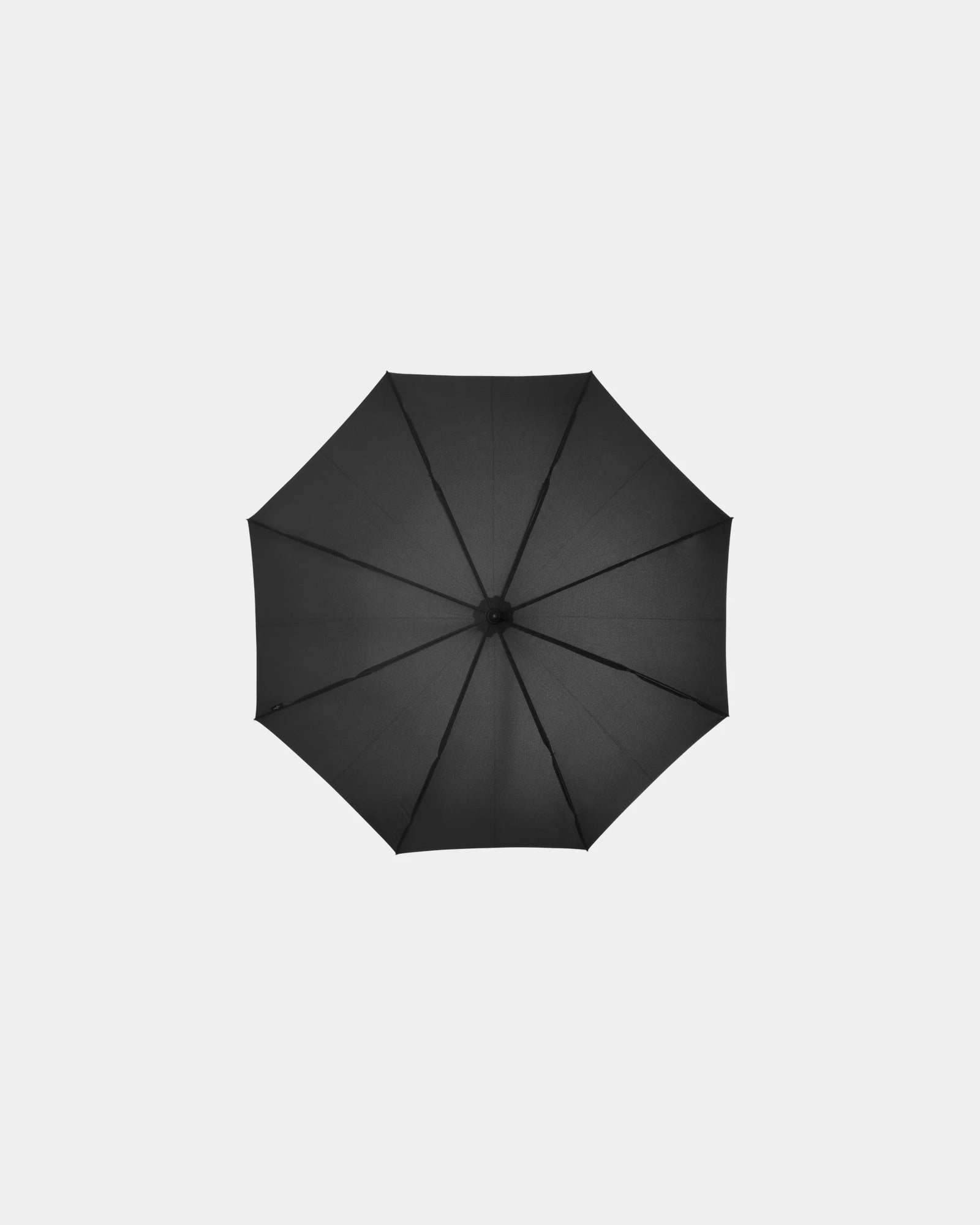
An umbrella is the accessory that earns its visibility from the weather rather than a pocket, opening into a canopy of brand colour the moment it rains. A golf umbrella over a stand or a queue is a brand surface several feet across, seen by everyone nearby. This is the group to brief when the audience is outdoors and the climate is unpredictable, which across the UK is most of the year.
Branded umbrellas cover the walking, folding and golf formats, the rib and frame builds and the canopy panel print, with the wind-resistance grades on the product page. A folding umbrella suits a posted giveaway because it packs small; a vented golf canopy suits a stand because it survives a gust. The canopy is the largest single print surface in the whole accessories range, which is why an umbrella carries a logo so far at distance.
Print area sets what each of your personalised accessories can carry
The size of the print surface decides how much of a logo each accessory can hold, and it varies wildly across promotional accessories. An umbrella canopy carries a full crest and a strapline; a sunglass arm holds only a short word mark; a keyring face fits a compact symbol. Matching the artwork to the available area is the step most briefs get wrong, asking a detailed logo to read on a strip too narrow to carry it.
Knowing the area ahead of time saves a redraw. A logo with fine text needs the larger surfaces, so it lands well on a cap front, a lanyard strap or an umbrella panel. A symbol-only mark survives the small surfaces, so it works on a keyring, a sunglass arm or a leather deboss. Decide which promotional accessories the brief needs first, then check the artwork holds at the smallest area among them before the order is set.
Choosing promotional accessories by occasion: summer, travel and event
With the carry-types mapped, the fastest route to a shortlist is the occasion behind the order. Summer activations lean to sunglasses, caps and a folding umbrella for the unpredictable day. A travelling audience wants the slim leather carry and a clip-on keyring that survives a trip. An exhibition or conference wants lanyards for the passes and caps for the stand staff, ordered against a fixed date. Pick the occasion and the right promotional accessories surface quickly.
The summer occasion is the clearest seasonal case in the accessories range, so it rewards early planning. A warm-weather giveaway of sunglasses and caps competes for the same factory window as every other summer brief, so the run is best booked weeks ahead of the event. Request a free sample of your chosen line first to check the frame fit or the cap structure before a large summer batch is committed.
| Occasion | Lead accessories | Timing note |
|---|---|---|
| Summer event | Sunglasses, caps, folding umbrella | Lock early, seasonal demand |
| Travel and incentive | Card holder, keyring | Slim, premium finish |
| Exhibition or conference | Lanyards, caps | Fixed deadline against the date |
| Member or charity drive | Keyrings, lanyards | High volume, low unit cost |
Matching branded accessories to a run size and a budget
Run size steers the whole accessories shortlist more than any single feature. A several-thousand-unit drive needs the flat pocket group, where keyrings and lanyards post weightless and the unit cost stays low. A few dozen named gifts can afford the leather carry, where the grain finish and the deboss carry the value. Headwear and sunglasses sit in the middle, mid-volume and sized, ordered to a crowd rather than a mailing or a boardroom.
The accessories range also splits cleanly on whether the audience is wide or named. A wide audience wants visibility and low cost per unit, so the worn and clip-on groups lead. A named audience wants felt value, so the small leather and a premium sunglass lead instead. Answer who receives the order before you pick the branded accessory, and the carry-type tier falls out of the answer rather than the catalogue dictating it.
How marking works across mixed promotional accessories
Accessories span metal keyrings, woven lanyards, embroidered caps, printed sunglass arms and grain-leather cases, so no single technique covers the range. The surface sets the method every time. A metal keyring takes a laser engrave or an enamel fill, while a polyester lanyard takes a screen or woven print. A cap takes embroidery or a transfer, a sunglass arm takes a small pad print, and a leather case takes a blind deboss. Each product page names the technique offered on its own base.
Mixing promotional accessories in one campaign works best when the artwork is supplied as vector. The same mark then holds its edge from a 20mm sunglass arm to a wide umbrella canopy. A logo that reads at one size can lose detail at another, so the range is fixed to one Pantone and proofed per surface before production. Supplying clean vector artwork is the single step that keeps a mixed accessories order looking intentional rather than thrown together.
| Accessory | Typical surface | Marking method |
|---|---|---|
| Keyring | Metal, leather or acrylic | Laser engrave, deboss or print |
| Lanyard | Woven or polyester strap | Screen or woven print |
| Cap | Cotton or twill front panel | Embroidery or transfer |
| Sunglasses | Plastic or metal arm | Small pad print |
| Card holder | Grain or PU leather | Pressed deboss or foil |
| Umbrella | Canopy panel fabric | Panel screen print |
Eco and certified options across the personalised accessories range
Recycled and certified materials appear on many lines in the accessories range. The number shifts from one item to the next, so the hub makes no single claim for the whole category. A lanyard offers a recycled rPET weave; a card holder may use a recycled-leather composite; a cap comes in organic cotton on certain styles. Each option lives on its own product page, never compressed into a one-size eco badge that would overstate what an individual accessory holds.
Since the make-up shifts by item, the recycled share and any certification appear on each accessory's own technical sheet. An rPET lanyard and an organic-cotton cap quote different numbers. A buyer chasing a verified eco run should read the page for the precise material on the line shortlisted. We attribute every recycled or certified figure to the maker's own spec, never to a blanket category claim. The truth is item-specific. The sheet on the style you choose states what that accessory's fabric or body genuinely is.
| Accessory | Carried as | Briefs best for |
|---|---|---|
| Keyrings | Pocket, on a key | Mass welcome packs, member fobs |
| Lanyards | Worn at the neck | Events, access passes, visibility |
| Card holders | Pocket or bag | Named client and staff gifts |
| Caps | Worn on the head | Team kit, festivals, stand staff |
| Sunglasses | Worn on the face | Summer events, outdoor launches |
| Umbrellas | Carried in hand | Outdoor stands, rainy-day giveaways |
- Keyrings: the logo on a key, handled daily for years
- Lanyards: pass and brand at chest height across an event
- Card holders: slim leather carry that reads as a gift
- Caps: a worn, visible mark above an outdoor crowd
- Sunglasses: a summer giveaway worn long after the event
- Umbrellas: the widest print surface in the whole range