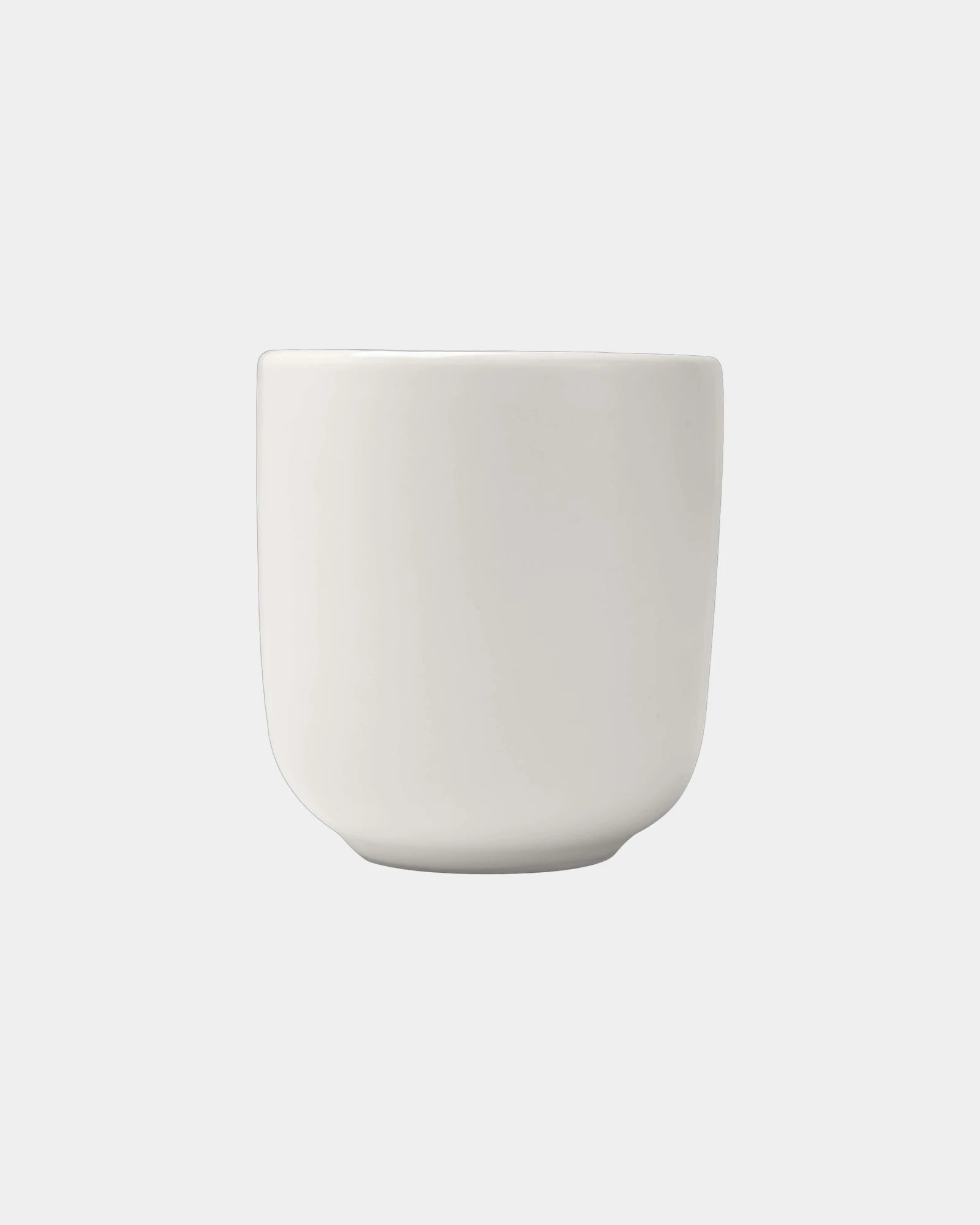
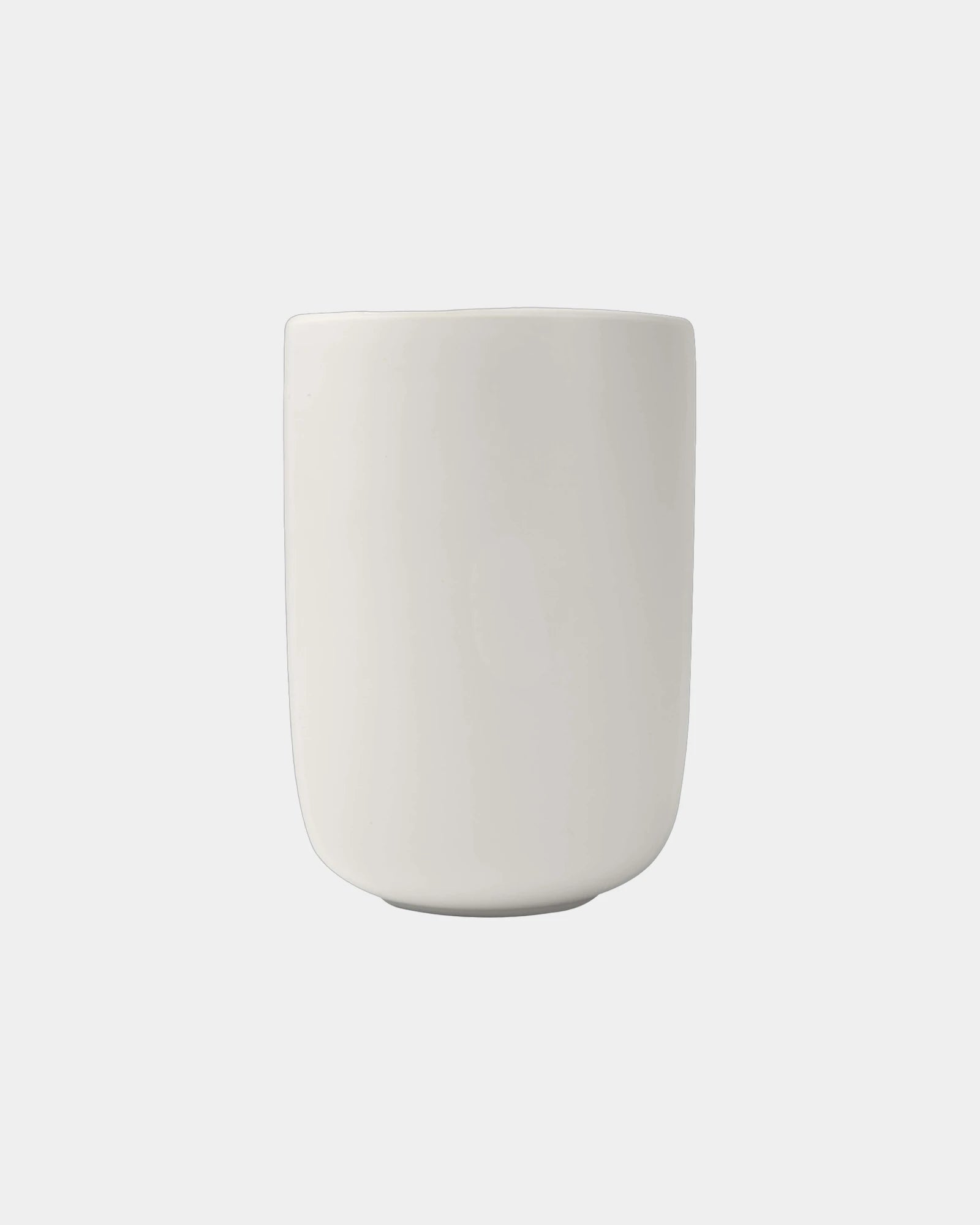
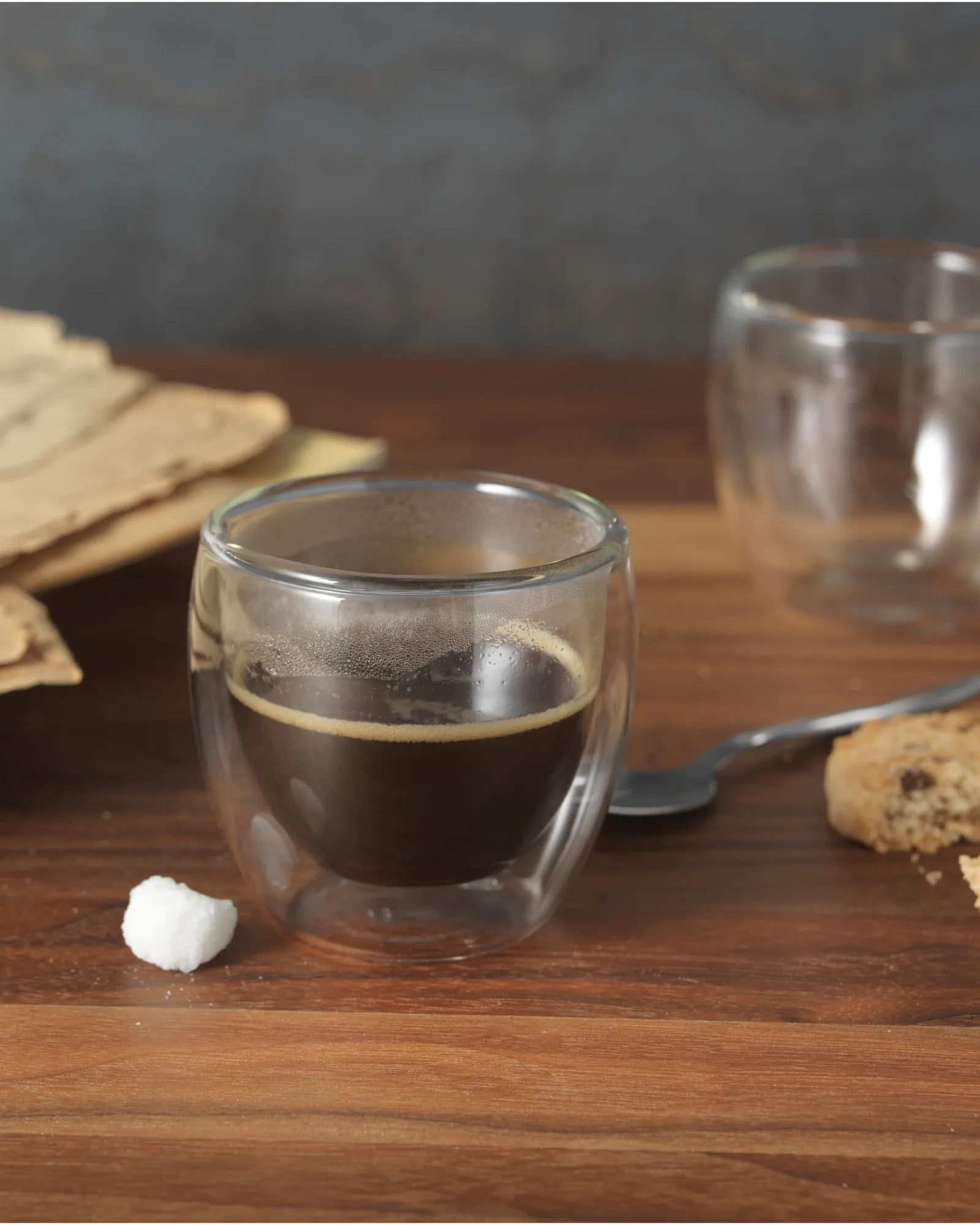
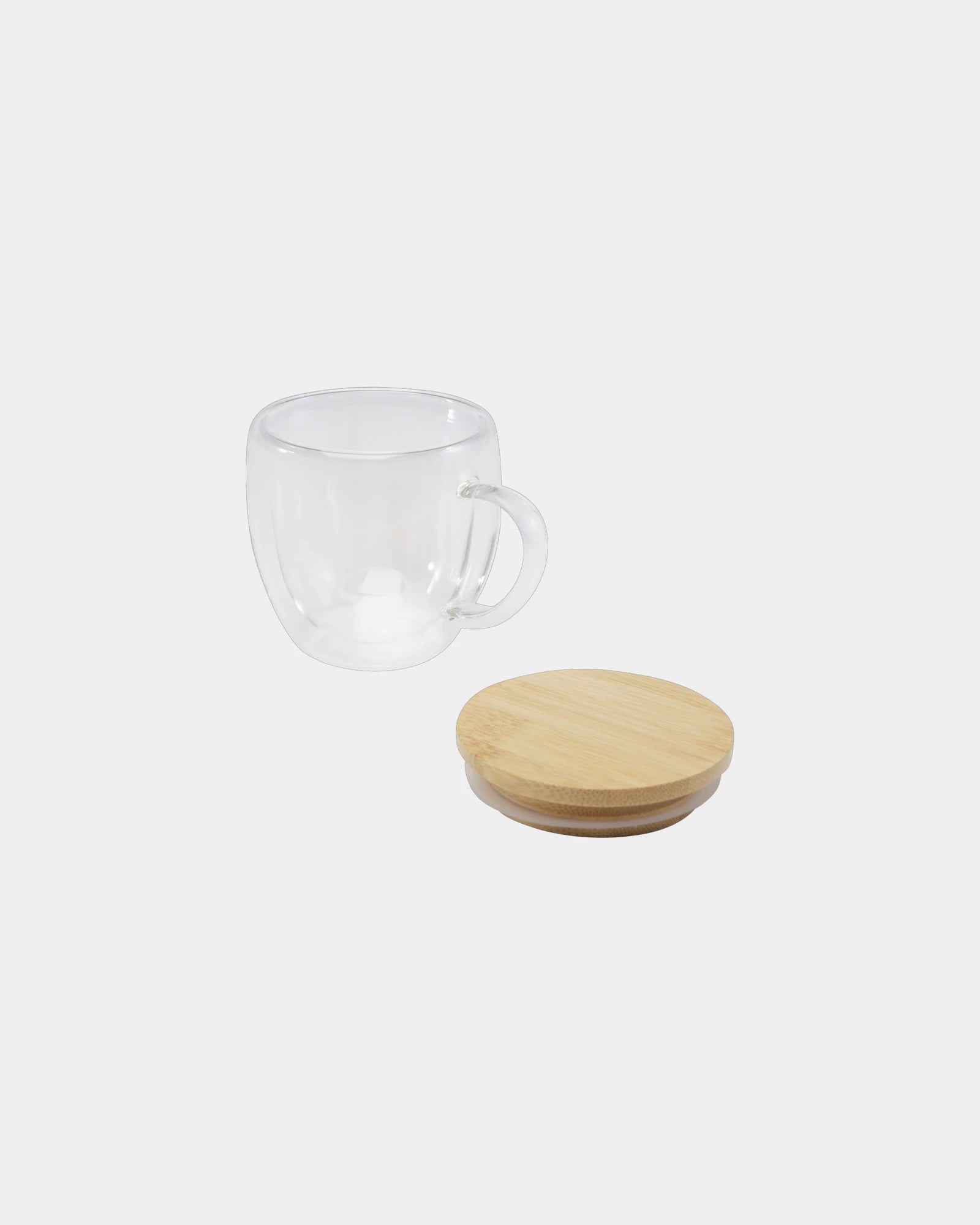
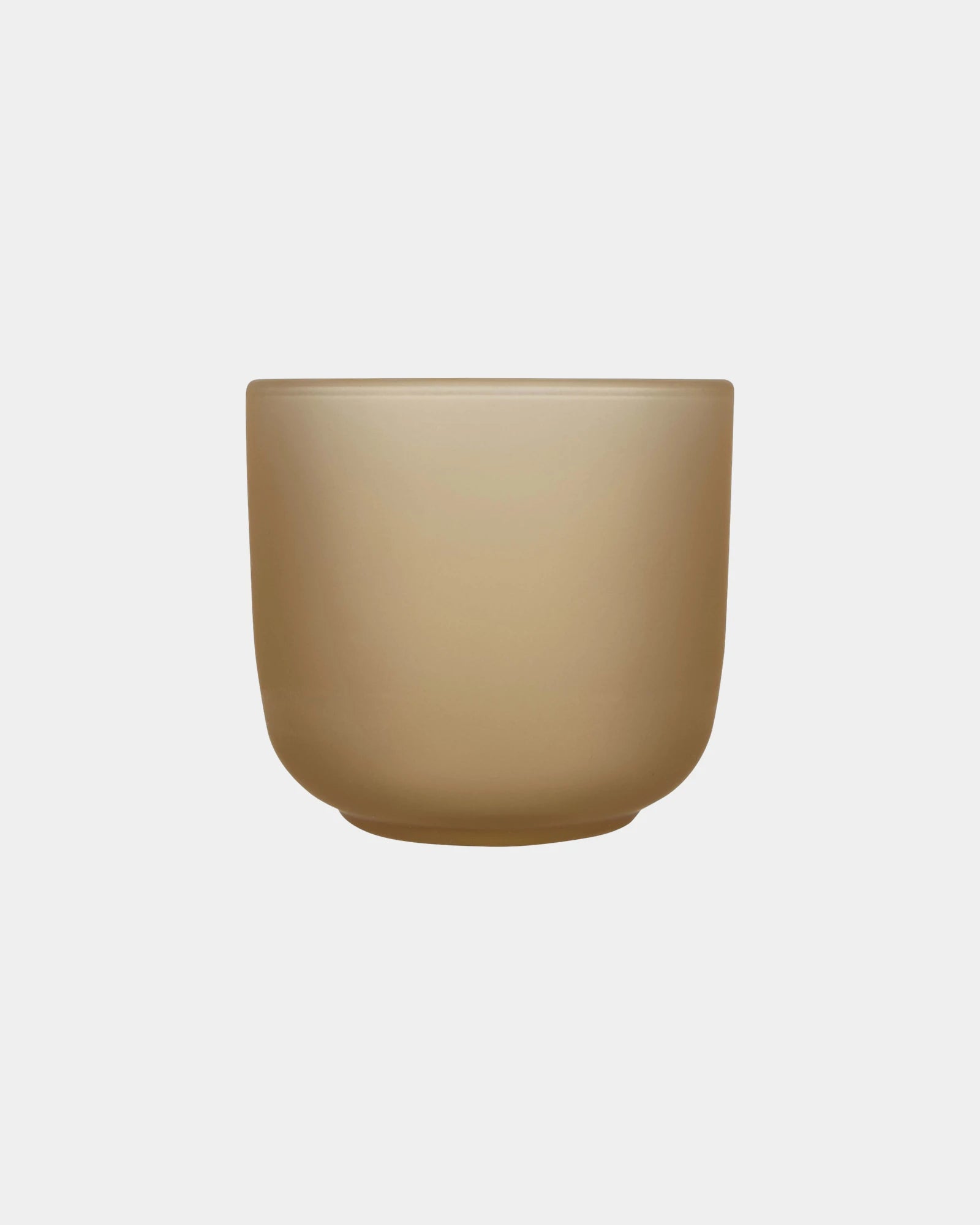
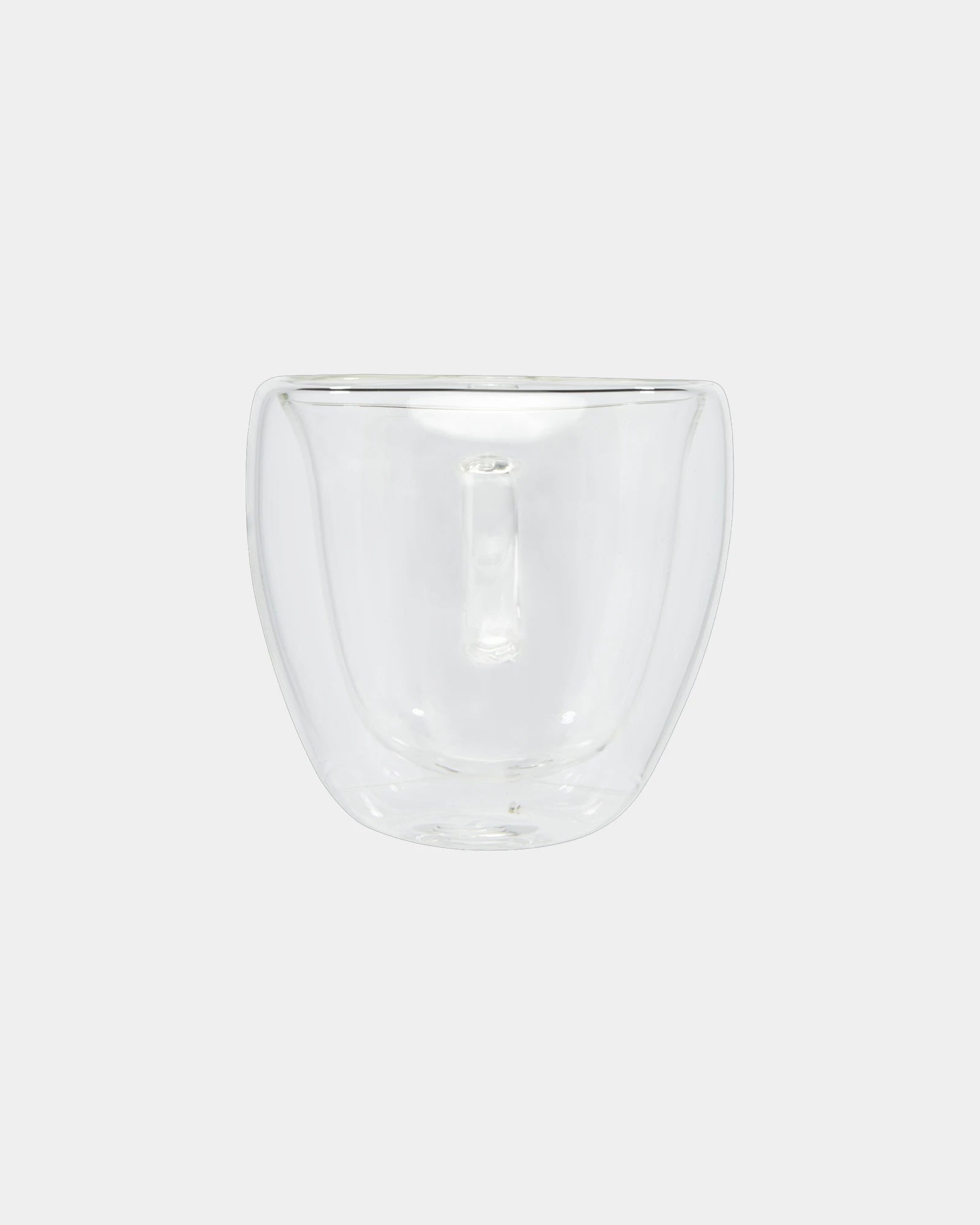
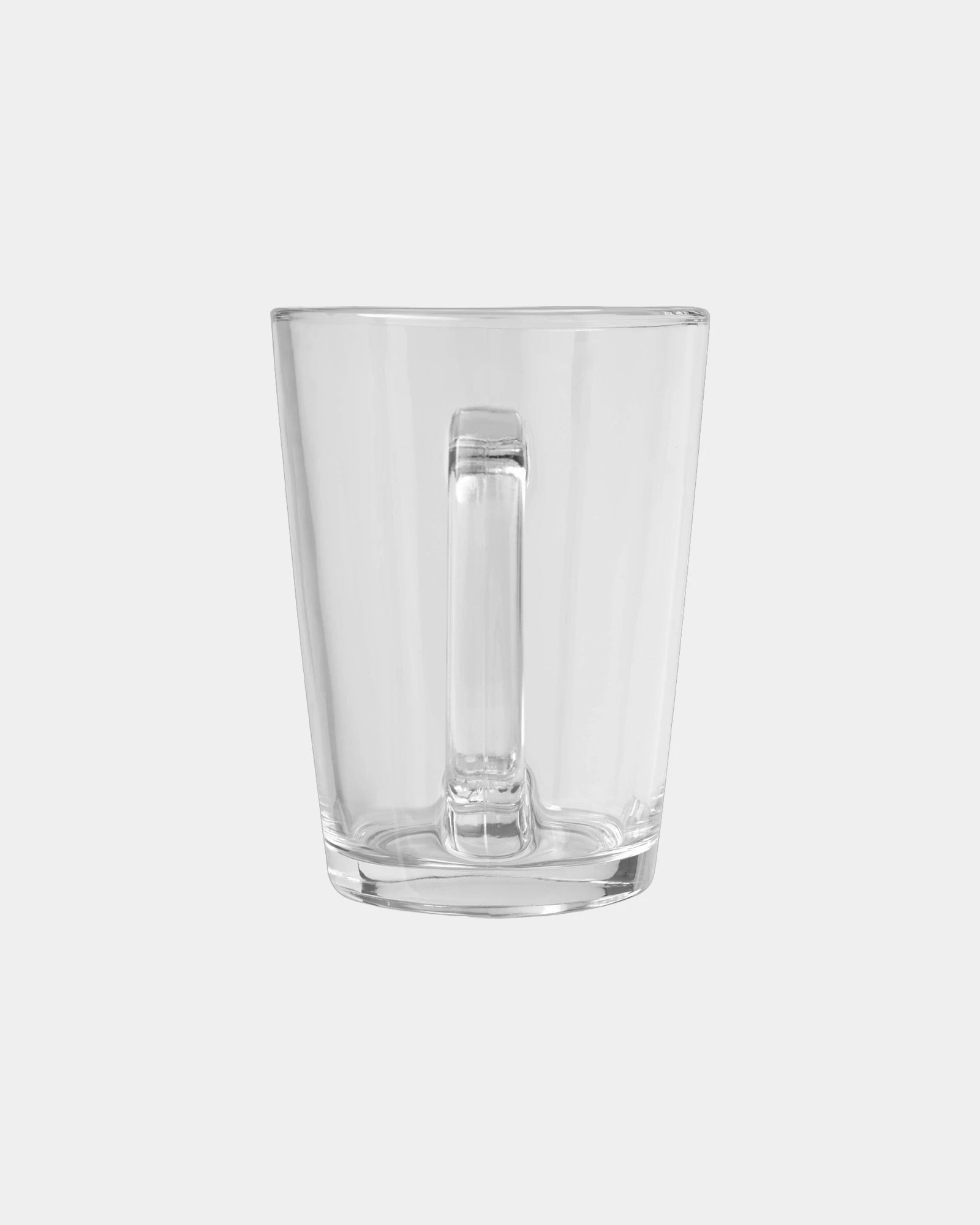
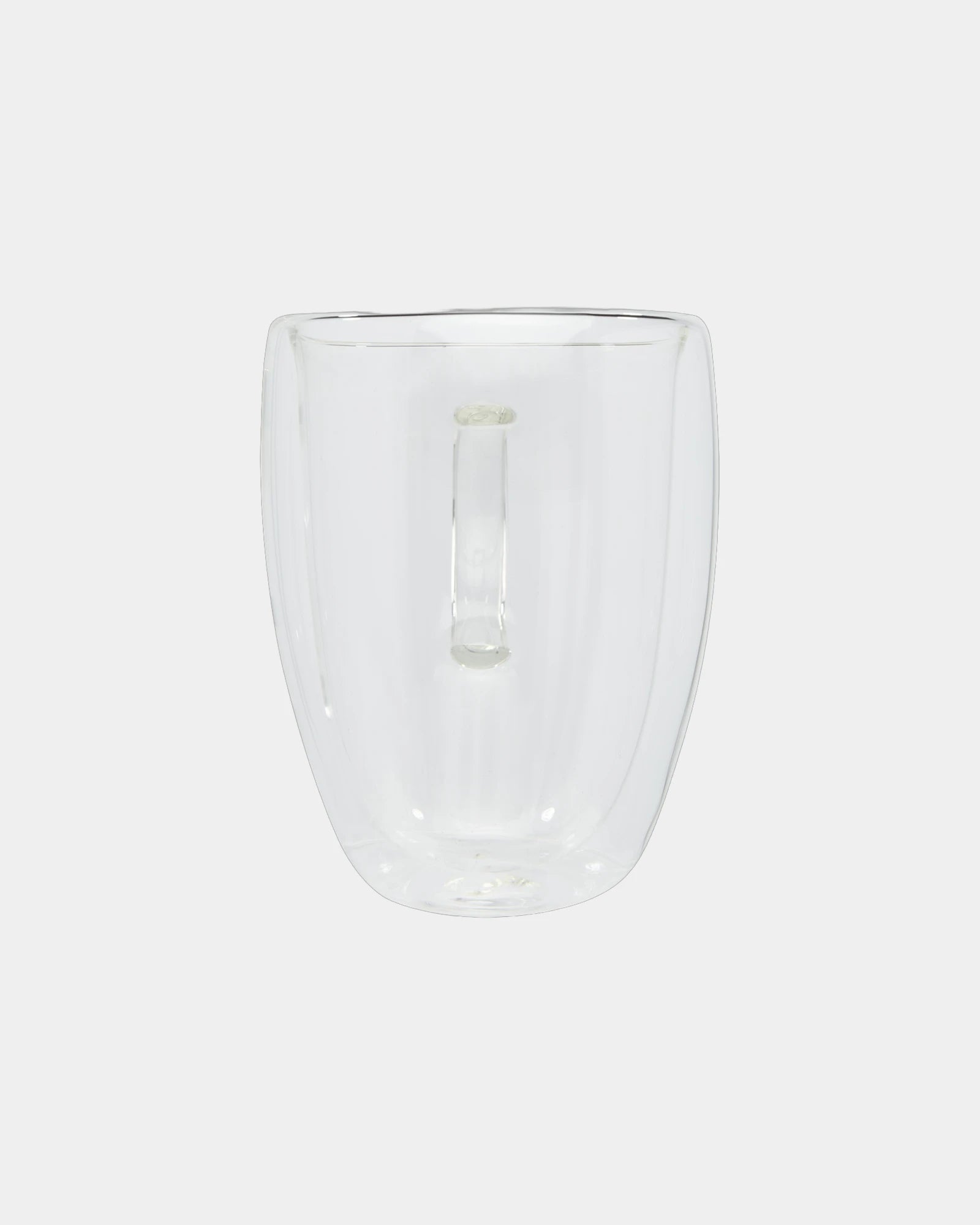
Printed mugs
- Eco-friendly
- Made in France
- Made in Europe
- Price, low to high
- Price, high to low
Treat your clients and employees!
FAQ - Personalised mugs
Trusted by 1,000+ companies
What actually survives the dishwasher on branded mugs
Picture a cafe reopening after a refit, handing regulars a branded mug with the loyalty stamp printed on. Six months later half those mugs have faded handles. The body lasted. The decoration did not, and that gap is the real story.
On branded mugs, two separate things wear out: the body and the print on it. A stoneware shell can outlive a decade of use while a surface coating on the same shell rubs thin in weeks. Buyers judge the branded mug, but they remember the faded logo.
Kiln-fired decoration is fused into the glaze, so it shares the body's lifespan. Surface-applied finishes sit on top and abrade with heat and friction. When we quote dishwasher behaviour, we are really quoting the decoration, not the clay.
That honesty changes how you brief us. Tell us how often these mugs face a commercial dishwasher, and we steer you toward a fired method rather than a cheaper surface print that ages badly. For mixed gift packs, our Branded Drinkware range sits alongside mugs.
Reading a quote: how material and decoration split the durability on branded mugs
A quote for Branded mugs hides two durability ratings inside one line. The first is the body: how it resists chips and thermal shock. The second is the decoration: how it holds colour through repeated washing. Confusing them leads to the wrong order.
Earthenware and stoneware bodies behave differently before any print lands. Earthenware is porous and lower-fired, so it chips sooner; stoneware is dense and shrugs off knocks on a busy hot desk. Match the body to handling first, decoration second.
Decoration then layers its own risk on top. Sublimation gives full-colour photos but softens under very hot, frequent cycles. Fired screen ink holds dense colour for years. The table separates both so you shortlist before we discuss artwork.
Dishwasher behaviour below is stated per material because the body and the decoration both vote. We size capacity in millilitres or ounces, always approximate, since mould tolerances shift slightly between batches.
| Material | Properties | Dishwasher | Typical use |
|---|---|---|---|
| Earthenware | Affordable, glossy, slightly porous body, mid weight | Often dishwasher-safe depending on glaze and print | High-volume giveaways and events |
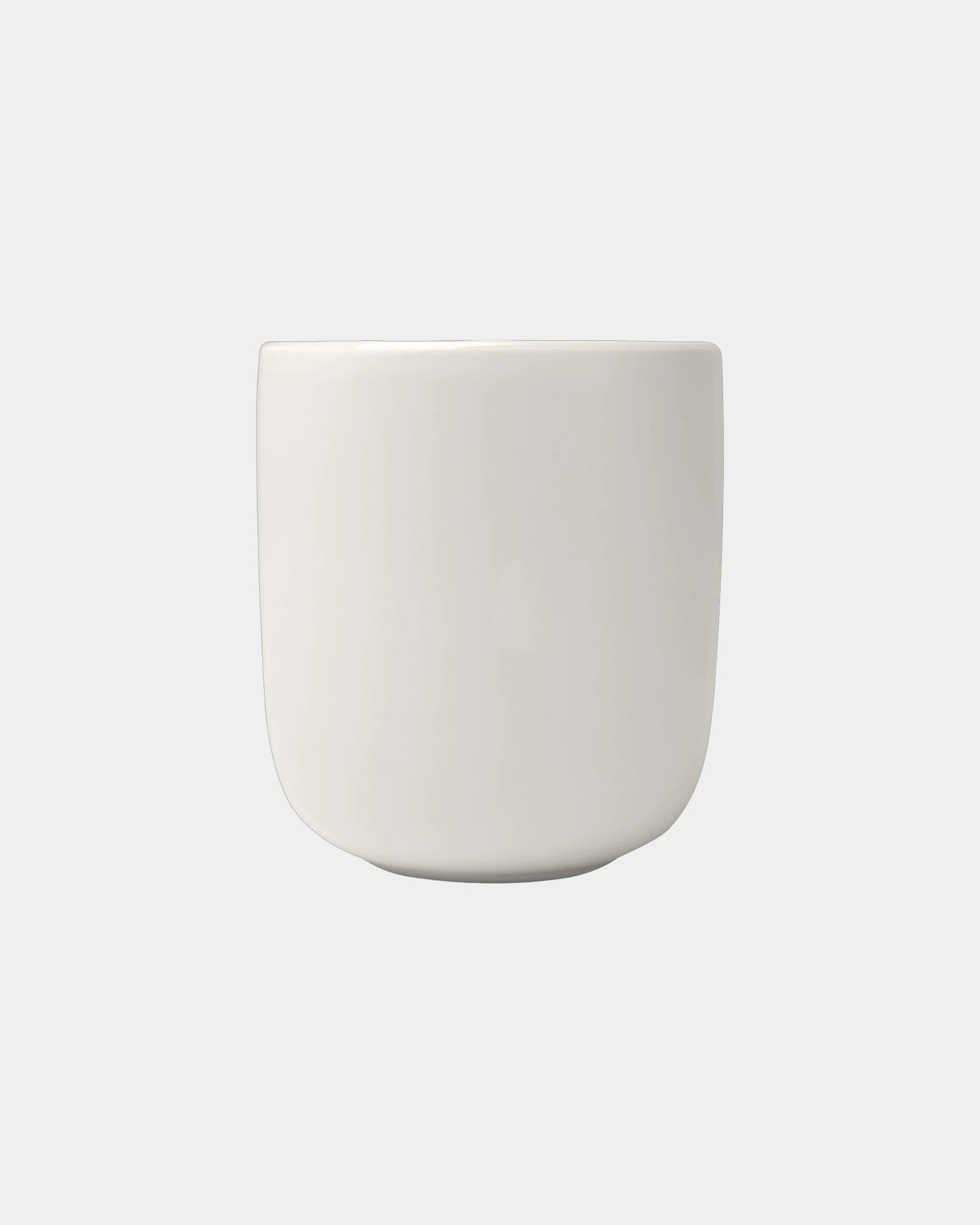
| Stoneware | Denser, chip-resistant, matt or reactive glazes | Usually dishwasher-safe per glaze | Premium staff and client gifts |
| Porcelain | Fine, smooth, bright white printing surface | Commonly dishwasher-safe per decoration | Corporate and hospitality settings |
| Bone china | Lightest, translucent, refined feel | Care wash advised for gilded or delicate decor | Executive gifts and gift boxes |
| Enamel | Steel core, vitreous coating, rugged retro look | Hand wash recommended to protect the rim | Outdoor, festival and lifestyle brands |
| Glass | Transparent, clean modern look, shows the drink | Dishwasher-safe per print method | Cafes, launches and design-led gifts |
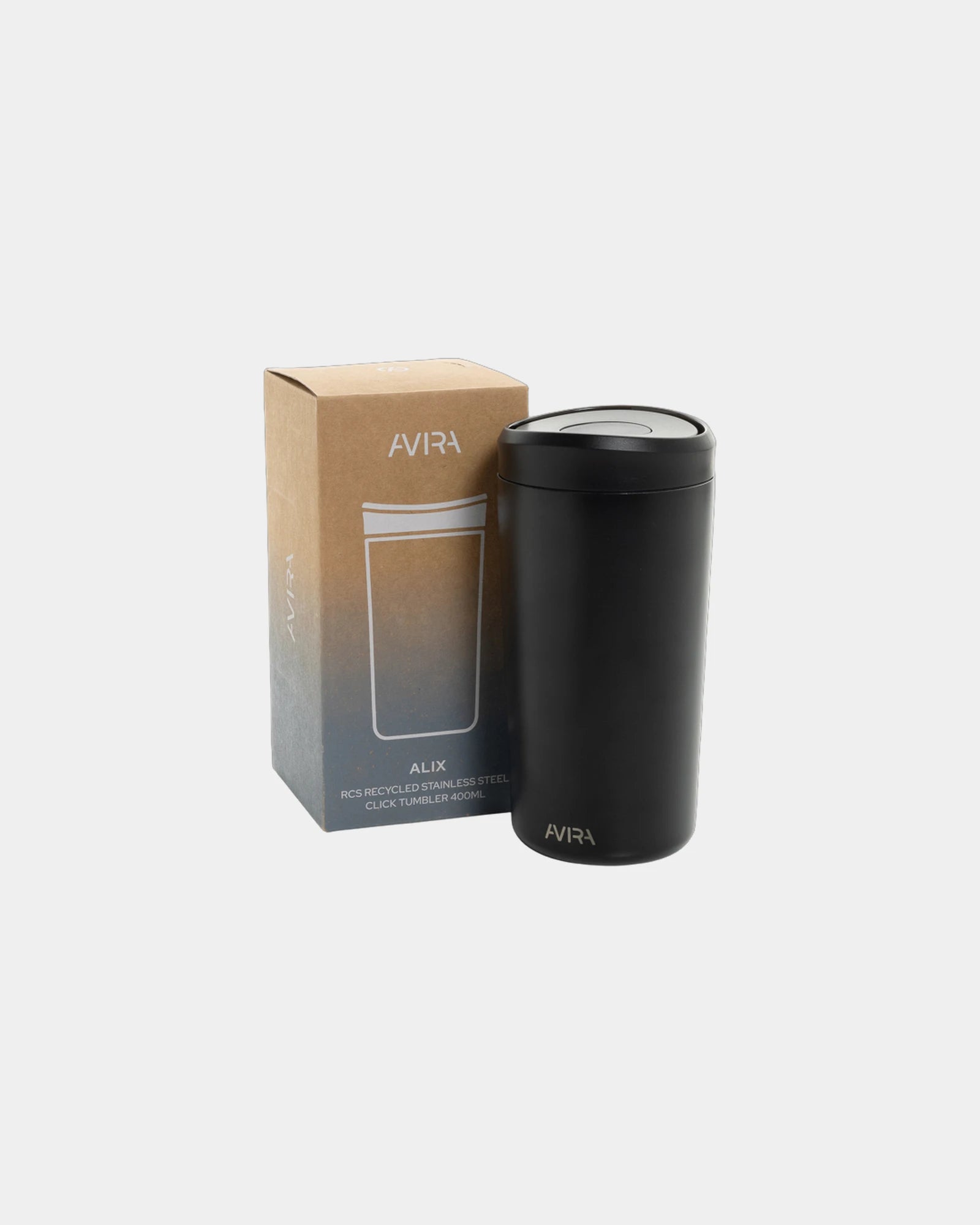
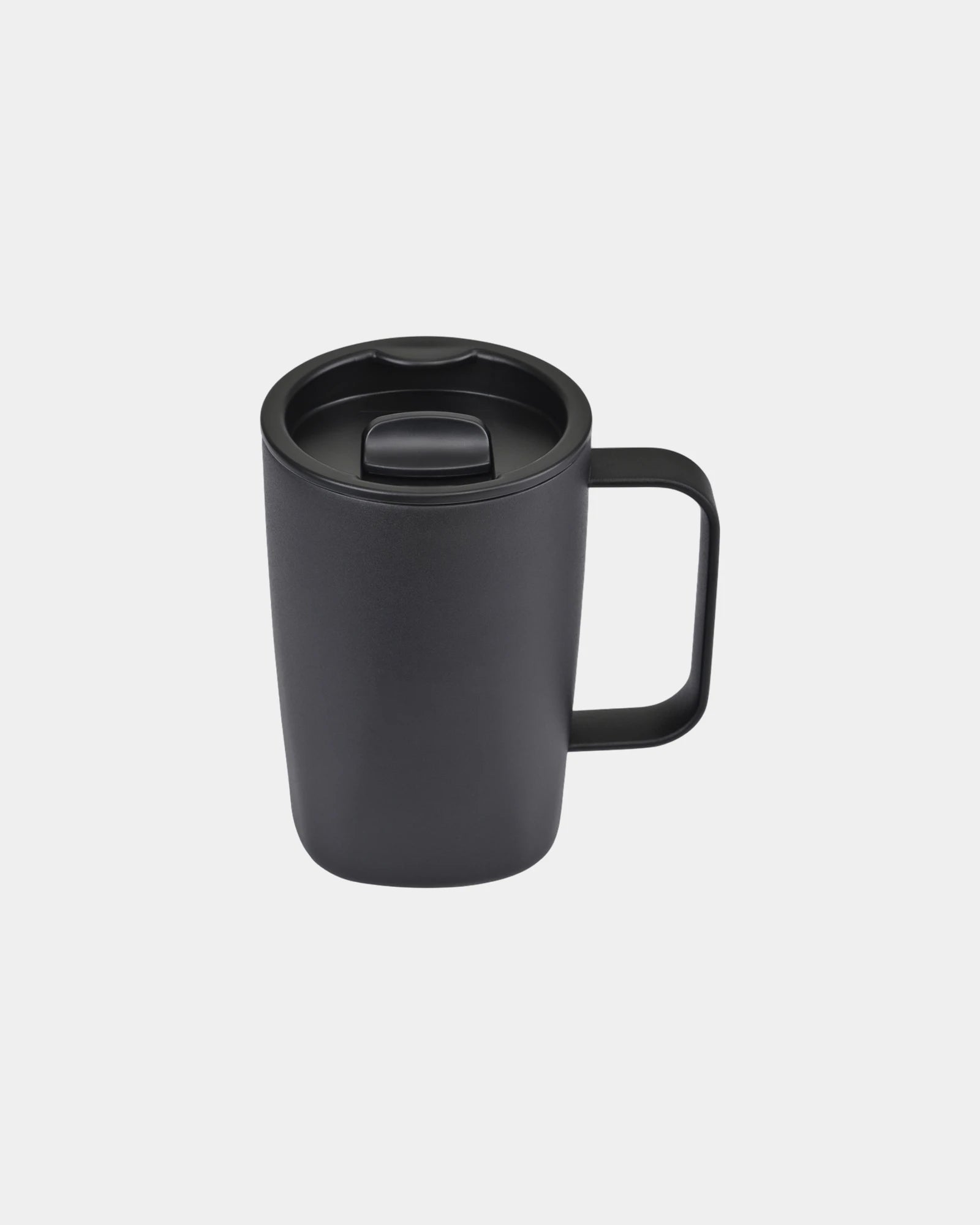
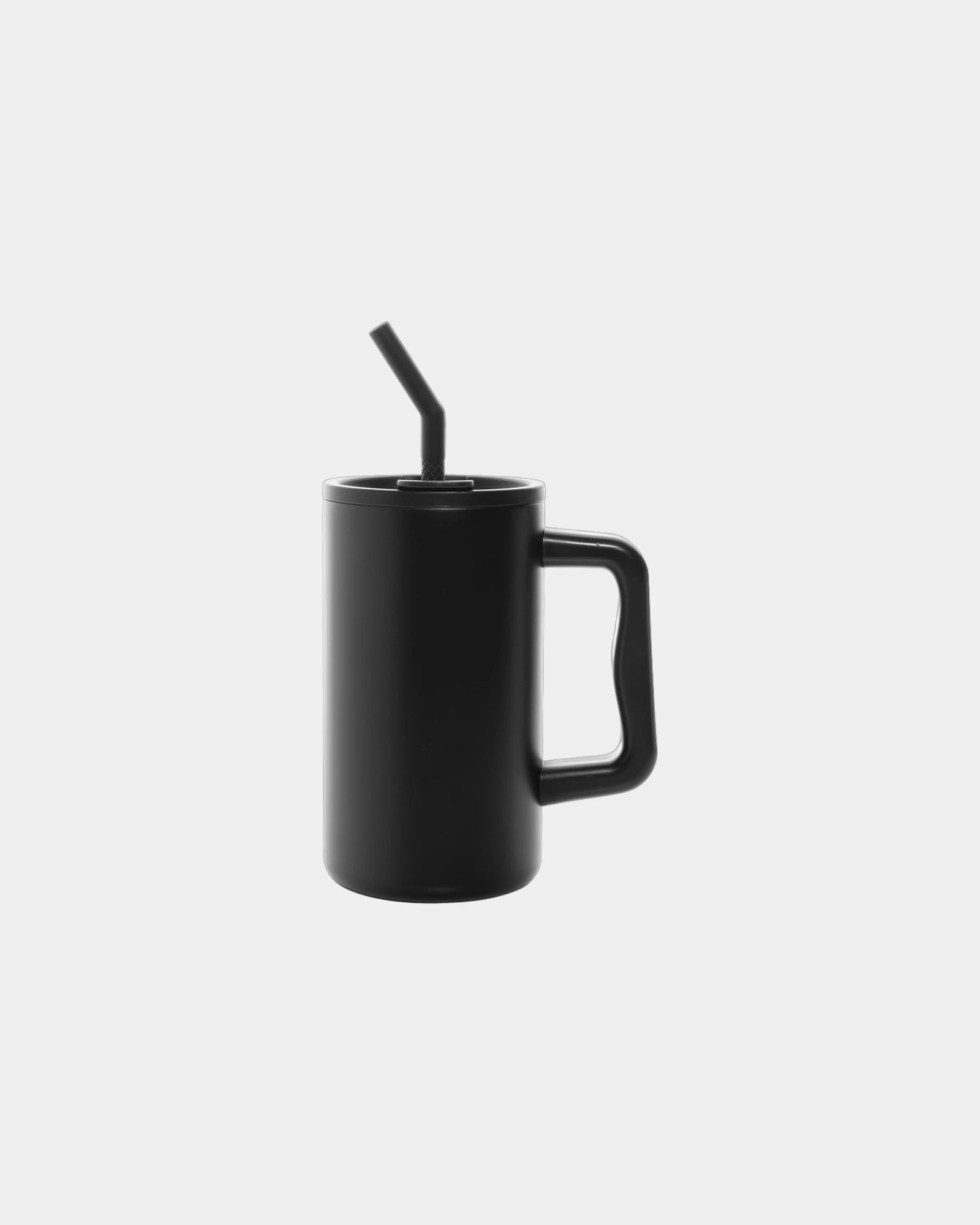
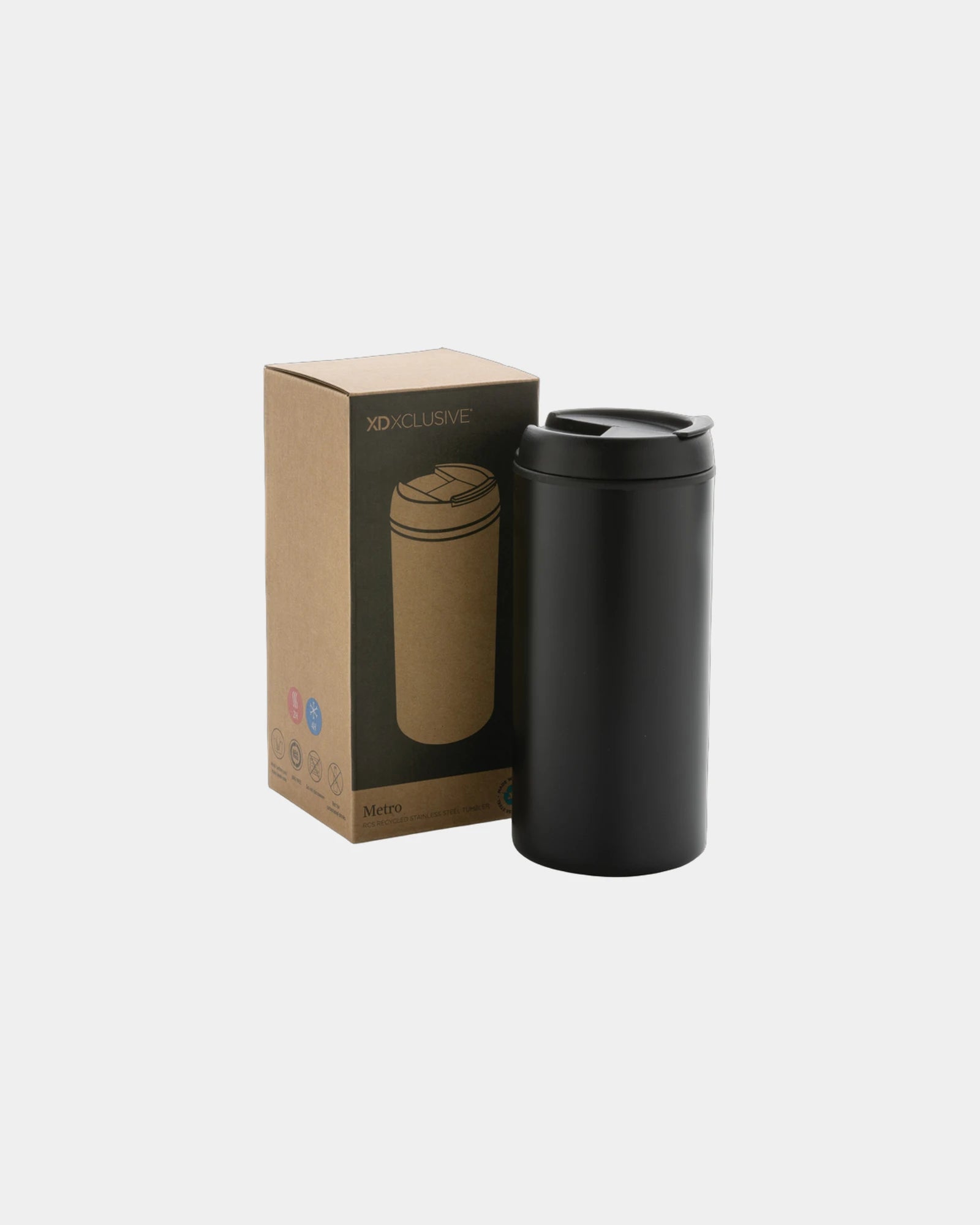
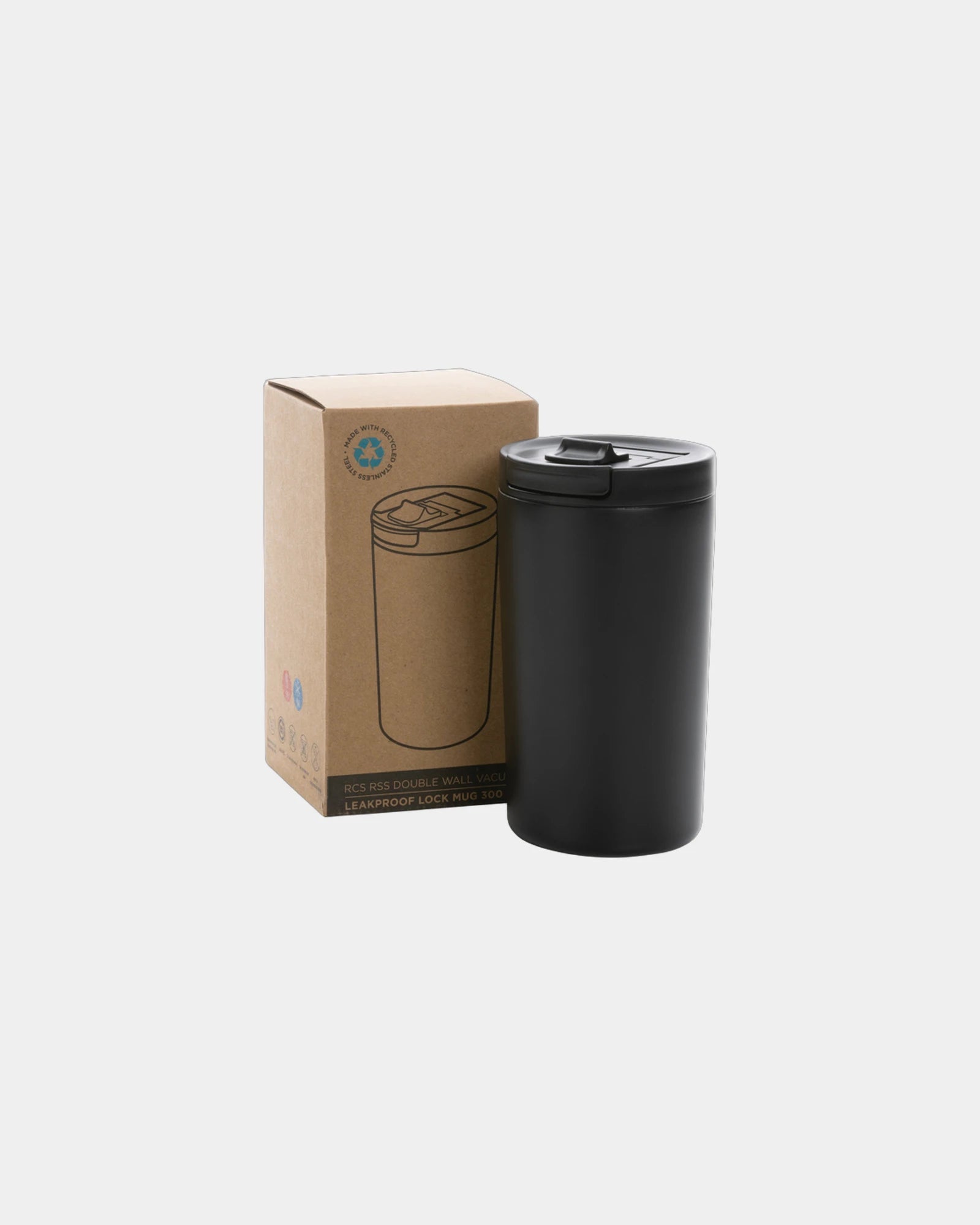
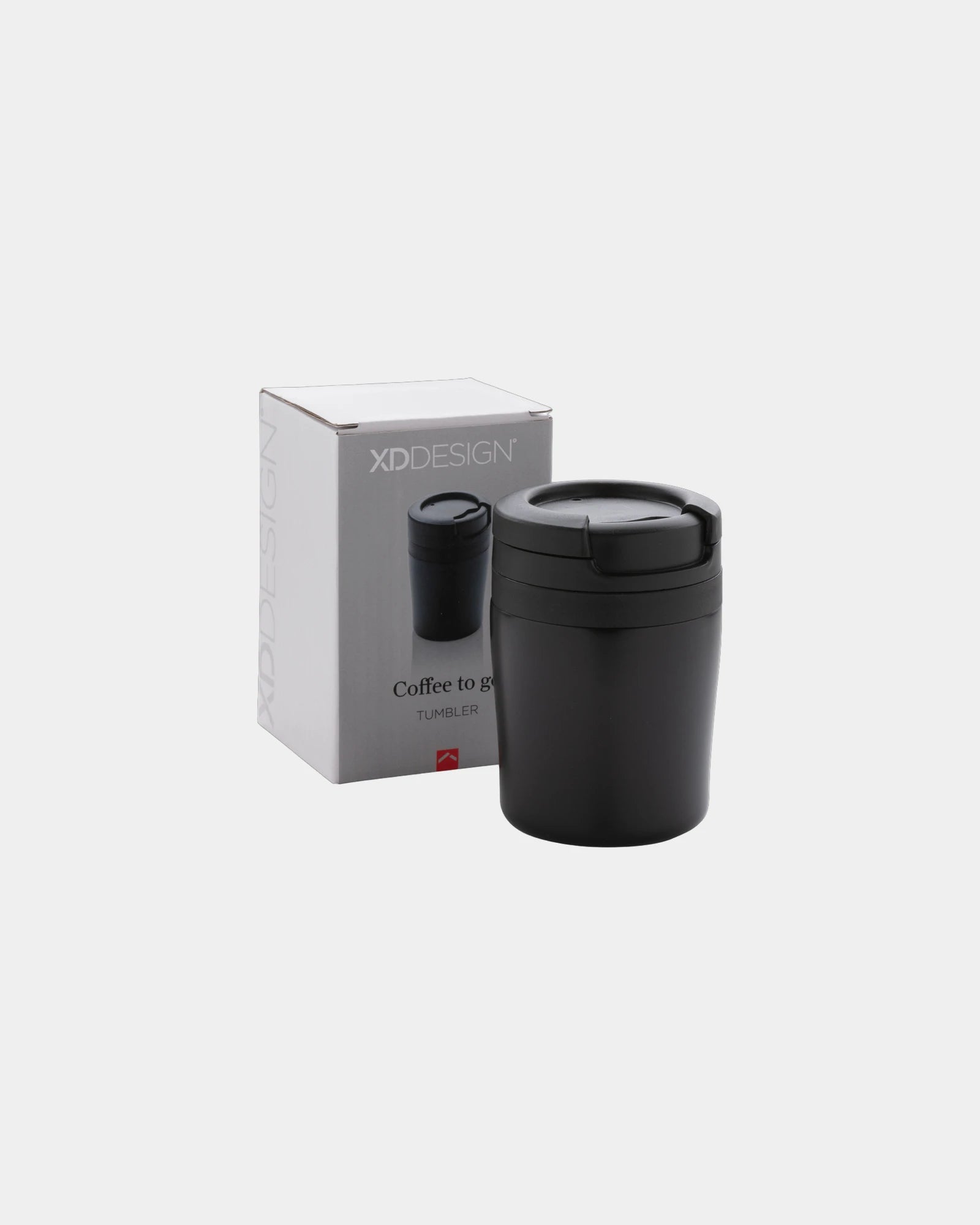
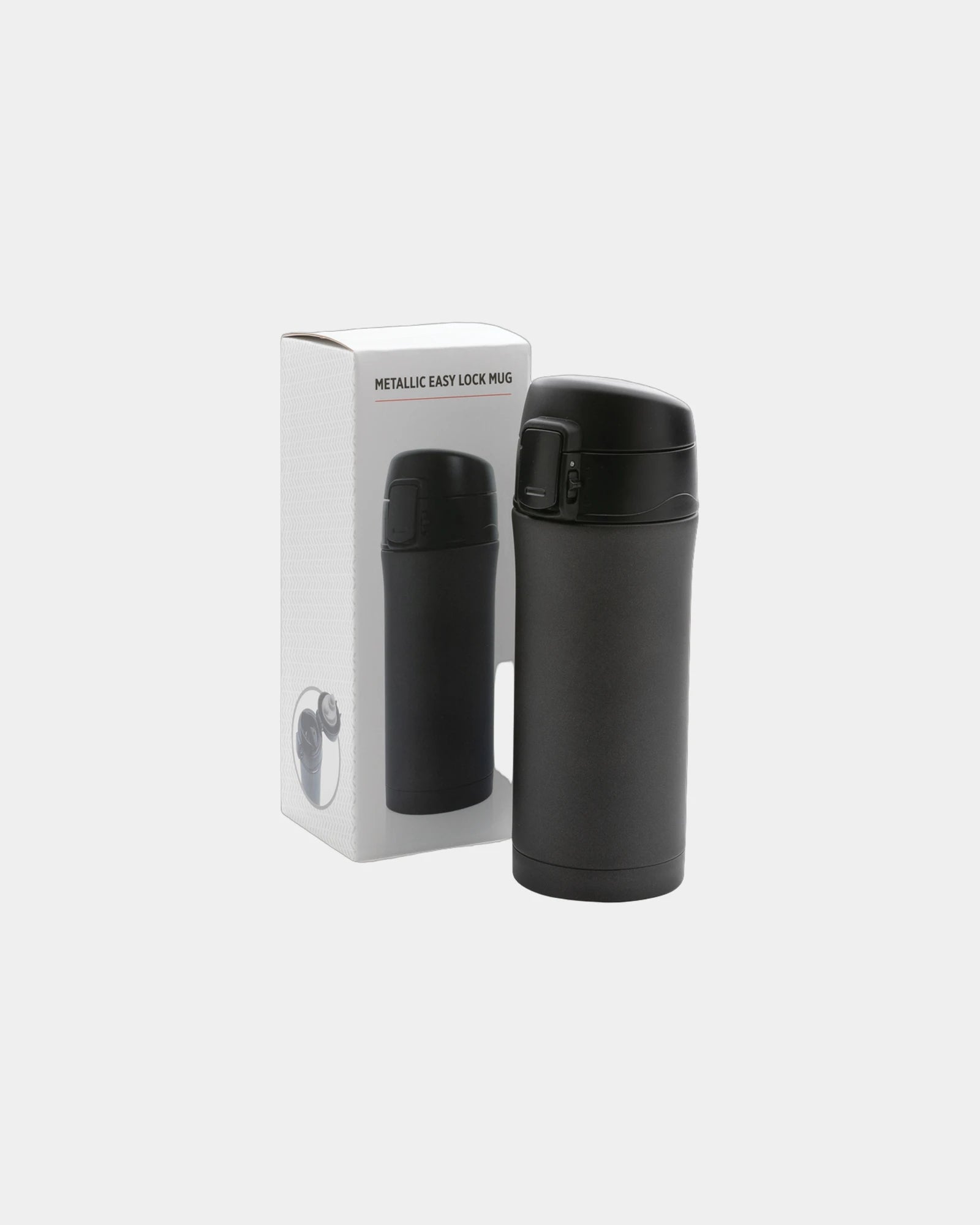
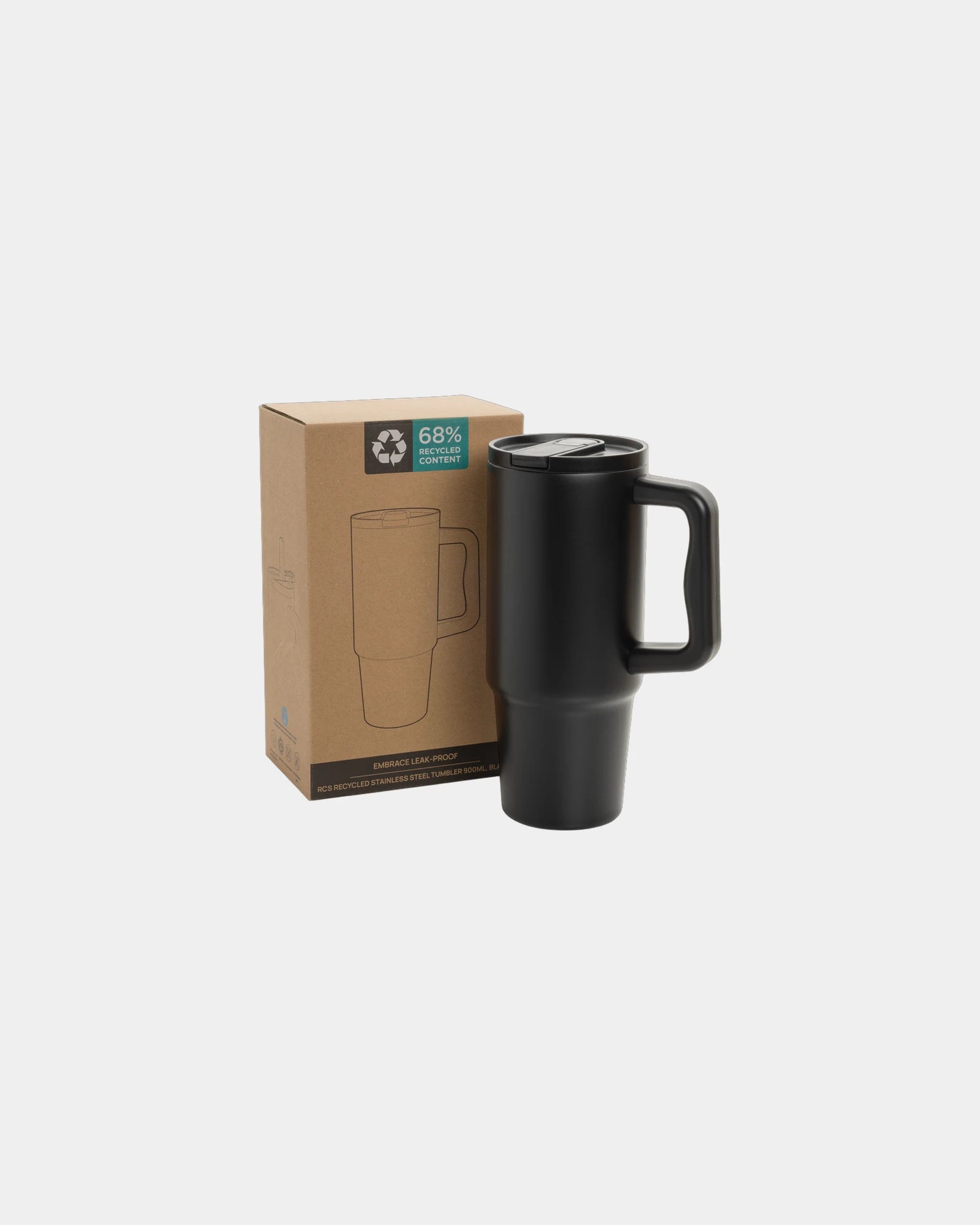
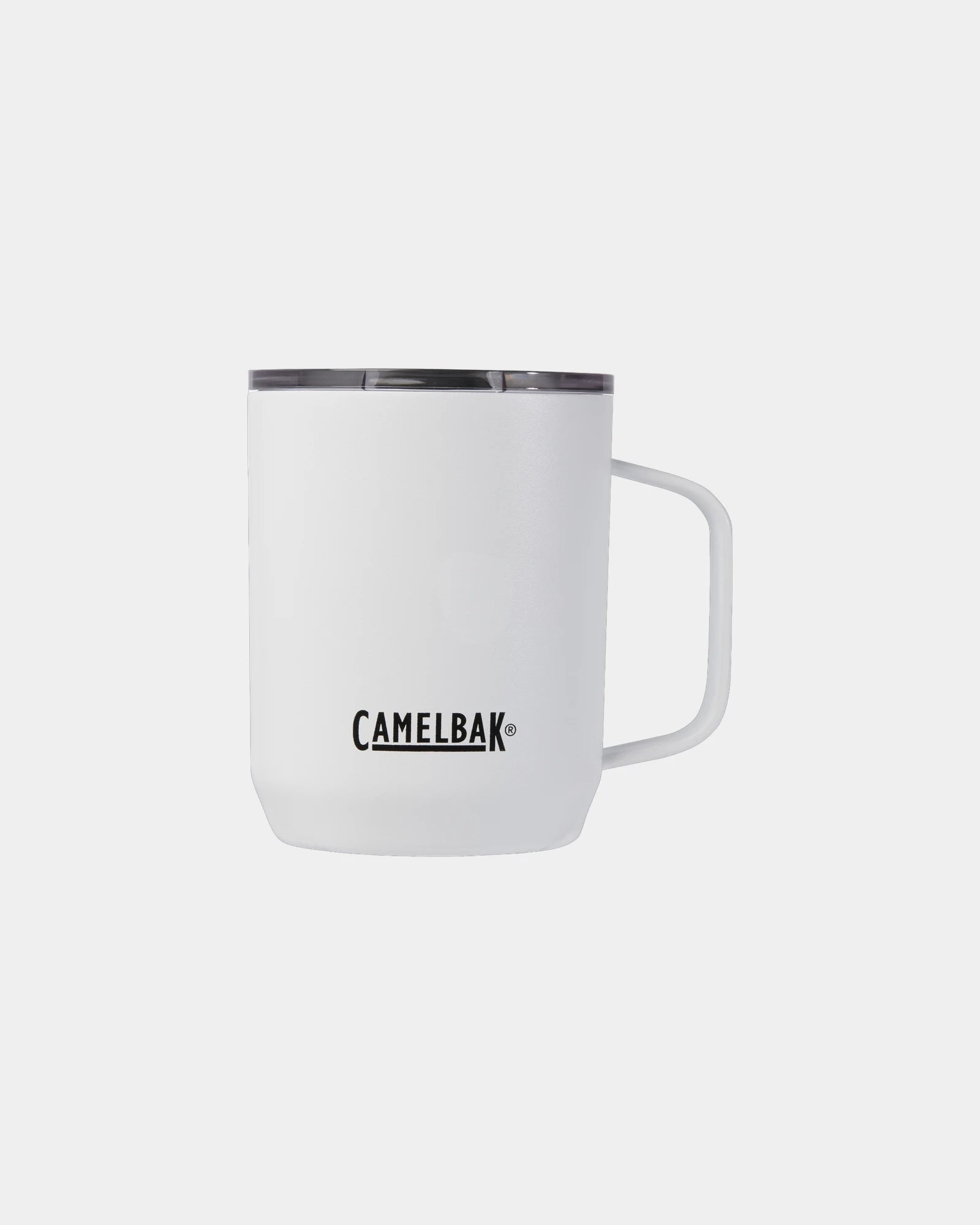
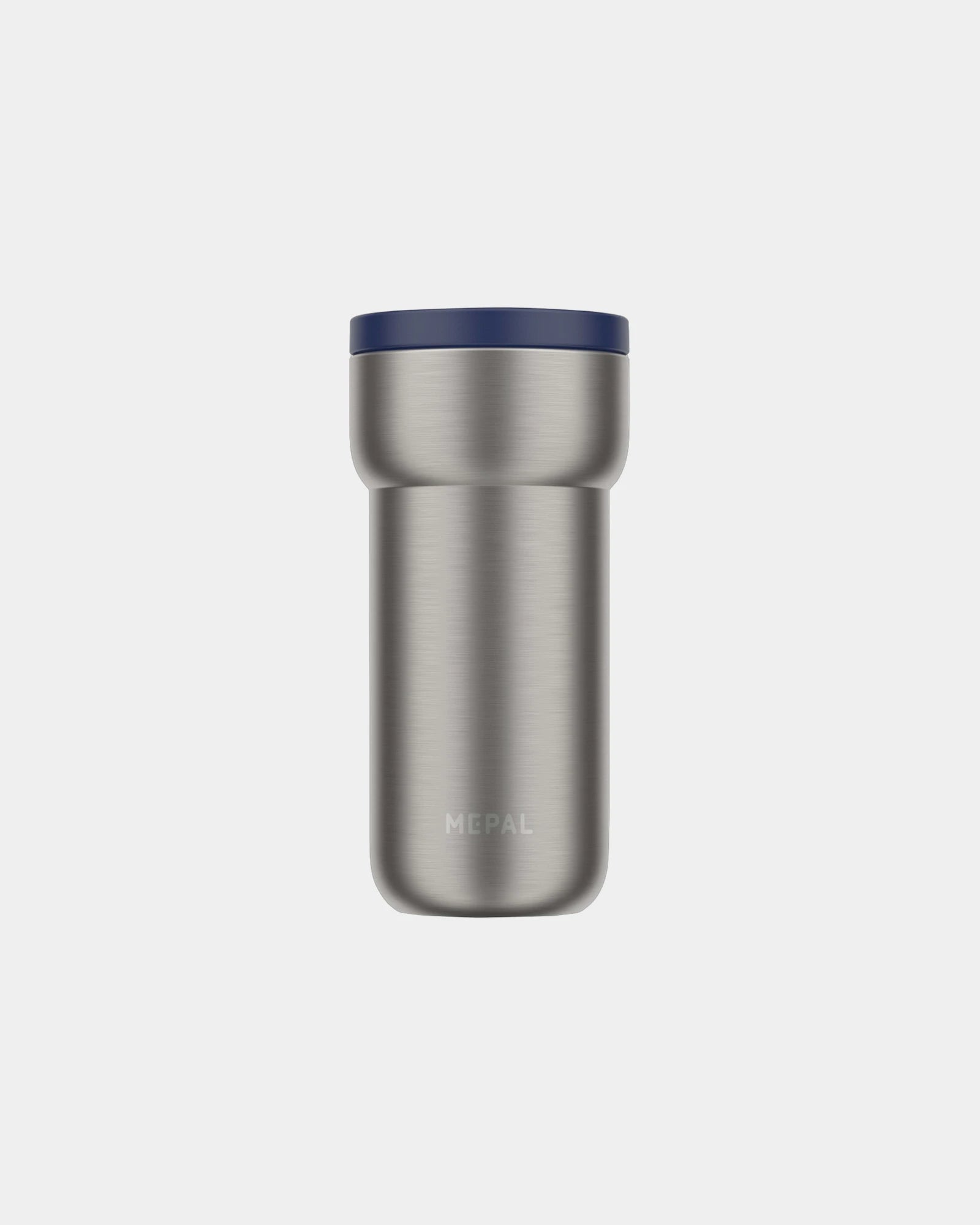
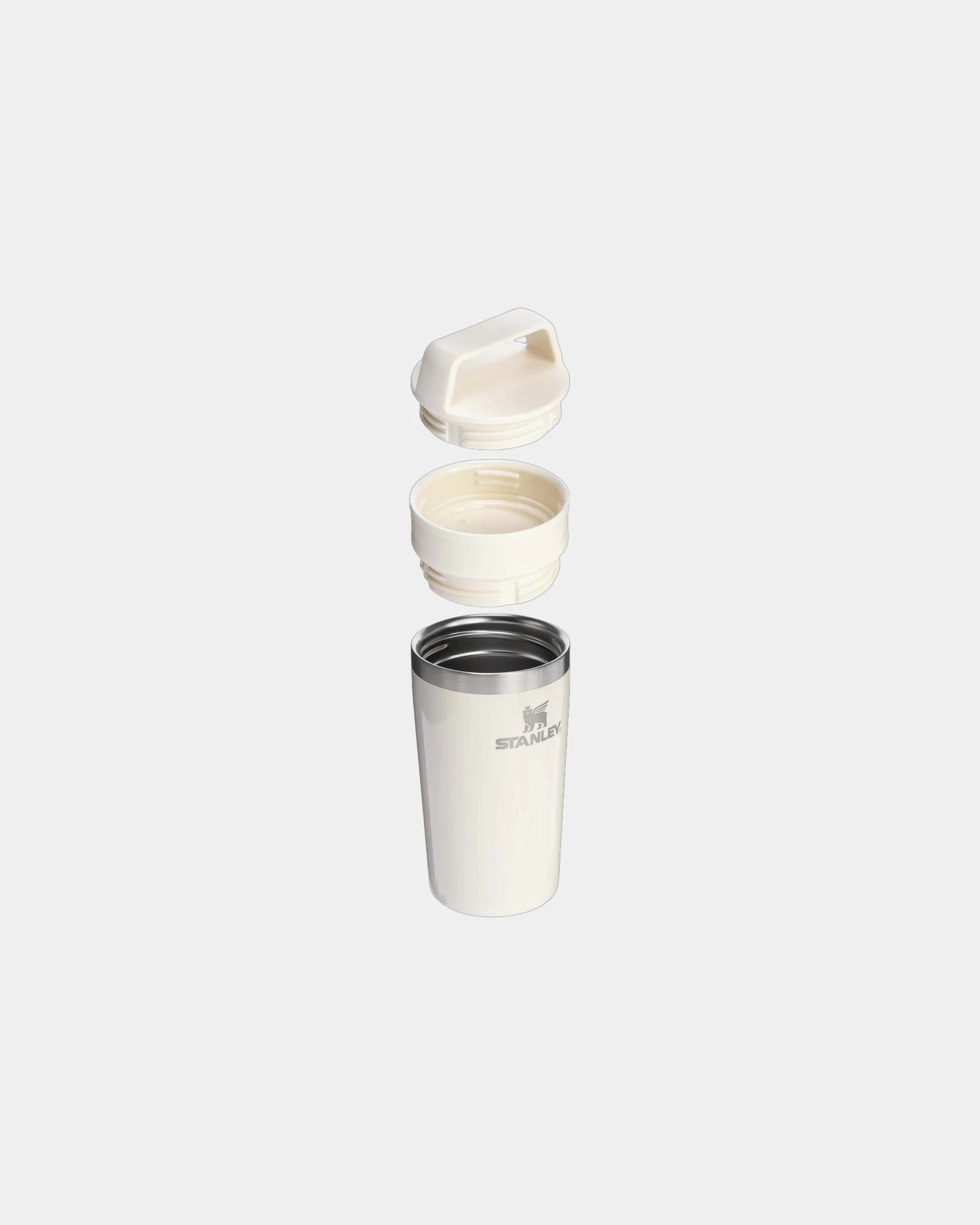
| Stainless steel | Double-wall, insulating, sealed lid options | Hand wash usually advised for lids | Travel and on-the-go branding |
The daily-ritual test: matching branded ceramic mugs to how a desk actually uses them
An onboarding desk kit lands on a new starter's first morning: lanyard, notebook, and a mug they will reach for forty times a week. That frequency, not the unit price, is what should decide which ceramic you pick.
Earthenware is the value workhorse for Promotional mugs. Lower firing gives a glossy printable surface at a friendly price. That suits large event runs of personalised mugs where reach matters more than a body lasting ten years on one desk.
Stoneware answers the daily-grip test better, which is why it suits branded mugs kept on show. The denser body resists the chips a heavy-use Branded Ceramic mug collects. Reactive glazes also photograph beautifully, so it reads as a considered gift for staff who keep it on show.
Branded Ceramic mugs and the glaze that sits beneath the print
Glaze colour also shifts how a print reads, which catches buyers out. Ink laid over a dark or reactive glaze loses contrast, so a logo that sings on white can mute on slate. We flag this and adjust artwork before proofing.
Porcelain gives the brightest white and smoothest surface, landing fine logos and small type cleanly. On a hospitality tray, a uniform row of porcelain mugs is part of the impression before a single drink is poured.
Bone china sits at the top for refinement, its light translucent body signalling a premium gift. Gilding and delicate decoration are sensitive, so we advise gentle washing over a daily dishwasher cycle. We produce most ceramic personalised mugs from roughly 12 units.
A hotel group refreshing its breakfast service each season shows how the small parts add up. Swapping a coloured inside-rim and handle per quarter keeps the same body but reads as a new look every time the tray goes out.
Rim, handle and base each open a quiet design lever. A contrast inside-rim frames the drink and a coloured or two-tone handle lifts a plain shell. An unglazed clay base reads as a craft detail rather than a finishing gap on the desk.
Firing temperature is the thread linking all four. Higher firing gives porcelain and bone china their density and brightness; earthenware fires lower for a softer, cheaper body, and that gap explains the price spread on your quote.
When the setting carries the message: enamel, glass and bamboo promotional mugs
An enamel mug at a muddy festival and a glass mug at a city product launch send opposite signals with the identical logo. Before the print is even read, the material has told the recipient what kind of brand you are.
Enamel mugs trade on character: a steel core under a vitreous coating gives the rugged camp-style look outdoor brands want. We recommend hand washing to keep the rim and coating intact through rough use.
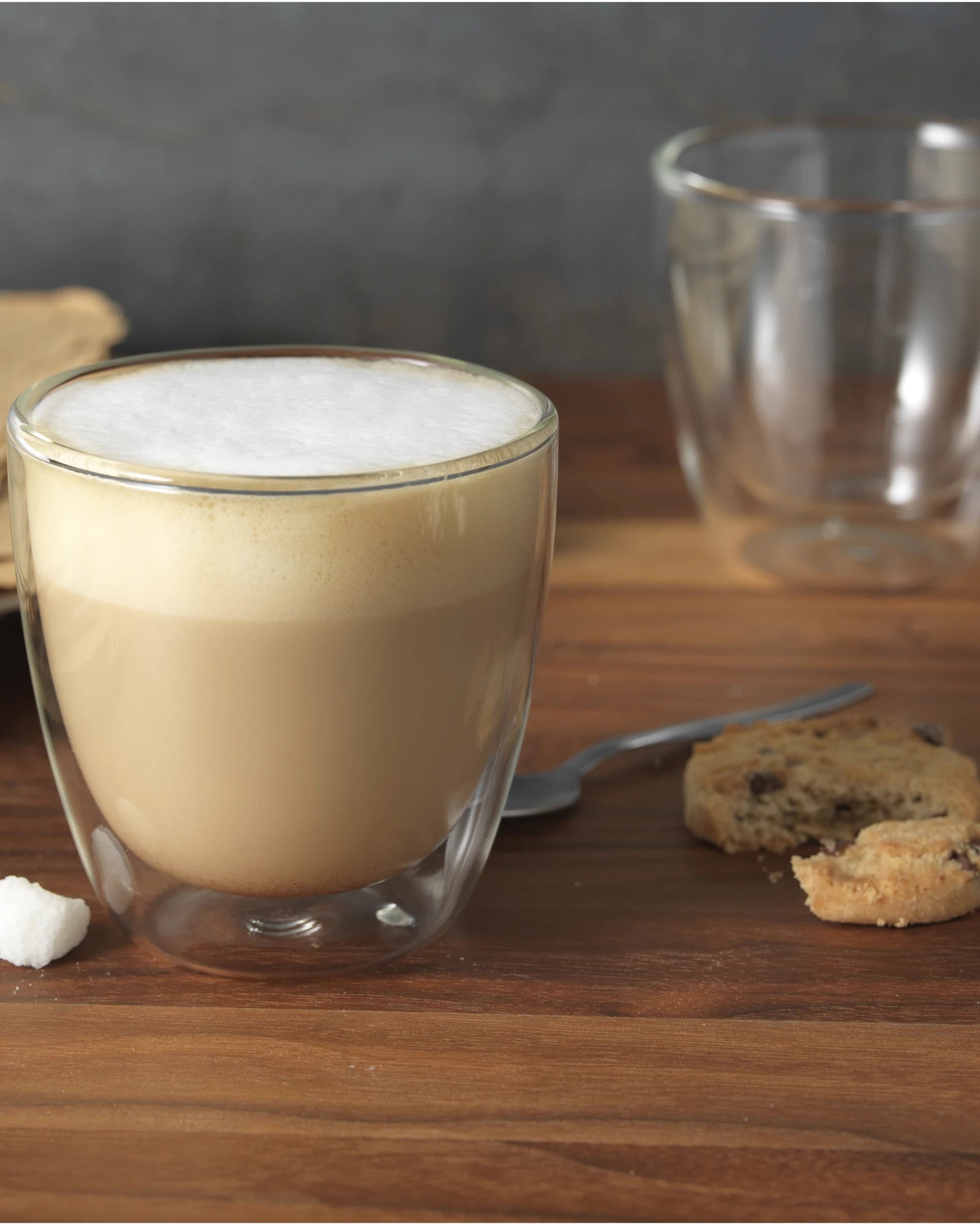
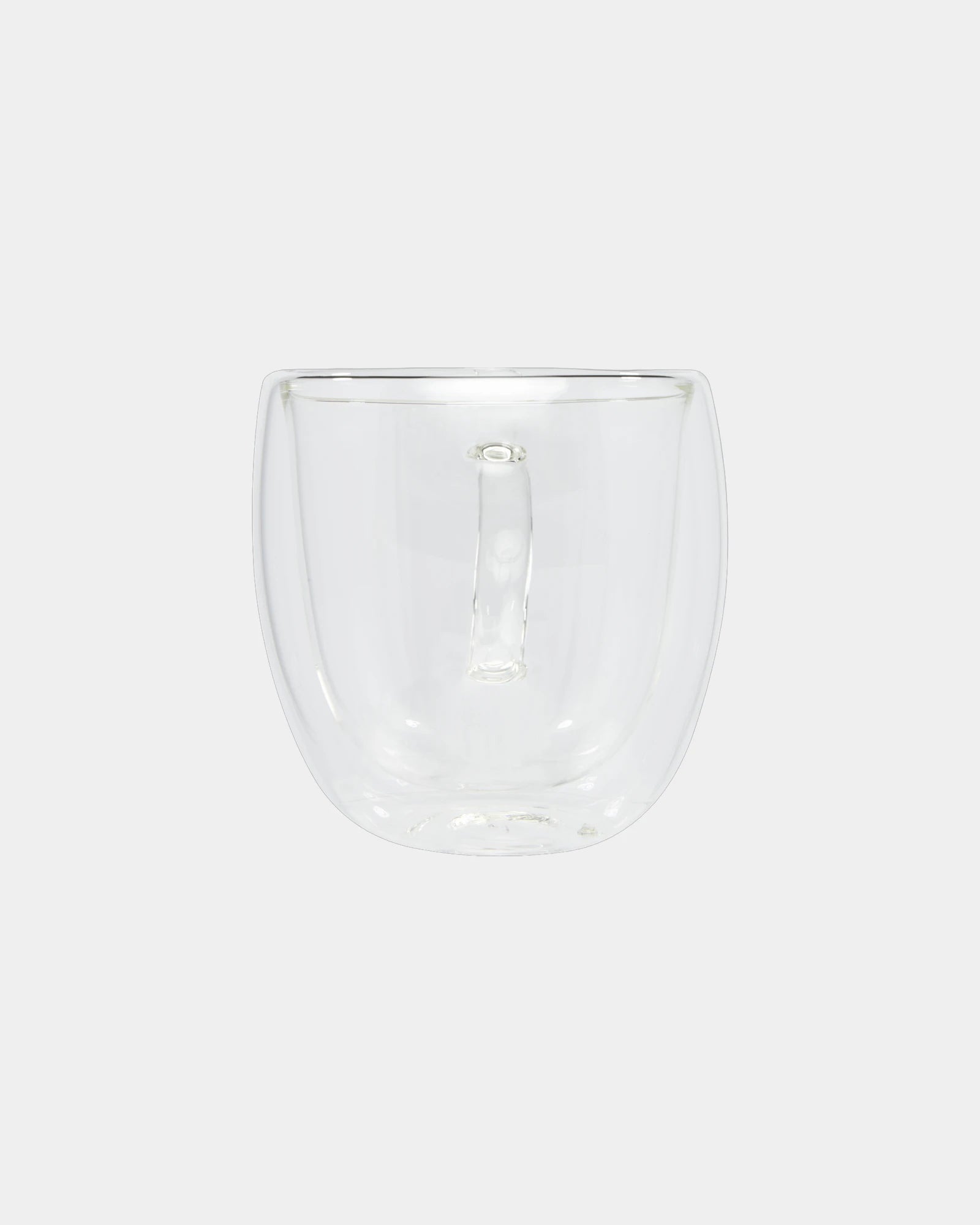
Glass mugs read clean and contemporary, letting the drink itself join the display. They suit cafes, launches and design-led gifts, and the print method you pick sets how dishwasher-friendly each piece turns out.
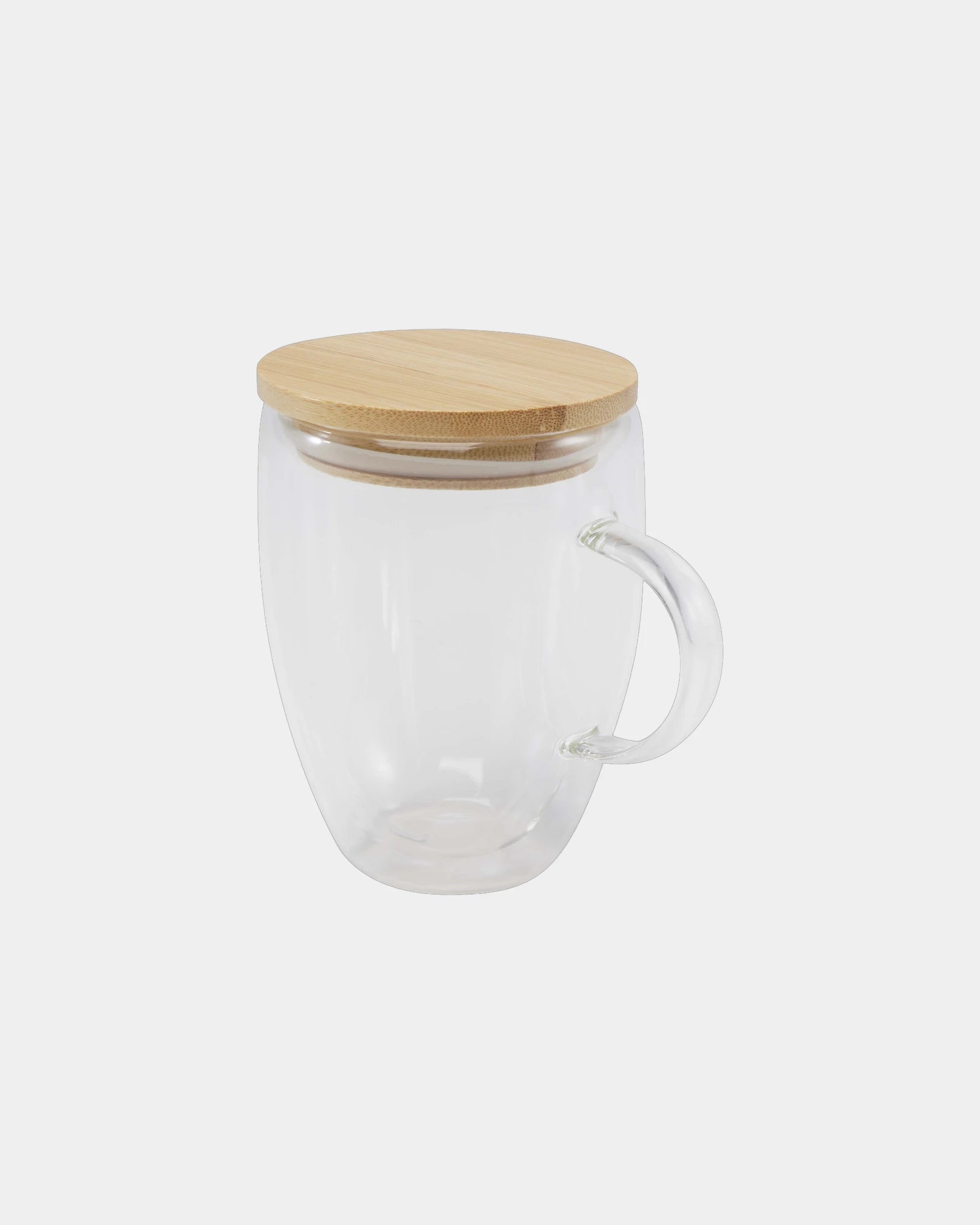
Bamboo-composite mugs carry a softer, natural message for brands leaning into sustainability. They feel lighter than ceramic and pair with a warm, earthy palette. Weighing reusable cups against mugs? Our Custom Cups range covers the takeaway side.
Each alternative reshapes the print job. Enamel needs a wrap that respects its curved coated surface, glass rewards a single clean colour or frosted effect, and bamboo suits a calmer one or two-colour mark. We match method to body so the finish lasts.
Branded travel mugs that put branding on the commute, not the cupboard
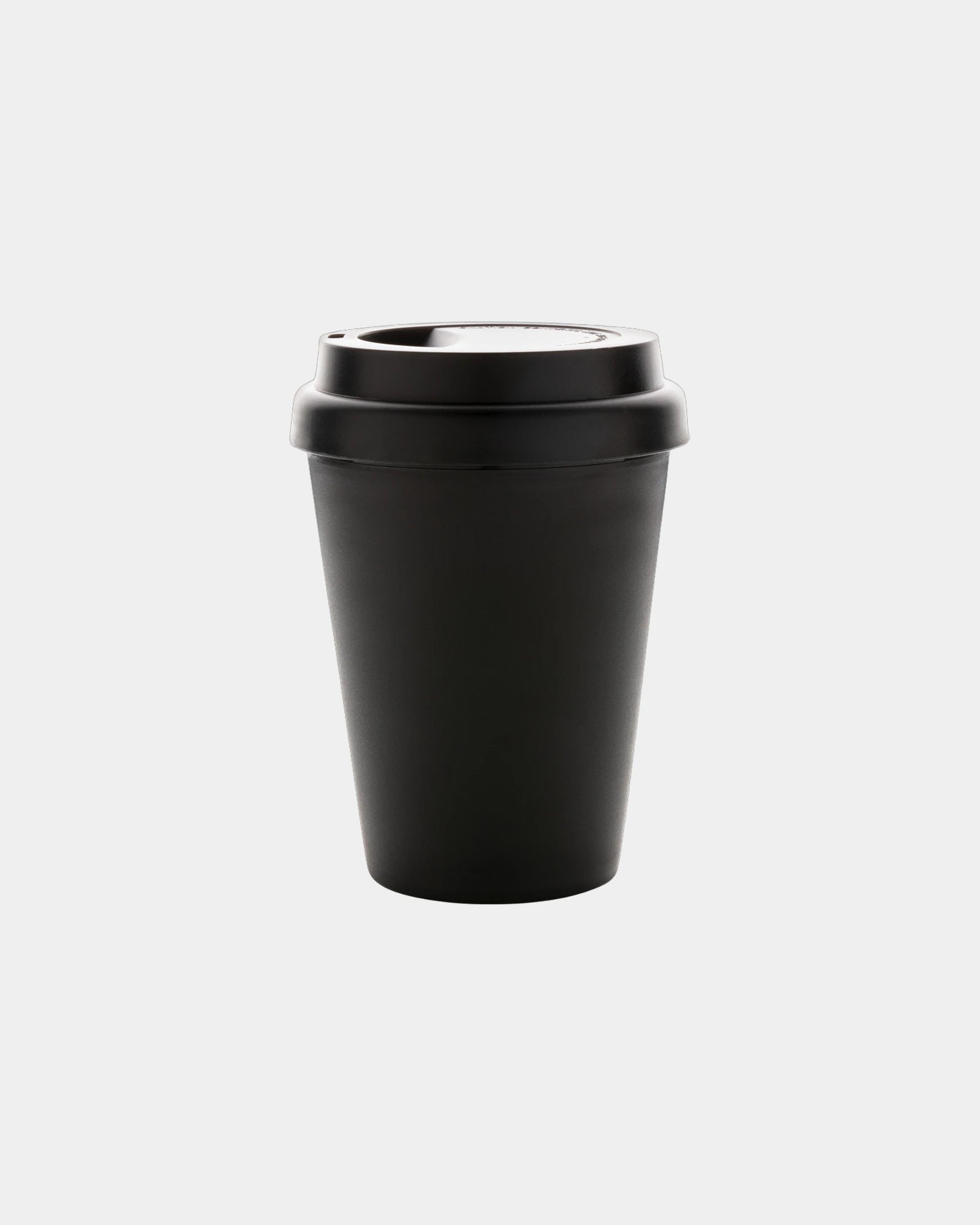
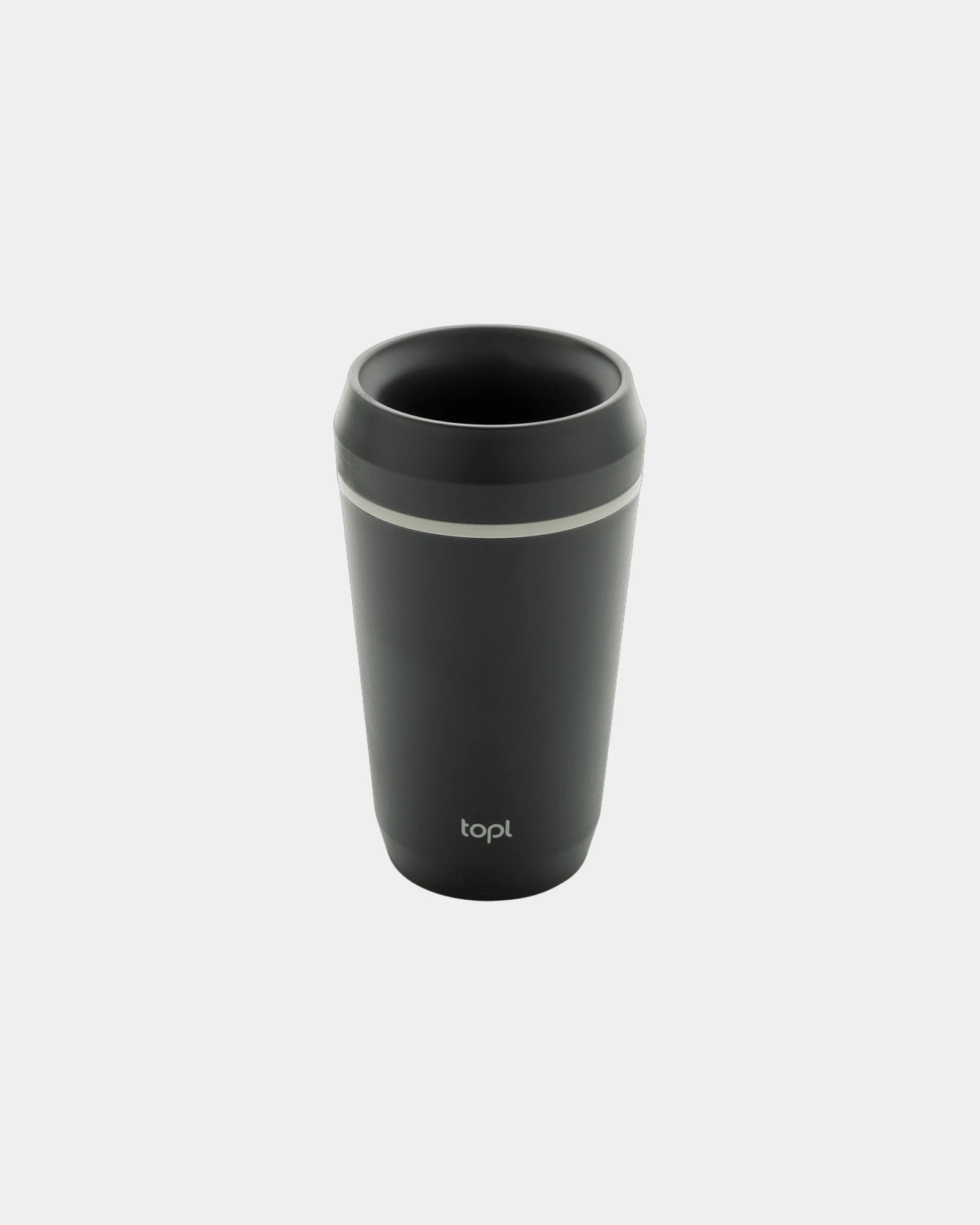
A regional sales team logs four station platforms and three meeting rooms a day. A desk mug never leaves the office; a travel mug rides the whole route in public view. That visibility is what Branded Travel mugs are bought for.
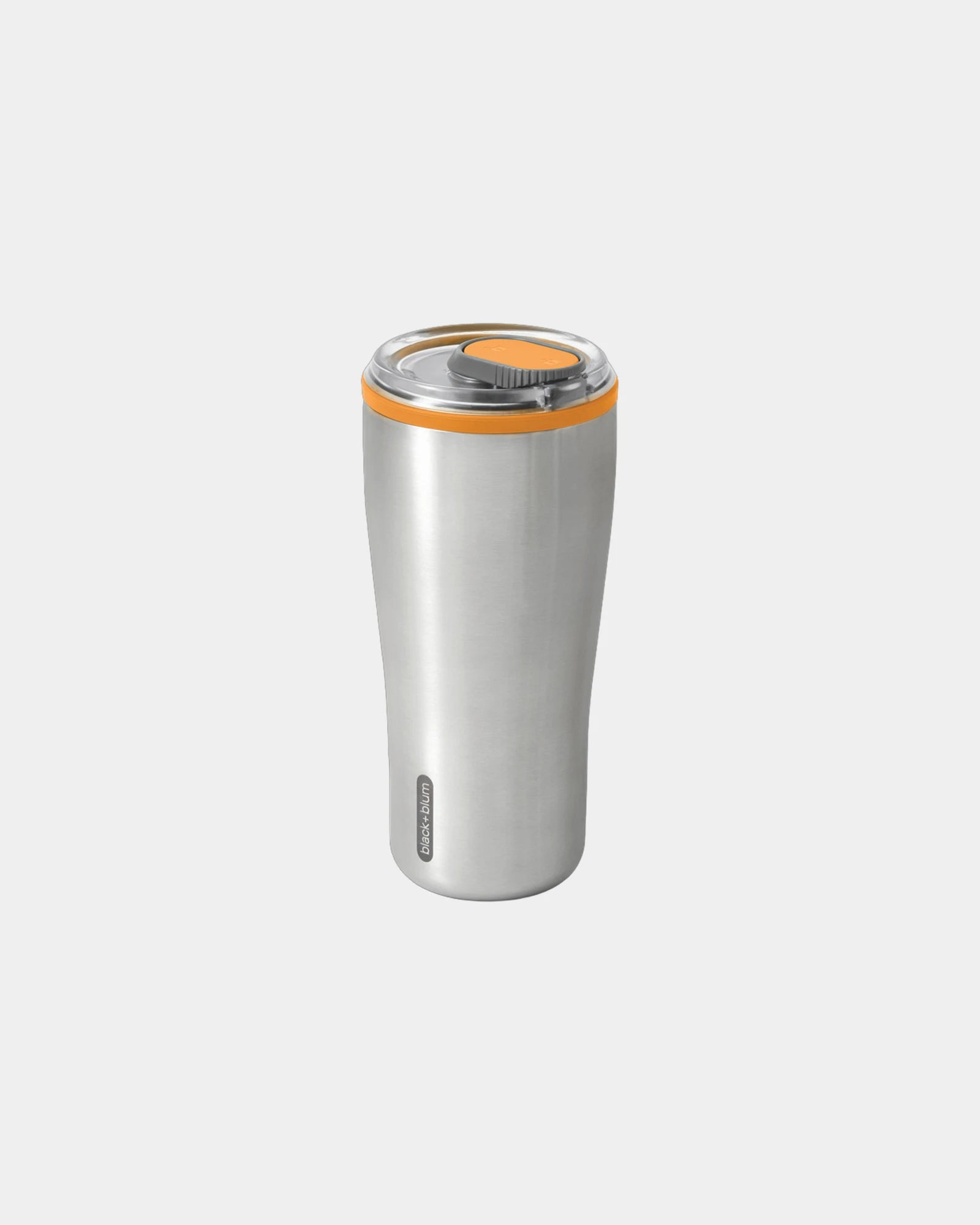
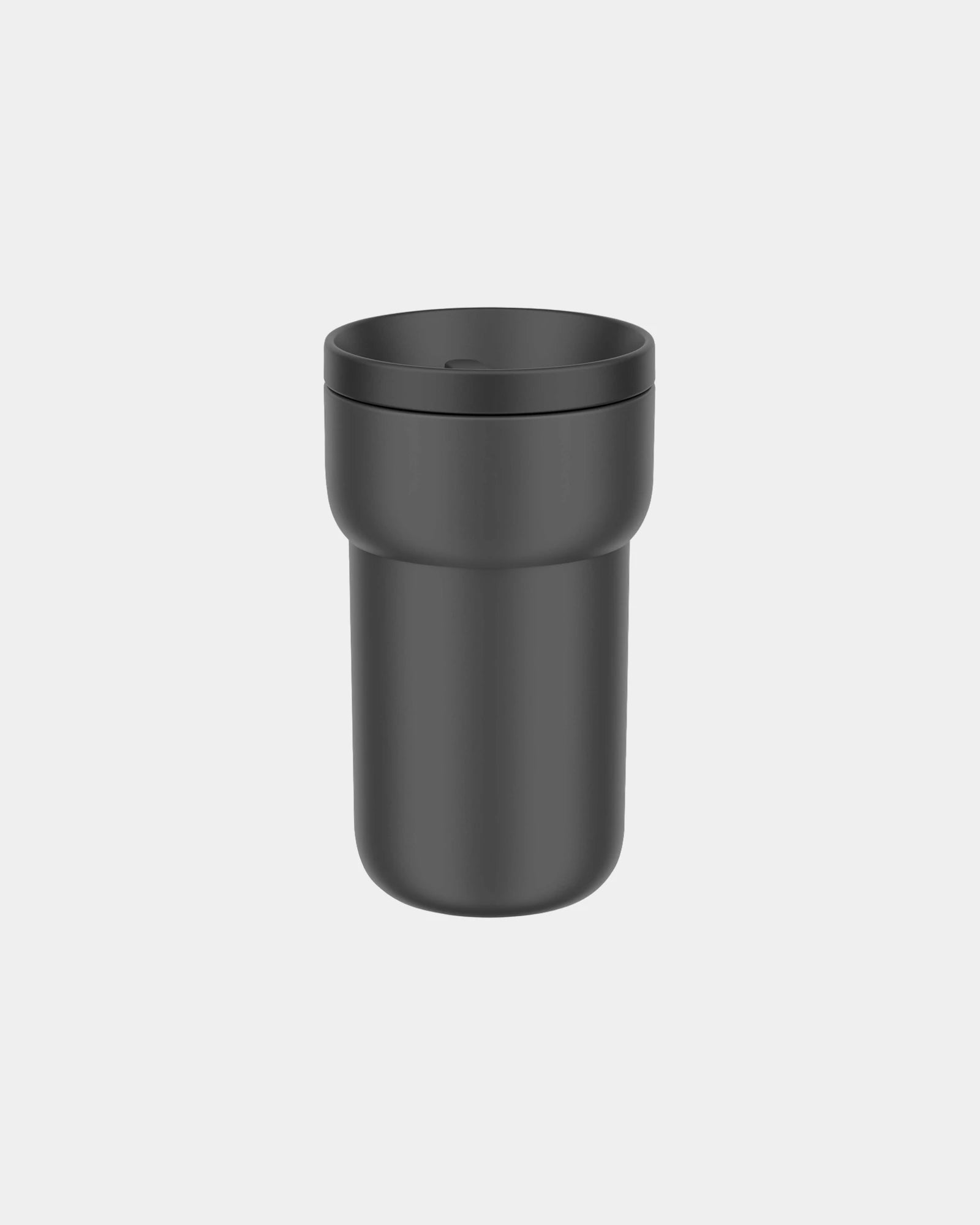
Double-wall stainless steel keeps the drink hot and the outer surface comfortable to grip between meetings. Branded Travel mugs reward a higher unit spend with longer life and a premium feel, working well as a step up for senior staff or top clients.
Why Branded Travel mugs reward a higher unit spend
Sealed lids cut spills, though lids and seals usually prefer a hand wash. For longer cold and hot retention you may want a sealed bottle format, and our Personalised water bottles range covers that need.
Lid design matters more than buyers expect. A push-button or twist seal changes how easily a recipient drinks one-handed on a platform, and we advise which style suits your audience before you commit a run. Most clients order travel mugs alongside a desk ceramic, not instead of it.
Choosing a print method by how it wears on your branded mugs
How artwork goes onto a mug decides its colour range, photo capability, minimum quantity and, crucially, how the decoration survives. Some methods are kiln-fired into the glaze for hard-wearing results; others sit on the surface for lower cost and faster turnaround.
Decoration position is part of the choice too. A handle-side logo, a full front panel and an all-round wrap each carry a different cost and minimum. We map your artwork to the most efficient method for the area you want covered.
Methods pair differently with insulated bodies, where laser and pad work often suit a steel surface better than transfer. If your brief leans insulated, the Personalised flasks line uses the same marking logic as steel travel mugs.
The table lines up the main options so you can weigh multicolour and photo capability against durability and rough minimum quantities. Treat the minimums as a guide, since exact thresholds shift with material and design.
| Method | Principle | Multicolour/Photo | Durability | Min qty approx. |
|---|---|---|---|---|
| Dye sublimation | Heat transfers ink into a coated surface | Full colour and photo capable | Good, can fade over long heavy washing | Approx. 12 to 36 |
| Screen print | Ink pushed through a stencil per colour | Best for 1 to 4 spot colours | High, especially when kiln-fired | Approx. 36 to 72 |
| Pad print | Silicone pad lifts ink onto curved areas | Limited colours, good for small logos | Good for the area printed | Approx. 36 to 100 |
| Full wrap transfer | Printed decal wrapped around the body | Full colour, 360 coverage | Good per firing and care | Approx. 36 to 72 |
| Laser etch | Laser marks the surface, no ink | Single tone, no colour | Very high, permanent mark | Approx. 24 to 50 |
Photo or spot colour: sublimation versus screen and pad printing on promotional mugs
Dye sublimation is your route to full-colour photos and gradients. Heat drives the ink into a coated surface so the image becomes part of the finish, which is why it handles complex artwork that spot-colour methods cannot reach.
Screen printing earns its place with a clean one to four colour logo where you want maximum wash durability, particularly on kiln-fired ceramics. It lays down dense, vivid colour and stands up to repeated cycles when fired into the glaze.
Pad printing suits small marks on curved or awkward areas where other methods struggle. It is economical for a single tidy logo but not for large multicolour designs. You see a proof of your chosen method before any production starts, so nothing is committed blind.
Setup cost is the practical fork. Screen printing carries a per-colour setup that vanishes into the unit price at volume, whereas sublimation has almost no setup and stays efficient on small runs. Your quantity usually decides which way to lean.
Colour matching differs too. Spot-colour screen work lets us target brand colours closely, while sublimation builds colour from a process mix. For a logo with a strict brand shade, raise that distinction early in your brief.
Wrap, panel or etch: choosing coverage on branded mugs
A full wrap takes your design right around the body for 360-degree coverage, visible from every angle on the desk. It suits bold patterns, photography and edge-to-edge colour where a single panel would feel cramped.
Full-colour panel printing is the middle path, giving rich imagery on one or both sides without wrapping the handle area. It keeps cost sensible while still allowing photographic detail through sublimation.
Laser etching takes the opposite approach, removing ink entirely. The mark is cut into the surface for a permanent, tonal finish that feels understated and premium, working nicely on stoneware and stainless steel. Etching pairs well with our Personalised French Mugs range for a restrained look.
Each coverage choice asks a different thing of your artwork file. A wrap needs a design built to the full template, a panel needs a tidy bounded layout, and an etch needs clean vector lines without fine gradients. We confirm what your chosen finish needs before proofing.
Colour-change magic branded mugs that reveal artwork with heat
Magic mugs use a thermochromic coating that starts dark and turns clear as a hot drink warms the surface, revealing a hidden image or message. The reveal makes them a memorable gift that recipients tend to show off.
Because the coating is reactive and sits on the surface, we recommend hand washing rather than a dishwasher cycle. Heavy machine washing shortens the life of the colour-change effect, so a gentle routine keeps the reveal crisp.
These work best with a clear before-and-after concept, where the cold state teases and the hot state delivers the payoff. They suit launches, seasonal campaigns and playful brand stories rather than formal corporate settings.
Design the two states deliberately so the hidden image rewards the reveal. A plain dark mug that uncovers your full logo lands better than a busy cold state that gives the surprise away early.
Reaction temperature is worth flagging in your brief. The coating responds to the heat of a typical hot drink, appearing within seconds of filling the mug and fading again as it cools, ready to repeat.
The honest care brief: dishwasher and microwave reality for promotional mugs
A 200-strong staff rollout of branded mugs fails quietly when a tenth of them come back faded because nobody told recipients how to wash them. Care is part of the product, not an afterthought, and it belongs in the gift box.
Dishwasher behaviour is never a blanket guarantee across all mugs. Kiln-fired screen and quality transfer decoration on ceramics generally handle domestic dishwashers well. Thermochromic coatings, gilding and some enamels prefer hand washing, and we tell you which applies to your build.
Microwave suitability follows the same logic. Plain glazed ceramics are usually fine, while any mug with metallic detailing, a steel core or certain coatings should stay out of the microwave. A mug rarely travels alone, so our Personalised biscuits pair naturally for a ready-made tea-and-treat moment.
A short care line in the gift box protects the finish and keeps your brand sharp long after the giveaway. We test these factors against your exact build, not a generic rule, so the guidance you get is specific to the mug you order.
Matching corporate mugs to sector, capacity and the room they enter
A law firm's partner gift and a youth charity's volunteer thank-you need opposite mugs at the same budget. One signals restraint in bone china; the other wants a friendly mid-size ceramic that suits every recipient on the team.
Capacity shapes how a mug feels in use, quoted in millilitres or ounces as approximate figures. A standard office mug sits around 300 to 350 ml, while a generous latte or builder's mug runs higher and needs a bigger print canvas.
Sectors lean toward different formats. Hospitality and cafes favour neat porcelain, outdoor brands reach for enamel, and commuter campaigns choose insulated travel mugs that survive the journey intact.
Corporate mugs sized to the room they enter
Corporate mugs for executive gifting often pair bone china or stoneware with restrained etching or single-colour print. To lift an executive set further, Engraved Tea Caddies sit beside a bone-china mug as a considered, on-brand pairing.
Print area scales with the body, so a builder's mug gives a generous panel for bold artwork while an espresso cup limits you to a compact mark. Tell us the sector and occasion, and we shortlist formats that fit the room. The table below maps types to capacity.
| Type | Capacity approx. (ml/oz) | Feature | Use |
|---|---|---|---|
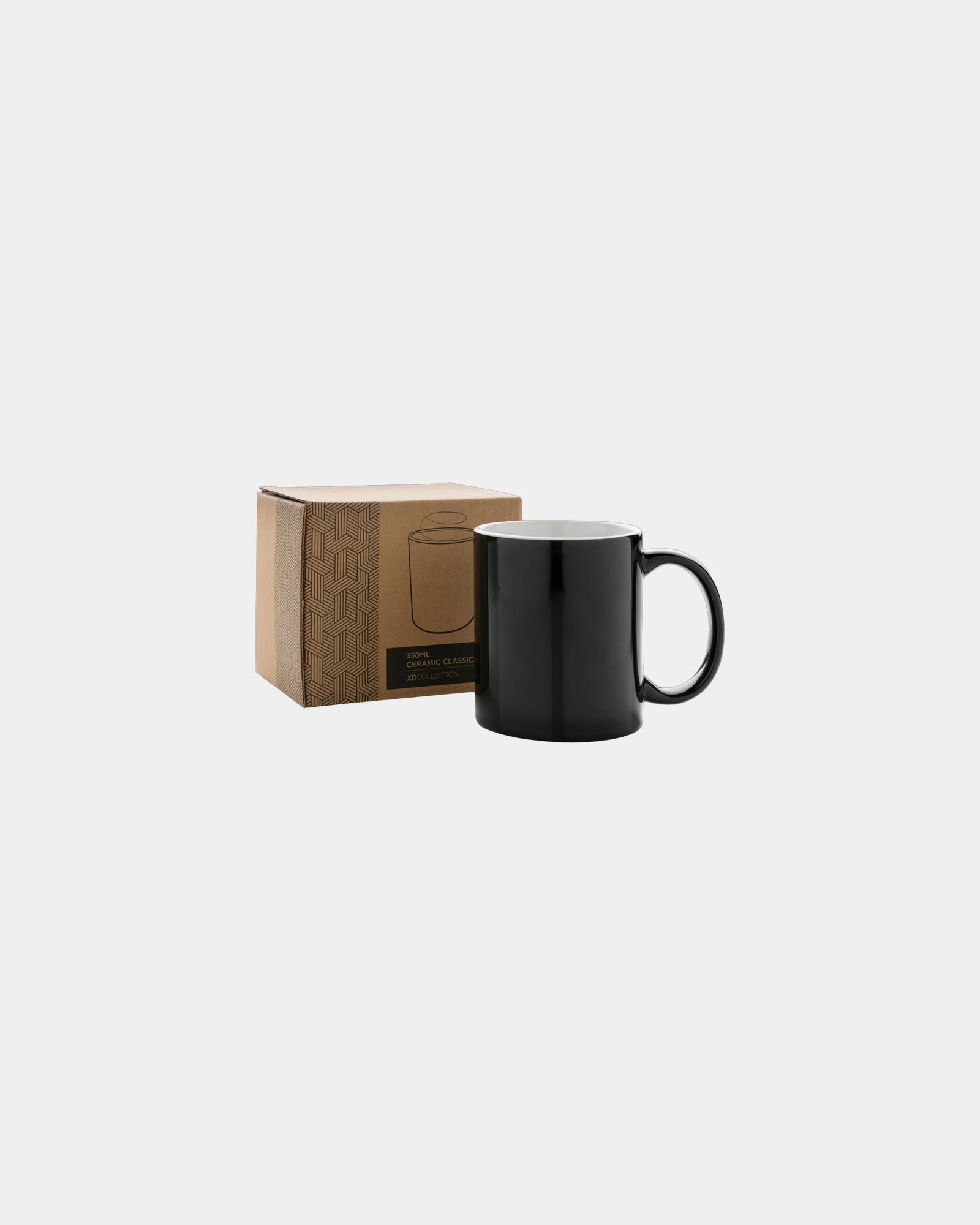
| Standard ceramic mug | 300-350 ml / 10-12 oz | Classic shape, broad print area | Everyday office and event giveaways |
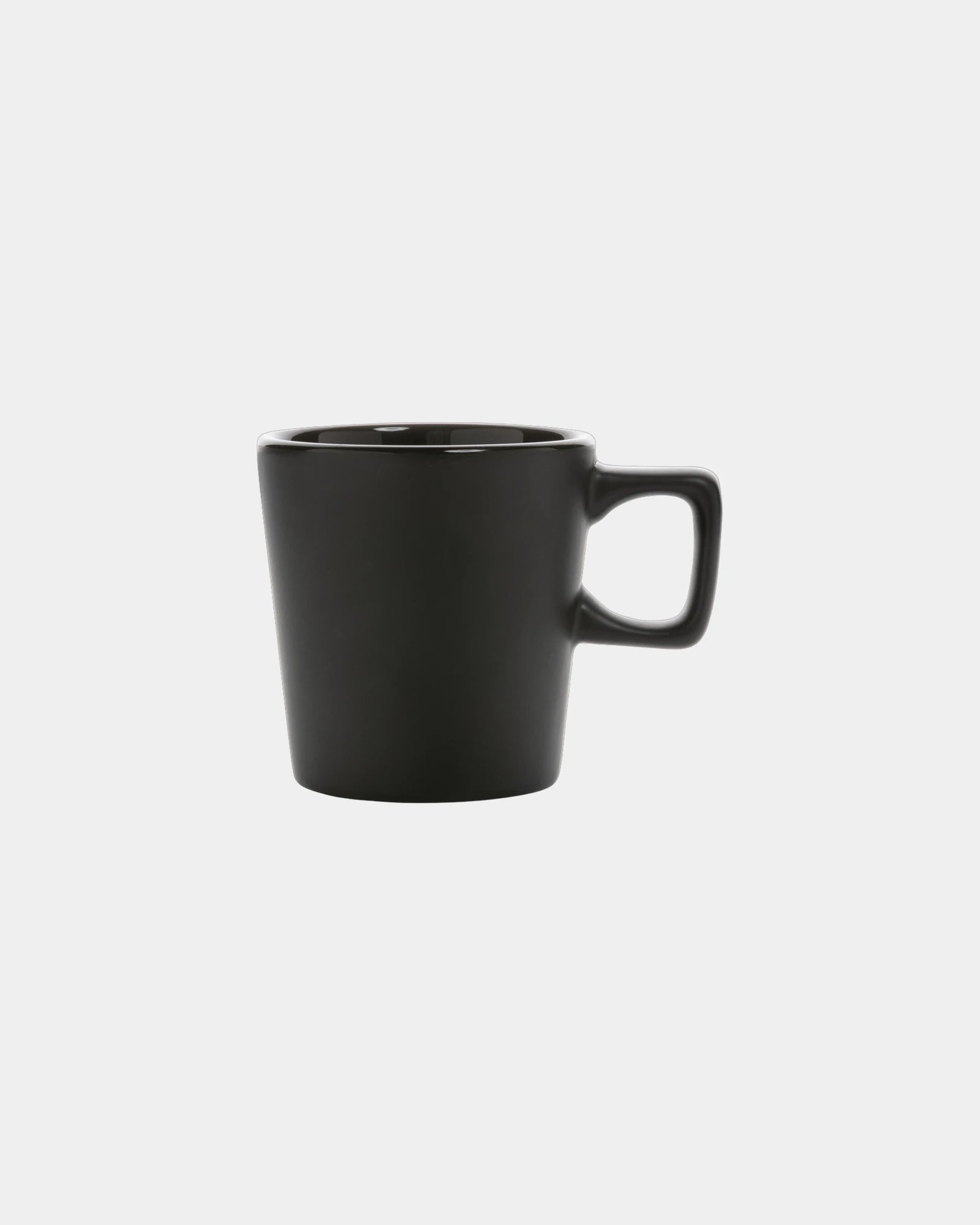
| Cone or latte mug | 350-400 ml / 12-14 oz | Tapered, contemporary silhouette | Cafes and design-led gifts |
| Builder's mug | 400-500 ml / 14-17 oz | Large, sturdy, generous volume | Trade, workshops and outdoor teams |
| Espresso cup | 80-120 ml / 3-4 oz | Small, refined, paired with saucer | Hospitality and premium sets |
| Travel mug | 350-450 ml / 12-15 oz | Insulated, lidded, leak-reducing | Commuters and on-the-go branding |
| Bone china mug | 250-300 ml / 9-10 oz | Light, translucent, premium feel | Executive and boxed gifts |
From welcome packs to resale: where branded mugs earn their keep
The same body and print read very differently depending on the moment they land in, so branded mugs are briefed by occasion. A welcome pack mug greets a new starter, a trade-show mug pulls a stranger to a stand, and a resale mug has to justify a shelf price on its own. Naming that moment up front lets us tune material and decoration to the job rather than to a generic average.
Welcome packs reward a mug that feels considered on a first morning, so stoneware or porcelain with a clean single-colour mark tends to land better than a thin giveaway shell. Trade-show runs flip the priority toward reach, where earthenware at volume puts your logo into more hands for the same budget across a busy two-day floor.
Client gifts sit higher again, pairing bone china or a contrast-handle stoneware with restrained etching for a piece that survives the desk cull. Resale mugs ask a fourth question entirely, since the buyer is a shopper, not a recipient. Here the print has to carry a design that sells without a logo doing the persuading.
The table below maps each occasion to a sensible material and decoration starting point. Treat it as a shortlist to react against in your brief, not a fixed rule, since capacity, sector and budget all shift the call.
| Occasion | Suggested body | Decoration | Why it fits |
|---|---|---|---|
| Welcome pack | Stoneware or porcelain | Single-colour fired print | Reads considered on a first day |
| Trade-show handout | Earthenware | Sublimation or pad print | Maximum reach per budget |
| Client gift | Bone china or stoneware | Laser etch or fired print | Survives the desk cull |
| Resale line | Porcelain or glass | Full wrap or panel | Design sells on the shelf |
Briefing a reorder-ready run of branded mugs without overcommitting
A conference that returns every spring is the case where method beats price on day one. A screen setup paid once amortises across each year's reorder, while a cheaper one-off method makes you start from scratch annually.
Quantity steers both method and unit price. Small runs favour digital and sublimation work with low setup; large runs unlock screen-printing economies that bring the per-mug cost right down. Material then layers on top of that.
A high volume of earthenware reads very differently on a quote than a small batch of bone china. Lead time moves with quantity too, since a small sublimation batch turns around quickly while a large kiln-fired screen run needs more production time.
Signal likely repeat volume when you first brief us, so we choose a method that pays back across intakes rather than one optimised for a single run. For seasonal gifting at scale, mugs slot neatly into a wider hamper, and our Corporate Christmas Gifts range shows how they combine with other items.
Use the shortlist below to pin material, method and finish before you ask for a quote. Bring your expected quantity so we can match the run type in the table to a realistic schedule.
- Pick ceramic for value, bone china for executive refinement
- Choose enamel for rugged outdoor and festival branding
- Reach for travel or thermal steel for commuter visibility
- Match sublimation to coated bodies, screen print to fired ceramics
- Specify hand wash for magic, enamel and gilded finishes
- Add an inside-rim or handle colour to lift plain bodies
- Flag likely reorders early so a screen setup pays back
| Run type | Recommended method | Decoration durability | Best suited to |
|---|---|---|---|
| Sample or trial | Dye sublimation, digital | Good, moderate wash routine | Proofing colour and weight first |
| Single event | Sublimation or pad print | Good for the print area | SMEs and one-off gifting |
| Staff rollout | Screen or transfer print | High, especially fired | Daily-use desk mugs |
| Repeating campaign | Kiln-fired screen print | Highest, fused into glaze | Annual reorders and resale |
| Premium boxed gift | Laser etch or fired print | Very high, permanent mark | Executive and bone-china sets |