

Branded European Made Mugs
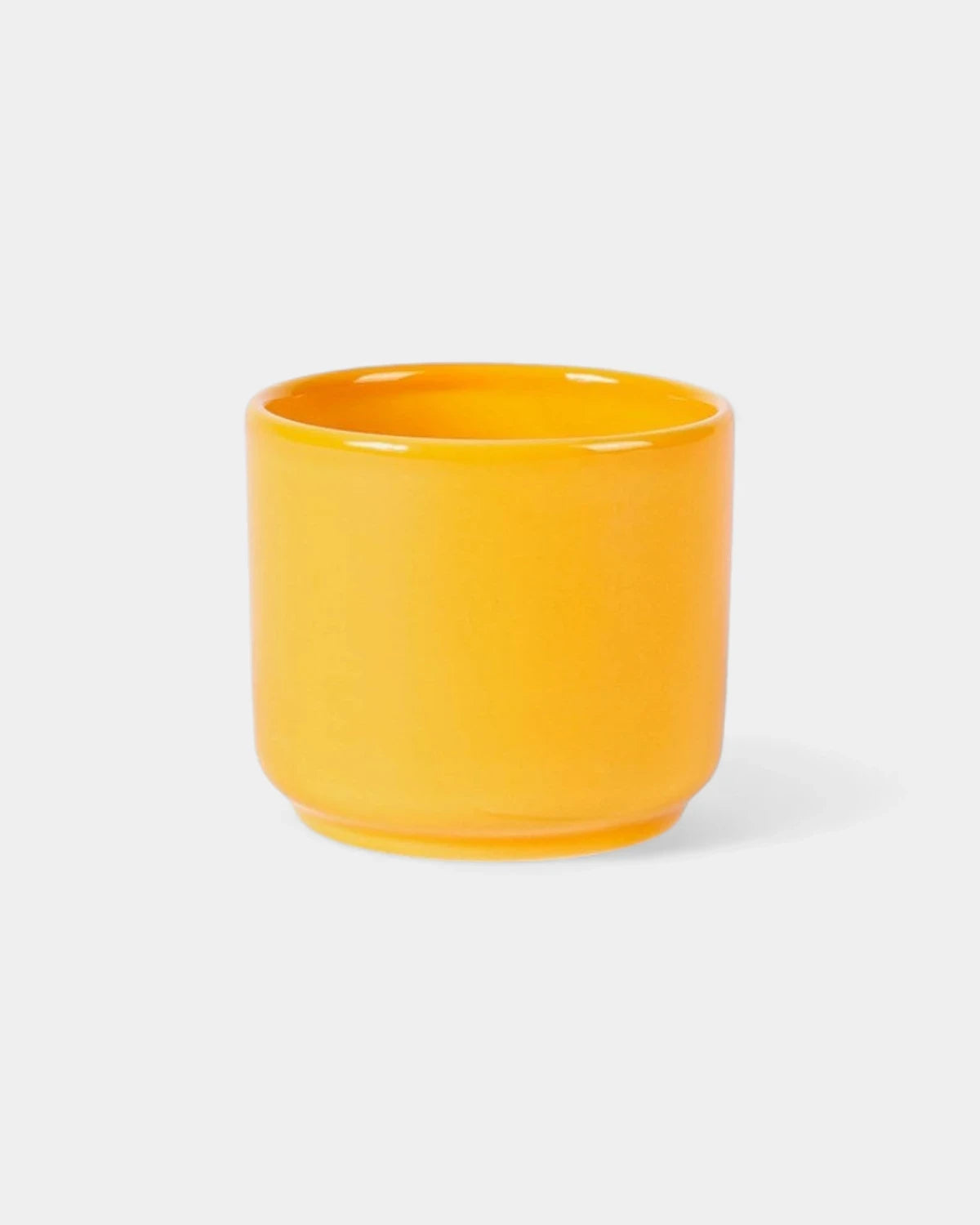


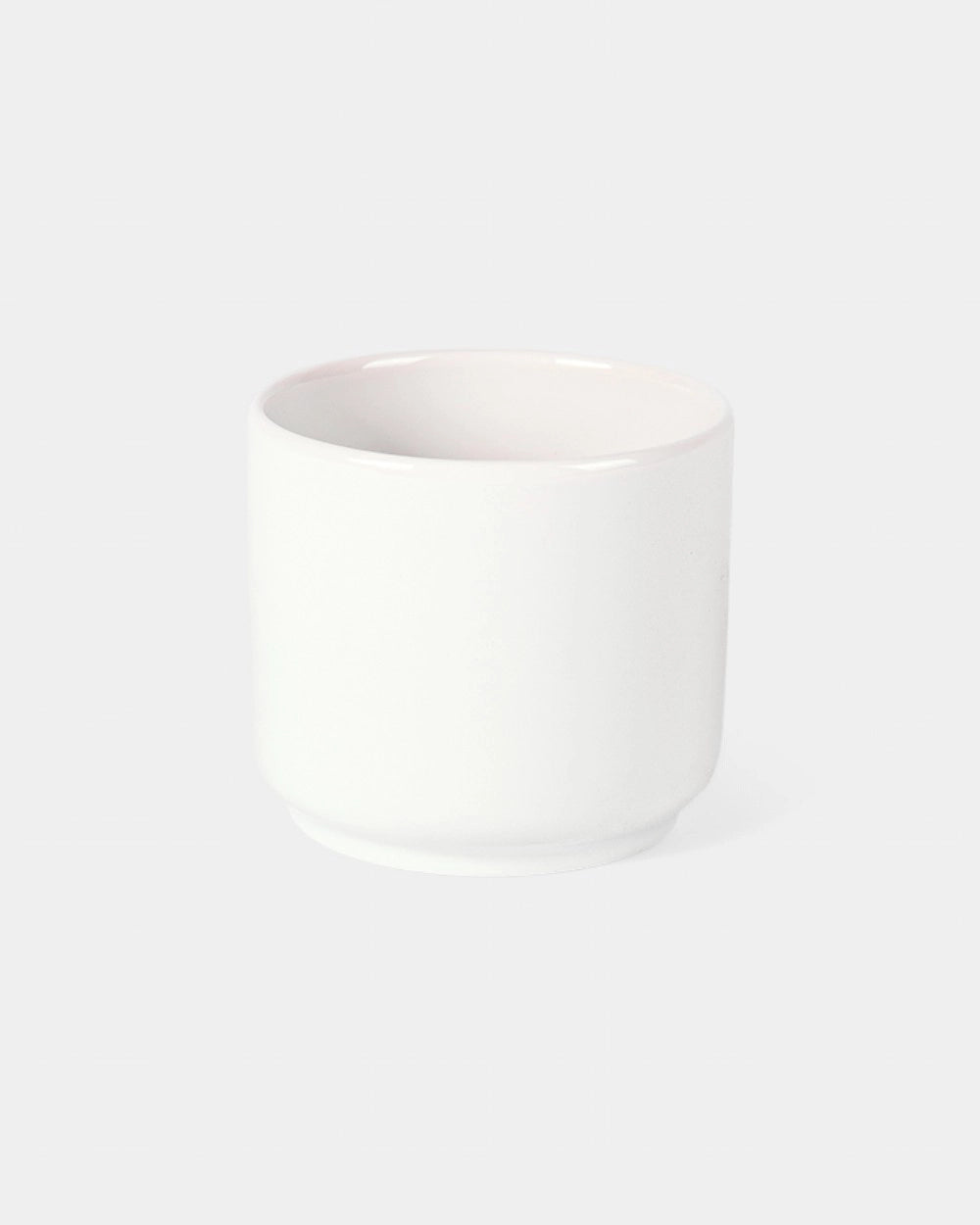


Treat your clients and employees!

FAQ - Personalised French Mugs
Trusted by 1,000+ companies
Why genuine French made mugs read differently to imported blanks
Most "branded ceramic" you see on UK promo sites is an imported blank decorated near the buyer. French made mugs invert that order. The clay is formed, kiln-fired and glazed in France, and the decoration follows on a body that already carries its origin. The provenance is in the object, not the print line.
That distinction matters to a specific buyer. A heritage brand, a regional food producer or a member-led organisation wants a gift whose backstory survives a question over coffee. When a recipient asks where it was made, "fired in France" is an answer that holds, where "printed in Leeds on a far-shore blank" quietly does not.
We confirm the manufacture on the line you choose, because not every ceramic shape is European made. Personalised mugs covers the broader printed-mug range where the priority is colour and minimum rather than documented origin.
What "fired and glazed in France" means for branded European made mugs
Origin on mugs is not one fact but a chain of steps, and a claim is only as honest as its weakest link. Forming the body, the biscuit firing, the glaze application and the final glost firing can each sit in a different country. We lead on French made mugs where those firing steps genuinely happen in France or the wider EU.
For Branded european made mugs the meaningful test is the kiln, not the box. A mug labelled European because it was packed in the EU is not the same as one fired in a French or European workshop. We tell you which step happens where, so the provenance you put in front of an audience is the provenance that occurred.
This is also why we keep claims narrow. We state the manufacturing origin we can stand behind and nothing beyond it. We do not bolt on certifications the maker has not issued, because a provenance gift loses its whole point the moment one part of its story is invented.
The food-safe glaze story behind Made in France mugs
What the glaze spec covers on Made in France mugs
A mug holds a hot drink twice a day, so its glaze is a food-contact surface, not a decoration. The makers behind our Made in France mugs formulate glazes to be food-safe to their own published specification. That spec, not the print line, governs whether the mug is safe to drink from daily.
Lead and cadmium release are the properties European buyers care about here. They are set by the glaze chemistry and the firing temperature, not by where a logo is printed. A correctly vitrified glaze locks the surface so nothing leaches into the drink across years of use.
We pass on the maker's food-safe spec for the exact body you order rather than a blanket assurance. The glaze differs between a glossy white earthenware and a reactive stoneware. The data sheet for your chosen line states the standard the glaze is made to. That per-body sheet is the document a values-led buyer can put in front of its own audience. It names the standard the maker pours to, not a slogan we have added. A reactive stoneware and a bright porcelaine carry different glaze data, so the figure you quote a member or a stockist comes from the line you actually pick.
| Body | Character | Glaze and food-contact note | Best suited to |
|---|---|---|---|
| White earthenware | Bright, glossy, even printing surface | Food-safe glossy glaze per maker spec | Member gifts and event runs |
| Stoneware | Dense, chip-resistant, weighty in the hand | Reactive food-safe glazes, tone varies by batch | Heritage and hospitality gifts |
| Speckled stoneware | Natural flecked clay, artisanal look | Matt or satin food-safe glaze per line | Craft, food and lifestyle brands |
| Porcelaine | Fine, bright white, refined feel | Smooth food-safe glaze, holds fine type | Executive and boxed gifts |
The short supply chain that makes French made mugs an eco argument
A mug fired in France and shipped to a UK brand travels a far shorter route than one kiln-fired in Asia. That short chain is the credible environmental line on French made mugs, and it is one you can state plainly because it follows from the manufacturing location itself.
Provenance also outranks disposables on the same logic. A reusable ceramic mug kept on a desk replaces a run of single-use cups, and a European-made one carries that displacement without the freight footprint of a long-haul blank. The maths is the route plus the reuse, stated for this product rather than as a slogan.
Where a recycled-content or organic claim is involved, we keep it to what the maker documents. The eco status of a glaze or a gift box is shown on that line's spec sheet. So the figure you quote to your audience is the maker's figure, not an assumption we have added. The short chain is the line that survives a follow-up question, because it follows from the firing location itself rather than from a label. A reusable ceramic mug fired in France and kept on a desk earns its footprint back through years of use. It does so without the long-haul freight a far-shore blank carries before it is even decorated.
Matching branded European made mugs to the values-led UK buyer
Which sectors reach for branded European made mugs
A regional cheese producer sending mugs to its stockists and a charity thanking 300 volunteers want one thing: a gift whose origin matches the message on the side. Branded european made mugs let the object and the values agree rather than quietly contradict, where an imported blank quietly undercuts the message. A membership body kitting a welcome run, a hospitality group dressing a tray and a heritage retailer stocking a gift shelf each reach for the same fired-in-France body. Each does so for a different reason. Naming the sector first narrows the body and the glaze before any capacity question is raised.
Speckled stoneware suits brands leaning on craft and provenance, where the flecked clay and a matt glaze photograph as something made by hand. The body itself carries the artisanal signal before the logo is even read, which is the opposite of a uniform imported blank.
For a member organisation, Corporate Gift Boxes pair a French made mug with other items into one considered package. The provenance story then runs across the whole gift rather than resting on a single piece.
The artisanal finish: rim, handle and glaze details on French made mugs
Reading the maker's marks on French made mugs
Reactive and speckled glazes are where European workshop firing shows. Each glost firing pulls the colour slightly differently, so two stoneware mugs from one run carry small tonal shifts that read as craft, not as a fault. Buyers used to flat imported colour need this flagged before proofing.
The clay base, the handle profile and an unglazed foot ring each read as a maker's detail on a French made mug. A bare clay base under a glazed body signals a workshop piece, where a fully coated machine blank reads as anonymous. We point out which details your chosen line carries.
Capacity sits around 250 to 350 ml on most ceramic mugs, quoted as approximate because workshop moulds vary slightly between batches. A larger stoneware mug runs higher and gives more body for a logo, which we factor into the artwork brief. A buyer used to flat imported colour needs the tonal shift between two pieces flagged before proofing. What reads as a fault on a mass blank reads as the craft signal on a workshop body. We point out which details the chosen line carries, so the variation is sold as character rather than apologised for.
Decorating French made mugs without breaking the origin story
The decoration on a provenance mug has to respect the body it lands on. A reactive stoneware glaze shifts how an ink reads, so a logo crisp on bright earthenware can mute on a darker artisanal glaze. We adjust the artwork to the glaze rather than forcing one mark across every body.
Kiln-fired decoration is the natural partner for a French made mug, because firing the print into the glaze keeps the finish on the same lifespan as the body. A surface coating that abrades in weeks undercuts a mug whose whole selling point is that it was properly made to last.
Single-colour and tonal marks tend to suit speckled and reactive glazes better than dense full-colour wraps, which fight the clay's natural variation. We confirm a proof of your chosen method on your chosen body before any run is committed, so nothing is decided blind. A bright white earthenware holds fine type and a clean crest where a member organisation wants legibility. A darker reactive glaze suits a restrained tonal mark where a craft brand wants the clay to lead. Matching the decoration to the body, rather than forcing one artwork across every line, is what keeps the origin story intact once the logo lands.
| Method | Best on | Origin-friendly note | Min qty approx. |
|---|---|---|---|
| Kiln-fired screen | Earthenware, porcelaine | Fused into glaze, matches body life | Approx. 36 to 72 |
| Fired ceramic transfer | Most ceramic bodies | Full-colour, fired for durability | Approx. 36 to 72 |
| Pad print | Curved or small areas | Tidy single mark, low setup | Approx. 36 to 100 |
| Laser-style etch | Stoneware, dense bodies | No ink, restrained craft finish | Approx. 24 to 50 |
Capacity, format and use context for branded European made mugs
A hospitality group refreshing its coffee service and an executive gifting a small client list reach for different formats of branded european made mugs at the same origin. Branded european made mugs span a neat porcelaine cup for a tray and a generous speckled stoneware mug for a desk, each carrying the same fired-in-France provenance.
Format shapes the print canvas. A compact 250 ml porcelaine mug holds fine type cleanly but limits a bold wrap, while a 350 ml stoneware body gives room for a larger mark. Tell us the occasion and we shortlist the format and capacity that fit the room.
Personalised tumbler cover the reusable takeaway side where a French made ceramic mug is not the right format for a moving, on-the-go audience.
| Format | Capacity approx. (ml) | Print canvas | Use |
|---|---|---|---|
| Porcelaine cup | 200-250 ml | Compact, holds fine type | Hospitality trays and boxed gifts |
| Standard ceramic mug | 300-350 ml | Broad even panel | Member gifts and event runs |
| Speckled stoneware mug | 330-400 ml | Generous, tonal-mark friendly | Craft, food and heritage brands |
| Espresso porcelaine | 80-120 ml | Small, refined mark only | Premium sets and hospitality |
Quantity, batch variation and lead time on French made mugs
Workshop firing changes how you read a quote against a mass blank. Small batches of branded european made mugs carry slightly more tonal variation between pieces, which is part of the artisanal look rather than a defect to engineer out. We tell you the variation to expect on your chosen glaze before you commit.
Kiln-fired decoration on a European-made body needs production time the buyer should plan for, because firing and proofing add days a surface print skips. A run of reactive stoneware also moves to the workshop's firing schedule, so we confirm a realistic date against your deadline up front.
We can supply a free sample of your chosen body before a full run. You judge the weight, the glaze and the origin feel in the hand rather than from a photograph. For a small first order, our low minimum lets you trial a line before scaling it. Handling the body in person settles an internal sign-off faster than a written spec. It lets a buyer confirm the tonal variation reads as craft before the full run is locked.
Care and longevity that justify French made mugs
A correctly vitrified glaze on a French made mug handles a domestic dishwasher well, since the food-safe surface is fired hard into the body. Reactive and speckled glazes keep their tonal character through washing, where a cheaper surface coating would dull over the same cycles.
Microwave behaviour follows the body. A plain glazed ceramic or porcelaine mug is generally fine, while any line with a metallic detail or a delicate gilt should stay out. We state which applies to your exact build rather than a blanket rule.
Personalised Chocolate pair naturally with a French made mug for a hot-drink gift moment, turning a single object into a ready desk treat for a welcome pack or a thank-you.
Building a provenance gift set around branded European made mugs
A French made mug rarely lands alone in a considered gift. A heritage brand pairing it with other European-made or artisanal items keeps the origin theme consistent across the box, so no single piece undercuts the story the mug opens.
Personalised travel mugs step in for a commuting audience that needs an insulated, lidded format, where the desk ceramic is the wrong tool for a journey-led gift.
A laid table tells the same provenance story the desk mug does, so the pieces around it should read as deliberately as the mug itself rather than as filler. Keep one element constant across a set, so a French made mug and the pieces beside it read as a designed gift rather than an assembled one.
Match the glass to the mug and the moment, and Personalised glasses extend a provenance table setting beyond the hot-drink piece for hospitality and event use.
- Lead on fired-in-France origin as the documented USP
- Quote the maker's food-safe glaze spec per body
- State the short supply chain as the eco line
- Choose speckled stoneware for an artisanal provenance look
- Expect tonal glaze variation as craft, not fault
- Fire the decoration in so it matches the body life
- Plan extra days for kiln-fired runs and proofing

