

Custom parka
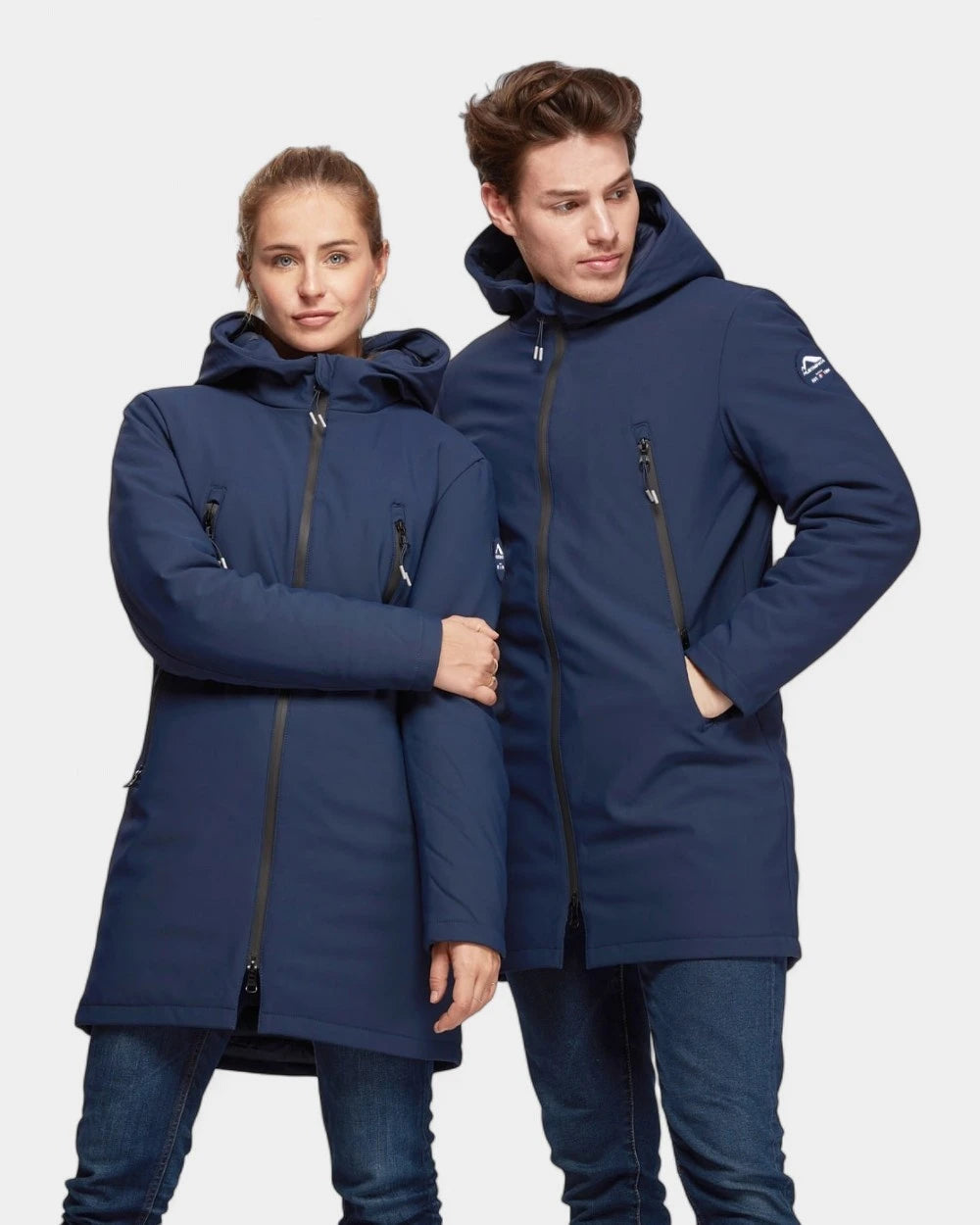


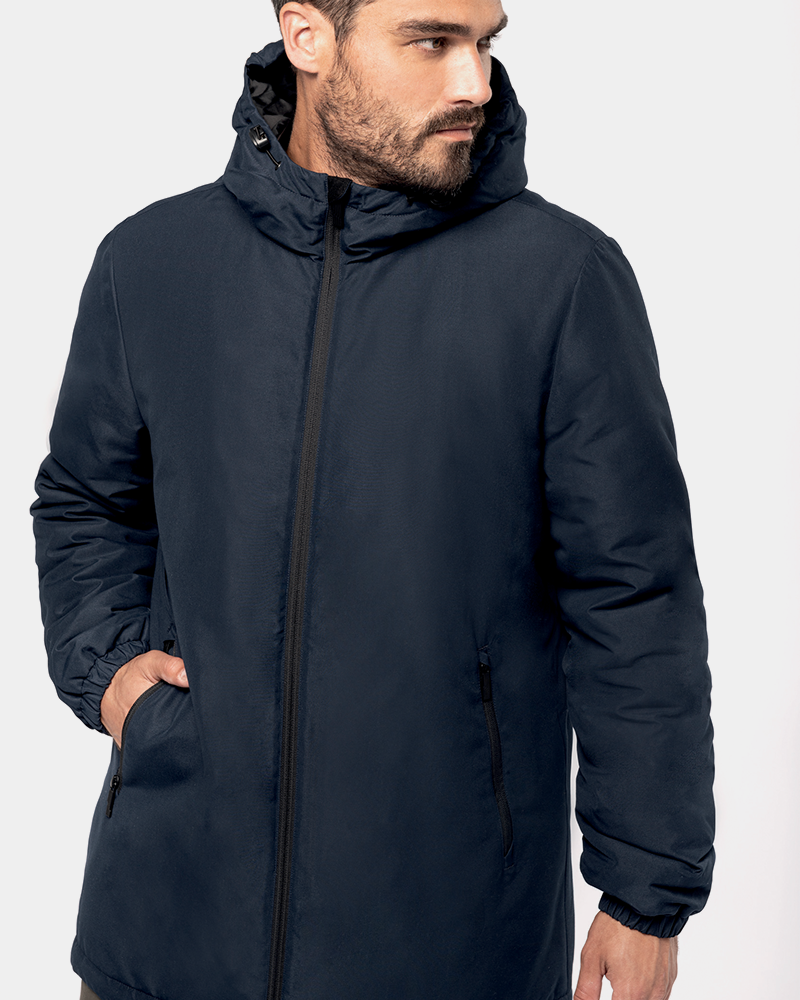


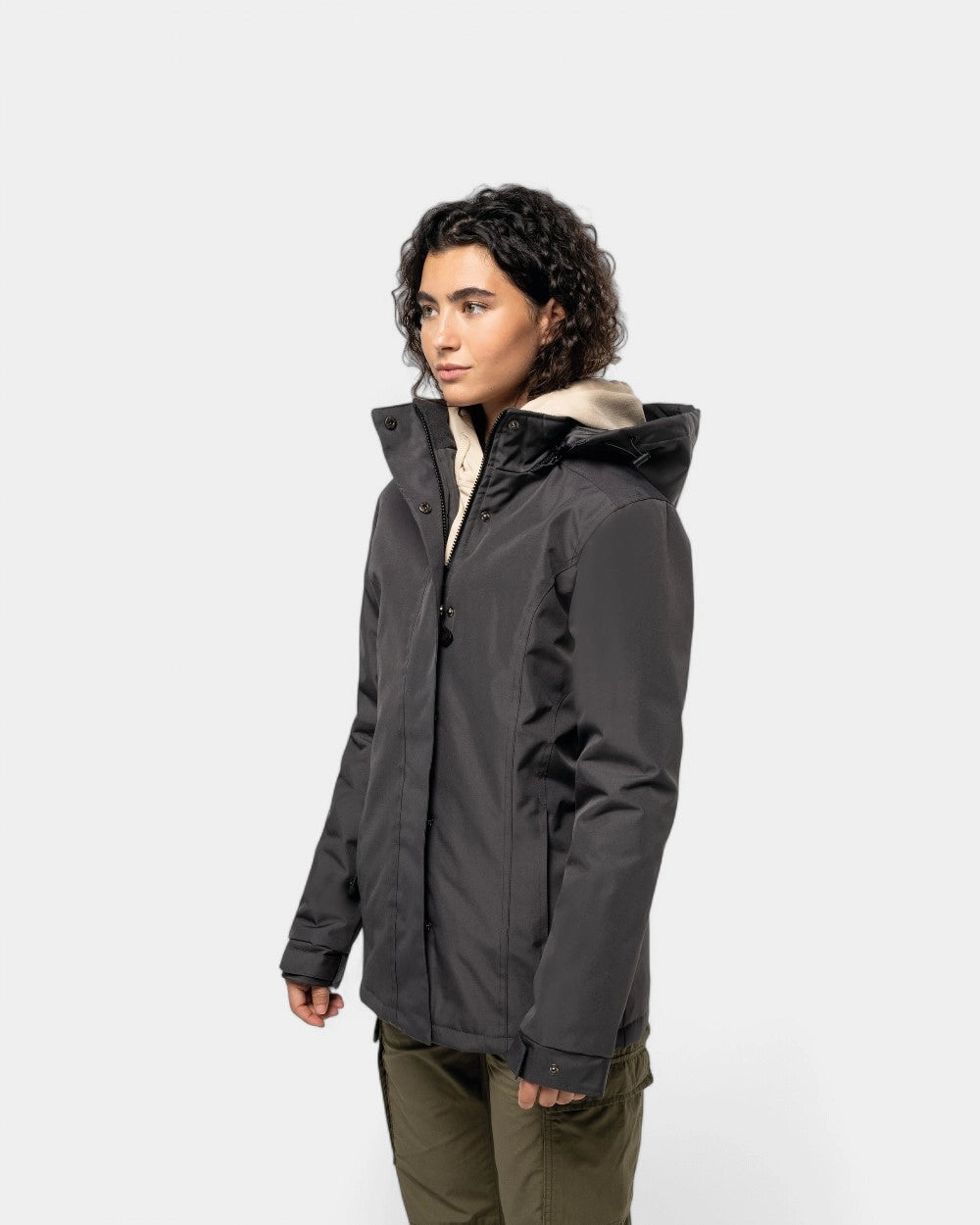


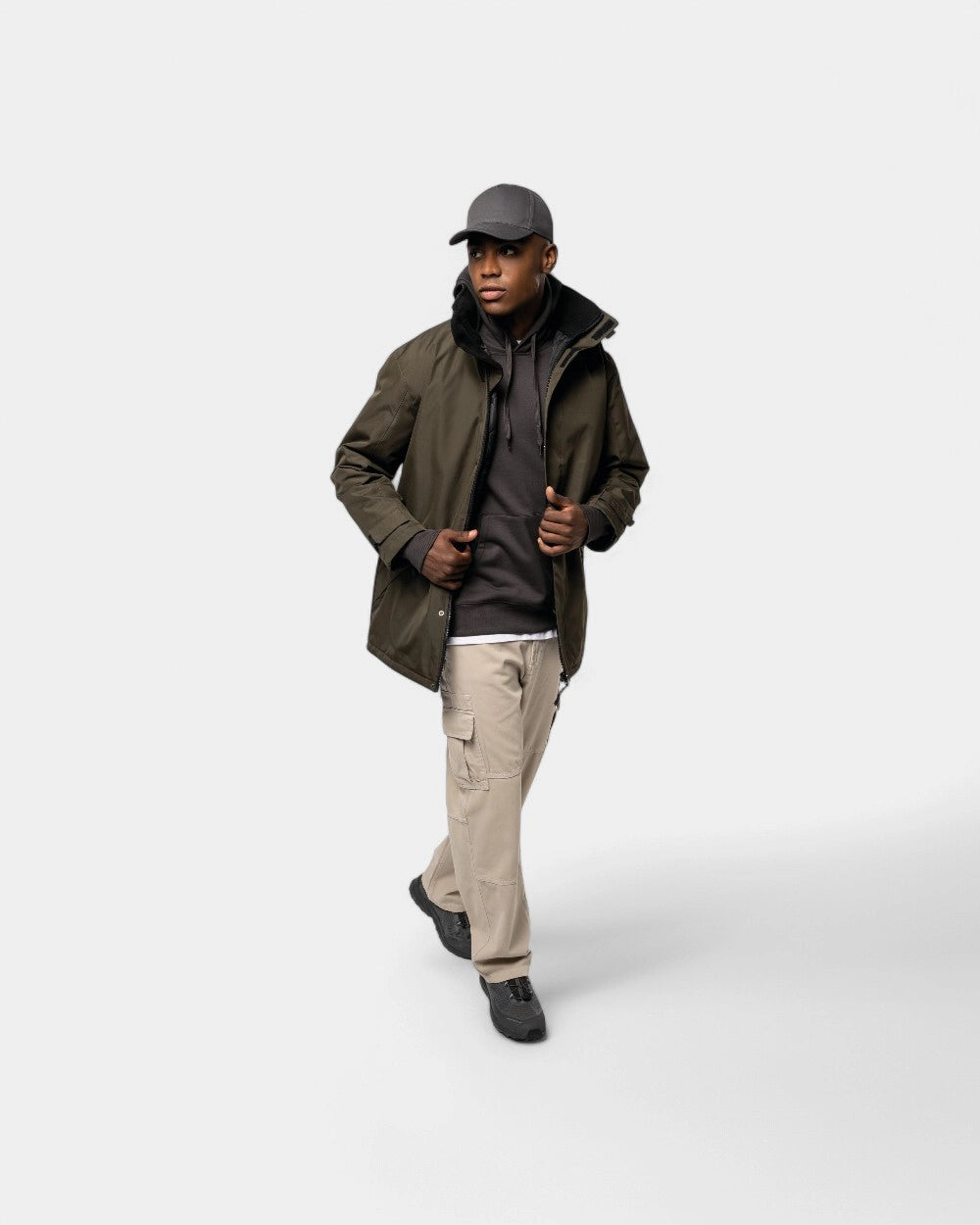










Treat your clients and employees!

FAQ - Custom parka
Trusted by 1,000+ companies
How length and coverage define branded parkas
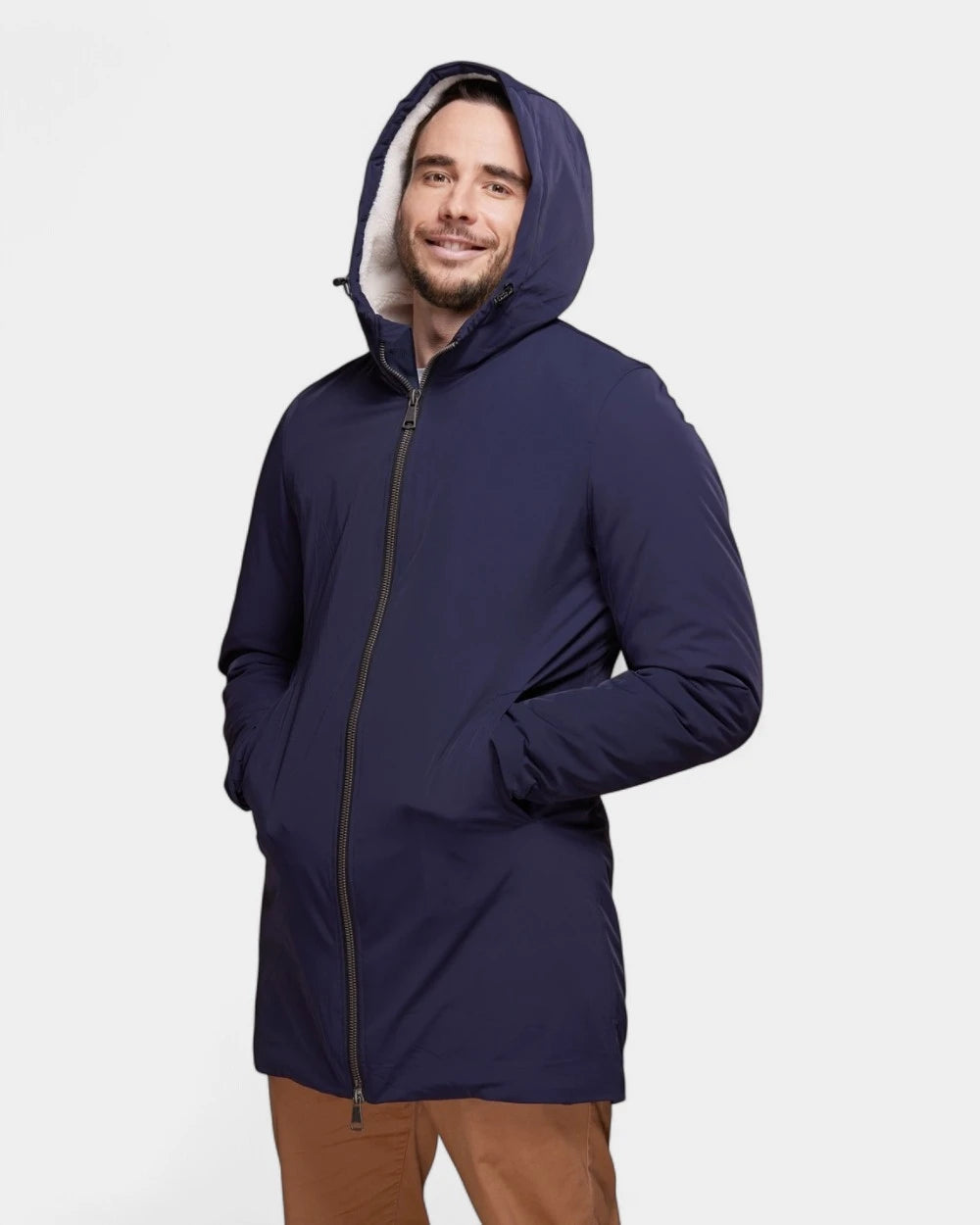
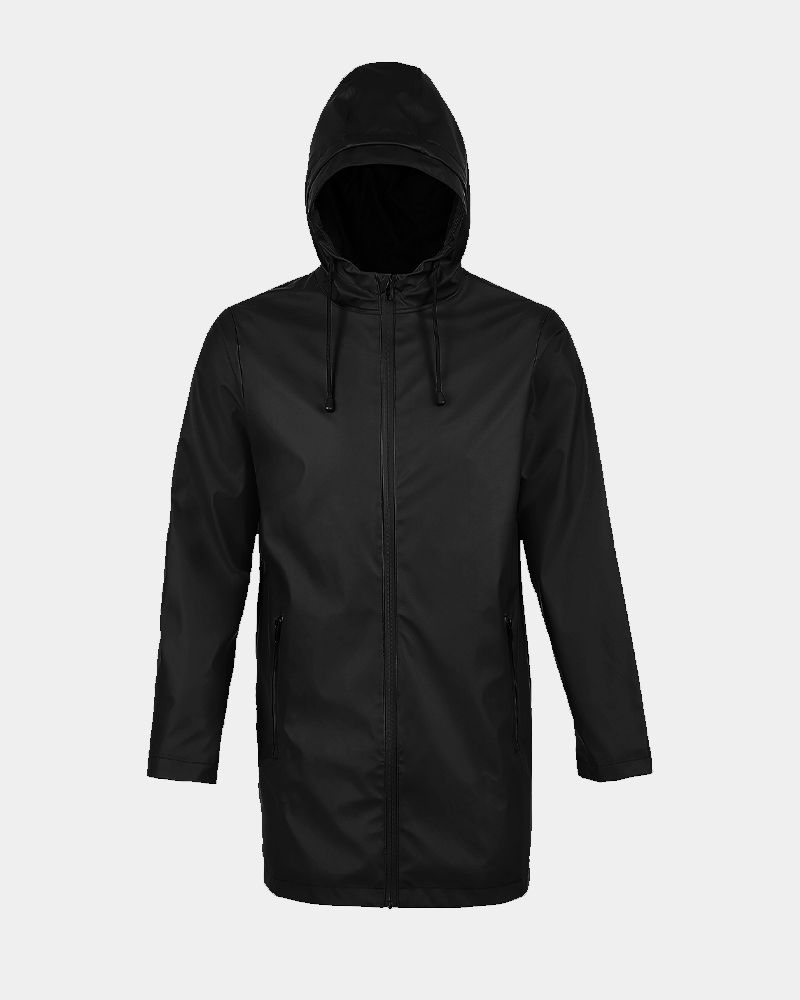
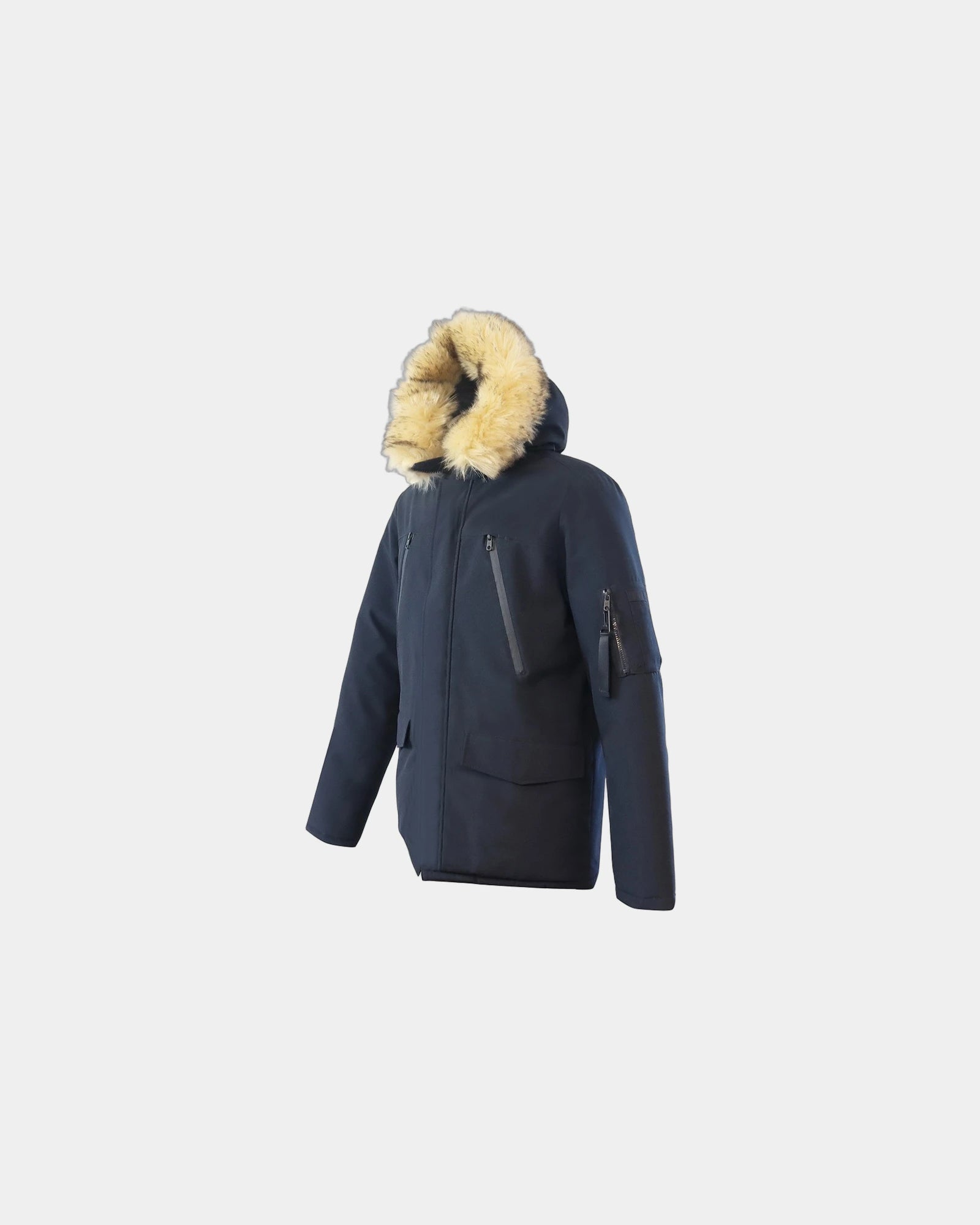
Buyers reach for the word parka loosely, so fix what branded parkas actually are before you spec one. It is a long coat whose tail drops to mid-thigh, sometimes shaped into a fishtail back, so a downpour sheds past the legs instead of pooling at the belt. A standing groundsman spends six hours in one spot, and that extra coverage is exactly the part a hip-length shell cannot give.
Coverage also dictates who the coat suits. A security officer manning a perimeter, a car-park marshal and a stadium steward all hold one cold position for the length of an event. The long body shields the lower back and the seat when they lean against a barrier or crouch to a radio. Sheer length, not the membrane alone, is what marks a heavyweight parka out from a packable one.
Pressure and dwell time: rating static-wear personalised parkas
Cloth resists water only up to a measured figure, the hydrostatic head, quoted in millimetres of water column the face holds before it surrenders. For a coat worn standing all day, dwell time is the variable that should set the number. A wearer who never moves lets rain build and press at the shoulders, so the figure has to suit hours of unbroken exposure, not a sprint to shelter.
Reading the rating on personalised parkas
Static roles punish a low rating in a way a moving wearer never feels. Lean a soaked sleeve on a wet railing for an hour and the pressure climbs far past what a brief shower puts on the cloth. A gate officer standing in a January night wants 10,000 mm at the floor, ideally above. Where a rucksack strap or a folded forearm bears down, the column the fabric faces multiplies.
| Standing pattern | Hours held in one spot | Rating to specify |
|---|---|---|
| Brief outdoor duty, mild | Under an hour at a time | 5,000 mm and up |
| Steward on rotation | One to three hours | 8,000 to 10,000 mm |
| Gate or perimeter post | A full unbroken shift | 10,000 to 15,000 mm |
| Exposed survey or site watch | All day, no shelter | 15,000 mm upward |
Sealing the seams branded parkas lean on hardest
On branded parkas, a face that holds a wall of water still surrenders at the joins if they sit bare. Stitching perforates the membrane with a line of punctures, and on a wearer who barely shifts, those punctures take constant load rather than a passing splash. A true heavyweight parka shuts them, either with heat-tape ironed across the inside of the join or with a welded bond that carries no thread at all.
Fully sealed treats every join; critically sealed treats only the worst-hit ones. For a coat that holds one position through a storm, the underarm and the pocket joins matter as much as the shoulder. A leaning, motionless wearer loads seams a walker never stresses. Confirm whether your shortlisted base is fully or critically sealed, since on a static post the partial route shows a damp patch by mid-shift.
The storm hood that makes standing personalised parkas usable
A hood only counts once it holds the rain off a face turned into a gust, and on a parka three parts have to pull together. A face drawcord cinches the opening so a squall cannot strip it back off the head. A wired or stiffened brim keeps a peak above the eyes. A high collar that swallows the rolled hood keeps the nape dry the moment the sky clears.
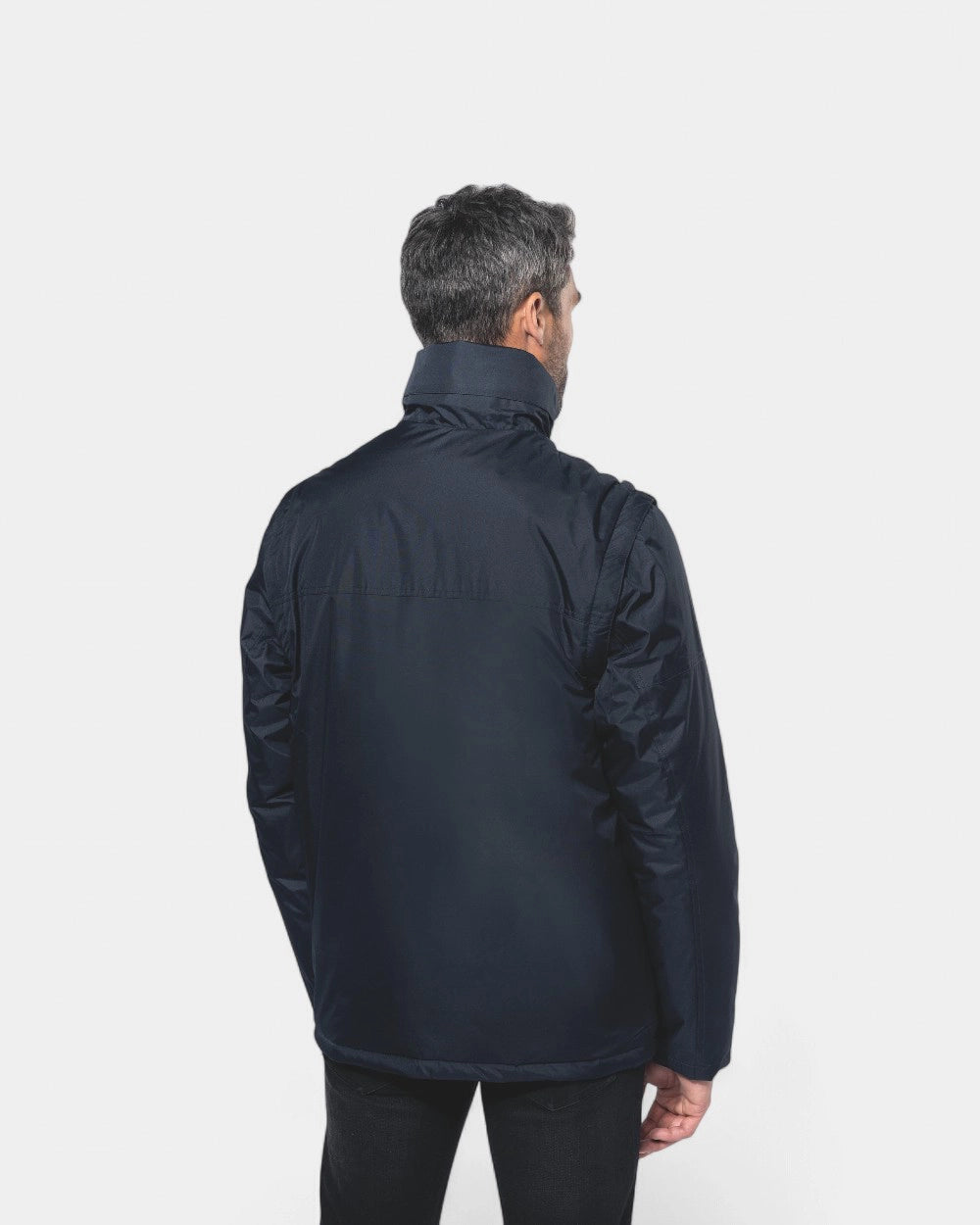
For a wearer rooted to one post, the storm hood is the part that decides whether the shift is bearable. A marshal cannot duck under cover every five minutes, so the hood has to seal and stay sealed in wind for hours. The high collar also gifts a clean, dry panel for a small stitched name. We chart the badge so a drawcord channel never crosses the thread and warps the mark.
Embroidering sealed personalised parkas without opening the membrane
Decorating a watertight shell differs from badging a polo, because the cloth the needle pierces is the same cloth holding the weather out. Force a dense crest through a coated face and you riddle it with holes the sealing tape was never cut to bridge. A clumsy badge converts a dry parka into a weeping one. The method has to honour the membrane, not merely flatter the eye.
Backing the panel on branded parkas
We back the panel with a firm stabiliser and drop the thread count so the coating is not chewed into a frail window. Heavy stitching stays off the panels that catch the worst of a static downpour. The mark settles on a lined chest or a back yoke where a second layer stands behind the shell. Embroidered Jackets across the broader outerwear wall share this backing routine, so a logo reads alike on a parka or a smooth softshell.
| Position | Typical size | Why it works here |
|---|---|---|
| Left chest, lined | 8-10 cm | Backed by an inner panel, away from joins |
| Back yoke | 18-22 cm | Flat, lined, reads as signage at distance |
| Upper sleeve | 5-7 cm | Avoids the wettest front panels |
| Collar stand | 4-6 cm | Name or role, dry under a folded hood |
When a transfer beats thread on custom parkas
Stitching is the durable default, yet a coated parka is one of the rare coats where a heat-pressed transfer can be the cleverer call. A transfer rides on the surface and punctures nothing, so on the front panel a standing wearer soaks first, it guards the seal that thread would jeopardise. The cost is press contact: a transfer wants a flat, even face and can peel at a heavily ribbed or seamed zone.
For a broad hi-vis-style back board or a full-colour crest, a transfer or a woven patch frequently beats thread. Branded Padded Jackets meet the identical surface puzzle from the insulation side, where loft rather than a membrane fights the needle, so the decoration logic carries across both coats.
How much warmth custom parkas should carry underneath
Branded parkas split into two builds that look the same on a rail. A shell-only parka runs unlined or lightly mesh-backed, and lets a working wearer stack their own layers as they heat up. A lined or quilted parka carries a fleece or padded body that holds warmth in a wearer who generates none. That is the right call for a job that means standing in one cold, wet spot for hours.
For a static post, warmth is not optional comfort but the thing that keeps a gateman at the gate. Match the build to stillness, not to the month on the calendar. Embroidered softshell jackets cover the active, shower-light end of the same workforce. A mixed crew runs a warm lined parka for the rooted roles and a lighter softshell for those on the move.
Which standing roles branded parkas are built for
Branded parkas earn their length in a defined set of jobs, and naming them sharpens the buy. Security officers on a gate hold the weather without moving, so they want a high rating, fully sealed joins and a hood that grips in wind. Groundstaff and pitch crews kneel and bend across a wet morning, so the long tail and a reinforced seat outrank any concern about bulk.
Event marshals need the badge legible across a soaked field, which pushes a wide back board and a high-contrast mark. Highway, recovery and forecourt staff bolt reflective trim onto the same coat. The table sorts each standing duty into a build, letting one order carry several specs rather than splitting into separate buys for every role on the rota.
| Role | Rating to aim for | Build | Branding lead |
|---|---|---|---|
| Security/gate | 10,000 mm+ | Lined, fully sealed, storm hood | Back board, collar name |
| Groundstaff | 10,000 mm+ | Long tail, reinforced seat | Chest plus sleeve |
| Event marshal | 8,000-10,000 mm | Lined, bright | Large high-contrast back |
| Highway/forecourt | 10,000 mm+ | Reflective trim, hood | Transfer over hi-vis board |
Colour, contrast and reflective trim on personalised parkas
On a parka, the body colour is a working call before a brand one. A navy or charcoal shell hides the spatter a wet site flings up and still passes as uniform. A brand-bright or hi-vis body lifts a motionless marshal into something a driver clocks through rain at fifty metres. Because a static wearer is the one a vehicle most needs to see, the shade is picked against the site first.
Thread or transfer contrast then sets whether the badge survives the distance. A tone-on-tone mark looks discreet but dissolves across a wet field, so a steward coat wants high contrast while a quieter exec parka can stay subtle. Where a base carries a recycled face or a recognised waterproof standard, that figure is printed on the model's own tech pack and shifts from one base to the next.
Sizing custom parkas over the layers a standing crew wears
A parka is the outermost skin, hauled on over a fleece or a padded mid-layer, so it sizes up rather than down. The fit that feels right over a shirt alone will bind across the chest the moment a fleece goes beneath it. A standing wearer also needs shoulder room to reach and lean without the tail riding up at the back, which a trim corporate cut tends to forget.
A free sample lets a crew test the real fit and watch a logo stitch into the coated face before a full run is locked. Embroidered fleeces are the natural body to sit beneath the shell on a cold post. Putting the parka and the fleece on one size curve keeps a gate team looking planned rather than thrown together from two unrelated buys.
- Confirm fully sealed against critically sealed joins on your chosen base
- Set the rating by standing hours, not the time of year
- Keep dense stitching clear of the wettest front panels
- Size up for the warm mid-layer a static crew wears
- Pick the hood by wind strength, not rainfall alone
- Add reflective trim wherever staff hold a post near traffic
Outdoor shifts where branded parkas prove their worth
Branded parkas are bought for the shift, not the showroom, so it helps to picture the rota they have to cover. A stadium steward holds a turnstile from gates-open to final whistle, often four hours without shelter. A car-park marshal at a winter event stands on tarmac that throws wind up under the hem. A grounds crew kneels on a soaked pitch through a frosty morning.
Each of those roles loads the coat differently, which is why one base rarely answers every job on a site. The brief below sorts common standing duties by what punishes the garment most. A buyer can then match the sealed shell and the lining to the real exposure rather than guessing from a catalogue photo.
| Standing duty | Hardest demand | Build to specify |
|---|---|---|
| Stadium turnstile steward | Hours rooted in wind | Lined shell, storm hood |
| Winter car-park marshal | Wind under the hem | Long fishtail tail, reflective trim |
| Pitch and grounds crew | Kneeling on wet ground | Reinforced seat, high rating |
| Overnight gate officer | Cold held all night | Quilted body, fully sealed joins |
Caring for branded parkas so the seal and the badge last
A coated parka asks for care a cotton coat never needs, and the wrong wash quietly kills the waterproofing. Run a cool cycle, hold back the fabric softener that gums up the coating, and fasten the coat fully so the teeth cannot snag the thread. A reproofing wash brings back the water-beading finish on the face once a season of heavy standing wear has worn it flat.
Treated this way, an embroidered parka holds both its seal and its badge across several wet winters. That endurance is why a long coat ends up the backbone of an outdoor kit instead of a single-season buy. Most teams budget a parka over three or four seasons, so the higher unit cost spreads thin against a packable shell replaced every year. For a lighter layer, see rain jackets, the printed rain jackets that stuff into their own pouch for a crew on the move.
Keep a spare base or two on the reorder when a fleet first lands. Standing crews rotate, and a steward who joins mid-season should match the rest of the gate rather than stand out in last year's coat. A small held stock also covers a storm-damaged shell without a fresh artwork round, since the badge is already on file from the original run.
Ordering personalised parkas ahead of the wet season
Branded parkas go into production once artwork is signed, so the clock starts at the decoration stage and the stock depth of your chosen base. Most runs leave us inside three weeks, though a deep team order or a broad spread of sizes widens that window. Because stitching carries a low minimum, a four-person pitch crew can order without committing to a bulk buy.
Count back from the first prolonged cold snap, because the popular heavyweight bases thin out through autumn and a November scramble leaves a gate team standing in the wrong coat. Custom beanies finish the same crew at the head, for the gaps when a parka hood comes down between downpours.

