

Printed board games
- Price, low to high
- Price, high to low
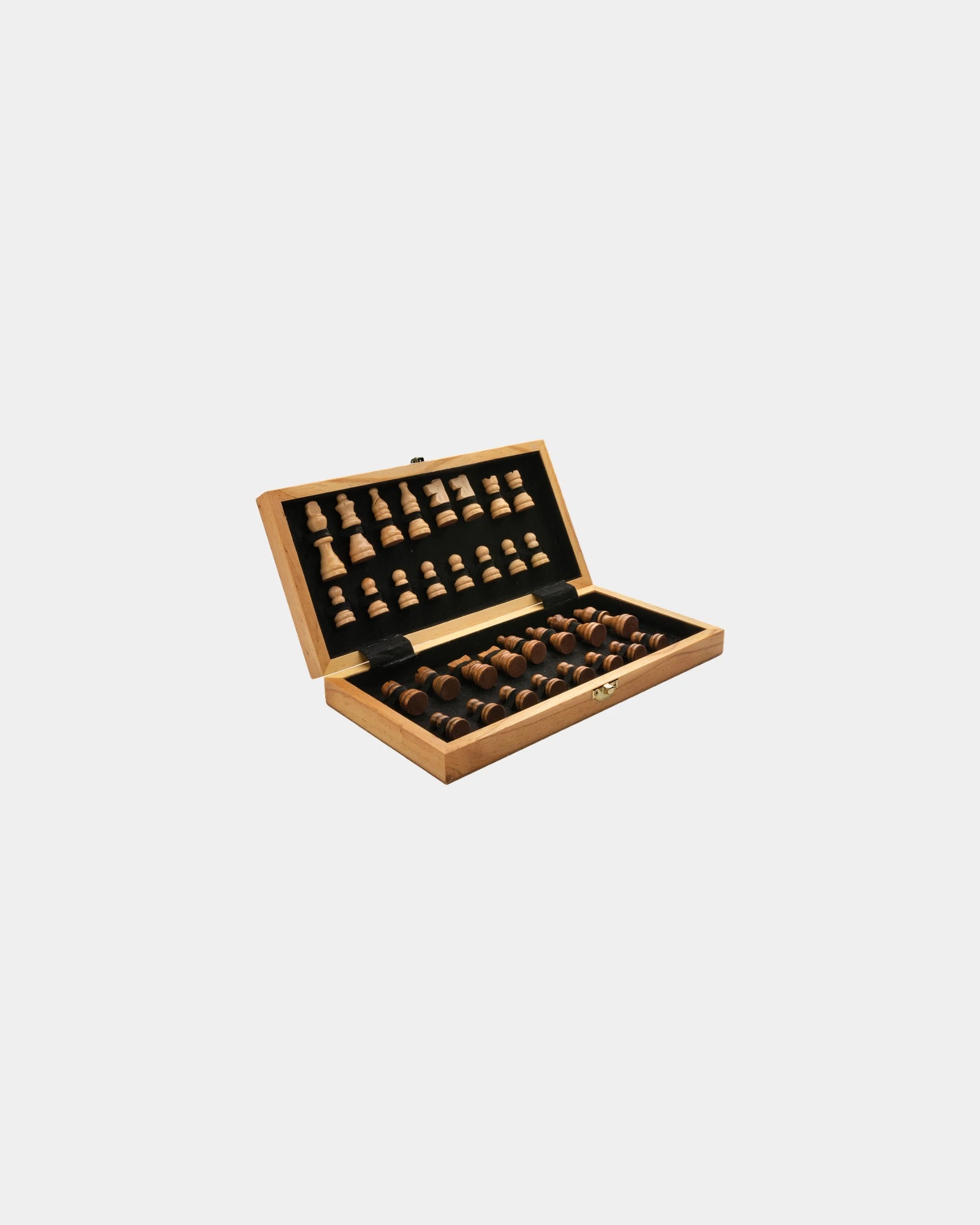






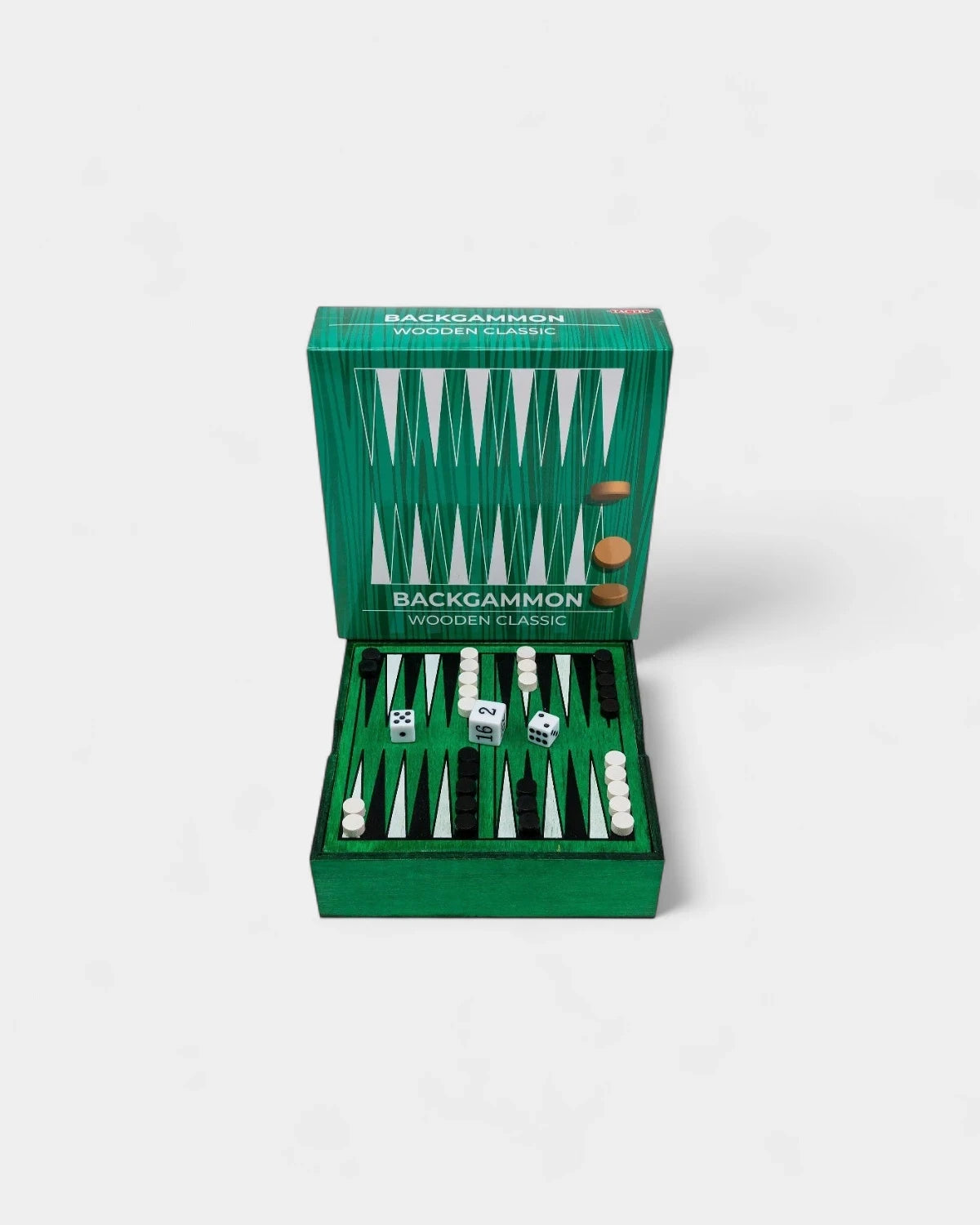










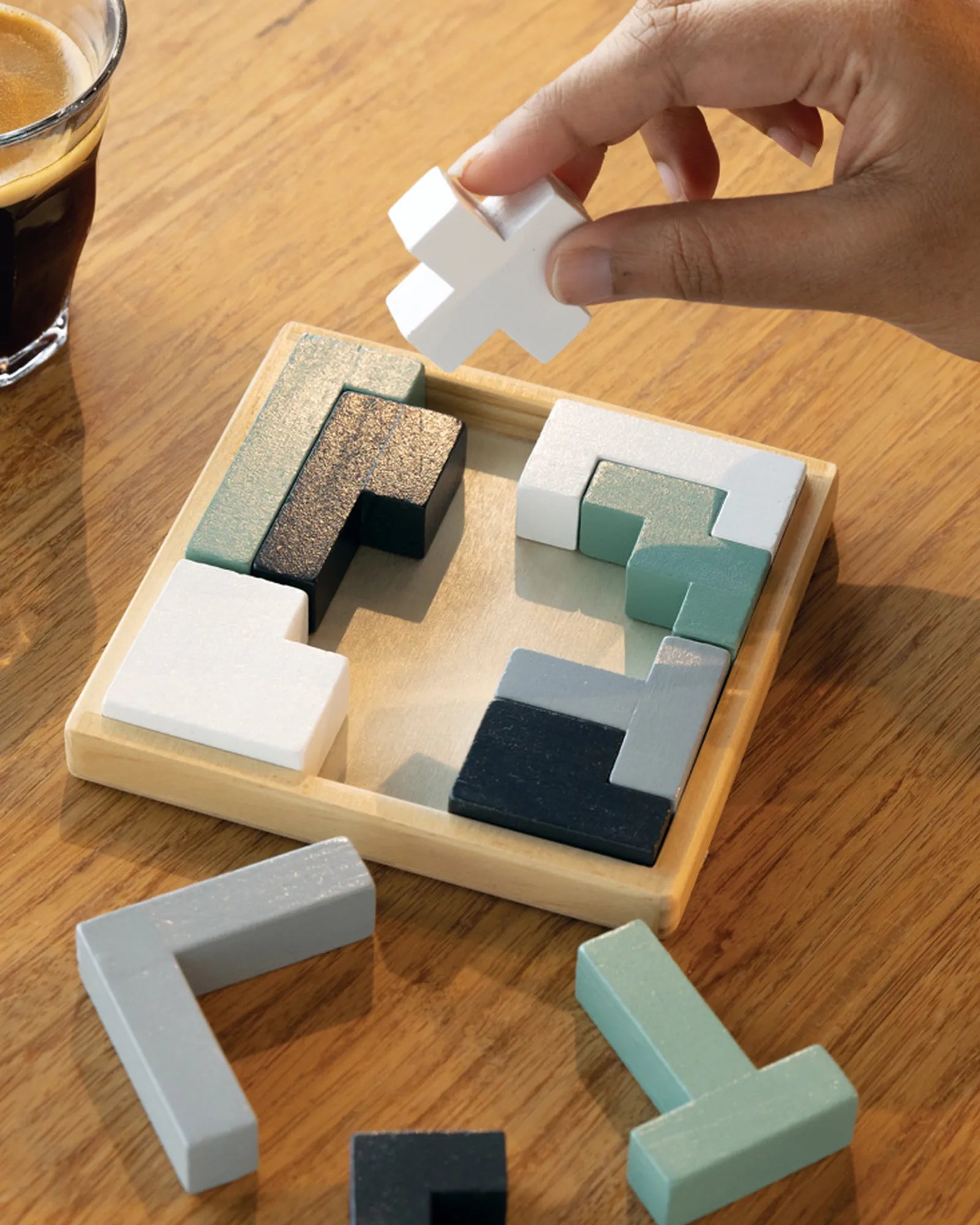


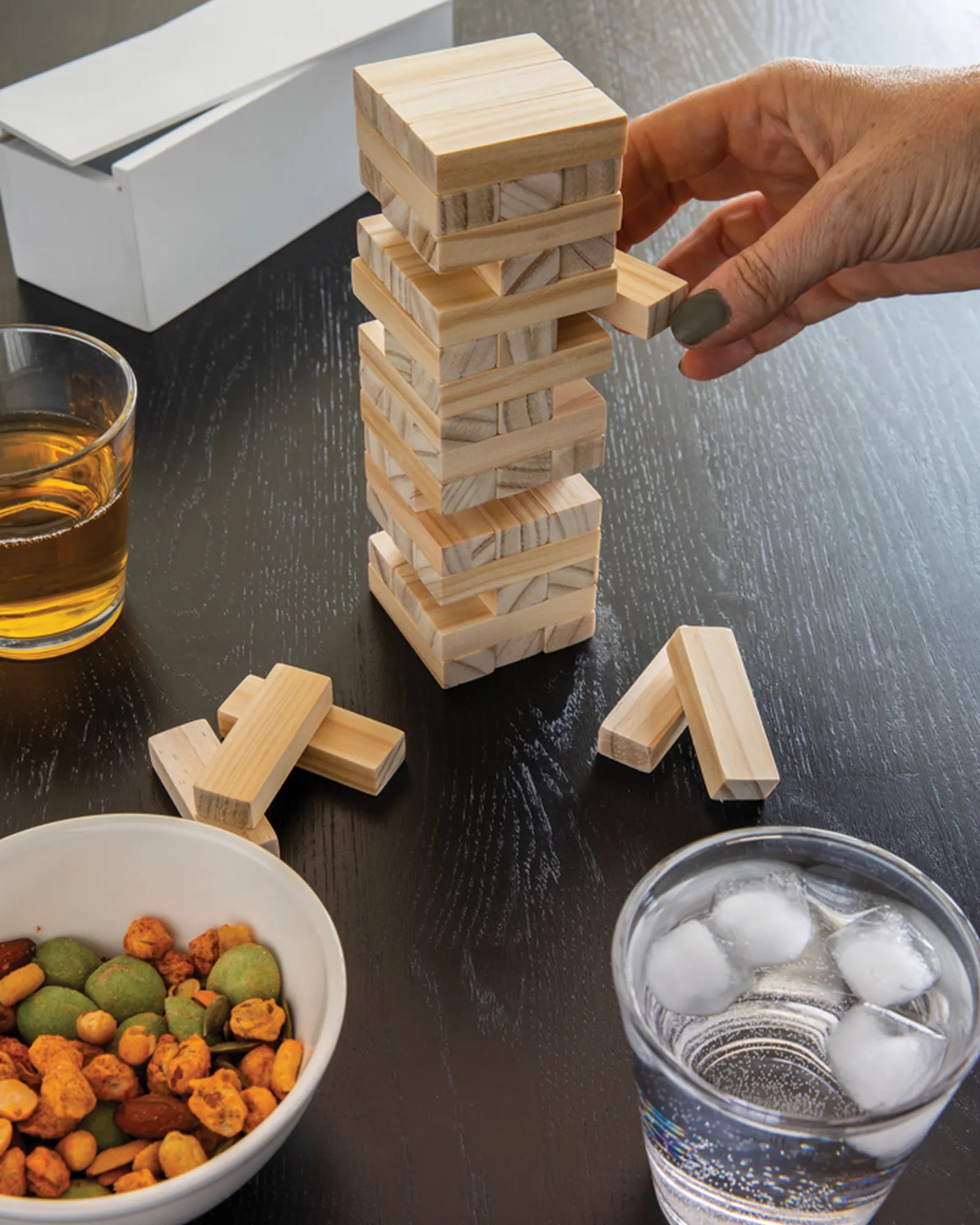




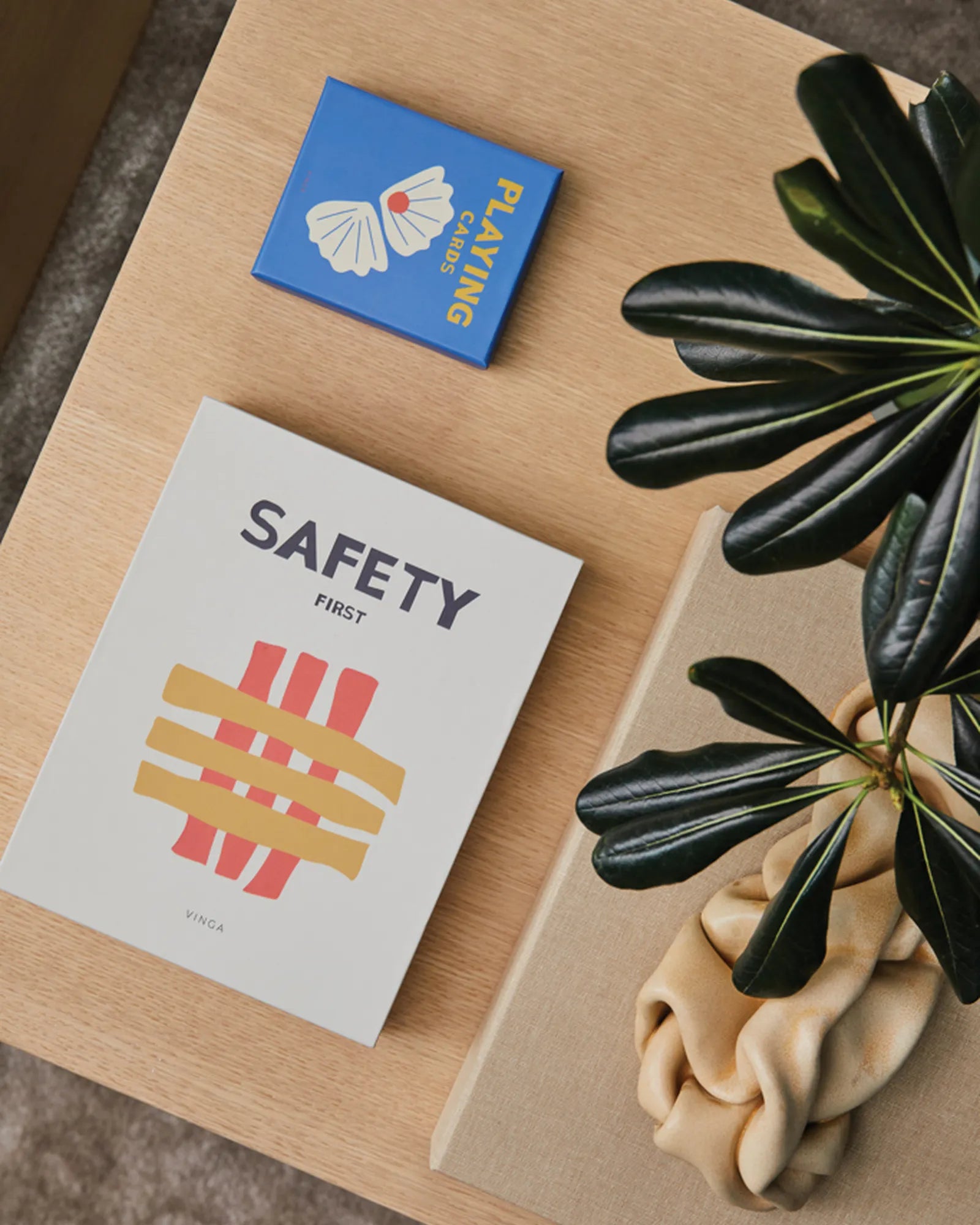










Treat your clients and employees!

FAQ - Personalised board games
Trusted by 1,000+ companies
What an order of branded board games actually includes
A branded board game is not one item but a kit, and the quote covers every part of it. The folding board is the centrepiece. Then come the box and lid, the moulded or wooden tokens, the dice or spinner, the printed money or cards, and the rulebook.
Each component is priced and made separately, which is why a branded board game costs more than a single printed object. The board is litho-printed and laminated onto greyboard, the box is a separate rigid construction, and the tokens are moulded or turned in their own run.
The brief therefore starts with how complete you want the game to feel. A light promotional edition can reuse standard pieces and brand only the board and box. A flagship client gift earns bespoke moulded tokens, a printed cloth bag for the pieces, and a hardback rulebook.
Corporate buyers often place a branded board game at the centre of a larger gift. Corporate Gift Boxes let you seat the boxed game in one branded presentation case with a few smaller items around it for a team welcome bundle.
The folding printed board at the heart of corporate board games
The board itself is the part people study for an hour, so its construction sets the whole game's feel. A standard board is full-colour litho print laminated onto rigid greyboard around 2mm thick. It is then scored and folded so it collapses to a quarter of its open size and drops into the box.
Fold pattern is a real decision. A four-panel bi-fold suits a square property board, while a six-panel or roll-up format suits a long race track. The hinge is a fabric or paper tape under the print, and the artwork is built so no key square lands on a fold line.
Board format follows the game. A square 50 by 50cm board carries a property circuit, and a long board suits a snakes and ladders climb. A printed cloth or neoprene mat rolls up for a travel or giveaway edition that posts in a tube.
Finish protects the surface from years of handling. A matte or gloss laminate over the print resists the grease and drink rings a games night brings. A board still reads cleanly after a hundred plays rather than scuffing white along the folds.
| Board format | Typical open size | Fold or carry |
|---|---|---|
| Square property board | ~50 by 50cm | Four-panel bi-fold |
| Long race or ladder board | Up to ~60cm long | Six-panel fold |
| Roll-up play mat | Oversized, floor | Rolls into a tube |
| Travel edition | Compact | Bi-fold, slim box |
Custom property-trading corporate board games, Monopoly-style
Mapping your brand onto property-trading corporate board games
The rebranded property-trading game is the headline of corporate board games. Your streets become your branches, products or milestones, and the centre and box carry your imagery. The chance and community cards hold your messages, and the tokens, houses and money all take your colours.
This is the format an estate agent, a city BID or a university reaches for, because the board maps a real place or a real portfolio. Each square names something the recipient recognises, so the game doubles as a tour of the brand while it is played.
Licensed versus bespoke promotional board games
Official licensed editions of the famous property game exist but carry a high minimum, often around 1,500 units, and a longer approval route. A bespoke property game built from scratch avoids the licence, lets you set your own rules and squares, and runs at a far lower minimum for a single company.
The writing is the hidden work here. Forty-odd squares, two card decks and a rulebook all need drafting in your tone of voice before any board is printed. Lock that content down early so the print stage runs clean.
| Use case | Game type | Typical edition |
|---|---|---|
| Client gift | Bespoke property game | Rigid box, moulded tokens |
| Family fun day | Snakes and ladders mat | Roll-up, oversized |
| Training tool | Trivia or quiz board | Folding board, card decks |
| Kids brand giveaway | Simple race board | Light box, printed counters |
| Staff onboarding | Themed trivia game | Boxed, branded rulebook |
Snakes and ladders, race and trivia branded board games
Beyond the property classic, several familiar shapes of branded board games rebrand cleanly. A snakes and ladders board turns each ladder into a brand value climbed and each snake into a pitfall avoided. That suits a kids brand or a light internal culture piece.
A trivia or quiz board game is the training favourite. Players move round a track by answering questions you write about your products, your safety rules or your company history. The game teaches while it plays, and the question deck is the real deliverable.
A simple race-to-the-finish board is the cheapest custom format and the friendliest for young children. One looping track, a die and a set of printed counters make a giveaway a five-year-old can play, with the brand sitting in the artwork rather than the rules.
These lighter games pair naturally with seasonal ranges. Personalised Christmas gifts often include a family board game in a December mailing, since a game is something a household opens and plays together over the holidays.
The box and lid that holds your promotional board games together
The box is what a recipient sees first and what branded board games live in for years on a shelf, so its build sets the perceived tier. A two-piece lid-and-base rigid box is the standard for a quality game, wrapped in printed paper and stout enough to survive being pulled out and pushed back weekly.
Box depth is dictated by the contents, not chosen freely. A game with deep moulded tokens, a dice tray and a thick rulebook needs a taller base than a flat card game. The die is cut to the measured stack height of the actual pieces inside.
Lid decoration carries the techniques of a premium gift. Spot UV on the logo, foil blocking on the game title or a soft-touch laminate lift a boxed game from a giveaway into a keepsake. They read well across the large top panel a branded board game box offers.
A custom paper or felt-lined insert inside the box stops the contents shifting. A vacuum-formed or die-cut tray seats the board, the token bag and the card decks in their own wells. The box then opens tidy and nothing rattles loose in the post.
Moulded and wooden tokens for your branded board games
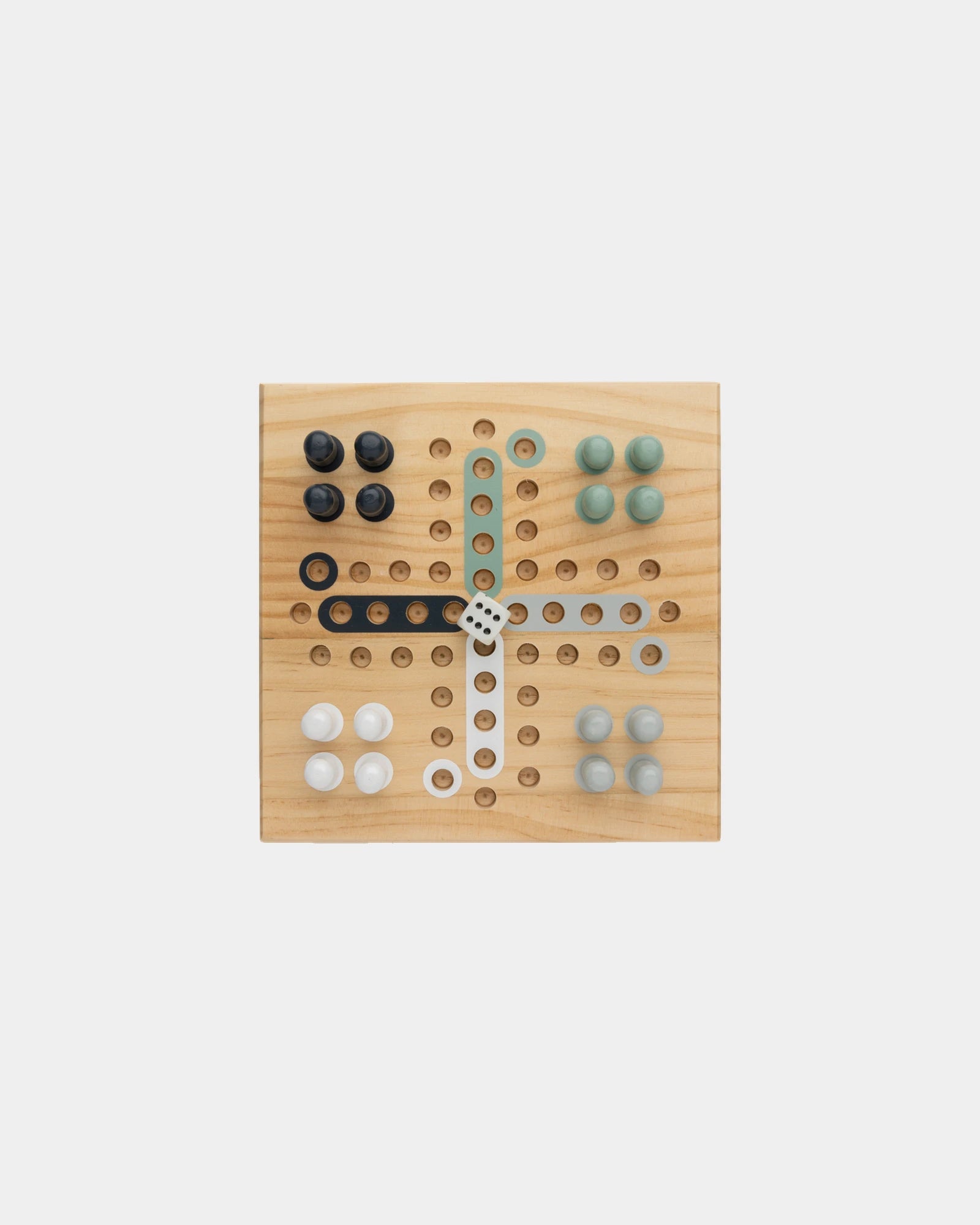
The playing pieces are where branded board games feel bespoke in the hand. Tokens run from simple printed cardboard counters, through standard moulded plastic pawns, up to bespoke moulded tokens shaped like your product or mascot. Turned wooden pieces add a heritage feel at the top end.
Bespoke moulded tokens carry their own setup cost because a steel mould is cut once for that shape. That tooling makes most sense on a larger run or a flagship gift, while a smaller order picks brand-coloured standard pawns to keep the piece cost sensible.
Counters and markers span the same ladder. A property game needs houses and hotels moulded in brand colours, a race game needs a handful of pawns, and a trivia game may need only scoring chips. The piece list is built from the rules before any colour is chosen.
A children's edition often pairs the game with a plush character. Personalised soft toys sit beside a junior board game in one boxed bundle, with the toy doubling as an oversized playing piece a small child moves around the track.
| Piece type | Material | Best for |
|---|---|---|
| Printed counters | Die-cut card | Light giveaways, kids races |
| Standard pawns | Moulded plastic | Mid-tier branded games |
| Bespoke tokens | Custom-moulded | Flagship client gifts |
| Turned pieces | Wood | Heritage and premium editions |
| Houses and chips | Moulded, brand colour | Property and scoring games |
Dice and spinners for promotional board games
Most board games need a randomiser, and the choice between a die and a spinner shapes the feel. A standard six-sided die is cheapest and most familiar. A custom die can swap one face for a tiny logo or carry brand colours on the body.
A spinner suits a younger audience and a flat board, since a card spinner with a printed arrow needs no dice that small hands drop and lose. The spinner artwork sits on the board or on a separate printed card, branded in the same palette as the squares.
Quantity matters on the small parts. A single die per box is cheap, but a game needing two dice, a spinner and forty counters multiplies the picking and bagging. That is a real line on a large run, worth simplifying in the rules where you can.
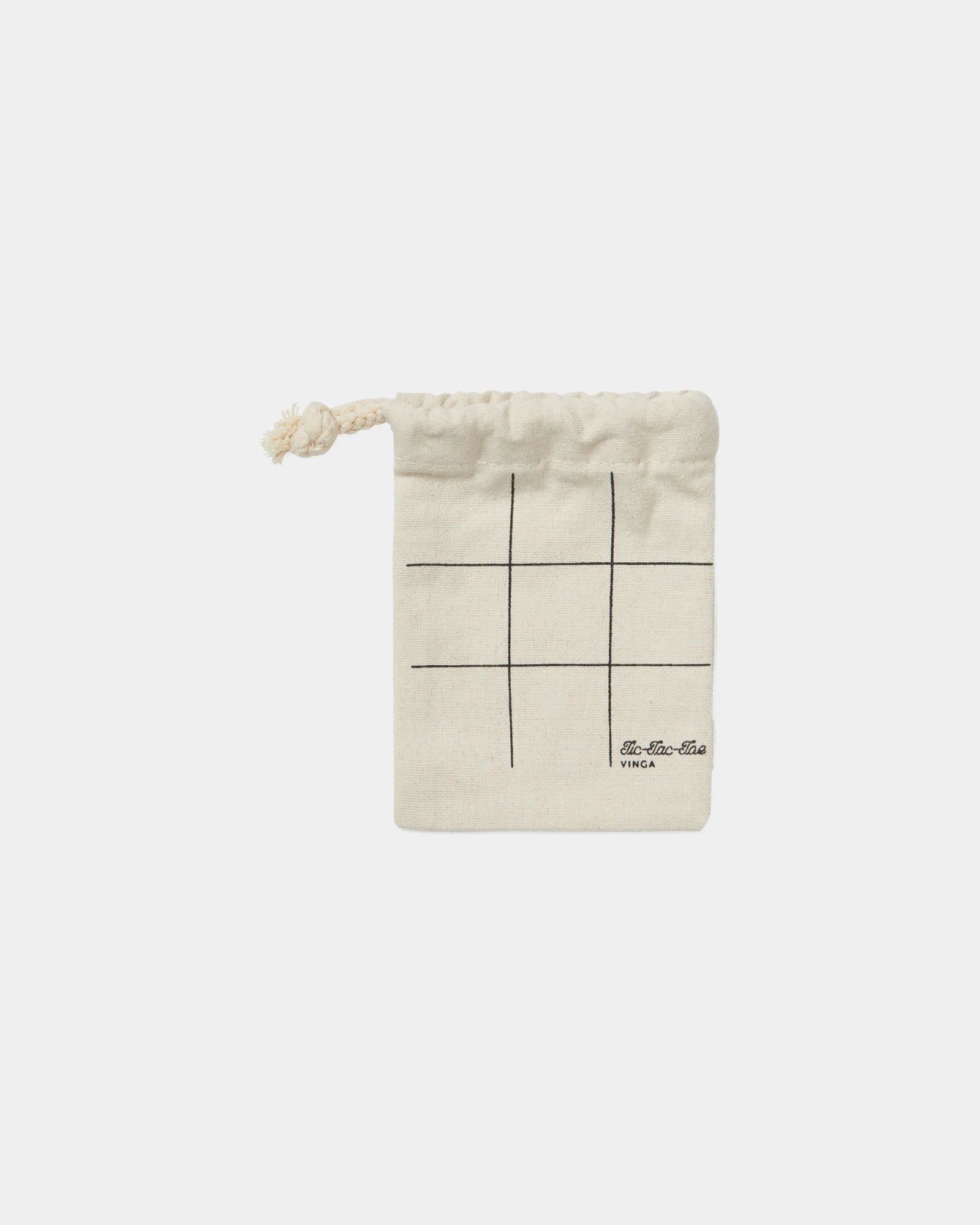
The loose pieces ship sealed so nothing escapes in transit. A printed cloth drawstring bag or a sealed polybag holds the dice, tokens and chips together inside the box. The game arrives complete and a counter does not work its way under the insert.
The rulebook and instruction card for branded board games
A board game is only as good as its rules, and the rulebook is a deliverable in its own right. It runs from a single folded instruction card for a simple race game up to a stapled or saddle-stitched booklet for a property game with trading, mortgages and chance cards.
Clarity is the whole job of this component. Worked examples, a labelled diagram of the board and a quick-start summary on the first page mean a family can play within minutes. Without that clarity, a good game stays in the box after one confused attempt.
Format follows the game's depth. A trivia game ships its rules on one card and puts its real content in the question decks. A property game needs several pages to cover buying, building and bankruptcy in your own branded language.
Some board games hold a small bespoke card deck for chance or quiz prompts. That is a different brief from Personalised playing cards judged on stock and core ply. Inside a board game the deck is a rules component, written and laid out to match the rulebook.
The instruction sheet is also quiet brand space. A QR code on the back of the rulebook can link to a video walkthrough or a campaign page. The game keeps prompting an action beyond the table without cluttering the board itself.
Bespoke corporate board games origination and minimum runs
Originating a board from scratch is the real cost of a bespoke game, not the cardboard. The board, the cards, the box wrap and the rulebook are all designed and proofed before a single sheet is litho-printed. That design and tooling stage is paid once, however many boxes you order.
Because the setup is fixed, the per-box price falls sharply with quantity. A pilot run of a few dozen games carries the full origination over a small batch, while a several-hundred-box order spreads it thin. That is why bespoke board games suit a planned run rather than a handful of samples.
Minimums sit higher than for a flat printed object because of the assembly. Cutting a token mould, building a rigid box die and collating a multi-part kit all want a sensible batch. Even so, a fully bespoke single-company game runs at a fraction of a licensed edition's 1,500-unit floor.
We can send a free sample of a comparable boxed game so you can open the lid, fold the board and weigh the tokens in hand before committing artwork. With a multi-part kit, handling a finished game settles the spec faster than any flat proof.
| Quantity band | Print and assembly | Typical lead time |
|---|---|---|
| Pilot batch | Digital, hand-collated | Around 3 weeks |
| Standard run | Litho board, collated | 3 weeks |
| Several-hundred run | Litho, part-mechanised | 3 to 4 weeks |
| Bespoke moulded tokens | Tooling then assembly | 4 weeks plus |
Print methods and bespoke artwork across branded board games
Each part of the game takes its own marking route. The board, box wrap, money and cards are full-colour litho or digital print, and the tokens are moulded in brand colours or pad-printed. A wooden piece or a box lid can be laser-engraved for a permanent ink-free mark.
Artwork is built to the cut and the fold. The board art is laid out so no square or path crosses a fold line awkwardly, and the box wrap allows for the rigid board's wrap-around. Every card and note respects a safe margin so the guillotine never clips a value or a logo.
Method also follows quantity. A short run of bespoke games suits digital print and hand-assembly, while several hundred boxes move to litho board and a part-mechanised collation. The count nudges the process as much as the format does.
Reorders run from the stored setup. A games box sealed with Custom stickers can be reprinted from the same files. A repeat batch of a property or trivia game then matches the original board, tokens and box tray for tray.
- Bespoke property game mapped to your branches or products
- Snakes and ladders mat themed to a kids brand
- Trivia board with a question deck for training days
- Race-to-finish board for under-fives
- Rigid box with foil-blocked lid and felt insert
- Bespoke moulded tokens shaped like your mascot
Corporate board games as client gifts, training tools and family-day giveaways
The use case decides the whole spec. A boardroom client gift wants a heavy rigid box, wooden or bespoke tokens and a hardback rulebook. It sits on a shelf as a considered present rather than a handout.
A training tool is built around its content, not its finish. A safety or product trivia board can run on a lighter folding board and a plain box. The value is in the question decks the facilitator works through with a new cohort.
A family fun day reaches for scale and durability. An oversized roll-up snakes and ladders mat that children play on the floor reads across a hall and survives shoes. The giant printed mat beats a fragile folding board for that setting.
These leisure games sit in a wider home-and-play range. Branded board games offer a longer family sitting where a quick game fills a coffee break. Many buyers commission both a boxed board game and a lighter format for the same event.
Responsible materials and eco options for promotional board games
Branded board games lean on paper and board for much of the build. The board, box and cards can be printed on FSC-certified greyboard and paper, and the token bag can be cotton rather than plastic. That suits a brand leading on its sustainability.
The recycled-board percentage is given per component on that game's data sheet, since the board, the box wrap and the card decks may each use a different stock. Where a token is moulded from recycled or plant-based plastic, that material is named on the piece's own line of the spec.
Plastic-free assembly extends the story past the print. A paper band, a cotton drawstring bag for the pieces and a die-cut paper insert replace shrink-wrap and foam. A game that markets its eco credentials is then not wrapped in the thing it argues against.
Durability is part of the same case. A well-made board with a tough laminate and solid tokens stays in a household for years and gets played again each Christmas. One quality game outlasts a stack of disposable handouts.
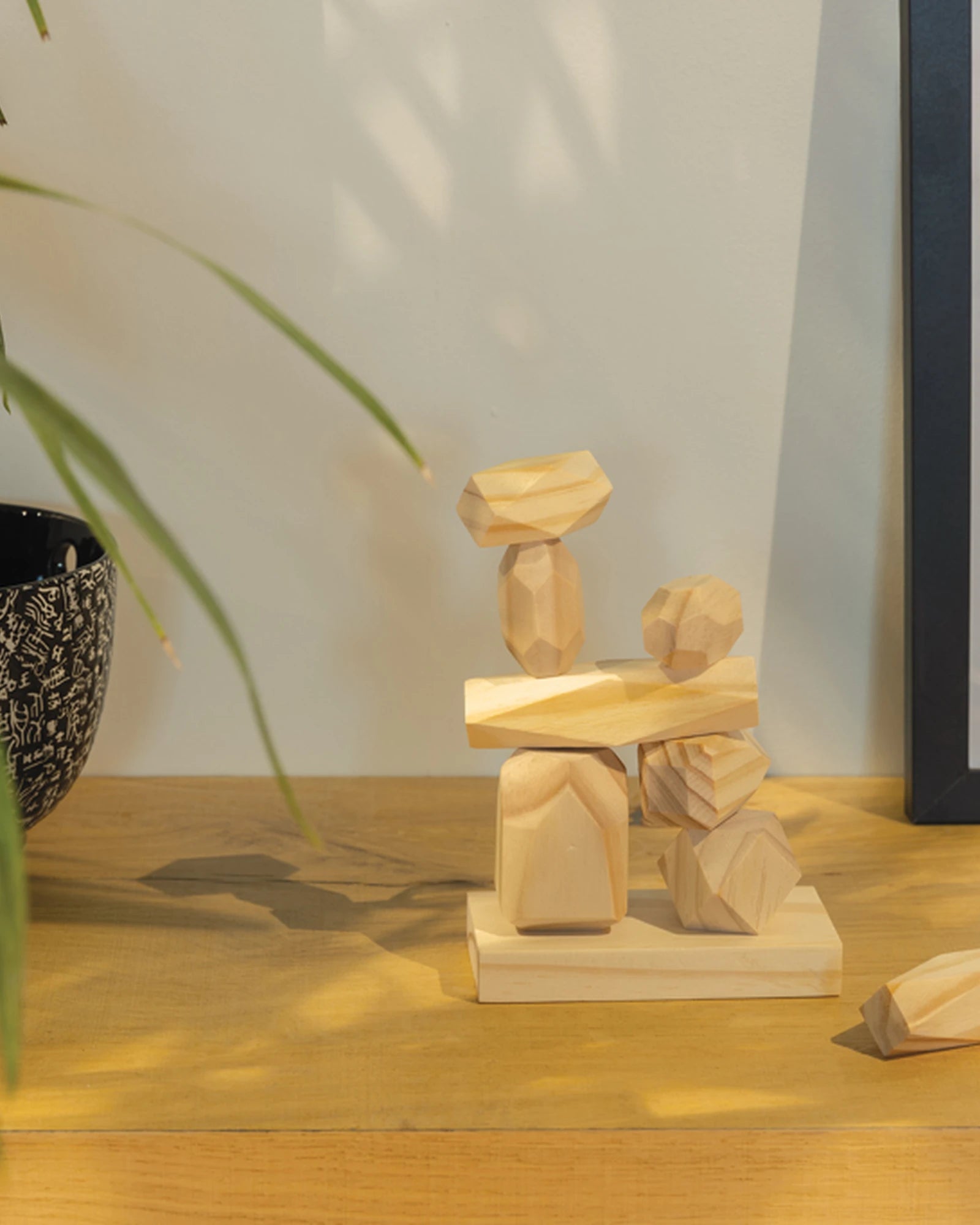
A printed board game is a different object from the loose and outdoor formats in the Branded games hub. Tumble towers, dominoes and giant lawn games brand on wood and resin, while a board game is a litho board, a box and moulded pieces with their own minimums.
Writing and playtesting the rules behind promotional board games
A bespoke game lives or dies on its rules as much as its print, so the writing is real work before any board is litho-printed. Forty-odd squares, two card decks and a rulebook all need drafting in your tone of voice, then checking for sense.
A quick playtest catches the snags a proof cannot. Running the draft rules round a table shows where a turn stalls, a value feels wrong or an instruction reads two ways. Fixing that on paper is far cheaper than after the box die is cut.
We lock the content before the print stage so the run goes clean. Once the squares, the decks and the rulebook are signed off, the artwork is built to the cut and the fold around them. A reorder then matches the original board square for square.

