

Promotional Puffer Jackets
- Price, low to high
- Price, high to low


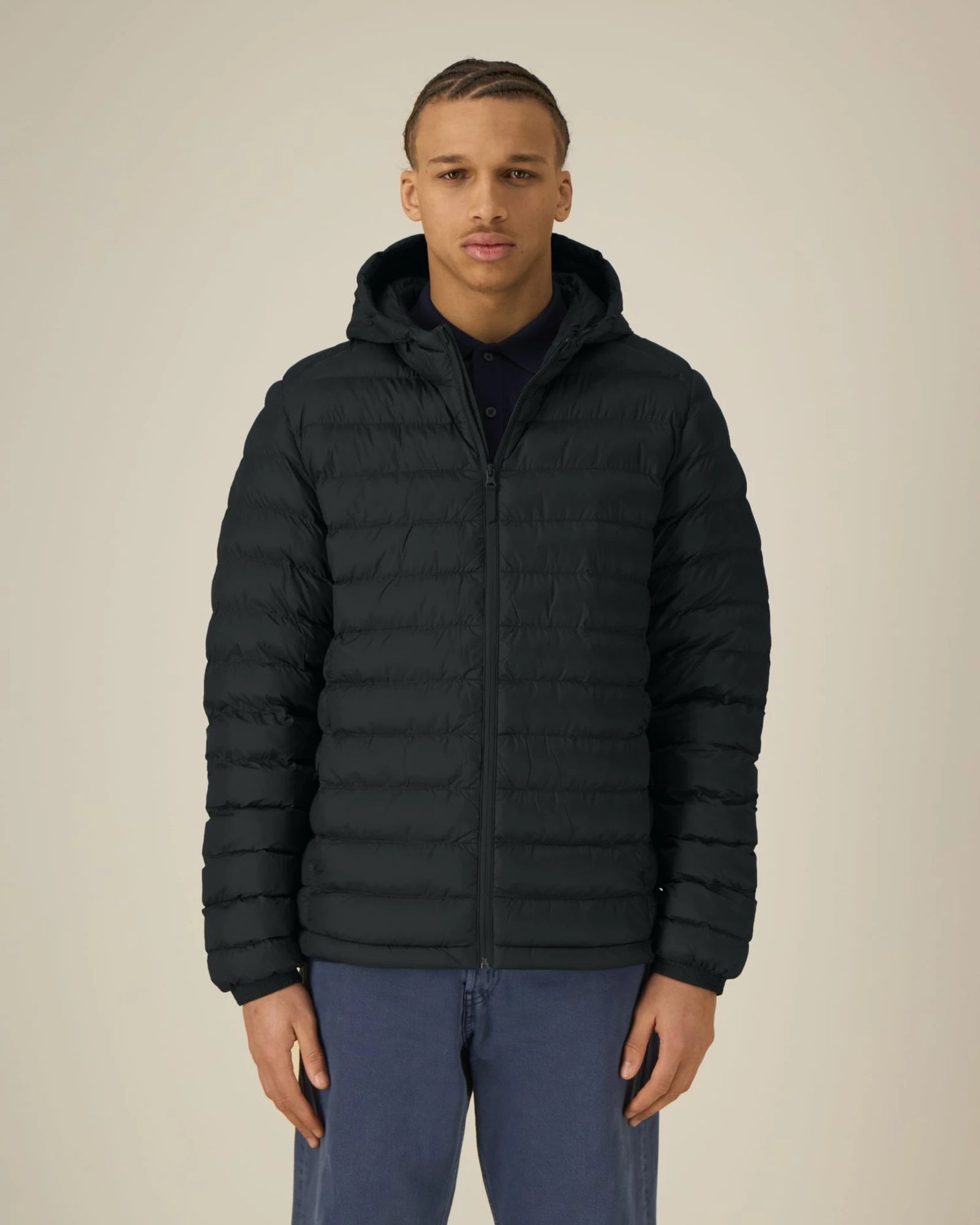


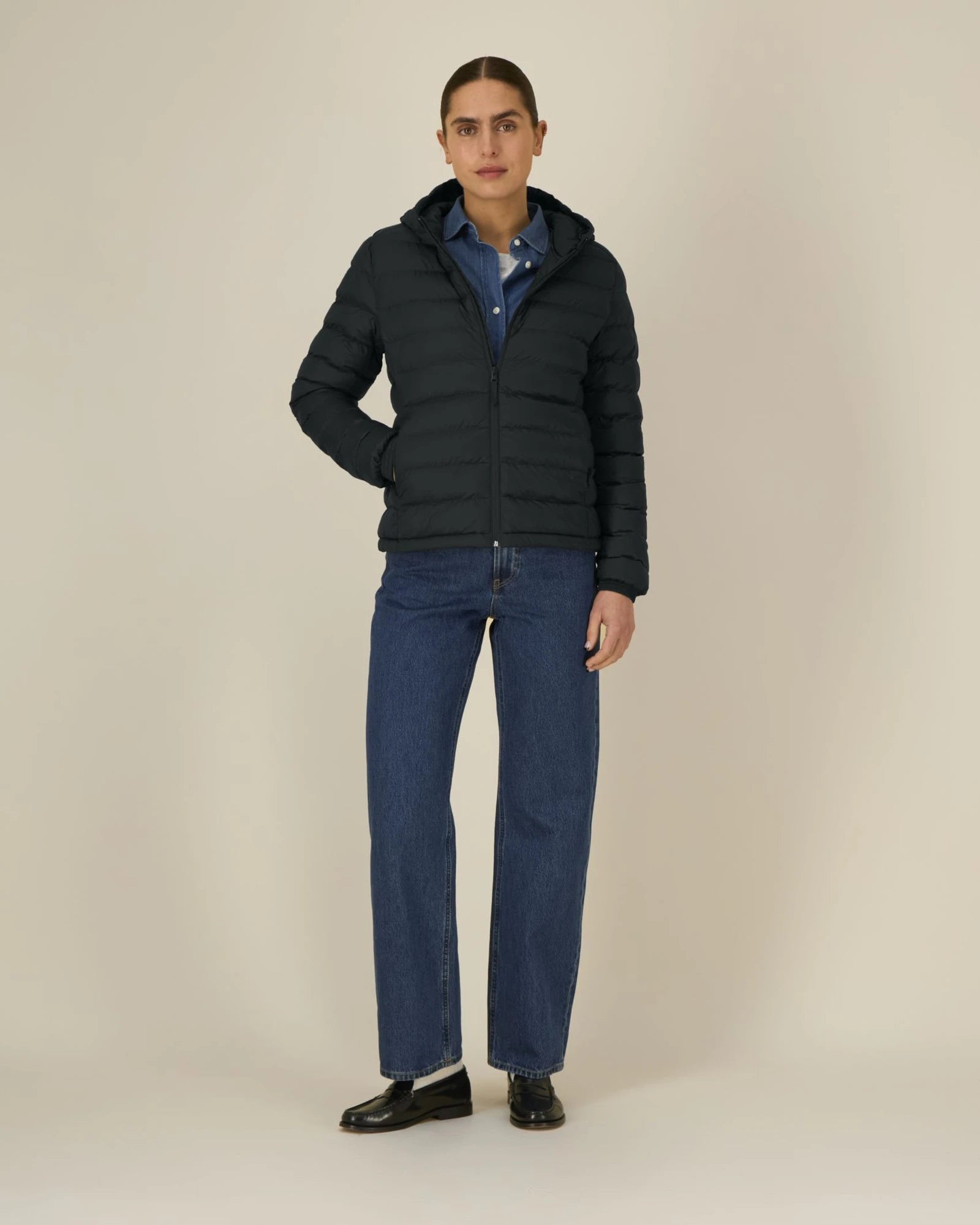


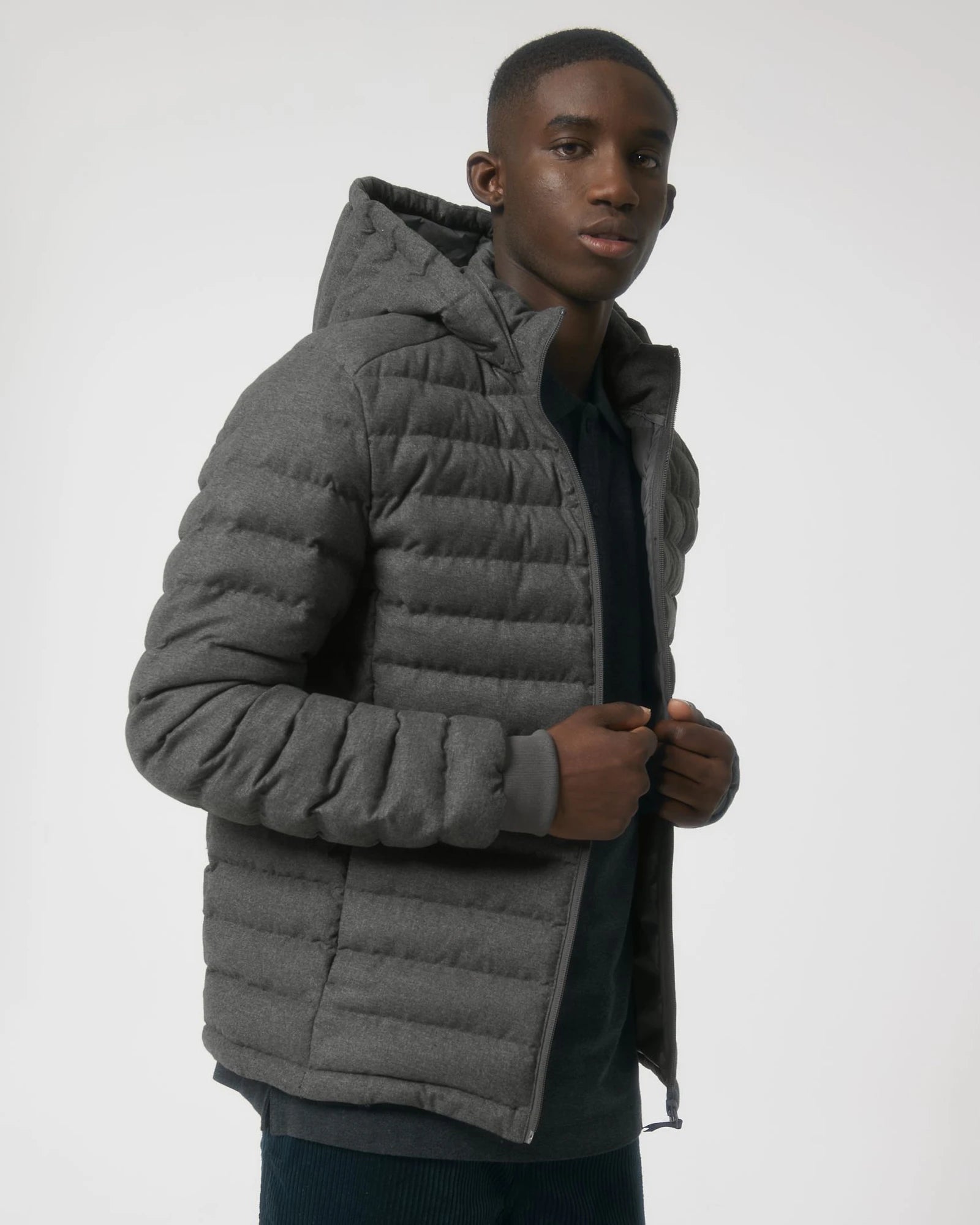


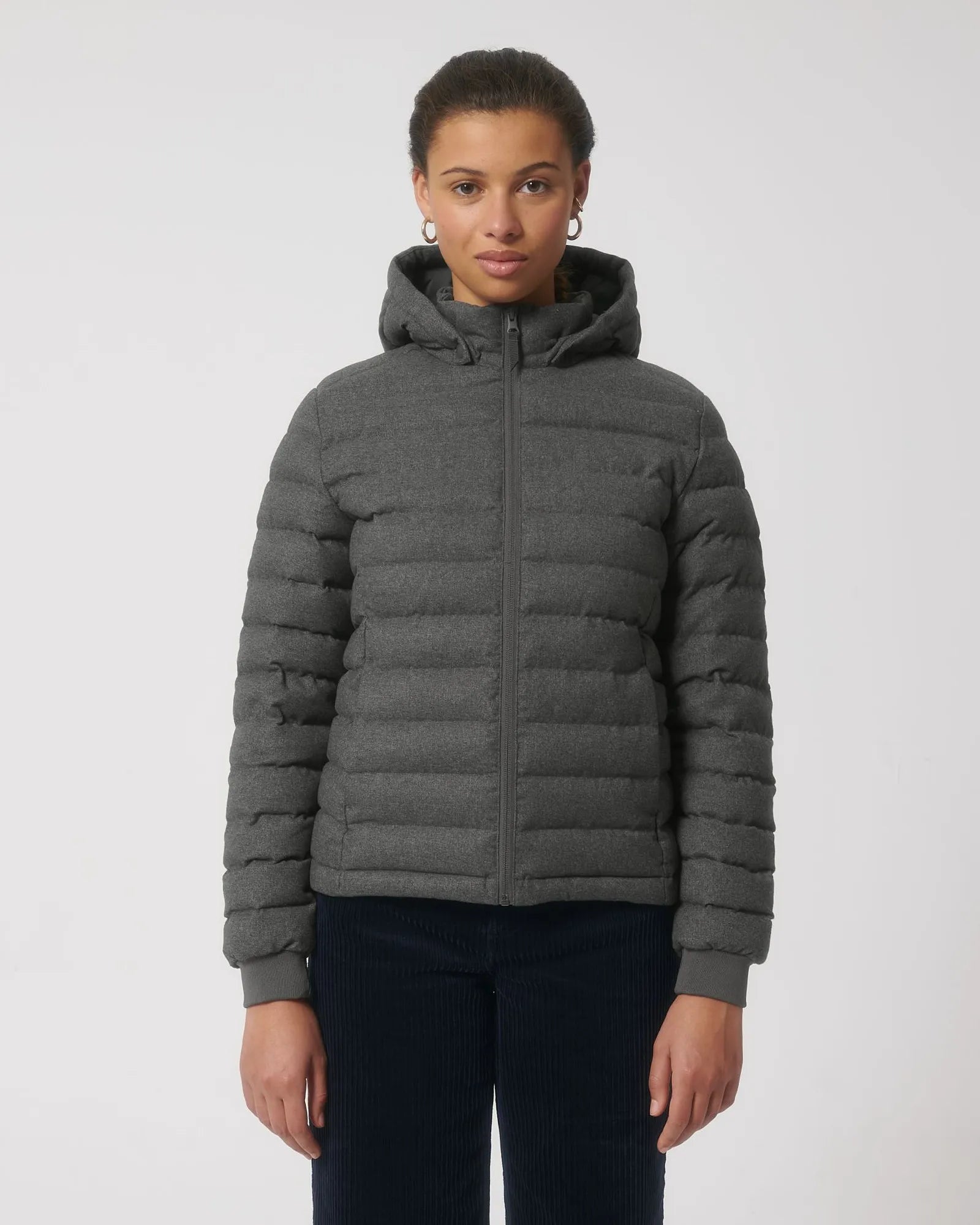


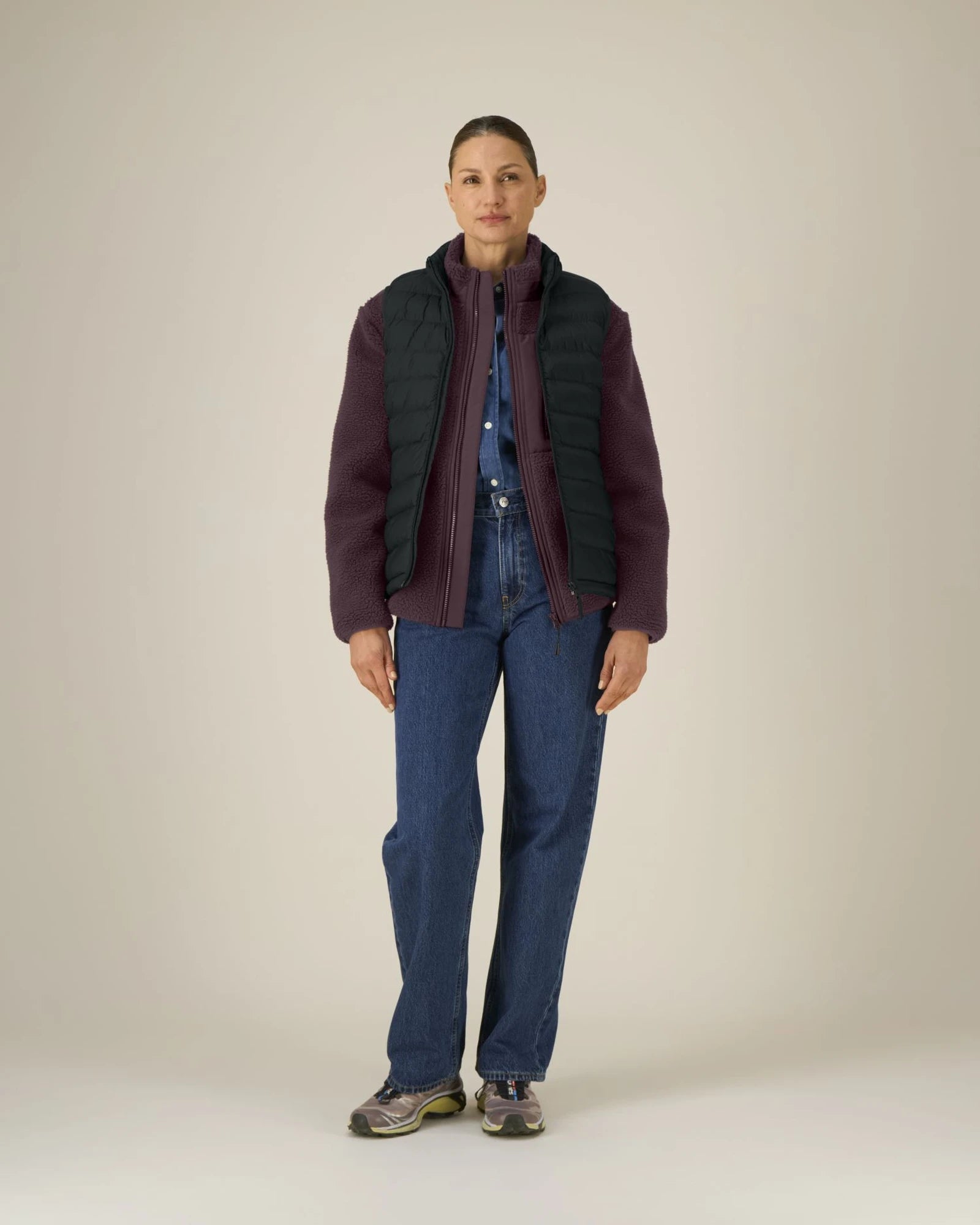


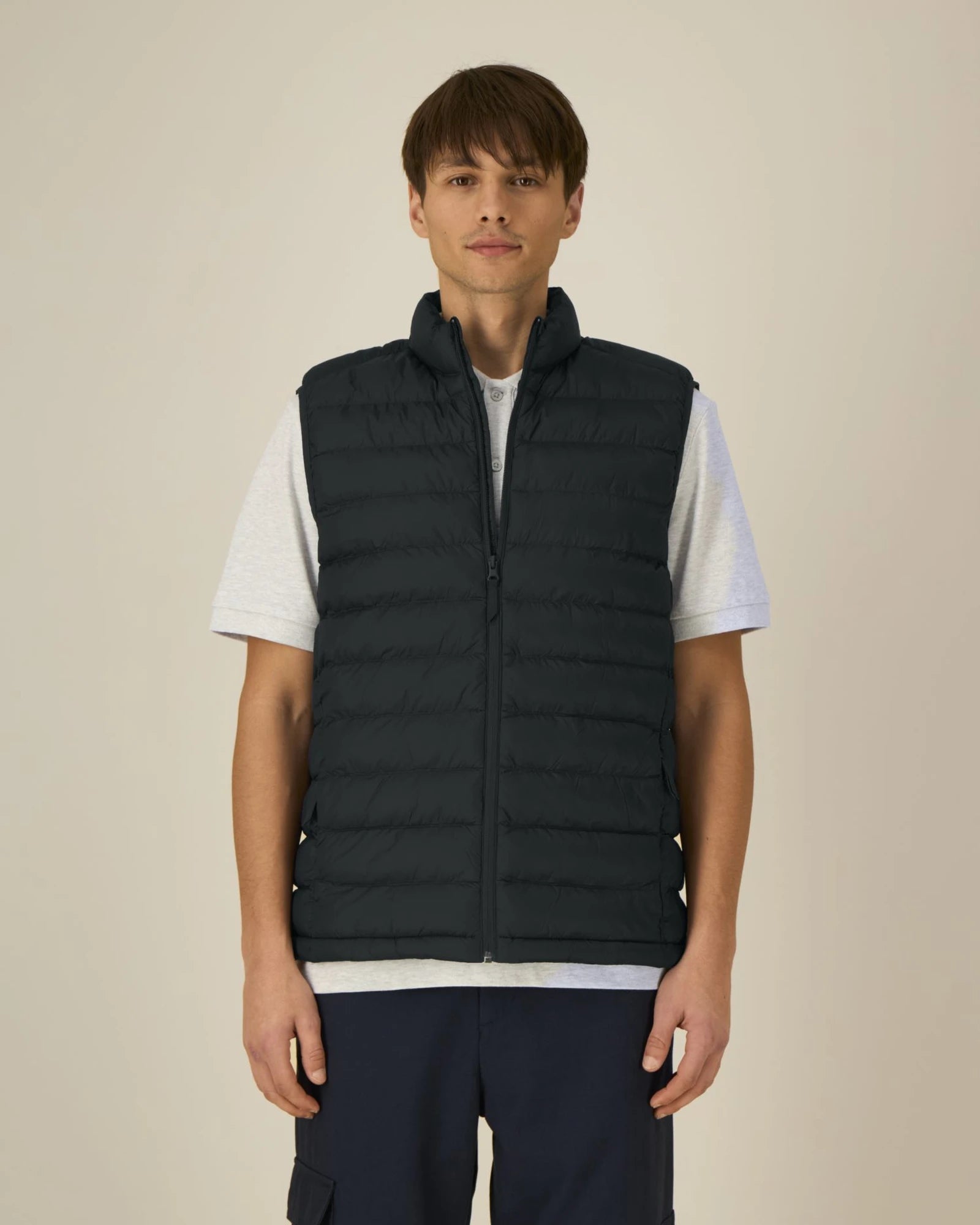


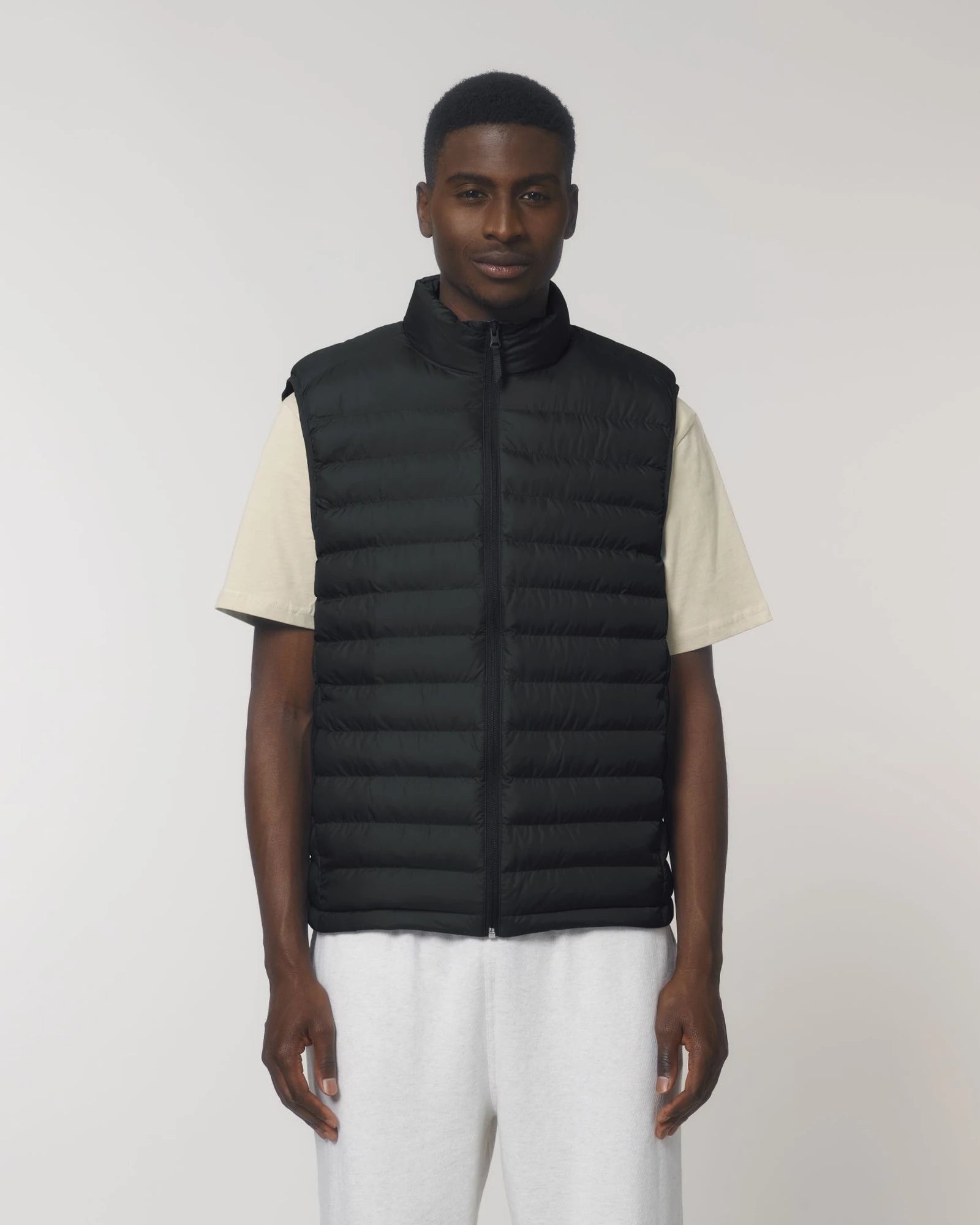


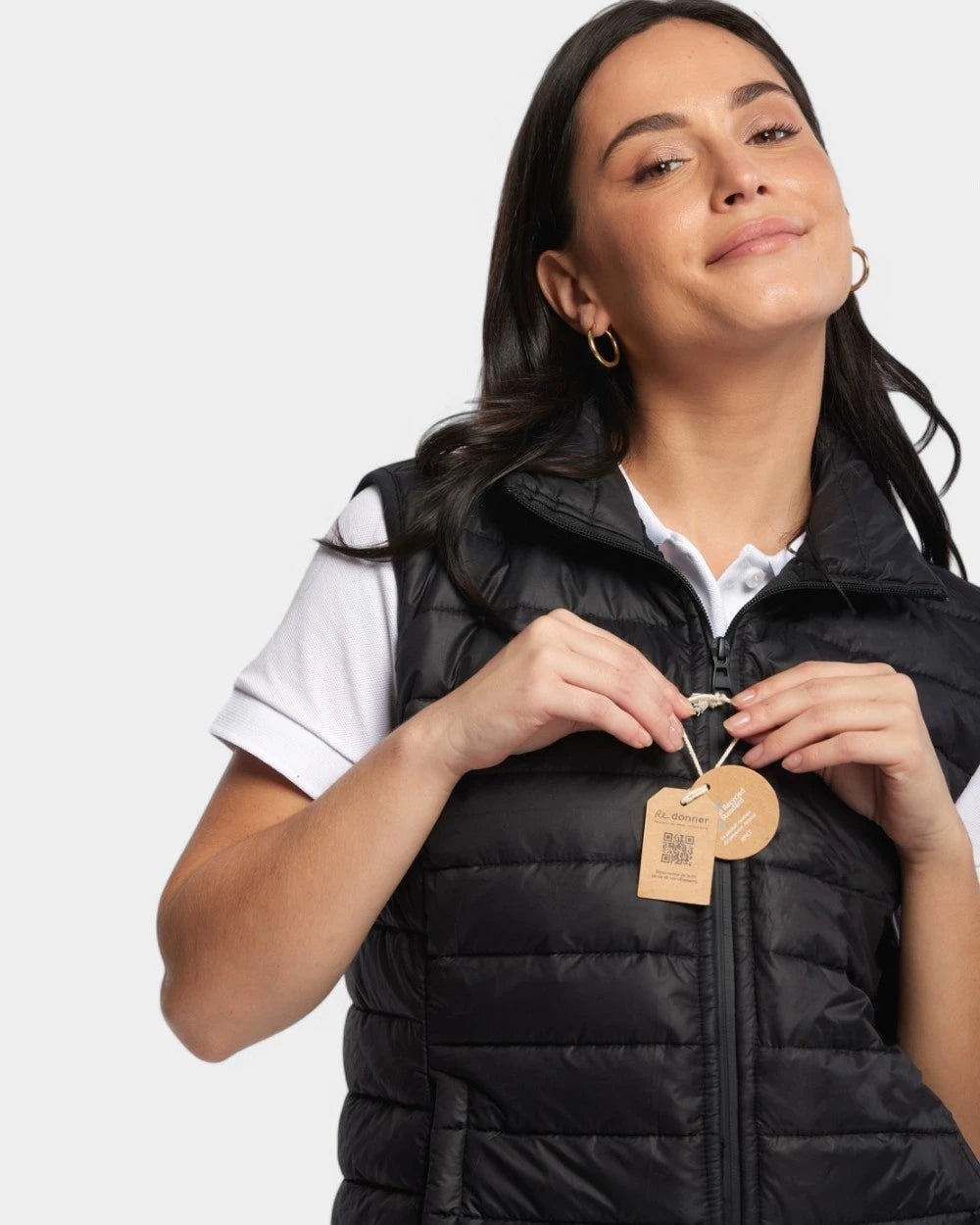


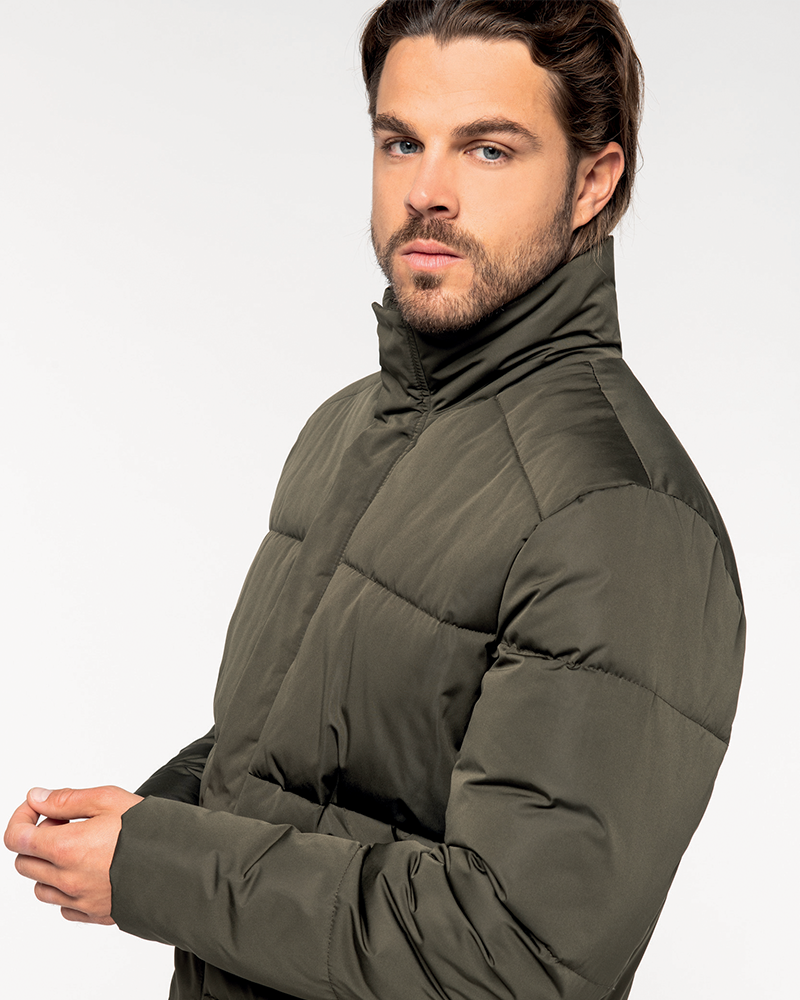


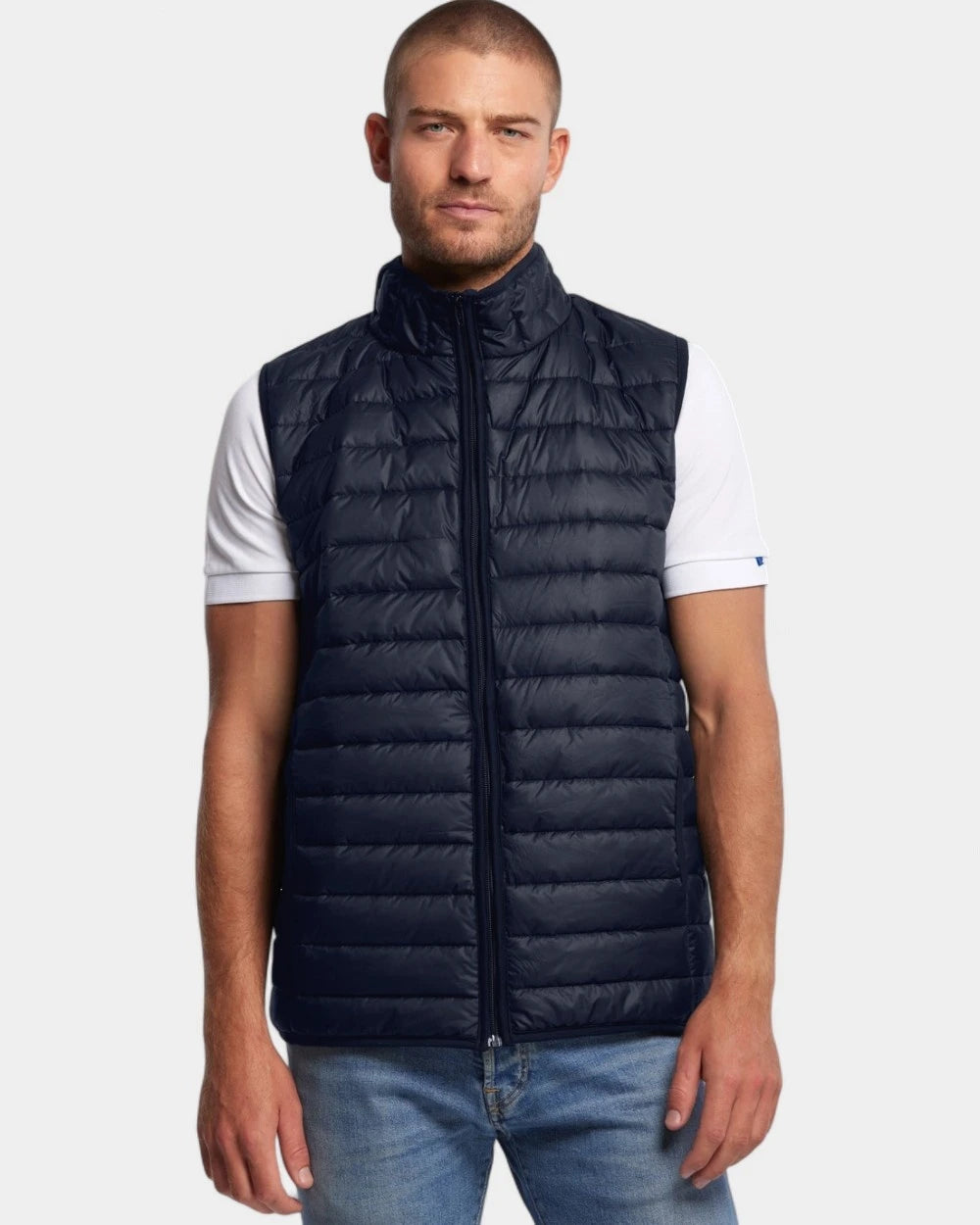


Treat your clients and employees!

FAQ - Branded Padded Jackets
Trusted by 1,000+ companies
What makes promotional puffer jackets warm: fill, loft and baffles
Warmth in promotional puffer jackets comes from loft, the trapped air the insulation holds, not from the fabric itself. Two fills do the work. Down (a goose or duck under-plumage) gives the best warmth-for-weight and packs down small. Synthetic fill, usually recycled polyester wadding, keeps insulating when damp and washes harder, which suits outdoor staff. The fill sits inside baffles, the sewn channels that stop it shifting to the hem.
Down versus recycled synthetic fill in your personalised padded jackets
The choice between down and synthetic shapes the weight, the price band and the wash routine of your padded jackets. Down is rated by fill power, roughly 550 to 800 on the garments we see most. A higher number means more loft per gram and a lighter coat for the same warmth. Recycled synthetic wadding is quoted in grammage instead, commonly 80 to 300 gsm, and is the sensible pick for site crews who will hose mud off the shell.
| Fill type | Warmth measure | Best for | Wash behaviour |
|---|---|---|---|
| Goose/duck down | Fill power 550-800 | Corporate gifts, events, packable layers | Specialist wash, slower dry |
| Recycled polyester wadding | Grammage 80-300 gsm | Outdoor staff, daily uniform | Machine wash, fast dry |
| Down-touch blend | Hybrid loft | Mixed indoor-outdoor teams | Easy care, mid weight |
Where a recycled content figure matters to your tender, it is printed on the individual model's spec sheet rather than promised across the range. Embroidered gilets follow the same fill logic without sleeves, which suits warehouse pickers who need free arms over a base layer.
Baffle and quilt construction in personalised padded jackets
The stitch pattern you see on the front of promotional puffer jackets is structural, not decorative. Horizontal box baffles are the classic puffer look and hold loft evenly across the chest. Diamond and channel quilting use shorter seams, which flatten the loft slightly but give a smarter, less sporty finish for a boardroom or a hotel front desk. Sewn-through baffles are lighter and cheaper; box-wall baffles trap more air but cost more to make.
Tighter quilting changes how decoration behaves, because every seam is a ridge your embroidery has to cross. A flat-quilted chest panel takes a logo far more cleanly than a deep box baffle, so the quilt pattern and the branding plan are decided together, not in sequence.
Water-resistant shells and weatherproofing for promotional puffer jackets
Most padded jackets carry a durable water repellent (DWR) finish on the shell, which beads off light rain and melting snow but is not a sealed waterproof. For staff standing out in sustained weather, look for a coated or taped shell rated by hydrostatic head, often 1,000 to 5,000 mm on insulated outerwear. A car-park marshal in January needs a higher rating than a delegate walking from a taxi to a venue door.
Embroidered softshell jackets handle wind-and-shower duty when full insulation is overkill, so pairing the two lets you kit a mixed team without over-specifying everyone into a heavy puffer.
Packable versus heavyweight branded puffer jackets
Padded jackets split into two jobs. A packable, lightly-filled jacket folds into its own pocket or pouch, weighs little and travels in a delegate bag, which makes it a strong conference or corporate-gift item. A heavyweight, high-grammage jacket with a storm hood and longer body is built to stand still in the cold for hours, the right call for stewards, groundstaff and forecourt teams. The fill weight, not the brand, tells you which you are holding.
- Packable: under approx. 400g, folds into its own pouch
- Mid-weight: everyday office-to-car-park use
- Heavyweight: 250-300 gsm fill, storm hood, longer back hem
- Hooded versus collar-only by exposure
- Slim corporate cut versus roomy site fit
- Recycled-fill options stated per model
Embroidering through padding: the baffle challenge in branded puffer jackets
Decorating branded padded jackets is harder than decorating a flat polo, and getting it wrong shows. Push a needle straight through loft and the stitches sink, the panel puckers and the logo distorts as the fill compresses unevenly. The fix is a stabiliser backing and a tear-away or cut-away interfacing hooped behind the panel, which gives the thread a firm base and stops the padding swallowing the design. Digitising is tightened too, with a lower stitch density so the baffle is not perforated into a weak seam.
Placement is chosen to land on the flattest available panel: the left chest above the baffle break, a yoke, or a back panel between quilt lines. Embroidered Jackets across our wider outerwear range share these stabiliser methods, so a logo reads consistently whether it sits on a padded chest or a smooth shell.
Print and badge options for promotional puffer jackets
Embroidery is the default on promotional puffer jackets because thread sits proudly above the quilting and survives the wash, but it is not the only route. A woven or PVC badge, applied to a flat patch, carries fine detail and a sharp edge that stitching on loft cannot. Heat-applied transfers work on smoother packable shells but are risky over deep baffles, where the seam ridges stop the press making even contact. For a quick brief, artwork approval comes back within 24 hours so the decoration is signed off before any garment is hooped.
| Method | Works best on | Detail it holds | Watch-out |
|---|---|---|---|
| Embroidery | Flat-quilted chest, smooth yoke | Logos, text, role names | Sinks into deep loft without backing |
| Woven/PVC badge | Any panel, deep baffles included | Fine lines, sharp edges | Adds a stitched-on patch |
| Heat transfer | Smooth packable shells | Full-colour artwork | Uneven press over ridged baffles |
| Tonal stitch | Discreet corporate-gift coats | Subtle low-contrast mark | Reads quietly, not for signage |
Let the panel choose the method. A site team in a deep box-baffle coat is best served by a badge on the sleeve. A gift recipient in a flat-quilted down jacket reads a tonal embroidered chest mark as understated rather than branded merchandise.
Sizing promotional puffer jackets over winter layers
Branded padded jackets are worn over a fleece or a base layer. The size that fits in a fitting room in shorts is often a size too small in use. We advise sizing for the layer underneath, especially on a slim corporate cut where the baffles already reduce the internal room. Embroidered fleeces make the obvious mid-layer under a shell-style padded jacket, and ordering both together keeps the fit predictable across a team. A fleece and a shell sized as a pair removes the guesswork of layering two separate orders. The branded padded jackets then sit cleanly over the mid-layer without pulling tight at the chest. For a working crew that matters more than a fitting-room measurement, since the coat is worn over kit all day.
Colour, fastenings and detailing on personalised padded jackets
Colour does more than look tidy on padded jackets. A dark navy or black hides forecourt grime and reads as uniform, while a brand-bright shell turns a car-park crew into visible signage at a public event. Check the fastenings against the use. A double-ended zip lets a driver sit without the hem riding up, a chin guard stops zip-rub, and elasticated or hook-and-loop cuffs seal warmth at the wrist. Internal pockets that take a radio or a phone matter more to working staff than to gift recipients.
Promotional puffer jackets as winter uniform and outdoor staff kit
A winter uniform built on promotional puffer jackets does two jobs at once. A team of fifty event stewards in matched branded coats reads as one organisation from across a field. The coat is worn through every shift of the cold season instead of being handed out and forgotten. Embroidered names or role titles on the chest turn the same personalised padded jackets into staff identification. That helps at festivals, markets and ski-resort operations where the crew must be picked out fast.
Matching the spec to the role saves both money and complaints. A receptionist who steps outside for a delivery does not need 300 gsm fill. A forecourt attendant standing still for a six-hour shift will not last in a packable layer. The table below maps the common winter roles to the build that suits each, so a mixed-team order can carry two or three specs without becoming three separate purchases.
| Role | Fill weight | Shell needed | Decoration |
|---|---|---|---|
| Event steward | Mid 150-200 gsm | DWR, hood | Back role title, chest logo |
| Forecourt/groundstaff | Heavy 250-300 gsm | Coated, taped seams | Sleeve badge over baffles |
| Office-to-car-park | Light/packable | DWR | Tonal chest embroidery |
| Ski-resort crew | Down or high gsm | Water-resistant, storm hood | High-contrast name and crest |
Branded puffer jackets as corporate gifts and event kit
A packable promotional puffer jacket is a corporate gift that gets used, not shelved. The recipient reaches for it on a cold commute long after the conference banner is down. For a client or top-performer gift, a lighter down or down-touch jacket in a discreet colour, with a small tonal logo, lands better than a loud promotional print. Corporate Gift Boxes let you present that jacket properly, pairing it with a matched accessory for an arrival gift or a long-service reward. A boxed presentation lifts a packable layer from a giveaway to a considered gesture. The branded puffer jackets then arrive as the hero of a set rather than a loose item in a mailer.
Ordering personalised padded jackets ahead of the cold season
Branded padded jackets are decorated to order, so timing follows the embroidery run and the stock check on your chosen base, not a fixed shelf. A typical order ships within three weeks of artwork sign-off, with larger team runs and mixed-size splits adding a little to the schedule. Minimums are low for embroidery, which lets a small outdoor team kit out without a bulk commitment.
Plan the season backwards from the first cold snap, because stock on popular bases tightens through autumn and a mid-November rush leaves crews waiting in the cold. Confirm the size split early too, since a deep run in one size can outpace the rest and hold up the whole delivery. Custom beanies are a quick add to the same order, finishing the cold-weather kit at the head where a padded jacket stops. A beanie shares the embroidery run, so it carries the same logo at little extra setup. The pairing rounds out a crew's winter kit in one brief rather than two.
Use cases for promotional puffer jackets by sector
Different sectors brief promotional puffer jackets for different working conditions, and the build that suits one fails another. Forecourt and fuel retail need a heavy, coated shell for staff standing still in the cold for hours. Events and festivals want a mid-weight coat in a bright shell, so a steward reads as crew from across a field. Construction and groundworks punish the shell, so a recycled synthetic fill that hoses clean beats packable down. Logistics and delivery crews move all day, so a lighter, water-resistant layer keeps them warm without overheating. Hospitality and front-of-house want a slim corporate cut in a discreet colour, where the coat doubles as uniform. The table below maps the common roles to the promotional puffer jackets that fit each shift.
| Sector | Recommended model | Why it fits |
|---|---|---|
| Forecourt and fuel | Heavy 250-300 gsm, coated shell | Stationary staff in sustained cold |
| Events and festivals | Mid-weight, bright shell | Crew visible across a field |
| Construction and groundworks | Recycled synthetic fill | Hoses clean, insulates when damp |
| Logistics and delivery | Light water-resistant layer | Warm on the move without overheating |
| Hospitality front-of-house | Slim corporate cut | Discreet uniform, tonal logo |
How we decorate your branded puffer jackets without compromising the product
Decoration on personalised padded jackets is harder than on a flat polo, because every baffle is a ridge the logo has to cross. We protect the loft and the warmth first, so the marking method never weakens the panel it sits on. Embroidery runs on a stabiliser backing hooped behind the chest, with a reduced stitch density so the needle does not perforate the baffle into a weak seam. On a deep box-baffle coat we move to a woven or PVC badge on a flat patch, which holds fine detail that stitching on loft cannot. Each method is matched to the quilt depth before artwork, since a flat-quilted yoke and a deep baffle behave very differently under the same machine.
Placing the logo on promotional puffer jackets without sinking the stitch
Powered or weatherproofed lines carry an extra rule. A heat-applied transfer can lift over a ridged baffle where the press cannot make even contact, so we reserve it for smoother packable shells. We place the logo on the flattest available panel, the left chest above the baffle break, a yoke or a back panel between quilt lines. That keeps the loft intact and the mark crisp, so the branded puffer jackets read as deliberate kit rather than overprinted merchandise. Where a shell is fully coated for weather, we confirm the decoration will not break the water-resistant finish before any garment is hooped.
Matching the method to the quilt depth on personalised padded jackets
The quilt pattern and the branding plan are decided together, never in sequence. A flat-quilted chest panel takes a logo cleanly, while a deep box baffle needs the badge route or a move to the sleeve. We confirm the panel geometry of your chosen base before artwork, so the decoration suits the coat rather than fighting it. That single check is what stops a logo distorting once it crosses a baffle line.

