

Branded Waterproof Jackets
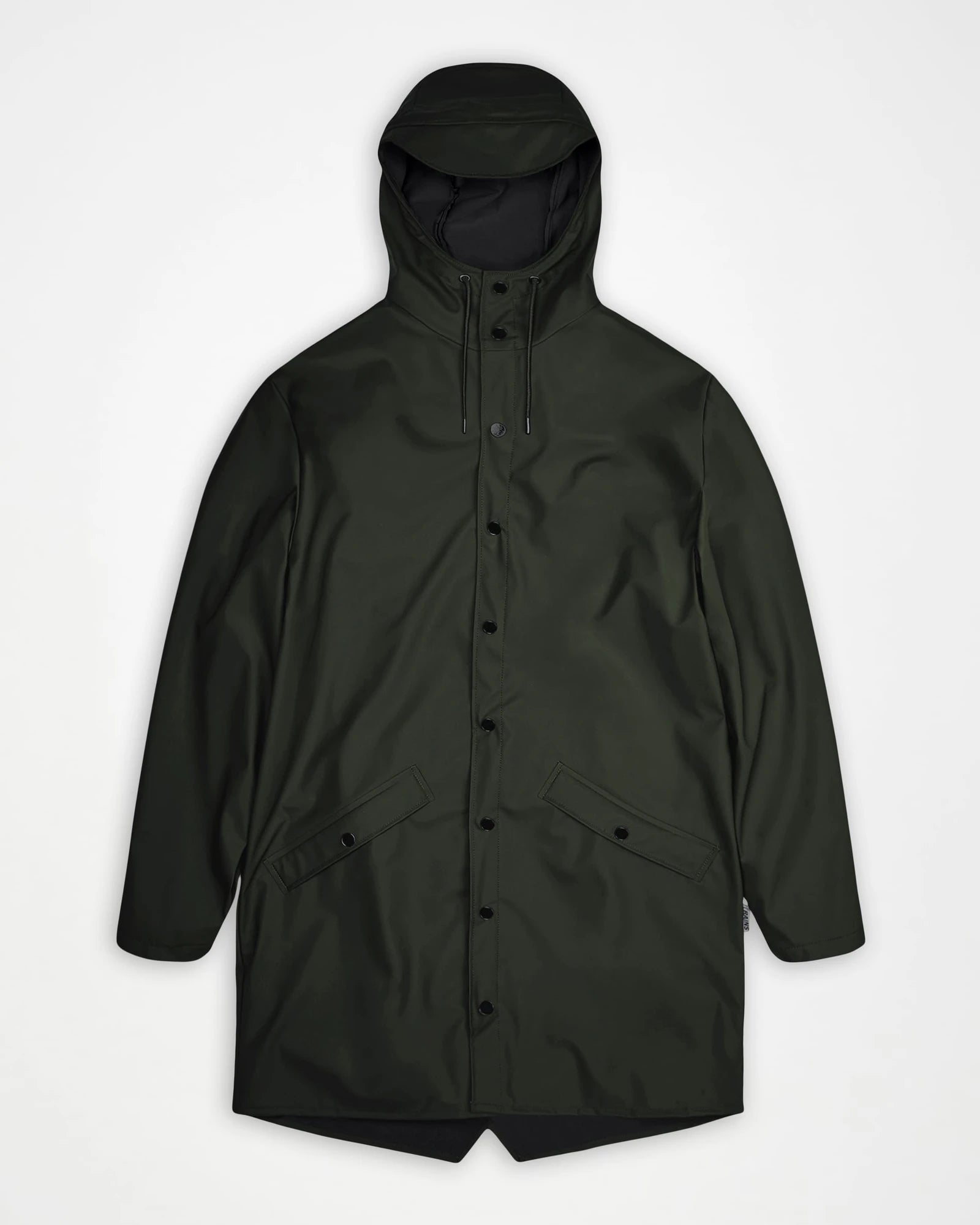


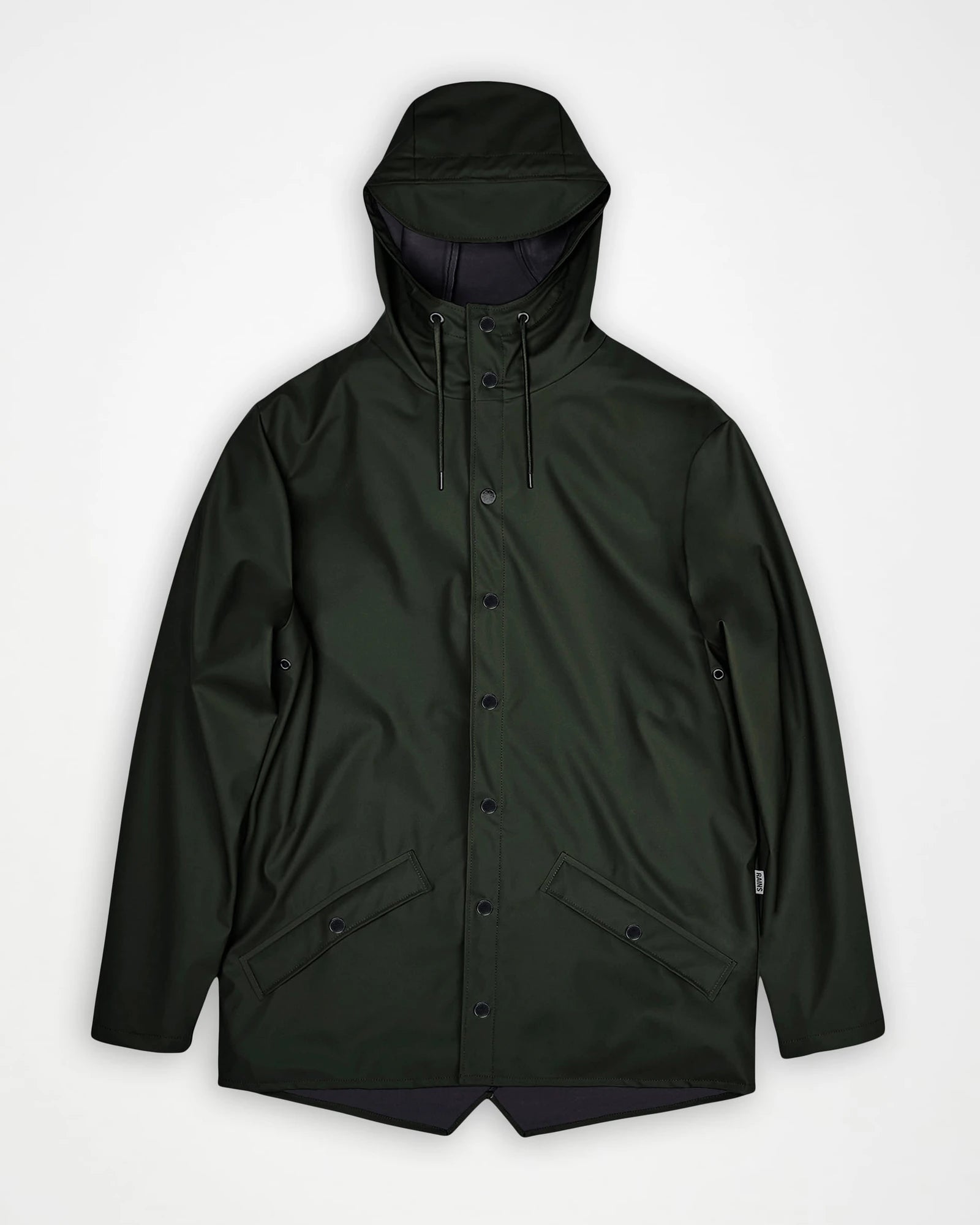


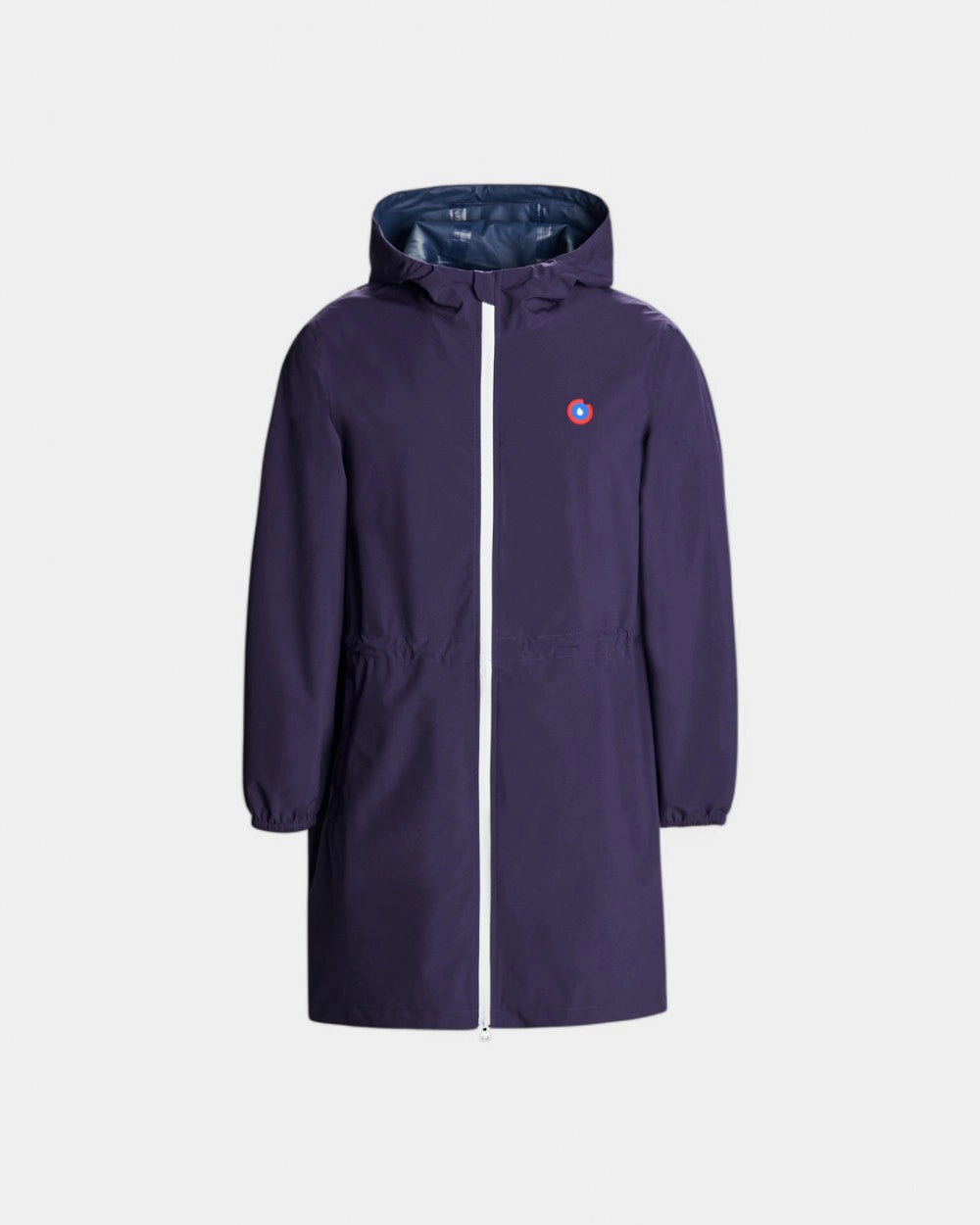


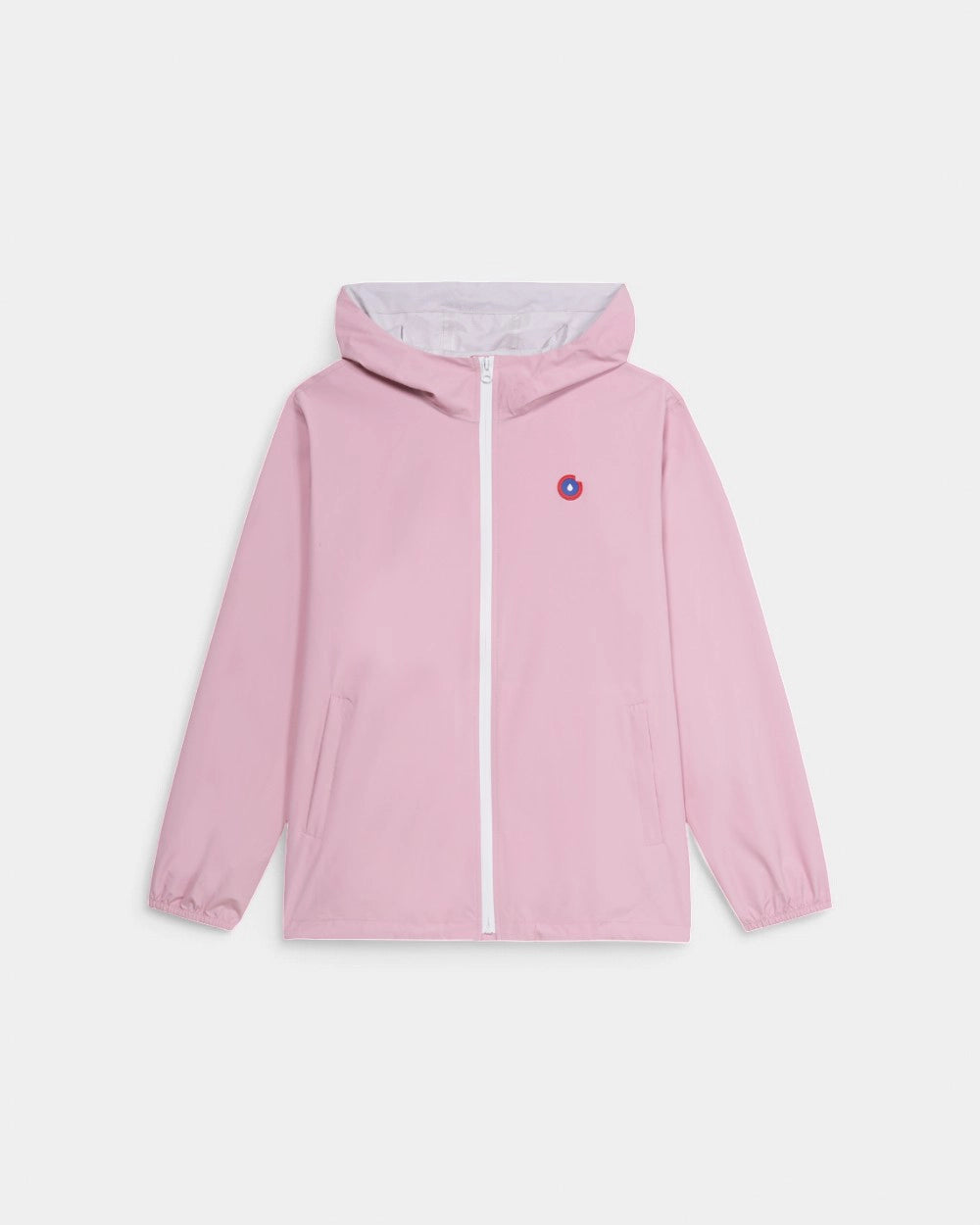


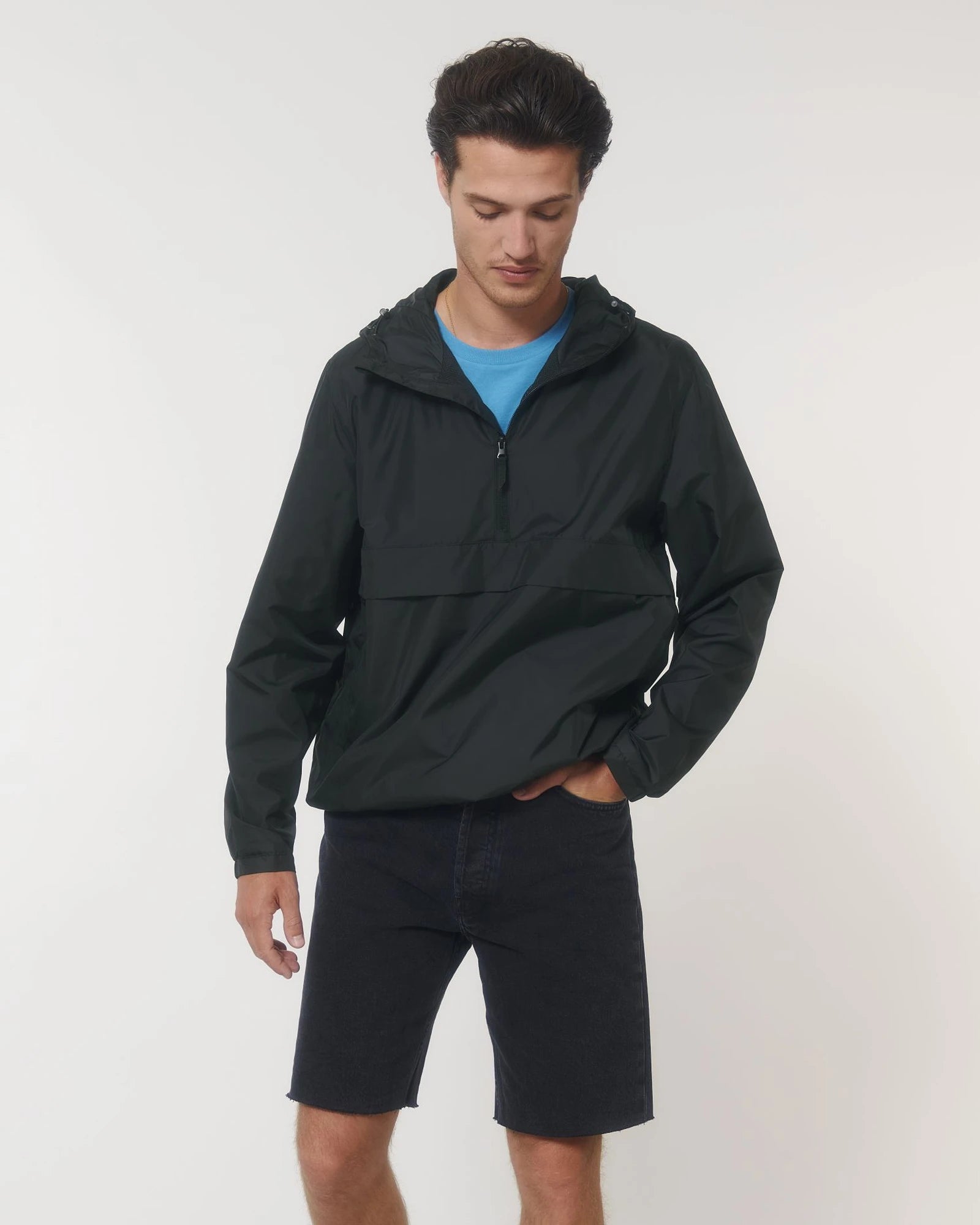


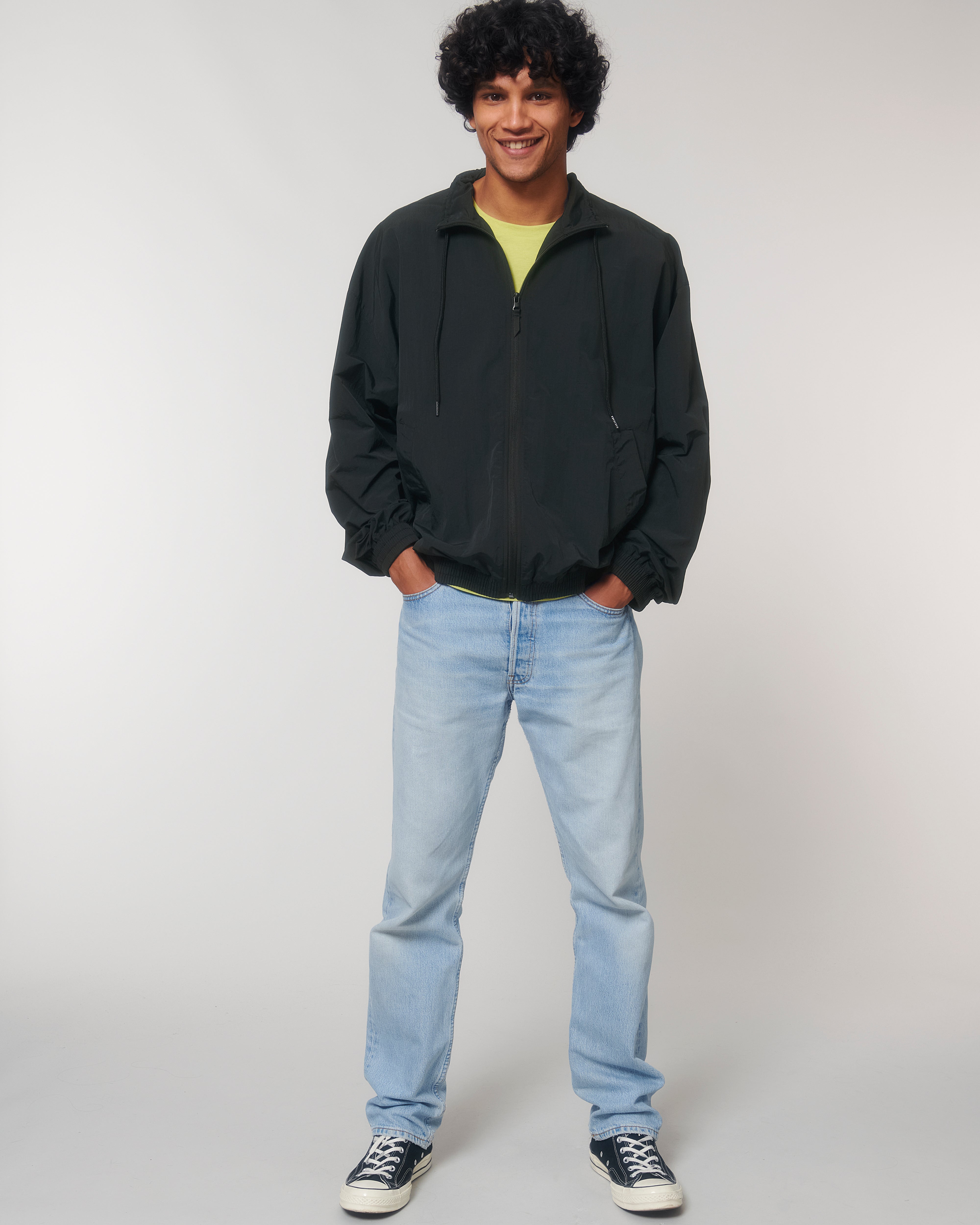


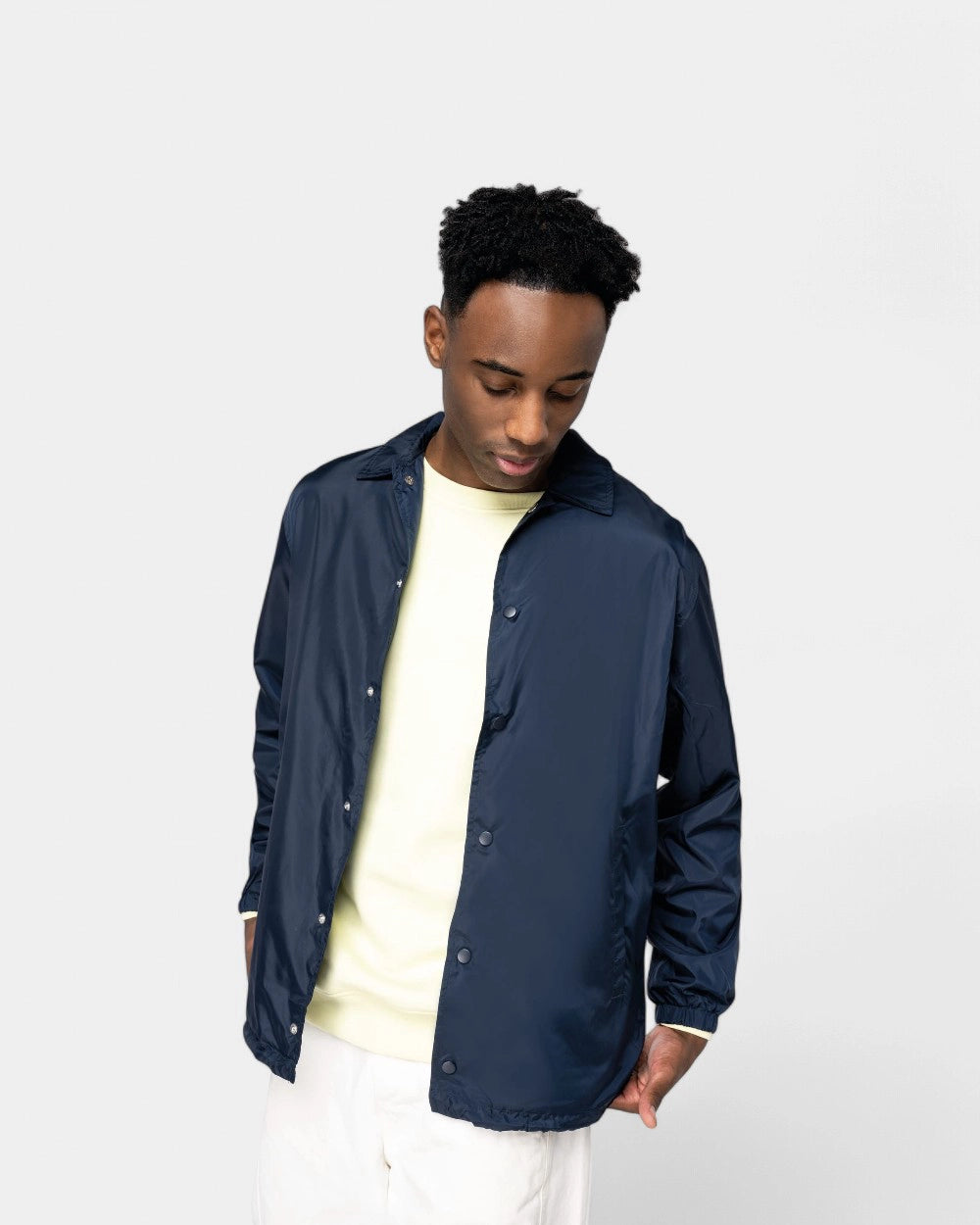


Treat your clients and employees!

FAQ - Printed Rain Jackets
Trusted by 1,000+ companies
What sets packable branded rain jackets apart from a heavy coat
These shells carry no insulation, by design. Branded rain jackets in this range are single-skin or 190T-backed waterproofs, frequently tipping the scales under 250 grams. It is made to live in a bag all summer and appear the instant it spits. A roving steward, an open-top guide and a fun-run helper all chase the one outcome: dry, with nothing extra to lug.
Weight and fold drive nearly every order on this page. A decent shell crushes into its own chest pocket or a sewn pouch no bigger than a clenched hand. That means a carton of 500 stacks tiny on a pallet, and a guest can hook one onto a bag strap and forget it. The collapse-to-nothing trick is exactly why these outsell heavier outerwear for handouts.
For a warmer range built to stand out all winter on a fixed post, Embroidered Jackets cover the softshell and padded end. The shell on this page is the throwaway-feeling, never-thrown-away layer that hides in a glovebox or a bumbag until needed.
Reading a low-weight rating on branded rain jackets: hydrostatic head
Waterproofing reads as a hydrostatic head in millimetres, the water-column pressure the cloth resists before it weeps. On a giveaway shell the figure is deliberately modest, because every extra millimetre of resistance tends to add coating weight a guest has to carry. A typical promo kagool lands near 2,000 mm, which sheds a passing shower and a light steady fall without bulking up the garment.
For a packable handout, the trade is weight against protection, and most crowds sit at the light end. Lift to 5,000 mm only where a steward holds an exposed gate through a wet afternoon, and accept the shell grows a touch heavier and folds a fraction larger. Spell out how long the wearer is out, and we pitch the rating to keep the pack-down small.
Most ranges quote the figure as a maker's spec on the tech pack, not a lab certificate. The recycled content, where a base carries it, is listed line by line on that same sheet. We read you the number straight off it rather than rounding a claim upward.
| Rating | Approx. shell weight | Suits the giveaway role |
|---|---|---|
| 1,500-2,000 mm | Around 150-200 g | Festival and welcome-pack handouts |
| 2,000-3,000 mm | Roughly 200-250 g | Tour guests, short steward shifts |
| 3,000-5,000 mm | Near 250-320 g | Marshals on a wetter afternoon |
| 5,000 mm and up | Over 320 g, folds larger | Staff out a long exposed shift |
Sealing the joins on thin packable personalised rain jackets
Why bare seams leak on coated branded rain jackets
A run of stitching pierces the face with a row of needle holes, so a 2,000 mm cloth with bare joins still lets water creep in at the shoulders. A genuine waterproof shuts those holes with heat-welded tape on the inside. On a lightweight shell the tape itself adds grams and a touch of stiffness that resists the fold. The lighter the build, the more that trade-off bites.
Fully taped and critically taped split the range. Critical taping seals just the nape and shoulder line to keep the shell cheap and feather-light; fully taped seals the lot at a small weight cost. For a handout that meets the odd shower, critical taping keeps the pack-down tiny. For a crew out all day, ask for the fully taped base and accept it folds a shade bigger.
We flag which bases are truly taped and which are water-repellent only, since the word waterproof drifts loosely across the cheapest stock. On a giveaway carrying thousands of units, that distinction shifts both the protection and the per-shell weight you ship.
The roll-away hood and the pack-down details on branded rain jackets
The hood is what a guest grabs at when the first drops land, so its fold behaviour matters as much as its fit. The best promo shells tuck the hood into the collar and pin it with a stud or a zip. The jacket then reads tidy folded away and snaps out in seconds. A loose flapping hood adds bulk to the pouch and catches on a bag.
Drawcord hems and elasticated or stud cuffs stop a gust ballooning the shell, the gap between dry and drenched at a clifftop viewpoint. A half-zip pullover cut crushes smaller into its pouch, while a full-zip throws over a uniform quicker mid-shift. Which cut you pick comes down to whether pack size or speed of wear leads the brief.
Underarm vent eyelets let heat bleed off a non-breathing coated shell, a small touch that keeps a walking helper from stewing inside the waterproof on a muggy, showery day.
The print board: why packable custom kagools work as moving signage
The clean back board on personalised rain jackets a sponsor pays for
These shells get printed rather than stitched because of the back. A rain jacket offers one broad, flat, uncluttered board between the shoulders, near 30 by 30 cm of open space, that carries clear from across a field. No pocket, no zip and no join chops up the artwork. That clean board is the commercial reason a sponsor orders by the pallet.
A wet music festival makes the case plainly: 300 stewards in bright shells weaving a crowd turn every back into signage the cameras catch in the rain. The board reads where a paper banner has already pulped, and it folds away to nothing the moment the sun returns. Tourism boards and sponsors buy these precisely for that crowd-facing reach.
Screen print and transfer both take to coated polyester, though the method tracks the face. A thin PVC-coated surface wants a heat-pressed transfer or a low-cure print that will not crack when the shell crushes into its pouch a hundred times over. We cure-test on your exact base before the run, so the artwork survives repeated stuffing.
| Position | Typical size | Best for |
|---|---|---|
| Full back | 28-32 cm | Stewards, sponsor signage |
| Left chest | 7-9 cm | Brand mark, subtle |
| Sleeve | 5-7 cm | URL or campaign hashtag |
| Hood or nape | 4-6 cm | Small secondary mark |
Personalised rain jackets for festivals and outdoor events
Festivals and county shows are where this product lives. A run of branded rain jackets in a sponsor colour dresses a whole steward team and rides out a washout weekend that pulps paper signage. The shell folds to a fist between gates, so a crew totes a pocketful of spares for soaked guests without a bulky box to carry.
Open-top bus tours and walking-tour firms press these on passengers when the weather flips, branded so every guest becomes a roving advert through a wet city. Branded ponchos cover the cheapest single-use end of the same job, yet a proper rain jacket gets kept and reworn long after a poncho hits the bin.
Event roles split the buy more than purchasers expect. A roving steward wants the lightest packable shell going. A gate marshal wants a fully taped 5,000 mm base. For a fixed-post crew member who holds one spot and barely moves, a packable shell is the wrong tool entirely.
That static crew belongs in a longer, warmer coat. For a long heavy parka that holds a wet post all day, see our Branded parka rather than a giveaway shell.
Custom kagools and rain jackets as a low-cost giveaway and travel gift
The classic custom kagool, the pullover shell that crushes into a tiny pouch, is the budget star of the rain category. Climb the volume and the unit cost slides to giveaway level. A tourism board then tucks one into every welcome pack, or a brand stuffs a goodie bag for a soggy outdoor launch with a layer the guest keeps.
As a travel gift its pull is plain: it weighs almost nothing, clips to a holdall and waits for a holiday cloudburst. Custom bucket hats pair with the kagool for a festival or coach-tour pack that handles sun and rain in a single drop.
Minimums on stock kagools run low. We send a free sample so you can squeeze the pouch, feel the pack weight and judge the print on the genuine coated face ahead of a full drop.
| Event role | Suggested shell | Print lead |
|---|---|---|
| Festival steward team | 2,000 mm taped pullover | Large back board |
| Open-top tour guests | Lightweight packable kagool | Chest plus sleeve |
| Tourism welcome packs | Stuff-pouch kagool | Full back sponsor mark |
| Roving outdoor helper | 3,000-5,000 mm taped | Back plus chest |
Colour and contrast on branded rain jackets
Branded rain jackets fly your colour at full size in low, grey light, which makes the body shade a visibility call. A high-vis yellow or a loud sponsor red carries through drizzle right across a muddy field, while a navy or black shell looks corporate yet melts away in poor light. For crowd work, the brighter body wins every time.
Print contrast keeps the back legible. A white logo on a dark shell, or a dark logo on a bright one, throws furthest, which is the entire aim when the jacket does crowd-facing signage. We quote any recycled figure straight off the model's own data sheet, since that share moves base by base rather than holding across the range as one flat number.
Pack weight, durability and what to ask before you order branded rain jackets
The first number to nail down is the packed weight and pouch size. A shell that folds to a fist ships and stores nothing like one that folds to a loaf. A 500-unit order of true stuff-pouch kagools claims a sliver of the pallet a bulkier coat eats, and that gap lands straight on your delivery bill.
Durability on a thin shell comes down to the coating and the crease. A budget PVC face splits at the fold after a season of stuffing; a polyurethane coating flexes far longer through repeat packing. Tell us how often the jacket gets crammed away and pulled out, and we steer you to a base whose coating outlasts the handling.
- Pin down the packed pouch size and weight before a volume order
- Ask whether the joins are fully or only critically taped
- Check the coating, PU outlasts thin PVC through repeat folds
- Pick a high-vis body shade for crowd-facing outdoor roles
- Cure-test the print on the exact coated base first
- Store the shells loose long-term so the coating will not crease
How many personalised rain jackets to order, and when they ship
Fifty branded shells for a guide team and five thousand kagools for a festival drop are two different operations. A small run hangs on getting the back print razor-sharp on a premium base. A giant drop hangs on stock depth across sizes and a clean, identical print across thousands of folds.
Print setup is a one-off screen or transfer origination, and that fixed outlay thins over every extra shell as the count rises. Reckon on roughly three weeks to deliver printed rain jackets held in standard colours; bespoke sponsor shades or very large multi-size drops widen the window.
For a summer festival season, lock the artwork and the sizing in spring so stock sits ready before the event rush strips the popular bright colours from the shelf.
Caring for branded rain jackets so the coating lasts
A thin coated shell asks for gentler handling than a thick coat. Wash it cool and leave the softener in the cupboard, since it clogs a coated face. Never tumble it on a hot setting, which can lift a transfer and degrade the waterproof face. A quick wipe-down often beats a full wash for a shell that only caught light rain.
Kept folded for years, a coating creases and weakens along the fold lines, so a long-term stock should rest loose rather than vacuum-packed. Branded umbrellas make a natural pairing when guests want cover the wearer would rather not pull on, and a wet-weather giveaway often runs the two together.
Bundling personalised rain jackets into a wider gift or event drop
Branded rain jackets seldom travel alone in a corporate setting. Inside a welcome box or a sponsor pack the shell sits beside sun and travel items, so one drop spans a whole outdoor day. The kagool is the piece a guest actually pockets and keeps once the weather turns against them.
Corporate Gift Boxes hold the packable shell neatly alongside the rest of an event or onboarding kit. The rain jacket then lands as part of a considered gift rather than loose in a mailer envelope.
Specifying branded rain jackets by the role on the day
The fastest way to get a rain jacket order right is to spec it by the job the wearer does. A roving steward and a fixed-post marshal want opposite things from the same garment. A guest who may never unfold the shell wants the lightest pack-down going. A crew member out all afternoon in driving rain wants a fully taped, higher-rated base and accepts the larger fold. Brief us on the wettest hour the wearer meets, not the average forecast.
That single read steers the rating, the taping and the cut together. A pullover crushes smaller for a welcome-pack giveaway. A full-zip throws over a uniform faster mid-shift. A higher hydrostatic head suits an exposed gate while a modest one keeps a handout featherweight. The table below sorts the common event roles so a buyer can match the shell to the shift in one pass.
| Role | Rating | Taping | Cut |
|---|---|---|---|
| Welcome-pack giveaway | 1,500-2,000 mm | Critical | Pullover, packable |
| Open-top tour guest | 2,000-3,000 mm | Critical | Pullover or full-zip |
| Roving steward | 2,000-3,000 mm | Fully taped | Full-zip |
| Gate marshal, long shift | 5,000 mm and up | Fully taped | Full-zip |
Where a crew splits across two of these roles, one order can carry both specs at once, the light handout and the heavier marshal shell, on a single artwork file. We confirm the base, the rating and the print method per role at quote rather than forcing one spec across a mixed team.

