

Branded caps
- Price, low to high
- Price, high to low
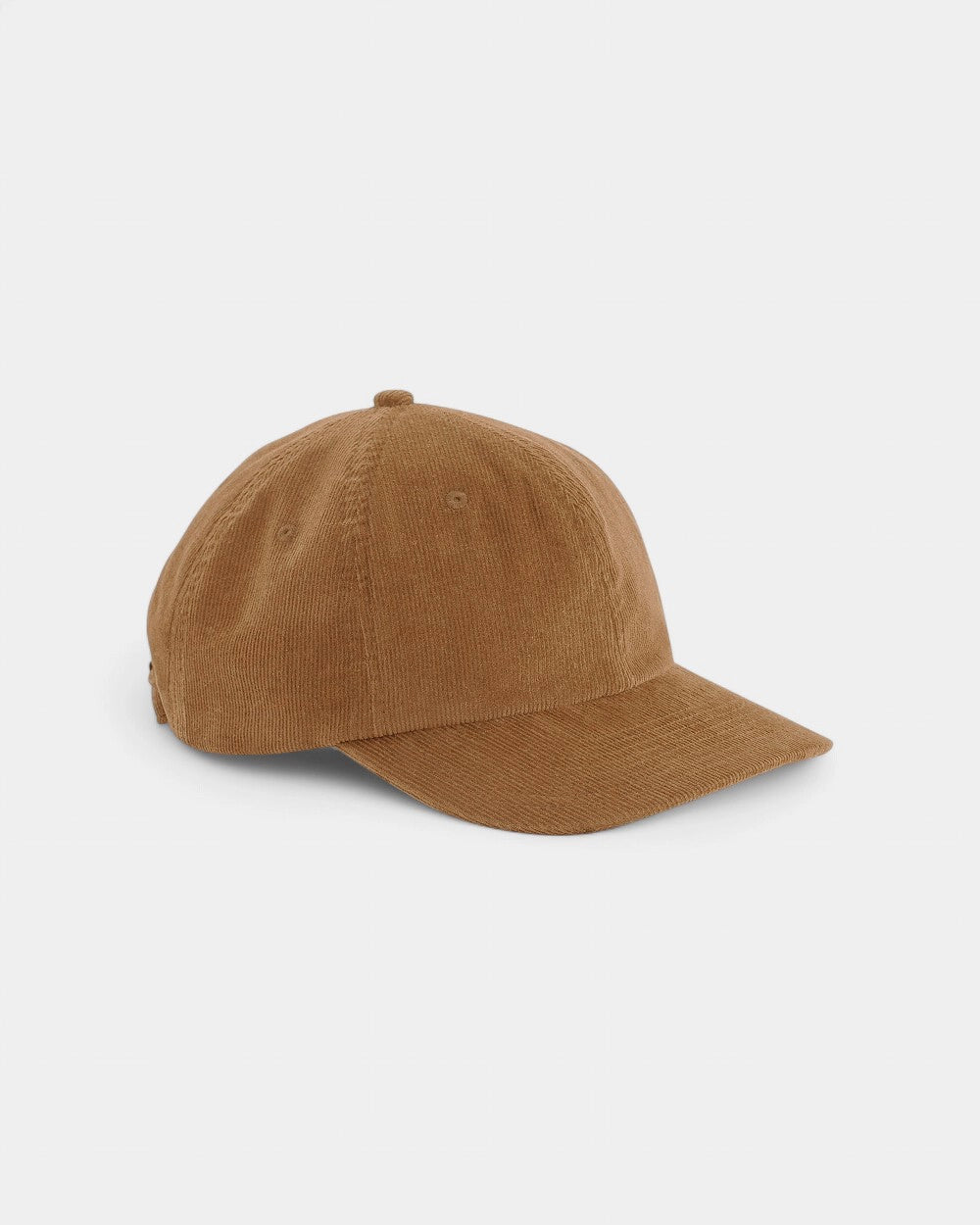


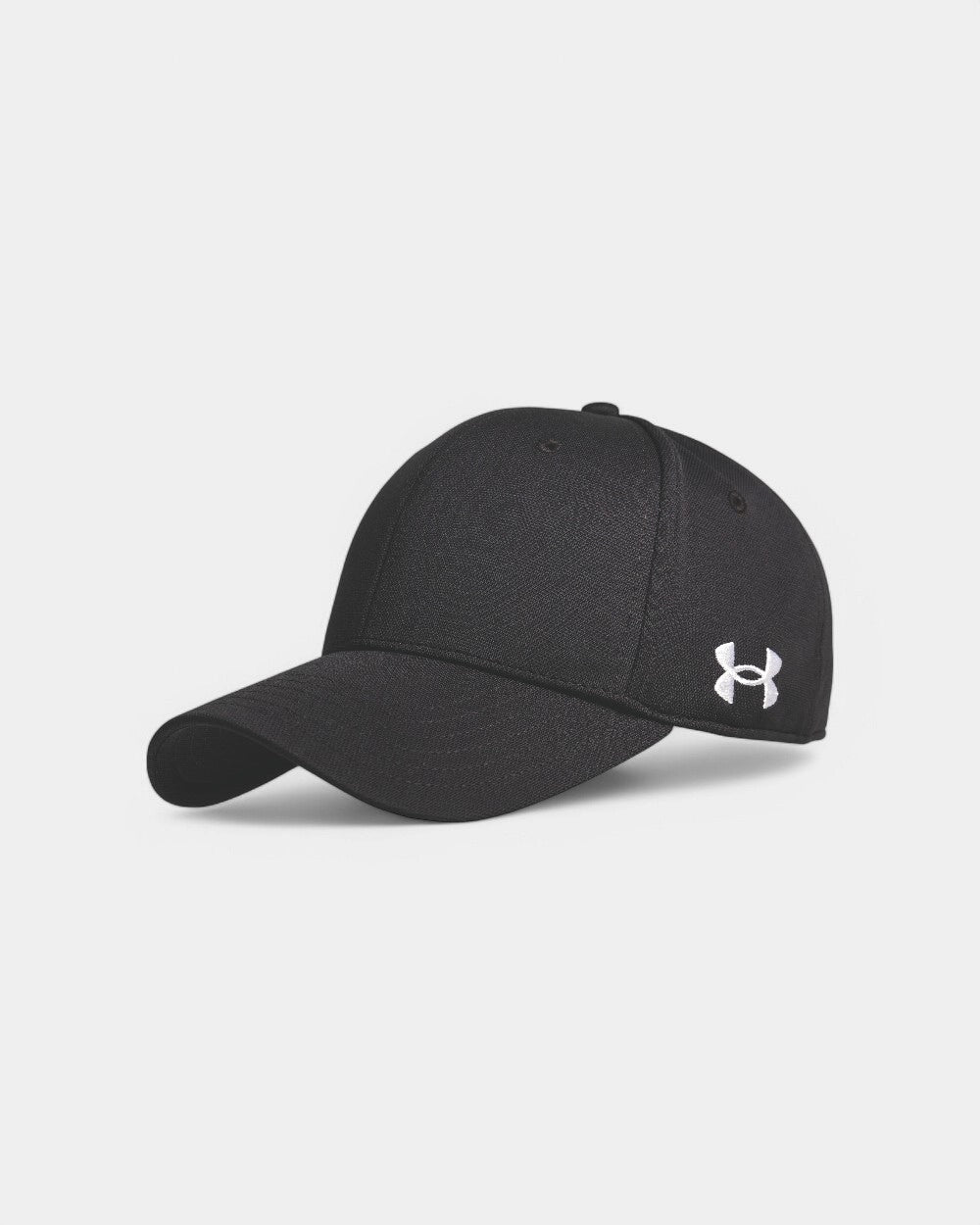


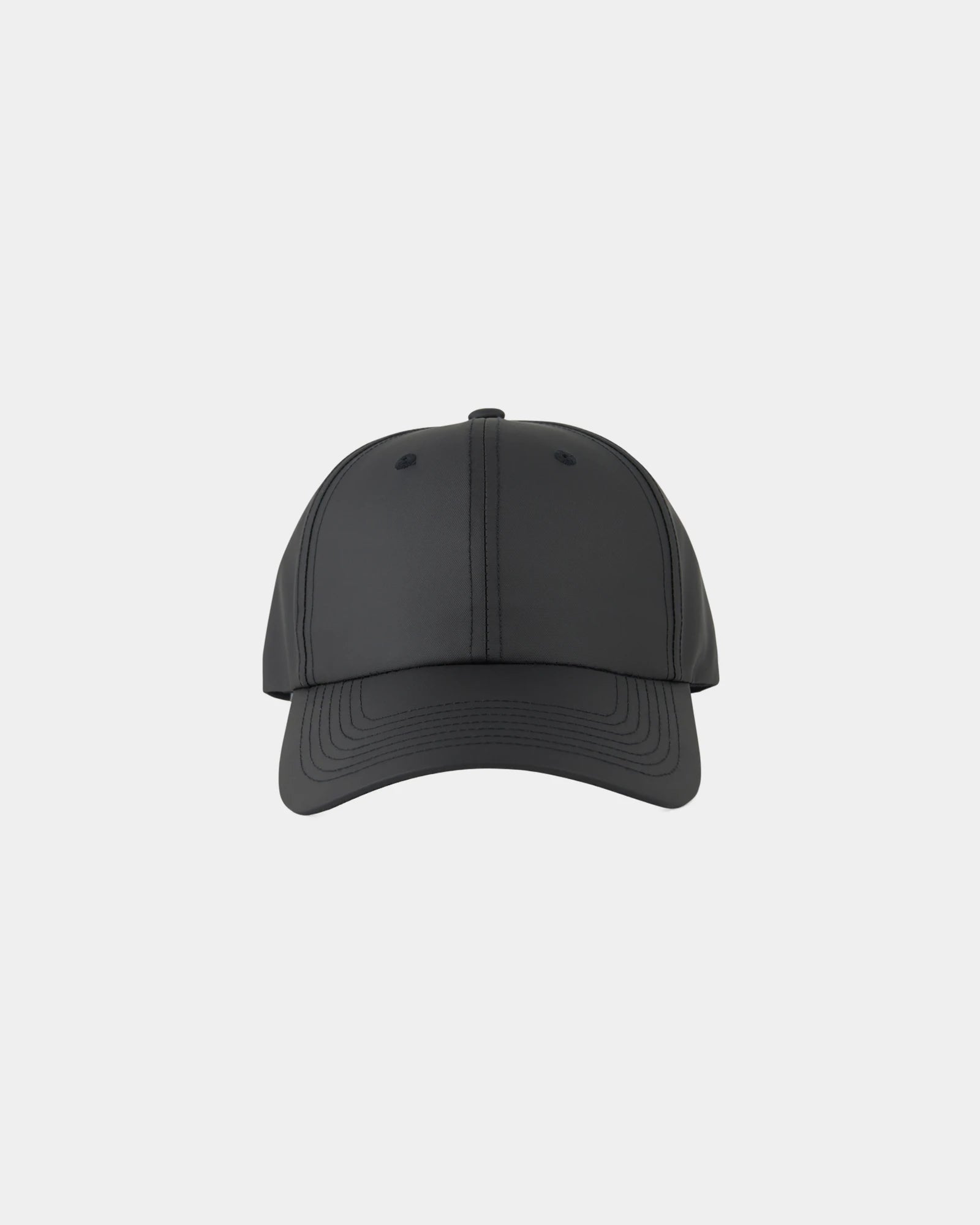


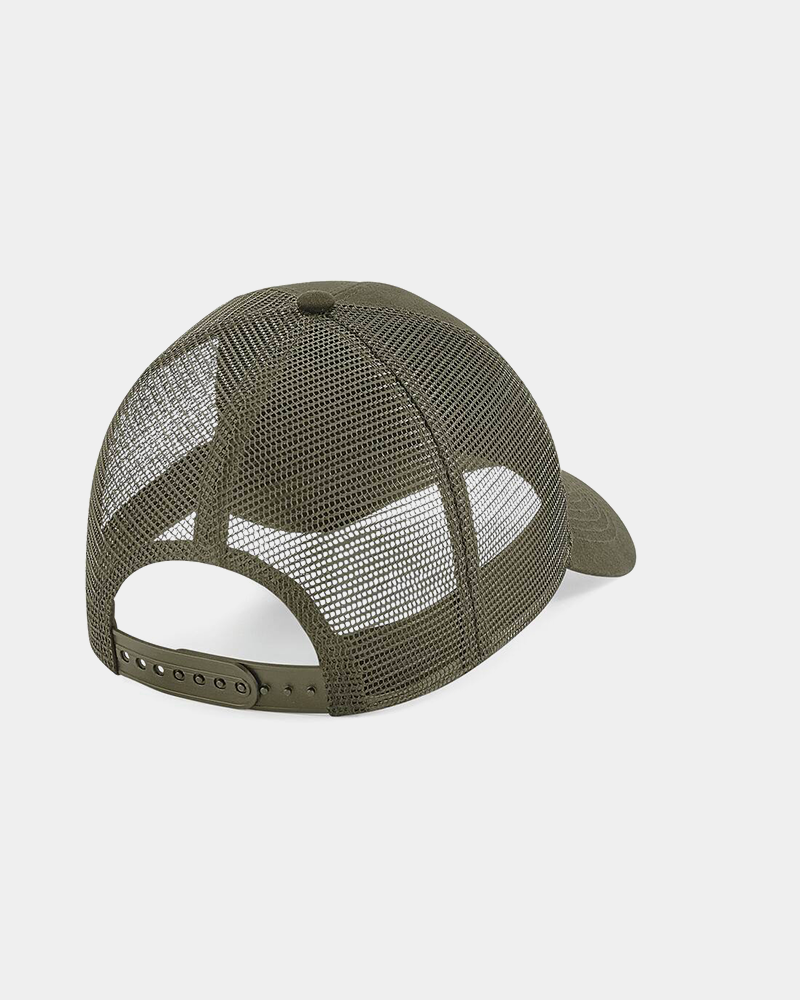


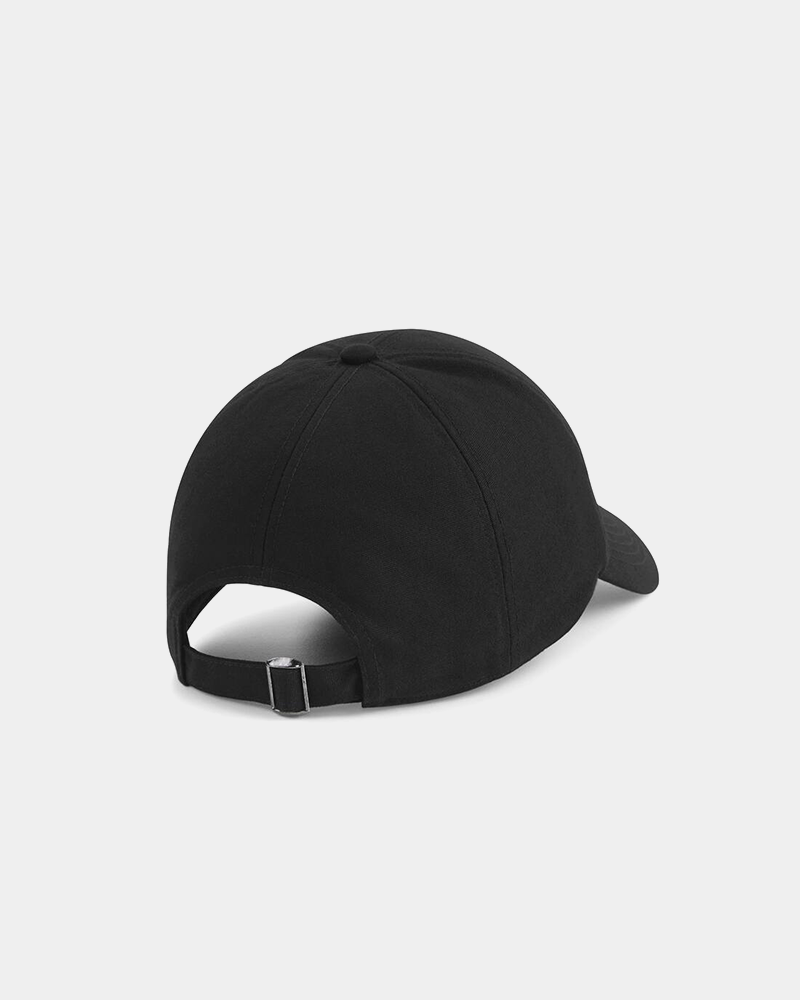


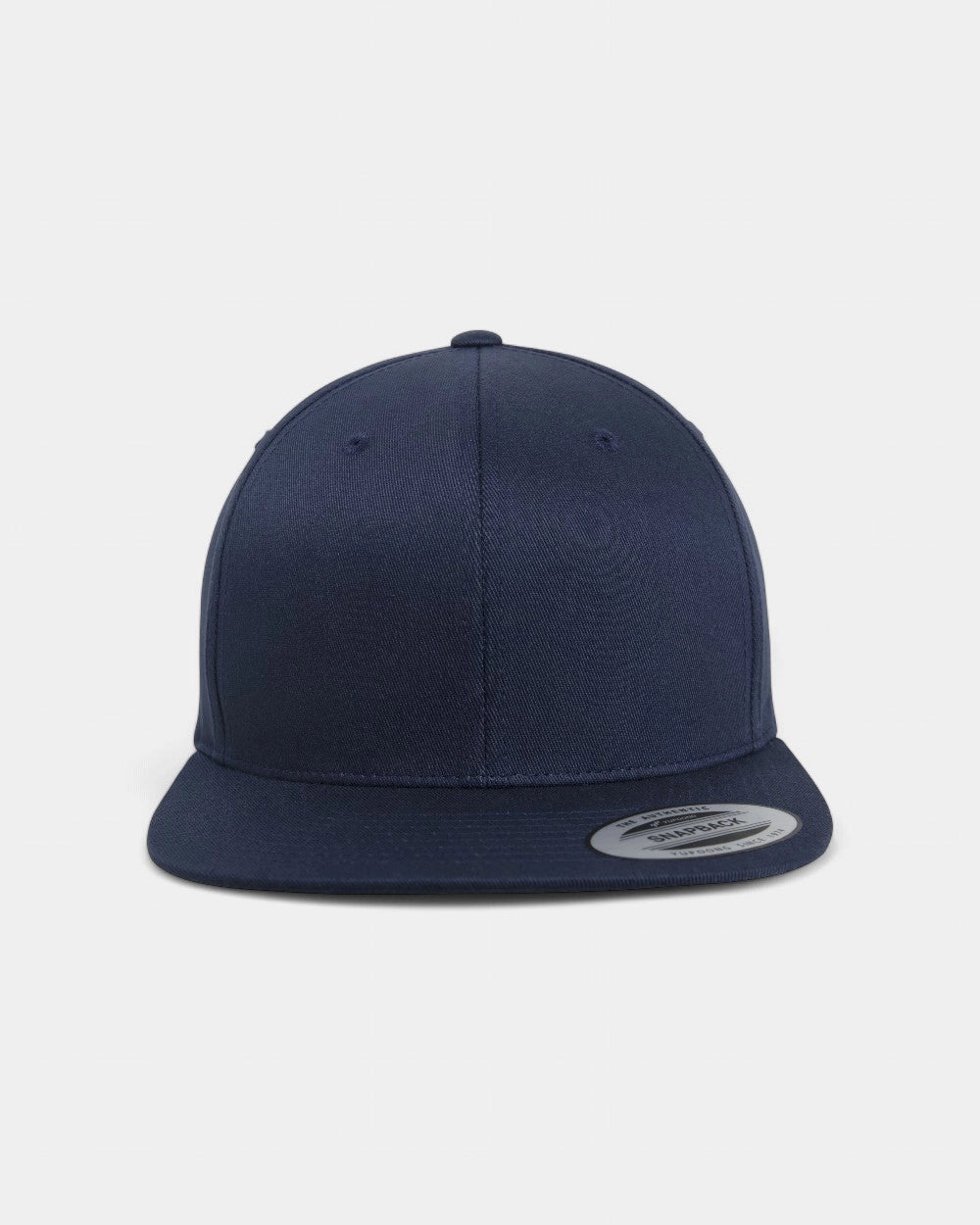


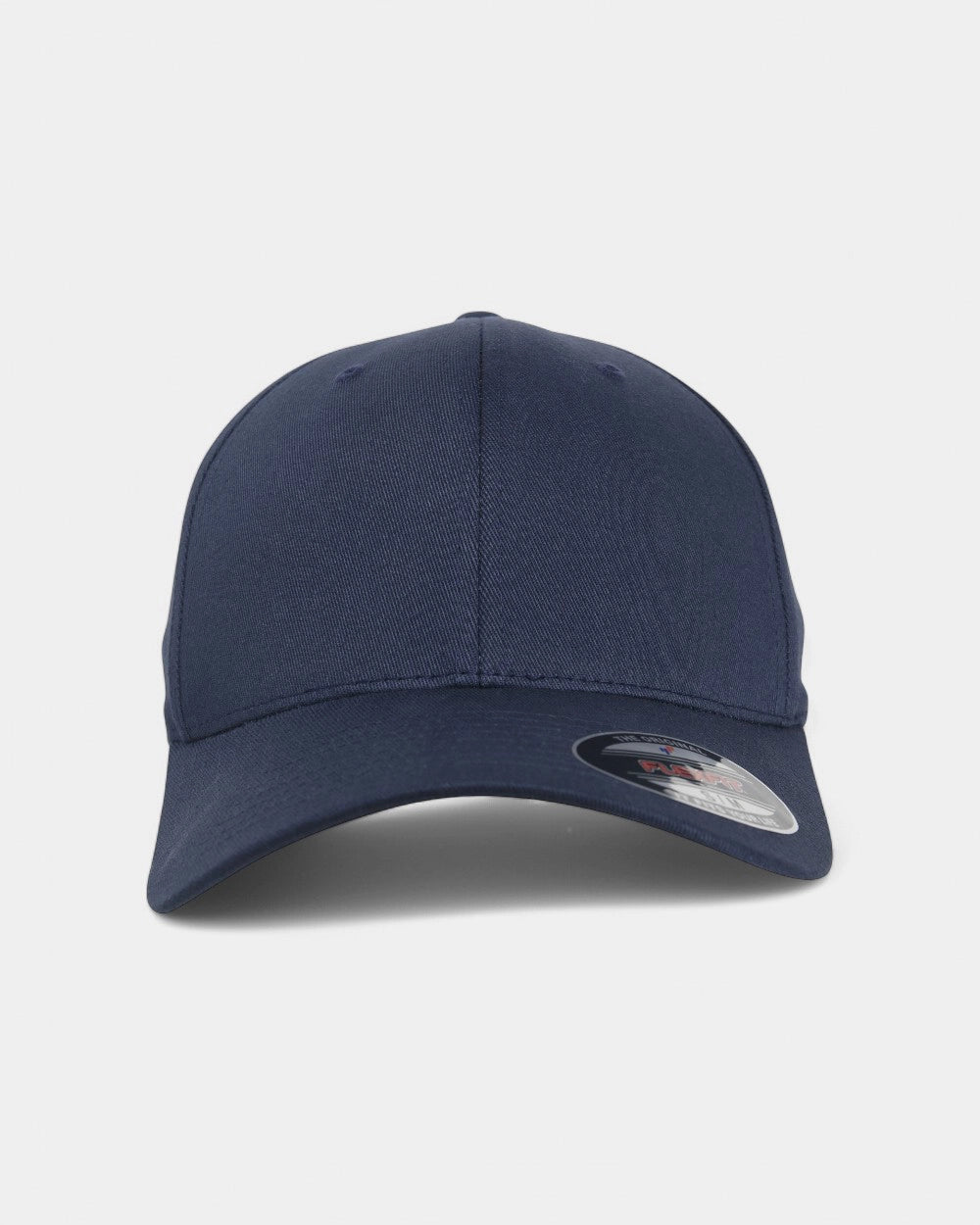


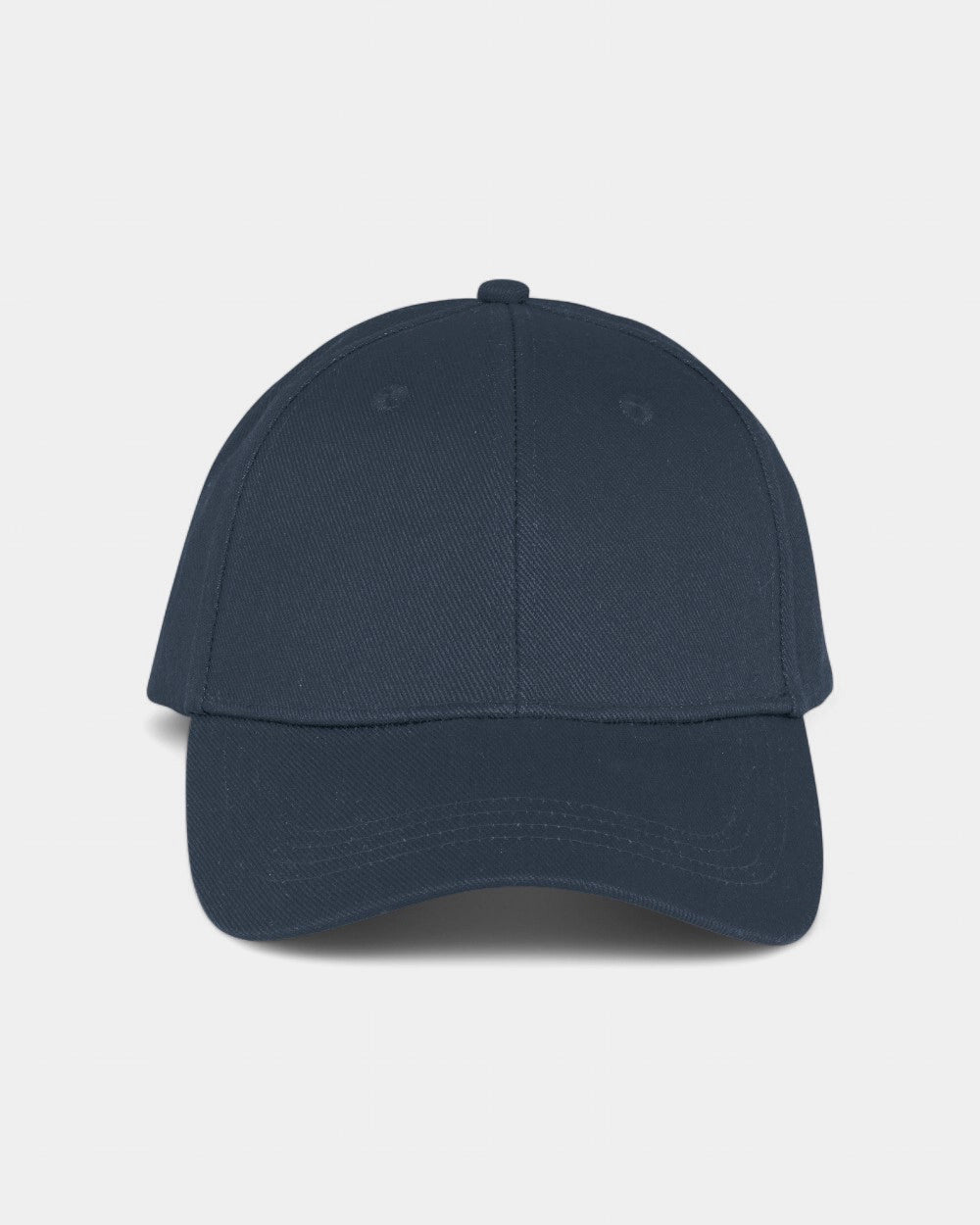


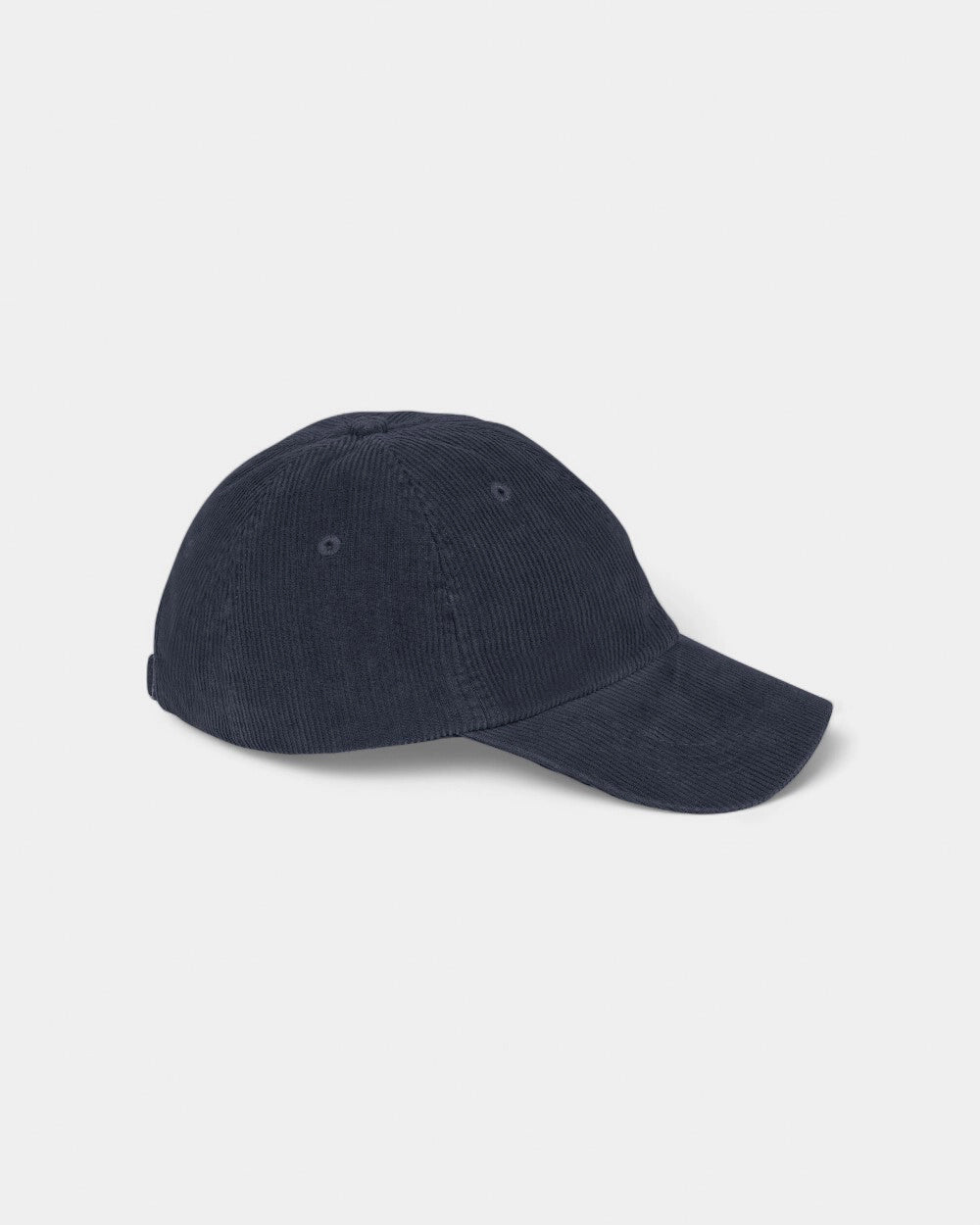


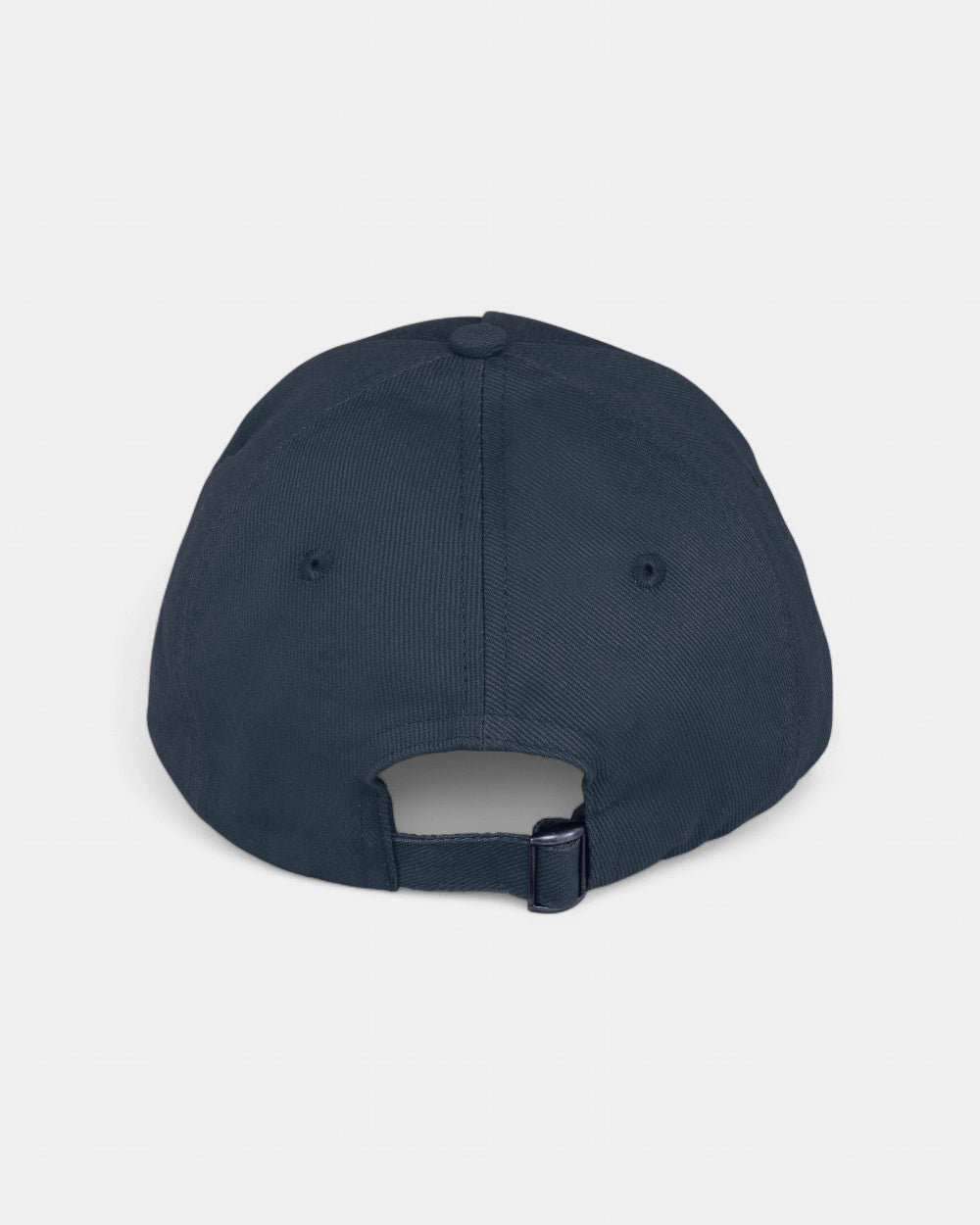


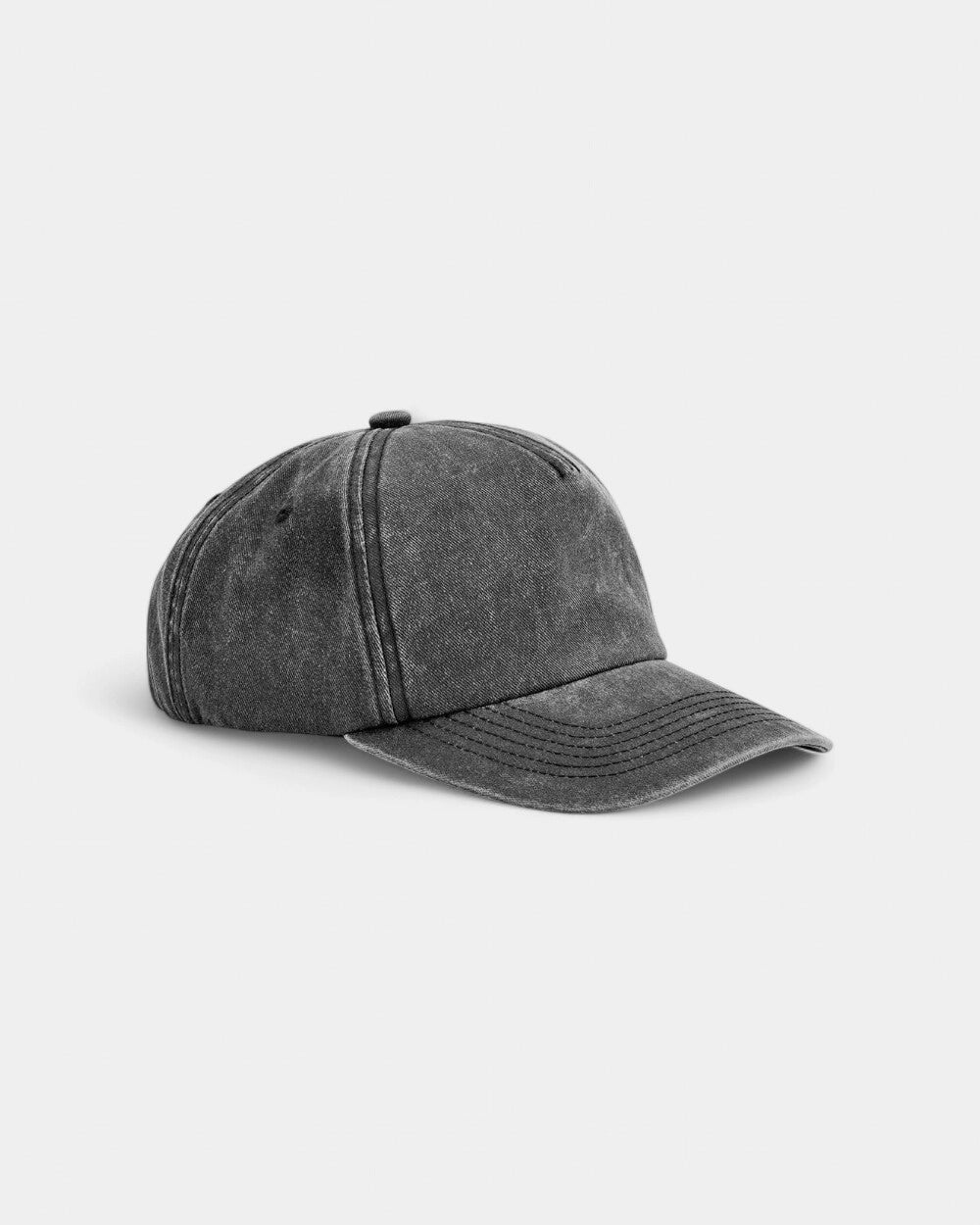


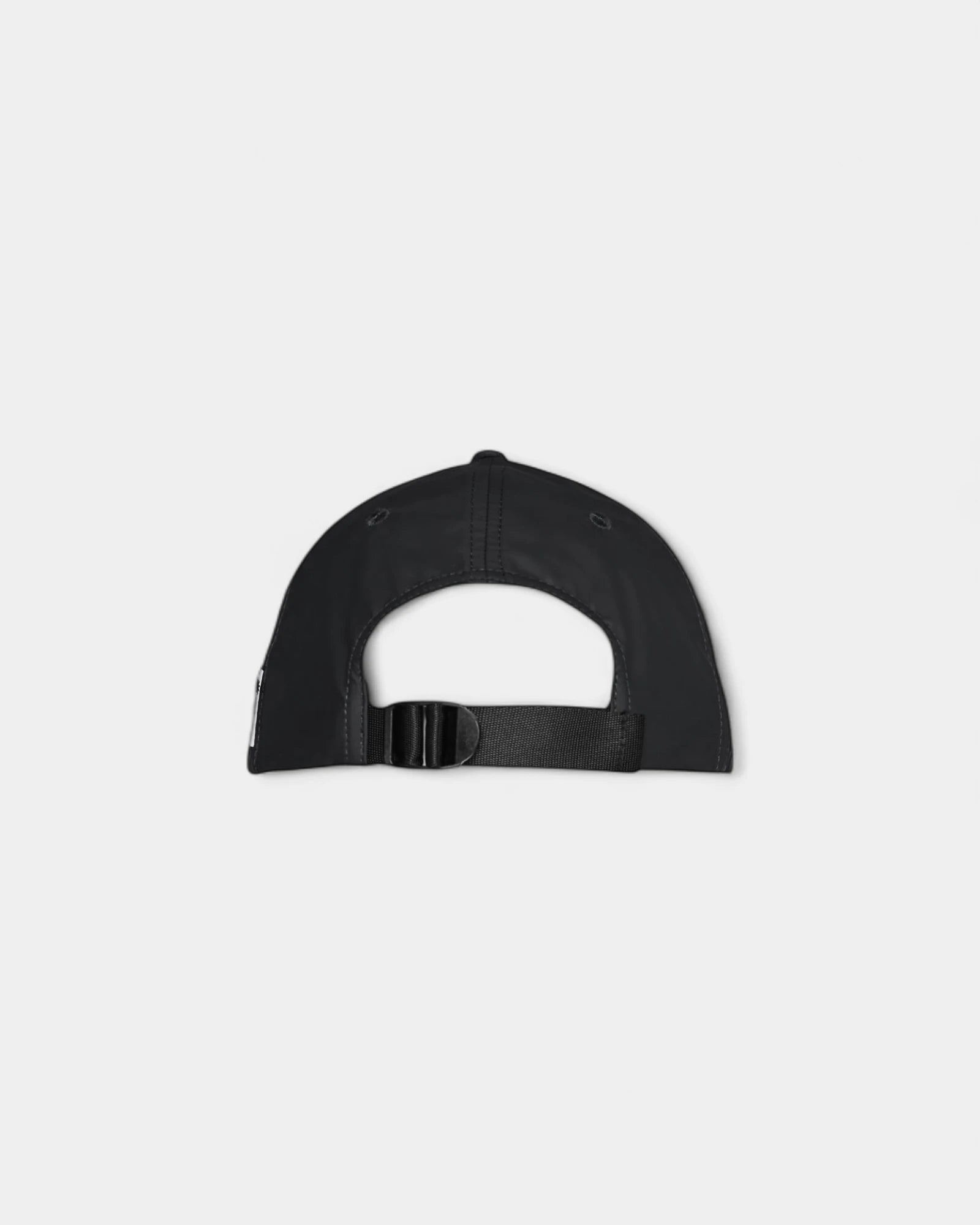


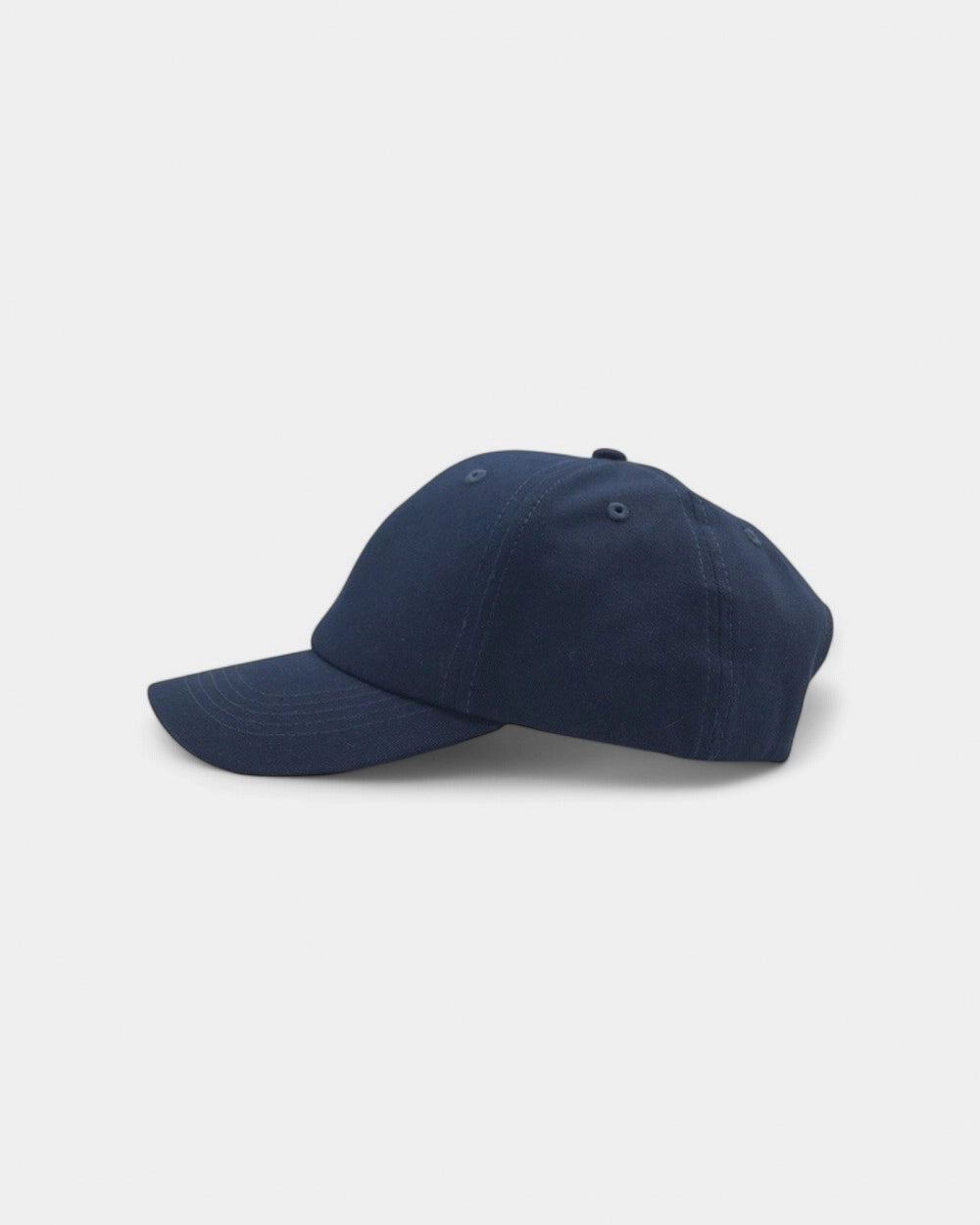


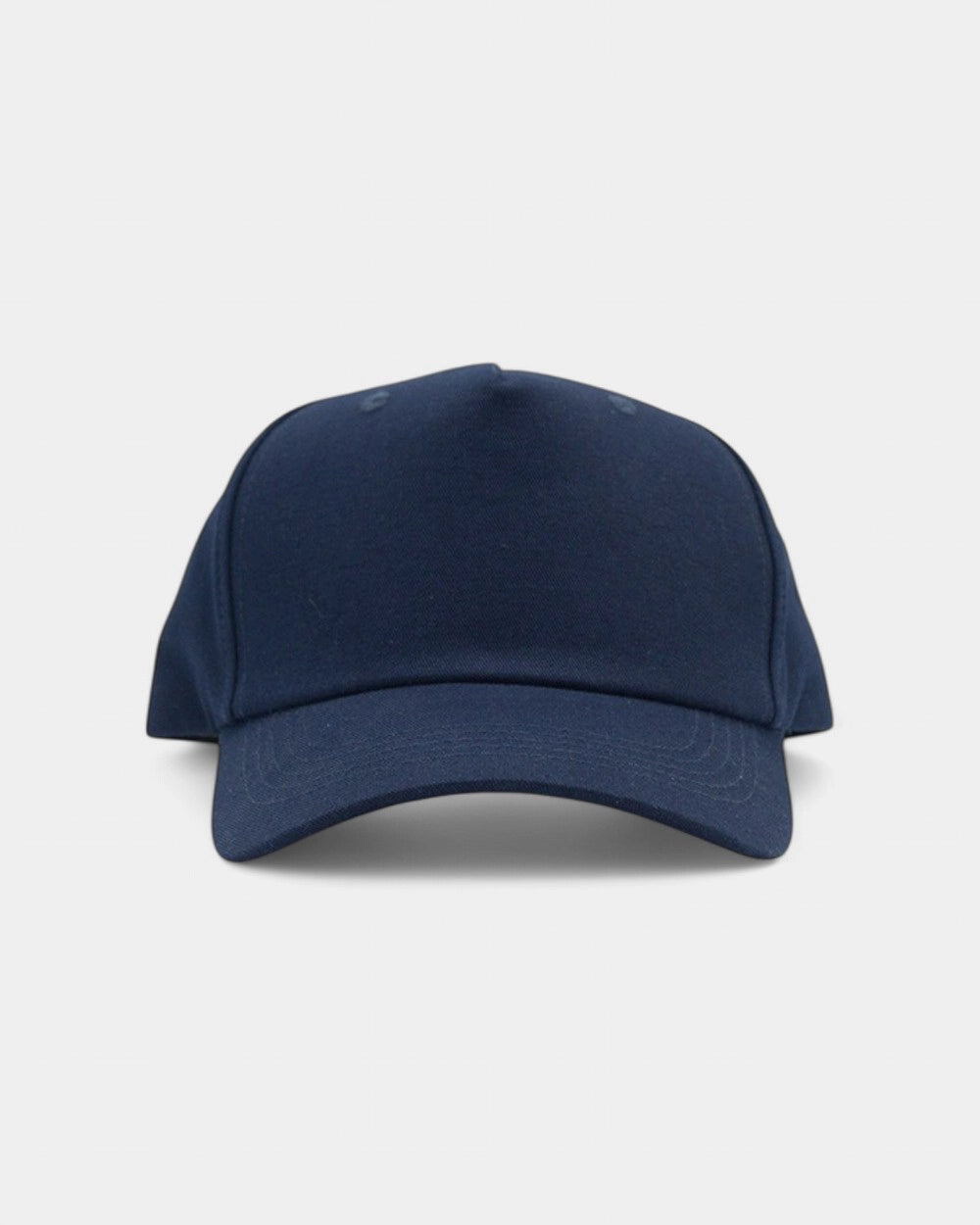


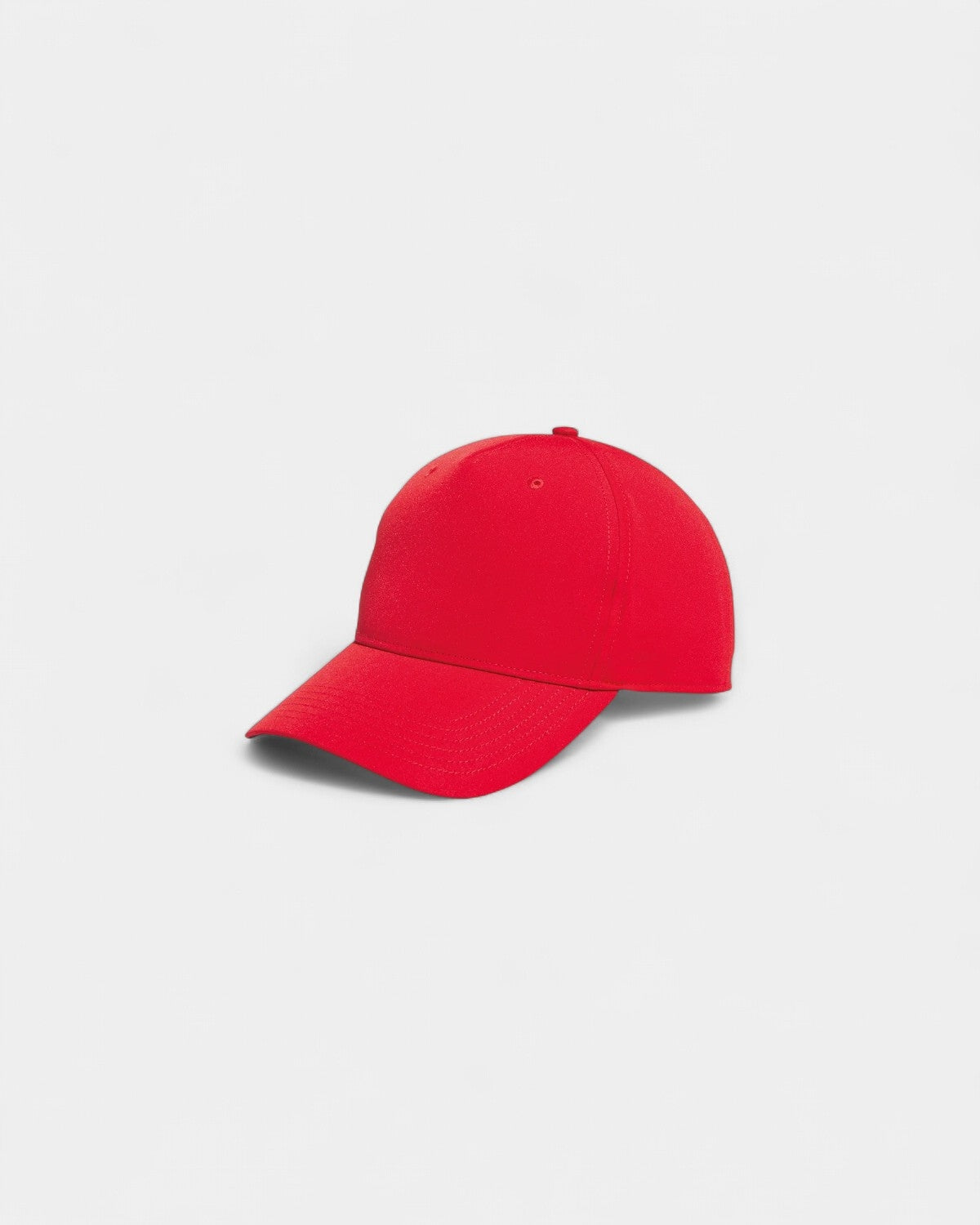


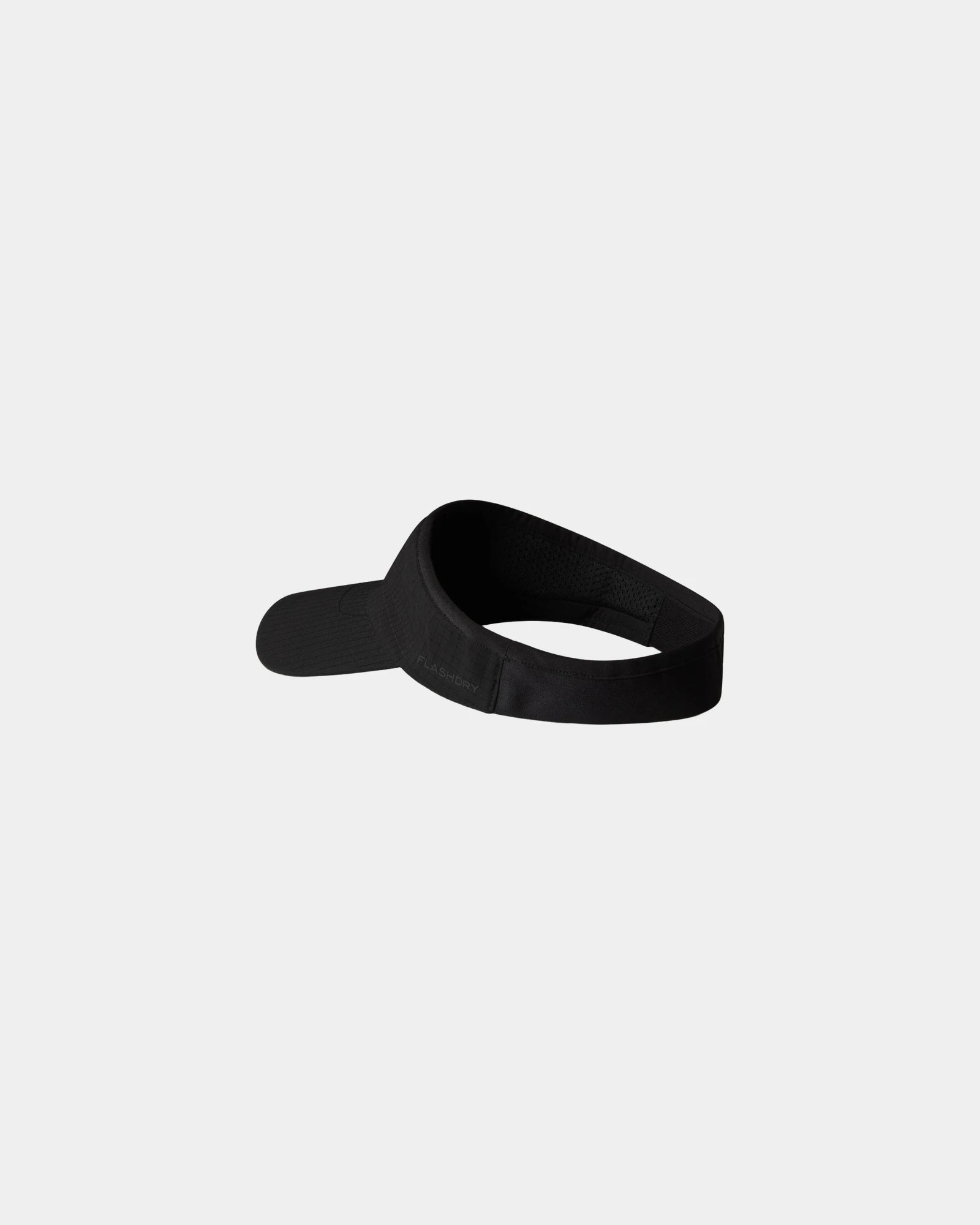


Treat your clients and employees!

FAQ - Custom caps
Trusted by 1,000+ companies
Why The Front Panel Decides How We Build Your Personalised Caps
Picture a festival crew working a three-day site in changing weather. The personalised cap is on every head from gate to teardown, so the logo above the brim travels further than any lanyard or tee. That single curved panel, roughly 7 to 8 cm of usable height on a structured front, is the real estate every brief is really buying.
We read that panel before anything else, because its shape rules out some marks and rewards others. A flat chest works for almost any method, but a personalised cap front curves in two directions and sits stiff with buckram behind it. The mark has to follow that curve without puckering, so we set the decoration to the panel, then choose the cap to suit both.
This page runs in that order on purpose, not catalogue-first. We open on construction and how it carries a logo, move through styles and closures, then settle fabric, decoration and fit. Brief us with the use-case and the artwork and a stitched sample reaches your desk before you commit a full run. Personalised caps reward this panel-first read, because the front shape sets what the logo can do long before the style is picked.
Structured Versus Unstructured Branded Caps
Structure is the first fork, and it changes how a logo reads from across a room. A structured cap carries a stiffened buckram layer behind the front panels that holds the crown upright even off the head. That firm, flat face is why a corporate six-panel reads crisp at twenty paces, and why 3D puff embroidery needs it to stand proud.
An unstructured cap drops the buckram, so the crown folds soft and sits low and relaxed on the head. It suits a dad-cap or a low-profile lifestyle look where a softer, lived-in feel matters more than a billboard-flat front. The trade-off is that a soft front gives fine embroidery a little less to bite into.
Crown height follows from the same choice. A high-profile structured crown stands tall and frames a larger logo, while a mid or low profile sits closer to the head for an understated finish. We match crown and structure to the mark, so embroidered polo shirts and a coordinated cap can carry the same chest crest at the same visual weight. Branded caps split first on this structured-versus-soft choice, since it decides whether a raised logo can stand proud at all.
The Cap Styles That Shape A Branded Caps Order
A startup planning a merch drop usually wants two or three silhouettes of Personalised caps, not twenty, so it helps to map the field. The six-panel baseball cap is the workhorse: six fabric sections, a seamed front and a curved peak that fits almost any head. It is the safe default when a brief has to please a mixed team across ages.
A five-panel sits flatter and more modern, with a single unseamed front panel that hands embroidery and woven patches an uninterrupted canvas. A trucker swaps the rear panels for breathable mesh and rides on a flat or curved peak, which is why outdoor-events crews reach for it in summer heat. A dad cap stays soft, low and unstructured for a relaxed look.
Snapbacks, fitted and bucket styles round out the range, and a beanie covers the cold months when a brimmed cap will not do. For a winter supporters' giveaway we often pair a personalised cap with personalised blankets in club colours, so the same crest follows the fan from terrace to car park.
- Six-panel baseball: seamed front, curved peak, fits most heads
- Five-panel: flat unseamed front, ideal for woven patches
- Trucker: mesh rear panels, breathable for summer crews
- Dad cap: soft unstructured crown, low relaxed profile
- Snapback: flat peak, adjustable plastic snap closure
- Bucket hat: all-round brim, festival and outdoor wear
- Beanie: knitted cold-weather option, embroidered or woven label
| Style | Construction | Peak | Best for |
|---|---|---|---|
| Six-panel baseball | Structured, seamed front | Curved | All-round corporate and team kit |
| Five-panel | Flat unseamed front | Flat or curved | Woven patches and modern looks |
| Trucker | Mesh rear panels | Flat or curved | Summer crews and outdoor events |
| Dad cap | Soft, unstructured | Curved | Lifestyle and merch drops |
| Snapback | Structured crown | Flat | Sporty giveaways, adjustable fit |
| Bucket hat | All-round brim | Full brim | Festivals and sun protection |
| Beanie | Knitted, no peak | None | Cold-weather supporter ranges |
Closures And Fit Across Your Printed Caps
A sports club kitting out players, coaches and supporters in one order quickly hits the fit question, because not every head is the same. Closure is how a single style stretches across that spread. A plastic snap adjusts in fixed steps and reads sporty, which suits a snapback giveaway where one size genuinely has to flex across a crowd.
A metal buckle with a tuck-in tail gives a cleaner, more premium adjustment and sits flatter under the curve of the head. Velcro, or a hook-and-loop strap, is the workhorse for high-turnover event caps, fast to set and forgiving on every head. A fitted cap drops adjustment entirely and runs sized, from roughly 54 to 62 cm, for a tailored look.
Elasticated and toggle closures cover the rest, and the right pick is set by who wears the personalised cap and how often it changes hands. We confirm the closure against your use-case before production, the same way we map sizes on custom T-Shirts so a kit fits the whole team, not only the mediums. Printed caps and stitched ones alike lean on the closure to stretch one style across a mixed crowd of head sizes.
| Closure | Adjustment | Reads as | Best for |
|---|---|---|---|
| Plastic snap | Fixed steps | Sporty | Snapback giveaways |
| Metal buckle | Smooth, fine | Premium | Corporate and retail caps |
| Velcro strap | Fast, forgiving | Practical | High-turnover event caps |
| Fitted (sized) | None, 54-62 cm | Tailored | Known teams, smaller runs |
| Elastic/toggle | Stretch fit | Casual | Children and lifestyle ranges |
Cotton Twill, Brushed And Recycled Fabrics For Branded Caps
Fabric sets how Personalised caps wear across a long shift and how cleanly the front takes a mark. Cotton twill is the classic structured-cap cloth: a tight diagonal weave that holds shape, presses flat behind a logo and stands up to daily wear. Its firm, even face is part of why a twill front embroiders so crisply.
Brushed cotton softens that same twill with a raised, suede-like surface for a more premium hand feel, which suits a retail-style or lifestyle cap. Heavier twills read substantial and structured, while lighter cotton-poly blends shed creases and dry faster for active and outdoor use. A ripstop or technical face adds durability where the cap takes real punishment.
Recycled-content fabrics, often woven from recycled polyester, now cover most styles for a lower-footprint brief. We name the exact recycled or organic status on each product's own specification rather than painting a whole range green, so any claim you repeat stays accurate. The same honest line carries onto personalised socks when a cap and sock pairing closes out a merch bundle.
Embroidery On The Curve: Decorating Promotional Caps
Flat versus 3D puff embroidery on branded caps
Embroidery is the default cap finish because thread reads premium, survives weather and follows the front curve without lifting the way an unloved transfer can. Flat, or 2D, embroidery stitches the design level with the panel and handles fine text, outlines and detailed logos cleanly. It is the everyday choice for a left-front or full-front corporate mark. Promotional caps decorated this way hold their logo sharp through weather that fades a transfer within a season.
3D puff embroidery is the cap's signature trick, raising the stitching over a foam underlay so a bold logo stands proud off the front. It needs a structured panel behind it to hold that height, and it favours chunky, simple shapes over fine detail, since the foam swallows thin lines. Used on the right artwork it gives a varsity, sporty lift nothing flat can match.
Stitch density is the quiet driver of a clean cap logo. A tighter density fills small lettering without gaps but adds thread and run time. We digitise your logo into a stitch file first and set a sensible count for the panel. The same digitised crest then ports straight onto embroidered sweatshirts for a matched set.
| Method | How it works | Strength | Best surface |
|---|---|---|---|
| Flat embroidery | Thread stitched level with panel | Fine detail, durable, weatherproof | Structured or soft front |
| 3D puff embroidery | Stitch raised over foam underlay | Bold, varsity lift | Structured front only |
| Woven patch | Design woven on a sealed badge | Sharp multi-colour detail | Flat five-panel front |
| Leather/PVC patch | Pressed badge stitched on | Heritage, outdoor feel | Trucker and dad cap |
| Print/transfer | Heat-applied film or screen | Photographic, many colours | Flatter peak or panel |
Woven Patches And Printed Caps As The Alternative Route
When a logo carries fine gradients or many colours that thread cannot reproduce economically, the mark moves off the needle. A woven patch builds the design in fine thread on a separate badge, then heat-seals or stitches onto the front panel. It captures sharper detail than direct embroidery and gives a five-panel front that clean, modern patch look.
Printed caps cover the rest, where a transfer or a screen-printed peak lays down colour a curved-panel stitch would struggle with. Print suits photographic artwork and bright multi-colour designs, though a curved front limits how large a flat transfer can sit without distortion. We steer print toward the flatter peak or a five-panel face where the surface cooperates.
Leather, faux-leather and PVC patches add a heritage or outdoor feel and ride well on a trucker or dad cap. Whichever route fits, we approve your artwork and send a free digital proof before production, so sizing and colour are signed off before any needle or press touches a cap.
Logo Placement And Print Area On Your Personalised Caps
Placement on a cap is geometry, not habit, because every position carries a different size limit. The front panel is the headline space, holding roughly an 11 cm wide by 6 cm high mark on a structured six-panel, scaled so it stays balanced across the curve. A centred full-front logo reads furthest and anchors most corporate briefs.
The side panels, the rear and the peak each open a secondary mark without crowding the front. A small side logo, a website on the back near the closure or a stitched detail under the peak lets one cap do several jobs across different sightlines. We map your artwork to each position's maximum area during proofing so nothing is cropped.
A sandwich peak, where a contrast trim runs along the brim edge, adds a subtle finishing line in a brand colour. Around outdoor hospitality these caps sit naturally alongside embroidered jackets in one coordinated crew look, so the front-panel crest and a chest logo reinforce each other across the team. Personalised caps can carry a secondary mark on the side, rear or peak so one cap reads from several sightlines at once.
Matching Personalised Caps To The Scenario And Sector
Personalised caps flex across more sectors than almost any other branded item, which is why a single style rarely fits every brief. Hospitality and events lean on a clean structured six-panel for front-of-house teams, while construction and outdoor crews favour high-visibility colours and a breathable build. Sports clubs run matching caps to build identity on match day.
Festivals and outdoor events reward a trucker or bucket hat that handles sun and sweat. A startup merch drop usually wants a lifestyle dad cap people genuinely choose to wear. Charities use bold caps to spot volunteers in a crowd, and tourism and retail treat a well-branded cap as a wearable souvenir that travels home.
For a uniform programme a cap rarely ships alone, so it pairs with Branded corporate wear to complete the on-site look from head to boots. Whatever the sector, a cap carries your name into the everyday places a banner or a lanyard never reaches.
| Scenario | Recommended style | Decoration | Note |
|---|---|---|---|
| Festival crew | Trucker | Flat embroidery | Breathable mesh for heat |
| Sports-club supporters | Six-panel | Woven patch | Match-day club colours |
| Startup merch drop | Dad cap | 3D puff embroidery | Lifestyle, choose-to-wear look |
| Outdoor-events crew | Structured six-panel | Flat embroidery | High-vis option available |
| Corporate front-of-house | Five-panel | Flat embroidery | Clean, understated front |
Sizing, Heads And Quantity Planning For Branded Caps
Sizing Personalised caps is simpler than apparel but still rewards planning, because the closure choice decides how much fit you have to manage. One-size adjustable styles, on snap, buckle or velcro, span roughly 55 to 60 cm and cover most adults. That is why they suit large mixed giveaways where head sizes cannot be collected first.
Fitted caps run sized from about 54 to 62 cm and need real head measurements, so they suit a smaller, known team where a tailored look earns the extra admin. A children's or youth cut sits smaller again for family-facing events and supporter ranges. We confirm the size run for your chosen style before you lock a quantity.
On quantity, embroidery setup is a one-off digitising charge spread across the run. The per-cap cost on a stitched logo falls noticeably as the count climbs into the hundreds. Lead time stretches with both quantity and finish, since 3D puff and woven patches add a step, so share your deadline alongside the headcount.
Briefing Artwork So Your Branded Caps Stitch Cleanly
A clean brief is what turns a logo into a sample on your desk fast. Tell us the style, the rough quantity, the deadline and your brand colours, and we translate that into structure, fabric and decoration without a dozen back-and-forth emails. A cap front is small, so we flag early if a detailed logo needs simplifying to read at panel size. Branded caps stitch cleanest from vector artwork, which digitises into a far tighter file than a logo lifted from a website.
Send vector artwork where you have it, since clean lines digitise into a stitch file far better than a low-resolution logo lifted from a website. Thread colours are matched to a standard reference chart rather than a screen, so we confirm the closest shades to your brand palette before stitching. Caps often join a wider gifting brief, and custom shirts can be costed in the same quote.
Once the brief is set, we return a digital proof of the embroidery or print, you approve the stitch file or artwork, and production runs to roughly a three-week lead. A quick sew-out on your chosen panel colour settles any doubt about thread shade before the full run of caps.
How We Decorate Your Printed Caps Without Compromising The Crown
A cap front curves in two directions and sits stiff with buckram behind it, so the decoration has to follow that shape rather than fight it. We map the mark to the panel before we pick the cap, then set the method to suit both. The aim is a logo that reads crisp at twenty paces while the crown still holds its built shape on the head. Printed caps and embroidered ones are both set to the panel first, so the method never fights the curve or the buckram.
Each method is matched to the front it sits on, never forced across the range. Flat embroidery handles fine text and outlines on a structured or soft panel. 3D puff needs a structured crown with buckram to hold its raised height, so it favours bold simple shapes over thin lines. A woven patch suits a flat five-panel face, while a print or transfer wants the flatter peak where a curve will not distort it. We confirm the route at proof, so the personalised caps you sign off stitch like the ones that ship.
Care And Longevity Of Your Branded Caps
The most sustainable cap is the one that stays in wear, and a stitched cap rewards that better than most branded kit. Spot-cleaning by hand with cool water protects both the front panel and the embroidery, while a machine wash can soften a structured crown and dull the buckram behind the logo. Air-drying keeps the peak from warping.
A curved peak holds its shape best when the cap is stored on a flat surface or a head form rather than crushed into a bag. Embroidery resists fading far longer than print, which is why a stitched corporate mark still reads sharp seasons after the order shipped. A woven patch shares that durability and shrugs off weather well.
Care that extends a cap's life pairs naturally across a campaign, since a logo that survives two summers keeps working long after the spend. We share care guidance with every order so a Custom cap keeps reading clean through the seasons it has to earn its place.

