Branded workwear
- Eco-friendly
- Made in France
- Price, low to high
- Price, high to low
Treat your clients and employees!
FAQ - Embroidered workwear
Trusted by 1,000+ companies
Kitting Out A Site Crew: How We Approach Personalised Workwear
Take a forty-strong site crew due on a new build in three weeks. Each operative needs two hi-vis polos, a softshell, a fleece for early starts and a hard-wearing trouser, all carrying the company name and a role tag. That is roughly 240 garments across five styles and a full size run, and it has to land before the first shift.
We plan that personalised workwear order as a kit, not a shopping list. The base layer reads at distance for safety, the mid layer keeps the crew warm without bulk, and the outer shell sheds a morning shower. Each item carries the same chest mark so the crew reads as one outfit from the site gate to the scaffold.
That logic shapes this whole page. We start with how garments get marked, because the marking method outlives the garment choice on Embroidered workwear. Then we work through hi-vis, the layering system, fabrics, sizing and reordering, so a procurement lead can spec a full rollout in one read.
Embroidery, Print Or Heat-Seal: Marking Methods For Personalised Workwear
The mark on personalised workwear has to survive an industrial wash cycle, not just a domestic one. Embroidery stitches your logo in thread, so it holds its colour and shape through repeated 60-degree laundering and heavy wear. That durability is why a left-chest name on a uniform polo almost always wants stitch over ink.
When Print Beats Embroidery On Custom Workwear
Print earns its place where thread cannot reach. A large back graphic, a safety message or a multi-colour artwork prints clean and flat, and screen print drives the unit cost down across a big single-colour run. Heat-seal transfer presses a pre-cut film on under heat, which suits names and numbers added per garment with no fresh setup.
For tonal kit such as embroidered sweatshirts, a stitched chest crest reads as the most premium option and ages well across a season. Most rollouts blend methods: an embroidered chest, a printed back slogan and a heat-sealed name above the pocket on the same garment.
| Method | Best for | Wash durability | Min run |
|---|---|---|---|
| Embroidery | Logos, names, left-chest marks | Very high, 60C industrial | From 1 |
| Screen print | Large single/2-colour backs | High when cured | From approx. 25 |
| Heat-seal transfer | Per-garment names & numbers | Medium-high | From 1 |
| DTG print | Photographic, low-volume art | Medium | From 1 |
Hi-Vis And PPE Layers In Your Custom Workwear
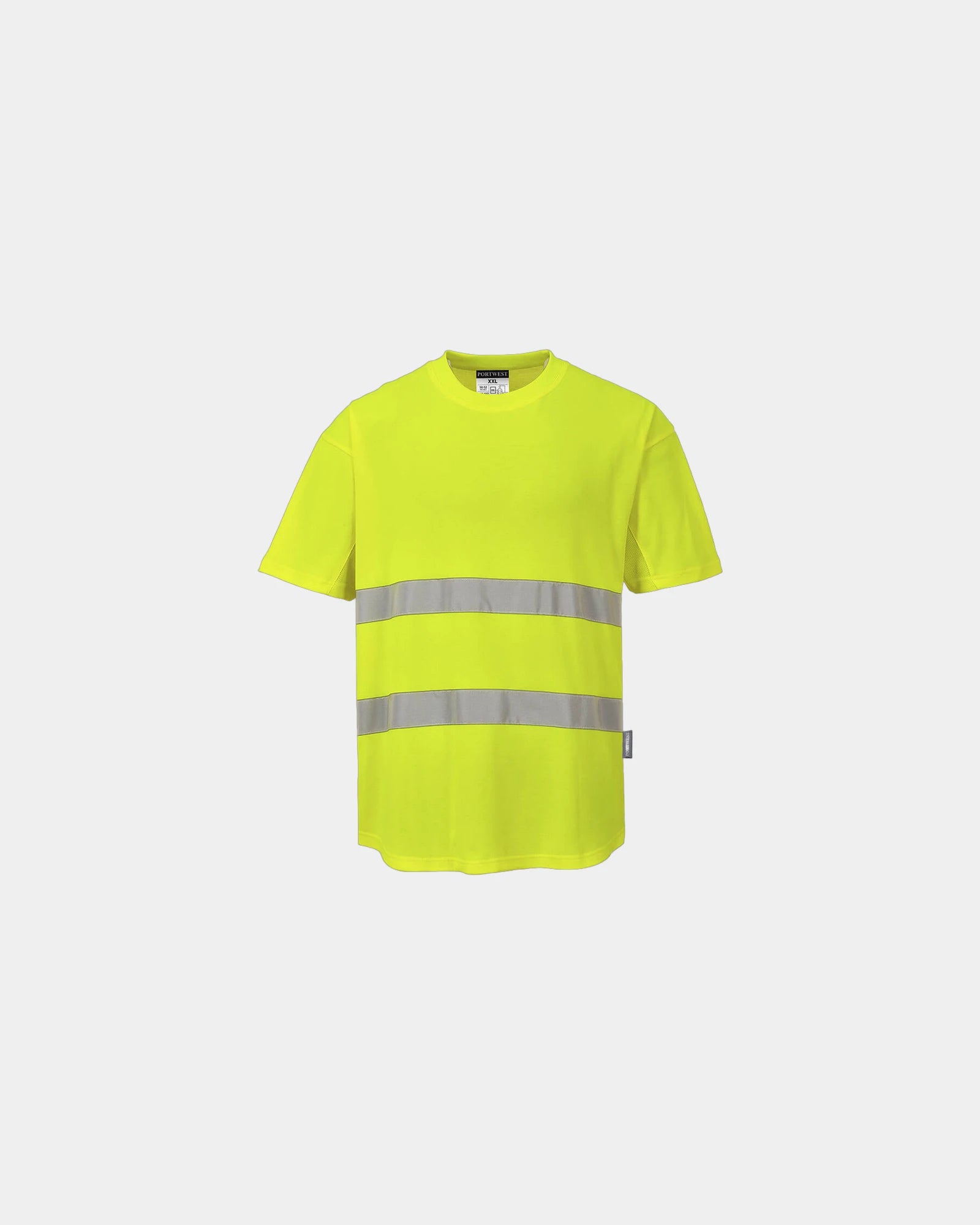
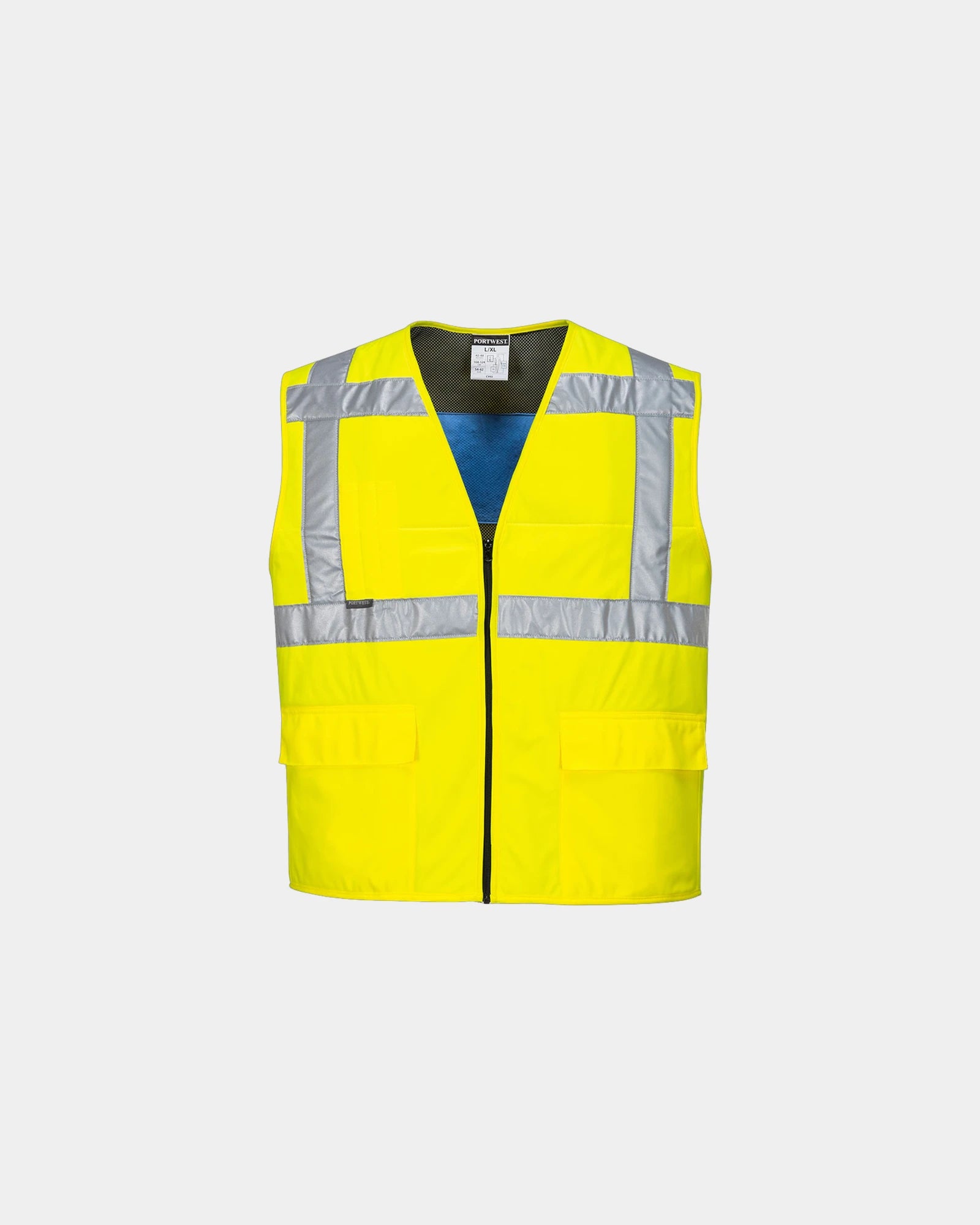
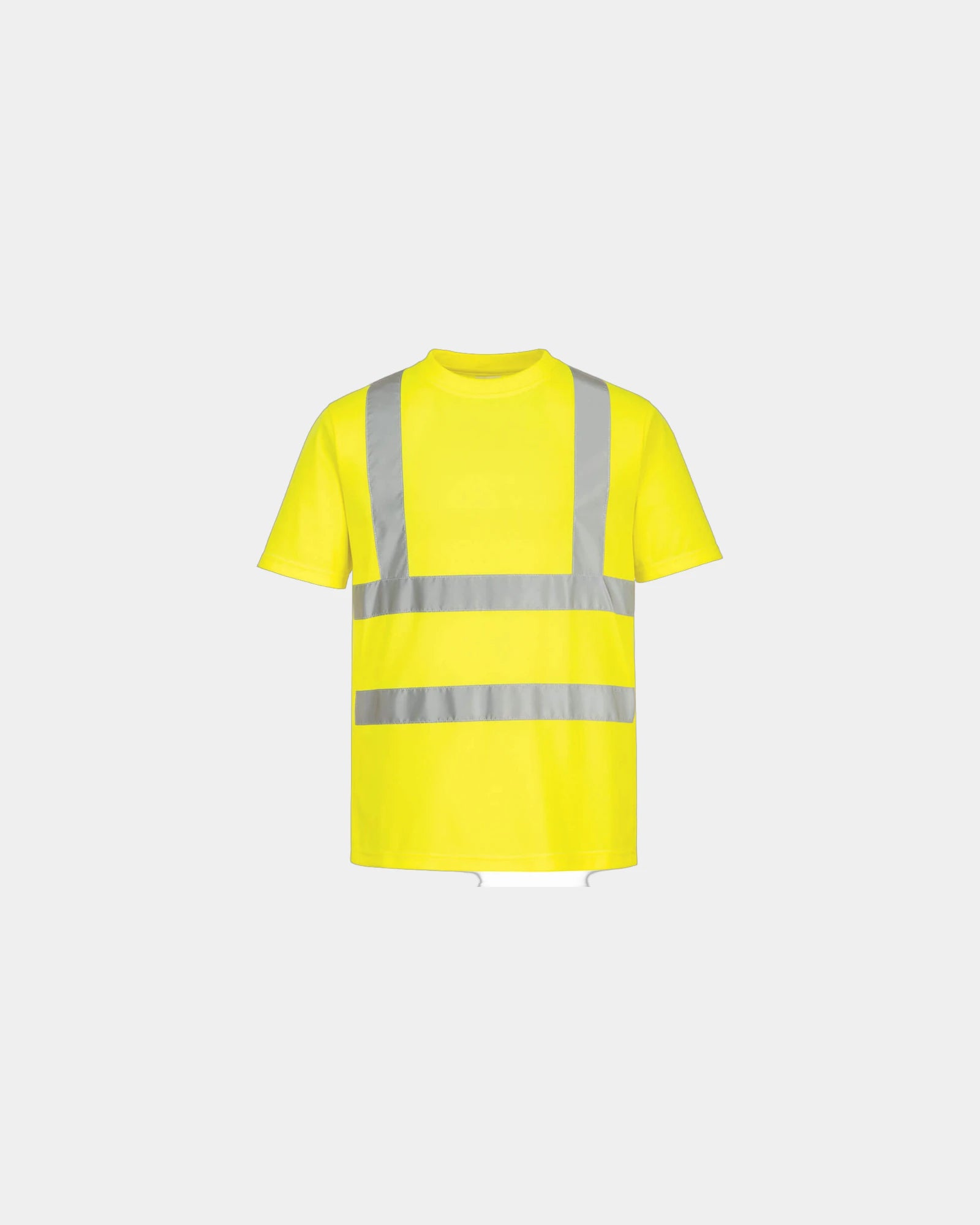
A logistics yard at dusk is where high-visibility kit stops being optional. EN ISO 20471 is the market reference standard for high-visibility clothing, classed 1 to 3 by how much fluorescent and reflective material a garment carries. We cite it as a reference point, never as a guarantee, and the certified class always sits in the product spec, not in our copy.
Placing A Logo Clear Of Hi-Vis Bands On Printed Workwear
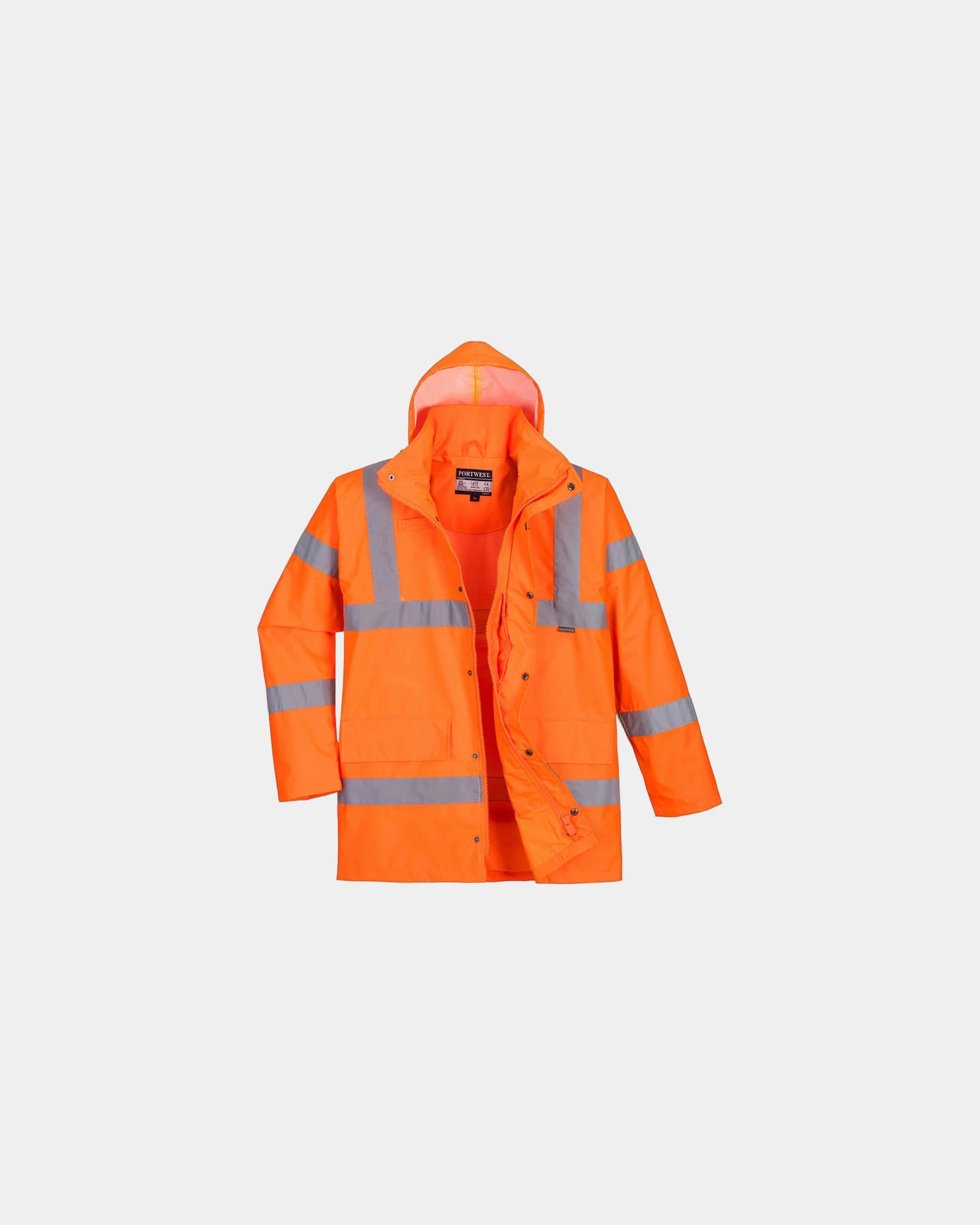
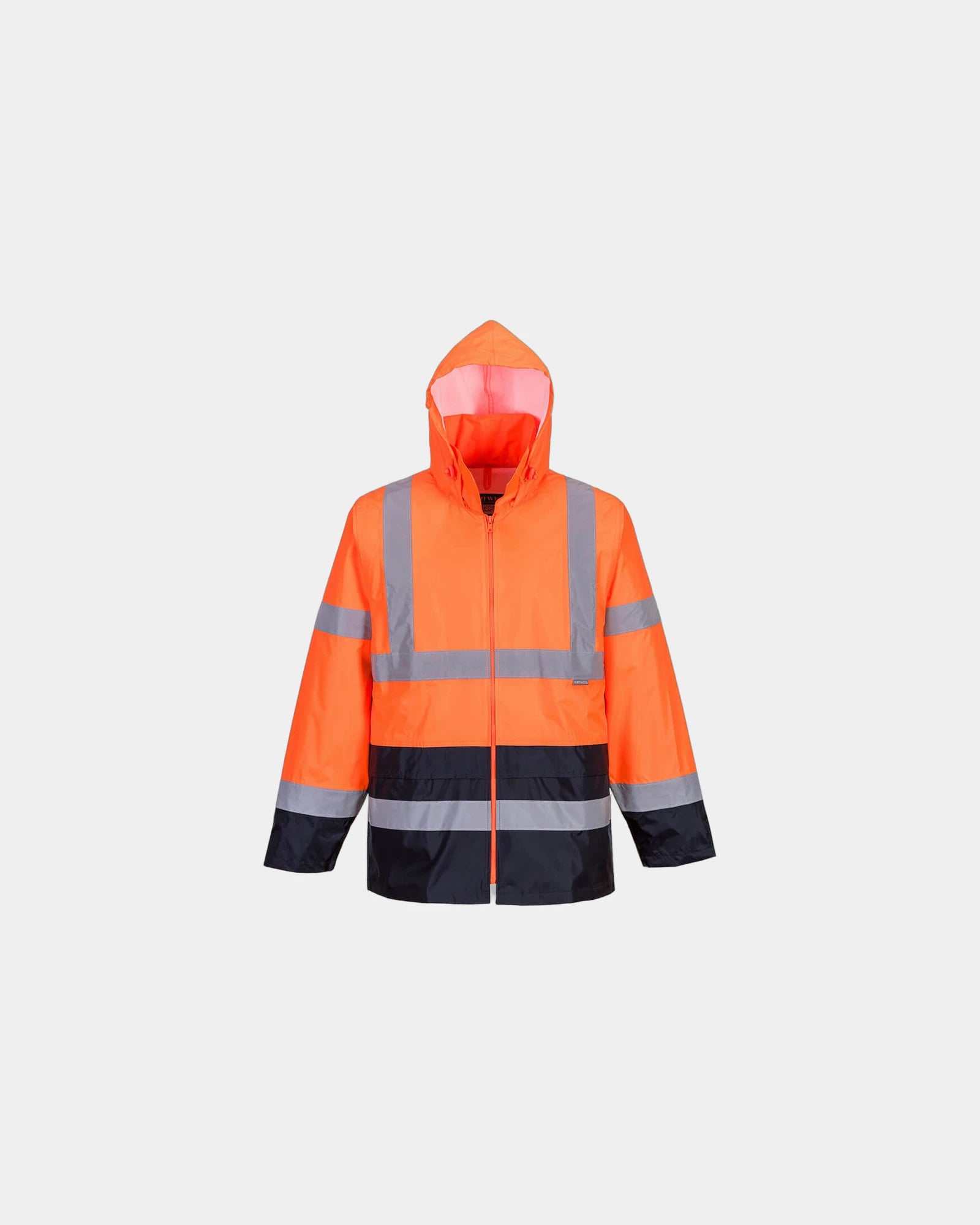
Branding hi-vis takes care, because decoration must not cover the reflective tape or the fluorescent background that does the safety work. We place an embroidered or transfer logo on the chest and a printed name across the back panel, keeping clear of the bands. Vests, polos and jackets each leave a different usable area, so artwork placement on personalised workwear is set per style.
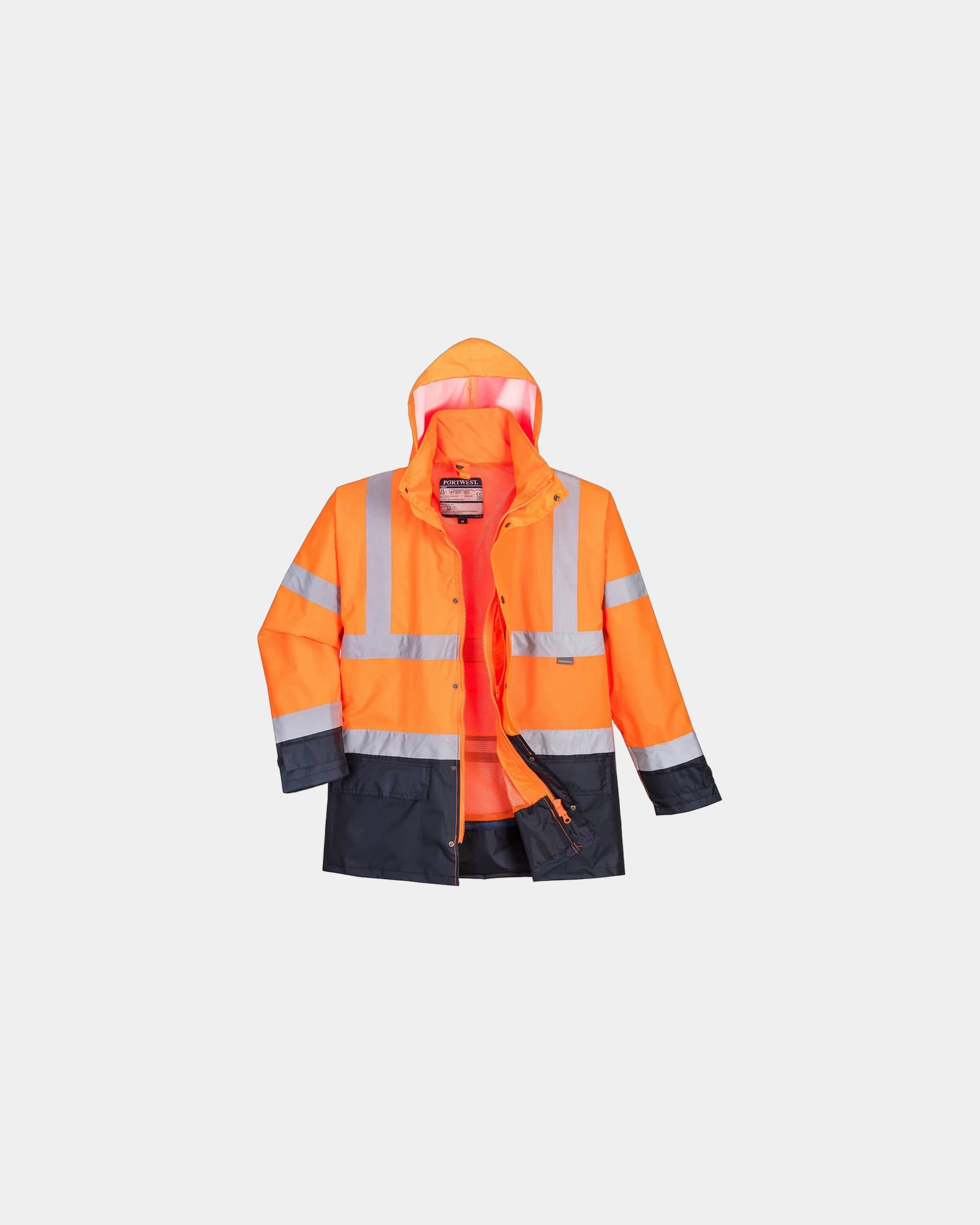
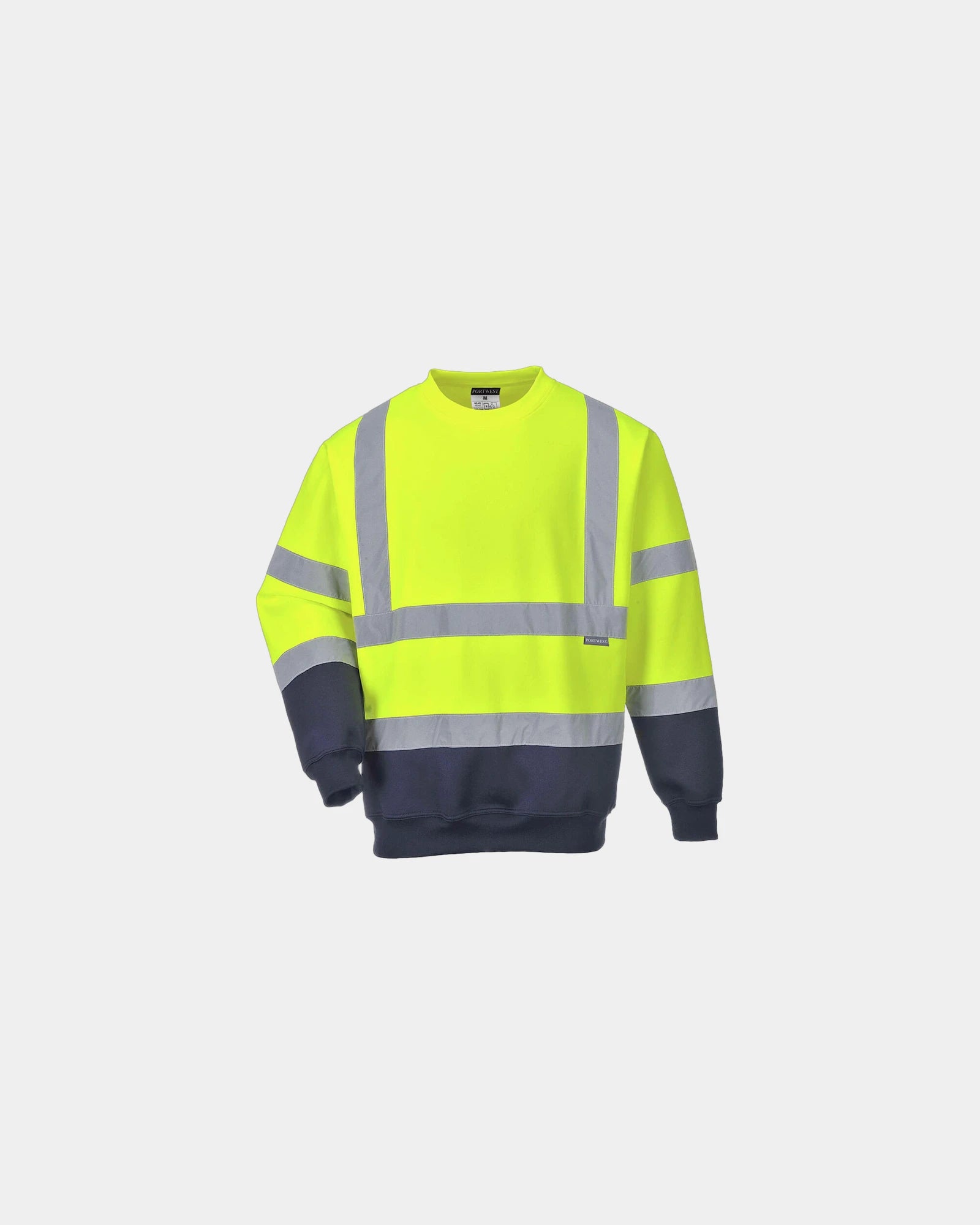
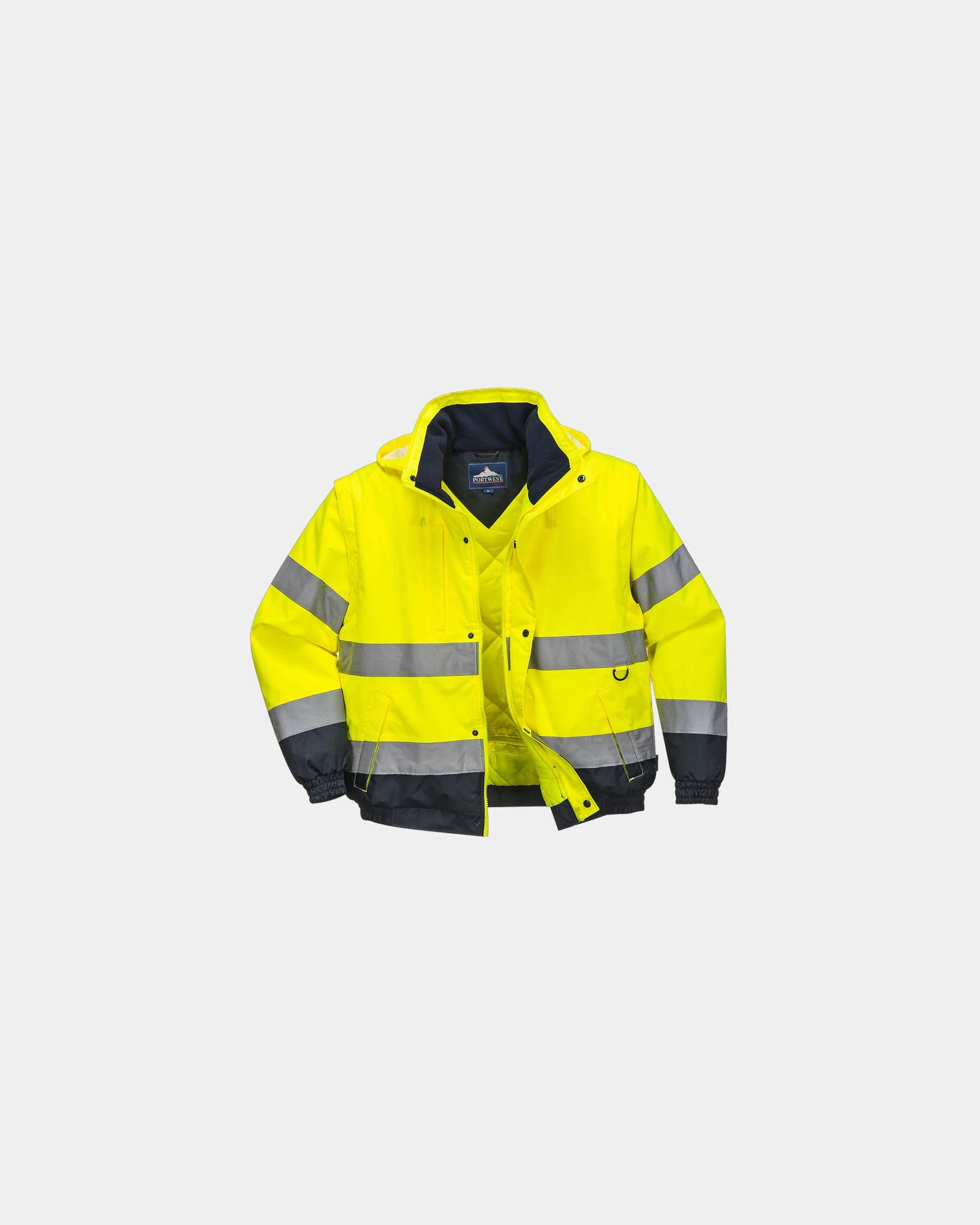
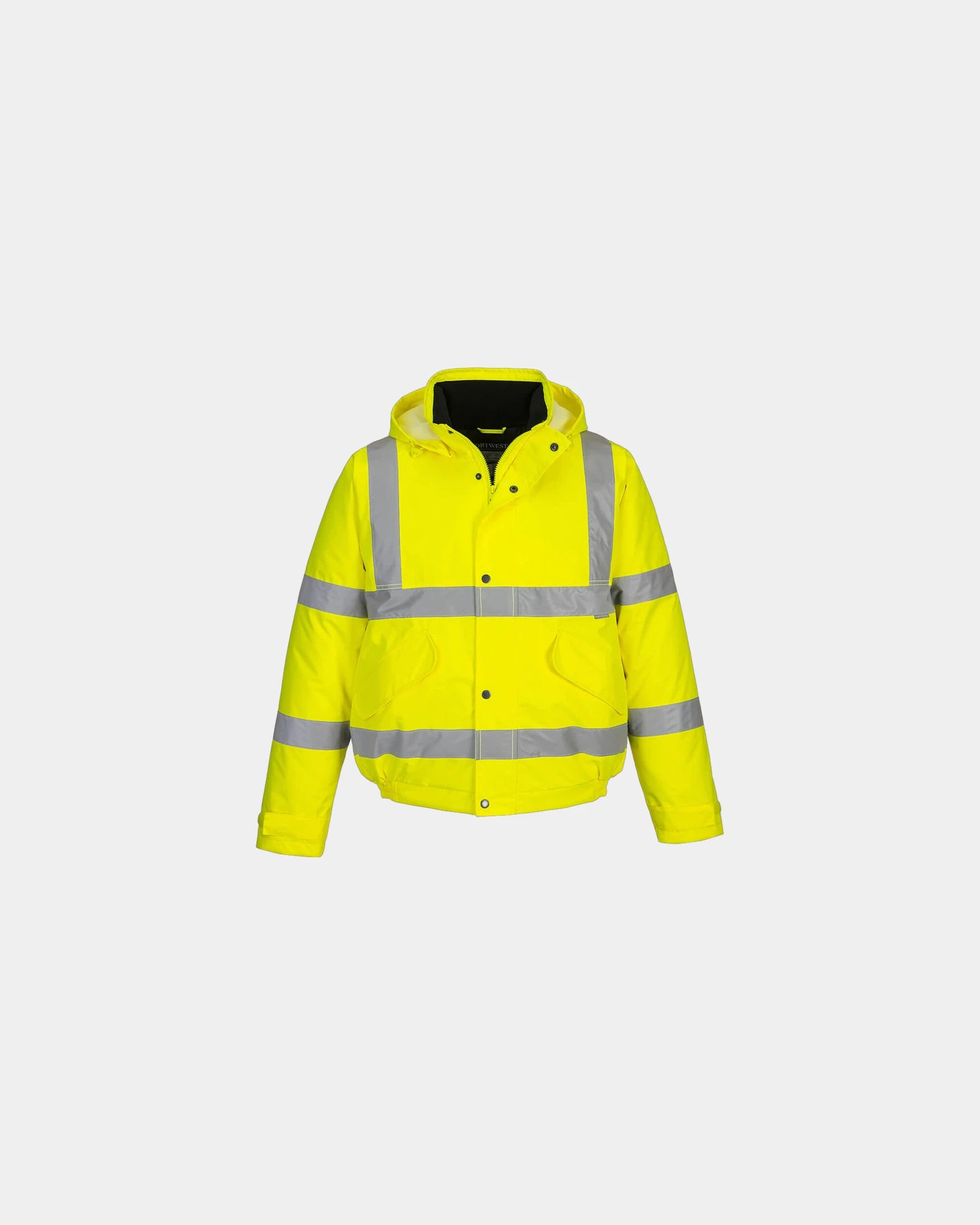
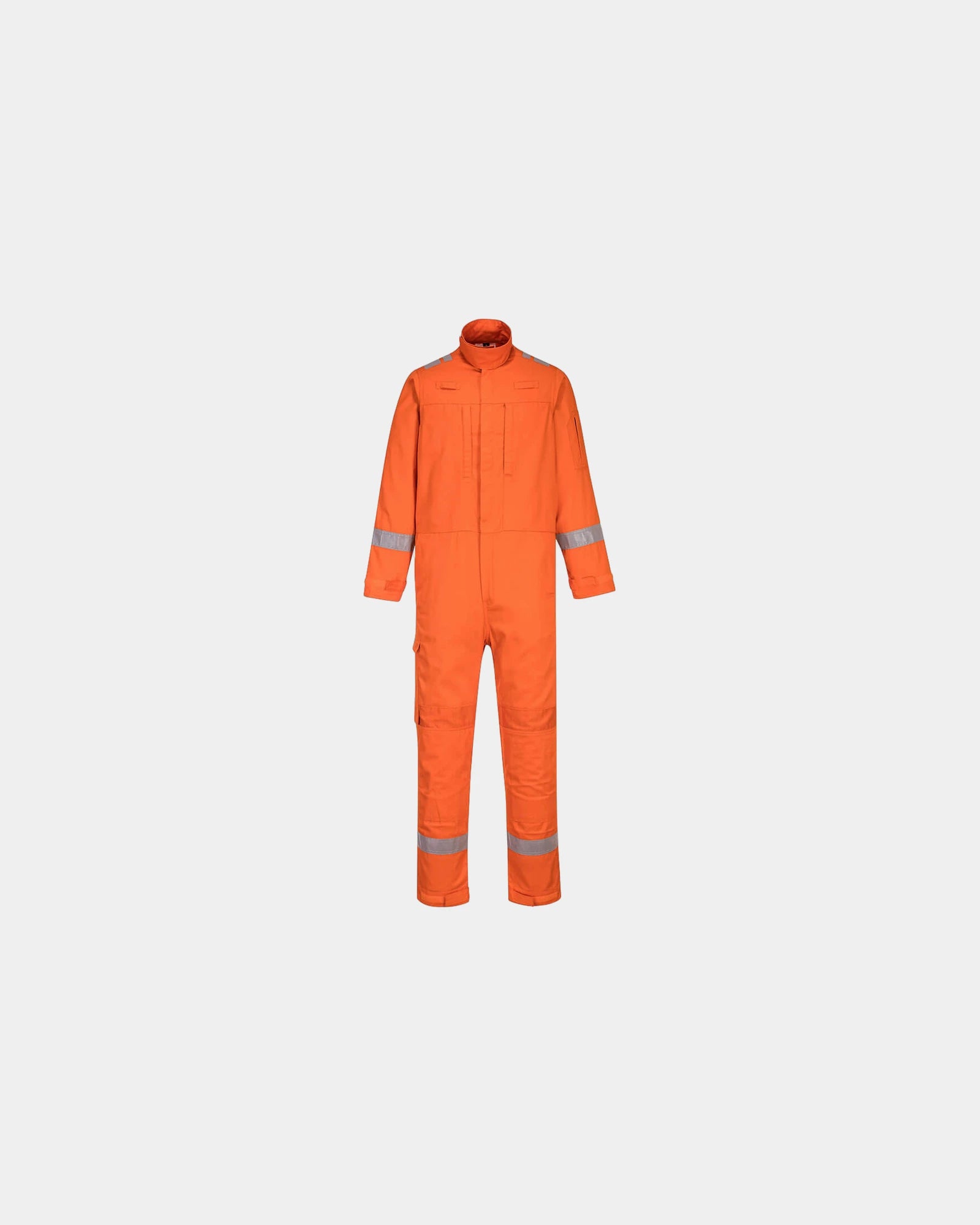
Band placement is the detail that decides where a logo can go. A Class 3 jacket carries reflective tape around the torso and shoulders, plus full-length sleeve bands. That leaves a usable panel high on the chest and a window between the lower torso bands on the back. We work the artwork into that gap, never across the tape.
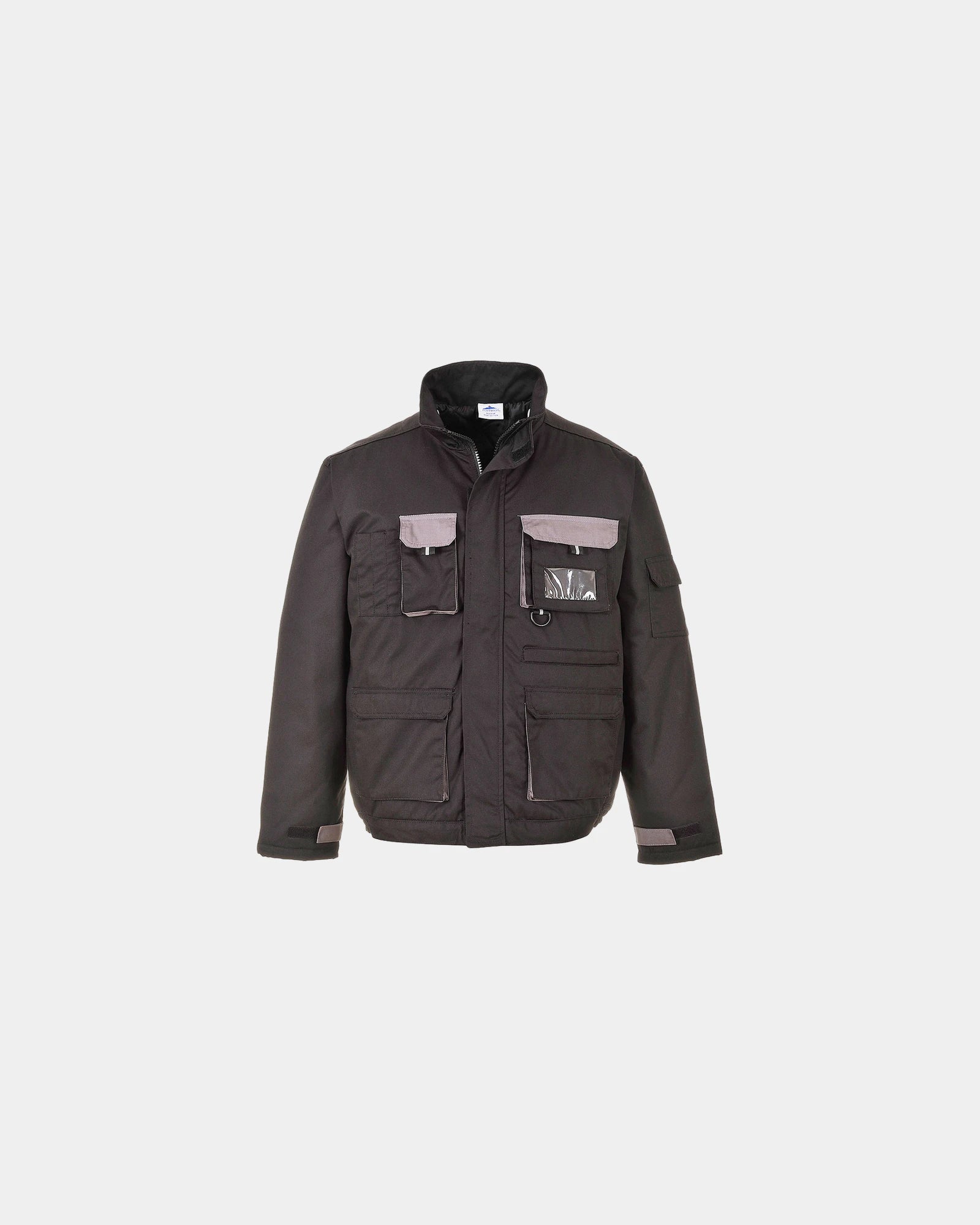
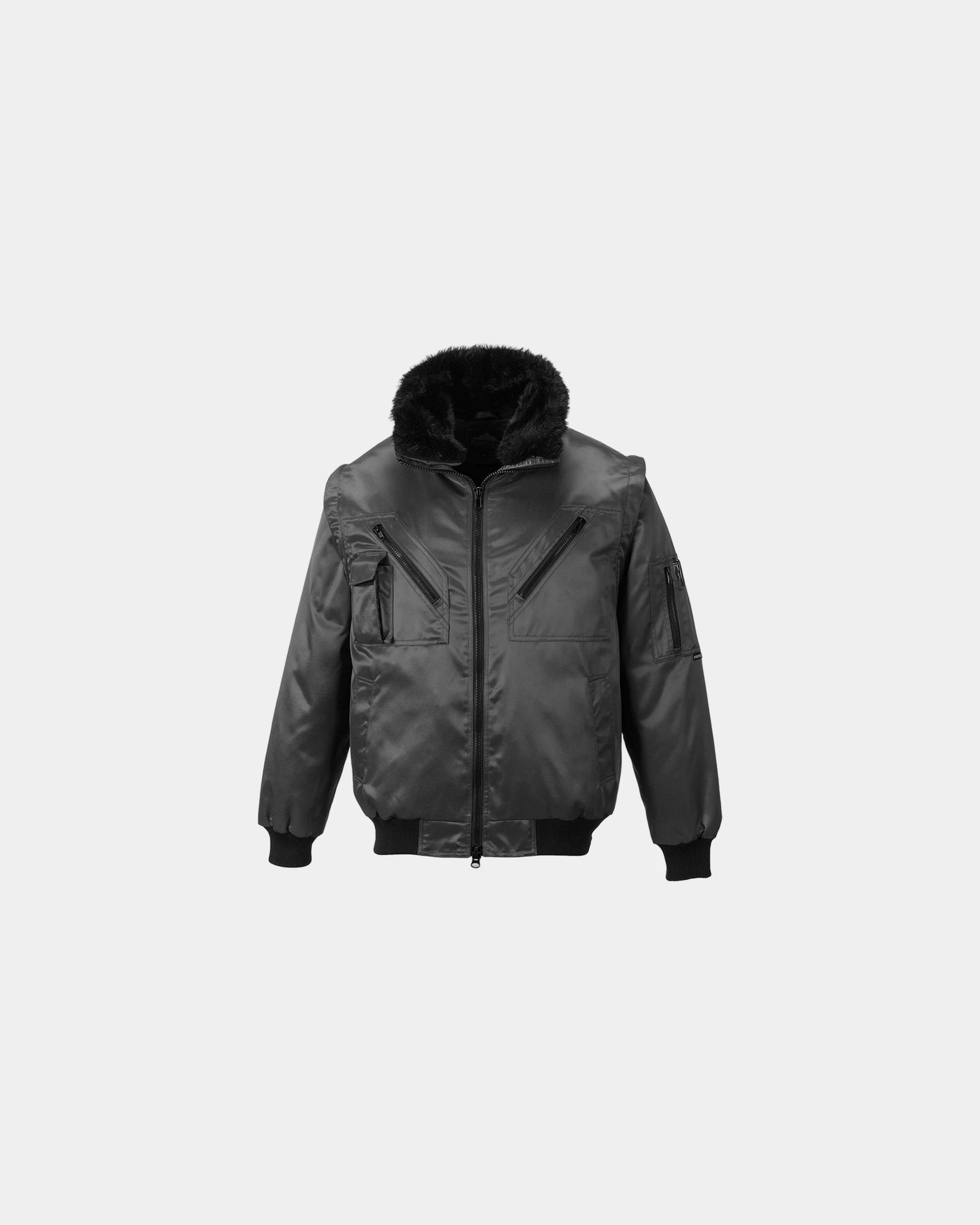
A starter PPE layer for a trades sole trader might run a couple of hi-vis polos, a bomber jacket and a soft-shell, all marked the same. Custom workwear of this kind reads as a credible outfit on a client's driveway, which matters as much as the safety class on a domestic job.
Polos, Tabards And Front-Of-House Promotional Workwear
A café front-of-house brief for personalised workwear is a different animal from a building site. Six staff need a fitted polo or apron that looks tidy across a ten-hour shift and survives a nightly wash. Here the embroidered name and role read close-up across a counter, so a fine, dense stitch matters more than a class rating.
Tabards and aprons suit roles that need a quick layer over everyday clothes, from a deli counter to a garden centre till. A printed or embroidered chest logo turns a plain tabard into recognisable uniform without committing staff to a full kit. We mark the bib area where the logo sits flat and reads clearly.
Matching accessories pull a front-of-house look together. A set of embroidered polo shirts beside a branded apron gives a coherent run of personalised workwear that scales from one café to a small chain. The same chest mark on every piece keeps the brand consistent as the team grows.
The Layering System Behind A Custom Workwear Rollout
Picture a crew in personalised workwear that starts at 6am in the cold and finishes in afternoon sun. One garment cannot cover that swing, so we build the kit as a layering system you issue together. A base polo, a mid fleece and an outer softshell let each operative add or drop a layer as the shift heats up.
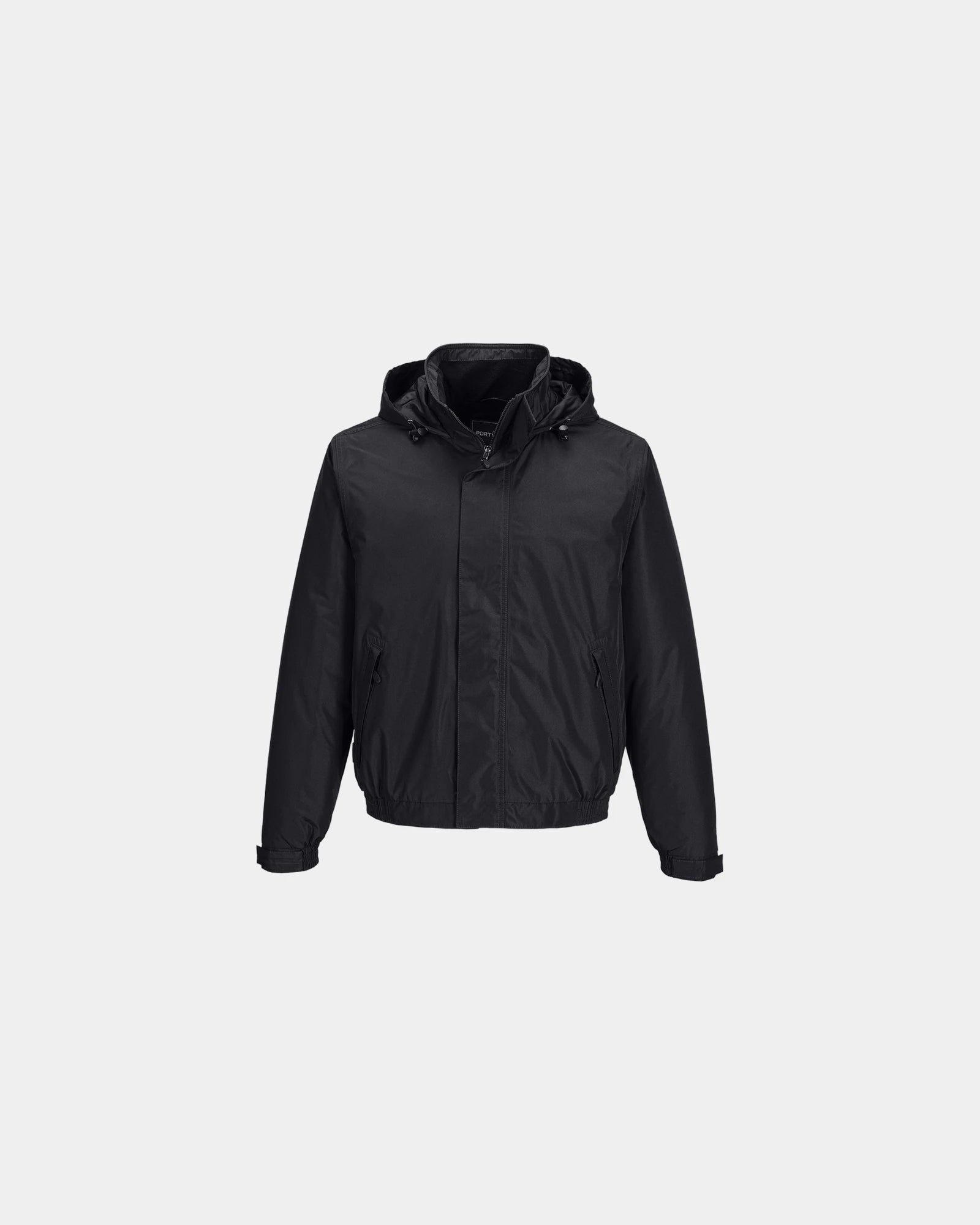
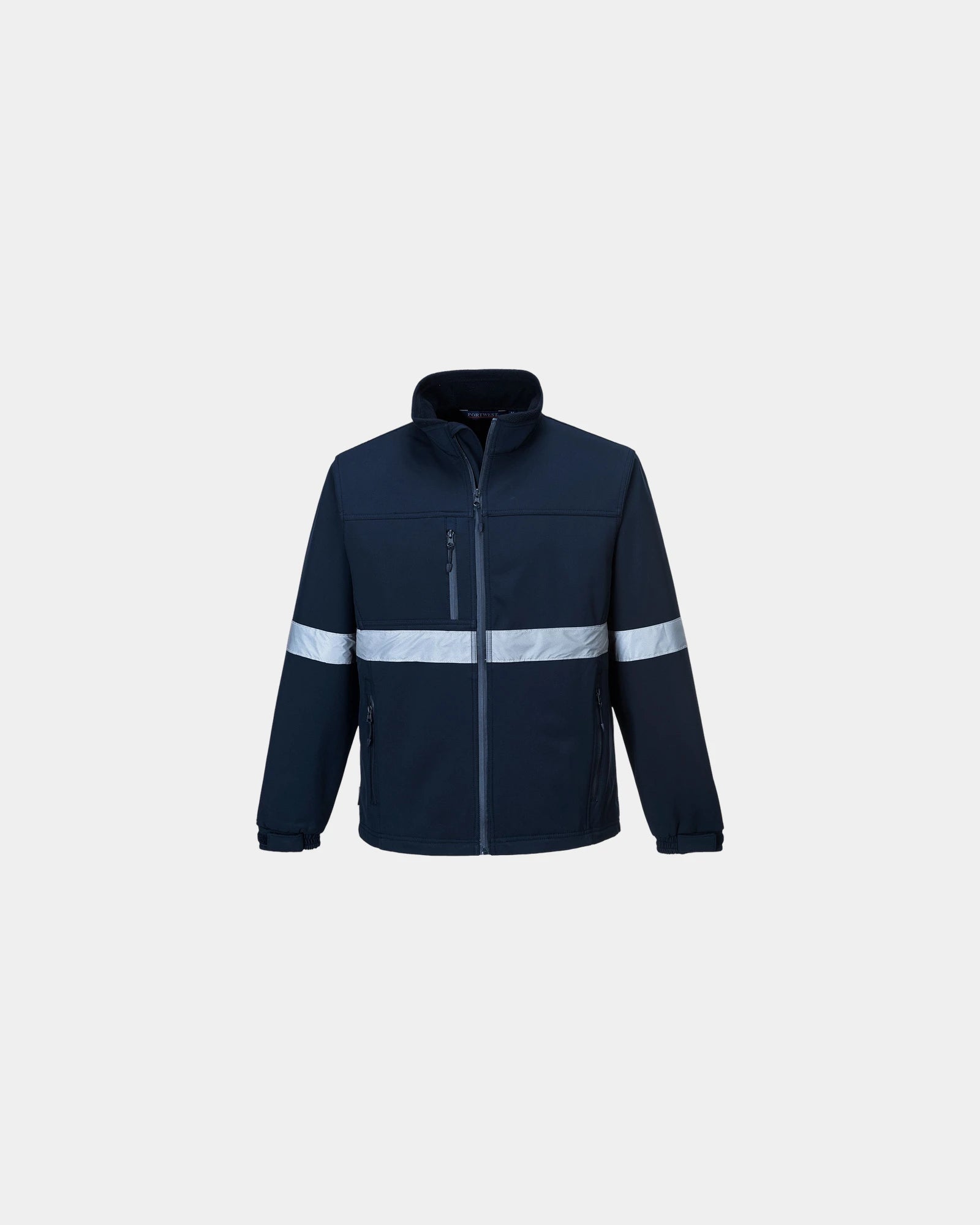
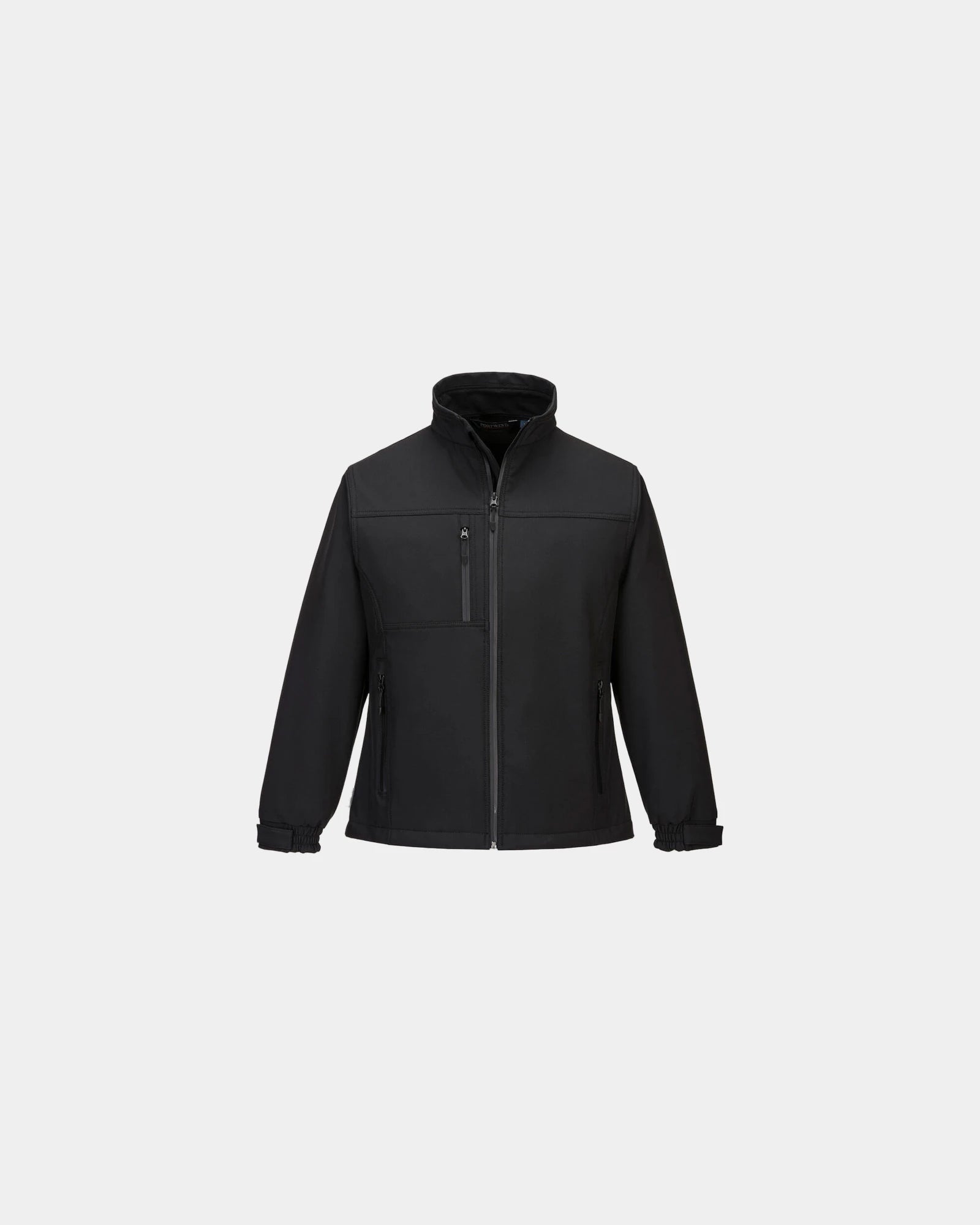
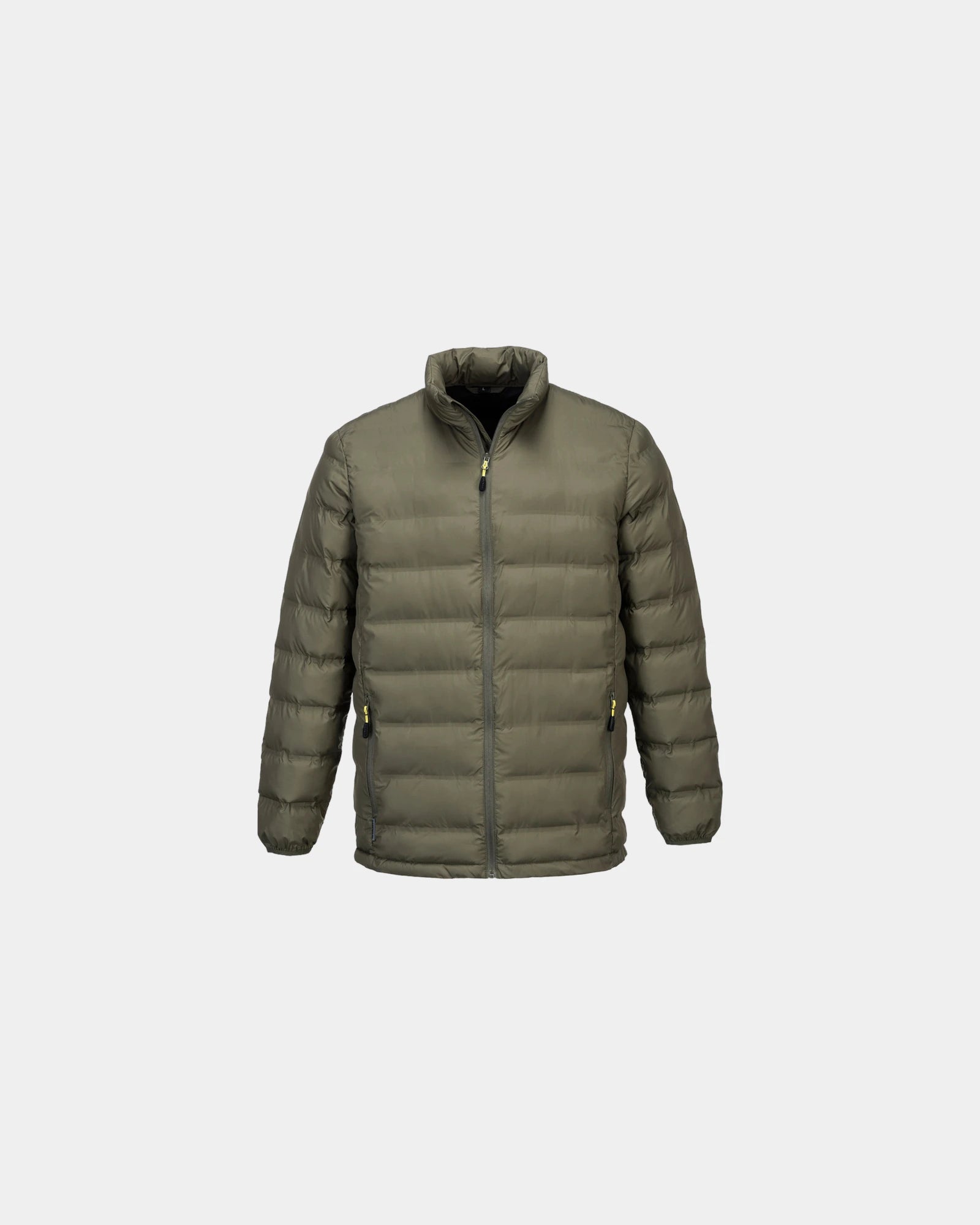
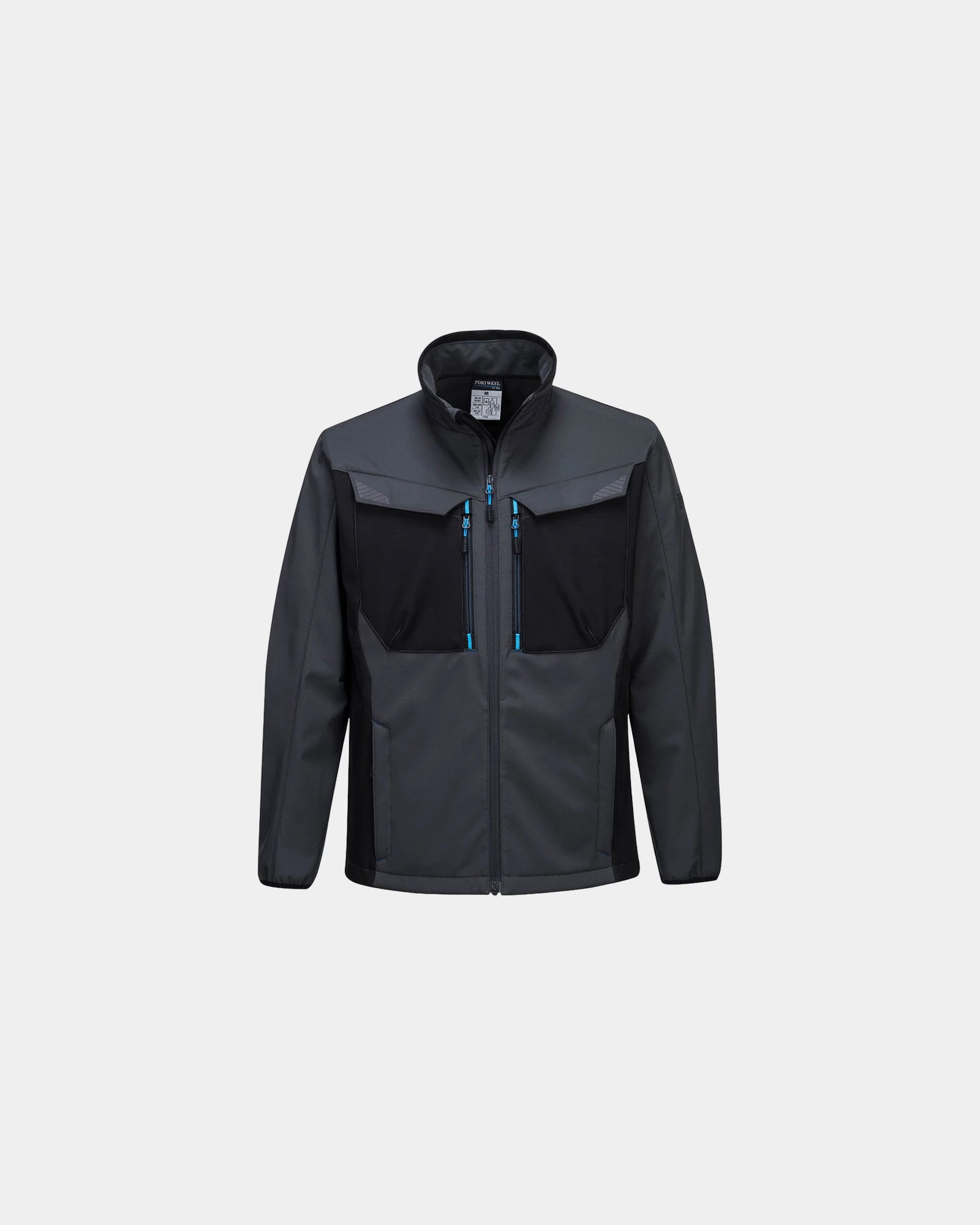
The mid layer is where comfort is won or lost. A bonded softshell blocks wind and light rain while staying flexible enough for ladder work, and a microfleece adds warmth with almost no weight. We keep the same chest mark across all three layers so the crew stays on-brand whatever they have on.
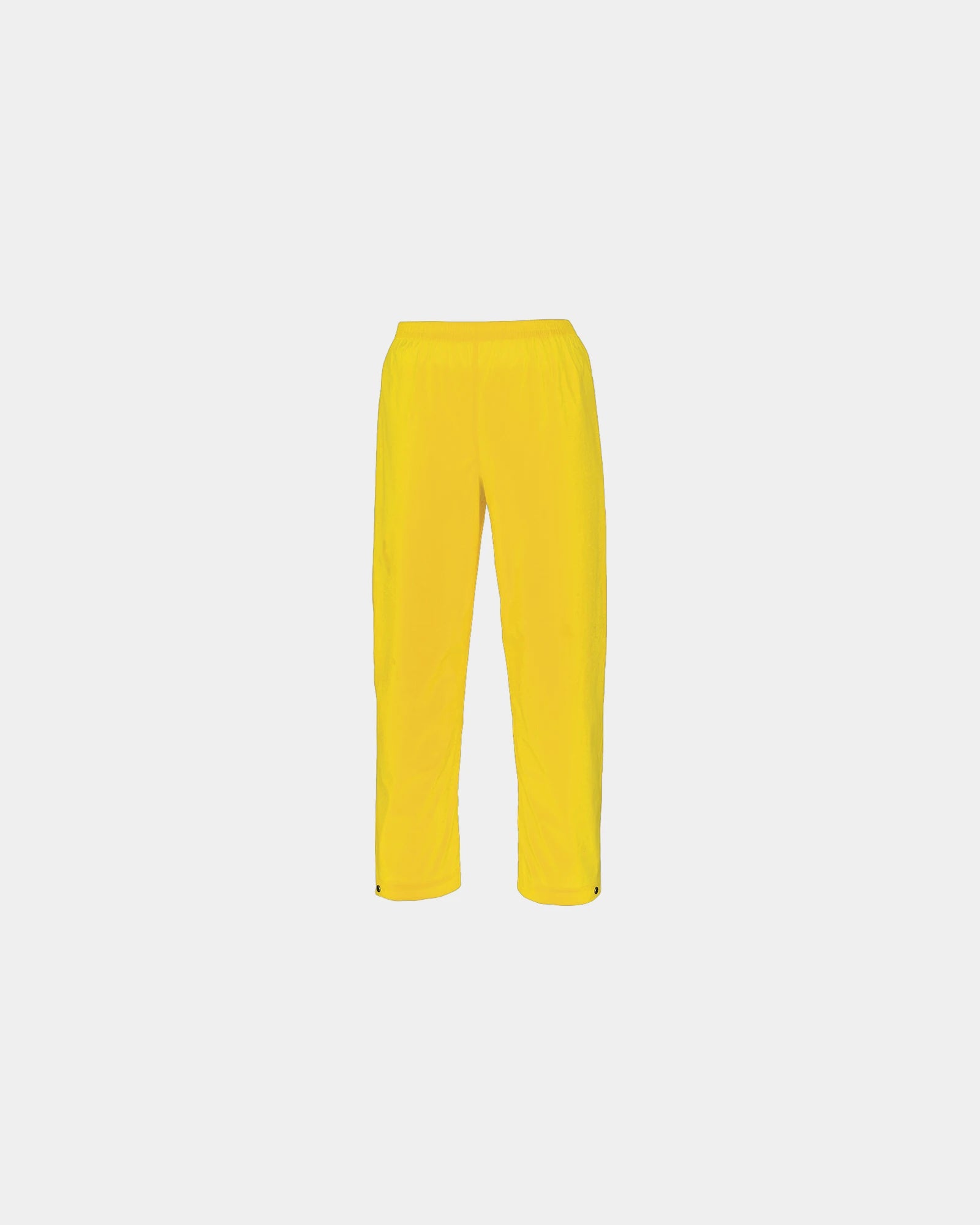
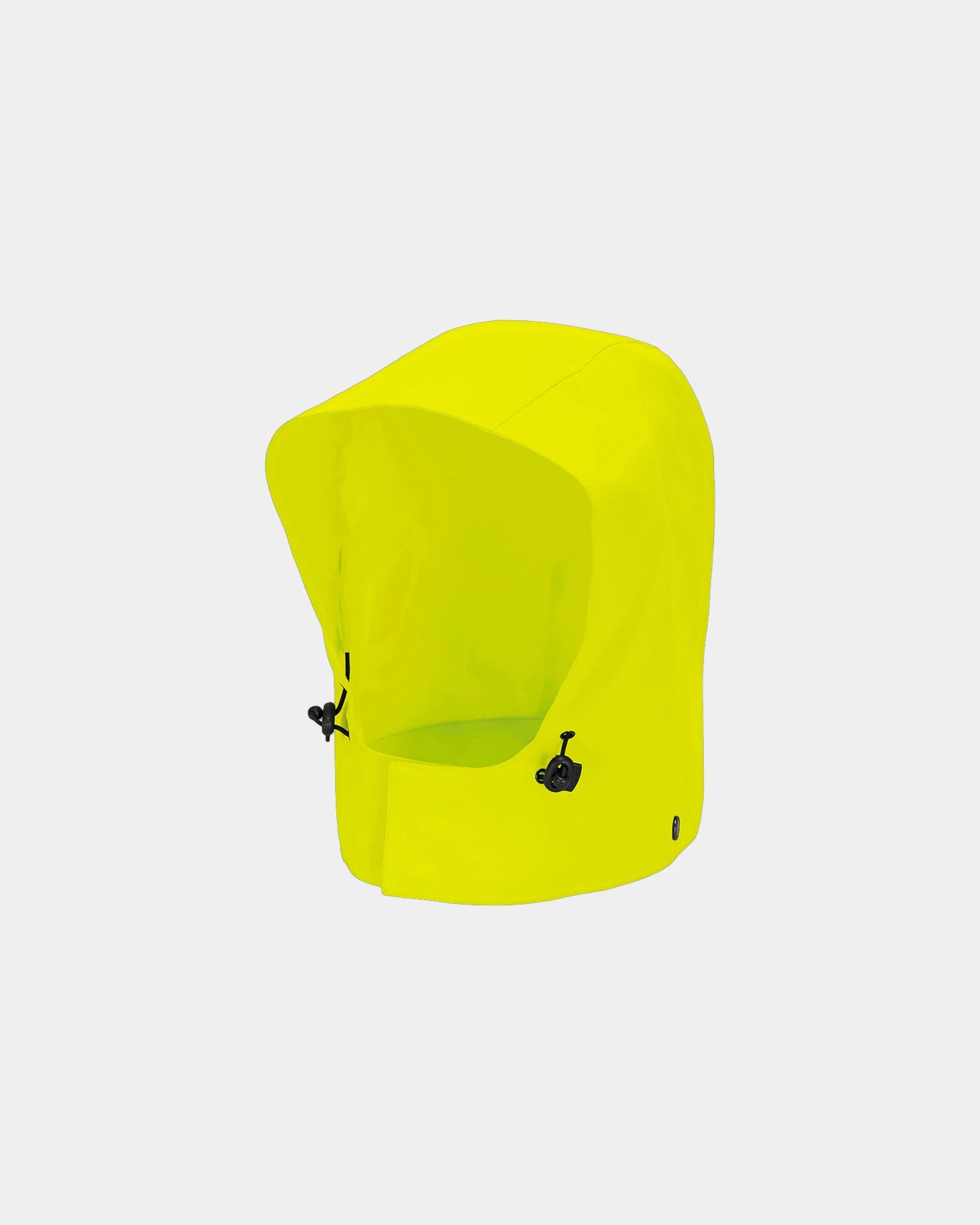
A full system runs four steps for a crew that works through real weather. A wicking baselayer moves sweat off the skin, a fleece traps warmth, a softshell turns wind and drizzle, and a taped waterproof shell goes over the top for a downpour. Each operative drops to the layer the weather and the graft demand, so nobody overheats hauling materials in March.
Headwear closes the system. A branded beanie for winter and a custom caps for summer give the crew a finishing piece that reads from the same distance as the chest logo. Issuing the cap with the kit means the brand still shows when the jacket comes off in the heat.
- Base layer: hi-vis or plain polo, embroidered chest name
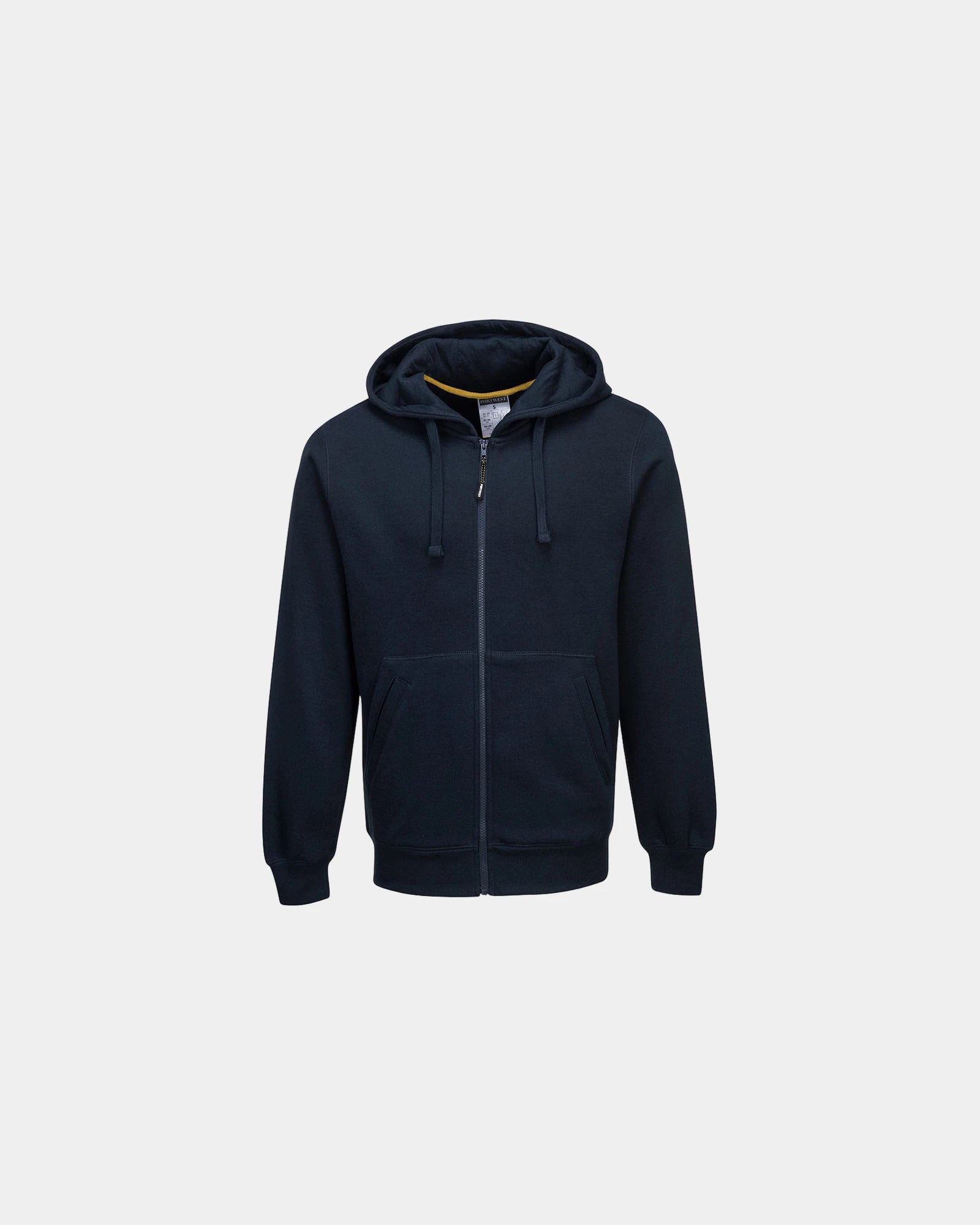
- Mid layer: fleece or sweatshirt for early starts
- Outer layer: softshell or bomber, water-resistant
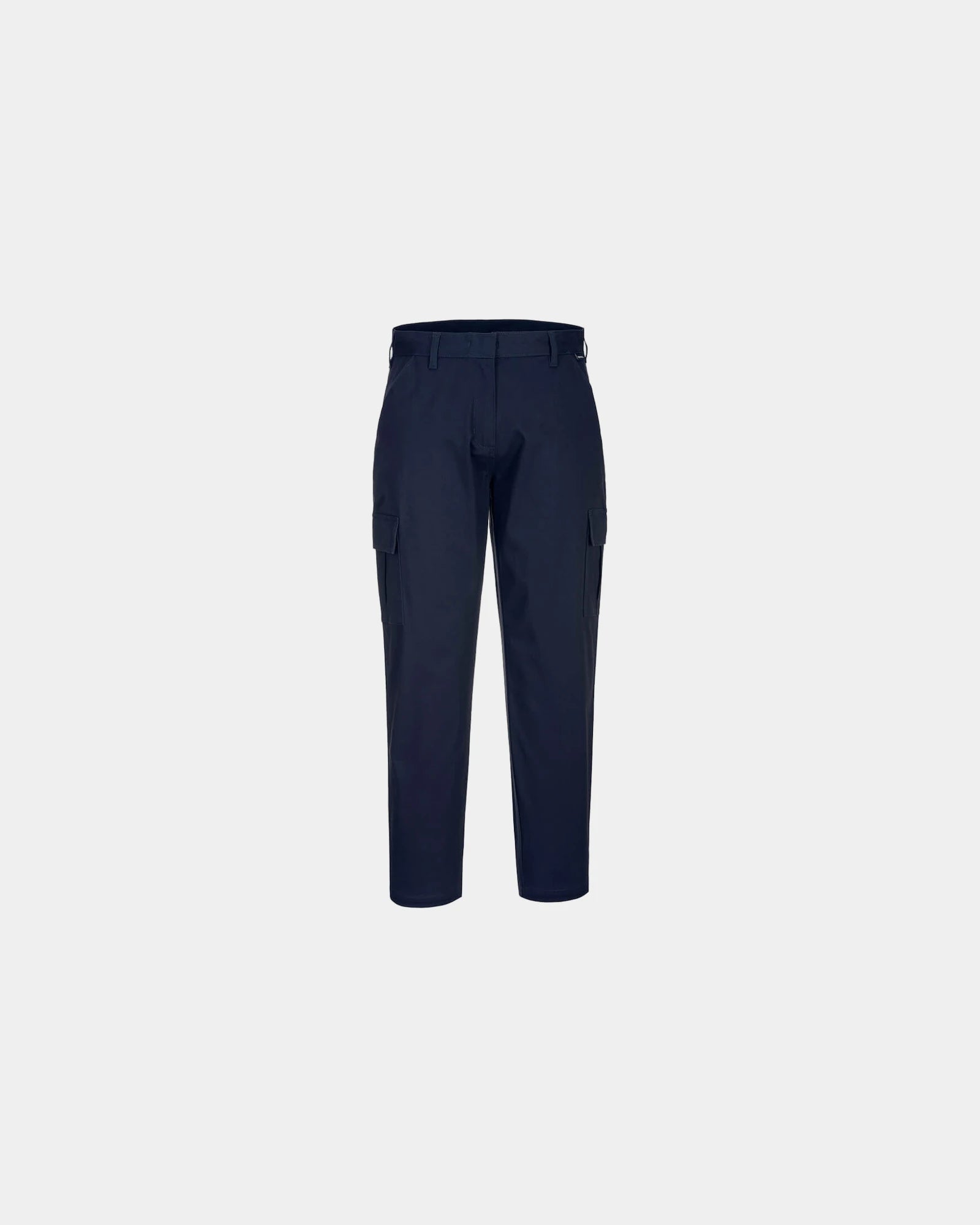
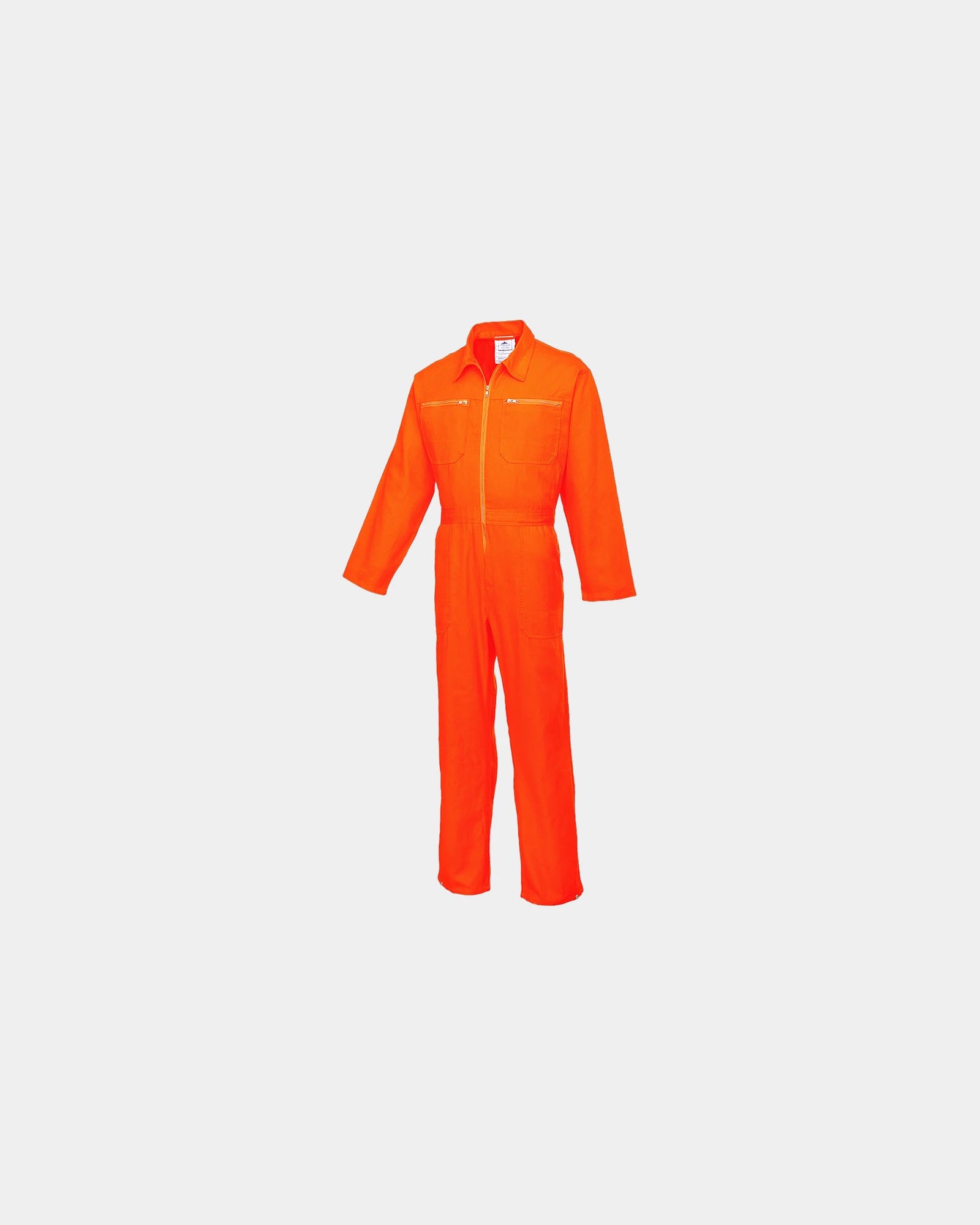
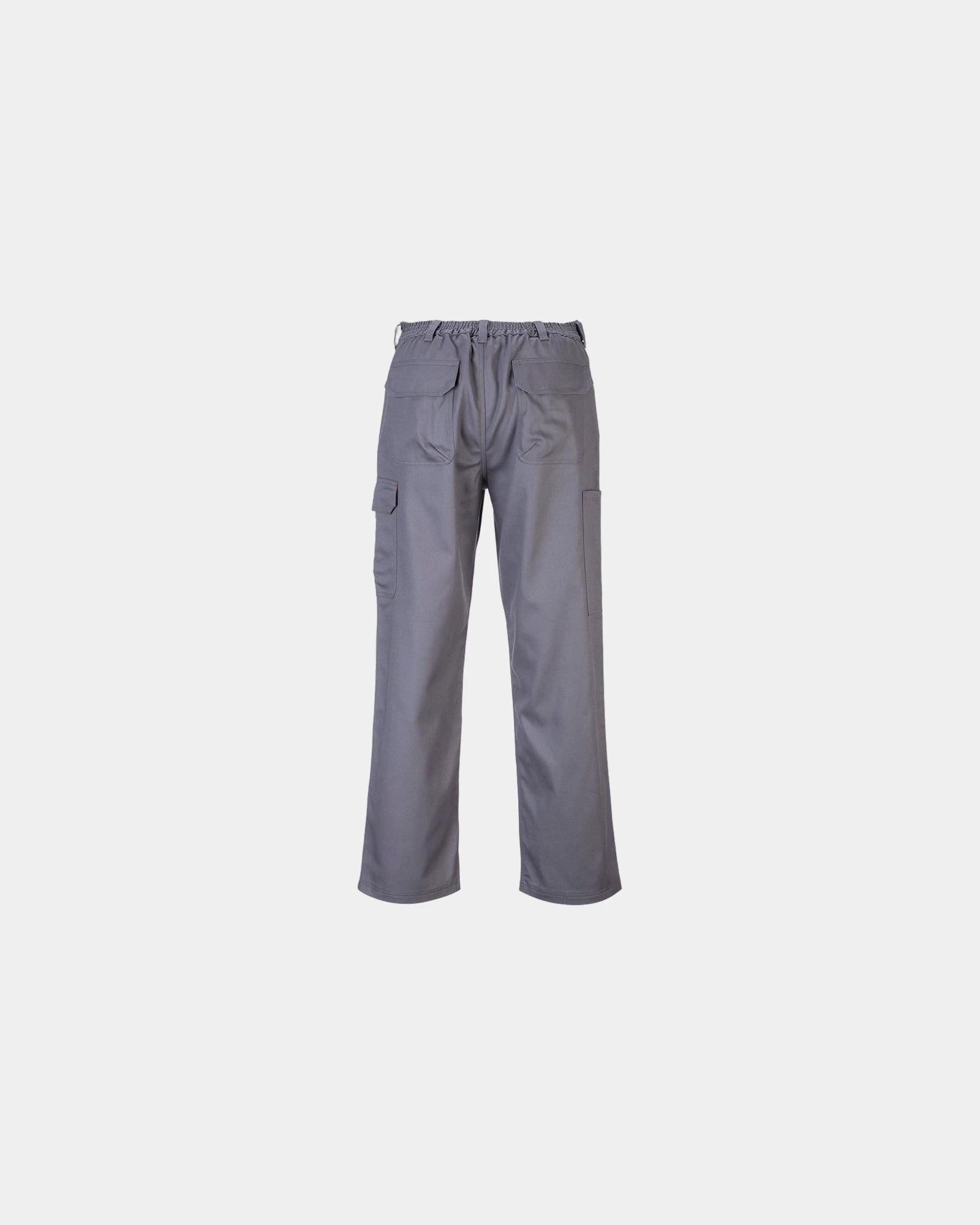
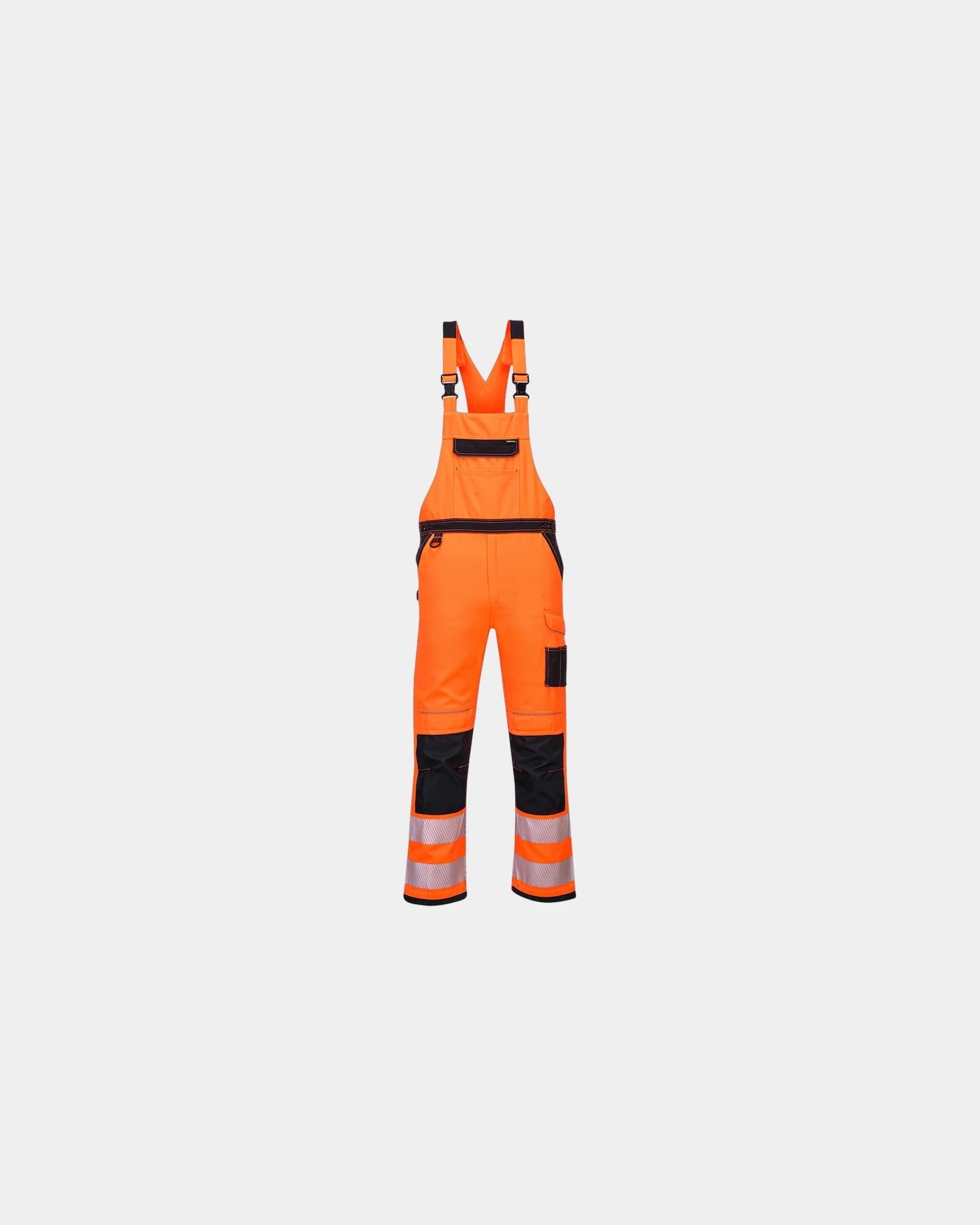
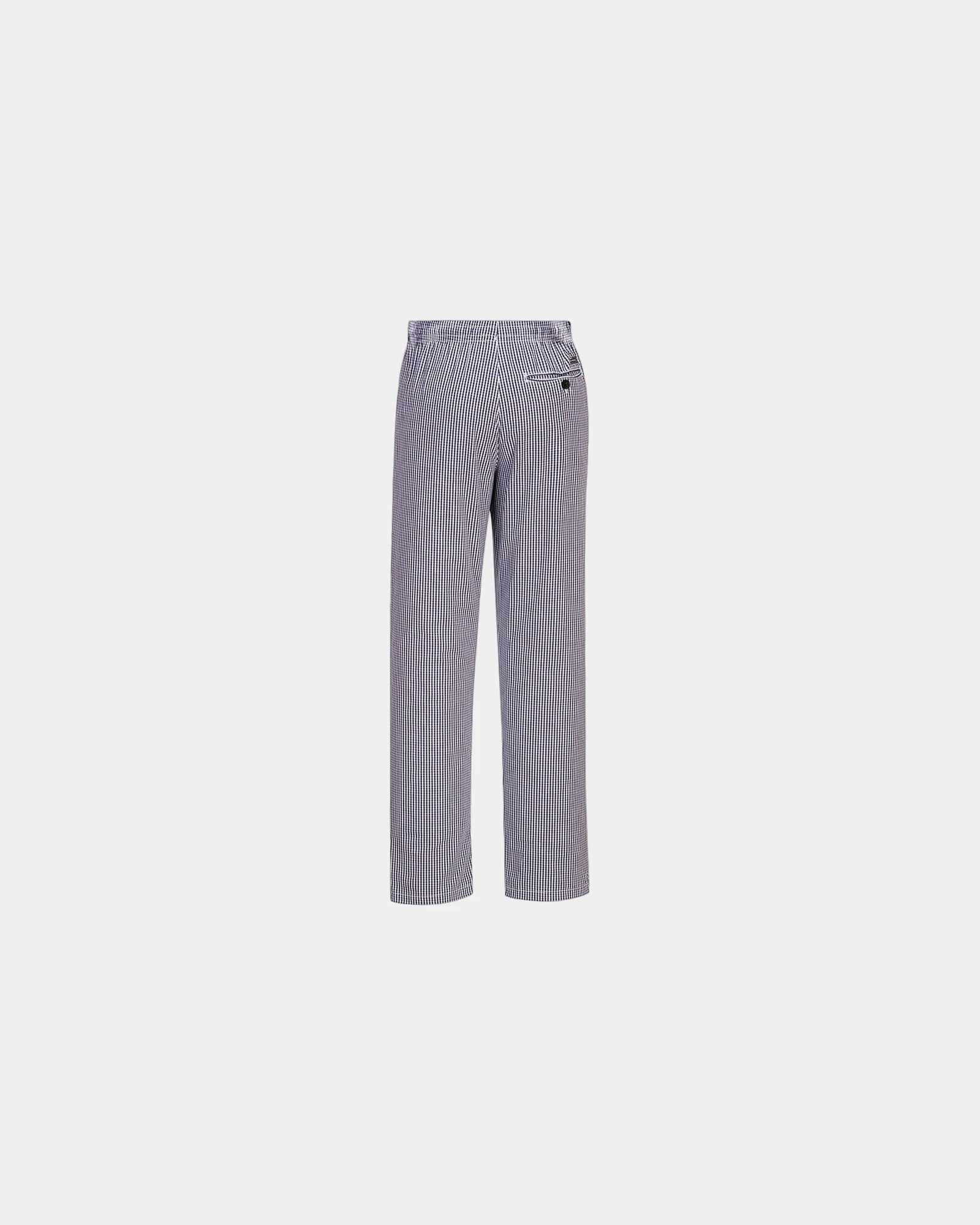
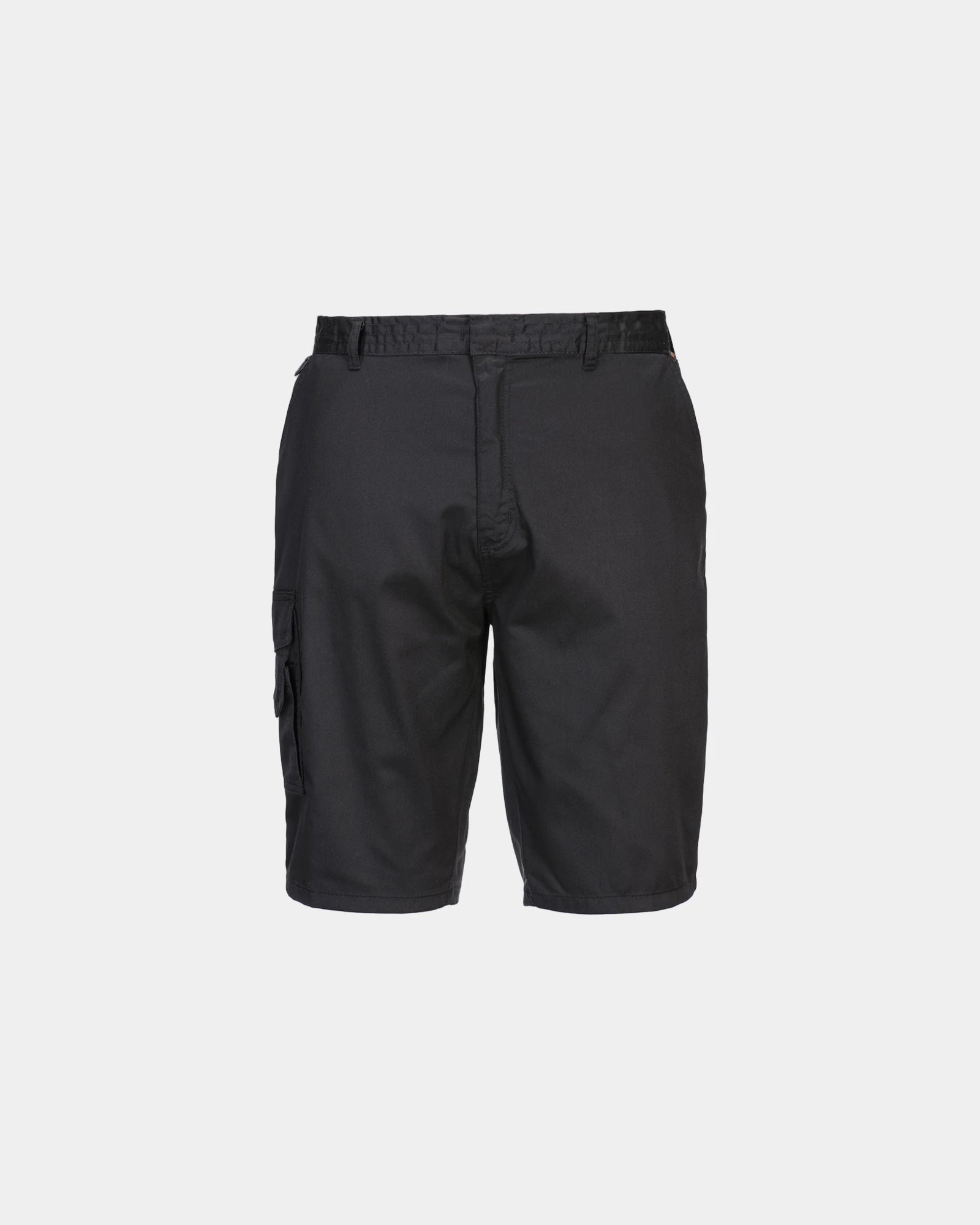
- Legwork: ripstop or poly-cotton trousers, knee-pad ready
- Front-of-house: fitted polo, apron or tabard
- Headwear: beanie or cap matching the kit
- Hands and feet: sourced separately per safety spec
Fabrics That Carry A Mark On Printed Workwear
Fabric for personalised workwear is chosen to survive the job, then to take the mark. Poly-cotton, often a 65/35 blend, is the workhorse for polos and trousers, mixing cotton comfort with polyester strength and easy laundering. It holds an embroidered logo flat and resists the shrinkage that pure cotton suffers across repeated hot washes.
Ripstop And Reinforced Cloth For Hard Roles In Personalised Workwear
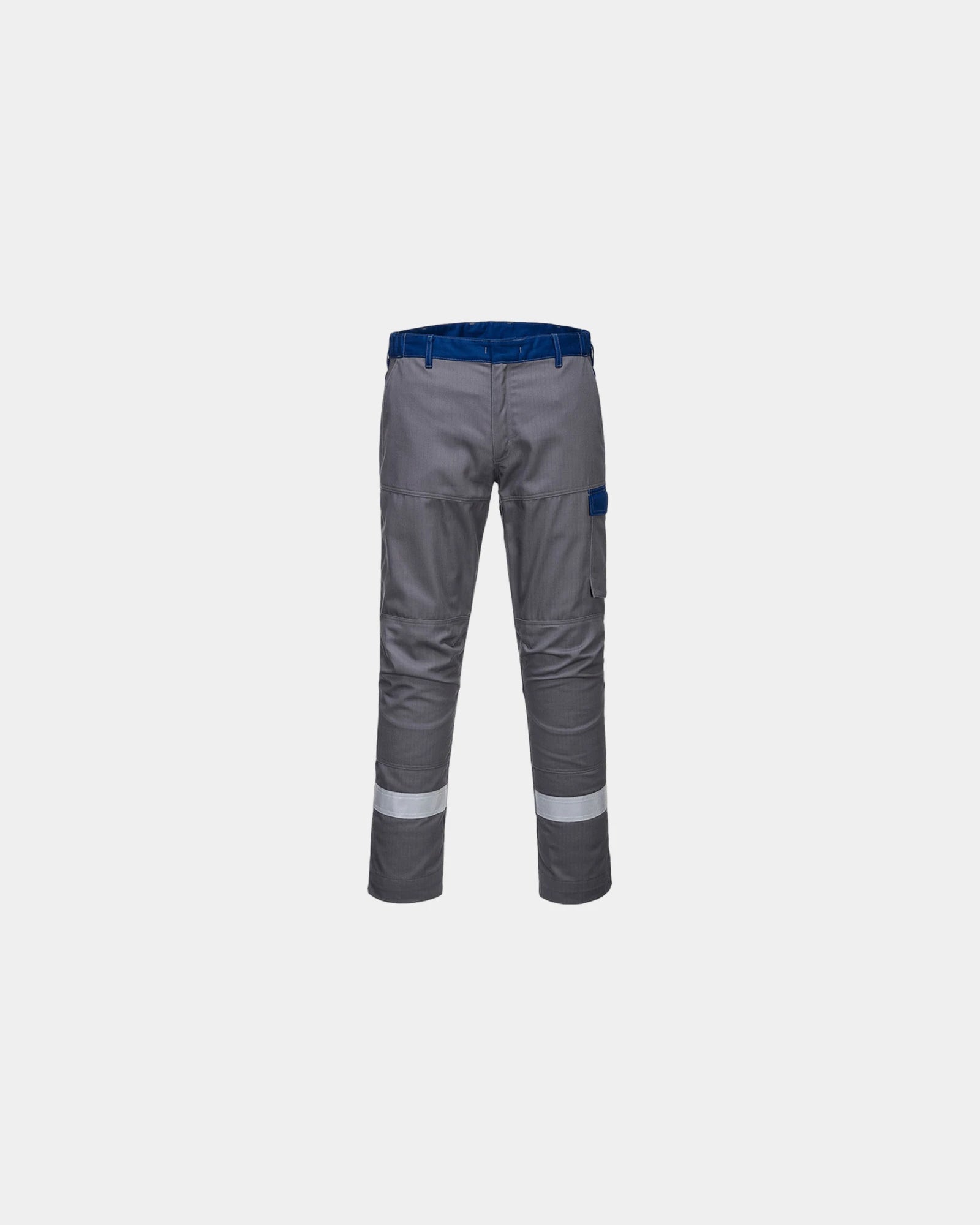
Heavier roles call for tougher cloth. Ripstop weaves a reinforcing grid into the fabric so a small tear cannot run, which suits trousers and embroidered jackets on a site full of sharp edges. Flame-retardant fabrics exist as a market reference for welding, electrical and oil-and-gas roles, and any FR rating is stated in the product spec, never claimed by us.
Weight tells you how personalised workwear will wear. As a rough guide, a 200gsm polo suits warm indoor work, a 280gsm sweatshirt handles cool mornings, and a softshell around 300gsm sheds wind. We match the weight band to the season and the role so the kit is neither flimsy nor stifling.
Construction matters as much as the cloth on a working trouser. Triple-stitched seams resist the pull of a crouch and a stretch, where a single line of stitching would pop on the first awkward reach. Bartacks reinforce the stress points at pocket mouths and fly, and that detail is what separates a season's trouser from a fortnight's.
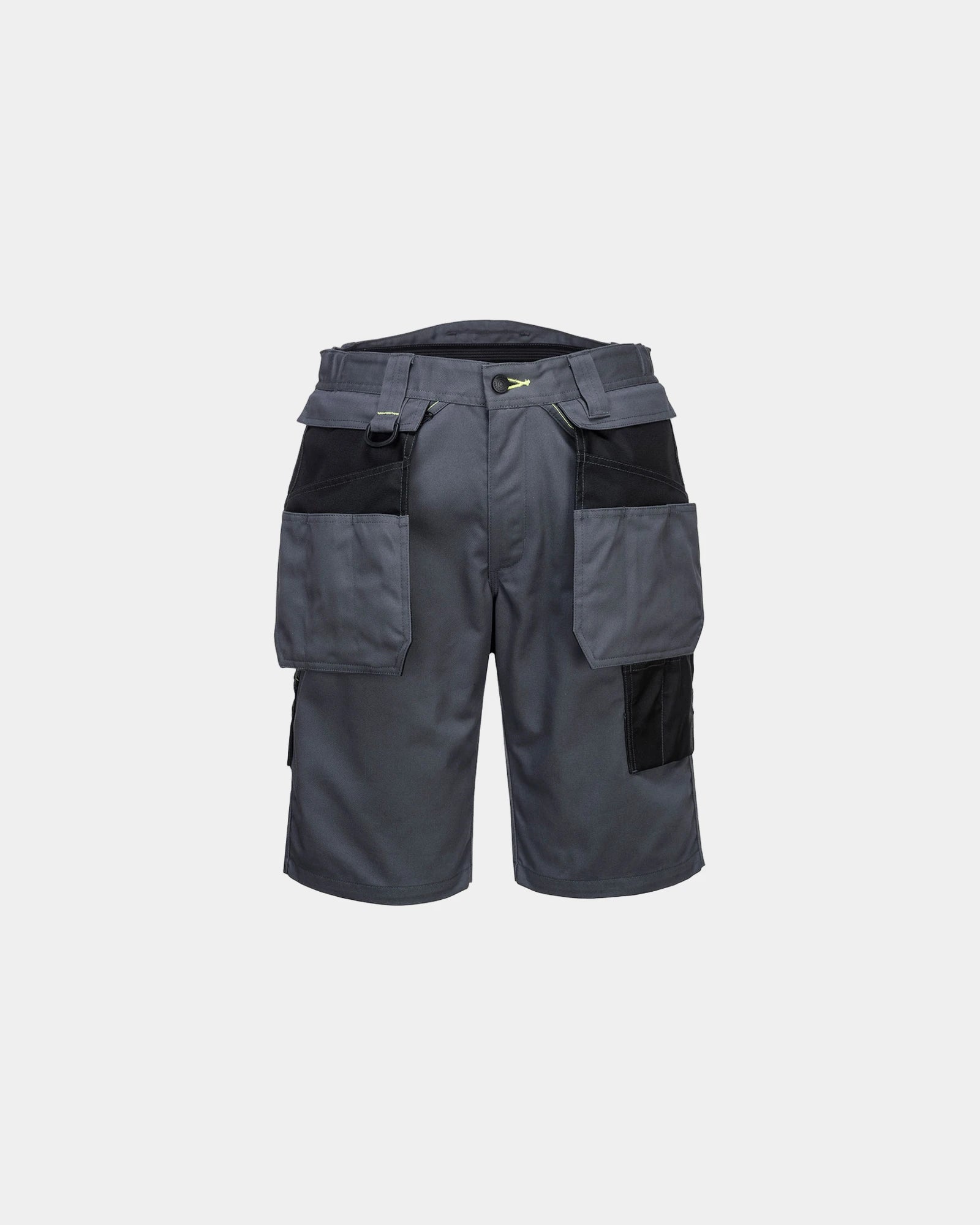
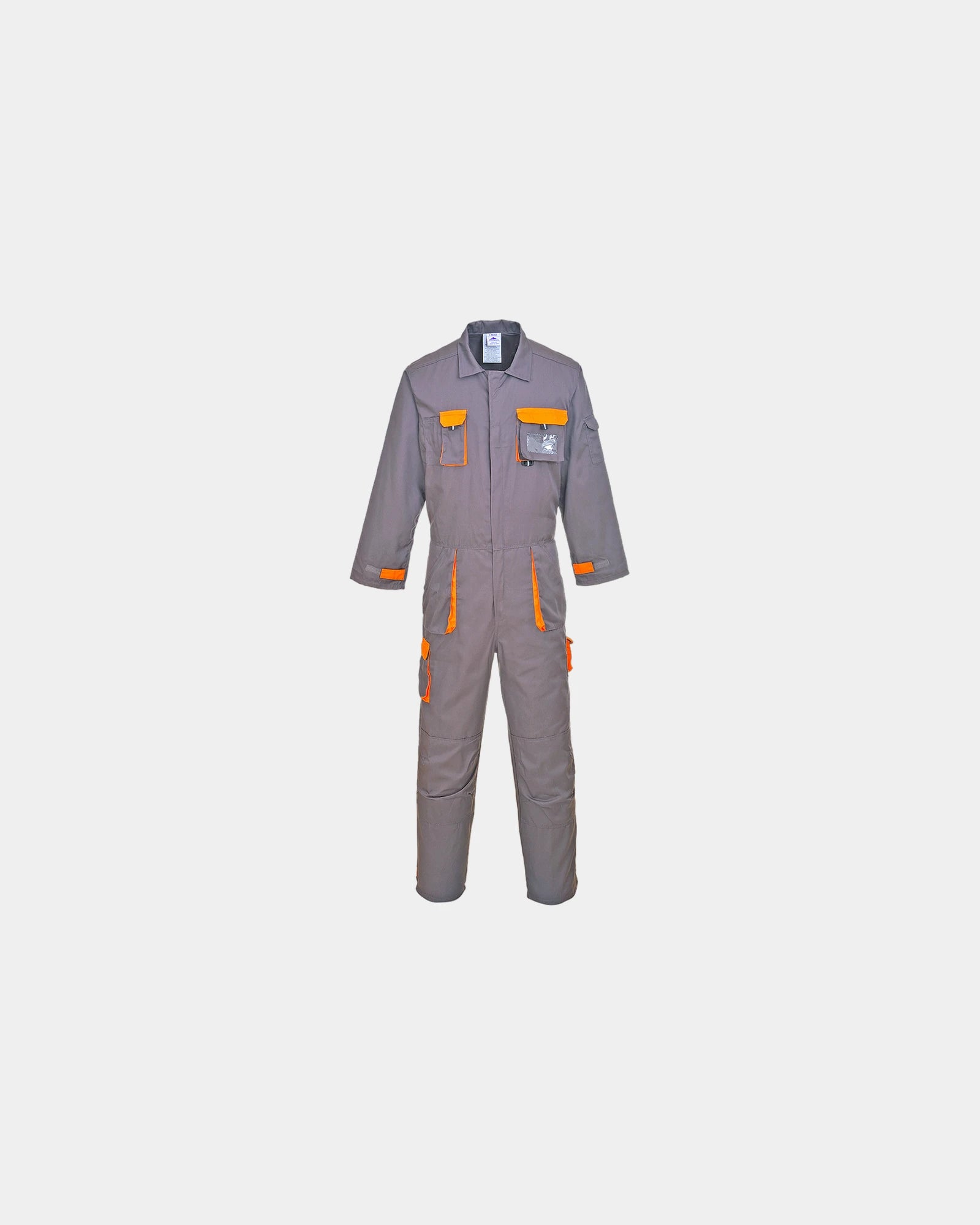
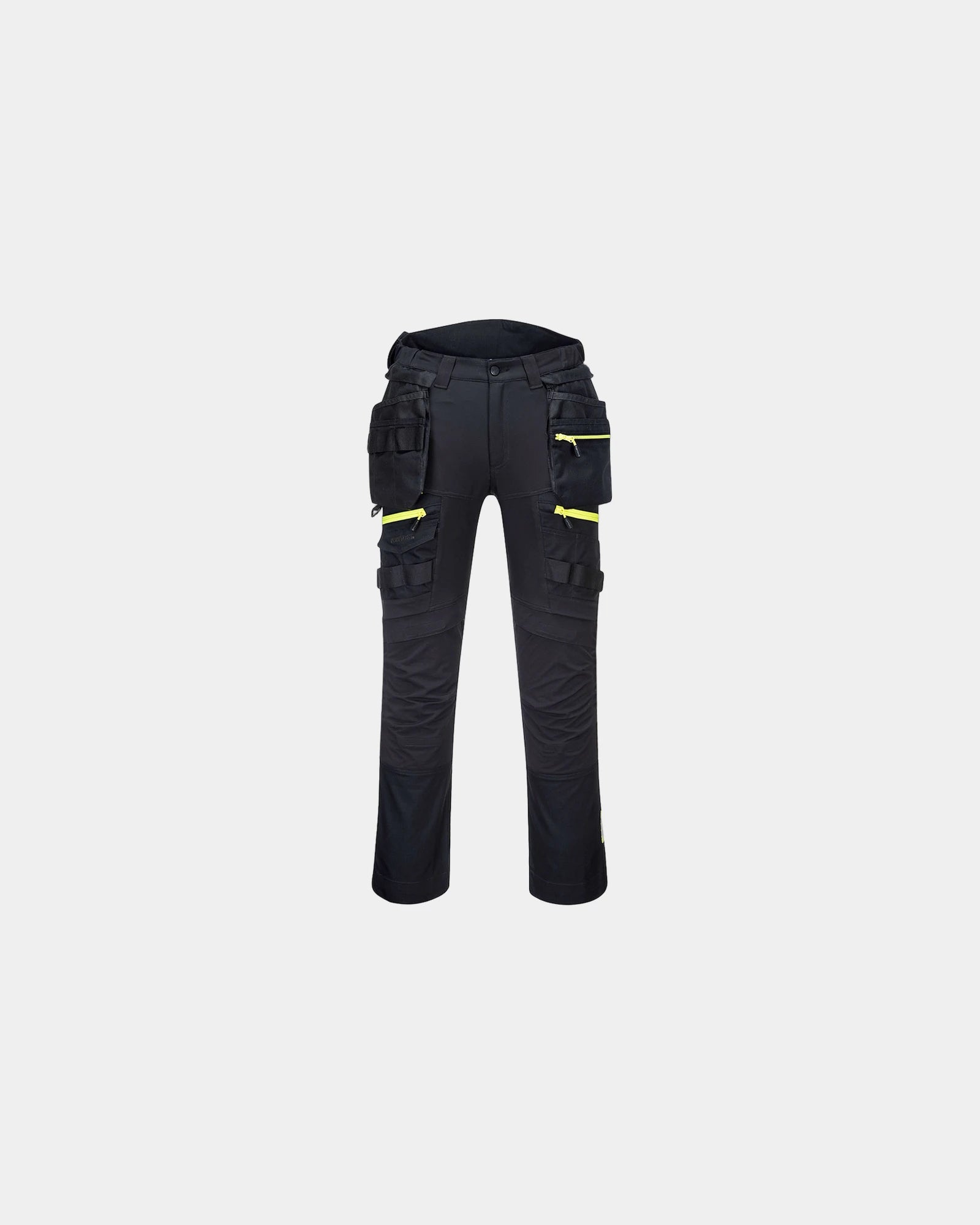
Holster and kneepad pockets earn their keep on a fit-out crew. A slot-in kneepad pocket lets a tiler or plumber work the floor without a strap-on pad sliding, while cargo and rule pockets keep tools to hand. An action back or stretch panel across the shoulders frees the arms for overhead work without the jacket riding up.
Finishes are the last line of defence on a garment that meets mud and grease daily. A teflon or stain-release treatment helps a poly-cotton shed a coffee splash or a smear of sealant before it sets, which keeps a uniform presentable between washes. We treat any such finish as a reference feature stated in the product spec, not a promise we make.
| Fabric | Typical weight | Best role | Mark that suits it |
|---|---|---|---|
| Poly-cotton 65/35 | 180-220gsm | Polos, everyday uniform | Embroidery, transfer |
| Ringspun cotton | 180-200gsm | Front-of-house, retail feel | Fine embroidery, print |
| Ripstop poly-cotton | 245-280gsm | Site trousers, jackets | Embroidery, badge |
| Microfleece | 250-300gsm | Mid-layer warmth | Embroidery |
| Softshell | 280-320gsm | Outer, wind & shower | Embroidery, transfer badge |
Size Runs From XS To 5XL Across Your Corporate Workwear
A real team is not one size, and a kit that ignores that fails on day one. We run most personalised workwear styles from XS to 5XL, with separate women's-fit and unisex blocks so a mixed crew is covered without anyone swimming in or straining a garment. A fitted female polo sits very differently from a unisex cut at the same nominal size.
Ordering the right size mix is a planning step, not an afterthought. For a 40-strong rollout we ask for a size matrix per style up front, because a single embroidery setup runs across every size at no extra digitising cost. That means a 5XL jacket carries the identical chest logo as a small, scaled to sit right on each.
Personalisation reaches the individual on Embroidered workwear. Beyond the company logo, we add a name and role above the pocket per garment, so each piece is allocated to a person, not a pile. That cuts shrinkage from kit going walkabout and makes reordering for a single new starter straightforward.
Names, Roles And Departments On Personalised Workwear
Naming garments turns shared stock into issued kit. A name and job title stitched or heat-sealed above the chest pocket lets a supervisor see roles across a site at a glance, from banksman to site manager. It also stops the morning scramble of who is wearing whose fleece.
Departments can run their own colourways inside one brand. A warehouse team in one polo colour, drivers in another and supervisors in a third reads instantly across a depot. The embroidered logo keeps every group on the same brand. We hold your artwork on file so a colour split never means re-supplying the logo.
Personalised workwear also helps security and access. A clearly named, uniformed team is easy to identify on a client site, which many contracts now expect. We can add a role tag, a department code or a simple number, each set per garment at the marking stage with no change to the base order.
Reordering And Stock Holding For Corporate Workwear
The first rollout is the easy part. A growing team needs ones and twos for new starters all year, so we hold your digitised logo and approved artwork on file. A reorder for a single embroidered polo runs the exact same stitch file as the original 240-piece order, so the new starter matches the crew precisely.
Logo position is the thing a top-up has to get right. We log the exact placement from the first run, so a left-chest crest sits the same distance below the collar seam and in from the placket on every reorder. A new starter's polo then lines up against a two-year veteran's without a second look.
Lead time moves with the size of the order. A full 40-person, five-style rollout needs longer in production than a three-garment top-up, and embroidery setup is a one-off so repeats run faster. We confirm a delivery window against the live quantity, with our standard route landing finished kit inside three weeks.
Corporate workwear works best as a managed line, not a one-off buy. We can keep a reference size matrix and a logo file so a depot manager reorders by style and size without re-specifying artwork. That turns kit replacement into a quick email rather than a fresh project each time.
| Order shape | Typical quantity | Marking | Indicative window |
|---|---|---|---|
| Sole-trader starter set | 4-8 garments | Embroidery | Approx. 2-3 weeks |
| Front-of-house uniform | 10-20 garments | Embroidery + transfer | Approx. 3 weeks |
| Full site rollout | 200+ garments | Embroidery | Approx. 3 weeks |
| New-starter top-up | 1-5 garments | Embroidery, file held | Approx. 1-2 weeks |
Sector Briefs: Matching Custom Workwear To The Job
Each sector loads the kit differently. Construction and trades lead on hi-vis class, ripstop durability and a tough outer, while logistics adds a fleet of named tabards and bodywarmers for yard and cab. Both want a mark that survives daily abuse and reads across a wide working space.
Hospitality and front-of-house flip the priorities to fit, colour and a clean close-up finish, where a fine embroidered name reads across a table or counter. A coordinating personalised socks or branded headwear can round out a hospitality uniform where the dress code allows a lighter, friendlier touch.
Healthcare and care settings ask for easy-wash poly-cotton tunics, clear role identification and a 60-degree-safe mark for hygiene. We stitch names and departments so staff are identifiable on a ward or in a care home, and keep colourways consistent with any sector dress code stated in the brief.
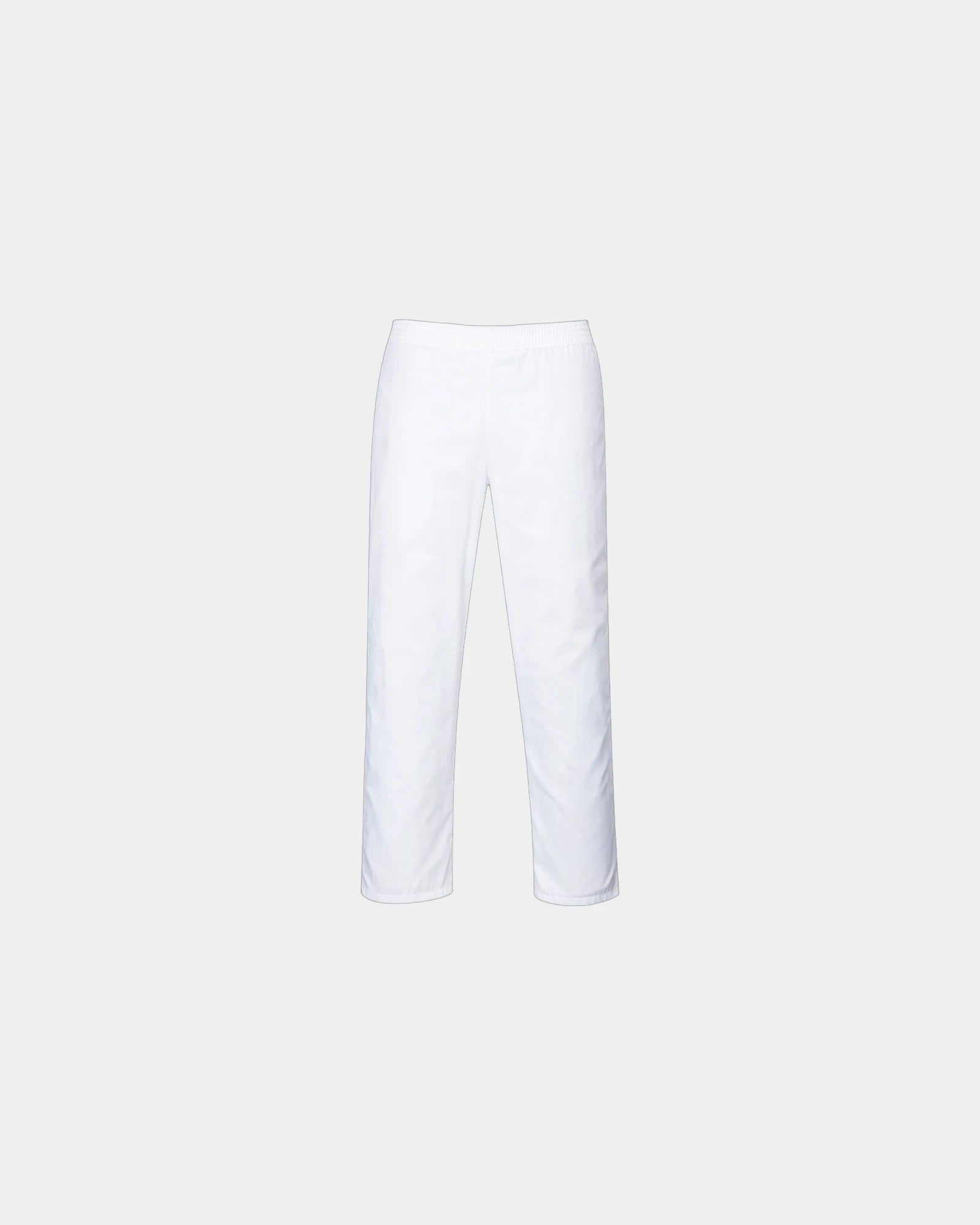
Food and catering work loads the kit toward hygiene and quick changeovers. Light poly-cotton tunics and aprons that take a daily hot wash keep a kitchen line presentable, and a colour-coded set helps separate prep from service areas. We place the chest mark on a flat panel so it reads across a pass without snagging on a busy station.
Care And Wash Life Of Your Printed Workwear
Workwear lives or dies by the wash cycle, so we spec it to take a beating. A poly-cotton polo holds shape and colour through repeated 60-degree laundering, the temperature most hygiene and trades roles default to. Pure cotton feels softer but shrinks and fades faster under that heat, which is why blends dominate a hard-working kit.
Marking method changes the care advice on Printed workwear. Embroidery shrugs off hot washes and tumble drying, while a heat-seal transfer prefers a cooler cycle and a turn inside out to protect the film edge. Where staff also wear softer branded custom t-shirts off-shift, those lighter cottons take a gentler wash than the site kit.
We issue a short care note with larger rollouts so a garment reaches its full wash life. Following it keeps a logo crisp and a fluorescent background bright for longer, which delays the reorder and protects the kit budget across a year of daily wear.
| Garment | Wash temp | Tumble dry | Note |
|---|---|---|---|
| Embroidered poly-cotton polo | Up to 60C | Low | Iron avoiding the logo |
| Heat-seal named garment | 30-40C | Cool/none | Turn inside out |
| Hi-vis with print | Up to 60C | Low | Protects fluorescent brightness |
| Softshell, embroidered | 30C | None | Hang to dry |
Building A Coherent Brand Across Promotional Workwear
A consistent mark across every layer is what makes a team look run, not thrown together. We digitise your logo once into a stitch file. That identical file then runs from a polo to a softshell, and even onto a personalised blankets run for a client gift. The chest crest reads the same whether an operative is in shirtsleeves or a full jacket.
Promotional workwear can extend the same identity beyond the core team. A branded fleece for a trade-show stand or a bodywarmer for a fleet event carries the company mark into settings a hi-vis polo never reaches. The shared logo file keeps every piece on-brand, from site to showcase.
Coordination scales with the brand. Pairing core kit with branded workwear and matching accessories means a new depot or franchise opens already on-brand. We approve your artwork and send a digital proof for sign-off within 24h, so the first stitch is the right one across the whole rollout.
Recording Fibre And Safety Specs On Your Custom Workwear Order
A procurement audit asks for evidence, not assurance, so the fibre and safety detail belongs on the order's own spec document line by line. Composition differs across a kit. One polo may be organic cotton while the matching softshell is a poly blend, and each figure is shown on that garment's tech pack rather than claimed across the range.
Safety ratings follow the same rule. Where a base certifies to a high-visibility or flame-retardant standard, that class sits in the product spec from the maker, and we cite the standard only as a market reference. We never restate a rating as our own guarantee, so an auditor reads the certificate for the exact line chosen.
Building the shortlist around the lines that document what a policy needs is the safe route. Once those compositions and classes are recorded against each role, the workforce is committed only against confirmed figures. We hold that spec on file, so a reorder repeats the same documented bases rather than a near-match.