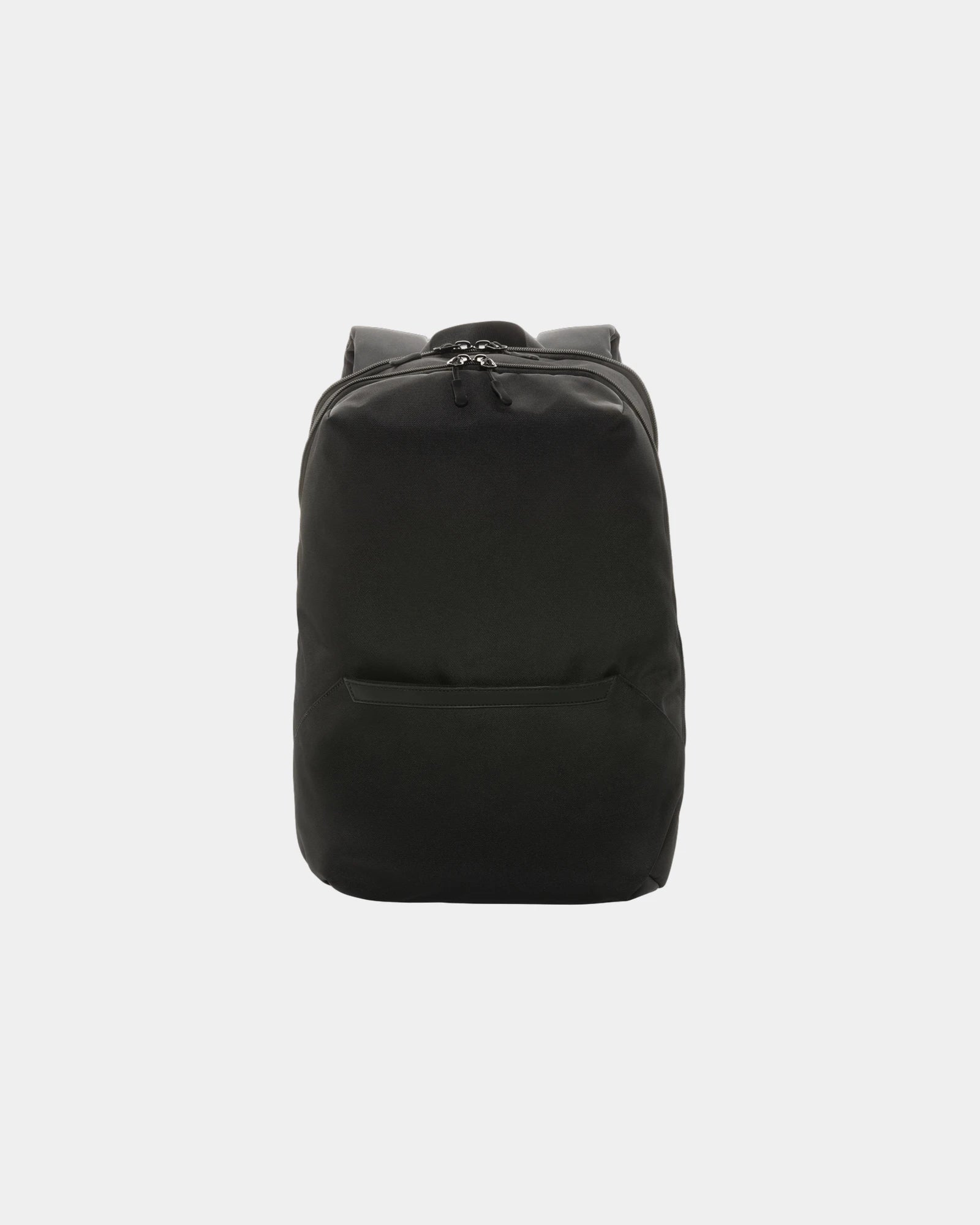
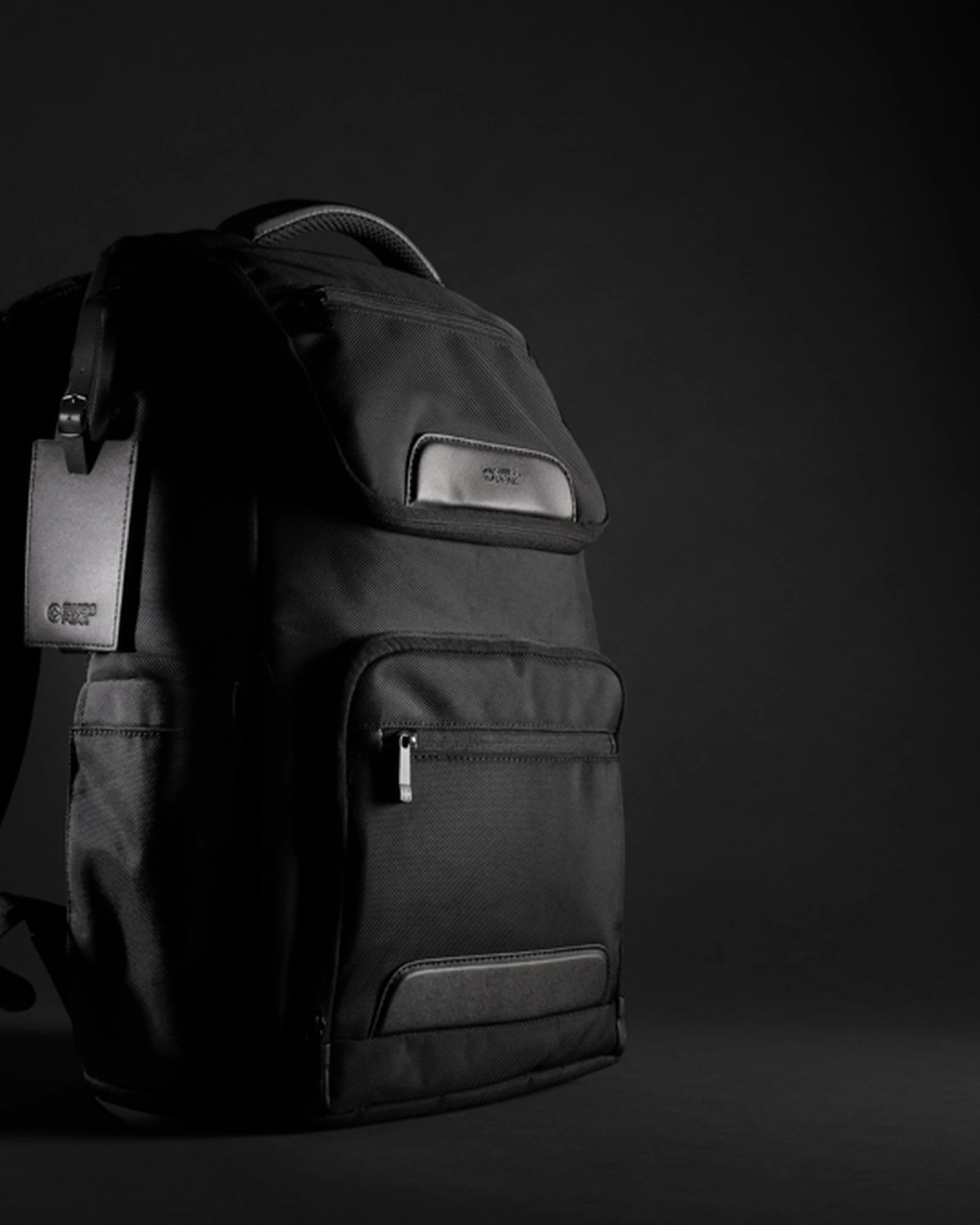
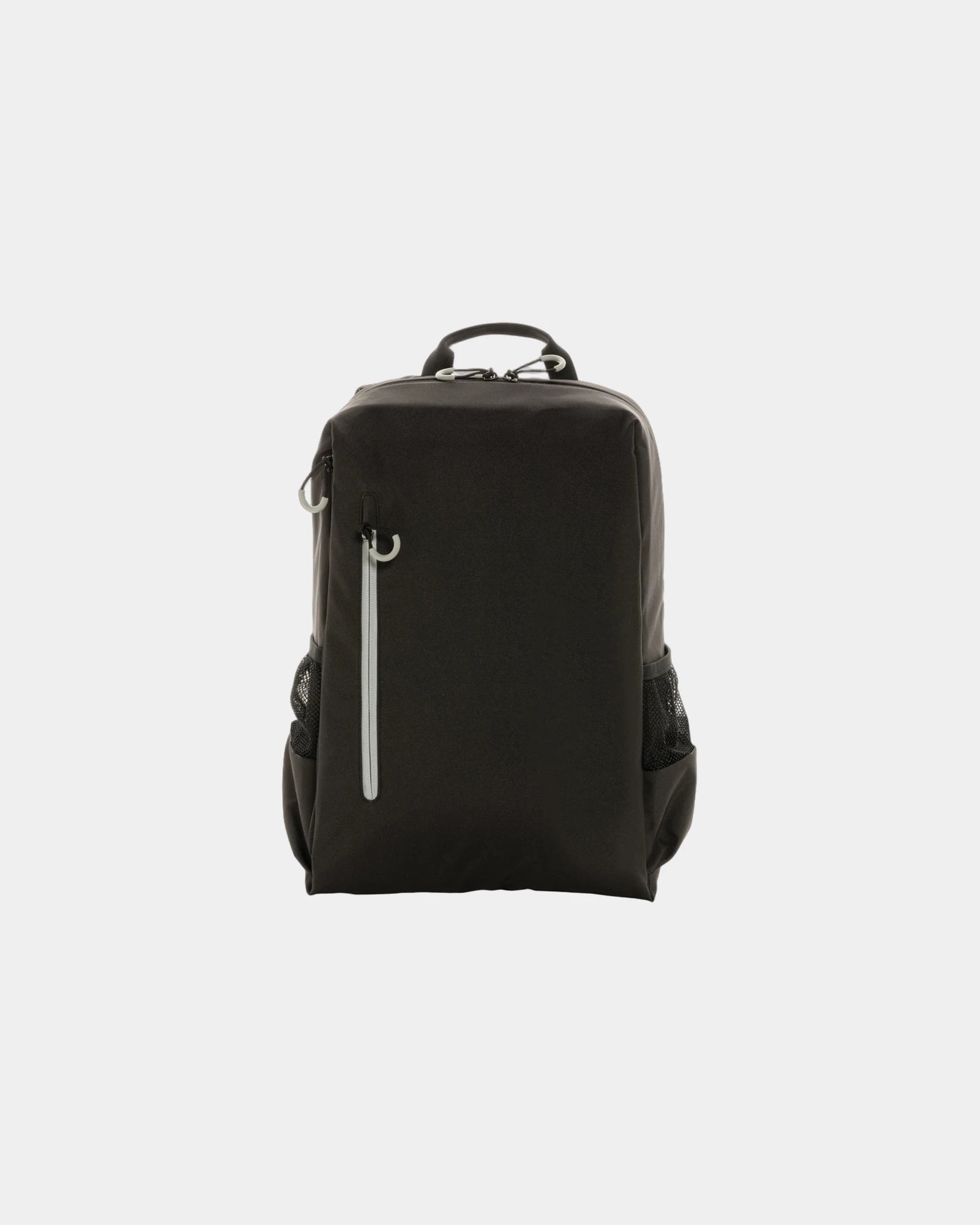
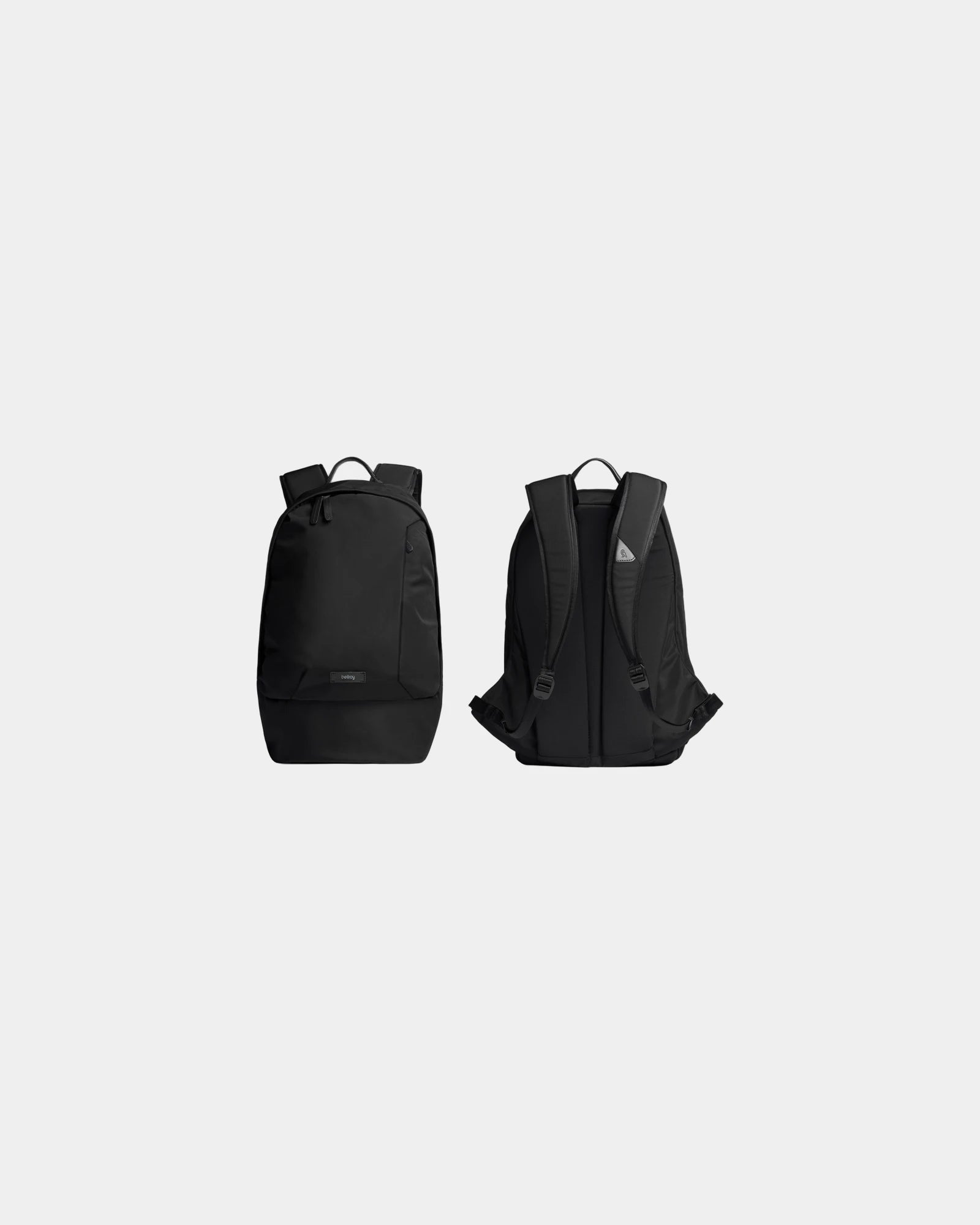
Branded Merchandise With Logo
- Eco-friendly
- Made in France
- Made in Europe
- B corporation
- Price, low to high
- Price, high to low

Treat your clients and employees!
FAQ - Logo Branded Merchandise
Trusted by 1,000+ companies
Logo branded merchandise: one master mark, identical across your whole range
Start here with the decision that sits above every product choice. Do you want one mark that reads the same on every item, or are you happy for it to drift between batches? If it is the former, the control is a single approved master file feeding every line, not a fresh interpretation per order. That one decision is what this whole hub exists to get right, and it is what no single product page can settle for you.
Order the same logo piecemeal across months and small differences creep in between batches. A pen printed in March and a bottle printed in June sign off against different references, and the two slowly diverge in weight and tone. Lock one vector master and one colour set at the outset and every line reads from the same source, so the range holds together whatever surfaces it spans. The rest of this page routes that master down to the specific items it has to land on.
This page is an overview, not a place to order from. Each section below settles one part of holding your mark consistent across a range, then sends you to the collection that carries that item's sizes and ordering detail. Decide the artwork, colour and version rules here, then pick the exact unit once you click through.
Rolling custom logo merchandise across your whole range at a rebrand
If you are mid-rebrand, this is the section to act on first, because a rebrand is where consistency stops being a nicety and becomes the launch. The new mark has to appear the same day across drinkware, wearables, stationery and bags, with no old-logo stock left contradicting it. The buyer decision is whether to run the refresh as one coordinated order or item by item, and one order is what keeps the rollout tight.
Personalised mugs are usually first to date a rebrand, since a kitchen full of old-logo cups is the most visible relic of the previous identity. Refresh the everyday items first to buy the new mark its quickest wins, then cycle longer-lived kit through as old stock runs down. Sequencing the swap this way spreads the cost without leaving the brand looking half-changed in front of staff and visitors.
The artwork advantage of a single rebrand order is consistency at source. One approved vector master and one set of Pantone codes feed every line, so the mark is the same whether it lands on a bottle or a notebook. That is the outcome a rebrand is paying for, and it is far harder to recover once a range has already been ordered in separate, unmatched batches over a year.
Getting the right artwork format for branded merchandise with logo
Before you choose a single item, settle the file, because the format decides whether the mark survives every surface it will later sit on. The buyer decision is simple: supply outlined vector or commit to redrawing later at extra cost. A vector file (.ai, .eps or print-ready .pdf) scales from a 6mm pen print to a 300mm back panel with no loss, and every decoration method reads from it cleanly.
Vector versus raster for branded merchandise with logo
A JPEG or PNG pulled off a website is raster, fixed to its original size, and rarely sharp enough for a small mark. If you only hold a raster logo, it usually needs redrawing into vector first. We send a free artwork proof within 24 hours so you see exactly how your mark renders at the real print size before anything is made. That proof is where a too-thin stroke or an unreadable strapline gets caught and adjusted.
Outlining type matters as much as the format itself. A branded merchandise with logo set in a font you own but we do not will reflow on our system unless the text is converted to curves. Supplying type as outlines locks the letterforms exactly as designed, so a wordmark stays true on every item rather than shifting to a substitute typeface mid-range.
| File type | What it is | Suits | Risk on merchandise |
|---|---|---|---|
| .ai / .eps / .pdf (vector) | Outline-based, scalable | Every method, every size | None if type is outlined |
| .svg (vector) | Web vector format | Print after conversion | Effects may not carry over |
| .png (raster) | Pixels, transparent ground | Reference only | Blurs at small print size |
| .jpg (raster) | Pixels, flat ground | Reference only | Soft edges, white box risk |
Pantone matching: holding one colour across your logo branded merchandise
The colour decision to make once, up front, is which exact references everything matches to. Quote the Pantone (PMS) codes from your brand guidelines and every item is matched to the same fixed ink recipe rather than guessed from a screen. Without that, a brand red drifts to orange on a bottle and to maroon on a tote, and the range reads as three different brands at a glance.
RGB to print colour on custom logo merchandise
Screens emit colour in RGB; print lays it down in CMYK or spot ink, and the two never line up by default. A bright on-screen blue often cannot be reproduced in standard four-colour print and needs a spot Pantone to hold true. Supplying your primary and secondary Pantone codes early spares the back-and-forth of approving a colour that was never achievable on that surface in the first place.
Material moves the target too, and a consistent range plans for that rather than ignoring it. The same Pantone reads warmer on natural cotton, cooler on white-coated metal, and darker on kraft card, because the base tone shows through the ink. We flag where a colour will shift on a chosen base, so your logo branded merchandise lands as close to the brand reference as each material physically allows.
| System | Where it lives | Role in a merchandise order | What to supply |
|---|---|---|---|
| Pantone (PMS) | Spot ink recipe | The matching target per item | Primary and secondary codes |
| CMYK | Four-colour print | Full-colour artwork | A CMYK build for wraps |
| RGB | Screens only | Reference, never the target | Hex for digital sign-off |
| Hex | Web colour value | Brief reference only | Listed in brand guidelines |
Choosing a full or reduced mark per item of custom logo merchandise
The recurring decision across a range is which items carry your full mark and which carry a reduced one, because no single version fits every surface. A detailed primary logo that reads at 40mm on a notebook turns to mush at 15mm on a pen barrel. Settle the hierarchy in advance and the range looks deliberate; leave it per-order and the pieces drift apart when they sit together on a desk.
Reduced marks for small logo branded merchandise
Most brands already hold a stripped-back secondary asset, a branded merchandise with logo-only lockup or a monogram, and the smallest items are exactly where it comes into use. A wordmark with fine serifs or a long strapline often will not reduce cleanly. A one-colour simplified version then carries the brand at micro scale far better than a squashed full mark. Deciding this once, range-wide, is part of locking the master rather than a per-item afterthought.
How that logo physically meets each surface, the method that suits ceramic versus coated metal versus cotton, is a question this hub deliberately leaves to the wider catalogue. Promotional products sets out marking method by material across every family in one place. Here the concern stays narrower: which version of the mark you supply, so it stays recognisably yours whatever method the chosen item later uses.
Logo placement and sizing across custom logo merchandise
Placement on branded merchandise with logo is a design decision you make once for the whole set, not a default the factory picks per item. The buyer call is the position and mark version for each surface, settled before any item is chosen. A branded merchandise with logo centred small on a tote front looks lost; scaled to a sensible share of the panel it commands the bag. On a mug the print sits opposite the handle for a right-handed user, so the mark faces out while the cup is held.
Personalised notebooks show how placement style shapes the read of the same mark. A cover can carry a blind deboss, a metallic foil or a printed mark, and each suits a different weight of branding. A discreet debossed mark reads as considered; a foil block reads bolder. Matching the placement style to the item keeps a range coherent without making every piece shout at the same volume.
Holding a fixed position across a category is the small discipline that makes a set photograph as one brand. A left-chest mark at a standard size and height reads as uniform across body sizes; a back print is for event visibility. The table sets out the usual position and the right mark version per item, so you can lock placement range-wide rather than negotiating it order by order.
| Item | Usual position | Mark version | Why it works |
|---|---|---|---|
| Tote bag | Centred on front panel | Full mark, large | Reads from a distance |
| Mug | Opposite the handle | Full mark, mid-size | Faces out when held |
| Polo or tee | Left chest | Reduced or logo-only | Uniform across body sizes |
| Pen | Along the barrel | One-colour or monogram | Survives the narrow width |
| Notebook | Lower-front cover | Debossed or foil mark | Considered, not loud |
Keeping logo branded merchandise consistent across a mixed order
When branded merchandise with logo spans several surfaces in one order, the decision is who controls the reference, and the answer is a single artwork master shared across every line. The risk otherwise is that a pen printed one week and a bottle printed the next drift apart in colour or proportion. A locked Pantone reference shared across the whole order is the control that holds the pieces together, whatever materials the run mixes.
We hold your approved artwork and colour build on file once a master is signed off. A top-up or a new item six months on then matches the original batch rather than starting from a fresh interpretation. That continuity is what lets a brand add to its merchandise across a year without the early and late pieces looking like two different identities sitting side by side.
Deciding the version hierarchy in advance is the other half of the control. Which items carry the full mark and which drop to one colour should be a plan, not a surprise at proof. Set that once and a mixed order of drinkware, wearables and stationery reads as one deliberate range rather than an accidental assembly of whatever each factory defaulted to.
Putting one consistent mark on staff and event branded merchandise with logo
For apparel the decision is how the mark holds up to wear and wash while still matching the rest of the range. The reproduction has to survive a season of use, not just look right out of the box. A screen print sits on the surface in flat solid colour; embroidery stitches the mark in for a raised, durable finish that suits a polo or a cap. Both must still match the master the bottles and pens were printed from.
Custom T-Shirts carry a mark across a chest or a full back panel, and the garment colour decides the ink approach. A light logo on a dark shirt may need an underbase white layer to stop the fabric muddying the colour. A multi-colour mark on a deep ground is where artwork and shirt colour have to be planned together, so the brand red still matches the bottle in the same order.
Placement on apparel follows convention so a team reads as uniform. A left-chest mark at a standard size and height keeps every garment consistent across body sizes; a large back print is for impact and visibility. Holding the same chest position and the same approved mark across every garment in a staff order is what makes a team photograph look intentional rather than assembled from leftovers.
Holding your mark legible on the smallest custom logo merchandise
On the smallest items the decision flips from placement to survival: will your mark stay legible, or does it need its reduced version? A pen, a sticker or a notepad carries the brand onto thousands of desks, but at print sizes far smaller than any garment or bottle allows. The full mark rarely survives that, which is precisely why the version hierarchy you set earlier matters most down here.
Personalised pens are the tightest test of a branded merchandise with logo, since a pad print on a curved barrel offers only a narrow window for the mark. A busy logo with fine serifs or a long strapline often has to drop to a clean one-colour version or a logo-only lockup to print sharply at that width. The simpler the mark, the better it survives the smallest surface in your range.
Where a branded merchandise with logo will not reduce cleanly, a monogram or an initials lockup carries the brand at micro scale better than a squashed full mark. This is the secondary asset most companies hold but rarely deploy, and the stationery tier is where it comes into its own. Supplying it alongside the master means the small items match the big ones rather than improvising a cramped version on the day.
Anchoring logo branded merchandise where an item gives room to run large
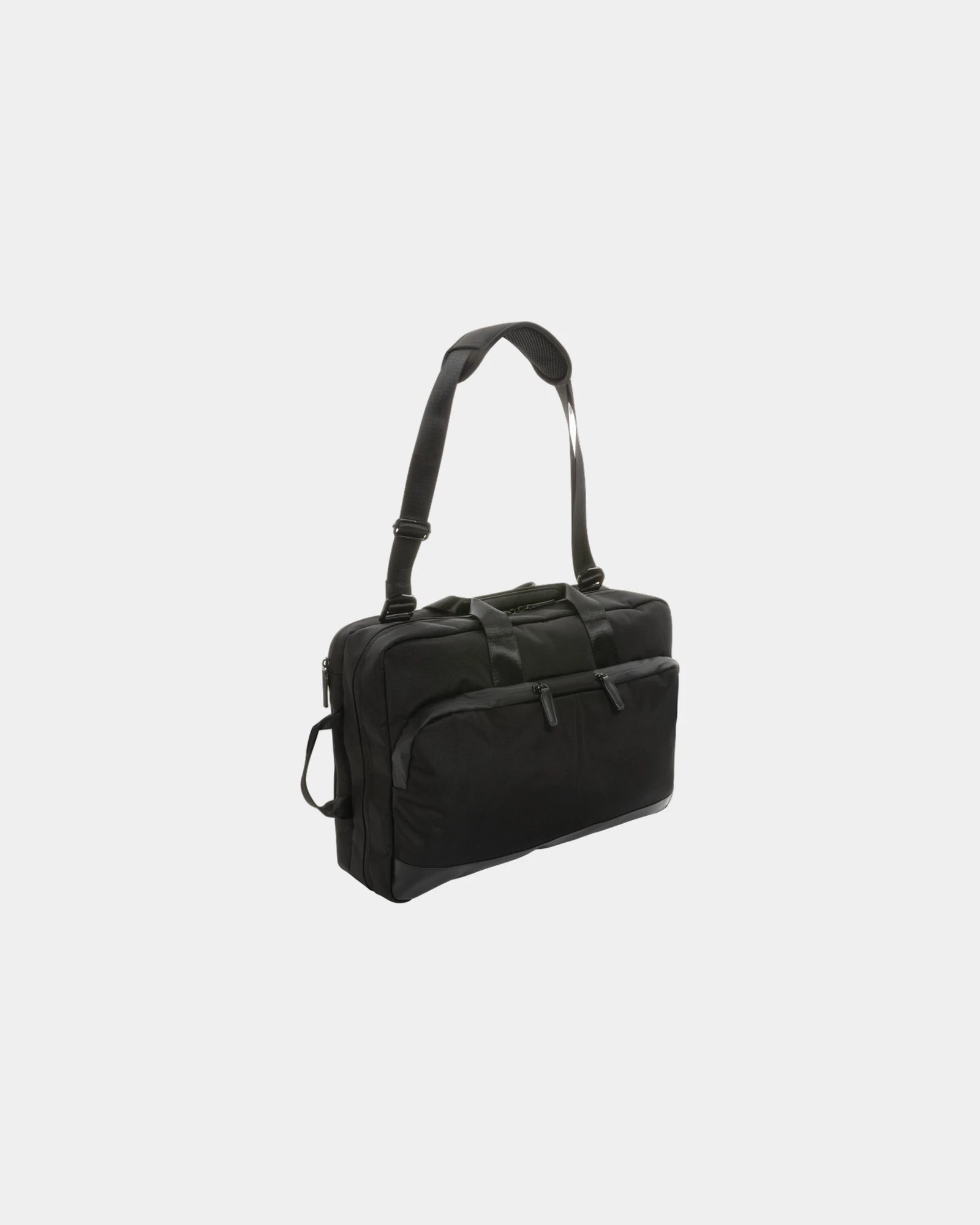
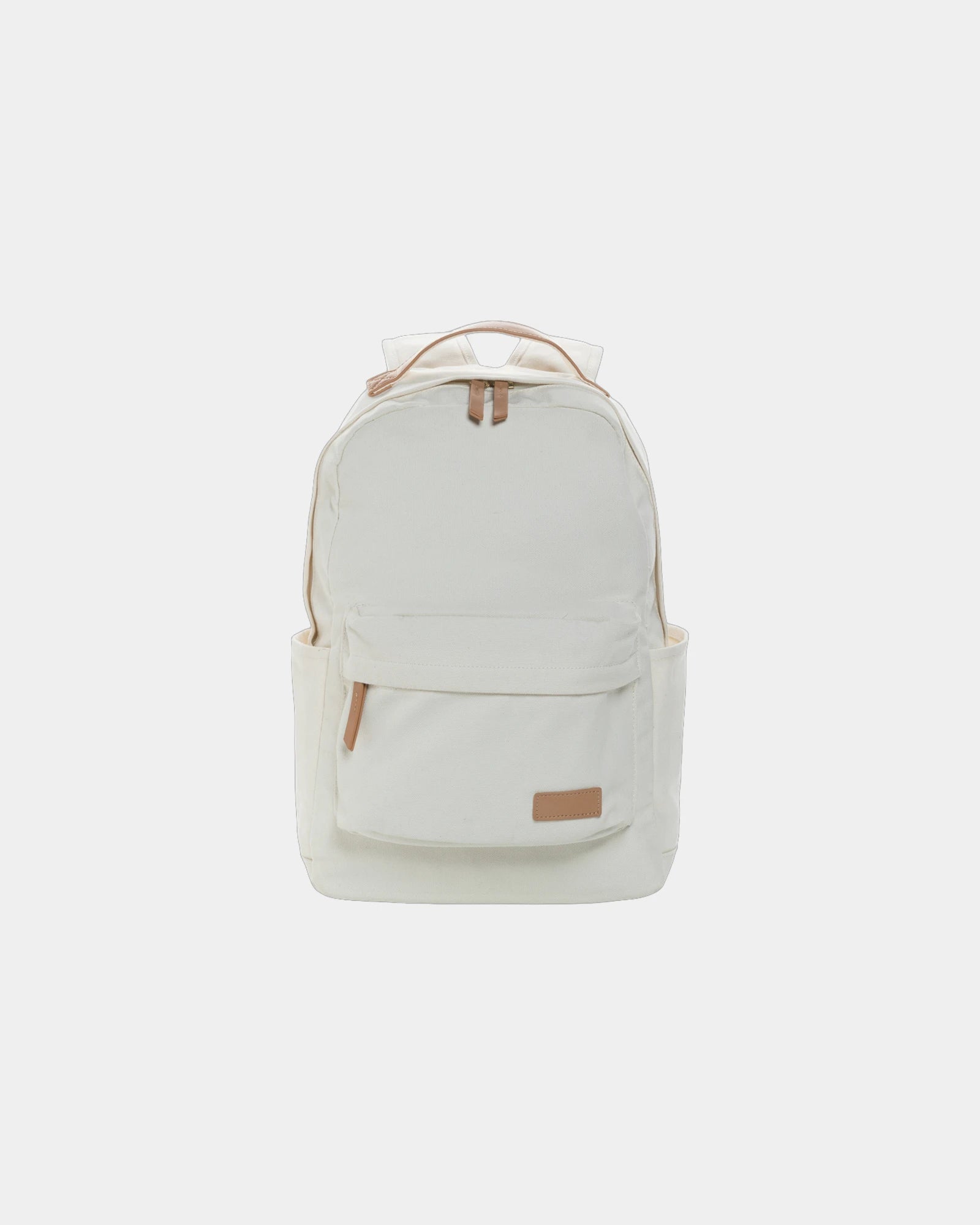
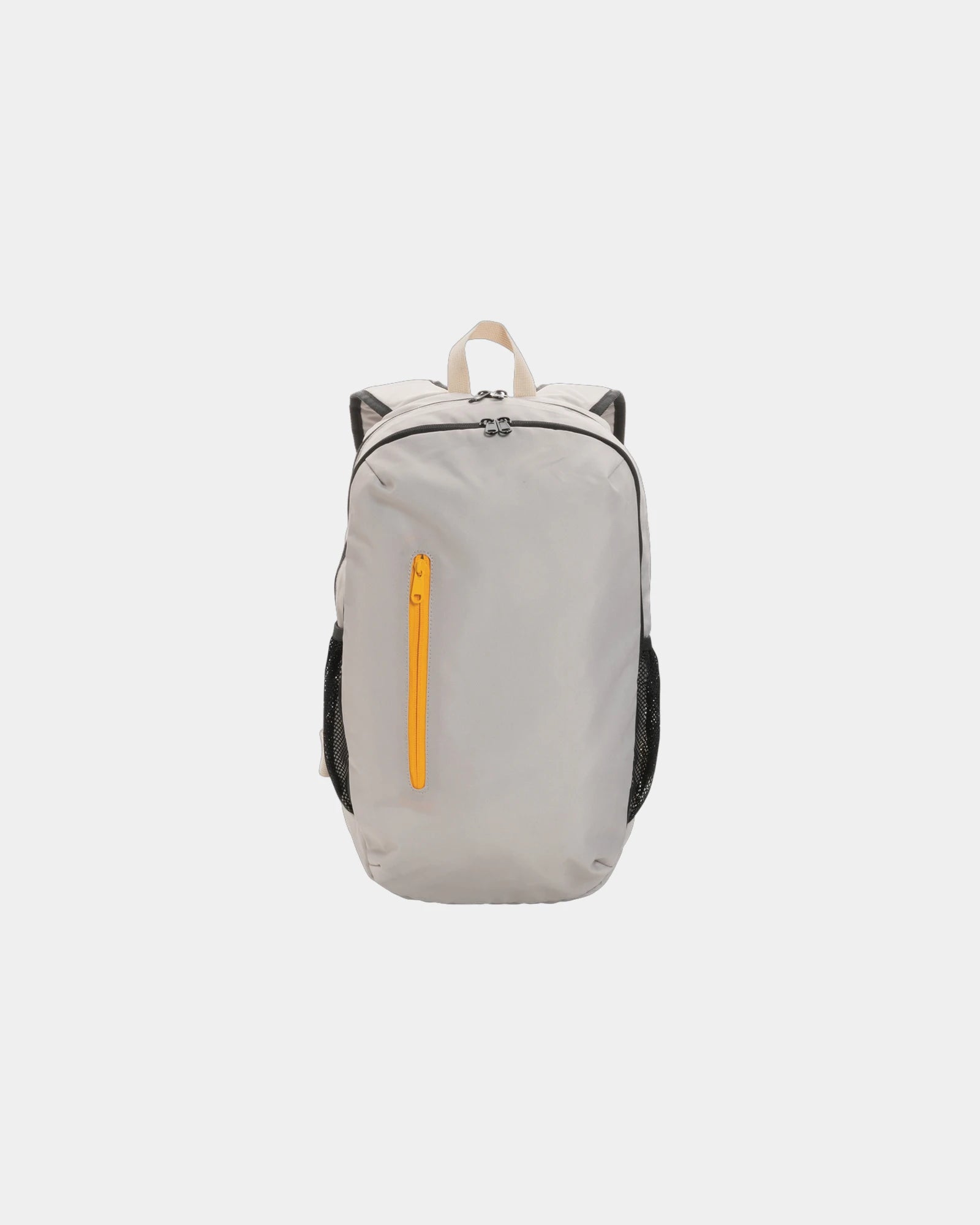
At the other end of the range the decision is which item carries the full mark at full size, and a bag usually wins that role. A wide front face lets a branded merchandise with logo run large and read from a distance, with room for a strapline or secondary lockup a pen could never hold. Naming the bag as the range anchor sets the reference the smaller, reduced marks then sit against.
Personalised Tote Bags take a screen print across a broad panel, and the cotton weight changes how crisply the ink sits. A smooth standard-weight cotton holds fine detail; a coarse heavy canvas can soften thin lines, so a chunkier treatment suits the heavier weave. Matching the artwork weight to the fabric keeps the anchor mark sharp rather than fuzzy at the top of your range.
Set the bag against the bottle and the pen from the same order and the branded merchandise with logo hierarchy shows itself. Full mark large on the bag, mid-size on the drinkware, reduced on the small surfaces, all drawn from one approved master. That visible ladder, anchored on the item with the most room, is what reads as a controlled identity rather than a set of unrelated prints.
The proof stage: signing off branded merchandise with logo in one pass
The proof is the single checkpoint where an error on branded merchandise with logo is still cheap to fix, and the decision is whether to sign the whole order off in one pass. Once a screen is burned or a thousand barrels are printed, a misaligned mark or a wrong Pantone is a reprint, not an edit. The proof shows your branded merchandise with logo at the real print size and position for each item, which is where a stroke too thin or a colour off-brief gets caught.
Read the proof for the things a monitor hides. Check the mark is centred where you expect, the colour codes match your guidelines, and small type stays legible at full size. A proof that looks fine shrunk on a screen can reveal a problem at the finished scale. That is exactly why each one is sized to the piece rather than the page it is viewed on.
Across a mixed order, one proof can hold every line at once. You sign off the bottle, the pen and the tote against a single set of brand rules in one pass. There is no chasing colour and placement item by item after production starts. That single approval is the practical expression of the one-master principle the whole hub turns on.
Sequencing a logo branded merchandise rollout by tier
Branded merchandise with logo rarely launches in one drop, so the decision is the order in which the tiers go out. Everyday items date a brand fastest and earn the quickest wins, so they lead. Wearables follow as a staff intake refreshes. Premium gifts and long-life kit cycle through last, as old stock runs down. Sequencing the master mark this way spreads cost without leaving the brand half-changed.
Map the rollout to how visible each tier is to the people who matter. A kitchen of old-logo mugs contradicts a rebrand in front of every visitor, so it goes first. A back-office stationery drawer is seen by fewer eyes, so it can wait for a natural reorder. Each tier reads from the same locked master, so an item sent in March still matches one sent in September.
Budget split across the tiers usually beats one even spend. Put the deepest decoration on the premium gifts that named clients keep, and route the simplest one-colour mark to the high-volume stationery. The table below pairs a common rollout tier with the timing and mark version that tend to suit it best.
| Tier | Rollout timing | Mark version | Why it leads or waits |
|---|---|---|---|
| Everyday drinkware | First wave | Full mark, mid-size | Most visible relic of the old logo |
| Staff apparel | Second wave | Reduced, left chest | Cycles with a hiring intake |
| Event giveaways | On demand | Full or reduced | Tied to a dated activation |
| Premium gifts | As needed | Full mark, deep finish | Low volume, high value |
| Stationery | Natural reorder | One-colour or monogram | Least visible, longest stock life |
Get the sequence right and the new mark lands consistent from the first wave, because every tier draws from one approved master rather than a fresh interpretation per batch.
Briefing your custom logo merchandise for an accurate first quote
To turn an enquiry into a costing without a chain of emails, decide what to send up front. That means a vector logo, your Pantone codes, and the items and quantities in mind. With those three, the decoration method and any artwork adjustment come back named, so you know early whether a mark needs simplifying for the smallest surface in the run.
Supply the highest-quality logo you hold, even a raster file, and we will say plainly whether it redraws cleanly or needs rebuilding into vector first. A mark lifted from a social-media post often needs redrawing before it prints crisply at a small size, and hearing that early avoids a soft result on finished stock. The free 24-hour proof then shows the real outcome before you commit to a volume.
Any recycled or organic content is a per-product figure, printed on that item's own spec sheet for the precise base you choose. The OEKO-TEX or recycled-cotton status for a tote, for instance, is tied to that exact fabric and shown on its tech pack. So any figure you quote to your own audience reads off the product you ordered, never a range-wide label applied across the hub.
- Lock one outlined-vector master to feed every line in the range
- Quote your primary and secondary Pantone codes from brand guidelines
- Decide which items carry the full mark and which a reduced one
- Hold a one-colour or monogram version for pens and small surfaces
- Keep left-chest placement consistent across a staff apparel run
- Refresh everyday items like mugs first when the brand changes
- Approve the free 24-hour proof across the whole order in one pass