Branded Kitchenware
- Eco-friendly
- Made in France
- Made in Europe
- B corporation
- Price, low to high
- Price, high to low
Treat your clients and employees!
FAQ - Eco Kitchenware
Trusted by 1,000+ companies
The reusable lunch kit as everyday eco kitchenware
A 250-unit onboarding drop for a hybrid workforce is the clearest case for reusable lunch kitchenware. New starters get a box, a bottle and a set of cutlery on day one, and the desk-bin pile of plastic cartons shrinks within a fortnight. The kit travels in a backpack, survives the dishwasher and carries your logo through every lunch break, not just the first.
Sizing the lunch box for eco kitchenware
Sizing is the part most briefs skip. A single-compartment box around 800ml suits a one-dish lunch, while a two-tier or divided box near 1.2L holds a main plus a snack without the two mixing. Branded lunch boxes come in stainless steel, bamboo-lid and recycled-plastic builds, each with a different seal and weight, so match the format to whether people carry soup or sandwiches.
Seal type and wet food in eco kitchenware
Seal type decides whether the box can carry wet food. A clip-lock lid with a silicone gasket holds a sauce or a soup upright in a bag, while a press-fit bamboo lid suits dry food only. Steel boxes lead on durability and run hot in a microwave-free office, whereas recycled-plastic builds keep the weight down for a posted welcome pack.
Pair the box with a bottle and the kit feels complete. A 500ml to 750ml capacity covers a desk-bound day; double-walled stainless holds temperature for the commute, while single-wall Tritan keeps weight and cost down. Personalised water bottles take an engraved or printed mark that has to clear the threads and the measurement window, which is why artwork is set per model.
| Component | Typical capacity | Material lean | Best for |
|---|---|---|---|
| Single box | ~800ml | Recycled PP or steel | One-dish desk lunch |
| Divided box | ~1.2L | Steel or bamboo lid | Main plus snack |
| Bottle | 500-750ml | Double-wall steel | Hot or cold commute |
| Cutlery set | 3-4 pieces | Bamboo or wheat-straw | On-the-go meals |
Cutlery and the single-use switch in promotional kitchen accessories
The cutlery line is where the disposable switch pays off fastest, because plastic forks are the item events bin in the thousands. A reusable set in a roll or case lives in the same bag as the lunch box and removes the need for the canteen draw entirely. A typical set runs three or four pieces, fork, knife, spoon and sometimes chopsticks, held in a wipe-clean sleeve.
Material choice changes the cleaning story. Personalised cutlery runs in bamboo, wheat-straw composite and stainless, each with a different wash routine. Bamboo wants a hand-wash and an occasional oil; stainless takes the dishwasher and outlasts a decade of lunches. Wheat-straw composite sits between them on price and is the lighter option for a mailed giveaway where postage weight matters.
Boards and the cook-or-host gift in eco kitchenware
Engraved boards as a keepsake gift in promotional kitchen accessories
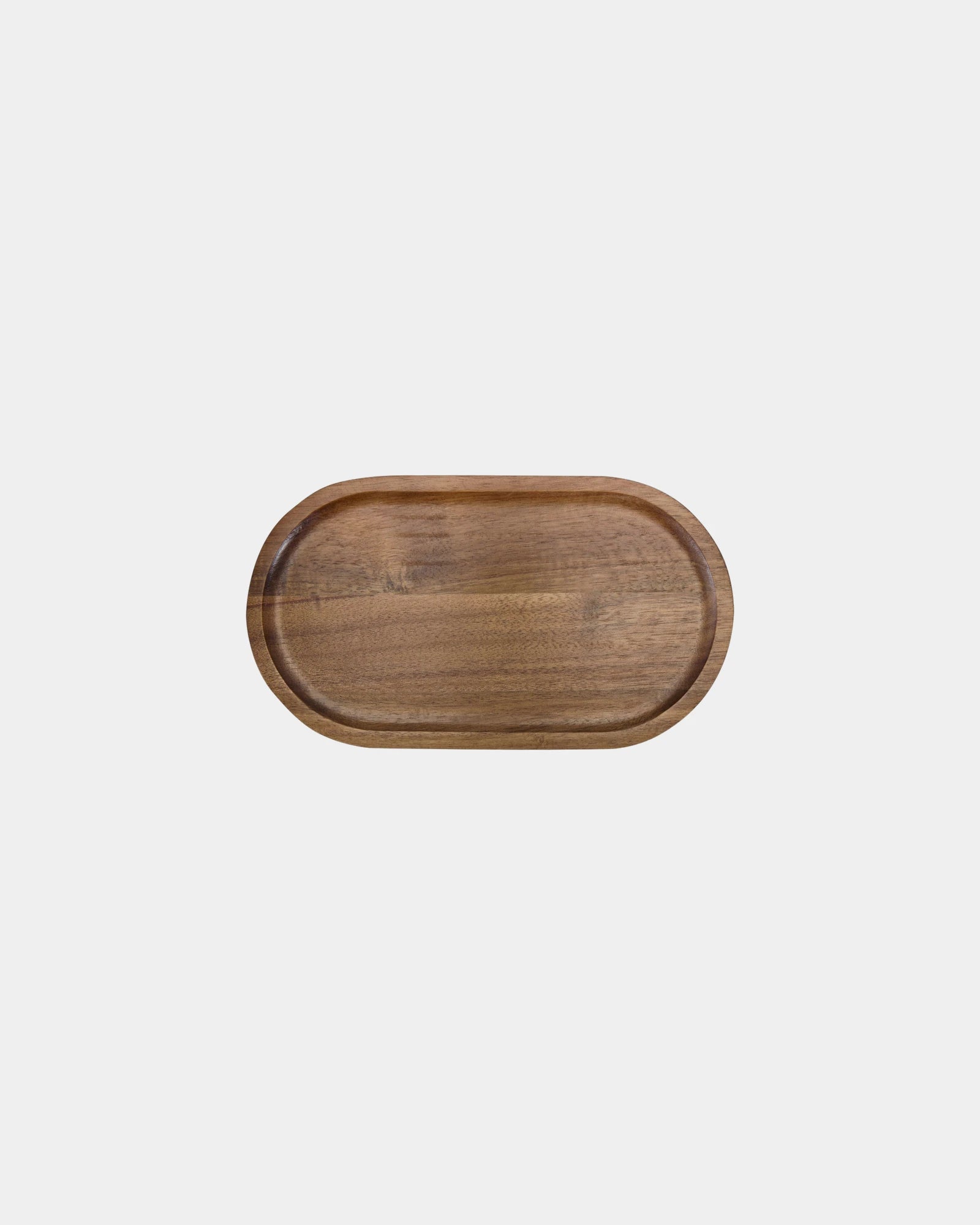
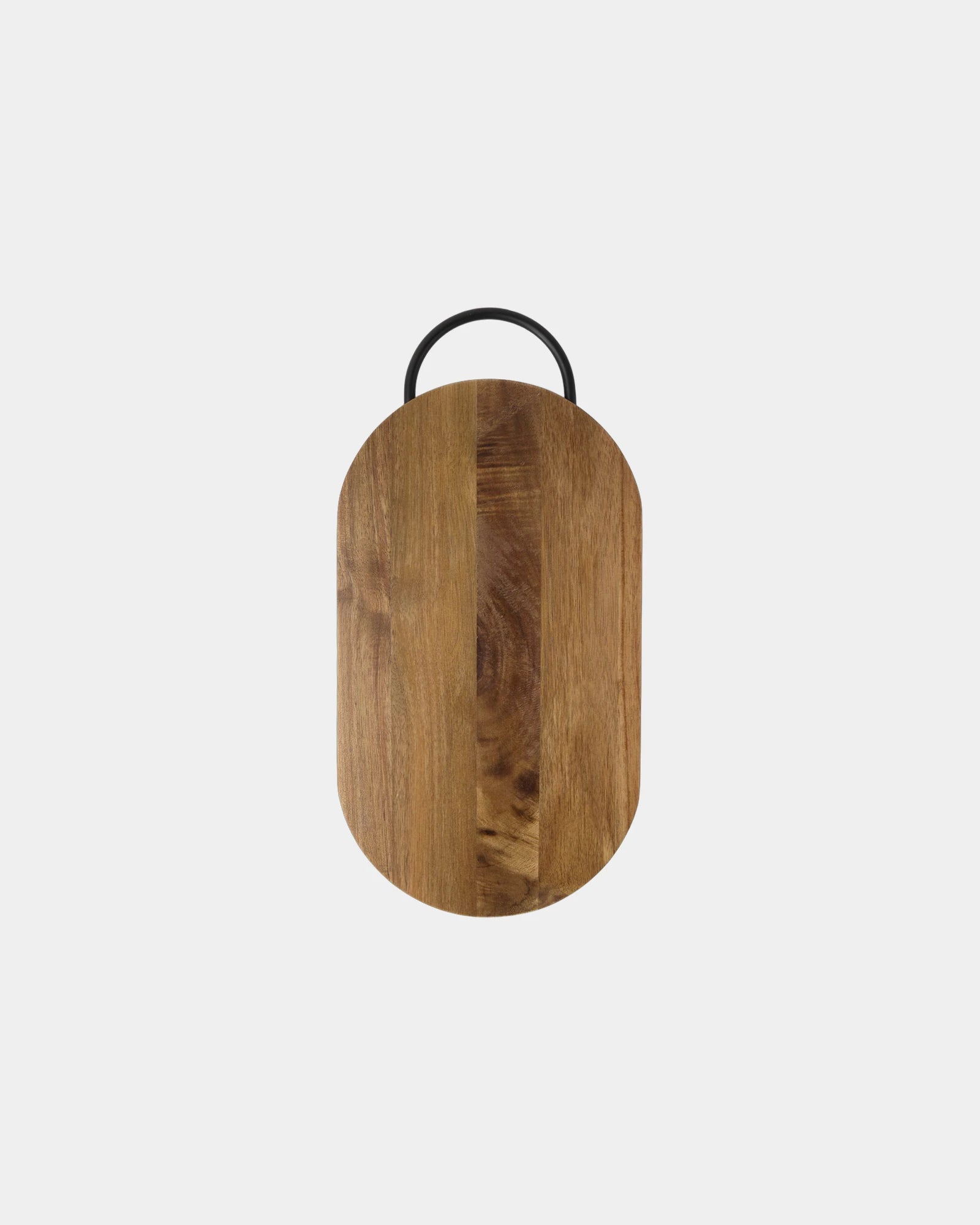
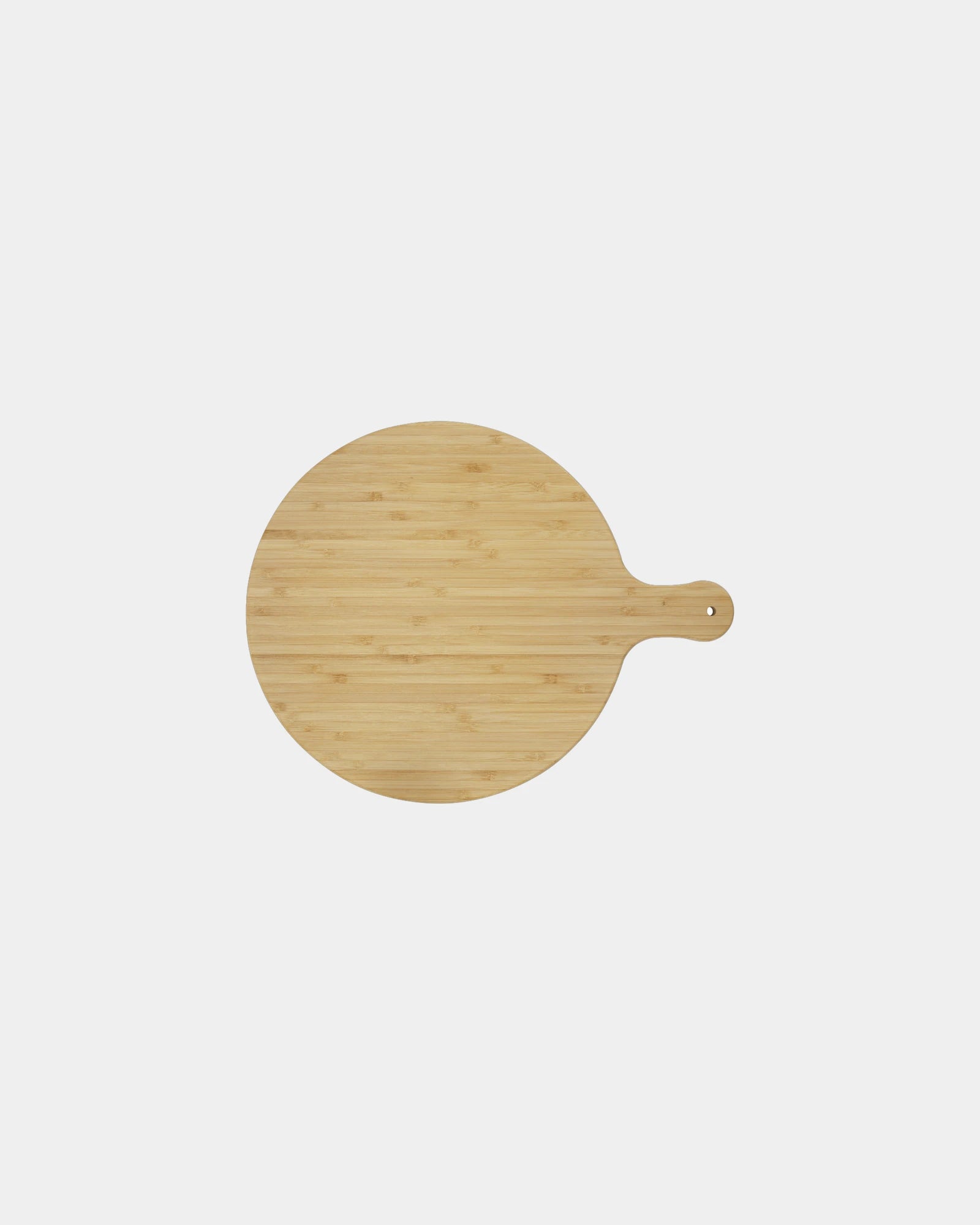
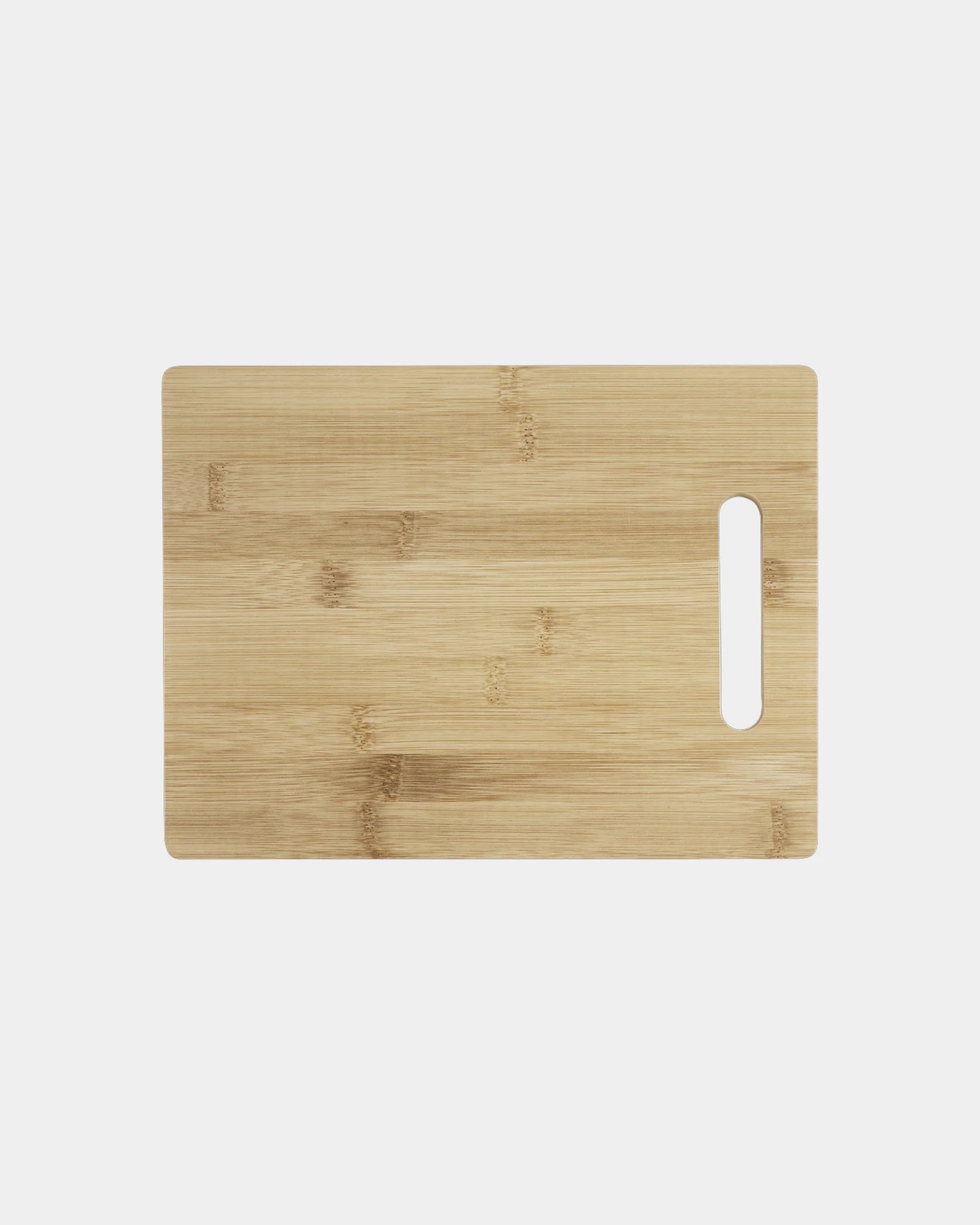
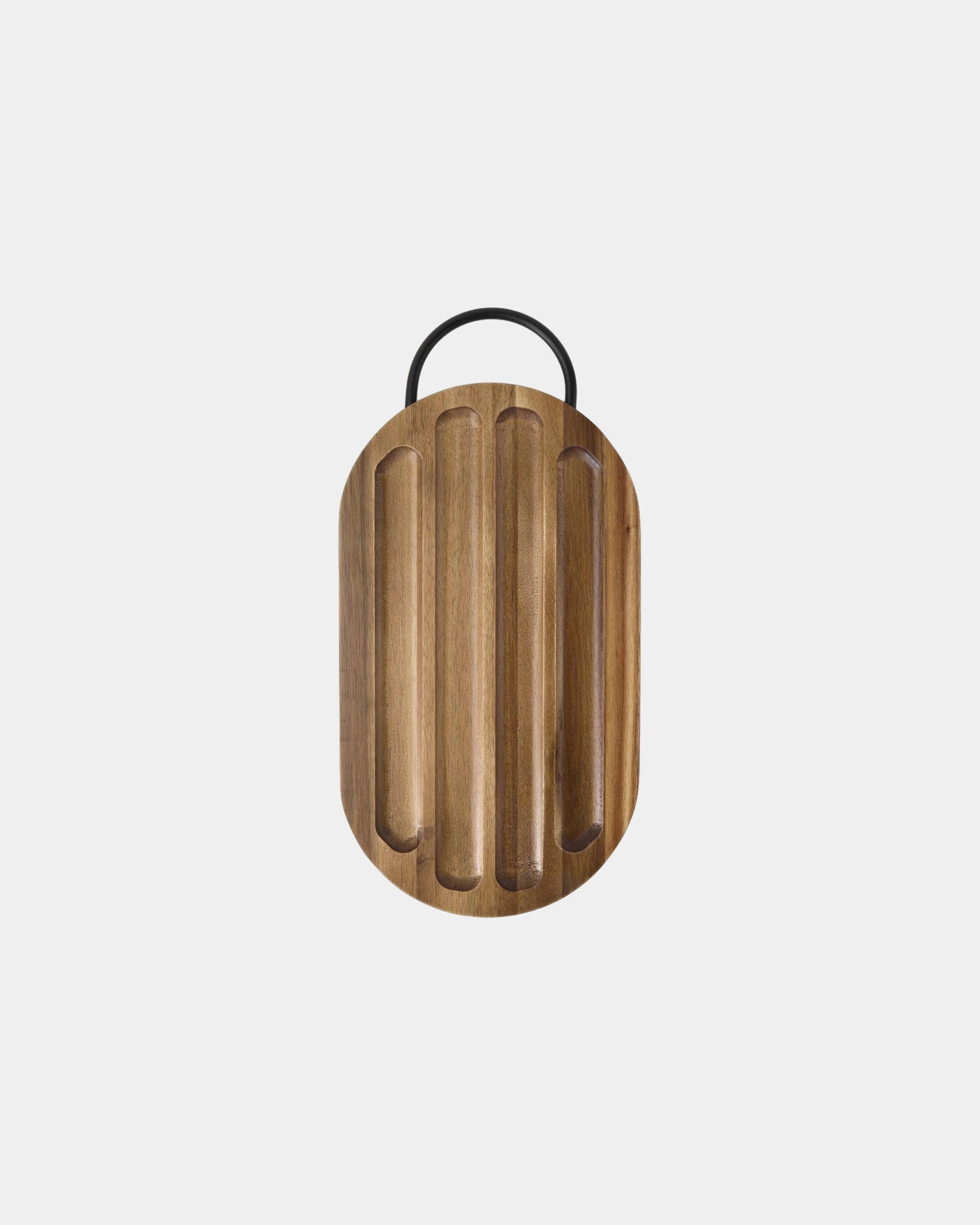
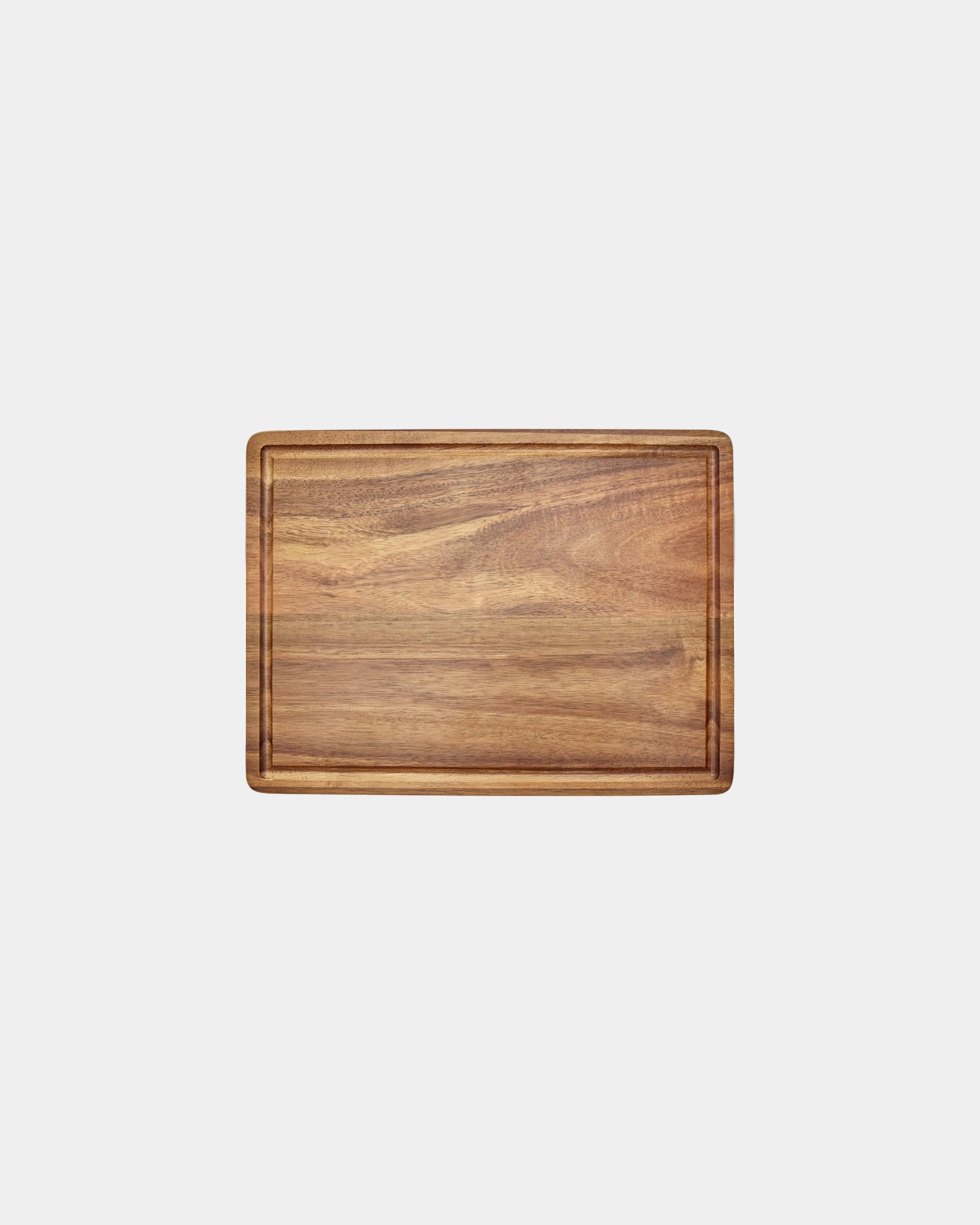
A chopping board is the kitchenware gift that lands when the recipient actually cooks, which is why it works for client thank-yous and long-service awards rather than mass giveaways. Engrave a name or a date and it becomes a keepsake that sits on the counter, not in a drawer. Wood choice runs across bamboo, beech and acacia, with grain and hardness varying by board.
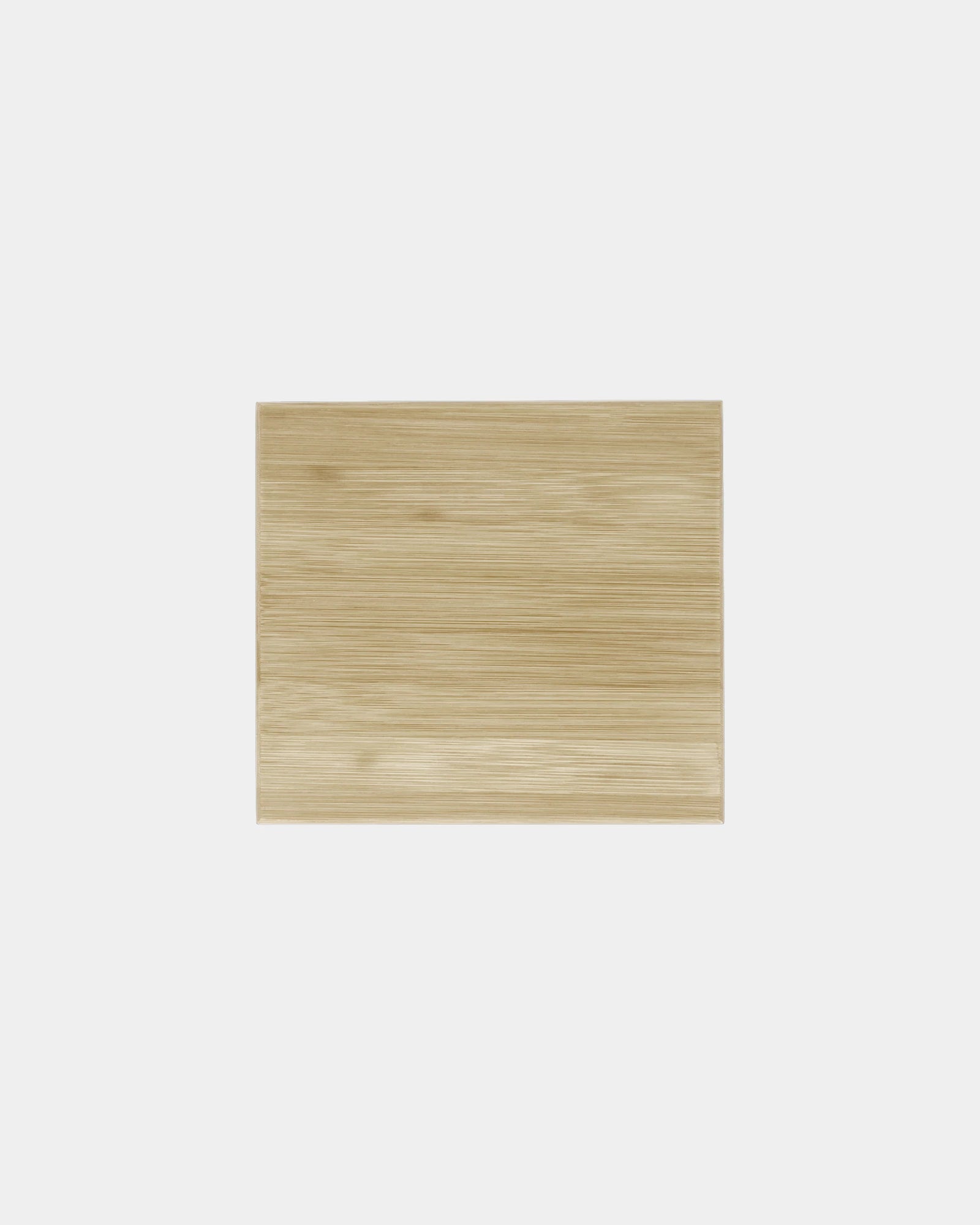
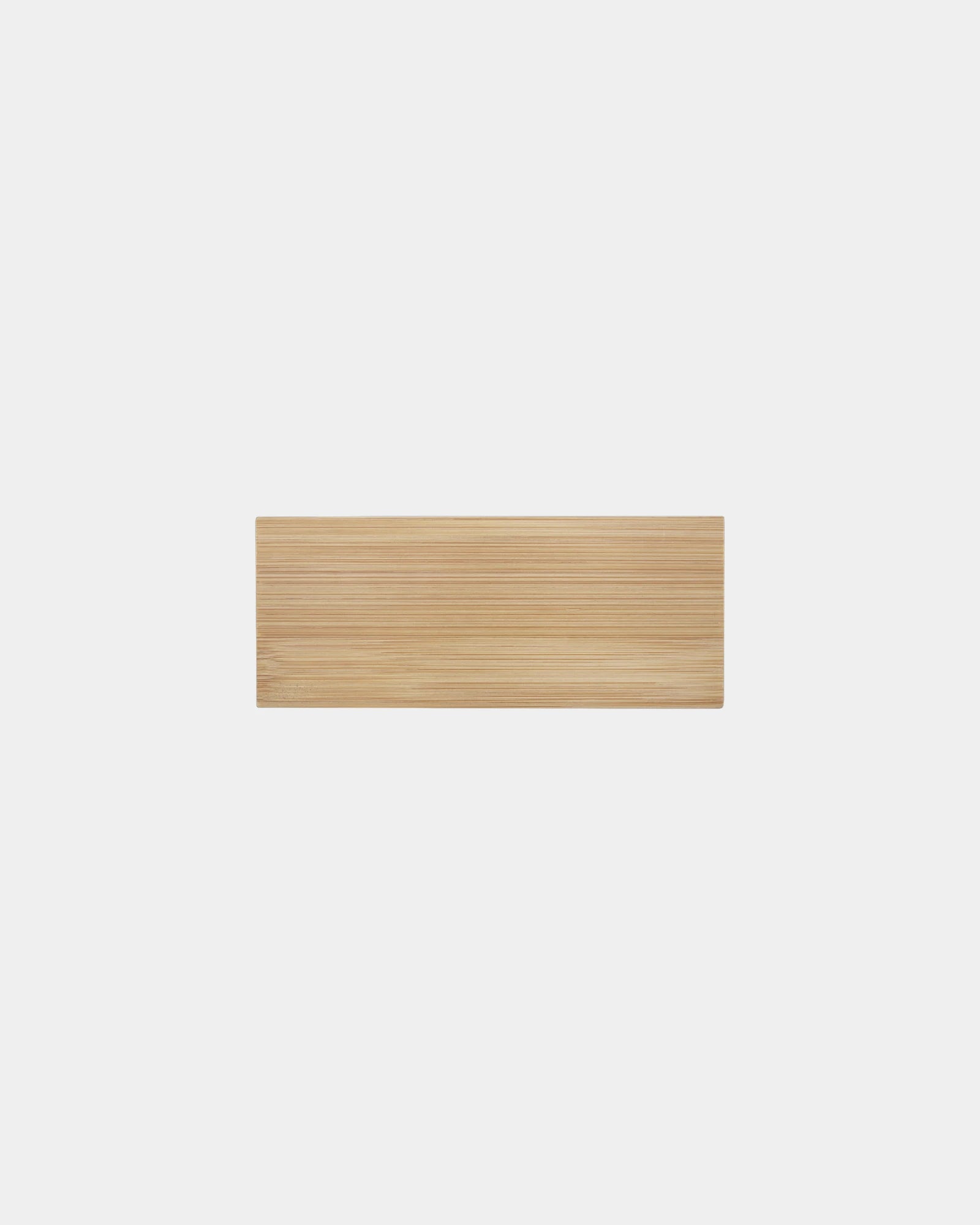
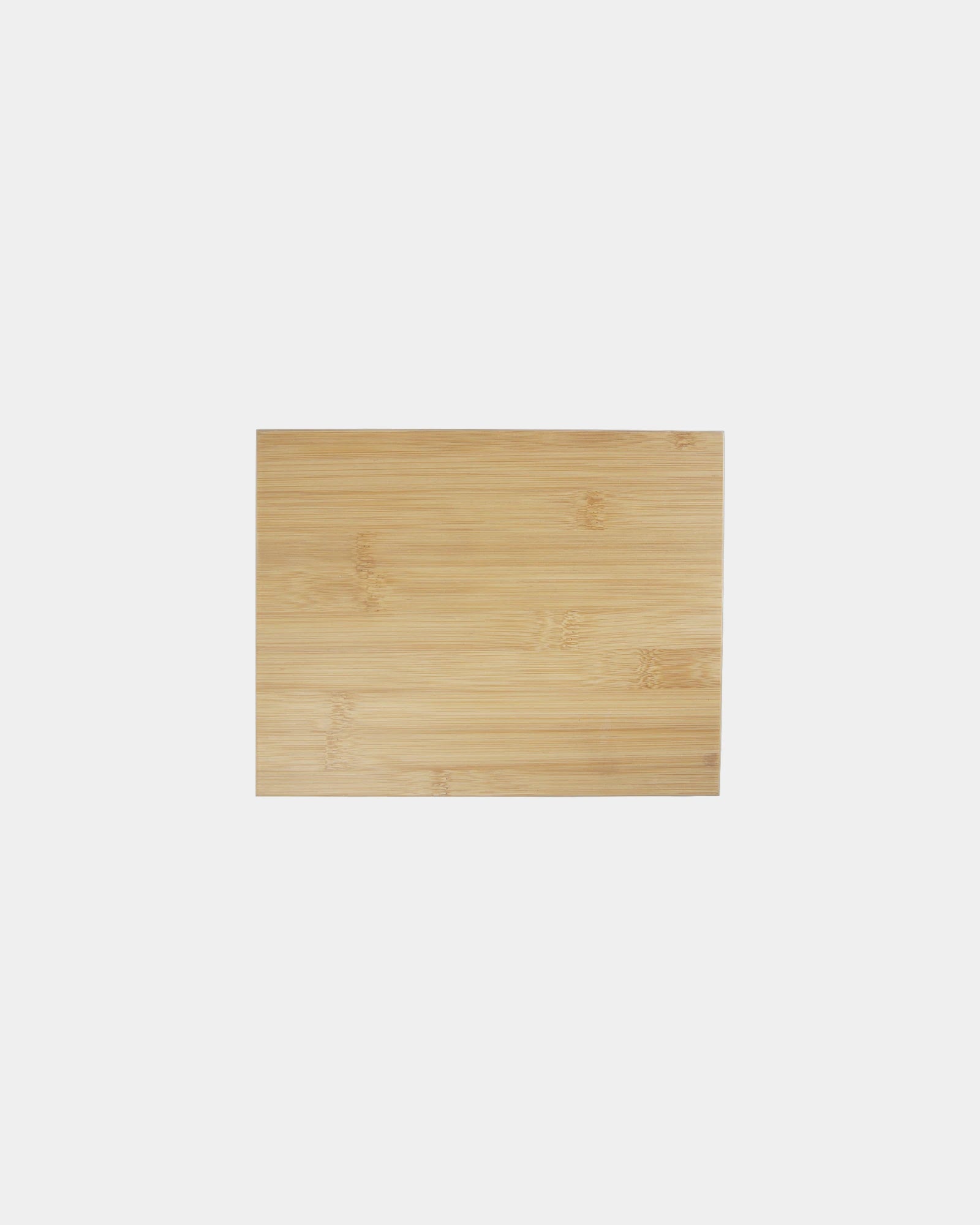
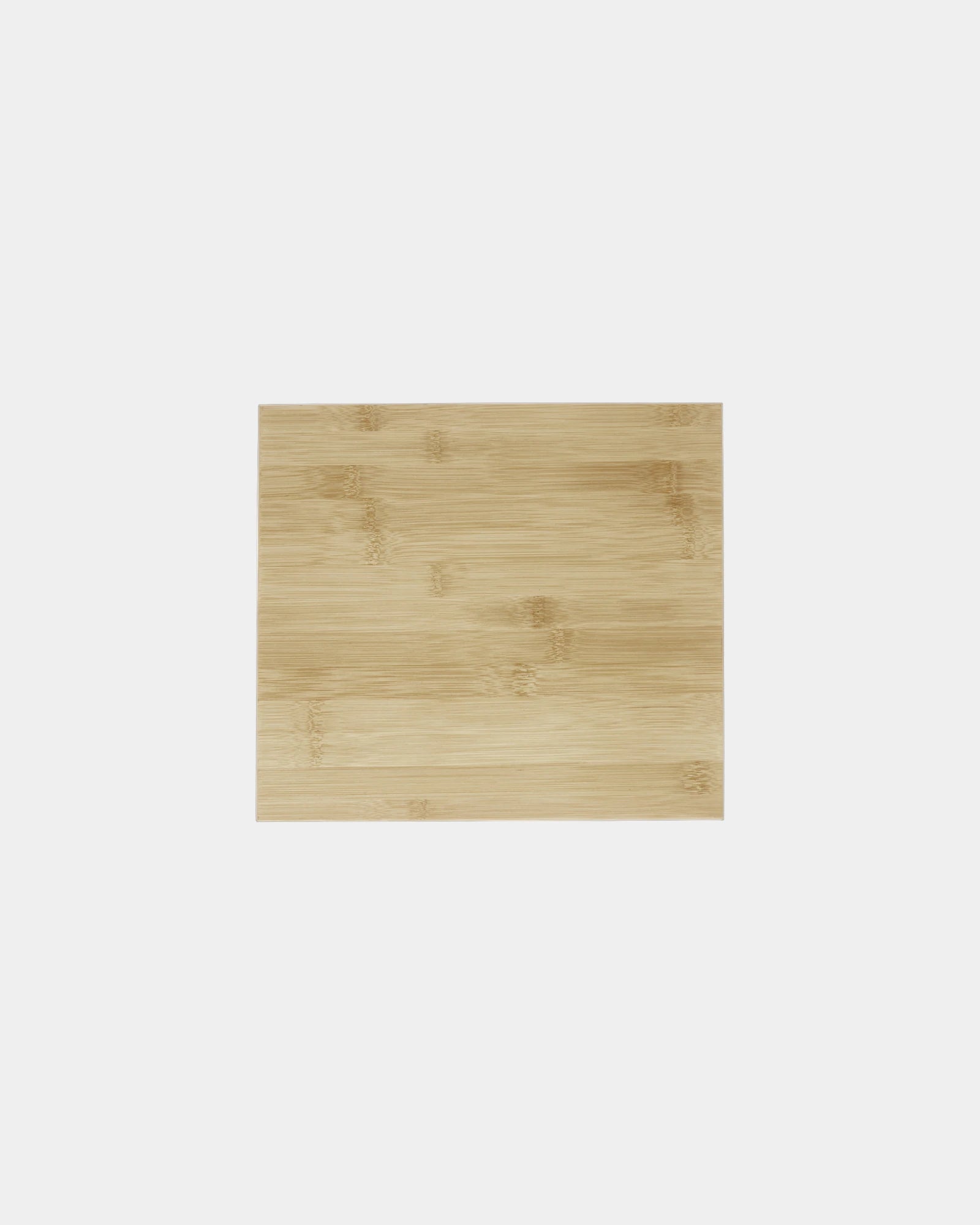
Board format follows use. Personalised chopping boards include a slim bamboo board around 30cm that doubles as a serving and cheese board, plus a thicker end-grain block for genuine prep. Laser engraving burns a permanent mark that survives washing, though deep cuts over time will cross it, so keep the design toward an edge or the handle.
Engraving depth is worth getting right on a board, since a shallow mark on dense acacia reads differently from one on softer bamboo. We set the burn to the wood so the contrast stays legible after years of washing. A name, a date or a short message all sit well; busy line-art is the thing to avoid on grained timber.
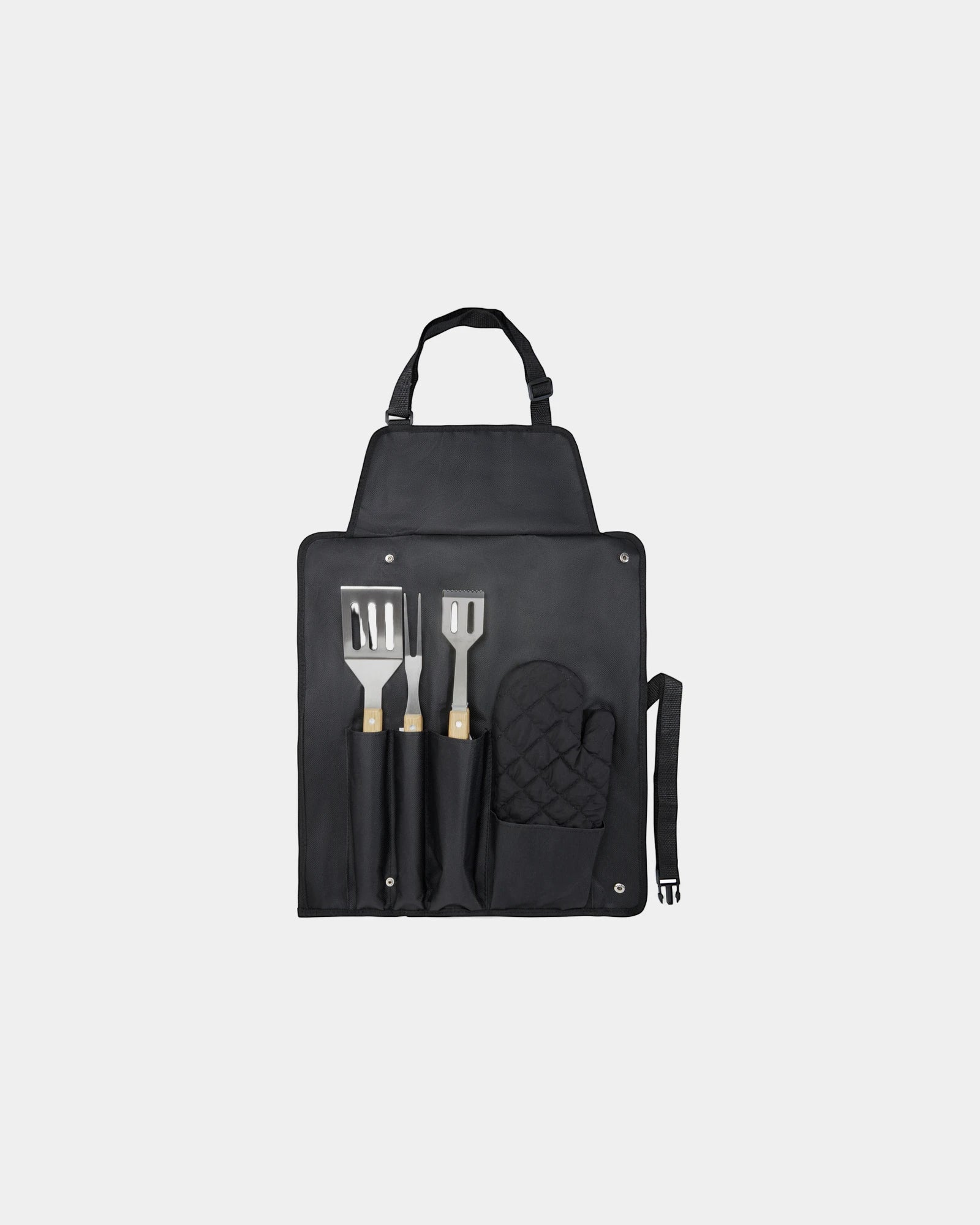
For the same cook-or-host recipient, an apron rounds out a kitchenware gift without overlapping the board. Personalised aprons take embroidery on the bib or a printed front, in cotton, recycled-polyester blends and canvas weights from light to heavy-duty for a working kitchen.
| Wood | Hardness | Engraving result | Suits |
|---|---|---|---|
| Bamboo | Medium, fast-growing | Crisp, mid-tone burn | Serving and light prep |
| Beech | Medium-hard | Clean, pale contrast | General home use |
| Acacia | Hard, dense grain | Deep, dark mark | Statement host gift |
| End-grain block | Hardest build | Mark on side face | Daily prep tool |
The office tea-point and shared promotional kitchen accessories
The communal tea-point is its own kitchenware brief, distinct from the personal lunch kit, because the items are shared rather than carried. Here the win is durable mugs, boards and bottles that cut the rolling spend on disposable cups and stirrers in a staff kitchen. A 40-person floor that swaps paper cups for branded reusables sees the change on the next consumables order.
Spec shared Eco kitchenware for the dishwasher first, since communal items go through far more wash cycles than a personal box. Stainless and toughened recycled plastics take the heat; printed marks need a dishwasher-safe finish or they fade across a year of cleaning. We confirm the wash rating against the model you pick.
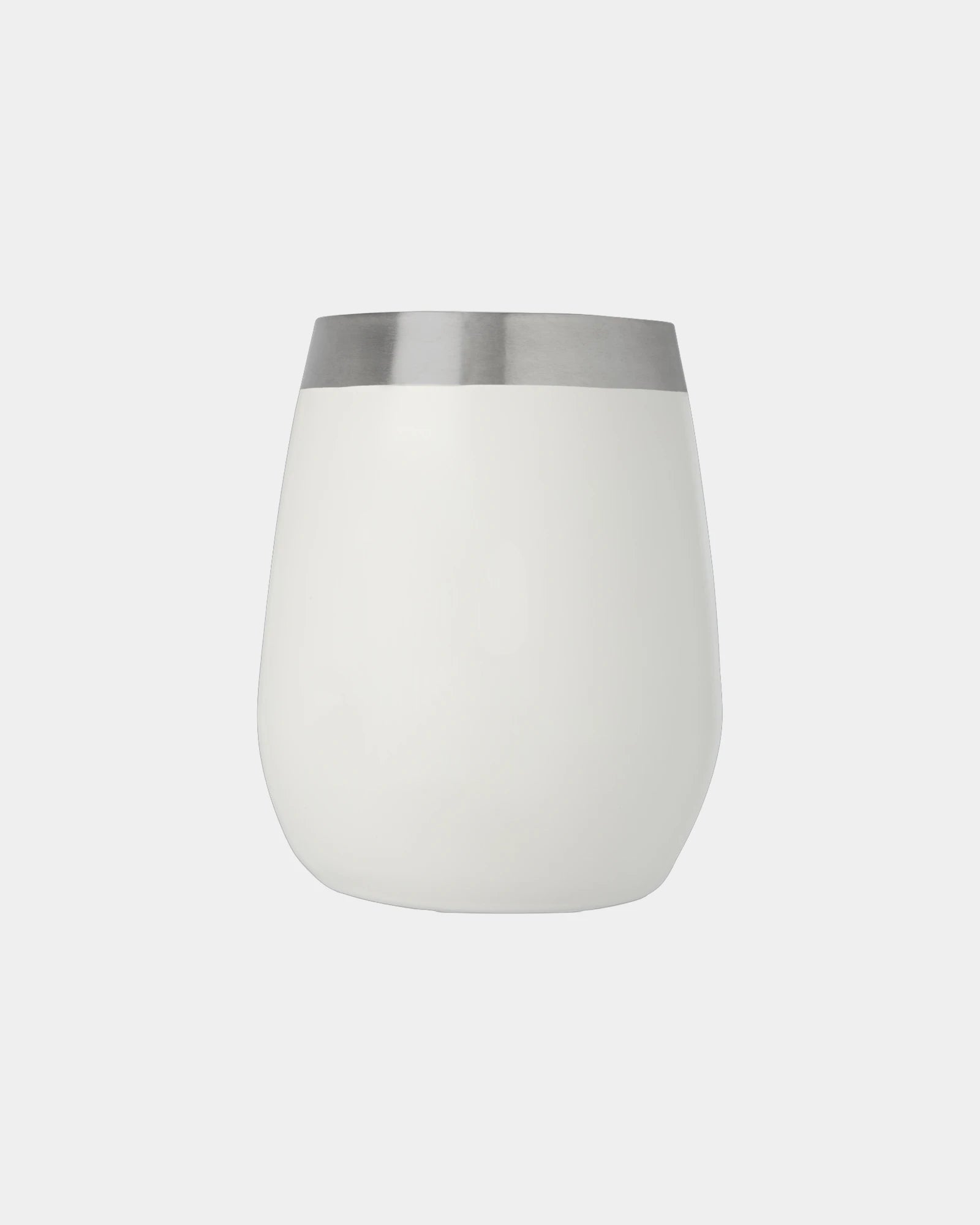
Quantity for a tea-point is set by headcount plus breakage, so order a margin above the floor count. A reusable steel tumbler that replaces the paper-cup tower works harder per pound than a printed disposable, because the spend lands once rather than monthly. Stir sticks, infusers and a shared board for cutting cake fill out the point without adding clutter.
The picnic and outdoor-meal eco kitchenware set
An outdoor brief changes the Eco kitchenware list, because temperature and transport now matter more than desk-tidiness. A summer client event or a field-team kit needs food kept cool from car to table, which is the job a cool bag does that a lunch box cannot. Branded cool bags run from a single-meal 5L holdall to a 25L family-day carrier, with foil or foam linings and recycled-fabric outers.
Build the outdoor set around the bag. Pack it with the reusable bottles, the cutlery roll and a board for slicing, and the same components that serve the desk now serve a picnic. The cool bag keeps a packed lunch safe for several hours in warm weather, model and lining dependent, so a branded one earns its outing well beyond a single summer.
Lining choice drives how long the cold holds. A foil-faced lining suits a few hours at a stand or a short commute, while a thicker foam-backed wall extends that for a full event day in the sun. Outer fabric matters too: recycled-polyester shells wipe clean of grass and spills, and a wide flat panel gives the logo room to read across a field.
Materials and the maker's spec across the eco kitchenware range
Eco claims on kitchenware have to be tied to the actual item, not the category, so we quote materials as the maker states them. Recycled-plastic content, bamboo sourcing and OEKO-TEX status for apron fabrics are printed on each product's data sheet rather than promised across the range. The recycled percentage varies by mould and by colour run, and it is listed on the model's spec line.
Bamboo and wheat-straw are the headline renewable materials here, chosen because they grow fast and finish cleanly under engraving. Stainless steel is the durability pick, where one bottle or set displaces years of throwaway alternatives. For aprons and bag linings, recycled-polyester blends carry the eco weight, and the blend ratio sits in the tech pack for the line you choose.
| Material | Where it appears | Eco angle | Marking method |
|---|---|---|---|
| Bamboo | Boards, cutlery, lids | Fast-growing, renewable | Laser engraving |
| Stainless steel | Bottles, boxes, cutlery | Long-life, displaces disposables | Engraving or print |
| Recycled plastic | Boxes, bottles, bag shells | Reclaimed content per mould | Pad or screen print |
| Recycled polyester | Aprons, cool-bag outers | Reclaimed fibre blend | Embroidery or transfer |
Food-contact safety across promotional kitchen accessories
Anything that touches food carries a safety line that a printed pen does not, so food-contact compliance leads the spec on this hub. Boxes, bottles, boards and cutlery are supplied to food-grade standards, and the relevant declaration travels with the model you order. Marking stays clear of the food-contact zone, which is why bottles are engraved on the body and boards toward the edge.
BPA-free is the baseline buyers ask for on plastic items, and our recycled-plastic and Tritan lines meet it; the confirmation sits on each product sheet. For metal Eco kitchenware, the food-safe rating covers the inner surface, while the brand mark lives on the outer wall. Order a free sample if you want to check a finish against your own food-safety policy before committing volume.
Marking methods for eco kitchenware surfaces
The marking choice follows the surface, and kitchenware spans more surfaces than most categories. Wood and bamboo take a clean laser engraving; stainless takes engraving or a baked print; flexible plastics and fabrics take pad print, screen print or embroidery. Curved bottle walls and rolled apron hems each constrain how large a logo can sit, so artwork is sized per item.
One-colour engraving reads as the most premium finish on a board or steel bottle and never wears off in the wash. Full-colour print suits a recycled-plastic box where a logo needs to pop, though it asks for a dishwasher-safe varnish to last. Tell us the busiest surface and we route the mark to where it stays legible.
Where eco kitchenware fits across a campaign calendar
An Eco kitchenware brief lands differently depending on who receives it and when. An onboarding kit reaches one new starter at a time, all year round. A summer client event needs a hundred matching sets in one drop. A trade-show stand wants a low-cost giveaway that visitors carry home. Naming the moment first stops the material choice becoming a guess.
Map the item to the recipient's day and the spec settles itself. A desk-bound office worker reaches for a lidded box and a bottle every lunch. A field team needs a cool bag that survives a car boot. A client who cooks keeps an engraved board on the counter for years. Each audience rewards a different build, so brief the audience before the catalogue.
Budget split across a mixed kit usually beats spreading the spend evenly. Put the engraved board or steel bottle in the hands of named clients, and route the recycled-plastic box to the wider giveaway. The table below pairs a common occasion with the item, material lean and mark that tend to suit it best.
| Occasion | Suggested item | Material lean | Marking |
|---|---|---|---|
| Staff onboarding | Lunch box plus bottle | Steel or recycled PP | Engrave or print |
| Summer client event | Cool bag and bottle set | Recycled polyester | Transfer or print |
| Trade-show giveaway | Cutlery roll | Bamboo or wheat-straw | Pad print |
| Client thank-you | Engraved chopping board | Acacia or bamboo | Laser engrave |
| Office tea-point | Reusable steel tumbler | Stainless steel | Engrave or baked print |
Get the match right at the point of handover and the Eco kitchenware keeps working long after the campaign closes. The recipient keeps the piece that earns a place in a real kitchen. A drawer-bound giveaway never does that work, which is why the fit to the moment matters more than the headline material. Brief the occasion, then let the item follow from it.
Perceived value and retention in eco kitchenware
Weight and finish do quiet work on a kitchenware gift. A double-walled steel bottle feels more considered than a thin single-wall one, even before the logo is read. An engraved acacia board signals a gift rather than a giveaway the moment it is lifted. For a client thank-you, that perceived value is the whole point, so lean into a heavier build and a deep mark.
Retention is the real measure of an eco kitchenware spend, not the unit cost. A reusable item only displaces the disposable one if the recipient keeps using it, which means it has to feel good in daily use. A box that leaks or a bottle that taints the water gets retired fast. Spec the seal, the lining and the food-safe surface so the item earns repeat use.
There is a quiet trade-off between premium feel and practicality worth weighing. A very heavy stainless box reads well in the hand but drags in a commuter bag, so a lighter recycled-plastic build sometimes wins for a posted welcome pack. For an everyday-carry audience, the item people keep beats the item that looks dearest on the shelf, so match the weight to the journey it makes.
Quantity, materials and timing across an eco kitchenware order
On this hub the volume question is really a material question, because a 50-unit board run and a 2,000-unit cutlery run sit at opposite ends of both price and method. Engraved wood and steel suit smaller, higher-value runs for gifts and awards; printed recycled plastic scales down per unit across large event quantities. Mixing both in one onboarding kit is normal, and we quote each line on its own terms.
Production timing tracks the marking method more than the headcount. Laser engraving on boards and bottles moves quickly once artwork is approved, while embroidered aprons and full-colour printed boxes add set-up days. A standard mixed kitchenware order ships inside three weeks from artwork sign-off, with a firmer date confirmed once your final components are locked.
- Office switch ideas: paper cups to steel bottles
- plastic forks to cutlery rolls
- cling film to lidded boxes
- foil bags to cool bags
- single-use boards to engraved bamboo.