Branded Jackets

Softshell, padded and waterproof: branded jackets are the outer layer your team wears in front of clients, on stands and across cold sites. Our jackets carry chest and back embroidery in your logo on bonded softshell membranes, insulated padded fills and taped-seam waterproof shells. Because they are worn where the brand travels furthest, embroidered jackets suit executive gifting, event crews and field teams, with quantities scaling from a handful to a full uniform run.
FILTRER
  • Eco-friendly
  • Made in France
  • Made in Europe
TRIER
  • Price, low to high
  • Price, high to low
61 produits
  • Made in Europe
  • Eco friendly
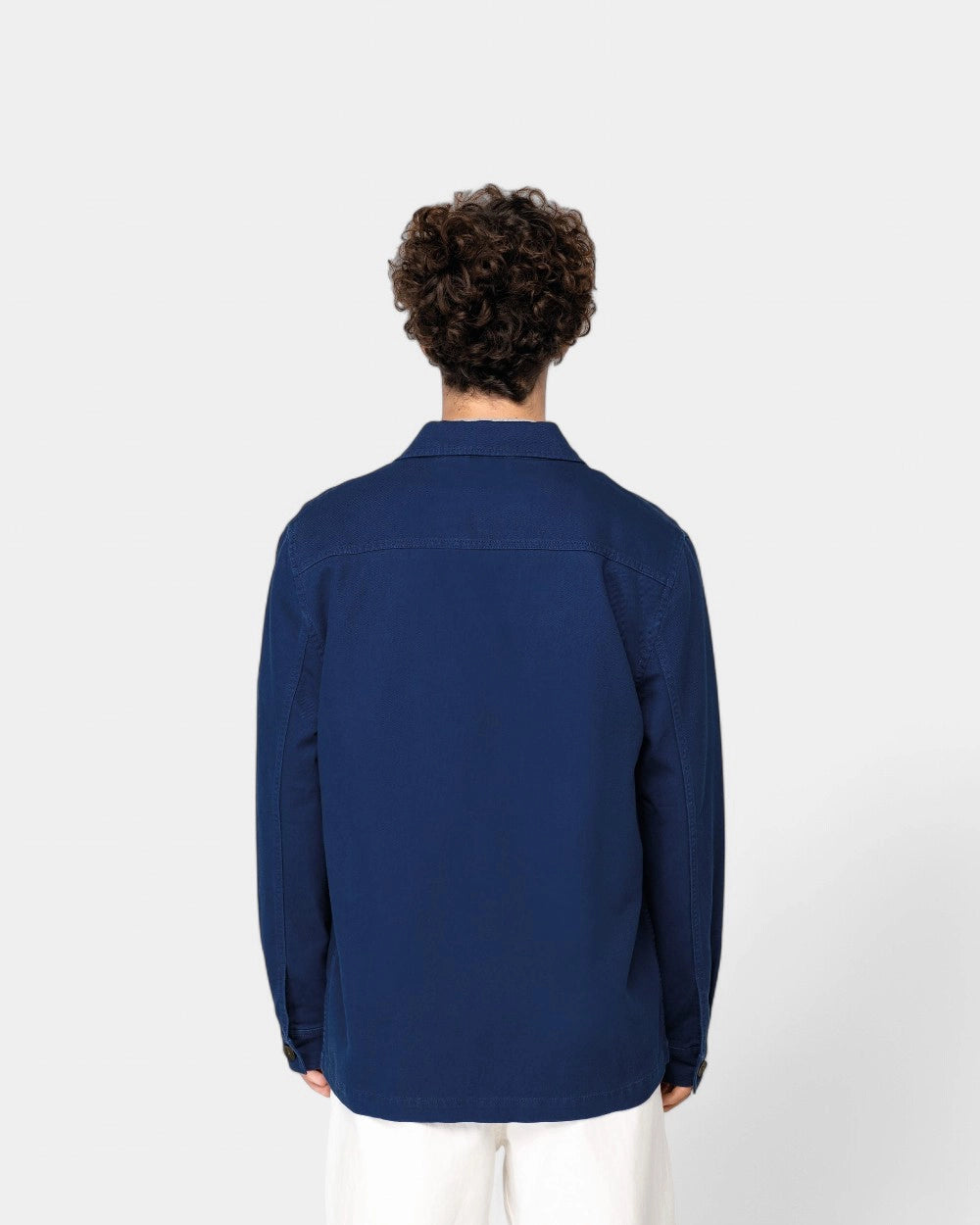
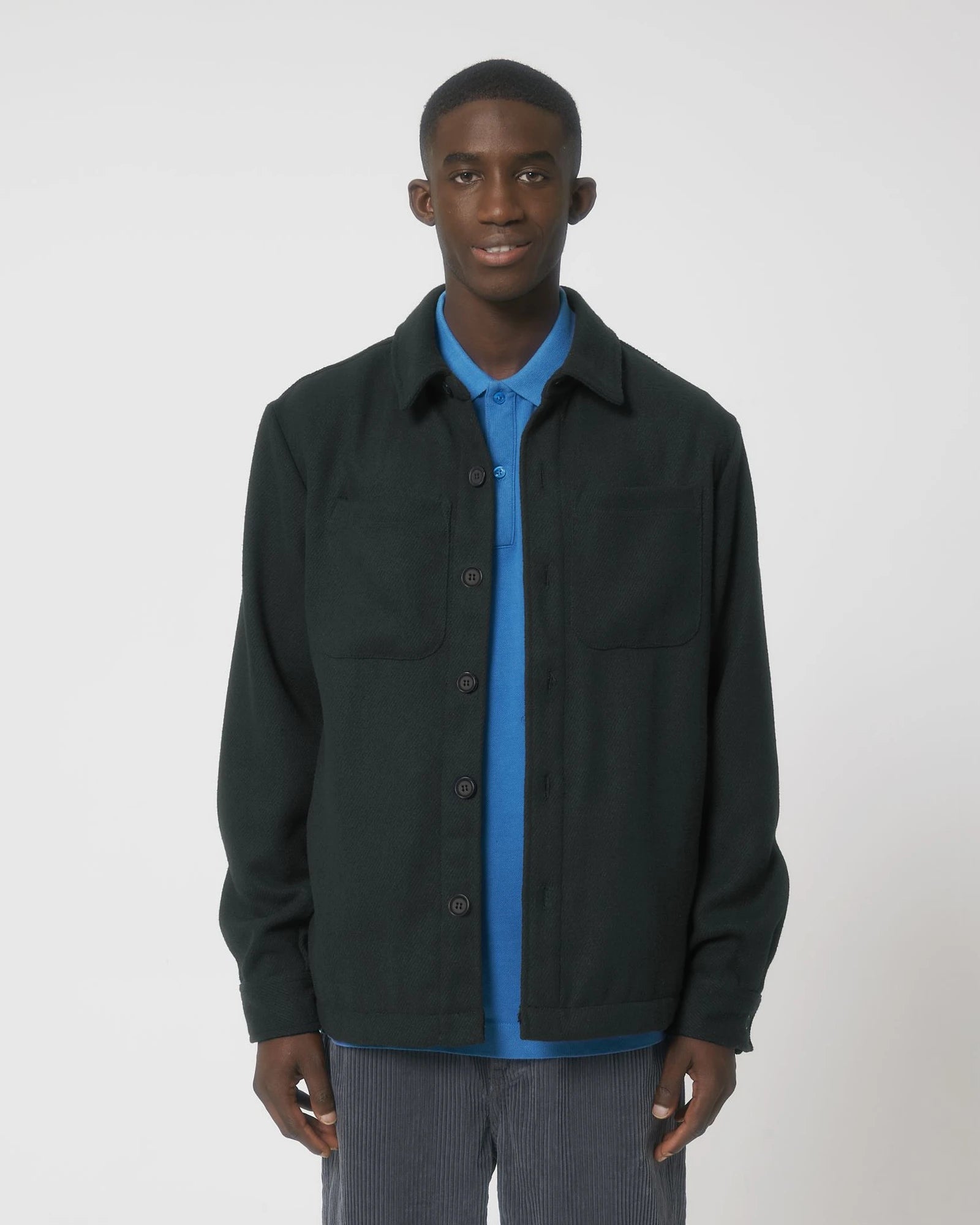
Eco-friendly Washed Men's Jacket to PersonalizeEco-friendly Washed Men's Jacket to Personalize
Starting from £38
+ 1
  • Made in Europe
  • Eco friendly
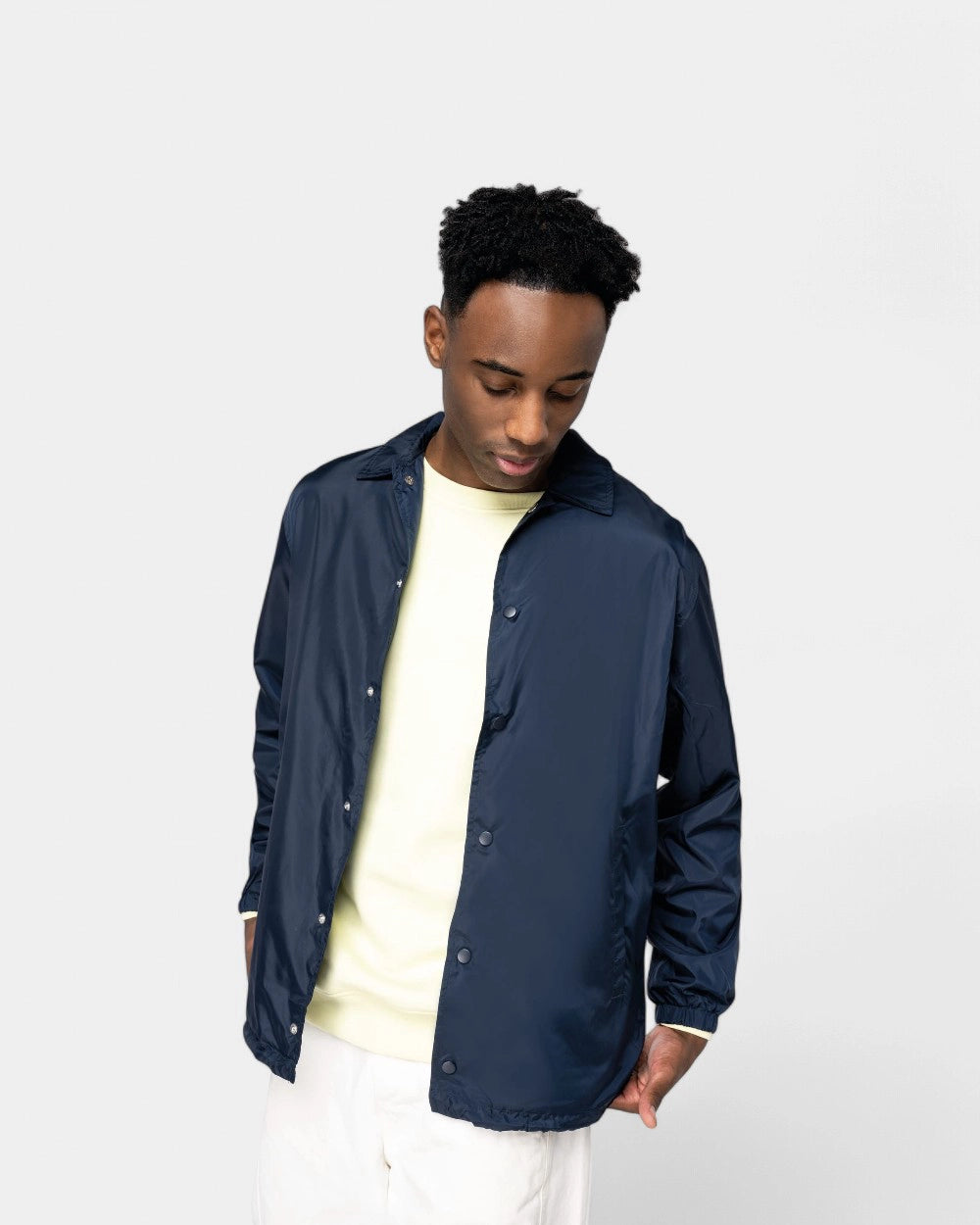
Eco-friendly unisex windbreaker jacket customizableEco-friendly unisex windbreaker jacket customizable
Starting from £30
  • Made in Europe
  • Eco friendly
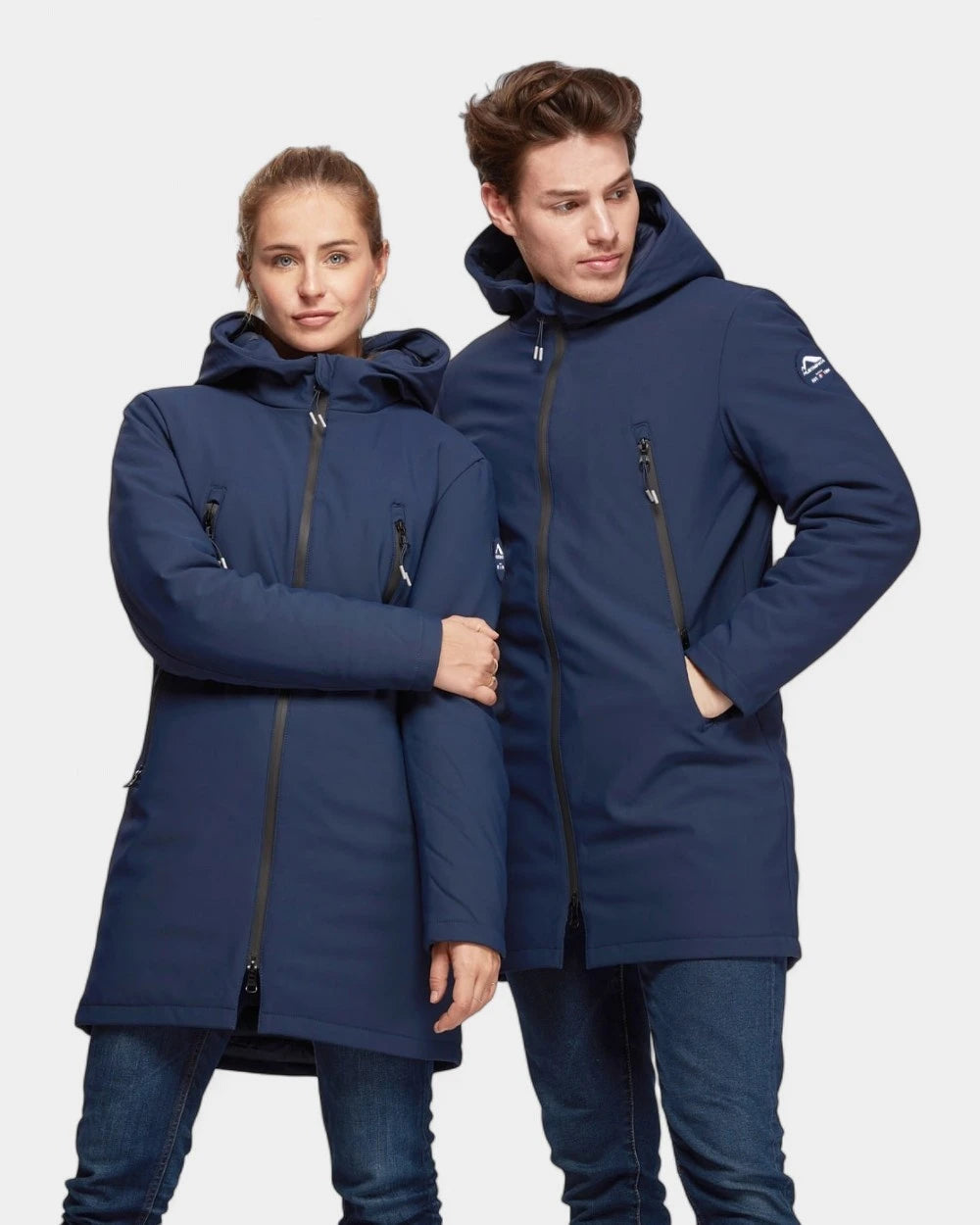
Eco-friendly waterproof unisex jacket customizableEco-friendly waterproof unisex jacket customizable
Starting from £35
+ 1
  • Eco friendly
Softshell parka with customizable down liningSoftshell parka with customizable down lining
Starting from £80
+ 2
  • Eco friendly
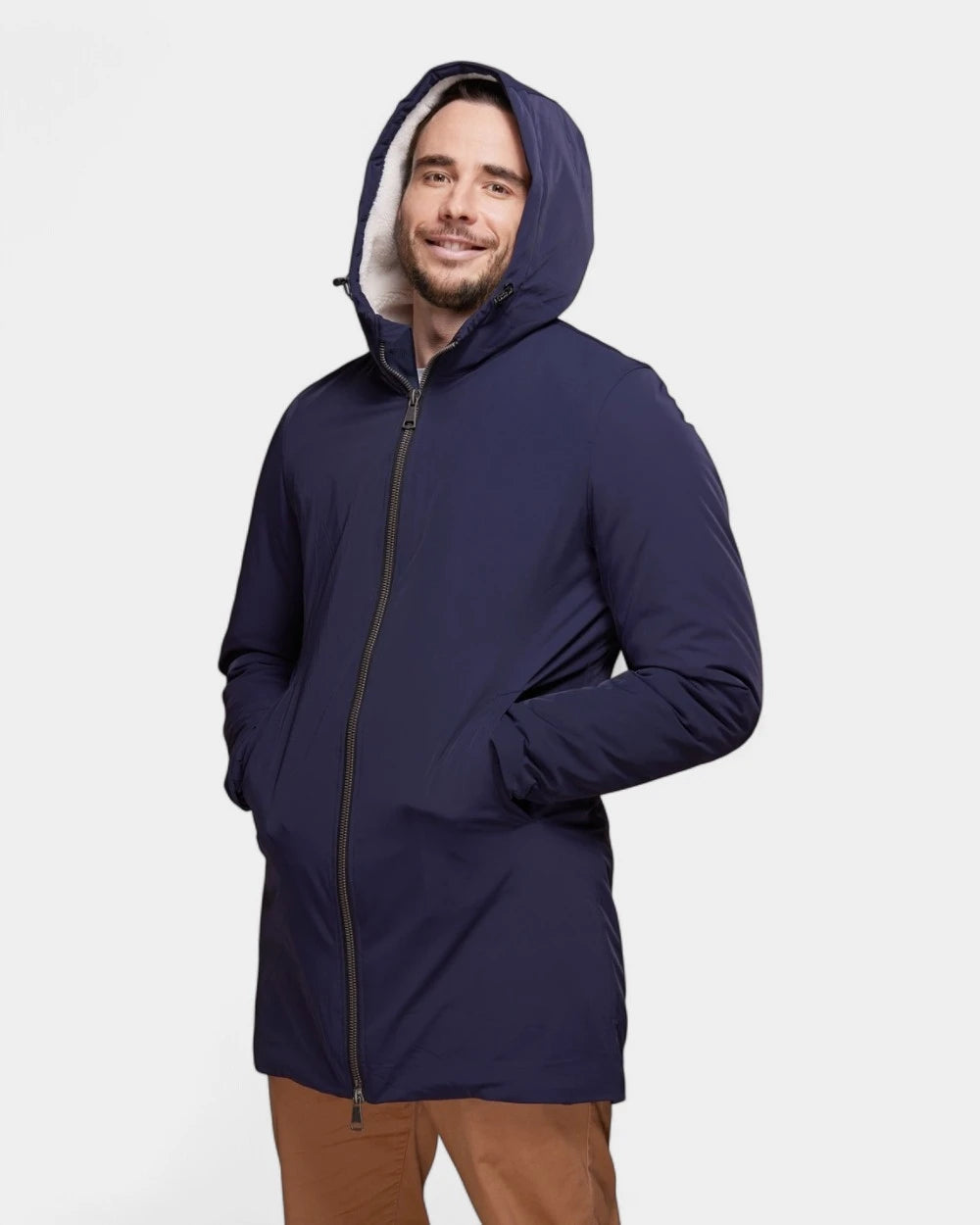
Long Parka with Sherpa Lining to CustomizeLong Parka with Sherpa Lining to Customize
Starting from £68
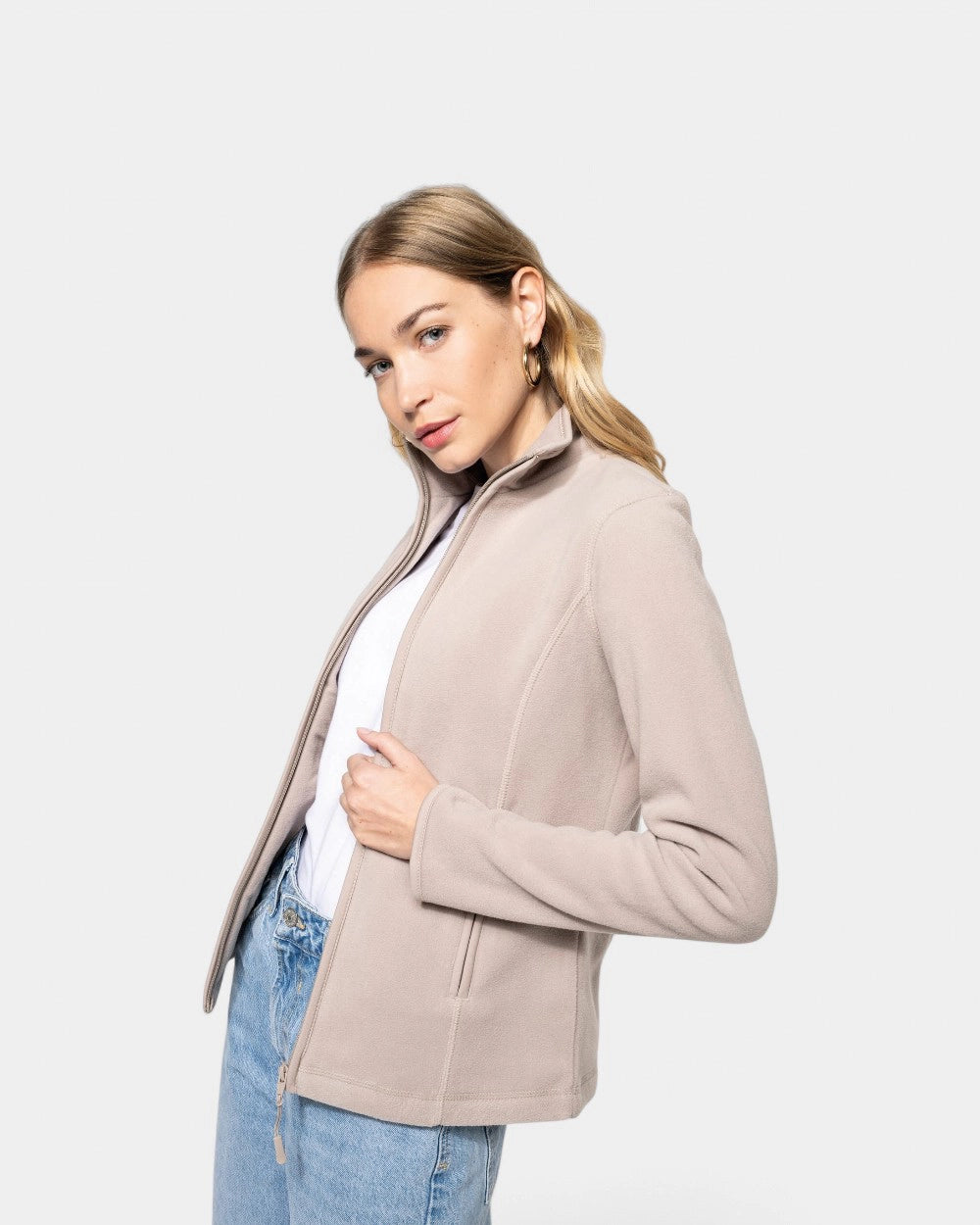
    Customizable Women's FleeceCustomizable Women's Fleece
    Starting from £31
    + 15
    • Eco friendly
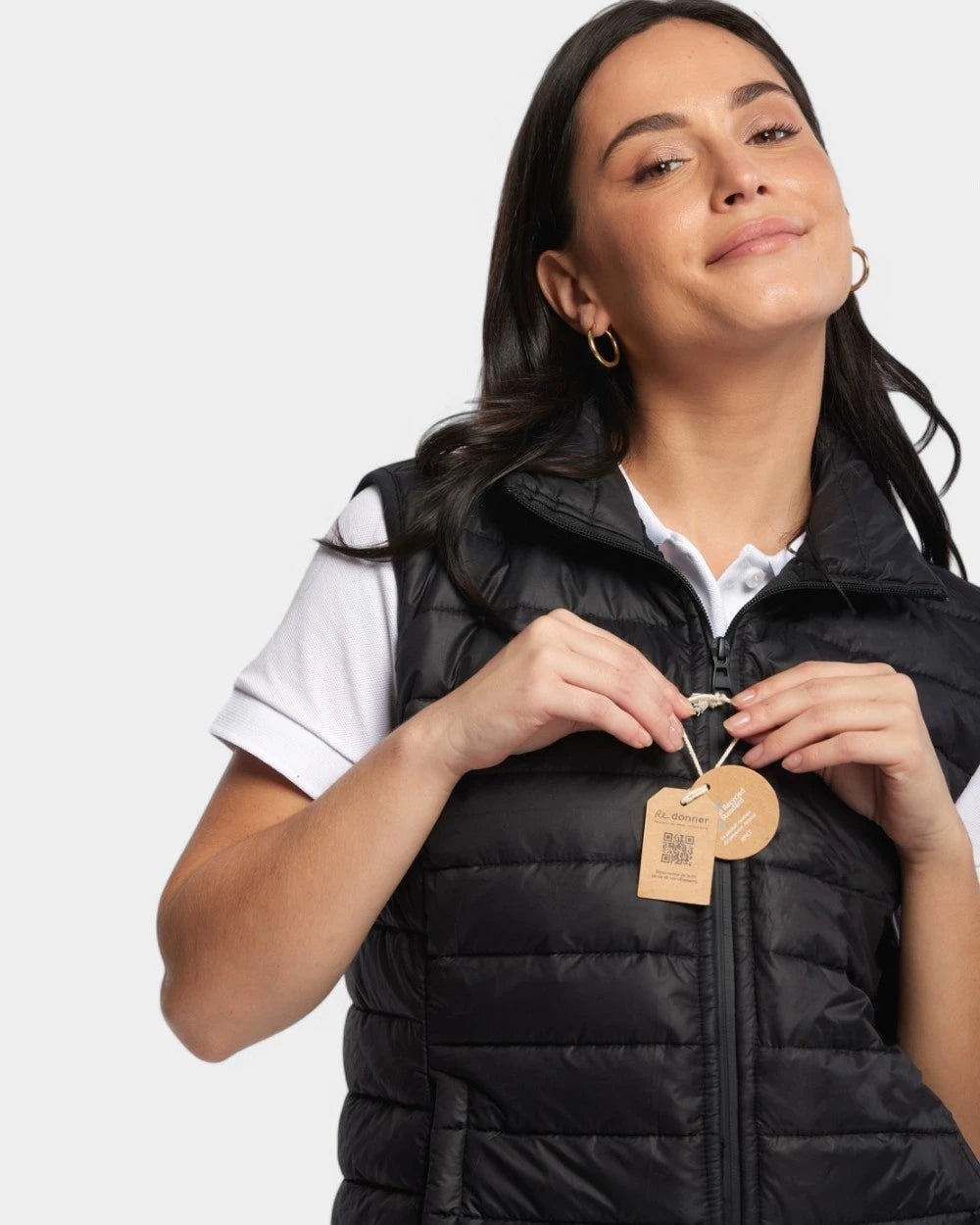
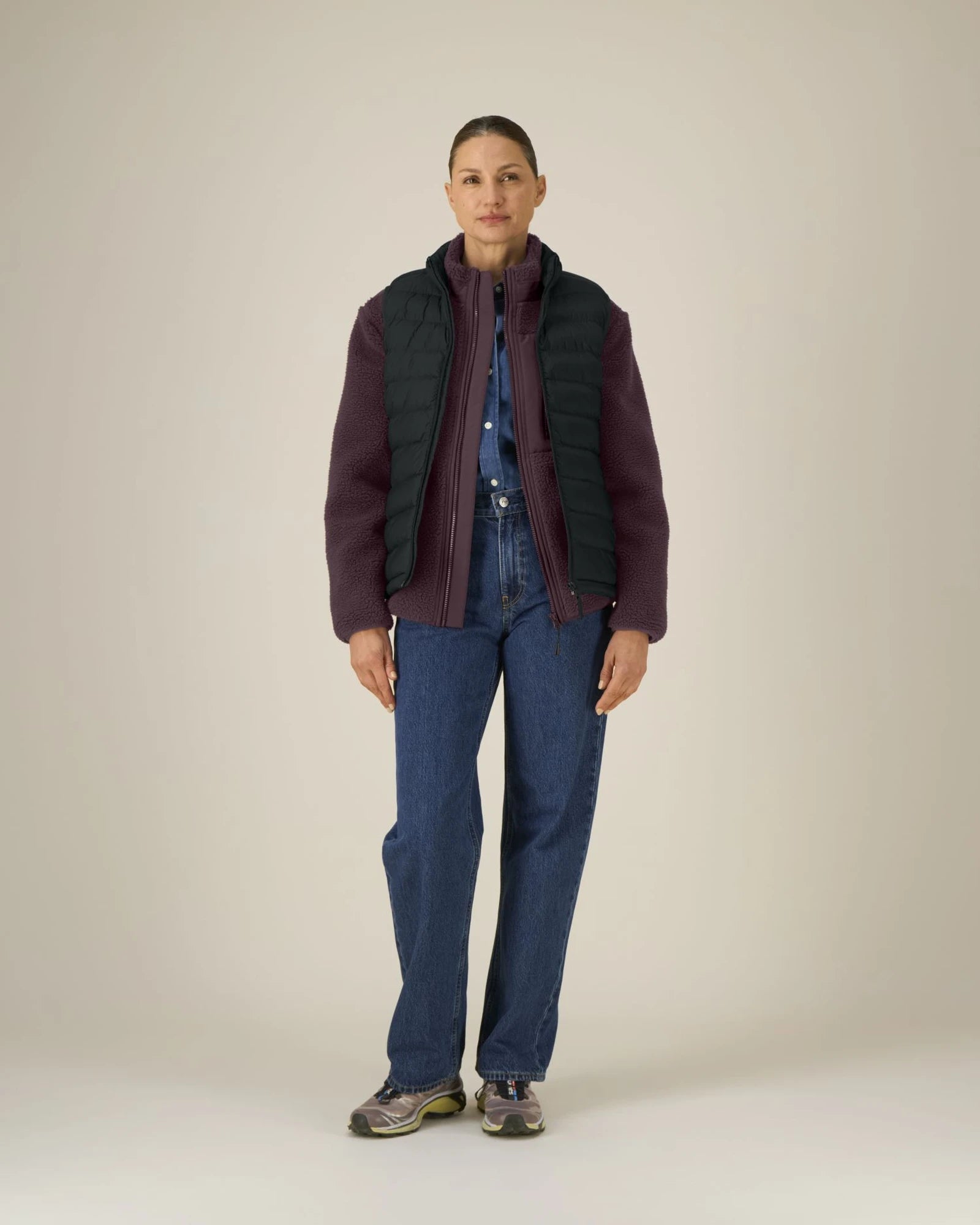
    Gilet femme recyclé Stanley/Stella Climber 2.0 à personnaliser - BlackGilet femme recyclé Stanley/Stella Climber 2.0 à personnaliser - 7
    Starting from £31
    + 8
    • Eco friendly
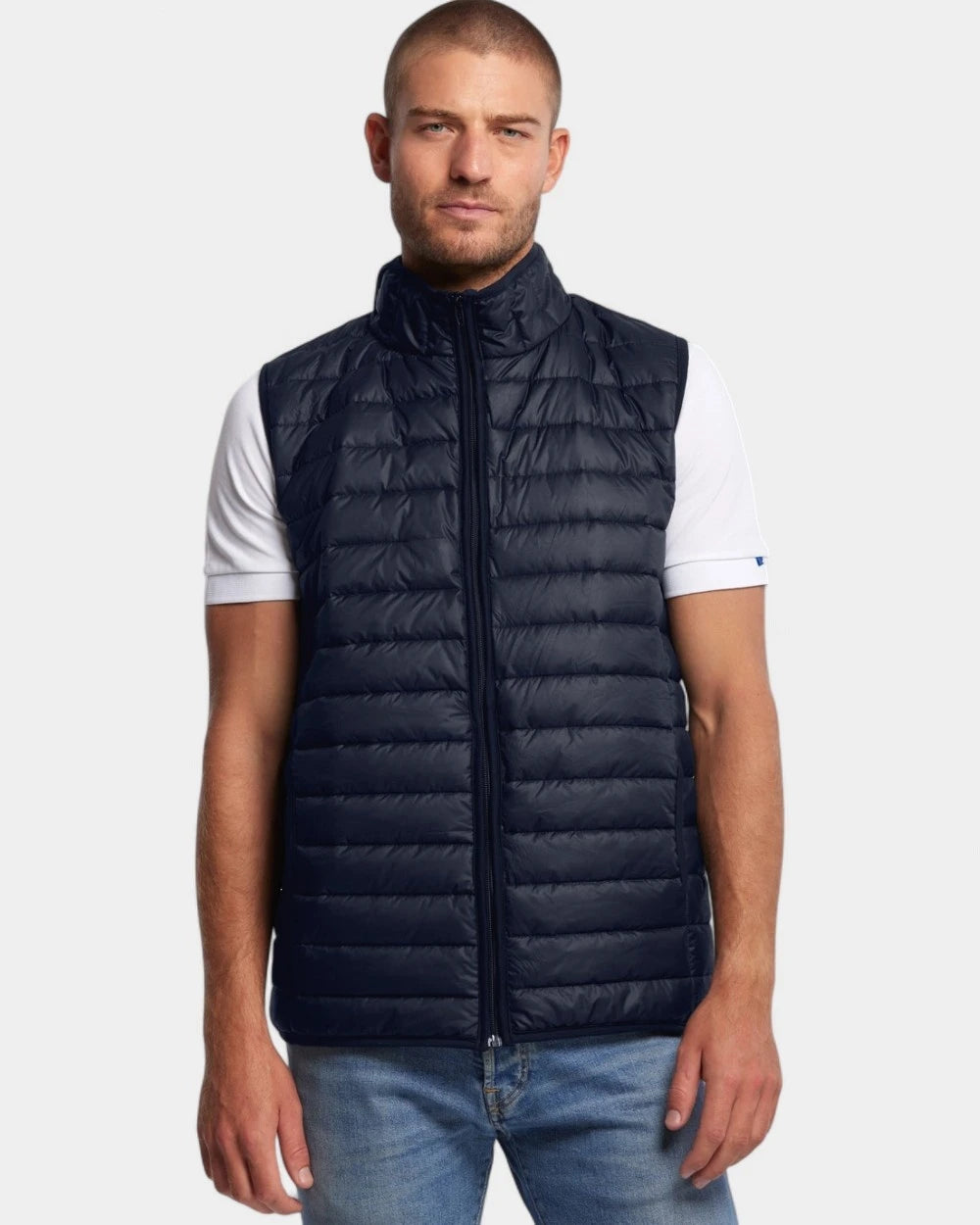
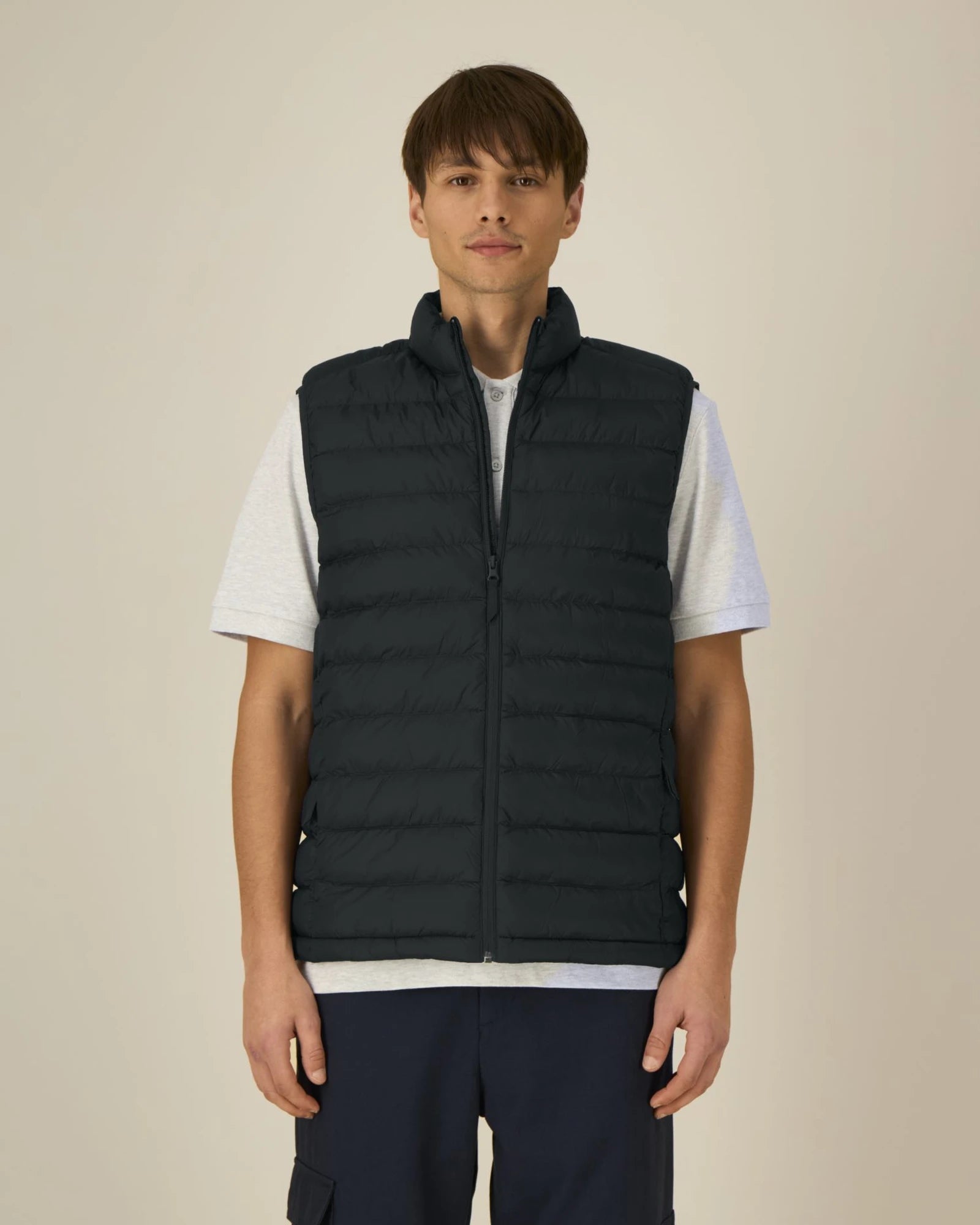
    Gilet homme 100% nylon recyclé Stanley/Stella Climber à personnaliser - 1Gilet homme 100% nylon recyclé Stanley/Stella Climber à personnaliser - Black
    Starting from £31
    + 7
    • Eco friendly
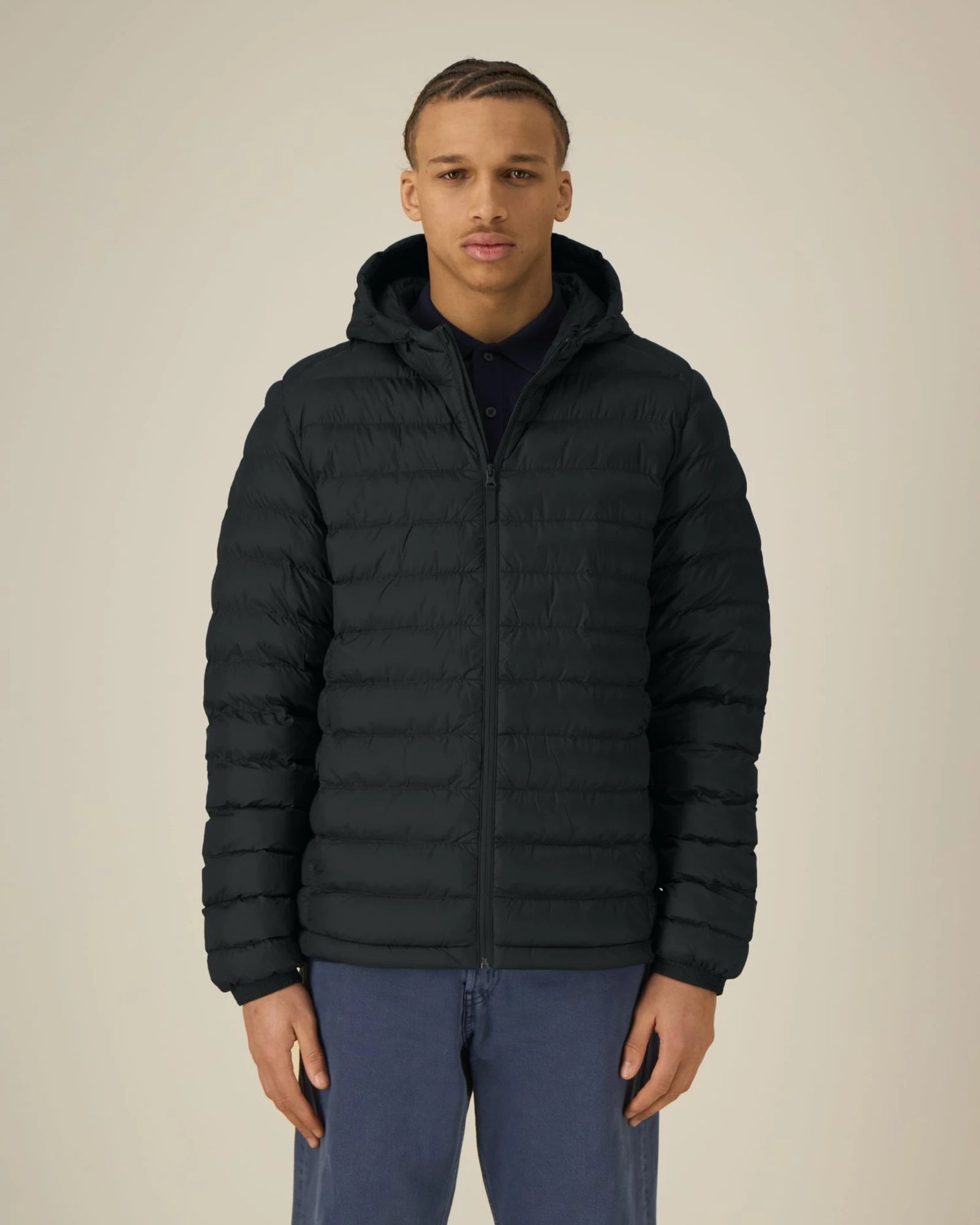
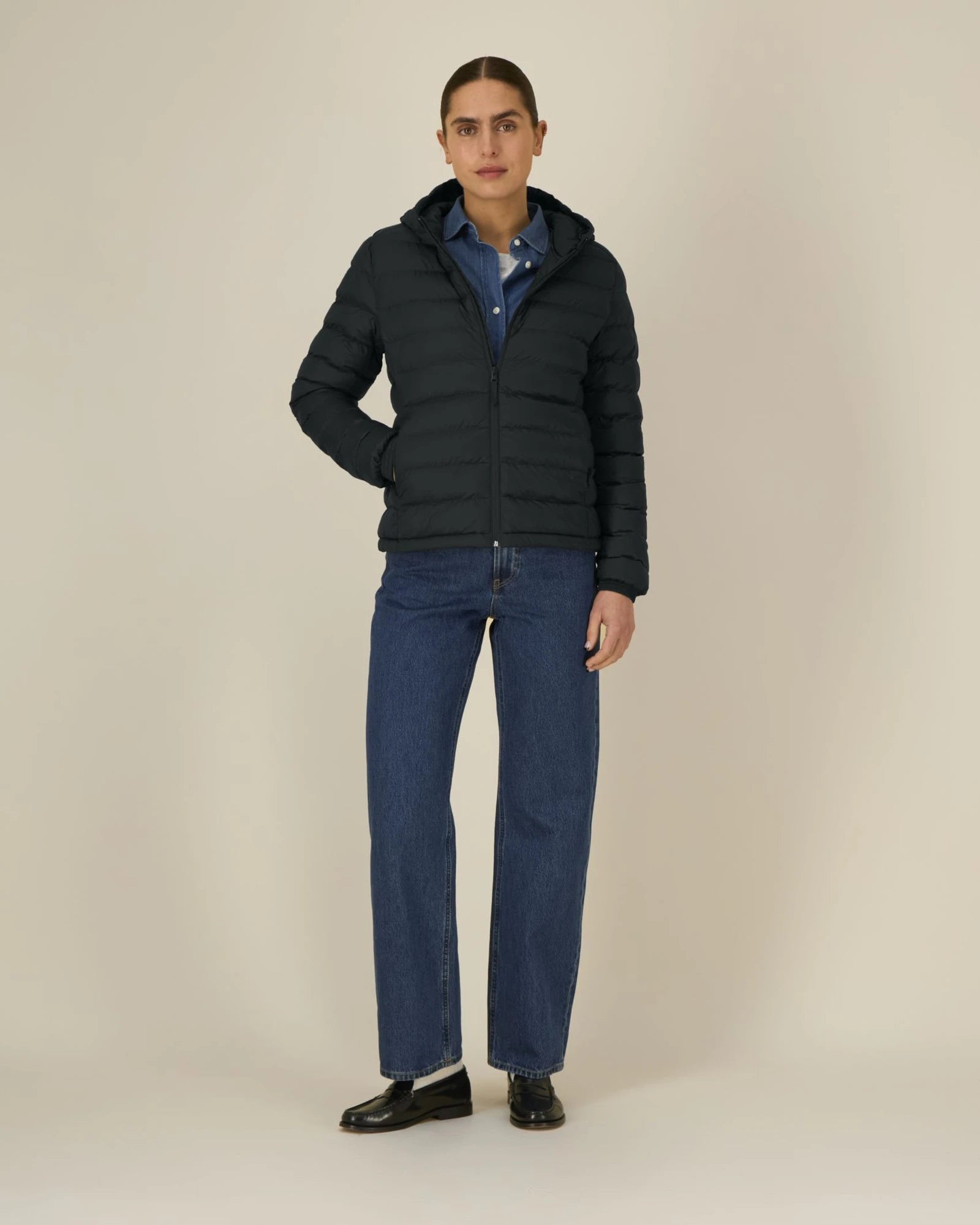
    Veste légère matelassée 100% nylon recyclé Stanley - 1Veste légère matelassée 100% nylon recyclé Stanley - Black
    Starting from £46
    + 7
    • Eco friendly
    Veste légère matelassée 100% nylon recyclé Stanley/Stella à personnaliser - BlackVeste légère matelassée 100% nylon recyclé Stanley/Stella à personnaliser - 13
    Starting from £46
    + 8
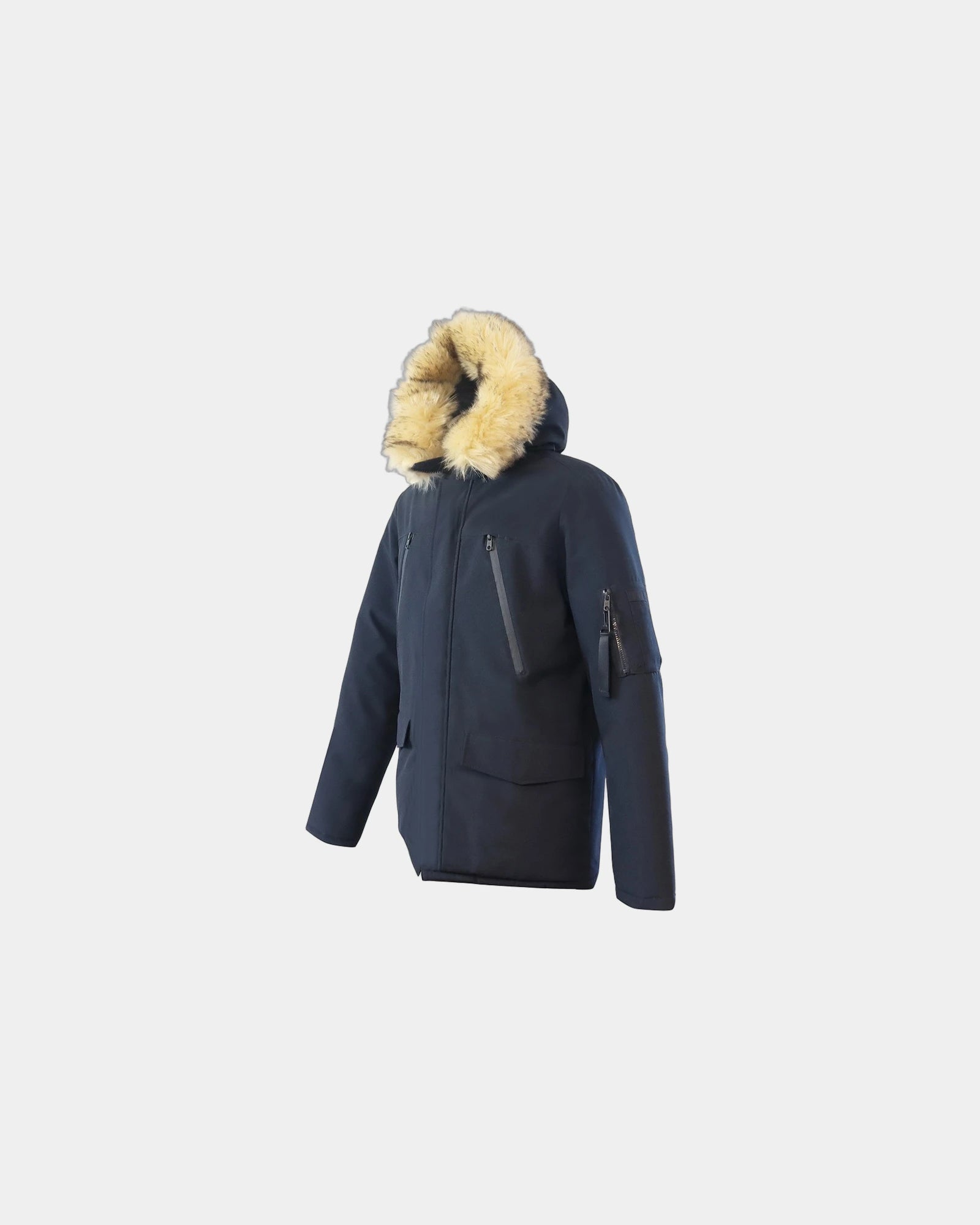
      Custom premium parka for men - 2Custom premium parka for men - 1
      Starting from £39

      Treat your clients and employees!

      Rains

      FAQ - Embroidered Jackets

      Trusted by 1,000+ companies

      Where branded jackets earn their place across your year

      A reception team in a glass-fronted lobby and a survey crew on an exposed site need different jackets, but both want the logo to read clean from across a room. Branded jackets sit at the top of the layering stack, so they carry the most visible badge your staff own.

      Three buyer scenarios drive most orders. Executives and account managers want a tailored softshell or a quilted gilet that looks right over a shirt at a client meeting. Event and exhibition crews want a bright, light shell that identifies the stand from the aisle. Field, logistics and groundwork teams want a waterproof or padded jacket rated for a full shift outdoors.

      Embroidered Polo Shirts handle the warmer half of the calendar, and a jacket extends that same identity into autumn and winter without restarting your colour and logo decisions. One coherent kit, two seasons.

      Softshell branded jackets: the three-layer membrane explained

      Reading the membrane rating on branded jackets, not the marketing

      Softshell branded jackets bond three layers into one fabric: a stretch face, a breathable windproof membrane in the middle, and a brushed inner that holds warmth. That sandwich is why a good softshell blocks wind and light rain while still letting a working body vent heat.

      Look at the membrane rating rather than the marketing word. Softshells are water-resistant, not waterproof, so they shrug off a shower but soak through in sustained rain. For a stand-up exhibition or a brisk client walk between buildings, that is usually enough; for a wet outdoor shift it is not.

      Weight is the other lever. A lighter softshell around 270 to 300 gsm suits autumn and indoor-to-outdoor movement, while a heavier bonded shell near 320 to 340 gsm pushes into winter. State the use and we match the gsm rather than guessing.

      BuildWind/waterBest for
      2-layer softshellWindproof, water-repellentLight autumn, event wear
      3-layer bonded softshellWindproof, higher water resistanceWinter field teams
      Fleece-backed softshellWind-resistant, very warmCold static work, exec layering

      Padded and puffer promotional jackets: reading the fill and the warmth

      Picture a December trade show where the loading doors keep opening: a padded jacket is what keeps your stand crew on their feet rather than retreating for tea. Padded and puffer jackets trap warm air in baffles, so the question is what fills them and how much.

      Most corporate padded jackets use a synthetic fill rated by grams per square metre, commonly 180 to 300 gsm, which keeps loft after damp far better than down. Synthetic also dries quicker and embroiders more predictably, because the baffles sit flatter under the hoop.

      Baffle pattern changes the look as much as the warmth. A fine horizontal quilt reads smart and corporate, while a chunky channel baffle reads outdoor and casual. Pick the one that matches where the jacket will be seen.

      Waterproof shells and gilets: matching corporate jackets to exposure

      Hydrostatic head and taped seams on corporate jackets

      Waterproof shells are rated in two numbers people rarely explain. A hydrostatic head in millimetres says how much water pressure the fabric resists, and a breathability figure says how fast sweat escapes. A 5,000 mm shell handles showers; 10,000 mm and above suits genuine all-day rain.

      Taped seams are the detail that separates a true waterproof from a shower-resistant one. Stitching makes thousands of needle holes, so a waterproof jacket seals them with internal tape; without it, water tracks straight through the seams whatever the fabric claims.

      A gilet earns its place when the arms need freedom but the core needs warmth, as in stewarding, warehouse picking or layering under a shell. Embroidered workwear pairs naturally here when a field team needs trousers and hi-vis to match the jacket programme.

      Hydrostatic headResistsSuited to
      1,500-5,000 mmLight showers, drizzleEvent and short outdoor wear
      5,000-10,000 mmSteady rain, a few hoursStewarding, occasional site work
      10,000-15,000 mmAll-day rain, pressure pointsField and logistics crews
      15,000 mm and aboveHeavy, sustained rainExposed survey and groundwork

      Fleece-lined branded jackets and the warmth-versus-bulk trade-off

      A fleece-lined jacket puts a brushed inner against a windproof outer, which gives static warmth without the bulk of a padded baffle. For drivers, gatehouse staff and anyone moving in and out of a vehicle, that low bulk is the deciding factor.

      The trade-off is wind in motion: a thick fleece lining is cosy standing still but less windproof than a bonded membrane once you are walking into weather. We will flag this when the brief is an exposed, moving role rather than a sheltered one.

      If your crew already wears a mid-layer, a lighter lined shell avoids doubling up. Embroidered Sweatshirts worn under a shell often beats one very heavy jacket, because the team can shed a layer indoors.

      Bomber corporate jackets and the smart-casual look

      A bomber jacket reads as the most fashion-led cut in a corporate range, with a ribbed hem and cuffs that sit neatly over a polo or shirt. It suits retail floors, hospitality and launch events where staff should look styled rather than industrial.

      Because the body panel is flat and ribbing is kept clear of the badge, a bomber takes a clean chest embroidery well. A small left-chest logo keeps the smart-casual line, while a larger back motif turns the same jacket into walking signage at an event.

      Embroidery on branded jackets: chest, back and the stabiliser question

      Embroidery is the right method for branded jackets because thread holds colour and texture through years of washing and weather, where a print can crack on a flexing shell. On a jacket, the badge is large and seen from a distance, so stitch quality shows.

      Placement is a real decision on outerwear. A left-chest logo around 8 to 10 cm suits exec and client-facing wear; a back design of 20 to 25 cm turns event crews into visible signage. Sleeves and collars take small secondary marks like a website or a name.

      Padded and waterproof fabrics need care under the needle. We back the design with a cut-away stabiliser and, on technical shells, advise where stitching could pierce a waterproof membrane, so the badge never becomes a leak point. Artwork approval is shared within 24h before any stitching begins.

      PositionTypical sizeUse
      Left chest8-10 cmExec, client-facing, subtle
      Full back20-25 cmEvent crews, high visibility
      Sleeve5-7 cmWeb address or strapline
      Collar/nape4-6 cmName or small secondary mark

      Zips, storm flaps and the detailing that signals quality promotional jackets

      On branded jackets the zip is the part a wearer touches every day, so a chunky moulded or metal zip with a chin guard reads better than a thin coil that snags. On a client-facing softshell, a colour-matched or contrast zip pull is a cheap detail that lifts the whole jacket.

      A storm flap is the fabric placket that covers the zip line on a waterproof shell, blocking the wind and water that a bare zip lets through. Inner zip garages, adjustable hems and a wired or roll-away hood are the other markers of a jacket built for real weather, not just a logo carrier.

      Pockets carry their own decisions on a corporate jacket. A chest napoleon pocket keeps a phone dry under the storm flap, while zipped hand pockets stop a site wind hollowing out the warmth. Lined pockets matter for drivers who keep gloves on, since a raw seam chafes cold hands.

      Sizing corporate jackets for a mixed team: fit, gender cut and curves

      Outerwear is layered over other clothing, so jacket sizing runs differently from a base layer and a team curve should account for that. A jacket worn over a fleece needs room the polo size never told you.

      Order a few sizes up the curve for staff who layer heavily. Confirm whether the range offers a tailored women's cut or a unisex block, because the difference shows on a row of staff at an event. A free sample lets you check the fit and the embroidery on the real fabric before you commit a full run.

      Custom shirts sit under the jacket for exec teams, so aligning the two size curves keeps the whole outfit looking deliberate rather than assembled.

      Use caseRecommended jacketBranding lead
      Exec and client meetingsTailored softshell or quilted giletSubtle left chest
      Exhibitions and eventsLight bright shell or bomberLarge back motif
      Field and logistics crewsWaterproof taped shellChest plus back
      Drivers and gatehouseFleece-lined jacketLeft chest, name on collar

      Colour, contrast and keeping the badge legible on branded jackets

      A jacket carries your brand colour at full size, so the body shade is a brand decision, not an afterthought. A navy or charcoal shell reads corporate and hides marks on a busy site, while a bright shell makes an event stand findable from the far aisle.

      Thread contrast is what keeps the badge legible. A logo embroidered tone-on-tone looks discreet but disappears at distance, so event jackets want high contrast and exec jackets can go subtle. We confirm any stated fabric, finish or eco credential against the product spec before it appears on your quote, never on assumption.

      Quantity and lead time on promotional jackets, from 10 to 500

      A run of ten exec softshells and a run of five hundred event shells are different jobs. Small runs centre on getting the cut and the chest badge perfect on a premium garment. Large runs centre on stock depth across the size curve and a consistent stitch-out across hundreds of pieces.

      Embroidery setup is a one-off digitising step, so the per-jacket cost falls as the run grows and the badge stays identical across the order. Plan around a three-week lead time for embroidered jackets in stock colours, with longer windows for large multi-size runs or special shades.

      For a winter campaign, the practical move is to confirm artwork and sizing in early autumn so stock is reserved before the seasonal rush thins the size curve.

      Caring for corporate jackets so the embroidered badge lasts

      An embroidered jacket survives the wash far better than a printed one. Technical fabrics still want a low-temperature wash and no fabric softener, which clogs the membrane. A reproofing wash restores water repellency on shells after heavy use.

      • Wash at 30C on a gentle cycle to protect the membrane
      • Skip fabric softener, which coats waterproof and breathable fabrics
      • Zip up before washing so the teeth do not snag the embroidery
      • Air dry padded and softshell jackets rather than tumble drying hot
      • Reproof waterproof shells periodically to revive water repellency
      • Store padded jackets loosely so the fill keeps its loft

      These habits keep a corporate jacket looking ordered across two or three winters, which is what makes outerwear the strongest-value garment in a branded kit. Custom Hoodies cover the casual end for staff downtime, while the jacket holds the front-of-house line.

      Building a coherent programme of corporate jackets across your wardrobe

      The strongest branded jackets sit inside a wider wardrobe rather than alone, so an exec in a softshell and a crew member in a shell still look like one organisation. Agreeing the brand colour and the chest badge size once keeps every later jacket order on the same line.

      A jacket can also anchor a winter gift on its own. Personalised Blankets make a natural companion gift for a cold-weather client mailing where a full jacket would overspend the budget.

      Hi-vis and safety branded jackets for site and roadside teams

      A roadside survey crew and a warehouse yard team need a jacket that is seen before it is read, so visibility leads the brief over cut. A hi-vis softshell or waterproof shell carries a fluorescent body and reflective banding that keeps a worker conspicuous in low light. The branding then works around the safety elements rather than over them, so the logo never sits where it would break up the reflective tape.
      Placement is the careful part on a safety garment. We keep embroidery clear of the reflective bands and the most exposed waterproof panels. A stitch through tape or a sealed seam undoes the part of the jacket doing the safety work. A chest badge above the upper band and a discreet back mark below the shoulder tape are the usual safe positions, confirmed on the proof before any stitching begins.

      Any safety standard a garment meets belongs to its own product spec. We confirm the stated rating against the line you choose rather than implying a blanket class across the range. A field team often wants the hi-vis shell to match the rest of the kit. The same chest logo can run on a Embroidered workwear trouser and a base layer for one coherent site uniform.

      Branded jackets and gilets for core warmth without bulk

      A gilet earns its place when the arms need freedom but the core needs warmth, which is the stewarding, picking and event brief exactly. A padded or softshell bodywarmer traps heat over the chest and back while leaving the sleeves clear. A worker can swing a scanner or hand out a programme without a bulky sleeve in the way. It also layers neatly under a shell when the weather turns.

      The flat front panel makes a gilet a clean canvas for branding. A left-chest badge reads as smart staff dress, while a larger back mark turns the bodywarmer into event signage from across a stand. Because there is no sleeve to compete, the chest and back carry the whole identity. A gilet often photographs cleaner than a full jacket in a team shot.

      Fill and fabric follow the same logic as a full padded jacket. A synthetic fill around 180 to 250 gsm keeps loft after damp and embroiders predictably, since the baffles sit flatter under the hoop. A softshell bodywarmer suits a milder, more corporate look, while a quilted one reads outdoor. We match the build to whether the gilet is worn alone or as a mid-layer under a shell.