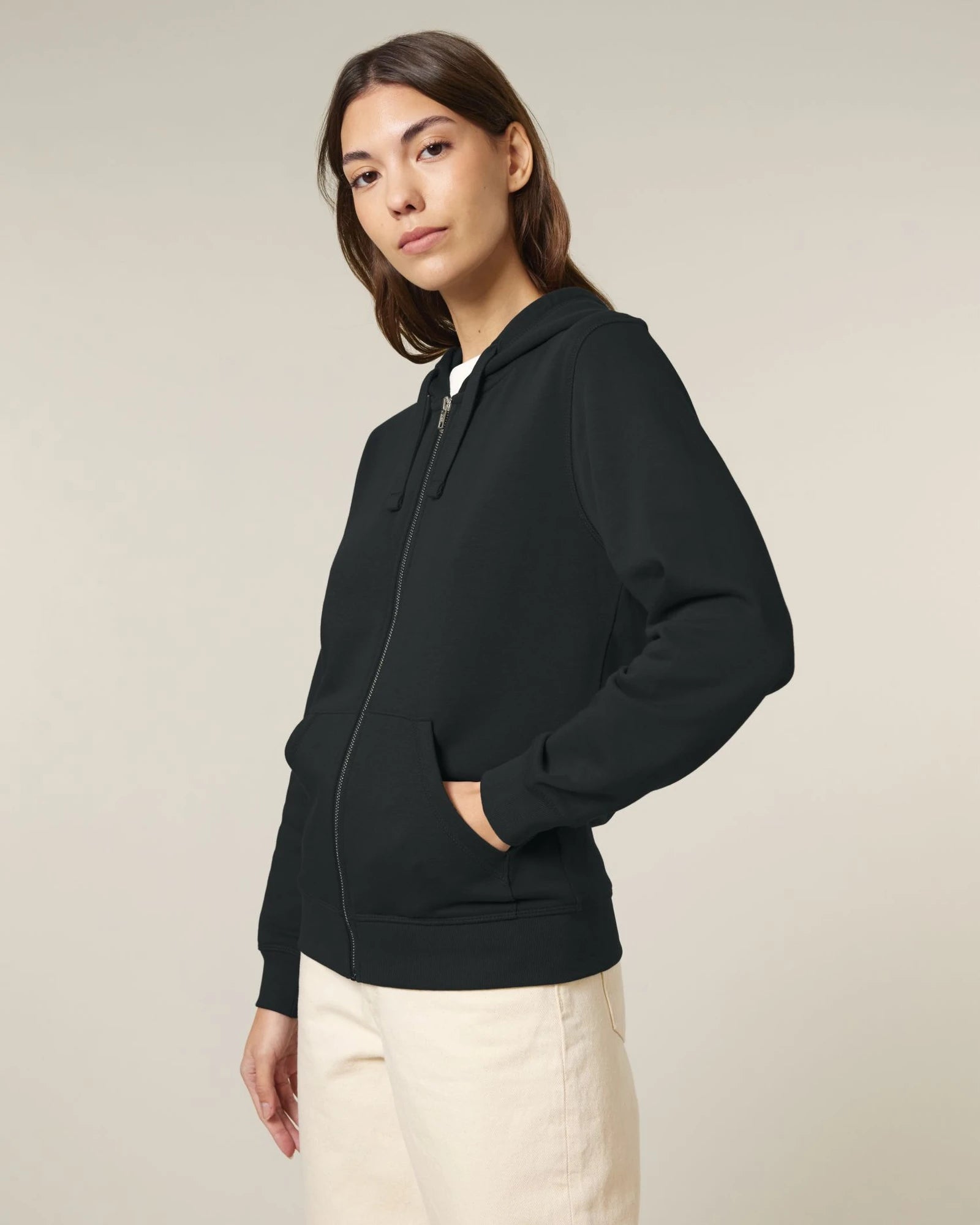
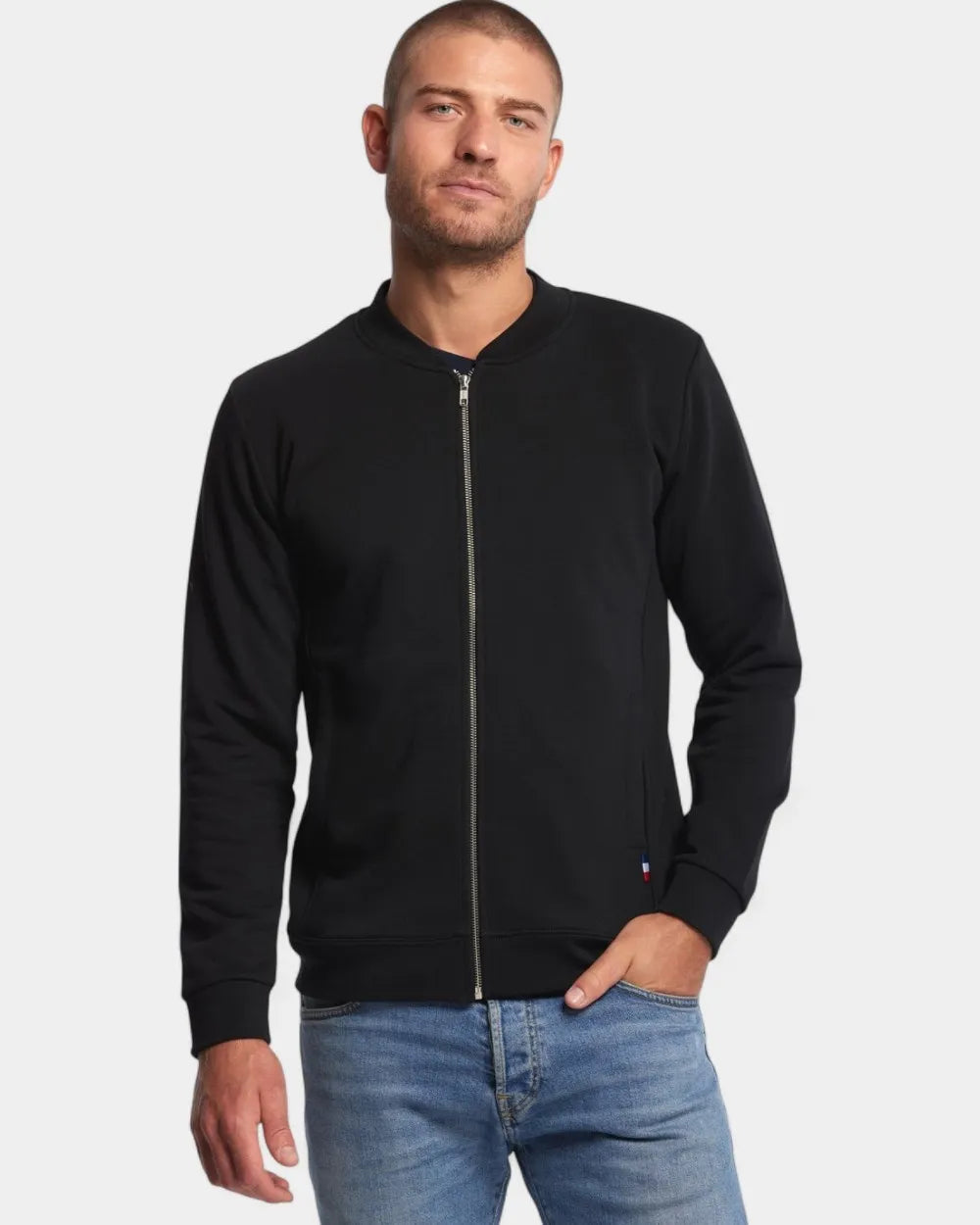
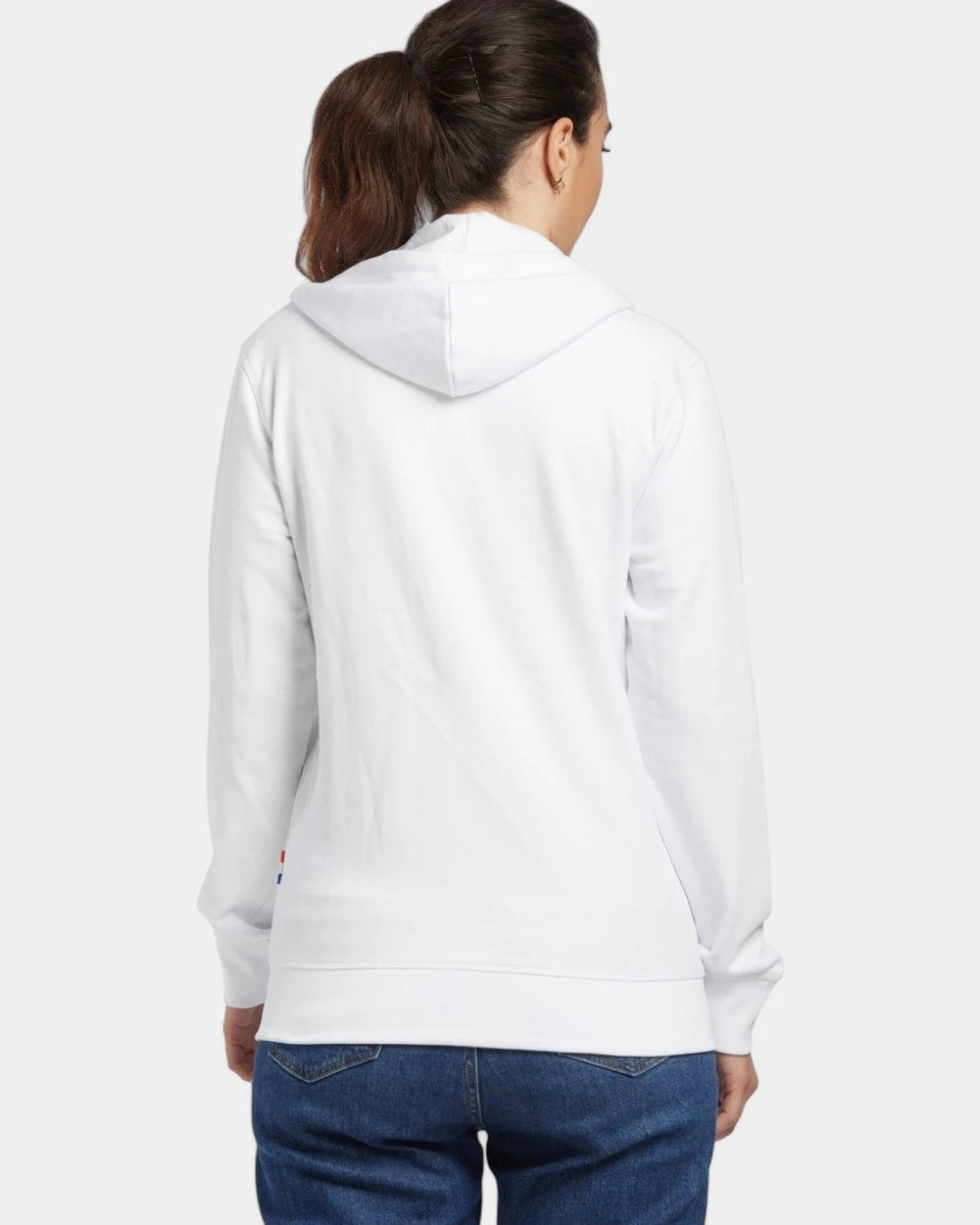
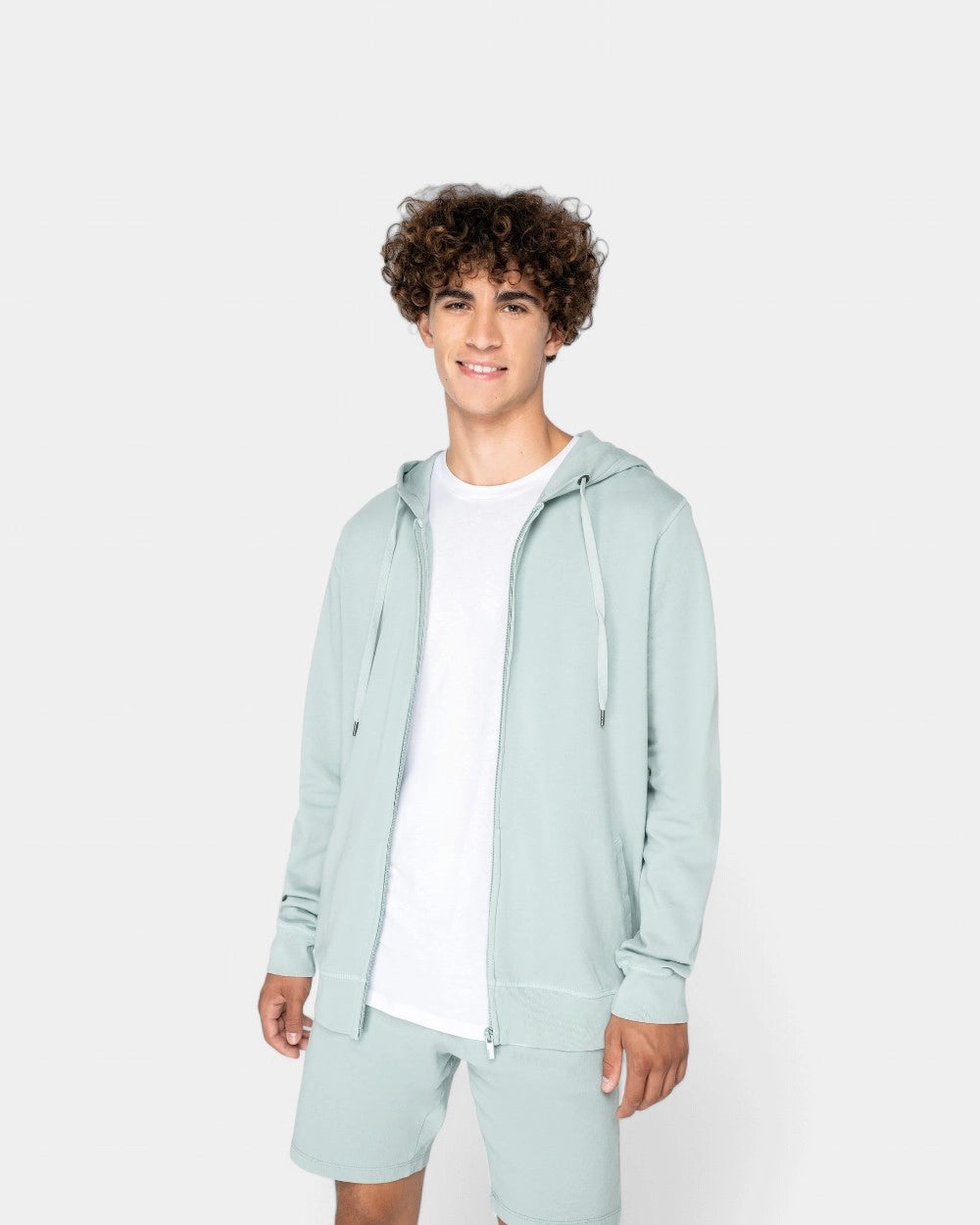
Branded Clothing
- Eco-friendly
- Made in France
- Made in Europe
- Price, low to high
- Price, high to low
Treat your clients and employees!
FAQ - Custom Clothing
Trusted by 1,000+ companies
How to navigate the Branded clothing range by use
The fastest route into this clothing range is the simple question of who wears the garment and where. A street-team handout at a music festival, a client-facing rep on a trade-stand, and a back-office team on a hybrid week each pull a different garment off the same range. Naming the wearer first narrows fabric weight, cut and decoration in one move.
Three broad jobs cover most briefs. Visibility clothing wants a loud, cheap, high-volume garment that reads from a distance. Identity clothing wants a neat, durable garment a customer sees up close. Comfort clothing wants a warm layer a team actually chooses to wear off-shift. A single order often spans two of the three at once, and the range is built to mix them freely. Naming the job before the garment steers the buyer straight. It stops a premium embroidered polo going to a crowd handout, or a cheap printed tee going to a role a customer studies at close range.
A festival promo team of thirty illustrates the visibility job: matched printed tees in a single loud brand colour. They are over-ordered on the common sizes, because nobody booked a chest measurement in advance, and a spare medium costs far less than a missing one mid-event. Custom T-Shirts carry that high-volume visibility layer, where a clean front print on a ringspun cotton base does the work cheaply.
Identity clothing flips the priorities toward finish over volume. A sales rep meeting a buyer across a desk wants a collared garment with a tidy stitched mark, not a printed slogan. That role lives one rung up the range in the polo and shirt territory, where the close-range read justifies the embroidery cost. The smaller run also frees a little more per head, so a heavier base and a second cut become affordable where a thousand-piece print run would not stretch to them.
Sorting the Custom clothing range by season and layer
Mapping Promotional clothing to the calendar
Half the Branded clothing decision is the calendar. A garment that suits a July outdoor event freezes a team in November. Ordering one weight for the whole year leaves staff either sweating or cold for half of it. The range is layered so a buyer can map a garment to the season the clothing will actually be worn in.
The summer layer is the tee and the short-sleeve polo, light enough for a warm venue and cheap enough to over-order without straining a budget. The shoulder seasons, spring and autumn, are where the sweatshirt and the long-sleeve polo earn their place, warm without a jacket. Deep winter pulls in the hoodie, the fleece and the outer jacket. Many buyers brief two layers at once so the same team stays in-brand across the year.
| Season | Garment layer | Typical fabric weight | Usual decoration |
|---|---|---|---|
| Summer / indoor events | Tee, short-sleeve polo | Approx. 140-200 gsm | Print or chest embroidery |
| Spring / autumn | Sweatshirt, long-sleeve polo | Approx. 200-280 gsm | Embroidery or print |
| Winter outdoors | Hoodie, fleece, jacket | Approx. 280-340 gsm | Large back print, chest stitch |
| All-year finishing | Cap | Structured or soft | Front-panel embroidery |
Warm layers are where most clothing budgets concentrate, because a hoodie or sweatshirt is the garment a recipient keeps and wears beyond the event. Custom Hoodies hold the heavyweight winter end, where gsm and fit drive both comfort and how a large back print sits. The same logic makes a warm layer the smart anchor for a year-round programme. It carries the brand long after a summer tee has worn thin or gone to the back of a drawer.
The embroidery versus print decision across your Branded clothing
This is the choice that most changes how Branded clothing looks and how long it lasts, and at category level it cuts across every garment rather than belonging to one. Embroidery sews thread into the cloth, so the mark holds up through year after year of hot cycles and reads as the more considered finish. It favours simpler logos and small positions. Print lays ink or a transfer onto the surface, holding fine lines, gradients and the full colour range. It also scales up across a back panel for a fraction of what the same stitched area would cost.
Garment weight tips the call as much as the logo does. A dense piqué polo or a heavy fleece takes embroidery cleanly, while a fine cotton tee can pucker under a large stitch count and prints flat and bright instead. So the method is rarely a blanket house rule; it is a per-garment judgement the range lets you make collection by collection.
| Garment | Best method | Typical position | Reason |
|---|---|---|---|
| Cotton tee | Front or back | Vivid full-colour artwork, sits flat on light cloth, cheap in bulk | |
| Piqué polo | Embroidery | Left chest | Stitch shrugs off repeat laundering, looks considered at close range |
| Hoodie | Print + chest stitch | Large back, small chest | Print scales up with detail, the stitch adds a hard-wearing front |
| Cap | Embroidery | Front panel | Rigid crown carries a tidy stitched mark at head height |
Plenty of clothing orders deliberately run both methods on one garment: a stitched logo on the chest for the up-close read, a printed graphic across the back for distance. The range supports that split rather than forcing one technique on a whole order.
Collared identity garments are where stitching consistently wins, because the customer sees the mark at conversation range and a thread logo holds its crispness through the laundry. Embroidered Polo Shirts give that collared layer a chest mark that outlasts the printed alternative on the same shelf.
Reading fabric weight across the Promotional clothing range
How gsm shapes Custom clothing
Gsm, the grams-per-square-metre figure, decides whether Branded clothing feels cheap or considered in the hand. It varies more across this range than any other number. A 140 gsm tee drapes light and prints crisp but shows wear fast; a 180-200 gsm tee feels substantial and survives an event season. The gap is felt the moment a recipient picks the garment up.
The same logic scales up through the warm layers. A 240 gsm sweatshirt is a mid-weight that suits an office floor, while a 330 gsm hoodie reads as a proper winter garment a team chooses for the cold. Matching the weight to the wear, not just the budget, is what stops a clothing order arriving lighter than the brand it carries.
- Light tee approx. 140 gsm prints sharp but wears thin
- standard tee 180-200 gsm balances feel and cost
- mid sweatshirt around 240 gsm suits indoor teams
- heavy hoodie 300-340 gsm reads as a keeper
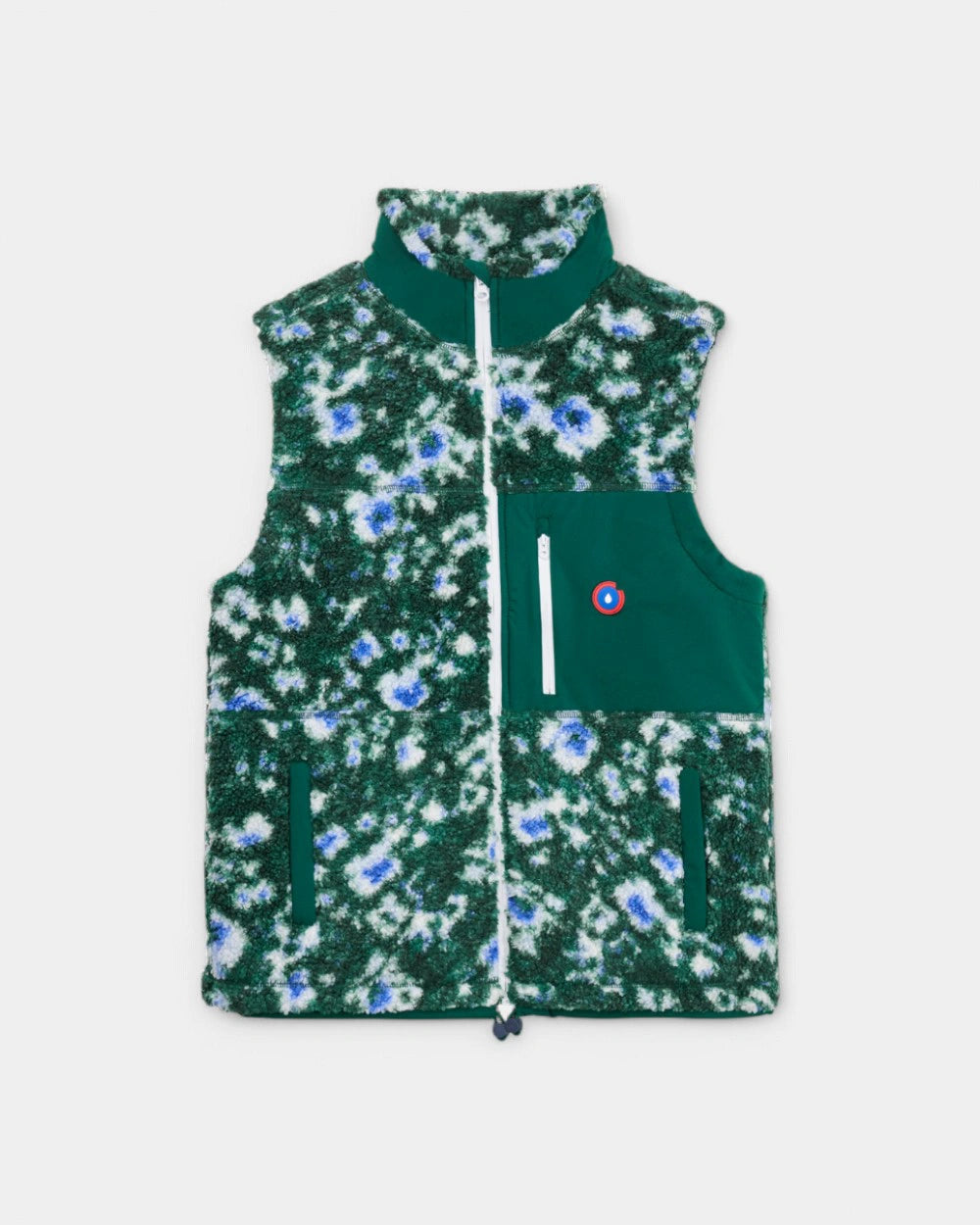
- fleece weight set by pile not gsm
- gsm is on each line's own spec sheet
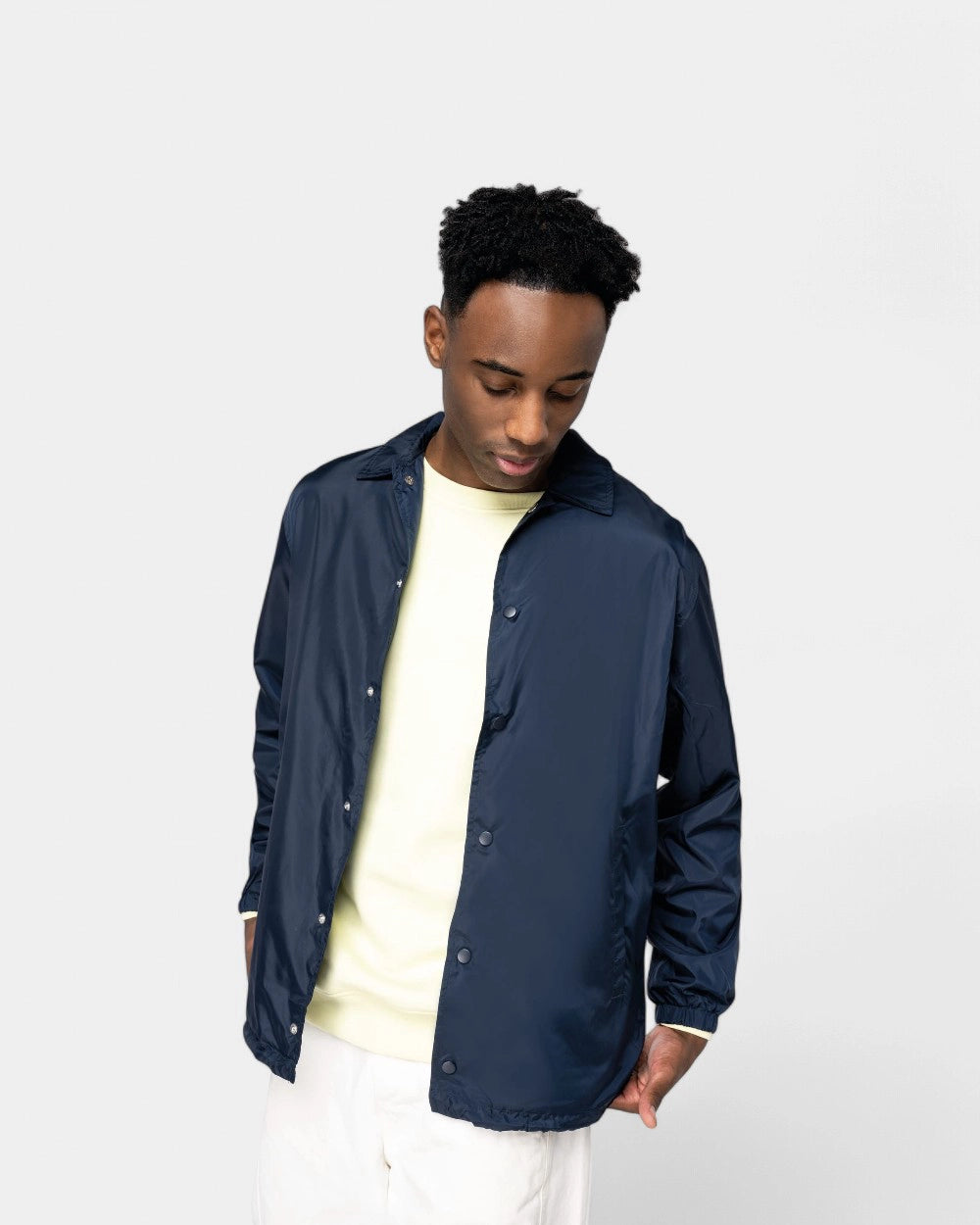
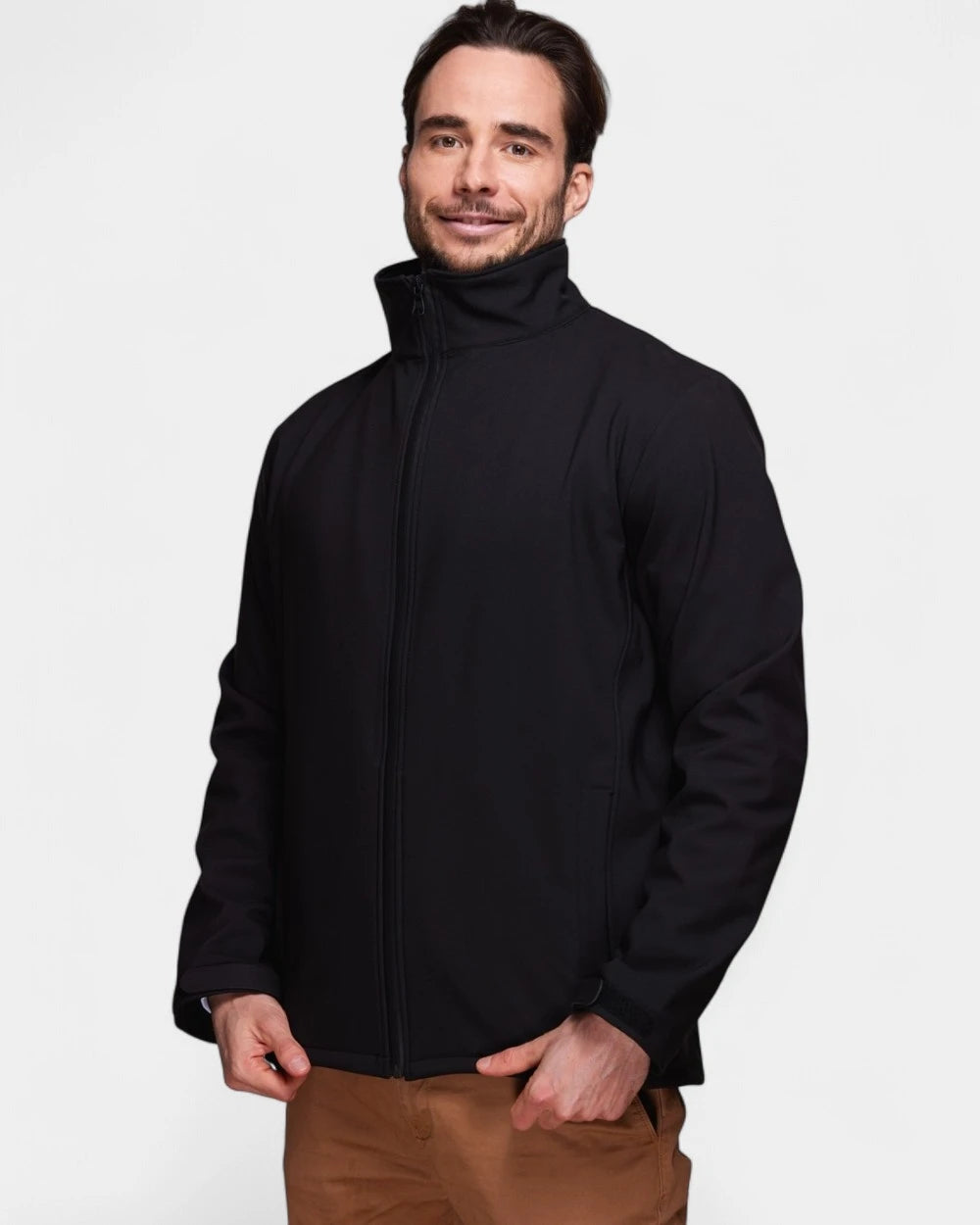
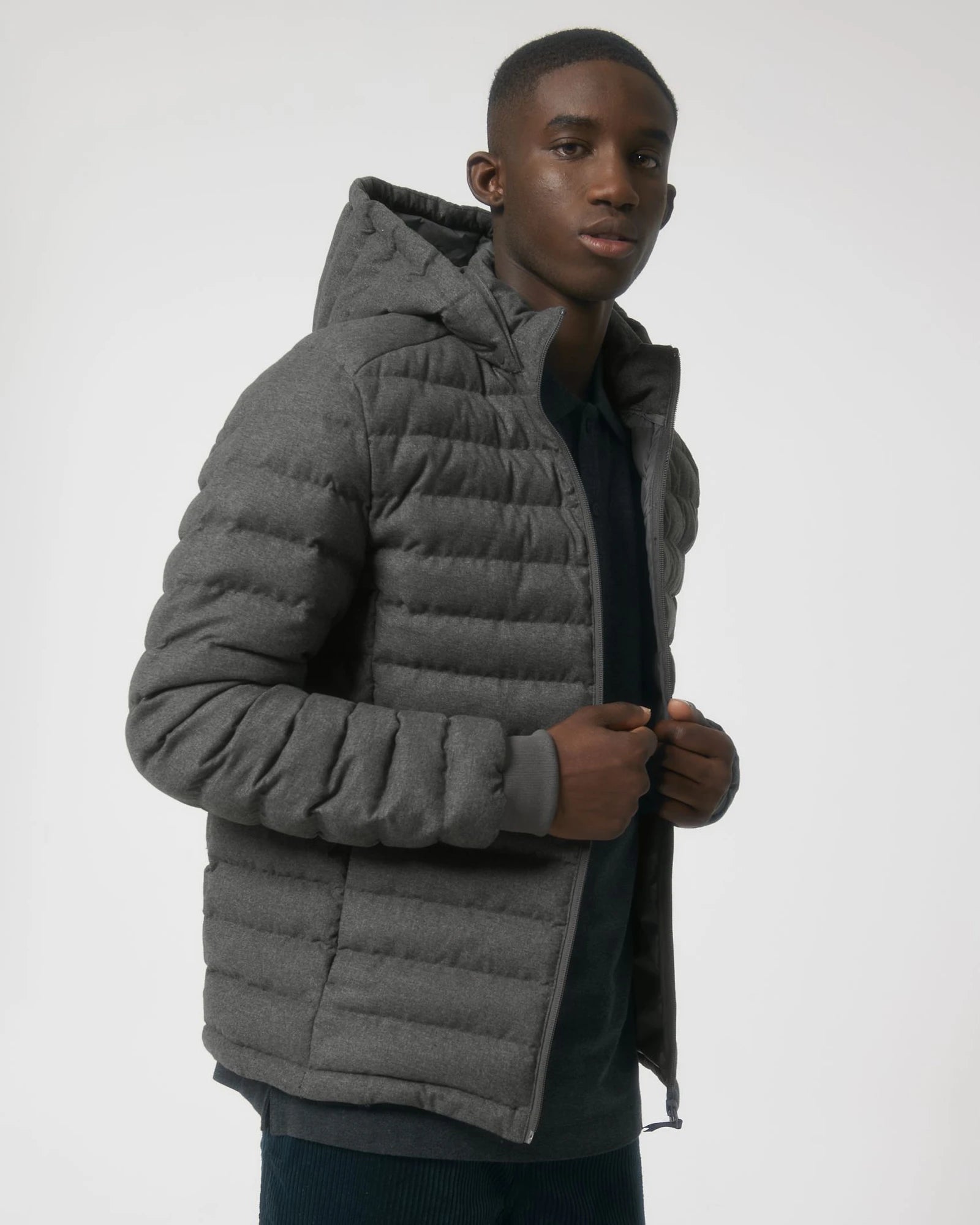
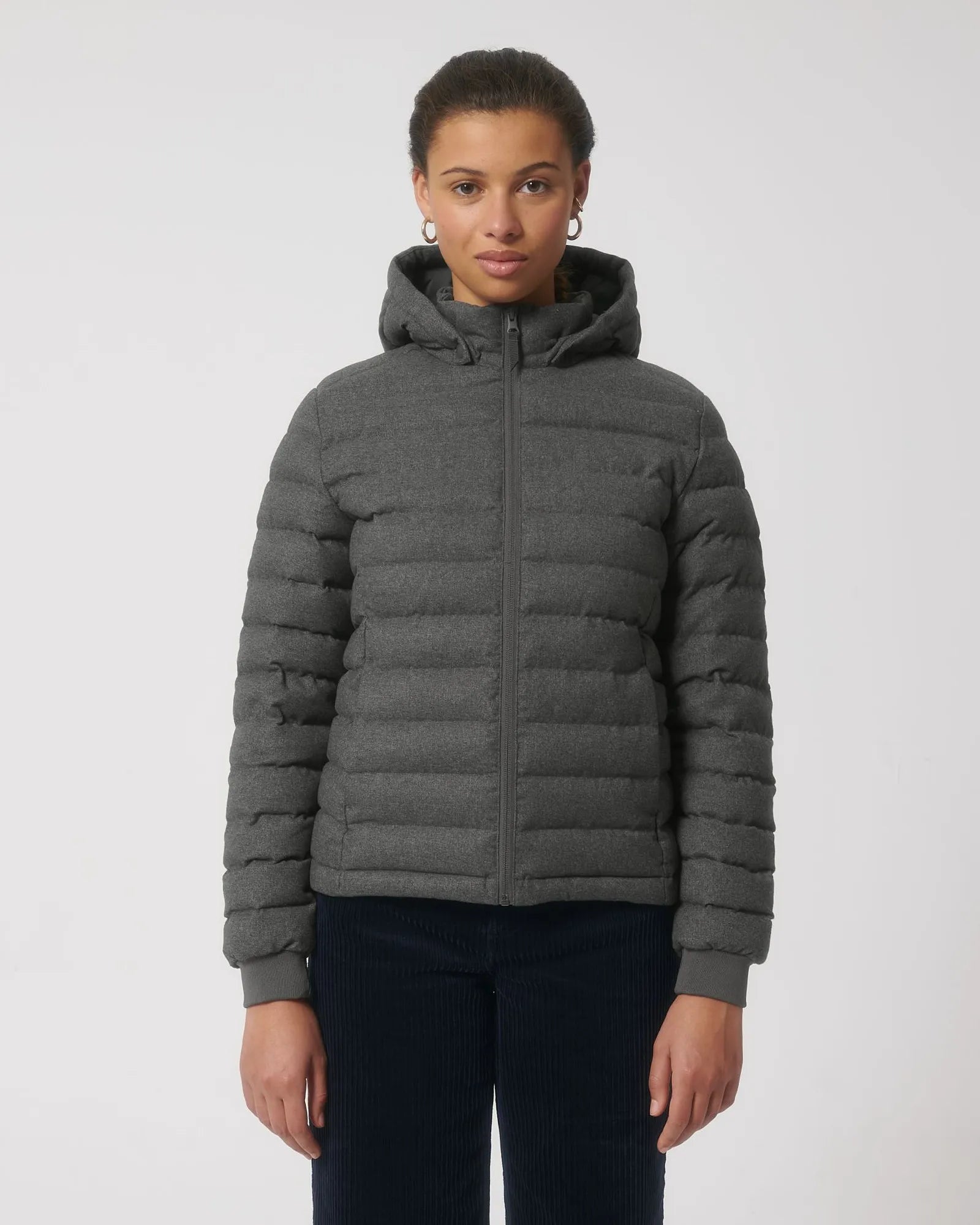
Outer garments break the gsm rule because their warmth comes from construction, not fabric weight alone. A bonded softshell or a padded jacket is rated by its layer build and fill, not a single number. Embroidered Jackets cover that outer tier, where a stitched chest logo sits on a weatherproof shell built for the field rather than the office.
Matching the Branded clothing cut to a mixed team
A Branded clothing order seldom dresses one body type, and on a varied team the cut counts for as much as the letter on the label. A loose unisex hoodie hides a rough guess, whereas a slim polo or a tailored women's tee exposes it, sitting tight in a spot a customer registers. Deciding the cut garment by garment, not order-wide, keeps the whole team easy in their kit and on-brand.
Fit also follows the garment's job. A street-team tee can run loose and unisex without anyone minding, but a client-facing polo benefits from offering a tailored and a women's block in the same shade. The range carries both cuts across most families, so a mixed workforce stays consistent without one shape imposed on every wearer.
Lighter long-sleeve identity garments are an easy place to offer a second cut, since they sit close to the body and a wrong fit shows. Embroidered Sweatshirts hold that softer mid-layer in unisex and tailored options, letting a desk team match without forcing one cut on everyone.
Sizing a Custom clothing order without over-ordering
The single biggest waste on a clothing order is a blind size guess. Order forty tees by eye and a buyer typically reorders a third within a fortnight, once the smalls run out and the XLs sit untouched. A short size survey before the order, even a quick headcount by band, pays for itself against that reorder almost every time.
Where a survey is impossible, the range rewards over-ordering the middle of the curve rather than the ends. Mediums and larges clear first across most adult populations, so weighting the run toward them and carrying a thin tail of the extremes wastes less than an even spread. This matters most on high-volume print runs where the unit cost is already low and a few spare common sizes cost little.
| Order type | Sizing approach | Spare to carry | Risk if skipped |
|---|---|---|---|
| Named team, known roster | Survey each wearer | Few middles | Reorder of mis-sized lines |
| Event handout, unknown crowd | Weight to M-L-XL | 10-15% middles | Smalls or XLs run dry mid-event |
| Mixed office floor | Offer unisex + women's cut | Both blocks | Tailored cut arrives snug |
| Annual reorder | Hold last year's curve | Top-up middles | Restarting the count from scratch |
Garment family changes the size sums too, because brands cut differently and a medium in one line is a large in another. Reading each collection's own size chart rather than assuming a universal medium is the habit that keeps a clothing order wearable on day one.
Finishing a Branded clothing set with caps and headwear
A Branded clothing set seldom ends at the shoulders. A drive-up crew, a stall team or a stand crew finishes its look with a hat that sits the logo at head height. The headwear is often the lowest-cost branded item per head on the whole order. That last piece is what reads a loose group as one identifiable team from across a venue.
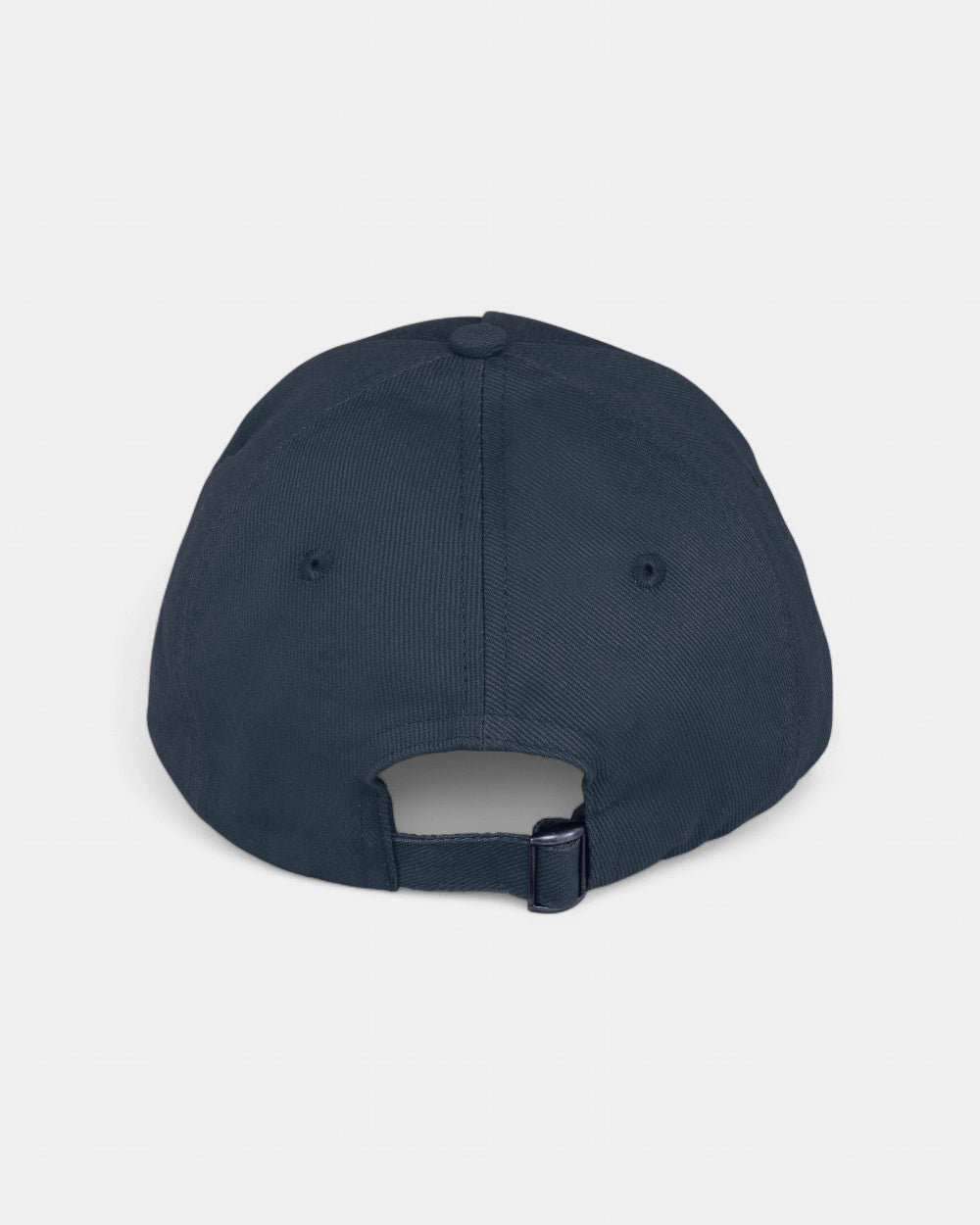
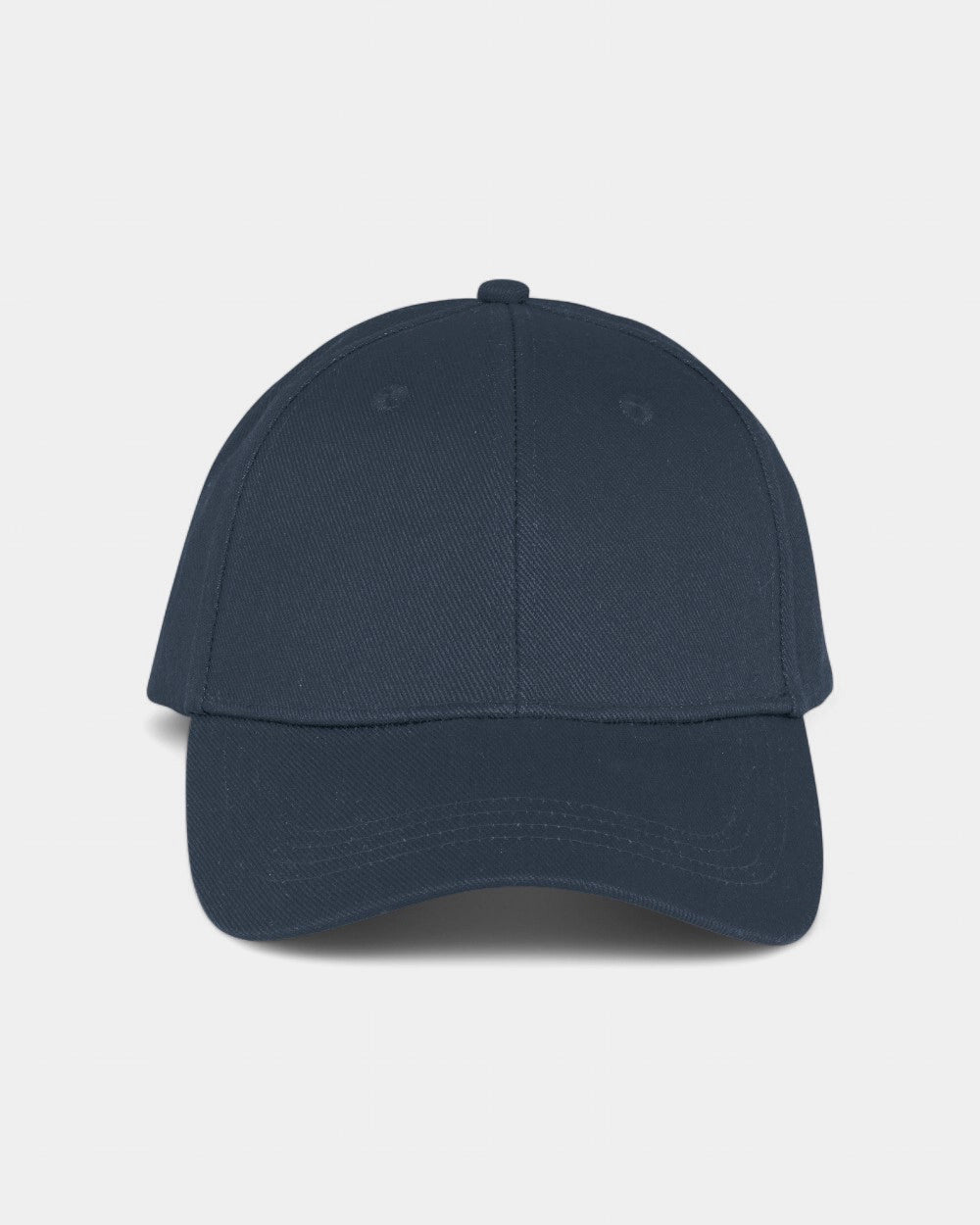
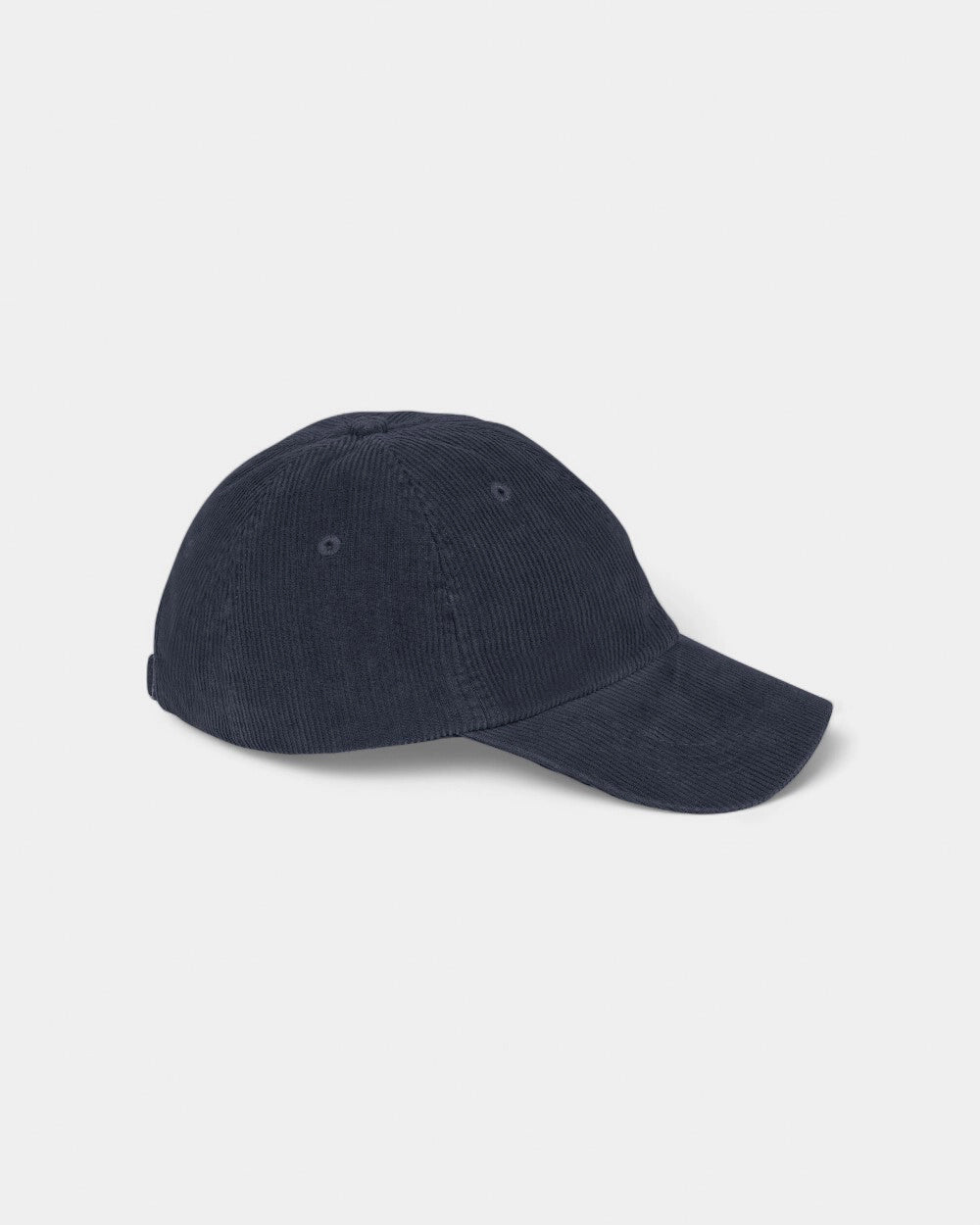
Custom caps hold a stitched front that ties back to the tops you have already chosen. Set the cap shade to the garment most of the team wears, not to the logo itself, and the kit holds together visually. A rigid front carries fine stitch detail more cleanly than a soft-crown style, worth noting on a busy mark.
Where a Promotional clothing hub ends and a product page begins
This page plans the clothing brief across garment types and then routes you down; it is deliberately not a product page and does not rebuild one. Use it to decide which garment family, which weight band and which decoration method your audience needs. Then follow the link into the collection that holds the exact base, the full size chart and the per-line spec.
The split matters because a category decision and a product decision are different jobs. Choosing a hoodie over a tee for a winter crew happens here. Choosing the precise 330 gsm base, the colourway and the back-print dimensions happens on the hoodie collection. Treat the linked ranges as the spec sheets that finish the brief this hub starts.
Planning at hub level also keeps a multi-garment order coherent. A buyer who decides the garment families, the weight bands and the decoration split here can then brief each collection against a single shared identity. The result is a custom clothing order where the tee, the polo and the hoodie still read as one set. Each base, size chart and print spec is confirmed on its own product page, yet the identity holds across them.
Stating fabric content and eco credentials on your Branded clothing
A sustainability clause in a tender is answered per garment, on the data sheet attached to each base, never by one label stretched over the whole clothing range. Fibre make-up shifts from line to line: a given tee might be certified-organic cotton where the sweat beside it is a recycled-poly mix. That percentage is stated on each product's own page, and that page is the document a buyer hands to an auditor.
When the rule is non-negotiable, draw the clothing shortlist from bases that already declare the make-up you require, and confirm only after those numbers are logged. Because shades are matched across the tee, polo and knit families, swapping to a qualifying base rarely disturbs the wider look the order carries.
Use cases for Custom clothing by sector
Each sector leans on a different garment, and naming the buyer first settles the brief faster than scrolling the range. A hospitality venue dresses front-of-house in branded polos. A construction firm needs warm, hard-wearing outer layers on site. An events agency over-orders printed tees for a one-day crowd. The garment family follows the work, not the other way round.
Promotional clothing earns its keep when it suits the day the team actually faces. A retail launch wants a loud printed tee that reads across a busy floor. A professional services firm wants a neat embroidered polo seen at conversation range. A logistics depot wants a heavy hoodie a crew keeps wearing through a cold shift. The table sets out the common pairings.
| Sector | Typical garment | Why it fits |
|---|---|---|
| Hospitality and retail | Embroidered polo | Tidy collared look at customer range |
| Construction and field | Fleece, softshell jacket | Warmth and durability on site |
| Events and festivals | Printed tee | Loud, cheap, high-volume visibility |
| Professional services | Polo, soft-shell | Considered finish for client-facing staff |
| Logistics and warehouse | Heavyweight hoodie | A keeper layer worn off-shift too |
Most real orders cross two sectors at once, which is why the range is built to mix garment families under one logo. A venue might pair polos for the floor team with hoodies for the back-of-house crew. Holding one shade and one mark across the families keeps a split order reading as a single, deliberate kit rather than a set of unrelated buys.